Sacred Destinations
Manipur
3Sacred Sites
4Major Temples
Manipur, in the northeastern hills along the Myanmar border, developed a distinctive Vaishnava tradition under the Meitei kings of the Ningthouja dynasty from the 17th century onward. The state's sacred sites include the Shree Govindajee Temple in the Imphal Fort, the ISKCON temple at Uripok, and the ancient Vishnu temple at Bishnupur. Manipur's religious identity represents a synthesis of Gaudiya Vaishnavism with indigenous Meitei worship of Sanamahi and the Umang Lai forest deities.
Quick Facts
Capital
Imphal
Population
3.22 million
Area
22,327 km²
Languages
Meitei (Manipuri), English
Best Time to Visit
November to February
Major Pilgrimage
Govindajee Temple, Bishnupur, ISKCON Uripok
Temple Style
Bengali chala (modified)
UNESCO Count
0
Major River
Imphal, Barak, Manipur
Highest Peak
Mount Koubru (2,565 m)
Why Visit Manipur
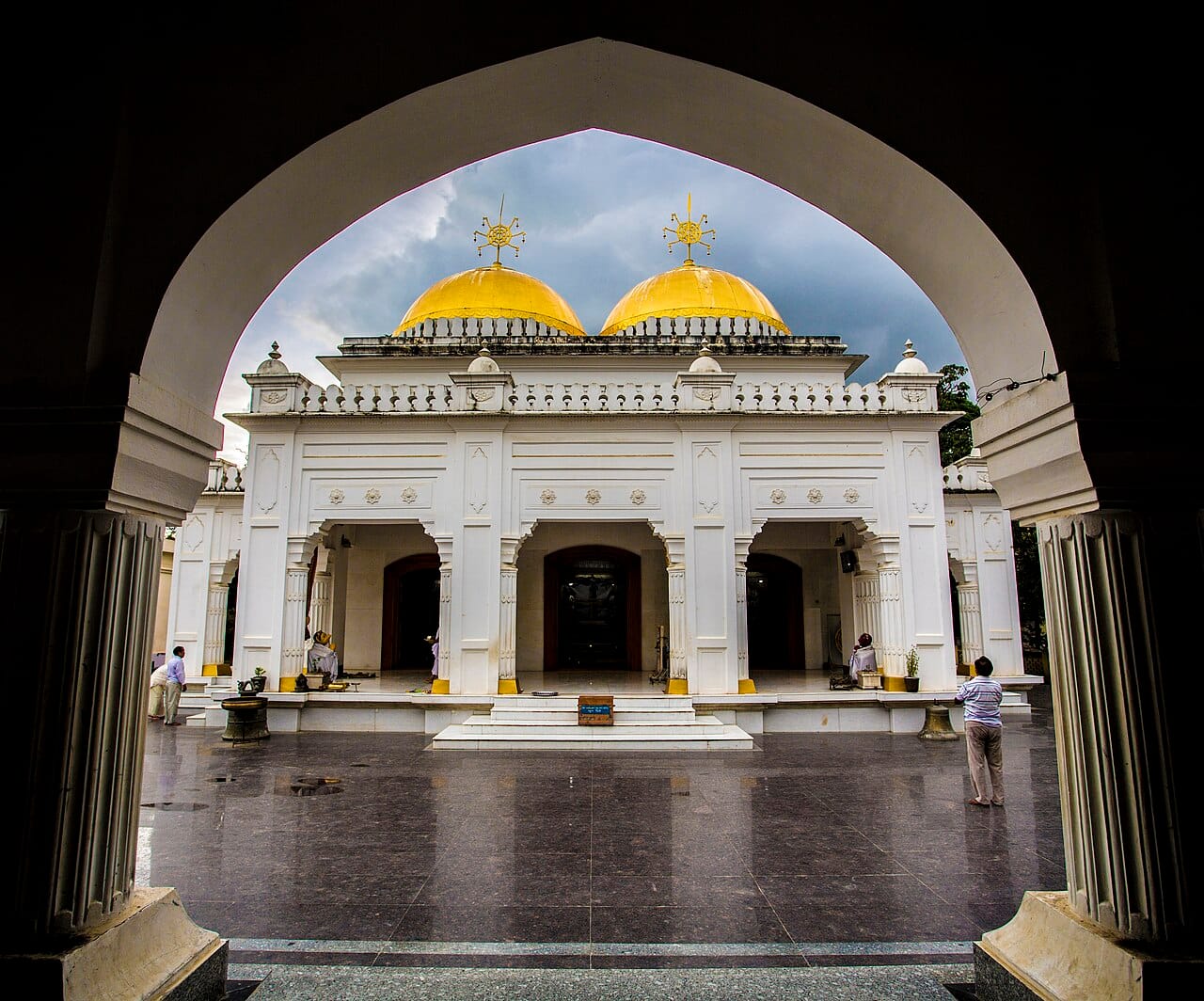
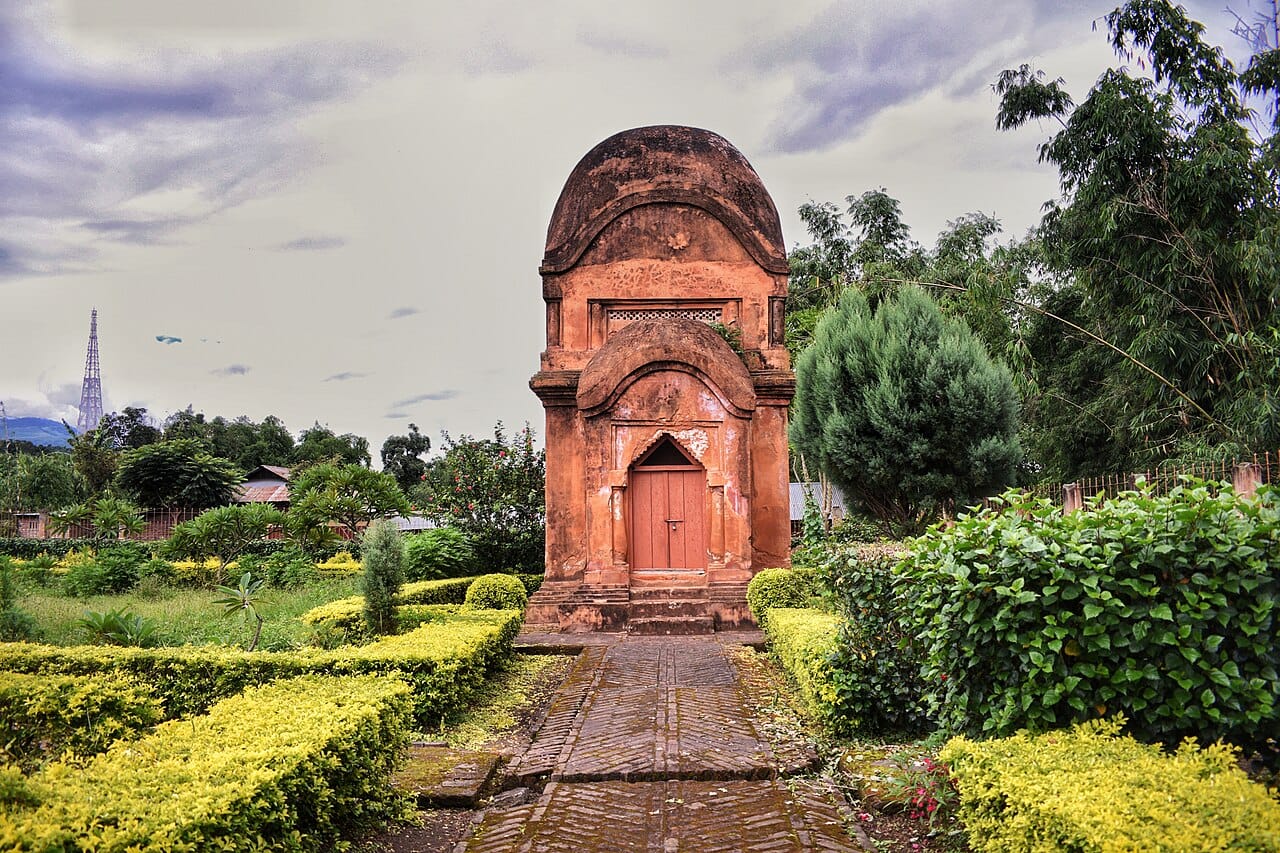
The religious framework of Manipur operates at two levels: the formal Vaishnava temple tradition centered on Govindajee and the indigenous Sanamahi belief system. The Meitei king Pamheiba (Garib Niwaz) declared Vaishnavism the state religion in 1717 CE after initiation into the Chaitanya sect, commissioning the first Govindajee temple in 1724 CE. The temple houses a black stone idol of Krishna alongside idols of Radha and the gopis. Bishnupur village contains a 15th-century brick temple marking the earliest phase of Vaishnavism in the valley.
The Govindajee temple is the principal religious institution of the Manipur royal family and the symbolic center of Meitei cultural identity. The temple's idol is historically connected to the deity worshipped by Chaitanya Mahaprabhu, brought from Bengal by the Manipuri king. The Govindajee temple serves to preserve Meitei identity through its distinct art and architectural legacy.
Temple Categories
Featured Sacred Places
Pilgrimage Circuits
Imphal Valley Vaishnava Circuit
32 temples32 major Vaishnava temples centered on Govindajee in the Imphal Valley.
Shree Govindajee TempleRamji Temple BrahmapurNityananda Temple Bamon KampuChaitanya Temple Konung Mamang
Bishnupur Circuit
3 templesVishnu Mandir at Bishnupur and Shri Govinda temple at Moirang on Loktak Lake.
Vishnu Mandir BishnupurShri Govinda Temple Moirang
The Govindajee temple is the central node of a valley-wide circuit connecting 32 major Vaishnava temples in the Imphal Valley. The Bishnupur-Pichatla circuit extends south to the Vishnu Mandir at Bishnupur and the Shri Govinda temple at Moirang.
Temple Architecture
The Govindajee temple is built in a modified Bengali chala style adapted to Manipuri climate, with a raised plinth, a domed central shrine, and two identical side domes covered with corrugated iron sheets. The complex has a 45-by-30-meter paved courtyard surrounded by a brick wall with four entrance gates. The black stone deity of Govindajee stands 1.2 meters high in a silver-plated altar alcove.
Historical Timeline
15th c.Meitei
Bishnupur brick temple built, marking earliest Vaishnavism in the Manipur valley.
1717Ningthouja
King Pamheiba (Garib Niwaz) declares Vaishnavism the state religion.
1724Ningthouja
First Govindajee temple commissioned in Imphal Fort.
1779Ningthouja
Maharaja Rajarshi Bhagyachandra introduces Ras Leela dance tradition.
1850-1886Ningthouja
Current Govindajee Temple structure built with twin domes by Maharaja Chandrakriti Singh.
Temple Statistics
32
Vaishnava Temples
In the Imphal Valley circuit
15th c.
Oldest Temple
Bishnupur Vishnu Mandir
Vaishnavism
State Religion
Declared 1717 CE
5
Ras Leela Variants
Maha, Basanta, Kunja, Nitya, Dolotsav
Festivals
Maha Ras Leela
November-DecemberShree Govindajee Temple
1 night
All-night dance-drama by Meitei dancers in the temple courtyard depicting the gopis' devotion to Krishna on Kartika full moon.
Janmashtami
August-SeptemberShree Govindajee Temple
1 day
12-hour continuous kirtan; 108 pots of water offered to the deity.
Cheiraoba
AprilShree Govindajee Temple
1 day
Meitei New Year combining Vaishnava rituals with indigenous Meitei offerings.
The Ras Leela festival, introduced by Maharaja Rajarshi Bhagyachandra in 1779 CE, is the most distinctive Manipuri temple festival, encompassing five variants: Maha Ras, Basanta Ras, Kunja Ras, Nitya Ras, and Dolotsav. The Maha Ras (November-December) involves an all-night dance-drama by Meitei dancers depicting the gopis' devotion to Krishna. Janmashtami features a 12-hour continuous kirtan with 108 pots of water offered to the deity.
Travel Guide
Best Time
November to February (4-22°C)
Climate
Monsoon 1,300 mm; mild winters
Nearest Airport
Imphal (IMF)
Railway
Imphal (2024 connection)
Road
NH-2, NH-37
Local Transport
State buses, taxis, auto-rickshaws
Temple Etiquette
Remove footwear; modest dress
Suggested Duration
3-5 days for key sites
Nearby Attractions
Lake
Loktak Lake
Largest freshwater lake in northeastern India (287 km²); Keibul Lamjao floating national park for the endangered sangai deer.
Heritage
Kangla Fort
Ancient seat of Manipur's rulers with 17th-century palace ruins and Kangla Sha megalithic guardian figures.
Memorial
India Peace Memorial
Commemorates the 1944 Battle of Imphal, the largest World War II battle on Indian soil.
Interesting Facts
01
Manipuri Ras Leela is performed exclusively on temple premises as a liturgical dance — a distinction legally protected by the Manipur Temple Entry Act.
02
The Govindajee Temple's library houses palm-leaf manuscripts (puyas) written in the Meitei Mayek script, documenting pre-Hindu cosmology and dynastic histories.
03
The Sanamahi religion maintains household shrines in most Meitei homes that coexist alongside Vaishnava altar spaces — a dual religious practice unique to Manipur.
Frequently Asked Questions
Established by King Pamheiba in 1724 CE after he adopted Gaudiya Vaishnavism. The royal family remains the hereditary trustee, and Meitei coronation ceremonies still include the ruler offering puja at Govindajee.
It is performed exclusively on temple premises as liturgical dance, not stage performance. Dancers wear a stiff cylindrical skirt (potloi) with a transparent white veil, and movements are circular rather than linear.
The Sanamahi religion maintains household shrines alongside Vaishnava altars. The Umang Lai tradition involves worship of forest deities in 364 sacred groves across the valley, legally protected since 1993.
Sources & References
These records back the history, architecture, temple listings and visitor guidance published on this Manipur page.
Archaeological Survey of India
Archaeological Survey of India — monument records and conservation reports
Protected-monument status, dating, architectural classification and conservation records for the temples and monuments named across this Manipur guide.
Primary archaeological record
Open source (opens in a new tab)Ministry of Tourism, Government of India
Ministry of Tourism — official destination information
Official Government of India visitor information, access routes and pilgrimage circuits for Manipur.
Government record
Open source (opens in a new tab)Manipur Tourism
Manipur Tourism — official destination portal
State visitor information — temple timings, access routes and pilgrimage circuit details cited on this page.
Government record
Open source (opens in a new tab)
— every record linked above was re-requested for this release, so the link still resolves and the publisher still serves the document. It is a link check, not a re-verification of every sentence on this page.
Missing something, or found an error? Send us a correction with the record that supports it, or read how we choose sources.