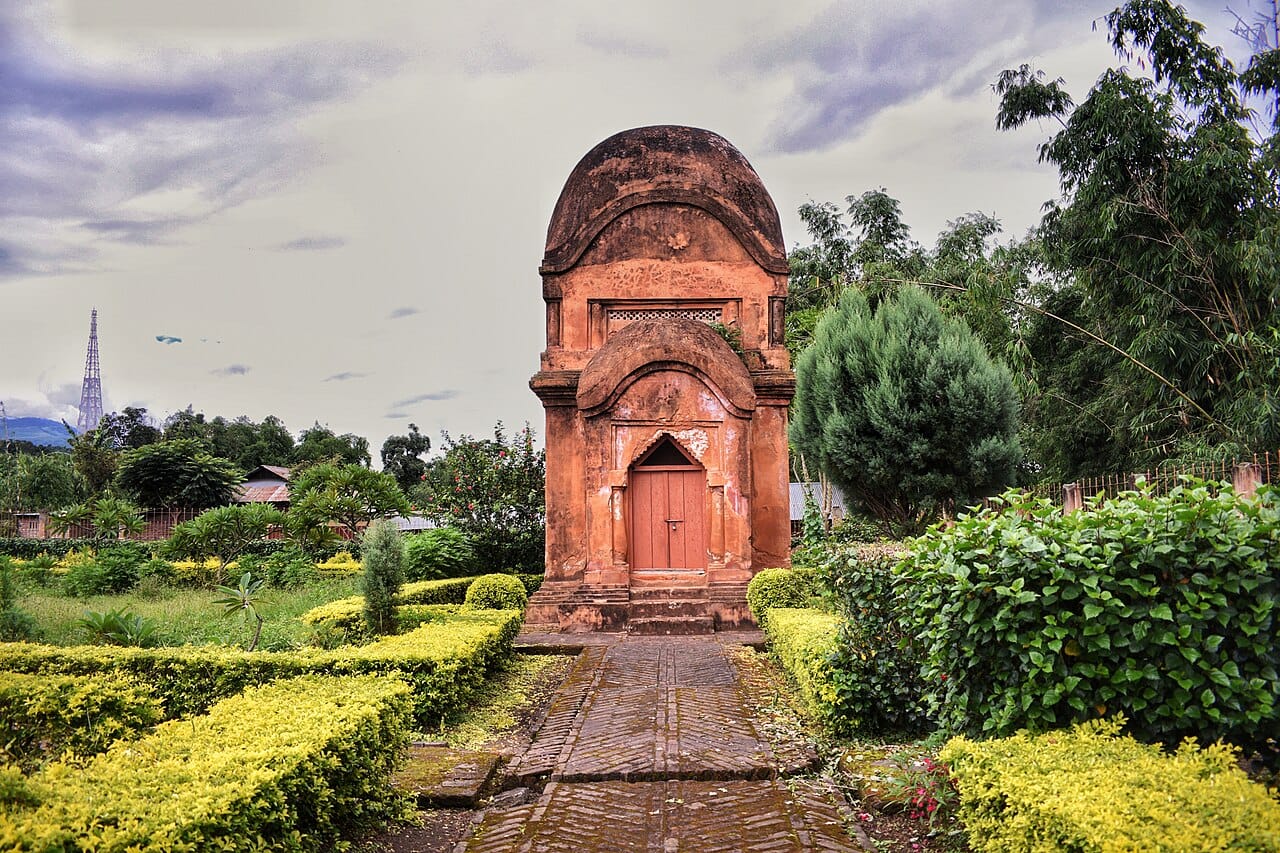
The temple was built in 1467 AD by King Kyamba after he emerged victorious in a significant battle. According to historical chronicles, the king had a vision of Lord Vishnu who instructed him to build a temple. The construction of this temple marked a pivotal moment in Manipur's religious history, as it was one of the first major Hindu temples established in the region, helping to spread Vaishnavism among the Meitei people.
Sacred Heritage
Vishnu Temple
Bishnupur, Manipur
State:Manipur
District:Bishnupur
Why This Temple Matters
Key Takeaways
- Dedicated to Lord Vishnu
- Rare Brick Hut Style with Manipuri-Bengali fusion architecture
- Built by the Kyamba (1467 AD) dynasty
- Located in Bishnupur, Manipur
- Temple timings: 5:00 AM to 8:00 PM daily.
Quick Facts
- Location
- Bishnupur
- Presiding Deity
- Lord Vishnu
- Architecture
- Rare Brick Hut Style with Manipuri-Bengali fusion
- Dynasty
- Kyamba (1467 AD)
- Timings
- 5:00 AM to 8:00 PM daily.
- Entry Fee
- Free
- Best Time
- October to March offers pleasant weather in Manipur. The temple is accessible year-round.
Overview
The Vishnu Temple in Bishnupur, Manipur, is the oldest surviving brick temple structure in the state. Constructed in 1467 CE during the reign of King Kyamba of the Meitei Ningthouja dynasty, the compact conical brick monument marks the historical introduction of Vaishnavite worship following a joint military campaign with the King of Pong (Upper Burma). The town of Bishnupur (historically Lumlangdong) takes its name from this protected Archaeological Survey of India (ASI) monument.
History & Legacy
Architecture
Key Features
The temple is built in a rare brick hut style, featuring a sloping roof characteristic of traditional Manipuri architecture combined with Bengali influences. The structure is constructed from locally fired bricks, a technique that was pioneering for its time in Manipur. The walls feature simple yet elegant decorative patterns, and the overall design reflects the transitional period of Manipuri architecture when Hindu temple building was first being introduced.
Religious & Cultural Significance
The Vishnu Temple is the oldest surviving brick temple in Manipur and holds immense historical importance as a symbol of the early Hindu-Meitei synthesis. The temple's architecture represents a unique fusion of Manipuri and Bengali styles, reflecting the cultural exchange between the two regions. The town of Bishnupur derives its name from this temple, indicating its central role in the region's identity.
Daily Rituals
Daily rituals follow traditional Vaishnavite customs. The temple performs morning and evening aartis with offerings of flowers and prasad. Sankirtan (devotional singing) is an integral part of the worship, reflecting the Manipuri Vaishnavite tradition.
Festivals & Celebrations
Festival
Janmashtami (Krishna's birthday) is celebrated with great enthusiasm. The temple also observes Ekadashi (the 11th day of the lunar cycle) with special prayers. Manipuri Ras Lila performances are occasionally held at the temple grounds during major festivals.
Interesting Facts
Oldest brick temple in Manipur, symbol of early Vaishnavism in Northeast India, rare brick hut architectural style
How to Reach & Visitor Tips
Bishnupur is 45 km from Imphal, accessible by taxi or bus. The temple is located in the town center and is easily reachable on foot. Modest attire is recommended. Photography is allowed.
Nearby Attractions
Loktak Lake (30 km), the largest freshwater lake in Northeast India. Keibul Lamjao National Park (35 km), home to the endangered Sangai deer. Ima Keithel (Mother's Market) in Imphal (45 km). Kangla Fort (45 km) in Imphal. Shri Shri Govindajee Temple (45 km) in Imphal.
Frequently Asked Questions
Why is the town called Bishnupur?
A.
The town is named after Lord Vishnu (Bishnu in Manipuri) and this temple is the source of the name.
How old is the Vishnu Temple?
A.
It was built in 1467 AD by King Kyamba, making it over 550 years old.
What is unique about the architecture?
A.
It features a rare brick hut style that blends traditional Manipuri and Bengali architectural elements, one of the earliest examples of brick construction in Manipur.
Answers are based on verified information. Site rules may change — verify locally before visiting.
Sources & References
Links Last Checked
30 September 2026
Related Temples
Same State
Same Tradition
Rasmancha Bishnupur
The oldest 17th-century brick structure in Bishnupur, unique for its massive pyramidal roof and arched…
Jor-Bangla Temple Bishnupur
Known for its 'twin hut' design and incredibly detailed terracotta panels depicting the Ramayana and…
Shyam Rai Temple Bishnupur
A five-towered terracotta temple famous for its circular friezes showing the Rasa-lila of Lord Krishna.
Dashavatara Temple
Dating to around 500 CE, this is the earliest known North Indian temple with a…
Shri Ram Janmabhoomi Mandir
A grand and historic temple marking the birthplace of Lord Rama, the seventh avatar of…
Prem Mandir
A stunning modern white-marbled complex in Vrindavan dedicated to Divine Love, known for its life-like…
Visiting as an International Traveller
Foreign visitor information is being researched
Please verify with the official authority for this site before planning your visit.
Entry Status
Foreign Visitors
Verify Before VisitingVisitor Information
Entry policies are set by each site — confirm before travelling.
Entry rules for international visitorsWho can enter, permits, and what to expect at the gate.Dress Code
Modest clothing is expected — a sign of respect, not a restriction.
Shoulders covered
Knees covered
Shoes removed before entry
Head covering (women)
Rain gear available
Warm layers (winter)
Photography Guide
Outside
Inside
Flash
Drone
Tripod
Commercial
Best Time to Visit
Peak Season
October to March offers pleasant weather in Manipur. The temple is accessible year-round.
Moderate to High — comfortable weather
Summer
April — June
Low — hot plains, pleasant hills
Monsoon
July — September
Low — lush landscape, travel delays possible
Language & Communication
Understanding Temple Traditions
These short explanations help make sense of what you see and experience.
Tips for International Visitors
Temple vocabulary and ritualsDarshan, pradakshina, prasadam, aarti, hundi and mandapa.Currency, donations and queuesCash, UPI, donation etiquette and how long entry queues take.Photography etiquetteSignage, flash, selfie sticks and photographing other visitors.Festival crowds and safetyAdvance booking, road closures, belongings and offline maps.
Essential Contacts
Police / Ambulance / Fire: 112 (National Emergency Number)
Tourist Helpline: 1800-111-363 (Multi-lingual, Ministry of Tourism)
Women's Helpline: 1091
Travel Preparation Checklist
Packing Checklist for Vishnu Temple
Continue Reading
Rules change — confirm current policies with the site's authority before you travel.
Site-verified visitor data pending. See our sources and methodology.
By Naveen singh negi
Updated: July 2026
Related:Manipur TemplesLord VishnuRare Brick Hut Style with Manipuri-Bengali fusionKyamba (1467 AD)Methodology
Manipur
Kyamba (1467 AD)
Famous Temple
Explore More Sacred & Heritage Sites
Related heritage monuments, regional traditions, and pilgrimage connections.
UNESCO Temple Heritage Sites
UNESCO 1987Cultural Heritage
Tamil Nadu
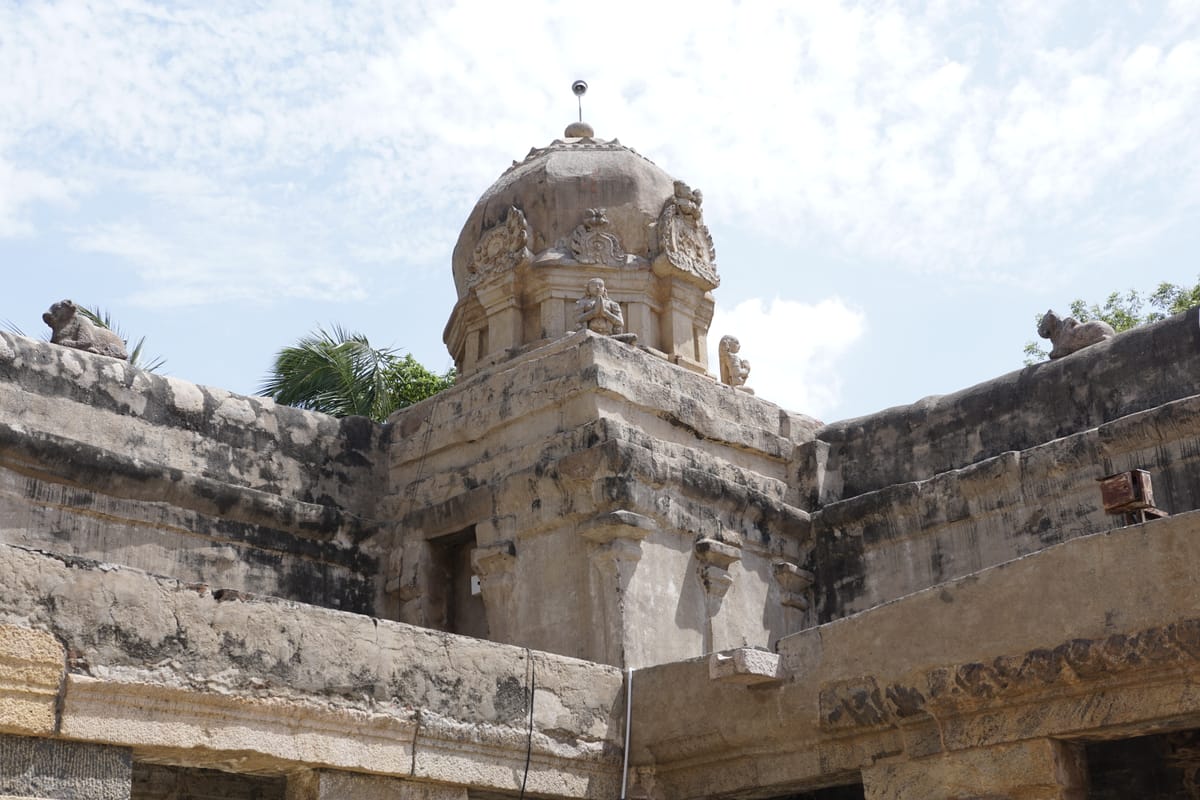
Great Living Chola Temples — Brihadeeswarar Temple
The principal temple of the Great Living Chola Temples UNESCO site, a masterpiece of Dravidian…
Explore Temple
UNESCO 1986Cultural Heritage
Madhya Pradesh
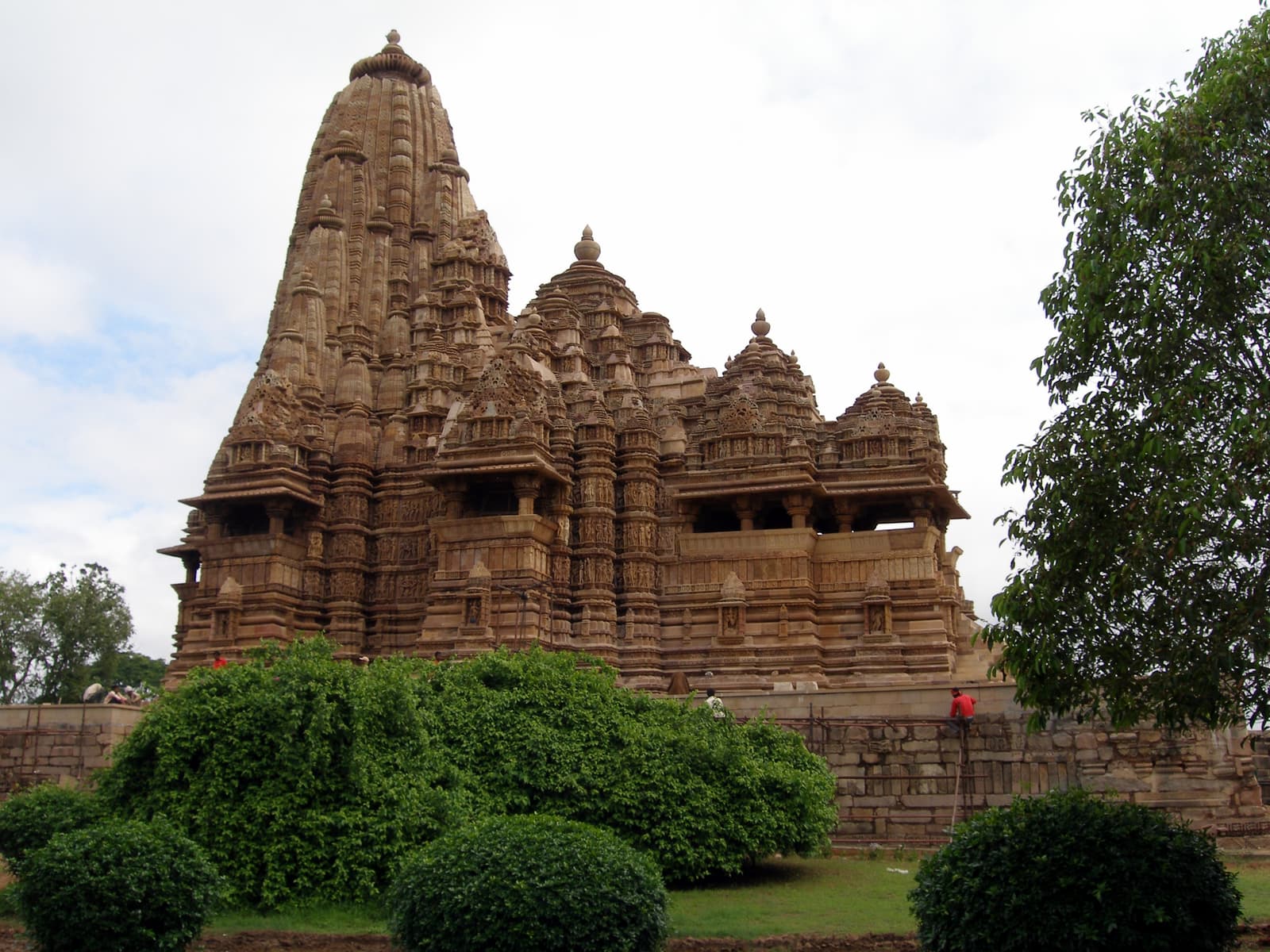
Khajuraho Group of Monuments
The largest and most ornate Hindu temple in the Khajuraho Group of Monuments.
Explore Temple
UNESCO 1984Cultural Heritage
Odisha
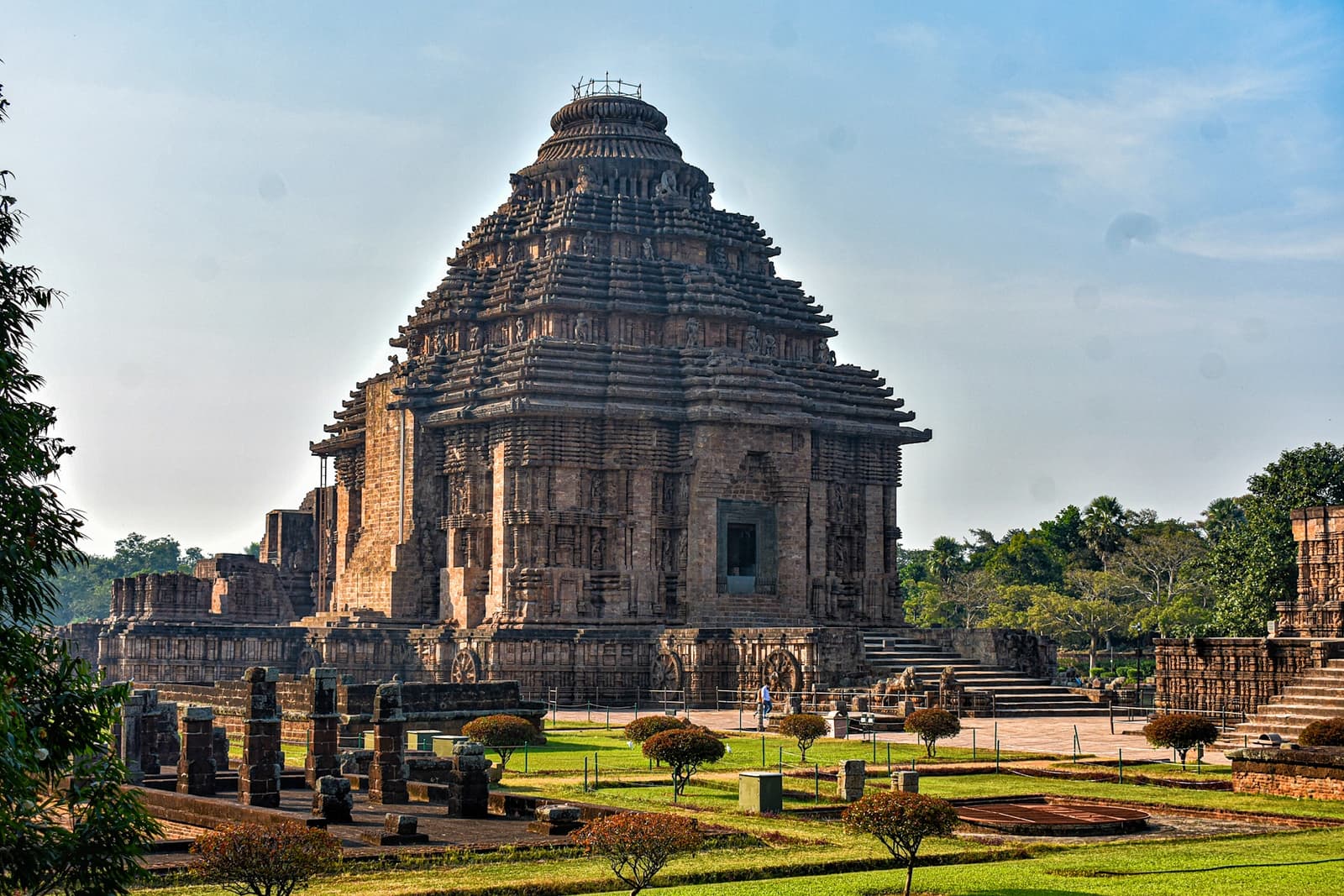
Sun Temple, Konark
A 13th-century Sun Temple built as a giant stone chariot with 24 wheels, drawn by…
Explore Temple
UNESCO 1986Cultural Heritage
Karnataka
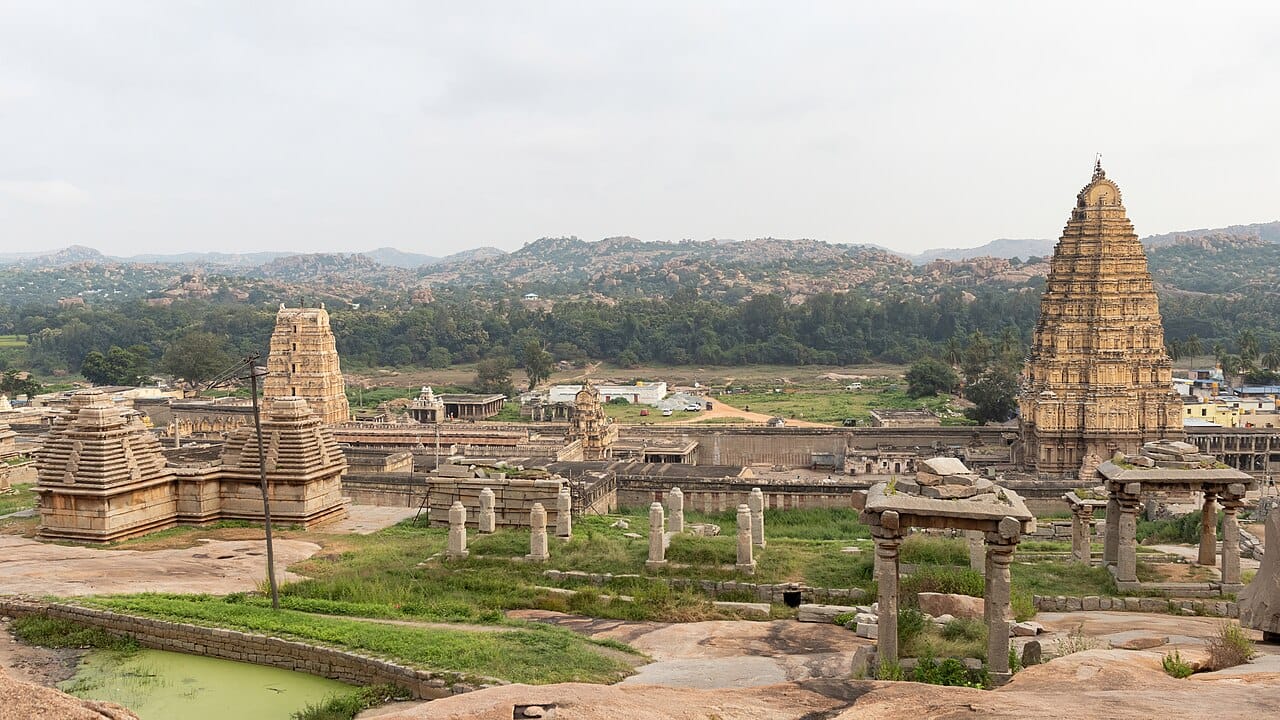
Hampi Group (Virupaksha Temple)
The Virupaksha Temple is the most iconic monument of Hampi, a UNESCO World Heritage site…
Explore Temple
Famous Temples You May Like
Manipur
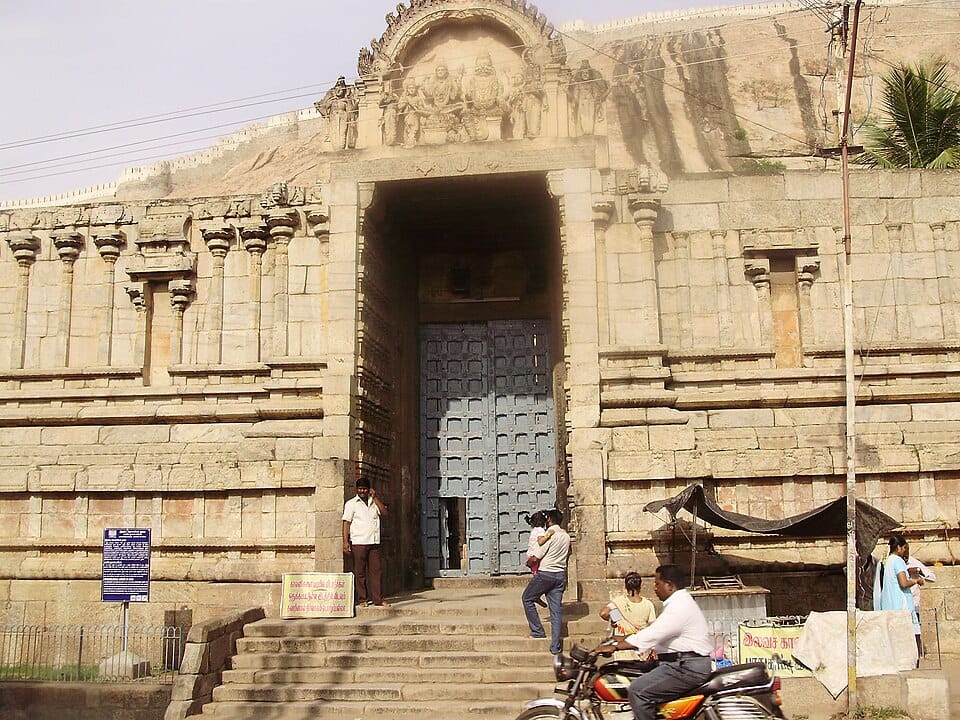
Mahabali Temple
An 18th-century temple dedicated to Lord Hanuman, situated within the sacred 'Mahabali Umang' grove along…
Explore Temple
Manipur
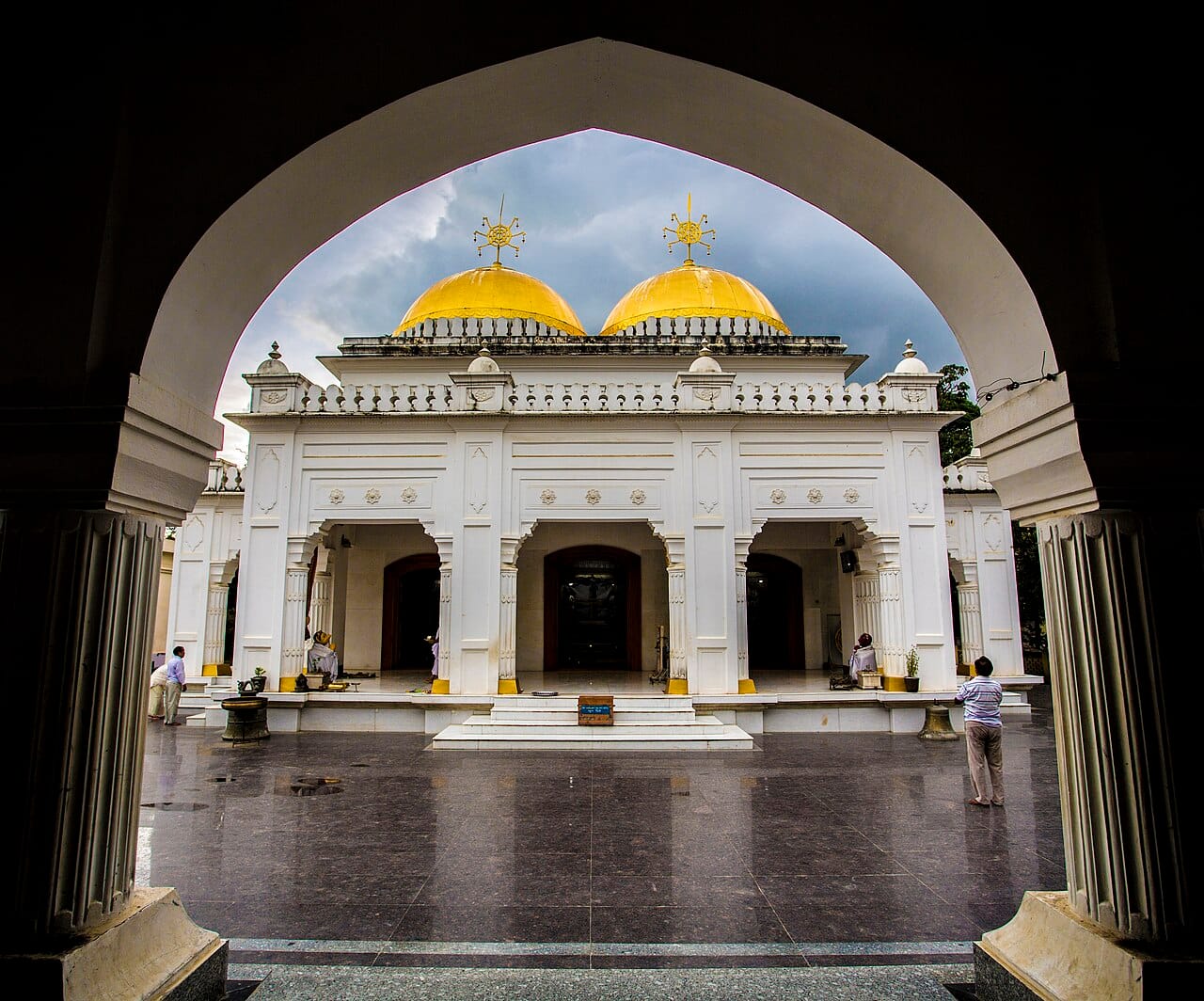
Shree Govindajee Temple
Explore Temple
Uttarakhand
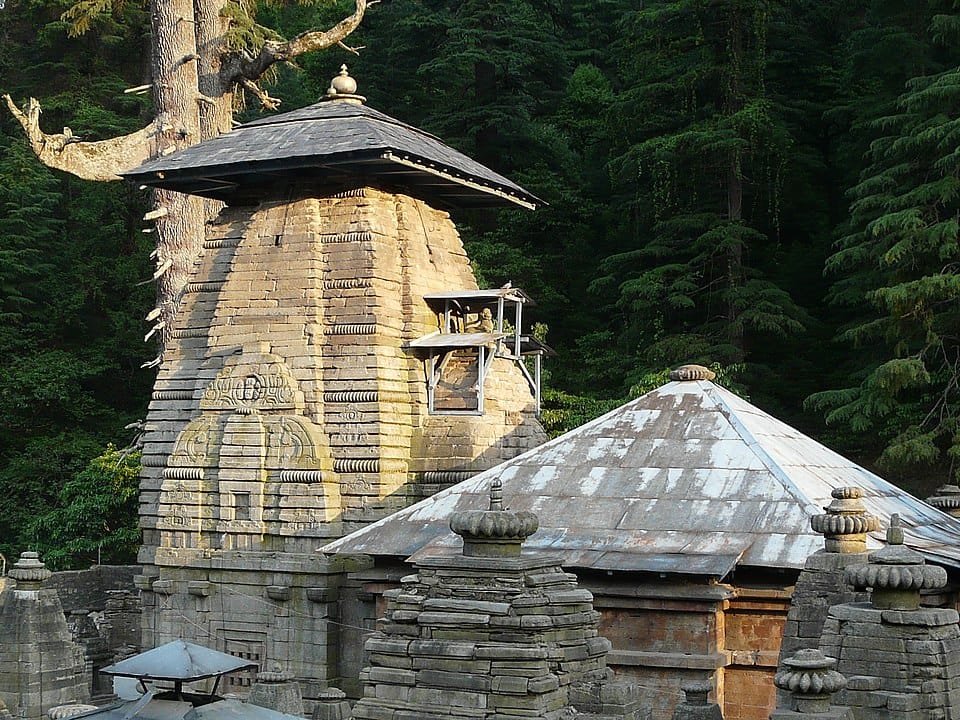
Jageshwar Temple
A cluster of 124 ancient stone temples from the 7th-12th centuries, situated in a dense…
Explore Temple
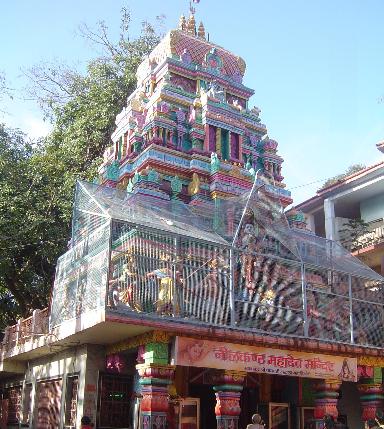
Uttarakhand
Neelkanth Mahadev Temple
Situated at 1,330 meters, this is where Lord Shiva is believed to have consumed the…
Explore Temple
Heritage Fact
"The Jagannath Temple in Puri is famous for its annual Ratha Yatra, where three massive wooden chariots are pulled by thousands of devotees."