Sacred Destinations
Bihar
6Sacred Sites
2UNESCO Heritage
7Major Temples
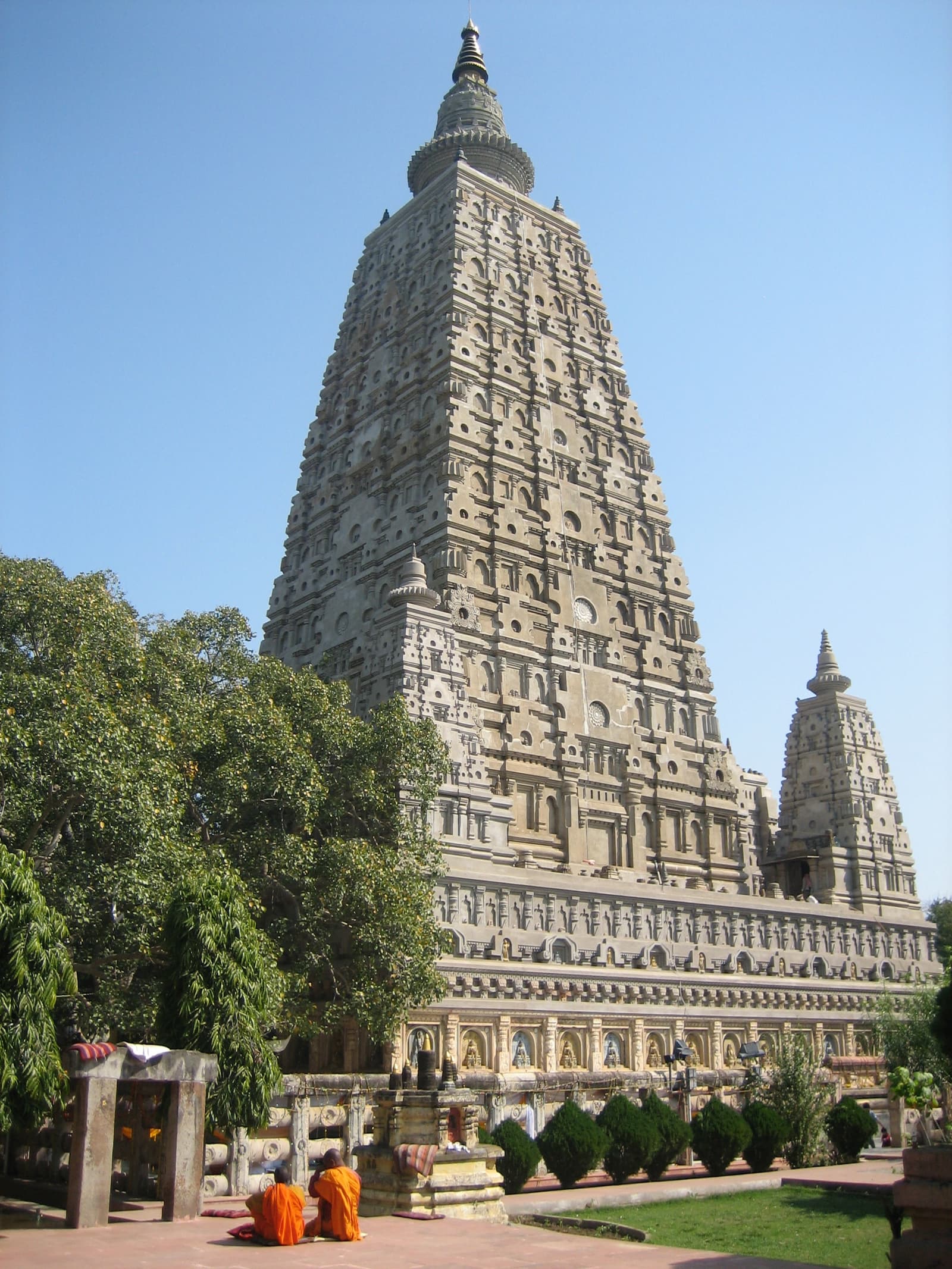
Bihar, in eastern India along the Gangetic plain, is the historic heartland of Buddhism and Jainism and a significant center of Hindu and Sikh heritage. The state contains the Mahabodhi Temple complex at Bodh Gaya, marking the site where the Buddha attained enlightenment in the 5th century BCE. Bihar's sacred landscape also includes the ancient universities of Nalanda and Vikramashila, the Jain pilgrimage centers of Pawapuri and Rajgir, and the Vishnupad Temple at Gaya.
Quick Facts
Capital
Patna
Population
124 million
Area
94,163 km²
Languages
Hindi, Bhojpuri, Maithili, Urdu
Best Time to Visit
November to March
Major Pilgrimage
Bodh Gaya, Nalanda, Rajgir, Pawapuri, Vishnupad
Temple Style
Gupta brick, Nagara
UNESCO Count
1 temple (Mahabodhi)
Major River
Ganges, Phalgu, Punpun
Highest Peak
Someshwar Hill (880 m)
Why Visit Bihar
Bihar's religious importance spans four major traditions. The Mahabodhi Temple, a UNESCO World Heritage Site, is the most sacred site in Buddhism. Pawapuri is where the Jain Tirthankara Mahavira attained nirvana in the 6th century BCE. Hindu sites include the Vishnupad Temple at Gaya, where pind daan rituals are performed, and the Sun Temple at Deo. The 16th-century Takht Sri Harmandir Sahib in Patna is one of the five Takhts of Sikhism.
The Mahabodhi Temple marks the location of the Buddha's enlightenment. The complex includes the Bodhi Tree, the Vajrasana (diamond throne), and a 55-meter main temple built by Emperor Ashoka and rebuilt in the 5th-6th centuries CE. Nalanda was the world's oldest residential university, operating from the 5th to 13th centuries. Pawapuri is where Mahavira attained moksha in 527 BCE.
Temple Categories
Featured Sacred Places

Bihar
Barabar Caves
The oldest surviving rock-cut chambers in India, excavated by Emperor Ashoka in the 3rd century BCE.
Explore Temple
Bihar
Mundeshwari Temple
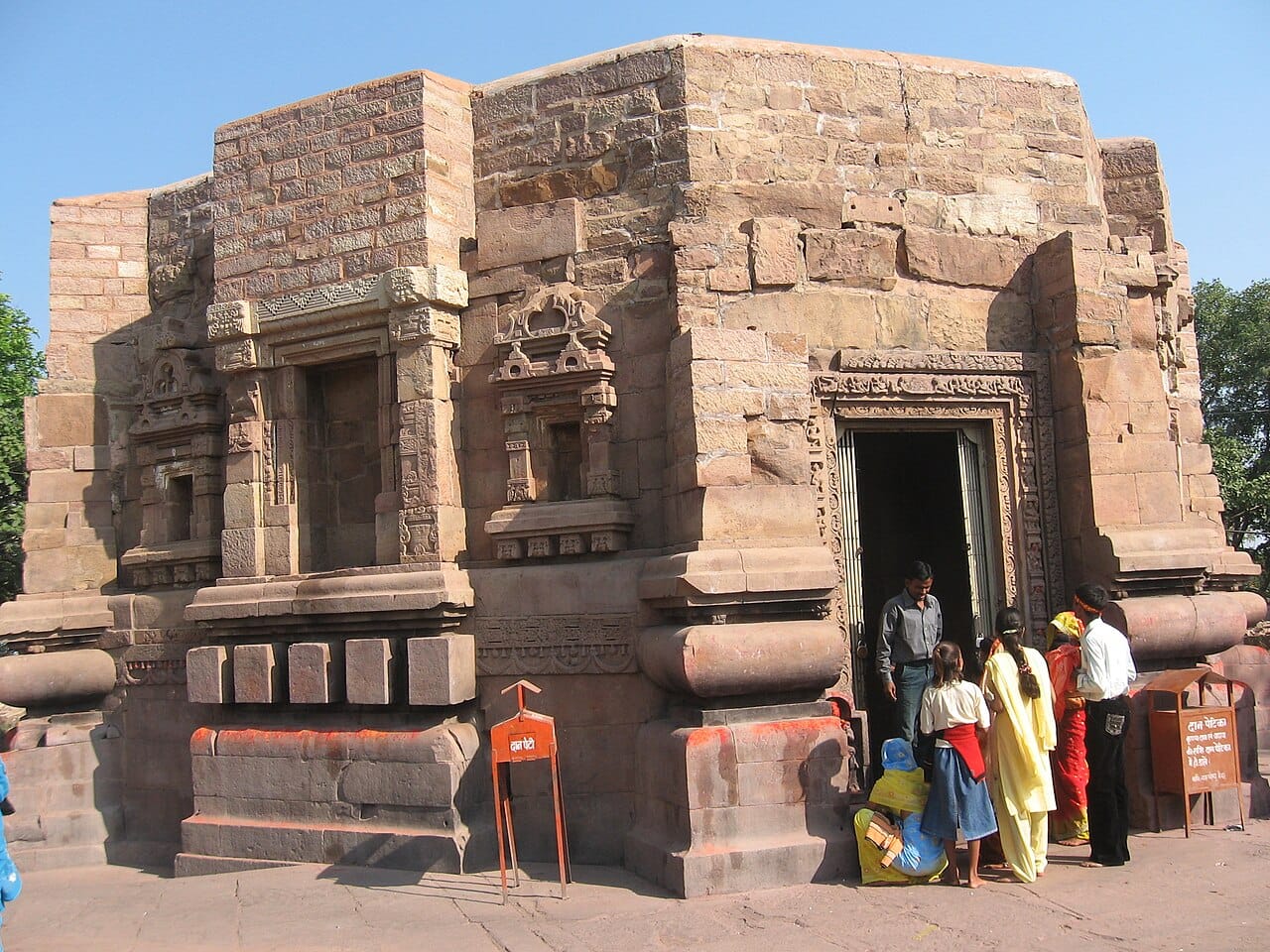
Often described as the oldest continuously functioning temple in India (claimed 108 AD; ASI plaque gives 635 AD), this ancient octagonal temple on Pawra Hill is known for its unique…
Explore Temple
Bihar
Vishnupad Temple
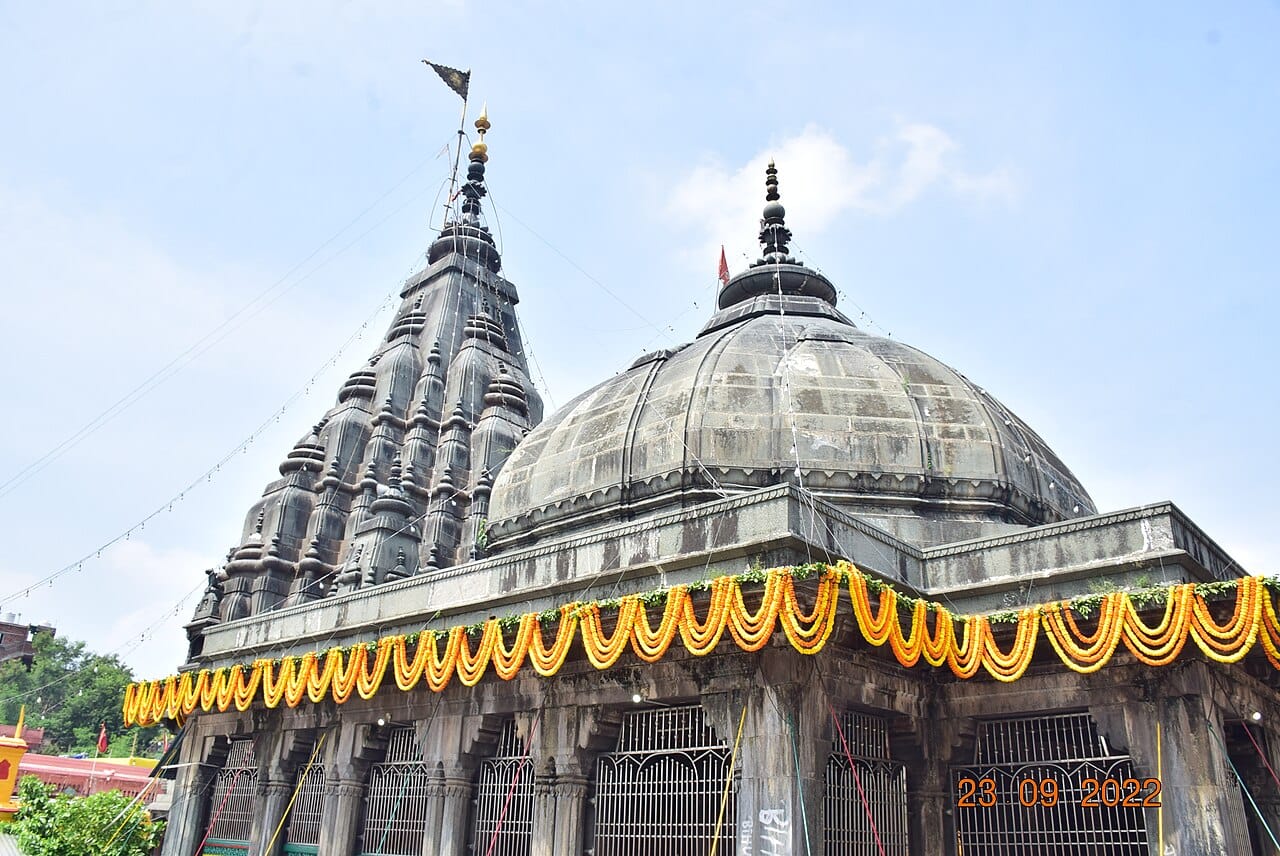
Famous for the 40cm footprint of Lord Vishnu imprinted on solid rock, a major center for Pinda Daan rituals.
Explore Temple
Bihar
Patan Devi Temple
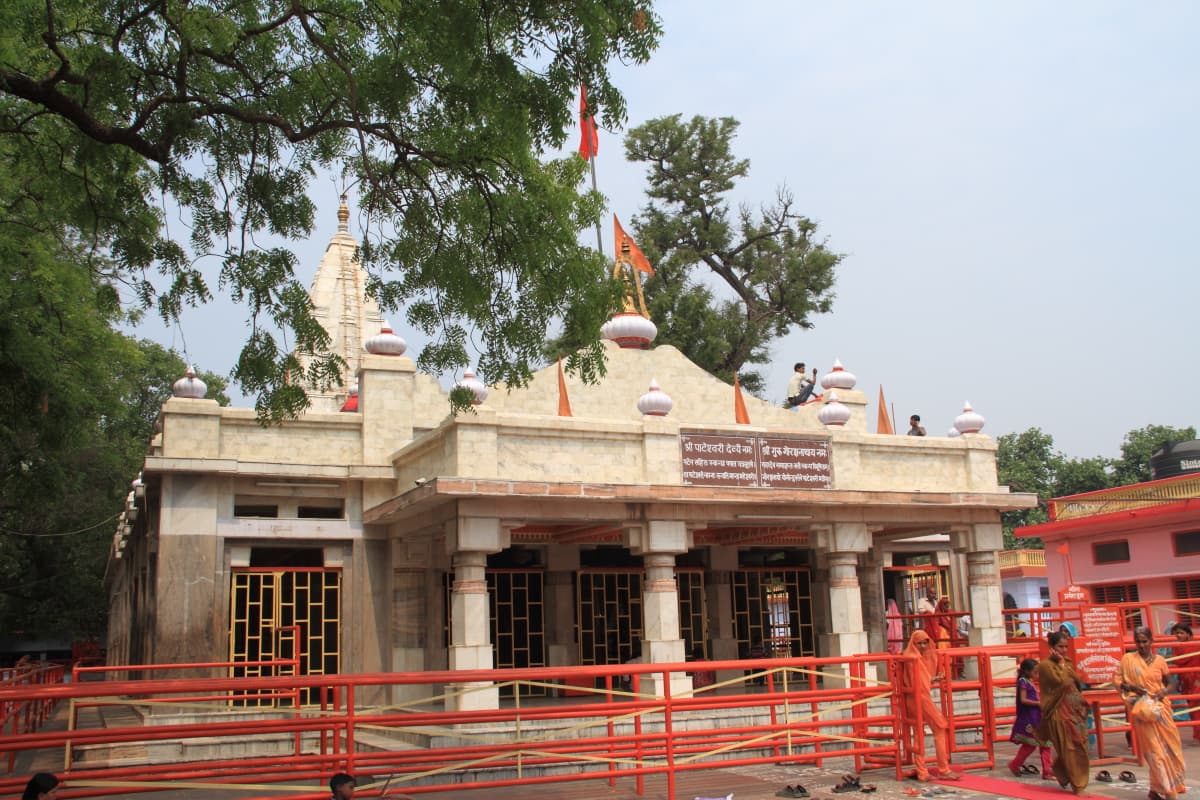
One of the 51 Shakti Peethas and the oldest surviving temple in Patna, believed to be where the right thigh of Goddess Sati fell.
Explore Temple
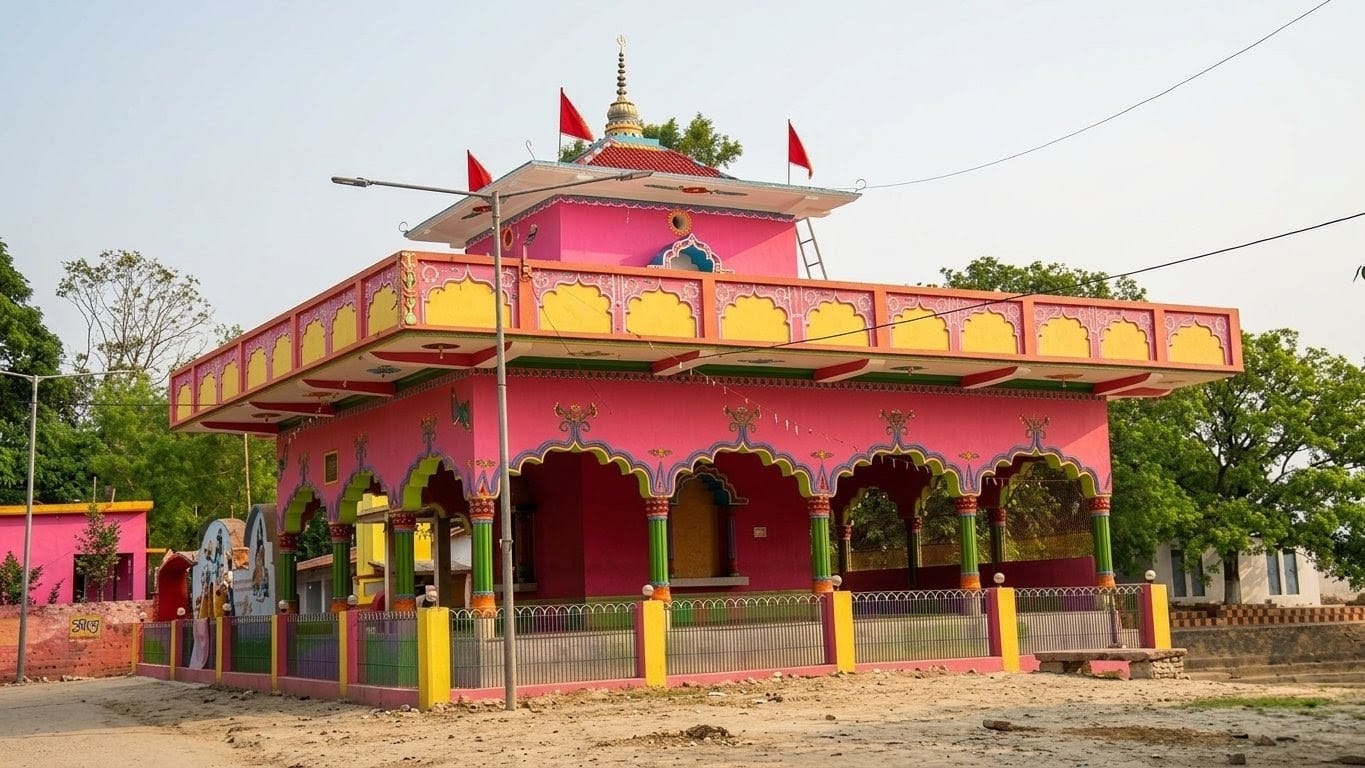
Bihar
Ahilya Asthan Temple
An ancient temple in Bihar dedicated to Ahilya, wife of Sage Gautama, believed to be the site where she was liberated from a curse by Lord Rama.
Explore Temple
UNESCO 2002Cultural Heritage
Bihar
Mahabodhi Temple Complex
A UNESCO World Heritage site marking the location where Siddhartha Gautama attained enlightenment and became the Buddha.
Explore Temple
Pilgrimage Circuits
Buddhist Circuit
4 templesBodh Gaya-Nalanda-Rajgir-Vaishali, the core pilgrimage route of Buddhism.
Mahabodhi TempleNalanda UniversityRajgirVaishali Ashokan Pillar
Jain Circuit
3 templesRajgir-Pawapuri, covering Mahavira's final teachings and nirvana site.
Pawapuri Jal MandirRajgir Jain CavesSon Bhandar
The Buddhist pilgrimage circuit (Lumbini-Bodh Gaya-Sarnath-Kushinagar) forms the core of travel to Bihar. The Jain circuit includes Rajgir and Pawapuri. The Hindu circuit covers Vishnupad Temple, Deo Sun Temple, and Patna's Mahavir Temple. Sikh pilgrims visit Takht Sri Harmandir Sahib, the birthplace of Guru Gobind Singh.
Temple Architecture
The Mahabodhi Temple is a 55-meter pyramidal brick structure, the best-preserved example of late Gupta brick architecture. It features a narrow shikhara with an amalaka finial, surrounded by four smaller corner towers. The Vishnupad Temple, built in 1787 by Rani Ahilyabai Holkar, has an octagonal sanctum with a 30-meter shikhara. The Barabar Caves feature highly polished, mirror-like granite surfaces unique in Indian rock-cut architecture.
Historical Timeline
528 BCEPre-Mauryan
Buddha attains enlightenment under the Bodhi tree at Bodh Gaya.
3rd c. BCEMaurya
Emperor Ashoka builds the first temple at Bodh Gaya and the Barabar Caves.
5th-6th c.Gupta
Current Mahabodhi Temple structure built during the Gupta period.
8th-12th c.Pala
Pala dynasty establishes Nalanda and Vikramashila universities.
1880-1890British
Mahabodhi Temple restored by the Archaeological Survey of India under British supervision.
UNESCO Heritage Sites
Bihar has 1 UNESCO World Heritage temple.
View All UNESCO TemplesTemple Statistics
2
UNESCO Sites
Mahabodhi Temple, Nalanda University
3rd c. BCE
Oldest Temple
Barabar Caves, Mauryan period
10+
Buddhist Sites
Across Bodh Gaya, Nalanda, Rajgir, Vaishali
2
Jain Tirtha
Pawapuri and Rajgir
Festivals
Buddha Purnima
April-MayMahabodhi Temple, Bodh Gaya
1 day
Birth, enlightenment, and death of the Buddha; processions and prayers.
Vishnupad Mela
September-OctoberVishnupad Temple, Gaya
15 days
Ancestral offering rituals (pind daan) on the banks of the Phalgu River.
Rajgir Mahotsav
November-DecemberRajgir
5 days
Cultural festival with flower exhibition, classical dance, and music.
Buddha Purnima (April-May) marks the Buddha's birth, enlightenment, and death, with processions at Bodh Gaya. The Vishnupad Mela involves ancestral offering rituals. Makar Sankranti at Deo Sun Temple attracts over 500,000 pilgrims. The Rajgir Mahotsav features cultural performances and a flower exhibition.
Travel Guide
Best Time
November to March (15-25°C)
Climate
Summer up to 47°C; winter 7-25°C
Nearest Airport
Patna (PAT), Gaya (GAY)
Railway
Patna Junction, Gaya Junction
Road
NH-19 (Delhi-Kolkata), NH-31
Local Transport
State buses, taxis, auto-rickshaws
Temple Etiquette
Remove footwear; silence in meditation zones
Suggested Duration
5-8 days for Buddhist circuit
Nearby Attractions
UNESCO site
Nalanda University
World's oldest residential university, operating 5th-13th centuries CE.
Natural
Rajgir Hot Springs
Natural hot springs in a valley surrounded by five hills; used for ritual bathing.
Archaeological
Barabar Caves
Oldest surviving rock-cut caves in India (3rd century BCE) with polished granite interiors.
UNESCO site
Vaishali
Ashokan Pillar and the site of the Buddha's last sermon.
Interesting Facts
01
The Mahabodhi Temple's Bodhi Tree is a direct descendant of the original tree under which the Buddha attained enlightenment.
02
Nalanda University housed 10,000 students and 2,000 teachers at its peak, with a nine-story library.
03
The Barabar Caves feature a granite polish technique that was never replicated elsewhere in India.
04
Bihar is the birthplace of two major religions: Buddhism (Bodh Gaya) and Jainism (Pawapuri).
Frequently Asked Questions
The site where Siddhartha Gautama attained enlightenment under the Bodhi tree in 528 BCE. The Mahabodhi Temple is a UNESCO World Heritage Site.
It houses a 40-centimeter footprint of Vishnu embedded in basalt rock. Gaya is one of the most important sites in Hinduism for performing pind daan.
Pawapuri (where Mahavira attained moksha, with the marble Jal Mandir in a lotus pond) and Rajgir (2,000-year-old Jain caves on Vaibhar hill).
Different traditions maintain separate monasteries: Bhutanese, Tibetan, Thai, Myanmar, Sri Lankan, Japanese, and Chinese. The Mahabodhi Temple is governed by a combined management committee.
Sources & References
These records back the history, architecture, temple listings and visitor guidance published on this Bihar page.
Archaeological Survey of India
Archaeological Survey of India — monument records and conservation reports
Protected-monument status, dating, architectural classification and conservation records for the temples and monuments named across this Bihar guide.
Primary archaeological record
Open source (opens in a new tab)Ministry of Tourism, Government of India
Ministry of Tourism — official destination information
Official Government of India visitor information, access routes and pilgrimage circuits for Bihar.
Government record
Open source (opens in a new tab)Bihar Tourism
Bihar Tourism — official destination portal
State visitor information — temple timings, access routes and pilgrimage circuit details cited on this page.
Government record
Open source (opens in a new tab)UNESCO World Heritage Centre
UNESCO World Heritage List — World Heritage Sites in Bihar
Inscription criteria, listing year and Outstanding Universal Value statements for the 1 World Heritage Site in Bihar covered on this page (Mahabodhi Temple Complex).
World Heritage documentation
Open source (opens in a new tab)
— every record linked above was re-requested for this release, so the link still resolves and the publisher still serves the document. It is a link check, not a re-verification of every sentence on this page.
Missing something, or found an error? Send us a correction with the record that supports it, or read how we choose sources.