From ancient rock-cut marvels to towering imperial shrines, discover the architectural soul of Bharat through our verified digital archive.
Explore More Temples
Location
Bhabua (Ramgarh)
Presiding Deity
Goddess Mundeshwari and Lord Shiva
Architecture
Oldest functional Octagonal Temple (Early Nagara style)
Dynasty
Kushana — Saka Era
Timings
The temple is open for devotees from 6:00 AM to 7:00 PM daily. During major festivals like Navratri and Maha Shivaratri, the timings are often extended late into the night to accommodate the large influx of pilgrims. Reach early in the morning to witness the first aarti and enjoy the sunrise from the hilltop.
Entry Fee
Free
Best Time
The best time for a spiritual visit to Mundeshwari Temple is from October to March, when the weather in the Kaimur region is pleasant and the climb up Pawra Hill is comfortable. The months of October and April are particularly significant due to the Navratri festivals, which offer a unique cultural experience. While the temple is open year-round, the summer months (April to June) can be intensely hot, making the uphill trek physically demanding.
Officially recognized as the oldest functional temple in India (108 AD), this architectural marvel on Pawra Hill features a unique octagonal plan and rare non-sacrificial 'Bali' rituals.
The history of Mundeshwari Temple is a fascinating journey through the dawn of Indian temple architecture. Inscriptions found within the temple complex, which are now carefully preserved in museums, date the structure's consecration to 108 AD, during the reign of the Kushana rulers or the early Saka era. This makes it older than even the [Mahabodhi Temple](/temple/mahabodhi-temple) in its present structural form. Local mythology narrates that the temple was built to commemorate the victory of Goddess Shakti over the demons Chanda and Munda. It is believed that after Chanda was vanquished, Munda took refuge on this very hill, where the Goddess eventually neutralized him, thus earning the name 'Mundeshwari' (The Goddess of Munda). Over the centuries, the temple has witnessed the rise and fall of multiple dynasties, including the Guptas and the Palas, both of whom are believed to have contributed to the maintenance and expansion of the site. The temple was "rediscovered" for the modern academic world in the 19th century by British explorers like Francis Buchanan-Hamilton, but for the local populations of Bihar and Eastern Uttar Pradesh, it has always been the supreme 'Siddh Peetha' of the Kaimur hills. The resilience of the stone structure, despite nearly 2,000 years of exposure to the elements and the collapse of its original superstructure, is a tribute to the advanced masonry and engineering skills of ancient Indian architects. The site has remained a functional center of worship through all these historical shifts, representing an unparalleled continuity of religious practice in the subcontinent.
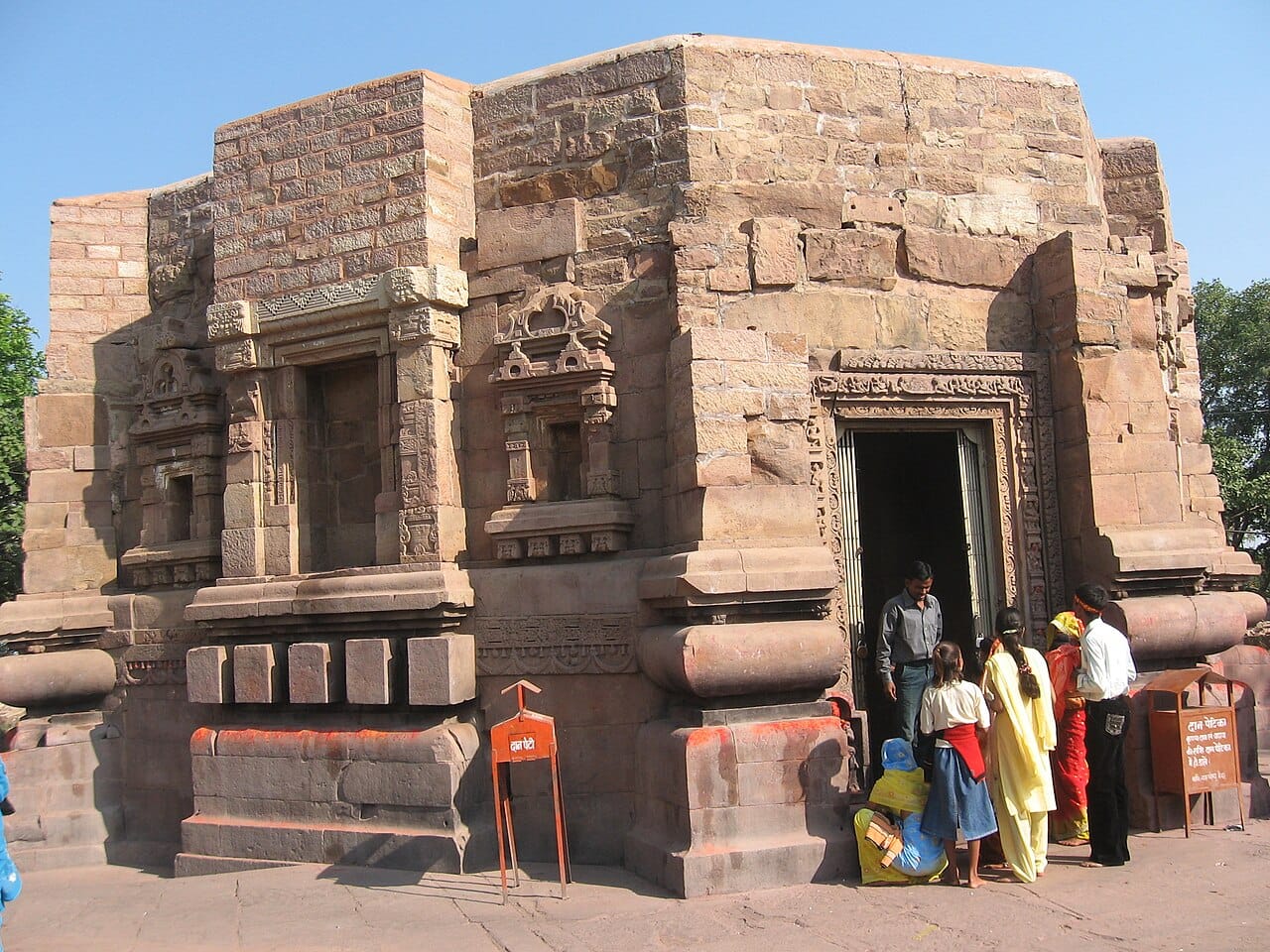
The architecture of Mundeshwari Temple is its most distinctive and celebrated feature. Built entirely of locally sourced stone, it follows a rare and ancient octagonal (eight-sided) plan, which is unique among surviving early Indian temples. This octagonal geometry is believed by scholars to represent the eight directions (Ashta Dikpalas) or the unfolding of the universe from a single point. The temple originally featured four grand entrances in the cardinal directions, though currently, only one is primarily used for access. The exterior walls are a treasure trove of early Indian sculptural art, adorned with beautiful carvings of Ganesha, Surya, and various celestial nymphs, although many have suffered the ravages of time. The pillars are square at the base and transition into an octagonal shape towards the top, echoing the overall theme of the temple. While the original 'Shikhara' (tower) has collapsed over the centuries, leaving the roof currently flat, the remaining stone masonry displays a robustness and precision that is awe-inspiring. Inside the sanctum, the stone is naturally cool, and the arrangement of the deities creates a unique energetic focus. The use of 'Vimana' style elements in such an early period suggests a high level of sophistication in Vastu Shastra and architectural design, making the site a subject of intense study for those interested in the origins of Hindu temple construction.
Signature Feature: Its rare octagonal plan and status as the oldest functional temple in the world.. ASI dates it to 108 CE; unique for its 'bloodless sacrifice' tradition.
The rituals at Mundeshwari Temple are a unique blend of ancient Vedic traditions and local mountain customs. The most famous and widely discussed ritual is the **'A-himsak Bali'** (non-violent sacrifice). During the Navratri festival, devotees often bring a goat to offer as a sacrifice to the Goddess. However, in a beautiful departure from the literal interpretation of 'Bali,' the priest chants specific mantras and sprinkles holy water on the animal. The goat momentarily faints or enters a trance-like state, which is seen as the Goddess's acceptance of the spirit of the sacrifice. Within minutes, the goat regains consciousness and is set free, unharmed. This practice emphasizes the sanctity of life while maintaining the ritualistic continuity of the tradition. Daily life at the temple is marked by the 'Mangala Aarti' at dawn and the 'Sandhya Aarti' at dusk, accompanied by the sounding of ancient bells and the traditional blowing of conch shells. The 'Abhishekam' of the Chaturmukh Mahadev is performed with water from sacred springs on the hill, and the entire ritualistic environment is one of deep, ancient surrender, where the modern world seems to fade away as the mantras resonate against the 2,000-year-old stone walls.
Navratri (both the Chaitra in spring and Sharad in autumn) is the most significant and grandly celebrated festival at Mundeshwari Temple. During these nine nights, thousands of pilgrims from across Bihar and neighboring Uttar Pradesh climb the Pawra Hill to seek the Mother's blessings. The entire hill is illuminated, and a vibrant 'Mela' (fair) is held at the base, showcasing local Bihari crafts, traditional sweets, and folk music. **Ram Navami** is another major event, celebrated with grand processions and the continuous chanting of the 'Ramacharitmanas.' **Maha Shivaratri** is dedicated to the Chaturmukh Mahadev, where devotees stay awake throughout the night in prayer and meditation. The atmosphere during these festivals is electric, as the ancient temple echoes with the collective prayers of a community that has worshipped here for nearly seventy generations. These celebrations are not just religious events but are vital for the preservation of the local folk culture and the oral traditions that link the Mundeshwari hill to the eternal battle between light and darkness.
India's Oldest Functional Temple, Unique Octagonal Architecture, Non-violent 'Bali' Ritual, Chaturmukh Shiva Lingam, Panoramic Pawra Hill Views, Kushana-era Heritage
The best time for a spiritual visit to Mundeshwari Temple is from October to March, when the weather in the Kaimur region is pleasant and the climb up Pawra Hill is comfortable. The months of October and April are particularly significant due to the Navratri festivals, which offer a unique cultural experience. While the temple is open year-round, the summer months (April to June) can be intensely hot, making the uphill trek physically demanding.
The temple is open for devotees from 6:00 AM to 7:00 PM daily. During major festivals like Navratri and Maha Shivaratri, the timings are often extended late into the night to accommodate the large influx of pilgrims. Reach early in the morning to witness the first aarti and enjoy the sunrise from the hilltop.
A. Yes, based on carbon dating of inscriptions found at the site and verified by the Archaeological Survey of India (ASI), the temple dates back to 108 AD. It has remained a site of continuous daily worship for over 1,900 years, making it the oldest functional temple in the country.
A. The octagonal (eight-sided) plan is extremely rare in early Indian temple design. It represents the eight cardinal directions and shows a high level of geometric and structural sophistication for the 2nd century AD. The style is considered a precursor to the developed Nagara architecture of North India.
A. Known as 'A-himsak Bali,' this ritual during Navratri involves bringing a goat to the Goddess. Instead of being killed, the goat is made unconscious using mantras and holy water. After the ritual is complete, the goat is revived and set free, symbolizing the Goddess's acceptance of the offering without the shedding of blood.
Barabar Caves
The oldest surviving rock-cut chambers in India, excavated by Emperor Ashoka in the 3rd century BCE. The seven caves feature a mirror-like polish on granite walls that has never been replicated.
Vishnupad Temple
Famous for the 40cm footprint of Lord Vishnu imprinted on solid rock, a major center for Pinda Daan rituals.
Patan Devi Temple
One of the 51 Shakti Peethas and the oldest surviving temple in Patna, believed to be where the right thigh of Goddess Sati fell.
Ahilya Asthan Temple
An ancient temple in Bihar dedicated to Ahilya, wife of Sage Gautama, believed to be the site where she was liberated from a curse by Lord Rama.
Mahabodhi Temple Complex
A UNESCO World Heritage site marking the location where Siddhartha Gautama attained enlightenment and became the Buddha.
Tarakeshwar Temple Hooghly
A massive 18th-century pilgrimage site dedicated to Lord Taraknath, especially vibrant during the Gajan festival.
Virupaksha Temple
The Virupaksha Temple in Hampi, Karnataka, is a UNESCO World Heritage Site and the oldest functioning temple in India, dedicated to Lord Shiva as Virupaksha.
Jageshwar Temple
A cluster of 124 ancient stone temples from the 7th-12th centuries, nestled in a dense deodar forest.
Neelkanth Mahadev Temple
Situated at 1,330 meters, this is where Lord Shiva is believed to have consumed the poison (Halahala) during the Samudra Manthan.
Tungnath Temple
The highest Shiva temple in the world, situated at 3,680 meters on the Chandranath Parbat; it is the 'Tritiya Kedar' in the sacred Panch Kedar pilgrimage circuit.
Rudranath Temple
One of the Panch Kedar shrines, representing Lord Shiva's face, situated at an altitude of 2,286 meters amidst meadows and rhododendron forests.
India's temples are living traditions — not museums. Every temple has its own customs. This guide helps first-time visitors prepare with confidence and respect.
Foreign visitor information is being researched
Please verify with the official temple authority before planning your visit.
Foreign Visitors
Verify Before VisitingVisitor Information
Entry policies vary between temples. Most temples welcome visitors, while some may restrict access to specific areas, rituals, or the inner sanctum. Always verify the latest entry guidelines with the official temple authorities before your visit.
Modest clothing is expected at every Indian temple — a sign of respect, not a restriction. Think of it as dressing for a formal ceremony.
A scarf is always useful — it covers shoulders, works as a head covering, and can double as a makeshift face cover if needed.
Outdoor photography is generally permitted. Indoor photography is often restricted. Always look for signage or ask a priest before taking photos inside.
The best time for a spiritual visit to Mundeshwari Temple is from October to March, when the weather in the Kaimur region is pleasant and the climb up Pawra Hill is comfortable. The months of October and April are particularly significant due to the Navratri festivals, which offer a unique cultural experience. While the temple is open year-round, the summer months (April to June) can be intensely hot, making the uphill trek physically demanding.
April — June
July — September
English is widely understood at major tourist temples. In smaller local temples, Hindi and the regional language are more common. A smile and simple hand gestures go a long way. Learning a few words of the local language is always appreciated.
Cash (Indian Rupees) is the most reliable option, especially for temple offerings, small shops, and local transport.
UPI digital payments (Google Pay, PhonePe, Paytm) are widely accepted across India — even at roadside stalls. Download one before you arrive.
International credit/debit cards work at most ATMs, hotels, and larger establishments. Smaller vendors may only accept cash or UPI.
Carry small denominations (₹10, ₹20, ₹50, ₹100 notes) for offerings and temple donations. Large notes (₹500, ₹2000) can be hard to break at smaller counters.
Many historic temples have uneven stone floors, multiple steps, and narrow passages. Wheelchair access is limited at older sites — contact the temple in advance.
Basic restroom facilities and drinking water are available at most major temples. Some charge a small fee (₹5–₹10).
Stay hydrated — carry a reusable water bottle, especially in hot climates.
Keep valuables secure — use hotel lockers for passports and excess cash.
Wear comfortable, sturdy footwear — temple floors can be hot, wet, or uneven.
Beware of unofficial guides or touts near temple entrances. Only use authorised services.
Carry a photocopy of your passport and visa. Leave originals in your hotel safe.
Download offline maps — mobile networks can be unreliable near remote temple sites.
These short explanations help make sense of what you see and experience.
Darshan means 'seeing' — but in a temple it means being seen by the deity. It is a sacred moment of connection, not just a viewing.
Removing footwear is a sign of humility. It also keeps the temple floor clean, since devotees sit and pray on the ground.
Food offered to the deity and then distributed to devotees. It is considered blessed. Accept it with both hands and do not discard it.
The bell creates a focused acoustic atmosphere, wards off distractions, and announces your presence before entering the inner sanctum.
Circumambulation (pradakshina) is done clockwise, keeping the sanctum on your right — an auspicious direction aligned with the sun's path.
Flowers symbolise devotion, coconuts represent the ego being broken, incense purifies the air, and lamps represent the victory of light over darkness.
Sacred viewing of the deity; the central act of temple worship.
Clockwise circumambulation of the sanctum.
Blessed food offered to the deity and distributed to devotees.
The innermost sanctum where the main deity resides.
The towering spire above the sanctum, a defining feature of temple architecture.
A pillared hall or pavilion within the temple complex.
The Indian Rupee (?, INR) is the local currency. ATMs are widely available in cities and towns. For temple offerings, keep small notes (₹10, ₹20, ₹50). Most temples accept donations in cash only — digital payments are uncommon at the offering counter itself.
Offerings (dakshina) are given with the right hand. Place cash in the donation box (hundi) or give it directly to the priest. There is no fixed amount — give what feels appropriate. Some temples have fixed fees for special entry or puja participation.
Shoes and sandals are removed before entering the temple building. Most temples have a designated shoe counter (free or a small fee of ₹5–₹20). Socks are generally allowed. In monsoon, carry a plastic bag for wet shoes.
Darshan queues can take 30 minutes to 3 hours at popular temples. Many offer paid VIP darshan (₹100–₹500) for faster entry. Special queues for women, elderly, and disabled visitors exist at some temples. No line jumping.
Major festivals draw enormous crowds — sometimes hundreds of thousands. Book accommodation months in advance. Expect road closures, restricted vehicle access, and limited phone network. Arrive early (before dawn) to avoid the worst congestion.
Always look for signage before taking photos. When in doubt, ask a priest. Never take photos of devotees in prayer without permission. Selfie sticks are banned at most temples. Silently switch your phone to silent mode.
Police / Ambulance / Fire: 112 (National Emergency Number)
Tourist Helpline: 1800-111-363 (Multi-lingual, Ministry of Tourism)
Women's Helpline: 1091
Temple-specific visitor information is continuously researched and updated from official sources. Where specific data is unavailable, general India travel guidance is provided. Always verify current policies with the temple authority before your visit.
Information last verified July 2026. Temple-specific data coming soon.
Continue your journey through the spiritual and architectural wonders of India.

The oldest surviving rock-cut chambers in India, excavated by Emperor Ashoka in the 3rd century BCE. The seven caves feature a mirror-like polish on granite walls that has never been replicated.

Famous for the 40cm footprint of Lord Vishnu imprinted on solid rock, a major center for Pinda Daan rituals.

One of the 51 Shakti Peethas and the oldest surviving temple in Patna, believed to be where the right thigh of Goddess Sati fell.

An ancient temple in Bihar dedicated to Ahilya, wife of Sage Gautama, believed to be the site where she was liberated from a curse by Lord Rama.
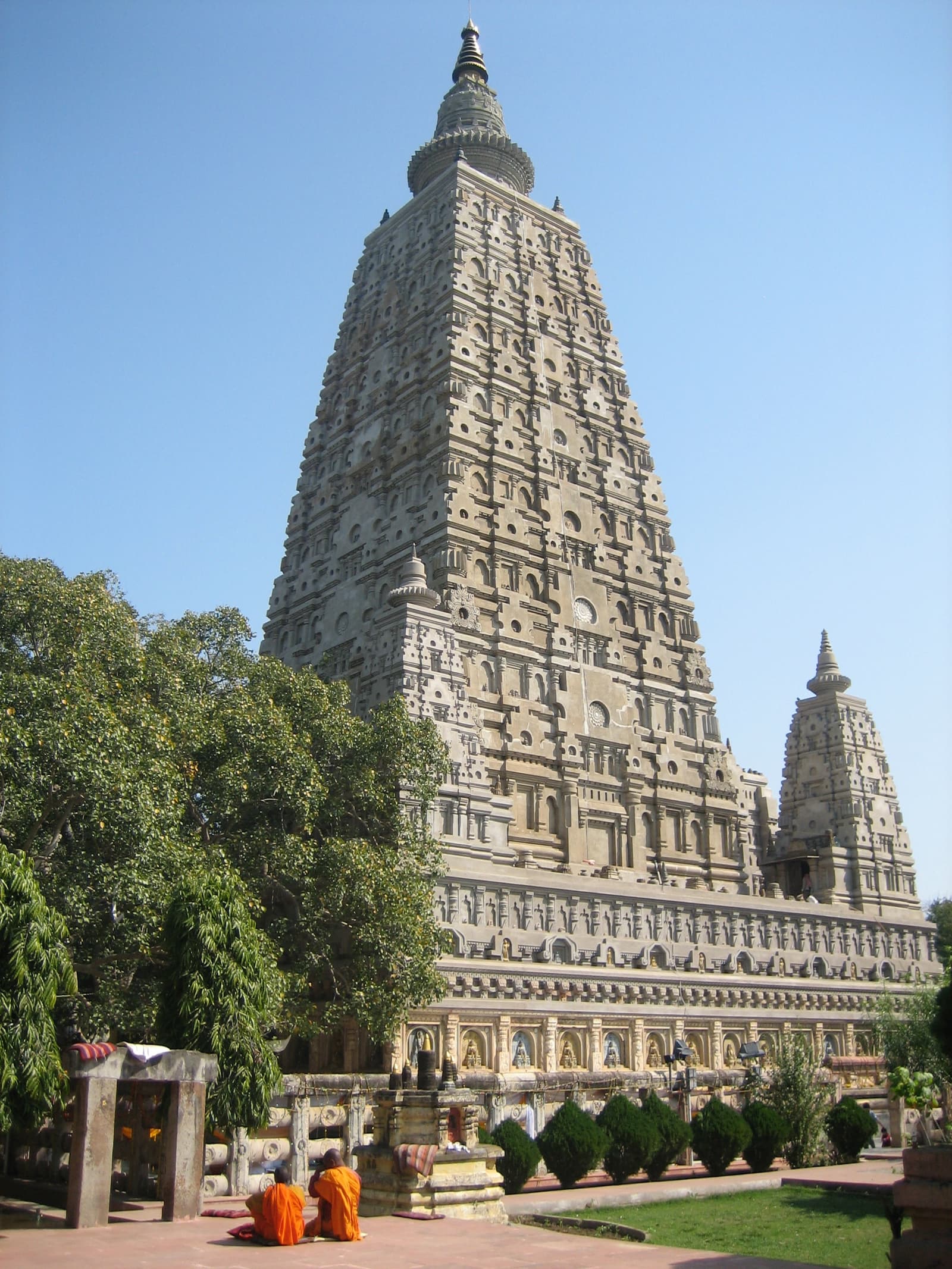
"The Mahabodhi Temple at Bodh Gaya marks the spot where Lord Buddha attained enlightenment."