Sacred Destinations
Sikkim
4Sacred Sites
5Major Temples
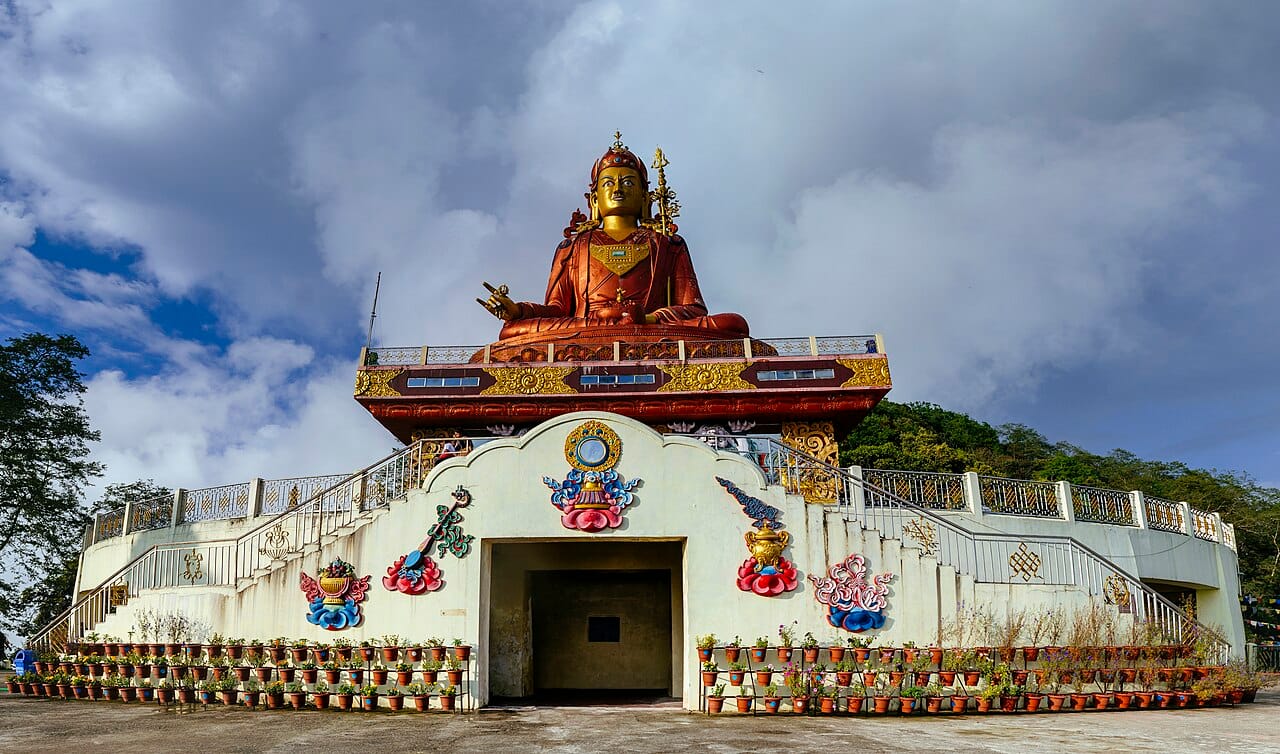
Sikkim, a Himalayan state in northeastern India, presents a unique confluence of Hindu and Buddhist sacred traditions, with its religious landscape dominated by ancient monasteries, cave temples, and natural shrines set against the Kanchenjunga massif. The state's spiritual heritage is shaped by its location as a historical crossroads between Tibet, Nepal, and Bhutan, resulting in a fusion of Mahayana Buddhism and Hindu devotional practices.
Quick Facts
Capital
Gangtok
Population
658,000
Area
7,096 km²
Languages
Nepali, Bhutia, Lepcha, English
Best Time to Visit
March-June, September-November
Major Pilgrimage
Kirateshwar Mahadev, Char Dham Solophok, Pemayangtse
Temple Style
Tibetan Buddhist gompa, Nepali pagoda
UNESCO Count
0 (Kanchenjunga National Park tentative)
Major River
Teesta, Rangeet
Highest Peak
Kanchenjunga (8,586 m)
Why Visit Sikkim
Sikkim's religious traditions are characterized by the coexistence of Hinduism and Vajrayana Buddhism. The Kirateshwar Mahadev Temple at Legship is the most important Shiva shrine, believed to be where Arjuna obtained the Pashupatastra from Shiva. The Char Dham complex at Namchi replicates the four major Hindu pilgrimage sites on an 8-acre hilltop. Buddhist monasteries are distributed throughout the state, with Pemayangtse (1705 CE) being one of the oldest Nyingma monasteries.
Kirateshwar Mahadev Temple marks the legendary meeting of Arjuna and Shiva in the form of a Kirata (hill hunter), uniquely positioning Sikkim within the Mahabharata epic. The Char Dham complex houses replicas of Badrinath, Jagannath, Dwarka, and Rameswaram temples along with a 108-foot Shiva statue. The Pemayangtse Monastery houses wood-carved depictions of Guru Rinpoche's celestial palace. Rumtek Monastery serves as the seat of the Karmapa.
Temple Categories
Featured Sacred Places
Sikkim
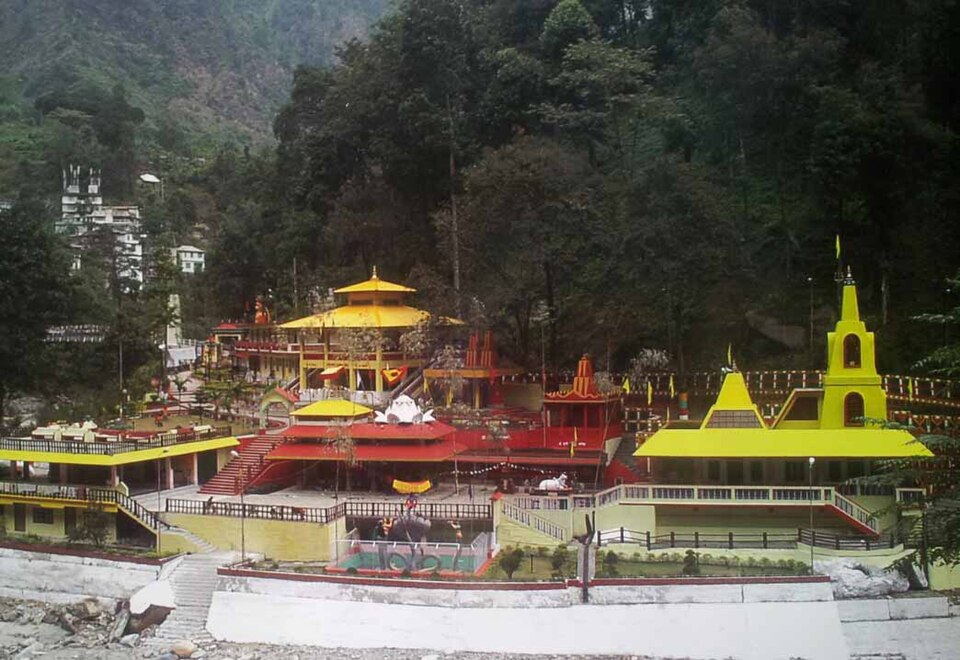
Siddhesvara Dham (Char Dham)
A grand complex featuring a 108-foot Shiva statue and replicas of the 12 Jyotirlingas and the four Char Dham sites.
Explore Temple
Sikkim
Kirateshwar Mahadev Temple
Located on the banks of the Rangeet River, this ancient temple is associated with the Kirat incarnation of Lord Shiva.
Explore Temple
Sikkim
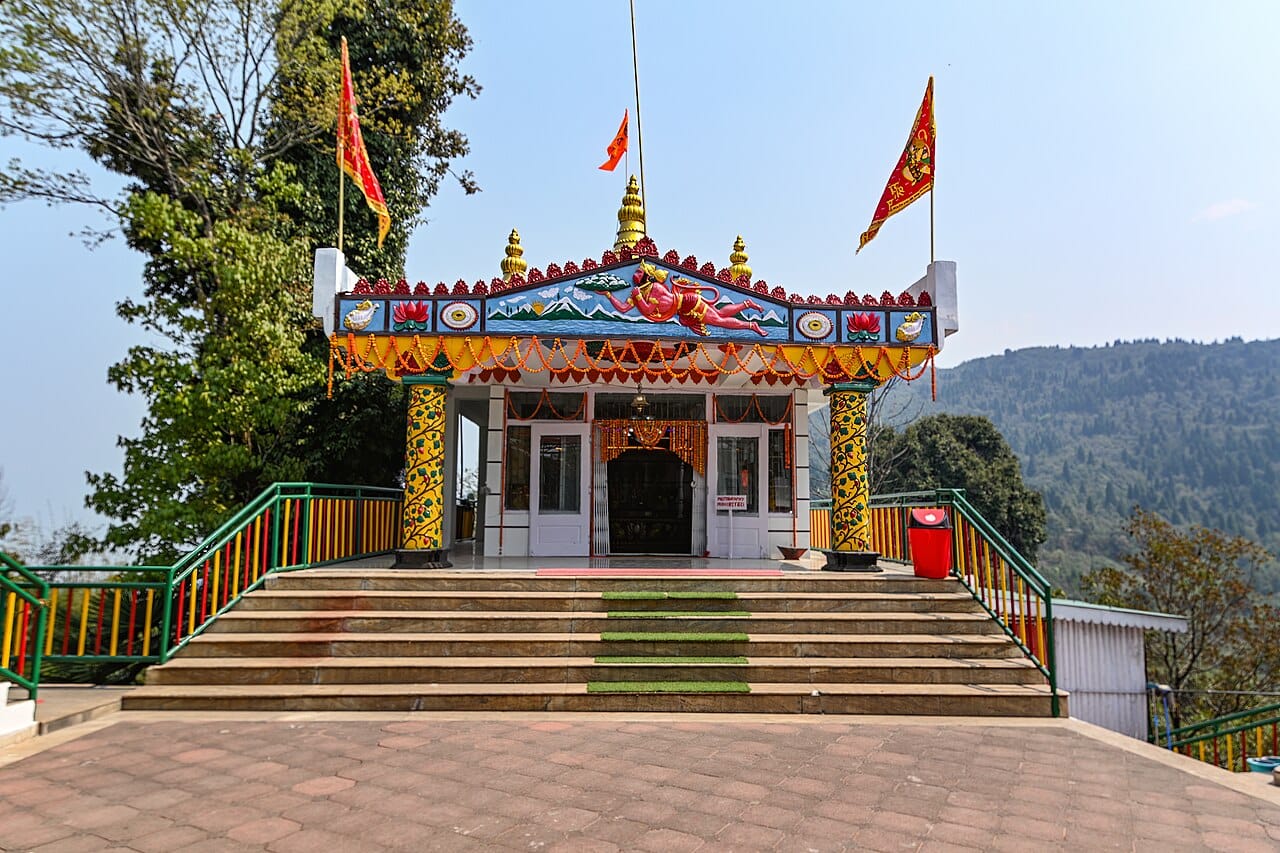
Hanuman Tok
A highly revered Hanuman temple situated at 7,200 feet, maintained by the Indian Army and offering stunning views of Kanchenjunga.
Explore Temple
Sikkim
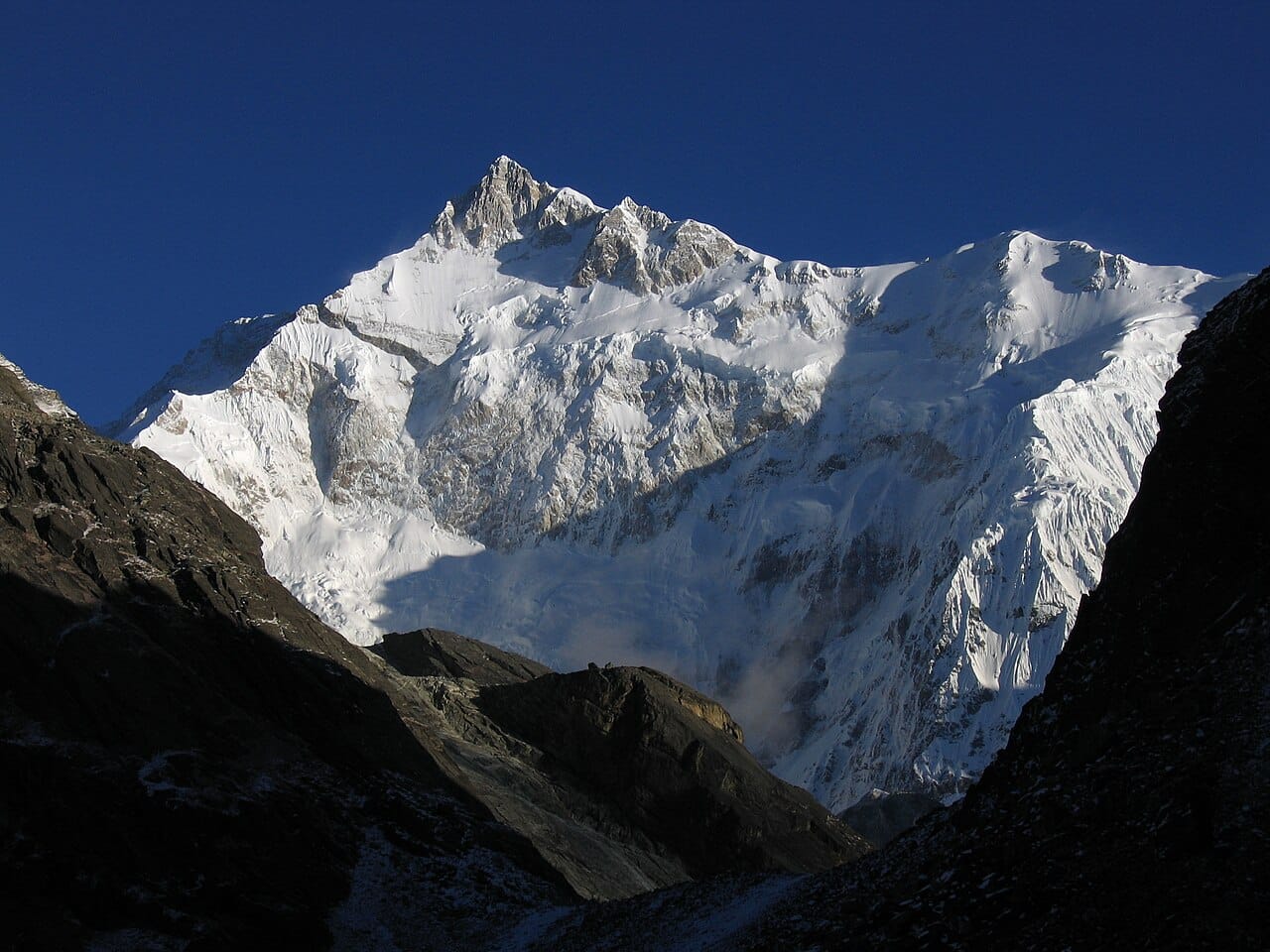
Ganesh Tok
A small but popular hilltop temple dedicated to Lord Ganesh, famous for its panoramic bird's-eye view of Gangtok city.
Explore Temple
Pilgrimage Circuits
Monastery Circuit
4 templesPemayangtse-Tashiding-Rumtek-Enchey, the four principal monasteries of Sikkim.
Pemayangtse MonasteryTashiding MonasteryRumtek MonasteryEnchey Monastery
Sacred Lake Circuit
3 templesKhecheopalri, Tsomgo, and Gurudongmar — three lakes sacred to both Hindus and Buddhists.
Char Dham Pilgrimage
1 templesSolophok Char Dham complex with replica temples, 108-foot Shiva statue, and 12 Jyotirlinga replicas.
Siddhesvara Dham Solophok
The Char Dham-Solophok circuit draws pilgrims to replica temples and the 108-foot Shiva statue. The Buddhist circuit links Pemayangtse, Tashiding, Rumtek, and Enchey monasteries. The sacred lake circuit includes Khecheopalri, Tsomgo, and Gurudongmar Lake (5,430 meters, one of the highest in the world).
Temple Architecture
Buddhist gompas follow the Tibetan style with whitewashed walls, red bands, golden roofs, and intricate thangkas. Pemayangtse is a three-tiered structure with a seven-tiered painted wooden model of the celestial palace. Rumtek Monastery has a central assembly hall and golden stupa. Kirateshwar Mahadev is a Nepali-style pagoda with a two-tiered roof and carved wooden struts. The Char Dham complex features modern construction with Nagara-style shikharas.
Historical Timeline
8th c.Tibetan Buddhist
Guru Padmasambhava (Rinpoche) blesses sacred sites in Sikkim.
1642Namgyal
Namgyal dynasty established; Buddhism declared state religion.
1705Namgyal
Pemayangtse Monastery founded by Lhatsun Chenpo.
1975Independent India
Sikkim merges with India as the 22nd state; monarchy ends.
2011Independent India
Char Dham complex inaugurated at Solophok, Namchi.
Temple Statistics
10+
Major Monasteries
Across the four districts
1705
Oldest Monastery
Pemayangtse
108 ft
Tallest Shiva Statue
Solophok Char Dham
5,430 m
Highest Lake Shrine
Gurudongmar Lake
Festivals
Bumchu
February-MarchTashiding Monastery
1 day
Sacred vase opened; water level predicts the coming year's fortune for Sikkim.
Pang Lhabsol
August-SeptemberPemayangtse Monastery
2 days
Celebrates the guardian deity Kanchenjunga with masked cham dances.
Losar
February-MarchAll Sikkim monasteries
3 days
Tibetan New Year with monastic rituals, offerings, and cham dances.
Maha Shivaratri
February-MarchKirateshwar Mahadev, Legship
1 night
Night-long vigils and offerings at the site where Arjuna obtained the Pashupatastra from Shiva.
The Bumchu festival at Tashiding Monastery involves opening a sacred vase whose water level predicts the coming year. Pang Lhabsol celebrates the guardian deity Kanchenjunga with cham dances. Losar (Tibetan New Year) features monastic rituals. Saga Dawa marks Buddha's birth, enlightenment, and parinirvana. Maha Shivaratri at Kirateshwar Mahadev features night-long vigils.
Travel Guide
Best Time
March-June, September-November
Climate
Alpine; monsoon 3,000-4,000 mm
Nearest Airport
Bagdogra (IXB), Pakyong (PYG)
Railway
New Jalpaiguri (NJP)
Road
NH-10 (Siliguri-Gangtok)
Local Transport
Jeep, taxi, Sikkim RTC buses
Temple Etiquette
Remove footwear; walk clockwise in gompas
Suggested Duration
5-8 days for major sites
Nearby Attractions
National Park
Kanchenjunga National Park
UNESCO tentative site; India's highest peak at 8,586 m; trekking and alpine biodiversity.
Valley
Yumthang Valley
Valley of Flowers at 3,564 meters with hot springs and rhododendron forests.
Museum
Namgyal Institute of Tibetology
Gangtok museum housing rare thangka collections, Buddhist manuscripts, and artifacts.
Interesting Facts
01
The Kirateshwar Mahadev Temple is the only site in India where the Shiva-Arjuna Kirata encounter from the Mahabharata is geographically identified with a specific location.
02
Gurudongmar Lake at 5,430 meters is one of the highest lakes in the world and remains unfrozen despite its elevation due to a natural spring, considered miraculous by devotees.
03
Sikkim is the only Indian state with a majority Buddhist population that also has a Hindu Char Dham replica complex — built to allow those who cannot travel to the originals to gain equivalent merit.
Frequently Asked Questions
The site where Shiva appeared as a Kirata (hill hunter) to test Arjuna's devotion during the Pandavas' exile and granted him the Pashupatastra. This story is narrated in the Vana Parva of the Mahabharata.
Inaugurated in 2011, it houses scaled replicas of the four Char Dham temples plus a 108-foot Shiva statue and replicas of the 12 Jyotirlingas, covering 8 acres at 1,650 meters elevation.
Pemayangtse (1705, Nyingma, near Pelling), Rumtek (1960s reconstruction, Karma Kagyu, near Gangtok), Tashiding (1717, known for Bumchu festival), and Enchey (1909, built on a site blessed by Guru Rinpoche).
Sources & References
These records back the history, architecture, temple listings and visitor guidance published on this Sikkim page.
Archaeological Survey of India
Archaeological Survey of India — monument records and conservation reports
Protected-monument status, dating, architectural classification and conservation records for the temples and monuments named across this Sikkim guide.
Primary archaeological record
Open source (opens in a new tab)Ministry of Tourism, Government of India
Ministry of Tourism — official destination information
Official Government of India visitor information, access routes and pilgrimage circuits for Sikkim.
Government record
Open source (opens in a new tab)Sikkim Tourism
Sikkim Tourism — official destination portal
State visitor information — temple timings, access routes and pilgrimage circuit details cited on this page.
Government record
Open source (opens in a new tab)
— every record linked above was re-requested for this release, so the link still resolves and the publisher still serves the document. It is a link check, not a re-verification of every sentence on this page.
Missing something, or found an error? Send us a correction with the record that supports it, or read how we choose sources.