Sacred Destinations
Chhattisgarh
4Sacred Sites
5Major Temples
Chhattisgarh, in central India's Dakshin Koshal region, contains a rich but lesser-known temple heritage spanning the Nagavanshi, Kalachuri, and Maratha periods. The state's most celebrated temple complex is the Bhoramdeo group in Kabirdham district, often called the 'Khajuraho of Chhattisgarh' for its erotic sculptures. The region's sacred architecture, built primarily between the 7th and 12th centuries CE, represents the easternmost extent of the Nagara temple style with distinctive regional variations in sandstone and brick construction.
Quick Facts
Capital
Raipur (Naya Raipur)
Population
29.4 million
Area
135,192 km²
Languages
Hindi, Chhattisgarhi
Best Time to Visit
November to February
Major Pilgrimage
Bhoramdeo, Rajim, Sirpur, Danteshwari
Temple Style
Nagara, brick Kalachuri
UNESCO Count
0
Major River
Mahanadi, Indravati, Sheonath
Highest Peak
Bailadila Range (1,276 m)
Why Visit Chhattisgarh
The religious landscape of Chhattisgarh combines Hindu temple traditions with tribal and folk worship systems. The Bhoramdeo Temple complex, built by the Nagavanshi kings (7th-12th centuries CE), is the most architecturally significant site, featuring a group of four temples with shikharas up to 30 meters high. The Rajiv Lochan Temple at Rajim is considered the 'Prayag of Chhattisgarh' at the confluence of three rivers. The Danteshwari Temple at Dantewada is one of the 52 Shakti Peethas, and Sirpur in Mahasamund district contains a 7th-century brick Lakshmana Temple and a 50-room Buddhist vihara.
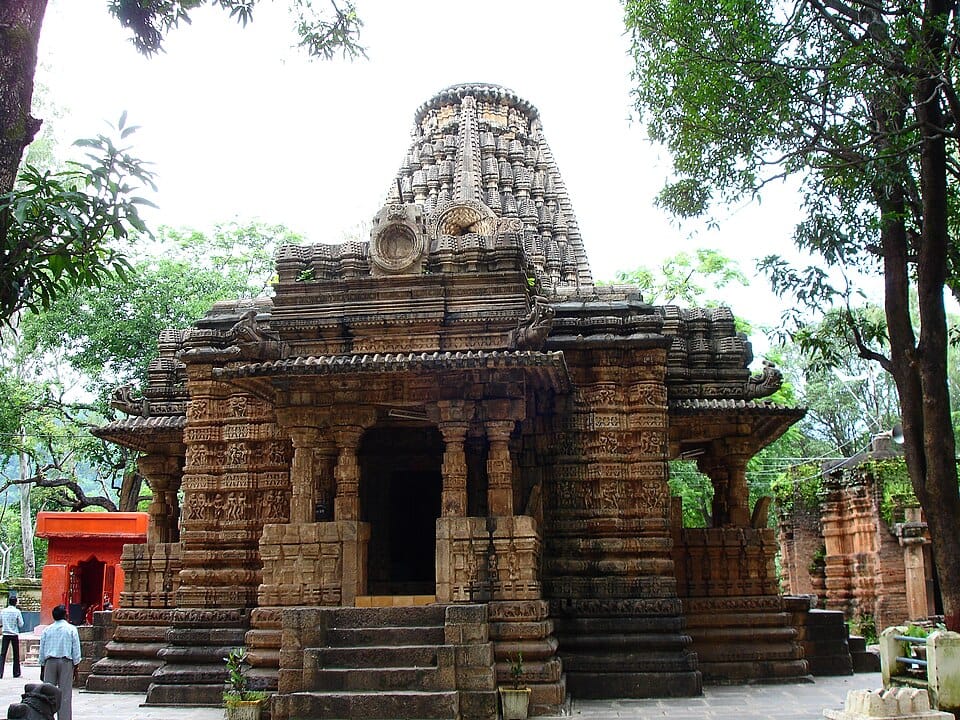
The Bhoramdeo Temple is the finest surviving example of Nagavanshi architecture, with its shikhara rising 30 meters and intricate carvings depicting scenes from the Ramayana, Mahabharata, and erotic panels. Sirpur (ancient Shripura) was the capital of the Somavanshi kingdom and contains the 7th-century Lakshmana Temple, built by Queen Vashata of the Panduvamshi dynasty. Rajim is sacred for the Triveni Sangam at the confluence of the Mahanadi, Pairi, and Sondhur rivers. Danteshwari Temple is the presiding deity of the Bastar royal family.
Temple Categories
Nagavanshi Temples
4Bhoramdeo complex and related sites in Kabirdham district.
Kalachuri Temples
5Rajiv Lochan Temple at Rajim and other Kalachuri-era structures.
Somavanshi Brick Temples
37th-century Lakshmana Temple and other brick temples at Sirpur.
Shakti Peethas
2Danteshwari Temple at Dantewada and Mahamaya Temple at Ratanpur.
Featured Sacred Places
Chhattisgarh
Bhoramdeo Temple
Commonly known as the 'Khajuraho of Chhattisgarh,' this 11th-century architectural masterpiece is famous for its exquisite erotic and mythological sculptures.
Explore Temple
Chhattisgarh
Danteshwari Temple
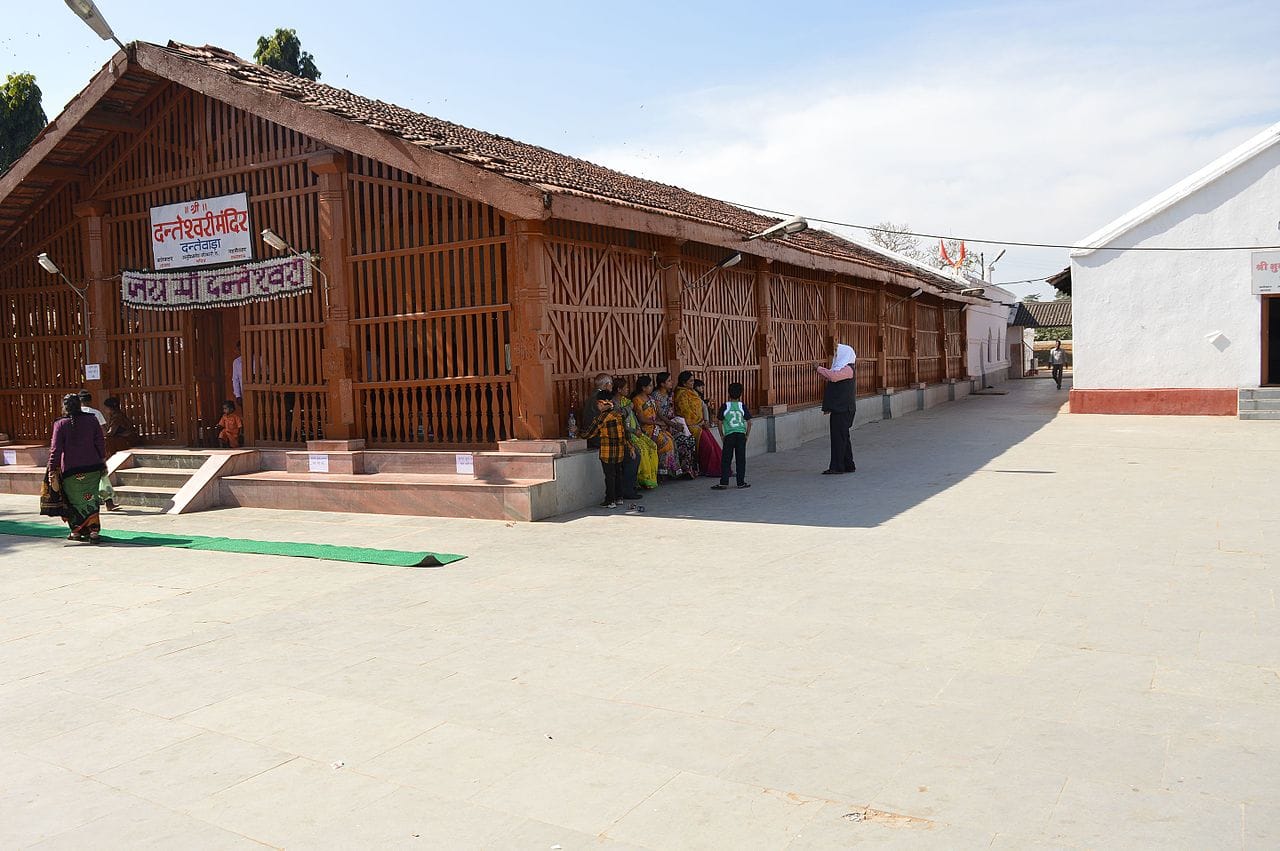
A major Shakti Peetha located in the tribal heartland of Bastar, where the tooth of Sati is believed to have fallen.
Explore Temple
Chhattisgarh
Rajiv Lochan Temple
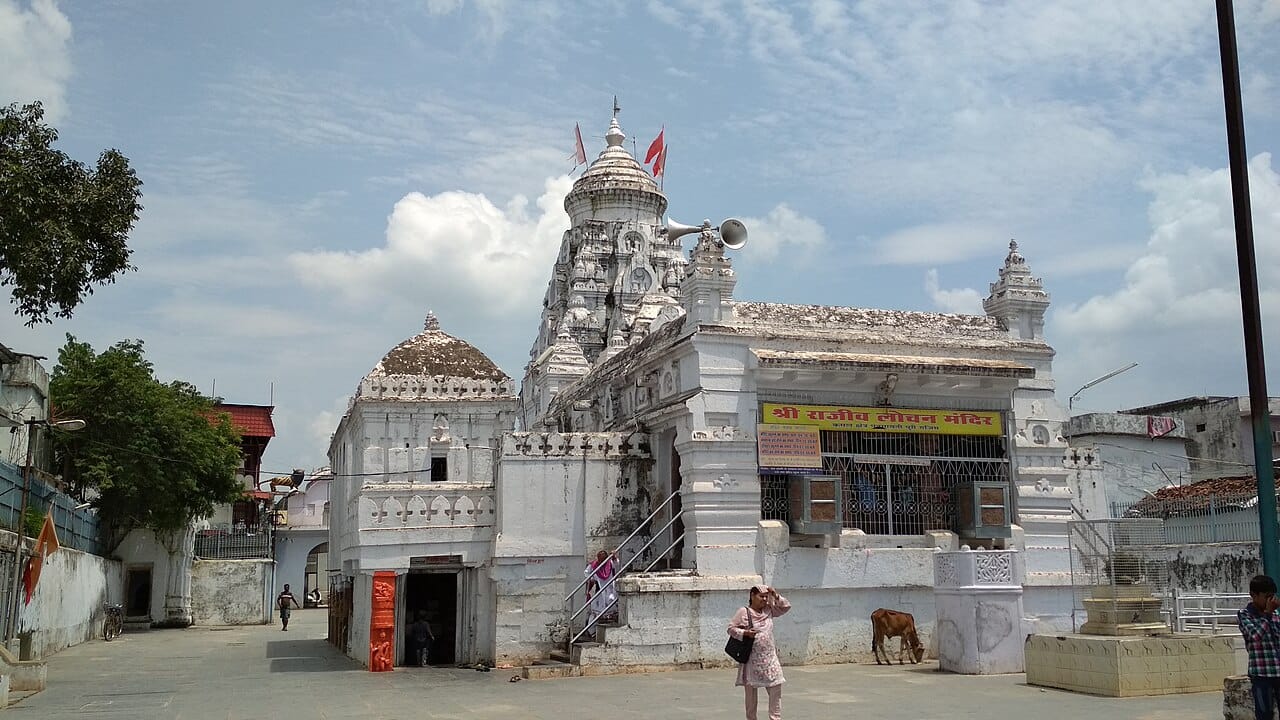
A magnificent 7th-century Vishnu temple situated at the holy confluence of three rivers, known as the 'Prayag of Chhattisgarh' and famous for its Nala dynasty architecture.
Explore Temple
Chhattisgarh
Mahamaya Temple
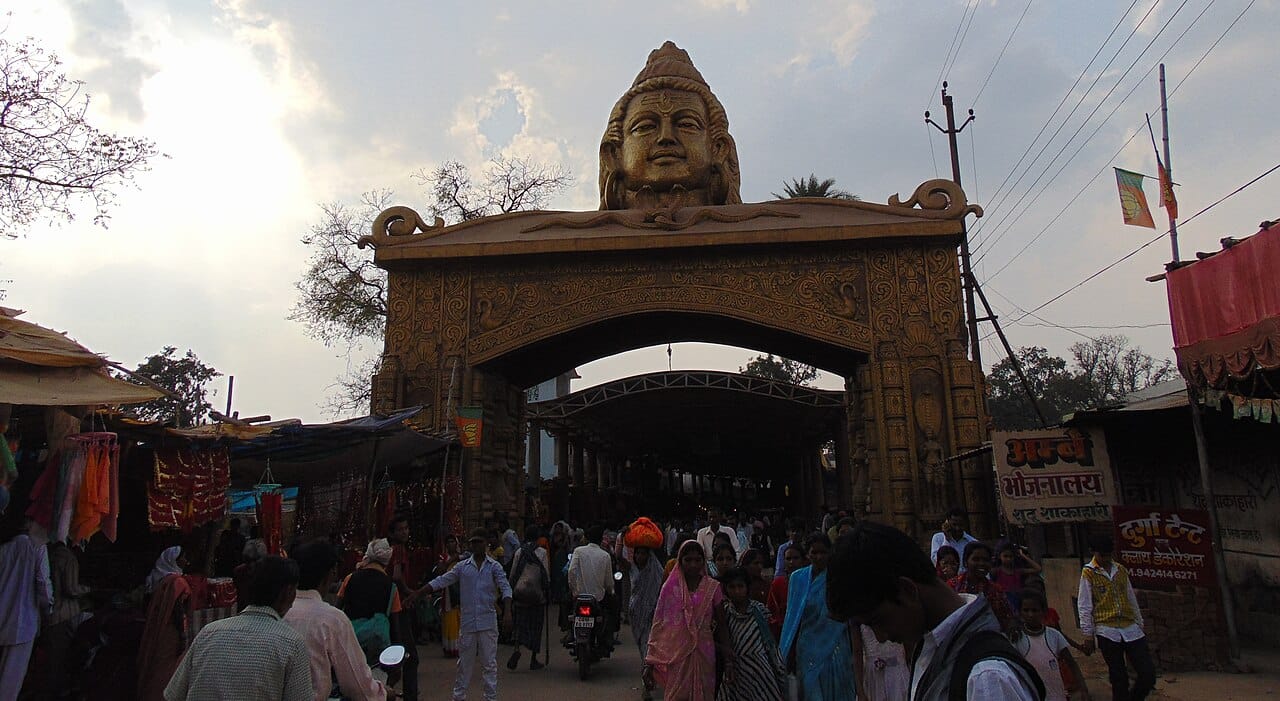
An 11th-century Shakti Peetha where the right shoulder of Sati is believed to have fallen; unique for its dual idols representing both Mahalakshmi and Mahasaraswati.
Explore Temple
Pilgrimage Circuits
Archaeological Triangle
3 templesSirpur-Rajim-Bhoramdeo, covering the three premier temple sites of Chhattisgarh.
Bastar Tribal Circuit
4 templesDantewada, Barsur, and Narayanpal temples in the forested Bastar region.
The Shakti Peetha circuit includes Danteshwari in Bastar and the Mahamaya Temple at Ratanpur. The Sirpur-Rajim-Bhoramdeo triangle covers the three most important archaeological temple sites within a 150-kilometer radius. The Bastar circuit connects Dantewada, Barsur, and the Narayanpal temples.
Temple Architecture
The Bhoramdeo Temple exemplifies the Nagara style, featuring a sanctum and mandapa covered by a pyramidal roof, with the main shikhara rising 30 meters in a segmented curve. The temple walls are covered with three bands of carved sculptures depicting deities, celestial beings, and erotic couples. The Lakshmana Temple at Sirpur is a brick temple with a stepped shikhara and intricate brickwork carvings. The Rajiv Lochan Temple at Rajim features a stone shikhara 30 meters high with 12th-century Kalachuri carvings.
Historical Timeline
6th-9th c.Somavanshi
Somavanshi rulers build brick temples at Sirpur, including the Lakshmana Temple (670 CE).
7th-12th c.Nagavanshi
Nagavanshi kings build the Bhoramdeo complex in the Maikal Hills.
10th-13th c.Kalachuri
Kalachuris of Ratnapur construct temples at Rajim, Janjgir, and Bilaspur.
14th c.Haihaiyavanshi
Haihaiyavanshi rule begins; temple construction continues in the Bastar region.
1950sIndependent India
ASI begins extensive excavations at Sirpur, revealing the Buddhist vihara and brick temples.
Temple Statistics
9
Major Temple Sites
Including Bhoramdeo, Rajim, Sirpur, Dantewada
670 CE
Oldest Temple
Lakshmana Temple at Sirpur
2
Shakti Peethas
Danteshwari, Mahamaya Ratanpur
30 m
Tallest Shikhara
Bhoramdeo Temple main shikhara
Festivals
Rajim Kumbh Mela
February-MarchRajiv Lochan Temple, Rajim
15 days
Largest religious gathering in Chhattisgarh; ritual bathing at the Triveni Sangam of Mahanadi, Pairi, and Sondhur.
Bastar Dussehra
August-OctoberDanteshwari Temple, Dantewada
75 days
World's longest Dussehra; wooden chariot procession; tribal masks and rituals predating mainstream Dussehra narrative.
Bhoramdeo Mahotsav
JanuaryBhoramdeo Temple Complex
3 days
Classical dance and music performances against the illuminated temple backdrop.
The Bhoramdeo Mahotsav (January) is a three-day cultural festival featuring classical dance and music. The Rajim Kumbh Mela (February-March), held at the Triveni Sangam, draws over 1 million pilgrims. The Bastar Dussehra is a unique 75-day festival at Dantewada featuring a wooden chariot rebuilt each year. The Dongargarh Mela during Navratri attracts hundreds of thousands to the Bambleshwari Temple.
Travel Guide
Best Time
November to February (10-28°C)
Climate
Summer up to 45°C; monsoon July-September
Nearest Airport
Raipur (RPR)
Railway
Raipur Junction, Bilaspur Junction
Road
NH-30, NH-130, NH-163
Local Transport
State buses (CESC), taxis, auto-rickshaws
Temple Etiquette
Remove footwear; modest dress
Suggested Duration
4-6 days for key sites
Nearby Attractions
Waterfall
Chitrakote Falls
Widest waterfall in India during monsoon (30 m high, horseshoe-shaped) on the Indravati River.
National Park
Kanger Valley National Park
Bastar's premier wildlife reserve with limestone caves and diverse flora.
Natural
Kutumsar Caves
Limestone caves with stalactite and stalagmite formations in Bastar district.
Interesting Facts
01
Bhoramdeo's erotic sculptures earned it the nickname 'Khajuraho of Chhattisgarh', but it was built by the Nagavanshi dynasty (contemporary with the Chandellas) and predates Khajuraho's finest work.
02
Sirpur's 7th-century brick Lakshmana Temple demonstrates that Indians perfected brick masonry architecture centuries before the better-known brick temples of Southeast Asia.
03
The Rajim Kumbh Mela occurs annually (not once every 12 years like the mainstream Kumbh), drawing over 1 million pilgrims each February.
Frequently Asked Questions
Bhoramdeo features erotic sculptures similar to Khajuraho, including mithuna (couples) and surasundari panels. Built by the Nagavanshi dynasty contemporary with the Chandella builders of Khajuraho, the sculptural style shares many elements with the Central Indian Nagara tradition.
It is the largest religious gathering in Chhattisgarh, held annually at the Triveni Sangam of the Mahanadi, Pairi, and Sondhur rivers during Phalguna (February-March), drawing over 1 million pilgrims for ritual bathing.
Sirpur (ancient Shripura) was the capital of the Somavanshi kingdom (6th-9th centuries CE). Excavations revealed a 7th-century brick Lakshmana Temple, a Buddhist vihara with 50 rooms, and Jain sculptures, demonstrating coexistence of three religions.
Bastar Dussehra is the world's longest Dussehra celebration, lasting 75 days from August to October. It features a 30-foot wooden chariot constructed anew each year from specific forest trees, tribal dances with masks, and the pat jatra flag procession predating the mainstream Dussehra narrative.
Sources & References
These records back the history, architecture, temple listings and visitor guidance published on this Chhattisgarh page.
Archaeological Survey of India
Archaeological Survey of India — monument records and conservation reports
Protected-monument status, dating, architectural classification and conservation records for the temples and monuments named across this Chhattisgarh guide.
Primary archaeological record
Open source (opens in a new tab)Ministry of Tourism, Government of India
Ministry of Tourism — official destination information
Official Government of India visitor information, access routes and pilgrimage circuits for Chhattisgarh.
Government record
Open source (opens in a new tab)
— every record linked above was re-requested for this release, so the link still resolves and the publisher still serves the document. It is a link check, not a re-verification of every sentence on this page.
Missing something, or found an error? Send us a correction with the record that supports it, or read how we choose sources.