From ancient rock-cut marvels to towering imperial shrines, discover the architectural soul of Bharat through our verified digital archive.
Explore More Temples
Location
Ratanpur
Presiding Deity
Goddess Mahamaya
Architecture
Nagara Style
Dynasty
Kalachuri Dynasty
Timings
The temple is open for darshan from 6:00 AM to 8:00 PM daily. During the Navratri festivals, the doors often remain open for 24 hours to accommodate the surge of pilgrims. The main evening Aarti is performed at approximately 7:00 PM.
Entry Fee
Free
Best Time
The ideal time to visit the Mahamaya Temple is from October to March when the weather in Chhattisgarh is pleasant and cool. Visiting during the Navratri festivals (October and April) offers the most vibrant cultural experience, though prepare for very large crowds. Visit early in the morning to witness the serene rituals and avoid the midday heat.
An 11th-century Shakti Peetha where the right shoulder of Sati is believed to have fallen; unique for its dual idols representing both Mahalakshmi and Mahasaraswati.
The history of the Mahamaya Temple is deeply intertwined with the rise of the Kalachuri dynasty in Central India. The current stone structure was built in 1050 AD by King Ratnadev I, the founder of Ratanpur. According to local historical chronicles, King Ratnadev was once hunting in the dense forests of the region when he decided to spend the night under a massive banyan tree near a small shrine of the Goddess. In his dream, he received a divine vision of Maa Mahamaya, who instructed him to establish his capital there and build a magnificent temple for her. The King followed the divine command, and Ratanpur flourished as a major center of power and culture for centuries under the Kalachuris. Historically, the temple has received immense patronage from various rulers, including the Marathas, who added to the complex and established many of the rituals followed today. The site survived the regional conflicts of the medieval era largely due to the deep respect the Goddess commanded among all factions. In modern times, the temple has been meticulously preserved and is managed by a dedicated trust, ensuring that the ancient Kalachuri heritage remains a living part of Chhattisgarh's cultural fabric. The town of Ratanpur is often referred to as the 'City of Goddesses' because of this temple's profound influence on its urban and spiritual layout.
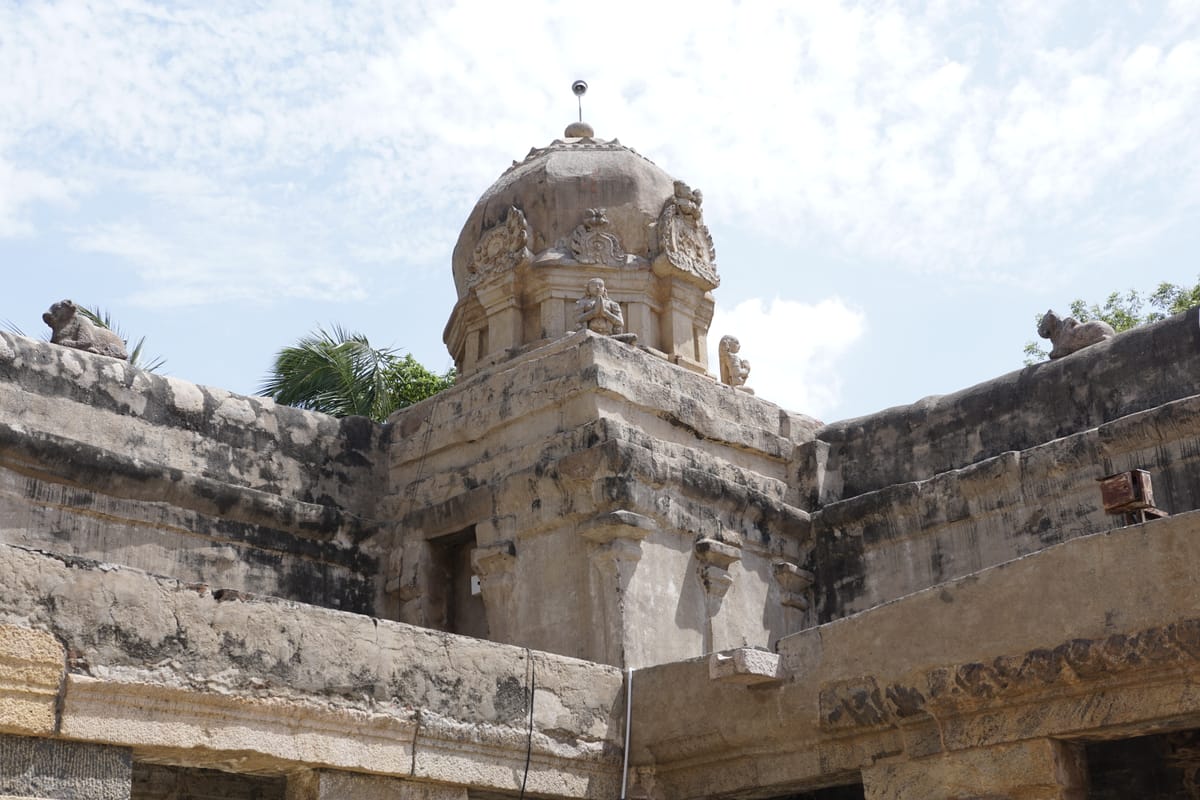
The Mahamaya Temple is a magnificent representation of the Nagara style of architecture, with distinct regional influences of the Kalachuri period. Built primarily of local grey stone and bricks, the temple features a massive 'Shikhara' (spire) decorated with intricate relief carvings of various Hindu deities and floral patterns. The shikhara is a curvilinear structure that rises gracefully, topped with a large 'Amalaka' and a golden 'Kalash.' **Key Architectural Features:** - **Intricate Carvings:** The exterior walls of the temple are adorned with carvings of celestial nymphs (apsaras), musicians, and scenes from the Devi Mahatmya. - **The Sabha Mandapa:** The main hall is supported by sturdy stone pillars, some of which belong to the original 11th-century construction, featuring carvings of the Kalachuri royal symbols. - **The Dual Sanctum:** The inner sanctum is designed to house two idols, one behind the other, a rare feature in Hindu temple planning. - **Temple Enclosure:** The complex is surrounded by high, fortified stone walls with grand gateways (Dwaras), giving it the appearance of a sacred fortress. - **Ancient Ponds:** The temple is flanked by several ancient tanks, including the 'Ratneswar Tank,' which were part of the original town planning of King Ratnadev. The integration of the stone architecture with the surrounding water bodies and the centuries-old trees creates a peaceful, garden-like environment that enhances the temple's spiritual appeal.
The spiritual significance of the Mahamaya Temple lies in its status as a major Shakti Peetha. According to the Puranic legend of the 'Daksha Yagna,' when Lord Vishnu used his Sudarshana Chakra to dismember the charred body of Sati, her **right shoulder** (some traditions say waist) fell at Ratanpur. This makes the site a 'Siddha Peetha,' a place of high spiritual energy where the Divine Mother is believed to be 'Jagrut' (awake). Theologically, the temple is unique because it represents the synthesis of the three primary aspects of Shakti. While the main deity is Mahamaya, the presence of dual idols symbolizes the union of Mahalakshmi (the provider of wealth and prosperity) and Mahasaraswati (the provider of wisdom). For the people of Chhattisgarh, the temple is more than a religious site; it is a symbol of their history and identity. The belief that a visit to [Baidyanath Dham](/temple/baidyanath-jyotirlinga-temple) is incomplete without paying homage to the Mother in Ratanpur is a common sentiment among regional pilgrims. The temple also serves as a vital node in the state's spiritual map, connecting with the [Danteshwari Temple](/temple/danteshwari-temple) in the south and the [Bhoramdeo Temple](/temple/bhoramdeo-temple) in the west.
The rituals at the Mahamaya Temple follow the ancient Vedic and Tantric traditions of the Kalachuri court. The daily schedule begins long before dawn with the 'Nirmalya Darshan' and the ritual bathing (Abhishekam) of the deity with sacred water and milk. **Key Rituals:** - **Maha Aarti:** Performed twice a day, at sunrise and sunset. The evening Aarti is a spectacular event, accompanied by the sounding of traditional Nagadas (drums) and the chanting of 'Durga Chalisa.' - **Bhog Offering:** The Goddess is offered a royal meal prepared in the temple's traditional kitchen, consisting of locally grown rice, pulses, and sweets. - **Jyoti Kalash:** A unique and visually stunning ritual performed during Navratri, where thousands of oil lamps (Jyotis) are lit on behalf of devotees and maintained for nine days in dedicated halls. The sight of these thousands of flickering flames symbolizes the eternal light of the soul. - **Bali (Sacrifice):** Following ancient Shakta traditions, symbolic or actual sacrifices are performed on specific auspicious days, though this is conducted with deep reverence and according to strict religious guidelines.
The **Navratri** festivals (both Chaitra in spring and Sharad in autumn) are the grandest events at the Mahamaya Temple. During these nine days, the entire town of Ratanpur is transformed into a massive carnival of faith. Hundreds of thousands of pilgrims participate in the 'Padyatra' (walking pilgrimage) to reach the temple. The 'Mela' (fair) held near the temple is one of the largest in Central India, showcasing local crafts, folk music, and traditional Chhattisgarhi cuisine. Another significant festival is **Maha Shivaratri**, celebrated at the Kanteswar Mahadev shrine within the complex. The **Makar Sankranti** is marked by a holy dip in the temple tanks and special charity events. During these festivals, the entire temple complex is beautifully illuminated with millions of lights, and the chanting of 'Jai Mata Di' echoes through the ancient streets of Ratanpur, creating a high-energy spiritual environment that is truly unforgettable.
Shakti Peetha (Right Shoulder of Sati), Dual Idols of Mahalakshmi and Mahasaraswati, 11th-century Kalachuri Architecture, Jyoti Kalash Ritual, Historic Ratanpur Capital.
The ideal time to visit the Mahamaya Temple is from October to March when the weather in Chhattisgarh is pleasant and cool. Visiting during the Navratri festivals (October and April) offers the most vibrant cultural experience, though prepare for very large crowds. Visit early in the morning to witness the serene rituals and avoid the midday heat.
The temple is open for darshan from 6:00 AM to 8:00 PM daily. During the Navratri festivals, the doors often remain open for 24 hours to accommodate the surge of pilgrims. The main evening Aarti is performed at approximately 7:00 PM.
A. This is a unique feature of the Ratanpur Mahamaya Temple. The front idol represents Goddess Mahalakshmi and the one behind it represents Goddess Mahasaraswati. Together, they symbolize the union of wealth and wisdom, providing a complete spiritual representation of the Divine Mother.
A. Yes, it is a highly revered Shakti Peetha. It is believed that the right shoulder of Goddess Sati fell here during the dismemberment of her body by Lord Vishnu's Sudarshana Chakra.
A. During Navratri, thousands of oil lamps are lit by devotees as an offering to the Goddess. These lamps are kept burning continuously for nine days in special halls within the temple complex, symbolizing the victory of light over darkness and the devotee's eternal faith.
Kalighat Kali Temple
A major Shakti Peetha where the toes of Sati's right foot fell, serving as the spiritual heart of Kolkata.
Tarapith Temple Birbhum
A major center for Tantric worship dedicated to Goddess Tara, famous for the saint Bamakhyapa and its sacred cremation ground.
Bargabhima Temple Tamluk
An ancient 1,150-year-old temple where Sati's left ankle fell, blending Bengali 'at-chala' and Odia 'Kalinga' styles.
Vaishno Devi Temple
The Vaishno Devi Temple, a sacred cave shrine nestled in the Trikuta Mountains of Jammu and Kashmir, is one of India's most visited pilgrimage sites, where millions trek 12 km each year to seek blessings of Mata Vaishno Devi at the holy cave complex.
Dhari Devi Temple
A sacred Shakti temple on the banks of the Alaknanda River, considered the guardian deity of the Char Dham Yatra and famous for the idol that changes color three times daily.
Vishalakshi Temple
The Vishalakshi Temple, located in the narrow lanes of Mir Ghat near the Ganges in Varanasi, is one of the 51 Shakti Peethas where the earrings of Goddess Sati are believed to have fallen. Dedicated to the 'wide-eyed' goddess Vishalakshi, the temple is the first stop on the traditional Kashi Yatra pilgrimage circuit and is considered the consort shrine of the neighbouring Kashi Vishwanath Temple.
Bhoramdeo Temple
Commonly known as the 'Khajuraho of Chhattisgarh,' this 11th-century architectural masterpiece is famous for its exquisite erotic and mythological sculptures.
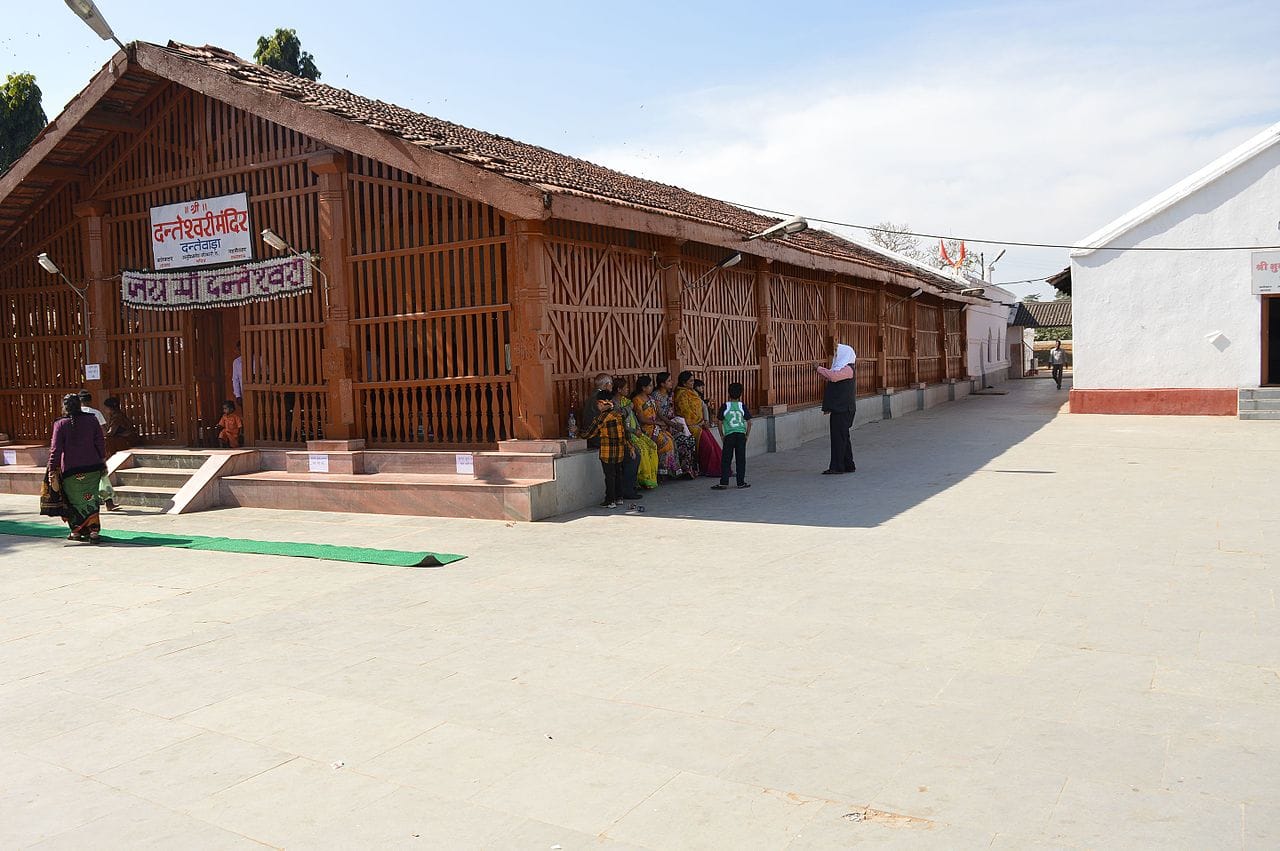
Danteshwari Temple
A major Shakti Peetha located in the tribal heartland of Bastar, where the tooth of Sati is believed to have fallen.
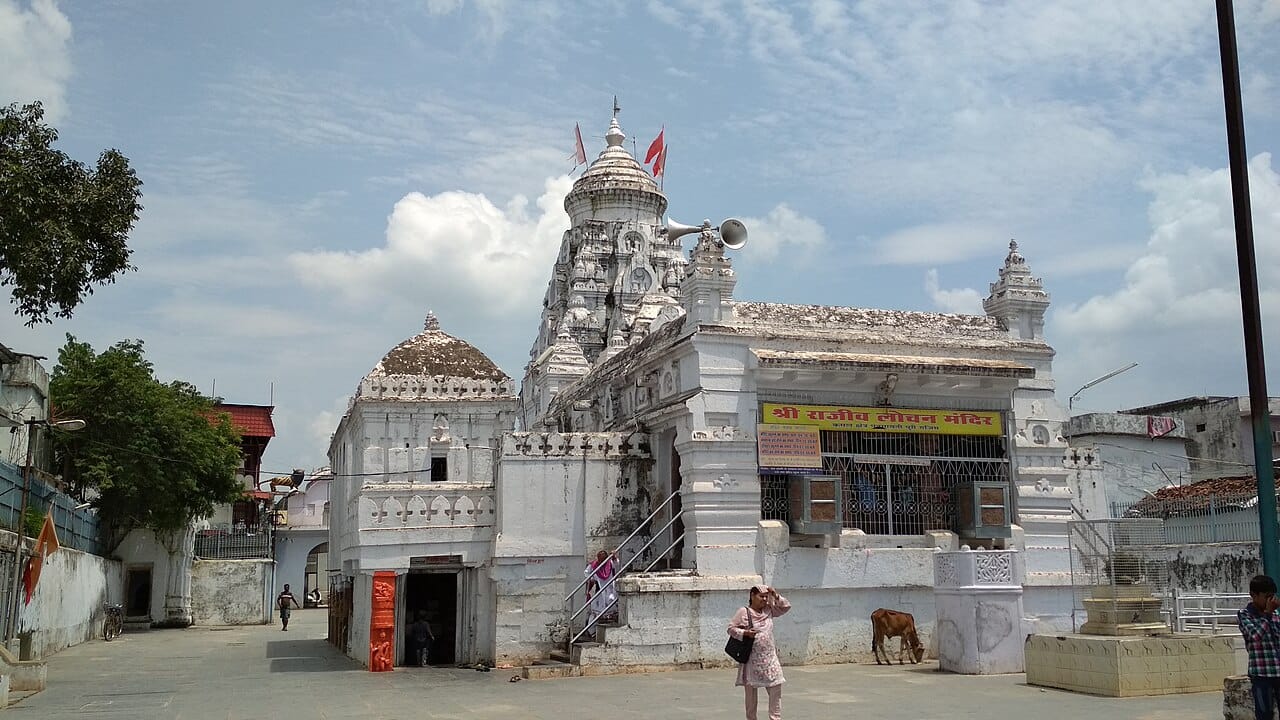
Rajiv Lochan Temple
A magnificent 7th-century Vishnu temple situated at the holy confluence of three rivers, known as the 'Prayag of Chhattisgarh' and famous for its Nala dynasty architecture.
India's temples are living traditions — not museums. Every temple has its own customs. This guide helps first-time visitors prepare with confidence and respect.
Foreign visitor information is being researched
Please verify with the official temple authority before planning your visit.
Foreign Visitors
Verify Before VisitingVisitor Information
Entry policies vary between temples. Most temples welcome visitors, while some may restrict access to specific areas, rituals, or the inner sanctum. Always verify the latest entry guidelines with the official temple authorities before your visit.
Modest clothing is expected at every Indian temple — a sign of respect, not a restriction. Think of it as dressing for a formal ceremony.
A scarf is always useful — it covers shoulders, works as a head covering, and can double as a makeshift face cover if needed.
Outdoor photography is generally permitted. Indoor photography is often restricted. Always look for signage or ask a priest before taking photos inside.
The ideal time to visit the Mahamaya Temple is from October to March when the weather in Chhattisgarh is pleasant and cool. Visiting during the Navratri festivals (October and April) offers the most vibrant cultural experience, though prepare for very large crowds. Visit early in the morning to witness the serene rituals and avoid the midday heat.
April — June
July — September
English is widely understood at major tourist temples. In smaller local temples, Hindi and the regional language are more common. A smile and simple hand gestures go a long way. Learning a few words of the local language is always appreciated.
Cash (Indian Rupees) is the most reliable option, especially for temple offerings, small shops, and local transport.
UPI digital payments (Google Pay, PhonePe, Paytm) are widely accepted across India — even at roadside stalls. Download one before you arrive.
International credit/debit cards work at most ATMs, hotels, and larger establishments. Smaller vendors may only accept cash or UPI.
Carry small denominations (₹10, ₹20, ₹50, ₹100 notes) for offerings and temple donations. Large notes (₹500, ₹2000) can be hard to break at smaller counters.
Many historic temples have uneven stone floors, multiple steps, and narrow passages. Wheelchair access is limited at older sites — contact the temple in advance.
Basic restroom facilities and drinking water are available at most major temples. Some charge a small fee (₹5–₹10).
Stay hydrated — carry a reusable water bottle, especially in hot climates.
Keep valuables secure — use hotel lockers for passports and excess cash.
Wear comfortable, sturdy footwear — temple floors can be hot, wet, or uneven.
Beware of unofficial guides or touts near temple entrances. Only use authorised services.
Carry a photocopy of your passport and visa. Leave originals in your hotel safe.
Download offline maps — mobile networks can be unreliable near remote temple sites.
These short explanations help make sense of what you see and experience.
Darshan means 'seeing' — but in a temple it means being seen by the deity. It is a sacred moment of connection, not just a viewing.
Removing footwear is a sign of humility. It also keeps the temple floor clean, since devotees sit and pray on the ground.
Food offered to the deity and then distributed to devotees. It is considered blessed. Accept it with both hands and do not discard it.
The bell creates a focused acoustic atmosphere, wards off distractions, and announces your presence before entering the inner sanctum.
Circumambulation (pradakshina) is done clockwise, keeping the sanctum on your right — an auspicious direction aligned with the sun's path.
Flowers symbolise devotion, coconuts represent the ego being broken, incense purifies the air, and lamps represent the victory of light over darkness.
Sacred viewing of the deity; the central act of temple worship.
Clockwise circumambulation of the sanctum.
Blessed food offered to the deity and distributed to devotees.
The innermost sanctum where the main deity resides.
The towering spire above the sanctum, a defining feature of temple architecture.
A pillared hall or pavilion within the temple complex.
The Indian Rupee (?, INR) is the local currency. ATMs are widely available in cities and towns. For temple offerings, keep small notes (₹10, ₹20, ₹50). Most temples accept donations in cash only — digital payments are uncommon at the offering counter itself.
Offerings (dakshina) are given with the right hand. Place cash in the donation box (hundi) or give it directly to the priest. There is no fixed amount — give what feels appropriate. Some temples have fixed fees for special entry or puja participation.
Shoes and sandals are removed before entering the temple building. Most temples have a designated shoe counter (free or a small fee of ₹5–₹20). Socks are generally allowed. In monsoon, carry a plastic bag for wet shoes.
Darshan queues can take 30 minutes to 3 hours at popular temples. Many offer paid VIP darshan (₹100–₹500) for faster entry. Special queues for women, elderly, and disabled visitors exist at some temples. No line jumping.
Major festivals draw enormous crowds — sometimes hundreds of thousands. Book accommodation months in advance. Expect road closures, restricted vehicle access, and limited phone network. Arrive early (before dawn) to avoid the worst congestion.
Always look for signage before taking photos. When in doubt, ask a priest. Never take photos of devotees in prayer without permission. Selfie sticks are banned at most temples. Silently switch your phone to silent mode.
Police / Ambulance / Fire: 112 (National Emergency Number)
Tourist Helpline: 1800-111-363 (Multi-lingual, Ministry of Tourism)
Women's Helpline: 1091
Temple-specific visitor information is continuously researched and updated from official sources. Where specific data is unavailable, general India travel guidance is provided. Always verify current policies with the temple authority before your visit.
Information last verified July 2026. Temple-specific data coming soon.
Continue your journey through the spiritual and architectural wonders of India.

Commonly known as the 'Khajuraho of Chhattisgarh,' this 11th-century architectural masterpiece is famous for its exquisite erotic and mythological sculptures.

A major Shakti Peetha located in the tribal heartland of Bastar, where the tooth of Sati is believed to have fallen.

A magnificent 7th-century Vishnu temple situated at the holy confluence of three rivers, known as the 'Prayag of Chhattisgarh' and famous for its Nala dynasty architecture.

One of the 51 Shakti Peethas, this ancient temple is famous for its legendary wealth and the unique 'Makhan ka Lep' ritual on Makar Sankranti.
"India has over 40 UNESCO World Heritage Sites, ranging from ancient temples to natural wonders."