From ancient rock-cut marvels to towering imperial shrines, discover the architectural soul of Bharat through our verified digital archive.
Explore More Temples
Location
Kangra
Presiding Deity
Goddess Bajreshwari
Architecture
Nagara Style
Dynasty
Ancient — Katoch Dynasty Heritage
Timings
The temple is open for darshan from 5:00 AM to 9:00 PM daily. During the Navratri festivals, the doors often remain open for 24 hours. The main morning Aarti is at 5:30 AM, the Bhog Aarti at 12:00 PM, and the evening Sandhya Aarti at 7:00 PM. Reach early to witness the morning rituals.
Entry Fee
Free
Best Time
The best time to visit the Bajreshwari Devi Temple is from September to March, when the weather in the Kangra valley is crisp and pleasant. For those wishing to witness the unique 'Makhan ka Lep' ritual, visiting in mid-January during Makar Sankranti is essential. The Navratri periods (October and April) offer the most spiritually vibrant experience, though one must be prepared for large crowds and long queues.
One of the 51 Shakti Peethas, this ancient temple is famous for its legendary wealth and the unique 'Makhan ka Lep' ritual on Makar Sankranti.
The history of the Bajreshwari Devi Temple is a grand and often turbulent saga that spans from the mythological ages to the modern era. According to the Puranic legend of the 'Daksha Yagna,' when Goddess Sati's body was dismembered by Lord Vishnu's Sudarshana Chakra, her **left breast** fell at this very spot, consecrating it as a major Shakti Peetha. Legend also attributes the foundation of the original temple to the Pandavas during their exile, following a divine vision of the Goddess. Historically, the temple was world-renowned for its staggering wealth, which unfortunately made it a frequent target for foreign invaders. In 1009 AD, Mahmud of Ghazni plundered the temple, reportedly carrying away thousands of kilograms of gold and jewels. Despite being razed, the temple was repeatedly rebuilt by the local Katoch Rajput rulers. It faced further assaults from Firoz Shah Tughlaq and other medieval conquerors, yet it always rose again from its ashes, stronger than before. In 1905, a catastrophic earthquake leveled the entire Kangra valley, completely destroying the ancient temple structure. The resilient local community and the rulers of the time joined forces to reconstruct the present structure in 1920, ensuring that the ancient traditions and the sanctity of the Peetha were preserved for future generations.
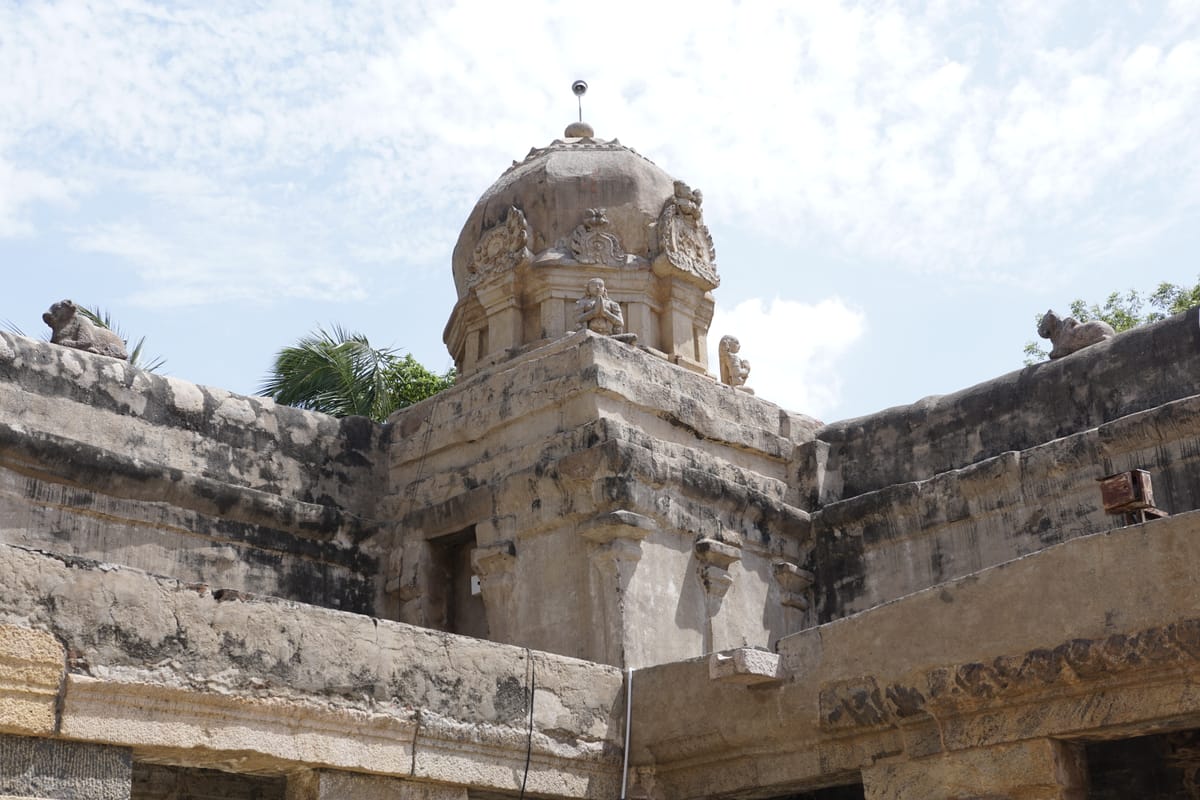
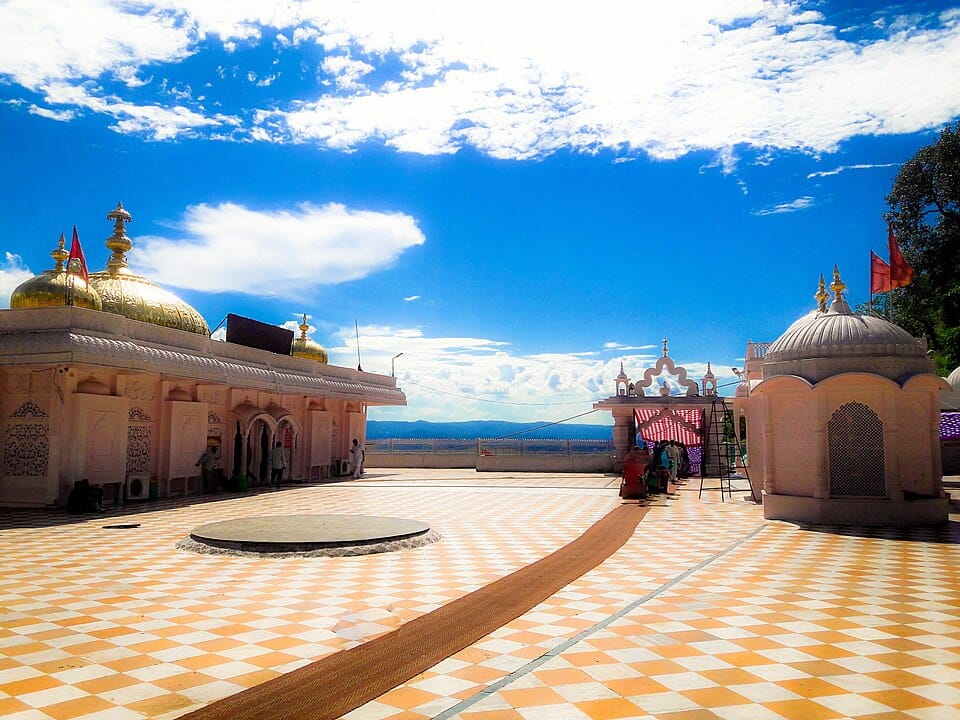
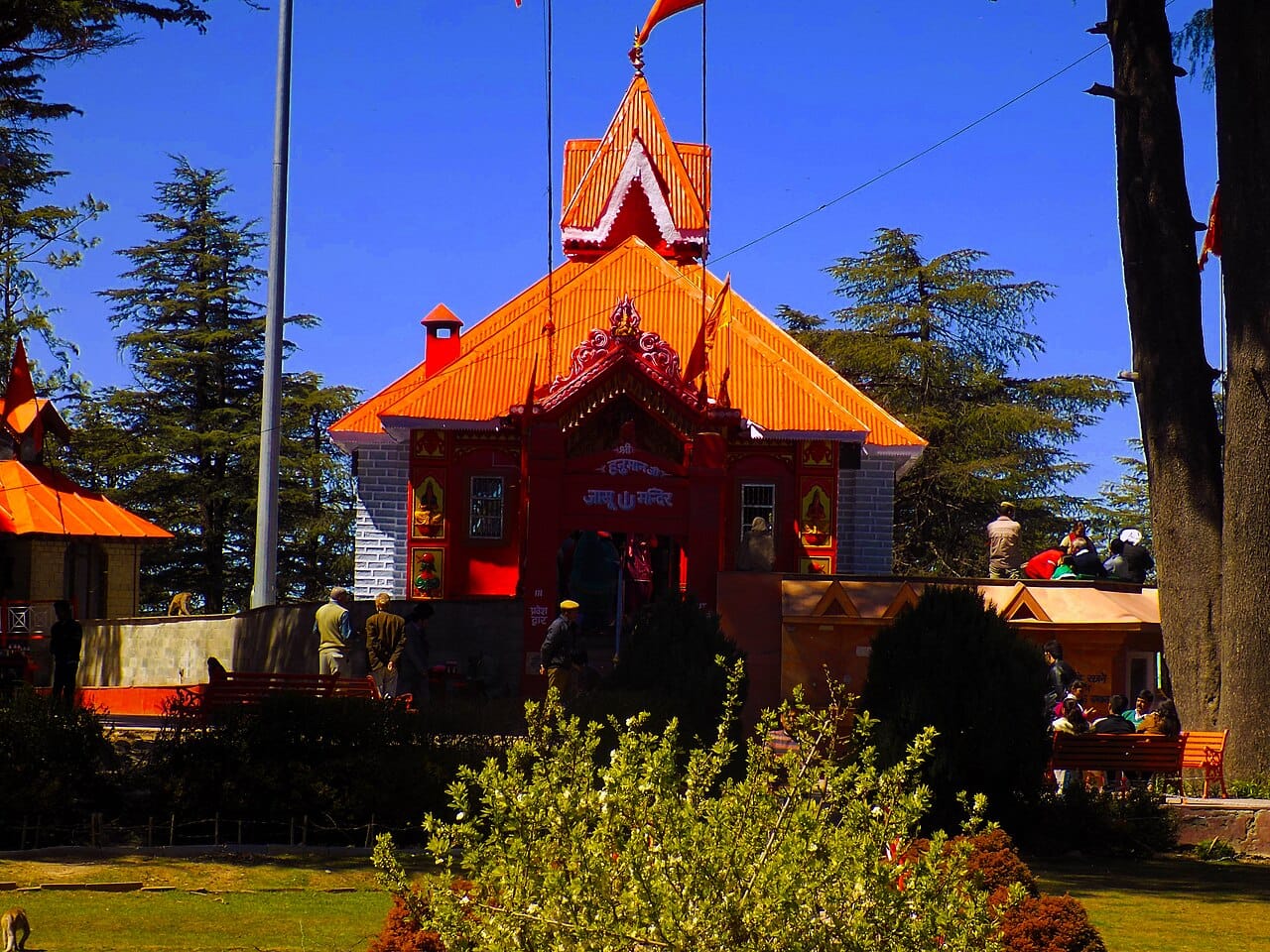
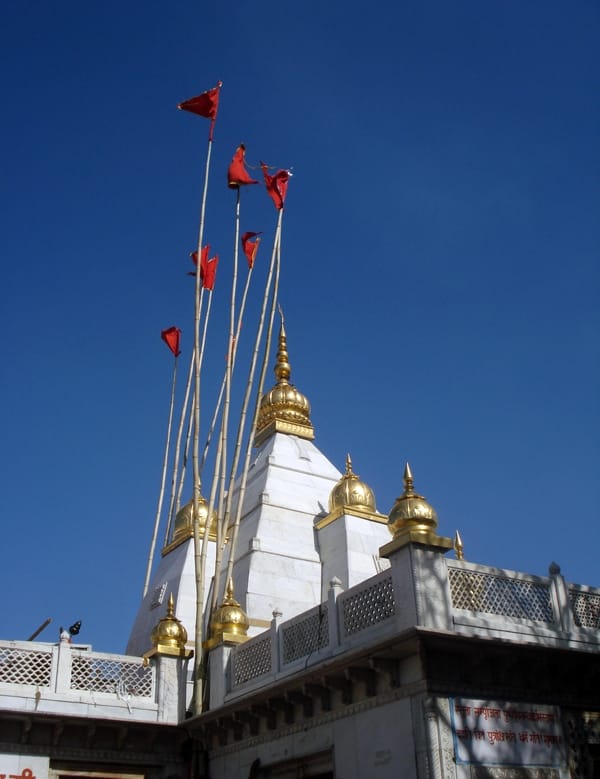
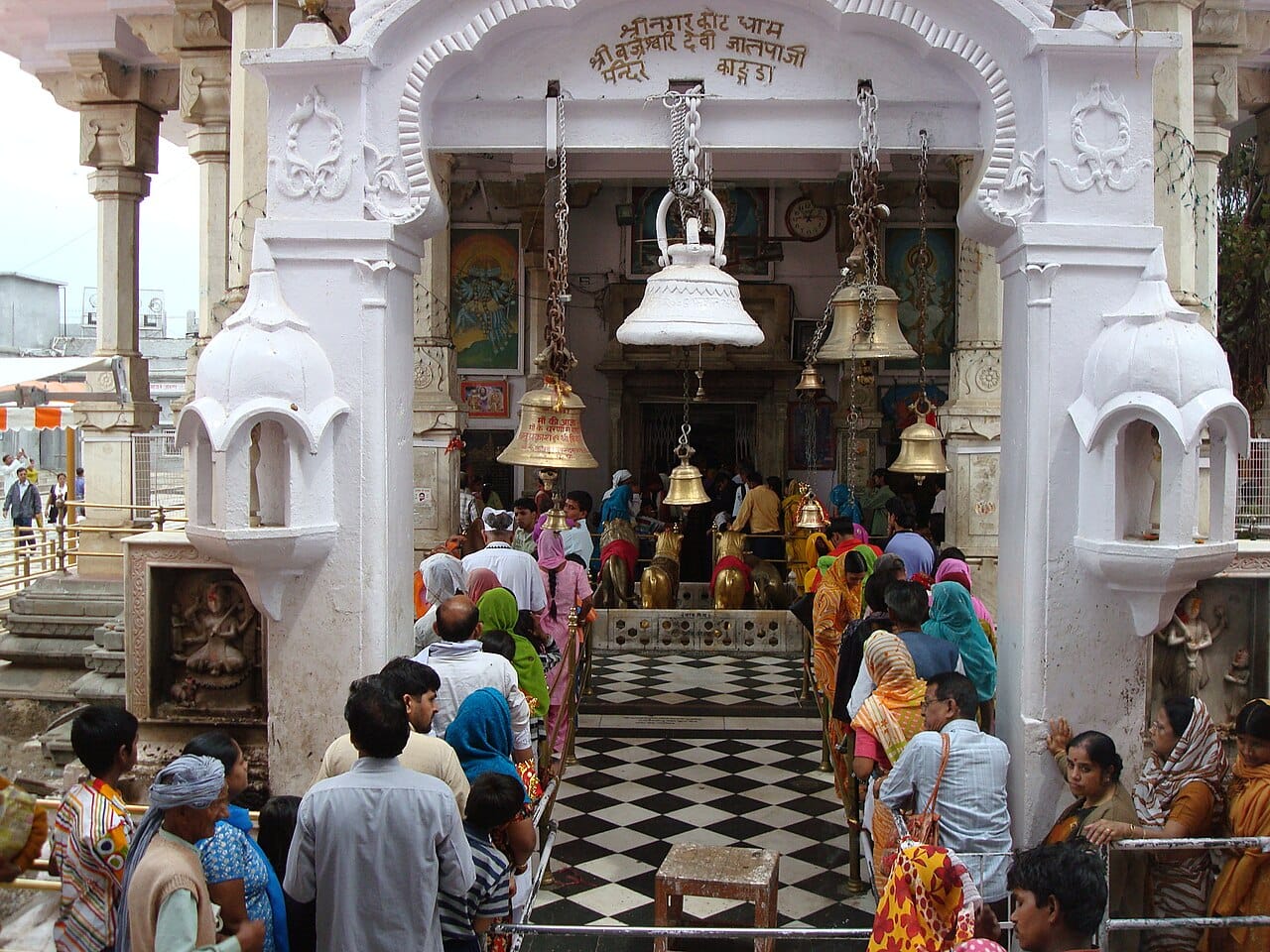
The architecture of the Bajreshwari Devi Temple is a magnificent representation of the Nagara style, which is characteristic of medieval North Indian temple building. The temple is built primarily of stone and features a tall, curvilinear 'Shikhara' (spire) decorated with intricate relief carvings of various Hindu deities and floral motifs. The shikhara is topped with a golden 'Kalash' and multiple red flags that flutter in the mountain breeze, visible from far across the Kangra valley. Three small tombs or 'Domes' at the entrance are a unique architectural feature of the complex. These were reportedly built as a tribute to the diverse religious influences and the resilience of the temple during the medieval period. The entrance leads into a spacious stone-paved courtyard surrounded by smaller shrines dedicated to Lord Shiva, Lord Ganesha, and Bhairava. The inner sanctum (Garbhagriha) is a small, dark, and highly energized space housing the main idol of the Goddess under a magnificent silver canopy gifted by devotees. The use of silver plating on the doors and the ornate marble work in the interior reflect the temple's history of royal patronage. The integration of the temple structure with the local landscape, providing views of the nearby Kangra Fort, showcases the strategic and spiritual wisdom of the ancient builders.
Bajreshwari Devi holds a paramount position in the religious hierarchy of Himachal Pradesh. As one of the 51 Shakti Peethas, it is considered a 'Siddha Peetha'—a place where the Divine Mother is believed to be 'Jagrit' (awake and active), granting the prayers of her devotees almost instantaneously. The temple is a vital link in the famous 'Nau Devi' (Nine Goddesses) pilgrimage of North India, and it forms a sacred triangle with the Chamunda Devi Temple and [Jwala Ji Temple](/temple/jwala-ji-temple). The theological significance of the Goddess here is that of 'Vajra-eshwari'—the Mistress of the Thunderbolt, symbolizing the indestructible and diamond-hard power of the divine that shatters ignorance and ego. For the people of the Punjab and Himachal regions, she is the supreme 'Kuldevi' (ancestral goddess), often referred to as 'Kangra Wali Mai.' The belief in the healing powers of the deity, particularly through the sacred butter ritual, makes the temple a primary destination for those seeking relief from physical and spiritual ailments. The shrine's survival through centuries of destruction is seen by many as a miracle in itself, representing the victory of Dharma over time and decay.
The ritual life at Bajreshwari Devi is marked by Vedic precision and deep emotional fervor. The day begins at 5:00 AM with the 'Mangala Aarti,' which is a private ceremony to awaken the Goddess. Throughout the day, multiple aartis and bhog offerings are made, including a royal meal at noon. The most famous and unique ritual at this temple is the **'Makhan ka Lep'** (Butter Smearing) performed on the occasion of Makar Sankranti. According to legend, after slaying the demon Mahishasura, the Goddess was wounded, and the gods used butter washed 100 times with holy water to heal her wounds. To commemorate this, the deity's Pindi is covered with a thick layer of purified butter on Makar Sankranti, which remains for a week. This butter is believed to acquire miraculous healing properties and is later distributed as 'Prasadam' to devotees. Another significant ritual is the daily recitation of the 'Chandi Path,' which creates a powerful vibrational field in the temple courtyard. Many pilgrims also perform the 'Mundan' (first haircut) ceremony for their children here, seeking the Mother's protection.
Makar Sankranti is the grandest festival celebrated at the temple, marked by the week-long butter ritual and a massive local fair. Navratri (both Chaitra in spring and Sharad in autumn) is another major peak, drawing millions of pilgrims. During these nine days, the entire town of Kangra is transformed into a sea of saffron-clad devotees, and the temple is illuminated with millions of lights. 'Deepawali' and 'Holi' are also celebrated with great joy. A unique regional festival is the 'Kangra Mela,' held during the spring Navratri, which showcases the local Himachali heritage through traditional music, 'Nati' dances, and local crafts. During these festivals, the processional idol of the Goddess is taken out in a grand palanquin around the town, allowing those who cannot reach the temple to receive her blessings. The atmosphere during these times is electric, filled with the spirit of 'Jai Mata Di' and a sense of collective spiritual renewal.
Shakti Peetha (Left Breast of Sati), Makhan ka Lep Ritual, 1905 Earthquake History, Legendary Wealth, Nagara Architecture
The best time to visit the Bajreshwari Devi Temple is from September to March, when the weather in the Kangra valley is crisp and pleasant. For those wishing to witness the unique 'Makhan ka Lep' ritual, visiting in mid-January during Makar Sankranti is essential. The Navratri periods (October and April) offer the most spiritually vibrant experience, though one must be prepared for large crowds and long queues.
The temple is open for darshan from 5:00 AM to 9:00 PM daily. During the Navratri festivals, the doors often remain open for 24 hours. The main morning Aarti is at 5:30 AM, the Bhog Aarti at 12:00 PM, and the evening Sandhya Aarti at 7:00 PM. Reach early to witness the morning rituals.
A. The devastating 1905 Kangra earthquake completely destroyed the ancient stone structure of the temple. The current structure was built in 1920 by the local community and the state government, meticulously preserving the original sanctum and the 'Pindi' of the Goddess.
A. Performed on Makar Sankranti, 'Makhan ka Lep' involves smearing the deity with butter that has been purified by washing it 100 times with holy water. This butter remains on the deity for a week. It is believed to possess divine healing powers and is distributed to pilgrims to cure skin diseases and other ailments.
A. The temple is located in the main Kangra town, approximately 3 kilometers from the historic Kangra Fort. Most visitors combine a visit to the temple with a tour of the fort, which was once the seat of the Katoch rulers.
Kalighat Kali Temple
A major Shakti Peetha where the toes of Sati's right foot fell, serving as the spiritual heart of Kolkata.
Tarapith Temple Birbhum
A major center for Tantric worship dedicated to Goddess Tara, famous for the saint Bamakhyapa and its sacred cremation ground.
Bargabhima Temple Tamluk
An ancient 1,150-year-old temple where Sati's left ankle fell, blending Bengali 'at-chala' and Odia 'Kalinga' styles.
Vaishno Devi Temple
The Vaishno Devi Temple, a sacred cave shrine nestled in the Trikuta Mountains of Jammu and Kashmir, is one of India's most visited pilgrimage sites, where millions trek 12 km each year to seek blessings of Mata Vaishno Devi at the holy cave complex.
Dhari Devi Temple
A sacred Shakti temple on the banks of the Alaknanda River, considered the guardian deity of the Char Dham Yatra and famous for the idol that changes color three times daily.
Vishalakshi Temple
The Vishalakshi Temple, located in the narrow lanes of Mir Ghat near the Ganges in Varanasi, is one of the 51 Shakti Peethas where the earrings of Goddess Sati are believed to have fallen. Dedicated to the 'wide-eyed' goddess Vishalakshi, the temple is the first stop on the traditional Kashi Yatra pilgrimage circuit and is considered the consort shrine of the neighbouring Kashi Vishwanath Temple.
Jwala Ji Temple
A highly venerated Shakti Peetha where the Goddess manifests as nine eternal natural flames, famous for the legend of Emperor Akbar's failed attempt to extinguish them.
Chintpurni Temple
A major Shakti Peetha dedicated to Maa Chhinnamastika, the 'Headless Goddess', believed to remove all worries and fulfill the sincere prayers of devotees.
Naina Devi Temple
A highly revered Shakti Peetha situated on a triangular hilltop where the eyes of Sati are believed to have fallen, offering panoramic views of the Shivalik range and Gobind Sagar Lake.
India's temples are living traditions — not museums. Every temple has its own customs. This guide helps first-time visitors prepare with confidence and respect.
Foreign visitor information is being researched
Please verify with the official temple authority before planning your visit.
Foreign Visitors
Verify Before VisitingVisitor Information
Entry policies vary between temples. Most temples welcome visitors, while some may restrict access to specific areas, rituals, or the inner sanctum. Always verify the latest entry guidelines with the official temple authorities before your visit.
Modest clothing is expected at every Indian temple — a sign of respect, not a restriction. Think of it as dressing for a formal ceremony.
A scarf is always useful — it covers shoulders, works as a head covering, and can double as a makeshift face cover if needed.
Outdoor photography is generally permitted. Indoor photography is often restricted. Always look for signage or ask a priest before taking photos inside.
The best time to visit the Bajreshwari Devi Temple is from September to March, when the weather in the Kangra valley is crisp and pleasant. For those wishing to witness the unique 'Makhan ka Lep' ritual, visiting in mid-January during Makar Sankranti is essential. The Navratri periods (October and April) offer the most spiritually vibrant experience, though one must be prepared for large crowds and long queues.
April — June
July — September
English is widely understood at major tourist temples. In smaller local temples, Hindi and the regional language are more common. A smile and simple hand gestures go a long way. Learning a few words of the local language is always appreciated.
Cash (Indian Rupees) is the most reliable option, especially for temple offerings, small shops, and local transport.
UPI digital payments (Google Pay, PhonePe, Paytm) are widely accepted across India — even at roadside stalls. Download one before you arrive.
International credit/debit cards work at most ATMs, hotels, and larger establishments. Smaller vendors may only accept cash or UPI.
Carry small denominations (₹10, ₹20, ₹50, ₹100 notes) for offerings and temple donations. Large notes (₹500, ₹2000) can be hard to break at smaller counters.
Many historic temples have uneven stone floors, multiple steps, and narrow passages. Wheelchair access is limited at older sites — contact the temple in advance.
Basic restroom facilities and drinking water are available at most major temples. Some charge a small fee (₹5–₹10).
Stay hydrated — carry a reusable water bottle, especially in hot climates.
Keep valuables secure — use hotel lockers for passports and excess cash.
Wear comfortable, sturdy footwear — temple floors can be hot, wet, or uneven.
Beware of unofficial guides or touts near temple entrances. Only use authorised services.
Carry a photocopy of your passport and visa. Leave originals in your hotel safe.
Download offline maps — mobile networks can be unreliable near remote temple sites.
These short explanations help make sense of what you see and experience.
Darshan means 'seeing' — but in a temple it means being seen by the deity. It is a sacred moment of connection, not just a viewing.
Removing footwear is a sign of humility. It also keeps the temple floor clean, since devotees sit and pray on the ground.
Food offered to the deity and then distributed to devotees. It is considered blessed. Accept it with both hands and do not discard it.
The bell creates a focused acoustic atmosphere, wards off distractions, and announces your presence before entering the inner sanctum.
Circumambulation (pradakshina) is done clockwise, keeping the sanctum on your right — an auspicious direction aligned with the sun's path.
Flowers symbolise devotion, coconuts represent the ego being broken, incense purifies the air, and lamps represent the victory of light over darkness.
Sacred viewing of the deity; the central act of temple worship.
Clockwise circumambulation of the sanctum.
Blessed food offered to the deity and distributed to devotees.
The innermost sanctum where the main deity resides.
The towering spire above the sanctum, a defining feature of temple architecture.
A pillared hall or pavilion within the temple complex.
The Indian Rupee (?, INR) is the local currency. ATMs are widely available in cities and towns. For temple offerings, keep small notes (₹10, ₹20, ₹50). Most temples accept donations in cash only — digital payments are uncommon at the offering counter itself.
Offerings (dakshina) are given with the right hand. Place cash in the donation box (hundi) or give it directly to the priest. There is no fixed amount — give what feels appropriate. Some temples have fixed fees for special entry or puja participation.
Shoes and sandals are removed before entering the temple building. Most temples have a designated shoe counter (free or a small fee of ₹5–₹20). Socks are generally allowed. In monsoon, carry a plastic bag for wet shoes.
Darshan queues can take 30 minutes to 3 hours at popular temples. Many offer paid VIP darshan (₹100–₹500) for faster entry. Special queues for women, elderly, and disabled visitors exist at some temples. No line jumping.
Major festivals draw enormous crowds — sometimes hundreds of thousands. Book accommodation months in advance. Expect road closures, restricted vehicle access, and limited phone network. Arrive early (before dawn) to avoid the worst congestion.
Always look for signage before taking photos. When in doubt, ask a priest. Never take photos of devotees in prayer without permission. Selfie sticks are banned at most temples. Silently switch your phone to silent mode.
Police / Ambulance / Fire: 112 (National Emergency Number)
Tourist Helpline: 1800-111-363 (Multi-lingual, Ministry of Tourism)
Women's Helpline: 1091
Temple-specific visitor information is continuously researched and updated from official sources. Where specific data is unavailable, general India travel guidance is provided. Always verify current policies with the temple authority before your visit.
Information last verified July 2026. Temple-specific data coming soon.
Continue your journey through the spiritual and architectural wonders of India.

A highly venerated Shakti Peetha where the Goddess manifests as nine eternal natural flames, famous for the legend of Emperor Akbar's failed attempt to extinguish them.

A major Shakti Peetha dedicated to Maa Chhinnamastika, the 'Headless Goddess', believed to remove all worries and fulfill the sincere prayers of devotees.

A highly revered Shakti Peetha situated on a triangular hilltop where the eyes of Sati are believed to have fallen, offering panoramic views of the Shivalik range and Gobind Sagar Lake.

An 11th-century Shakti Peetha where the right shoulder of Sati is believed to have fallen; unique for its dual idols representing both Mahalakshmi and Mahasaraswati.
"India has over 40 UNESCO World Heritage Sites, ranging from ancient temples to natural wonders."