Sacred Destinations
Telangana
10Sacred Sites
2UNESCO Heritage
10Major Temples
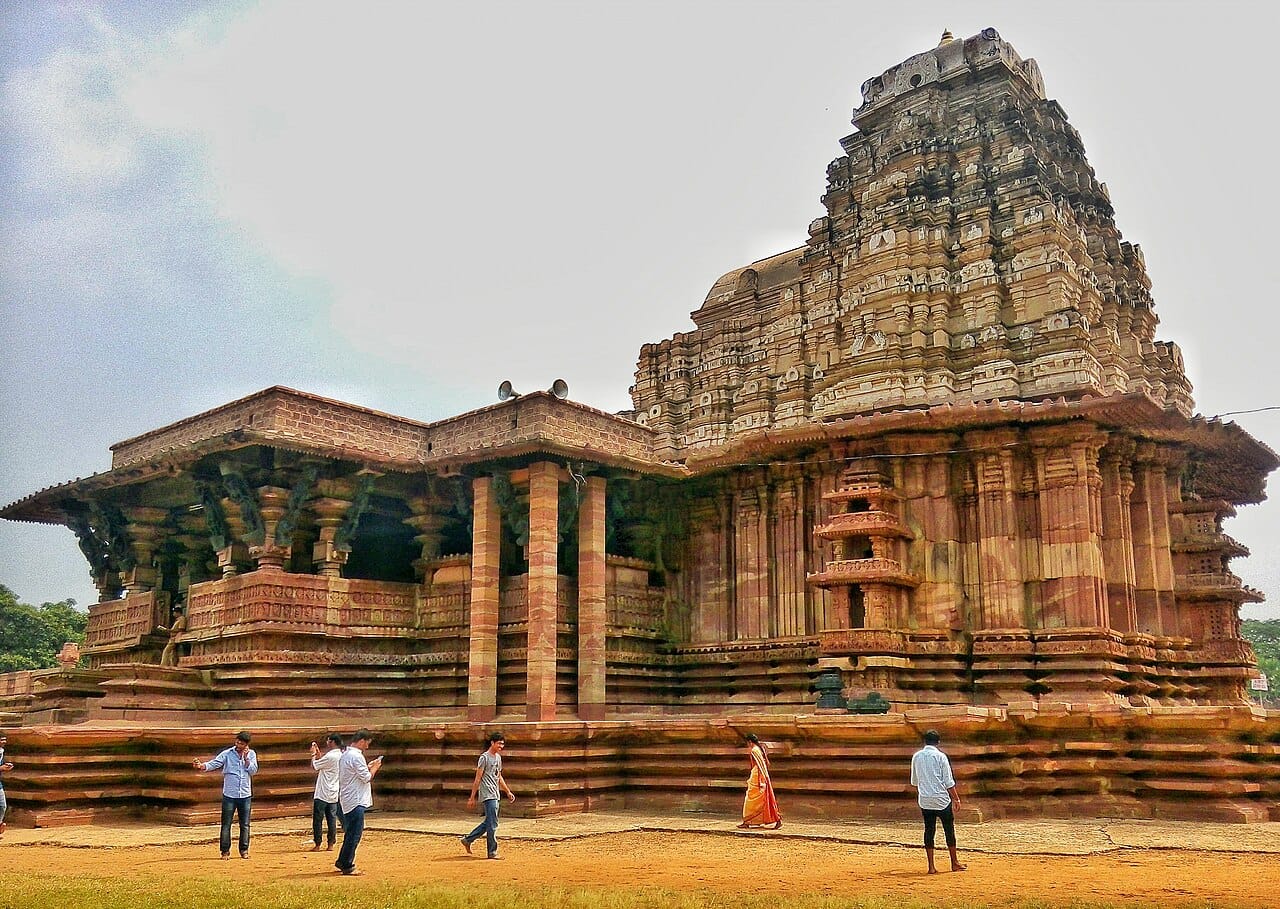
Telangana, the youngest state of India formed in 2014, contains a wealth of medieval temple architecture from the Kakatiya dynasty, particularly the UNESCO World Heritage site of Ramappa Temple (Rudreshwara) at Palampet. The state's sacred geography extends from ancient rock-cut cave temples to modern pilgrimage centers, including the Thousand Pillar Temple in Warangal, the Jogulamba Temple at Alampur (a Shakti Peetha), and the Qutb Shahi-era heritage of Hyderabad.
Quick Facts
Capital
Hyderabad
Population
39.4 million
Area
112,077 km²
Languages
Telugu, Urdu, Hindi
Best Time to Visit
October to February
Major Pilgrimage
Ramappa Temple, Warangal, Alampur, Yadagirigutta
Temple Style
Kakatiya, Badami Chalukya (Nagara)
UNESCO Count
1 (Ramappa Temple)
Major River
Godavari, Krishna, Tungabhadra
Highest Peak
Doli Gutta (965 m)
Why Visit Telangana
Telangana's religious landscape is dominated by the Shaivite and Vaishnavite traditions of the Kakatiya period (12th-14th centuries). The Ramappa Temple, dedicated to Shiva as Rudreshwara, is the pinnacle of Kakatiya art with its star-shaped sanctum and floating bricks. The Thousand Pillar Temple and Kota Gullu showcase Kakatiya engineering. The Jogulamba Temple at Alampur is one of the 18 Ashta Dasha Shakti Peethas. Hyderabad houses the Birla Mandir, Jagannath Temple, and ISKCON temple.
The Ramappa Temple, built in 1213 CE by Kakatiya general Recherla Rudra, is the only Indian temple named after its architect rather than its presiding deity. It was inscribed as a UNESCO World Heritage site in 2021. The Thousand Pillar Temple features intricately carved granite pillars that produce musical sounds. The Jogulamba Temple is one of the 18 Shakti Peethas where Sati's upper teeth fell. The Nava Brahma temples at Alampur (7th-8th century) are early Nagara-style temples predating the Kakatiya period.
Temple Categories
Kakatiya Temples
5Ramappa Temple, Thousand Pillar Temple, Kota Gullu — 12th-13th century.
Chalukya Temples
9Nava Brahma temples at Alampur — 7th-8th century early Nagara style.
Shakti Peethas
1Jogulamba Temple at Alampur — one of 18 Ashta Dasha Shakti Peethas.
Modern Temples
4Birla Mandir Hyderabad, ISKCON, Yadagirigutta Narasimha.
Featured Sacred Places
Telangana
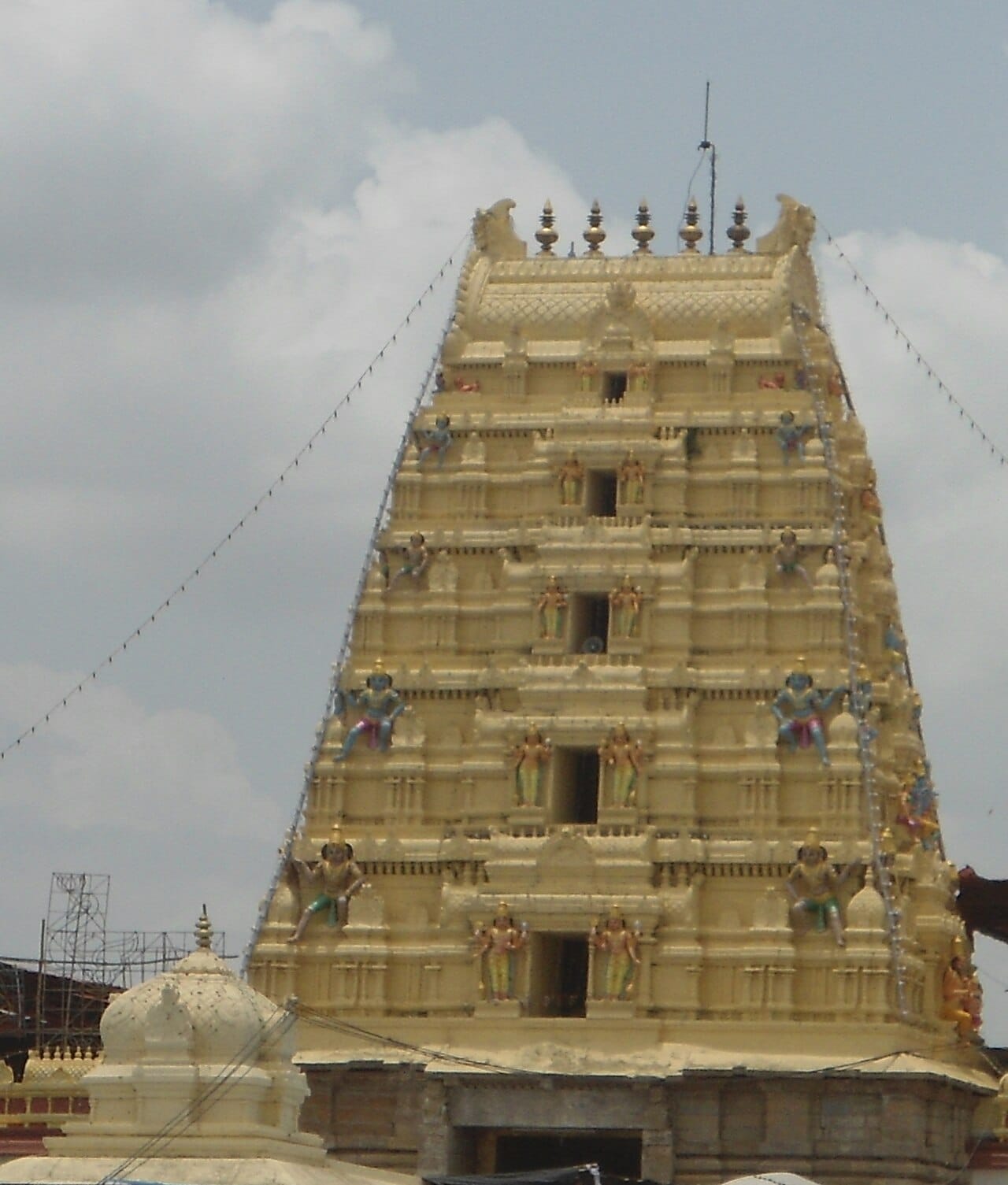
Bhadrachalam Sita Ramachandra Swamy Temple
Known as the Ayodhya of the South, this temple on the Godavari river was built by the legendary devotee Bhakta Ramadasu.
Explore Temple
Telangana
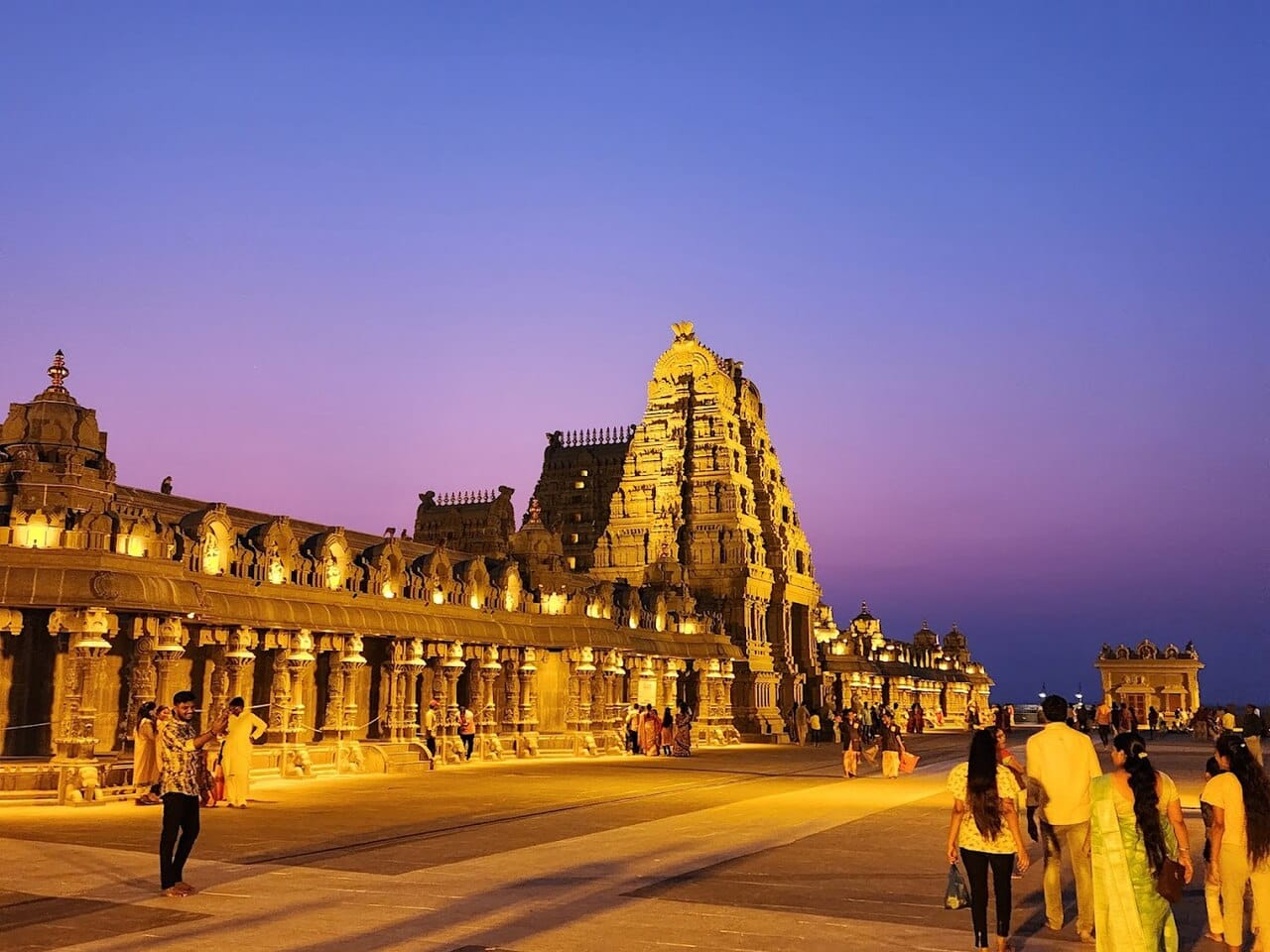
Yadadri Lakshmi Narasimha Swamy Temple
A popular cave temple that recently underwent a massive stone architectural renovation following ancient traditions.
Explore Temple
Telangana
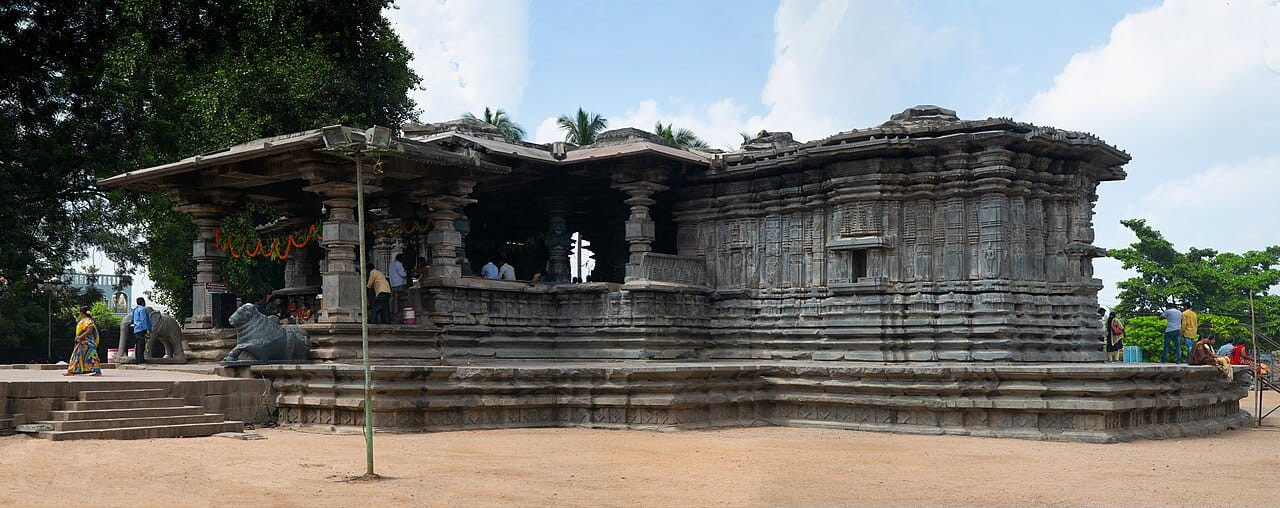
Thousand Pillar Temple
A 12th-century Kakatiya masterpiece dedicated to Shiva, Vishnu, and Surya, famous for its perforated stone screens.
Explore Temple
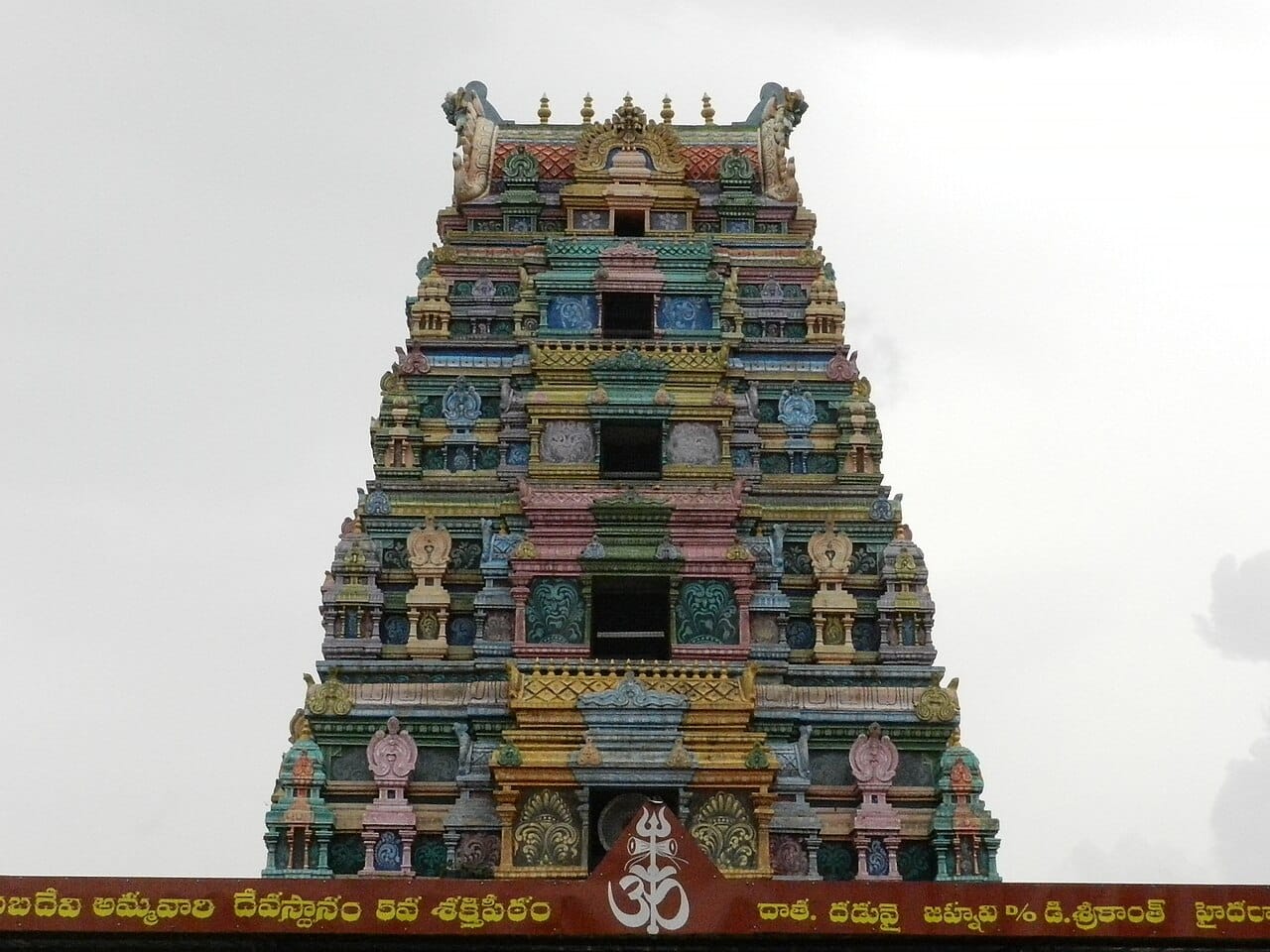
Telangana
Alampur Jogulamba Temple
One of the 18 Maha Shakti Peethas, located in a complex that also houses nine ancient 7th-century Chalukyan temples.
Explore Temple
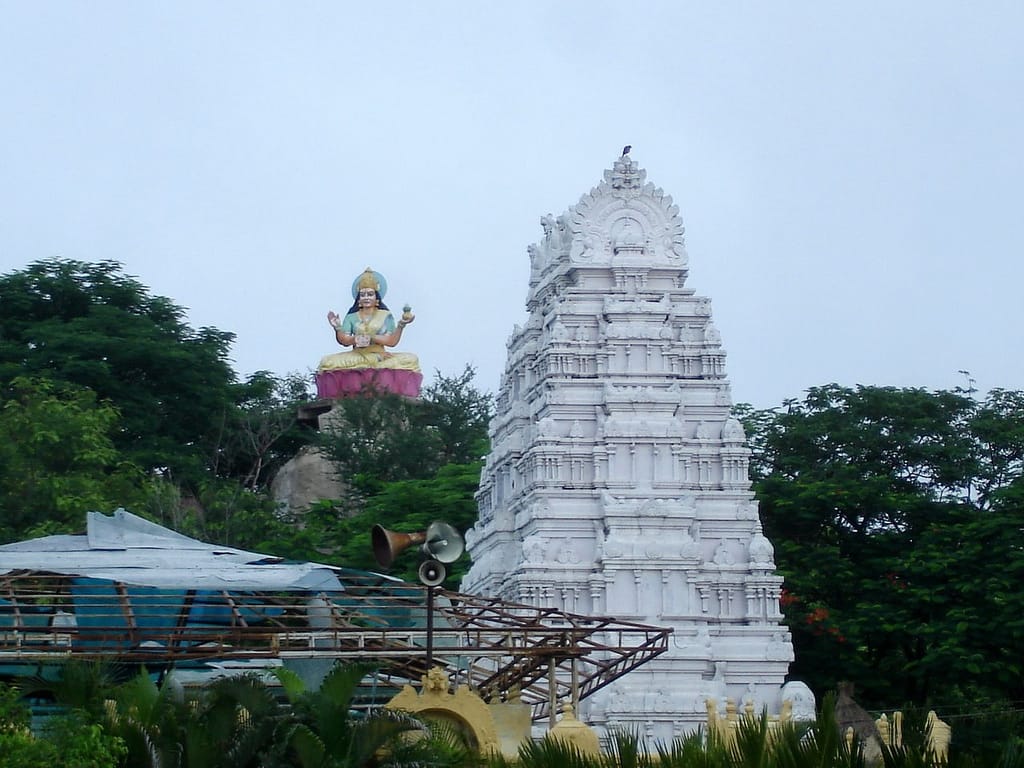
Telangana
Gnana Saraswati Temple Basar
One of the only two prominent Saraswati temples in India, it is a primary center for Akshara Abhyasam for children.
Explore Temple

Telangana
Vemulawada Raja Rajeswara Temple
Known as 'Dakshina Kasi', this Shiva temple is a symbol of communal harmony, housing a Dargah within its complex.
Explore Temple
Pilgrimage Circuits
Kakatiya Heritage Circuit
3 templesWarangal (Thousand Pillar) to Ramappa to Kota Gullu.
Alampur Circuit
3 templesNava Brahma temples, Papanasi temples, and Jogulamba Shakti Peetha at the Tungabhadra-Krishna confluence.
Nava Brahma TemplesPapanasi TemplesJogulamba Temple
The Kakatiya circuit covers the Thousand Pillar Temple, Ramappa, Kota Gullu, and Warangal Fort. The Alampur circuit includes the Nava Brahma temples, Papanasi temples, and Jogulamba Shakti Peetha. The Hyderabad city circuit includes Birla Mandir, Jagannath Temple, and ISKCON. Yadagirigutta Narasimha Temple attracts over 20,000 pilgrims daily.
Temple Architecture
Kakatiya style features a three-chambered layout on a star-shaped platform. Ramappa Temple's vimana uses lightweight porous bricks that can float on water, bonded with sand-lime-jaggery mortar. The sandstone pillars have elaborate bracket figures of dancers in Natya Shastra poses. The Thousand Pillar Temple has three sanctums facing three ante-chambers, with over 1,000 lathe-turned polished granite pillars. The Nava Brahma temples follow early Nagara style with curvilinear shikharas.
Architectural Styles
Historical Timeline
7th-8th c.Chalukya
Nava Brahma temples built at Alampur under the Badami Chalukyas.
1175Kakatiya
Thousand Pillar Temple built by Kakatiya ruler Rudra Deva.
1213Kakatiya
Ramappa Temple built by Kakatiya general Recherla Rudra.
2021Independent India
Ramappa Temple inscribed as a UNESCO World Heritage Site.
UNESCO Heritage Sites
Telangana has 1 UNESCO World Heritage temple.
View All UNESCO TemplesTemple Statistics
1
UNESCO Sites
Ramappa Temple (2021)
1
Shakti Peethas
Jogulamba Alampur
7th-8th c.
Oldest Temples
Nava Brahma group, Alampur
5+
Kakatiya Temples
Across Warangal district
Festivals
Bonalu
July-AugustSri Ujjaini Mahankali, Hyderabad; Bhadrakali, Warangal
2 weeks
Women carry decorated pots (bonam) to Mahakali temples; centuries-old Ghatam dances by men.
Sammakka Saralamma Jatara
Biennial (February)Medaram (tribal shrine)
4 days
Asia's largest tribal fair; over 10 million devotees; no temple structure or idol used.
Bathukamma
September-OctoberThroughout Telangana
9 days
Floral festival of goddess Gauri; women create stack-shaped flower arrangements.
Bonalu (July-August) is a unique Telangana tradition where women carry decorated pots to Mahakali temples. The Sammakka Saralamma Jatara (biennial) at Medaram is Asia's largest tribal fair, drawing over 10 million devotees without idol worship. Bathukamma (September-October) is the floral festival of goddess Gauri. Maha Shivaratri is observed at Ramappa and Thousand Pillar Temples.
Travel Guide
Best Time
October to February (15-30°C)
Climate
Summer up to 42°C; monsoon 750-950 mm
Nearest Airport
Hyderabad (HYD)
Railway
Hyderabad, Warangal, Secunderabad
Road
NH-44, NH-163, NH-65
Local Transport
TSRTC buses, taxis, auto-rickshaws
Temple Etiquette
Remove footwear; modest dress
Suggested Duration
4-7 days for key circuits
Nearby Attractions
Fort
Warangal Fort
Kakatiya-era fort with four massive stone gateways, Kush Mahal, and reservoir.
Fort
Golconda Fort
16th-century Qutb Shahi fortress with acoustic architecture and light show.
Monument
Charminar
1591 CE monument and mosque in the heart of Hyderabad with four minarets.
Interesting Facts
01
The Ramappa Temple's bricks can float on water — a Kakatiya-era lightweight porous brick technology that remains unexplained by modern engineering.
02
The Thousand Pillar Temple's granite pillars each produce a distinct musical note when struck, functioning as a percussion instrument in stone.
03
The Sammakka Saralamma Jatara at Medaram is the only major Indian religious gathering without a temple, priest, or idol — worship is offered to two tribal goddesses under open skies.
Frequently Asked Questions
Built with lightweight porous bricks that float on water, bonded with sand-lime-jaggery mortar. The temple is the only Indian temple named after its architect (Ramappa) rather than its deity. Inscribed as UNESCO World Heritage in 2021.
Built in 1175 CE by Kakatiya ruler Rudra Deva, it features three sanctums for Shiva, Vishnu, and Surya on a star-shaped platform. Over 1,000 granite pillars produce distinct musical notes when struck.
Bonalu (July-August) involves women carrying decorated pots to Mahakali temples. Bathukamma (September-October) is a nine-day floral festival. The Sammakka Saralamma Jatara (biennial) is Asia's largest tribal congregation with over 10 million devotees.
Sources & References
These records back the history, architecture, temple listings and visitor guidance published on this Telangana page.
Archaeological Survey of India
Archaeological Survey of India — monument records and conservation reports
Protected-monument status, dating, architectural classification and conservation records for the temples and monuments named across this Telangana guide.
Primary archaeological record
Open source (opens in a new tab)Ministry of Tourism, Government of India
Ministry of Tourism — official destination information
Official Government of India visitor information, access routes and pilgrimage circuits for Telangana.
Government record
Open source (opens in a new tab)Telangana Tourism
Telangana Tourism — official destination portal
State visitor information — temple timings, access routes and pilgrimage circuit details cited on this page.
Government record
Open source (opens in a new tab)UNESCO World Heritage Centre
UNESCO World Heritage List — World Heritage Sites in Telangana
Inscription criteria, listing year and Outstanding Universal Value statements for the 1 World Heritage Site in Telangana covered on this page (Ramappa Temple).
World Heritage documentation
Open source (opens in a new tab)
— every record linked above was re-requested for this release, so the link still resolves and the publisher still serves the document. It is a link check, not a re-verification of every sentence on this page.
Missing something, or found an error? Send us a correction with the record that supports it, or read how we choose sources.