Temple Timings
VerifiedOpen daily from 6:00 AM to 6:00 PM
Explore historical timelines, architectural traditions, and primary documentation across India's sacred temples and pilgrimage circuits.
Explore More Temples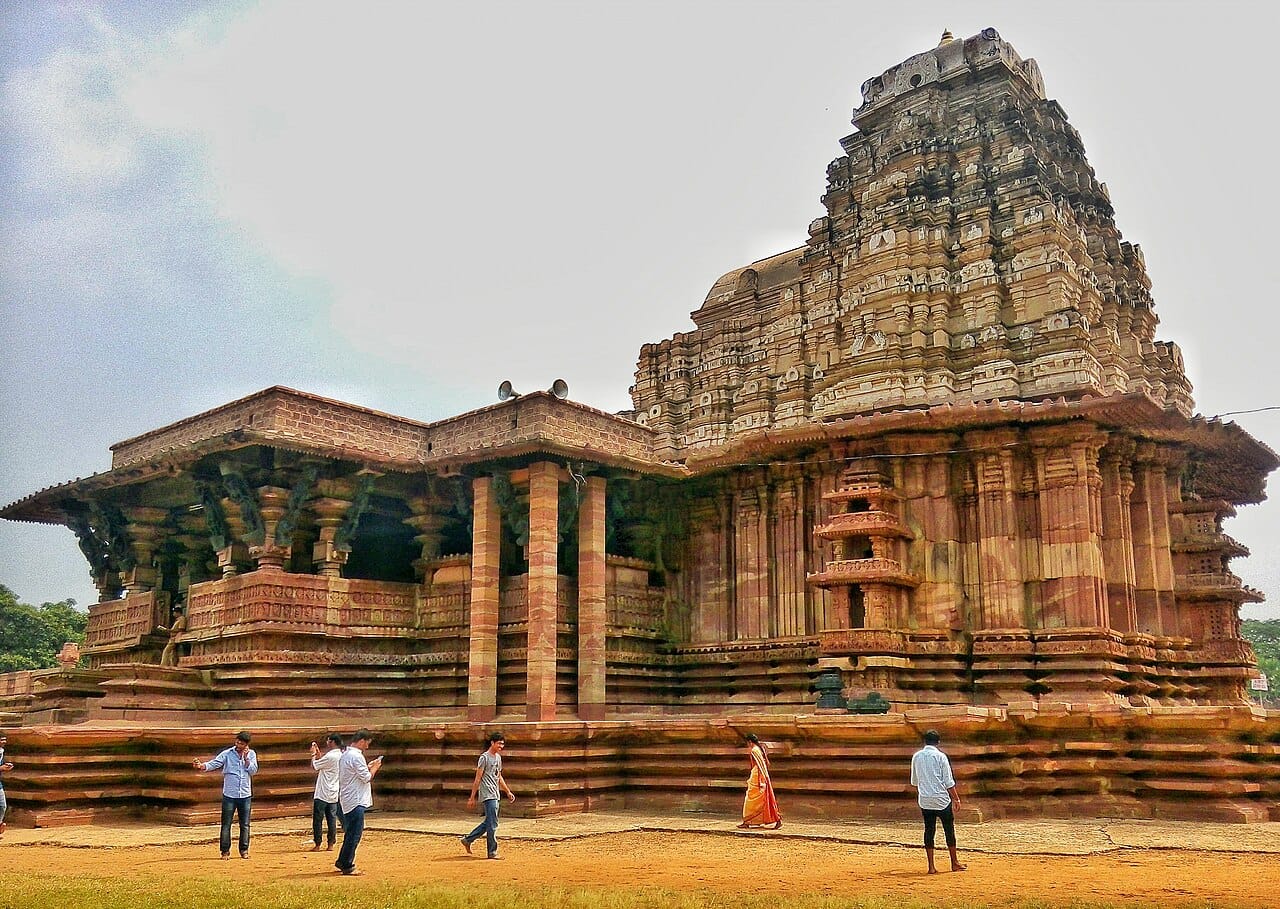
UNESCO World Heritage Site — recognized for outstanding universal value
Built in 1213 CE by general Recharla Rudra under the Kakatiya King Ganapati Deva, the Ramappa Temple stands as India's only major temple named after its artisan rather than its king or deity. Named after the sculptor Ramappa, this UNESCO World Heritage site showcases the pinnacle of Kakatiya architecture with its floating bricks, sandbox foundation, and exquisite stone carvings that have survived over 800 years.
The Ramappa Temple is not just another historic temple. It is a statement of what happens when engineering genius meets artistic mastery. In 1213 CE, in a forest clearing in what is now Telangana, Kakatiya builders created a structure that would challenge everything we think we know about medieval Indian architecture.
The temple is the only one in India named after its sculptor. Its ceiling is built from bricks less dense than water. Its foundation is an 800-year-old earthquake-proof sandbox. Its black basalt pillars carry carvings so fine that they seem to breathe. These are not legends or tourist exaggerations — they are verified facts that UNESCO recognized when it inscribed the temple in 2021.
UNESCO called it the apex of Kakatiya architectural evolution. But it is more than that. It is proof that medieval Indian builders understood seismic engineering centuries before it became a formal science. It is evidence that artisans in the 13th century were honored by name when their work was extraordinary. It is a reminder that some of the world's greatest architecture sits not in capital cities but in remote forest villages, waiting to be noticed.
The temple was commissioned by Recharla Rudra, a general in the Kakatiya army under King Ganapati Deva (r. 1199–1262 CE). Unlike most major temples of the period which were royal projects, this one was built by a military commander who chose to spend his fortune in a remote forest clearing. Construction began in 1213 CE and took approximately 40 years to complete.
King Ganapati Deva's reign was the longest in Kakatiya history — 63 years. He consolidated the empire, commissioned large-scale irrigation works including the Ramappa Cheruvu (lake) that still lies beside the temple, and patronized temple construction across his domains. Under him, the Kakatiyas controlled most of the Telugu-speaking Deccan.
After the Kakatiya Empire fell in the 1320s, the temple survived through neglect. Its remote forest location shielded it from iconoclastic damage during the Sultanate and Mughal periods. No later rulers added shrines or repainted walls, preserving the architectural purity of the 13th-century design. The temple endured the 1946 earthquake without structural collapse, demonstrating the seismic-damping properties of its sandbox foundation. It was recognized as a UNESCO World Heritage site in 2021.
Ganapati Deva ascends the Kakatiya throne, beginning the dynasty's golden age
Construction of Ramappa Temple begins under general Recharla Rudra
Temple completed after approximately 40 years of construction
Rudrama Devi becomes queen, one of few female sovereigns in Indian history
Kakatiya Empire falls to the Delhi Sultanate; temple loses royal patronage
First recorded earthquake the temple survives due to sandbox foundation
Major earthquake strikes the region; temple remains standing without cracks
Ramappa Temple added to UNESCO tentative list
Inscribed as UNESCO World Heritage site — India's newest temple on the list
The Ramappa Temple was inscribed on the UNESCO World Heritage List on 25 July 2021 during the 44th session of the World Heritage Committee. It was India's 39th World Heritage site and the first standalone temple nomination submitted by India — earlier UNESCO temple sites like Mahabalipuram, the Chola temples, and Khajuraho were serial or group nominations. The committee's decision was unanimous.
Criterion (i)
Masterpiece of Creative Genius
The temple represents a masterpiece of human creative genius, particularly in its sculptural decoration, the engineering innovation of its floating brick ceiling, and the anti-seismic sandbox foundation technique.
Criterion (iii)
Cultural Tradition
The temple bears exceptional testimony to the civilization of the Kakatiya Empire, reflecting the religious, cultural, and technological achievements of the Telugu region in the 13th century.
The temple had been on UNESCO's tentative list since 2014. The seven-year gap allowed for extensive documentation — 3D laser scanning, condition assessment of the sandbox foundation, geotechnical surveys, and preparation of a comprehensive conservation management plan. The Archaeological Survey of India worked with ICOMOS and international consultants to ensure the nomination met UNESCO's standards.
UNESCO's Outstanding Universal Value statement emphasizes that the temple is the apex of Kakatiya architectural style and the only temple in India named after its chief sculptor.
Kakatiya architecture draws on Chalukyan precedents but develops its own distinct vocabulary. The style is defined by sandstone construction, star-shaped platforms, intricately carved pillars, black basalt doorways, and the celebrated bracket figures (salabhanjikas) that seem to float at the corners of the mandapa.
The star-shaped jagati is the most recognizable Kakatiya signature. The plan is a polygon with multiple projections and recesses creating angled facets. This design catches light from different directions as the sun moves, changing the temple's appearance through the day. The star shape also increases surface area for sculptural decoration.
The Godavari region is seismically active. Kakatiya engineers built a sandbox foundation: alternating layers of sand, lime, clay, jaggery, and a decoction of Terminalia chebula. When seismic energy reaches the sandbox, the loose particles shift and absorb vibration before it propagates into the masonry above. This is base isolation — the same principle used in modern earthquake-resistant buildings.
The ceiling of the mandapa is built from bricks less dense than water. Made from clay mixed with wood dust and rice husks, fired at controlled temperatures, the organic components burn away leaving microscopic air pockets. The resulting density of approximately 0.8 g/cm³ is below water's 1.0 g/cm³. This reduced dead load on the mandapa columns by an estimated 40-50%, allowing thinner, more elegant pillars and a larger open hall.
The temple's black basalt pillars are carved with extraordinary detail. The stone, imported from outside the region, is harder than sandstone and takes a high polish. The carvings depict mythical animals, dancers, and floral motifs. The deep undercutting technique creates dramatic shadow lines that make the figures appear to stand free from the stone.
The temple follows the three-chamber plan: the maha-mandapa (great hall), antarala (vestibule), and garbhagriha (sanctum). The maha-mandapa is a square chamber measuring approximately 12 meters per side with a ceiling of floating bricks. The antarala features door guardians carved from black basalt. The garbhagriha is a windowless square chamber housing the Shiva lingam, above which rises a three-story shikhara crowned by a kalasha.
The Ramappa Temple is dedicated to Lord Shiva as Ramalingeswara. The sanctum houses a Shiva lingam on a pedestal, before which daily pujas have been performed for over 800 years. Though the temple lost royal patronage after the Kakatiya decline, local communities maintained worship traditions through the centuries of neglect.
Maha Shivaratri is the most important festival celebrated here. Thousands of devotees gather at the temple for night-long vigils, offerings of bilva leaves, and abhishekam (ritual bathing) of the lingam. The temple remains an active place of worship under the care of temple priests and the Archaeological Survey of India.
The temple is part of the broader Shaivite tradition of Telangana, linked to other major Shiva temples in the region. Its dedication to Shiva as Rudreshwara (the fierce form) connects it to the broader current of Kakatiya Shaivism, while the Ramalingeswara name emphasizes the more benevolent aspect of the deity.
The Natini figures — female dancers carved as bracket supports at the mandapa's eaves — are the temple's most celebrated sculptures. Each one is different. Each one dances.
Eight principal Natini figures are positioned at the corners and along the sides of the mandapa. They are shown in distinct poses: one looks over her shoulder with her arm raised, another bends forward with her hands in an hasta mudra, a third twists her torso in a movement requiring deep undercutting from the stone. Together they preserve a detailed record of Kakatiya-period dance vocabulary that would otherwise be lost.
The carving technique is extraordinary. The sculptors worked soft sandstone with iron chisels, cutting deep to create layered shadow. The jewelry on the Natini figures — necklaces, armlets, anklets, waistbands — is carved so individual links and beads are distinguishable. The undercutting is so aggressive in some figures that they appear attached by only a thin strip of stone.
Beyond the Natini figures, the temple is covered in mythological panels. The Dashavatara (ten Vishnu incarnations) appears on the southern wall. Scenes from the Ramayana and Mahabharata unfold across the pillar faces. The ornamentation includes lotus scrolls, geometric bands, kirtimukha (demon faces), and makara (mythical aquatic creatures) — the full repertoire of medieval Hindu temple decoration executed at the highest Kakatiya level.
The Kakatiya dynasty began as feudatories of the Western Chalukyas, ruling the Warangal region from the 10th century. They declared independence under Prola II (1116–1157 CE) and rose rapidly. By the time Ganapati Deva assumed the throne in 1199, the Kakatiyas controlled most of the Telugu-speaking Deccan from the Godavari delta to the Krishna River.
King Ganapati Deva (r. 1199–1262 CE) was the greatest Kakatiya ruler. His 63-year reign was the longest in the dynasty's history. He consolidated the empire, commissioned large-scale irrigation works, and patronized temple construction across his domains. The Ramappa Cheruvu lake beside the temple was part of this infrastructure — a man-made reservoir designed to irrigate fields and serve the temple complex.
The temple was built by his general Recharla Rudra, who chose to spend his fortune building a temple in a forest clearing. This was unusual: most major temples of the period were royal projects, not private commissions by military commanders. After Ganapati Deva, his daughter Rudrama Devi ruled as queen in her own right — one of very few female sovereigns in Indian history. The temple thus belongs to the apex of Kakatiya power before the dynasty's collapse under the Delhi Sultanate in the 1320s.
Only Indian temple named after its sculptor (Ramappa) rather than the deity or patron king
Ceiling bricks float on water due to microscopic air pockets from burned organic material
Sandbox foundation with alternating layers of sand, lime, and jaggery absorbs earthquake energy
India's newest UNESCO temple site — inscribed in 2021 as the 39th World Heritage site
First standalone temple nomination submitted by India to UNESCO (earlier were group nominations)
Built in 1213 CE under Kakatiya King Ganapati Deva, taking 40 years to complete
Black basalt pillars imported from outside the region for their hardness and polish
Star-shaped platform creates changing light patterns throughout the day
Survived the 1946 earthquake without structural damage due to base isolation foundation
Remote forest location protected the temple from iconoclastic destruction for 600 years
Open daily from 6:00 AM to 6:00 PM
October to March
Temple timings, dress codes, and photography rules can change without notice. Always verify with the temple administration or official website before your visit.
By Air
Nearest airport is Rajiv Gandhi International Airport in Hyderabad (200 km), with domestic and international connectivity. From Hyderabad, the temple is a 4-hour drive via the Warangal route.
By Train
Nearest railway station is Warangal (70 km), well connected to Hyderabad, Delhi, Chennai, and Nagpur. Taxis and buses are available from Warangal to the temple.
By Road
The temple is 70 km from Warangal (1.5 hours) and 200 km from Hyderabad (4 hours). Regular buses run from Warangal to Palampet. The temple is set in a remote rural location surrounded by forest and farmland.
Other sacred sites within reach
Built in 1163 CE by Kakatiya king Rudra Deva, this temple features over 1,000 intricately carved pillars, a star-shaped platform, and a massive Nandi statue. A masterpiece of Kakatiya architecture 65 km from Ramappa.
The fortified capital of the Kakatiya dynasty featuring four massive ornamental gateways (Kakatiya Kala Thoranam). Built in the 13th century, 70 km from the temple.
A scenic man-made lake built by Kakatiya king Ganapati Deva in the 13th century, surrounded by forested hills. Ideal for boating and birdwatching, 30 km from the temple.
A protected forest area along the Godavari River home to tigers, leopards, and numerous bird species. 80 km from Ramappa Temple.
A lesser-known group of Kakatiya temples featuring the distinctive star-shaped platform and intricate carvings. An offbeat heritage site near Warangal.
Best Time to Visit
October to March offers pleasant weather. Summers (April-June) are extremely hot at 40-45°C. Monsoon (July-September) brings lush greenery.
Plan Half a Day
Allocate 3-4 hours to explore the temple, surrounding lake, and forest setting. The site is less crowded than major UNESCO sites.
What to Bring
Carry water, sunscreen, and a hat. The nearest shops are in Mulugu town, 15 km away. Wear comfortable walking shoes.
Guided Tours
ASI guides are available at the site. Hiring one is recommended to understand the engineering and sculptural details.
The Ramappa Temple was already under ASI protection before UNESCO inscription — the Archaeological Survey of India has maintained it since the late 19th century. The UNESCO designation brought new resources, international scrutiny, and a significant increase in visitors from approximately 30,000 annually before inscription to over 150,000 in 2023.
The sandbox foundation requires constant vigilance. The organic materials — jaggery, Terminalia chebula — have survived 800 years sealed beneath the temple. The risk is moisture intrusion: if groundwater levels rise, water could reach the foundation layers and destabilize them. The ASI has installed piezometers to monitor groundwater and conducts regular drainage audits.
The floating bricks' porous structure makes them vulnerable to biological growth. Conservation teams perform periodic treatment to remove moss and lichen without damaging the brick fabric. The ceiling is monitored for cracking; if any brick shows structural stress, it is replaced with a replica manufactured to match the original composition.
Increased tourism brings economic benefits but also pressure. The ASI has implemented timed entry, designated walking paths, and a buffer zone around the temple. Full 3D laser scanning documents the structure for monitoring change over time. Local craftsmen are being trained in traditional conservation techniques to build long-term capacity.
This page draws on information from the following authoritative sources:
Floating Bricks of Ramappa Temple — Materials Analysis
Indian Journal of History of Science, Vol. 48
The Kakatiya Temples: A Study of Art and Architecture
M. Rama Rao (Academic Publication)
Kakatiya Architecture: Engineering Innovations
P. Chenna Reddy (Academic Publication)
Ramappa Temple is the only major Indian temple named after its sculptor rather than its patron or deity. The Kakatiya court named it after Ramappa to honor his artistic contribution — a near-unique recognition of a master artisan in medieval India.
The bricks contain microscopic air pockets created by mixing clay with wood dust and organic materials, then firing at controlled temperatures. The pores make the bricks less dense than water. They were used in the ceiling to reduce structural load on the pillars.
Yes. The alternating sand, lime, and clay layers absorb seismic energy by allowing granular particles to shift, dissipating vibration before it reaches the structure above. The temple has survived multiple recorded earthquakes over 800 years without collapse.
Almost nothing is known beyond his name preserved in the temple's identity. He was the chief sculptor, likely of Telugu origin, who probably spent decades working on the temple. His name survived while most medieval Indian artists remain anonymous.
Kakatiya architecture features star-shaped platforms, sandstone construction with deep undercutting, intricately carved pillars, black basalt doorways, bracket figures (salabhanjikas), and engineering innovations like floating bricks and sandbox foundations.
The temple was on UNESCO's tentative list from 2014. The delay allowed for extensive documentation, 3D laser scanning, geotechnical surveys, and conservation planning. It was India's first standalone temple nomination and all criteria were accepted unanimously.
No. Unlike many South Indian temples, Ramappa was not continuously patronized after the Kakatiya decline. It survived centuries of neglect and was used as a shelter during conflicts. Its remote forest location protected it from iconoclastic destruction.
Approximately 200 km northeast of Hyderabad, about a 4-hour drive via the Warangal-Mulugu route. The nearest major town is Mulugu, 15 km from the temple. The last stretch passes through forest and farmland.
Showing 8 of 25 questions
Bhadrachalam Sita Ramachandra Swamy Temple
Known as the Ayodhya of the South, this temple on the Godavari river was built…
Yadadri Lakshmi Narasimha Swamy Temple
A popular cave temple that recently underwent a massive stone architectural renovation following ancient traditions.
Thousand Pillar Temple
A 12th-century Kakatiya masterpiece dedicated to Shiva, Vishnu, and Surya, famous for its perforated stone…
Alampur Jogulamba Temple
One of the 18 Maha Shakti Peethas, located in a complex that also houses nine…
Gnana Saraswati Temple Basar
One of the only two prominent Saraswati temples in India, it is a primary center…
Vemulawada Raja Rajeswara Temple
Known as 'Dakshina Kasi', this Shiva temple is a symbol of communal harmony, housing a…
Virupaksha Temple
The Virupaksha Temple in Hampi, Karnataka, is a UNESCO World Heritage Site and the oldest…
Airavatesvara Temple
The Airavatesvara Temple at Darasuram, built by Rajaraja Chola II between 1146 and 1172 CE…
Gangaikonda Cholapuram Temple
The Gangaikonda Cholapuram Temple, built by Rajendra Chola I in 1035 CE, is a UNESCO…
Konark Sun Temple
A 13th-century colossal stone chariot of the Sun God Surya, the Konark Sun Temple is…
Brihadeeswarar Temple
The Brihadeeswarar Temple in Thanjavur, built by Raja Raja Chola I in the 11th century…
Kailasa Temple, Ellora
The world's largest monolithic rock-cut structure, carved top-down from a single basalt cliff.
Tarakeshwar Temple Hooghly
1729 CE Atchala-style Shiva sanctuary founded by Raja Bharamalla in Hooghly district, famous for its…
Virupaksha Temple
The Virupaksha Temple in Hampi, Karnataka, is a UNESCO World Heritage Site and the oldest…
Jageshwar Temple
A cluster of 124 ancient stone temples from the 7th-12th centuries, situated in a dense…
Neelkanth Mahadev Temple
Situated at 1,330 meters, this is where Lord Shiva is believed to have consumed the…
Tungnath Temple
The highest Shiva temple in the world, situated at 3,680 meters on the Chandranath Parbat…
Rudranath Temple
One of the Panch Kedar shrines, representing Lord Shiva's face, situated at an altitude of…
Foreign Visitors
AllowedAll visitors welcome. Ramappa is a UNESCO World Heritage site open to all nationalities.
Visitor Information
Entry policies are set by each site — confirm before travelling.
Entry rules for international visitorsWho can enter, permits, and what to expect at the gate.Modest clothing is expected — a sign of respect, not a restriction.
October to March
April — June
July — September
Common local languages: Telugu, Hindi, English
Wheelchair: Partial. The temple complex has uneven stone surfaces.
These short explanations help make sense of what you see and experience.
Police / Ambulance / Fire: 112 (National Emergency Number)
Tourist Helpline: 1800-111-363 (Multi-lingual, Ministry of Tourism)
Women's Helpline: 1091
Official Temple WebsiteState Tourism WebsiteRules change — confirm current policies with the site's authority before you travel.
Related heritage monuments, regional traditions, and pilgrimage connections.
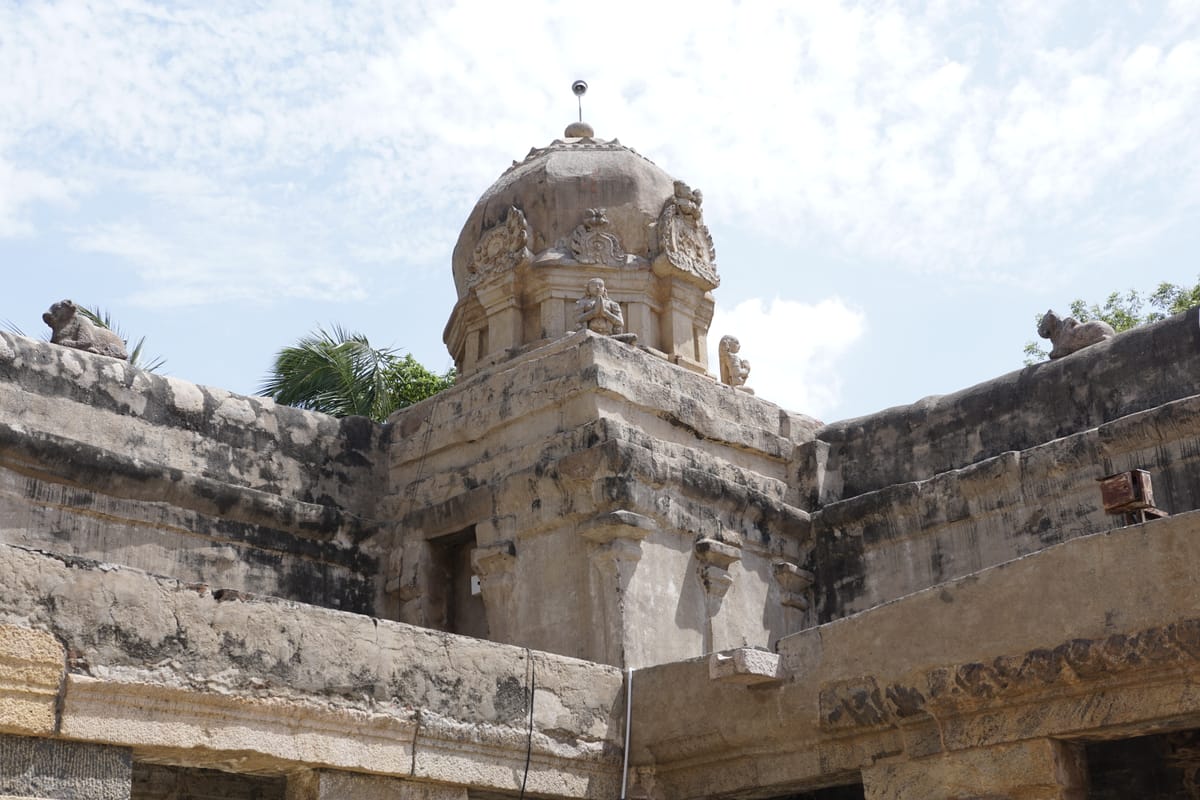
The principal temple of the Great Living Chola Temples UNESCO site, a masterpiece of Dravidian…
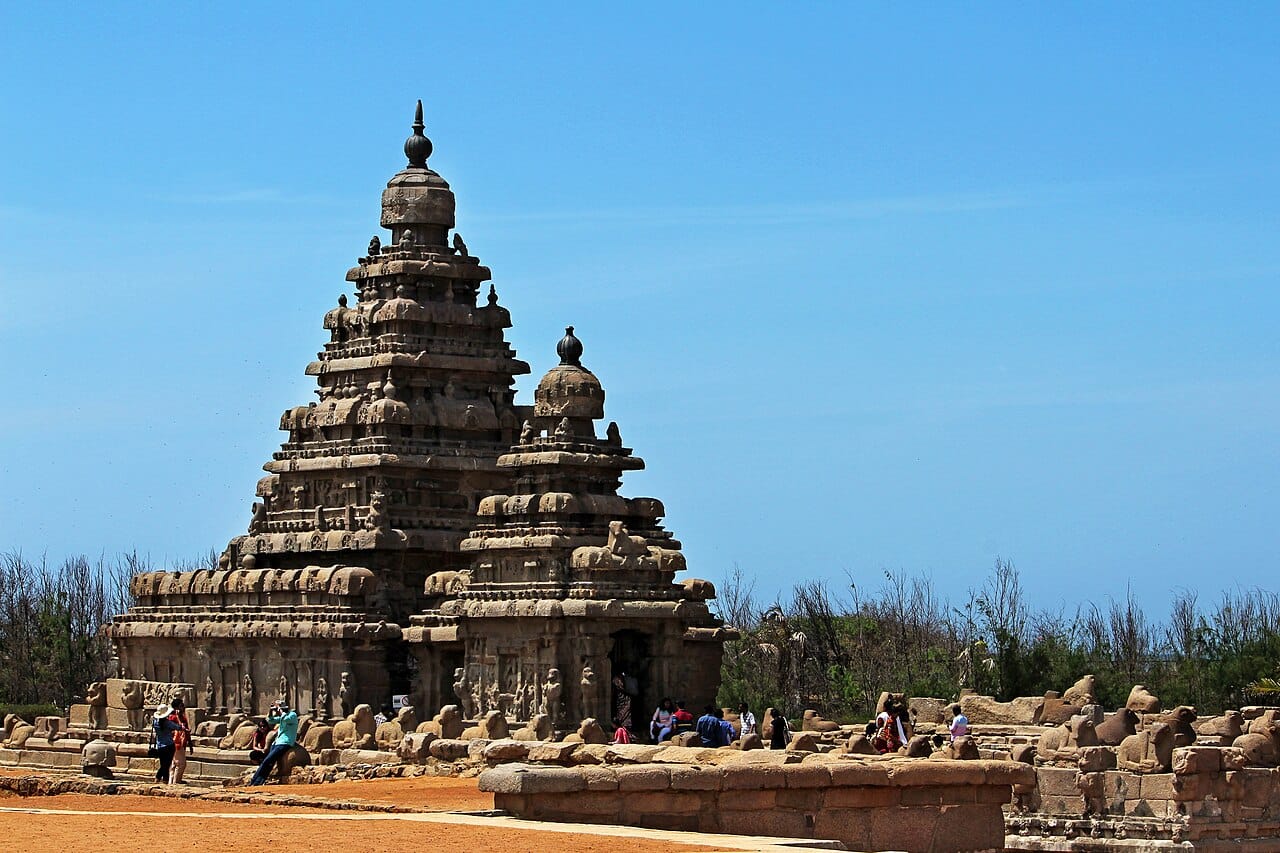
One of the oldest structural stone temples of South India, built by the Pallava dynasty…
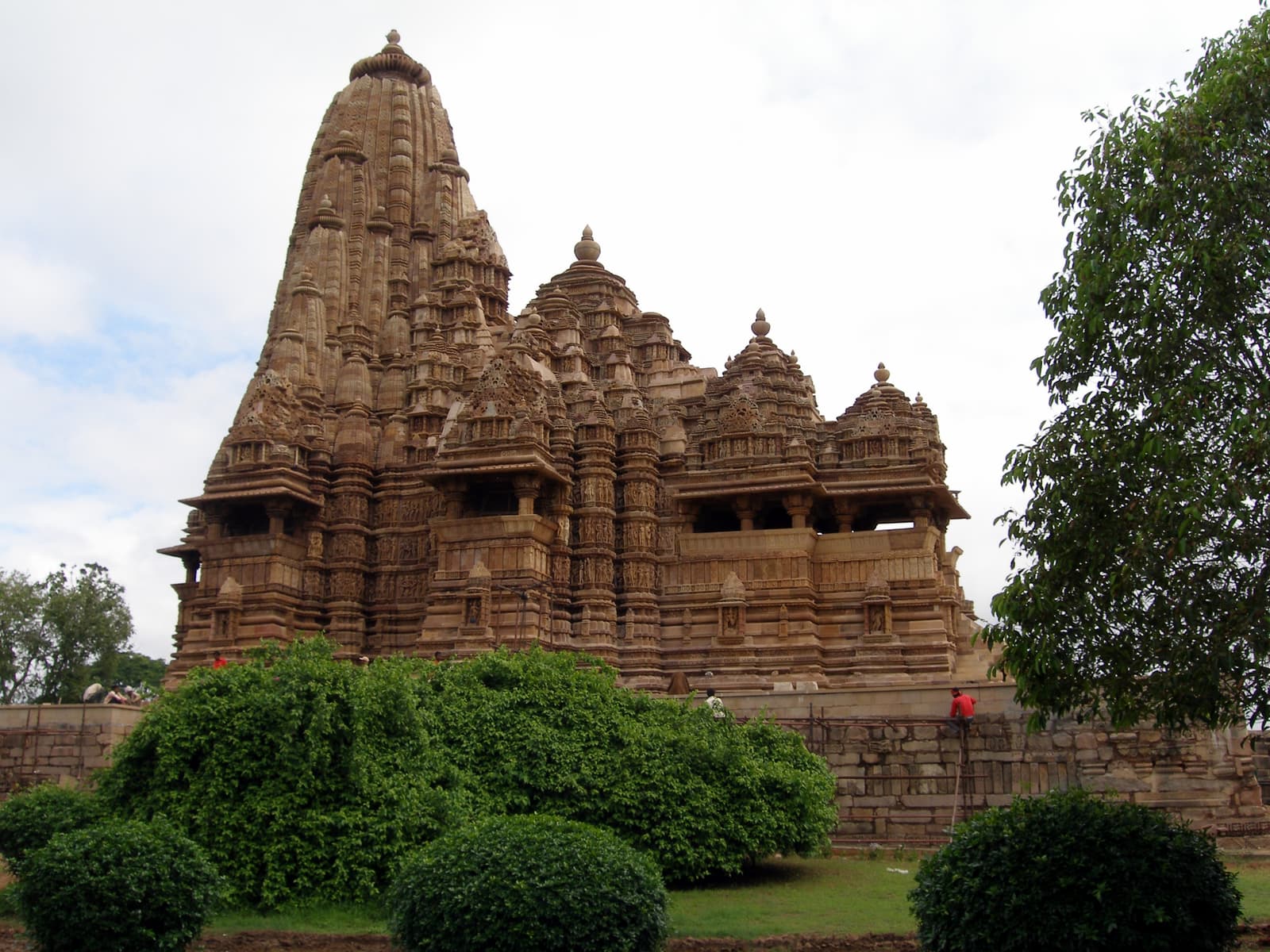
The largest and most ornate Hindu temple in the Khajuraho Group of Monuments.
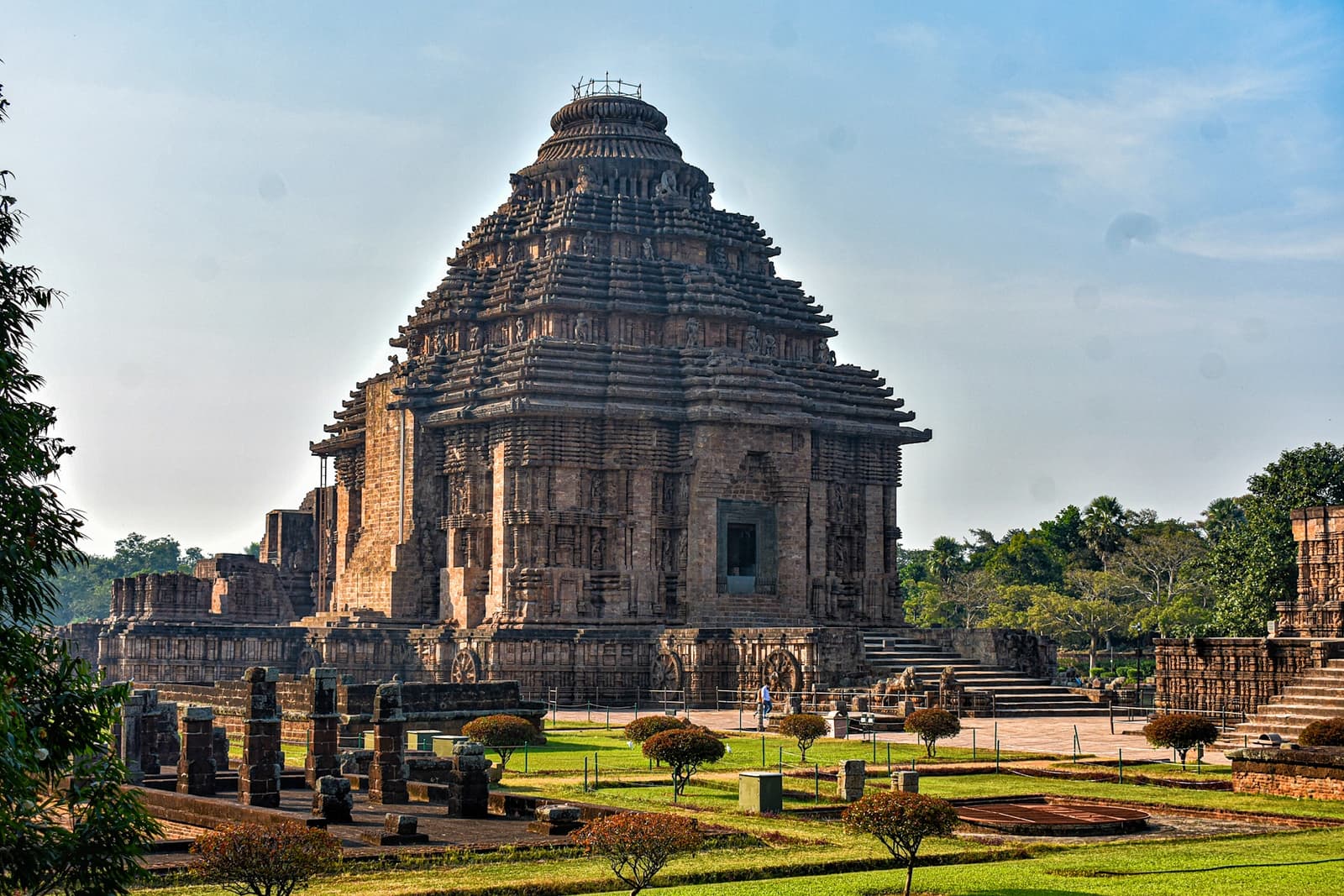
A 13th-century Sun Temple built as a giant stone chariot with 24 wheels, drawn by…
Known as the Ayodhya of the South, this temple on the Godavari river was built…
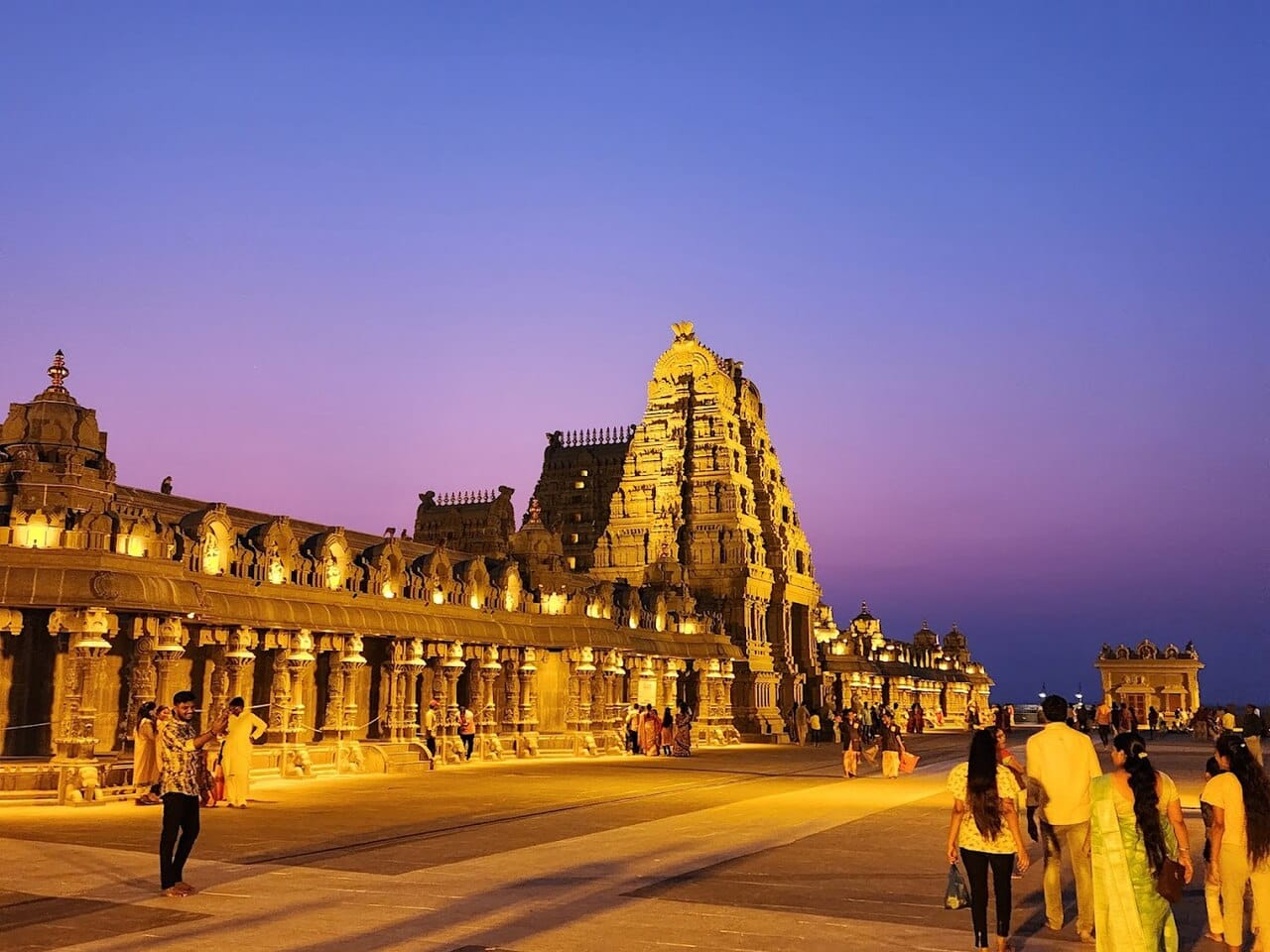
A popular cave temple that recently underwent a massive stone architectural renovation following ancient traditions.
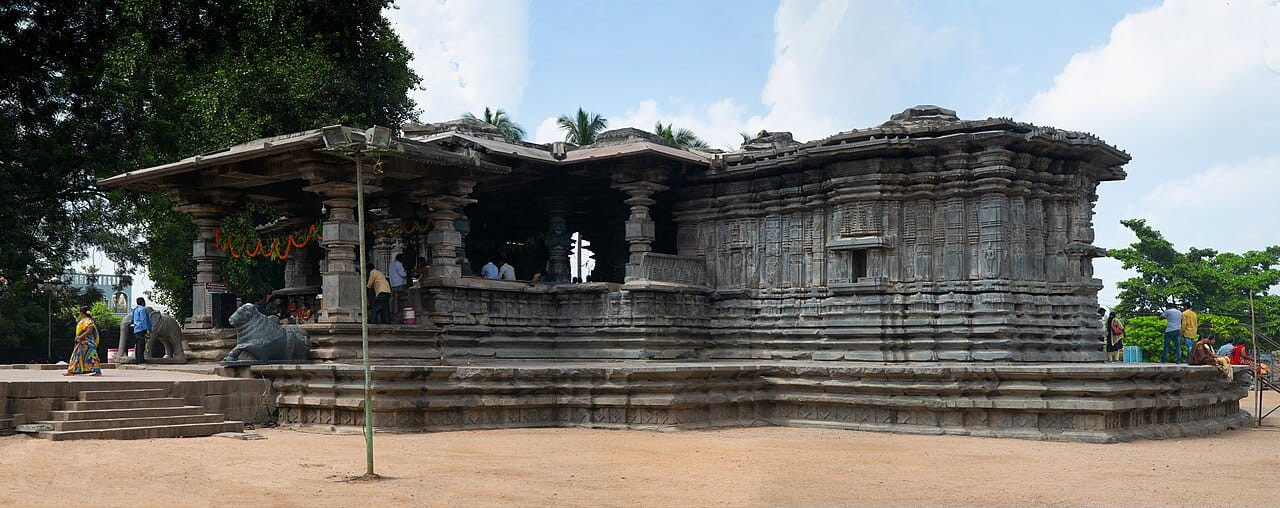
A 12th-century Kakatiya masterpiece dedicated to Shiva, Vishnu, and Surya, famous for its perforated stone…
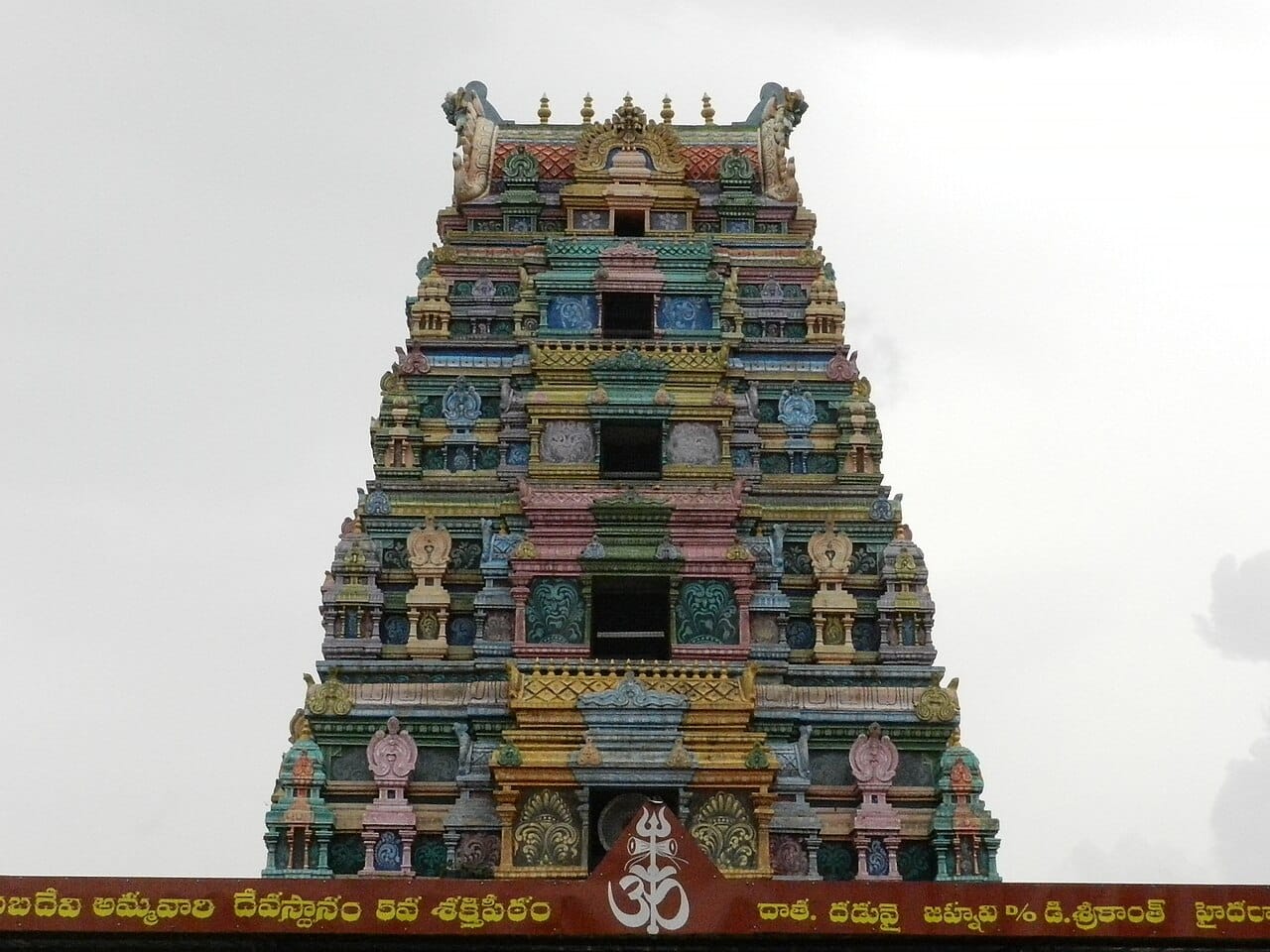
One of the 18 Maha Shakti Peethas, located in a complex that also houses nine…
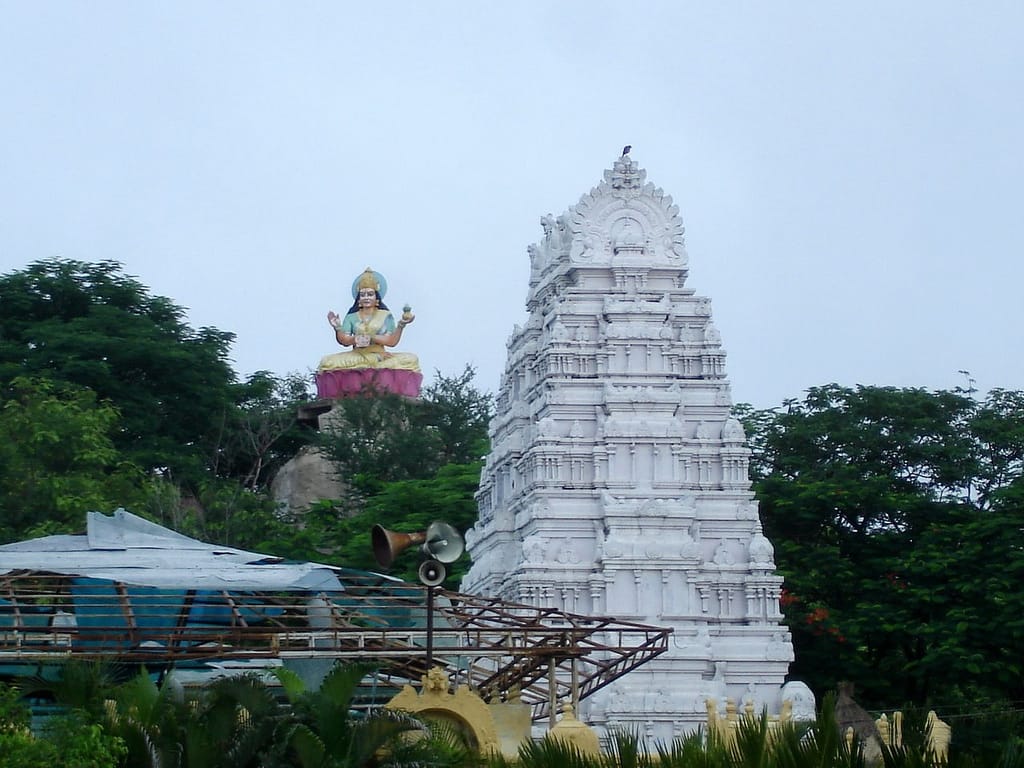
One of the only two prominent Saraswati temples in India, it is a primary center…

Known as 'Dakshina Kasi', this Shiva temple is a symbol of communal harmony, housing a…
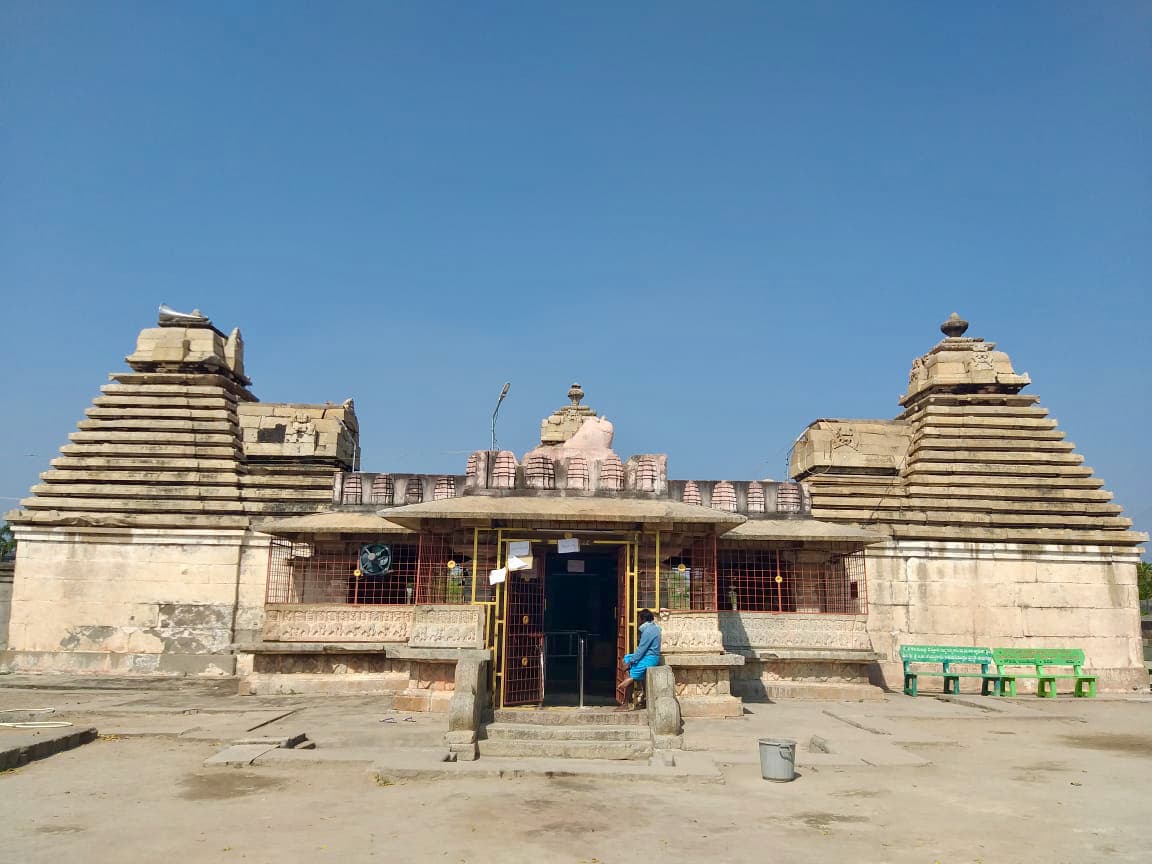
Famous for a permanent shadow that falls on the main Shiva Lingam all day, with…
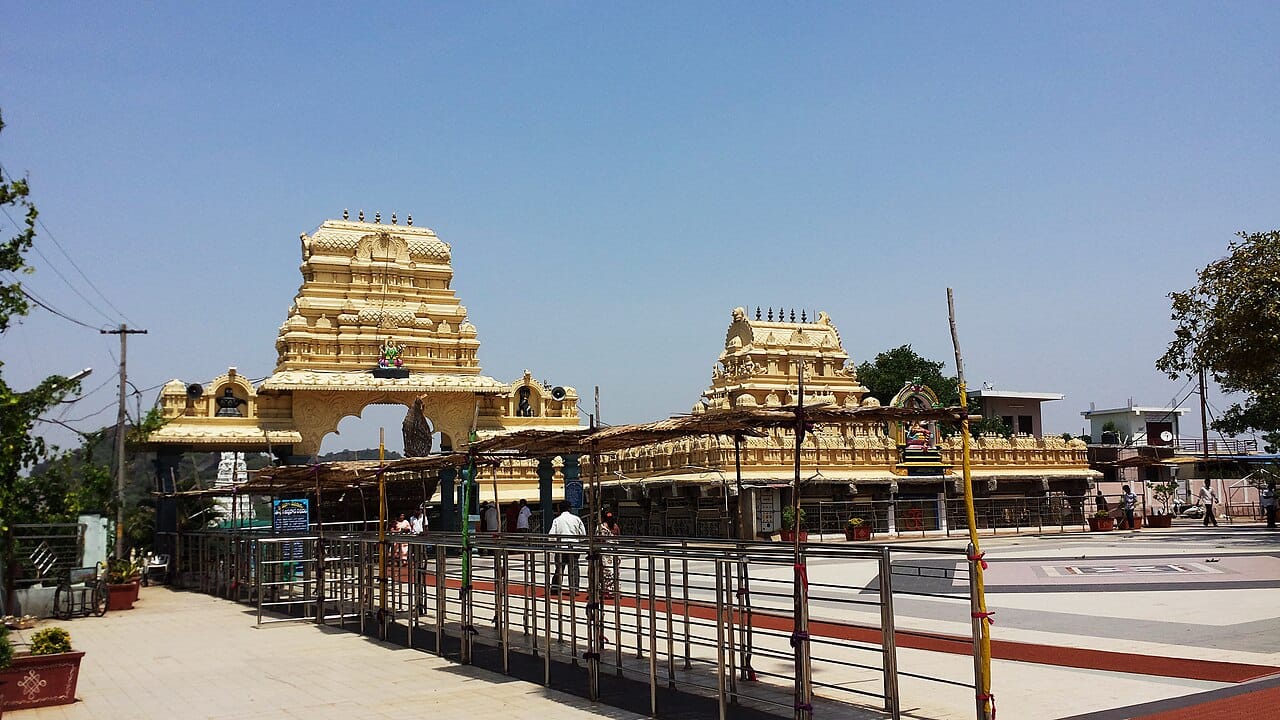
Historic lakeside Shakti shrine in Warangal featuring a massive 2.7-meter black stone Bhadrakali idol, traditionally…
"The Lingaraja Temple is the largest temple in Bhubaneswar and represents the quintessence of Kalinga architecture."