Sacred HeritageUNESCO World Heritage Site
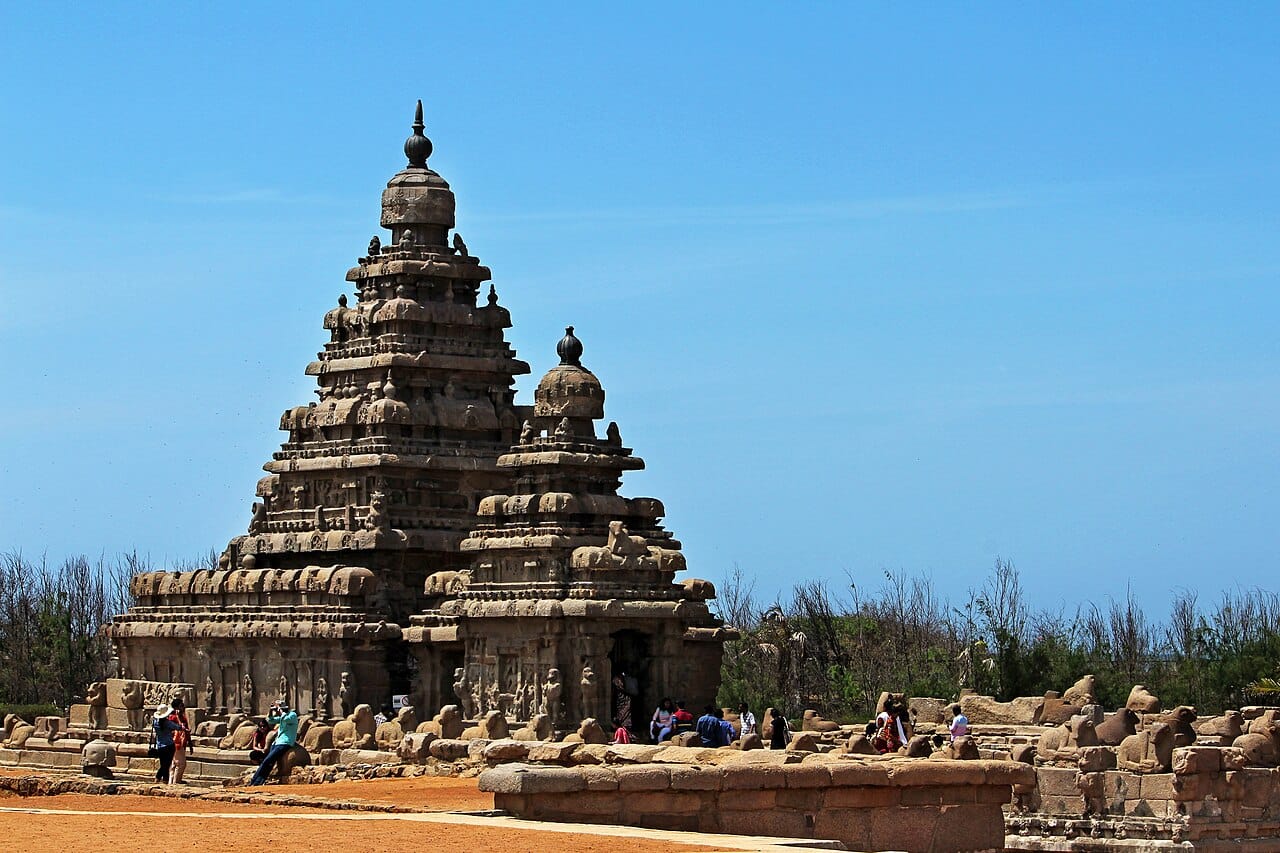
Shore Temple, Mahabalipuram
Mahabalipuram, Tamil Nadu
State:Tamil Nadu
District:Mahabalipuram
Why This Temple Matters
UNESCO World Heritage Site — recognized for outstanding universal value
Key Takeaways
- Dedicated to Lord Shiva and Lord Vishnu
- Pallava (Dravidian) architecture
- Built by the Pallava Dynasty dynasty
- UNESCO World Heritage Site since 1984
- Located in Mahabalipuram, Tamil Nadu
Quick Facts
- Builder
- Narasimhavarman II (Rajasimha)
- Dynasty
- Pallava
- Construction
- 700–728 CE
- Architecture
- Pallava (Dravidian)
- Deities
- Shiva & Vishnu
- Location
- Mahabalipuram, Tamil Nadu
- State
- Tamil Nadu
- Material
- Granite
- Type
- Structural (not rock-cut)
- Legend
- Seven Pagodas
Overview
Temple on the Edge of the Sea
The Shore Temple sits so close to the water that during high tide, spray reaches its outer walls. No other major temple in India is built on a beach. This is not an accident of survival — it was the point all along.
Built by the Pallava King Narasimhavarman II (Rajasimha) between 700 and 728 CE, the Shore Temple marks the most important transition in South Indian temple architecture: from rock-cut monoliths carved out of existing boulders to structural stone buildings assembled from cut blocks. It is the oldest structural stone temple in South India, and every Dravidian temple built after it — every Chola, Pandya, and Vijayanagara structure — owes its method to this Pallava innovation.
The complex is unique because it houses three shrines within a single walled compound: two dedicated to Lord Shiva (east and west) and one central chamber with a reclining figure of Lord Vishnu (Anantashayana). No other Pallava temple combines Shaiva and Vaishnava shrines in one structure. The dual dedication reflects the inclusive religious policy of the Pallava court in the 8th century.
The temple is the only surviving visible monument of the legendary 'Seven Pagodas' of Mahabalipuram. The 2004 Indian Ocean tsunami temporarily exposed submerged stone structures offshore, confirming that the Shore Temple was never alone. A substantial built environment lies underwater — collapsed walls, dressed granite blocks, and platform foundations extending approximately 700 metres into the Bay of Bengal.
Why This UNESCO Site Matters
Why This UNESCO Site Matters
UNESCO inscribed the Group of Monuments at Mahabalipuram in 1984 under four criteria, a rare distinction that reflects the site's layered significance. Criterion (i) recognizes the Shore Temple as a masterpiece of Pallava creative genius — the seamless integration of structural architecture with sculptural ornamentation on an active coastline. Criterion (ii) cites the important interchange of human values reflected in the Pallava fusion of indigenous Dravidian forms with influences from Southeast Asian maritime trade.
Criterion (iii) acknowledges the Shore Temple as an exceptional testimony to the Pallava civilization at its cultural peak — a civilization that pioneered the transition from rock-cut to structural stone architecture and established the template for all later Dravidian temple construction. Criterion (vi) recognizes the site's direct association with the Seven Pagodas tradition, a living legend that has shaped the cultural identity of the Coromandel Coast for centuries.
The temple represents a significant phase in Indian architectural history. It was among the earliest attempts to build a freestanding structural stone temple on coastal sands — requiring massive dressed granite slabs anchored directly into bedrock underlying the substrate. Its survival for 1,300 years reflects both the granite masonry techniques of Pallava masons and the structural conservation work of the Archaeological Survey of India.
History & Legacy
History & Legacy
Narasimhavarman II ruled the Pallava kingdom from approximately 690 to 728 CE. He took the title Rajasimha — 'Lion Among Kings' — and his reign represents the cultural and architectural peak of the Pallava dynasty. While his grandfather Narasimhavarman I (Mamalla, after whom Mahabalipuram is named) had been a conqueror who defeated the Chalukyas and captured their capital Vatapi, Rajasimha was a builder.
His two surviving structural temples — the Shore Temple at Mahabalipuram and the Kailasanathar Temple at Kanchipuram — are the foundational monuments of Dravidian structural architecture. The Kailasanathar Temple, built slightly earlier, experiments with the same techniques at a smaller scale. The Shore Temple scales them up and places them in the most challenging possible environment: directly on the Bay of Bengal coast, less than 50 metres from the high-tide line.
Rajasimha's inscriptions reveal a king deeply conscious of his architectural legacy. He calls himself 'the lord of temples' and records his titles on the walls of both monuments. The inscriptions also show that he employed a dedicated guild of architects and stone-carvers — a royal workshop that codified the Pallava style into a repeatable system that would influence South Indian temple construction for centuries.
The Pallava-Chola architectural lineage runs directly through Rajasimha's work. When the Chola king Raja Raja Chola I commissioned the Brihadeeswarar Temple at Thanjavur three centuries later (1010 CE), his architects were working within a tradition that Rajasimha had established. The tiered vimana, the granite masonry, the integrated sculptural program — all of it traces back to the Shore Temple and Kailasanathar.
Historical Timeline
Historical Timeline
Key events in the life of the Shore Temple, from the Pallava kingdom to the present day.
630–668 CE
Narasimhavarman I (Mamalla) rules the Pallava kingdom. Mahabalipuram becomes a major seaport and rock-cut workshop.
690–728 CE
Narasimhavarman II (Rajasimha) ascends the throne. He shifts Pallava architecture from rock-cut to structural stone masonry.
700–728 CE
The Shore Temple is built on the Bay of Bengal coast. It is the first structural stone temple in South India.
8th–9th c.
The Shore Temple serves as a navigation landmark for Pallava maritime trade with Southeast Asia, Sri Lanka, and the Roman world.
17th–18th c.
European sailors document the temple as the last visible of the 'Seven Pagodas.' John Goldingham surveys the site in 1798.
Early 20th c.
ASI takes over conservation. A protective groyne wall is built seaward of the temple to break wave energy before it reaches the foundation.
1984
UNESCO inscribes the Group of Monuments at Mahabalipuram as a World Heritage Site under criteria (i), (ii), (iii), and (vi).
Dec 2004
The Indian Ocean tsunami exposes submerged stone structures offshore, confirming the legend of the Seven Pagodas. The temple survives with minimal damage.
2005–present
National Institute of Oceanography conducts underwater surveys, documenting collapsed walls, platforms, and temple foundations 5–8 metres deep.
UNESCO World Heritage
UNESCO World Heritage
World Heritage Site
Inscribed in 1984 as part of the Group of Monuments at Mahabalipuram. Recognized as a cultural property of outstanding universal value under criteria (i), (ii), (iii), and (vi).
Criterion (i)
Masterpiece of human creative genius. The Shore Temple represents a unique achievement in structural stone architecture integrated with sculptural ornamentation on an active coastline.
Criterion (ii)
Important interchange of human values. Pallava architecture fused indigenous Dravidian forms with influences from Southeast Asian maritime trade, establishing a template that shaped all later South Indian temple design.
Criterion (iii)
Exceptional testimony to the Pallava civilization at its cultural peak, demonstrating the transition from rock-cut to structural stone architecture in 8th-century South India.
Criterion (vi)
Directly associated with the Seven Pagodas tradition — a living legend that has shaped the cultural identity of the Coromandel Coast for centuries, confirmed by underwater archaeology after the 2004 tsunami.
Architecture
The Three-Sanctum Complex
The Shore Temple is not a single shrine but three, arranged within one walled compound. The main shrine faces east toward the sunrise and holds a Shiva linga. A second Shiva shrine faces west, creating an axial corridor through the complex. Between them, set in a transverse chamber, lies the third shrine — a monolithic reclining figure of Vishnu (Anantashayana), depicted asleep on the serpent Ananta, floating on the cosmic ocean.
The temple marks the decisive transition from rock-cut to structural architecture in South India. Before the Shore Temple, every monument at Mahabalipuram was carved from living rock. The Pancha Rathas are monolithic — each chariot-shaped structure carved from a single granite outcropping working from the top down. The cave temples were hollowed out of cliff faces. This was rock-cut architecture: subtractive, limited by the shape of the existing stone, and constrained by geology.
The Shore Temple changed everything. It was built from cut stone blocks assembled without mortar, like a three-dimensional puzzle. This is structural architecture: additive, unconstrained by the shape of any natural formation, and capable of complex multi-chamber layouts. The transition freed temple design from existing rock formations, allowing builders to choose any location — including a beach.
The main vimana rises approximately 20 metres in a stepped pyramidal profile with progressively diminishing tiers. Each level is decorated with miniature shrine motifs — small apsidal and rectangular roof forms that echo the full-scale shrines below. This principle of the 'repeating temple' draws the eye upward through the repetition of forms. A second, smaller vimana crowns the western Shiva shrine, while the Vishnu shrine sits under a barrel-vaulted roof that distinguishes it visually from the flanking towers.
Each tier is capped by a cornice with kudu arches — horseshoe-shaped decorative elements that originated in wooden architecture and were translated into stone by Pallava builders. The wall surfaces carry carved panels of lions, mythical beasts, and the heraldic yali — a composite creature with a lion's body and elephant's trunk that became a standard feature of Dravidian architecture. The outer walls also feature weathered carvings of gods and goddesses, smoothed by centuries of sea winds and salt spray.
Religious Importance
Shaivism and Vaishnavism United
The Shore Temple's tri-shrine layout is unique in Pallava architecture. The main east-facing and west-facing shrines are dedicated to Shiva, while the central chamber houses a reclining Vishnu. No other Pallava monument combines Shaiva and Vaishnava sanctums in a single structure. This dual dedication reflects sectarian fluidity in 8th-century South India and the deliberate religious policy of the Pallava court.
Narasimhavarman II was a Shaivite, as were most Pallava kings, but the dynasty practiced broad patronage across traditions. Kanchipuram, the Pallava capital, was a centre for Shaivism, Vaishnavism, Jainism, and Buddhism. The Shore Temple's design expresses a political and theological position: the king stands above sectarian divisions, protecting dharma in all its forms.
The placement of the shrines is deliberate. Vishnu reclines in the centre, flanked by Shiva on both axes. The visitor walks from the eastern Shiva shrine through the Vishnu chamber to the western Shiva shrine, completing a circuit that encompasses both major streams of Hindu theology. The orientation also follows the sun: the eastern shrine catches the first rays of dawn, and the western shrine receives the evening light.
Today, the temple is a protected ASI monument and active worship is not conducted inside the sanctums. However, Maha Shivaratri and Vaikuntha Ekadashi draw devotees who offer prayers outside the temple walls. The site remains spiritually significant as a symbol of the Pallava legacy and the enduring presence of Shiva and Vishnu on the Coromandel Coast.
Art & Sculptures
Stone Carved by the Sea
The Shore Temple's carvings look soft. The sharp edges that Pallava stone-carvers originally cut have been rounded by 1,300 years of salt, wind, and monsoon rain. Faces on sculpted figures are smooth where they should be distinct. Details that would have been crisp in 720 CE are now visible only as outlines. The temple has been sandblasted by centuries of coastal weather.
The primary agent is salt. Granite is dense but not impervious — salt-laden moisture penetrates microscopic pores in the stone. When water evaporates, salt crystals form and expand, exerting pressure from within. Over thousands of wet-dry cycles, this crystallisation fractures the surface layer in a process called salt weathering or haloclasty. The stone flakes off in thin sheets, carrying carved details with it.
Despite the erosion, the surviving carvings reveal the mastery of Pallava sculptors. The outer walls bear panels of gods and goddesses, mythical beasts, and the heraldic yali. Lions with curled manes, processional elephants, and seated Nandi figures line the courtyard. The smaller Nandi figures have lost their facial features entirely, but their forms still convey the strength and dignity of the Pallava sculptural tradition.
Wind adds an abrasive component. Sand particles carried by coastal winds strike the stone surface at velocity, polishing exposed areas to a near-vitreous finish. Some parts of the temple look almost burnished while protected areas retain sharper carving. This differential weathering tells the story of prevailing wind direction over thirteen centuries. Inscriptions on the outer walls are now illegible in many sections, though early British photographic surveys from the 19th century have documented what has been lost.
Dynasties & Patrons
The Pallava Legacy
The Pallava dynasty ruled the northern Tamil country from the 4th to the 9th centuries CE, with Kanchipuram as their capital. They were the first major South Indian dynasty to leave substantial stone architecture, and their innovations in both rock-cut and structural construction set the course for all later Dravidian temple building.
Narasimhavarman II (Rajasimha, r. 690–728 CE) was the greatest builder of the Pallava line. While his grandfather Narasimhavarman I was a military conqueror who defeated the Chalukyas and captured Vatapi, Rajasimha's legacy is architectural. His two surviving structural temples — the Shore Temple at Mahabalipuram and the Kailasanathar Temple at Kanchipuram — represent the first successful attempt to build freestanding stone temples in South India.
The Kailasanathar Temple was built slightly before the Shore Temple and served as a prototype. Both temples share the same structural logic: tiered pyramidal vimanas, granite masonry without mortar, integrated sculptural programs, and the use of miniature shrine motifs as decorative elements. At the Shore Temple, these techniques were scaled up and applied to the most challenging possible terrain — beach sand at the edge of the Bay of Bengal.
The Pallava dynasty declined in the 9th century as the Cholas rose to power. But the architectural lineage continued. When Raja Raja Chola I built the Brihadeeswarar Temple at Thanjavur in 1010 CE, his architects were working within a Pallava-established tradition. The tiered vimana, the granite structural masonry, and the integrated sculptural program all trace back to the Shore Temple and Kailasanathar. The Pallavas built the template; the Cholas perfected the scale.
Interesting Facts
The Shore Temple is the oldest structural stone temple in South India — all earlier Pallava monuments were carved from living rock (rock-cut).
It was built by Pallava King Narasimhavarman II, who took the title Rajasimha ('Lion Among Kings'). His reign (690–728 CE) represents the cultural peak of the Pallava dynasty.
The temple has three sanctums: two dedicated to Lord Shiva (east-facing and west-facing) and one central chamber housing a reclining Vishnu (Anantashayana). No other Pallava temple combines Shaiva and Vaishnava shrines in a single structure.
European sailors in the 17th–18th centuries called the area the 'Seven Pagodas,' believing six sister temples had already sunk beneath the waves. Only the Shore Temple remained visible.
The 2004 Indian Ocean tsunami temporarily exposed submerged stone structures extending several hundred metres offshore — walls, platforms, and possible temple bases at depths of 5–8 metres.
The temple is built entirely from locally quarried granite blocks assembled without mortar — a structural method that freed Pallava builders from the constraints of rock outcrops.
Salt weathering (haloclasty) from 13 centuries of sea spray and monsoon rain has softened the carvings. Salt crystals form in stone pores and flake the surface over repeated wet-dry cycles.
The main vimana rises approximately 20 metres in a stepped pyramidal profile, with a second smaller vimana crowning the western Shiva shrine. The Vishnu shrine sits under a barrel-vaulted roof.
The temple was built on beach sand — an unstable substrate that shifts with every tide. Pallava engineers laid massive granite slabs as a foundation and raised the temple on a stone plinth above the high-tide mark.
The Mahabalipuram Dance Festival (January–February) turns the Shore Temple courtyard into an open-air classical dance venue, with the illuminated granite towers as a backdrop to the Bay of Bengal.
How to Reach
Getting to Mahabalipuram
The Shore Temple is located in Mahabalipuram, approximately 60 kilometres south of Chennai on the Bay of Bengal coast. The temple is well connected by road and is a popular day-trip destination from Chennai.
By Air
The nearest airport is Chennai International Airport (60 km, 1.5 hours drive). It serves domestic and international flights from all major cities. From the airport, taxis and app-based cabs are readily available for the scenic drive via the East Coast Road (ECR).
By Bus
Mahabalipuram bus stand is 1 km from the Shore Temple. Regular government and private buses operate from Chennai (Adyar, T Nagar, Koyambedu) and Pondicherry. The journey from Chennai takes approximately 1.5 hours along the scenic East Coast Road.
By Road
Mahabalipuram is 60 km from Chennai (1.5 hours via ECR or OMR) and 95 km from Pondicherry (2 hours). Taxis are readily available from Chennai and Pondicherry. The East Coast Road drive along the Bay of Bengal is a major attraction in itself.
Nearby Sacred Places
Other sacred sites within reach
Arjuna's Penance
500 m from the Shore Temple. A massive open-air bas-relief measuring 30 m by 15 m, carved onto two granite boulders. It depicts scenes from the Mahabharata and the descent of the Ganges. One of the largest rock-cut reliefs in the world.
Pancha Rathas (Five Rathas)
700 m away. Five monolithic rock-cut structures carved from a single granite outcrop, each shaped like a ratha (chariot) and dedicated to different deities and Pandava brothers. A showcase of Pallava architectural variety.
Krishna's Butterball
600 m from the temple. A massive 20-ft diameter granite boulder perched on a steep slope, appearing to defy gravity. A natural geological curiosity that has become one of Mahabalipuram's most photographed landmarks.
Varaha Cave Temple
700 m from the Shore Temple. A small rock-cut cave temple dedicated to Lord Vishnu in his Varaha (boar) avatar. Features finely carved panels of Varaha lifting Bhudevi from the cosmic ocean.
Mamallapuram Light House
800 m from the temple on a hilltop. Built in 1887, offering panoramic views of the Bay of Bengal coast, the Shore Temple, and the entire Mahabalipuram monument complex.
Crocodile Bank
15 km towards Chennai. The Madras Crocodile Bank Trust is one of India's largest reptile parks, housing crocodiles, alligators, caimans, and various species of turtles and snakes.
Tiger Cave (Saluvankuppam)
6 km north of Mahabalipuram. A rock-cut Pallava site featuring a tiger-headed shrine and a structural temple excavated after the 2004 tsunami revealed its existence.
DakshinaChitra Museum
25 km towards Chennai. A living-history museum showcasing the art, architecture, and crafts of South India through reconstructed 19th-century village houses.
Travel Tips
Travel Tips
Visit early morning (6:00–8:00 AM) or late afternoon (3:00–5:00 PM) for the best light on the stone carvings and manageable coastal temperatures.
Allow at least 1.5–2 hours to explore the Shore Temple complex thoroughly. The site is compact but every detail rewards close attention.
Photography is permitted throughout the complex. The best photo opportunities are at sunrise, when the golden light hits the granite vimanas against the blue sea.
Wear sunscreen and carry drinking water. The temple has very little shade, and the coastal sun is intense even during winter months.
Combine your Shore Temple visit with the other Mahabalipuram monuments — Arjuna's Penance, Pancha Rathas, and Varaha Cave Temple — all within walking distance.
Visit during the Mahabalipuram Dance Festival (January–February) if possible. Classical dance performances in the temple courtyard with the sea as backdrop are unforgettable.
November to March is the ideal season. The weather is pleasant and all monuments are accessible. Avoid the monsoon months (July–September) when rough seas can make the experience less enjoyable.
The combined ticket (Rs 40 Indians / Rs 600 foreign nationals) covers the Shore Temple, Pancha Rathas, Arjuna's Penance, and the cave temples. Keep the ticket for access to all sites.
Conservation
The Battle Against the Sea
The Shore Temple's location on the Bay of Bengal coast made it a landmark, but it also made it a conservation challenge unlike any other in India. The temple has stood on the high-tide line for over 1,300 years, and every storm, every monsoon, every high tide is a structural test.
The primary intervention protecting the temple is the groyne wall — a low stone barrier built seaward of the temple to break wave energy before it reaches the foundation. The wall extends perpendicular to the shoreline and traps sand, rebuilding the beach that protects the temple's base. On 26 December 2004, this wall was tested by the Indian Ocean tsunami. The sea first receded dramatically, exposing the underwater structures of the Seven Pagodas legend, then returned as waves up to 10 metres high. The Shore Temple was inundated, but the groyne wall dissipated the initial wave force, and the raised granite plinth kept the main structure above the flood level. Damage was minimal.
Long-term threats are more persistent. Salt weathering (haloclasty) continues to erode carved surfaces. Salt-laden moisture penetrates the granite pores, crystallises on evaporation, and flakes the surface. The ASI applies consolidants and monitors the rate of erosion through photographic surveys dating back to the 19th century. Sea-level rise driven by climate change is accelerating coastal erosion along the Tamil Nadu coast, with projections suggesting 30–80 centimetres of sea-level rise in the Bay of Bengal by 2100. The ASI has begun documenting these risks and evaluating adaptation options, including additional offshore barriers and enhanced drainage.
The Shore Temple's survival has always been a battle against the sea. The question is not whether the sea will advance — it already has, centuries ago. The question is how long human engineering can hold the line. UNESCO, the ASI, and international conservation bodies continue to work together, prioritising stabilisation over intervention, ensuring that the oldest structural stone temple in South India remains standing for future generations.
Sources & References
Sources & References
This page draws on information from the following authoritative sources:
1
2
3
Underwater Archaeology of the Shore Temple Complex
National Institute of Oceanography
4
Pallava Architecture and Sculpture
K.R. Srinivasan (Academic Publication)
5
The Seven Pagodas of Mahabalipuram
Journal of Indian History
6
Coastal Temples of Tamil Nadu
George Michell (Academic Publication)
7
Group of Monuments at Mahabalipuram — Conservation Reports
Archaeological Survey of India
Frequently Asked Questions
Why is the Shore Temple a UNESCO World Heritage site?
A.
UNESCO inscribed the Group of Monuments at Mahabalipuram in 1984 under criteria (i), (ii), (iii), and (vi) — recognizing the Shore Temple as a masterpiece of Pallava creative genius, an important interchange of human values, an exceptional testimony to the Pallava civilization, and its direct association with the Seven Pagodas tradition.
Why is it called the Shore Temple?
A.
It earned the name because it stands directly on the Bay of Bengal coastline, less than 50 metres from the high-tide line. Unlike most Hindu temples built inland, this one was constructed on the beach, making its coastal location its defining characteristic.
Who built the Shore Temple and when?
A.
It was built by the Pallava King Narasimhavarman II (Rajasimha) between 700 and 728 CE. He ruled from approximately 690 to 728 CE and took the title Rajasimha, meaning 'Lion Among Kings.'
How did the Shore Temple survive the 2004 tsunami?
A.
The temple withstood the tsunami due to its solid granite construction, its raised stone plinth, and a protective groyne wall built by the ASI that absorbed much of the wave energy. The structure suffered only minor damage while surrounding areas were heavily flooded.
Are there really six more temples underwater?
A.
Local legend claims seven temples once stood along this coast. The 2004 tsunami temporarily exposed submerged stone structures offshore — walls, platforms, and possible temple bases. Marine archaeological surveys confirm a sunken complex exists extending approximately 700 metres offshore, but whether it contained exactly six additional temples remains unproven.
Why does the Shore Temple have both Shiva and Vishnu shrines?
A.
The Pallava kings were primarily Shaivites but followed an inclusive religious policy. The main east-facing and west-facing shrines are dedicated to Shiva, while the central chamber houses a reclining Vishnu (Anantashayana). This dual dedication reflects sectarian fluidity in 8th-century South India.
What is the difference between structural and rock-cut architecture?
A.
Rock-cut means carving a temple out of an existing rock face or boulder (like the earlier Pallava rathas and cave temples). Structural means constructing a freestanding building from cut stone blocks. The Shore Temple is the first major structural stone temple in South India, marking the transition between these two building methods.
Why are the carvings so smooth and eroded?
A.
Thirteen centuries of salt spray, wind-blown sand, and monsoon rain have eroded the sharp edges of the granite carvings. Salt crystallisation in the stone pores has caused surface spalling, while wind abrasion has polished exposed areas to a softened, almost rounded finish.
Showing 8 of 25 questions
Answers are based on verified information. Site rules may change — verify locally before visiting.
Did You Know?
- The Shore Temple is the oldest structural (non-rock-cut) stone temple in South India, built between 700-728 CE by the Pallava king Narasimhavarman II — marking the transition from rock-cut to structural temple architecture.
- The temple is built from locally quarried granite and has survived over 1,300 years of coastal erosion, cyclones, and salt weathering — standing at the edge of the Bay of Bengal.
- The temple complex originally housed three shrines: two dedicated to Shiva (east and west facing) and one to Vishnu (in a reclining posture) — a rare dual-deity configuration.
- The temple was part of a larger complex of monuments including the Pancha Rathas, Arjuna's Penance, and Varaha Cave Temple — all inscribed as a single UNESCO World Heritage site in 1984.
- The Shore Temple's tiered vimana design became the prototype for all later Dravidian architecture, influencing the Chola, Pandya, and Vijayanagara dynasties that followed the Pallavas.
Related Temples
Same Architecture
Same State
Airavatesvara Temple
The Airavatesvara Temple at Darasuram, built by Rajaraja Chola II between 1146 and 1172 CE…
Gangaikonda Cholapuram Temple
The Gangaikonda Cholapuram Temple, built by Rajendra Chola I in 1035 CE, is a UNESCO…
Kampaheswarar Temple
Kampaheswarar Temple in Tribhuvanam, built by Kulothunga Chola III in 1202 CE, is one of…
Koranganatha Temple
Koranganatha Temple, built during the reign of the Chola king Parantaka I (907-955 CE) at…
Pancha Rathas
The Pancha Rathas (Five Chariots) are a set of five monolithic temple structures carved from…
Olakkaneswara Temple
Olakkaneswara Temple, located on a rocky outcrop at the southern end of Mahabalipuram beach, was…
UNESCO Sites
Virupaksha Temple
The Virupaksha Temple in Hampi, Karnataka, is a UNESCO World Heritage Site and the oldest…
Airavatesvara Temple
The Airavatesvara Temple at Darasuram, built by Rajaraja Chola II between 1146 and 1172 CE…
Gangaikonda Cholapuram Temple
The Gangaikonda Cholapuram Temple, built by Rajendra Chola I in 1035 CE, is a UNESCO…
Konark Sun Temple
A 13th-century colossal stone chariot of the Sun God Surya, the Konark Sun Temple is…
Brihadeeswarar Temple
The Brihadeeswarar Temple in Thanjavur, built by Raja Raja Chola I in the 11th century…
Kailasa Temple, Ellora
The world's largest monolithic rock-cut structure, carved top-down from a single basalt cliff.
Same Tradition
Tarakeshwar Temple Hooghly
1729 CE Atchala-style Shiva sanctuary founded by Raja Bharamalla in Hooghly district, famous for its…
Virupaksha Temple
The Virupaksha Temple in Hampi, Karnataka, is a UNESCO World Heritage Site and the oldest…
Jageshwar Temple
A cluster of 124 ancient stone temples from the 7th-12th centuries, situated in a dense…
Neelkanth Mahadev Temple
Situated at 1,330 meters, this is where Lord Shiva is believed to have consumed the…
Tungnath Temple
The highest Shiva temple in the world, situated at 3,680 meters on the Chandranath Parbat…
Rudranath Temple
One of the Panch Kedar shrines, representing Lord Shiva's face, situated at an altitude of…
Visiting as an International Traveller
Fact CheckedEditorial ReviewVerified 2026-07-03
Entry Status
Foreign Visitors
AllowedAll visitors welcome. The Shore Temple is a UNESCO World Heritage site open to all nationalities.
Visitor Information
Entry policies are set by each site — confirm before travelling.
Entry rules for international visitorsWho can enter, permits, and what to expect at the gate.Dress Code
Modest clothing is expected — a sign of respect, not a restriction.
Shoulders covered
Knees covered
Shoes removed before entry
Head covering (women)
Rain gear available
Warm layers (winter)
Photography Guide
Outside
Inside
Flash
Drone
Tripod
Commercial
Best Time to Visit
November to March, when the coastal weather is pleasant with temperatures between 22°C and 32°C. The annual Mahabalipuram Dance Festival (January-February) is a major cultural highlight with classical dance performances against the temple backdrop. Summer (April-June) is hot and humid near the sea. Monsoon (July-September) brings heavy rainfall and rough seas but fewer crowds.
Language & Communication
Common local languages: Tamil, Hindi, English
English spokenASI-approved guides available at the entrance
Accessibility
Wheelchair: Partial. The complex has sandy paths and stone steps.
Understanding Temple Traditions
These short explanations help make sense of what you see and experience.
Tips for International Visitors
Temple vocabulary and ritualsDarshan, pradakshina, prasadam, aarti, hundi and mandapa.Currency, donations and queuesCash, UPI, donation etiquette and how long entry queues take.Photography etiquetteSignage, flash, selfie sticks and photographing other visitors.Festival crowds and safetyAdvance booking, road closures, belongings and offline maps.
Essential Contacts
Police / Ambulance / Fire: 112 (National Emergency Number)
Tourist Helpline: 1800-111-363 (Multi-lingual, Ministry of Tourism)
Women's Helpline: 1091
Official Temple WebsiteState Tourism WebsiteTravel Preparation Checklist
Packing Checklist for Shore Temple, Mahabalipuram
Continue Reading
Verified 2026-07-03Sources: UNESCO World Heritage Centre, Archaeological Survey of India, Tamil Nadu Tourism Department, Mahabalipuram: The Monuments by Michael Lockwood (1995), Pallava Architecture by K.R. Srinivasan (1972)
Rules change — confirm current policies with the site's authority before you travel.
By Naveen singh negi
Updated: 2026-07-03
Last reviewed: 2026-07-03
Fact-checked
Editorial review
Sources: UNESCO World Heritage Centre, Archaeological Survey of India, Tamil Nadu Tourism Department, Mahabalipuram: The Monuments by Michael Lockwood (1995), Pallava Architecture by K.R. Srinivasan (1972)
Related:Tamil Nadu TemplesLord Shiva and Lord VishnuPallava (Dravidian) StylePallava DynastyUNESCO HeritageMethodology
UNESCO Site 1984
Tamil Nadu
Pallava Dynasty
UNESCO Site
Explore More Sacred & Heritage Sites
Related heritage monuments, regional traditions, and pilgrimage connections.
UNESCO Temple Heritage Sites
UNESCO 1987Cultural Heritage
Tamil Nadu
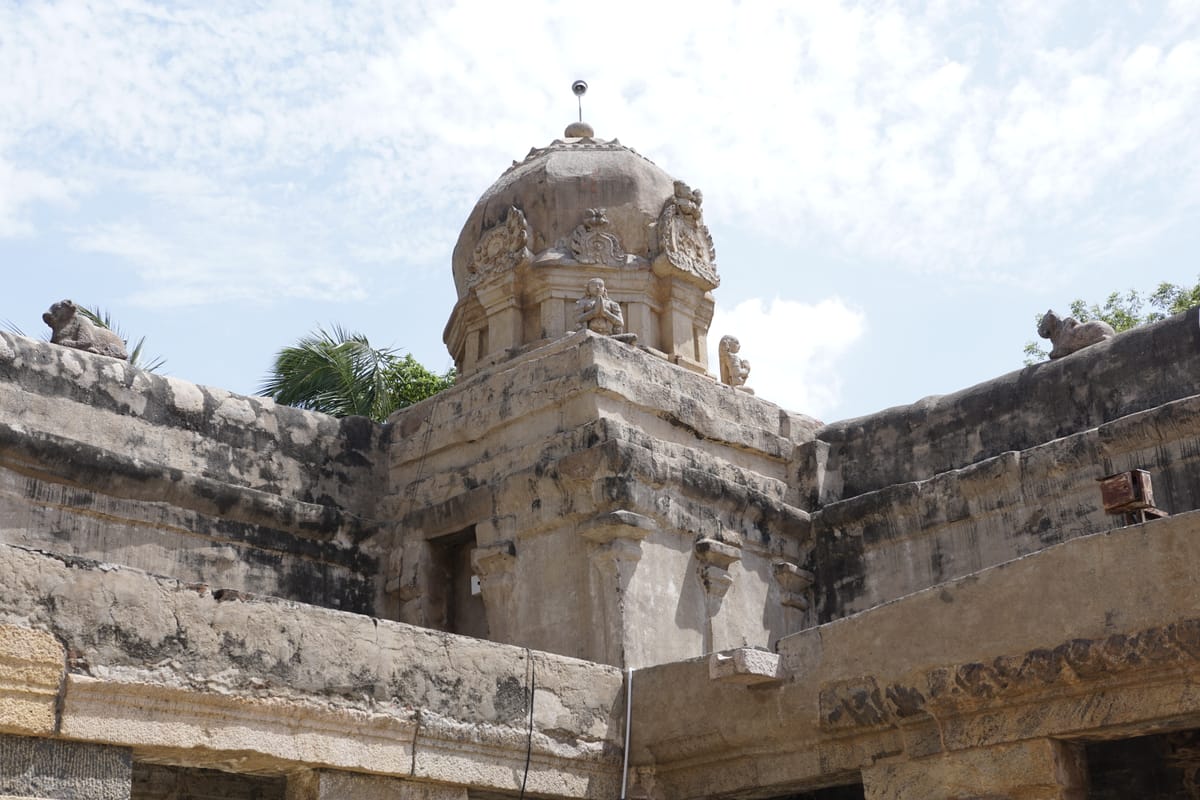
Great Living Chola Temples — Brihadeeswarar Temple
The principal temple of the Great Living Chola Temples UNESCO site, a masterpiece of Dravidian…
Explore Temple
UNESCO 2021Cultural Heritage
Telangana
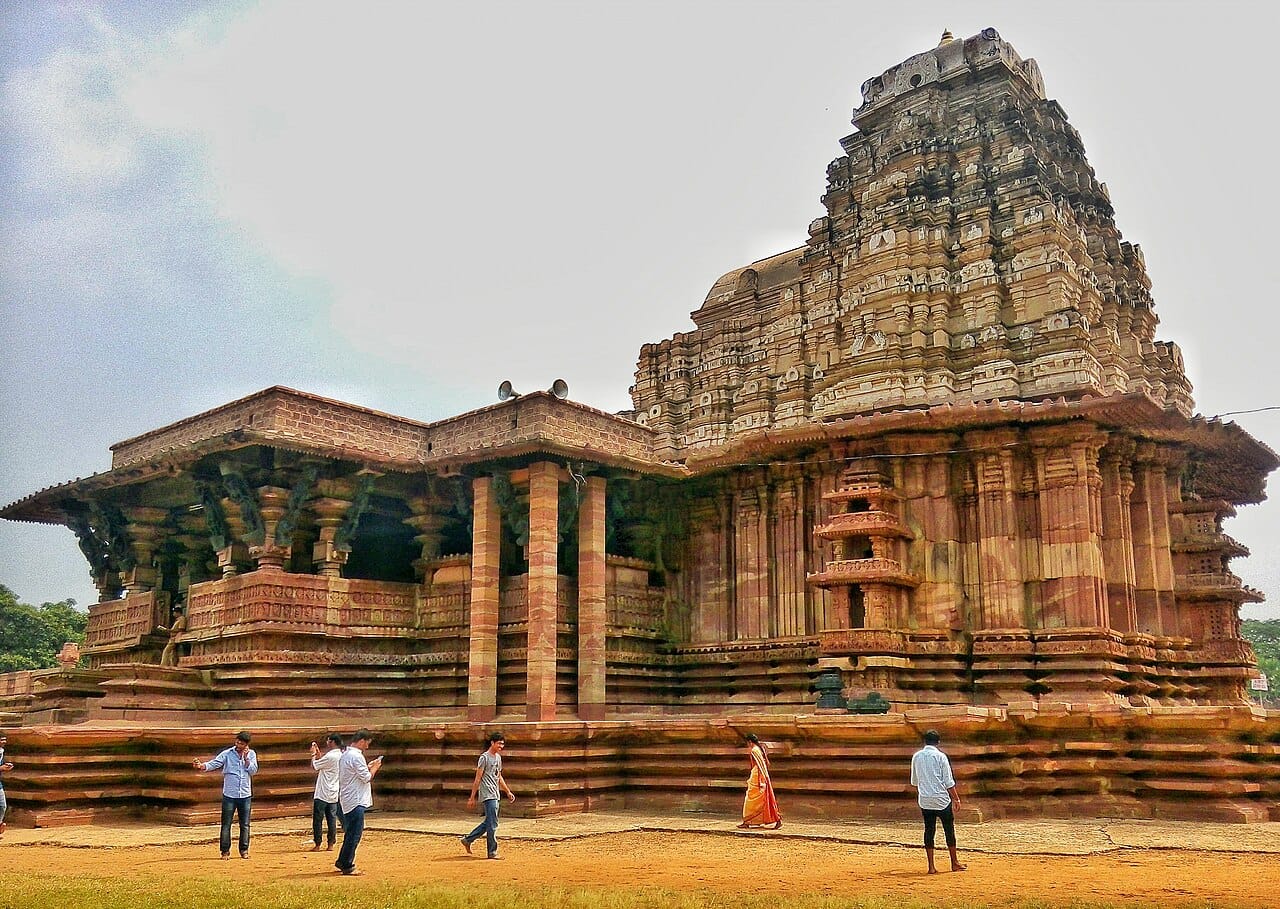
Ramappa Temple
A 13th-century Kakatiya temple famous for its floating bricks and intricate carvings, the newest UNESCO…
Explore Temple
UNESCO 1986Cultural Heritage
Madhya Pradesh
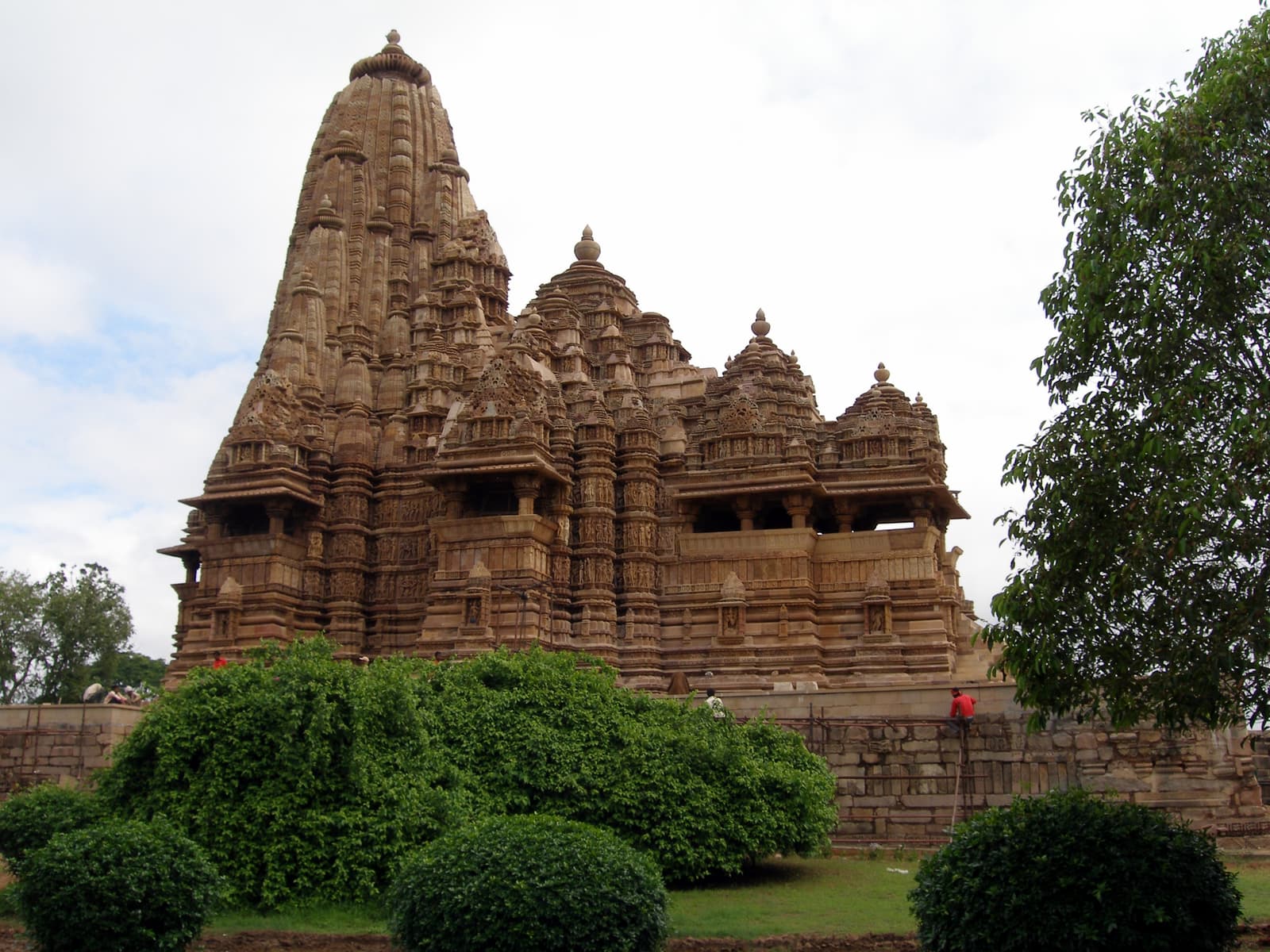
Khajuraho Group of Monuments
The largest and most ornate Hindu temple in the Khajuraho Group of Monuments.
Explore Temple
UNESCO 1984Cultural Heritage
Odisha
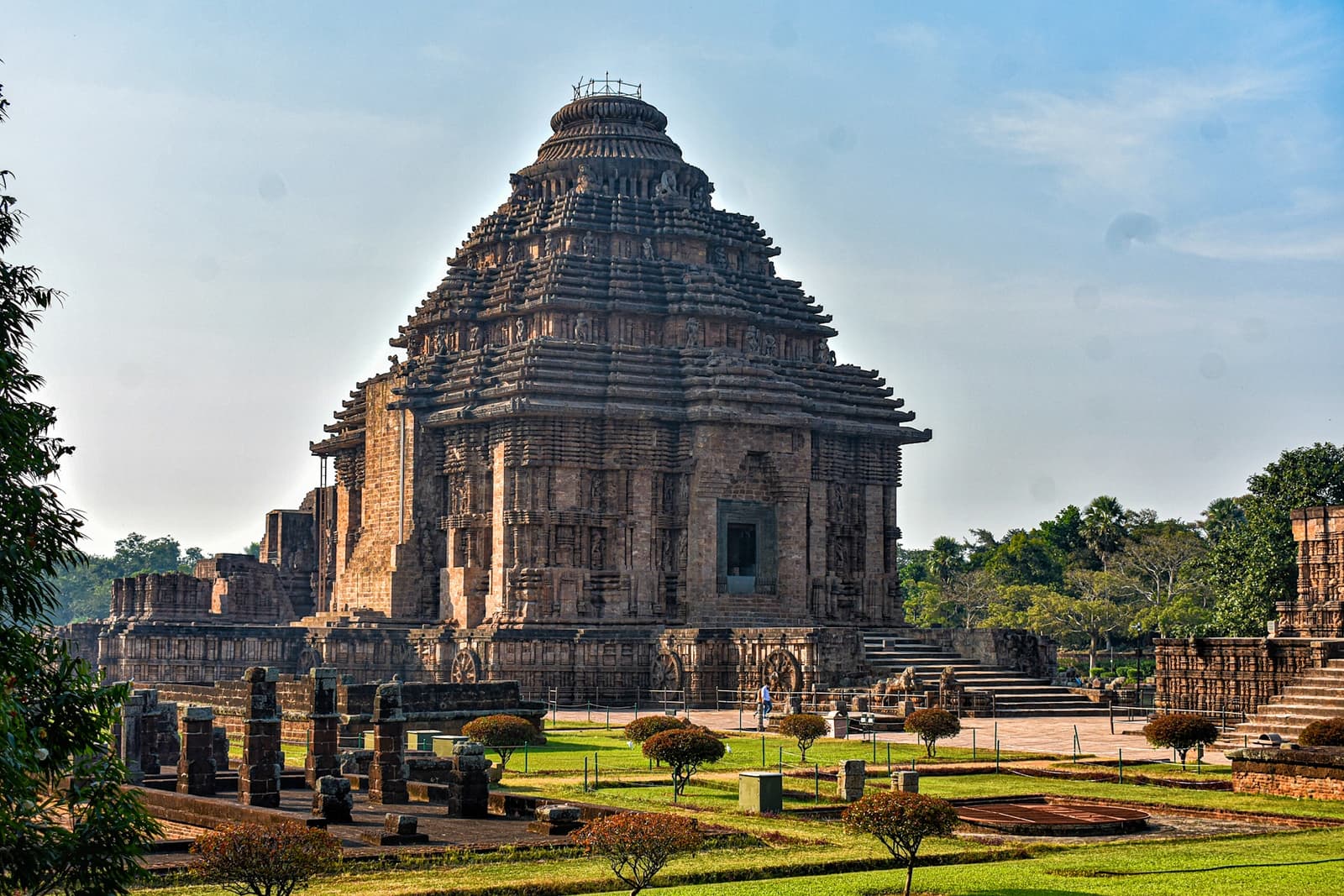
Sun Temple, Konark
A 13th-century Sun Temple built as a giant stone chariot with 24 wheels, drawn by…
Explore Temple
Famous Temples You May Like
UNESCO 2004Cultural Heritage
Tamil Nadu
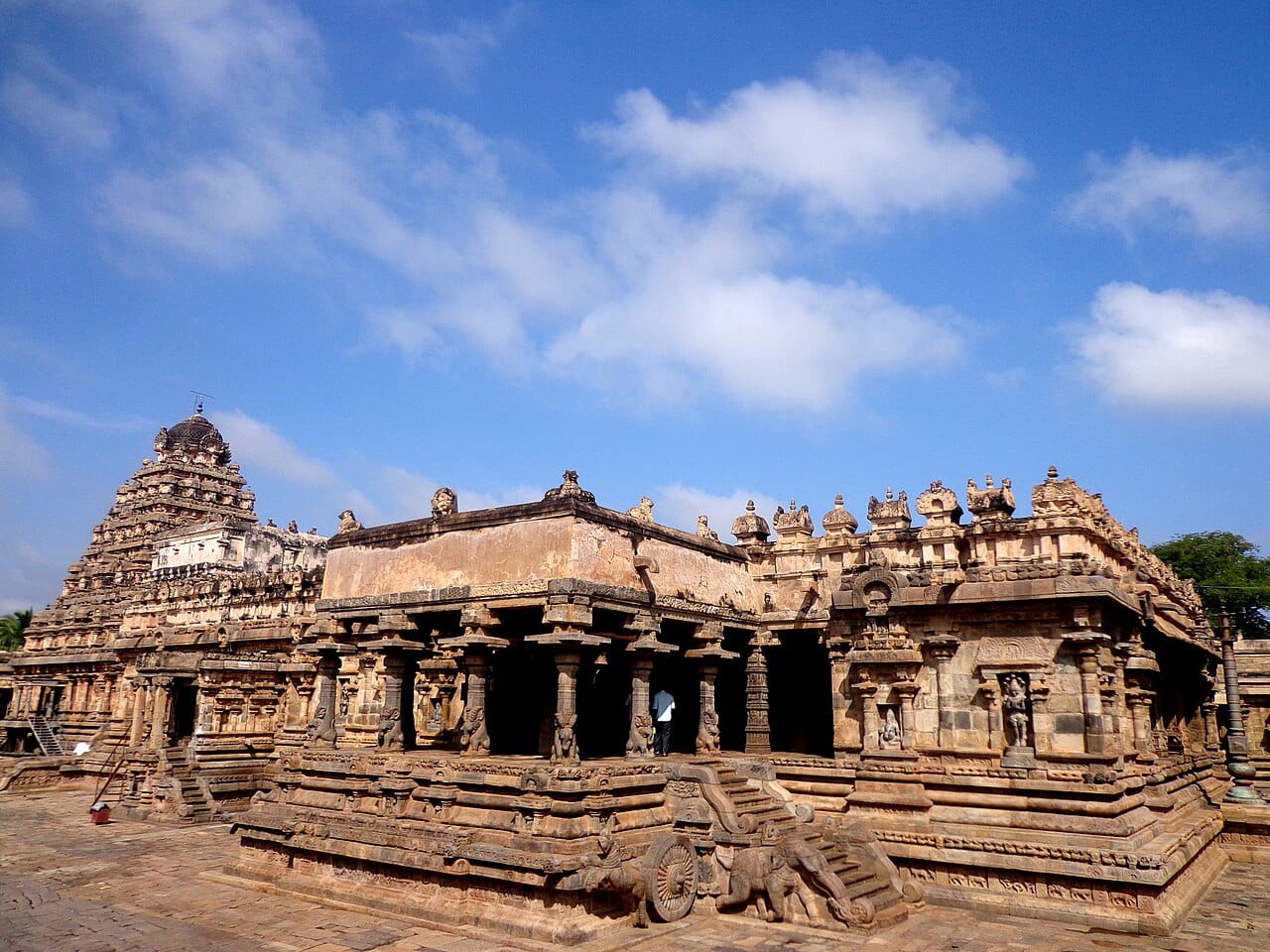
Airavatesvara Temple
The Airavatesvara Temple at Darasuram, built by Rajaraja Chola II between 1146 and 1172 CE…
Explore Temple

UNESCO 2004Cultural Heritage
Tamil Nadu
Gangaikonda Cholapuram Temple
The Gangaikonda Cholapuram Temple, built by Rajendra Chola I in 1035 CE, is a UNESCO…
Explore Temple

Tamil Nadu
Kampaheswarar Temple
Kampaheswarar Temple in Tribhuvanam, built by Kulothunga Chola III in 1202 CE, is one of…
Explore Temple

Tamil Nadu
Koranganatha Temple
Koranganatha Temple, built during the reign of the Chola king Parantaka I (907-955 CE) at…
Explore Temple
Explore More in Tamil Nadu

Tamil Nadu
Pancha Rathas
The Pancha Rathas (Five Chariots) are a set of five monolithic temple structures carved from…
Explore Temple

Tamil Nadu
Olakkaneswara Temple
Olakkaneswara Temple, located on a rocky outcrop at the southern end of Mahabalipuram beach, was…
Explore Temple

Tamil Nadu
Vaikuntha Perumal Temple
Built by the Pallava king Nandivarman II in the 8th century (circa 770 CE), the…
Explore Temple
Tamil Nadu
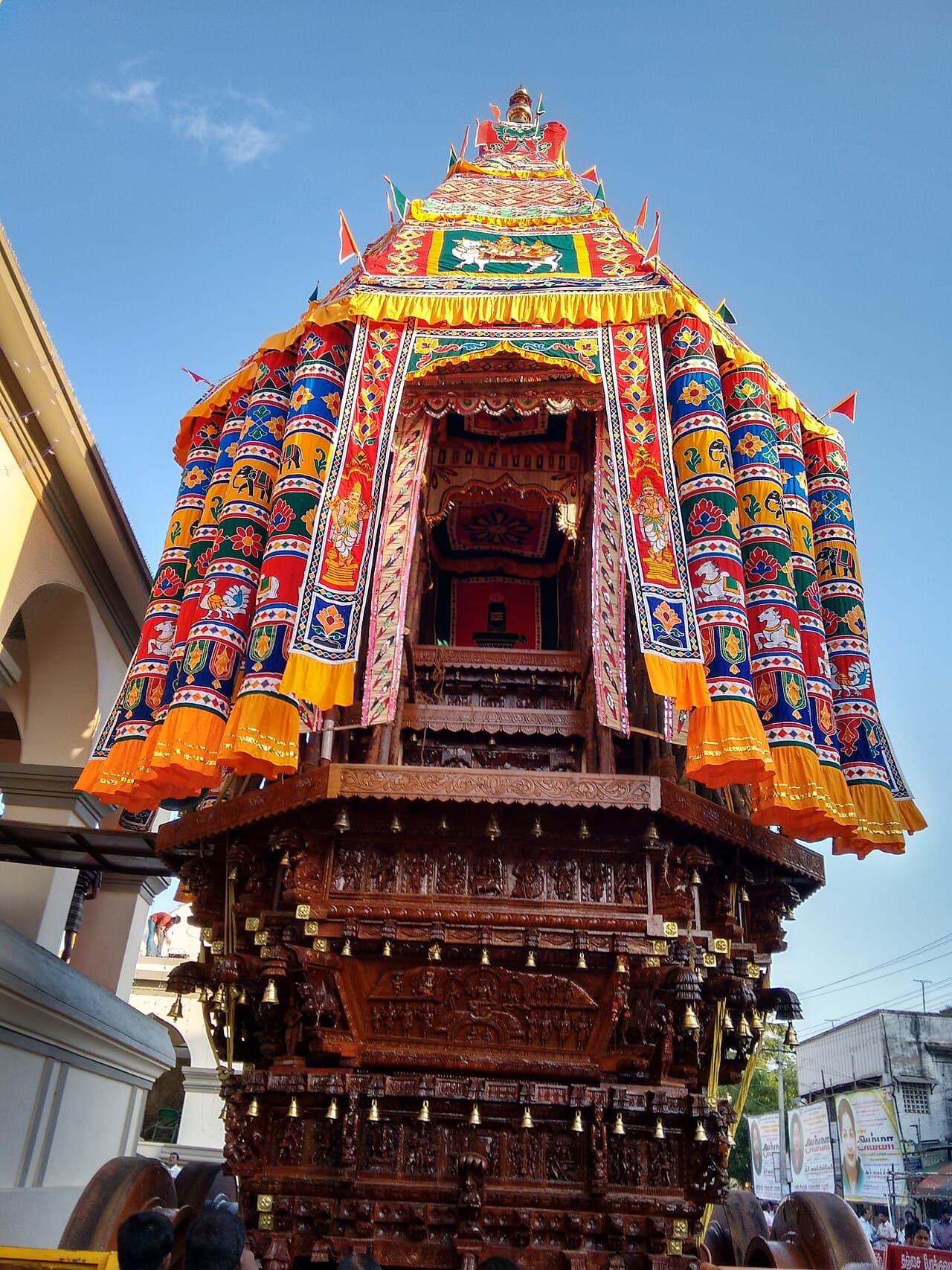
Arunachaleswarar Temple
Arunachaleswarar Temple at the foot of Arunachala Hill in Tiruvannamalai is one of the largest…
Explore Temple
Heritage Fact
"The Meenakshi Temple in Madurai has 14 gopurams (gateway towers), ranging from 45 to 52 meters in height."