From ancient rock-cut marvels to towering imperial shrines, discover the architectural soul of Bharat through our verified digital archive.
Explore More Temples
Location
Kanpur
Presiding Deity
Lord Shiva and Lord Vishnu
Architecture
Ancient Brick
Dynasty
Gupta
Timings
The temple site is open from sunrise to sunset daily. It is an ASI-protected monument with free entry.
Entry Fee
Free
Best Time
October to March offers the best weather for visiting. Early morning or late afternoon light provides the best conditions for viewing the terracotta panels and photographing the temple.
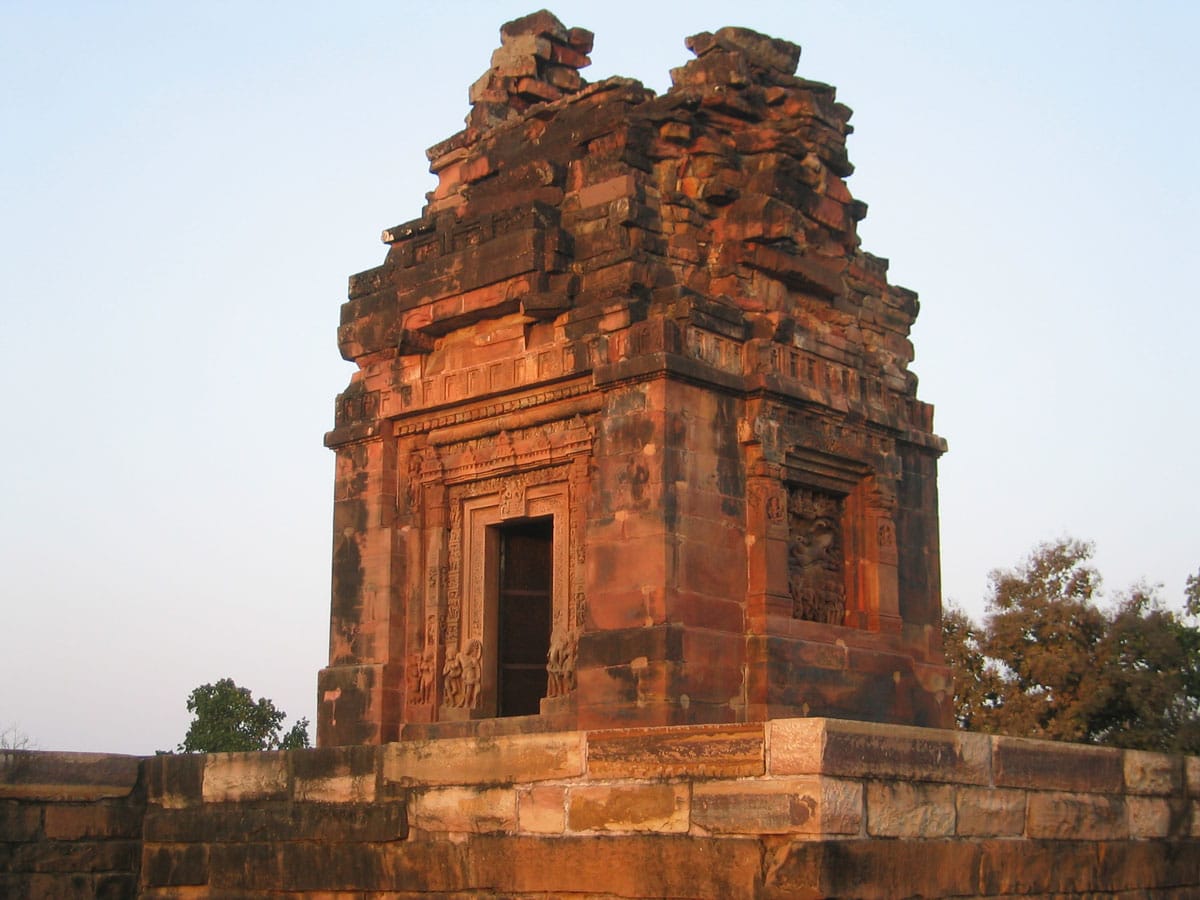
The oldest remaining terracotta/brick temple in India, dating to the 6th-century Gupta era, a masterpiece of early architecture.
Bhitargaon Temple was built during the Gupta period, specifically in the 5th-6th centuries CE, when the Gupta Empire was at its cultural and architectural zenith. The temple was first documented by British archaeologist Alexander Cunningham in the 19th century. Cunningham identified it as a Gupta-era structure and noted its sophisticated brick construction. The temple underwent conservation work by the Archaeological Survey of India in the early 20th century. The temple's designation as a Monument of National Importance has ensured its preservation despite exposure to the elements for over 1,500 years. The temple has survived numerous floods, earthquakes, and the general neglect of time, standing as a testament to the engineering skills of Gupta builders.
“The temple's dual dedication to Shiva and Vishnu reflects the syncretic nature of Gupta-era Hinduism, where the two major traditions were seen as complementary rather than competing. The terracotta panels originally depicted scenes from the Ramayana and the life of Krishna, indicating the temple's role as a narrative center for the local community. The temple was likely part of a larger settlement that has since disappeared, and the isolation of the temple in an agricultural field today only adds to its mysterious and ancient atmosphere.”
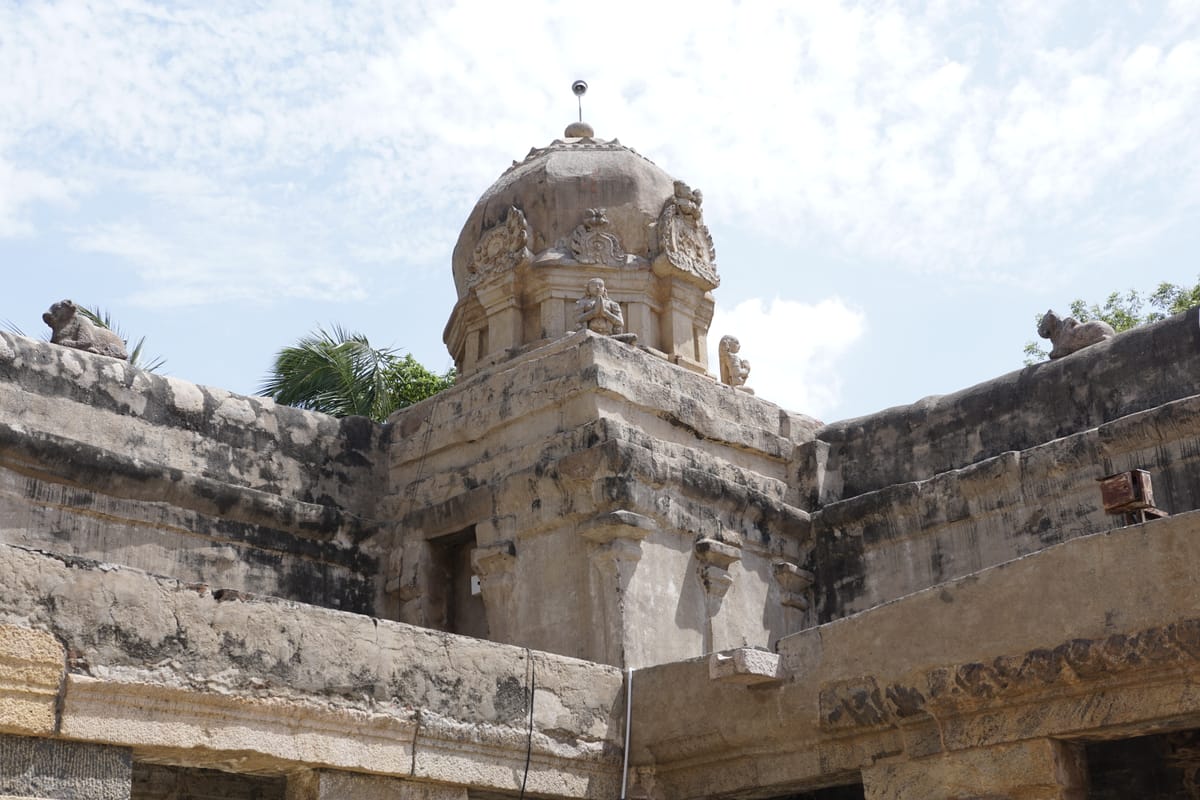
The temple is built on a square plan with a sanctum (garbha griha) and a small vestibule (antarala). The most striking feature is the curvilinear shikhara (spire) rising above the sanctum, constructed using the corbelling technique with overlapping bricks. The temple's walls are decorated with terracotta panels depicting human figures, animals, floral patterns, and divine beings. The panels include some of the earliest known representations of Hindu deities in terracotta. The temple's brickwork is exceptionally precise, with thin mortar joints and carefully shaped bricks that have survived centuries of weathering. The original temple had a large mandapa (hall) in front, but only the sanctum and parts of the antarala survive today. The temple stands approximately 35 feet tall.
Bhitargaon Temple is the oldest surviving brick and terracotta temple with a shikhara (spire) in India, making it the prototype for the later Nagara style of North Indian temple architecture. The temple's construction technique — using brick masonry with terracotta panels — represents the highest achievement of Gupta-era building technology. The temple provides crucial evidence for the evolution of the Hindu temple form, marking the transition from flat-roofed temples of the early Gupta period to the soaring shikharas of the medieval period. The temple is also significant for its terracotta art, which preserves iconographic programs from the Gupta period, showing the fusion of Shaivite and Vaishnava traditions.
The temple is no longer an active site of daily worship, as the original deity images have been lost to time. The temple serves primarily as an archaeological monument and tourist attraction. The ASI maintains the site and provides informational boards for visitors. The site is open to visitors who wish to experience the ancient atmosphere of one of India's oldest surviving temples.
The temple does not host regular festivals. However, nearby Kanpur city celebrates major Hindu festivals including Maha Shivaratri, Holi, and Diwali. The temple site itself is sometimes used for occasional cultural events organized by the Archaeological Survey of India and local heritage groups.
The oldest surviving brick and terracotta temple in India, the prototype of the Nagara shikhara, a masterpiece of Gupta-era architecture, and one of the earliest surviving Hindu temples with a spire
October to March offers the best weather for visiting. Early morning or late afternoon light provides the best conditions for viewing the terracotta panels and photographing the temple.
The temple site is open from sunrise to sunset daily. It is an ASI-protected monument with free entry.
Bhitargaon is located 20 km from Kanpur city center. Taxis and auto-rickshaws are available from Kanpur. The temple is in a rural agricultural area, so the last stretch involves a short walk through fields. Carry water and sun protection as there are no facilities at the site. The site is not crowded and offers a peaceful, contemplative visit. Photography is allowed and encouraged. The best time for photographs is early morning or late afternoon when the terracotta details are most visible.
Kanpur city (20 km) offers the Kanpur Memorial Church (All Souls' Church), the Kanpur Museum, and the Allen Forest Zoo. The Ganges River ghats at Bithoor (25 km) are historically significant. The IIT Kanpur campus (35 km) has a science center. The Lakh Bahosi Sanctuary (50 km) is a bird sanctuary. The ancient town of Kaushambi (60 km) has Buddhist ruins.
A. Bhitargaon Temple dates to the 5th-6th centuries CE, making it over 1,500 years old. It is the oldest surviving brick and terracotta temple in India and is classified as a Monument of National Importance by the Archaeological Survey of India.
A. Bhitargaon is the earliest surviving example of a North Indian shikhara (curvilinear spire) built in brick. It represents the crucial transition from flat-roofed Gupta temples to the soaring spires of medieval Nagara architecture. The temple's terracotta panels are among the finest examples of Gupta-era terracotta art.
A. Bhitargaon is about 20 km from Kanpur city center. The nearest railway station is Kanpur Central (20 km), and the nearest airport is Kanpur Airport (25 km). Local taxis and auto-rickshaws are available from Kanpur to the site.
Adi Badri Uttarakhand
A complex of 16 ancient temples from the Gupta period; it is believed Vishnu resided here before moving to Badrinath.
Dashavatara Temple
Dating to around 500 CE, this is the earliest known North Indian temple with a shikhara (curvilinear tower). The temple is famous for its carved panels depicting the ten incarnations (Dashavatara) of Vishnu on the sanctum walls.
Vishalakshi Temple
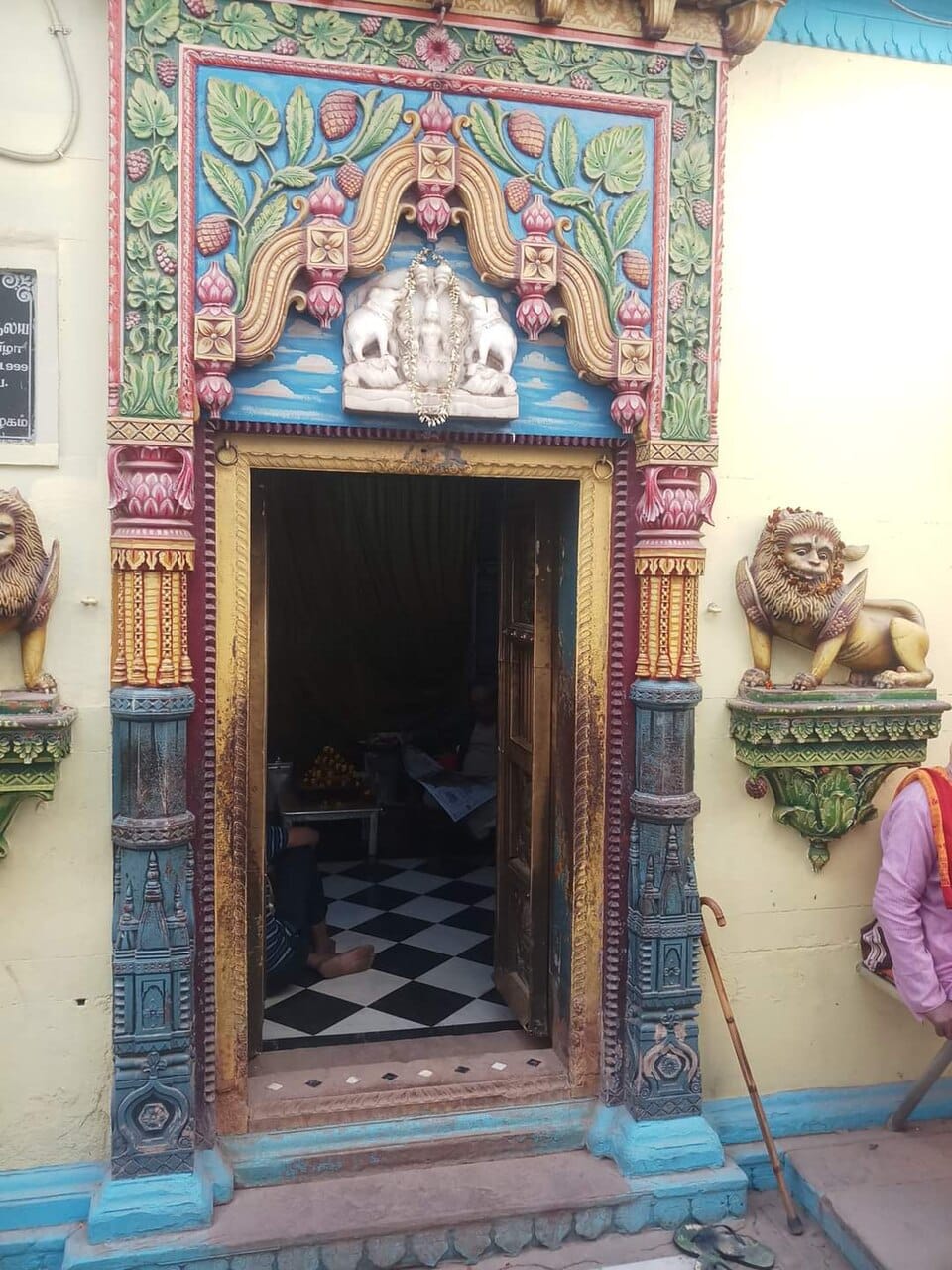
The Vishalakshi Temple, located in the narrow lanes of Mir Ghat near the Ganges in Varanasi, is one of the 51 Shakti Peethas where the earrings of Goddess Sati are believed to have fallen. Dedicated to the 'wide-eyed' goddess Vishalakshi, the temple is the first stop on the traditional Kashi Yatra pilgrimage circuit and is considered the consort shrine of the neighbouring Kashi Vishwanath Temple.
Dashavatara Temple
Dating to around 500 CE, this is the earliest known North Indian temple with a shikhara (curvilinear tower). The temple is famous for its carved panels depicting the ten incarnations (Dashavatara) of Vishnu on the sanctum walls.
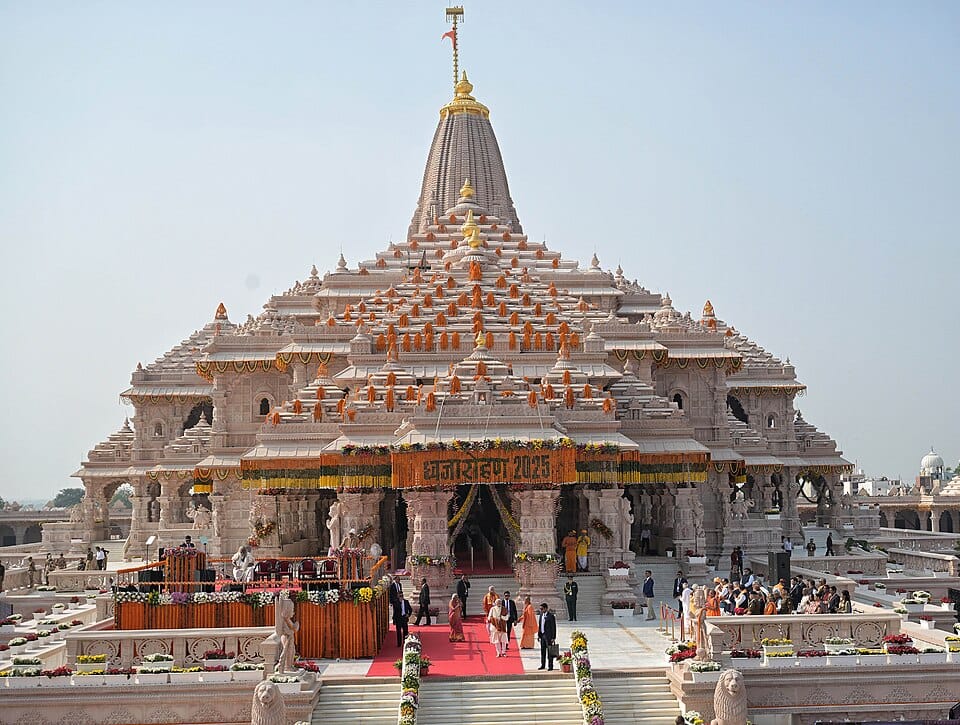
Shri Ram Janmabhoomi Mandir
A grand and historic temple marking the birthplace of Lord Rama, the seventh avatar of Vishnu, representing the pinnacle of Nagara architecture.
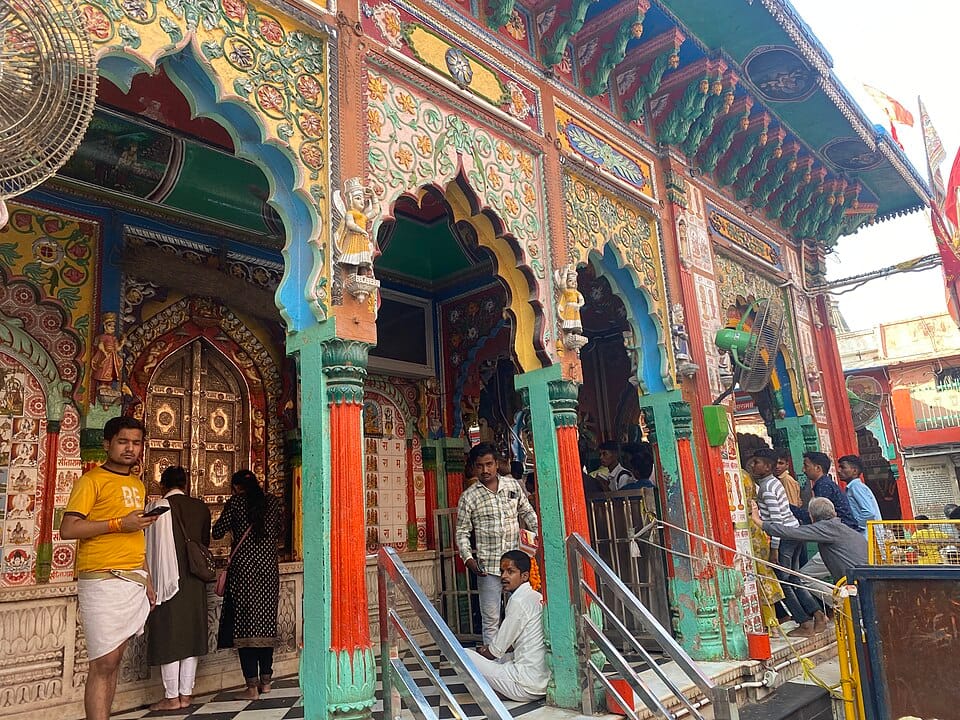
Hanuman Garhi
A hilltop temple dedicated to Lord Hanuman, the guardian deity of Ayodhya, reached by climbing 76 sacred steps.
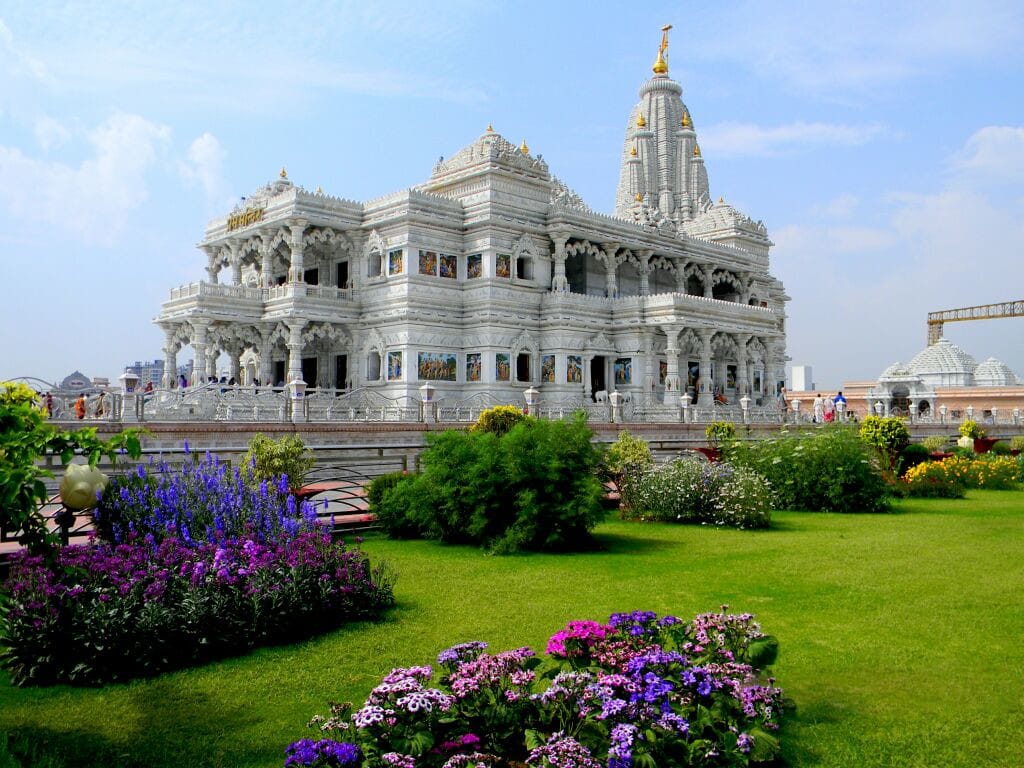
Prem Mandir
A stunning modern white-marbled complex in Vrindavan dedicated to Divine Love, known for its life-like tableaus of Krishna's pastimes.
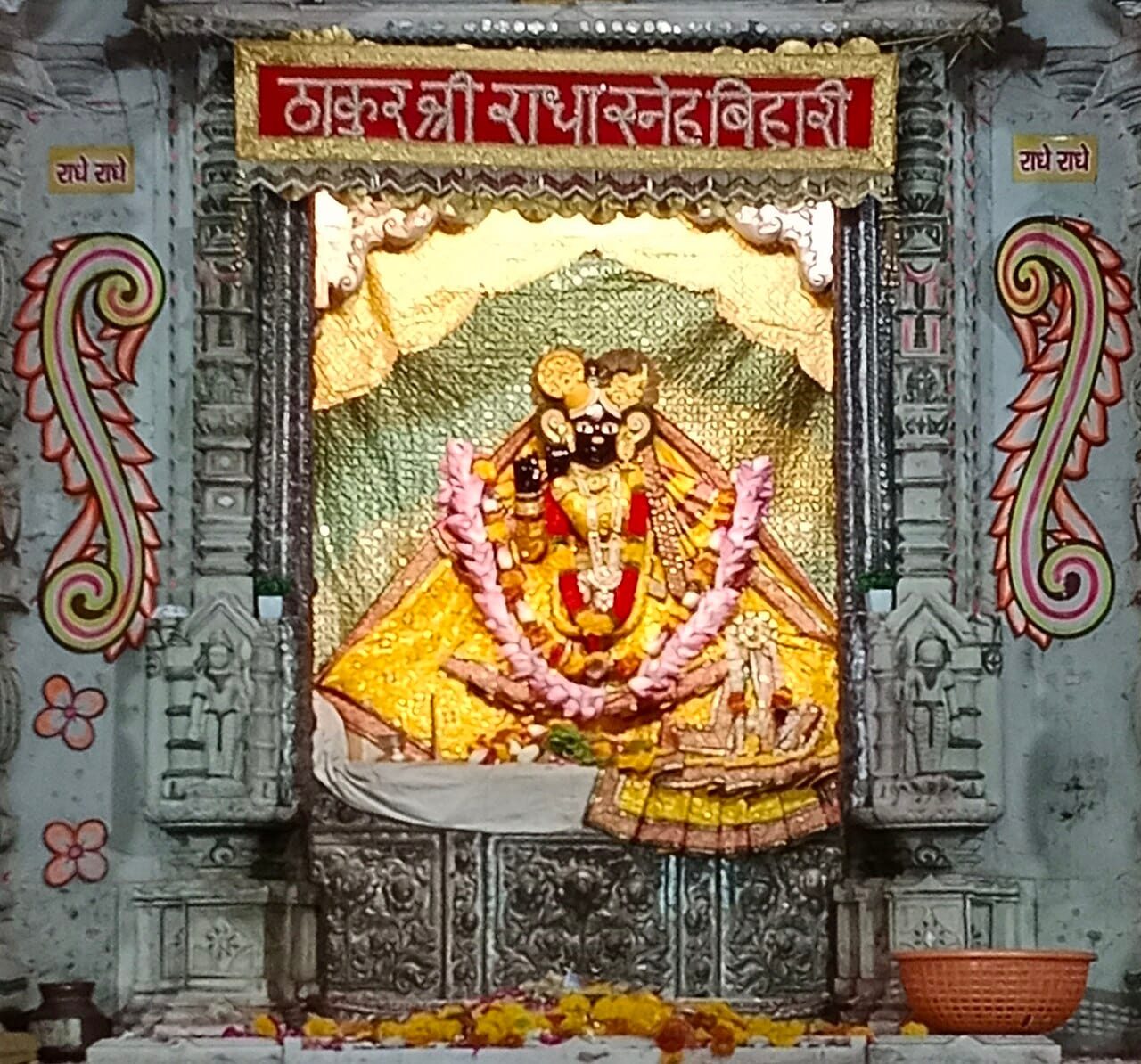
Banke Bihari Temple
Among the most famous Krishna temples in India, where the deity is worshipped as a child and curtains are drawn frequently.
Tarakeshwar Temple Hooghly
A massive 18th-century pilgrimage site dedicated to Lord Taraknath, especially vibrant during the Gajan festival.
Virupaksha Temple
The Virupaksha Temple in Hampi, Karnataka, is a UNESCO World Heritage Site and the oldest functioning temple in India, dedicated to Lord Shiva as Virupaksha.
Jageshwar Temple
A cluster of 124 ancient stone temples from the 7th-12th centuries, nestled in a dense deodar forest.
Neelkanth Mahadev Temple
Situated at 1,330 meters, this is where Lord Shiva is believed to have consumed the poison (Halahala) during the Samudra Manthan.
Tungnath Temple
The highest Shiva temple in the world, situated at 3,680 meters on the Chandranath Parbat; it is the 'Tritiya Kedar' in the sacred Panch Kedar pilgrimage circuit.
Rudranath Temple
One of the Panch Kedar shrines, representing Lord Shiva's face, situated at an altitude of 2,286 meters amidst meadows and rhododendron forests.
India's temples are living traditions — not museums. Every temple has its own customs. This guide helps first-time visitors prepare with confidence and respect.
Foreign visitor information is being researched
Please verify with the official temple authority before planning your visit.
Foreign Visitors
Verify Before VisitingVisitor Information
Entry policies vary between temples. Most temples welcome visitors, while some may restrict access to specific areas, rituals, or the inner sanctum. Always verify the latest entry guidelines with the official temple authorities before your visit.
Modest clothing is expected at every Indian temple — a sign of respect, not a restriction. Think of it as dressing for a formal ceremony.
A scarf is always useful — it covers shoulders, works as a head covering, and can double as a makeshift face cover if needed.
Outdoor photography is generally permitted. Indoor photography is often restricted. Always look for signage or ask a priest before taking photos inside.
October to March offers the best weather for visiting. Early morning or late afternoon light provides the best conditions for viewing the terracotta panels and photographing the temple.
April — June
July — September
English is widely understood at major tourist temples. In smaller local temples, Hindi and the regional language are more common. A smile and simple hand gestures go a long way. Learning a few words of the local language is always appreciated.
Cash (Indian Rupees) is the most reliable option, especially for temple offerings, small shops, and local transport.
UPI digital payments (Google Pay, PhonePe, Paytm) are widely accepted across India — even at roadside stalls. Download one before you arrive.
International credit/debit cards work at most ATMs, hotels, and larger establishments. Smaller vendors may only accept cash or UPI.
Carry small denominations (₹10, ₹20, ₹50, ₹100 notes) for offerings and temple donations. Large notes (₹500, ₹2000) can be hard to break at smaller counters.
Many historic temples have uneven stone floors, multiple steps, and narrow passages. Wheelchair access is limited at older sites — contact the temple in advance.
Basic restroom facilities and drinking water are available at most major temples. Some charge a small fee (₹5–₹10).
Stay hydrated — carry a reusable water bottle, especially in hot climates.
Keep valuables secure — use hotel lockers for passports and excess cash.
Wear comfortable, sturdy footwear — temple floors can be hot, wet, or uneven.
Beware of unofficial guides or touts near temple entrances. Only use authorised services.
Carry a photocopy of your passport and visa. Leave originals in your hotel safe.
Download offline maps — mobile networks can be unreliable near remote temple sites.
These short explanations help make sense of what you see and experience.
Darshan means 'seeing' — but in a temple it means being seen by the deity. It is a sacred moment of connection, not just a viewing.
Removing footwear is a sign of humility. It also keeps the temple floor clean, since devotees sit and pray on the ground.
Food offered to the deity and then distributed to devotees. It is considered blessed. Accept it with both hands and do not discard it.
The bell creates a focused acoustic atmosphere, wards off distractions, and announces your presence before entering the inner sanctum.
Circumambulation (pradakshina) is done clockwise, keeping the sanctum on your right — an auspicious direction aligned with the sun's path.
Flowers symbolise devotion, coconuts represent the ego being broken, incense purifies the air, and lamps represent the victory of light over darkness.
Sacred viewing of the deity; the central act of temple worship.
Clockwise circumambulation of the sanctum.
Blessed food offered to the deity and distributed to devotees.
The innermost sanctum where the main deity resides.
The towering spire above the sanctum, a defining feature of temple architecture.
A pillared hall or pavilion within the temple complex.
The Indian Rupee (?, INR) is the local currency. ATMs are widely available in cities and towns. For temple offerings, keep small notes (₹10, ₹20, ₹50). Most temples accept donations in cash only — digital payments are uncommon at the offering counter itself.
Offerings (dakshina) are given with the right hand. Place cash in the donation box (hundi) or give it directly to the priest. There is no fixed amount — give what feels appropriate. Some temples have fixed fees for special entry or puja participation.
Shoes and sandals are removed before entering the temple building. Most temples have a designated shoe counter (free or a small fee of ₹5–₹20). Socks are generally allowed. In monsoon, carry a plastic bag for wet shoes.
Darshan queues can take 30 minutes to 3 hours at popular temples. Many offer paid VIP darshan (₹100–₹500) for faster entry. Special queues for women, elderly, and disabled visitors exist at some temples. No line jumping.
Major festivals draw enormous crowds — sometimes hundreds of thousands. Book accommodation months in advance. Expect road closures, restricted vehicle access, and limited phone network. Arrive early (before dawn) to avoid the worst congestion.
Always look for signage before taking photos. When in doubt, ask a priest. Never take photos of devotees in prayer without permission. Selfie sticks are banned at most temples. Silently switch your phone to silent mode.
Police / Ambulance / Fire: 112 (National Emergency Number)
Tourist Helpline: 1800-111-363 (Multi-lingual, Ministry of Tourism)
Women's Helpline: 1091
Temple-specific visitor information is continuously researched and updated from official sources. Where specific data is unavailable, general India travel guidance is provided. Always verify current policies with the temple authority before your visit.
Information last verified July 2026. Temple-specific data coming soon.
Continue your journey through the spiritual and architectural wonders of India.
Dating to around 500 CE, this is the earliest known North Indian temple with a shikhara (curvilinear tower). The temple is famous for its carved panels depicting the ten incarnations (Dashavatara) of Vishnu on the sanctum walls.

A grand and historic temple marking the birthplace of Lord Rama, the seventh avatar of Vishnu, representing the pinnacle of Nagara architecture.

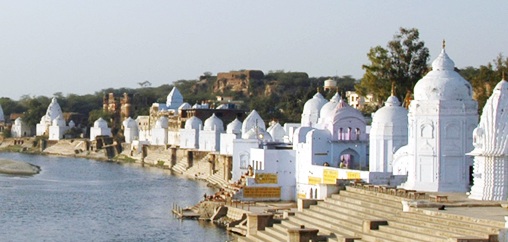
A complex of 101 Shiva temples built on the banks of Yamuna, representing a significant pilgrimage and architectural site.

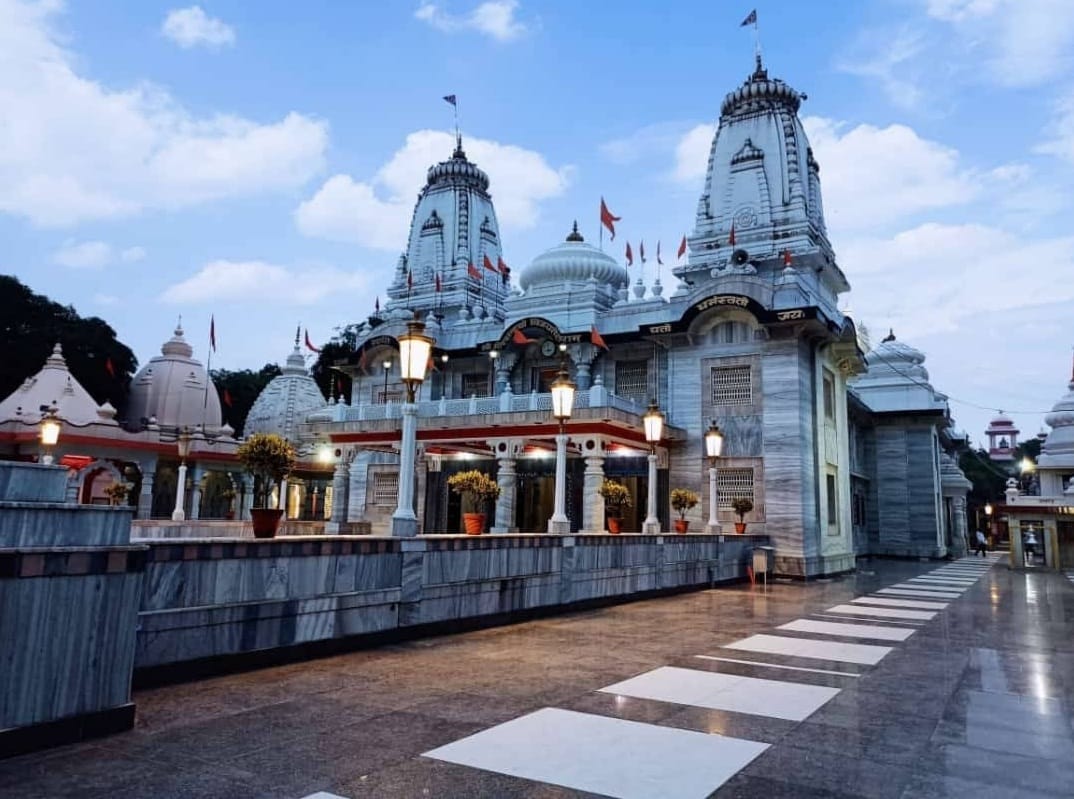
The spiritual headquarters of the Nath monastic order and a grand center for Yoga, carrying a millennium of spiritual power and social service.

The Vishalakshi Temple, located in the narrow lanes of Mir Ghat near the Ganges in Varanasi, is one of the 51 Shakti Peethas where the earrings of Goddess Sati are believed to have fallen. Dedicated to the 'wide-eyed' goddess Vishalakshi, the temple is the first stop on the traditional Kashi Yatra pilgrimage circuit and is considered the consort shrine of the neighbouring Kashi Vishwanath Temple.

A hilltop temple dedicated to Lord Hanuman, the guardian deity of Ayodhya, reached by climbing 76 sacred steps.

A stunning modern white-marbled complex in Vrindavan dedicated to Divine Love, known for its life-like tableaus of Krishna's pastimes.

Among the most famous Krishna temples in India, where the deity is worshipped as a child and curtains are drawn frequently.
"UNESCO was founded in 1945 to promote world peace and security through international cooperation."