From ancient rock-cut marvels to towering imperial shrines, discover the architectural soul of Bharat through our verified digital archive.
Explore More Temples
Location
Gorakhpur
Presiding Deity
Guru Gorakhnath
Architecture
Modern Nagara
Dynasty
Nath Sect
Timings
The temple maintains a disciplined schedule reflecting its monastic character: - **General Opening:** 4:00 AM to 10:00 PM. - **Mangala Aarti:** 4:30 AM. - **Bhog Aarti:** 12:00 PM. - **Sandhya Aarti:** Approximately 7:00 PM (varies with sunset). - **Shayan Aarti:** 9:00 PM. *Note: During the Khichdi Mela in January, the temple often remains open for **24 hours** to accommodate the continuous stream of pilgrims. The Goshala and Mansarovar pond areas usually have separate timings, from 8:00 AM to 6:00 PM.*
Entry Fee
Free
Best Time
The ideal time to visit the Gorakhnath Temple is during the winter months, from **October to March**. During this period, the weather in Eastern Uttar Pradesh is crisp and pleasant, making it comfortable to explore the vast campus and participate in the early morning rituals. **The Month of January:** This is the most vibrant time to visit due to the **Khichdi Mela** (starting Jan 14). However, one should be prepared for massive crowds and a high-energy environment. For those who enjoy traditional fairs and cultural immersion, this is the best window. **Spring (March-April):** The Chaitra Navratri and the Holi celebrations provide a wonderful glimpse into the local folk-religious traditions of Gorakhpur. **Note for Meditation Seekers:** If you are visiting for quiet meditation and yoga, the months of **November and February** are ideal, as the weather is perfect and the crowd levels are manageable outside of major festival days. Early mornings (4 AM to 7 AM) provide the most peaceful and spiritually charged experience.
The spiritual headquarters of the Nath monastic order and a grand center for Yoga, carrying a millennium of spiritual power and social service.
The history of the Gorakhnath Temple is a saga of spiritual resilience and cultural continuity that mirrors the life and legacy of Guru Gorakhnath. While the current grand structure is a result of modern architectural efforts, the site has been a pulsating center of spiritual activity since at least the 11th century. Guru Gorakhnath, the foremost disciple of Matsyendranath, is believed to have chosen this spot for his intense 'Tapasya' (penance). He arrived here during a period of great social fragmentation and offered a unifying path of yoga and internal purification. The temple's physical history is marked by several cycles of destruction and rebirth. During the 14th century, the original shrine was razed by the forces of Alauddin Khalji during his eastern campaigns. Despite this, the Nath monks continued their practices in the ruins, and the temple was subsequently rebuilt. In the late 17th century, the temple faced another severe trial when Aurangzeb ordered its destruction and converted the site into a prayer hall. However, the resilient 'Yogis' of the Nath sect eventually reclaimed the site and restored the temple to its former glory. The modern era of the temple began under the leadership of Mahant Digvijay Nath, who was a visionary leader and a key figure in the Hindu resurgence of the early 20th century. He initiated the construction of the massive marble structure and expanded the Math's social footprint. This work was carried forward with great zeal by Mahant Avaidyanath, who turned the Math into a major political and social powerhouse in Uttar Pradesh. The present Mahant, Yogi Adityanath, has overseen a dramatic transformation of the entire precinct, introducing modern pilgrim facilities, widening the approach roads, and enhancing the aesthetic grandeur of the campus. A legendary and heart-warming aspect of the temple's history is the 'Khichdi' legend. It is said that Guru Gorakhnath, during his travels to the Jwala Devi temple in Himachal Pradesh, was offered meat by the local priests. The Guru, upholding the principle of Satvik diet, declined and stated that he would cook his own meal if provided with a vessel and the simple ingredients of rice and lentils. He carried a small earthen pot (Akshaya Patra) to Gorakhpur and sat in meditation. People from the surrounding villages poured rice and pulses into his vessel, but due to his divine power, the pot never overflowed, yet it fed thousands. This miracle is the reason why 'Khichdi' remains the most sacred offering at the temple, representing the Guru's eternal grace and the community's collective spirit.
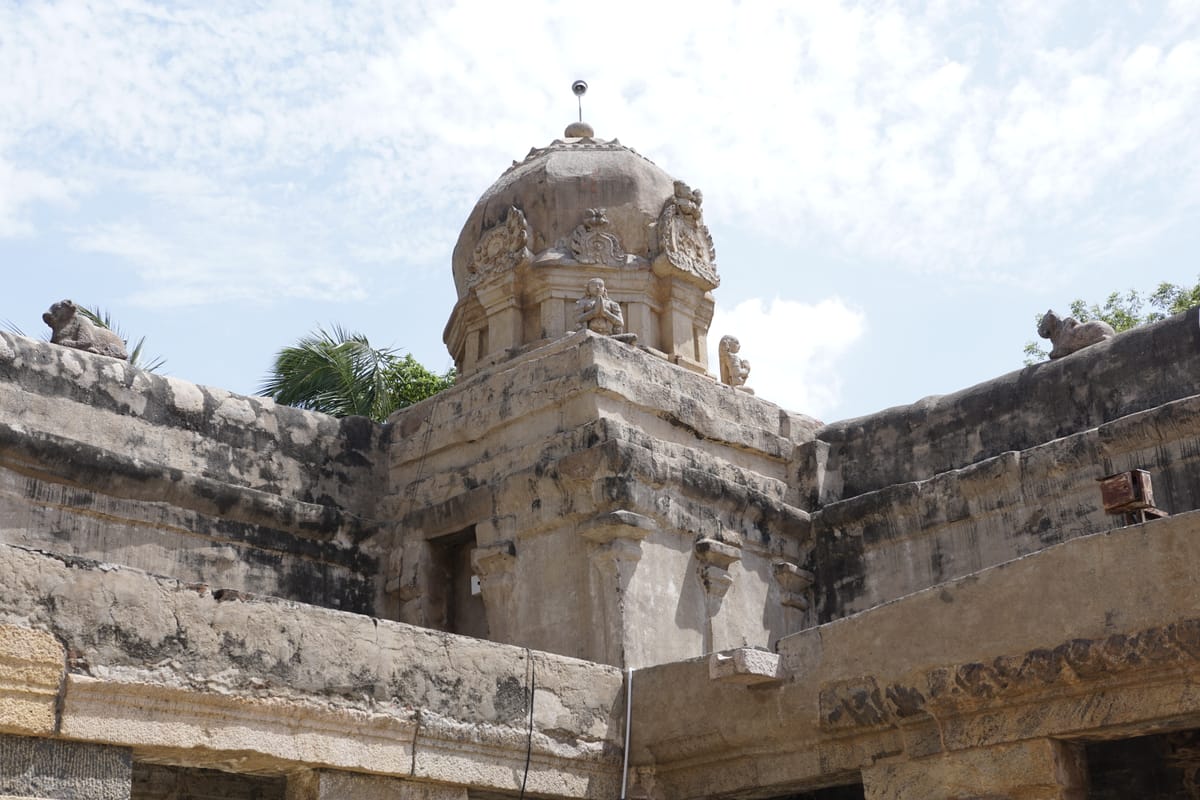
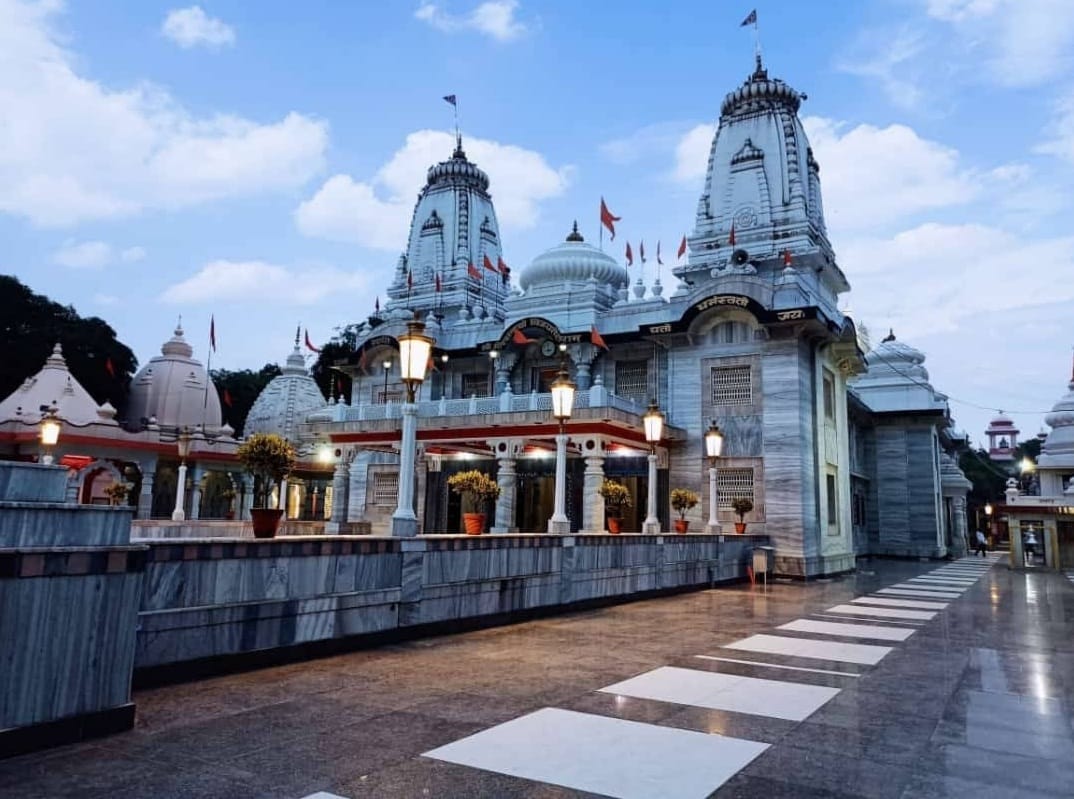
The Gorakhnath Temple is a grand and pristine example of the modern Nagara style of architecture, characterized by its towering shikharas and extensive use of white marble. The entire complex is a masterpiece of urban-spiritual planning, combining traditional Vedic aesthetics with modern durability and pilgrim comfort. **The Main Shikhara:** The primary temple structure features a soaring, multi-tiered shikhara that rises majestically into the sky, visible from almost every part of Gorakhpur city. The spire is decorated with intricate relief carvings of various yogic postures and scenes from the 'Goraksha Vijay'. At the very top, a series of gold-plated kalashes (finials) and a fluttering saffron flag mark the presence of the Mahayogi. **The Inner Sanctum:** The 'Garbhagriha' of the temple is unique because it does not house a traditional idol of Shiva in the form of a Lingam. Instead, the central focus is the 'Charan Paduka' (sacred stone footprints) of Guru Gorakhnath. This reflects the Nath belief in the formless (Nirguna) nature of the supreme reality. The sanctum is lined with pure white marble and silver plates, creating a luminous and serene atmosphere that is conducive to deep meditation. **The Shrines and Halls:** The campus houses a series of smaller but equally beautiful shrines dedicated to various deities. These include the 'Durga Temple', the 'Ganesh Temple', and a magnificent 'Hanuman Temple'. The 'Sabha Mandapa' (assembly hall) is a vast, high-ceilinged space where thousands of devotees can gather for bhajans and discourses. The walls are adorned with verses from the 'Goraksha Shataka', providing a visual guide to the path of Hatha Yoga. **Mansarovar and the Gardens:** An enchanting feature of the campus is the 'Mansarovar', a large sacred pond within the temple complex. The pond is surrounded by stone ghats and features boating facilities, representing the traditional connection between sacred waters and spiritual purification. The surrounding gardens are meticulously maintained, featuring a wide variety of medicinal plants and trees mentioned in Ayurvedic texts. **The Goshala:** The temple manages among the largest and best-maintained 'Goshalas' (cow shelters) in India. This is not just a farm but a sacred space reflecting the Hindu value of 'Go-Seva' (service to the cow). The milk from this Goshala is used for temple rituals and for the patients at the Guru Gorakhnath Hospital. **The Akhand Jyoti:** Deep within the complex burns the 'Akhand Jyoti' (eternal flame), which legend says was lit by Guru Gorakhnath himself and has been maintained by the monks for over a thousand years. This flame symbolizes the eternal light of knowledge and the continuity of the Nath lineage.
The Gorakhnath Temple holds a position of unparalleled significance in the Shaivite world as the 'Gaddi' (the principal seat) of the Nath Sampradaya. The sect follows the 'Siddha Siddhanta Paddhati', a profound philosophical system that emphasizes the 'Kayasadhana'—the perfection of the human body through Hatha Yoga—as a means to achieve the highest state of consciousness and union with Shiva. One of the temple's most profound contributions to Indian society is its historic role as a bastion of social equality. Long before modern social reform movements, the Gorakhnath Math practiced a radical form of inclusivity. In the eyes of the Guru, all individuals are equal sparks of the divine. This is reflected in the temple's kitchen (Langar), where people of all castes, creeds, and even different religions eat together. The Math has historically provided refuge to the persecuted and has been a center where the lowliest in the social hierarchy could rise to the highest levels of spiritual authority. The temple also serves as a unique diplomatic and spiritual bridge between India and Nepal. The Gorkha community of Nepal, known for their legendary bravery, takes its name from 'Gorakh-Pa' (the followers of Gorakh). The former Royal Family of Nepal considers Guru Gorakhnath as their supreme spiritual protector, and to this day, a special 'Akhand Jyoti' and 'Khichdi' offering are sent from Nepal to Gorakhpur on Makar Sankranti. Furthermore, the Gorakhnath Temple is a vital center for the preservation of the Sanskrit language and the ancient Ayurvedic system of medicine. The temple's library houses a priceless collection of rare manuscripts on Yoga, Tantra, and Vedic philosophy. For the millions of people in the Purvanchal region and the neighboring state of Bihar, the temple is not just a place of worship but their primary cultural and political identity. It is often the first stop for pilgrims before they proceed to other major shrines in the state, such as the [Ayodhya Ram Mandir](/temple/shri-ram-janmabhoomi-mandir) or the [Kashi Vishwanath](/temple/kashi-vishwanath-temple) in Varanasi, forming a spiritual triangle that defines the heart of Uttar Pradesh.
Rituals at the Gorakhnath Temple are characterized by a unique blend of Shaivite traditions, Vedic chanting, and a rigorous focus on yogic discipline. The atmosphere is one of profound order and ancient resonance. **Daily Schedule:** - **Brahmamuhurta prayers (3:00 AM - 4:00 AM):** The spiritual day begins long before dawn. The monks gather to chant the 'Guru Gita' and perform the ceremonial awakening of the deity. - **Mangala Aarti:** The first aarti of the day is a gentle and melodic ritual, welcoming the light of knowledge. - **Abhishek:** The 'Charan Paduka' and the shrines are bathed with Ganga water, milk, and honey. - **Gorakhsha Path:** Throughout the day, the continuous chanting of the 'Goraksha Shataka' and the 'Siddha Siddhanta Paddhati' can be heard, creating a powerful vibrational field within the temple. - **Sandhya Aarti (Sunset):** This is the most spectacular ritual of the day. The temple resonates with the thunderous sound of massive bells, drums, and conch shells. Hundreds of devotees join in the chanting, and the entire campus is lit with oil lamps. **Bhog and Langar:** The food offered to the deity (Bhog) is exceptionally simple, typically consisting of 'Khichdi'—the mixture of rice and lentils that the Guru famously cooked. The temple runs a massive community kitchen where free meals are provided to thousands every day. Serving in the kitchen is considered a form of 'Yoga in Action' for the monks and volunteers. **The Mahant's Darbar:** A unique ritual at the Gorakhnath Math is the daily 'Janata Darbar' held by the Mahant (currently Yogi Adityanath). Continuing the tradition of the Nath Gurus as protectors of the people, the Mahant listens to the personal, social, and administrative problems of common citizens and offers solutions. This ritual bridges the gap between the sacred and the secular, reinforcing the temple's role as a social guardian. **Diksha (Initiation):** The initiation of new monks into the Nath order is a solemn and secret ritual performed in the inner chambers. It involves the piercing of the ears (for the Kundalas) and the taking of lifelong vows of celibacy, non-possession, and service. This ritual ensures the unbroken continuity of the Nath Sampradaya.
The festival calendar of the Gorakhnath Temple is dominated by one of the largest religious fairs in Northern India, but it also includes several other unique and vibrant celebrations. **Makar Sankranti (Khichdi Mela):** This is the crown jewel of the temple's festivals. Lasting for an entire month, the Khichdi Mela draws millions of pilgrims from across India and Nepal. On the main day of Makar Sankranti, people queue for miles to offer 'Khichdi' to Guru Gorakhnath. The tradition dictates that the first offering is made by the Royal Family of Nepal, followed by the Mahant of the Math. The entire 52-acre campus and the surrounding city of Gorakhpur turn into a massive carnival featuring traditional folk performances, local crafts, and massive community feasts. It is a time of immense social bonding and spiritual renewal. **Navratri (Spring and Autumn):** The Nath sect has deep roots in Shaktism, and Navratri is celebrated with great fervor. The 'Durga Saptashati' is chanted continuously, and the Goddess is worshipped in her various forms. On the ninth day (Mahanavami), a grand 'Kanya Pujan' is held where the Mahant himself washes the feet of young girls and serves them food, symbolizing the worship of the Divine Mother in every female. **Guru Purnima:** This is a day of intense devotion for the disciples of the Nath order. Thousands of people gather to pay homage to the living Mahant and the lineage of Gurus. Special discourses on the 'Hatha Yoga Pradipika' and other texts are organized. **Maha Shivaratri:** The temple is illuminated with millions of lights, and an all-night vigil (Jagran) is held. Thousands of devotees perform 'Jalabhishek' to the Lord, and the atmosphere is charged with the chanting of 'Om Namah Shivaya'. **Holi and the Narsingh Shobhayatra:** The festival of Holi in Gorakhpur is unique. The Mahant leads a grand procession known as the 'Narsingh Shobhayatra', where he travels on a decorated vehicle through the city, blessing the people and playing Holi with natural colors and flower petals. This procession symbolizes the victory of the devotee Prahlad (protected by Narasimha) over evil forces. **Gorkha Traditional Days:** Due to its connection with Nepal, the temple also observes several Gorkha traditional days, including the birth anniversary of King Prithvi Narayan Shah, highlighting the transnational cultural heritage of the Math.
**Global Headquarters of Nath Sampradaya:** The principal monastic seat of the order that popularized Hatha Yoga. **The Legend of Khichdi:** The sacred offering and the month-long fair (Khichdi Mela) that draws millions. **Modern Nagara Architecture:** A grand white marble complex spread over 52 acres. **Social Equality and Service:** A historic center for inclusive worship and extensive charitable work in education and health. **Connection with Nepal:** The guardian deity of the Gorkhas and the traditional ties with the Nepalese Royal Family. **The Seat of the Mahant:** The historical and modern political influence of the Nath Yogis in Indian history. **Mansarovar Pond and Goshala:** Unique features that blend natural beauty with sacred service.
The ideal time to visit the Gorakhnath Temple is during the winter months, from **October to March**. During this period, the weather in Eastern Uttar Pradesh is crisp and pleasant, making it comfortable to explore the vast campus and participate in the early morning rituals. **The Month of January:** This is the most vibrant time to visit due to the **Khichdi Mela** (starting Jan 14). However, one should be prepared for massive crowds and a high-energy environment. For those who enjoy traditional fairs and cultural immersion, this is the best window. **Spring (March-April):** The Chaitra Navratri and the Holi celebrations provide a wonderful glimpse into the local folk-religious traditions of Gorakhpur. **Note for Meditation Seekers:** If you are visiting for quiet meditation and yoga, the months of **November and February** are ideal, as the weather is perfect and the crowd levels are manageable outside of major festival days. Early mornings (4 AM to 7 AM) provide the most peaceful and spiritually charged experience.
The temple maintains a disciplined schedule reflecting its monastic character: - **General Opening:** 4:00 AM to 10:00 PM. - **Mangala Aarti:** 4:30 AM. - **Bhog Aarti:** 12:00 PM. - **Sandhya Aarti:** Approximately 7:00 PM (varies with sunset). - **Shayan Aarti:** 9:00 PM. *Note: During the Khichdi Mela in January, the temple often remains open for **24 hours** to accommodate the continuous stream of pilgrims. The Goshala and Mansarovar pond areas usually have separate timings, from 8:00 AM to 6:00 PM.*
A. The tradition stems from a 11th-century legend where Guru Gorakhnath, during his penance in Gorakhpur, used a divine vessel (Akshaya Patra) that never overflowed regardless of how much grain was poured into it. Offering Khichdi (rice and lentils) symbolizes the surrender of one's ego and basic sustenance to the Guru. This grain is then used to feed the poor in the temple's massive community kitchen.
A. The Gorkhas are named after Guru Gorakhnath. Historically, the Guru is believed to have blessed the founders of the modern Nepalese state. To this day, the Nepalese citizens hold the temple in the highest regard, and the former Royal Family of Nepal has special ritualistic duties, including making the first official offering during the Makar Sankranti festival.
A. They are the initiated monks of the Nath Sampradaya. The name 'Kanphata' refers to the ritual of 'Karna-Vedha' where the cartilage of the ears is pierced to wear large rings (Kundalas). This is not just a mark of identity but is believed to open specific 'Nadis' (energy channels) related to the 'Surya' and 'Chandra' currents in the body, aiding in the attainment of higher yogic states.
Vishalakshi Temple
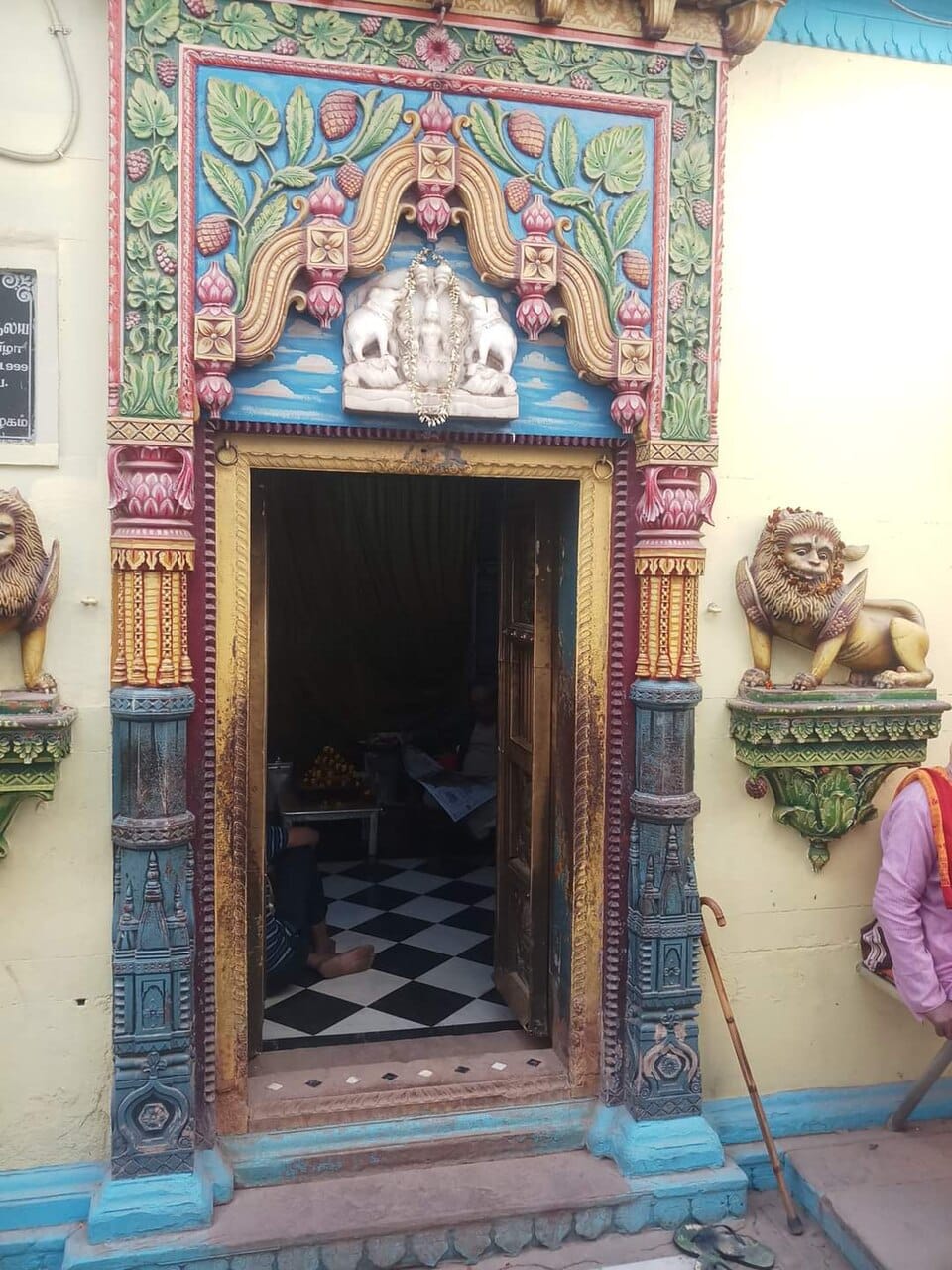
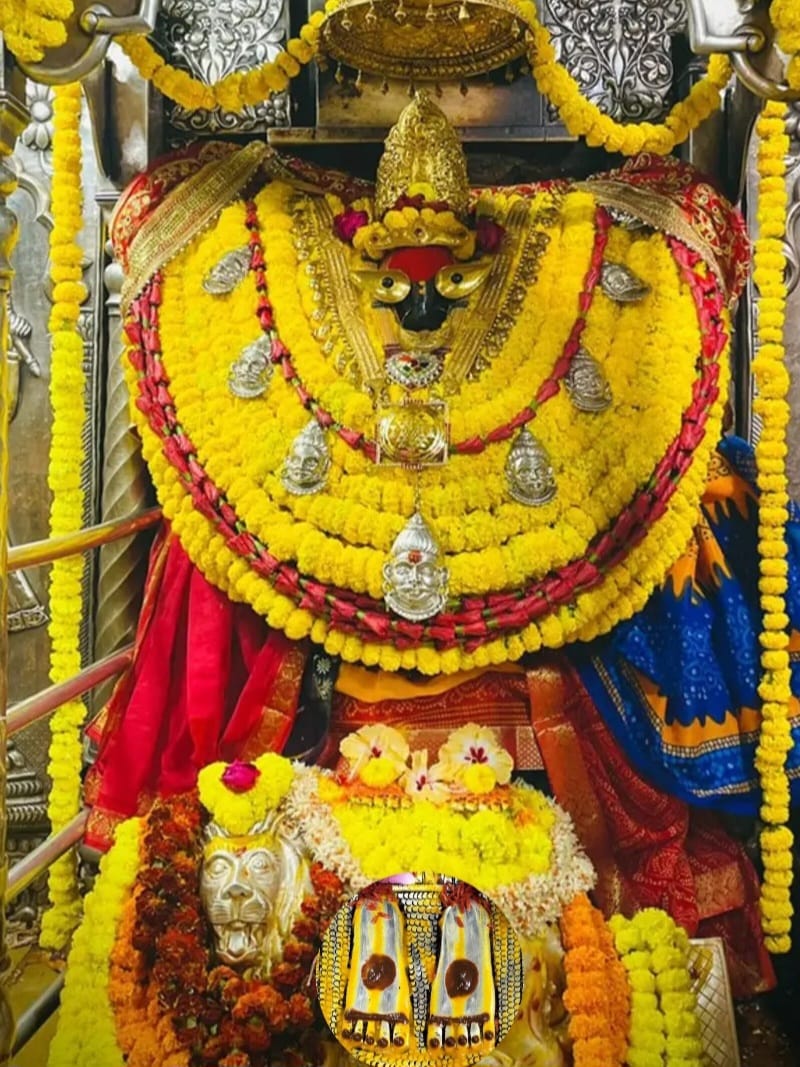
The Vishalakshi Temple, located in the narrow lanes of Mir Ghat near the Ganges in Varanasi, is one of the 51 Shakti Peethas where the earrings of Goddess Sati are believed to have fallen. Dedicated to the 'wide-eyed' goddess Vishalakshi, the temple is the first stop on the traditional Kashi Yatra pilgrimage circuit and is considered the consort shrine of the neighbouring Kashi Vishwanath Temple.
Dashavatara Temple
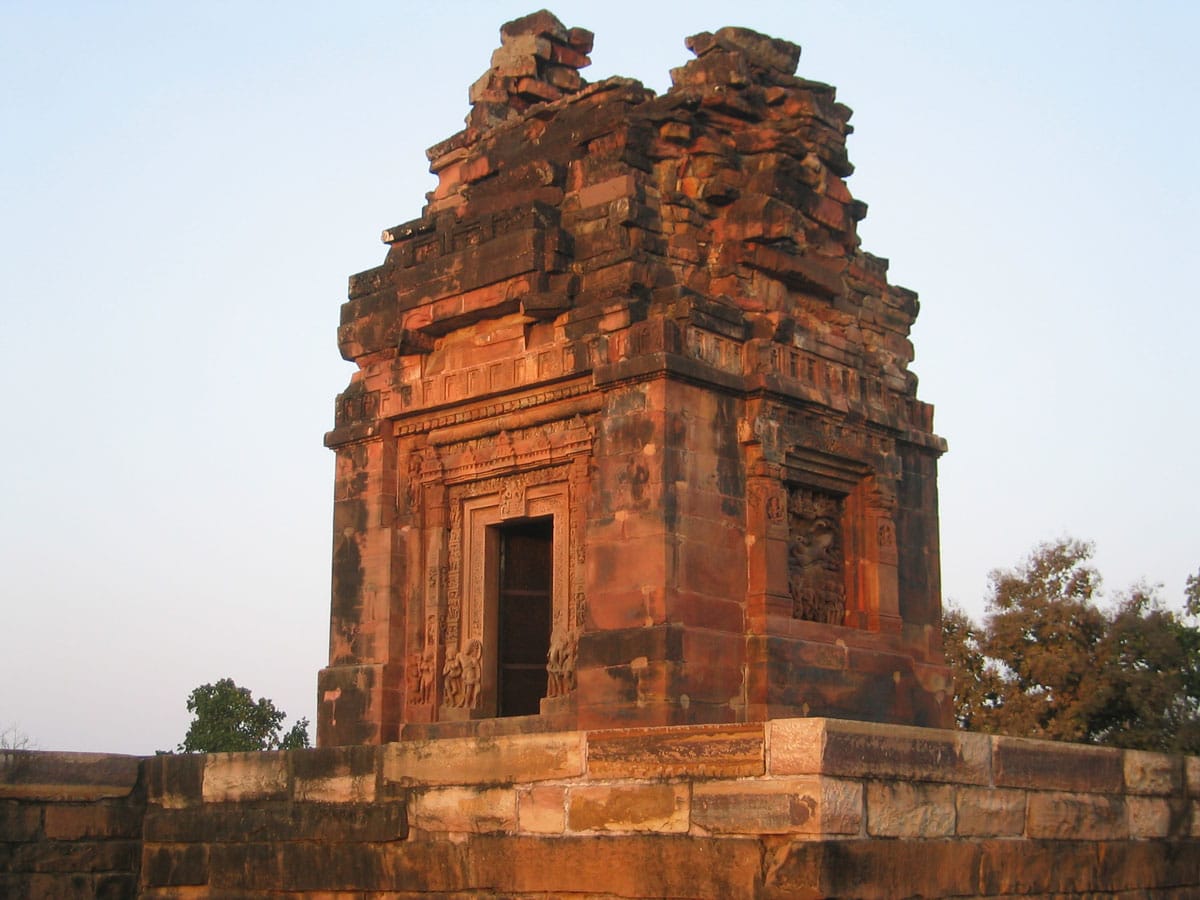
Dating to around 500 CE, this is the earliest known North Indian temple with a shikhara (curvilinear tower). The temple is famous for its carved panels depicting the ten incarnations (Dashavatara) of Vishnu on the sanctum walls.
Shri Ram Janmabhoomi Mandir
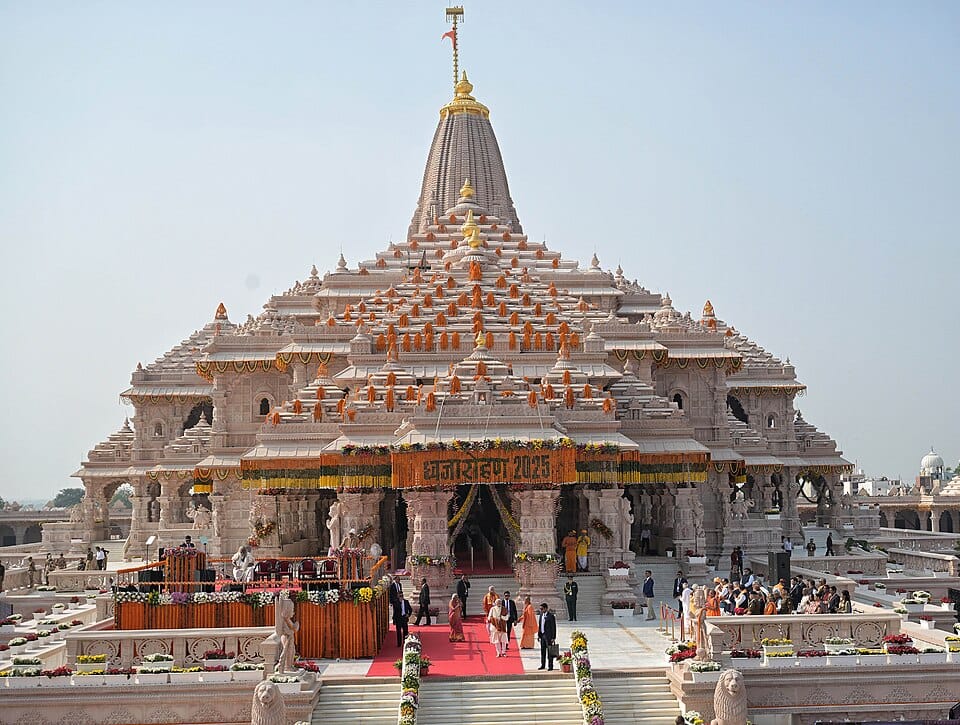
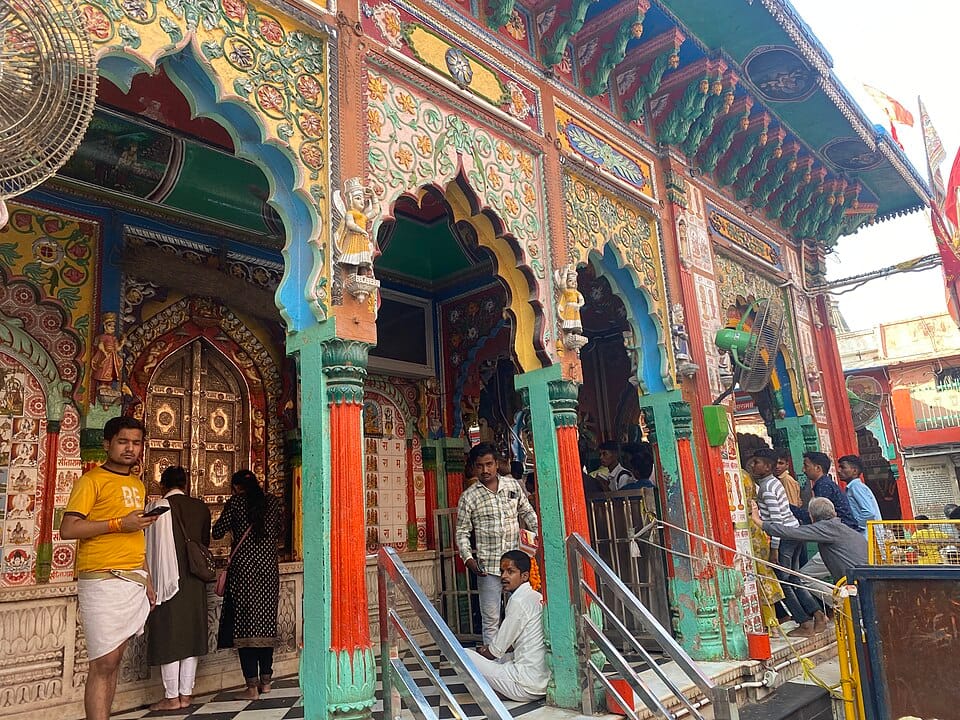
A grand and historic temple marking the birthplace of Lord Rama, the seventh avatar of Vishnu, representing the pinnacle of Nagara architecture.
Hanuman Garhi
A hilltop temple dedicated to Lord Hanuman, the guardian deity of Ayodhya, reached by climbing 76 sacred steps.
Prem Mandir
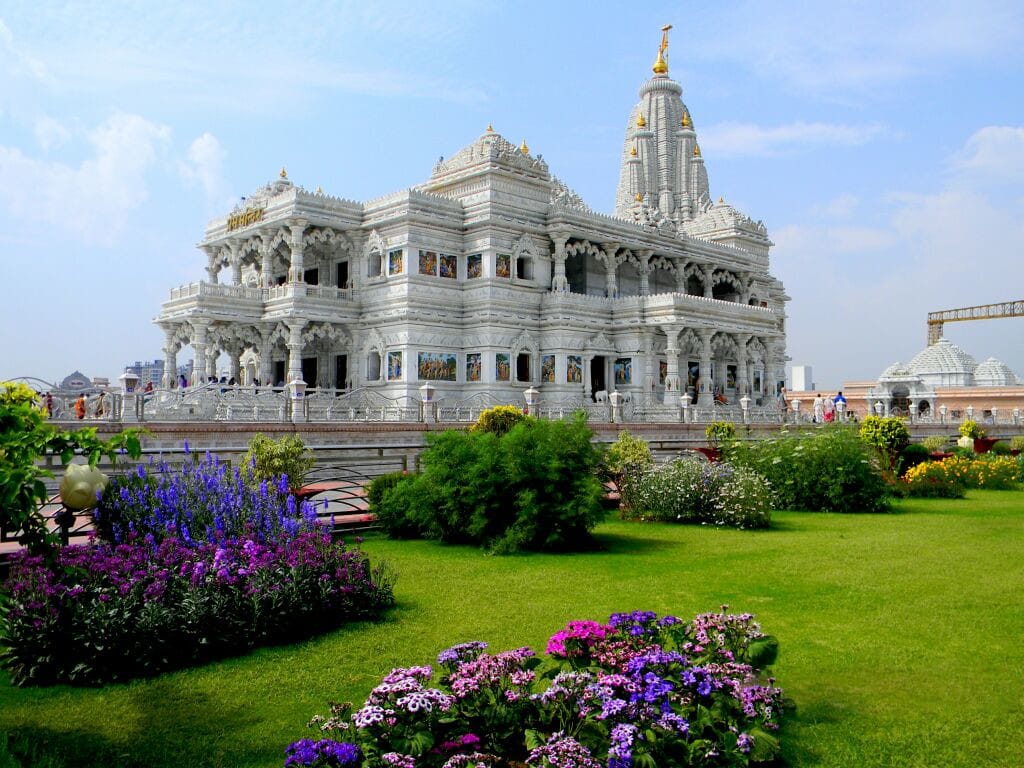
A stunning modern white-marbled complex in Vrindavan dedicated to Divine Love, known for its life-like tableaus of Krishna's pastimes.
Banke Bihari Temple
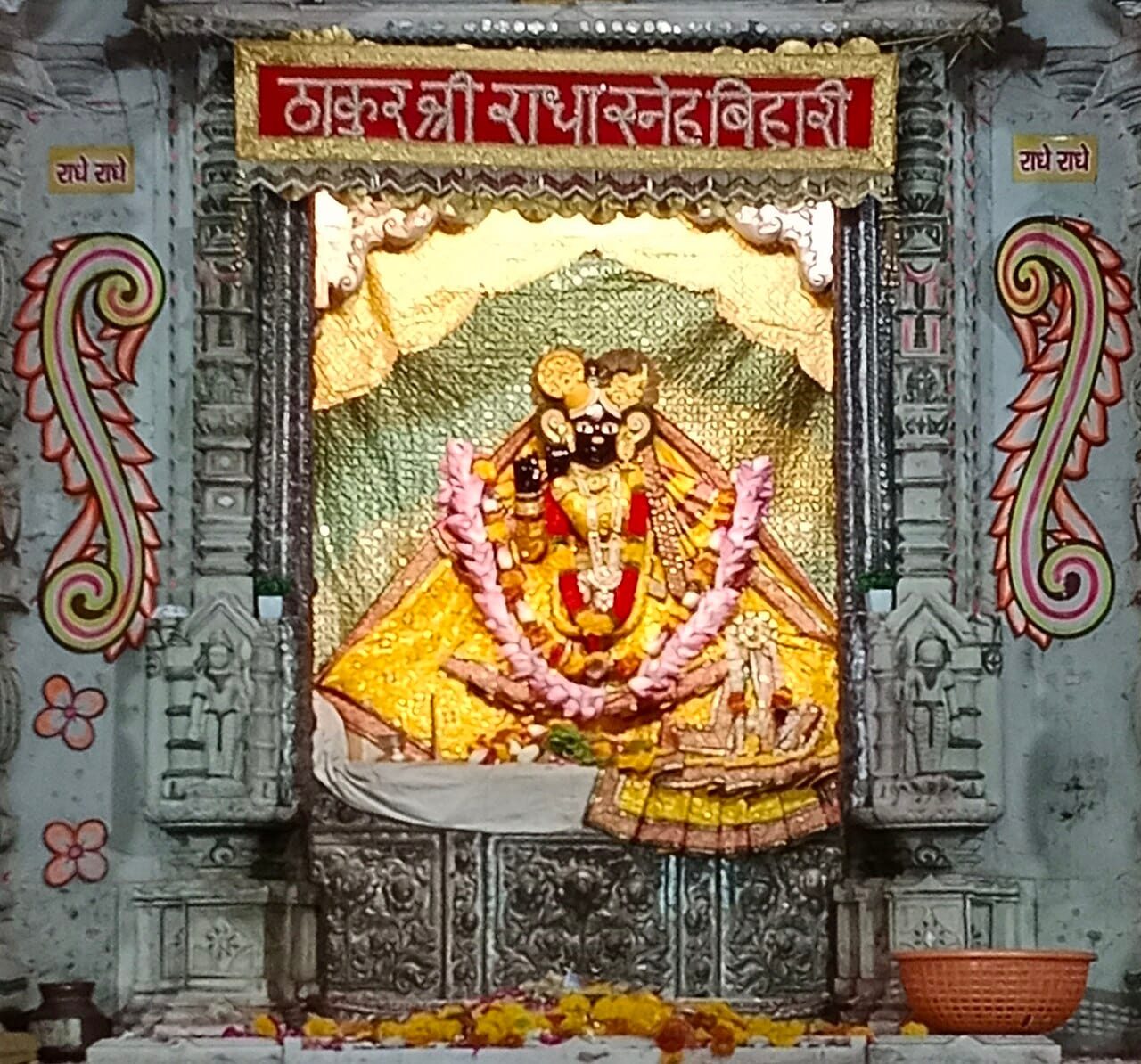
Among the most famous Krishna temples in India, where the deity is worshipped as a child and curtains are drawn frequently.
Tarakeshwar Temple Hooghly
A massive 18th-century pilgrimage site dedicated to Lord Taraknath, especially vibrant during the Gajan festival.
Virupaksha Temple
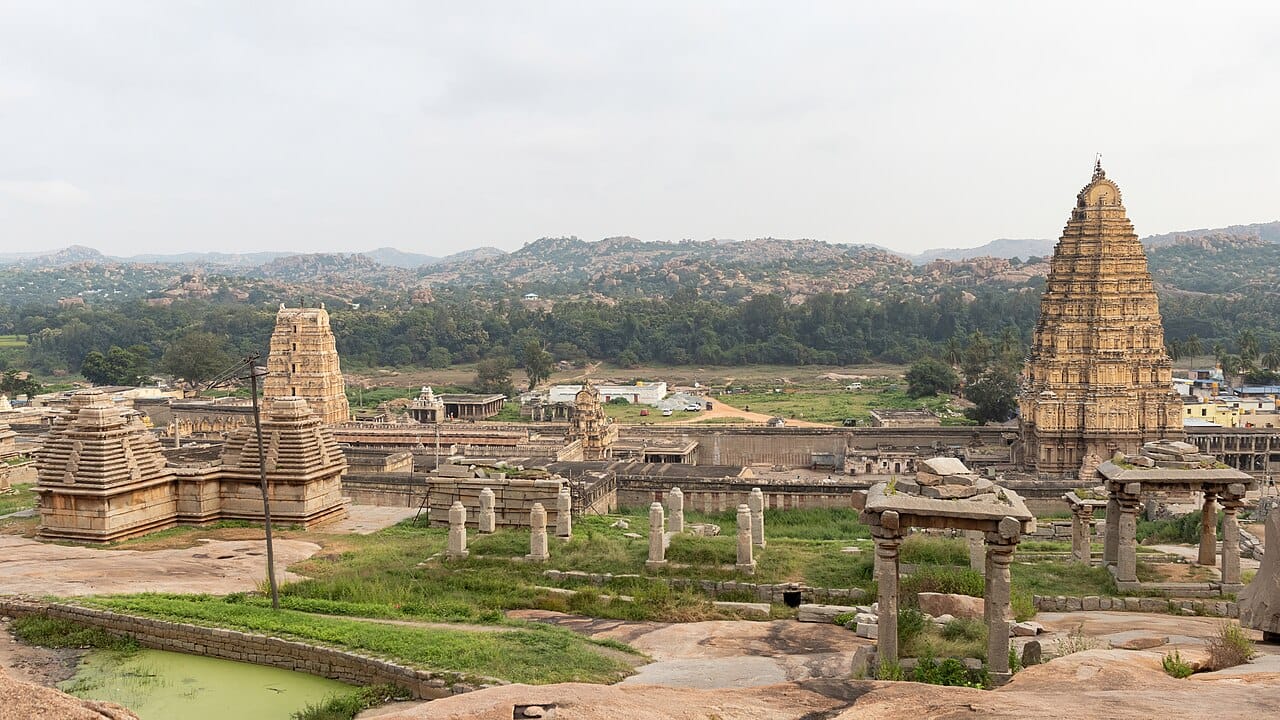
The Virupaksha Temple in Hampi, Karnataka, is a UNESCO World Heritage Site and the oldest functioning temple in India, dedicated to Lord Shiva as Virupaksha.
Jageshwar Temple
A cluster of 124 ancient stone temples from the 7th-12th centuries, nestled in a dense deodar forest.
Neelkanth Mahadev Temple
Situated at 1,330 meters, this is where Lord Shiva is believed to have consumed the poison (Halahala) during the Samudra Manthan.
Tungnath Temple
The highest Shiva temple in the world, situated at 3,680 meters on the Chandranath Parbat; it is the 'Tritiya Kedar' in the sacred Panch Kedar pilgrimage circuit.
Rudranath Temple
One of the Panch Kedar shrines, representing Lord Shiva's face, situated at an altitude of 2,286 meters amidst meadows and rhododendron forests.
India's temples are living traditions — not museums. Every temple has its own customs. This guide helps first-time visitors prepare with confidence and respect.
Foreign visitor information is being researched
Please verify with the official temple authority before planning your visit.
Foreign Visitors
Verify Before VisitingVisitor Information
Entry policies vary between temples. Most temples welcome visitors, while some may restrict access to specific areas, rituals, or the inner sanctum. Always verify the latest entry guidelines with the official temple authorities before your visit.
Modest clothing is expected at every Indian temple — a sign of respect, not a restriction. Think of it as dressing for a formal ceremony.
A scarf is always useful — it covers shoulders, works as a head covering, and can double as a makeshift face cover if needed.
Outdoor photography is generally permitted. Indoor photography is often restricted. Always look for signage or ask a priest before taking photos inside.
The ideal time to visit the Gorakhnath Temple is during the winter months, from **October to March**. During this period, the weather in Eastern Uttar Pradesh is crisp and pleasant, making it comfortable to explore the vast campus and participate in the early morning rituals. **The Month of January:** This is the most vibrant time to visit due to the **Khichdi Mela** (starting Jan 14). However, one should be prepared for massive crowds and a high-energy environment. For those who enjoy traditional fairs and cultural immersion, this is the best window. **Spring (March-April):** The Chaitra Navratri and the Holi celebrations provide a wonderful glimpse into the local folk-religious traditions of Gorakhpur. **Note for Meditation Seekers:** If you are visiting for quiet meditation and yoga, the months of **November and February** are ideal, as the weather is perfect and the crowd levels are manageable outside of major festival days. Early mornings (4 AM to 7 AM) provide the most peaceful and spiritually charged experience.
April — June
July — September
English is widely understood at major tourist temples. In smaller local temples, Hindi and the regional language are more common. A smile and simple hand gestures go a long way. Learning a few words of the local language is always appreciated.
Cash (Indian Rupees) is the most reliable option, especially for temple offerings, small shops, and local transport.
UPI digital payments (Google Pay, PhonePe, Paytm) are widely accepted across India — even at roadside stalls. Download one before you arrive.
International credit/debit cards work at most ATMs, hotels, and larger establishments. Smaller vendors may only accept cash or UPI.
Carry small denominations (₹10, ₹20, ₹50, ₹100 notes) for offerings and temple donations. Large notes (₹500, ₹2000) can be hard to break at smaller counters.
Many historic temples have uneven stone floors, multiple steps, and narrow passages. Wheelchair access is limited at older sites — contact the temple in advance.
Basic restroom facilities and drinking water are available at most major temples. Some charge a small fee (₹5–₹10).
Stay hydrated — carry a reusable water bottle, especially in hot climates.
Keep valuables secure — use hotel lockers for passports and excess cash.
Wear comfortable, sturdy footwear — temple floors can be hot, wet, or uneven.
Beware of unofficial guides or touts near temple entrances. Only use authorised services.
Carry a photocopy of your passport and visa. Leave originals in your hotel safe.
Download offline maps — mobile networks can be unreliable near remote temple sites.
These short explanations help make sense of what you see and experience.
Darshan means 'seeing' — but in a temple it means being seen by the deity. It is a sacred moment of connection, not just a viewing.
Removing footwear is a sign of humility. It also keeps the temple floor clean, since devotees sit and pray on the ground.
Food offered to the deity and then distributed to devotees. It is considered blessed. Accept it with both hands and do not discard it.
The bell creates a focused acoustic atmosphere, wards off distractions, and announces your presence before entering the inner sanctum.
Circumambulation (pradakshina) is done clockwise, keeping the sanctum on your right — an auspicious direction aligned with the sun's path.
Flowers symbolise devotion, coconuts represent the ego being broken, incense purifies the air, and lamps represent the victory of light over darkness.
Sacred viewing of the deity; the central act of temple worship.
Clockwise circumambulation of the sanctum.
Blessed food offered to the deity and distributed to devotees.
The innermost sanctum where the main deity resides.
The towering spire above the sanctum, a defining feature of temple architecture.
A pillared hall or pavilion within the temple complex.
The Indian Rupee (?, INR) is the local currency. ATMs are widely available in cities and towns. For temple offerings, keep small notes (₹10, ₹20, ₹50). Most temples accept donations in cash only — digital payments are uncommon at the offering counter itself.
Offerings (dakshina) are given with the right hand. Place cash in the donation box (hundi) or give it directly to the priest. There is no fixed amount — give what feels appropriate. Some temples have fixed fees for special entry or puja participation.
Shoes and sandals are removed before entering the temple building. Most temples have a designated shoe counter (free or a small fee of ₹5–₹20). Socks are generally allowed. In monsoon, carry a plastic bag for wet shoes.
Darshan queues can take 30 minutes to 3 hours at popular temples. Many offer paid VIP darshan (₹100–₹500) for faster entry. Special queues for women, elderly, and disabled visitors exist at some temples. No line jumping.
Major festivals draw enormous crowds — sometimes hundreds of thousands. Book accommodation months in advance. Expect road closures, restricted vehicle access, and limited phone network. Arrive early (before dawn) to avoid the worst congestion.
Always look for signage before taking photos. When in doubt, ask a priest. Never take photos of devotees in prayer without permission. Selfie sticks are banned at most temples. Silently switch your phone to silent mode.
Police / Ambulance / Fire: 112 (National Emergency Number)
Tourist Helpline: 1800-111-363 (Multi-lingual, Ministry of Tourism)
Women's Helpline: 1091
Temple-specific visitor information is continuously researched and updated from official sources. Where specific data is unavailable, general India travel guidance is provided. Always verify current policies with the temple authority before your visit.
Information last verified July 2026. Temple-specific data coming soon.
Continue your journey through the spiritual and architectural wonders of India.

A grand and historic temple marking the birthplace of Lord Rama, the seventh avatar of Vishnu, representing the pinnacle of Nagara architecture.

A hilltop temple dedicated to Lord Hanuman, the guardian deity of Ayodhya, reached by climbing 76 sacred steps.

A stunning modern white-marbled complex in Vrindavan dedicated to Divine Love, known for its life-like tableaus of Krishna's pastimes.

Among the most famous Krishna temples in India, where the deity is worshipped as a child and curtains are drawn frequently.

The Vishalakshi Temple, located in the narrow lanes of Mir Ghat near the Ganges in Varanasi, is one of the 51 Shakti Peethas where the earrings of Goddess Sati are believed to have fallen. Dedicated to the 'wide-eyed' goddess Vishalakshi, the temple is the first stop on the traditional Kashi Yatra pilgrimage circuit and is considered the consort shrine of the neighbouring Kashi Vishwanath Temple.
Dating to around 500 CE, this is the earliest known North Indian temple with a shikhara (curvilinear tower). The temple is famous for its carved panels depicting the ten incarnations (Dashavatara) of Vishnu on the sanctum walls.

One of India's most visited Shakti Peethas, where Goddess Durga is believed to have resided after slaying Mahishasura.

Legend says the right shoulder of Sati fell here; it serves as the headquarters of the Nath sect in eastern Uttar Pradesh.
"India has over 40 UNESCO World Heritage Sites, ranging from ancient temples to natural wonders."