Sacred HeritageUNESCO World Heritage Site
Kailasa Temple, Ellora
Verul (Ellora), Maharashtra
State:Maharashtra
District:Verul (Ellora)
Why This Temple Matters
UNESCO World Heritage Site — recognized for outstanding universal value
Key Takeaways
- Dedicated to Lord Shiva
- Rock-cut (Dravidian influence) architecture
- Built by the Rashtrakuta Dynasty dynasty
- UNESCO World Heritage Site since 1983
- Located in Verul (Ellora), Maharashtra
Quick Facts
- Builder
- Krishna I
- Dynasty
- Rashtrakuta Dynasty
- Construction
- 8th Century (756-774 CE)
- Style
- Rock-cut (Dravidian influence)
- Main Deity
- Lord Shiva
- Location
- Verul, Maharashtra
- UNESCO
- Inscribed 1983
- Material
- Basalt rock
- Dimensions
- 164 ft x 109 ft x 98 ft
- Rock Excavated
- 200,000-400,000 tons
Overview
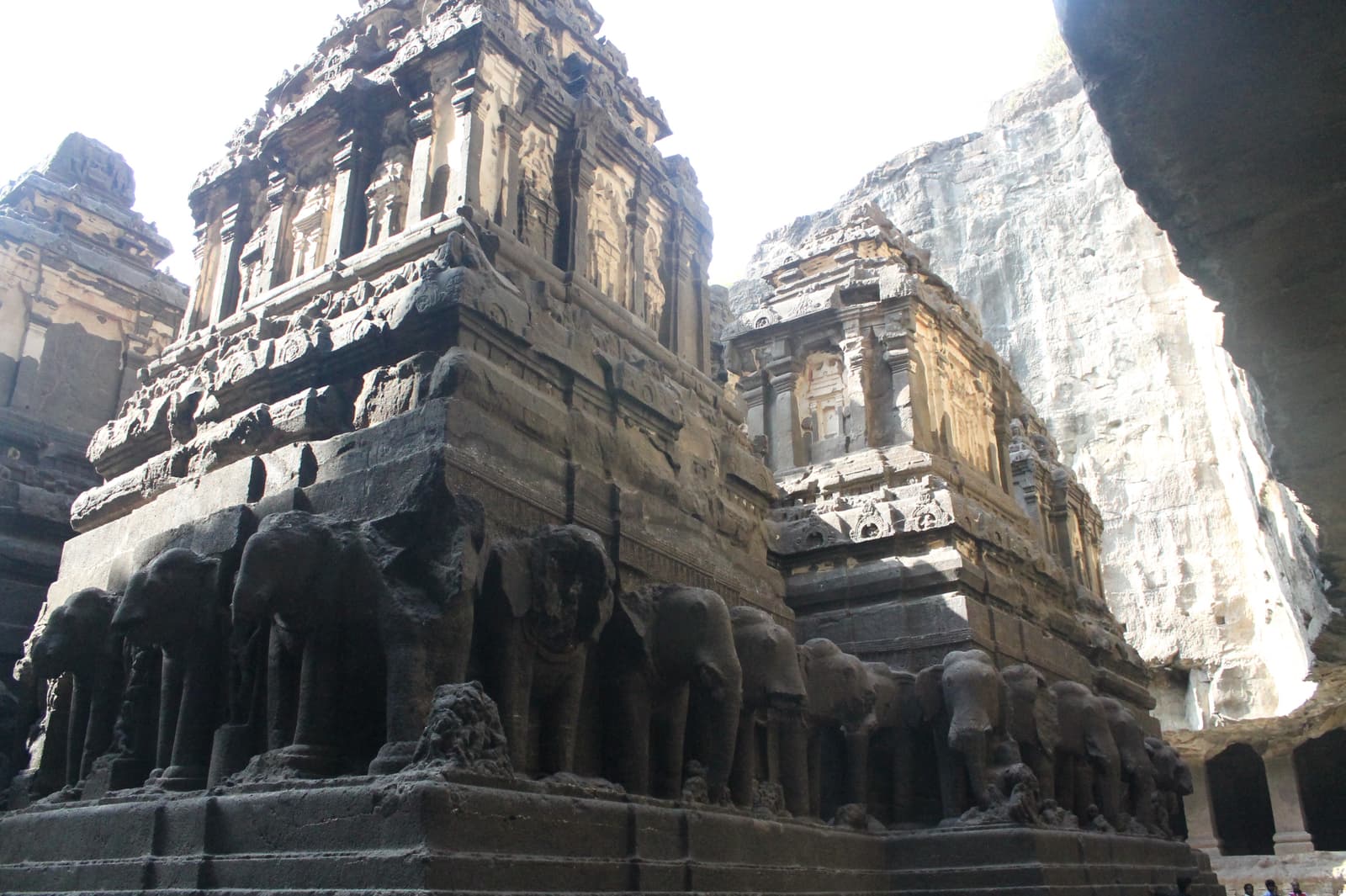
The Kailasa Temple at Ellora is the largest monolithic structure on Earth — a complete temple complex carved from a single basalt cliff from the top down. Dedicated to Lord Shiva, the temple was designed as a physical representation of Mount Kailash, the Himalayan peak believed to be the abode of the deity. An estimated 200,000 to 400,000 tons of rock were removed by hand to reveal the temple hidden within the hillside.
Every pillar, sculpture, hall, and spire is part of the original rock mass. Nothing was built. Everything was carved.
Why This UNESCO Site Matters
An Engineering Feat That Defies Belief
The Kailasa Temple matters because it represents a cognitive leap in human engineering. Every other major religious structure in the world — the pyramids, the cathedrals, the great temples of Southeast Asia — was built by assembling materials. The Kailasa Temple was made by removal. The architects did not ask how to stack stones. They asked what could be achieved if you never added a single stone.
This approach produced a structure that is structurally continuous with the earth itself. There are no joints to fail, no foundations to settle, no mortar to erode. The temple is as stable as the basalt mountain from which it was carved. That is not an architectural choice. It is a geological transformation. The temple did not occupy the site. It became the site.
The global significance of this achievement cannot be overstated. The Kailasa Temple is the largest monolithic structure on any continent. Its construction method — top-down excavation on a scale never attempted before or since — remains unique. No other civilization attempted to carve a freestanding multi-storey temple complex from a single rock mass. The Rashtrakuta architects solved a problem that no one else was willing to attempt.
History & Legacy
The Vision of Krishna I
The Rashtrakuta dynasty began as a vassal clan under the Chalukyas of Badami before Dantidurga established independent rule around 753 CE. His successor Krishna I inherited a kingdom primed for expansion and chose to immortalize his reign not through conquest alone, but through stone. The Kailasa Temple is his legacy — a monument ambitious enough to match the scale of his imperial vision.
The choice of Ellora was deliberate. The site already held sacred significance with 12 Buddhist caves excavated there between the 6th and 7th centuries. The basalt escarpment provided an ideal cliff face for rock-cut architecture. Krishna I's architects looked at this existing sacred landscape and saw an opportunity to surpass everything that had come before. Where the Buddhists had carved halls, the Rashtrakutas would carve a temple. Where others had cut caves, they would cut a freestanding monolith.
The legend of the queen's fast persists in local tradition. The story says Krishna I's queen vowed to fast until she could see the shikhara of the completed temple. The chief architect Kokasa promised to finish the spire within a week by carving it from the topmost rock — the first finished element, visible from miles away while the rest remained buried. Historians treat this as a folk tale, but it encodes a genuine insight: the top-down method meant the shikhara was indeed the first part completed.
The Rashtrakutas were not sectarian in their patronage. Ellora's 34 caves — 12 Buddhist, 17 Hindu, 5 Jain — were excavated over five centuries, and the dynasty supported all three traditions. Jain scholars like Jinasena and Virasena received royal patronage. Buddhist monasteries flourished alongside Hindu temples. The Kailasa Temple, for all its Shaiva grandeur, was built in a landscape where multiple faiths carved their monuments side by side.
Historical Timeline
Key Milestones in the Temple's History
6th-7th C.
Buddhist caves (1-12) excavated at Ellora under the Kalachuri and Chalukya dynasties
756-774 CE
Rashtrakuta king Krishna I commissions the Kailasa Temple, the pinnacle of Hindu rock-cut architecture at Ellora
8th-9th C.
Hindu cave excavation peaks at Ellora; sculptural detailing of Kailasa continues under Krishna I's successors
9th-10th C.
Jain caves (30-34) added under Rashtrakuta patronage, completing the three-faith complex
Late 17th C.
Mughal emperor Aurangzeb attempts to destroy the temple; fails due to the density of Deccan Trap basalt
19th Century
British antiquarians survey and document the temple; James Fergusson confirms monolithic construction
1983
UNESCO inscribes Ellora Caves under criteria (i), (iii), and (vi) as a World Heritage Site
Present
Archaeological Survey of India manages the site; laser scanning and 3D photogrammetry monitor structural health
UNESCO World Heritage
Outstanding Universal Value
UNESCO inscribed the Ellora Caves in 1983 under three criteria recognizing the Kailasa Temple as a masterpiece of human creative genius and an exceptional testimony to the Rashtrakuta civilization.
Criterion (i)
Masterpiece of human creative genius. The Kailasa Temple represents an architectural and engineering achievement unparalleled in the history of rock-cut architecture.
Criterion (iii)
Exceptional testimony to the Rashtrakuta civilization. The temple embodies the cultural, artistic, and technological achievements of the dynasty.
Criterion (vi)
Direct association with the Shaivite tradition as an architectural representation of Mount Kailash, the celestial abode of Lord Shiva.
OUV Statement
The Ellora Caves, with their uninterrupted sequence of monuments from the 6th to the 10th centuries, bring to life the spirit of tolerance characteristic of ancient India. The Kailasa Temple (Cave 16) is the undisputed masterpiece — the largest monolithic rock-cut structure in the world, carved top-down from a single basalt cliff, representing the culmination of Indian rock-cut architecture.
Architecture
Carved From the Top Down
The excavation method is so counterintuitive that when European travelers first described it in the 19th century, many refused to believe it. The temple, they argued, must have been assembled from separately carved blocks. Detailed surveys by James Fergusson confirmed what local guides had been saying all along: the entire complex was carved from a single rock, from the top down.
The first step was the most dangerous. Workers cut three trenches into the sloping hillside, each approximately 30 meters deep. The two side trenches defined the temple's width. The rear trench defined its depth. The front was left open as the entrance. This isolated a rectangular block of basalt roughly the size of a modern city block, still attached to the earth only at its bottom. The trenches also became the temple's courtyard, with the excavated walls forming two-storey galleries.
With the block isolated, teams of sculptors moved to the top and began carving the shikhara, the upper storeys, and the exterior walls. They worked downward in horizontal layers. As each layer was finished, the workers stood on the next layer below — the rock they would remove next. By the time they reached ground level, the entire exterior was fully realized. No scaffolding was ever used.
With the exterior complete, workers entered the block from the front and began hollowing out the interior. The sanctum, the 16-pillared maha mandapa, the Nandi mandapa, the circumambulatory corridor, and subsidiary shrines were all carved by removing rock from within the mass. The precision required is staggering. A single mistake — one overcut, one miscalculation of rock thickness — could have compromised an entire section. The architects had no room for error.
Religious Importance
Mount Kailash in Stone
The Kailasa Temple is not named after Mount Kailash as a metaphor. It is named after it as a literal claim. The entire complex was conceived as a three-dimensional mandala of the cosmos, with the sanctum at its center corresponding to the cosmic axis — the mythical Mount Meru, of which Kailash is the earthly manifestation. Every element of the temple's design reinforces this identification.
The shikhara represents the peak of the mountain. The descending stories of the vimana represent the mountain's slopes. The courtyard represents the base. The sanctum is the cave at the heart of the mountain — the innermost chamber of the cosmos where Shiva resides. The visitor's journey from the entrance to the sanctum is a symbolic pilgrimage from the outer world to the divine center.
The temple's guardians reinforce this sacred geography. Two monolithic elephants flank the entrance, traditional guardians of sacred space and symbols of royal authority. Two 15-meter victory pillars (dhvajastambhas) mark the temple as a site of divine victory. The monolithic Nandi bull faces the sanctum, representing Shiva's vahana and the devotee's role as witness to the divine. Each element transforms the temple from architecture into theology.
The gopuram is carved with panels that serve as a threshold between the profane world outside and the sacred space within. Passing through it, the visitor enters the courtyard and confronts the vimana rising in a pyramidal profile. The effect is deliberately overwhelming: the visitor is made small, the mountain-temple is made vast. This is the experience of approaching a deity.
Art & Sculptures
Ravana Shaking Mount Kailash
On the southern side of the vimana base, at eye level, is the most celebrated sculptural panel in the entire Ellora complex. The subject is from the Ramayana: Ravana, the ten-headed demon king of Lanka, attempts to uproot Mount Kailash with his twenty arms. The mountain shakes. Parvati clings to Shiva. Shiva responds not with effort but with absolute stillness — he presses the mountain down with the big toe of his right foot. Ravana is trapped beneath, his faces contorted in rage, effort, and dawning recognition that he has overreached.
The composition is a masterclass in narrative sculpture. The panel uses the diagonal thrust of Ravana's arms straining upward against the horizontal stability of Shiva seated cross-legged. Ravana's ten heads are carved with distinct expressions — anger, exertion, frustration, fear — each face telling a different part of the story. Surrounding figures react in a spectrum of emotional responses, from alarm to amusement.
The panel is remarkable for its treatment of scale. Shiva is serene and miniature compared to Ravana's vast muscular form. This inversion conveys the theological point: divine power does not need to match brute force in size. Shiva's toe is enough. The theological message is inseparable from the artistic execution, elevating the panel from mere illustration to genuine masterpiece. It has survived twelve centuries of monsoon rain, seismic activity, and deliberate vandalism.
Beyond this panel, the temple walls are covered with narrative friezes depicting scenes from the Ramayana and Mahabharata. The pillars of the maha mandapa are carved with detailed capitals, brackets, and figurative panels. Celestial beings, dancers, and floral motifs cover nearly every surface. The sculptural program is not decorative — it is instructional, theological, and cosmological, transforming the basalt into a visual encyclopedia of Hindu mythology.
Dynasties & Patrons
The Rashtrakuta Empire
The Rashtrakuta dynasty ruled the Deccan from the 8th to the 10th centuries, controlling territory that stretched from the Narmada River in the north to the Tungabhadra River in the south. Their empire was a multi-ethnic, multi-linguistic federation that rivaled the contemporary Pala and Prathihara dynasties in power and cultural ambition.
Krishna I (reigned 756-774 CE) was the second ruler of the independent Rashtrakuta line. His copper-plate inscriptions reveal a king who was both a military conqueror and a patron of the arts. The Kailasa Temple was his defining project — a monument intended to demonstrate that Rashtrakuta power was not merely political but cosmic. The scale of the temple was a direct assertion of imperial authority. No previous Deccan ruler had attempted anything of this magnitude.
The chief architect traditionally credited with the temple is Kokasa, about whom little is known beyond his name in local tradition. The workforce would have included master sculptors, skilled masons, and thousands of laborers. The Rashtrakuta court attracted artisans from across the subcontinent, and the temple's style shows influences from Pallava, Chalukya, and southern Dravidian architecture, fused into a distinctly Rashtrakuta expression.
Later Rashtrakuta kings continued to patronize the site. The Jain caves at Ellora were excavated under Rashtrakuta rule in the 9th and 10th centuries, with inscriptions naming Rashtrakuta ministers and generals as donors. The dynasty's decline in the late 10th century did not diminish the temple's importance — it continued to attract pilgrims and visitors through the centuries, a permanent monument to the dynasty that carved a mountain into a palace for Shiva.
Interesting Facts
Kailasa Temple is the largest monolithic structure on Earth — carved entirely from a single basalt cliff, not built from separate stones.
The temple was carved from the top down, the opposite of normal construction. Workers stood on the rock they were about to remove.
Between 200,000 and 400,000 tons of basalt were removed by hand using only hammers, chisels, and baskets.
The temple measures 164 feet long, 109 feet wide, and 98 feet high — roughly the size of a modern city block.
Three 30-meter-deep trenches were cut around the rock mass to isolate it before carving began.
The temple is Cave 16 of the Ellora Caves, a complex of 34 caves spanning Buddhist, Hindu, and Jain traditions.
Emperor Aurangzeb tried to destroy the temple in the late 17th century but failed because Deccan Trap basalt is too dense to break systematically.
The most famous sculpture is the Ravana Shaking Mount Kailash panel, showing Ravana's ten faces and twenty arms in dramatic composition.
The shikhara was the first part of the temple to be carved, not the last — visible from miles away while the rest remained buried in rock.
No scaffolding was used during construction. The workers stood on the layers of rock that they later removed.
How to Reach
Getting to Ellora
By Air
Aurangabad Airport (30 km) is the nearest, with daily flights from Mumbai, Delhi, Hyderabad, and Indore. Taxis and buses connect to Ellora in about 45 minutes.
By Rail
Aurangabad Railway Station (30 km) is well-connected to Mumbai, Delhi, Hyderabad, and other major cities. Many express trains stop here. Local trains connect to nearby stations.
By Road
Ellora is 30 km from Aurangabad on a well-maintained road. MSRTC buses run regularly from Aurangabad Central Bus Stand. Private taxis and auto-rickshaws are also available.
Nearby Sacred Places
Other sacred sites within reach
Ajanta Caves
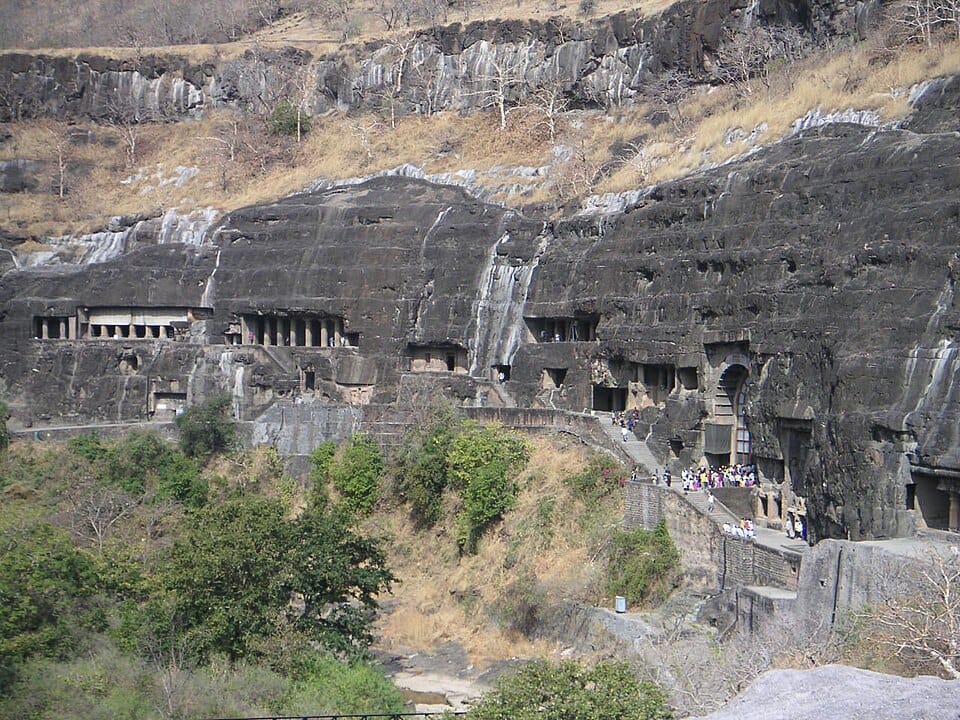
Located 100 km from Ellora, these 30 Buddhist cave monuments from the 2nd century BCE to 480 CE feature exquisite paintings and sculptures. A UNESCO site since 1983.
Grishneshwar Temple
One of the 12 Jyotirlingas, located just 1 km from Ellora. An active temple rebuilt in the 18th century after destruction by the Mughals. A major Shiva pilgrimage site.
Daulatabad Fort
A 14th-century hill fortress 15 km from Aurangabad, originally called Devagiri. Known for its impregnable defenses, complex layout, and Chand Minar tower.
Bibi Ka Maqbara
Often called the 'Mini Taj', this 17th-century mausoleum built by Aurangzeb for his wife Dilras Banu Begum is located in Aurangabad, 30 km from Ellora.
Aurangabad Caves
A group of 12 Buddhist caves carved between the 3rd and 6th centuries, located on hills surrounding Aurangabad. Less crowded than Ellora and equally significant.
Travel Tips
Making the Most of Your Visit
Start Early
Arrive at opening time to experience the temple in soft morning light and avoid crowds. The eastern facade glows beautifully at dawn.
Hire a Guide
Official ASI guides provide invaluable context about the sculptural panels and construction methods. The stories behind the carvings transform the experience.
Wear Comfortable Shoes
The complex requires significant walking on uneven stone surfaces. Sturdy footwear with good grip is essential, especially after rain.
Carry Water
The basalt absorbs and radiates heat. Carry at least 1 liter of water per person. During summer, the courtyard can exceed 40°C by midday.
See All 34 Caves
Kailasa is Cave 16. Allocate time for the Buddhist caves (1-12) and Jain caves (30-34). Each tradition brings a different perspective to the site.
Conservation
Preserving an Exposed Monolith
The Kailasa Temple faces a paradox. It survived twelve centuries because it is a single piece of rock — there are no mortar joints to fail, no separate blocks to shift, no foundation to settle. But that same monolithic nature makes it uniquely vulnerable. Unlike a structural temple where damaged stones can be replaced, every crack in Kailasa is a crack in the original fabric. Conservation is not restoration. It is damage mitigation.
Water seepage is the primary threat. Basalt is porous, and during the monsoon months, water percolates through the rock and emerges on interior surfaces. The moisture accelerates chemical weathering, promotes moss and lichen growth, and causes carved details to soften over time. The ASI has installed drainage channels, applied surface treatments, and developed a monitoring program to track erosion rates.
Structural monitoring is done through laser scanning and 3D photogrammetry. The ASI, in collaboration with international conservation organizations, has created a detailed digital model of the temple that captures every sculpted surface at sub-millimeter resolution. This model serves as a baseline for tracking change over time. If a crack propagates or erosion accelerates in one area, the model shows it.
The Kailasa Temple receives over a million visitors annually. Foot traffic causes wear on floor surfaces, body oils from touching sculptures accelerate surface degradation, and the sheer presence of people changes the microclimate inside the temple. The ASI has designated walking paths, installed barriers in sensitive areas, and limits access during peak season. The goal is to keep the temple accessible without loving it to death.
Sources & References
Bibliography and Further Reading
UNESCO World Heritage Centre
Ellora Caves — World Heritage List entry No. 243. whc.unesco.org/en/list/243
Archaeological Survey of India
Ellora Caves — ASI protected monument documentation and conservation reports.
Fergusson, James
History of Indian and Eastern Architecture (1876). First comprehensive survey confirming monolithic construction.
Burgess, James
Report on the Elura Cave Temples and the Brahmanical and Jaina Caves in Western India (1883).
Dehejia, Vidya
Indian Art (1997). Phaidon Press. Comprehensive overview of the temple's artistic and architectural significance.
Davis, Richard H.
Lives of Indian Images (1997). Princeton University Press. Analysis of the temple's post-construction history including Mughal iconoclasm.
Frequently Asked Questions
Why is Kailasa Temple a UNESCO World Heritage site?
A.
UNESCO inscribed the Ellora Caves in 1983 under criteria (i), (iii), and (vi) — recognizing the Kailasa Temple as a masterpiece of human creative genius, an exceptional testimony to the Rashtrakuta civilization, and its direct association with the Shaivite tradition as the architectural representation of Mount Kailash.
Is it really one single rock?
A.
Yes. The entire temple — every pillar, every sculpture, the spire, the halls, the elephants, the lingam — was carved from a single basalt cliff. Not a single stone was brought to the site or added to the structure. The temple is what was left after the sculptors removed everything that was not the temple.
How did they carve from the top without killing themselves?
A.
Workers stood on the rock they were about to remove. As each layer was carved, they descended to the next. The mountain itself was their scaffolding and their safety platform. The three trenches around the block provided drainage and access. Fatalities almost certainly occurred, but the method was as safe as any alternative in the 8th century.
How long did it take to build?
A.
Scholars estimate 20 to 100 years. The primary phase under Krishna I (756-774 CE) likely accomplished the rough excavation and structure, while sculptural detailing continued under successors. The wide range reflects the absence of contemporary records — there is no inscription that says when the temple was completed.
What is the most famous sculpture here?
A.
The Ravana Shaking Mount Kailash panel on the southern vimana base is the most celebrated. It depicts Ravana's ten-headed twenty-armed attempt to uproot Kailash, countered by Shiva pressing it down with one toe. The panel is famous for its dramatic composition, emotional range in the faces, and perfect fusion of theology and art.
Could modern engineers replicate this?
A.
In theory, yes — the techniques exist. In practice, no insurance company would underwrite a project where you cut a 30-meter trench around a 400,000-ton basalt block and start carving from the top. The cost, time, and liability would be prohibitive. The temple is a monument to a risk tolerance that no modern civilization permits.
Why is it called Kailasa Temple?
A.
It was designed as a physical representation of Mount Kailash, the Himalayan peak in Tibet believed to be the abode of Shiva. The temple replaces the mountain architecturally — the shikhara is the peak, the vimana is the slope, the sanctum is the cave at the heart of the mountain.
What happened when Aurangzeb tried to destroy it?
A.
Emperor Aurangzeb sent hundreds of laborers in the late 17th century to smash the temple. They damaged pillars, sculptures, and the elephants, but the density of Deccan Trap basalt made systematic destruction impossible. The structural damage was minimal. The scars remain visible as a record of survival.
Showing 8 of 18 questions
Answers are based on verified information. Site rules may change — verify locally before visiting.
Did You Know?
- The Kailasa Temple is the world's largest monolithic structure — carved from a single basalt cliff from the top down, removing 200,000 to 400,000 tons of rock.
- The temple required three generations of sculptors working continuously from 756 to 774 CE under the Rashtrakuta king Krishna I — no small-scale model could be used, only full-size drawings on the cliff face.
- The temple weighs an estimated 150,000 tons — the removal of rock was entirely from the top downward, meaning workers had to carve the roof first before any other part of the structure.
- Ellora's Cave 16 (Kailasa) is one of 34 caves at the site spanning Buddhism, Hinduism, and Jainism — excavated between the 6th and 10th centuries CE by three different religious traditions.
- The temple complex is twice the size of the Parthenon in Athens and required removing 400,000 tons of basalt — more stone than was used to build the Great Pyramid of Giza's granite interior.
Related Temples
Same Deity
Bateshwar Temples Agra
A complex of 101 Shiva temples built on the banks of Yamuna, representing a significant…
Shiv Mandir
A popular local shrine dedicated to Lord Shiva, serving as a peaceful sanctuary for residents…
Peer Kho Cave Temple
A cave temple on the Tawi banks where legend says Jamvant meditated; it is one…
Bhoramdeo Temple
Commonly known as the 'Khajuraho of Chhattisgarh,' this 11th-century architectural masterpiece is famous for its…
Khajuraho Group of Monuments
The largest and most ornate Hindu temple in the Khajuraho Group of Monuments.
Elephanta Caves
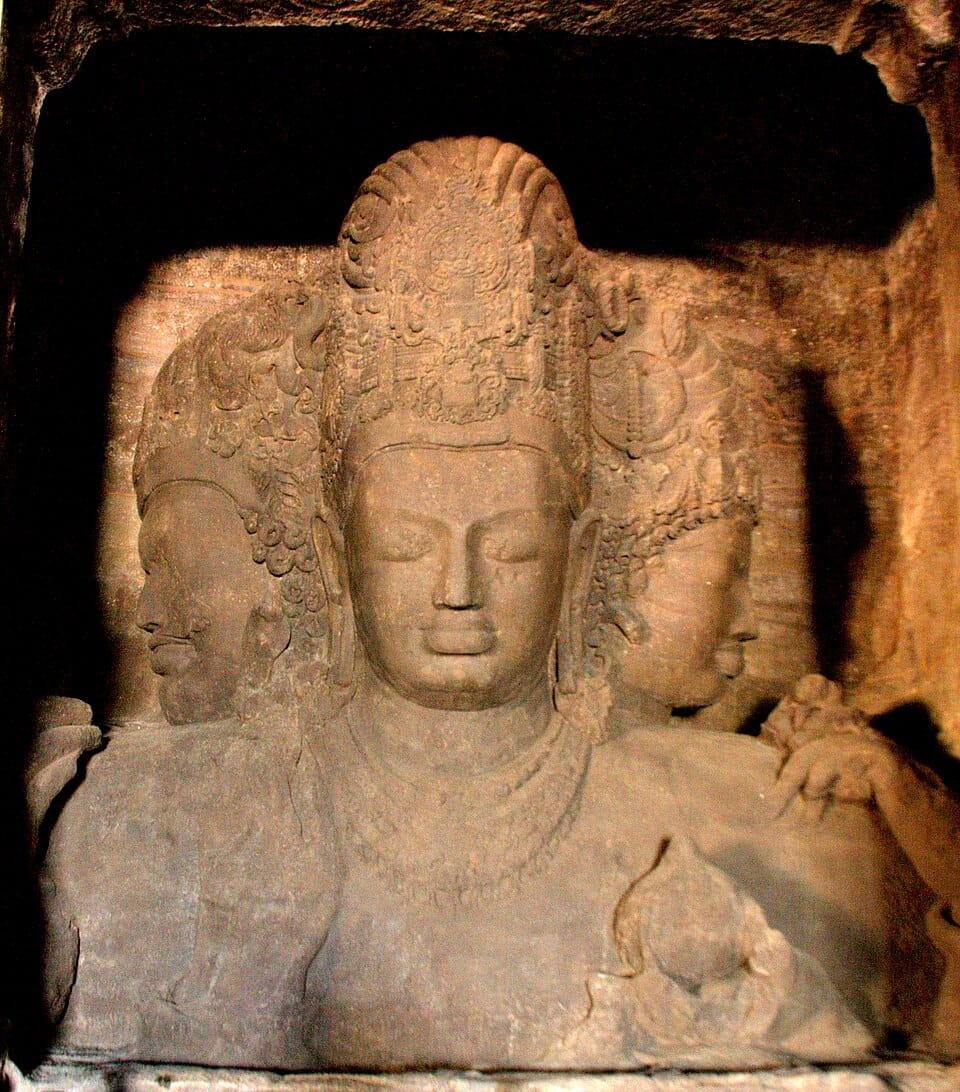
A UNESCO World Heritage site on Elephanta Island, famed for the colossal 20-foot Trimurti sculpture…
Same State
Trimbakeshwar Temple
The Trimbakeshwar Temple in Maharashtra is one of the twelve Jyotirlingas, unique for its three-faced…
Mahalakshmi Temple
Mahalakshmi Temple in Kolhapur, also known as Ambabai Temple, is one of the 18 Maha…
Shree Siddhivinayak Ganapati Temple, Mumbai
Mumbai's most famous temple and among the richest in India, dedicated to the wish-fulfilling form…
Shirdi Sai Baba Temple (Samadhi Mandir)
The holiest Sai Baba shrine where the saint lived and taught, with his Samadhi (tomb)…
Grishneshwar Temple
The 12th and final Jyotirlinga, located just 1 km from the Ellora Caves.
Bhimashankar Jyotirlinga
The source of the Bhima River deep in the Sahyadri hills.
UNESCO Sites
Virupaksha Temple
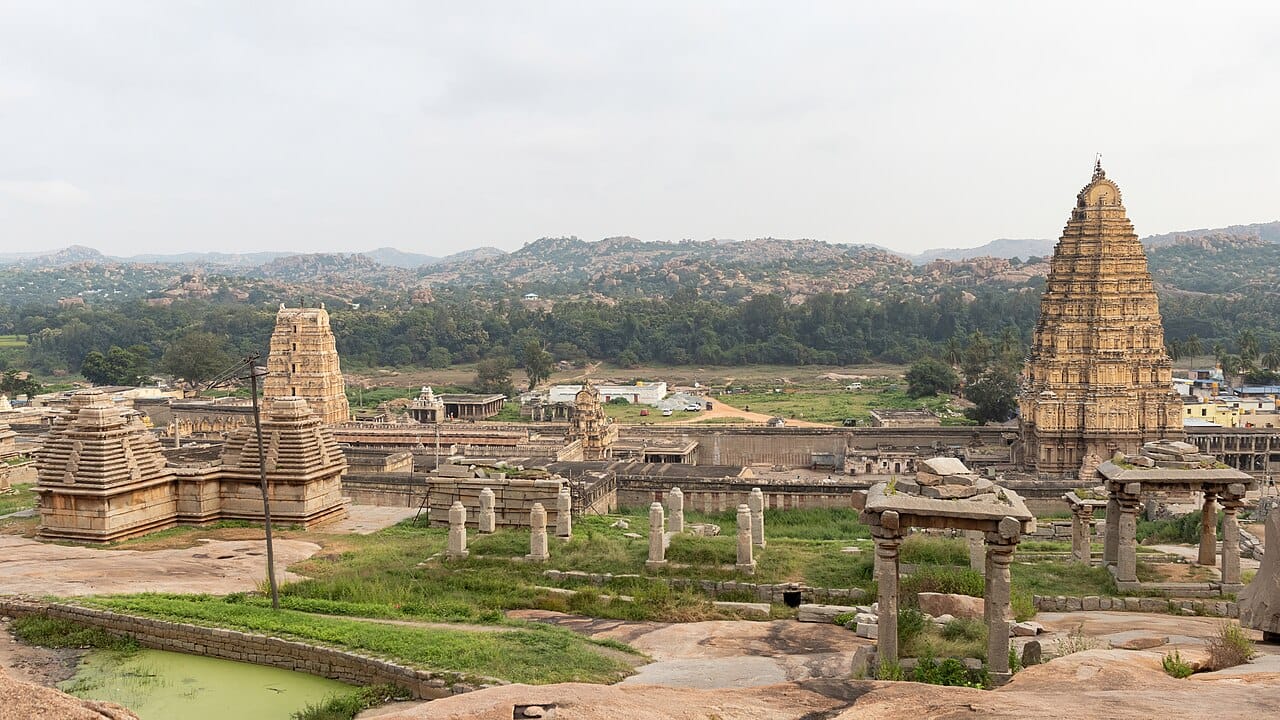
The Virupaksha Temple in Hampi, Karnataka, is a UNESCO World Heritage Site and the oldest…
Airavatesvara Temple
The Airavatesvara Temple at Darasuram, built by Rajaraja Chola II between 1146 and 1172 CE…
Gangaikonda Cholapuram Temple
The Gangaikonda Cholapuram Temple, built by Rajendra Chola I in 1035 CE, is a UNESCO…
Konark Sun Temple
A 13th-century colossal stone chariot of the Sun God Surya, the Konark Sun Temple is…
Brihadeeswarar Temple
The Brihadeeswarar Temple in Thanjavur, built by Raja Raja Chola I in the 11th century…
Ajanta Cave Temples
A UNESCO World Heritage site with 30 rock-cut Buddhist caves famous for ancient mural paintings…
Same Tradition
Tarakeshwar Temple Hooghly
1729 CE Atchala-style Shiva sanctuary founded by Raja Bharamalla in Hooghly district, famous for its…
Virupaksha Temple
The Virupaksha Temple in Hampi, Karnataka, is a UNESCO World Heritage Site and the oldest…
Jageshwar Temple
A cluster of 124 ancient stone temples from the 7th-12th centuries, situated in a dense…
Neelkanth Mahadev Temple
Situated at 1,330 meters, this is where Lord Shiva is believed to have consumed the…
Tungnath Temple
The highest Shiva temple in the world, situated at 3,680 meters on the Chandranath Parbat…
Rudranath Temple
One of the Panch Kedar shrines, representing Lord Shiva's face, situated at an altitude of…
Visiting as an International Traveller
Fact CheckedEditorial ReviewVerified 2026-07-03
Entry Status
Foreign Visitors
AllowedAll visitors welcome. Ellora Caves is a UNESCO World Heritage site open to all nationalities.
Visitor Information
Entry policies are set by each site — confirm before travelling.
Entry rules for international visitorsWho can enter, permits, and what to expect at the gate.Dress Code
Modest clothing is expected — a sign of respect, not a restriction.
Shoulders covered
Knees covered
Shoes removed before entry
Head covering (women)
Rain gear available
Warm layers (winter)
Photography Guide
Outside
Inside
Flash
Drone
Tripod
Commercial
Best Time to Visit
June to March is ideal. The monsoon season (June to September) is particularly beautiful as waterfalls cascade over the cliffs. Winter months (October to March) provide pleasant temperatures between 15°C and 28°C, perfect for exploring the vast complex. Summer (April to May) can be very hot with temperatures crossing 40°C.
Language & Communication
Common local languages: Marathi, Hindi, English
English spokenASI-approved guides available at the entrance. Audio guides available in multiple languages.
Accessibility
Wheelchair: Partial. The main courtyard is accessible. Some caves involve steps.
Understanding Temple Traditions
These short explanations help make sense of what you see and experience.
Tips for International Visitors
Temple vocabulary and ritualsDarshan, pradakshina, prasadam, aarti, hundi and mandapa.Currency, donations and queuesCash, UPI, donation etiquette and how long entry queues take.Photography etiquetteSignage, flash, selfie sticks and photographing other visitors.Festival crowds and safetyAdvance booking, road closures, belongings and offline maps.
Essential Contacts
Police / Ambulance / Fire: 112 (National Emergency Number)
Tourist Helpline: 1800-111-363 (Multi-lingual, Ministry of Tourism)
Women's Helpline: 1091
Official Temple WebsiteState Tourism WebsiteTravel Preparation Checklist
Packing Checklist for Kailasa Temple, Ellora
Continue Reading
Verified 2026-07-03Sources: UNESCO World Heritage Centre, Archaeological Survey of India, Maharashtra Tourism Development Corporation, Kailasa Temple by M.K. Dhavalikar (1982), Ellora Concept & Style by Carmel Berkson (1992)
Rules change — confirm current policies with the site's authority before you travel.
By Naveen singh negi
Updated: 2026-07-03
Last reviewed: 2026-07-03
Fact-checked
Editorial review
Sources: UNESCO World Heritage Centre, Archaeological Survey of India, Maharashtra Tourism Development Corporation, Kailasa Temple by M.K. Dhavalikar (1982), Ellora Concept & Style by Carmel Berkson (1992)
Related:Maharashtra TemplesLord ShivaRock-cut (Dravidian influence) StyleRashtrakuta DynastyUNESCO HeritageMethodology
UNESCO Site 1983
Maharashtra
Rashtrakuta Dynasty
UNESCO Site
Explore More Sacred & Heritage Sites
Related heritage monuments, regional traditions, and pilgrimage connections.
UNESCO Temple Heritage Sites
UNESCO 1983Cultural Heritage
Maharashtra
Ajanta Cave Temples
A UNESCO World Heritage site with 30 rock-cut Buddhist caves famous for ancient mural paintings…
Explore Temple
UNESCO 1987Cultural Heritage
Maharashtra
Elephanta Caves
A UNESCO World Heritage site on Elephanta Island, famed for the colossal 20-foot Trimurti sculpture…
Explore Temple
UNESCO 1986Cultural Heritage
Karnataka
Hampi Group (Virupaksha Temple)
The Virupaksha Temple is the most iconic monument of Hampi, a UNESCO World Heritage site…
Explore Temple
UNESCO 1987Cultural Heritage
Karnataka
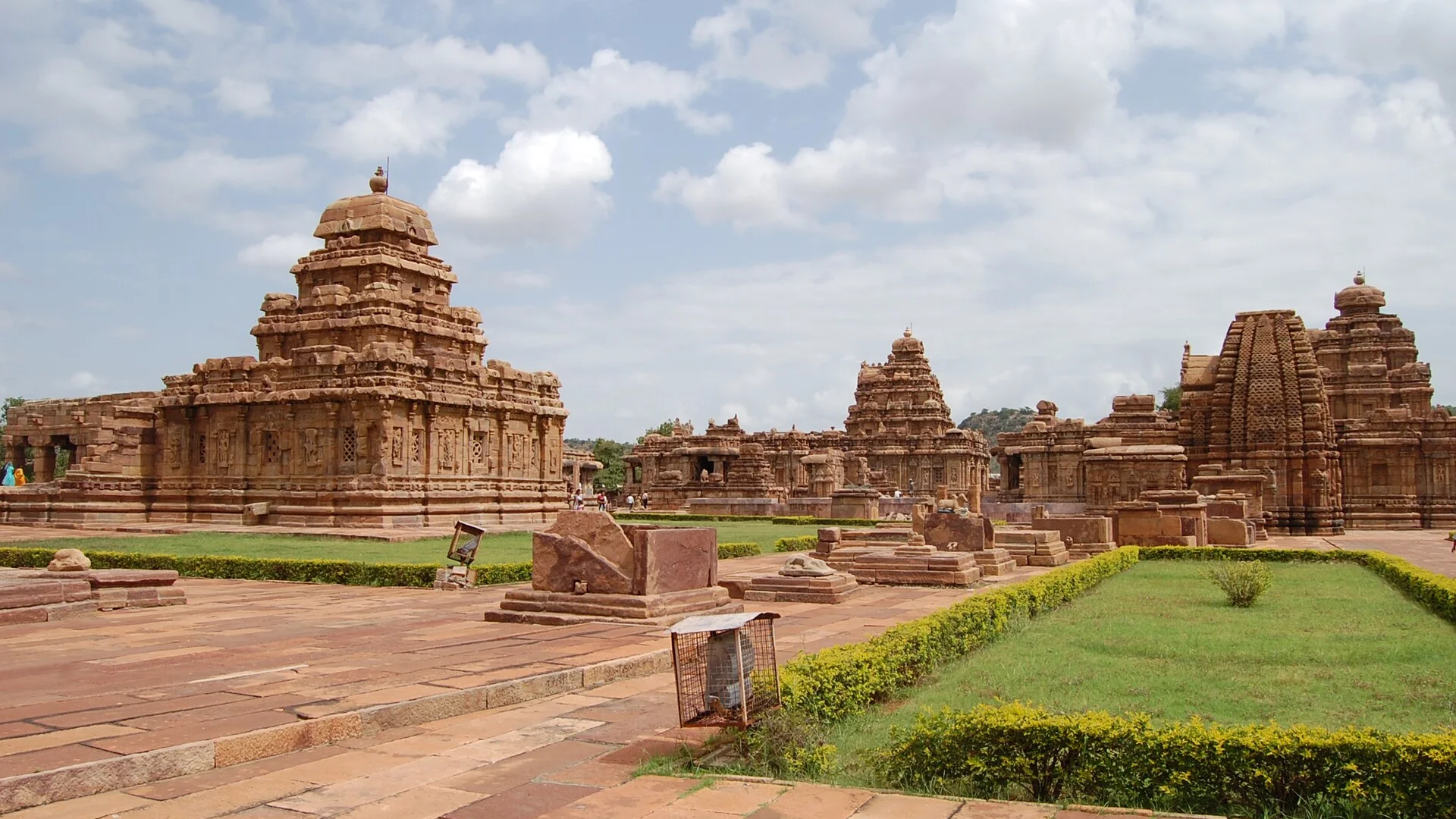
Monuments at Pattadakal
A UNESCO World Heritage site showcasing the unique blend of Nagara and Dravidian temple architecture…
Explore Temple
Famous Temples You May Like
UNESCO 1983Cultural Heritage
Maharashtra
Ajanta Cave Temples
A UNESCO World Heritage site with 30 rock-cut Buddhist caves famous for ancient mural paintings…
Explore Temple
UNESCO 1987Cultural Heritage
Maharashtra
Elephanta Caves
A UNESCO World Heritage site on Elephanta Island, famed for the colossal 20-foot Trimurti sculpture…
Explore Temple
Maharashtra
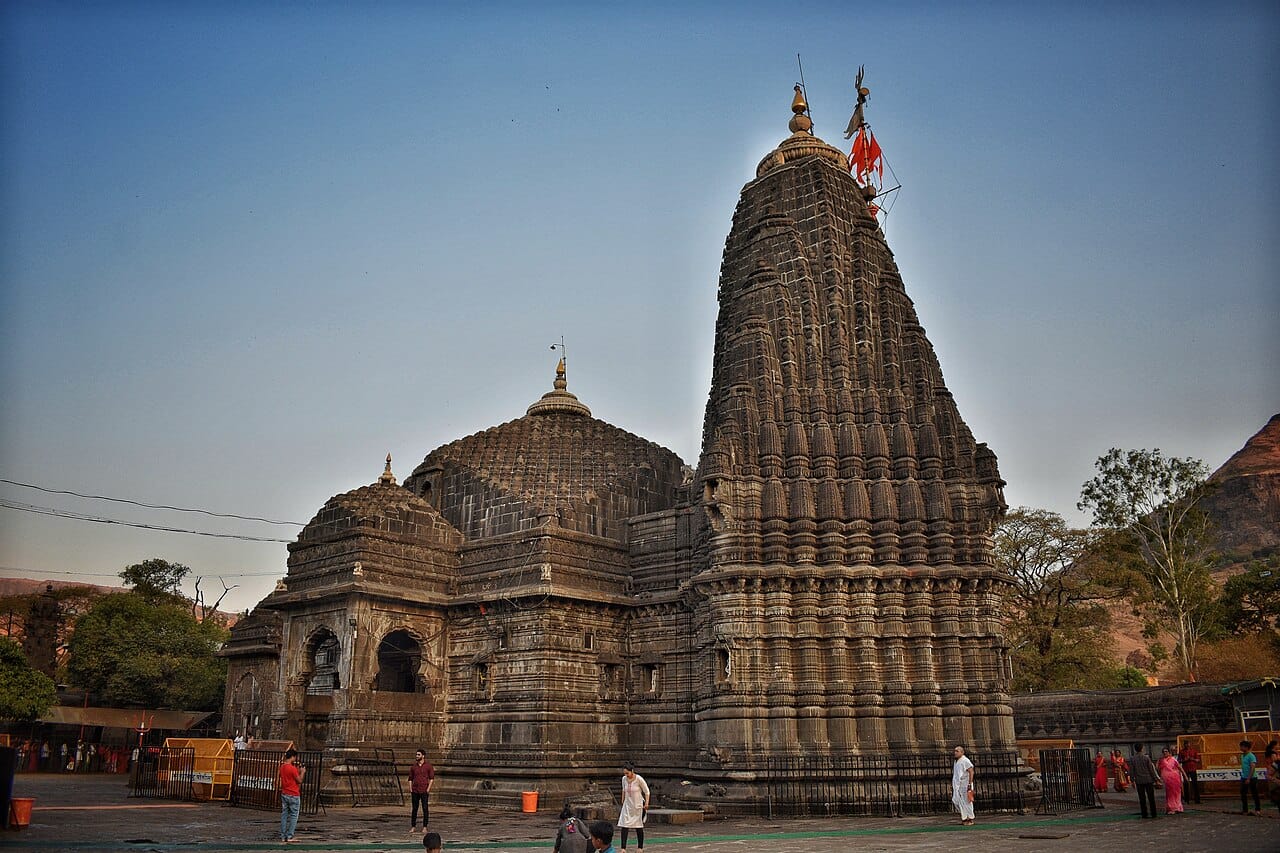
Trimbakeshwar Temple
The Trimbakeshwar Temple in Maharashtra is one of the twelve Jyotirlingas, unique for its three-faced…
Explore Temple
Maharashtra
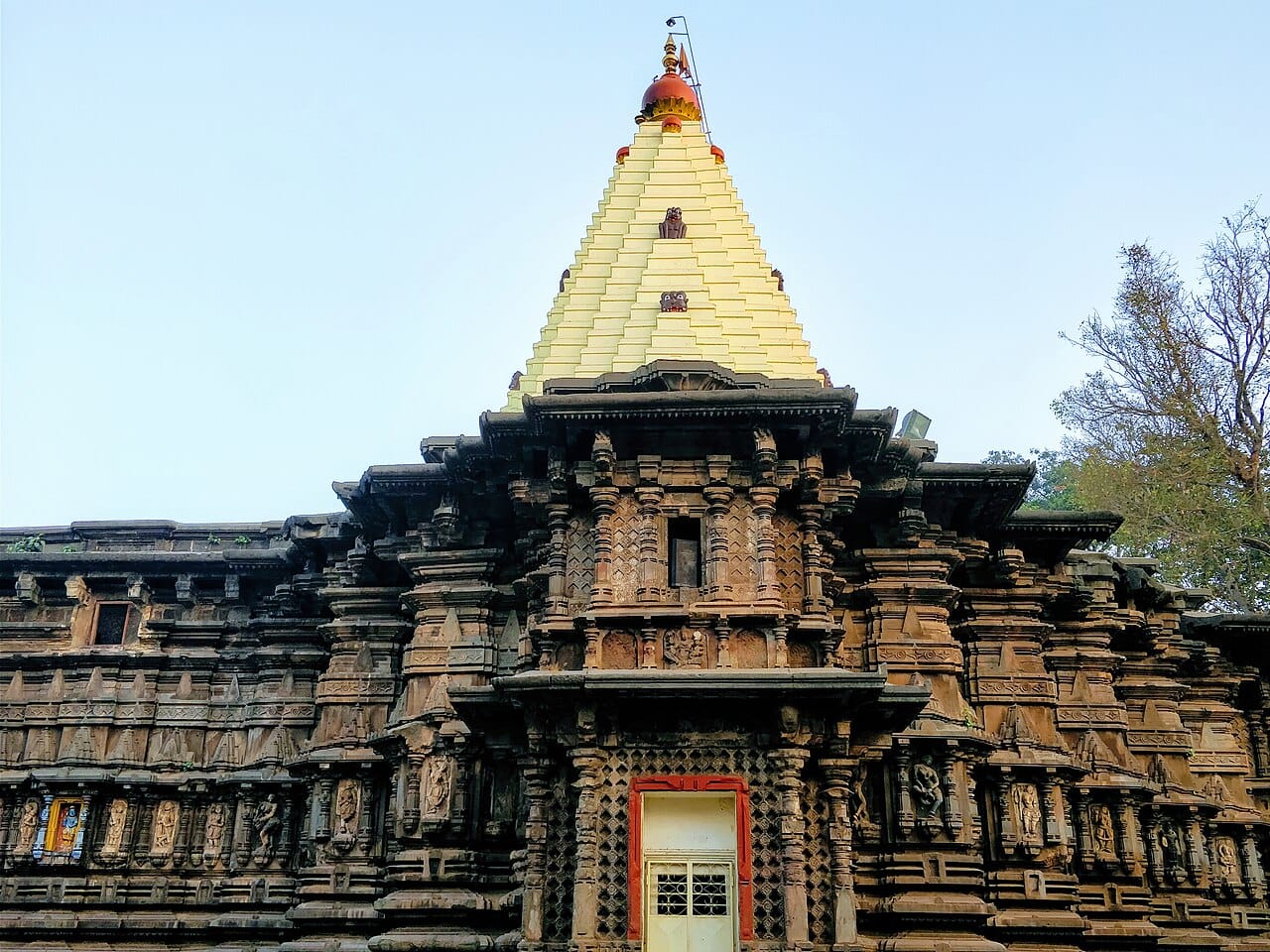
Mahalakshmi Temple
Mahalakshmi Temple in Kolhapur, also known as Ambabai Temple, is one of the 18 Maha…
Explore Temple
Explore More in Maharashtra
Maharashtra
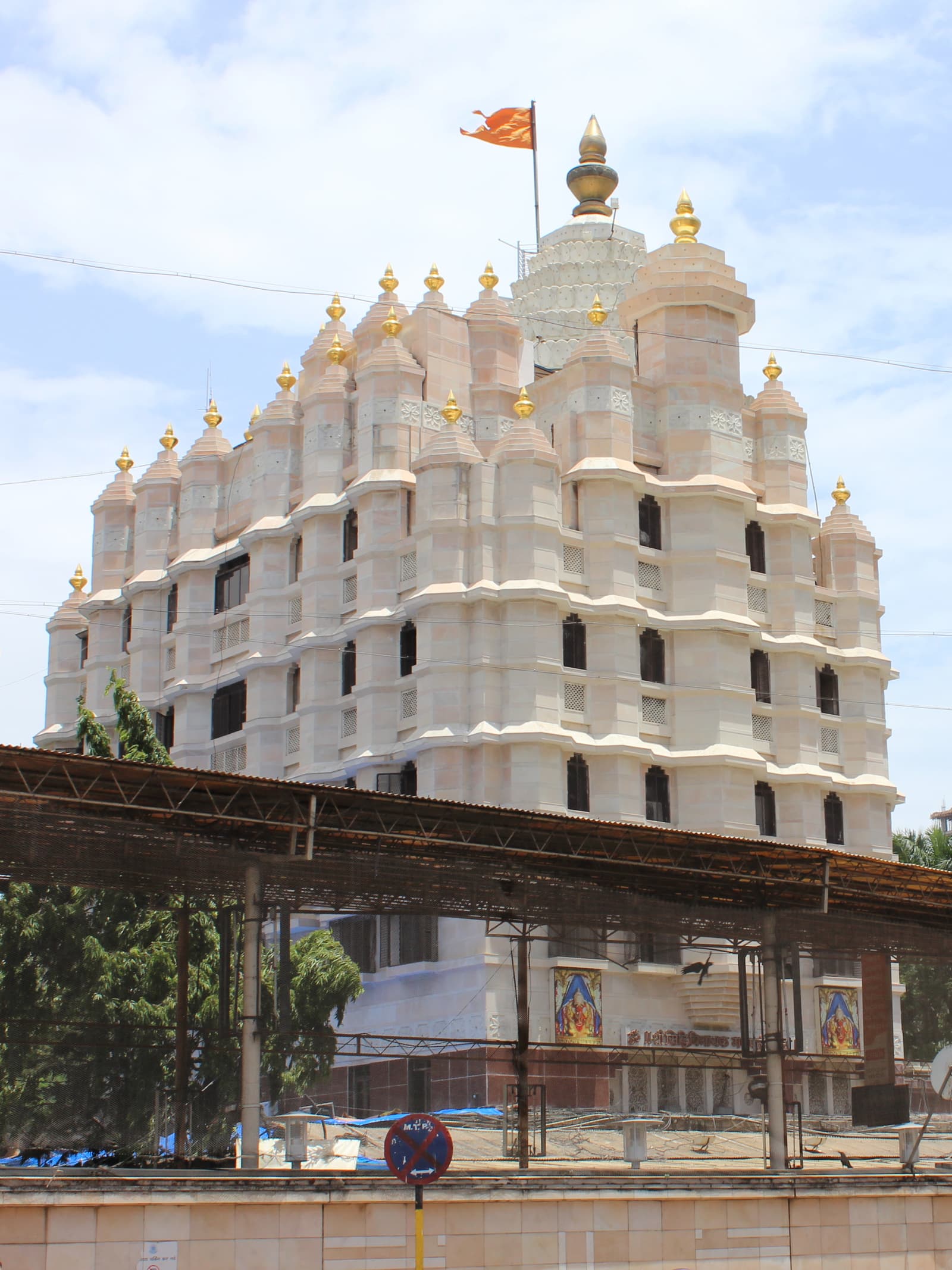
Shree Siddhivinayak Ganapati Temple, Mumbai
Mumbai's most famous temple and among the richest in India, dedicated to the wish-fulfilling form…
Explore Temple
Maharashtra
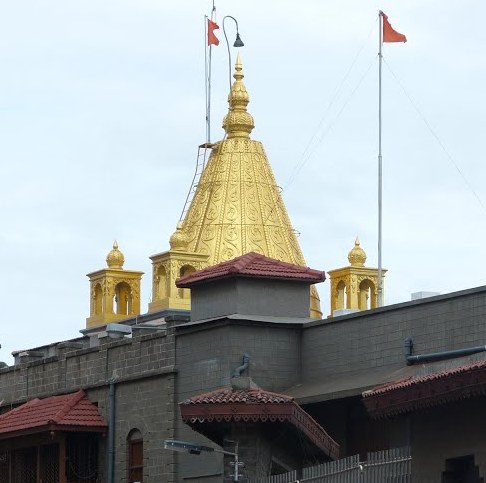
Shirdi Sai Baba Temple (Samadhi Mandir)
The holiest Sai Baba shrine where the saint lived and taught, with his Samadhi (tomb)…
Explore Temple
Maharashtra
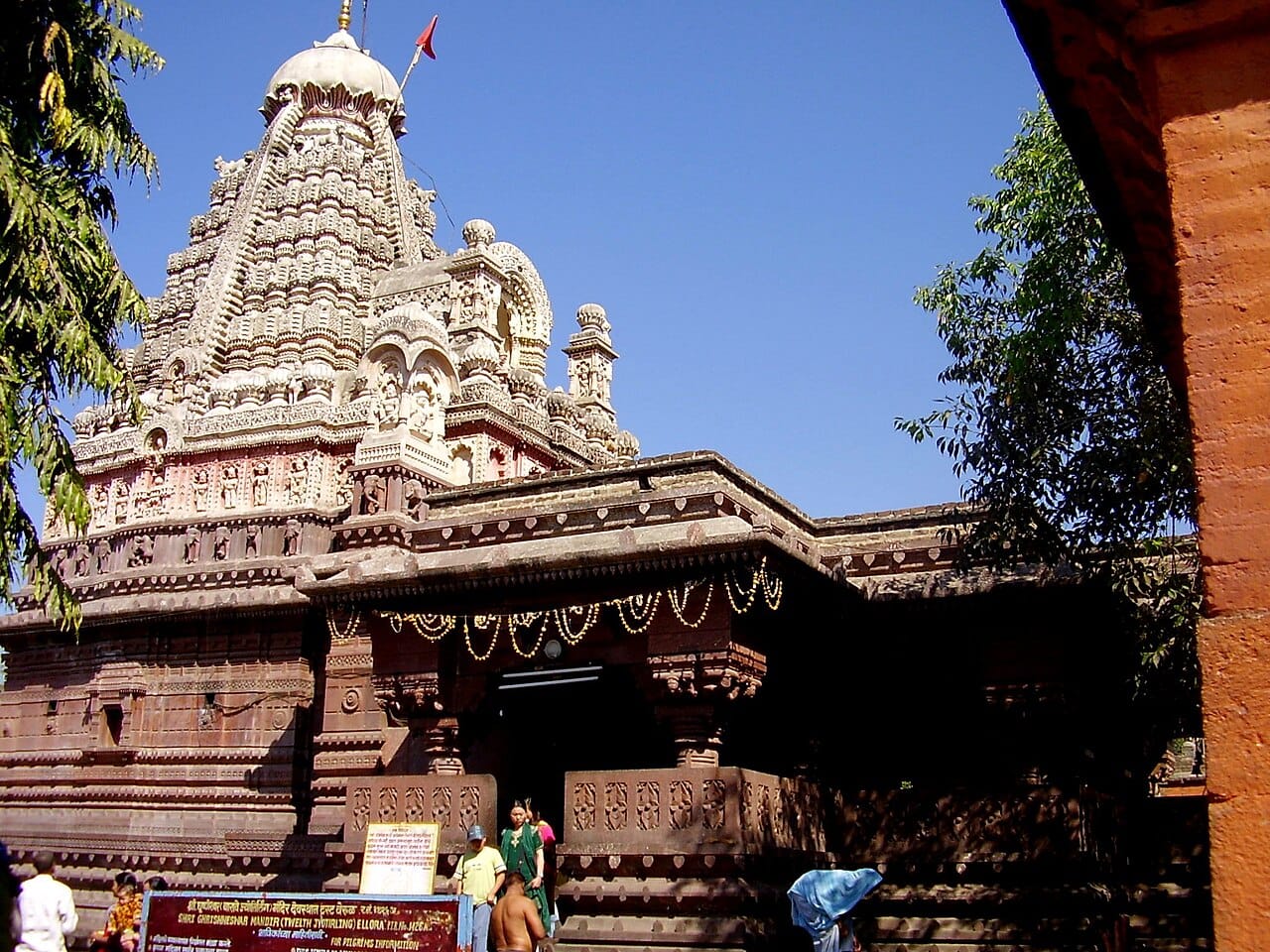
Grishneshwar Temple
The 12th and final Jyotirlinga, located just 1 km from the Ellora Caves.
Explore Temple
Maharashtra
Bhimashankar Jyotirlinga
The source of the Bhima River deep in the Sahyadri hills.
Explore Temple
Heritage Fact
"The Ellora Caves feature 34 monasteries and temples, including the massive monolithic Kailasa Temple."