From ancient rock-cut marvels to towering imperial shrines, discover the architectural soul of Bharat through our verified digital archive.
Explore More Temples
Builder
Maratha
Dynasty
Maratha
Construction
18th Century
Style
Nagara
Main Deity
Bhimashankar (Shiva)
Location
Pune, Maharashtra
Elevation
1,065 m (3,494 ft)
Significance
Source of Bhima River
River
Bhima River
Wildlife
Bhimashankar Sanctuary
Most rivers in India have their origins mapped to glaciers, mountain springs, or confluence points. The Bhima River has its origin marked inside a temple sanctum. According to tradition, the Bhima River flows directly from the Shiva lingam at Bhimashankar, making the temple not just a place of worship but the actual source of a river that sustains millions.
The story begins with Bhima Devi, a form of Parvati. She performed intense penance to merge with Shiva and become one with him. Shiva, pleased with her devotion, absorbed her into his being. But her essence continued to flow from the lingam as a stream of water, which became the Bhima River. Unlike other sacred rivers that originate from distant glaciers and are symbolically invoked at temples, the Bhima is physically present here. A small, perpetual stream trickles from the sanctum, joins the forest streams outside, and begins its 861-kilometer journey across Maharashtra and Karnataka to merge with the Krishna River.
The name Bhima means terrible or fearsome, reflecting the river temperament during the monsoon when it swells into a powerful force. Yet at its origin, it is a gentle trickle, barely visible among the forest ferns. Pilgrims collect the water from the sanctum stream as prasad, believing it carries the blessing of both Shiva and the river goddess. The water is used in the daily abhishekam, poured back over the lingam in a continuous cycle of offering and receipt.
The river connection gives Bhimashankar a unique status among the twelve Jyotirlingas. It is the only one where a major river originates directly from the shrine. The relationship between the lingam and the river is not symbolic but literal. The water you see flowing from the sanctum is the same water that eventually irrigates the farmlands of Maharashtra. The temple is a watershed, both spiritually and physically.
The most famous legend associated with Bhimashankar comes from the Shiva Purana and tells of Tripurasura, three demon brothers who conquered the universe. Their names were Vidyunmali, Tarakaksha, and Viryavana, and they were sons of the demon Taraka. Through intense penance, they secured a boon from Brahma that made them nearly invincible, they could only be killed by a single arrow that struck all three of their moving cities simultaneously, and only after a thousand years of continuous worship of Shiva.
Confident in their invincibility, the demons built three flying cities, one of gold in the heavens, one of silver in the sky, and one of iron on earth. These cities orbited the universe in a precise alignment that made it impossible for any weapon to strike them all at once. The demons terrorized the devas, sages, and mortals, disrupting sacrifices and destroying kingdoms.
After a thousand years of the demons uninterrupted reign, the gods approached Brahma, who told them the conditions of the boon. The only hope was that the thousand-year period had passed, making the demons vulnerable to the single arrow. But no weapon in the universe could accomplish the feat. The gods turned to Shiva, the only being capable of such an impossible act.
Shiva agreed to help. He manifested as Bhima, the Terrible One, radiating cosmic power. The gods constructed a special chariot with Brahma as the charioteer, the Vedas as the horses, and Mount Meru as the bow. Vishnu became the arrow. Shiva drew the bow and released the arrow, which struck all three flying cities simultaneously as they aligned for a brief moment. The demons were destroyed, and the universe was saved. The lingam at Bhimashankar marks the spot where Shiva stood when he released that arrow. The name Bhimashankar combines Bhima (the Terrible form of Shiva) with Shankara (the Benevolent), capturing the duality of the deity who destroys evil while protecting creation.
Bhimashankar is not a urban temple. It is not even a village temple. It is a forest temple, set deep within a protected wildlife sanctuary at 1,065 meters in the Sahyadri range of the Western Ghats, one of the worlds eight hottest biodiversity hotspots. The approach road winds through dense forest canopy, and the temple complex itself is surrounded by ancient trees that predate the current structure by centuries.
The Sahyadris are older than the Himalayas, geologically ancient mountains worn down by millions of years of monsoon rains. The forest here is a mix of moist deciduous and semi-evergreen vegetation, with towering teak, ain, and kinjal trees forming a canopy that filters the sunlight into a green glow. During the monsoon months of June to September, the forest transforms into a world of waterfalls, mist, and blooming orchids. The sound of the Bhima River, small at its source but amplified by the forest acoustics, accompanies every step.
The Bhimashankar Wildlife Sanctuary was established in 1985 and covers 131 square kilometers. It forms a crucial corridor between other protected areas in the northern Western Ghats. The sanctuary is part of the larger Sahyadri Tiger Reserve landscape, though tigers are rarely sighted here. What the sanctuary lacks in big cats, it makes up for in biodiversity, it is home to over 200 species of birds, 60 species of mammals, and countless species of butterflies, reptiles, and amphibians.
The presence of this wilderness around the temple fundamentally shapes the experience of visiting Bhimashankar. You do not arrive at a temple after passing through a bustling market town. You arrive after traveling through miles of protected forest, your senses attuned to the calls of birds, the rustle of leaves, and the scent of wet earth. The forest is not the setting for the temple. The forest is the temple antechamber, the natural mandapa that prepares the visitor for the shrine ahead.
Further north in the same Sahyadri range, Trimbakeshwar Shiva Temple \u2014 the source of the Godavari River \u2014 shares this mountain landscape. Both Jyotirlingas emerge from the ancient Western Ghats, their shrines shaped by the same geology of black basalt and monsoon forest.
The most famous resident of the Bhimashankar forest is the Indian giant squirrel (Ratufa indica), known locally as the Shekru. This is the state animal of Maharashtra, and Bhimashankar is one of the best places in India to see it. The Shekru is a striking animal, measuring up to a meter in length including its bushy tail, with a coat that ranges from deep maroon to purple-black, often with cream-colored patches on the face and tail.
Unlike the common palm squirrels that scurry across urban walls, the Indian giant squirrel is an arboreal specialist. It moves through the upper canopy in spectacular flying leaps of up to 6 meters, using its tail as a counterbalance and rudder. It builds large globular nests called dreys in the forks of tall trees. The best time to spot the Shekru is early morning or late afternoon when it emerges to feed on fruits, nuts, and tree bark.
Beyond the giant squirrel, the sanctuary hosts a rich diversity of wildlife. Leopards are the apex predators, though they are rarely seen. Sambar deer, barking deer, mouse deer, and wild boar are more frequently encountered. The birdlife includes the Malabar pied hornbill, great hornbill, Asian fairy bluebird, and the crimson-backed sunbird. Over 200 species of butterflies have been recorded, making the sanctuary a paradise for lepidopterists.
The conservation of the sanctuary is directly linked to the temple pilgrimage. The temple attracts hundreds of thousands of visitors annually, and the forest department manages the impact through regulated access, waste management programs, and awareness campaigns. The challenge is to balance religious access with ecological preservation, ensuring that the Shekru and the other inhabitants of this ancient forest continue to thrive alongside the pilgrims.
The current structure of the Bhimashankar Temple was built in the 18th century during the Maratha period, though the site has been a place of worship for much longer. The Maratha rulers, known for their distinctive temple architecture that blended Nagara traditions with local Deccan styles, constructed the temple that stands today. The architecture reflects the Maratha aesthetic, functional, resilient, and integrated with the natural landscape.
The temple follows the Nagara style with a shikhara (spire) that rises in a gentle curve, adorned with rhythmic ribbing and crowned by an amalaka and kalasha. The shikhara is relatively modest compared to the towering spires of Odishan or Khajuraho temples, but it is proportioned beautifully against the forest backdrop. At the base of the shikhara, miniature niche shrines house images of deities, their faces weathered by centuries of monsoon rain.
The Sabhamandap (assembly hall) is the architectural highlight. It features a pillared hall with intricately carved columns, each one unique in its decorative program. The carvings include floral motifs, geometric patterns, and human figures depicting dancers, musicians, and divine beings. The ceiling of the mandapa is carved with a lotus pattern, the petals radiating outward from the center. The carvings are not as deeply cut as those at the older Hindu temples of the Deccan, but they have a folk quality that gives them a distinct character.
The sanctum is a small, dark chamber housing the lingam. Unlike the elaborate pillared halls, the garbhagriha is simple and unadorned. The lingam is a smooth, dark stone cylinder with a yoni pedestal, continuously wet from the perpetual stream that flows from it. The contrast between the ornate Sabhamandap and the austere sanctum is deliberate, the outer world is decorated, the inner world is stripped to essence.
Most Hindu temples are built on elevated ground. The devotee climbs steps to reach the sanctum, ascending toward the divine. Bhimashankar reverses this pattern. The temple complex sits in a hollow, and visitors descend approximately 200 steps from the entrance level to reach the main shrine. This descent is one of the defining physical experiences of visiting Bhimashankar.
The path begins at the temple entrance, where a stone gateway marks the boundary between the forest and the sacred precinct. From here, a wide stone stairway leads downward, flanked by small shrines, vendor stalls, and ancient trees whose roots have grown over the retaining walls. As you descend, the forest canopy closes overhead, and the ambient temperature drops noticeably. The sound of the Bhima River becomes audible, growing louder with each step.
The descent serves a practical purpose. The temple is built in a natural hollow where the groundwater table is close to the surface, ensuring the perpetual stream from the lingam. But it also has a symbolic dimension. Descending to the sanctum represents a deliberate movement away from the everyday world, a step-by-step withdrawal from the surface concerns of life into the depths of spiritual interiority. The 200 steps are not an obstacle. They are a preparation.
Returning requires climbing back up the 200 steps, which can be strenuous after the temple visit. But the gradient is gentle, and the path is lined with benches and rest stops. The climb back is a gradual return to the world, the forest accompanying you as you ascend, the sounds of the temple fading behind you as the sounds of the forest take over.
The daily rituals at Bhimashankar are closely tied to the forest environment. The day begins with the Kakad aarti before dawn, when the temple opens to the sound of conch shells that echo through the surrounding forest. The priests perform the abhishekam using water from the Bhima River, collected fresh each morning from the stream flowing out of the sanctum. The water is poured over the lingam, allowed to flow over the yoni, and collected in a copper vessel. This same water is then offered to devotees as tirtha.
The abhishekam at Bhimashankar is continuous. Because the lingam itself produces water, the sanctum is permanently moist. The priests supplement the natural flow with offerings of milk, curd, honey, ghee, and panchamrita, but the base element is always the sacred water that originates from the same rock. This gives the ritual a self-sustaining quality that distinguishes it from other temples where water must be brought from external sources.
The Rawal (chief priest) of Bhimashankar belongs to the Deshastha Brahmin community, unlike the Namboodiri priests of Kedarnath. The Maratha patronage of the temple established a local priestly tradition that continues today. The priests perform three main aartis daily, morning, afternoon, and evening, with the evening aarti being the most attended as pilgrims who have spent the day in the forest gather for the final prayers.
A unique feature of Bhimashankar is the ritual offering of local forest products. Devotees offer wild flowers, forest fruits, and bilva leaves collected from the surrounding sanctuary. The offerings are not brought from the market but gathered from the forest itself, creating a direct connection between the natural abundance of the Sahyadris and the worship of Shiva.
Maha Shivaratri is the most important festival at Bhimashankar, transforming the forest temple into a massive pilgrimage center. Devotees begin arriving days in advance, walking through the sanctuary or camping in the designated areas around the temple. On the night of Shivaratri, the temple stays open through the night, with continuous chanting of the Rudram and Shiva Panchakshara Stotram. The forest, silent after dark, resonates with the sound of bells and Sanskrit invocations.
The tribal communities of the Sahyadri region add a unique character to the festival. The Thakar and Mahadev Koli tribes, who have lived in these forests for centuries, bring their own traditions to the celebration. Their folk songs and dances, performed in the temple courtyard, reflect a fusion of tribal animism and Shaiva devotion that is rarely seen at other Jyotirlingas. The tribal influence is Bhimashankar special character, a reminder that the temple belongs to the forest and its original inhabitants as much as to the mainstream Hindu tradition.
The annual Rath Yatra (chariot festival) takes place in the month of Phalguna (February-March), when the processional deity is taken around the temple in a wooden chariot. The procession winds through the forest path, with devotees pulling the chariot and singing bhajans. The contrast between the brightly decorated chariot and the deep green forest creates a striking visual, the most photographed event in Maharashtra temple culture.
The Kartik Purnima festival in November marks the end of the monsoon season when the forest is at its most lush. Devotees light lamps and place them on leaf boats that float down the Bhima River, creating a river of light through the dark forest. The sight of hundreds of tiny lamps drifting through the sanctuary is a reminder of the intimate connection between the temple, the river, and the forest that surrounds them both.
Bhimashankar is located 110 kilometers northwest of Pune and approximately 200 kilometers from Mumbai. The most common approach is by road from Pune, which takes about 3 hours. The route passes through the towns of Manchar and Narayanpur before entering the wildlife sanctuary. The final 25 kilometers are through dense forest, with the road narrowing as it climbs into the hills. This stretch requires careful driving, especially during monsoon when the road can be slippery.
From Mumbai, the distance is approximately 200 kilometers via the Mumbai-Nashik highway, turning off at Khalapur or through Karjat. The route is scenic, crossing the Western Ghats through the Malshej Ghat pass. Public buses operated by the Maharashtra State Road Transport Corporation run from Pune and Mumbai to Bhimashankar, though services are limited. The nearest railway station is Pune Junction, from where taxis and buses are available.
Several trekking routes approach Bhimashankar through the sanctuary. The most popular is the 3-kilometer trail from Bhorgiri village, which takes about an hour through the forest. Longer treks start from Shidi Ghat (12 km) and Ahupe (8 km), offering deeper immersion in the wilderness. These treks require a forest department permit and are best done with a local guide. The trekking season runs from October to May.
Accommodation is available in forest department guesthouses, temple trust lodges, and a few private hotels near the temple. Booking in advance is essential during the Maha Shivaratri season and weekends. The forest department also offers camping permits for designated sites within the sanctuary, allowing visitors to experience the forest at night.
A. The Tripurasura legend tells of three demon brothers who terrorized the universe in flying cities of gold, silver, and iron. Shiva manifested as Bhima, the Terrible, and destroyed all three cities with a single arrow. The lingam at Bhimashankar marks where Shiva stood when he released that arrow.
A. According to tradition, the Bhima River originates from the Shiva lingam itself. A perpetual stream flows from the sanctum, collecting water from the underground aquifer. This stream emerges outside the temple and joins other forest streams to form the Bhima River, which flows 861 km through Maharashtra and Karnataka.
A. The sanctuary is famous for the Indian giant squirrel (Shekru), the state animal of Maharashtra. Other wildlife includes leopards, sambar deer, barking deer, mouse deer, wild boar, and over 200 bird species such as the Malabar pied hornbill and great hornbill.
A. The Indian giant squirrel (Ratufa indica) grows up to a meter in length including its tail, with striking maroon to purple-black fur. It is an arboreal specialist that makes spectacular 6-meter leaps through the canopy. Bhimashankar is one of the best places in India to observe this species in the wild.
A. The temple itself requires a 200-step descent from the entrance. Several trekking routes approach through the sanctuary, ranging from 3 km (Bhorgiri, 1 hour) to 12 km (Shidi Ghat, 4-5 hours). These are moderate treks suitable for average fitness levels. The road approach from Pune is about 110 km.
A. Pune city (110 km) serves as the major base. Nearby attractions include the Ahupe waterfall, Hanuman Lake, Nagphani peak, and the Shri Datta Mandir in Narayanpur. The Malshej Ghat pass on the route from Mumbai offers spectacular views.
A. Built in the 18th century by the Marathas, the temple features a Nagara-style shikhara with rhythmic ribbing. The Sabhamandap has intricately carved columns with floral motifs, geometric patterns, and human figures. The style represents the Maratha evolution of the Nagara tradition adapted to the forest terrain.
A. The monsoon season (June to September) is spectacular when the forest is lush and waterfalls are active. Winter (October to February) offers pleasant weather for trekking. Summer (March to May) can be hot. Maha Shivaratri (February-March) is the most significant festival period.
Virupaksha Temple
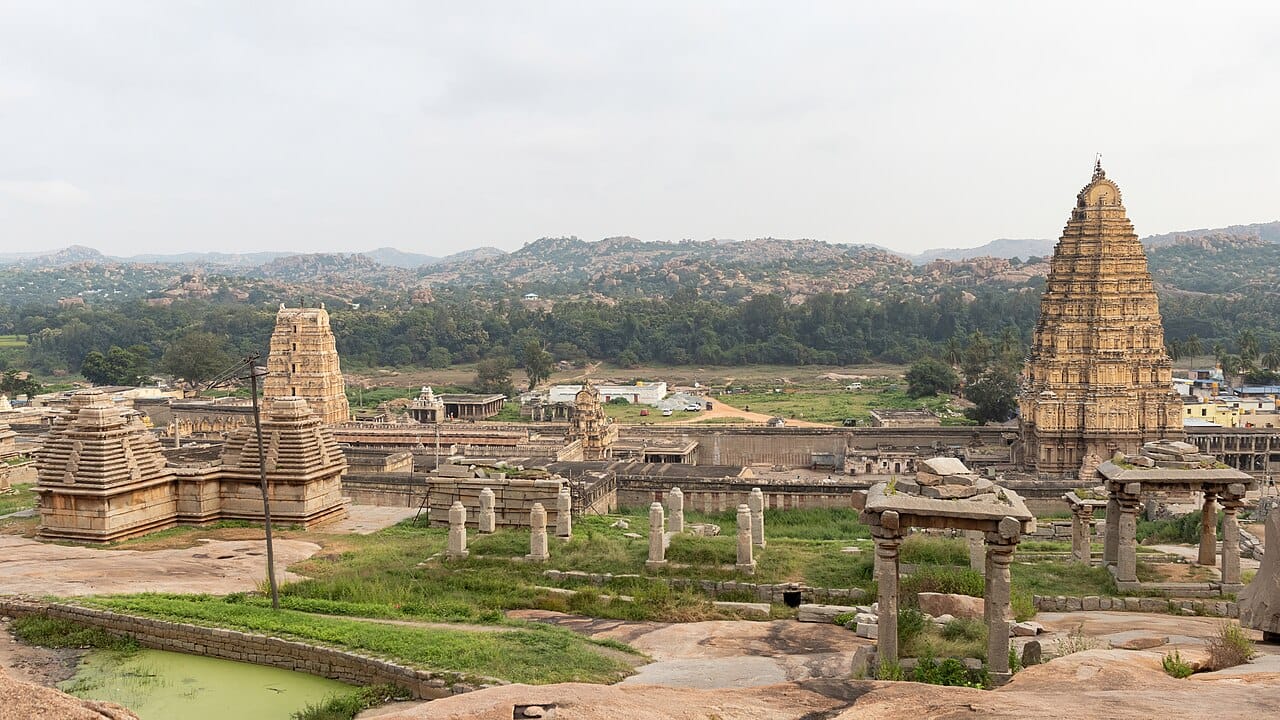
The Virupaksha Temple in Hampi, Karnataka, is a UNESCO World Heritage Site and the oldest functioning temple in India, dedicated to Lord Shiva as Virupaksha.
Trimbakeshwar Temple
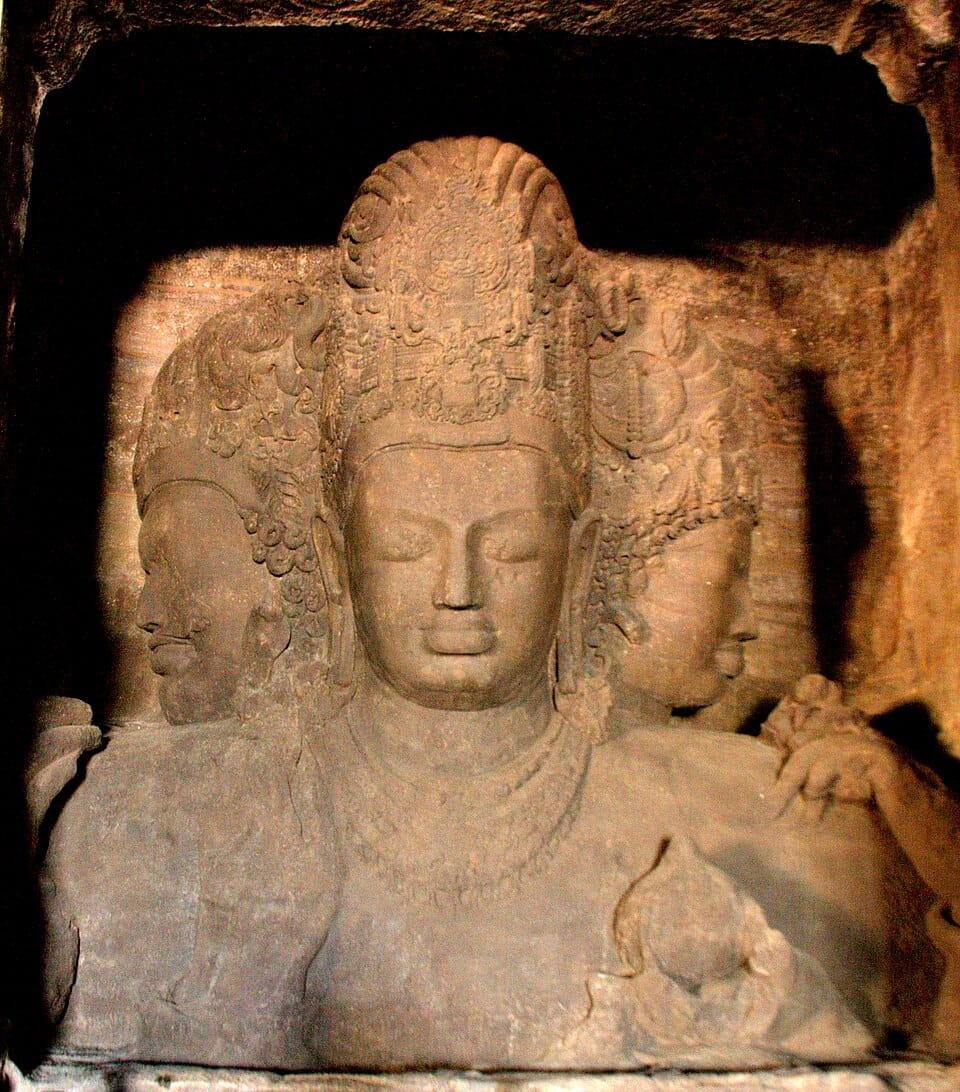
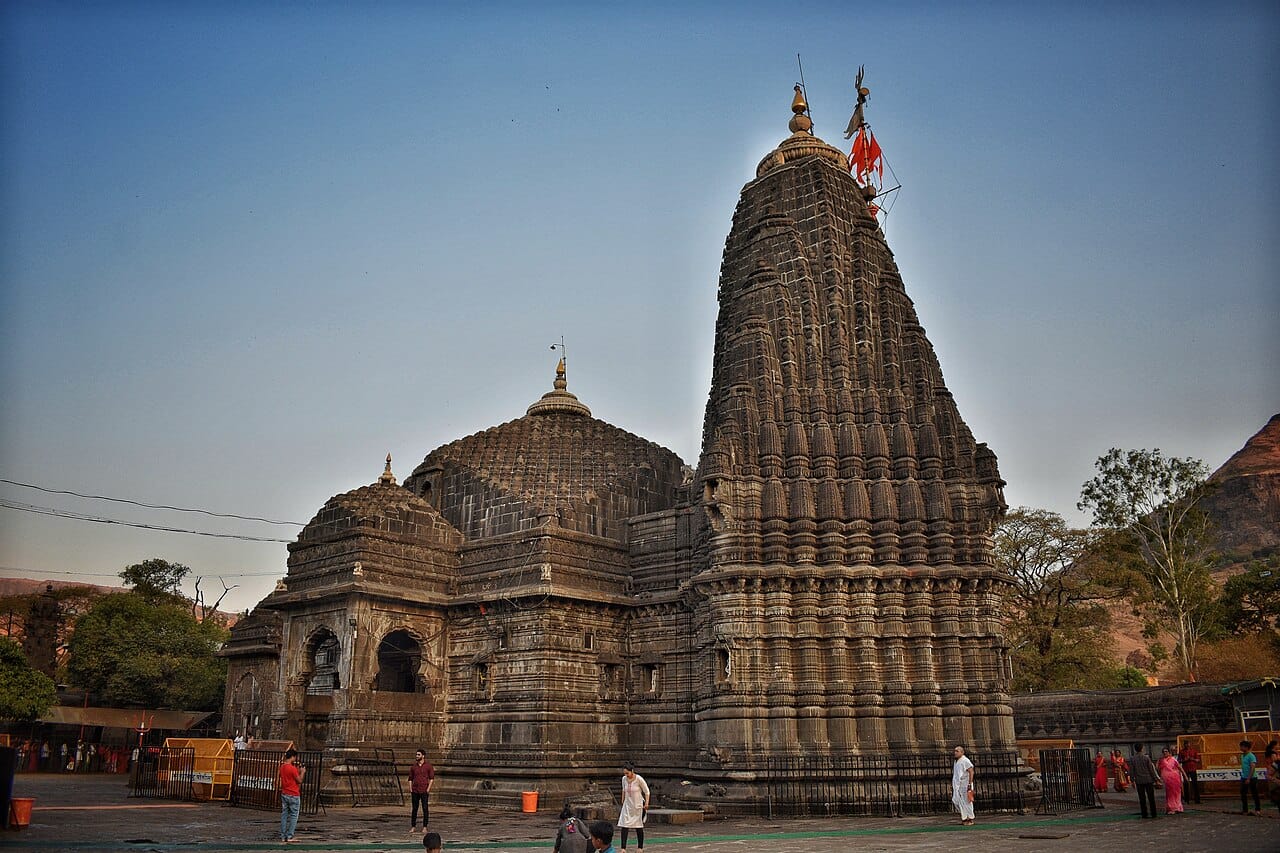
The Trimbakeshwar Temple in Maharashtra is one of the twelve Jyotirlingas, unique for its three-faced linga representing the Trimurti and the source of the Godavari River.
Airavatesvara Temple
The Airavatesvara Temple at Darasuram, built by Rajaraja Chola II between 1146 and 1172 CE, is one of the three UNESCO World Heritage 'Great Living Chola Temples.' It is renowned for its stone chariot, musical steps, and exquisite 12th-century Chola sculptures.
Gangaikonda Cholapuram Temple
The Gangaikonda Cholapuram Temple, built by Rajendra Chola I in 1035 CE, is a UNESCO World Heritage 'Great Living Chola Temple.' Its 53-metre vimana with recessed corners and six pairs of monolithic dvarapalas represents a refined evolution of Chola Dravidian architecture.
Kampaheswarar Temple
Kampaheswarar Temple in Tribhuvanam, built by Kulothunga Chola III in 1202 CE, is one of the later great Chola temples and completes the quartet of magnificent Chola stone temples alongside the Brihadeeswarar at Thanjavur, Gangaikonda Cholapuram, and Airavatesvara at Darasuram. The temple represents the mature phase of Chola architecture, featuring a 30-metre granite vimana, a separate Devi shrine, and a unique chariot-wheel carving in the mandapa. It is maintained by the Archaeological Survey of India as a protected monument of national importance.
Koranganatha Temple
Koranganatha Temple, built during the reign of the Chola king Parantaka I (907-955 CE) at Srinivasanallur near Tiruchirappalli, is a well-preserved example of early Chola architecture with exquisite stone carvings. The temple is maintained by the Archaeological Survey of India and is notable for its peaceful setting on the banks of the Kaveri River.
Adi Badri Uttarakhand
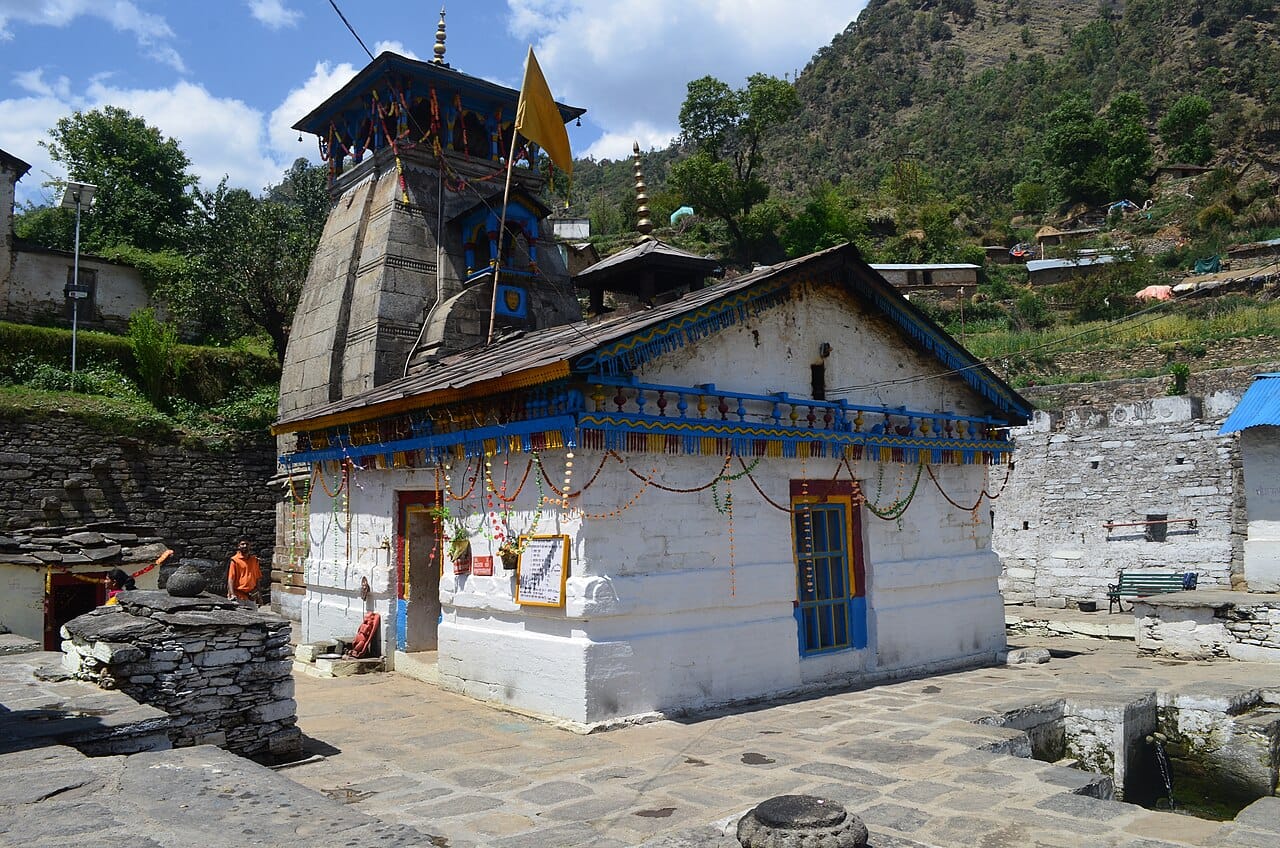
A complex of 16 ancient temples from the Gupta period; it is believed Vishnu resided here before moving to Badrinath.
Baijnath Temple Uttarakhand
A 12th-century complex on the Gomti banks, famous for its life-sized black stone idol of Goddess Parvati.
Vindhyavasini Devi Temple
One of India's most visited Shakti Peethas, where Goddess Durga is believed to have resided after slaying Mahishasura.
Lalita Devi Temple Naimisharanya
Located in the ancient forest of Naimisharanya, it is mentioned in Puranas as the spot where the universe's first Chakra fell.
Bateshwar Temples Agra
A complex of 101 Shiva temples built on the banks of Yamuna, representing a significant pilgrimage and architectural site.
Gauri Shankar Temple Delhi
An 800-year-old temple in Chandni Chowk built by a Maratha soldier, housing a centuries-old brown Shiva Lingam.
Trimbakeshwar Temple
The Trimbakeshwar Temple in Maharashtra is one of the twelve Jyotirlingas, unique for its three-faced linga representing the Trimurti and the source of the Godavari River.
Alampur Jogulamba Temple
One of the 18 Maha Shakti Peethas, located in a complex that also houses nine ancient 7th-century Chalukyan temples.
Somnath Temple
Somnath Temple, the first of the twelve Jyotirlingas, is an ancient Shiva temple in Gujarat known for its resilience through repeated destruction and reconstruction over a millennium.
Siddhesvara Dham (Char Dham)
A grand complex featuring a 108-foot Shiva statue and replicas of the 12 Jyotirlingas and the four Char Dham sites.
Ramanathaswamy Temple
The Ramanathaswamy Temple in Rameswaram is one of the 12 Jyotirlingas and a Char Dham site, famous for its magnificent thousand-pillared corridors, the longest temple corridor in the world, and its sacred association with Lord Rama's worship of Shiva.
Omkareshwar Temple
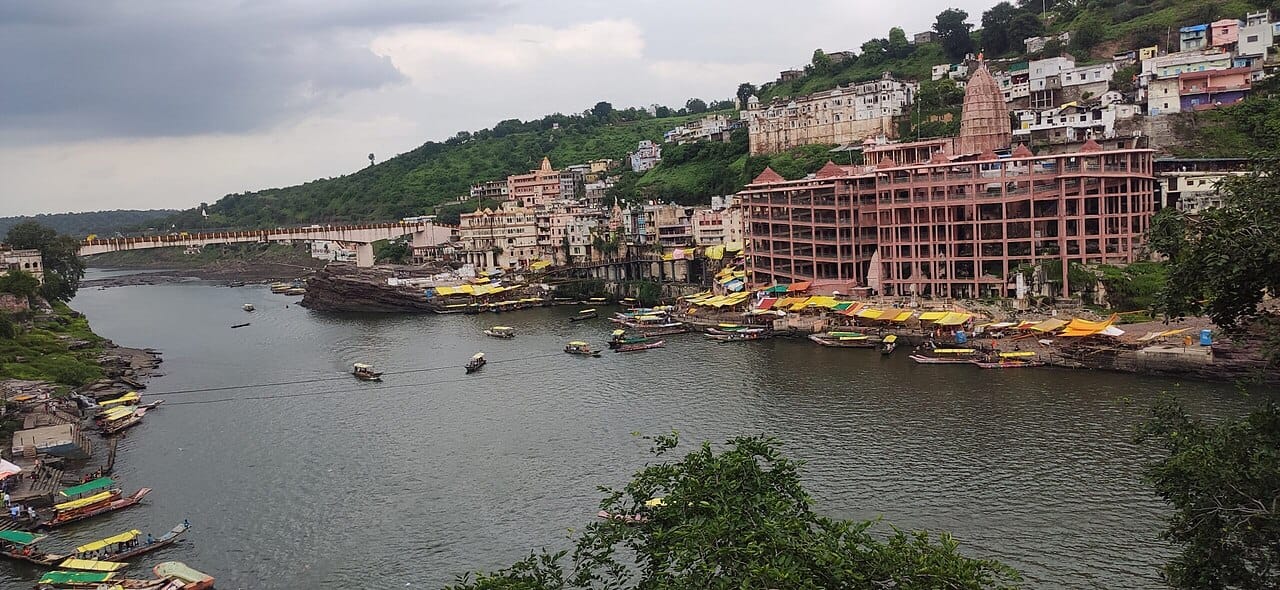
Situated on a sacred island in the Narmada River, Omkareshwar is the only Jyotirlinga located on an island. The temple stands at the confluence of the Narmada and Kaveri rivers, with the lingam positioned where the river forms the shape of the sacred symbol Om.
Trimbakeshwar Temple
The Trimbakeshwar Temple in Maharashtra is one of the twelve Jyotirlingas, unique for its three-faced linga representing the Trimurti and the source of the Godavari River.
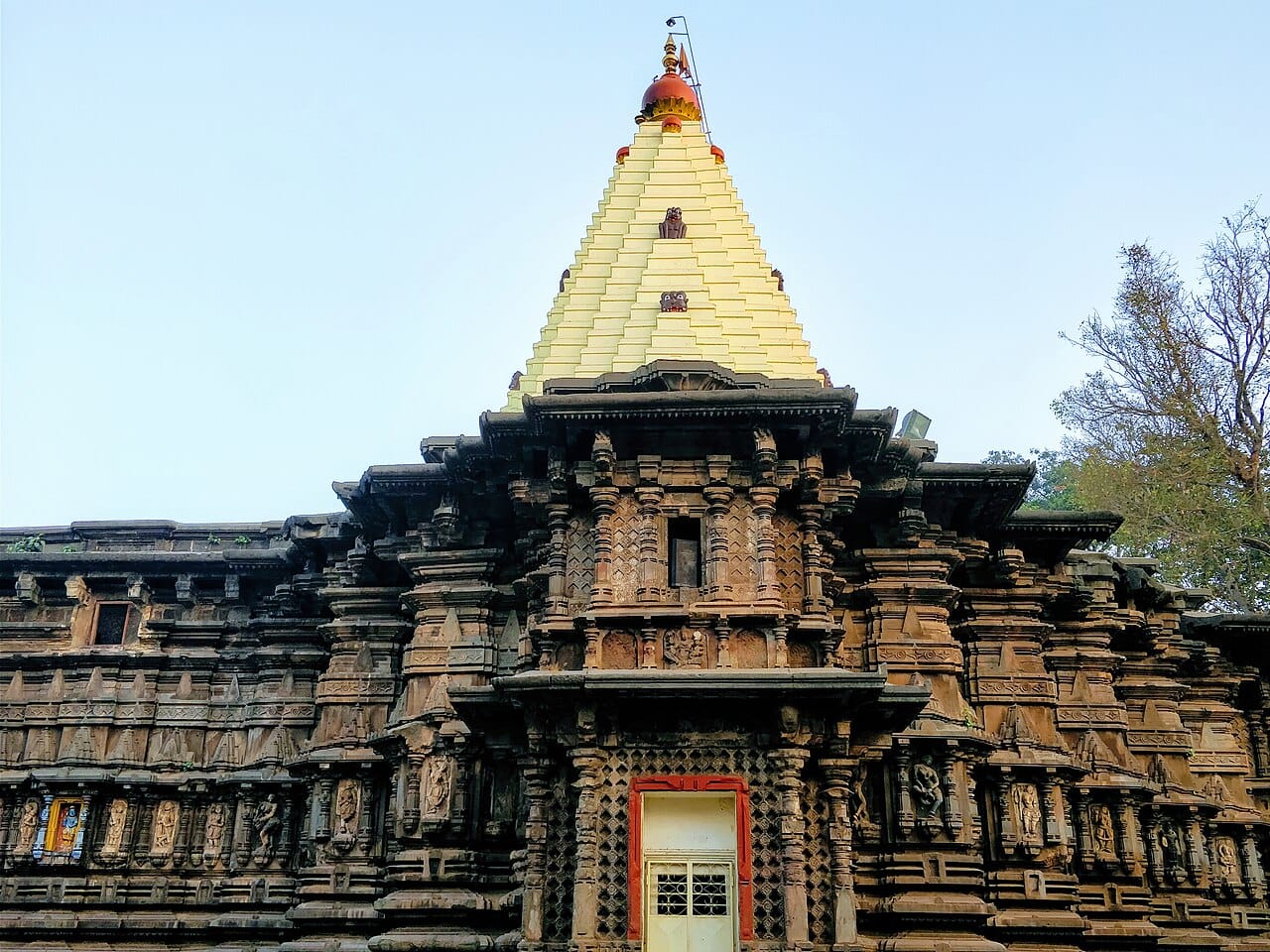
Mahalakshmi Temple
Mahalakshmi Temple in Kolhapur, also known as Ambabai Temple, is one of the 18 Maha Shakti Peethas and one of six Shakti sites in India. The temple is famous for the Kirnotsav solar event where sunlight falls directly on the deity's face twice a year, and for its 3-foot gemstone idol of Goddess Mahalakshmi weighing 40 kilograms.
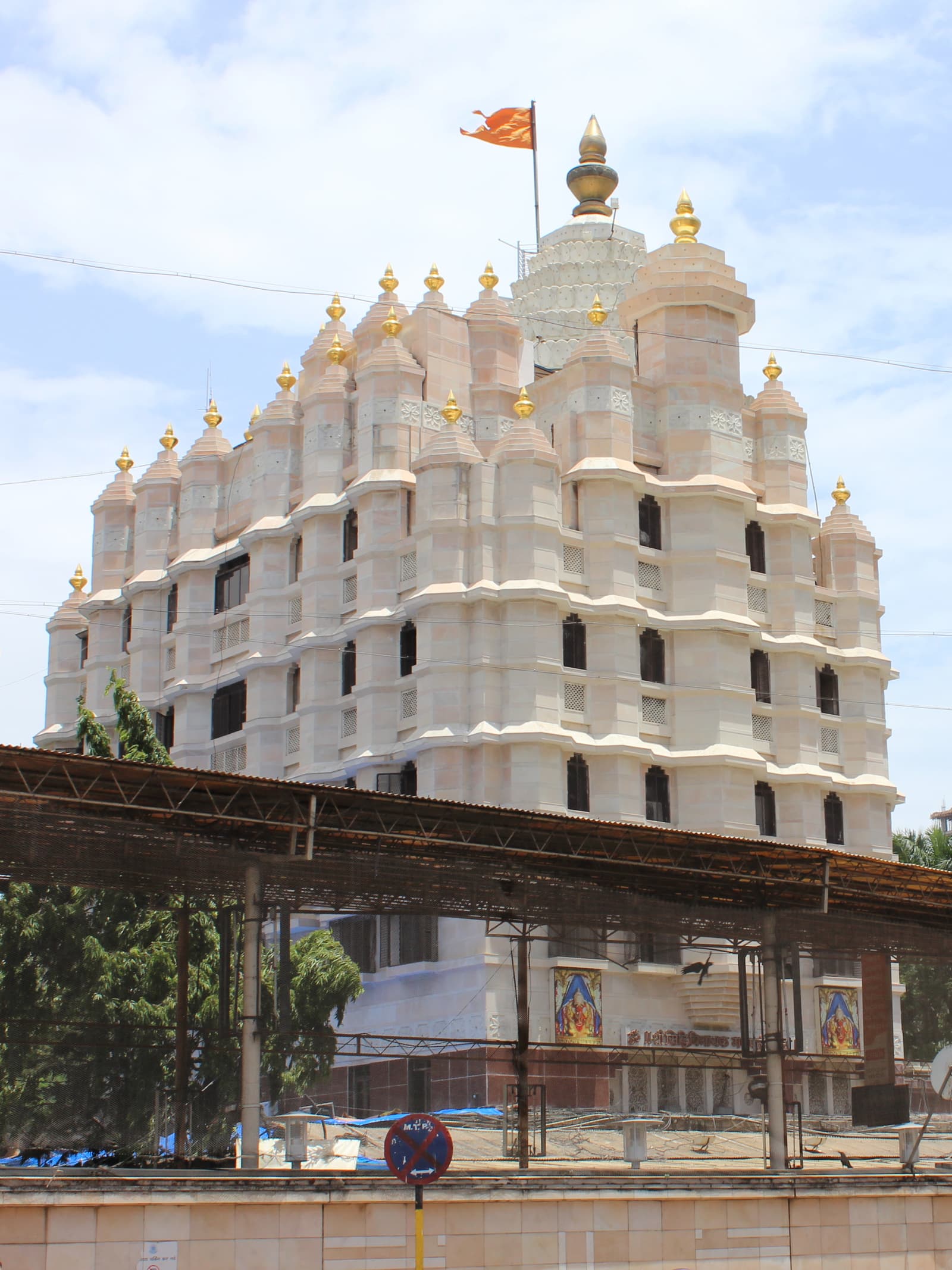
Shree Siddhivinayak Ganapati Temple, Mumbai
Mumbai's most famous temple and among the richest in India, dedicated to the wish-fulfilling form of Lord Ganesha, drawing over 100,000 devotees daily.
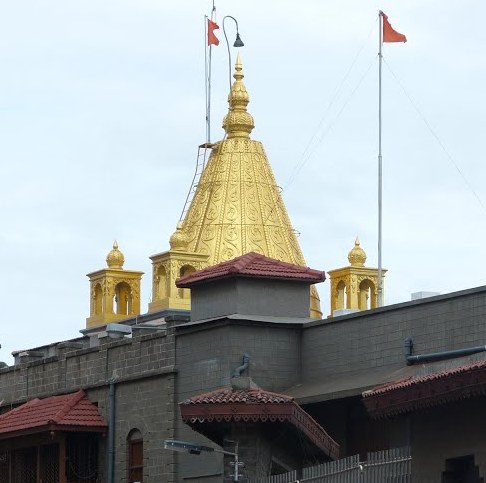
Shirdi Sai Baba Temple (Samadhi Mandir)
The holiest Sai Baba shrine where the saint lived and taught, with his Samadhi (tomb) drawing 25,000+ daily pilgrims from across religions.
Grishneshwar Temple
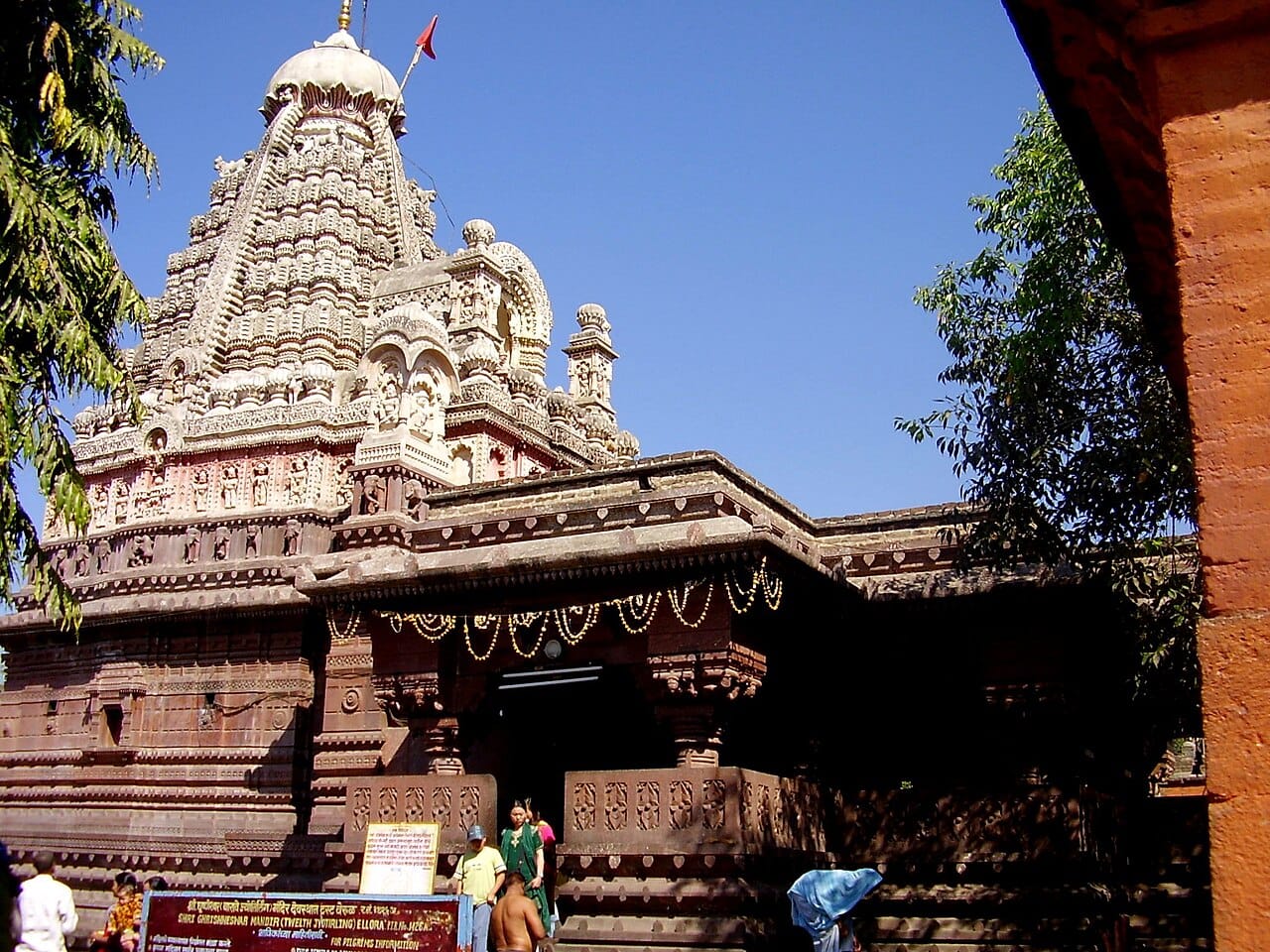
The 12th and final Jyotirlinga, located just 1 km from the Ellora Caves. Also known as Kusumeshwar — the Lord of Flowers — built from distinctive red volcanic rock and rebuilt by Ahilyabai Holkar.
Kailasa Temple, Ellora
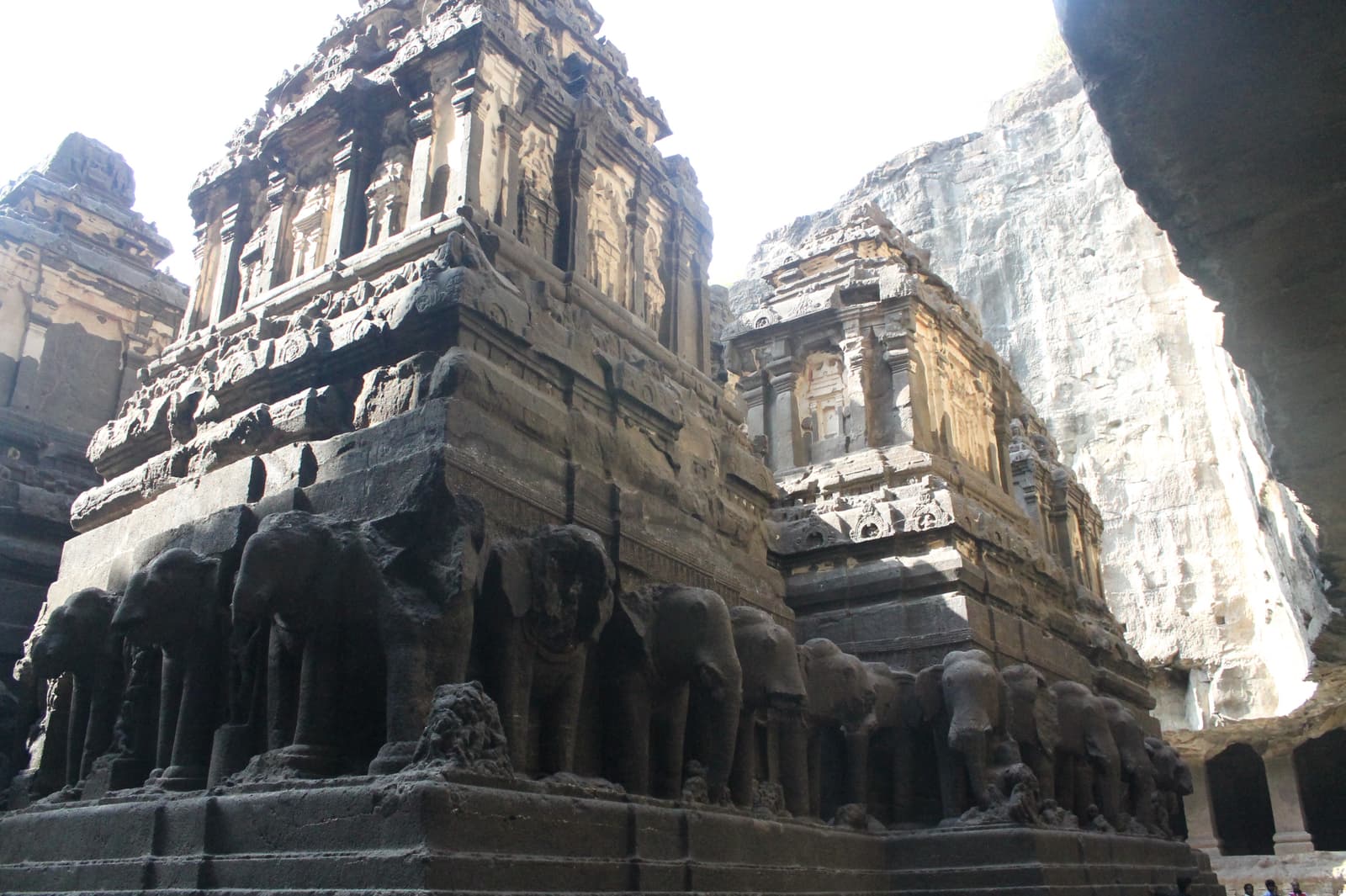
The world's largest monolithic rock-cut structure, carved top-down from a single basalt cliff.
Tarakeshwar Temple Hooghly
A massive 18th-century pilgrimage site dedicated to Lord Taraknath, especially vibrant during the Gajan festival.
Virupaksha Temple
The Virupaksha Temple in Hampi, Karnataka, is a UNESCO World Heritage Site and the oldest functioning temple in India, dedicated to Lord Shiva as Virupaksha.
Jageshwar Temple
A cluster of 124 ancient stone temples from the 7th-12th centuries, nestled in a dense deodar forest.
Neelkanth Mahadev Temple
Situated at 1,330 meters, this is where Lord Shiva is believed to have consumed the poison (Halahala) during the Samudra Manthan.
Tungnath Temple
The highest Shiva temple in the world, situated at 3,680 meters on the Chandranath Parbat; it is the 'Tritiya Kedar' in the sacred Panch Kedar pilgrimage circuit.
Rudranath Temple
One of the Panch Kedar shrines, representing Lord Shiva's face, situated at an altitude of 2,286 meters amidst meadows and rhododendron forests.
India's temples are living traditions — not museums. Every temple has its own customs. This guide helps first-time visitors prepare with confidence and respect.
Foreign Visitors
AllowedAll visitors welcome. Non-Hindus can enter the temple and observe the lingam.
Visitor Information
Entry policies vary between temples. Most temples welcome visitors, while some may restrict access to specific areas, rituals, or the inner sanctum. Always verify the latest entry guidelines with the official temple authorities before your visit.
Modest clothing is expected at every Indian temple — a sign of respect, not a restriction. Think of it as dressing for a formal ceremony.
The monsoon season (June to September) is spectacular when the forest is lush and waterfalls are active. Winter (October to February) offers pleasant weather for trekking. Summer (March to May) can be hot. Maha Shivaratri (February-March) is the most significant festival period.
April — June
July — September
Common local languages: Marathi, Hindi, English
Cash (Indian Rupees) is the most reliable option, especially for temple offerings, small shops, and local transport.
UPI digital payments (Google Pay, PhonePe, Paytm) are widely accepted across India — even at roadside stalls. Download one before you arrive.
International credit/debit cards work at most ATMs, hotels, and larger establishments. Smaller vendors may only accept cash or UPI.
Carry small denominations (₹10, ₹20, ₹50, ₹100 notes) for offerings and temple donations. Large notes (₹500, ₹2000) can be hard to break at smaller counters.
Wheelchair: Limited. The temple is accessed via 200 steps.
Stay hydrated — carry a reusable water bottle, especially in hot climates.
Keep valuables secure — use hotel lockers for passports and excess cash.
Wear comfortable, sturdy footwear — temple floors can be hot, wet, or uneven.
Beware of unofficial guides or touts near temple entrances. Only use authorised services.
Carry a photocopy of your passport and visa. Leave originals in your hotel safe.
Download offline maps — mobile networks can be unreliable near remote temple sites.
These short explanations help make sense of what you see and experience.
Darshan means 'seeing' — but in a temple it means being seen by the deity. It is a sacred moment of connection, not just a viewing.
Removing footwear is a sign of humility. It also keeps the temple floor clean, since devotees sit and pray on the ground.
Food offered to the deity and then distributed to devotees. It is considered blessed. Accept it with both hands and do not discard it.
The bell creates a focused acoustic atmosphere, wards off distractions, and announces your presence before entering the inner sanctum.
Circumambulation (pradakshina) is done clockwise, keeping the sanctum on your right — an auspicious direction aligned with the sun's path.
Flowers symbolise devotion, coconuts represent the ego being broken, incense purifies the air, and lamps represent the victory of light over darkness.
Sacred viewing of the deity; the central act of temple worship.
Clockwise circumambulation of the sanctum.
Blessed food offered to the deity and distributed to devotees.
The innermost sanctum where the main deity resides.
The towering spire above the sanctum, a defining feature of temple architecture.
A pillared hall or pavilion within the temple complex.
The Indian Rupee (?, INR) is the local currency. ATMs are widely available in cities and towns. For temple offerings, keep small notes (₹10, ₹20, ₹50). Most temples accept donations in cash only — digital payments are uncommon at the offering counter itself.
Offerings (dakshina) are given with the right hand. Place cash in the donation box (hundi) or give it directly to the priest. There is no fixed amount — give what feels appropriate. Some temples have fixed fees for special entry or puja participation.
Shoes and sandals are removed before entering the temple building. Most temples have a designated shoe counter (free or a small fee of ₹5–₹20). Socks are generally allowed. In monsoon, carry a plastic bag for wet shoes.
Darshan queues can take 30 minutes to 3 hours at popular temples. Many offer paid VIP darshan (₹100–₹500) for faster entry. Special queues for women, elderly, and disabled visitors exist at some temples. No line jumping.
Major festivals draw enormous crowds — sometimes hundreds of thousands. Book accommodation months in advance. Expect road closures, restricted vehicle access, and limited phone network. Arrive early (before dawn) to avoid the worst congestion.
Always look for signage before taking photos. When in doubt, ask a priest. Never take photos of devotees in prayer without permission. Selfie sticks are banned at most temples. Silently switch your phone to silent mode.
Police / Ambulance / Fire: 112 (National Emergency Number)
Tourist Helpline: 1800-111-363 (Multi-lingual, Ministry of Tourism)
Women's Helpline: 1091
Official Temple WebsiteState Tourism WebsiteTemple-specific visitor information is continuously researched and updated from official sources. Where specific data is unavailable, general India travel guidance is provided. Always verify current policies with the temple authority before your visit.
Continue your journey through the spiritual and architectural wonders of India.

The Trimbakeshwar Temple in Maharashtra is one of the twelve Jyotirlingas, unique for its three-faced linga representing the Trimurti and the source of the Godavari River.

Mahalakshmi Temple in Kolhapur, also known as Ambabai Temple, is one of the 18 Maha Shakti Peethas and one of six Shakti sites in India. The temple is famous for the Kirnotsav solar event where sunlight falls directly on the deity's face twice a year, and for its 3-foot gemstone idol of Goddess Mahalakshmi weighing 40 kilograms.

Mumbai's most famous temple and among the richest in India, dedicated to the wish-fulfilling form of Lord Ganesha, drawing over 100,000 devotees daily.

The holiest Sai Baba shrine where the saint lived and taught, with his Samadhi (tomb) drawing 25,000+ daily pilgrims from across religions.
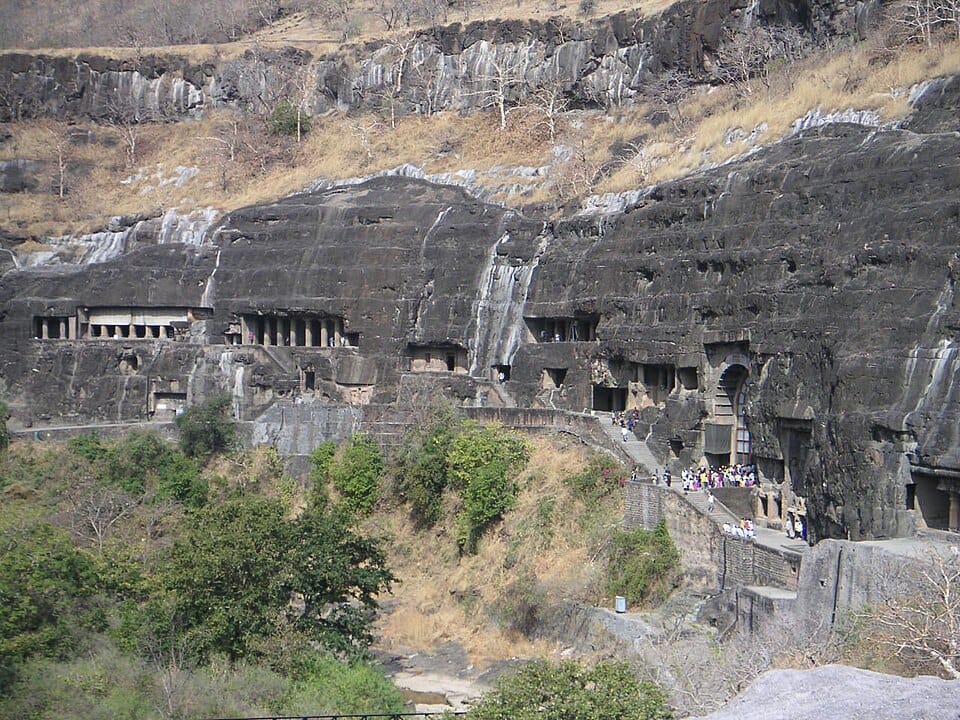
"The Ellora Caves feature 34 monasteries and temples, including the massive monolithic Kailasa Temple."