From ancient rock-cut marvels to towering imperial shrines, discover the architectural soul of Bharat through our verified digital archive.
Explore More Temples
Location
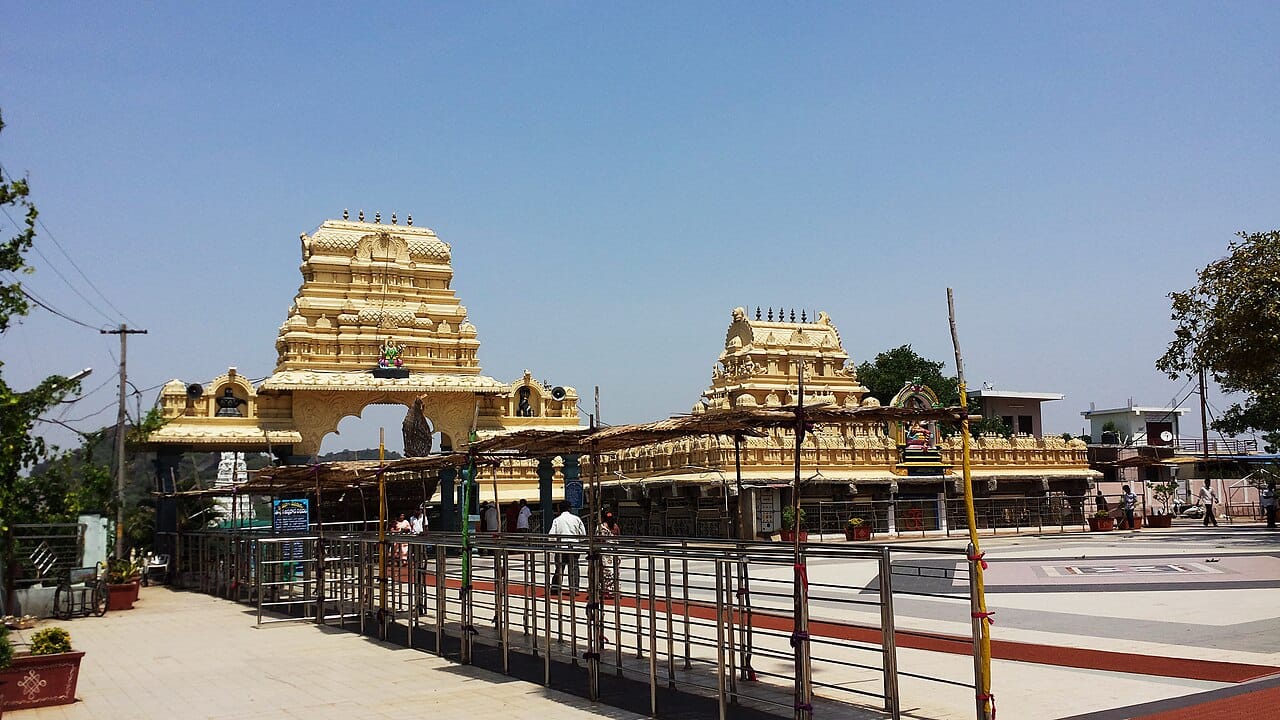
Yadagirigutta
Presiding Deity
Lord Narasimha (Lakshmi Narasimha Swamy)
Architecture
Modern Blend (Pallava-Chalukya-Dravidian-Kakatiya)
Dynasty
Ancient; modern reconstruction 2016-2022
Timings
4:00 AM to 9:00 PM daily. The temple is open throughout the day without an afternoon break. Special darshan tickets (VIP) are available for a fee.
Entry Fee
Free
Best Time
October to March offers pleasant weather. Saturdays are the busiest days for worship. The winter months (November-February) are ideal for exploring the hilltop complex. Avoid summer (April-July) when temperatures exceed 40°C.
A popular cave temple that recently underwent a massive stone architectural renovation following ancient traditions.
The original temple at Yadagirutta started as a small cave shrine where a self-manifested idol of Lord Narasimha was discovered centuries ago. According to tradition, the sage Yada (or Yadava Rishi) discovered the idol while meditating in the cave and established worship here, giving the hill its name 'Yadagiri.' The site remained a modest pilgrimage destination for centuries, with a small temple built around the cave. In 2015, the Telangana government announced a major redevelopment project, and the new temple complex was constructed between 2016 and 2022 at a cost of approximately Γé1,800 crore. The reconstruction involved quarrying and transporting black granite from the Karimnagar region, and thousands of artisans and craftsmen worked on the project. The new temple was consecrated in March 2022, and the original cave shrine was preserved within the new complex. The temple is now managed by the Telangana State Endowments Department.
“According to legend, the sage Yada (also called Yadava Rishi) performed intense penance on this hill seeking the blessings of Lord Vishnu. Pleased with his devotion, Lord Narasimha appeared before him and agreed to remain on the hill in the form of a self-manifested (swayambhu) idol in a cave. The idol was discovered when the sage's cow would regularly release her milk at a specific spot on the hill. The name 'Yadagirigutta' is derived from the sage's name (Yada + giri = hill, gutta = hillock). The temple is also associated with the legend of Prahlada and Hiranyakashipu from the Bhagavata Purana, as Narasimha is the avatar who killed the demon Hiranyakashipu to protect his devotee Prahlada.”
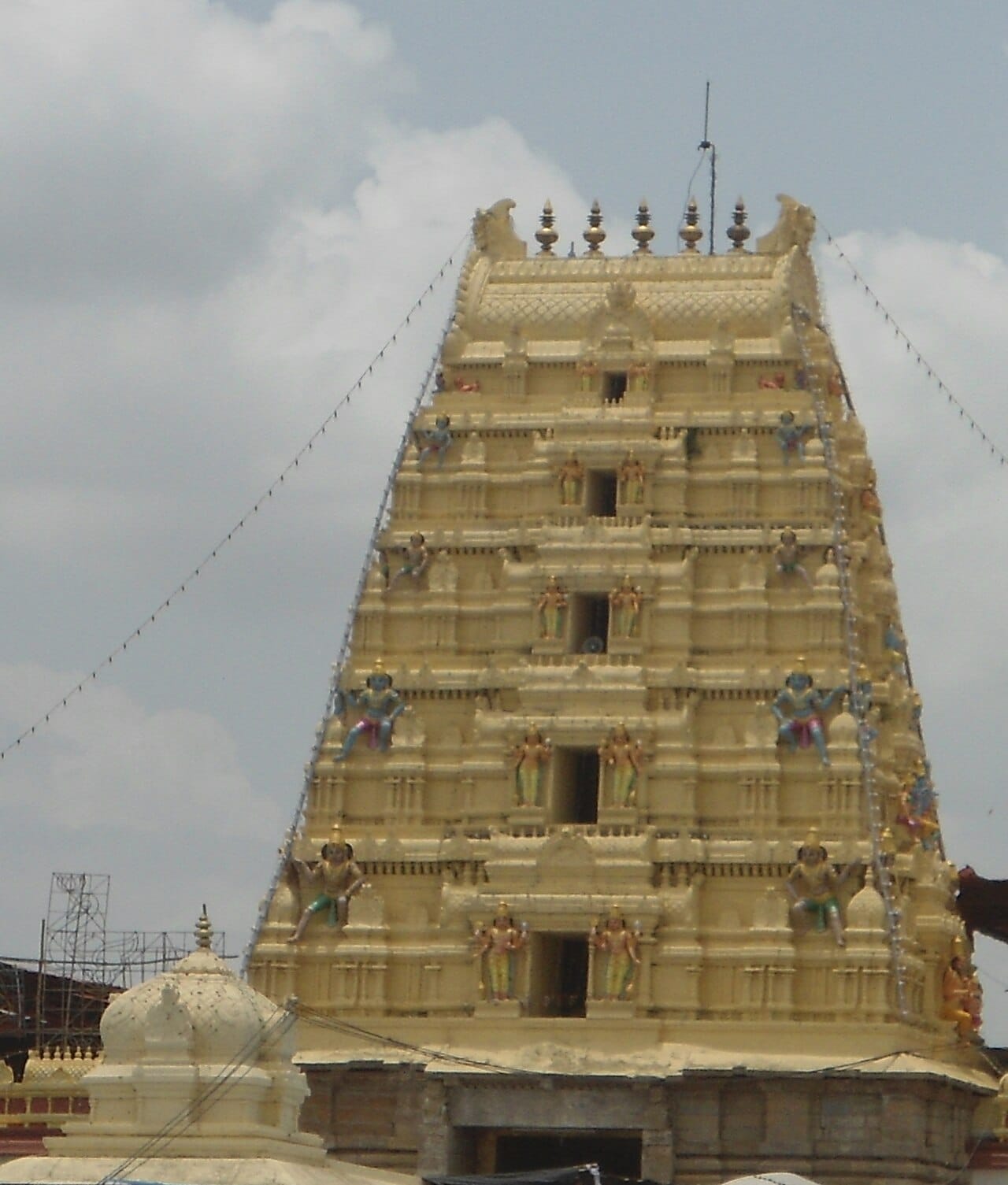
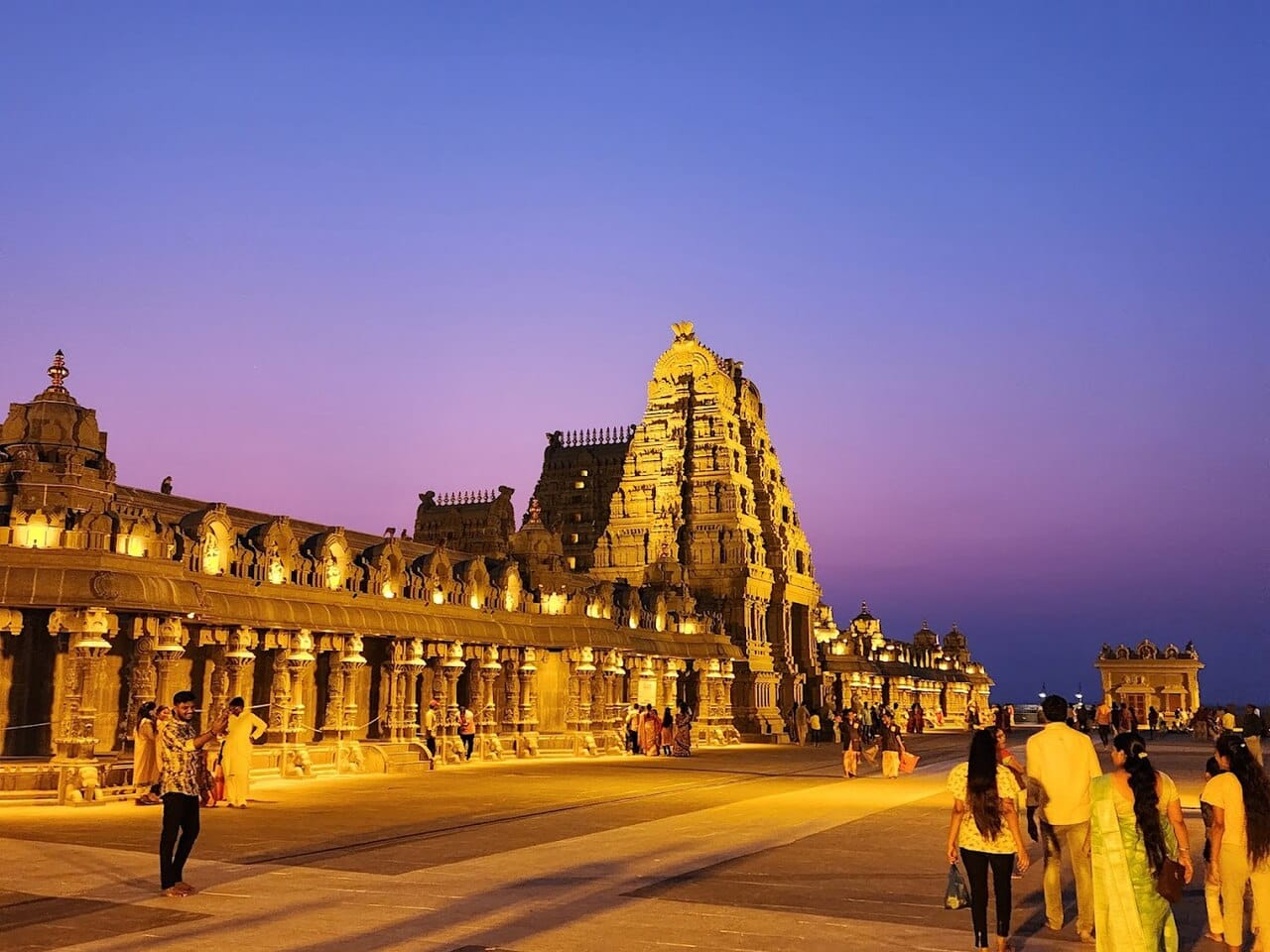
The new temple complex is built entirely of black granite (Krishna Shila) sourced from quarries in the Karimnagar district. The main shrine is constructed using traditional interlocking stone masonry techniques, without steel reinforcement or cement mortar — a method that required precision cutting of over 200,000 granite blocks. The complex features a 135-foot tall main gopuram (gateway tower) in the Dravidian style, with seven tiers of carved stucco figures. The main sanctum houses the original swayambhu idol within a 10-foot high black granite structure. The complex includes 22 smaller shrines dedicated to various deities, a 1000-pillared hall (Sahasra Stambha Mandapam), and a massive open courtyard that can accommodate 10,000 devotees. The pillars are adorned with intricate carvings of deities, dancers, and mythological scenes in the Kakatiya style, featuring perforated stone screens (kakshasana) that are a hallmark of Kakatiya architecture. The complex uses Solar Dome Technology for the main dome, which features a gold-plated exterior applied through nano-technology.
Yadadri is a foremost Narasimha temple in South India and the most visited pilgrimage site in Telangana after Bhadrachalam. The temple is unique for two reasons: first, the deity is a swayambhu (self-manifested) idol discovered in a natural cave; second, the entire new temple complex was built using traditional methods without steel or cement, using interlocking granite blocks — the largest such project in modern India. The temple is known as the 'Second Tirupati' of Telangana for its scale and popularity. The temple's annual revenue makes it among the richest temples in the state. The hilltop location offers panoramic views of the surrounding countryside, and the complex includes extensive gardens, meditation spaces, and facilities for pilgrims.
Daily rituals follow the Vaishnava Pancharatra Agama tradition. The temple opens at 4:00 AM with the Suprabhata Seva. The main rituals include Abhishekam, Alankaram, Naivedyam, and Dhoopa Deepa Aradhana. Special pujas are held on Saturdays, considered the most auspicious day for Narasimha worship. The temple conducts continuous Vedic chanting in the main hall. The temple serves free meals (Annadanam) to thousands of pilgrims daily.
Narasimha Jayanti (April-May) is the most important festival, celebrating the appearance of Lord Narasimha. The Vasanta Utsavam (spring festival) in March-April features cultural programs. Vaikuntha Ekadasi (December-January) and Sri Rama Navami (March-April) are also celebrated. The temple conducts a month-long Kalyanotsavam (celestial wedding) in December-January. Every Saturday sees large crowds with special abhishekams and processions.
The largest completely stone-built temple complex in modern India, the self-manifested (swayambhu) Narasimha idol in a cave, the traditional interlocking granite construction without steel or cement, and being the most visited temple in Telangana.
October to March offers pleasant weather. Saturdays are the busiest days for worship. The winter months (November-February) are ideal for exploring the hilltop complex. Avoid summer (April-July) when temperatures exceed 40°C.
4:00 AM to 9:00 PM daily. The temple is open throughout the day without an afternoon break. Special darshan tickets (VIP) are available for a fee.
Yadadri is 60 km from Hyderabad and well-connected by road. The nearest railway station is Raigir (6 km). Taxis and buses are available from Hyderabad. The temple is on a hill and involves climbing steps or using a shuttle service. Modest attire is required. Photography is restricted inside the sanctum. The renovated complex has extensive facilities including free parking, restrooms, and a food court. The temple's Annadanam (free meal) service is available from 12:00 PM to 3:00 PM. Avoid visiting on Saturdays and festival days if you prefer smaller crowds.
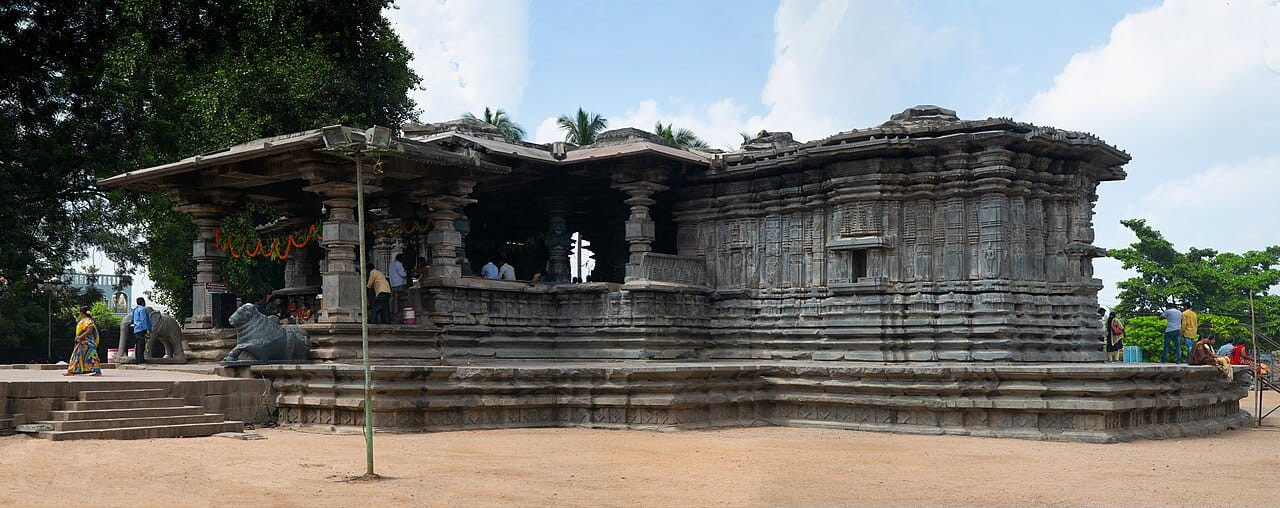
The Bhongir Fort (30 km) is a stunning 10th-century rock-cut fort on a single monolithic rock. The Warangal Fort (80 km) features the famous Kakatiya Kala Thoranam (archway). The Thousand Pillar Temple (80 km) is a 12th-century Kakatiya masterpiece. Hyderabad (60 km) offers the Charminar, Golconda Fort, Ramoji Film City, and Hussain Sagar Lake. The Keesaragutta Temple (50 km) is another ancient Shiva temple on a hill.
A. The Yadadri Temple is the largest all-stone temple built in modern India, constructed entirely of interlocking black granite blocks without using steel or cement. Over 200,000 granite blocks were precision-cut and assembled using traditional masonry techniques.
A. The deity is a self-manifested (swayambhu) idol of Lord Narasimha discovered centuries ago by the sage Yada in a cave on this hill. The original cave shrine has been preserved within the new temple complex.
A. Yadadri is 60 km from Hyderabad, a 1.5-hour drive via the Hyderabad-Warangal highway. Regular buses depart from the Mahatma Gandhi Bus Station in Hyderabad. The nearest railway station is Raigir (6 km from the temple).
Bhadrachalam Sita Ramachandra Swamy Temple
Known as the Ayodhya of the South, this temple on the Godavari river was built by the legendary devotee Bhakta Ramadasu.
Thousand Pillar Temple
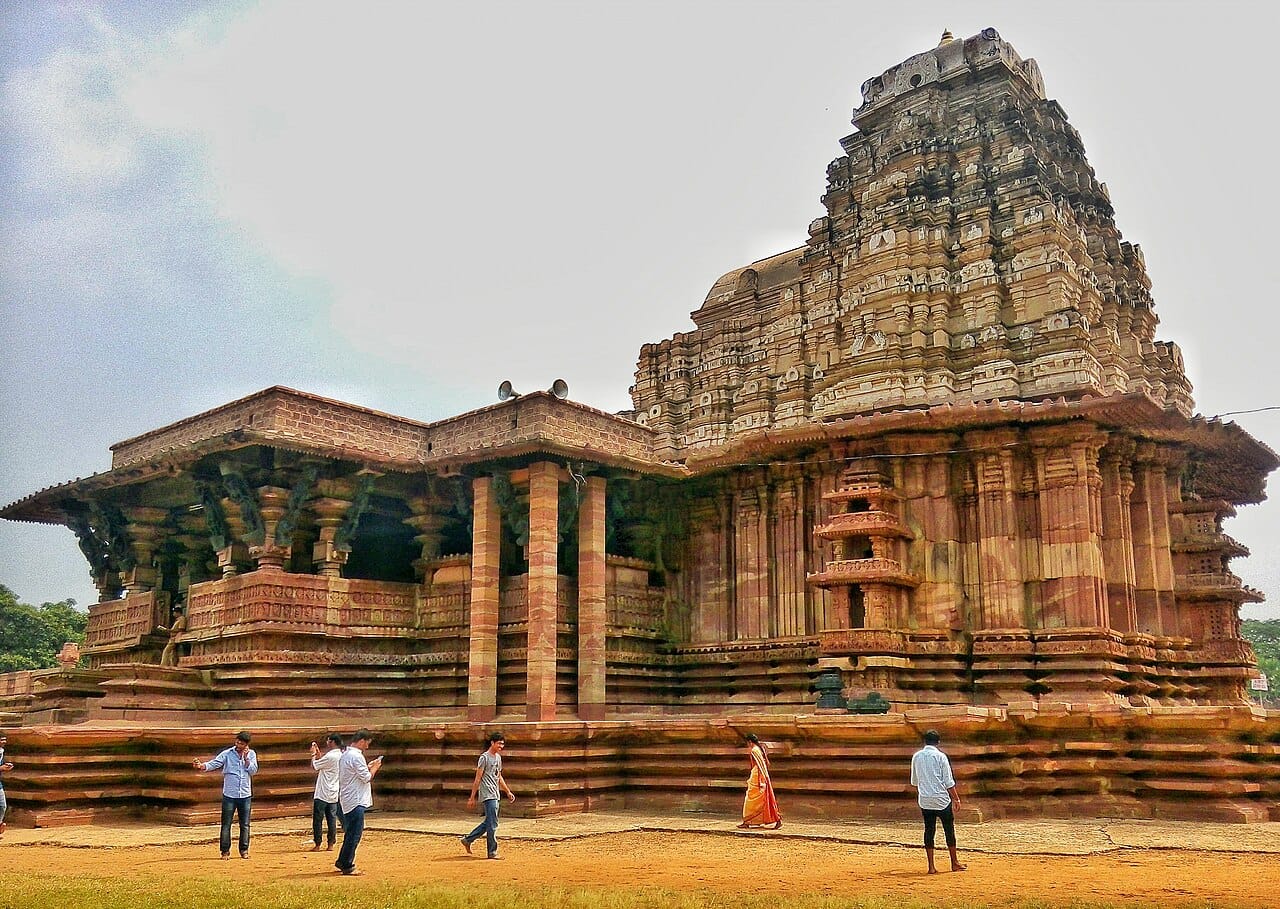
A 12th-century Kakatiya masterpiece dedicated to Shiva, Vishnu, and Surya, famous for its perforated stone screens.
Alampur Jogulamba Temple
One of the 18 Maha Shakti Peethas, located in a complex that also houses nine ancient 7th-century Chalukyan temples.
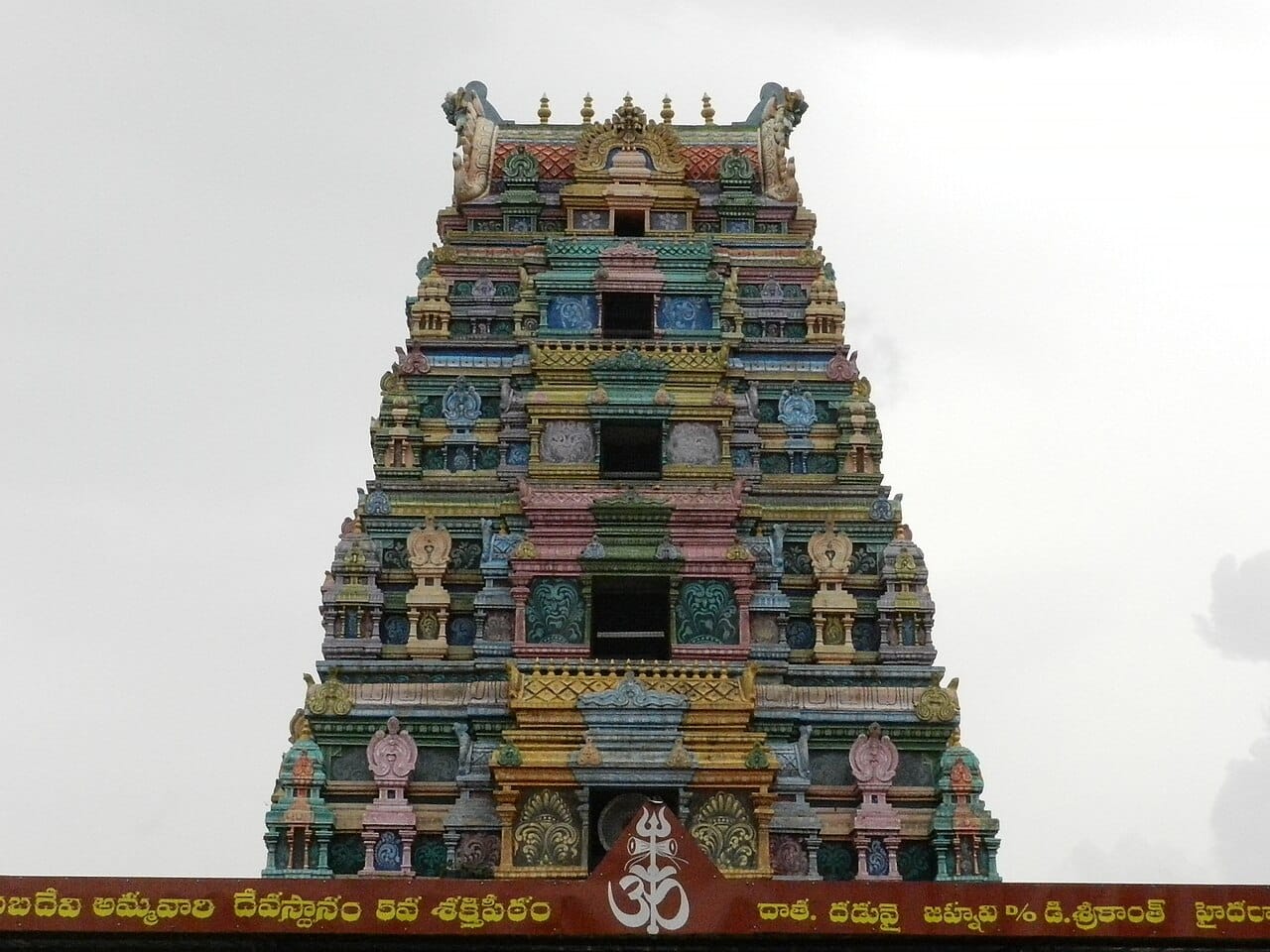
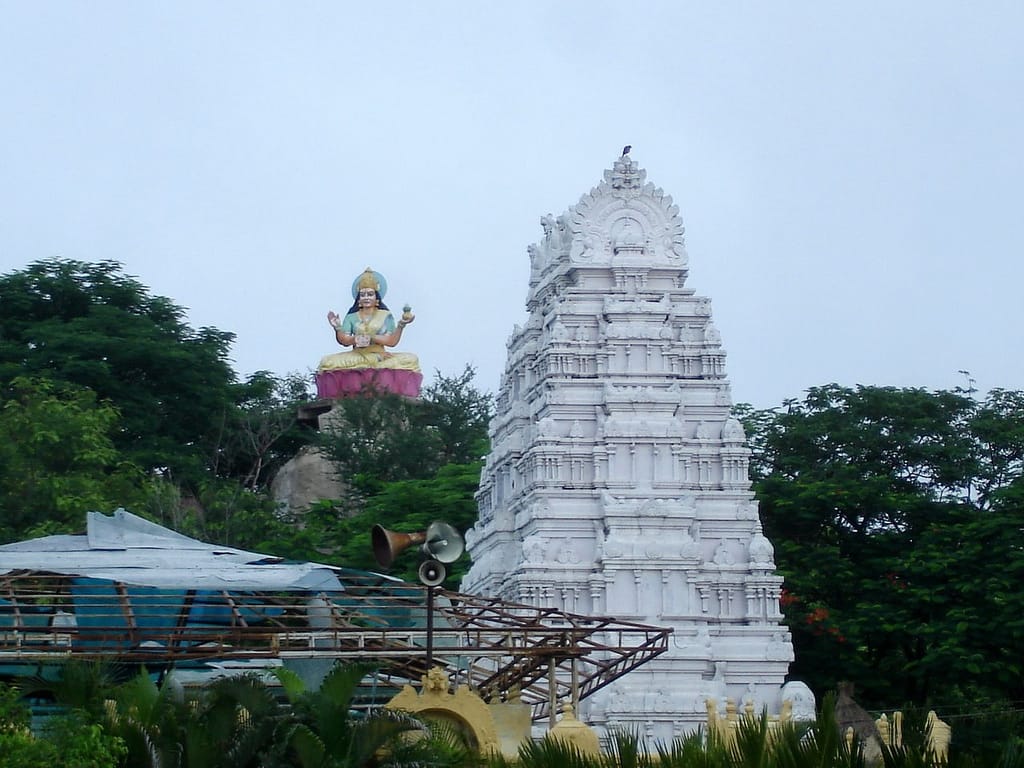
Gnana Saraswati Temple Basar
One of the only two prominent Saraswati temples in India, it is a primary center for Akshara Abhyasam for children.
Vemulawada Raja Rajeswara Temple
Known as 'Dakshina Kasi', this Shiva temple is a symbol of communal harmony, housing a Dargah within its complex.
Chaya Someswara Temple
Famous for a permanent shadow that falls on the main Shiva Lingam all day, with no visible object casting it.
India's temples are living traditions — not museums. Every temple has its own customs. This guide helps first-time visitors prepare with confidence and respect.
Foreign visitor information is being researched
Please verify with the official temple authority before planning your visit.
Foreign Visitors
Verify Before VisitingVisitor Information
Entry policies vary between temples. Most temples welcome visitors, while some may restrict access to specific areas, rituals, or the inner sanctum. Always verify the latest entry guidelines with the official temple authorities before your visit.
Modest clothing is expected at every Indian temple — a sign of respect, not a restriction. Think of it as dressing for a formal ceremony.
A scarf is always useful — it covers shoulders, works as a head covering, and can double as a makeshift face cover if needed.
Outdoor photography is generally permitted. Indoor photography is often restricted. Always look for signage or ask a priest before taking photos inside.
October to March offers pleasant weather. Saturdays are the busiest days for worship. The winter months (November-February) are ideal for exploring the hilltop complex. Avoid summer (April-July) when temperatures exceed 40°C.
April — June
July — September
English is widely understood at major tourist temples. In smaller local temples, Hindi and the regional language are more common. A smile and simple hand gestures go a long way. Learning a few words of the local language is always appreciated.
Cash (Indian Rupees) is the most reliable option, especially for temple offerings, small shops, and local transport.
UPI digital payments (Google Pay, PhonePe, Paytm) are widely accepted across India — even at roadside stalls. Download one before you arrive.
International credit/debit cards work at most ATMs, hotels, and larger establishments. Smaller vendors may only accept cash or UPI.
Carry small denominations (₹10, ₹20, ₹50, ₹100 notes) for offerings and temple donations. Large notes (₹500, ₹2000) can be hard to break at smaller counters.
Many historic temples have uneven stone floors, multiple steps, and narrow passages. Wheelchair access is limited at older sites — contact the temple in advance.
Basic restroom facilities and drinking water are available at most major temples. Some charge a small fee (₹5–₹10).
Stay hydrated — carry a reusable water bottle, especially in hot climates.
Keep valuables secure — use hotel lockers for passports and excess cash.
Wear comfortable, sturdy footwear — temple floors can be hot, wet, or uneven.
Beware of unofficial guides or touts near temple entrances. Only use authorised services.
Carry a photocopy of your passport and visa. Leave originals in your hotel safe.
Download offline maps — mobile networks can be unreliable near remote temple sites.
These short explanations help make sense of what you see and experience.
Darshan means 'seeing' — but in a temple it means being seen by the deity. It is a sacred moment of connection, not just a viewing.
Removing footwear is a sign of humility. It also keeps the temple floor clean, since devotees sit and pray on the ground.
Food offered to the deity and then distributed to devotees. It is considered blessed. Accept it with both hands and do not discard it.
The bell creates a focused acoustic atmosphere, wards off distractions, and announces your presence before entering the inner sanctum.
Circumambulation (pradakshina) is done clockwise, keeping the sanctum on your right — an auspicious direction aligned with the sun's path.
Flowers symbolise devotion, coconuts represent the ego being broken, incense purifies the air, and lamps represent the victory of light over darkness.
Sacred viewing of the deity; the central act of temple worship.
Clockwise circumambulation of the sanctum.
Blessed food offered to the deity and distributed to devotees.
The innermost sanctum where the main deity resides.
The towering spire above the sanctum, a defining feature of temple architecture.
A pillared hall or pavilion within the temple complex.
The Indian Rupee (?, INR) is the local currency. ATMs are widely available in cities and towns. For temple offerings, keep small notes (₹10, ₹20, ₹50). Most temples accept donations in cash only — digital payments are uncommon at the offering counter itself.
Offerings (dakshina) are given with the right hand. Place cash in the donation box (hundi) or give it directly to the priest. There is no fixed amount — give what feels appropriate. Some temples have fixed fees for special entry or puja participation.
Shoes and sandals are removed before entering the temple building. Most temples have a designated shoe counter (free or a small fee of ₹5–₹20). Socks are generally allowed. In monsoon, carry a plastic bag for wet shoes.
Darshan queues can take 30 minutes to 3 hours at popular temples. Many offer paid VIP darshan (₹100–₹500) for faster entry. Special queues for women, elderly, and disabled visitors exist at some temples. No line jumping.
Major festivals draw enormous crowds — sometimes hundreds of thousands. Book accommodation months in advance. Expect road closures, restricted vehicle access, and limited phone network. Arrive early (before dawn) to avoid the worst congestion.
Always look for signage before taking photos. When in doubt, ask a priest. Never take photos of devotees in prayer without permission. Selfie sticks are banned at most temples. Silently switch your phone to silent mode.
Police / Ambulance / Fire: 112 (National Emergency Number)
Tourist Helpline: 1800-111-363 (Multi-lingual, Ministry of Tourism)
Women's Helpline: 1091
Temple-specific visitor information is continuously researched and updated from official sources. Where specific data is unavailable, general India travel guidance is provided. Always verify current policies with the temple authority before your visit.
Information last verified July 2026. Temple-specific data coming soon.
Continue your journey through the spiritual and architectural wonders of India.

Known as the Ayodhya of the South, this temple on the Godavari river was built by the legendary devotee Bhakta Ramadasu.

A 12th-century Kakatiya masterpiece dedicated to Shiva, Vishnu, and Surya, famous for its perforated stone screens.

One of the 18 Maha Shakti Peethas, located in a complex that also houses nine ancient 7th-century Chalukyan temples.

One of the only two prominent Saraswati temples in India, it is a primary center for Akshara Abhyasam for children.

Known as 'Dakshina Kasi', this Shiva temple is a symbol of communal harmony, housing a Dargah within its complex.

Famous for a permanent shadow that falls on the main Shiva Lingam all day, with no visible object casting it.

One of India's oldest Bhadrakali temples, built in 625 AD, featuring a 2.7-meter stone idol near a scenic lake.

Located at a river confluence, it uniquely houses two Shiva Lingams representing Lord Shiva and Lord Yama on one pedestal.
"UNESCO was founded in 1945 to promote world peace and security through international cooperation."