From ancient rock-cut marvels to towering imperial shrines, discover the architectural soul of Bharat through our verified digital archive.
Explore More Temples
Location
Jarmundi
Presiding Deity
Lord Shiva (Basukinath)
Architecture
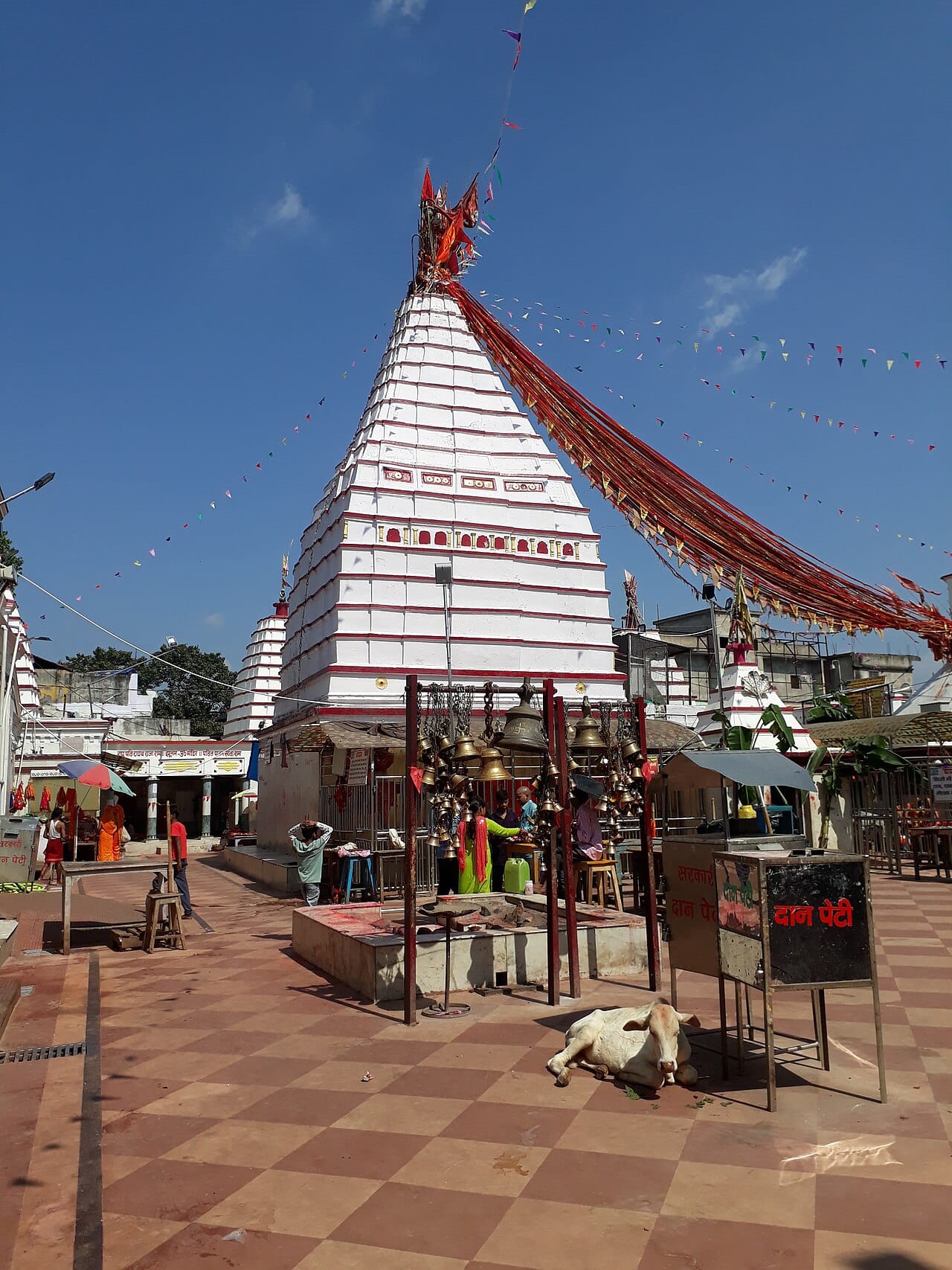
Traditional Jharkhand temple style with white-washed walls and a lotus-shaped dome.
Dynasty
Ancient — Local Zamindari Heritage
Timings
The temple is open for darshan from 4:00 AM to 12:00 PM and from 2:00 PM to 9:00 PM daily. During the Shravani Mela and special occasions like Maha Shivaratri, the temple doors often remains open for 24 hours to accommodate the millions of pilgrims. The main morning Aarti is at 5:00 AM and the evening Aarti is at 7:30 PM.
Entry Fee
Free
Best Time
The ideal time to visit the Basukinath Temple is during the winter months, from October to March, when the weather in Jharkhand is pleasant and ideal for exploring the surrounding scenic landscape. For those wishing to experience the peak of Hindu devotion and the unique cultural spectacle of the Kaanwar Yatra, the month of Shravana (July-August) is the most significant window, though one should be prepared for massive crowds and high humidity.
The spiritual 'Criminal Court' of Lord Shiva, where the final verdict of a pilgrim's journey is believed to be delivered after visiting Baidyanath Dham.
The history of Basukinath Temple is a captivating blend of ancient Pauranic legend, medieval construction, and the spiritual heritage of the local tribal communities. According to popular local lore, the temple was discovered by a simple man named 'Basu,' a member of the tribal community, while he was clearing a path in the dense forest. While digging, his tool struck a stone that miraculously began to bleed. In response to his fearful prayers, Lord Shiva appeared and revealed that the stone was a divine Lingam, instructing Basu to establish a shrine at the spot. This legend establishes the temple's deep roots in the soil of Jharkhand and its inclusive spirit that bridges tribal and Vedic cultures. Historically, the temple gained significant prominence during the medieval period as the Shravani Mela pilgrimage evolved into a major national event. The shrine received patronage from the local Zamindars of the region and the dedicated community of 'Pandas' (priests), who have meticulously preserved the rituals for generations. The name 'Basukinath' is also historically linked to the legendary serpent king Basuki (Vasuki), who is believed to have performed intense penance here to seek Lord Shiva's blessings. The current structural form of the temple, while having undergone several renovations, reflects the traditional aesthetic of the region and has survived numerous historical shifts, remaining a steadfast beacon of faith in the heart of the Santhal Parganas.
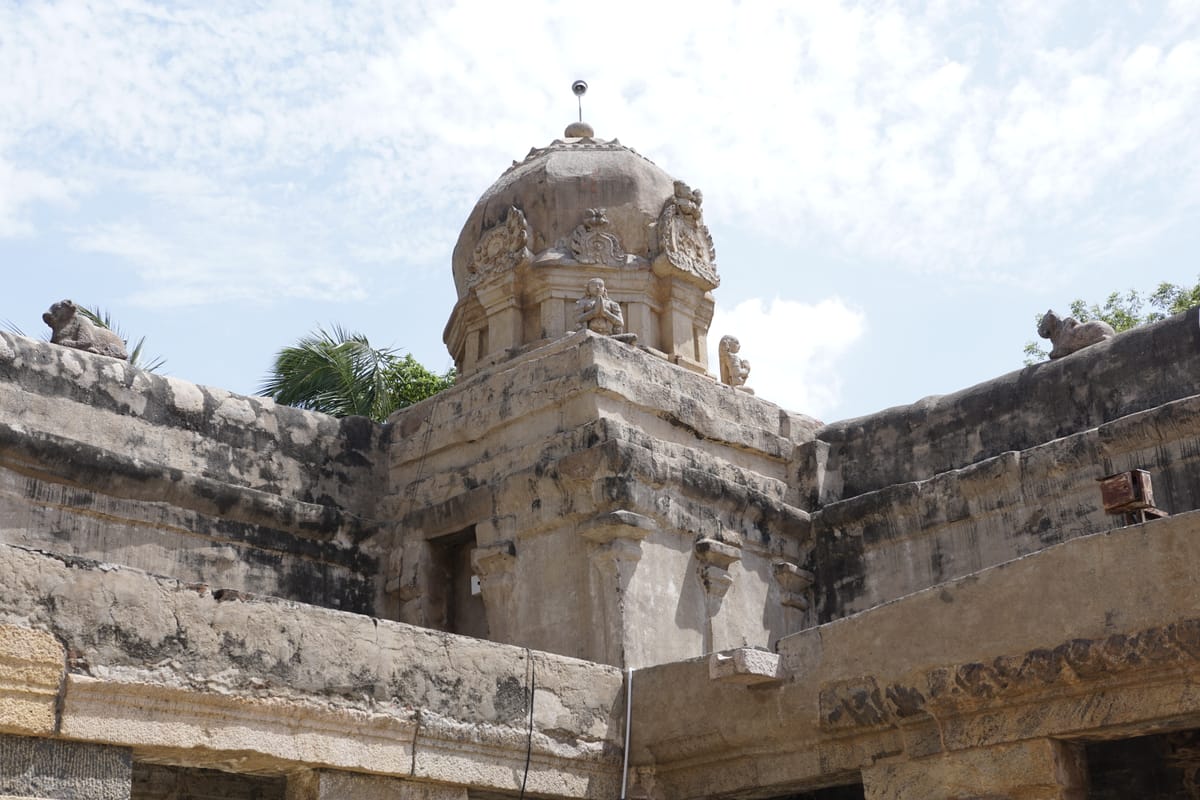
The architecture of the Basukinath Temple is a fine example of the Nagara style with distinct regional adaptations characteristic of the Jharkhand-Bihar borderland. The temple complex is built primarily of local stone and features a series of rising towers (shikharas) that are traditionally painted in bright, vibrant colors like saffron and yellow, giving the entire precinct a festive and welcoming appearance. The main temple is a robust structure with a square plan and a pyramidal roof that culminates in a golden 'Kalash' and a fluttering flag. The entrance leads into a spacious stone-paved courtyard that houses several other shrines dedicated to various deities, including Goddess Parvati, Lord Ganesha, Lord Hanuman, and the serpent king Basuki. A striking feature of the complex is the presence of several sacred 'Tirthas' or ponds, where pilgrims perform ritual purification. The walls of the temple are decorated with simple but profound relief work depicting scenes from the Shiva Purana and local folk motifs. The open and accessible design of the 'Mandapa' (hall) is a key architectural aspect, which allows large numbers of devotees to participate in the rituals simultaneously while maintaining a sense of intimate proximity to the inner sanctum. The integration of the temple with the surrounding village of Jarmundi creates a unique urban-spiritual landscape where the sacred and the everyday coexist in a seamless, living harmony.
Signature Feature: Known as the 'Faujdari Court' where Shiva acts as a judge; twin shrine to Baidyanath.. Located in Dumka district; architecture is simpler than Baidyanath but highly significant.
The rituals at Basukinath are performed with a focus on simplicity, sincerity, and the active participation of the devotees. The daily schedule begins at 4:00 AM with the 'Mangala Aarti,' which is a serene ceremony conducted in the quiet of the pre-dawn hours. This is followed by the 'Jala Abhisheka,' where the Lingam is bathed with holy water from the Ganges. Devotees are permitted to personally perform their own Abhisheka and touch the Lingam at Basukinath, a practice considered the height of spiritual intimacy. Throughout the day, multiple 'Aartis' and 'Bhog' offerings are made, including a royal meal at noon prepared in the temple's traditional kitchen. The evening 'Sandhya Aarti' is a grand and resonant event, with the sound of gongs, bells, and the chanting of 'Har Har Mahadev' echoing through the streets of Jarmundi. During the month of Shravana, the 'Bol Bam' chant becomes a continuous spiritual heartbeat, as 'Kanwariyas' offer water in a never-ending stream. Specialized 'Rudrabhisheka' rituals are also performed for those seeking divine intervention in legal matters or health crises, following the belief in the Lord's role as the supreme adjudicator of karma.
The **Shravani Mela** (July-August) is the grandest and most spectacular festival celebrated at Basukinath. During this entire month, the temple becomes the final destination for millions of pilgrims who carry 'Kaanwars' (decorated poles with water) from the Ganges at Sultanganj. The entire town of Jarmundi is transformed into a vibrant sea of saffron, with continuous devotional music and community kitchens (Bhandaras) serving the pilgrims. **Maha Shivaratri** is another major peak, celebrated with night-long prayers, multiple Abhishekas, and a grand 'Shiv Baraat' (marriage procession) that winds through the village. The festival of **Basant Panchami** holds special significance here, as it marks the day when the 'Tilak' of Lord Shiva is performed, signaling the start of the spring season. Local tribal festivals like **Sarhul** are also integrated into the temple's cultural life, where traditional tribal dances are performed in the courtyard to honor the Lord of the Forest. These festivals are not just religious events but are vital social occasions that reinforce the cultural identity of the Jharkhand region, bringing together people of diverse backgrounds in a collective act of faith.
Spiritual 'Criminal Court' of Shiva, Association with Baidyanath Jyotirlinga, Shravani Mela Pilgrimage, Swayambhu Lingam, Tribal-Vedic Cultural Synthesis, Scenic Jarmundi Location
The ideal time to visit the Basukinath Temple is during the winter months, from October to March, when the weather in Jharkhand is pleasant and ideal for exploring the surrounding scenic landscape. For those wishing to experience the peak of Hindu devotion and the unique cultural spectacle of the Kaanwar Yatra, the month of Shravana (July-August) is the most significant window, though one should be prepared for massive crowds and high humidity.
The temple is open for darshan from 4:00 AM to 12:00 PM and from 2:00 PM to 9:00 PM daily. During the Shravani Mela and special occasions like Maha Shivaratri, the temple doors often remains open for 24 hours to accommodate the millions of pilgrims. The main morning Aarti is at 5:00 AM and the evening Aarti is at 7:30 PM.
A. In the spiritual tradition of the region, Baidyanath Dham (Deoghar) is seen as the 'Civil Court' where petitions are filed, and Basukinath is the 'Criminal Court' where the final verdict and justice are delivered. It is believed that visiting Basukinath completes and 'authorizes' the pilgrimage started at Deoghar.
A. Basukinath is located about 45 kilometers from Deoghar. It is easily accessible by road via taxis, local buses, and private vehicles. The journey takes approximately 1 to 1.5 hours through the scenic countryside of Jharkhand.
A. Yes, unlike many other major Shiva temples, Basukinath is famous for its accessibility. Devotees are traditionally permitted to enter the inner sanctum and personally offer water, milk, and 'Bel' leaves to the Lingam, provided there isn't an extreme rush during peak festival hours.
Trimbakeshwar Temple
The Trimbakeshwar Temple in Maharashtra is one of the twelve Jyotirlingas, unique for its three-faced linga representing the Trimurti and the source of the Godavari River.
Alampur Jogulamba Temple
One of the 18 Maha Shakti Peethas, located in a complex that also houses nine ancient 7th-century Chalukyan temples.
Somnath Temple
Somnath Temple, the first of the twelve Jyotirlingas, is an ancient Shiva temple in Gujarat known for its resilience through repeated destruction and reconstruction over a millennium.
Siddhesvara Dham (Char Dham)
A grand complex featuring a 108-foot Shiva statue and replicas of the 12 Jyotirlingas and the four Char Dham sites.
Ramanathaswamy Temple
The Ramanathaswamy Temple in Rameswaram is one of the 12 Jyotirlingas and a Char Dham site, famous for its magnificent thousand-pillared corridors, the longest temple corridor in the world, and its sacred association with Lord Rama's worship of Shiva.
Omkareshwar Temple
Situated on a sacred island in the Narmada River, Omkareshwar is the only Jyotirlinga located on an island. The temple stands at the confluence of the Narmada and Kaveri rivers, with the lingam positioned where the river forms the shape of the sacred symbol Om.
Jagannath Temple
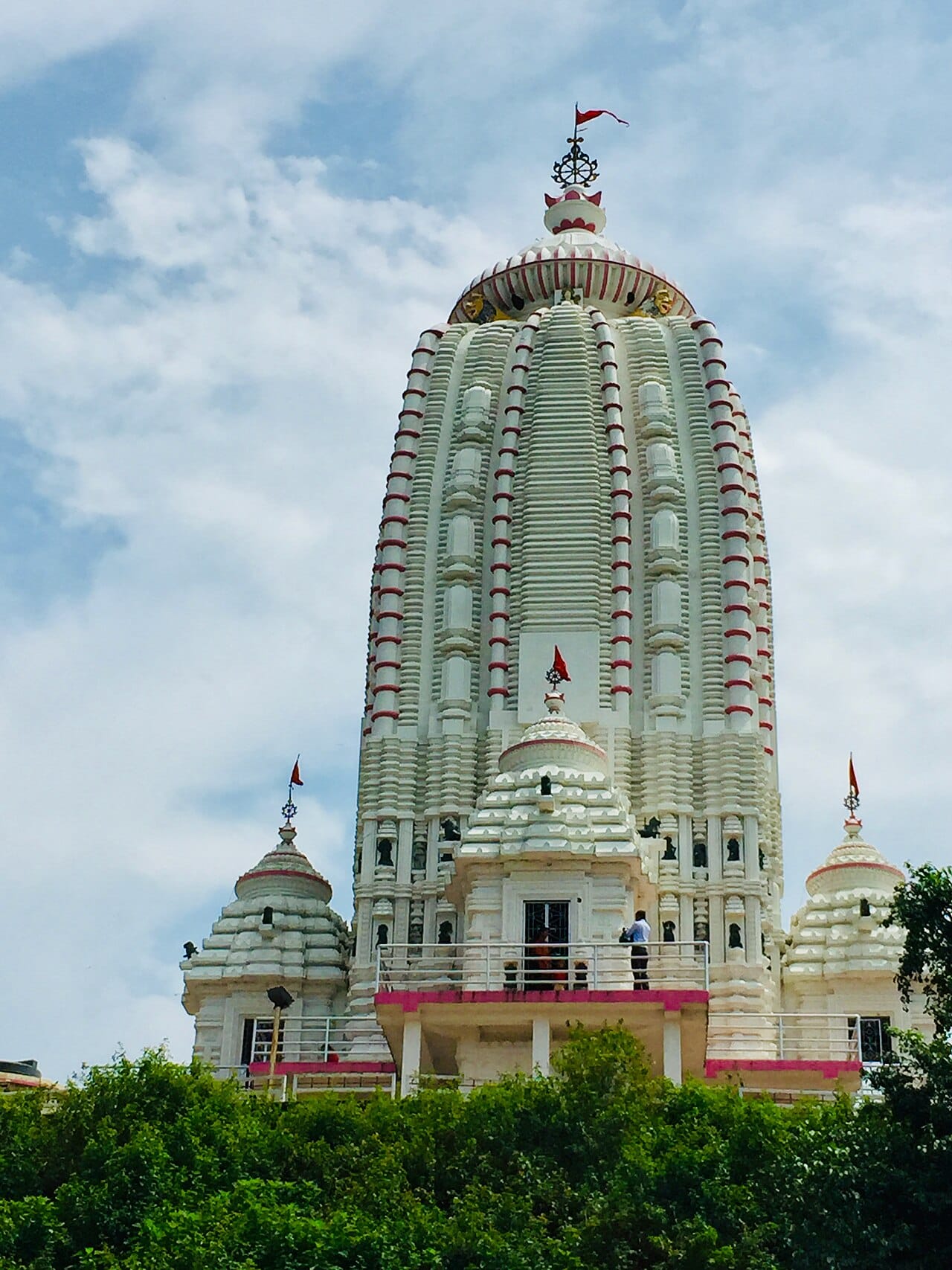
A prominent 17th-century hilltop temple in Ranchi, echoing the spiritual grandeur and Rath Yatra traditions of Puri.
Pahari Mandir
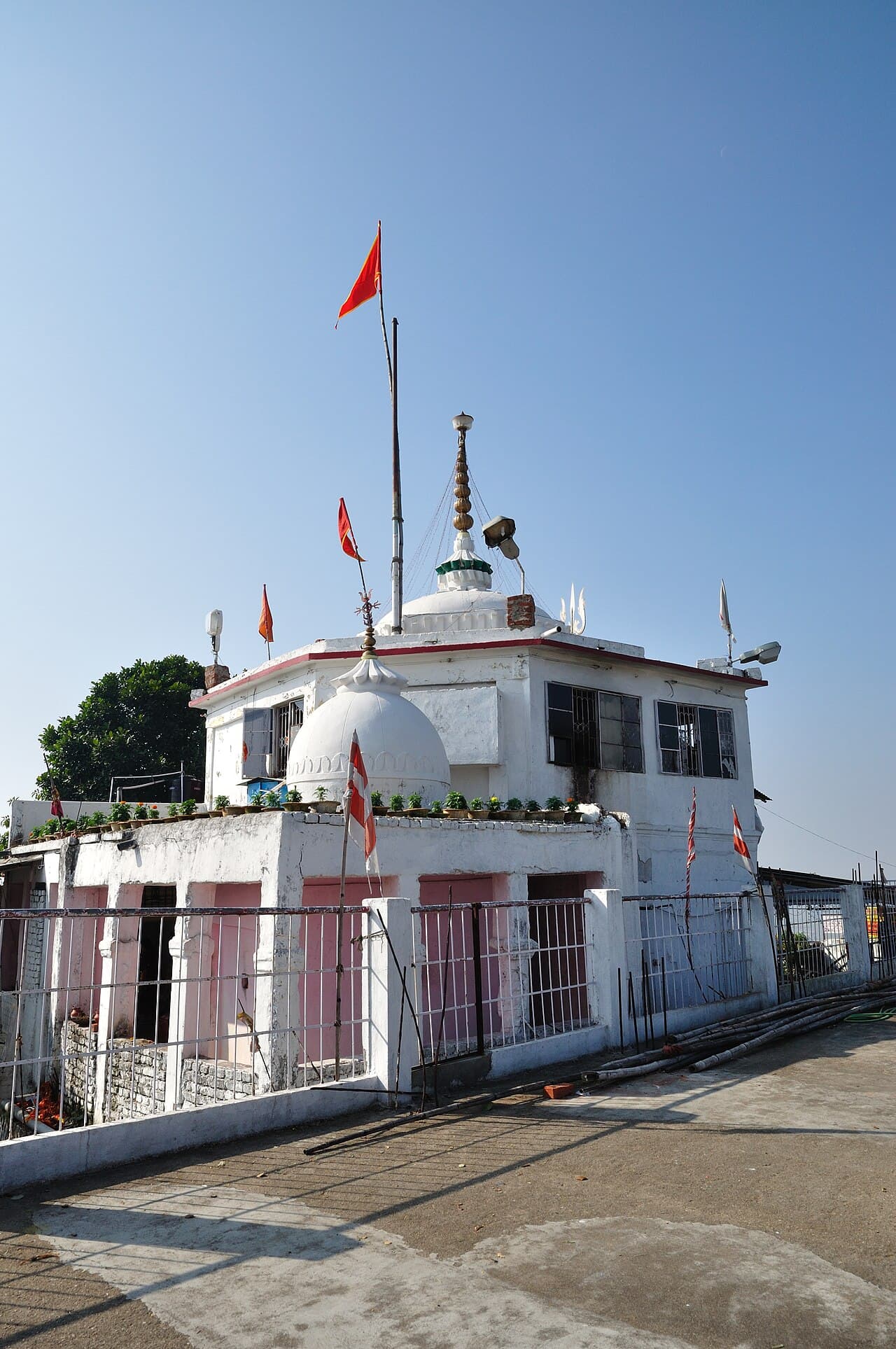
A highly revered Shiva temple situated atop Ranchi Hill, unique for its tradition of hoisting the National Flag alongside religious flags.
Baidyanath Jyotirlinga Temple
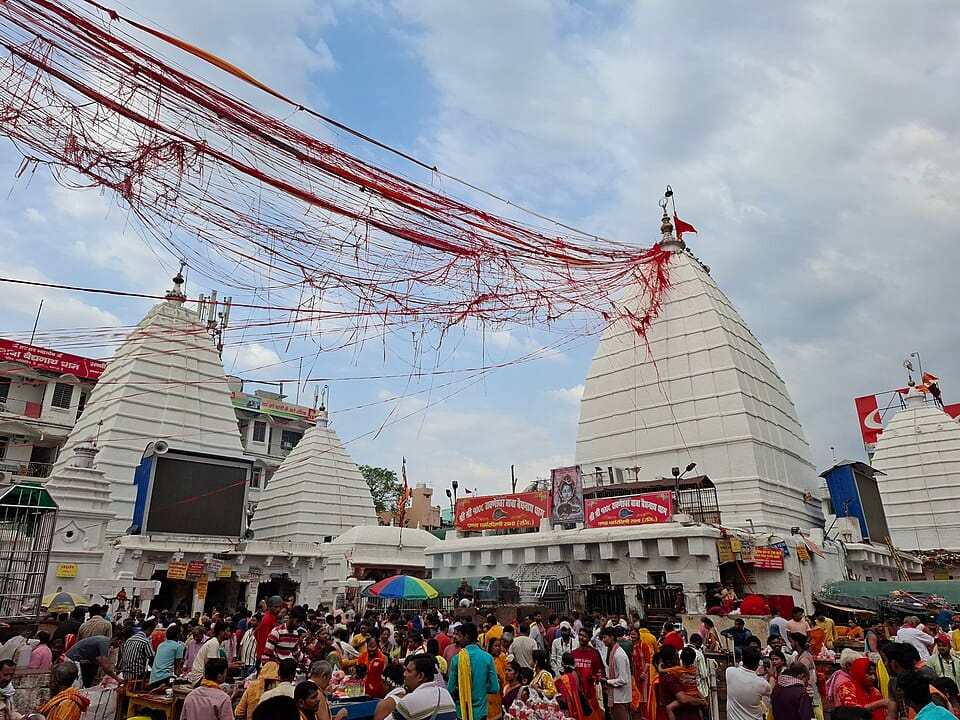
Where Shiva is worshipped not as destroyer but as physician. Baidyanath — the Lord of Healing — draws millions who carry Ganga water 108 km barefoot in the Kaanwar Yatra. The heart of Sati rests beside the lingam that Ravana once carried.
Tarakeshwar Temple Hooghly
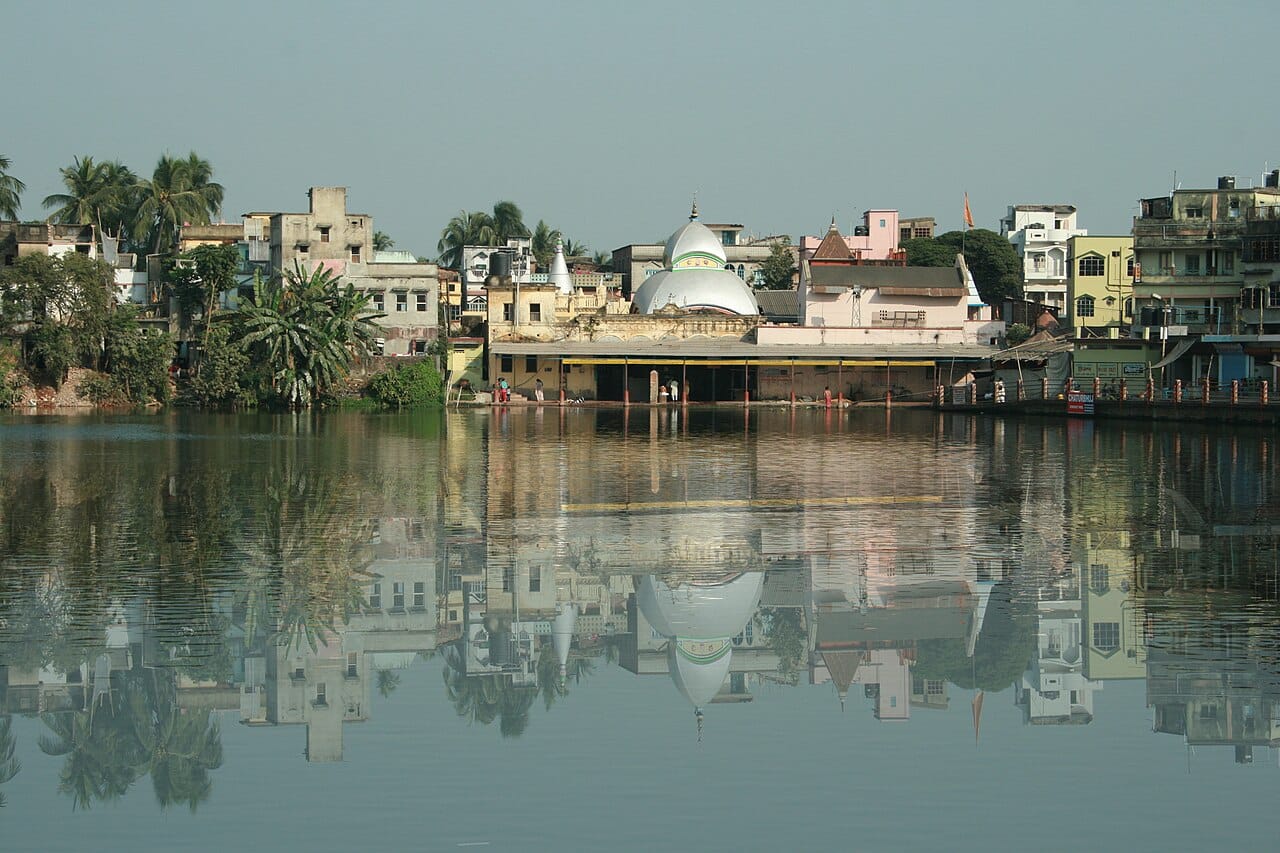
A massive 18th-century pilgrimage site dedicated to Lord Taraknath, especially vibrant during the Gajan festival.
Virupaksha Temple
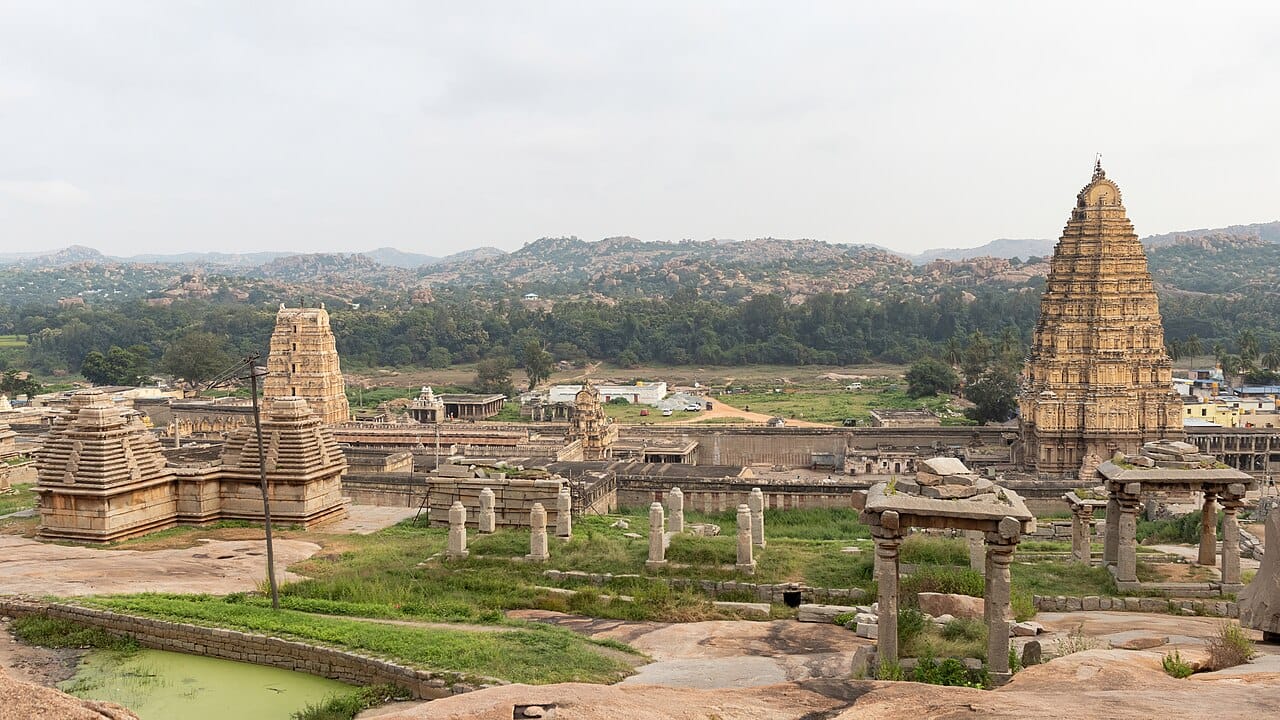
The Virupaksha Temple in Hampi, Karnataka, is a UNESCO World Heritage Site and the oldest functioning temple in India, dedicated to Lord Shiva as Virupaksha.
Jageshwar Temple
A cluster of 124 ancient stone temples from the 7th-12th centuries, nestled in a dense deodar forest.
Neelkanth Mahadev Temple
Situated at 1,330 meters, this is where Lord Shiva is believed to have consumed the poison (Halahala) during the Samudra Manthan.
Tungnath Temple
The highest Shiva temple in the world, situated at 3,680 meters on the Chandranath Parbat; it is the 'Tritiya Kedar' in the sacred Panch Kedar pilgrimage circuit.
Rudranath Temple
One of the Panch Kedar shrines, representing Lord Shiva's face, situated at an altitude of 2,286 meters amidst meadows and rhododendron forests.
India's temples are living traditions — not museums. Every temple has its own customs. This guide helps first-time visitors prepare with confidence and respect.
Foreign visitor information is being researched
Please verify with the official temple authority before planning your visit.
Foreign Visitors
Verify Before VisitingVisitor Information
Entry policies vary between temples. Most temples welcome visitors, while some may restrict access to specific areas, rituals, or the inner sanctum. Always verify the latest entry guidelines with the official temple authorities before your visit.
Modest clothing is expected at every Indian temple — a sign of respect, not a restriction. Think of it as dressing for a formal ceremony.
A scarf is always useful — it covers shoulders, works as a head covering, and can double as a makeshift face cover if needed.
Outdoor photography is generally permitted. Indoor photography is often restricted. Always look for signage or ask a priest before taking photos inside.
The ideal time to visit the Basukinath Temple is during the winter months, from October to March, when the weather in Jharkhand is pleasant and ideal for exploring the surrounding scenic landscape. For those wishing to experience the peak of Hindu devotion and the unique cultural spectacle of the Kaanwar Yatra, the month of Shravana (July-August) is the most significant window, though one should be prepared for massive crowds and high humidity.
April — June
July — September
English is widely understood at major tourist temples. In smaller local temples, Hindi and the regional language are more common. A smile and simple hand gestures go a long way. Learning a few words of the local language is always appreciated.
Cash (Indian Rupees) is the most reliable option, especially for temple offerings, small shops, and local transport.
UPI digital payments (Google Pay, PhonePe, Paytm) are widely accepted across India — even at roadside stalls. Download one before you arrive.
International credit/debit cards work at most ATMs, hotels, and larger establishments. Smaller vendors may only accept cash or UPI.
Carry small denominations (₹10, ₹20, ₹50, ₹100 notes) for offerings and temple donations. Large notes (₹500, ₹2000) can be hard to break at smaller counters.
Many historic temples have uneven stone floors, multiple steps, and narrow passages. Wheelchair access is limited at older sites — contact the temple in advance.
Basic restroom facilities and drinking water are available at most major temples. Some charge a small fee (₹5–₹10).
Stay hydrated — carry a reusable water bottle, especially in hot climates.
Keep valuables secure — use hotel lockers for passports and excess cash.
Wear comfortable, sturdy footwear — temple floors can be hot, wet, or uneven.
Beware of unofficial guides or touts near temple entrances. Only use authorised services.
Carry a photocopy of your passport and visa. Leave originals in your hotel safe.
Download offline maps — mobile networks can be unreliable near remote temple sites.
These short explanations help make sense of what you see and experience.
Darshan means 'seeing' — but in a temple it means being seen by the deity. It is a sacred moment of connection, not just a viewing.
Removing footwear is a sign of humility. It also keeps the temple floor clean, since devotees sit and pray on the ground.
Food offered to the deity and then distributed to devotees. It is considered blessed. Accept it with both hands and do not discard it.
The bell creates a focused acoustic atmosphere, wards off distractions, and announces your presence before entering the inner sanctum.
Circumambulation (pradakshina) is done clockwise, keeping the sanctum on your right — an auspicious direction aligned with the sun's path.
Flowers symbolise devotion, coconuts represent the ego being broken, incense purifies the air, and lamps represent the victory of light over darkness.
Sacred viewing of the deity; the central act of temple worship.
Clockwise circumambulation of the sanctum.
Blessed food offered to the deity and distributed to devotees.
The innermost sanctum where the main deity resides.
The towering spire above the sanctum, a defining feature of temple architecture.
A pillared hall or pavilion within the temple complex.
The Indian Rupee (?, INR) is the local currency. ATMs are widely available in cities and towns. For temple offerings, keep small notes (₹10, ₹20, ₹50). Most temples accept donations in cash only — digital payments are uncommon at the offering counter itself.
Offerings (dakshina) are given with the right hand. Place cash in the donation box (hundi) or give it directly to the priest. There is no fixed amount — give what feels appropriate. Some temples have fixed fees for special entry or puja participation.
Shoes and sandals are removed before entering the temple building. Most temples have a designated shoe counter (free or a small fee of ₹5–₹20). Socks are generally allowed. In monsoon, carry a plastic bag for wet shoes.
Darshan queues can take 30 minutes to 3 hours at popular temples. Many offer paid VIP darshan (₹100–₹500) for faster entry. Special queues for women, elderly, and disabled visitors exist at some temples. No line jumping.
Major festivals draw enormous crowds — sometimes hundreds of thousands. Book accommodation months in advance. Expect road closures, restricted vehicle access, and limited phone network. Arrive early (before dawn) to avoid the worst congestion.
Always look for signage before taking photos. When in doubt, ask a priest. Never take photos of devotees in prayer without permission. Selfie sticks are banned at most temples. Silently switch your phone to silent mode.
Police / Ambulance / Fire: 112 (National Emergency Number)
Tourist Helpline: 1800-111-363 (Multi-lingual, Ministry of Tourism)
Women's Helpline: 1091
Temple-specific visitor information is continuously researched and updated from official sources. Where specific data is unavailable, general India travel guidance is provided. Always verify current policies with the temple authority before your visit.
Information last verified July 2026. Temple-specific data coming soon.
Continue your journey through the spiritual and architectural wonders of India.

A prominent 17th-century hilltop temple in Ranchi, echoing the spiritual grandeur and Rath Yatra traditions of Puri.

A highly revered Shiva temple situated atop Ranchi Hill, unique for its tradition of hoisting the National Flag alongside religious flags.

Where Shiva is worshipped not as destroyer but as physician. Baidyanath — the Lord of Healing — draws millions who carry Ganga water 108 km barefoot in the Kaanwar Yatra. The heart of Sati rests beside the lingam that Ravana once carried.

A massive 18th-century pilgrimage site dedicated to Lord Taraknath, especially vibrant during the Gajan festival.
"India has over 40 UNESCO World Heritage Sites, ranging from ancient temples to natural wonders."