Sacred Destinations
Rajasthan
8Sacred Sites
9Major Temples
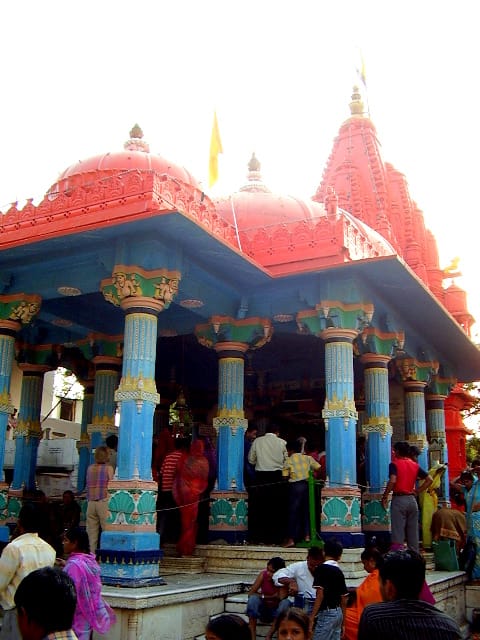
Rajasthan, the land of kings, preserves a distinct temple heritage blending Rajput architectural traditions with Jain marble craftsmanship. The state contains the only major Brahma temple in India at Pushkar, the exquisite marble Dilwara Temples at Mount Abu, and the Vaishnava pilgrimage centers of Nathdwara (Shrinathji), Salasar Balaji, and Khatu Shyam. The Jain temple complexes at Ranakpur, Jaisalmer, and Osian represent the finest surviving examples of Jain sacred architecture in North India.
Quick Facts
Capital
Jaipur
Population
77.2 million
Area
342,239 km²
Languages
Rajasthani, Hindi, Marwari
Best Time to Visit
October to March
Major Pilgrimage
Pushkar, Nathdwara, Ranakpur, Dilwara
Temple Style
Maru-Gurjara (sandstone and marble)
UNESCO Count
0 (temples; 6 forts are UNESCO)
Major River
Chambal, Banas, Luni
Highest Peak
Guru Shikhar (1,722 m)
Why Visit Rajasthan
Rajasthan's temple architecture combines Rajput defensive elements with the Maru-Gurjara style of intricate sandstone carving and shikhara clusters. The Brahma Temple at Pushkar is one of the very few temples dedicated to the creator deity Brahma in the world. The Dilwara Temples at Mount Abu, built between the 11th and 13th centuries, are among the finest examples of marble carving anywhere in India. The Shrinathji Temple at Nathdwara is the center of the Pushti Marg tradition.
The Brahma Temple at Pushkar is one of the world's few temples dedicated to Brahma. The Dilwara Temples feature marble carving considered unsurpassed in Indian craftsmanship. The Shrinathji Temple at Nathdwara is one of the wealthiest Vaishnava temples in North India. The Ranakpur Jain Temple, with 1,444 uniquely carved marble pillars, is among the largest and most complex Jain temple complexes in India.
Temple Categories
Brahma Temples
1Pushkar Brahma Temple — one of the very few in the world.
Jain Marble Temples
5Dilwara (Mount Abu), Ranakpur, Jaisalmer, Osian.
Vaishnava Temples
5Shrinathji Nathdwara, Govind Dev Ji Jaipur, Salasar Balaji, Khatu Shyam.
Shaivite Temples
4Eklingji Udaipur, Jagdish Mandir Udaipur, Kaila Devi.
Featured Sacred Places
Rajasthan
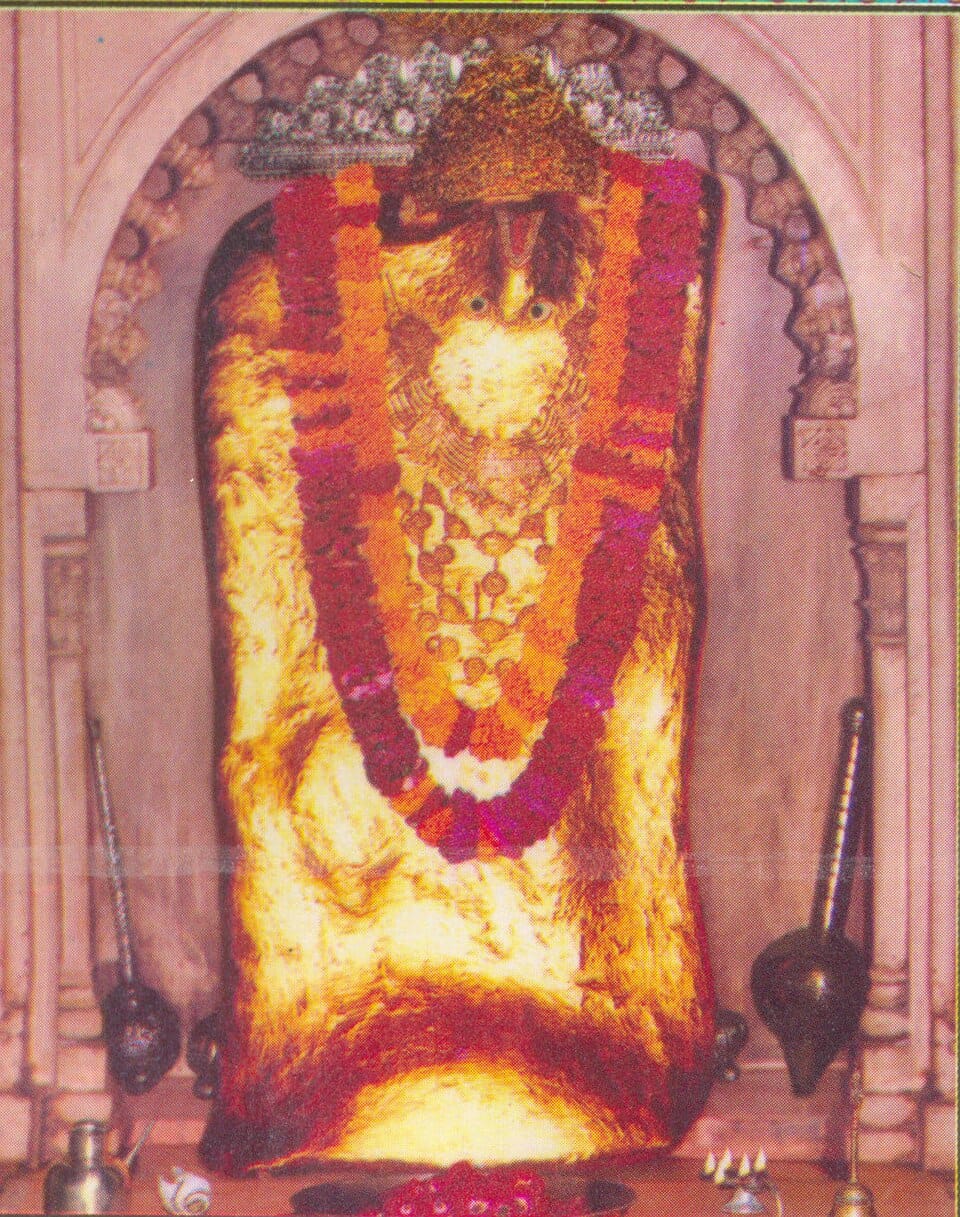
Mehandipur Balaji Temple
Mehandipur Balaji Temple in Rajasthan is a unique temple in India, known worldwide for its exorcism rituals and the unwavering belief that the deity of Hanuman drives away evil spirits…
Explore Temple
Rajasthan
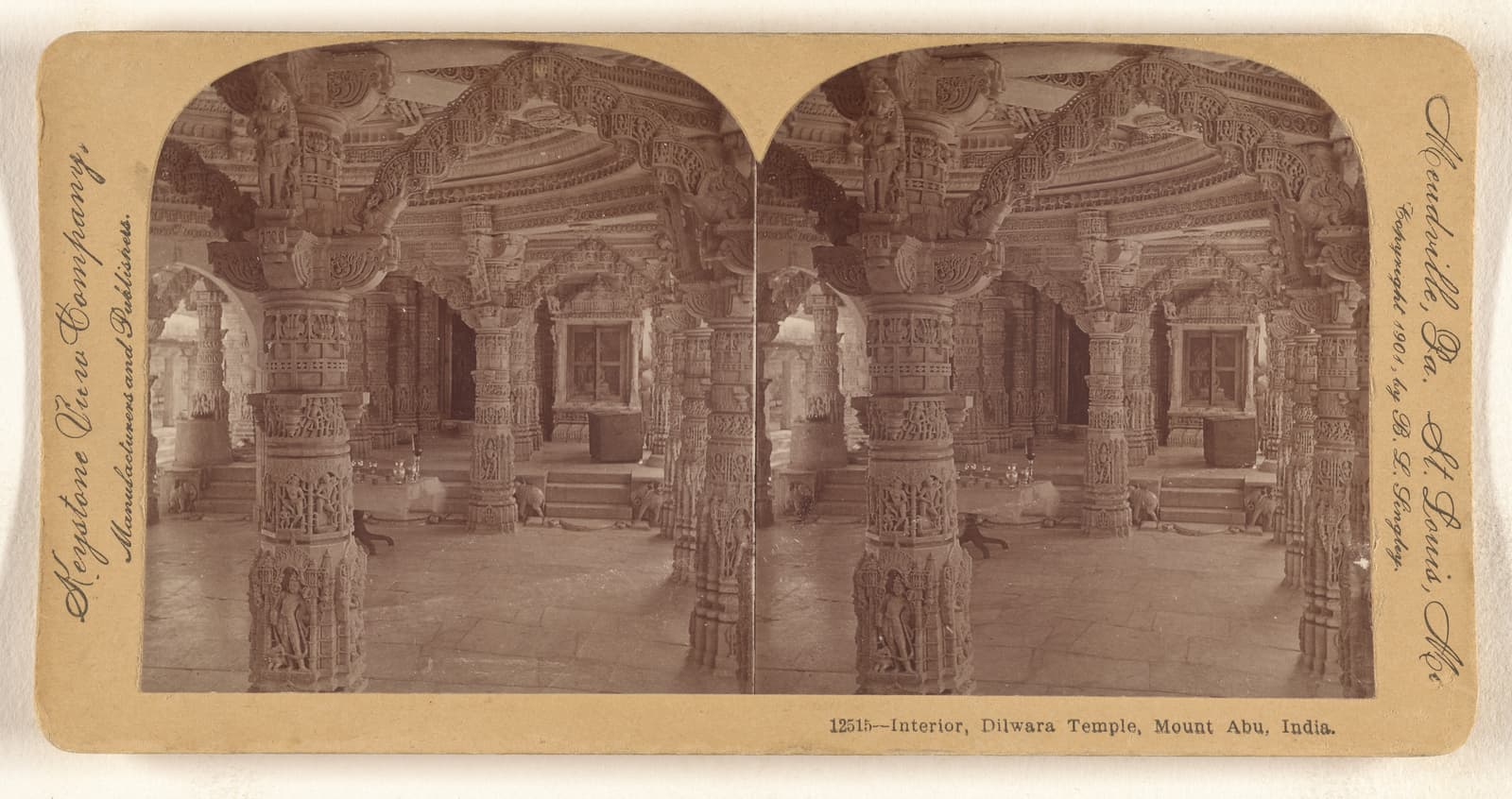
Dilwara Temples
Exquisite marble temples known for their incredible craftsmanship and intricate stone carvings, considered the finest examples of Jain architecture.
Explore Temple
Rajasthan
Jagatpita Brahma Temple
One of the very few temples in the world dedicated to Lord Brahma, the creator god, located by the sacred Pushkar Lake.
Explore Temple
Rajasthan
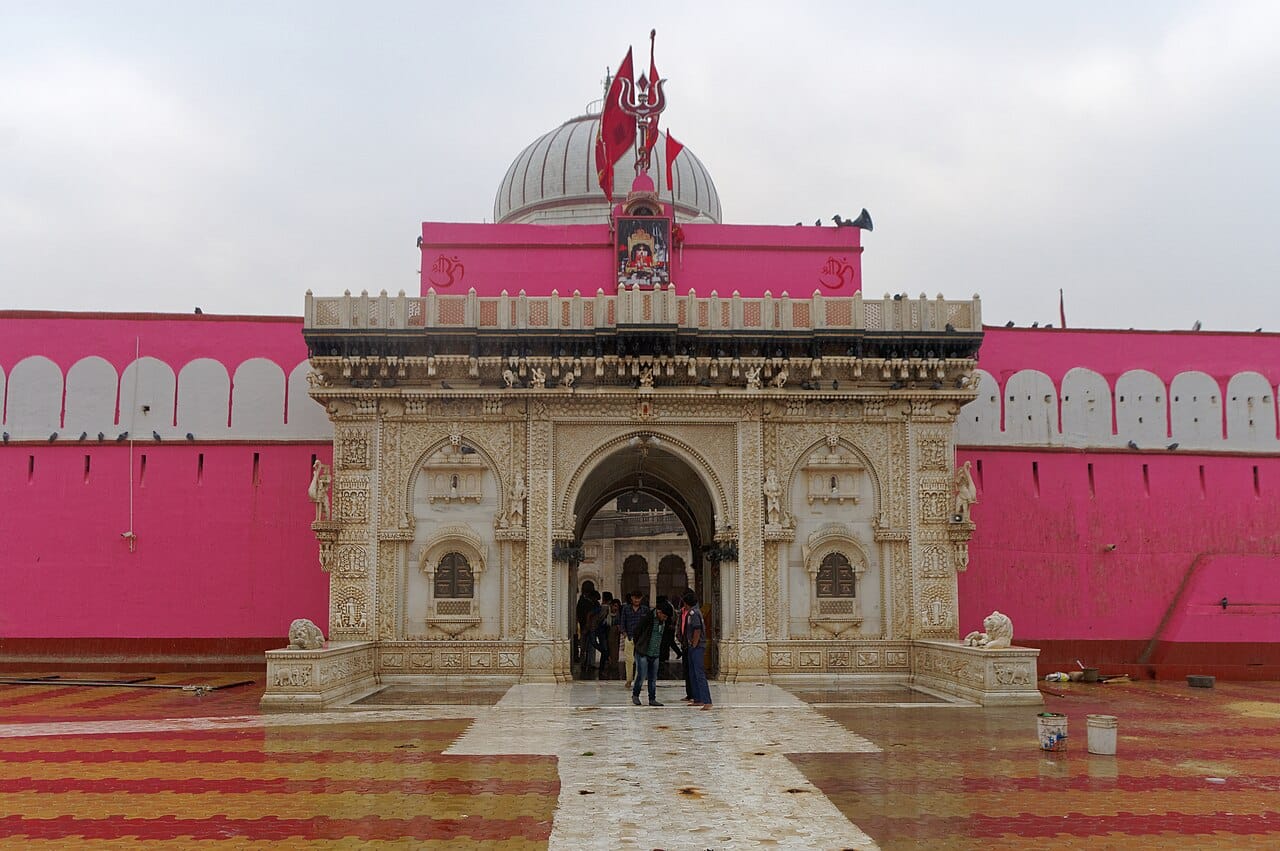
Karni Mata Temple
A unique temple famous for its thousands of sacred rats (kabbas) that are worshipped and protected by devotees as reincarnations of Karni Mata's clan.
Explore Temple
Rajasthan
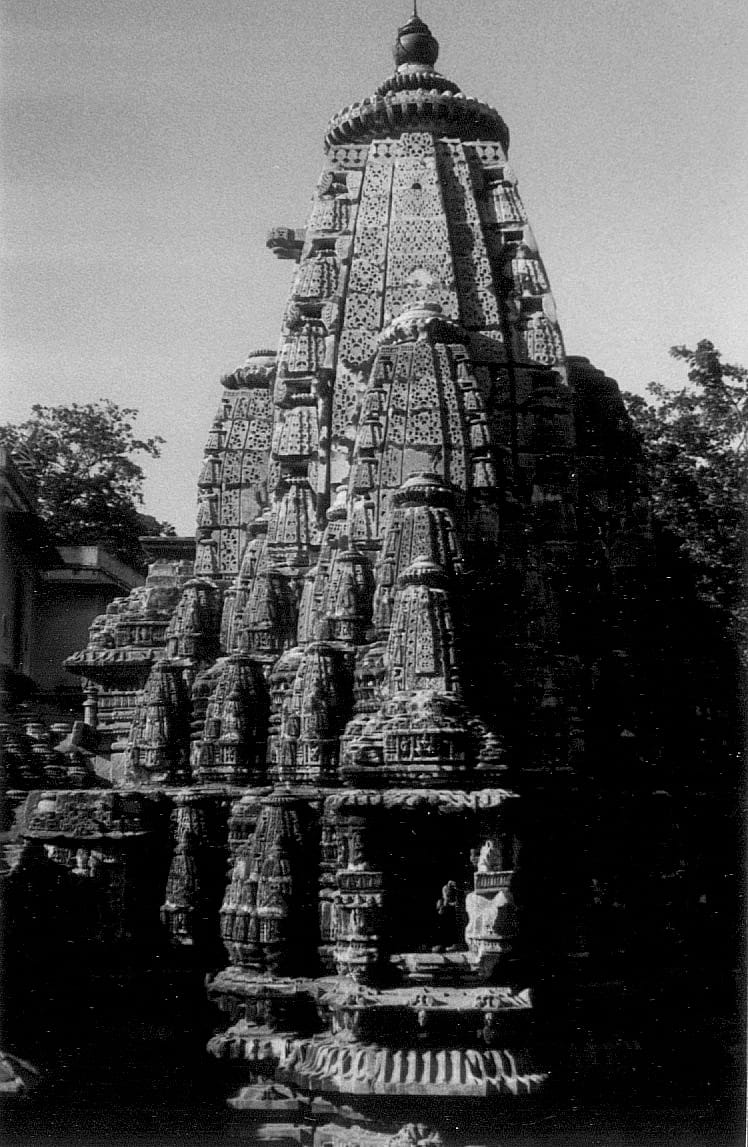
Eklingji Temple
A magnificent 108-temple complex dedicated to the patron deity of the Mewar Maharanas, featuring a four-faced black marble Shiva idol.
Explore Temple
Rajasthan
Shrinathji Temple
A major Vaishnavite shrine housing a 12th-century idol of Krishna, central to the Pushtimarg tradition.
Explore Temple
Pilgrimage Circuits
Rajasthan Jain Circuit
4 templesDilwara (Mount Abu), Ranakpur, Osian, Jaisalmer Jain temples.
Vaishnava Circuit
4 templesNathdwara (Shrinathji), Salasar Balaji, Khatu Shyam, Jaipur.
Shrinathji Temple NathdwaraSalasar BalajiKhatu Shyam TempleGovind Dev Ji Temple Jaipur
Pushkar Pilgrimage
1 templesBrahma Temple, Pushkar Lake, and the 52 ghats surrounding the sacred tank.
Brahma Temple Pushkar
The Jain circuit covers Dilwara (Mount Abu), Ranakpur, Jaisalmer, and Osian. The Vaishnava circuit includes Nathdwara, Salasar Balaji, and Khatu Shyam. The Char Dham circuit of Rajasthan includes Pushkar, Nathdwara, Salasar Balaji, and Khatu Shyam as regional equivalents.
Temple Architecture
Maru-Gurjara style features a sanctum with shikhara, a closed gudhamandapa, and an open rangamandapa. The Dilwara Temples use white marble instead of sandstone, with ceilings carved to simulate lotus flowers and pendant chains. The Ranakpur Temple uses a chaumukha (four-faced) plan with 1,444 uniquely carved pillars. Rajput temples incorporate chhatris and jharokhas.
Architectural Styles
Historical Timeline
8th-12th c.Gurjara-Pratihara
Gurjara-Pratihara and Solanki dynasties build early temples at Osian and the Aravalli region.
1031-1230Solanki
Dilwara Temples constructed at Mount Abu in white marble.
1439Mewar
Ranakpur Jain Temple built under Rana Kumbha of Mewar.
18th c.Rajput
Current Brahma Temple at Pushkar built; Shrinathji Temple established at Nathdwara.
1727Kachhwaha
Sawai Jai Singh II builds Govind Dev Ji Temple in Jaipur.
Temple Statistics
1
Brahma Temples
Pushkar — one of very few in world
5 major
Jain Temples
Dilwara, Ranakpur, Jaisalmer, Osian
8th c.
Oldest Temples
Osian group
1,444
Pillars (Ranakpur)
Each uniquely carved
Festivals
Pushkar Fair
October-NovemberBrahma Temple, Pushkar
7 days
One of India's most colorful festivals combining religious pilgrimage with the world's largest camel fair.
Janmashtami
August-SeptemberShrinathji Temple, Nathdwara
6 days
Deity displayed in different costumes and poses; elaborate darshan schedule changes eight times daily.
Gangaur
March-AprilVarious temples, Jaipur & Udaipur
18 days
Celebration of goddess Gauri; processions of decorated idols through the streets.
The Pushkar Fair (October-November) is one of India's most colorful festivals, combining the Brahma Temple with a massive camel and livestock fair. Janmashtami at Nathdwara's Shrinathji Temple features the deity in different costumes and poses throughout the festival. The Gangaur festival (March-April) celebrates the goddess Gauri. Maha Shivaratri at Eklingji draws Shaivite pilgrims.
Travel Guide
Best Time
October to March (10-30°C)
Climate
Summer up to 45°C; mild winters
Nearest Airport
Jaipur (JAI), Udaipur (UDR), Jodhpur (JDH)
Railway
Jaipur, Ajmer, Jodhpur, Udaipur
Road
NH-8, NH-11, NH-14
Local Transport
RSRTC buses, taxis, auto-rickshaws
Temple Etiquette
Remove footwear; modest dress
Suggested Duration
7-12 days for full circuit
Nearby Attractions
UNESCO site
Amber Fort
Hilltop Rajput palace-fortress in Jaipur with intricate mirror work and carved marble.
Fort
Mehrangarh Fort
One of India's largest forts (410 feet above Jodhpur) with a museum of Rajput artifacts.
National Park
Ranthambore National Park
Renowned tiger reserve within the 10th-century Ranthambore Fort walls.
Interesting Facts
01
The Pushkar Brahma Temple is one of the very few temples dedicated to Brahma in the world — Hindu mythology attributes this to Brahma being cursed by Shiva and sage Bhrigu for lying.
02
The Dilwara Temples' marble carvings are so fine that craftsmen were paid by the amount of marble dust they produced, encouraging the most delicate possible carving.
03
The Shrinathji Temple at Nathdwara changes the deity's costume and darshan seven to eight times daily, each with a specific name and ritual prescription — more daily changes than any other major temple in India.
Frequently Asked Questions
Shrinathji Temple at Nathdwara receives over 2 million annual visitors. Brahma Temple at Pushkar and Khatu Shyam Temple near Sikar are the next most visited.
Built between 1031 and 1230 CE, they are the finest examples of Jain marble architecture in the world. The intricate carvings on ceilings, pillars, and doorways used white marble from Ambaji.
According to mythology, Brahma was cursed by Shiva and sage Bhrigu for lying. The Pushkar Brahma Temple, built around the sacred Pushkar Lake, is the most prominent and actively worshipped Brahma temple globally.
A Vaishnava tradition founded by Vallabhacharya in the 16th century. Shrinathji Temple is its most important center, where Krishna is worshipped as the child who lifted Govardhan Hill. The deity's costumes and darshan change eight times daily.
Sources & References
These records back the history, architecture, temple listings and visitor guidance published on this Rajasthan page.
Archaeological Survey of India
Archaeological Survey of India — monument records and conservation reports
Protected-monument status, dating, architectural classification and conservation records for the temples and monuments named across this Rajasthan guide.
Primary archaeological record
Open source (opens in a new tab)Ministry of Tourism, Government of India
Ministry of Tourism — official destination information
Official Government of India visitor information, access routes and pilgrimage circuits for Rajasthan.
Government record
Open source (opens in a new tab)
— every record linked above was re-requested for this release, so the link still resolves and the publisher still serves the document. It is a link check, not a re-verification of every sentence on this page.
Missing something, or found an error? Send us a correction with the record that supports it, or read how we choose sources.