The temple's origins are traced to the early 20th century when a local sadhu discovered an idol of Hanuman buried in the earth near Mehandipur. The exorcism traditions are not documented in ancient scriptures but developed organically based on local beliefs. The shrine's reputation for dealing with spirit possession grew through the twentieth century and is the reason most first-time visitors come here.
Sacred Heritage
Mehandipur Balaji Temple
Mehandipur, Dausa, Rajasthan
State:Rajasthan
District:Mehandipur, Dausa
Why This Temple Matters
Key Takeaways
- Dedicated to Lord Hanuman (Balaji)
- Rajasthani architecture
- Located in Mehandipur, Dausa, Rajasthan
- Temple timings: 5:00 AM to 9:00 PM daily. Main aarti timings: Mangala Aarti at 5:00 AM, Rajbhog at 12:00 PM, Sandhya Aarti at 7:00 PM.
- Best visited: October to March. Tuesdays and Saturdays are considered especially significant for Hanuman worship.
Quick Facts
- Location
- Mehandipur, Dausa
- Presiding Deity
- Lord Hanuman (Balaji)
- Architecture
- Rajasthani
- Period
- Modern
- Timings
- 5:00 AM to 9:00 PM daily. Main aarti timings: Mangala Aarti at 5:00 AM, Rajbhog at 12:00 PM, Sandhya Aarti at 7:00 PM.
- Entry Fee
- Free
- Best Time
- October to March. Tuesdays and Saturdays are considered especially significant for Hanuman worship.
Overview
Mehandipur Balaji Temple in Rajasthan is a unique temple in India, known worldwide for its exorcism rituals and the unwavering belief that the deity of Hanuman drives away evil spirits from possessed devotees.
History & Legacy
Architecture
Key Features
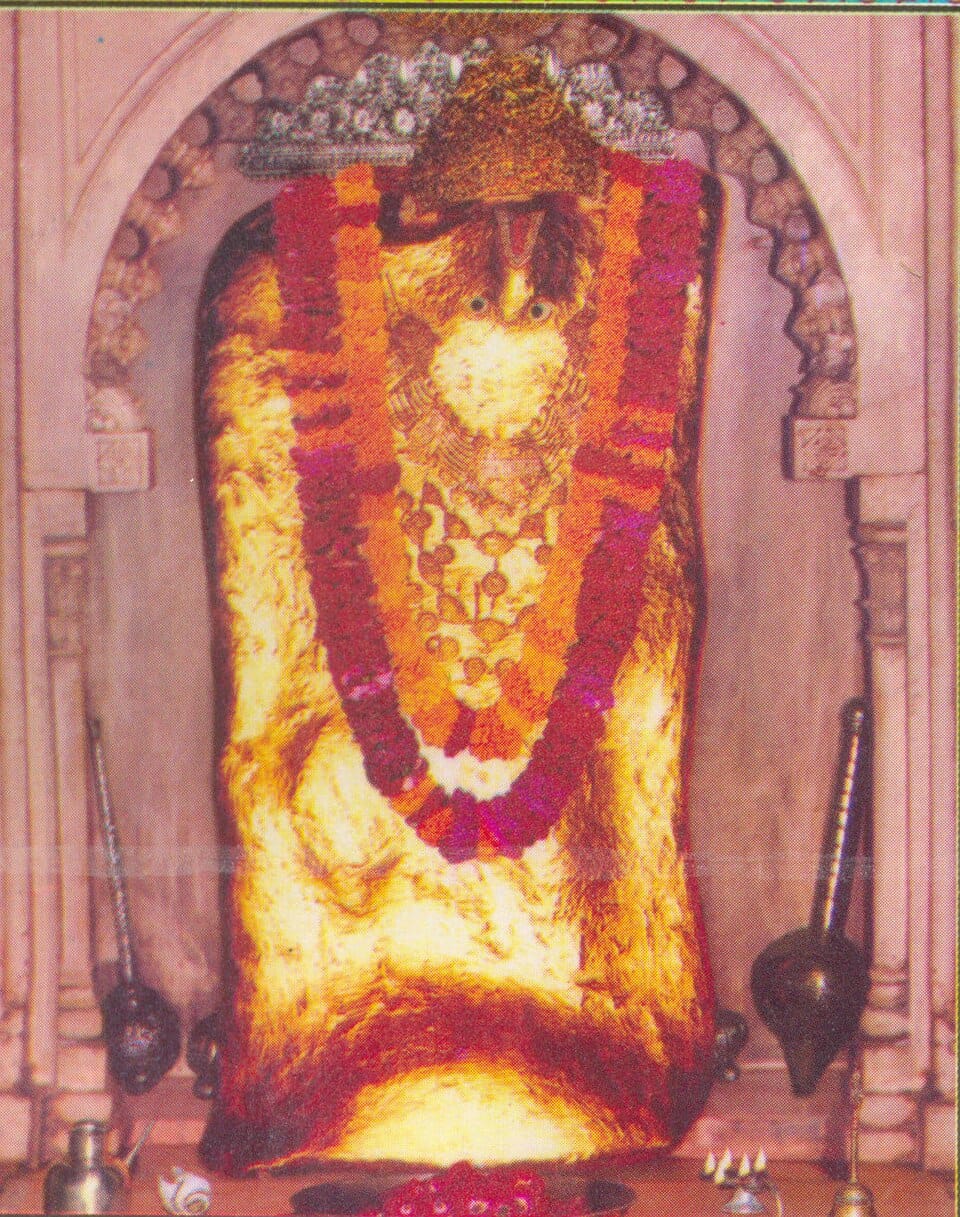
Built in traditional Rajasthani style with a relatively modest structure. The main shrine houses a black stone idol of Hanuman, standing about 3 feet tall.
Religious & Cultural Significance
Mehandipur Balaji is India's most famous temple for exorcism. It is one of the three 'Balaji' temples in North India, the others being Salasar Balaji (Rajasthan) and Chitrakoot Balaji (Madhya Pradesh). Three shrines share the main complex: Balaji in the centre, with Pret Raj Sarkar and Kotwal Bhairav in separate enclosures on either side.
The standard arzi offering is made up of two and a quarter kilograms of urad dal, one and a quarter kilograms of laddus and four and a quarter kilograms of boiled rice. The laddus from the arzi are thrown into the fire pit in front of each deity, and the remaining food is distributed to devotees as prasad.
Devotees call this presentation the peshi, the moment when each person states the affliction that has brought them to the temple, in front of the assembled priests.
Interesting Facts
World-famous exorcism (bhoot-nivaran) rituals, one of three major Balaji temples in North India.
Nearby Attractions
Salasar Balaji Temple (150 km), Abhaneri Stepwell / Chand Baori (60 km), Jaipur (180 km), Keoladeo National Park (120 km). Mehandipur lies on the Jaipur-Agra highway in Dausa district, within the Aravalli range and about fifty kilometres from the district headquarters. Abhaneri and its stepwell at Chand Baori lie about sixty kilometres from Mehandipur, and Salasar Balaji is a further ninety kilometres north-west.
Frequently Asked Questions
What happens during the exorcism rituals?
A.
The rituals involve continuous chanting of Hanuman Chalisa by priests. Possessed individuals are brought to a designated area where specific rituals are performed.
Is there an entry fee?
A.
No, entry to the temple is free. Donations are accepted but not required.
Can anyone visit the temple?
A.
Anyone can visit the temple. While many visitors come for exorcism, the temple is also a place of regular Hanuman worship.
Is the treatment recognized by medical science?
A.
The temple's practices are faith-based and not scientifically validated as medical treatment.
What does the word arzi mean for a visitor joining the offering rituals at Mehandipur?
A.
Arzi is the name for the personal offering a devotee brings, traditionally weighed out as dal, laddus and boiled rice before it is presented at the shrines.
Answers are based on verified information. Site rules may change — verify locally before visiting.
Sources & References
Ministry of Tourism, Government of India
"Ministry of Tourism — official destination information"
View SourceLinks Last Checked
30 September 2026
Related Temples
Same State
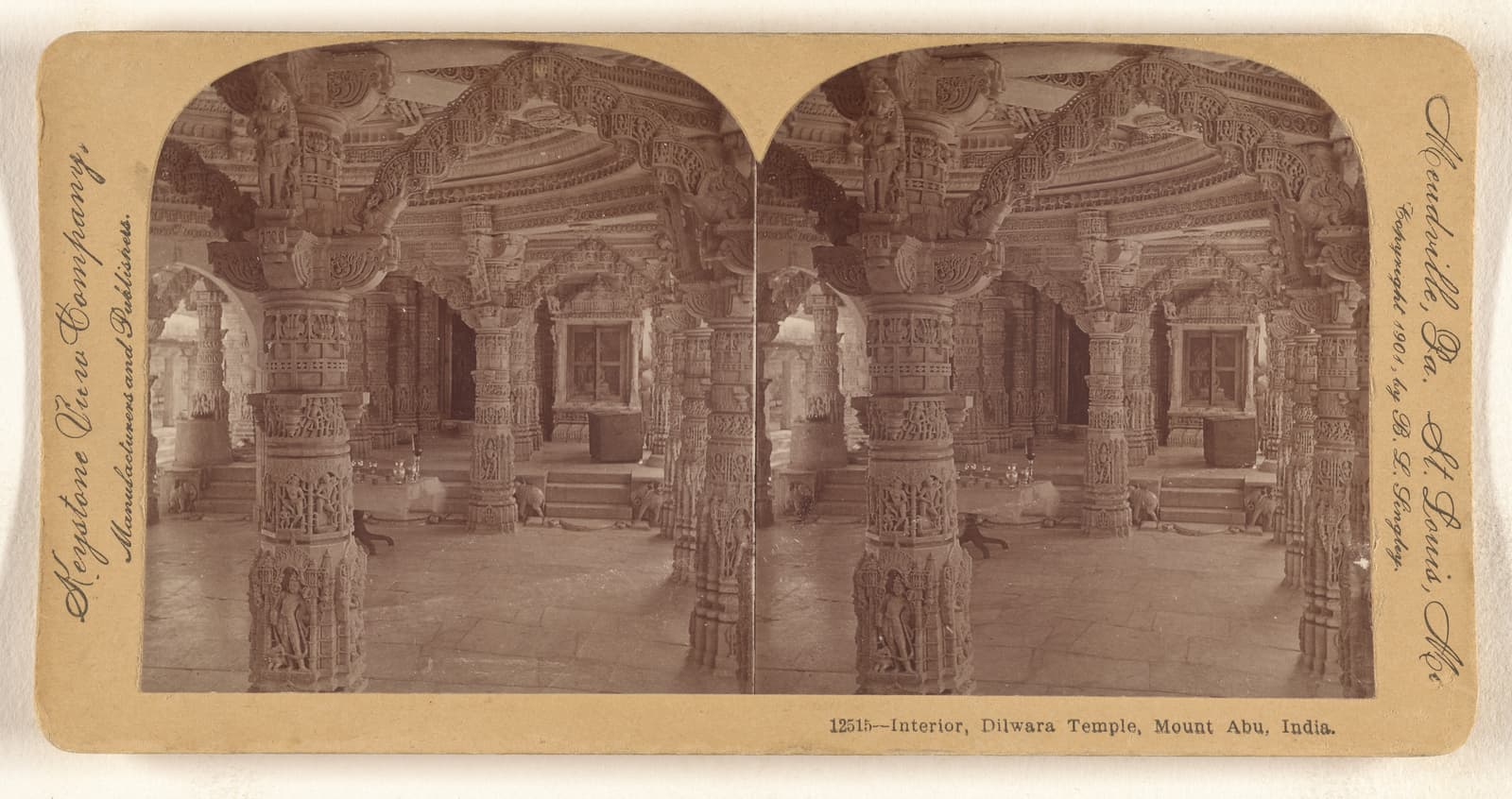
Dilwara Temples
Exquisite marble temples known for their incredible craftsmanship and intricate stone carvings, considered the finest…
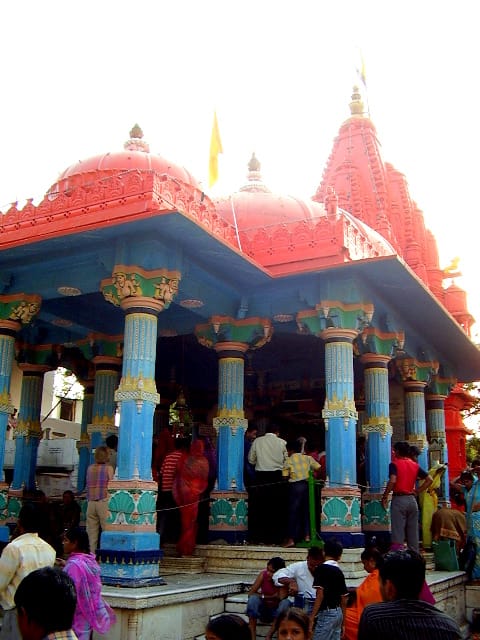
Jagatpita Brahma Temple
One of the very few temples in the world dedicated to Lord Brahma, the creator…
Karni Mata Temple
A unique temple famous for its thousands of sacred rats (kabbas) that are worshipped and…
Eklingji Temple
A magnificent 108-temple complex dedicated to the patron deity of the Mewar Maharanas, featuring a…
Shrinathji Temple
A major Vaishnavite shrine housing a 12th-century idol of Krishna, central to the Pushtimarg tradition.
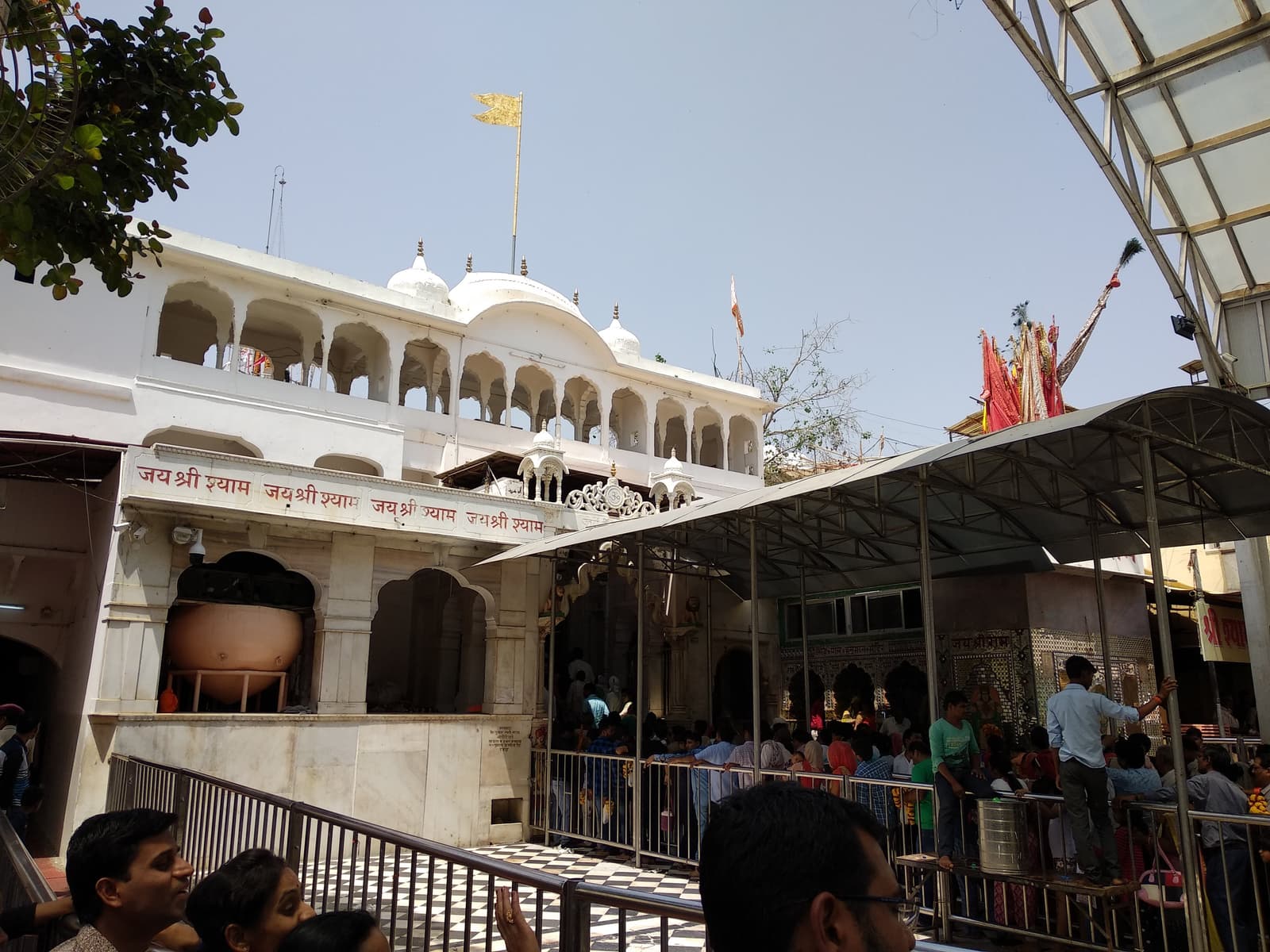
Khatu Shyam Ji Temple
One of North India's most powerful wish-fulfilling temples, where Lord Krishna is worshipped as Barbarik…
Same Tradition
Neem Karoli Baba Ashram (Kainchi Dham)
The Himalayan ashram made famous worldwide by Steve Jobs, Mark Zuckerberg, and countless spiritual seekers…
Hanuman Garhi
A hilltop temple dedicated to Lord Hanuman, the guardian deity of Ayodhya, reached by climbing…
Hanuman Mandir Connaught Place
One of the five ancient temples from the Mahabharata era in Delhi, famous for its…
Hanuman Tok
A highly revered Hanuman temple situated at 7,200 feet, maintained by the Indian Army and…
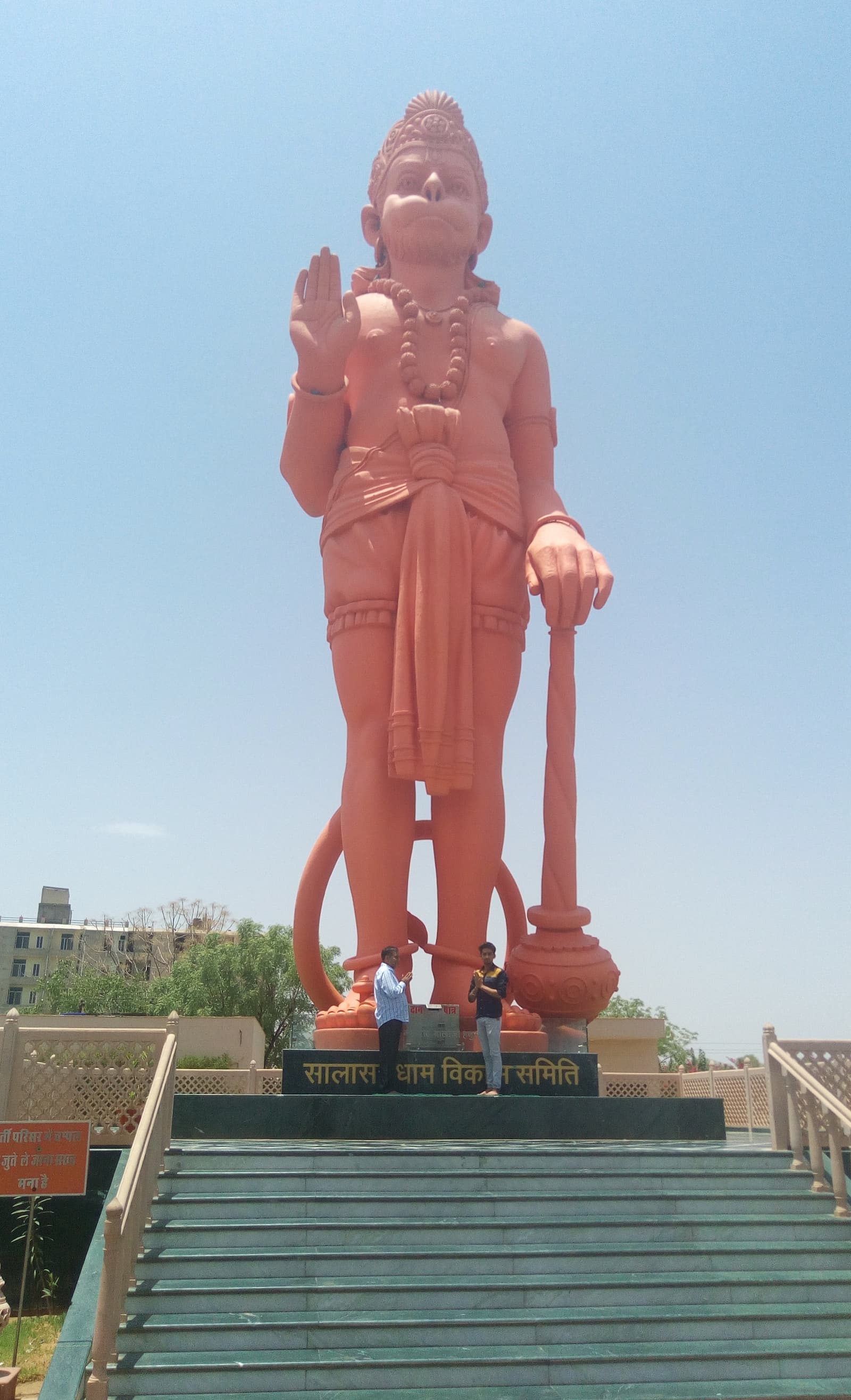
Salasar Balaji Temple
One of North India's most powerful Hanuman temples and a major Shakti Sthal pilgrimage center…
Mahabali Temple
An 18th-century temple dedicated to Lord Hanuman, situated within the sacred 'Mahabali Umang' grove along…
Visiting as an International Traveller
Foreign visitor information is being researched
Please verify with the official authority for this site before planning your visit.
Entry Status
Foreign Visitors
Verify Before VisitingVisitor Information
Entry policies are set by each site — confirm before travelling.
Entry rules for international visitorsWho can enter, permits, and what to expect at the gate.Dress Code
Modest clothing is expected — a sign of respect, not a restriction.
Shoulders covered
Knees covered
Shoes removed before entry
Head covering (women)
Rain gear available
Warm layers (winter)
Photography Guide
Outside
Inside
Flash
Drone
Tripod
Commercial
Best Time to Visit
Peak Season
October to March. Tuesdays and Saturdays are considered especially significant for Hanuman worship.
Moderate to High — comfortable weather
Summer
April — June
Low — hot plains, pleasant hills
Monsoon
July — September
Low — lush landscape, travel delays possible
Language & Communication
Understanding Temple Traditions
These short explanations help make sense of what you see and experience.
Tips for International Visitors
Temple vocabulary and ritualsDarshan, pradakshina, prasadam, aarti, hundi and mandapa.Currency, donations and queuesCash, UPI, donation etiquette and how long entry queues take.Photography etiquetteSignage, flash, selfie sticks and photographing other visitors.Festival crowds and safetyAdvance booking, road closures, belongings and offline maps.
Essential Contacts
Police / Ambulance / Fire: 112 (National Emergency Number)
Tourist Helpline: 1800-111-363 (Multi-lingual, Ministry of Tourism)
Women's Helpline: 1091
Travel Preparation Checklist
Packing Checklist for Mehandipur Balaji Temple
Continue Reading
Rules change — confirm current policies with the site's authority before you travel.
Site-verified visitor data pending. See our sources and methodology.
By Naveen singh negi
Rajasthan
Modern
Famous Temple
Explore More Sacred & Heritage Sites
Related heritage monuments, regional traditions, and pilgrimage connections.
UNESCO Temple Heritage Sites
UNESCO 1987Cultural Heritage
Tamil Nadu
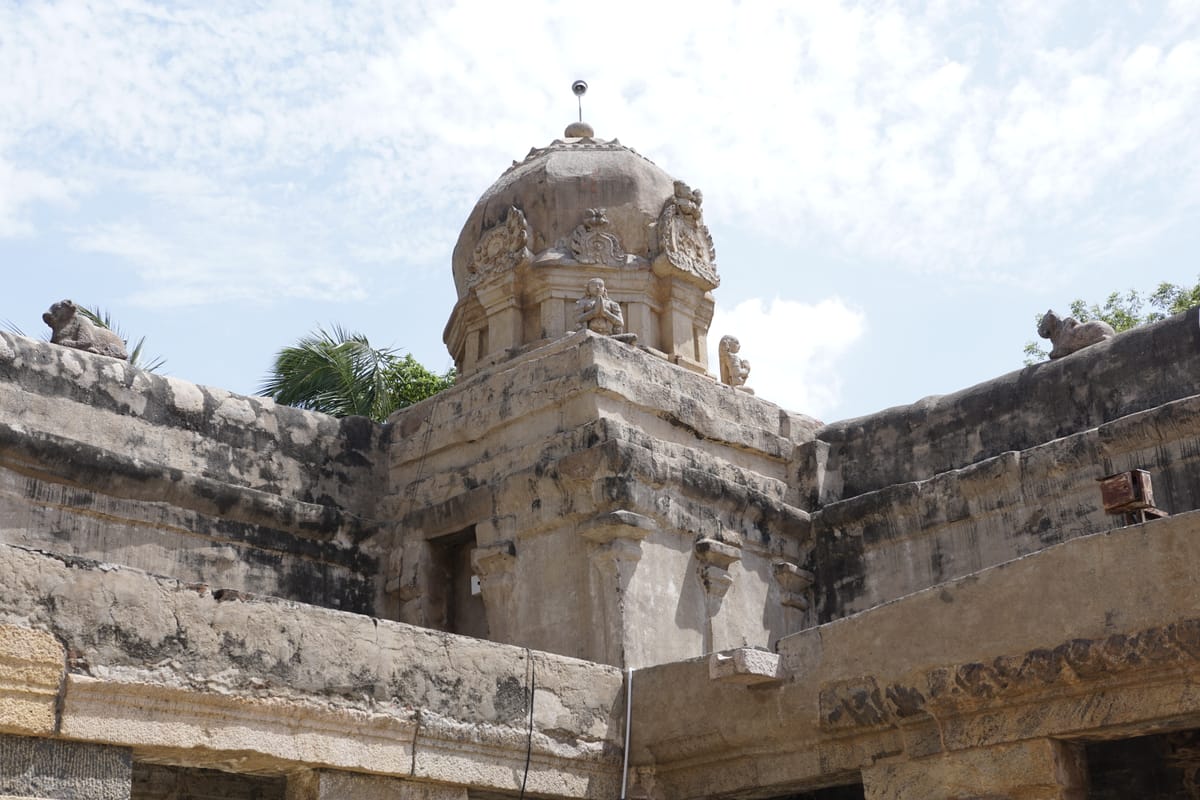
Great Living Chola Temples — Brihadeeswarar Temple
The principal temple of the Great Living Chola Temples UNESCO site, a masterpiece of Dravidian…
Explore Temple
UNESCO 1986Cultural Heritage
Madhya Pradesh
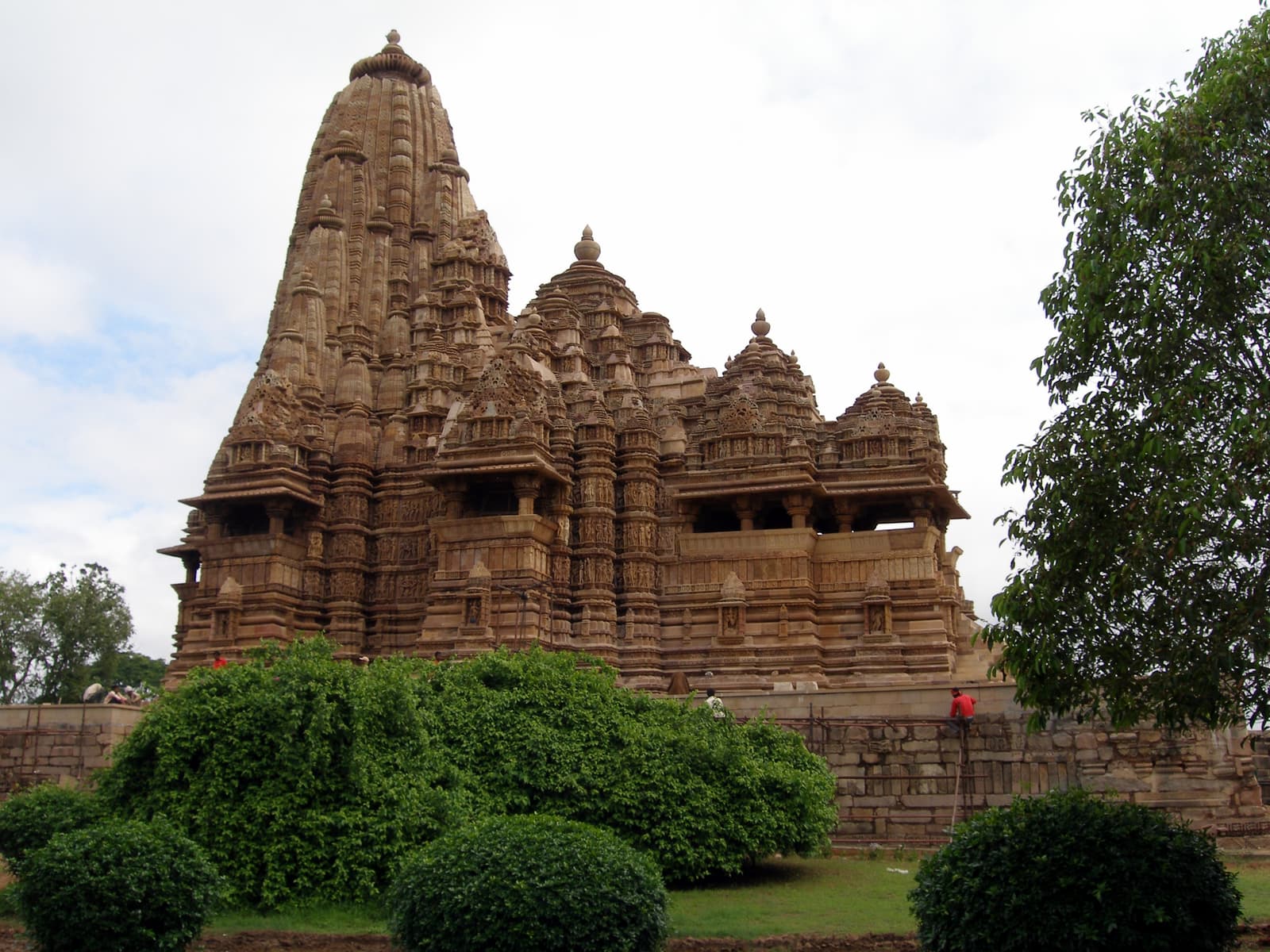
Khajuraho Group of Monuments
The largest and most ornate Hindu temple in the Khajuraho Group of Monuments.
Explore Temple
UNESCO 1984Cultural Heritage
Odisha
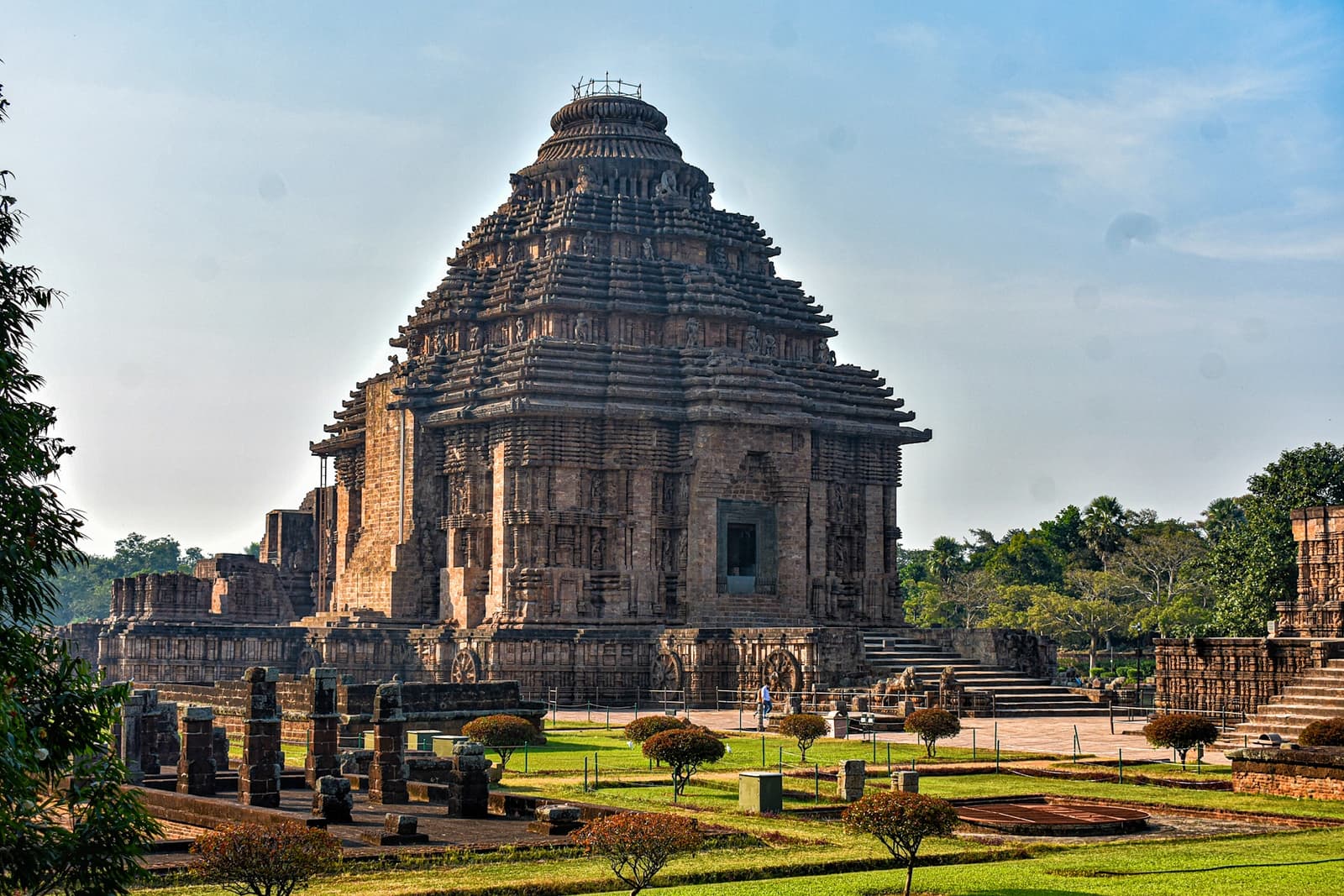
Sun Temple, Konark
A 13th-century Sun Temple built as a giant stone chariot with 24 wheels, drawn by…
Explore Temple
UNESCO 1986Cultural Heritage
Karnataka
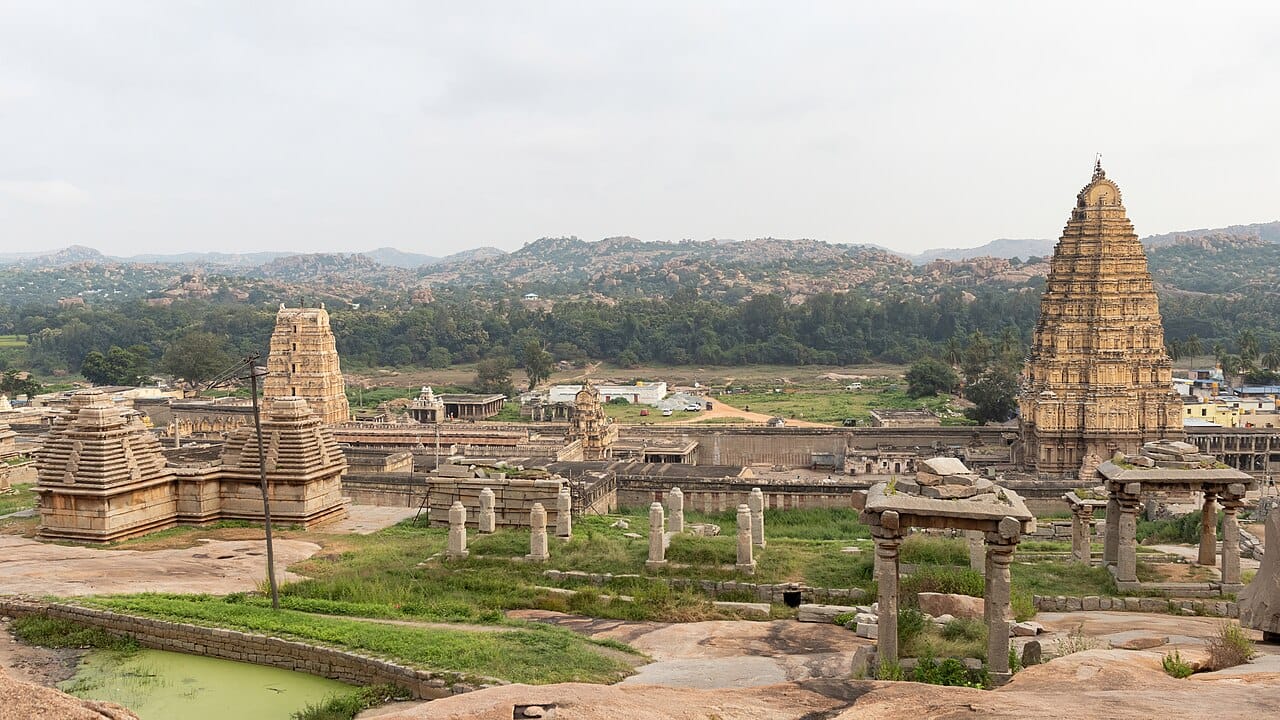
Hampi Group (Virupaksha Temple)
The Virupaksha Temple is the most iconic monument of Hampi, a UNESCO World Heritage site…
Explore Temple
Famous Temples You May Like
Rajasthan
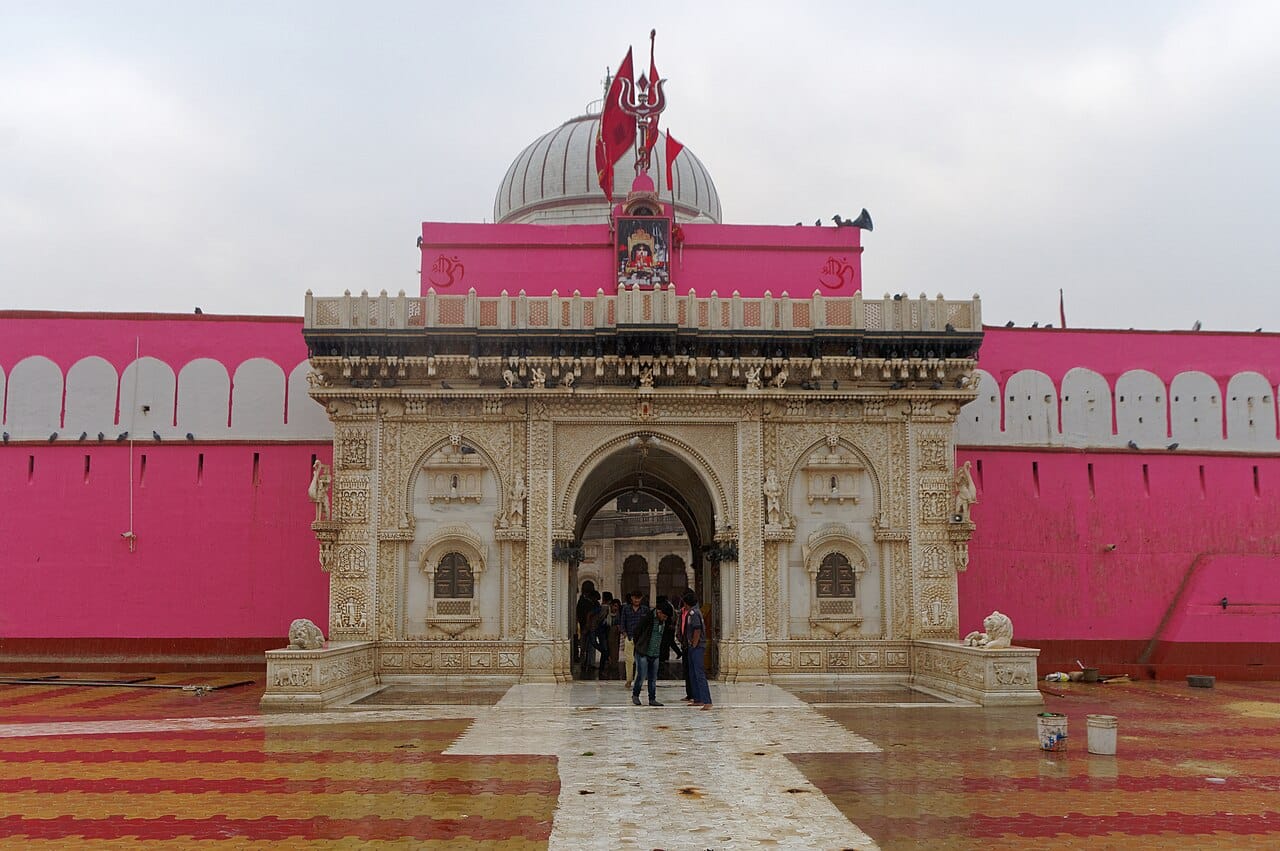
Karni Mata Temple
A unique temple famous for its thousands of sacred rats (kabbas) that are worshipped and…
Explore Temple
Rajasthan
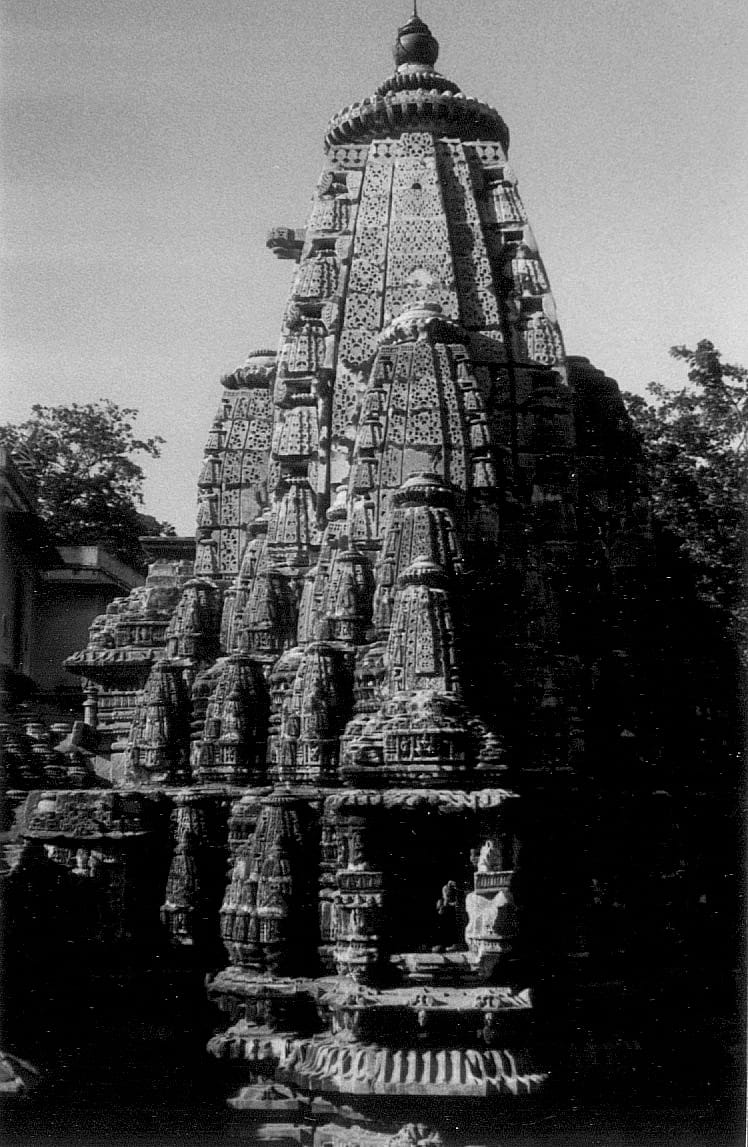
Eklingji Temple
A magnificent 108-temple complex dedicated to the patron deity of the Mewar Maharanas, featuring a…
Explore Temple
Rajasthan
Shrinathji Temple
A major Vaishnavite shrine housing a 12th-century idol of Krishna, central to the Pushtimarg tradition.
Explore Temple
Rajasthan
Khatu Shyam Ji Temple
One of North India's most powerful wish-fulfilling temples, where Lord Krishna is worshipped as Barbarik…
Explore Temple
Explore More in Rajasthan
Rajasthan
Dilwara Temples
Exquisite marble temples known for their incredible craftsmanship and intricate stone carvings, considered the finest…
Explore Temple
Rajasthan
Jagatpita Brahma Temple
One of the very few temples in the world dedicated to Lord Brahma, the creator…
Explore Temple
Rajasthan
Salasar Balaji Temple
One of North India's most powerful Hanuman temples and a major Shakti Sthal pilgrimage center…
Explore Temple
Heritage Fact
"The Brihadeeswarar Temple in Thanjavur was the first temple in the world to be built entirely of granite."