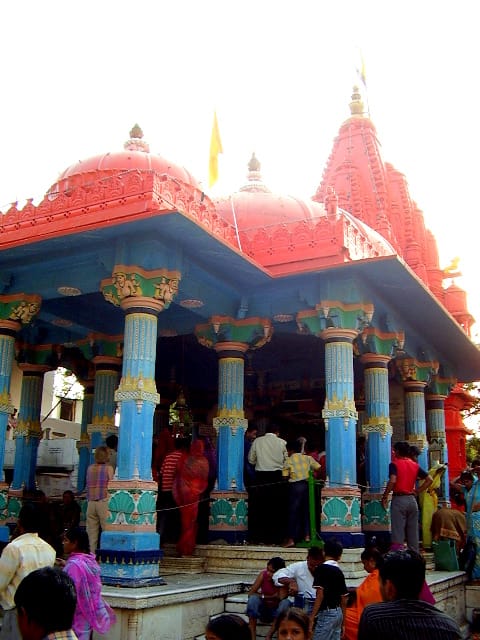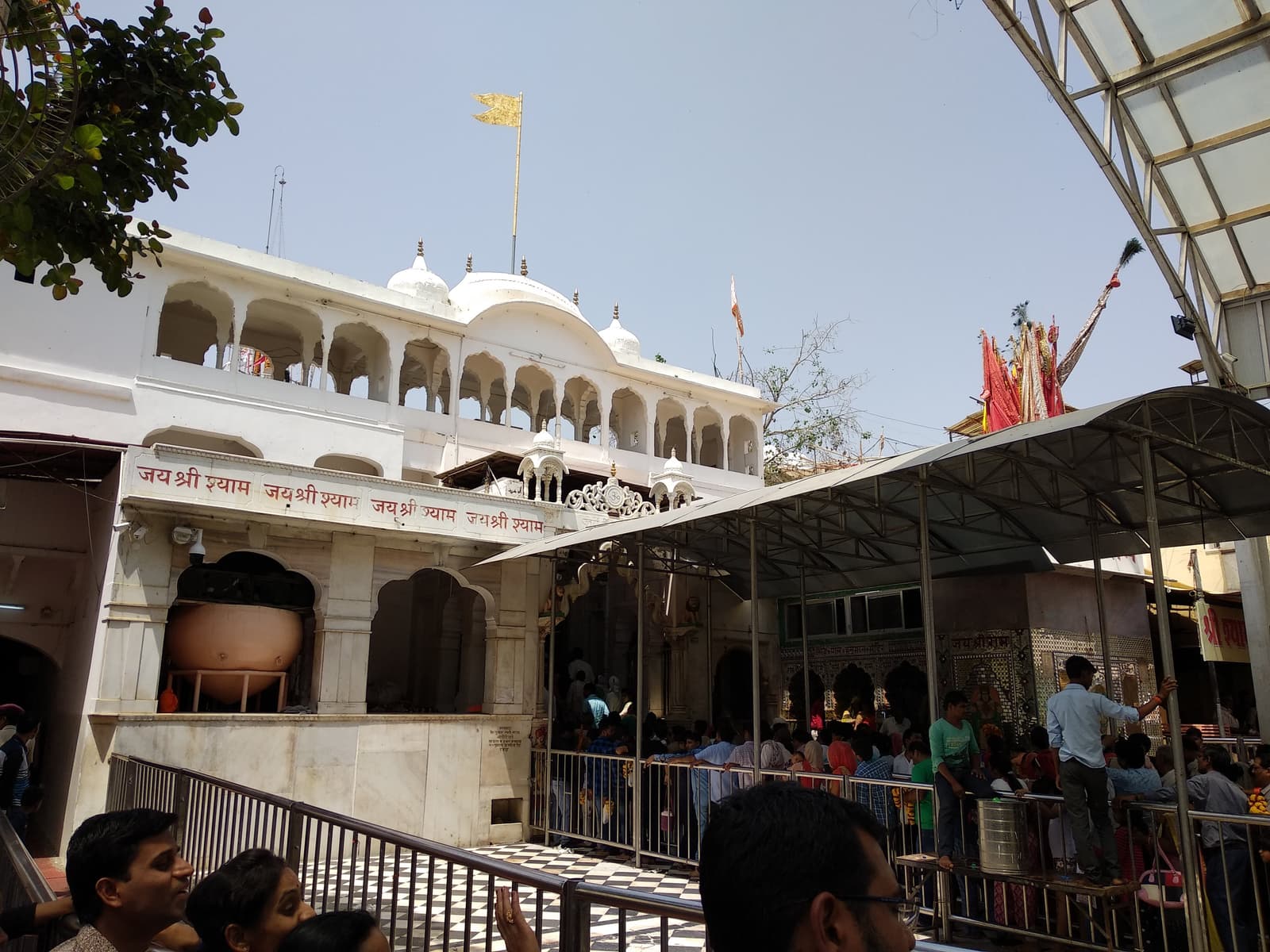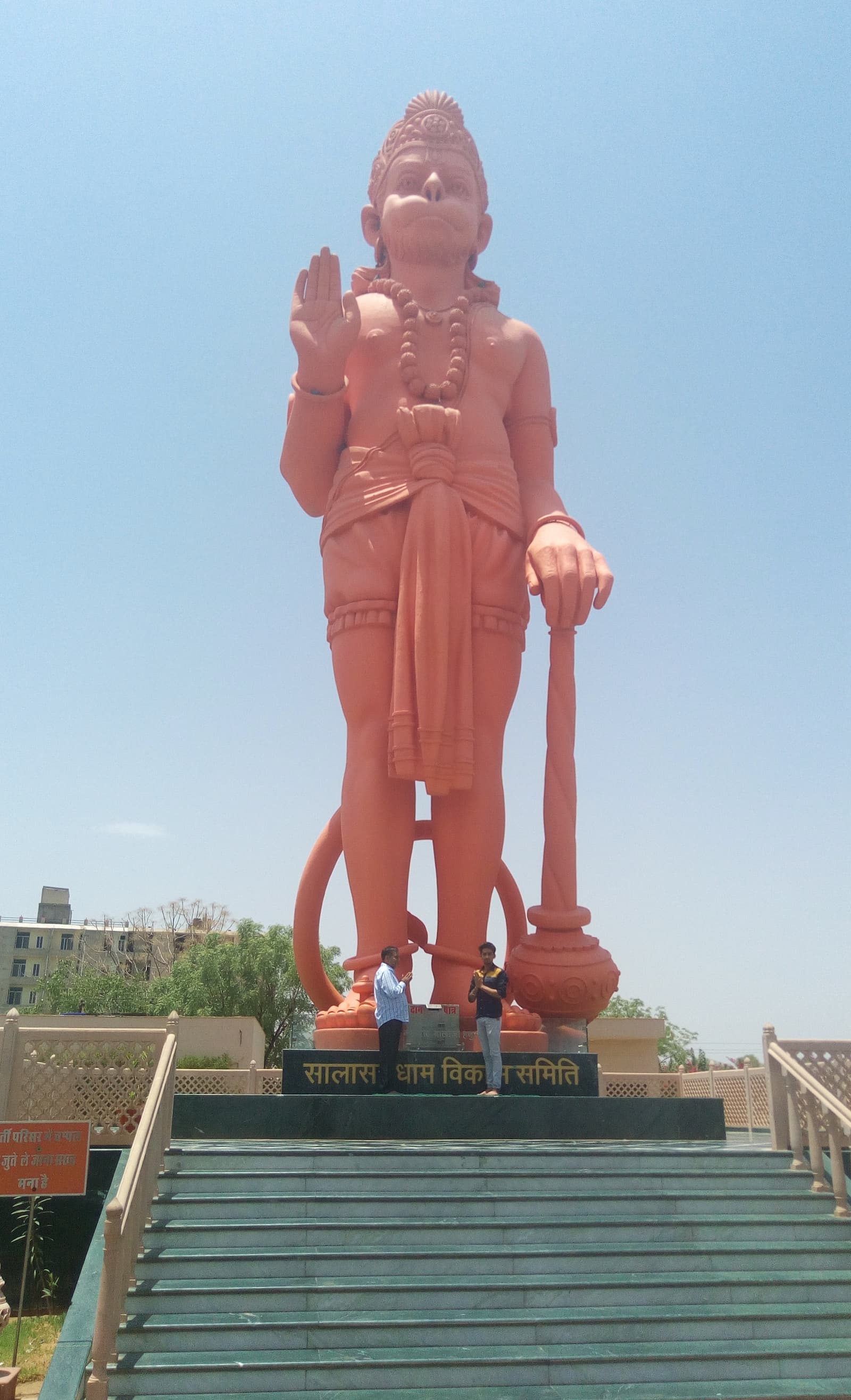
From ancient rock-cut marvels to towering imperial shrines, discover the architectural soul of Bharat through our verified digital archive.
Explore More Temples
Location
Salasar, Churu
Presiding Deity
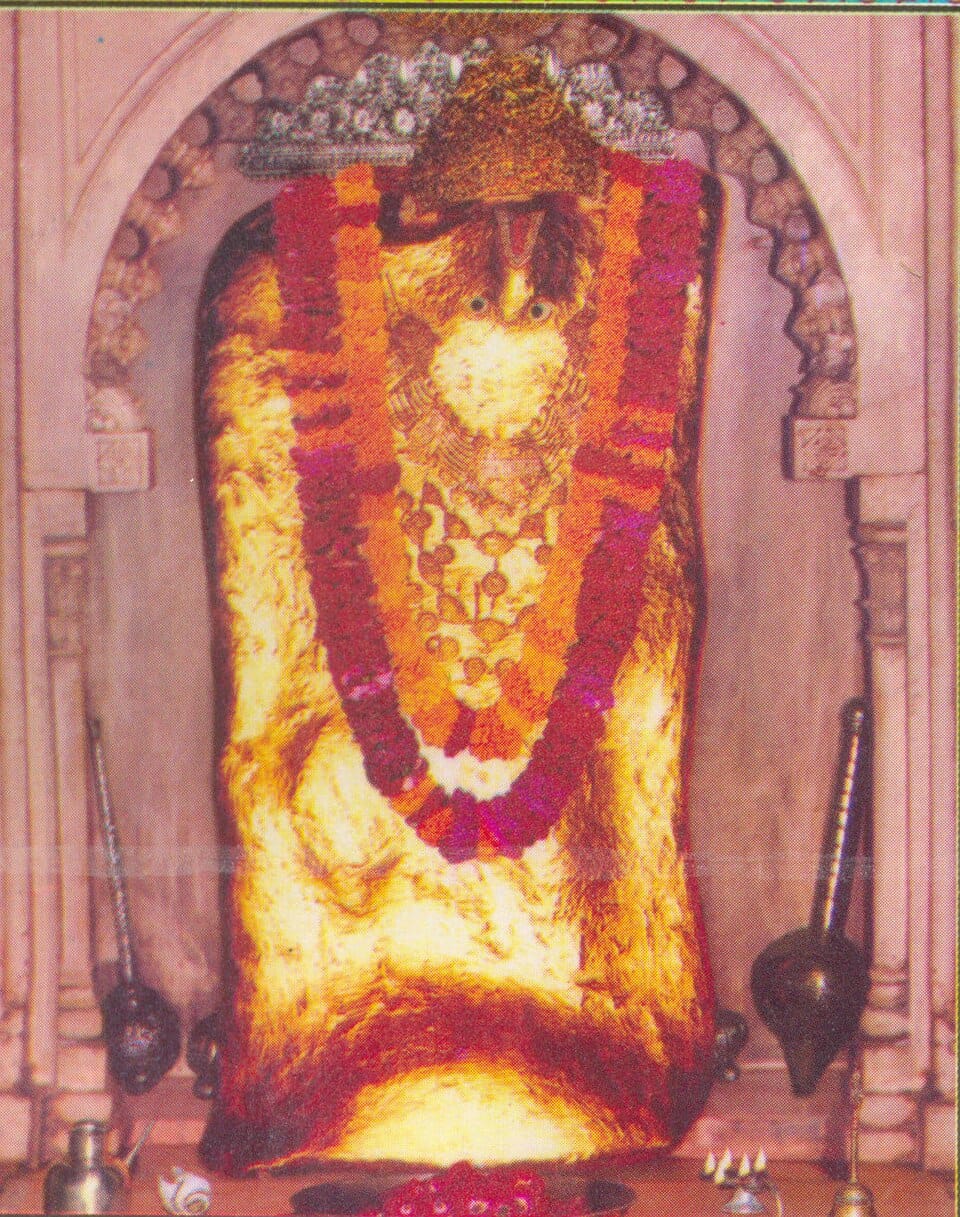
Lord Hanuman (Salasar Balaji)
Architecture
Rajasthani style with white marble facade, silver-plated doors, and ornate pillared halls
Dynasty
Modern (rebuilt 19th-20th century)
Timings
4:00 AM to 10:00 PM daily. Aarti schedule: Mangala Aarti 4:30 AM, Bhog Aarti 12:00 PM, Sandhya Aarti 6:30 PM, Shayan Aarti 9:30 PM.
Entry Fee
Free
Best Time
October to March offers pleasant weather in this desert region. Saturdays are spiritually significant but extremely crowded. Visit early morning (before 7 AM) for a peaceful darshan experience.
One of North India's most powerful Hanuman temples and a major Shakti Sthal pilgrimage center, famous for wish-fulfillment and the sacred 'dora' (sacred thread) tradition.
The temple's history dates to 1754 CE (Samvat 1811). According to legend, a farmer named Mohandas found the idol of Hanuman while plowing his field. The idol miraculously grew heavier and could not be moved. The same night, Hanuman appeared in Mohandas's dream and instructed him to install the idol at Salasar. The temple was rebuilt in 1840 by Seth Dulichand Surana, a wealthy merchant from Jaipur. The temple underwent major expansion in the 1990s and 2000s with extensive marble work, a new assembly hall, and modern pilgrim facilities.
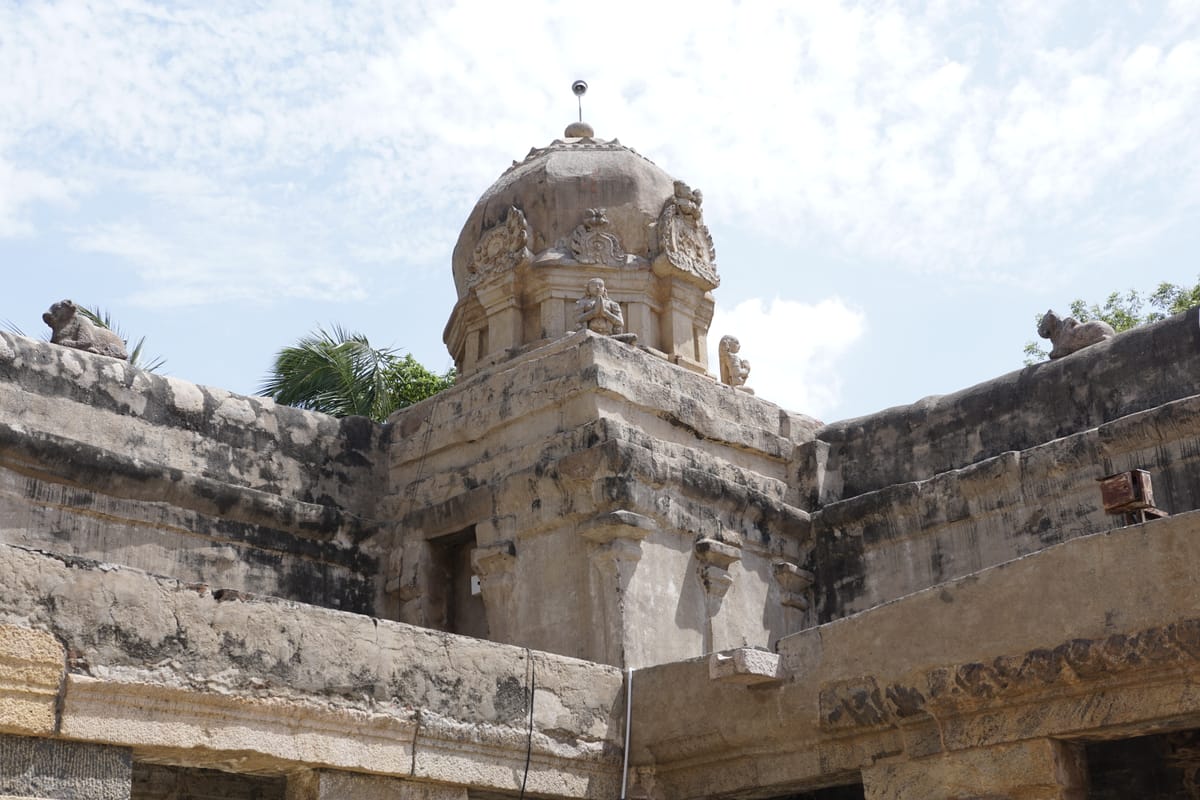
The temple is built in the traditional Rajasthani architectural style with white marble dominating the structure. The main sanctum features silver-plated doors with intricate embossed designs of Hanuman and scenes from the Ramayana. The assembly hall (mandap) is supported by ornately carved marble pillars. The shikhar (spire) rises 108 feet above the sanctum, covered in gold plating at the top. The temple complex includes a large courtyard for mass gatherings, a sacred pond (kund), and extensive pilgrim facilities including free accommodation and dining halls.
Signature Feature: One of the three Shakti Sthal of Hanuman in Rajasthan. The Salasar Balaji is unique for its 'dora bandhne' (tying the sacred thread) tradition where devotees tie threads to the temple grill while praying, then return to untie them after their wish is fulfilled.
Daily rituals include Mangala Aarti at 4:30 AM, abhishek (ritual bathing) of the deity, bhoga (food offering), and Sandhya Aarti at sunset. The unique 'Dora Bandhne' ceremony takes place throughout the day where devotees tie sacred threads. On Saturdays, special Hanuman Chalisa recitations and Sunderkand path are organized. The temple's prasad (halwa and besan ke laddoo) is famous throughout Rajasthan.
The Chaitra Purnima Mela (March-April) is the grandest festival, attracting over 500,000 devotees over a week. Hanuman Jayanti (March-April) is celebrated with special aartis and distribution of free food. Saturday is considered the most auspicious day and draws the largest crowds. Kartik Purnima (November) and Bhadrapada Purnima (August-September) are also major festival days.
Dora bandhne (sacred thread tying) tradition, one of three Hanuman Shakti Sthal, Chaitra Purnima Mela, wish-fulfillment, halwa prasad, grand marble architecture.
October to March offers pleasant weather in this desert region. Saturdays are spiritually significant but extremely crowded. Visit early morning (before 7 AM) for a peaceful darshan experience.
4:00 AM to 10:00 PM daily. Aarti schedule: Mangala Aarti 4:30 AM, Bhog Aarti 12:00 PM, Sandhya Aarti 6:30 PM, Shayan Aarti 9:30 PM.
The temple can be extremely crowded on Saturdays and during Purnima (full moon). Pre-book accommodation if visiting during mela season. The temple has free dormitory accommodation available on a first-come basis. Combine with Khatu Shyam Ji (75 km) and Jeenmata Temple for the complete Shekhawati pilgrimage circuit. Avoid visiting in summer (May-June) when Rajasthan desert temperatures exceed 45°C.
A. Devotees tie a sacred red-yellow thread (dora) to the temple grill while making a wish. When the wish is fulfilled, they return to untie the thread and offer laddoo prasad as thanksgiving.
A. Salasar is located in Churu district, 160 km from Jaipur and 75 km from Khatu Shyam Ji. The nearest railway station is Salasar (2 km) or Ratangarh (30 km). Jaipur International Airport is the nearest major airport (165 km).
A. The three Shakti Sthal (power centers) of Hanuman in Rajasthan are Salasar Balaji (Churu), Mehandipur Balaji (Dausa), and Khatu Shyam Ji (Sikar). Together they form the most powerful Hanuman pilgrimage circuit in North India.
Mehandipur Balaji Temple
Mehandipur Balaji Temple in Rajasthan is a unique temple in India, known worldwide for its exorcism rituals and the unwavering belief that the deity of Hanuman drives away evil spirits from possessed devotees.
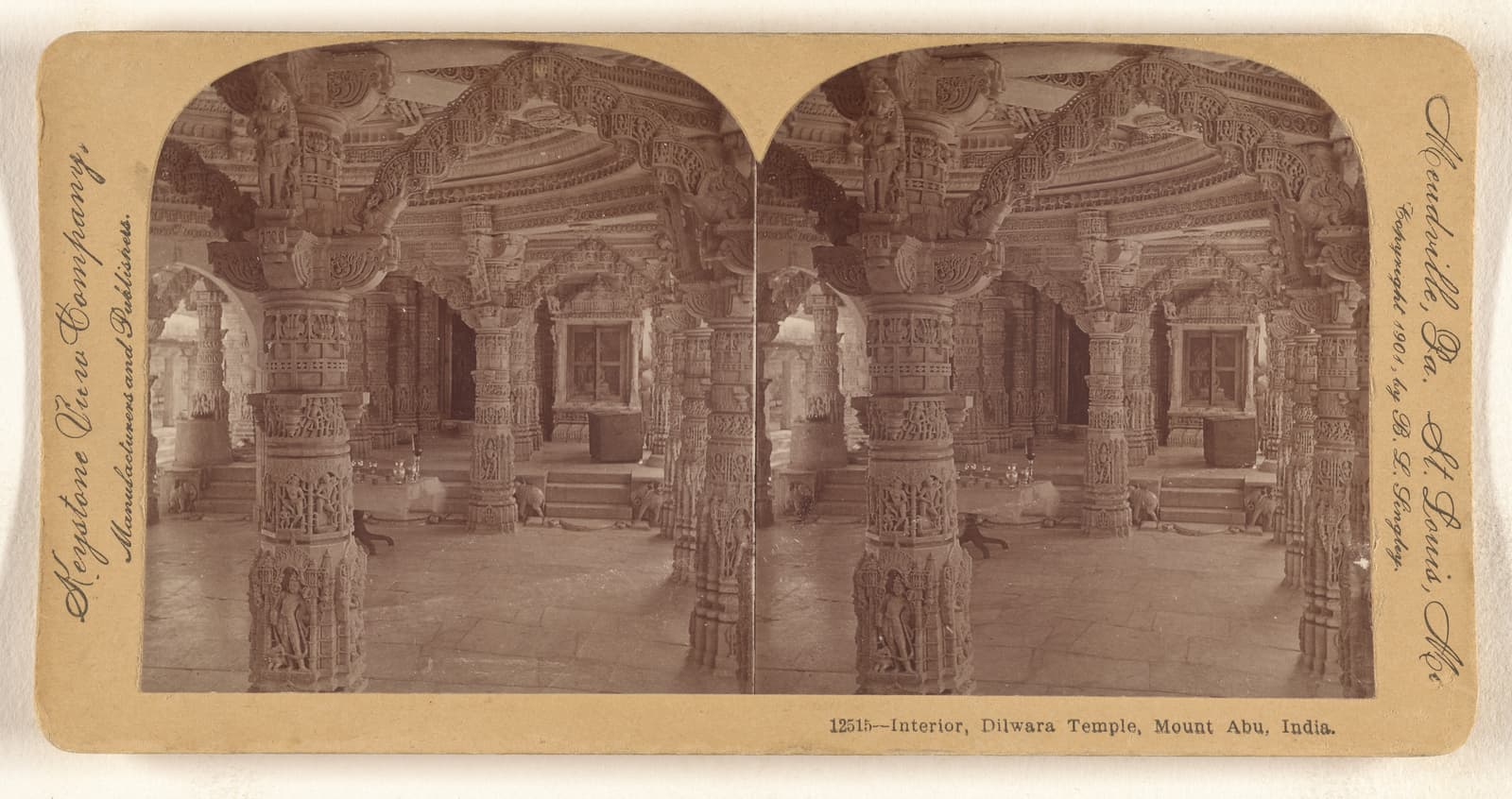
Dilwara Temples
Exquisite marble temples known for their incredible craftsmanship and intricate stone carvings, considered the finest examples of Jain architecture.
Jagatpita Brahma Temple
One of the very few temples in the world dedicated to Lord Brahma, the creator god, located by the sacred Pushkar Lake.
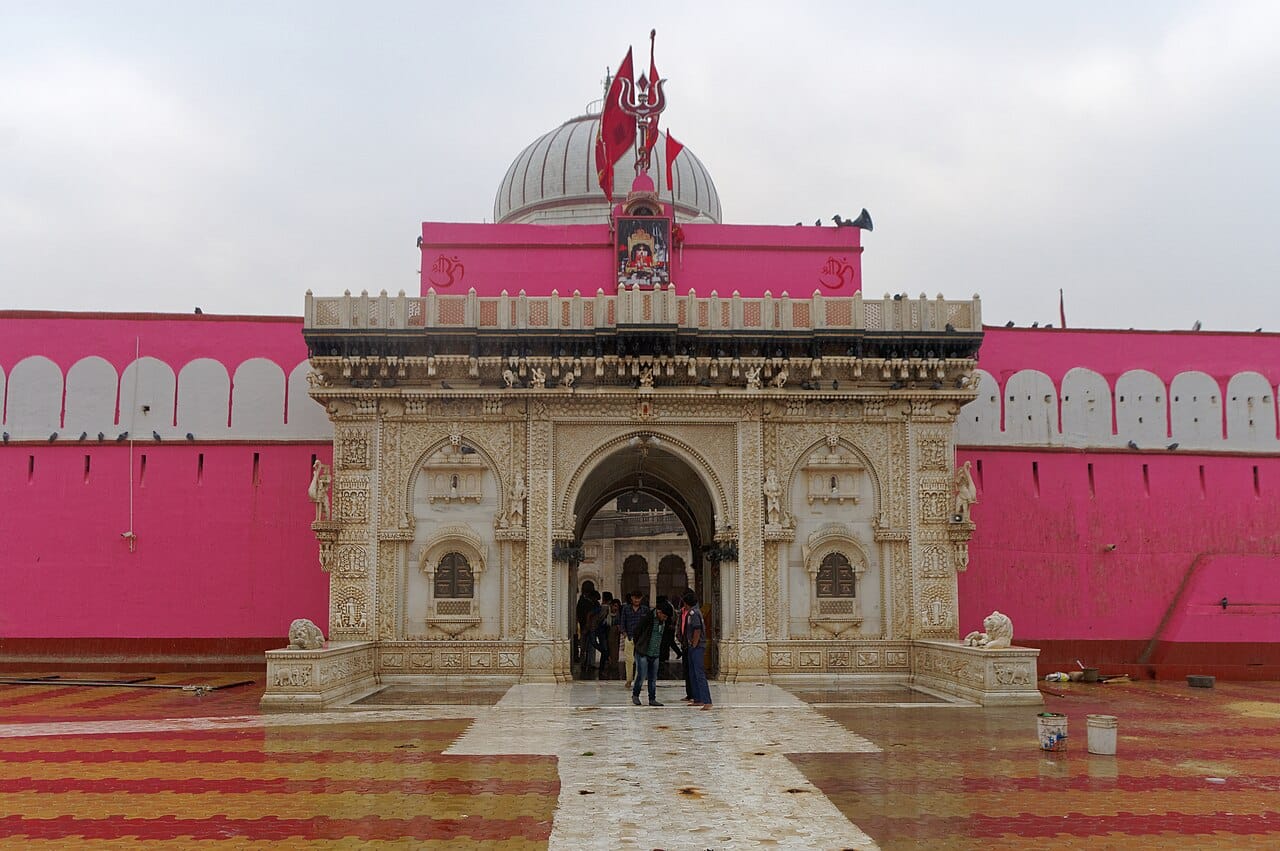
Karni Mata Temple
A unique temple famous for its thousands of sacred rats (kabbas) that are worshipped and protected by devotees as reincarnations of Karni Mata's clan.
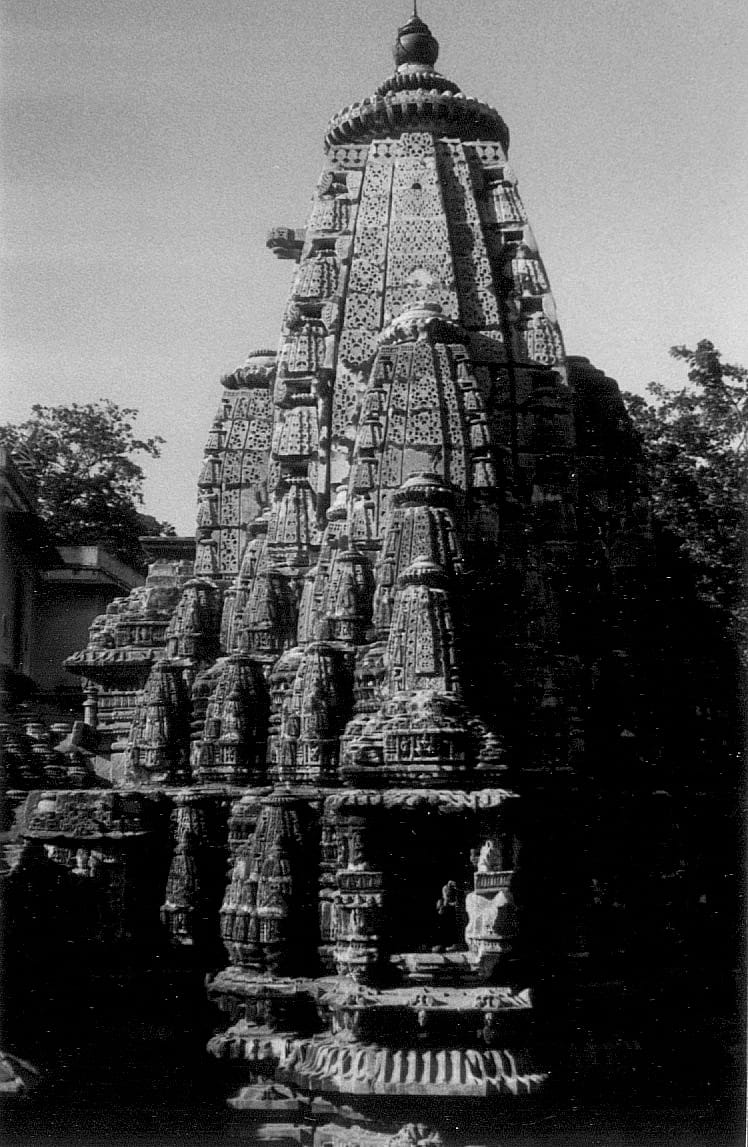
Eklingji Temple
A magnificent 108-temple complex dedicated to the patron deity of the Mewar Maharanas, featuring a four-faced black marble Shiva idol.
Shrinathji Temple
A major Vaishnavite shrine housing a 12th-century idol of Krishna, central to the Pushtimarg tradition.
Neem Karoli Baba Ashram (Kainchi Dham)
The Himalayan ashram made famous worldwide by Steve Jobs, Mark Zuckerberg, and countless spiritual seekers, known for its powerful Hanuman temple and Neem Karoli Baba's teachings.
Hanuman Garhi
A hilltop temple dedicated to Lord Hanuman, the guardian deity of Ayodhya, reached by climbing 76 sacred steps.
Hanuman Mandir Connaught Place
One of the five ancient temples from the Mahabharata era in Delhi, famous for its continuous 24-hour chanting since 1964.
Hanuman Tok
A highly revered Hanuman temple situated at 7,200 feet, maintained by the Indian Army and offering stunning views of Kanchenjunga.
Mehandipur Balaji Temple
Mehandipur Balaji Temple in Rajasthan is a unique temple in India, known worldwide for its exorcism rituals and the unwavering belief that the deity of Hanuman drives away evil spirits from possessed devotees.
Mahabali Temple
An 18th-century temple dedicated to Lord Hanuman, nestled in a sacred monkey grove along the Imphal River.
India's temples are living traditions — not museums. Every temple has its own customs. This guide helps first-time visitors prepare with confidence and respect.
Foreign visitor information is being researched
Please verify with the official temple authority before planning your visit.
Foreign Visitors
Verify Before VisitingVisitor Information
Entry policies vary between temples. Most temples welcome visitors, while some may restrict access to specific areas, rituals, or the inner sanctum. Always verify the latest entry guidelines with the official temple authorities before your visit.
Modest clothing is expected at every Indian temple — a sign of respect, not a restriction. Think of it as dressing for a formal ceremony.
A scarf is always useful — it covers shoulders, works as a head covering, and can double as a makeshift face cover if needed.
Outdoor photography is generally permitted. Indoor photography is often restricted. Always look for signage or ask a priest before taking photos inside.
October to March offers pleasant weather in this desert region. Saturdays are spiritually significant but extremely crowded. Visit early morning (before 7 AM) for a peaceful darshan experience.
April — June
July — September
English is widely understood at major tourist temples. In smaller local temples, Hindi and the regional language are more common. A smile and simple hand gestures go a long way. Learning a few words of the local language is always appreciated.
Cash (Indian Rupees) is the most reliable option, especially for temple offerings, small shops, and local transport.
UPI digital payments (Google Pay, PhonePe, Paytm) are widely accepted across India — even at roadside stalls. Download one before you arrive.
International credit/debit cards work at most ATMs, hotels, and larger establishments. Smaller vendors may only accept cash or UPI.
Carry small denominations (₹10, ₹20, ₹50, ₹100 notes) for offerings and temple donations. Large notes (₹500, ₹2000) can be hard to break at smaller counters.
Many historic temples have uneven stone floors, multiple steps, and narrow passages. Wheelchair access is limited at older sites — contact the temple in advance.
Basic restroom facilities and drinking water are available at most major temples. Some charge a small fee (₹5–₹10).
Stay hydrated — carry a reusable water bottle, especially in hot climates.
Keep valuables secure — use hotel lockers for passports and excess cash.
Wear comfortable, sturdy footwear — temple floors can be hot, wet, or uneven.
Beware of unofficial guides or touts near temple entrances. Only use authorised services.
Carry a photocopy of your passport and visa. Leave originals in your hotel safe.
Download offline maps — mobile networks can be unreliable near remote temple sites.
These short explanations help make sense of what you see and experience.
Darshan means 'seeing' — but in a temple it means being seen by the deity. It is a sacred moment of connection, not just a viewing.
Removing footwear is a sign of humility. It also keeps the temple floor clean, since devotees sit and pray on the ground.
Food offered to the deity and then distributed to devotees. It is considered blessed. Accept it with both hands and do not discard it.
The bell creates a focused acoustic atmosphere, wards off distractions, and announces your presence before entering the inner sanctum.
Circumambulation (pradakshina) is done clockwise, keeping the sanctum on your right — an auspicious direction aligned with the sun's path.
Flowers symbolise devotion, coconuts represent the ego being broken, incense purifies the air, and lamps represent the victory of light over darkness.
Sacred viewing of the deity; the central act of temple worship.
Clockwise circumambulation of the sanctum.
Blessed food offered to the deity and distributed to devotees.
The innermost sanctum where the main deity resides.
The towering spire above the sanctum, a defining feature of temple architecture.
A pillared hall or pavilion within the temple complex.
The Indian Rupee (?, INR) is the local currency. ATMs are widely available in cities and towns. For temple offerings, keep small notes (₹10, ₹20, ₹50). Most temples accept donations in cash only — digital payments are uncommon at the offering counter itself.
Offerings (dakshina) are given with the right hand. Place cash in the donation box (hundi) or give it directly to the priest. There is no fixed amount — give what feels appropriate. Some temples have fixed fees for special entry or puja participation.
Shoes and sandals are removed before entering the temple building. Most temples have a designated shoe counter (free or a small fee of ₹5–₹20). Socks are generally allowed. In monsoon, carry a plastic bag for wet shoes.
Darshan queues can take 30 minutes to 3 hours at popular temples. Many offer paid VIP darshan (₹100–₹500) for faster entry. Special queues for women, elderly, and disabled visitors exist at some temples. No line jumping.
Major festivals draw enormous crowds — sometimes hundreds of thousands. Book accommodation months in advance. Expect road closures, restricted vehicle access, and limited phone network. Arrive early (before dawn) to avoid the worst congestion.
Always look for signage before taking photos. When in doubt, ask a priest. Never take photos of devotees in prayer without permission. Selfie sticks are banned at most temples. Silently switch your phone to silent mode.
Police / Ambulance / Fire: 112 (National Emergency Number)
Tourist Helpline: 1800-111-363 (Multi-lingual, Ministry of Tourism)
Women's Helpline: 1091
Temple-specific visitor information is continuously researched and updated from official sources. Where specific data is unavailable, general India travel guidance is provided. Always verify current policies with the temple authority before your visit.
Information last verified July 2026. Temple-specific data coming soon.
Continue your journey through the spiritual and architectural wonders of India.

Mehandipur Balaji Temple in Rajasthan is a unique temple in India, known worldwide for its exorcism rituals and the unwavering belief that the deity of Hanuman drives away evil spirits from possessed devotees.

A unique temple famous for its thousands of sacred rats (kabbas) that are worshipped and protected by devotees as reincarnations of Karni Mata's clan.

A magnificent 108-temple complex dedicated to the patron deity of the Mewar Maharanas, featuring a four-faced black marble Shiva idol.

A major Vaishnavite shrine housing a 12th-century idol of Krishna, central to the Pushtimarg tradition.

Exquisite marble temples known for their incredible craftsmanship and intricate stone carvings, considered the finest examples of Jain architecture.

One of the very few temples in the world dedicated to Lord Brahma, the creator god, located by the sacred Pushkar Lake.

One of North India's most powerful wish-fulfilling temples, where Lord Krishna is worshipped as Barbarik, attracting millions of devotees annually with its famous 'Shyam Baba' darshan.
"India has over 40 UNESCO World Heritage Sites, ranging from ancient temples to natural wonders."