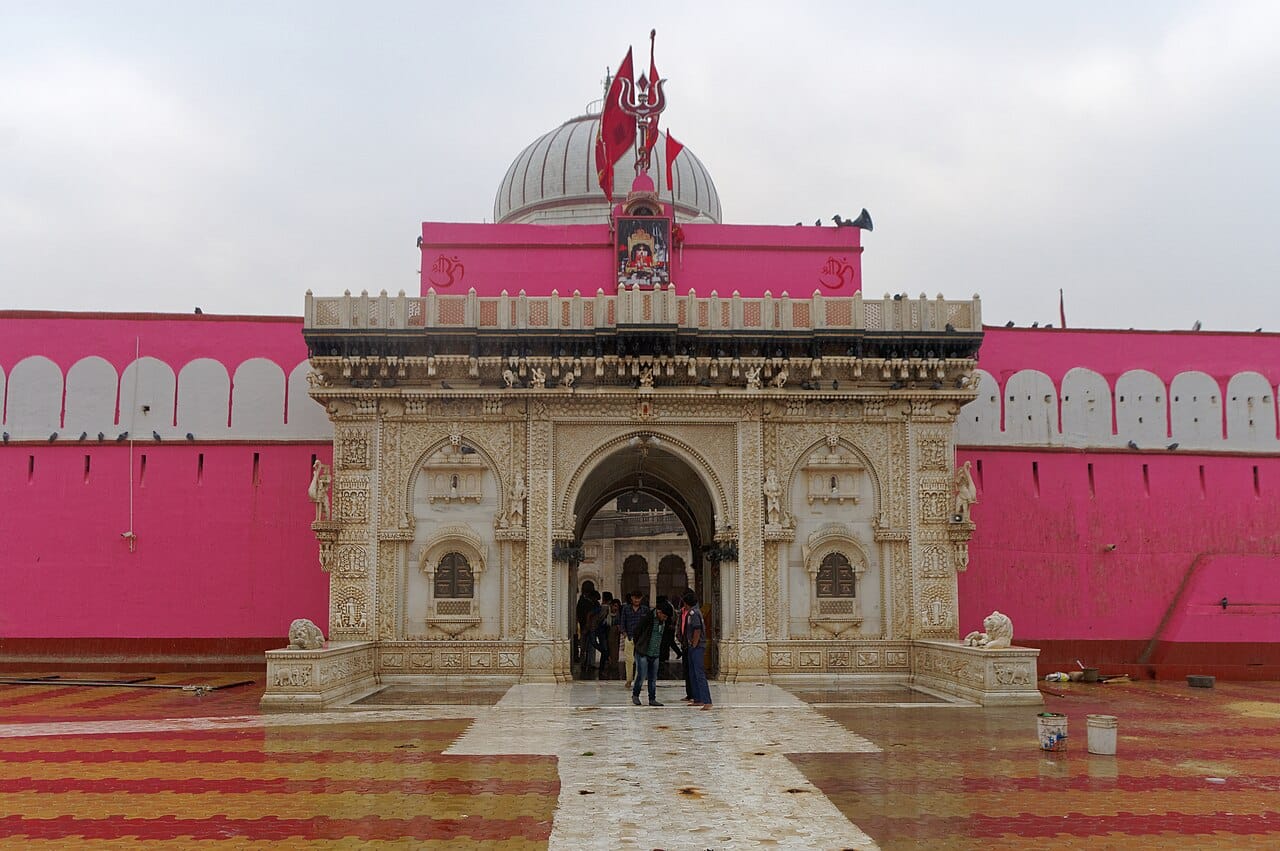
Karni Mata (1387-1538 CE), also known as Ridhu Bai, was born in the village of Suwap near Phalodi into a Charan family. The temple was originally constituted around 1530 after Karni Mata's mahaprayan (passing). It began with the inner sanctum and dome, growing over centuries as devotees added structures. The current grand marble facade, silver doors, and Rajput-style architecture were commissioned by Maharaja Ganga Singh of Bikaner in the early 20th century.
Sacred Heritage
Karni Mata Temple
Deshnoke, Rajasthan
State:Rajasthan
District:Deshnoke
Why This Temple Matters
One of the 51 Shakti Peethas — where the Goddess's divine energy resides
Key Takeaways
- Dedicated to Goddess Karni Mata
- Rajput (Māru-Gurjara influence) architecture
- Built by the 20th Century (Current structure) dynasty
- Located in Deshnoke, Rajasthan
- Temple timings: Open from 4:00 AM to 10:00 PM daily. The best time for darshan is early morning when the rats are most active during feeding.
Quick Facts
- Location
- Deshnoke
- Presiding Deity
- Goddess Karni Mata
- Architecture
- Rajput (Māru-Gurjara influence)
- Dynasty
- 20th Century (Current structure)
- Timings
- Open from 4:00 AM to 10:00 PM daily. The best time for darshan is early morning when the rats are most active during feeding.
- Entry Fee
- Free
- Best Time
- October to March offers pleasant weather in Bikaner. Early morning visits (6:00-8:00 AM) are best to see the rats being actively fed. The Navratri periods (March-April and September-October) offer the most festive atmosphere. Summer months (April-June) can be extremely hot (45°C+).
Overview
A unique temple famous for its thousands of sacred rats (kabbas) that are worshipped and protected by devotees as reincarnations of Karni Mata's clan.
History & Legacy
Mythology & Legends
According to legend, when Karni Mata's stepson Laxman (Lakhan) drowned in a pond, she pleaded with Yama, the god of death, to revive him. When Yama refused, Karni Mata declared that henceforth none of her clan members would die but would be reborn as rats (kabba) within the temple precincts. Upon their death as rats, they would be reborn as human Charanas, maintaining this cycle of transmigration. The rats are thus considered the embodied forms of her departed kinsmen.
The white rats among them are believed to be manifestations of Karni Mata herself and her four nephews, making their sighting exceptionally auspicious.
Architecture
Key Features
The temple is built in the Rajput architectural style with a marble facade featuring solid silver doors installed by Maharaja Ganga Singh. The silver doors are engraved with panels depicting legends of the goddess. 5 feet tall. The temple floor is made of marble with intricate crisscross patterns.
The original small shrine, built 600 years ago by Karni Mata herself from brick and round stones, is preserved within the complex. Protective wire netting covers the temple to shield the rats from predatory birds while allowing them free movement.
Religious & Cultural Significance
The temple is home to approximately 20,000-25,000 black rats, called 'kabba', which roam freely throughout the complex. They are considered holy and treated with utmost care. Devotees offer milk, sweets, and grains to the rats. The prasadam (blessed food) touched by the rats is considered sacred and believed to have healing properties.
Spotting a white rat is considered exceptionally auspicious — visitors often make special efforts to bring them forth with offerings. The temple is renowned internationally and draws curious tourists alongside pilgrims. Remarkably, despite the thousands of rats, there has never been a plague outbreak at the site, which devotees consider a miracle of Karni Mata.
Daily Rituals
Daily rituals include offering milk, sweets (especially laddus), and grains to the thousands of kabba rats that roam the temple. The rats feed from large iron pots of halwa (sweet pudding) prepared in the temple kitchen. Devotees circumambulate the inner sanctum and offer prayers to Karni Mata's idol. The prasadam that the rats have touched is distributed to devotees and is believed to have curative properties.
The temple priests, descendants of Karni Mata's Depawat clan, perform the main sevas following Shakta rituals.
Festivals & Celebrations
Festival
The Karni Mata Fair (Mela) is held twice a year during Navratri — in March-April (Chaitra Navratri) and September-October (Sharad Navratri). These nine-night festivals attract thousands of devotees who come to seek the goddess's blessings. Special rituals and extended darshan hours are observed. During these fairs, the temple is decorated with lights and flowers, and community kitchens (bhandaras) serve free meals to pilgrims.
Interesting Facts
Famous globally for its sacred rats (kabba) and its exquisite silver doors and marble carvings.
How to Reach & Visitor Tips
Deshnoke is 30 km south of Bikaner on the Bikaner-Jodhpur highway. The nearest airport is Jodhpur (250 km) or Jaipur (350 km). Bikaner Junction railway station (30 km) is well-connected to major cities. Regular buses and taxis from Bikaner to Deshnoke are available.
Shoes must be removed before entering. Photography is restricted inside the inner sanctum. Visitors with musophobia (fear of rats) may find the experience challenging. The rats run freely over feet, so closed-toe footwear (to be removed at entrance) is recommended for the approach.
Nearby Attractions
Bikaner city (30 km) offers the Junagarh Fort, Lalgarh Palace, National Research Centre on Camel (Camel Farm), and the Bikaner havelis. The Devi Kund Sagar (20 km) is the royal crematorium of the Bikaner rulers with beautiful chhatris. The Ganga Singh Museum in Bikaner displays artifacts of the region's history. The Kolayat Temple (50 km) on the Kolayat Lake is another major pilgrimage site near Bikaner.
Frequently Asked Questions
How many rats are in the Karni Mata Temple?
A.
The temple is home to approximately 20,000-25,000 rats (kabba). They roam freely throughout the complex and are cared for by the temple staff who consider them as kin.
Why are the rats considered sacred?
A.
According to legend, Karni Mata's stepson Lakhan drowned, and she asked Yama (god of death) to revive him. When refused, she decreed her clansmen would be reborn as rats in the temple, and upon death as rats, return as human Charanas. The rats are thus believed to be reincarnated family members.
What is the significance of seeing a white rat?
A.
White rats are believed to be manifestations of Karni Mata herself and her four nephews. Seeing one is considered exceptionally auspicious and a sign of special divine blessing. Visitors often spend extra time to spot them.
How do I reach Deshnoke from Bikaner?
A.
Deshnoke is 30 km south of Bikaner on the Bikaner-Jodhpur highway. Local buses depart frequently from Bikaner's main bus stand. Taxis and auto-rickshaws are also available for the 30-minute drive.
Is it safe to visit with so many rats?
A.
Yes, the temple is safe and has been visited by millions without incident. The rats are not aggressive and are accustomed to human presence. The temple has never had a plague outbreak, which devotees consider miraculous.
Answers are based on verified information. Site rules may change — verify locally before visiting.
Sources & References
Ministry of Tourism, Government of India
"Ministry of Tourism — official destination information"
View SourceLinks Last Checked
30 September 2026
Related Temples
Same State
Mehandipur Balaji Temple
Mehandipur Balaji Temple in Rajasthan is a unique temple in India, known worldwide for its…
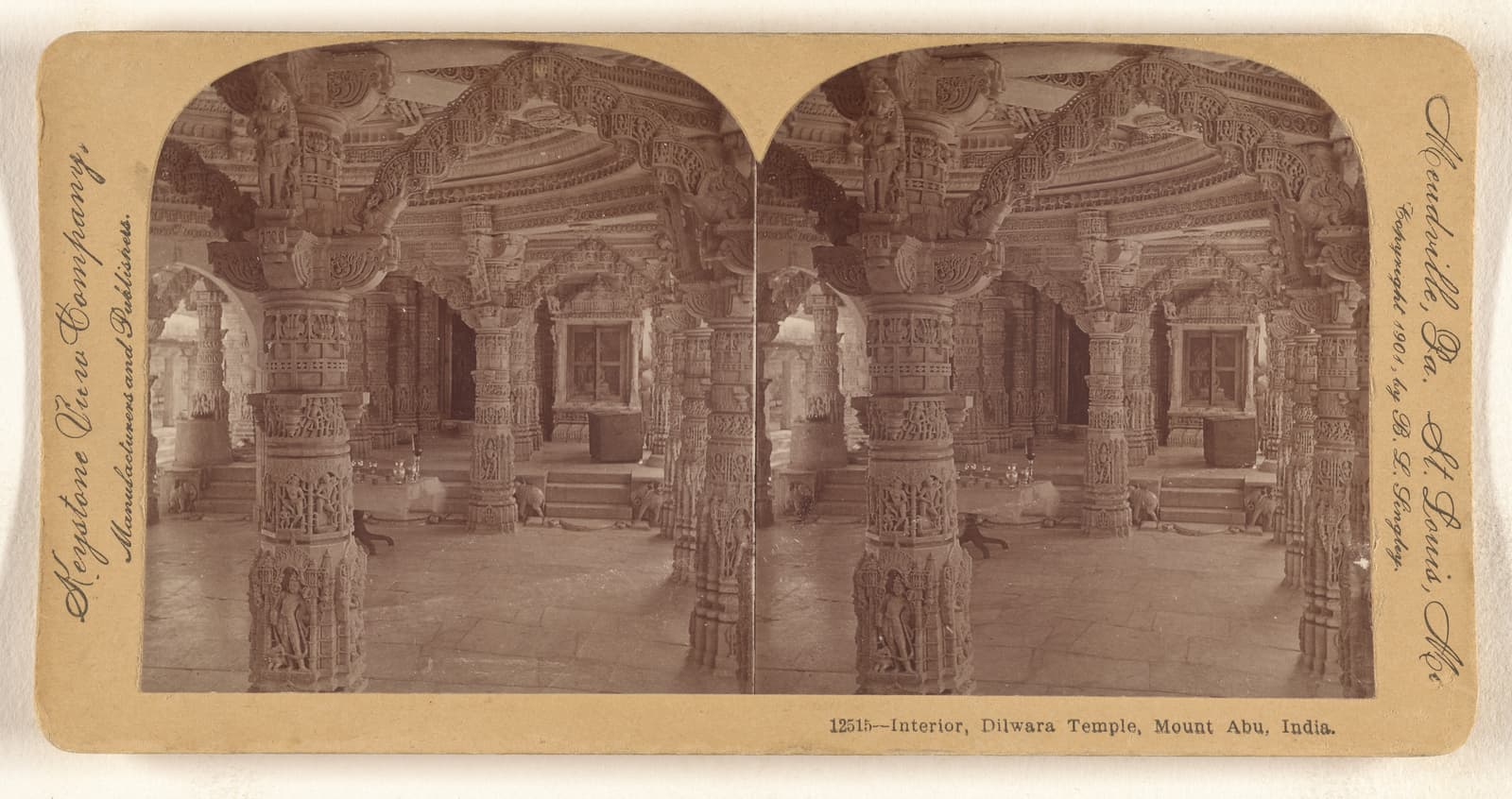
Dilwara Temples
Exquisite marble temples known for their incredible craftsmanship and intricate stone carvings, considered the finest…
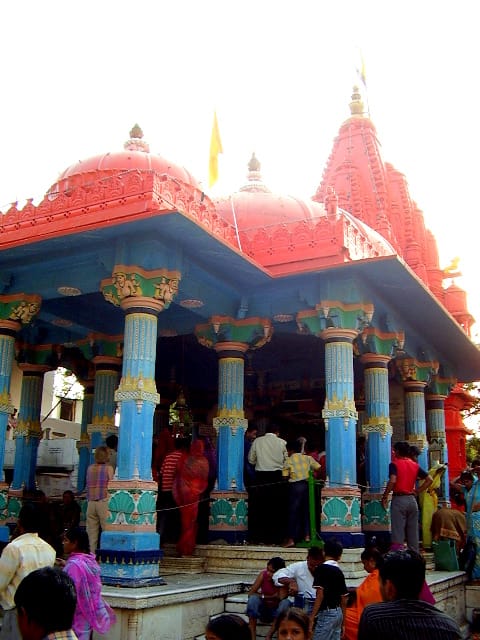
Jagatpita Brahma Temple
One of the very few temples in the world dedicated to Lord Brahma, the creator…
Eklingji Temple
A magnificent 108-temple complex dedicated to the patron deity of the Mewar Maharanas, featuring a…
Shrinathji Temple
A major Vaishnavite shrine housing a 12th-century idol of Krishna, central to the Pushtimarg tradition.
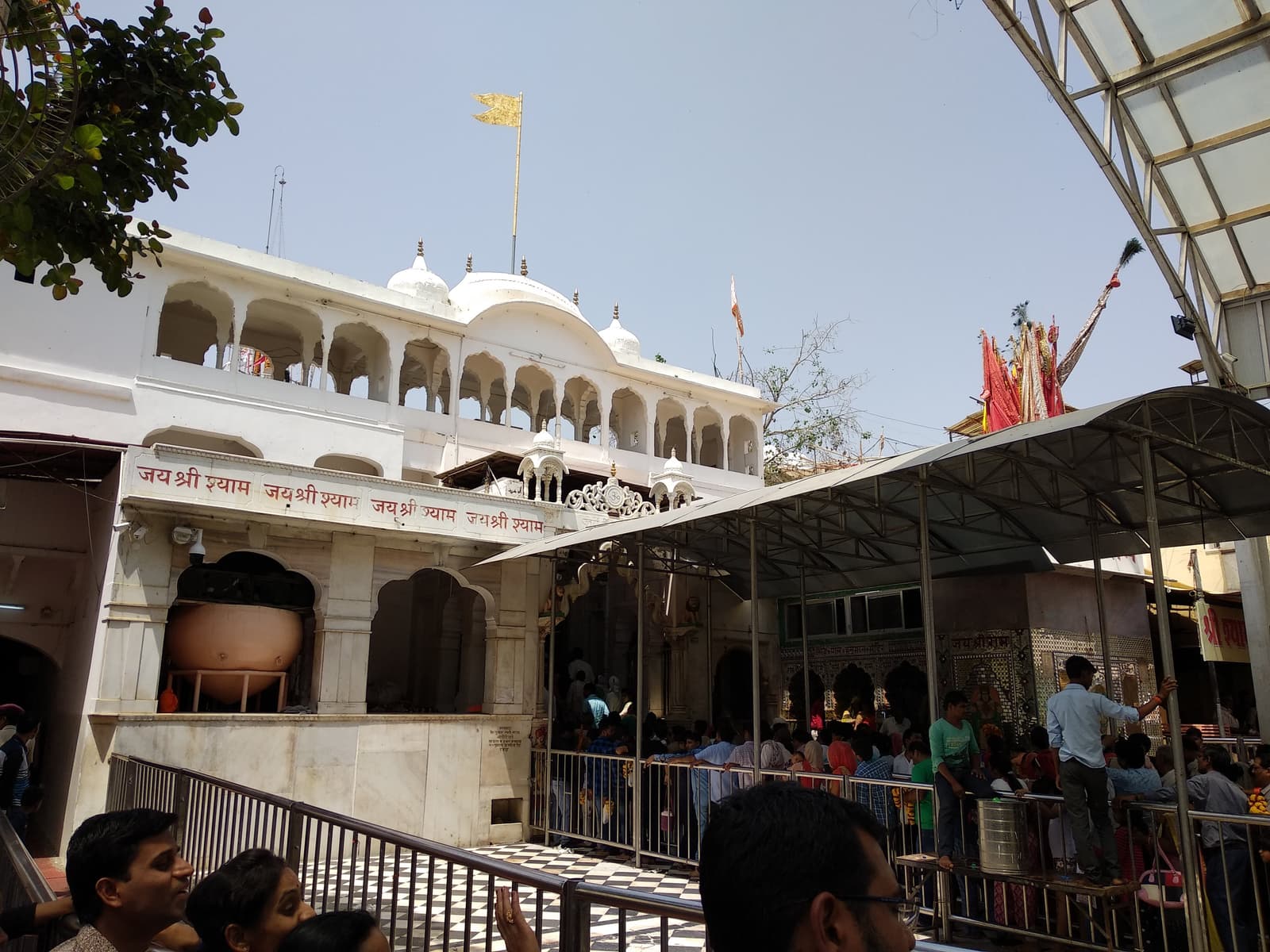
Khatu Shyam Ji Temple
One of North India's most powerful wish-fulfilling temples, where Lord Krishna is worshipped as Barbarik…
Visiting as an International Traveller
Foreign visitor information is being researched
Please verify with the official authority for this site before planning your visit.
Entry Status
Foreign Visitors
Verify Before VisitingVisitor Information
Entry policies are set by each site — confirm before travelling.
Entry rules for international visitorsWho can enter, permits, and what to expect at the gate.Dress Code
Modest clothing is expected — a sign of respect, not a restriction.
Shoulders covered
Knees covered
Shoes removed before entry
Head covering (women)
Rain gear available
Warm layers (winter)
Photography Guide
Outside
Inside
Flash
Drone
Tripod
Commercial
Best Time to Visit
October to March offers pleasant weather in Bikaner. Early morning visits (6:00-8:00 AM) are best to see the rats being actively fed. The Navratri periods (March-April and September-October) offer the most festive atmosphere. Summer months (April-June) can be extremely hot (45°C+).
Language & Communication
Understanding Temple Traditions
These short explanations help make sense of what you see and experience.
Tips for International Visitors
Temple vocabulary and ritualsDarshan, pradakshina, prasadam, aarti, hundi and mandapa.Currency, donations and queuesCash, UPI, donation etiquette and how long entry queues take.Photography etiquetteSignage, flash, selfie sticks and photographing other visitors.Festival crowds and safetyAdvance booking, road closures, belongings and offline maps.
Essential Contacts
Police / Ambulance / Fire: 112 (National Emergency Number)
Tourist Helpline: 1800-111-363 (Multi-lingual, Ministry of Tourism)
Women's Helpline: 1091
Travel Preparation Checklist
Packing Checklist for Karni Mata Temple
Continue Reading
Rules change — confirm current policies with the site's authority before you travel.
Site-verified visitor data pending. See our sources and methodology.
By Naveen singh negi
Updated: July 2026
Related:Rajasthan TemplesGoddess Karni MataRajput (Māru-Gurjara influence)20th Century (Current structure)Methodology
Rajasthan
20th Century (Current structure)
Shakti
Explore More Sacred & Heritage Sites
Related heritage monuments, regional traditions, and pilgrimage connections.
UNESCO Temple Heritage Sites
UNESCO 1987Cultural Heritage
Tamil Nadu
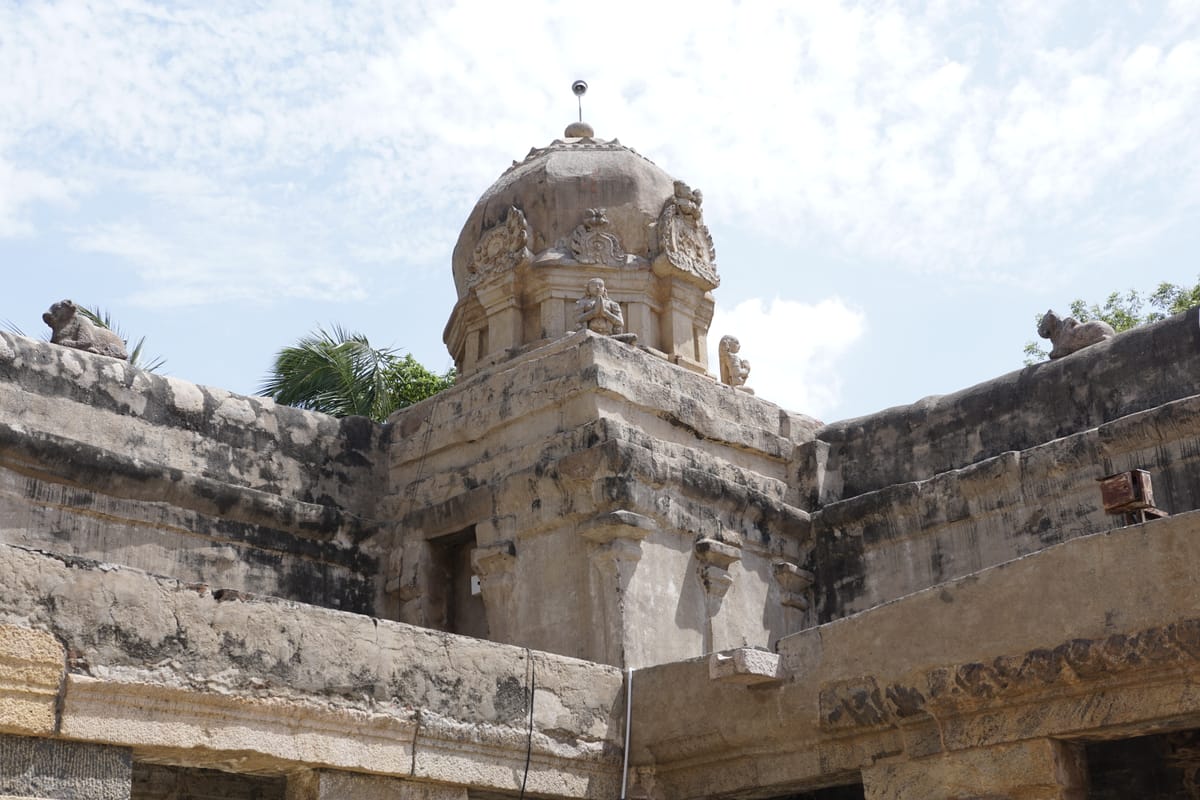
Great Living Chola Temples — Brihadeeswarar Temple
The principal temple of the Great Living Chola Temples UNESCO site, a masterpiece of Dravidian…
Explore Temple
UNESCO 1986Cultural Heritage
Madhya Pradesh
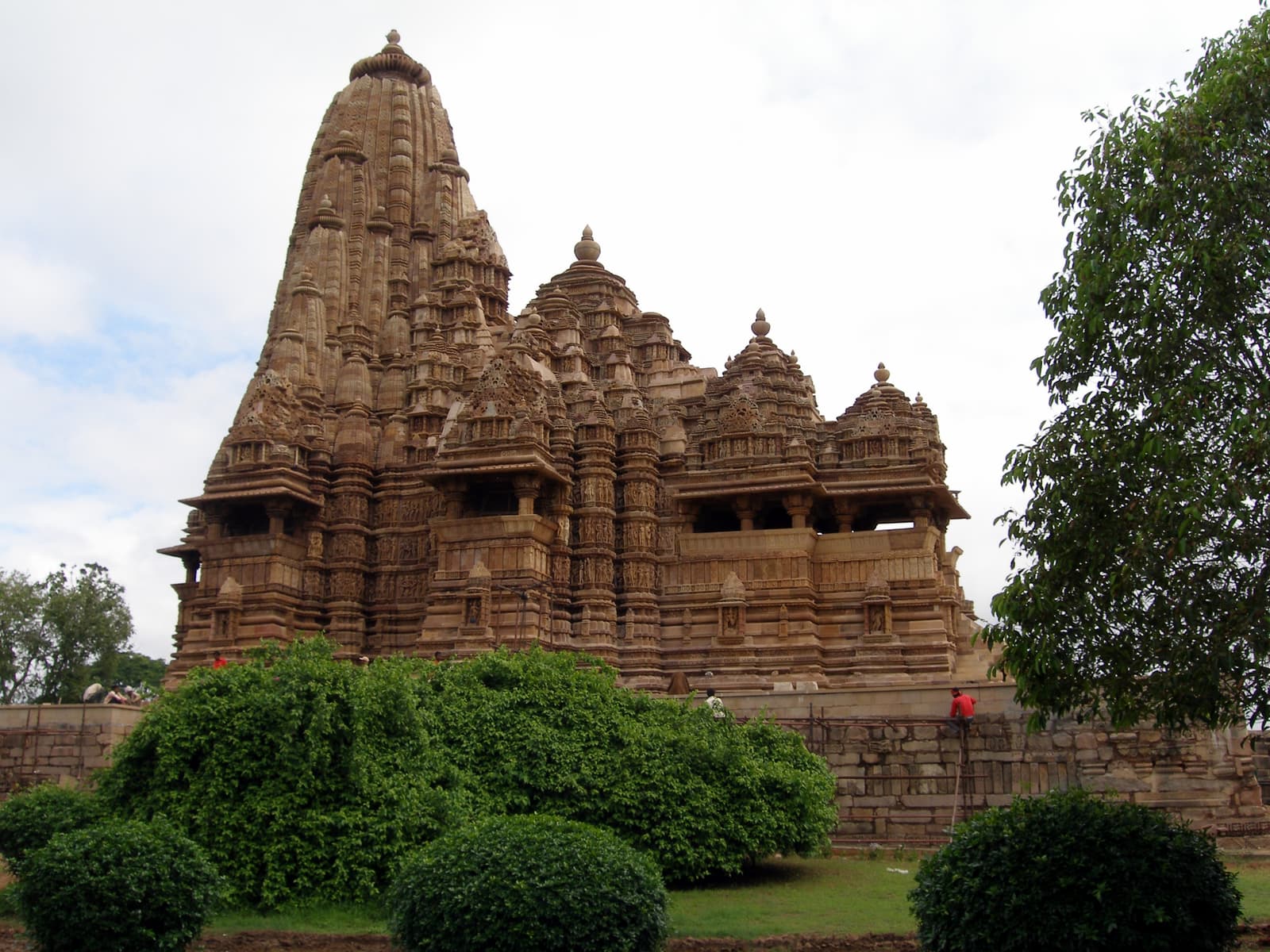
Khajuraho Group of Monuments
The largest and most ornate Hindu temple in the Khajuraho Group of Monuments.
Explore Temple
UNESCO 1984Cultural Heritage
Odisha
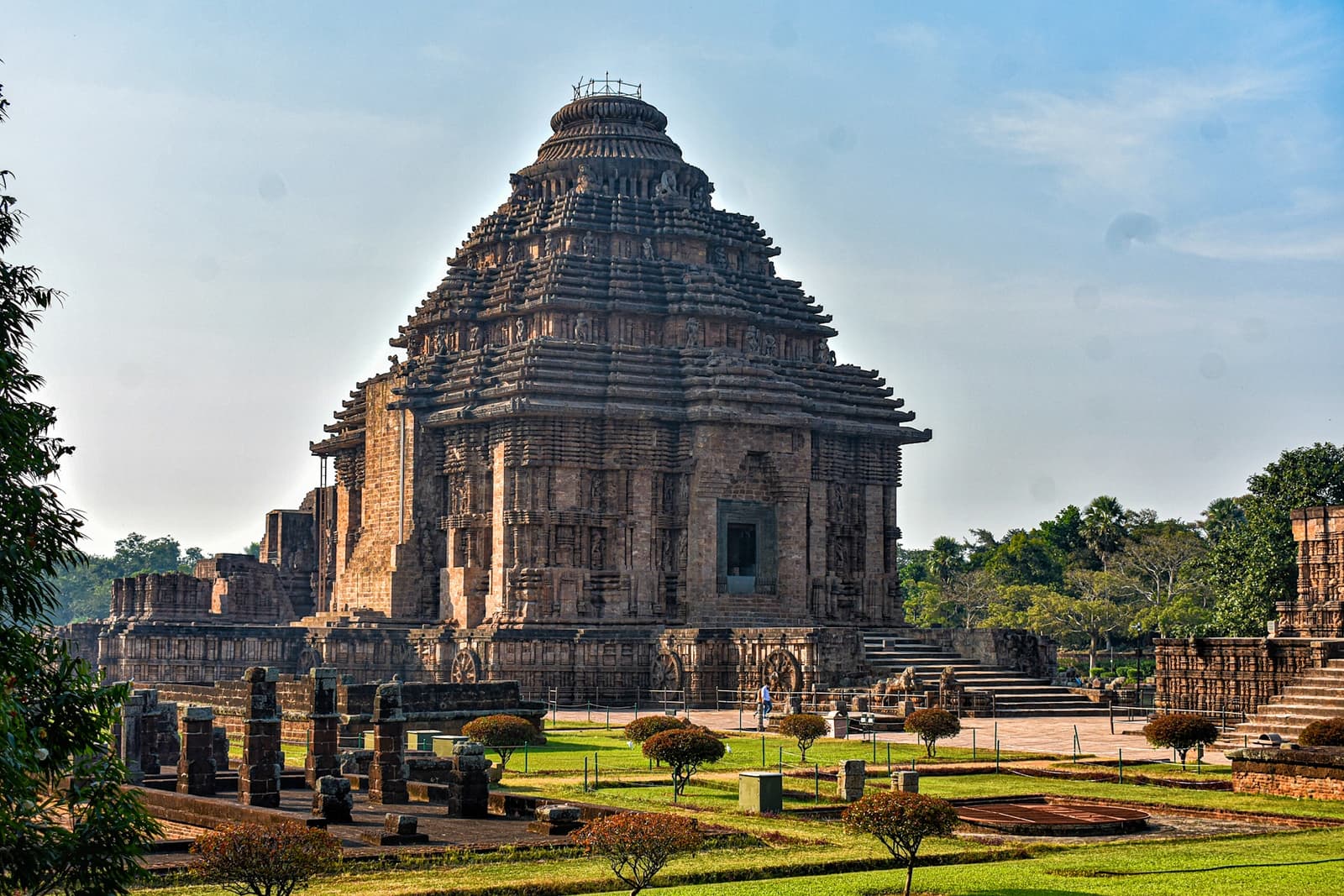
Sun Temple, Konark
A 13th-century Sun Temple built as a giant stone chariot with 24 wheels, drawn by…
Explore Temple
UNESCO 1986Cultural Heritage
Karnataka
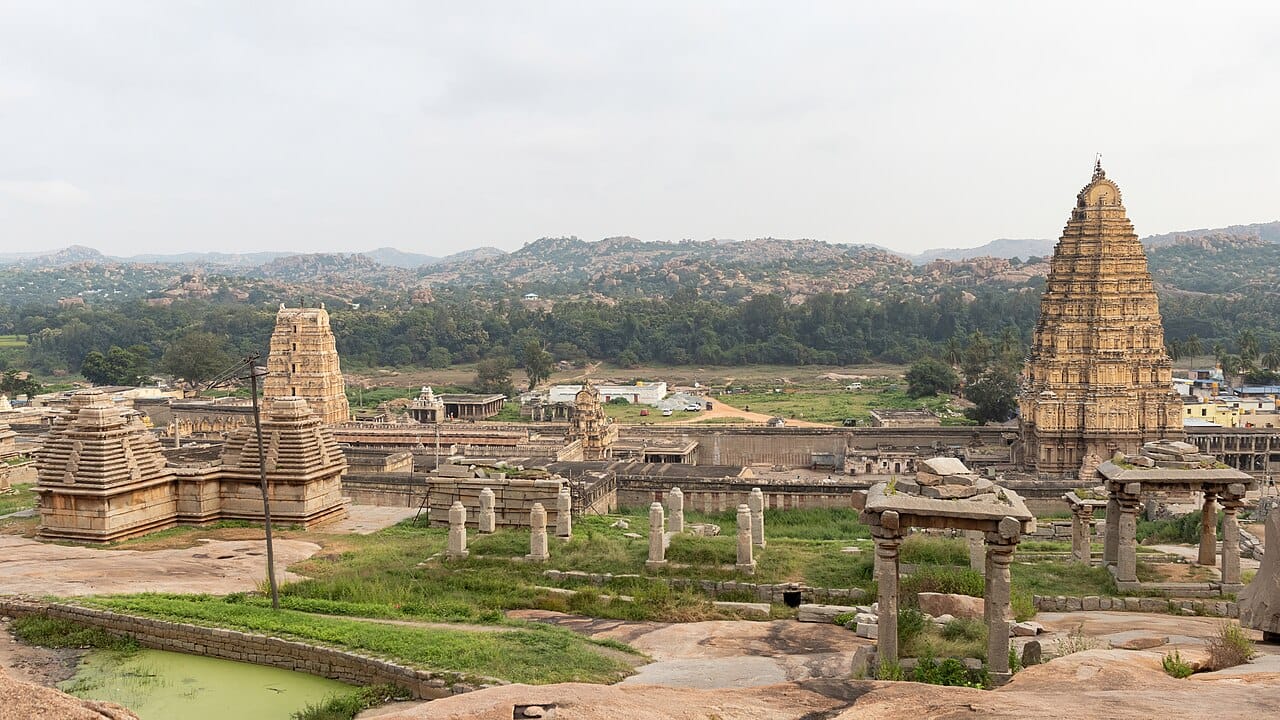
Hampi Group (Virupaksha Temple)
The Virupaksha Temple is the most iconic monument of Hampi, a UNESCO World Heritage site…
Explore Temple
Famous Temples You May Like
Rajasthan
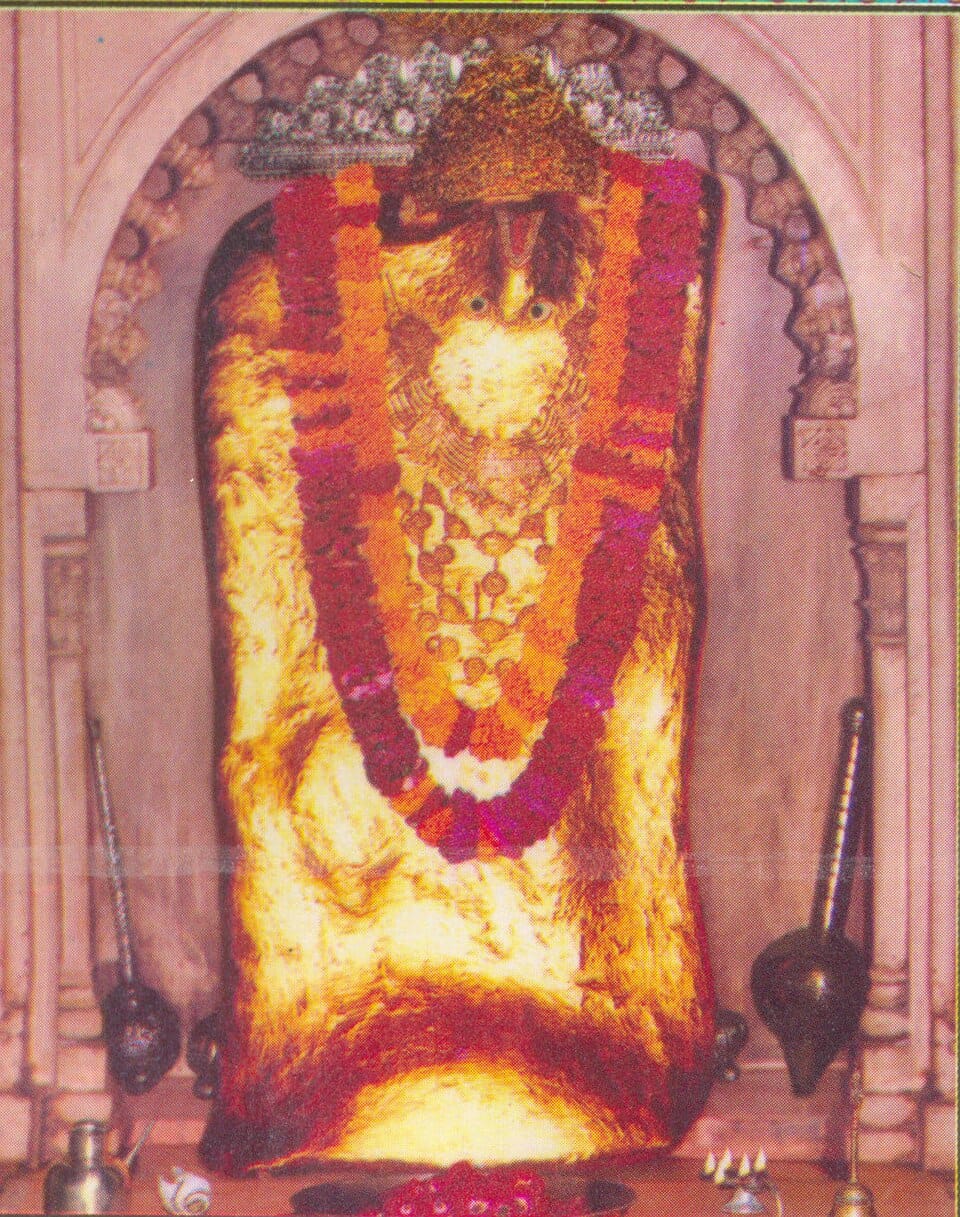
Mehandipur Balaji Temple
Mehandipur Balaji Temple in Rajasthan is a unique temple in India, known worldwide for its…
Explore Temple
Rajasthan
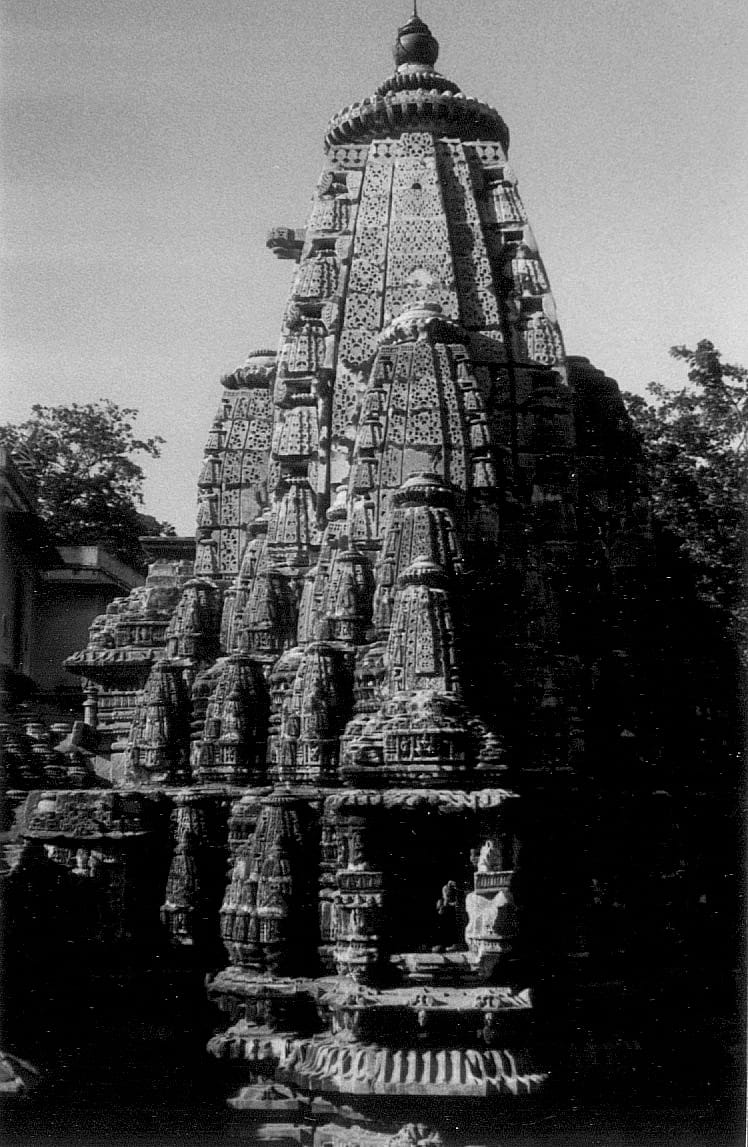
Eklingji Temple
A magnificent 108-temple complex dedicated to the patron deity of the Mewar Maharanas, featuring a…
Explore Temple
Rajasthan
Shrinathji Temple
A major Vaishnavite shrine housing a 12th-century idol of Krishna, central to the Pushtimarg tradition.
Explore Temple
Rajasthan
Khatu Shyam Ji Temple
One of North India's most powerful wish-fulfilling temples, where Lord Krishna is worshipped as Barbarik…
Explore Temple
Explore More in Rajasthan
Rajasthan
Dilwara Temples
Exquisite marble temples known for their incredible craftsmanship and intricate stone carvings, considered the finest…
Explore Temple
Rajasthan
Jagatpita Brahma Temple
One of the very few temples in the world dedicated to Lord Brahma, the creator…
Explore Temple
Rajasthan
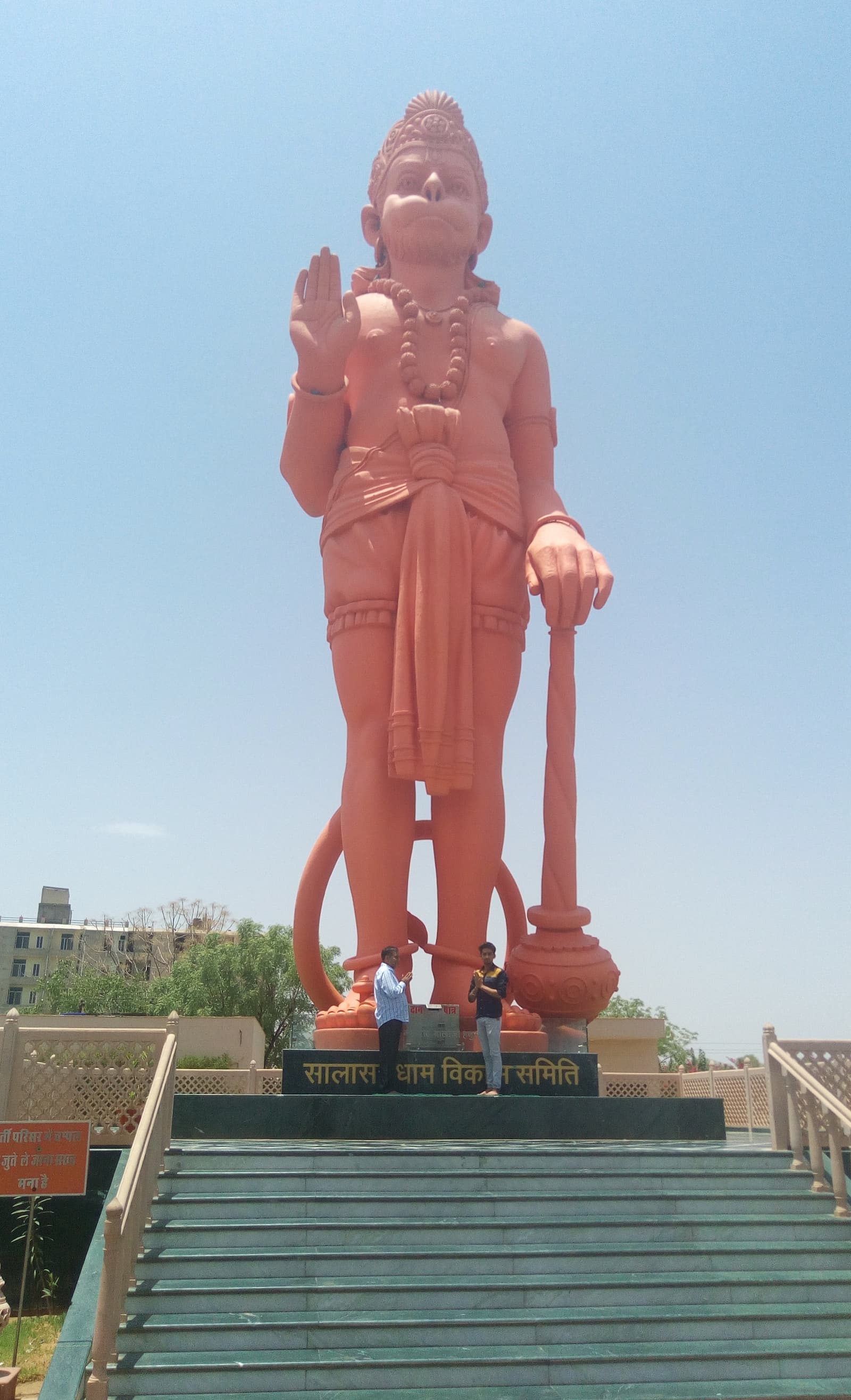
Salasar Balaji Temple
One of North India's most powerful Hanuman temples and a major Shakti Sthal pilgrimage center…
Explore Temple
Heritage Fact
"Hampi, the capital of the Vijayanagara Empire, became a UNESCO World Heritage site in 1986."