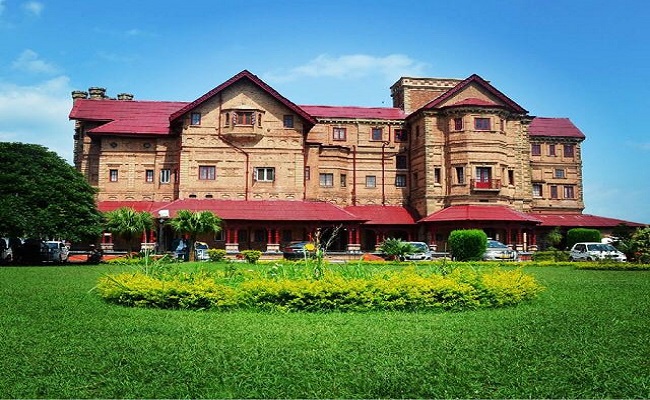
The temple was built in 1883 by Maharaja Ranbir Singh, a devout Shaivite ruler of the Dogra dynasty. The king personally oversaw the construction and named the temple after himself (Ranbir + Ishwar = Ranbireshwar). The twelve crystal lingams were brought with great ceremony from the Amarnath Cave, and the central lingam was consecrated with elaborate Vedic rituals.
Sacred Heritage
Ranbireshwar Temple Jammu
Jammu, Jammu & Kashmir
State:Jammu & Kashmir
District:Jammu
Why This Temple Matters
Key Takeaways
- Dedicated to Lord Shiva (Ranbireshwar)
- Nagara style with a shikhara-style central spire architecture
- Built by the Dogra (Maharaja Ranbir Singh, 1883) dynasty
- Located in Jammu, Jammu & Kashmir
- Temple timings: 5:00 AM to 9:00 PM daily.
Quick Facts
- Location
- Jammu
- Presiding Deity
- Lord Shiva (Ranbireshwar)
- Architecture
- Nagara style with a shikhara-style central spire
- Dynasty
- Dogra (Maharaja Ranbir Singh, 1883)
- Timings
- 5:00 AM to 9:00 PM daily.
- Entry Fee
- Free
- Best Time
- October to March offers pleasant weather in Jammu.
Overview
Built in 1883, it is North India's largest Shiva temple, housing a massive 8-foot central Lingam and twelve crystal lingams.
History & Legacy
Architecture
Key Features
The temple is built in the Nagara style with a prominent shikhara (spire). The main sanctum houses the enormous 8-foot central Shiva Lingam, which is one of the largest in India surrounding by the twelve crystal lingams. The temple complex features a large courtyard, subsidiary shrines, and a community hall. Twelve smaller crystal lingams stand around the main lingam, installed on raised bases in the same sanctum.
The galleries on either side hold large numbers of Narmada saligrams, said to number around one and a quarter lakh in total. Carved images of Ganesha and Kartikeya flank the sanctum, and a colossal brass Nandi faces the lingam from the hall. The temple stands on Shalamar Road in central Jammu, directly opposite the Civil Secretariat building.
Religious & Cultural Significance
The temple is the largest Shiva temple in North India and a key part of Jammu's identity as the 'City of Temples.' The crystal lingams from Amarnath are unique and are believed to carry the spiritual energy of the holy cave shrine. The temple represents the Dogra dynasty's patronage of Shaivism and temple architecture.
A statue of Maharaja Ranbir Singh stands at the upper level with his hands clasped in prayer, close to the sanctum he is said to have built.
Daily Rituals
Daily abhishekam of the main lingam and the twelve crystal lingams is performed. Rudrabhishekam is conducted on Mondays. The temple observes special timings during Shravan month.
Festivals & Celebrations
Festival
Maha Shivaratri is the grandest festival, with night-long celebrations. The month of Shravan (July-August) sees increased pilgrim activity. Baisakhi (April) is also celebrated.
Interesting Facts
Largest Shiva temple in North India, 8-foot central Shiva Lingam, twelve Amarnath crystal lingams, Dogra dynasty architecture
How to Reach & Visitor Tips
The temple is in the heart of Jammu city, accessible by taxi or auto-rickshaw. Jammu is well-connected by air (Jammu Airport), rail (Jammu Tawi), and road. The temple is wheelchair accessible.
Nearby Attractions
Raghunath Temple (1 km) is a major Rama temple. Jammu city offers Bahu Fort, Mubarak Mandi Palace, and Amar Mahal Palace. Vaishno Devi Temple (40 km) is a major pilgrimage. Mansar Lake (60 km).
Frequently Asked Questions
How big is the main Shiva Lingam?
A.
The main Shiva Lingam is 8 feet tall, making it one of the largest in India.
What are the crystal lingams?
A.
The twelve crystal lingams were brought from the Amarnath Cave and are considered highly sacred.
Where in Jammu city is the Ranbireshwar Temple located for visitors planning a short trip?
A.
It sits on Shalamar Road in the civil secretariat area of central Jammu, and taxis and auto-rickshaws reach it from the railway station.
Answers are based on verified information. Site rules may change — verify locally before visiting.
Sources & References
Ministry of Tourism, Government of India
"Ministry of Tourism — official destination information"
View SourceLinks Last Checked
30 September 2026
Related Temples
Same State
Vaishno Devi Temple
The Vaishno Devi Temple, a sacred cave shrine situated in the Trikuta Mountains of Jammu…
Shankaracharya Temple
Perched on a hilltop at 1,000 feet, this ancient Shiva temple offers panoramic views of…
Raghunath Temple
One of the largest temple complexes in North India, featuring seven gold-plated shikharas and thousands…
Martand Sun Temple
A magnificent 8th-century ruin of a solar temple, representing the peak of Kashmiri Hindu architecture.
Kheer Bhawani Temple
The most important shrine for Kashmiri Pandits, famous for a sacred spring that is said…
Amarnath Cave Temple
One of the holiest shrines at 3,888m altitude, famous for its naturally occurring ice stalagmite…
Same Tradition
Tarakeshwar Temple Hooghly
1729 CE Atchala-style Shiva sanctuary founded by Raja Bharamalla in Hooghly district, famous for its…
Virupaksha Temple
The Virupaksha Temple in Hampi, Karnataka, is a UNESCO World Heritage Site and the oldest…
Jageshwar Temple
A cluster of 124 ancient stone temples from the 7th-12th centuries, situated in a dense…
Neelkanth Mahadev Temple
Situated at 1,330 meters, this is where Lord Shiva is believed to have consumed the…
Tungnath Temple
The highest Shiva temple in the world, situated at 3,680 meters on the Chandranath Parbat…
Rudranath Temple
One of the Panch Kedar shrines, representing Lord Shiva's face, situated at an altitude of…
Visiting as an International Traveller
Foreign visitor information is being researched
Please verify with the official authority for this site before planning your visit.
Entry Status
Foreign Visitors
Verify Before VisitingVisitor Information
Entry policies are set by each site — confirm before travelling.
Entry rules for international visitorsWho can enter, permits, and what to expect at the gate.Dress Code
Modest clothing is expected — a sign of respect, not a restriction.
Shoulders covered
Knees covered
Shoes removed before entry
Head covering (women)
Rain gear available
Warm layers (winter)
Photography Guide
Outside
Inside
Flash
Drone
Tripod
Commercial
Best Time to Visit
Peak Season
October to March offers pleasant weather in Jammu.
Moderate to High — comfortable weather
Summer
April — June
Low — hot plains, pleasant hills
Monsoon
July — September
Low — lush landscape, travel delays possible
Language & Communication
Understanding Temple Traditions
These short explanations help make sense of what you see and experience.
Tips for International Visitors
Temple vocabulary and ritualsDarshan, pradakshina, prasadam, aarti, hundi and mandapa.Currency, donations and queuesCash, UPI, donation etiquette and how long entry queues take.Photography etiquetteSignage, flash, selfie sticks and photographing other visitors.Festival crowds and safetyAdvance booking, road closures, belongings and offline maps.
Essential Contacts
Police / Ambulance / Fire: 112 (National Emergency Number)
Tourist Helpline: 1800-111-363 (Multi-lingual, Ministry of Tourism)
Women's Helpline: 1091
Travel Preparation Checklist
Packing Checklist for Ranbireshwar Temple Jammu
Continue Reading
Rules change — confirm current policies with the site's authority before you travel.
Site-verified visitor data pending. See our sources and methodology.
By Naveen singh negi
Updated: July 2026
Related:Jammu & Kashmir TemplesLord Shiva (Ranbireshwar)Nagara style with a shikhara-style central spire StyleDogra (Maharaja Ranbir Singh, 1883)Methodology
Jammu & Kashmir
Dogra (Maharaja Ranbir Singh, 1883)
Shaivite
Explore More Sacred & Heritage Sites
Related heritage monuments, regional traditions, and pilgrimage connections.
UNESCO Temple Heritage Sites
UNESCO 1987Cultural Heritage
Tamil Nadu
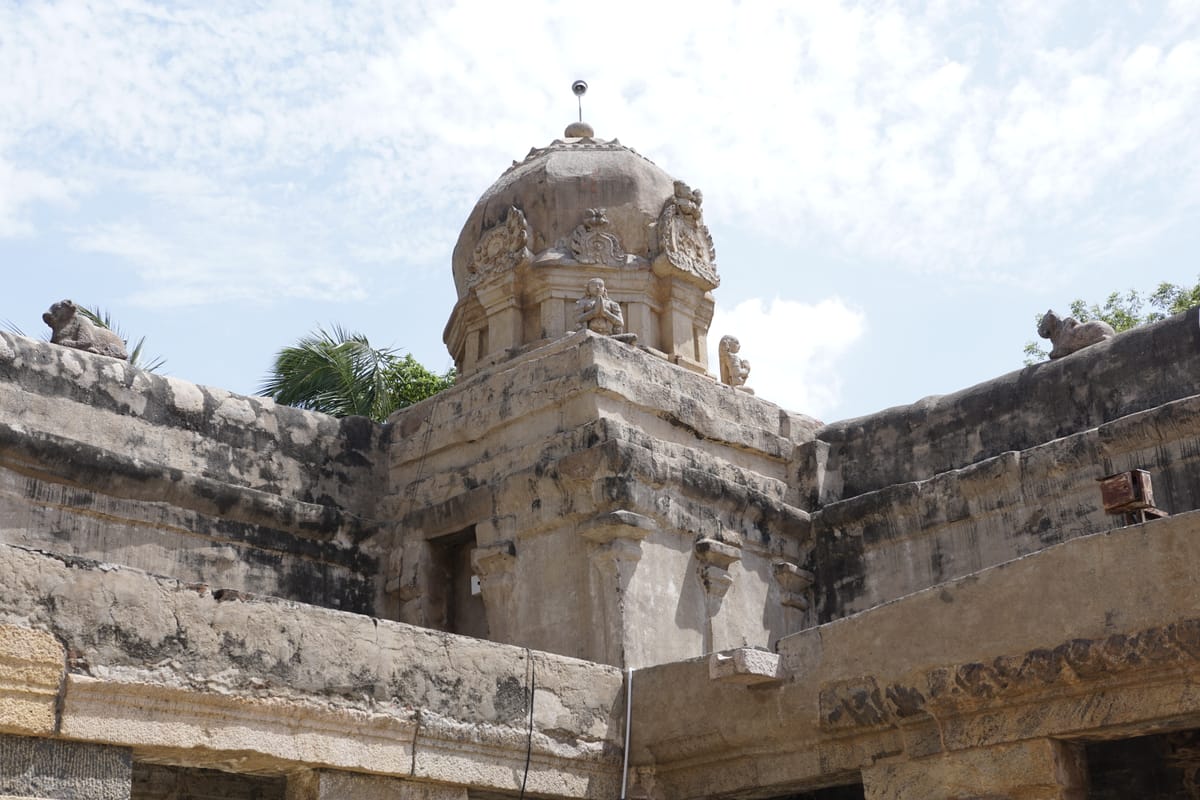
Great Living Chola Temples — Brihadeeswarar Temple
The principal temple of the Great Living Chola Temples UNESCO site, a masterpiece of Dravidian…
Explore Temple
UNESCO 1986Cultural Heritage
Madhya Pradesh
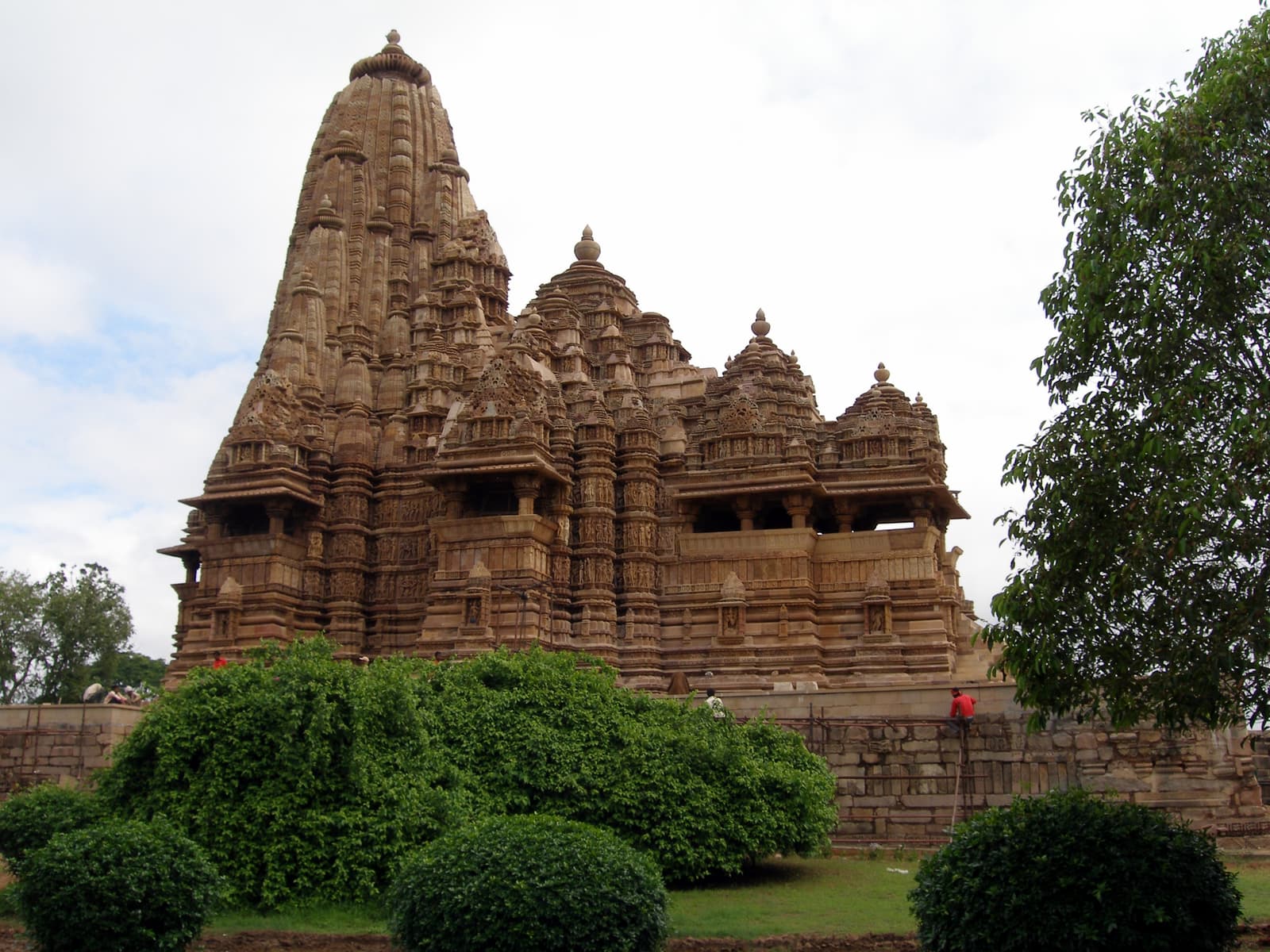
Khajuraho Group of Monuments
The largest and most ornate Hindu temple in the Khajuraho Group of Monuments.
Explore Temple
UNESCO 1984Cultural Heritage
Odisha
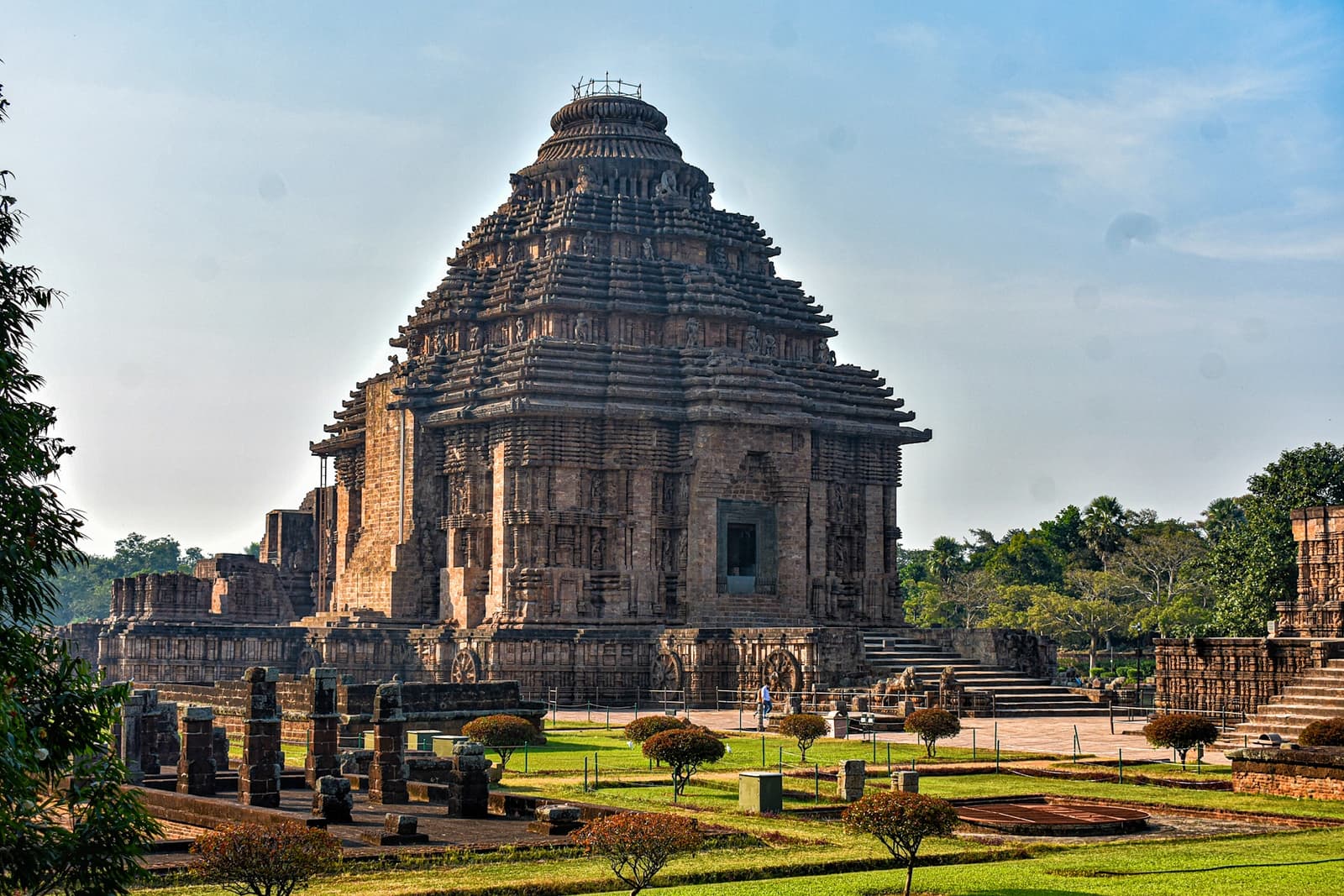
Sun Temple, Konark
A 13th-century Sun Temple built as a giant stone chariot with 24 wheels, drawn by…
Explore Temple
UNESCO 1986Cultural Heritage
Karnataka
Hampi Group (Virupaksha Temple)
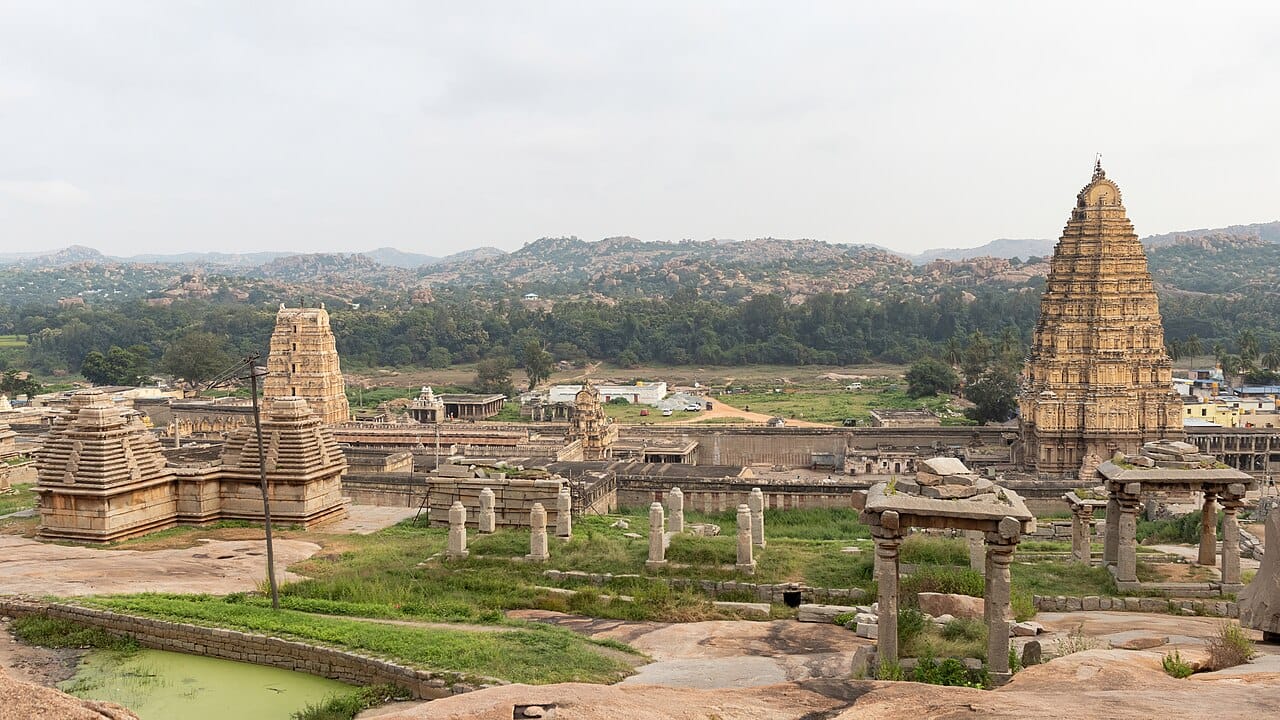
The Virupaksha Temple is the most iconic monument of Hampi, a UNESCO World Heritage site…
Explore Temple
Famous Temples You May Like
Jammu & Kashmir
Kheer Bhawani Temple
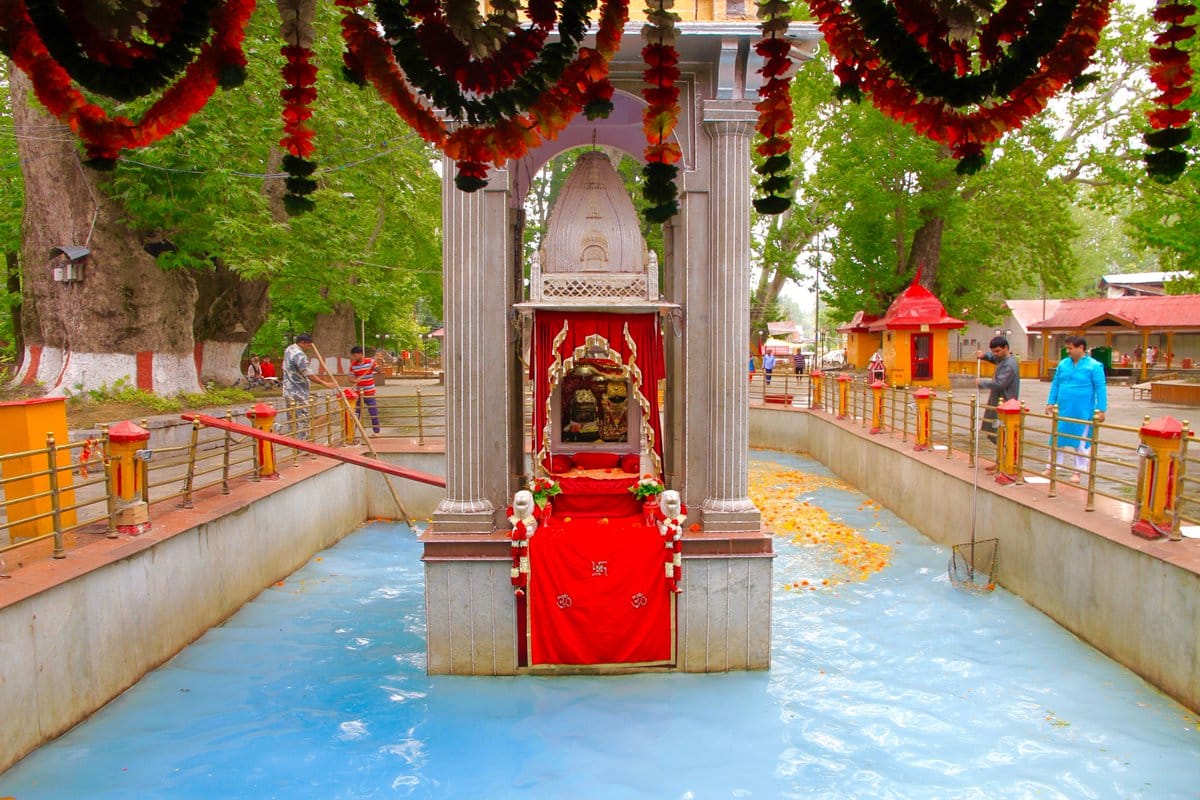
The most important shrine for Kashmiri Pandits, famous for a sacred spring that is said…
Explore Temple
Jammu & Kashmir
Amarnath Cave Temple
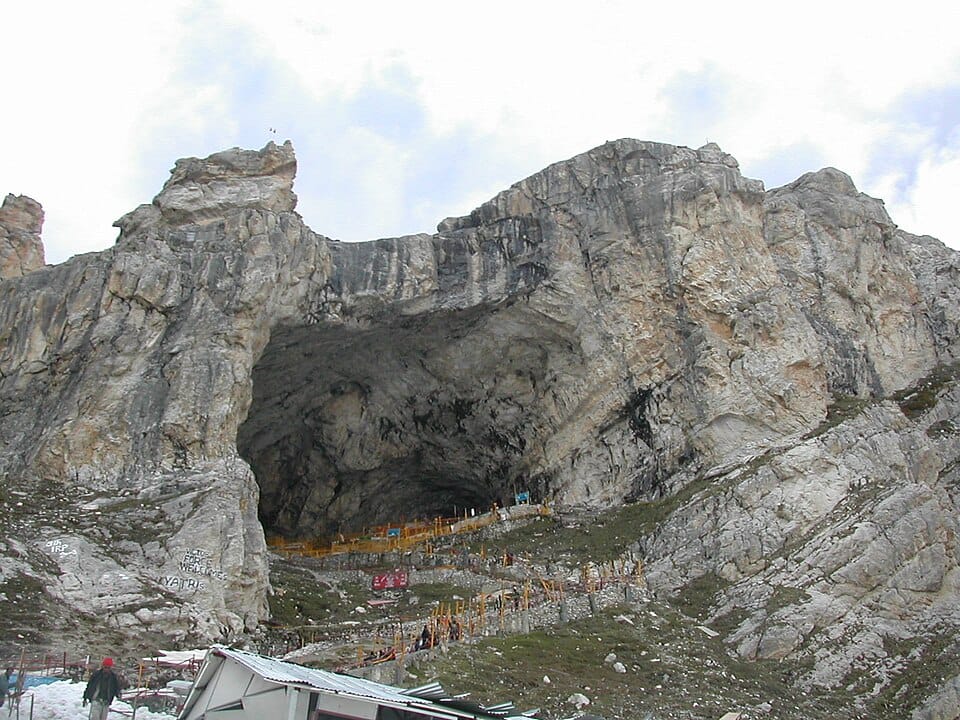
One of the holiest shrines at 3,888m altitude, famous for its naturally occurring ice stalagmite…
Explore Temple
Jammu & Kashmir
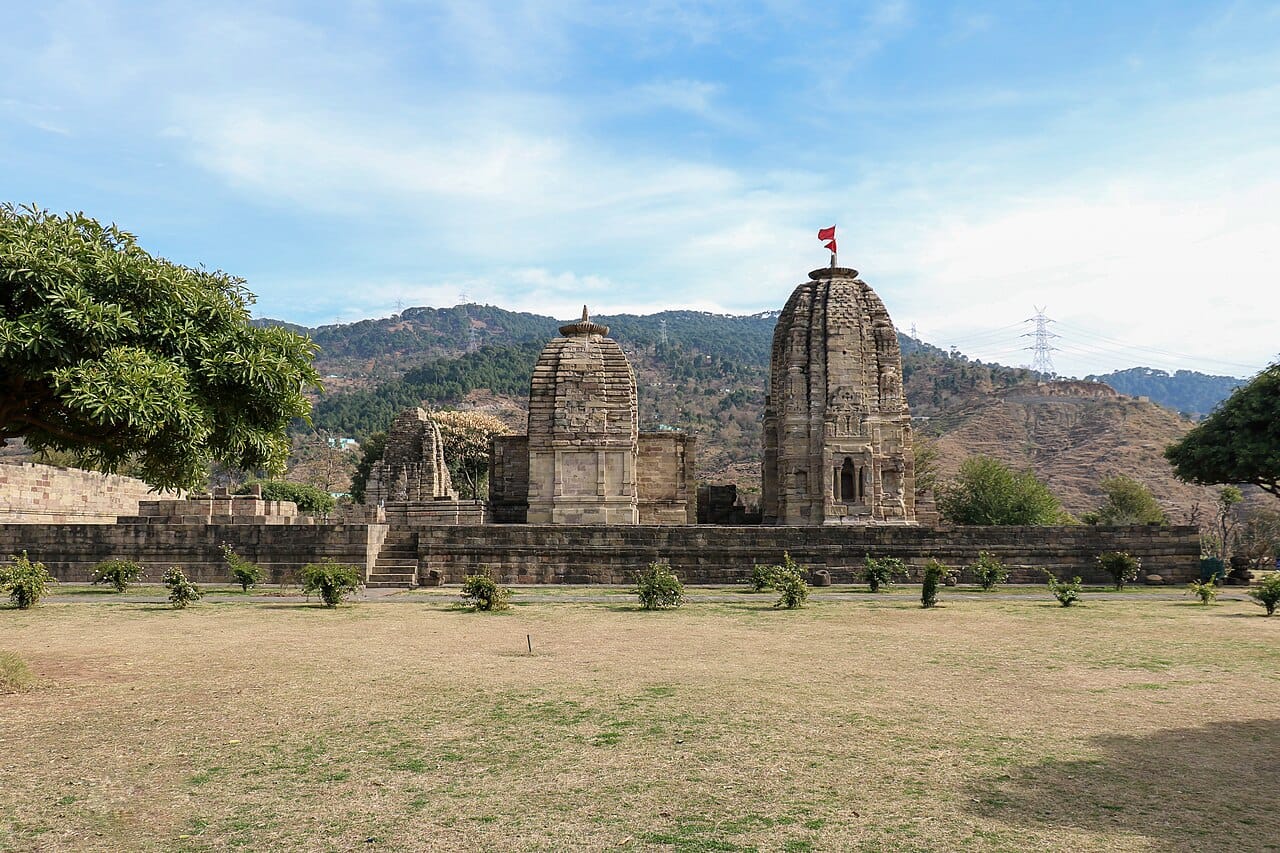
Avantiswami Temple Ruins
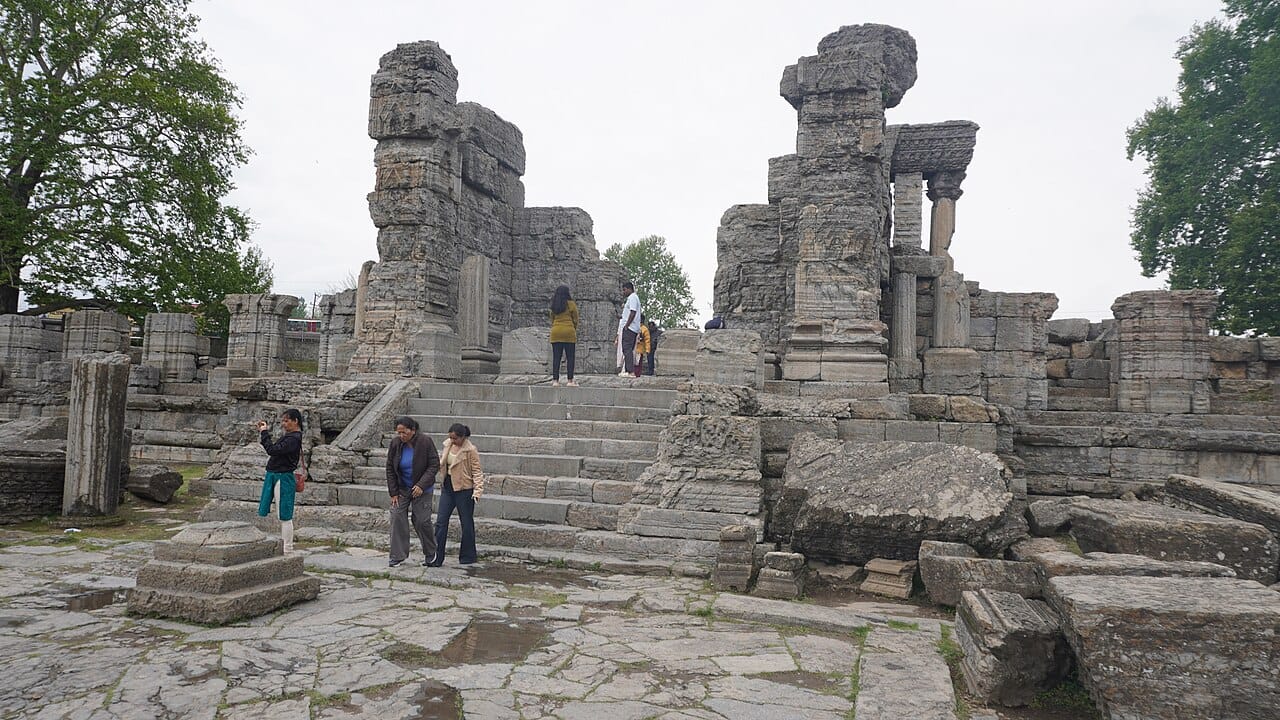
9th-century Vishnu shrine built by King Avantivarman at Awantipora, featuring a 69-cell colonnaded peristyle, fluted…
Explore Temple
Jammu & Kashmir
Sudh Mahadev Temple
Believed to be over 2,800 years old, it houses a sacred broken iron trident that…
Explore Temple
Explore More in Jammu & Kashmir
Jammu & Kashmir
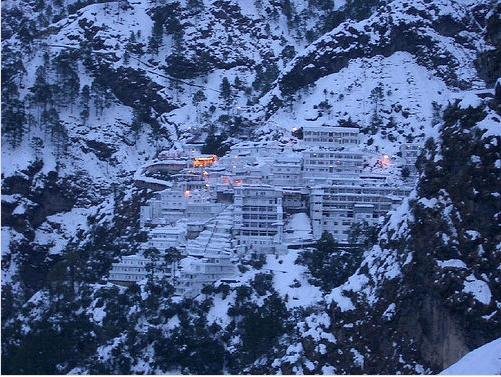
Vaishno Devi Temple
The Vaishno Devi Temple, a sacred cave shrine situated in the Trikuta Mountains of Jammu…
Explore Temple
Jammu & Kashmir
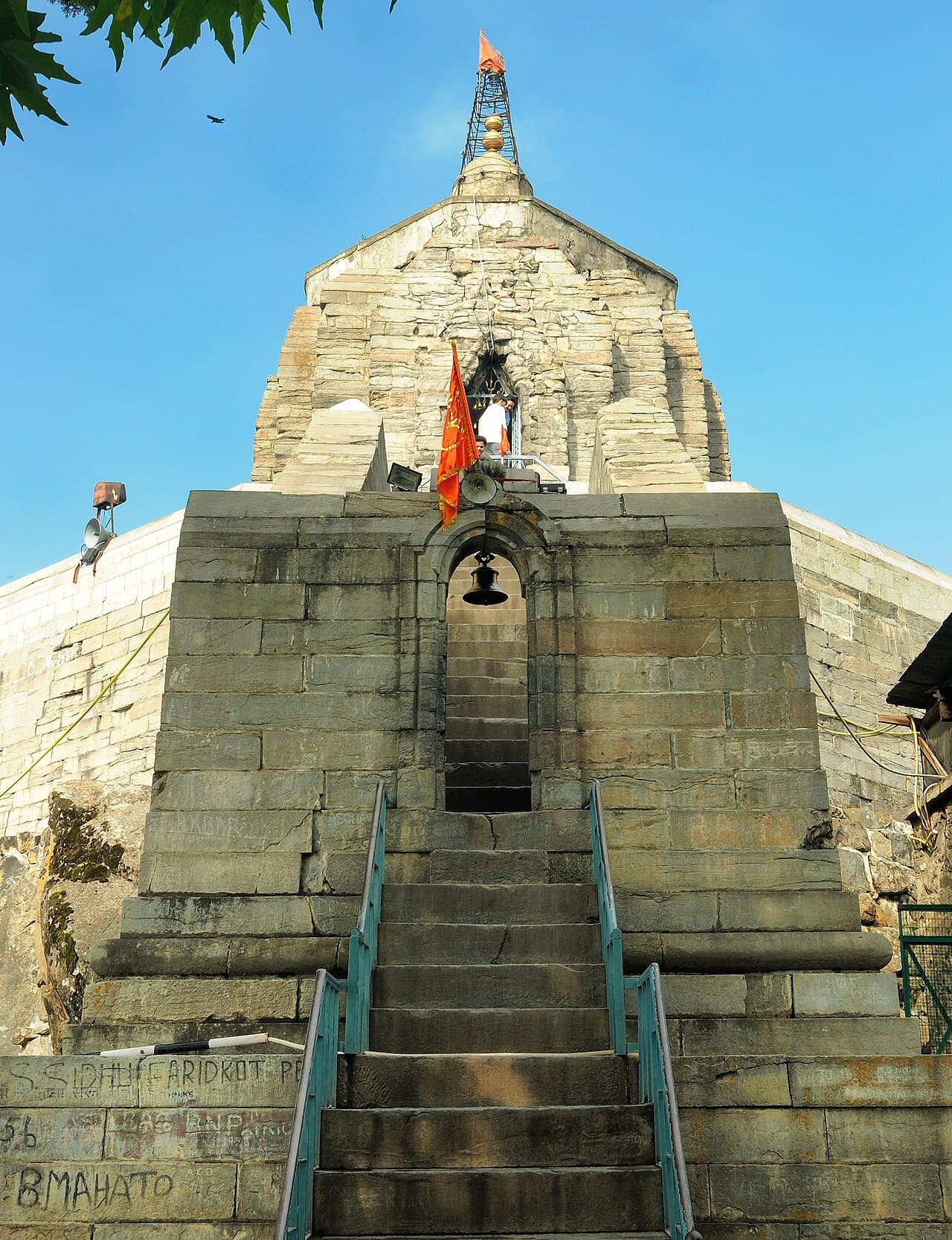
Shankaracharya Temple
Perched on a hilltop at 1,000 feet, this ancient Shiva temple offers panoramic views of…
Explore Temple
Jammu & Kashmir
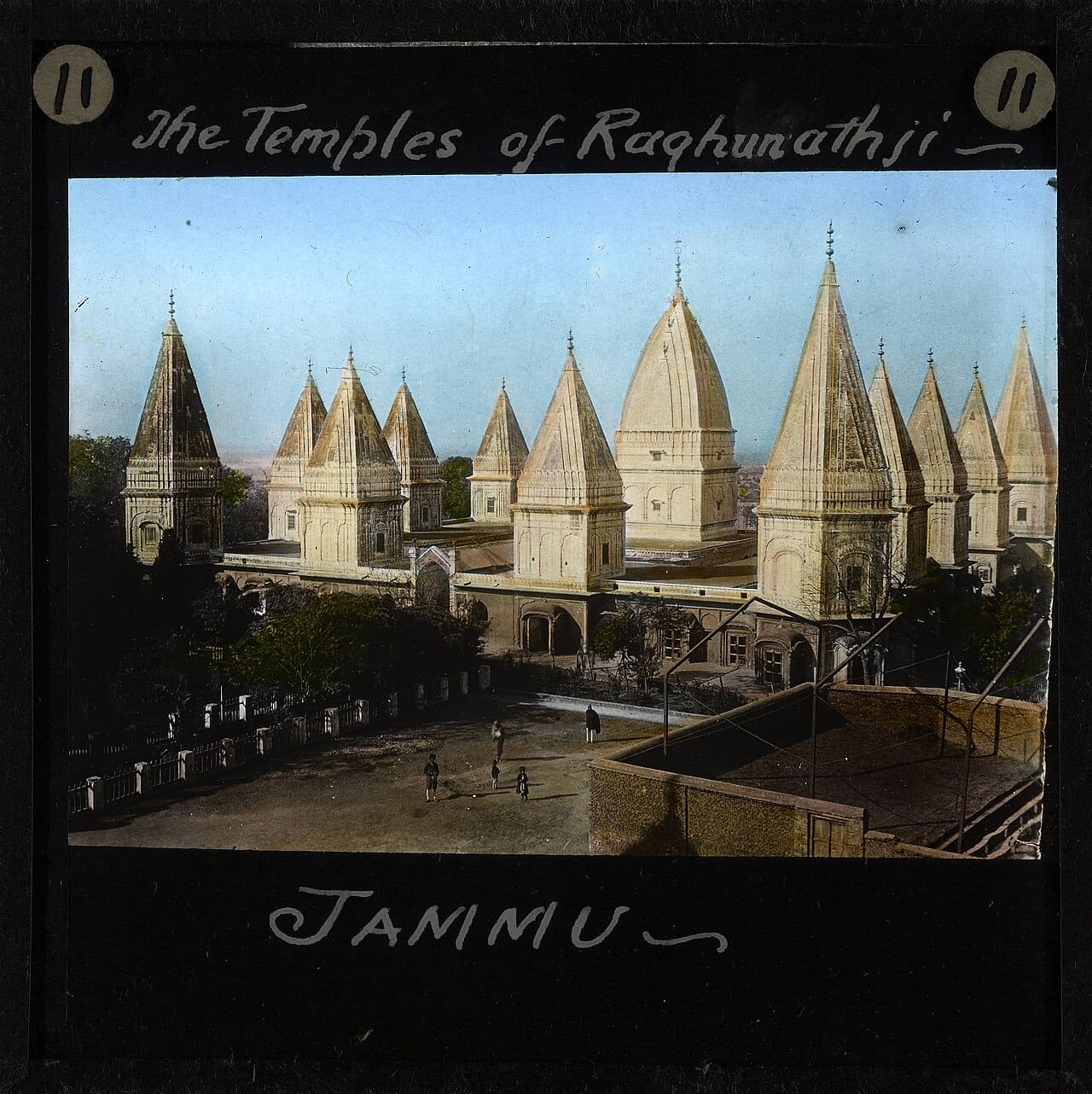
Raghunath Temple
One of the largest temple complexes in North India, featuring seven gold-plated shikharas and thousands…
Explore Temple
Jammu & Kashmir
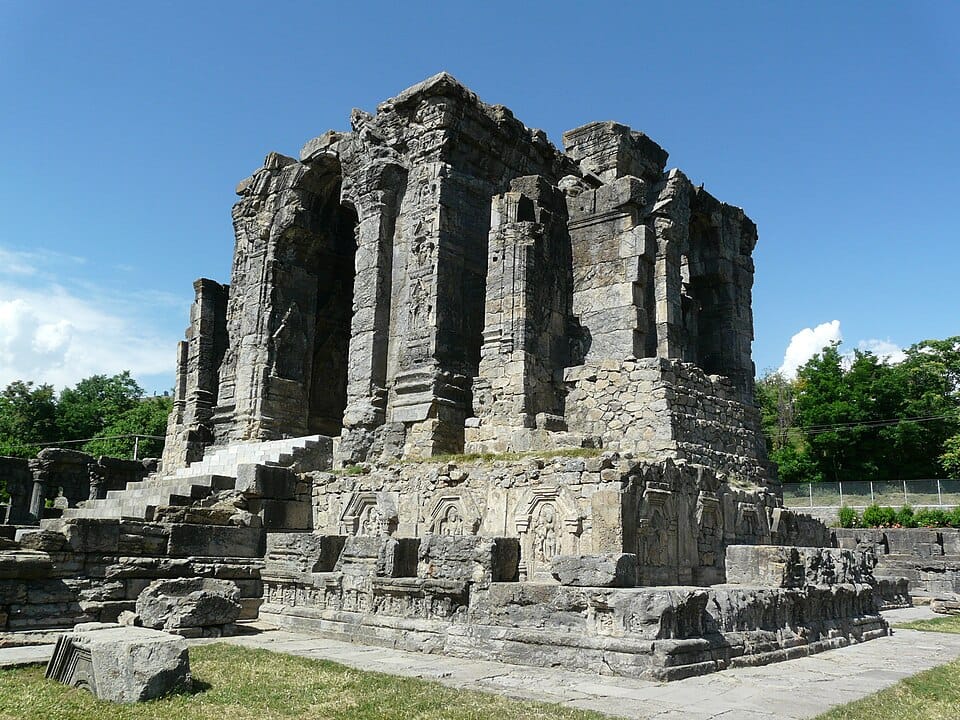
Martand Sun Temple
A magnificent 8th-century ruin of a solar temple, representing the peak of Kashmiri Hindu architecture.
Explore Temple
Heritage Fact
"Pattadakal represents the high point of an eclectic art which, in the 7th and 8th centuries, achieved a harmonious blend of architectural forms from northern and southern India."