Imperial Empire
Vijayanagara Empire
The Vijayanagara Empire (traditionally founded c. 1336 CE and enduring into the 17th century) was the pre-eminent South Indian imperial power, centered at the fortified metropolis of Hampi along the Tungabhadra River. Contemporaneously known as Karnataka Samrajyamu, the empire was governed across four successive royal houses: the Sangama, Saluva, Tuluva, and Aravidu dynasties. Reaching its zenith under Emperor Krishnadeva Raya (r.
1509–1529 CE), Vijayanagara commanded lucrative Indian Ocean trade routes and developed a distinctive monumental style featuring soaring gopurams and pillared mandapas. Following the Battle of Talikota in 1565, the capital was sacked, yet imperial rule continued from Penukonda and Chandragiri until the mid-17th century.
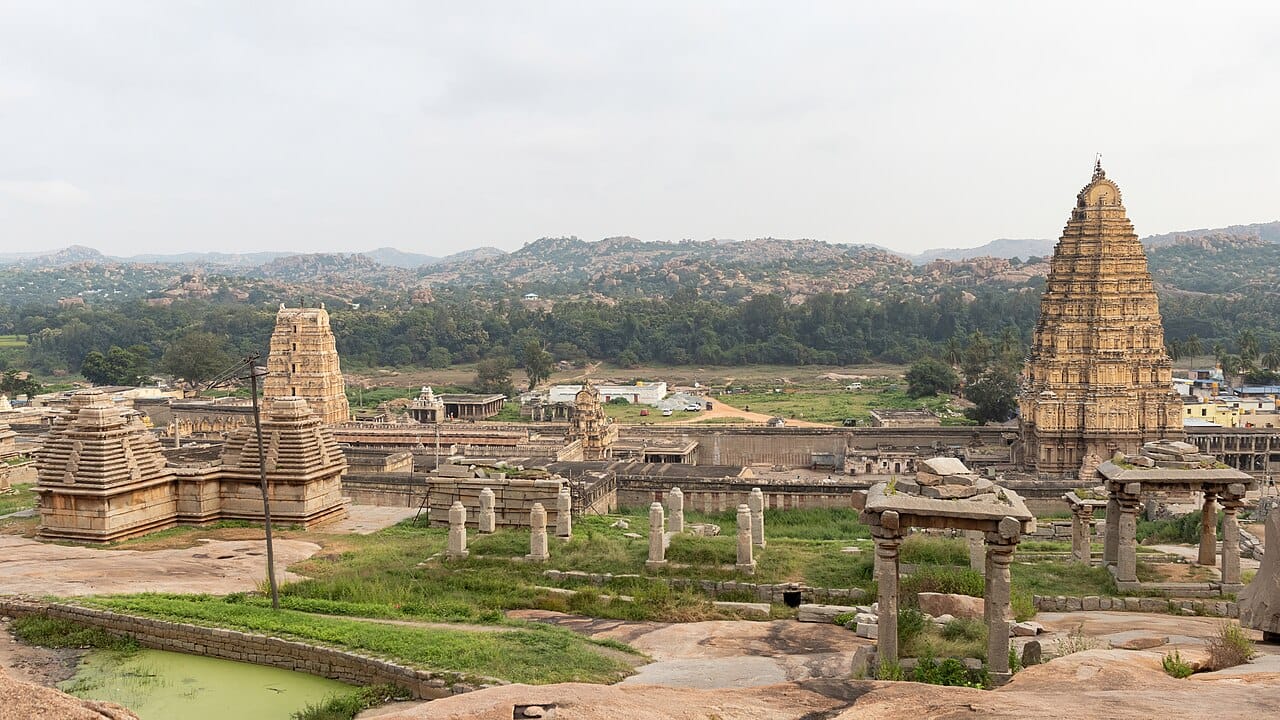
Hampi (Vijayanagara)
circa 1336–1646 CE
20 Temples
Contents: Vijayanagara Dynasty Guide
Quick Reference & Verified Facts
Imperial CapitalsVijayanagara / Hampi (1336–1565); Penukonda (1565–1592); Chandragiri (1592–c. 1646)
Four Dynastic HousesSangama (c. 1336–1485), Saluva (1485–1503), Tuluva (1503–c. 1570), Aravidu (c. 1570–mid-17th c.)
Chronological Spanc. 1336 to mid-17th century (foundation date conventional; capital fell 1565; realm ended c. 1614–1646)
Zenith of Empire1509–1529 CE (Reign of Krishnadeva Raya, Tuluva dynasty)
Key Strategic ResourceWar horses imported from Arabia and Persia via Goa and Bhatkal
Imperial CurrencyGold Pagodas / Varahas (featuring deities like Venkateswara, Shiva-Parvati)
Official LanguagesKannada, Telugu, Sanskrit, Tamil
Administrative ModelAmara-nayaka military-tenure system (territorial fiefs providing armed levies)
UNESCO RecognitionGroup of Monuments at Hampi (inscribed 1986; criteria i, iii, iv; Danger List 1999–2006)
Pivotal ConflictBattle of Talikota / Rakshasi-Tangadi (23 January 1565 against allied Deccan Sultanates)
Foundation, Origins & the Four Dynastic Houses
The establishment of the Vijayanagara state in the second quarter of the 14th century emerged out of profound peninsular turbulence following the southern expeditions of the Delhi Sultanate (Malik Kafur's Khalji campaigns and Muhammad bin Tughluq's conquests), which had destabilised the Kakatiyas of Warangal, the Hoysalas of Dvarasamudra, and the Pandya kingdom of Madurai.
According to long-standing historical consensus documented in NCERT textbooks and epigraphic records, the empire was founded around 1336 CE by two brothers, Harihara I (Hakka) and Bukka I. '), as contemporary epigraphy reflects a multi-year consolidation process: early charters like the Kapalur plates (1336–37) associate Harihara I with the inspiration of sage Vidyaranya, while civic inscriptions by 1347 already reference the city, and a 1368 record credits Bukka I with completing its monumental works.
Early 16th-century Portuguese chroniclers Fernão Nunes and Domingo Paes recorded layered local traditions, including the legend of a hare turning to confront royal hunting hounds on the south bank of the Tungabhadra as an auspicious omen for founding the capital.
Unlike many contemporary medieval states, imperial governance in Vijayanagara was not sustained by a single continuous royal patrilineage. Instead, four distinct dynastic houses held power in succession over three centuries: 1. Sangama Dynasty (c. 1336–1485 CE): Founded by Harihara I and Bukka I, this house consolidated rule across Karnataka, Andhra, and Tamil country, absorbing the remnants of Hoysala territory by the mid-14th century and expanding under Deva Raya I and Deva Raya II.
2. Saluva Dynasty (1485–1503 CE): Established by Saluva Narasimha, an influential military commander who deposed the weakening Sangama monarchs to restore imperial cohesion amidst internal rebellion and Gajapati pressure. 3. **Tuluva Dynasty (1503–c.
1570 CE): Initiated by Vira Narasimha Tuluva, this dynasty produced Vijayanagara's most illustrious sovereign, Krishnadeva Raya (r. 1509–1529 CE), who expanded the frontiers, crushed regional rivals, and orchestrated an unprecedented cultural and architectural renaissance. 4. Aravidu Dynasty (c.
1570 to mid-17th century):** After the catastrophe of the Battle of Talikota in 1565, political leadership consolidated under Tirumala Raya (brother of regent Aliya Rama Raya). Ruling first from the hill fort of Penukonda and subsequently from Chandragiri near Tirupati, the Aravidu line governed a fractured peninsular realm until the mid-17th century.
Chronological Milestones of the Empire
Dates follow NCERT and critical epigraphic editions; disputed boundaries and traditional windows are noted.
| Date | Event |
|---|---|
| c. 1336 CE | Traditional foundation of Vijayanagara by Harihara I and Bukka I (Marked uncertain ('1336?') by NCERT; capital completed c. 1343) |
| 1347 CE | Establishment of the rival Bahmani Sultanate at Gulbarga (Begins two centuries of protracted struggle over the fertile Raichur doab) |
| c. 1370 CE | Kumara Kampana campaigns into Tamil country; conquest of Madurai Sultanate (Commemorated in the Sanskrit poem Madhura Vijayam by Gangadevi) |
| 1443 CE | Persian ambassador Abdur Razzaq visits Vijayanagara during the reign of Deva Raya II (Documents seven concentric rings of fortifications, thriving markets, and the mint) |
| 1485 CE | Saluva Narasimha usurps the throne; end of the Sangama Dynasty (First dynastic coup in Vijayanagara history; inaugurates the Saluva line) |
| 1503–1505 CE | Accession of the Tuluva Dynasty under Vira Narasimha (Second dynastic transition; lays groundwork for imperial resurgence) |
| 1509–1529 CE | Reign of Emperor Krishnadeva Raya (Annexes Raichur doab (1512/1520); subdues Gajapatis of Odisha (1514); peak of art and literature) |
| 1510 CE | Portuguese under Afonso de Albuquerque seize Goa from Bijapur (Establishes vital maritime alliance; all imported horses diverted to Vijayanagara) |
| 1520 CE | Battle of Raichur (Decisive defeat of Ismail Adil Shah of Bijapur with Portuguese arquebusier assistance) |
| 1542–1565 CE | Ascendancy of Aliya Rama Raya as regent and de facto ruler under Sadasiva Raya (Aggressive diplomatic intervention in the domestic rivalries of the five Deccan Sultanates) |
| 23 January 1565 | Battle of Talikota (Rakshasi-Tangadi) (Allied sultanates defeat Vijayanagara; Rama Raya killed; Hampi capital sacked over five months) |
| 1565–1592 CE | Aravidu court rules from Penukonda under Tirumala Raya and Sri Ranga I (Royal family escapes with 550 elephants carrying imperial treasury) |
| 1592–1614 CE | Reign of Venkata II from Chandragiri (Temporary resurgence of Aravidu authority across southern Andhra and northern Tamil country) |
| 1639 CE | English East India Company receives grant for Madraspatnam (Fort St. George) (Issued by Damarla Venkatadri Nayaka with approval of Chandragiri ruler Peda Venkata Raya) |
| c. 1646–1649 CE | Final collapse of central Aravidu authority under Sri Ranga III (Southern Nayaka kingdoms (Madurai, Thanjavur, Gingee) become fully independent) |
Key Rulers & Dynastic Transitions
Regnal spans reflect consensus between NCERT, Encyclopaedia Britannica, and epigraphic surveys.
| Ruler | Reign | Why this ruler matters | How we know |
|---|---|---|---|
| Harihara I (Hakka) | c. 1336–1356 CE (Sangama) | Co-founder of the empire; established initial administrative machinery borrowing Kakatiya territorial units (sthola, nadu, sima); fortified the south bank of the Tungabhadra. | Inscriptions of 1340, 1347; Kapalur copper plates. |
| Bukka I | c. 1356–1377 CE (Sangama) | Expanded borders across peninsular India; sponsored Vedic revivalism under scholar Sayana; brought an end to the Sultanate of Madurai via his son Kumara Kampana's expedition; dispatched an embassy to Ming China in 1374. | Inscriptions of 1368; Madhura Vijayam of Gangadevi; Ming dynastic annals. |
| Deva Raya II (Proudha Deva Raya) | 1422–1446 CE (Sangama) | Greatest ruler of the Sangama dynasty; incorporated skilled archers and cavalrymen from the Deccan into imperial forces; author of Sanskrit works Mahanataka Sudhanidhi; patronised Kannada and Telugu poets; visited by Persian envoy Abdur Razzaq. | Abdur Razzaq's travelogue (1443); Sravanabelagola and Hampi epigraphs. |
| Saluva Narasimha | 1485–1491 CE (Saluva) | General who executed the first dynastic coup, deposing weak Sangama successors to stabilize borders against the Gajapatis and Bahmanis; reorganized horse imports from Arabian ports. | Saluva Abhyudayam of Rajanatha Dindima; coastal epigraphs. |
| Krishnadeva Raya | 1509–1529 CE (Tuluva) | Foremost monarch of Vijayanagara; annexed the Raichur doab (1512/1520), captured Udayagiri and Kondavid, and checked the Gajapatis; author of Amuktamalyada in Telugu; commissioned the Krishna temple, Hazara Rama temple, and grand gopurams across South India. | NCERT Theme 7; eyewitness accounts of Domingo Paes and Fernão Nunes; Hampi inscriptions. |
| Achyuta Deva Raya | 1529–1542 CE (Tuluva) | Brother and successor of Krishnadeva Raya; maintained imperial frontiers against Bijapur and Golconda; commissioned the massive Achyutaraya Temple complex in Hampi. | Fernão Nunes' chronicle; Hampi monument epigraphs; Achyutarayabhyudayam. |
| Aliya Rama Raya (Regent / Chief Minister) | 1542–1565 CE (de facto ruler) | Son-in-law of Krishnadeva Raya who held absolute authority while Sadasiva Raya remained nominal king; pursued high-stakes balance-of-power diplomacy among the five Deccan Sultanates; commanded the army at Talikota, where he was captured and killed. | Britannica; contemporary chronicles of Firishta, Couto, and Caesar Federici. |
| Tirumala Raya | 1565–1572 CE (Aravidu) | Brother of Rama Raya; evacuated the imperial treasury and court to Penukonda after Talikota; established the Aravidu Dynasty and attempted to rally peninsular subordinates. | Penukonda inscriptions; Federici's 1567 eyewitness account. |
| Venkata II (Venkata Raya) | 1586–1614 CE (Aravidu) | Shifted the primary capital to Chandragiri; repulsed Golconda incursions; patronised Jesuit missions and arts; his passing triggered a catastrophic war of succession. | Jesuit missionary records; Chandragiri palace architecture and inscriptions. |
| Sri Ranga III | 1642–c. 1646/1649 CE (Aravidu) | Last nominal emperor of Vijayanagara; unable to control rebellious Nayakas of Madurai and Gingee; kingdom crushed between Bijapur and Golconda armies, ending imperial sovereignty. | British East India Company records; local Kaifiyats; Mackenzie manuscripts. |
The Golden Age of Krishnadeva Raya (1509–1529 CE)
The reign of Emperor Krishnadeva Raya represents the apex of Vijayanagara's military power, economic opulence, and cultural achievement. Ascending the throne following the brief rule of his elder brother Vira Narasimha, he confronted existential military threats from the Gajapati kings of Odisha to the northeast, the Adil Shahi sultanate of Bijapur to the north, and rebellious feudatories within Karnataka and Tamil Nadu.
In a sequence of swift, methodically executed campaigns, Krishnadeva Raya transformed the strategic landscape of peninsular India: - Campaign against Odisha (1513–1518 CE): He captured the formidable fortress of Udayagiri in Nellore district in 1513, bringing back an iconic idol of Balakrishna to Hampi and constructing the majestic Krishna Temple to enshrine it. He then stormed Kondavidu (1515) and Kondapalli, capturing several Gajapati princes before forcing King Prataparudra of Odisha into a favorable peace treaty sealed by a dynastic marriage.
- The Raichur Campaign (1520 CE): The fertile Raichur doab, nestled between the Krishna and Tungabhadra rivers, had been contested for two centuries. In May 1520, Krishnadeva Raya inflicted a crushing defeat upon Ismail Adil Shah of Bijapur. The siege of Raichur fortress was expedited by a contingent of Portuguese arquebusiers under Christovao de Figueiredo, marking one of the earliest decisive employments of European firearms in peninsular field warfare.
- Statecraft & Diplomacy: Krishnadeva Raya was far from a purely militaristic ruler. In his celebrated political treatise Amuktamalyada, composed in classical Telugu, he articulated sophisticated principles of statecraft: 'A king should improve the harbours of his country and encourage commerce so that horses, elephants, precious gems, and spices arrive in abundance, and should never permit goods of strategic value to reach his enemies.'
He astutely cultivated friendship with the Portuguese following their conquest of Goa in 1510, securing a virtual monopoly on imported Arabian war horses.
Krishnadeva Raya was simultaneously an ardent patron of literature, religion, and the arts. At his court, known as the Bhuvanavijayam, flourished a circle of celebrated poets including Pingali Suranna, Tenali Ramakrishna, and court poet Allasani Peddana. He made lavish benefactions to major temples across South India—constructing the towering northern gopuram at the Virupaksha Temple in Hampi, erecting the monolithic Ugra Narasimha statue (1528/1529 CE), and funding monumental renovations at Tirupati, Chidambaram, Srisailam, and Kanchipuram.
Administration, the Amara-Nayaka System & Economy
The administrative structure of the Vijayanagara Empire balanced centralized imperial authority with extensive regional devolution. At the apex stood the king (Raya), assisted by a council of ministers headed by the Pradhani or Mahapradhani (chief minister).
The Amara-Nayaka System: The hallmark of Vijayanagara provincial governance was the amara-nayaka system, which NCERT identifies as a defining political innovation likely inspired in part by the iqta system of the Delhi Sultanate. Under this arrangement: - Amara-nayakas were military commanders assigned specific territorial tracts (amaram) by the king. - They collected land revenues, tolls, and commercial taxes from cultivators, artisans, and merchants within their domain.
- In return, they retained a portion of the revenue for personal expenses and were legally obligated to maintain a stipulated standing contingent of infantry, cavalry, and war elephants, ready for royal mobilization at a moment's notice. - They were required to invest in public works, particularly clearing forests, maintaining irrigation reservoirs (eris), and repairing temple tanks.
- Nayakas delivered an annual fixed tribute to the central treasury at the capital and presented themselves in person with costly gifts during the grand Mahanavami festival. While this system provided the empire with vast mobilization capabilities, it contained structural vulnerabilities: when central authority weakened in the late 16th century, powerful nayakas (such as the Nayakas of Madurai, Thanjavur, and Keladi) transformed their governorships into autonomous dynasties, precipitating imperial disintegration.
Economic Infrastructure & International Commerce: Vijayanagara was one of the wealthiest mercantile empires of the pre-modern world. Its agricultural backbone was sustained by sophisticated hydraulic engineering—such as the massive Kamalapuram tank and the Hiriya canal, which channelled river water from the Tungabhadra through stone aqueducts across the urban core.
The capital's bazaars astonished foreign visitors. Portuguese merchant Domingo Paes, who visited around 1520 CE, recorded that the city appeared 'as large as Rome' and described vast bazaar streets where merchants traded rubies, diamonds, emeralds, pearls, fine silks, and damasks alongside cheap and abundant foodgrains, rice, wheat, and pulses.
The strategic pivot of the economy was the international horse trade. Because peninsular breeding conditions were inhospitable to war horses, military superiority depended entirely on importing Arabian and Central Asian stallions. Trade was initially brokered through Arab merchants and coastal guild networks known as kudirai chettis (horse merchants). Following 1498 and especially the 1510 capture of Goa, the Portuguese controlled maritime horse shipments, selling thousands of mounts annually to Vijayanagara in exchange for gold, rice, textiles, and spices.
The empire's standard gold currency, known to European merchants as the pagoda (and regionally as the varaha), was universally trusted across Indian Ocean trading ports for its consistent purity and weight.
The Battle of Talikota (1565) & the Move to Penukonda
One of the most consequential military engagements in South Indian history took place on Tuesday, 23 January 1565: the Battle of Talikota, historically fought near the villages of Rakshasi and Tangadi along the Krishna River.
Root Causes & Diplomatic Overreach: Following the death of Krishnadeva Raya and Achyuta Raya, real authority was seized by Aliya Rama Raya, the son-in-law of Krishnadeva Raya, who ruled as regent while keeping nominal king Sadasiva Raya under confinement. Rama Raya pursued an aggressive and risky balance-of-power policy: exploiting bitter feuds among the five successor sultanates of the Bahmani realm (Bijapur, Ahmadnagar, Golconda, Bidar, and Berar), he allied with one against another in alternating conflicts.
While this policy yielded short-term territorial gains, Rama Raya's high-handed diplomatic conduct eventually united the sultanates. Realizing that Vijayanagara was exploiting their divisions, the rulers of Bijapur, Ahmadnagar, Golconda, and Bidar formed a historic grand coalition, cementing their alliance through inter-dynastic marriages.
The Battle & Destruction of Hampi: At Rakshasi-Tangadi, the massive Vijayanagara army initially held the advantage. However, the coalition's concentrated artillery fire, coupled with the reported desertion of mercenary divisions, turned the tide. Rama Raya was surrounded, captured, and summarily executed on the battlefield by Sultan Husain Nizam Shah of Ahmadnagar.
The victorious sultanate armies advanced unopposed upon Hampi. Over the subsequent five months, the undefended metropolis was systematically ransacked. Foreign chroniclers such as Caesar Federici (who visited in 1567) and later synthesis by Robert Sewell documented that monumental palaces and royal pavilions were burned, public buildings dismantled, and sacred statues—including the colossal monolithic Narasimha—deliberately mutilated.
Continuity Beyond 1565: It is a common textbook error to equate the Battle of Talikota with the immediate termination of the Vijayanagara Empire. While the metropolis of Hampi was abandoned and never regained its status as an imperial capital, the empire itself survived for nearly a century: - Rama Raya's brother, Tirumala Raya, successfully evacuated the royal court, Emperor Sadasiva Raya, and the central treasury loaded onto 550 elephants to the southern hill citadel of Penukonda (in modern Andhra Pradesh).
- Establishing the Aravidu Dynasty, Tirumala and his successors reorganised imperial administration across Andhra, Karnataka, and Tamil country. - In 1592, the capital was moved further east to the fortress-city of Chandragiri (near Tirupati). Under King Venkata II (r. 1586–1614 CE), the empire experienced a notable political and cultural renaissance.
It was from the Chandragiri court in 1639 that the English East India Company secured the historic grant of land that became Fort St. George (Madras/Chennai). Only by the mid-17th century (c. 1646–1649 CE), weakened by continuous wars with Bijapur and Golconda and the secession of southern Nayaka vassals, did sovereign Vijayanagara authority finally dissolve.
Architectural Synthesis & the Sacred Landscape of Hampi
Vijayanagara architecture represents an eclectic and monumental synthesis of prior South Indian architectural traditions—drawing directly upon Chola, Pandya, Hoysala, and Chalukya prototypes while introducing innovative structural features perfectly harmonised with the dramatic granite boulder terrain of Hampi.
Urban Spatial Organization: The imperial capital covered approximately 26 square kilometres, enclosed within seven concentric rings of defensive stone walls recorded by Abdur Razzaq. The city was organized into two distinct functional zones: 1. The Sacred Centre: Situated along the southern banks of the Tungabhadra River, centered on the ancient Virupaksha (Pampapati) Temple. This zone included the grand chariot bazaars, the Krishna Temple complex, the Achyutaraya Temple, and the magnificent Vitthala Temple.
2. The Royal Centre: Located further south, containing over thirty palace platforms, administrative halls, the King's Audience Hall, the monumental Mahanavami Dibba (a massive stepped stone platform used for royal rituals and imperial ceremonies), the Lotus Mahal, and the vaulted Elephant Stables.
Defining Architectural Features: - Kalyana Mandapas: Large, open hypostyle ceremonial marriage halls adorned with exuberantly sculpted pillars, featuring rearing mythical beasts (yalis) carrying riders, rearing horses, and intricate divine avatars. - Raya Gopurams: Monumental entrance gateways soaring up to twelve storeys, built with granite stone basements and tapering brick-and-stucco superstructures, visible across miles of peninsular landscape.
- The Stone Chariot of Vitthala Temple: A miniature shrine sculpted in the form of a ceremonial temple processional cart, dedicated to Garuda, featuring stone wheels designed to rotate on axles. - Aman-Kovil / Devi Shrines: Subsidiary shrines constructed within temple enclosures specifically dedicated to the consort of the primary presiding deity, reflecting evolved theological rituals.
- Indo-Islamic Courtly Architecture: In secular royal structures (such as the Elephant Stables, Queens' Bath, and Lotus Mahal), Vijayanagara architects ingeniously integrated Islamic arch, vault, and dome construction techniques with traditional Hindu stone bracket trabeation.
In 1986, the Group of Monuments at Hampi was inscribed as a UNESCO World Heritage Site under criteria (i), (iii), and (iv). Due to commercial encroachments and bridge construction across the river, it was placed on the UNESCO List of World Heritage in Danger between 1999 and 2006, before rigorous conservation management led to its successful removal from the danger list.
Comparison: Vijayanagara vs Bahmani Sultanate & Successors
Comparative geopolitical, administrative, and military profile of the two peninsular superpowers that contested the Deccan from the 14th to the 16th centuries.
| Feature | |||
|---|---|---|---|
| Foundation | c. 1336 CE (conventional; flagged uncertain) by Harihara I and Bukka I | 1347 CE by Alauddin Hasan Bahman Shah (breakaway from Delhi Sultanate) | |
| Imperial Seat | Vijayanagara / Hampi; post-1565 moved to Penukonda and Chandragiri | Ahsanabad (Gulbarga), then Muhammadabad (Bidar from 1425 CE) | |
| Regnal Style & Ideology | Rayas; Karnataka Samrajyamu; 'Hindu Suratrana' (Protector of the Hindu realm) | Sultans; Persianate royal protocol; Islamic coinage and court titles | |
| Provincial Structure | Amara-nayaka system (military governors with revenue-maintenance levies) | Tarafs (provinces) governed by Tarafdars, reformed under vizier Mahmud Gawan (1466–1481) | |
| Literary Patronage | Telugu (prabandhas), Kannada, Sanskrit, and Tamil devotional poetry | Persian court chronicles, Arabic scholarship, and emerging Deccani Urdu/Hindavi | |
| Key Geopolitical Bone of Contention | The fertile Raichur doab (between Krishna and Tungabhadra rivers) | The Raichur doab and commercial ports on the Konkan coast | |
| Historical Sunset | Capital sacked 1565; Aravidu line ruled until dissolution c. 1646–1649 CE | Fractured c. 1490–1518 into five sultanates (Bijapur, Golconda, Ahmadnagar, Bidar, Berar) |
What the Evidence Tells Us: Critical Analysis
Distinguishing primary epigraphic and archaeological facts from later folklore and colonial-era historiography.
- Later tradition
The Vijayanagara Empire was founded definitively in 1336 CE by sage Vidyaranya.
NCERT explicitly prints '1336?' with a qualification denoting an approximate date. Epigraphically, founding was a phased process: early charters associate Harihara with the sage Vidyaranya, but inscriptions of 1347 and 1368 record the city's completion under Bukka I. Five mutually contradictory origin legends were noted as early as Robert Sewell's 1900 investigation, proving the Vidyaranya founding story contains substantial later hagiographical layering.
- Disputed
The Vijayanagara Empire came to an end in 1565 at the Battle of Talikota.
This is a frequent historical misconception. The Battle of Talikota destroyed Hampi as an imperial capital, but the empire itself survived for nearly a century under the Aravidu dynasty, operating first from Penukonda and then from Chandragiri until final dissolution in the mid-17th century (c. 1646–1649 CE).
- Disputed
The Battle of Talikota was fought against the Mughal Empire.
Historical documentation unequivocally confirms the opposing coalition consisted exclusively of the allied Deccan Sultanates (Bijapur, Ahmadnagar, Golconda, and Bidar). The Mughal Empire did not expand into the deep Deccan until the campaigns of Shah Jahan and Aurangzeb in the 17th century.
- Modern interpretation
Portuguese chronicler Domingo Paes claimed Vijayanagara was bigger than Rome.
Paes' actual translated words (preserved in Barros and Sewell's editions and excerpted by NCERT) state that the city appeared 'as large as Rome' and extremely beautiful. Popular literature often exaggerates this to 'larger than Rome'.
- Disputed
Krishnadeva Raya belonged to the Saluva dynasty.
Krishnadeva Raya belonged definitively to the Tuluva dynasty (1503–c. 1570 CE), founded by his brother Vira Narasimha. Several local tourism brochures mistakenly confuse the Saluva and Tuluva dynasties.
- Modern interpretation
The entire city of Hampi was totally obliterated in a single week in 1565.
While chroniclers record five months of looting and fires, recent peer-reviewed archaeological surveys (Lycett & Morrison 2013, Brill) demonstrate that physical destruction was selectively focused on dynastic and royal symbols, while temple rededications and residual occupation continued long after 1565.
Associated Architecture Styles
Regional Presence
Temple Legacy
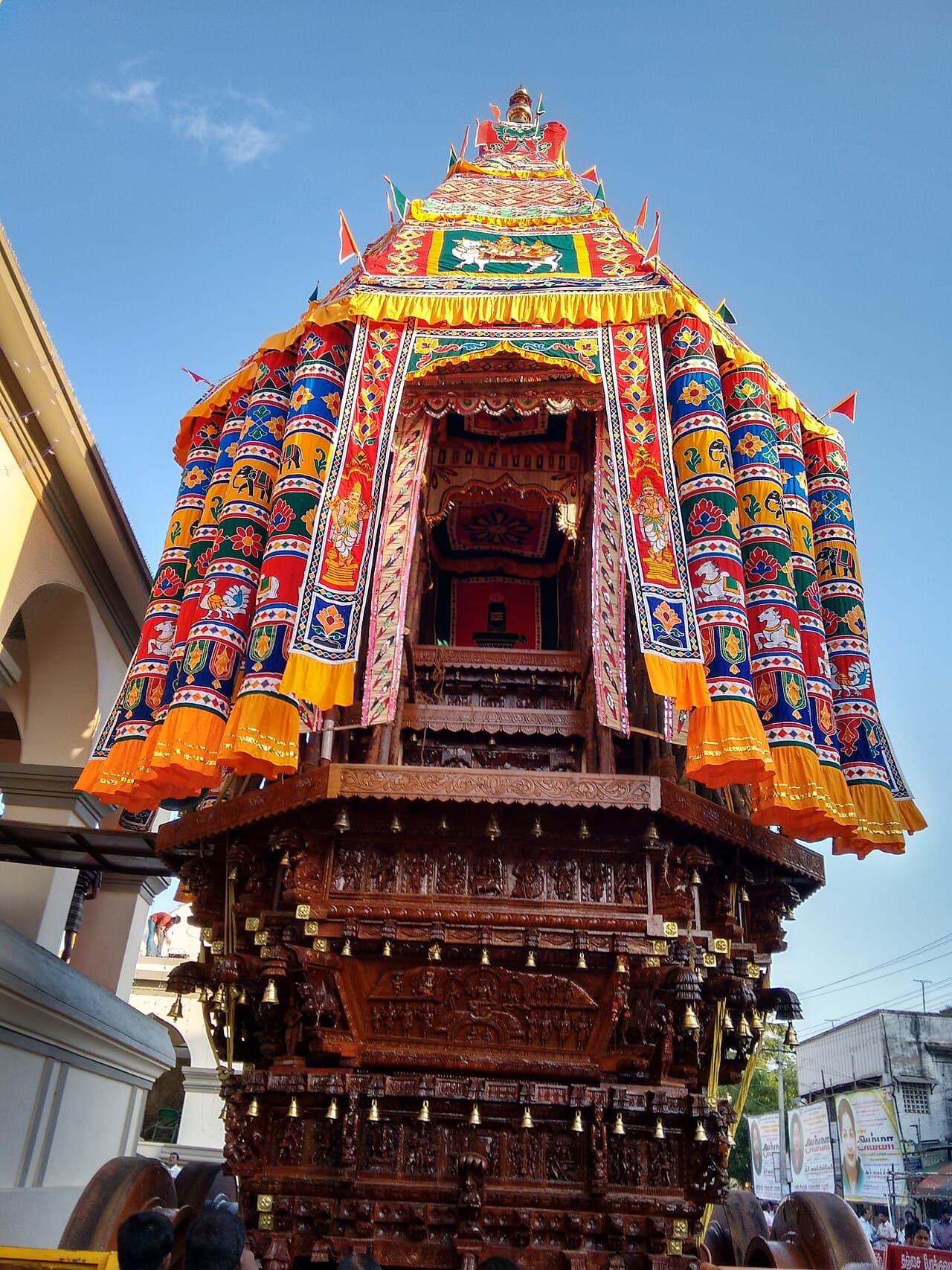
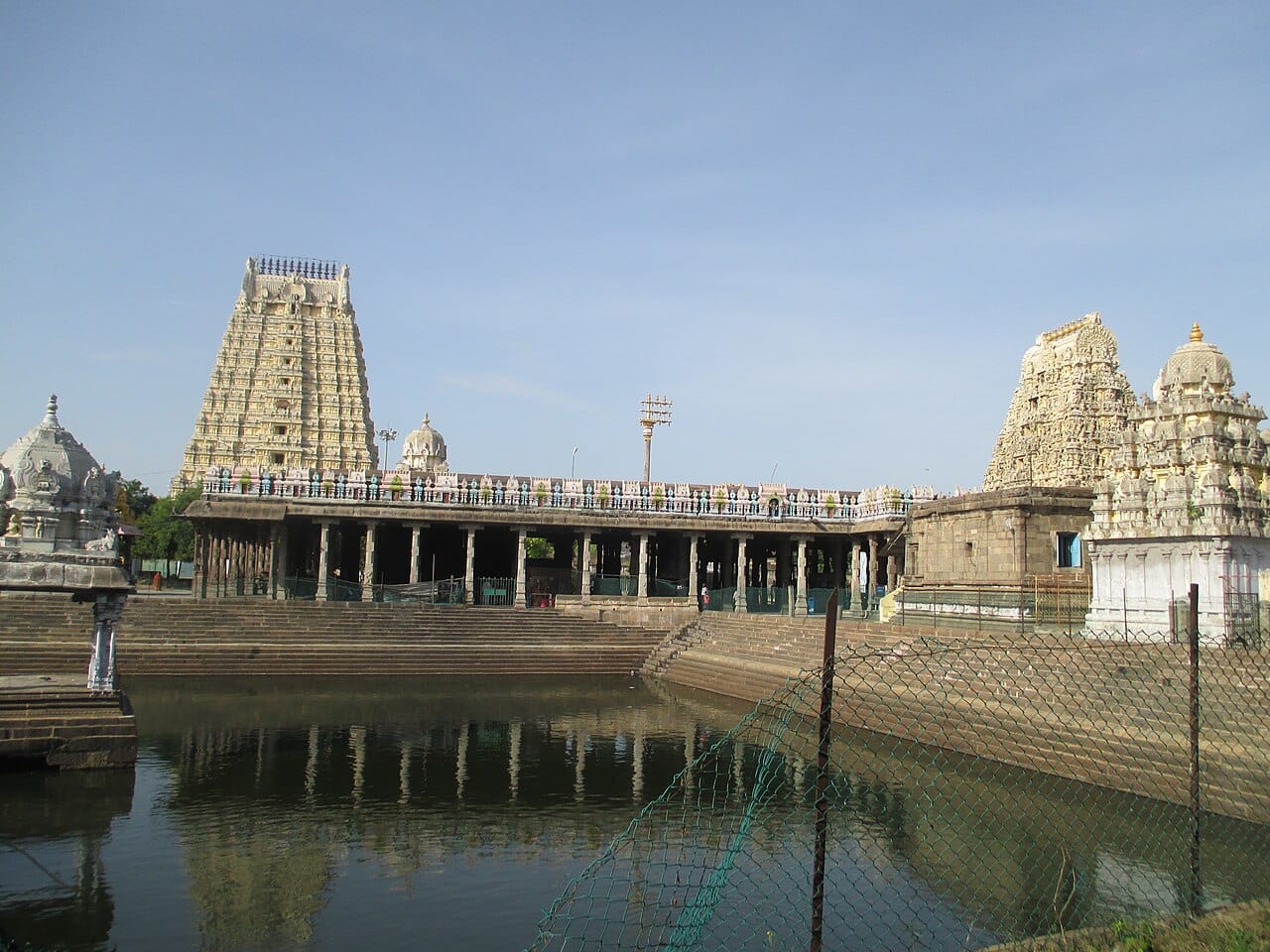
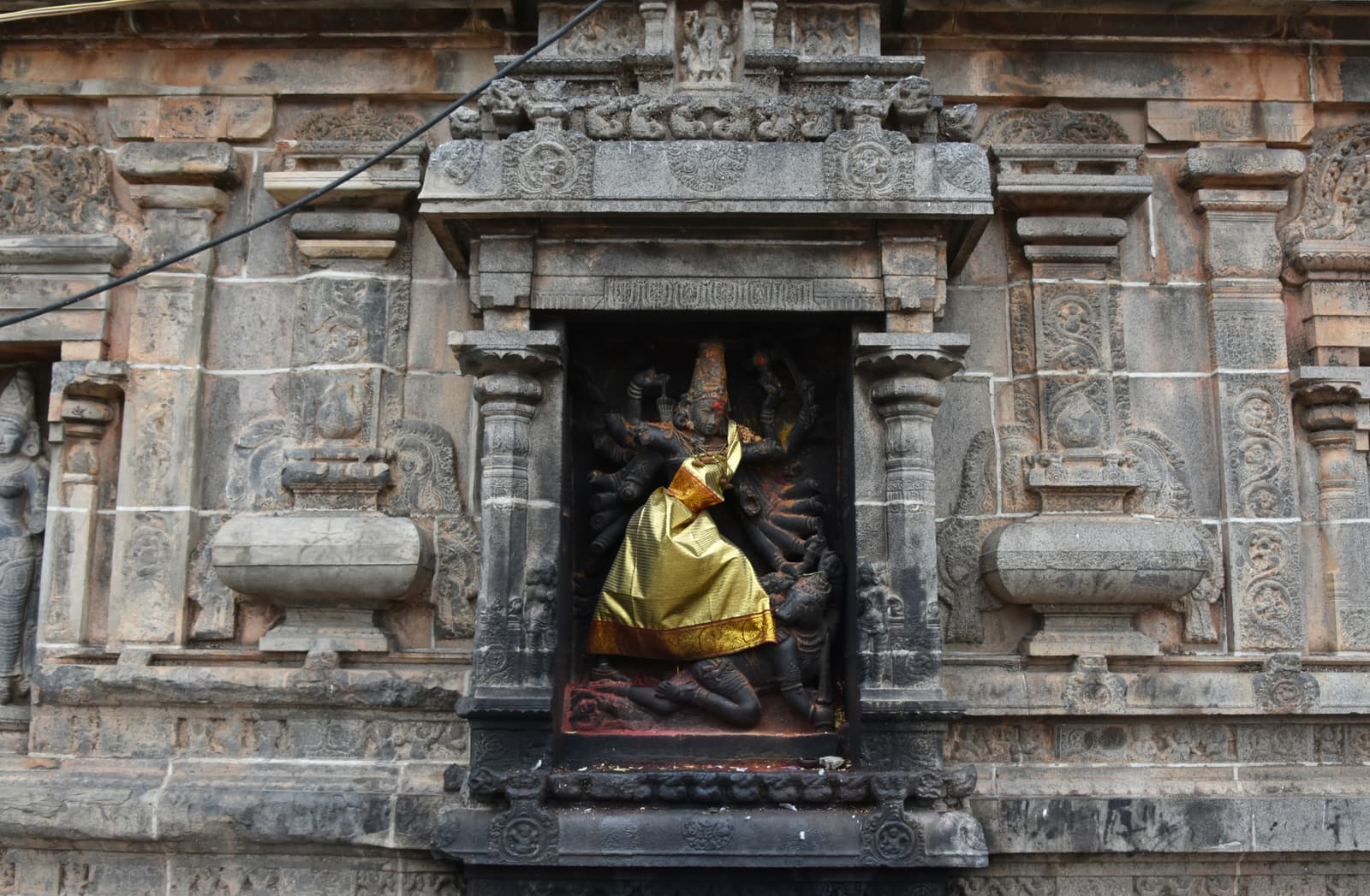
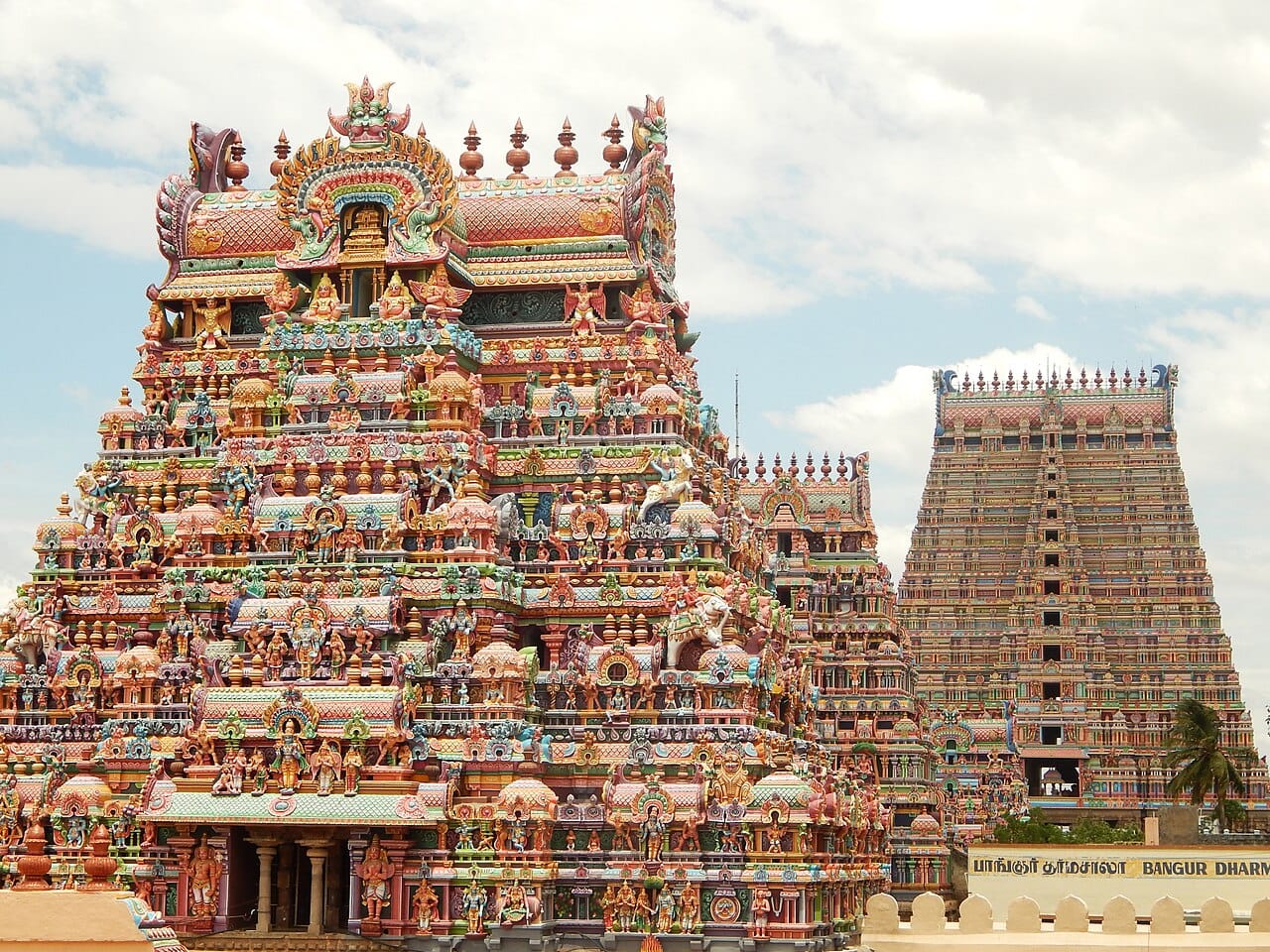
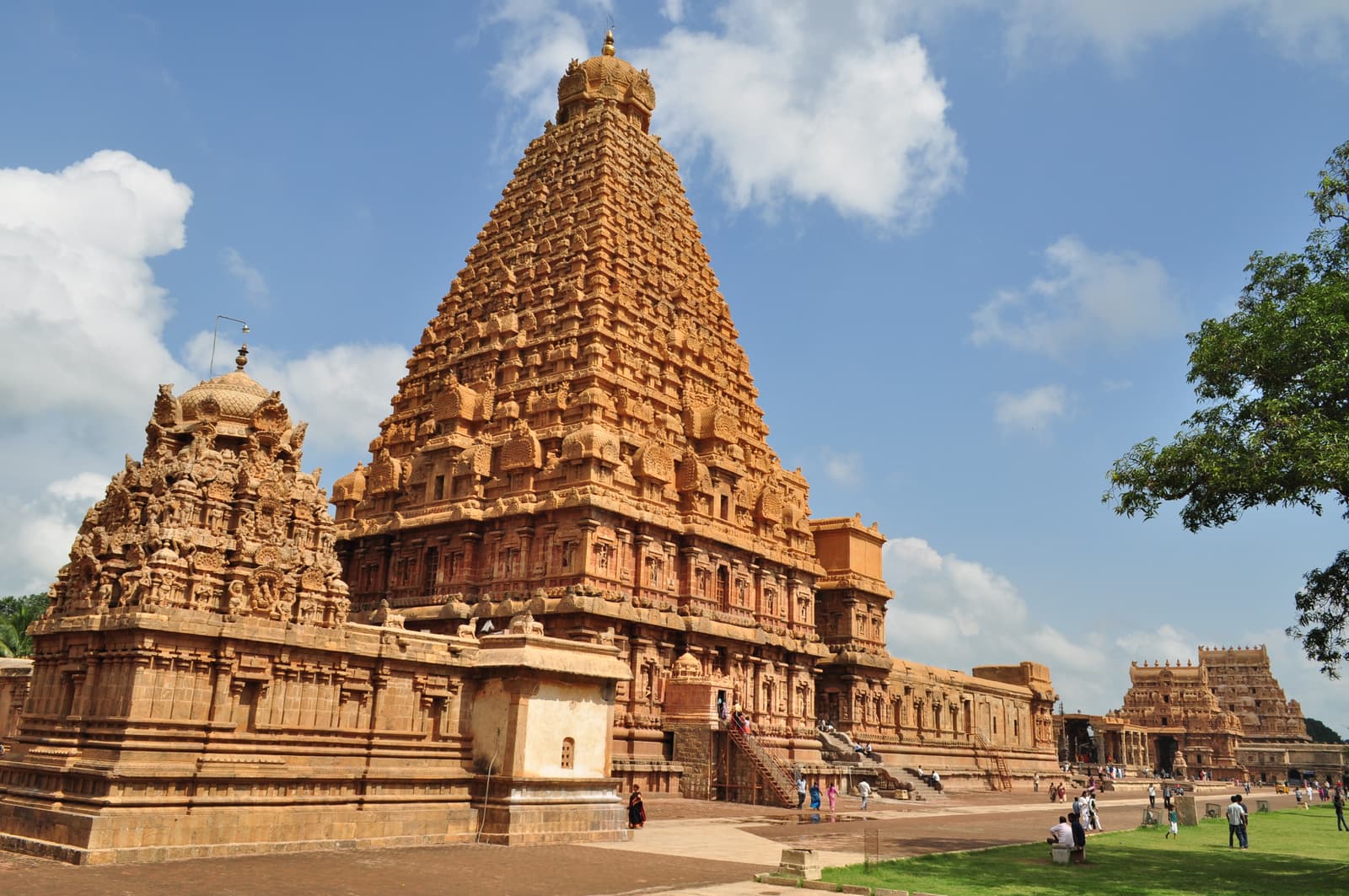
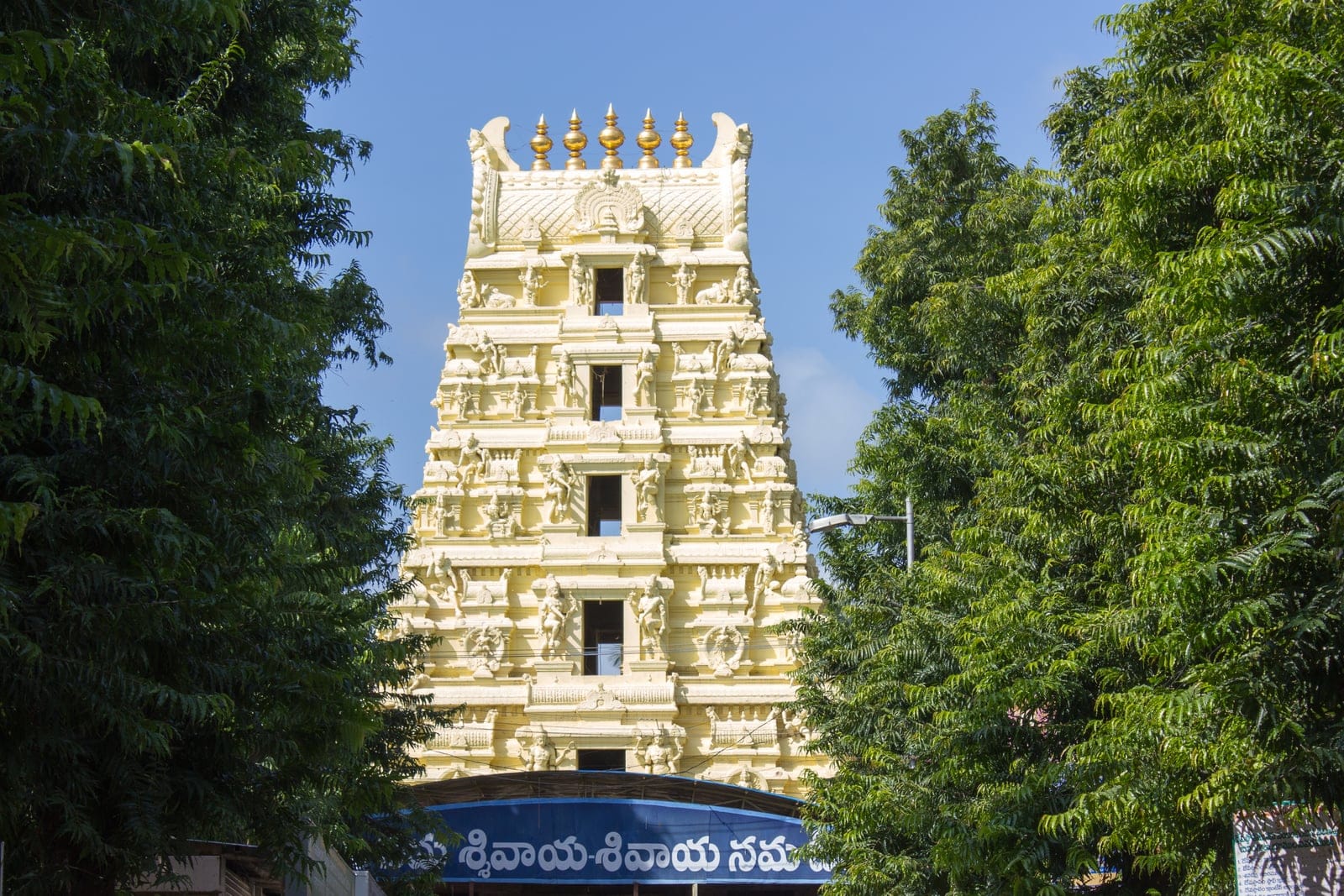
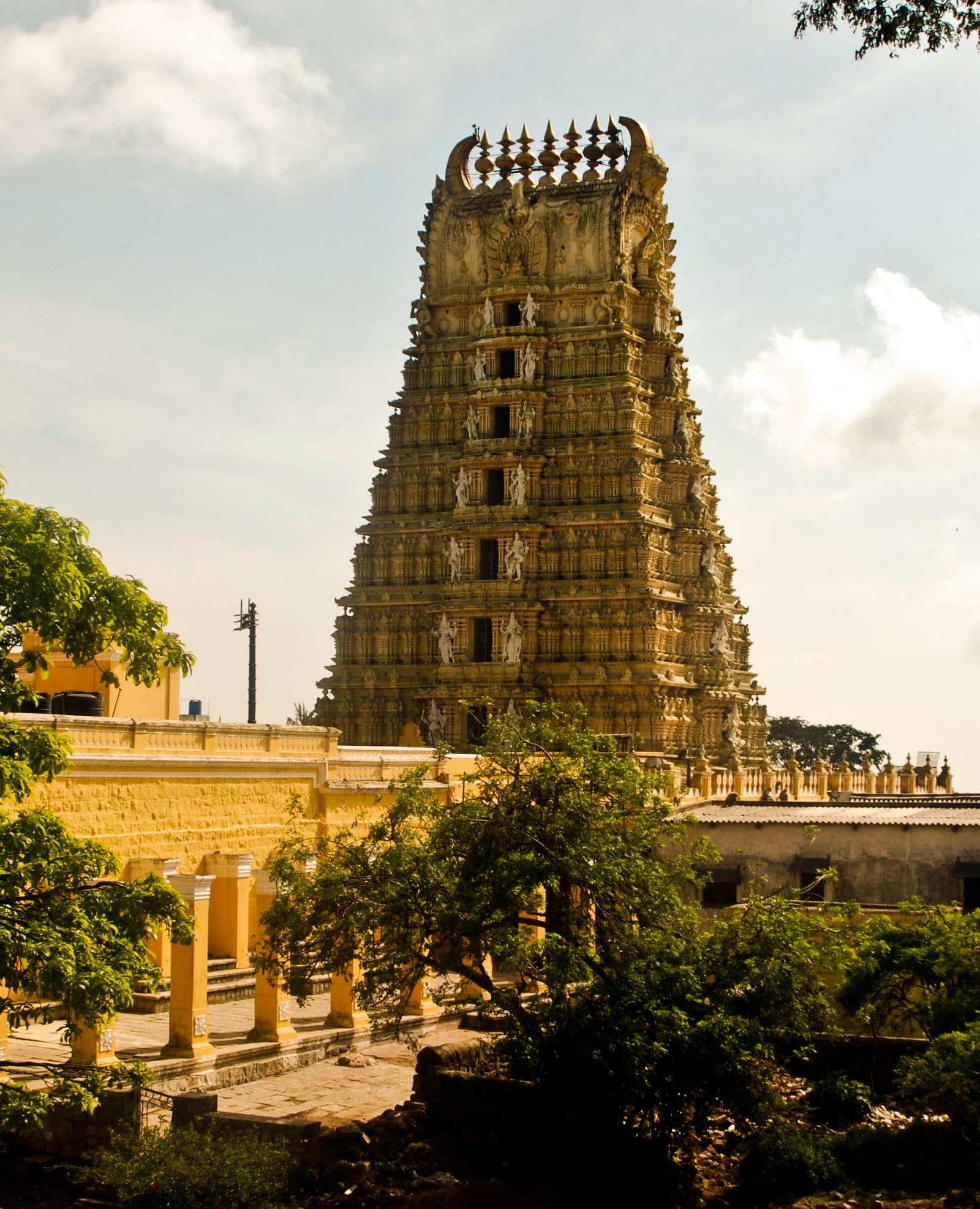
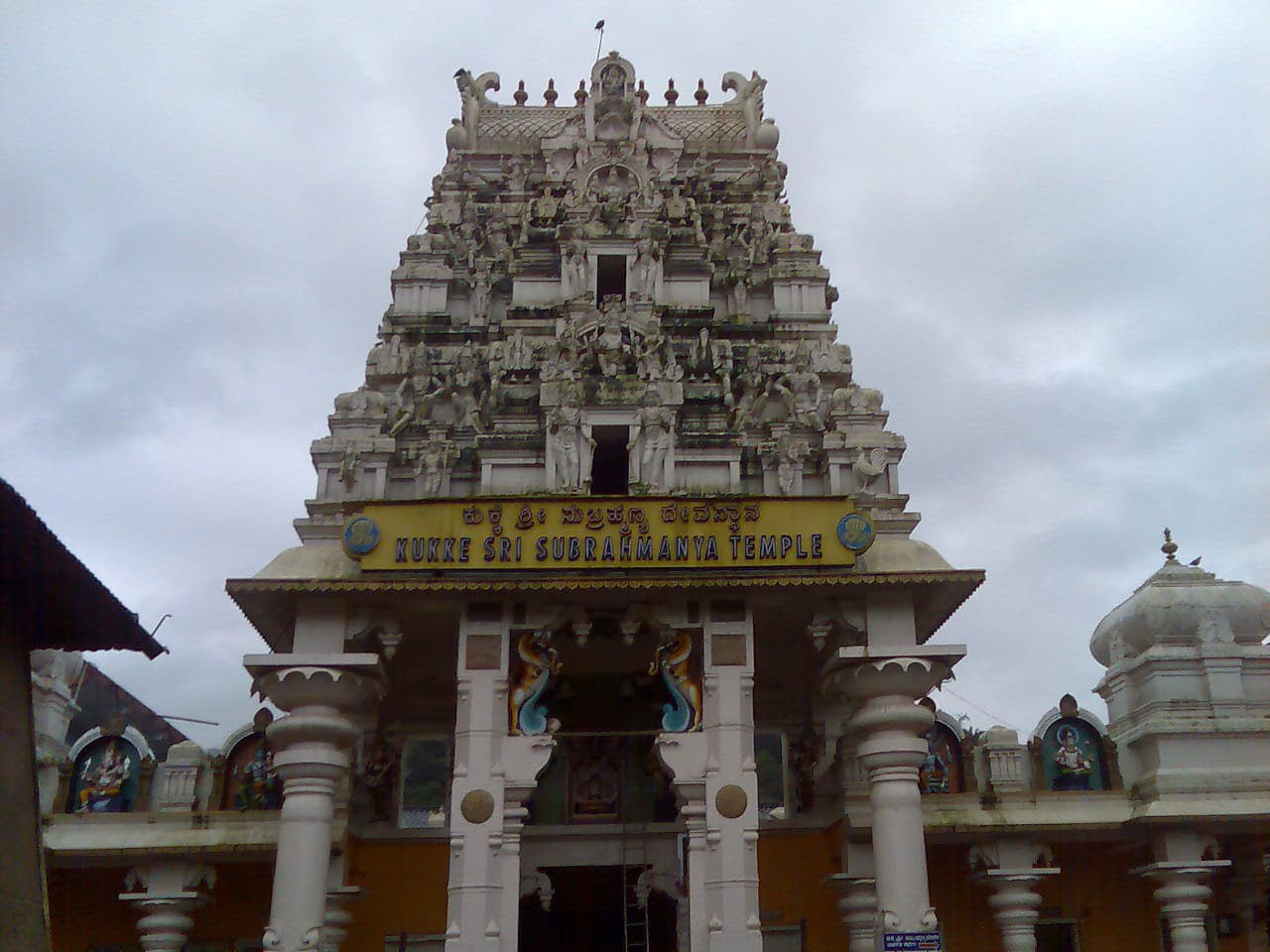
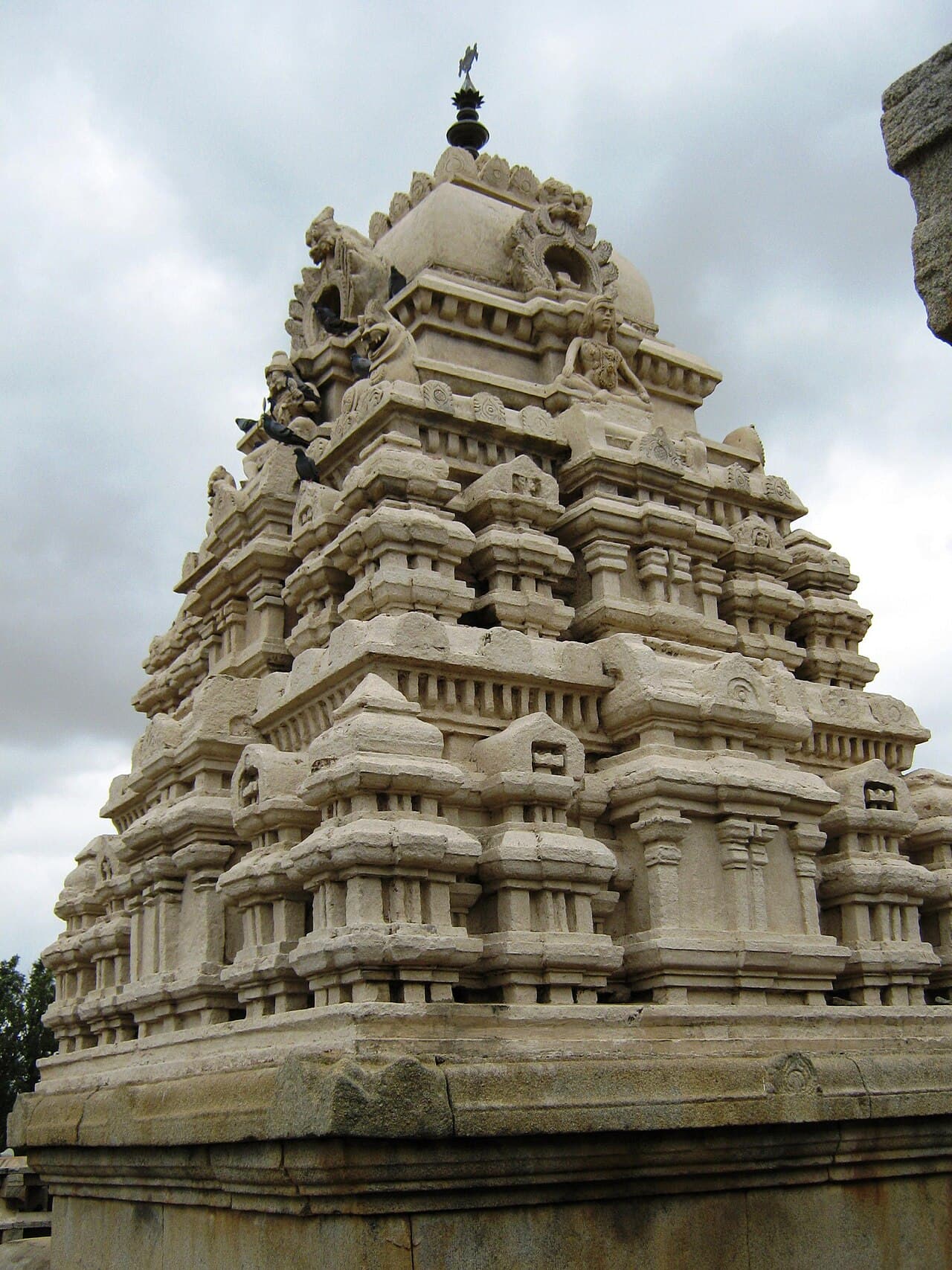
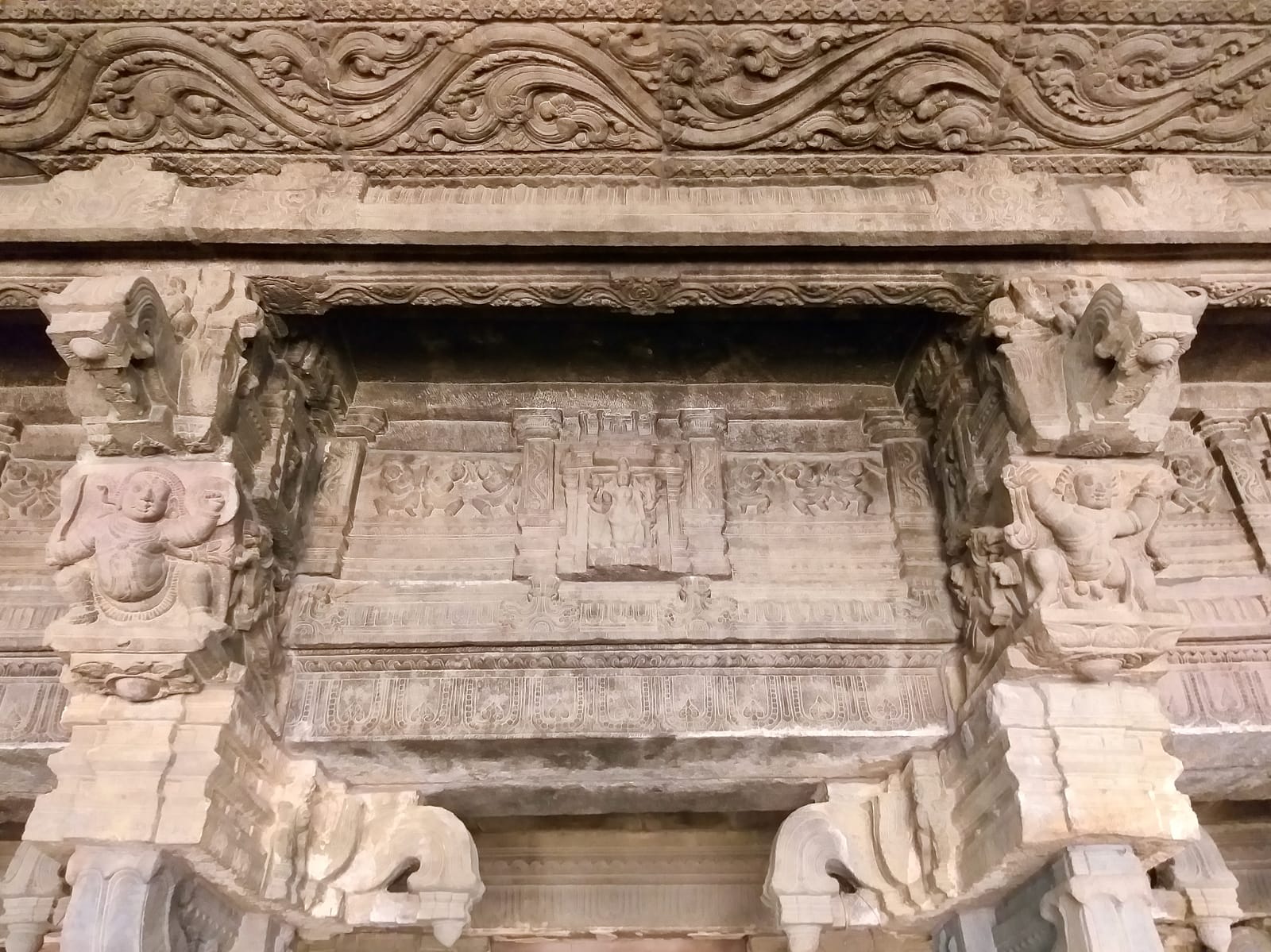
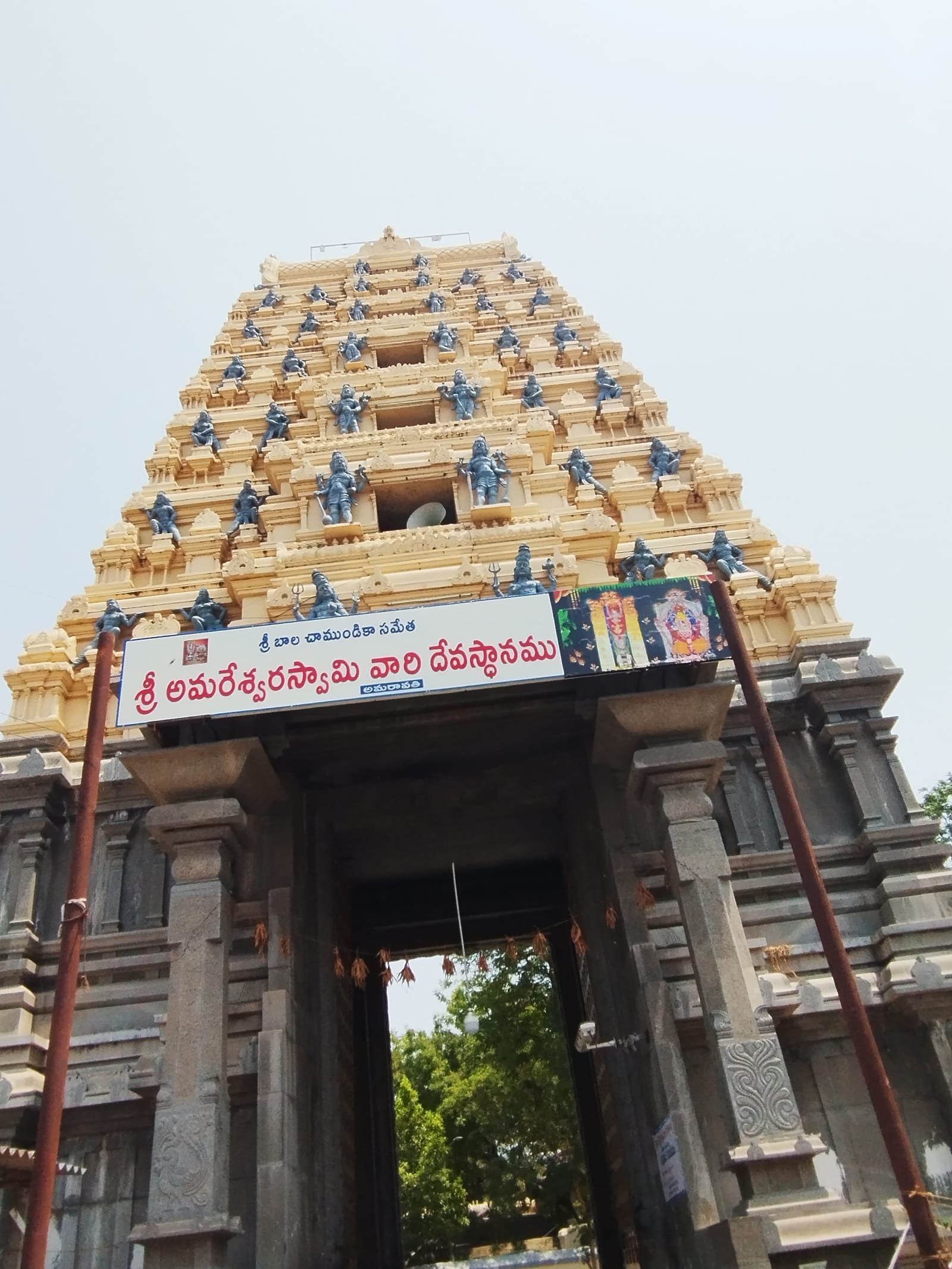
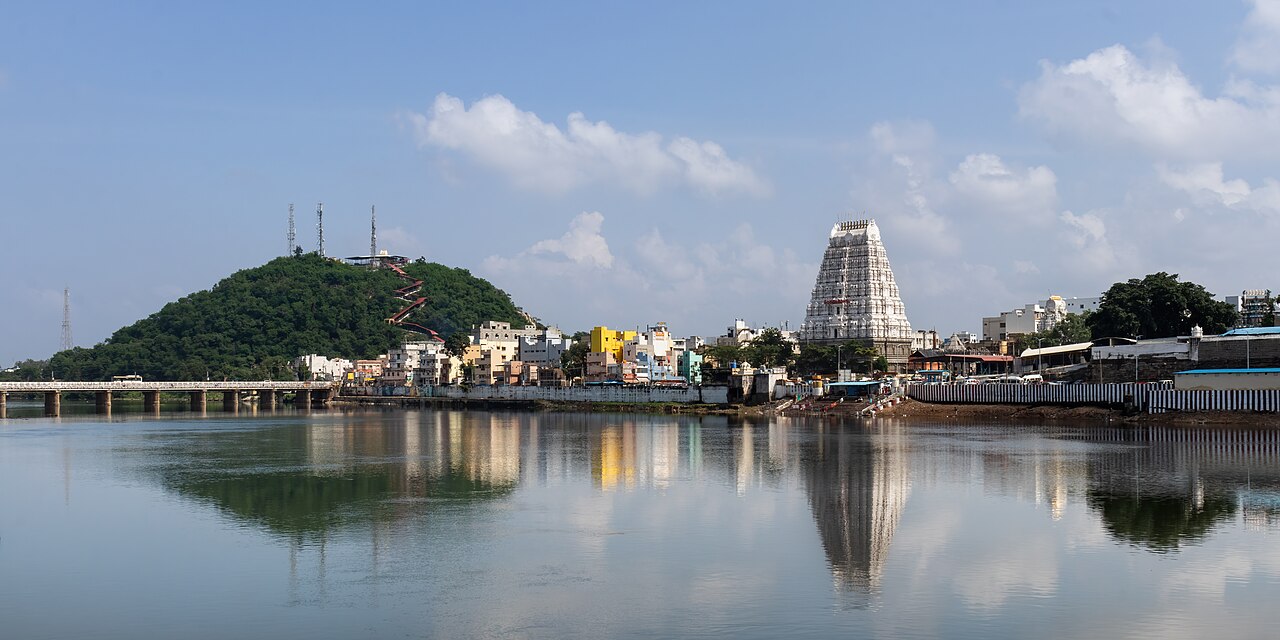
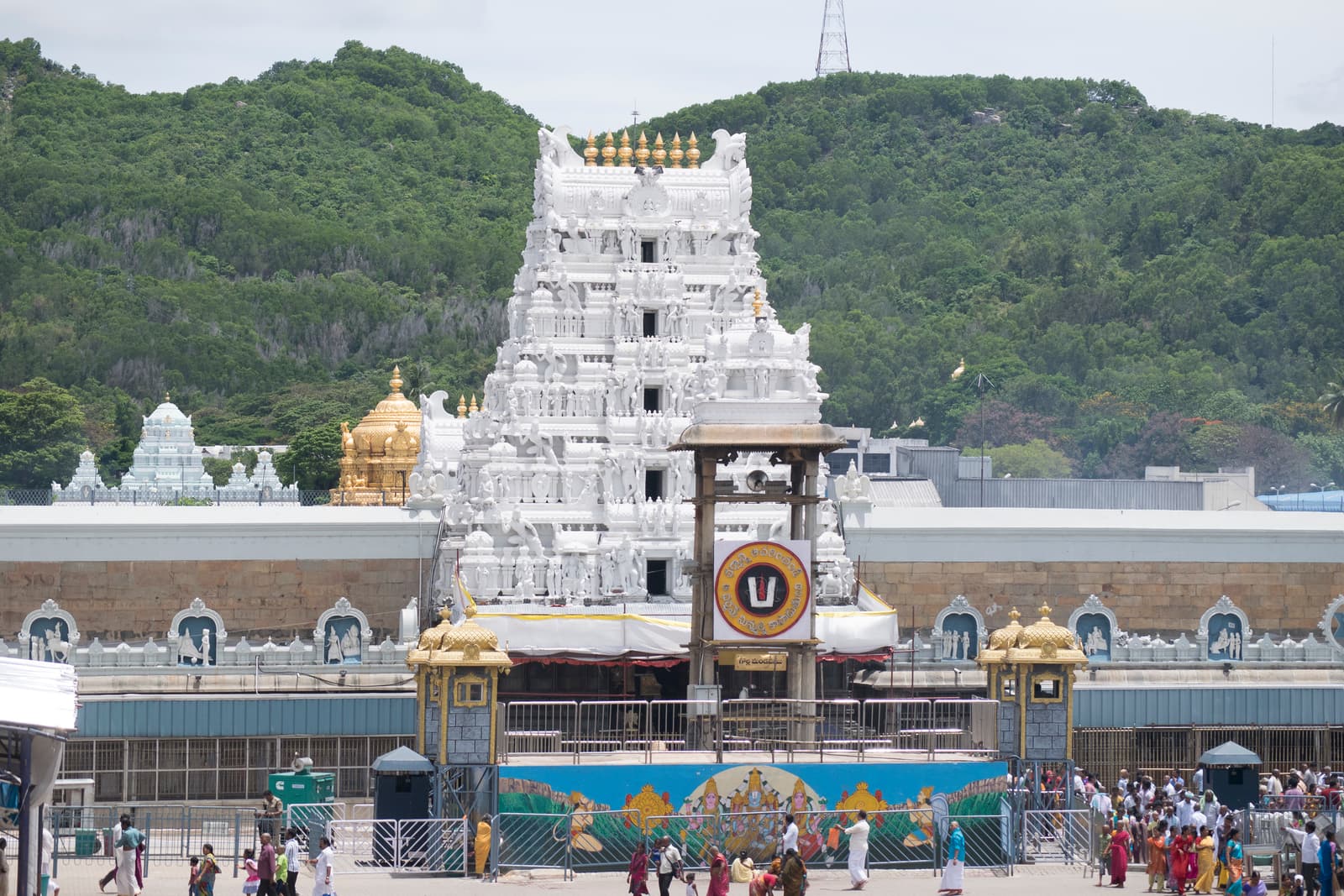
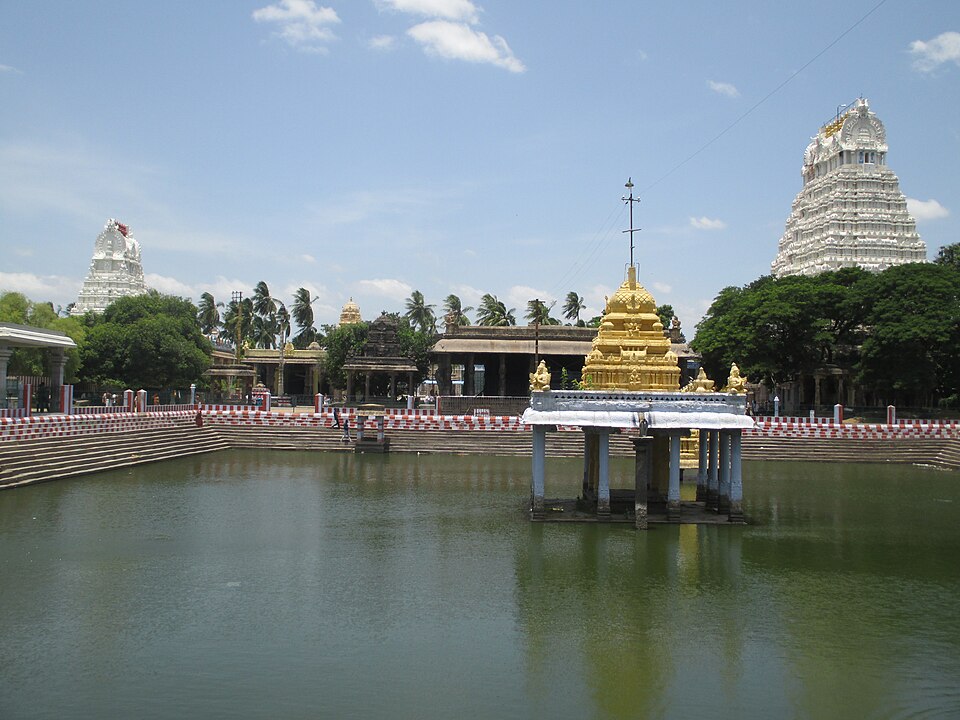
Temples of the Vijayanagara Empire
Sacred architecture patronized by the Vijayanagara rulers.


Exam Revision & Practice Questions
Structured high-yield study material and original verified practice questions.
Relevant for:UPSC Civil Services (GS Paper-I: Medieval Indian History & Temple Architecture)SSC CGL / CHSL (General Awareness: Dynasties, Battles & Travelers)State PSCs (KPSC Gazetted Probationers, APPSC, TSPSC, TNPSC)UGC NET History (Medieval South India & Socio-Economic History)
Key Facts at a Glance
Foundation & Traditional Date
Founded by brothers Harihara I and Bukka I of the Sangama dynasty; conventional date 1336 CE is marked with an uncertainty flag ('1336?') by NCERT.
Four Dynasties Sequence
Sangama (c. 1336–1485) → Saluva (1485–1503) → Tuluva (1503–c. 1570) → Aravidu (c. 1570–mid-17th century).
Krishnadeva Raya's Masterpiece
Belonged to Tuluva dynasty (1509–1529 CE); composed Amuktamalyada in Telugu on statecraft and Jambavati Kalyanam in Sanskrit; patronised the Ashtadiggajas.
Strategic Portuguese Alliance
Following the Portuguese capture of Goa from Bijapur in 1510, Vijayanagara established a commercial alliance ensuring exclusive diversion of Arabian war horses to the empire.
Talikota / Rakshasi-Tangadi (1565)
Fought on 23 January 1565; army commanded by regent Aliya Rama Raya against four allied Deccan Sultanates (Bijapur, Ahmadnagar, Golconda, Bidar); resulted in the sack of Hampi.
Post-1565 Capital Shift
After Talikota, the Aravidu court relocated to Penukonda and later Chandragiri near Tirupati, continuing imperial rule until the mid-17th century.
Memory Tips & Common Traps
Dynasty Sequence Mnemonic
Remember 'S-S-T-A': Sangama → Saluva → Tuluva → Aravidu. Krishnadeva Raya belongs to the 3rd (Tuluva), NOT Saluva.
Talikota Common Fallacy
The Battle of Talikota ended the capital Hampi, NOT the empire. The Aravidu line continued ruling from Penukonda and Chandragiri until c. 1646.
Foreign Travelers Chronology
Ibn Batuta (14th c., early foundation) → Nicolo de Conti (1420) → Abdur Razzaq (1443, Deva Raya II) → Duarte Barbosa (c. 1518) → Domingo Paes (c. 1520, Krishnadeva Raya) → Fernão Nunes (c. 1535, Achyuta Raya) → Caesar Federici (1567, post-Talikota).
Amara-Nayaka vs Iqta
Amara-nayaka is the Vijayanagara counterpart of the Delhi Sultanate's iqta system: military chiefs held land grants in exchange for maintaining troop contingents and sending annual tribute.
High-Yield Fast Revision Sheet
Imperial Era:c. 1336 to mid-17th century (end date debated: c. 1614, 1646, or later 17th century).
UNESCO Site:Group of Monuments at Hampi, inscribed in 1986 under criteria (i), (iii), and (iv); on Danger List 1999–2006.
Key Economic Currency:Gold Pagoda / Varaha, universally accepted across Indian Ocean trade hubs.
Peak Battle of Expansion:Battle of Raichur (1520 CE), where Krishnadeva Raya defeated Ismail Adil Shah with Portuguese firearms.
Colonial Charter Link:The grant for Madras (Fort St. George) in 1639 was issued under the authority of the Chandragiri Aravidu rulers.
Interactive Practice MCQs (10)
Select your answers below to verify your understanding. Detailed rationale is provided for each option.
Practice Questions
Original practice questions written to test verified historical, epigraphic, and architectural records.
The NCERT textbook 'Themes in Indian History' prints '1336?' for the founding year of Vijayanagara primarily because:
Emperor Krishnadeva Raya belonged to which dynastic house of Vijayanagara, and authored which celebrated work on statecraft?
Who was the chief minister and de facto ruler who commanded the Vijayanagara army at the Battle of Talikota (1565)?
Which of the following correctly pairs the date and battlefield location of the fateful engagement between Vijayanagara and the Deccan Sultanates?
Following the sacking of Hampi in 1565, the political center of the Vijayanagara Empire shifted sequentially to which capitals?
The amara-nayaka system of provincial administration in Vijayanagara is frequently compared by historians to which earlier institution?
The Group of Monuments at Hampi was inscribed as a UNESCO World Heritage Site in 1986, and was subsequently placed on the List of World Heritage in Danger during:
Which of the following represents the correct chronological order of the four dynastic houses that ruled Vijayanagara?
Following the disintegration of the Bahmani Sultanate around 1490–1518 CE, into how many independent successor sultanates did it divide?
Which of the following assertions regarding Vijayanagara history is FACTUALLY FALSE?
Frequently Asked Questions: Vijayanagara Empire
Who founded the Vijayanagara Empire and in what year?
A.
The Vijayanagara Empire was traditionally founded in 1336 CE by two brothers, Harihara I (Hakka) and Bukka Raya I, of the Sangama dynasty. Influenced by sage Vidyaranya of the Sringeri Sharada Peetham, they established their fortified capital on the southern bank of the Tungabhadra River at Hampi (then called Vidyanagara / Vijayanagara). NCERT notes that 1336 is the conventional foundation date attested in epigraphic traditions like the Kapalur plates.
What were the four dynasties that ruled the Vijayanagara Empire in order?
A.
The Vijayanagara Empire was ruled in succession by four distinct dynasties: (1) Sangama Dynasty (1336–1485 CE): founded by Harihara I and Bukka I; (2) Saluva Dynasty (1485–1505 CE): established through a military coup by Saluva Narasimha; (3) Tuluva Dynasty (1505–1570 CE): founded by Vira Narasimha, reaching imperial peak under Krishnadevaraya (1509–1529 CE); and (4) Aravidu Dynasty (1570–c. 1646 CE): founded by Tirumala Deva Raya after the Battle of Talikota, ruling from Penukonda and later Chandragiri.
What was the capital of the Vijayanagara Empire?
A.
The primary imperial capital was Vijayanagara (modern Hampi) in Bellary/Vijayanagara district, Karnataka, situated along the rocky banks of the Tungabhadra River. Following the destruction of Hampi after the Battle of Talikota in 1565, the capital was relocated southward first to Penukonda (in modern Andhra Pradesh) and later to Chandragiri near Tirupati, until the state fragmented in the mid-17th century.
Who was the most famous emperor of Vijayanagara?
A.
Emperor Krishnadevaraya (reigned 1509–1529 CE) of the Tuluva dynasty was the most celebrated monarch. He conquered the strategic Raichur Doab, subdued the Gajapatis of Odisha, and fostered flourishing international trade with Portuguese Goa. A versatile scholar-king, he authored the Telugu statecraft epic Amuktamalyada, patronized the celebrated court poets, and constructed the Krishna Temple and Hazara Rama Temple at Hampi.
What happened after the Battle of Talikota in 1565?
A.
On 23 January 1565, the allied Deccan Sultanates defeated the Vijayanagara army under Aliya Rama Raya at Talikota (Rakshasi-Tangadi). Hampi was sacked over five months and permanently abandoned. However, the empire did not end in 1565: Rama Raya's brother Tirumala retreated with the royal treasury on 550 elephants to Penukonda, established the Aravidu dynasty, and maintained peninsular rule for nearly a century until c. 1646.
What was the Nayankara (Amara-Nayaka) administrative system?
A.
The Amara-Nayaka system was the core military-fiscal governance structure of Vijayanagara. Military chieftains called Nayakas or Amara-Nayakas were granted territories called Amaram to govern and collect land revenue from. In exchange, they maintained a fixed contingent of infantry, cavalry, and war elephants for the raya and rendered annual tribute and ceremonial homage during the Mahanavami festival.
Which foreign travellers documented the Vijayanagara Empire?
A.
Key foreign eyewitness accounts include: Niccolò de' Conti (Italian, c. 1420 under Deva Raya I), Abdur Razzaq (Persian ambassador, 1443 under Deva Raya II, describing the seven fortified circles), Duarte Barbosa (Portuguese, c. 1500–1516), Domingo Paes (Portuguese, c. 1520–1522, detailing Hampi's markets, military strength, and Krishnadevaraya), and Fernão Nuniz (Portuguese horse-trader, c. 1535–1537 under Achyuta Raya).
Answers are based on verified information. Site rules may change — verify locally before visiting.
Continue Exploring
Sources & References
All citations above link directly to opened, verifiable official repositories (NCERT textbooks, UNESCO World Heritage documentation, ASI Circle records, Encyclopaedia Britannica, and peer-reviewed journals). No claim on this page relies on promotional tourist blogs or unverified figures.
NCERT (Govt. of India)
Themes in Indian History – Part II, Theme 7: An Imperial Capital: Vijayanagara
Foundation history (1336?), four dynasties, amara-nayaka system, Krishnadeva Raya's campaigns, Domingo Paes excerpts, and Talikota aftermath.
Government record
Open source (opens in a new tab)UNESCO World Heritage Centre
Group of Monuments at Hampi (Property 241)
World Heritage inscription 1986 under criteria (i), (iii), (iv); List of World Heritage in Danger (1999–2006); boundary descriptions.
World Heritage documentation
Open source (opens in a new tab)Archaeological Survey of India (ASI)
Hampi (World Heritage) — Monument Overview & Circle Record
Site extent (~26 sq km), 1336–1570 monument span, seven lines of fortifications, and Virupaksha Circle offices.
Primary archaeological record
Open source (opens in a new tab)Encyclopaedia Britannica
Vijayanagara – Imperial Capital & Historical Overview
Chronological span c. 1336–1614; dynastic succession sequence; founding of Aravidu line by Tirumala.
Reference source
Open source (opens in a new tab)Encyclopaedia Britannica
Battle of Talikota – 1565 Decisive Peninsular Clash
Date 23 January 1565; four allied sultanates (Bijapur, Bidar, Ahmadnagar, Golconda); five-month sack; withdrawal to Penukonda.
Reference source
Open source (opens in a new tab)Encyclopaedia Britannica
Bahmani Sultanate – Rise, Capitals & Successor States
1347–1518 chronology; Raichur doab conflicts; dissolution into five Deccan Sultanates c. 1490–1518.
Reference source
Open source (opens in a new tab)Encyclopaedia Britannica
The Vijayanagar Empire, 1336–1646 – Historical Survey
Kakatiya administrative legacy (sthola, nadu, sima); early Sangama regnal dates; Ma'bar campaign 1370.
Reference source
Open source (opens in a new tab)Journal of the Economic and Social History of the Orient (JESHO 56:3)
The 'Fall' of Vijayanagara Reconsidered (M. T. Lycett & K. D. Morrison)
Archaeological evidence for variable destruction, political symbolism in monument defacement, and post-1565 temple rededications.
Scholarly source
Open source (opens in a new tab)Project Gutenberg / Cambridge University Press
A Forgotten Empire (Vijayanagar) — Translations of Domingo Paes & Fernão Nunes (ed. R. Sewell)
1520 Raichur campaign date; 1565 Talikota narrative; Caesar Federici 1567 post-battle eyewitness report; 550 elephants retreat to Penukonda.
Primary source
Open source (opens in a new tab)Wisdom Library / Madras University Historical Series
Further Sources of Vijayanagara History – Ch. 5: Foundation of the City (ed. K. A. Nilakanta Sastri)
Kapalur copper plates (1336–37); 1347 and 1368 epigraphs; Vidyaranya foundation tradition harmonization.
Primary source
Open source (opens in a new tab)
— every record linked above was re-requested for this release, so the link still resolves and the publisher still serves the document. It is a link check, not a re-verification of every sentence on this page.
Missing something, or found an error? Send us a correction with the record that supports it, or read how we choose sources.
— every record linked above was re-requested for this release, so the link still resolves and the publisher still serves the document. It is a link check, not a re-verification of every sentence on this page.