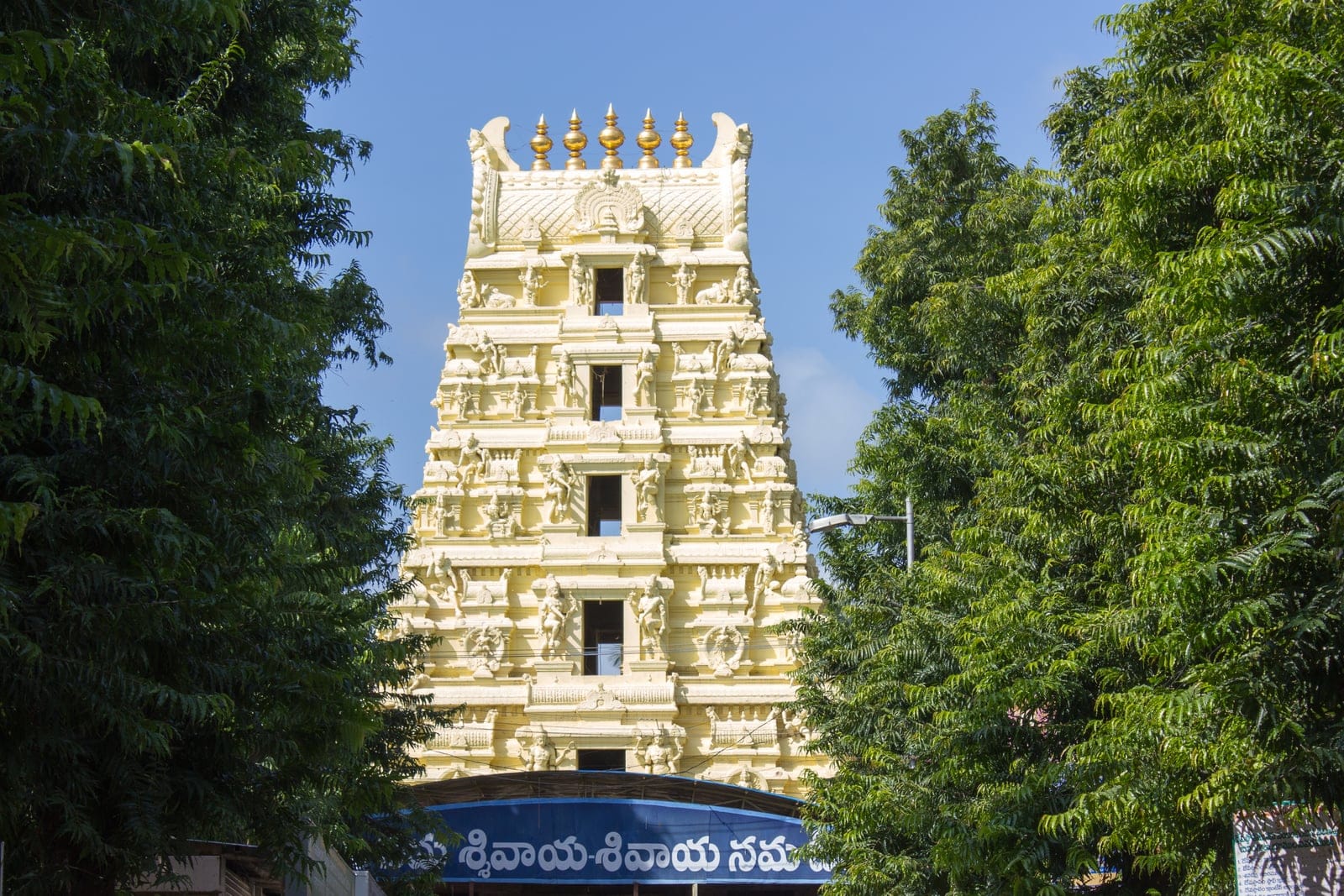
Sacred Heritage
Mallikarjuna Temple
Srisailam, Andhra Pradesh
State:Andhra Pradesh
District:Srisailam
Why This Temple Matters
One of the 12 Jyotirlingas — the most sacred abodes of Lord Shiva
One of the 51 Shakti Peethas — where the Goddess's divine energy resides
Key Takeaways
- Dedicated to Mallikarjuna Swamy (Shiva) & Bhramaramba Devi
- Vijayanagara-Dravidian architecture
- Built by the Satavahana / Vijayanagara dynasty
- Located in Srisailam, Andhra Pradesh
Quick Facts
- Builder
- Vijayanagara Empire
- Dynasty
- Satavahana / Vijayanagara
- Construction
- Ancient (current ~15th c.)
- Style
- Vijayanagara-Dravidian
- Main Deity
- Mallikarjuna & Bhramaramba
- Location
- Srisailam, Andhra Pradesh
- Significance
- Jyotirlinga + Shakti Peetha
- River
- Krishna (Pathala Ganga)
The Dual Shrine
Where Shiva Meets Shakti
Across the twelve Jyotirlingas, each temple has a distinguishing feature. At Somnath, it is the cycle of destruction. At Kashi, it is the moksha-bestowing power. At Mallikarjuna, the distinction is singular: this is the only Jyotirlinga where the Goddess is enshrined as a co-equal primary deity alongside the lingam. Add to this its status as one of the 51 Maha Shakti Peethas, and the temple becomes something unprecedented — a living statement that Shiva without Shakti is incomplete.
The temple proper houses two principal shrines. The main sanctum holds the Mallikarjuna Swamy lingam — the 6th Jyotirlinga, a Swayambhu (self-manifested) lingam that emerged from the Nallamala bedrock. Adjacent to it, with an equal level of ritual importance, is the shrine of Bhramaramba Devi, the goddess who represents the Shakti of the site. Pilgrims must worship both shrines to complete their pilgrimage — a requirement unique among the twelve Jyotirlingas, where only Shiva receives the full ritual attention.
This dual arrangement makes Mallikarjuna a philosophical statement in stone. The Shaiva and Shakta traditions, often treated as separate paths in Hindu theology, are here fused into one. The lingam is not just Shiva — it is Ardhanarishvara, the composite half-male half-female form. The temple's underlying theology is that Shiva without Shakti is inert; Shakti without Shiva is formless. Together, at Mallikarjuna, they are complete.
The Dual Status
6th Jyotirlinga
Mallikarjuna Swamy — a Swayambhu lingam from the Nallamala bedrock. One of twelve self-manifested forms of Shiva's infinite light.
Maha Shakti Peetha
Bhramaramba Devi — where Sati's heart found rest. The Shakti Peetha that anoints this Jyotirlinga with the goddess's presence.
The Sacred Mountain
Kailash of the South
Srisailam sits at an elevation of 450 meters on the Nallamala Hills, a range of the Eastern Ghats that stretches across Andhra Pradesh and Telangana. The hilltop location — surrounded by the Nallamala forest, home to tigers, leopards, and the endangered Red Sanders trees — gives the temple a seclusion that the other Jyotirlingas mostly lack. The approach road winds through the forest for over 30 kilometers, and the temple appears only at the last turn, perched on the edge of the escarpment above the Krishna River.
The comparison to Kailash is deliberate. The temple's traditional title — Dakshina Kailasam (Kailash of the South) — reflects a conscious architectural and geographical echo. Like Mount Kailash in Tibet, Srisailam is a remote mountain shrine accessible only through difficult terrain. Like Kailash, it is associated with a river that flows from the mountain's base — the Krishna at Srisailam corresponds to the Indus/Brahmaputra at Kailash. And like Kailash, Srisailam is considered Shiva's southern abode, the place where he retreated from the cosmic drama to rest in the forest.
Pathala Ganga — The 500-Step Descent
Below the temple, the Krishna River flows through a narrow gorge between the Nallamala and Nagarjuna hills. The riverbank at this point is called Pathala Ganga — "the Ganga of the underworld" — accessible by a flight of 1,200 stone steps carved into the cliff face. The descent takes over an hour on foot, and the ascent is significantly longer. A modern ropeway now connects the temple plateau to the river, but many pilgrims still choose the traditional stairway, walking barefoot as an act of devotion.
The ritual bath at Pathala Ganga is considered essential before darshan. The confluence of the Krishna River with the invisible Saraswati at this point creates another Triveni Sangam — different from Somnath's but theologically equivalent. Pilgrims immerse themselves at dawn, facing the rising sun over the Nagarjuna Sagar reservoir, before climbing back up for the morning abhishekam.
The Nallamala Forest
The surrounding Nallamala forest is the largest tiger reserve in Andhra Pradesh (Nagarkurnool and Nallamala Tiger Reserves). The temple is the only structure within 100 square kilometers of protected forest. Pilgrims often spot sambar deer, wild boar, and peacocks on the approach road. The forest also produces rare Red Sanders wood (Pterocarpus santalinus), used in temple rituals and considered the most expensive timber in the world.
Royal Patronage
The Vijayanagara Contribution
The temple's origins are ancient — inscriptions date the site to the Satavahana period (2nd century BCE), making Srisailam one of the oldest continuously worshipped sites in India. The Satavahanas, who ruled the Deccan for over 400 years, established the original shrine in a cave on the Nallamala hillside. Fragments of Satavahana brickwork and a carved lintel from the 1st century CE survive in the inner prakaram. But the temple visible today is overwhelmingly the work of the Vijayanagara Empire, specifically of King Krishnadevaraya (1509-1529 CE).
Krishnadevaraya visited Srisailam multiple times and left detailed inscriptions — some in Telugu, some in Kannada, one in Tamil — recording his donations. He built the massive prakaram (outer courtyard) walls that encircle the entire complex, measuring 800 meters in circumference and rising 12 meters high. He commissioned the 60-meter eastern gopuram, covered in over 1,000 stucco figures of deities and dancers. He also built the 42-pillared mandapa (Kalyana Mandapa), where the annual celestial wedding of Mallikarjuna Swamy and Bhramaramba Devi is performed.
The Vijayanagara style is distinct from the Tamil Dravidian architecture of the great Chola temples. The gopurams are broader and less steep, with heavier stucco ornamentation. The pillars are carved with mythological narratives — the Mallikarjuna mandapa pillars depict scenes from the Ramayana, Mahabharata, and the Puranas in continuous narrative bands. The central ceiling panel of the Kalyana Mandapa is a masterpiece of Vijayanagara painting, showing the wedding procession of Shiva and Parvati with celestial musicians, elephants, and dancing girls.
42-Pillared Hall
Built by Krishnadevaraya for the annual Kalyanotsavam (celestial wedding). Each pillar uniquely carved with narrative panels.
Prakaram Walls
800-meter circumference, 12-meter height, enclosing the entire temple precinct. Built for both ritual and defensive purposes.
Eastern Gopuram
60-meter tower with 1,000+ stucco figures. Inscribed with Krishnadevaraya's Telugu and Kannada donation records.
Shakti Peetha
The Heart of Sati
The Shakti Peetha tradition originates from the most tragic story in Hindu mythology. Sati, the daughter of Daksha, married Shiva against her father's wishes. When Daksha performed a grand sacrifice (yajna) and invited every god except Shiva, Sati attended uninvited and, unable to bear her father's insults against her husband, immolated herself in the sacrificial fire. When Shiva discovered her body, he placed it on his shoulder and began the Tandava — the cosmic dance of destruction, threatening to unmake creation.
To stop the destruction, Vishnu used his Sudarshana Chakra to cut Sati's body into pieces. As the pieces fell across the Indian subcontinent, each place where a part landed became a Shakti Peetha — a seat of the Goddess's power. At Srisailam, Sati's heart fell. This makes the site the Hridaya Peetha (Heart Shrine) — the most emotionally charged of all 51 Peethas, associated with love, sacrifice, and the core of divine feminine energy.
The Bhramaramba Devi shrine, adjacent to the Mallikarjuna lingam, marks the exact spot where the heart is believed to have fallen. The goddess here is depicted as a young woman — not the fierce Kali or Durga forms seen at other Peethas — because the heart is the seat of emotion, not destruction. Her name Bhramaramba — "Mother of the Bees" — connects to the local legend that she took the form of a bee swarm to defeat the demon Mahishasura, just as she did at Srisailam before the more famous battle at Madurai.
Srisailam as the Hridaya Peetha
The Heart Symbol
Unlike other Shakti Peethas where Sati's limbs or ornaments fell, Srisailam received her heart — the very center of her being. This elevates the site above the other 50 Peethas in spiritual significance, making it the emotional center of the Goddess's geography.
The Bee Goddess
Bhramaramba is unique among the Peetha goddesses. She is neither warrior nor mother in the conventional sense — she is the hum of creation itself, the sound of the universe vibrating. The bee represents this primordial vibration (Om) in a form that predates Vedic symbolism.
Sacred Touch
Rituals and the Rare Privilege of Touch
Most Jyotirlingas enforce a strict Darshan-only approach — pilgrims see the lingam from a distance, and priests perform the abhishekam behind barriers. At Mallikarjuna, the rule is different. The temple permits Sparsha Darshan — devotees can enter the sanctum, touch the lingam with their own hands, and perform the abhishekam themselves under priestly guidance. This direct physical contact with the Jyotirlinga is considered one of the rarest privileges in the entire Jyotirlinga circuit.
The Sparsha Darshan follows a specific protocol. Pilgrims enter the sanctum in small groups, wearing wet clothes after bathing at Pathala Ganga. They are given a brass vessel containing panchamrita — milk, curd, ghee, honey, and sugar. They pour the mixture over the lingam with their right hand while the priests chant the Mallikarjuna Ashtottaram (108 names). Then they apply sandalwood paste, offer bilva leaves, and light a ghee lamp. The entire ritual takes about ten minutes per group, and the temple conducts up to 50 groups per day.
Daily Ritual Schedule
4:30 AM
Sri Swamy Aarti
Suprabhatam (waking) and Mangala Aarti for Mallikarjuna Swamy
6:00 AM
Abhishekam
Panchamrita abhishekam with Sparsha Darshan begins, continues all morning
10:00 AM
Bhramaramba Puja
Separate puja for the goddess with kumkum archana
12:00 PM
Madyahnikam
Midday puja, temple closes for afternoon rest
4:00 PM
Darshan Resumes
Sparsha Darshan continues from 4 PM to 8 PM
6:00 PM
Dhupam & Deepam
Evening lamps and incense offering
8:00 PM
Ekantha Seva
Final ritual, the deity is put to rest for the night
Festivals
Festivals at Srisailam
Maha Shivaratri at Srisailam is among the largest religious gatherings in South India. Over 500,000 pilgrims descend on the hill shrine over a single night. The entire temple is illuminated with 50,000 oil lamps arranged in concentric patterns around both shrines. The main event is the midnight abhishekam, where the Mallikarjuna lingam is bathed in 108 pots of water from Pathala Ganga, milk, and rose water. The Sparsha Darshan queues stretch for over a kilometer, and the temple remains open for 36 continuous hours.
Bhramaramba Navratri (September-October) is the goddess's primary festival and treats Bhramaramba Devi as the central focus — a reversal of the usual hierarchy where Shiva receives priority. For nine nights, the goddess shrine receives the primary rituals: kumkum archana, the Lalita Sahasranama recitation, and a nightly procession of the goddess's utsava murti around the prakaram walls. The tenth day, Vijayadashami, features the celestial wedding of Mallikarjuna Swamy and Bhramaramba Devi in the Kalyana Mandapa — a ritual that Krishnadevaraya himself established with inscribed land endowments.
Maha Shivaratri
500,000+ pilgrims. 50,000 oil lamps. 108-pot abhishekam. 36-hour continuous darshan. The largest Jyotirlinga gathering in South India.
February-March (Phalguna)
Bhramaramba Navratri
Goddess-centric festival. Lalita Sahasranamam. Nightly processions. Vijayadashami Kalyanotsavam — the celestial wedding of Shiva and Shakti.
September-October (Ashvin)
How to Reach
Getting to Srisailam
By Air
The nearest airport is Rajiv Gandhi International Airport in Hyderabad (232 km). It serves domestic and international flights. From the airport, taxis and buses are available to Srisailam.
By Train
The nearest railway station is Markapur Road (80 km) on the Guntur-Guntakal line. Other nearby stations include Nandyal (108 km) and Kurnool (145 km). From these stations, buses and taxis connect to Srisailam.
By Road
Srisailam is well-connected by road. APSRTC operates regular buses from Hyderabad, Vijayawada, Kurnool, and Guntur. The temple is accessible via NH 44 and the scenic Dornala-Srisailam road through the Nallamala forest.
Visit Guide
When to Visit and What to Know
Seasonal Guide
The best time to visit Srisailam is from October to March, when the weather is pleasant. Summers (April-June) can be hot, with temperatures reaching 40°C. The monsoon season (July-September) brings lush greenery to the Nallamala forest, making the approach road scenic. Maha Shivaratri (February-March) is the most significant festival and draws the largest crowds.
Daily Timings
The temple opens daily from 4:30 AM to 10:00 PM. Sparsha Darshan is available during morning (6:00 AM-12:00 PM) and evening (4:00 PM-8:00 PM) sessions. The temple closes for afternoon rest from 12:30 PM to 3:30 PM. There is no entry fee. Photography is allowed in the complex but not inside the sanctum. Traditional attire is recommended.
Nearby Attractions
Exploring Around Srisailam
Pathala Ganga: The Krishna River ghat 500 feet below the temple, accessible via 1,200 steps or a ropeway. Ritual baths here are considered essential before darshan. The ghat offers stunning views of the river gorge.
Srisailam Dam / Nagarjuna Sagar: The Krishna River is dammed at Nagarjuna Sagar, one of the largest masonry dams in the world. The reservoir extends to the foothills of Srisailam and offers boat rides and panoramic views.
Nallamala Forest Reserve: The surrounding forest is a tiger reserve and home to leopards, sambar deer, and the endangered Red Sanders trees. Safari tours are available from the forest department.
Akka Mahadevi Caves: Ancient caves located within the Nallamala forest, associated with the 12th-century Kannada poet-saint Akka Mahadevi. The caves are accessible by trekking.
Hyderabad: The capital city (232 km) offers extensive accommodation, dining, and sightseeing options. It serves as the primary gateway for most pilgrims traveling to Srisailam.
Frequently Asked Questions
Is Mallikarjuna really a Jyotirlinga and a Shakti Peetha at the same time?
A.
Yes. It is the 6th Jyotirlinga and one of the 51 Maha Shakti Peethas where Sati's heart fell. What makes Srisailam distinct among dual-status temples is that the Goddess Bhramaramba is not an add-on shrine here — she has her own sanctum, her own priesthood, and her own ritual calendar, equal to Shiva in every way. No other Jyotirlinga gives the Goddess this level of ceremonial parity.
What does Sparsha Darshan mean and how does it work?
A.
Sparsha Darshan means 'touch viewing' — the rare privilege of physically touching the Jyotirlinga with your own hands. Devotees enter the sanctum in small groups, pour panchamrita over the lingam, apply sandalwood, and offer bilva leaves. This is permitted at only a handful of Jyotirlingas, and Mallikarjuna is the most prominent example.
Why is Srisailam called the Kailash of the South?
A.
Srisailam sits atop the remote Nallamala Hills, accessible only through dense forest — echoing Mount Kailash's remote Himalayan location. Like Kailash, it stands above the source of a major river (Krishna). The temple has been called Dakshina Kailasam since at least the Vijayanagara period.
How do I reach Pathala Ganga and how long does it take?
A.
Pathala Ganga is the Krishna River ghat 500 feet below the temple. You can descend via 1,200 ancient stone steps (2 hours down, 3 hours up) or take the modern ropeway (5 minutes each way). The ropeway operates from 6 AM to 8 PM daily. Ritual bath at Pathala Ganga is considered essential before darshan.
What did Kalidasa write about Srisailam?
A.
In his epic poem 'Meghadutam' (The Cloud Messenger), Kalidasa describes the Mallikarjuna temple as 'the sacred mountain where Shiva dwells with his beloved, hidden in the forests of the Vindhya range.' He compares the temple's white gopurams against the dark Nallamala forest to the moon rising over a dark ocean. This 4th-century CE reference is the earliest literary mention of Srisailam.
Why is the goddess at Srisailam called Bhramaramba (Mother of Bees)?
A.
Legend says the goddess transformed into a swarm of bees to defeat the demon Mahishasura at Srisailam. The bee represents the primordial vibration of Om — the hum of creation. This is also why the deity's shrine is carved with bee motifs and the priests wear yellow-gold silk representing the color of honey.
What is the connection between Srisailam and the Vijayanagara Empire?
A.
Emperor Krishnadevararya (1509-1529) considered Srisailam his royal temple. He built the massive prakaram walls, the 60-meter eastern gopuram, and the 42-pillared Kalyana Mandapa. His Telugu and Kannada inscriptions at the site record land grants for the temple's daily rituals that continue to be used today.
How do I book Sparsha Darshan and what is the mandatory dress code?
A.
Sparsha Darshan (touching the sacred Jyotirlinga) requires advance online booking via the official temple portal (srisailadevasthanam.org) for specific morning and evening slots. Strict traditional dress is mandatory to enter the inner sanctum: men must wear a traditional cotton or silk Dhoti with an Uttariyam (or remain bare-chested); women must wear a traditional Saree. Devotees wearing trousers, shirts, or western clothes are only permitted to have general view (Mukh Darshan) from outside the sanctum.
Showing 8 of 10 questions
Answers are based on verified information. Site rules may change — verify locally before visiting.
Did You Know?
- Mallikarjuna is the only Jyotirlinga where the Goddess (Bhramaramba) is enshrined alongside Shiva as an equal — it is simultaneously a Jyotirlinga and a Maha Shakti Peetha, holding dual status unmatched among the twelve.
- The temple is located in the Nallamala Forest, a tiger reserve and home to the endangered Red Sanders (Pterocarpus santalinus) trees, which are among the most valuable hardwoods in the world.
- The Krishna River flows 500 feet below the temple at Pathala Ganga, accessed by 1,200 steps or a ropeway — ritual baths in the river are considered essential before darshan.
- The current structure was built by the Vijayanagara Empire in the 15th century, but the temple's origins date back to the Satavahana period (2nd-3rd century CE), making it over 1,800 years old.
- The temple's gopuram (gateway tower) is 50 feet tall and covered with intricate stucco sculptures depicting scenes from the Puranas — a characteristic feature of Vijayanagara-Dravidian architecture.
Sources & References
Ministry of Tourism, Government of India
"Ministry of Tourism — official destination information"
View SourceLinks Last Checked
2026-07-03
Related Temples
Same Deity
Virupaksha Temple
The Virupaksha Temple in Hampi, Karnataka, is a UNESCO World Heritage Site and the oldest…
Trimbakeshwar Temple
The Trimbakeshwar Temple in Maharashtra is one of the twelve Jyotirlingas, unique for its three-faced…
Airavatesvara Temple
The Airavatesvara Temple at Darasuram, built by Rajaraja Chola II between 1146 and 1172 CE…
Gangaikonda Cholapuram Temple
The Gangaikonda Cholapuram Temple, built by Rajendra Chola I in 1035 CE, is a UNESCO…
Kampaheswarar Temple
Kampaheswarar Temple in Tribhuvanam, built by Kulothunga Chola III in 1202 CE, is one of…
Koranganatha Temple
Koranganatha Temple, built during the reign of the Chola king Parantaka I (907-955 CE) at…
Same Architecture
Virupaksha Temple
The Virupaksha Temple in Hampi, Karnataka, is a UNESCO World Heritage Site and the oldest…
Vishalakshi Temple
The Vishalakshi Temple, located in the narrow lanes of Mir Ghat near the Ganges in…
Gnana Saraswati Temple Basar
One of the only two prominent Saraswati temples in India, it is a primary center…
Bhadrakali Temple Warangal
Historic lakeside Shakti shrine in Warangal featuring a massive 2.7-meter black stone Bhadrakali idol, traditionally…
Arunachaleswarar Temple
Arunachaleswarar Temple at the foot of Arunachala Hill in Tiruvannamalai is one of the largest…
Ekambareswarar Temple
Ekambareswarar Temple in Kanchipuram represents the earth element (Prithvi) of the Pancha Bhoota Sthalas.
Same Pilgrimage
Trimbakeshwar Temple
The Trimbakeshwar Temple in Maharashtra is one of the twelve Jyotirlingas, unique for its three-faced…
Alampur Jogulamba Temple
One of the 18 Maha Shakti Peethas, located in a complex that also houses nine…
Somnath Temple
Somnath Temple, the first of the twelve Jyotirlingas, is an ancient Shiva temple in Gujarat…
Siddhesvara Dham (Char Dham)
A grand complex featuring a 108-foot Shiva statue and replicas of the 12 Jyotirlingas and…
Ramanathaswamy Temple
The Ramanathaswamy Temple in Rameswaram is one of the 12 Jyotirlingas and a Char Dham…
Omkareshwar Temple
Situated on a sacred island in the Narmada River, Omkareshwar is the only Jyotirlinga located…
Same State
Simhachalam Temple
Simhachalam Temple, also known as Sri Varaha Lakshmi Narasimha Temple, is a historic Hindu temple…
Kanaka Durga Temple
Kanaka Durga Temple, situated on the Indrakeeladri Hill on the banks of the Krishna River…
Veerabhadra Temple
Veerabhadra Temple at Lepakshi is a 16th-century Vijayanagara masterpiece, renowned for its hanging pillar, monolithic…
Ahobilam Narasimha Temple
Ahobilam, situated in the dense Nallamala forest of Kurnool district, is the sacred landscape where…
Amaralingeswara Temple
Amaralingeswara Temple, located in Amaravati on the southern bank of the Krishna River, is the…
Srikalahasti Temple
Srikalahasti Temple, situated on the banks of the Swarnamukhi River at the foot of Srikalahasti…
Same Tradition
Tarakeshwar Temple Hooghly
1729 CE Atchala-style Shiva sanctuary founded by Raja Bharamalla in Hooghly district, famous for its…
Virupaksha Temple
The Virupaksha Temple in Hampi, Karnataka, is a UNESCO World Heritage Site and the oldest…
Jageshwar Temple
A cluster of 124 ancient stone temples from the 7th-12th centuries, situated in a dense…
Neelkanth Mahadev Temple
Situated at 1,330 meters, this is where Lord Shiva is believed to have consumed the…
Tungnath Temple
The highest Shiva temple in the world, situated at 3,680 meters on the Chandranath Parbat…
Rudranath Temple
One of the Panch Kedar shrines, representing Lord Shiva's face, situated at an altitude of…
Visiting as an International Traveller
Fact CheckedEditorial ReviewVerified 2026-07-03
Entry Status
Foreign Visitors
AllowedAll visitors welcome. Non-Hindus can enter the temple complex and observe the shrine.
Visitor Information
Entry policies are set by each site — confirm before travelling.
Entry rules for international visitorsWho can enter, permits, and what to expect at the gate.Dress Code
Modest clothing is expected — a sign of respect, not a restriction.
Shoulders covered
Knees covered
Shoes removed before entry
Head covering (women)
Rain gear available
Warm layers (winter)
Photography Guide
Outside
Inside
Flash
Drone
Tripod
Commercial
Best Time to Visit
The best time to visit Srisailam is from October to March, when the weather is pleasant. Maha Shivaratri (February-March) is the most significant festival and draws the largest crowds. Monsoon (July-September) brings lush greenery but the Pathala Ganga steps may be slippery.
Language & Communication
Common local languages: Telugu, Hindi, English
English spokenLocal guides available near the temple entrance
Accessibility
Wheelchair: Limited. The temple is on a hillside with steps. Pathala Ganga requires 1,200 steps or ropeway.
Understanding Temple Traditions
These short explanations help make sense of what you see and experience.
Tips for International Visitors
Temple vocabulary and ritualsDarshan, pradakshina, prasadam, aarti, hundi and mandapa.Currency, donations and queuesCash, UPI, donation etiquette and how long entry queues take.Photography etiquetteSignage, flash, selfie sticks and photographing other visitors.Festival crowds and safetyAdvance booking, road closures, belongings and offline maps.
Essential Contacts
Police / Ambulance / Fire: 112 (National Emergency Number)
Tourist Helpline: 1800-111-363 (Multi-lingual, Ministry of Tourism)
Women's Helpline: 1091
Official Temple WebsiteState Tourism WebsiteTravel Preparation Checklist
Packing Checklist for Mallikarjuna Temple
Continue Reading
Verified 2026-07-03Sources: Srisailam Temple Trust, Andhra Pradesh Tourism Department, Archaeological Survey of India, Srisailam: The Ancient Temple by K. Sundaram (1994), The Jyotirlingas of India by R. Shenoy (2002)
Rules change — confirm current policies with the site's authority before you travel.
By Naveen singh negi
Updated: 2026-07-03
Last reviewed: 2026-07-03
Fact-checked
Editorial review
Sources: Srisailam Temple Trust, Andhra Pradesh Tourism Department, Archaeological Survey of India, Srisailam: The Ancient Temple by K. Sundaram (1994), The Jyotirlingas of India by R. Shenoy (2002)
Related:Andhra Pradesh TemplesMallikarjuna Swamy (Shiva) & Bhramaramba DeviVijayanagara-Dravidian StyleSatavahana / VijayanagaraMethodology
Andhra Pradesh
Satavahana / Vijayanagara
Jyotirlinga
Explore More Sacred & Heritage Sites
Related heritage monuments, regional traditions, and pilgrimage connections.
UNESCO Temple Heritage Sites
UNESCO 1987Cultural Heritage
Tamil Nadu
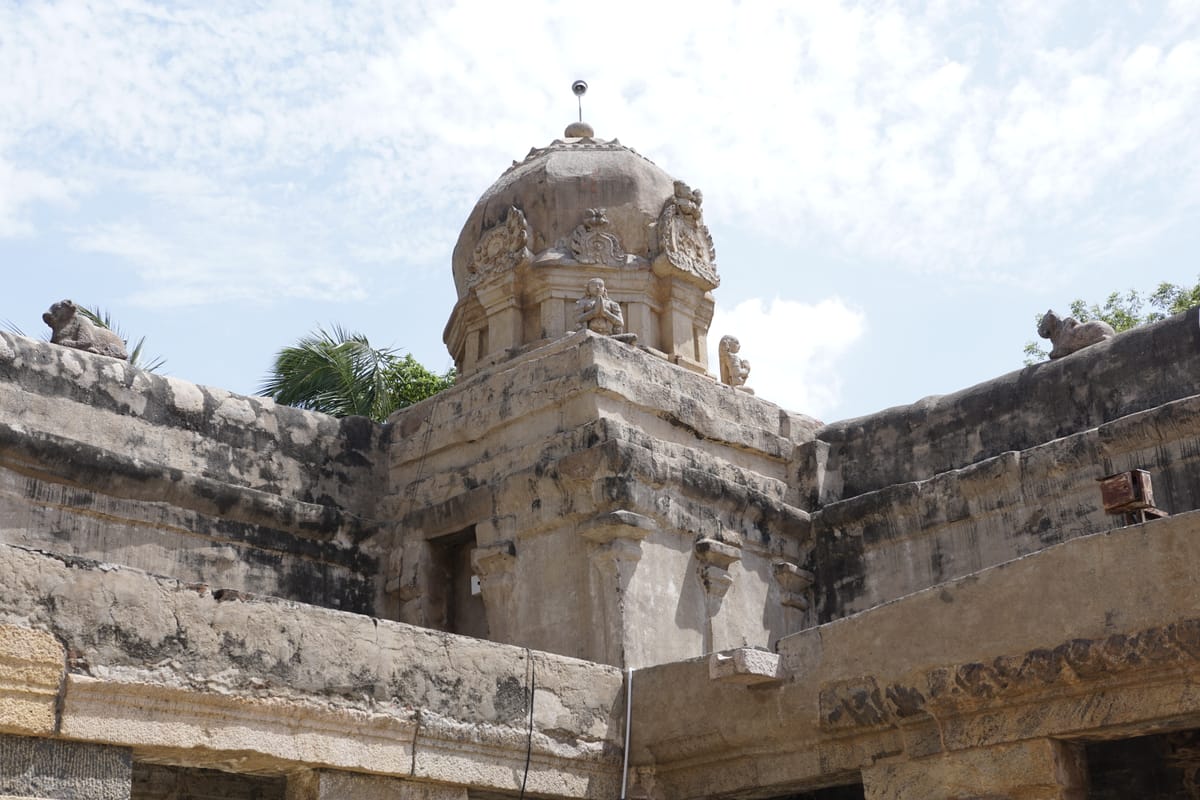
Great Living Chola Temples — Brihadeeswarar Temple
The principal temple of the Great Living Chola Temples UNESCO site, a masterpiece of Dravidian…
Explore Temple
UNESCO 1984Cultural Heritage
Tamil Nadu
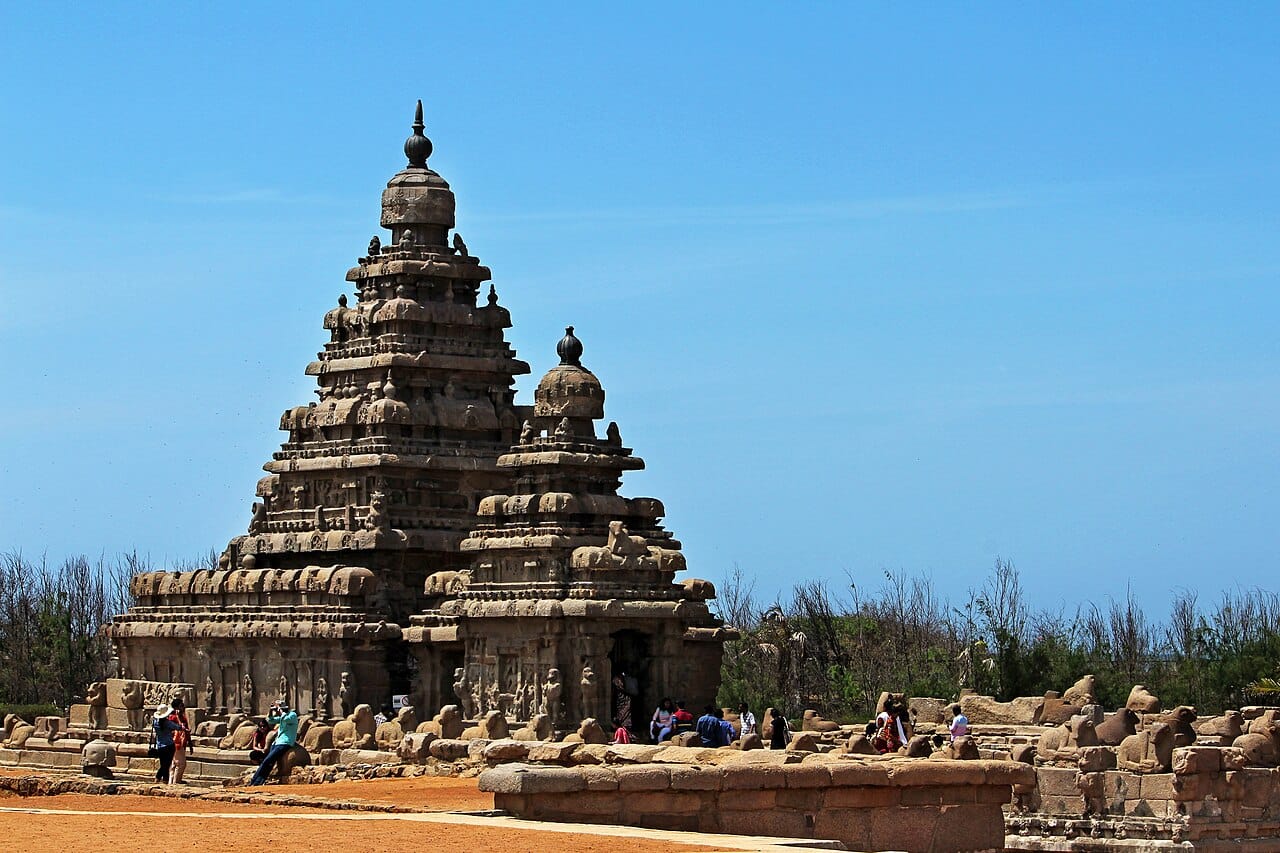
Shore Temple, Mahabalipuram
One of the oldest structural stone temples of South India, built by the Pallava dynasty…
Explore Temple
UNESCO 2021Cultural Heritage
Telangana
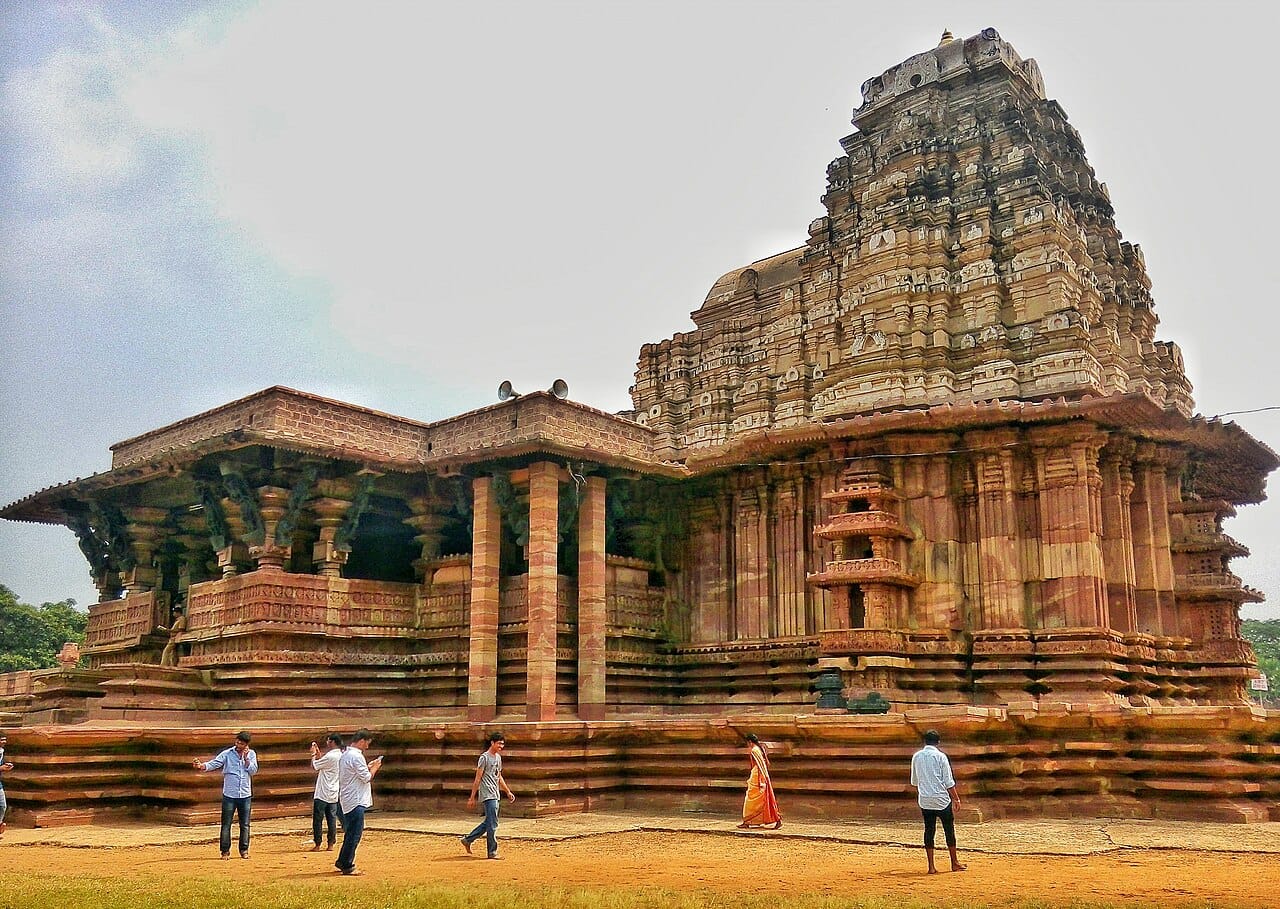
Ramappa Temple
A 13th-century Kakatiya temple famous for its floating bricks and intricate carvings, the newest UNESCO…
Explore Temple
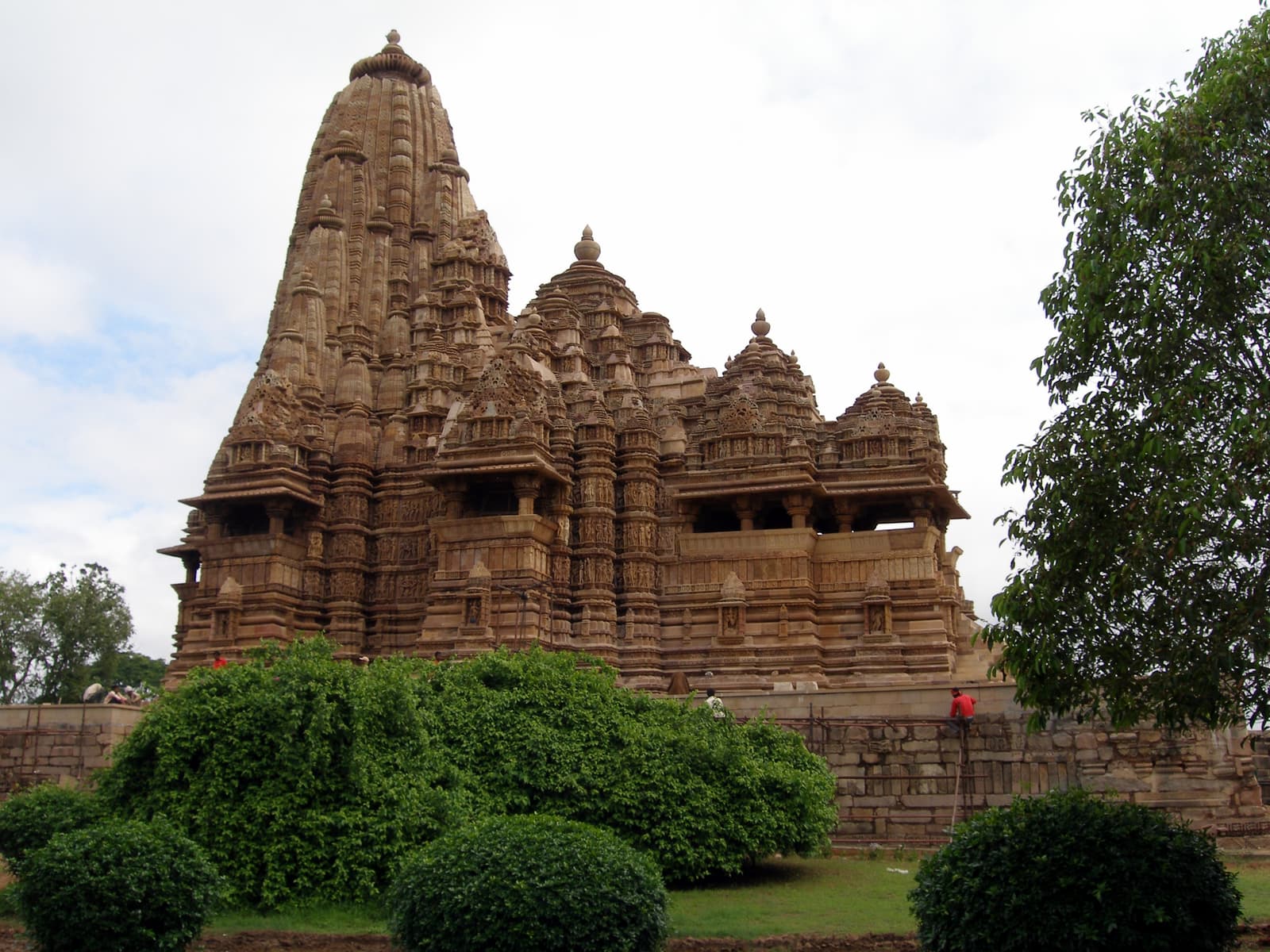
UNESCO 1986Cultural Heritage
Madhya Pradesh
Khajuraho Group of Monuments
The largest and most ornate Hindu temple in the Khajuraho Group of Monuments.
Explore Temple
Famous Temples You May Like
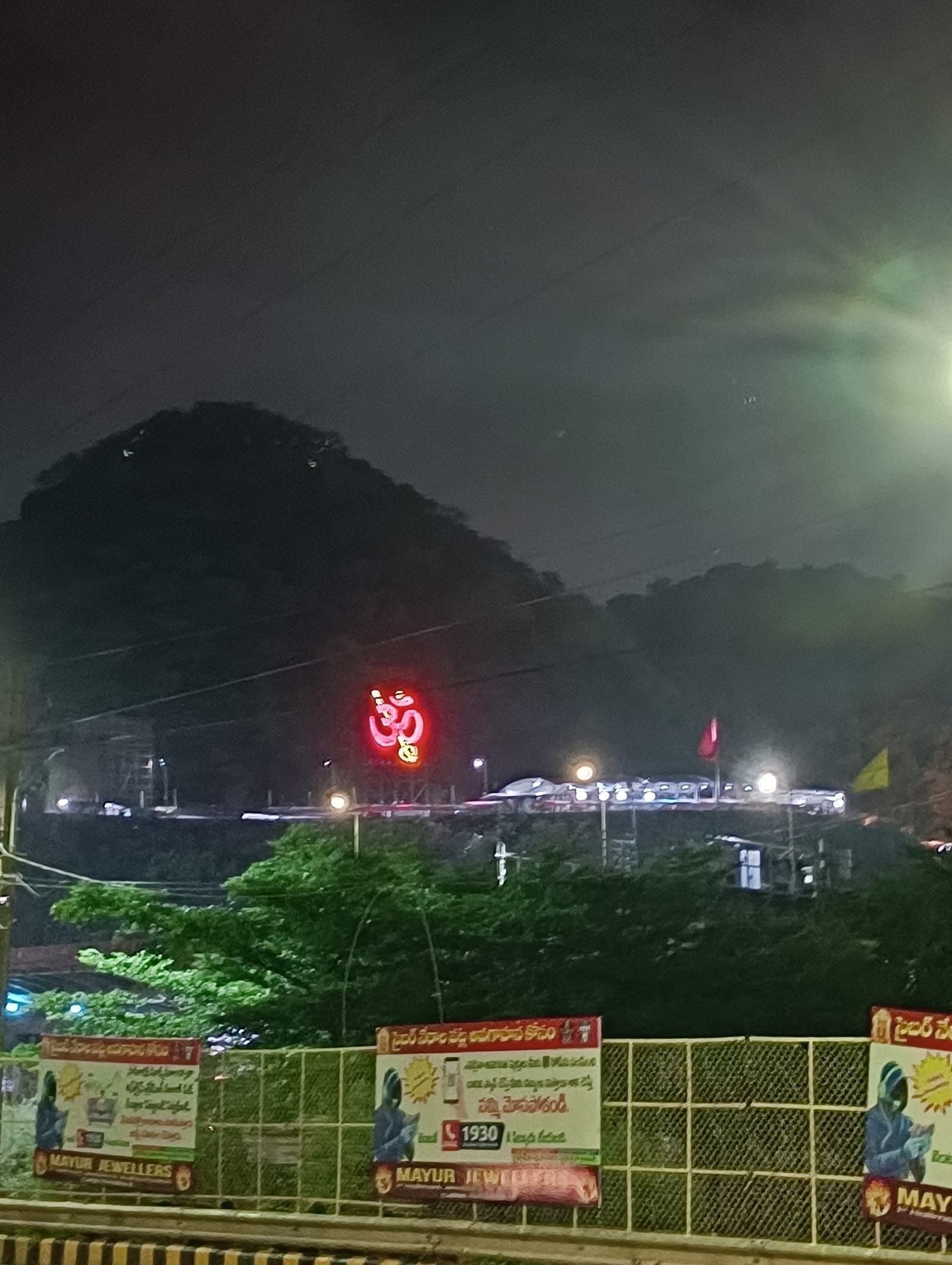
Andhra Pradesh
Kanaka Durga Temple
Kanaka Durga Temple, situated on the Indrakeeladri Hill on the banks of the Krishna River…
Explore Temple
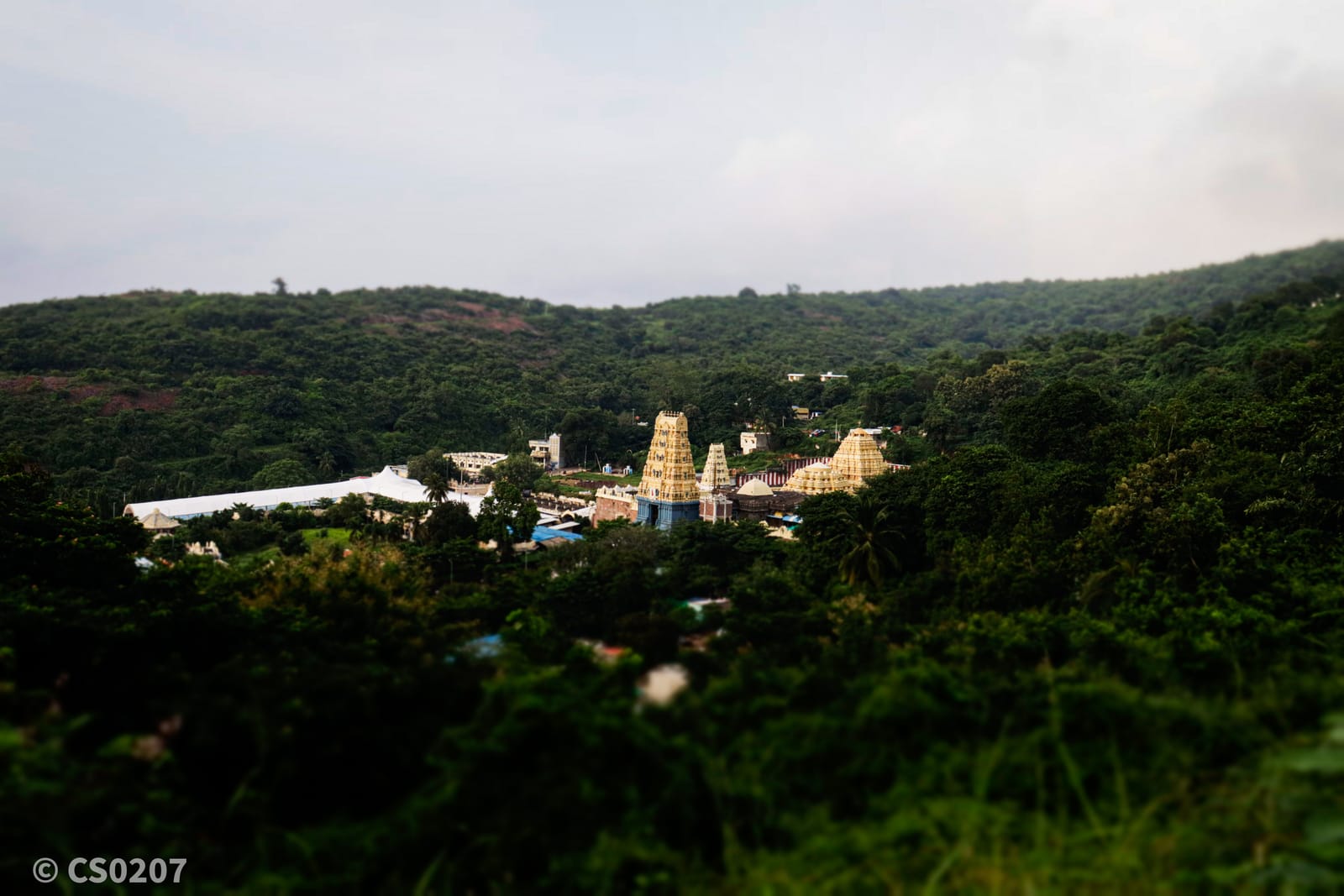
Andhra Pradesh
Simhachalam Temple
Simhachalam Temple, also known as Sri Varaha Lakshmi Narasimha Temple, is a historic Hindu temple…
Explore Temple
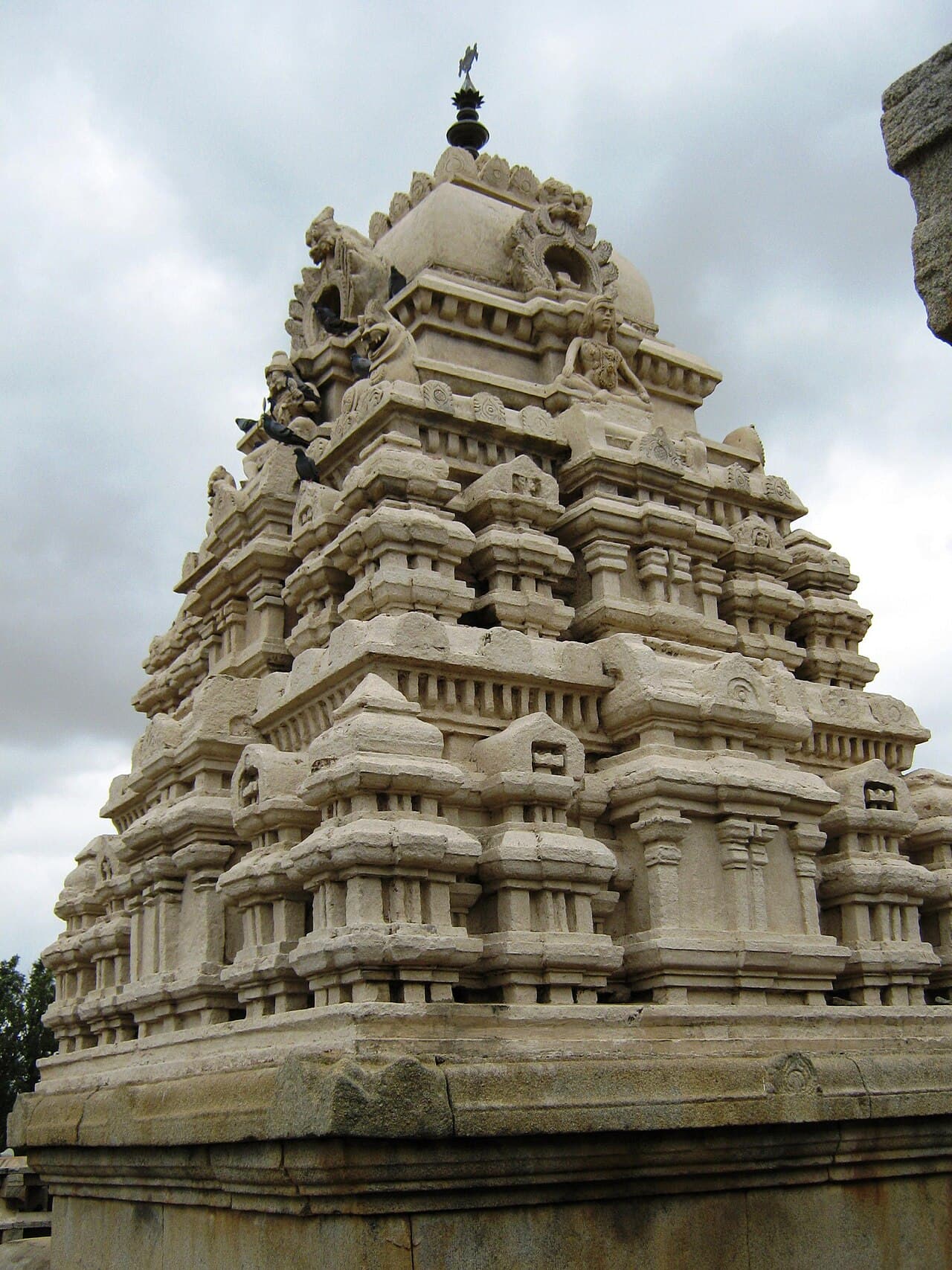
Andhra Pradesh
Veerabhadra Temple
Veerabhadra Temple at Lepakshi is a 16th-century Vijayanagara masterpiece, renowned for its hanging pillar, monolithic…
Explore Temple
Andhra Pradesh
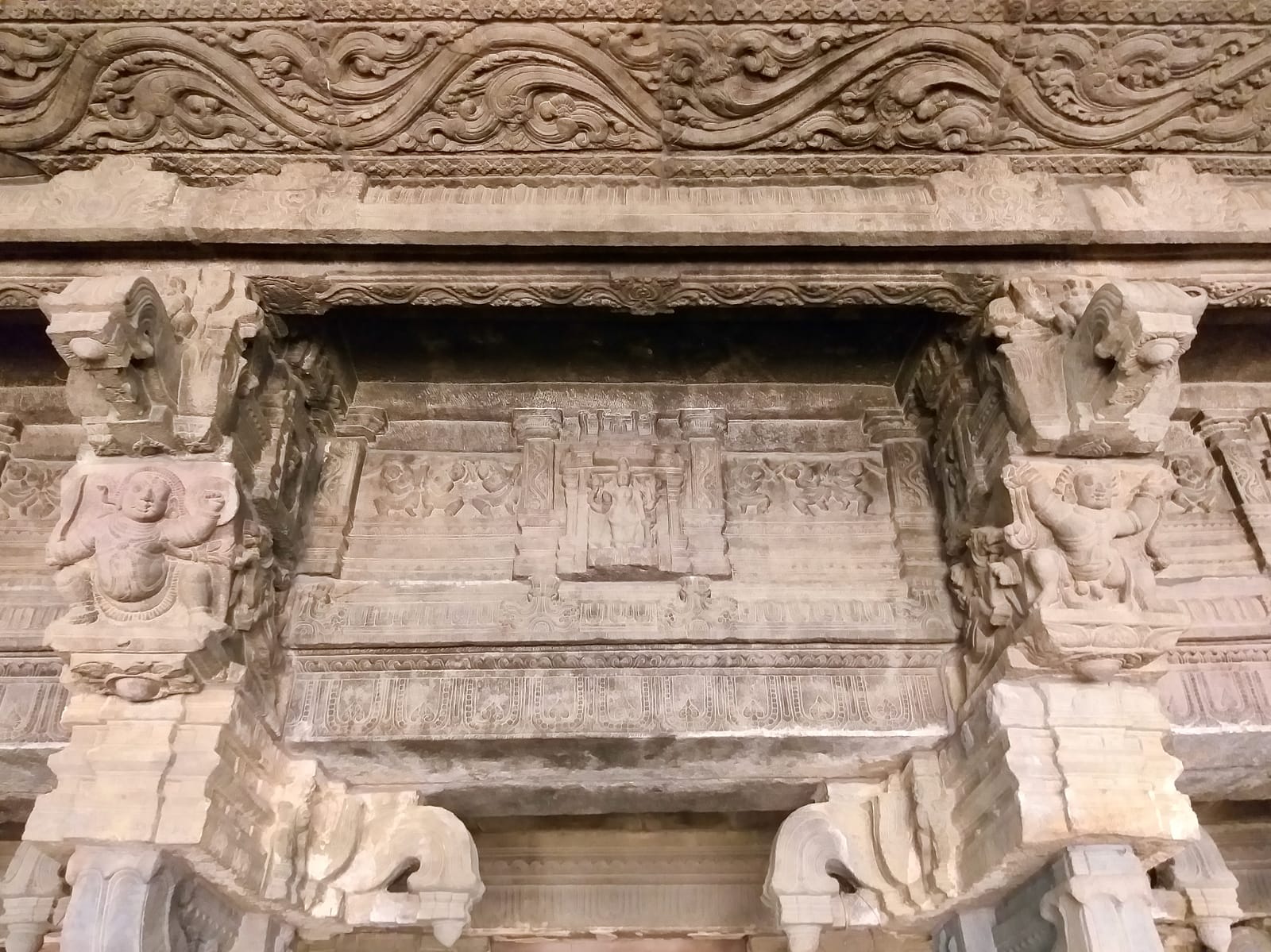
Ahobilam Narasimha Temple
Ahobilam, situated in the dense Nallamala forest of Kurnool district, is the sacred landscape where…
Explore Temple
Explore More in Andhra Pradesh
Andhra Pradesh
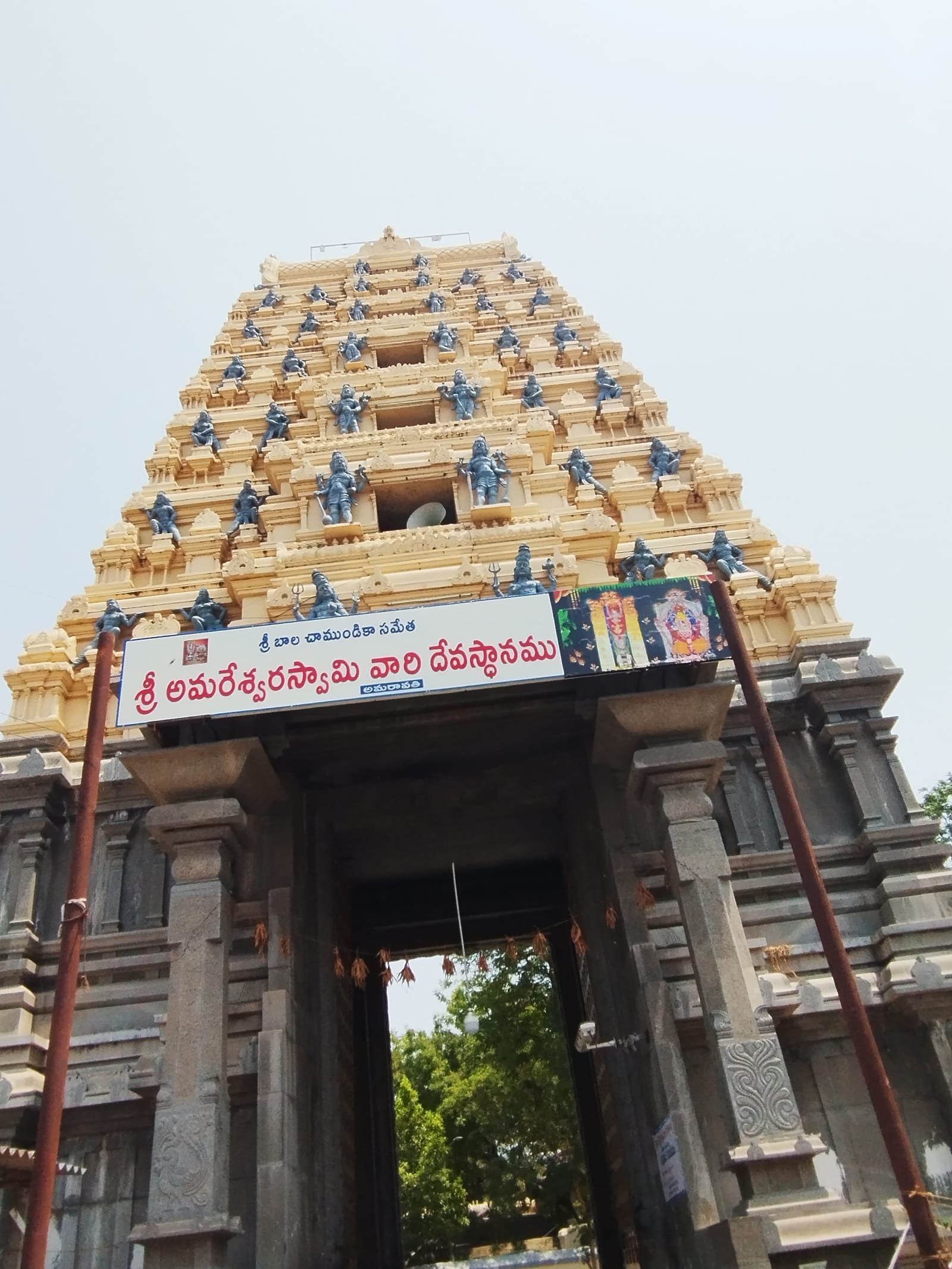
Amaralingeswara Temple
Amaralingeswara Temple, located in Amaravati on the southern bank of the Krishna River, is the…
Explore Temple
Andhra Pradesh
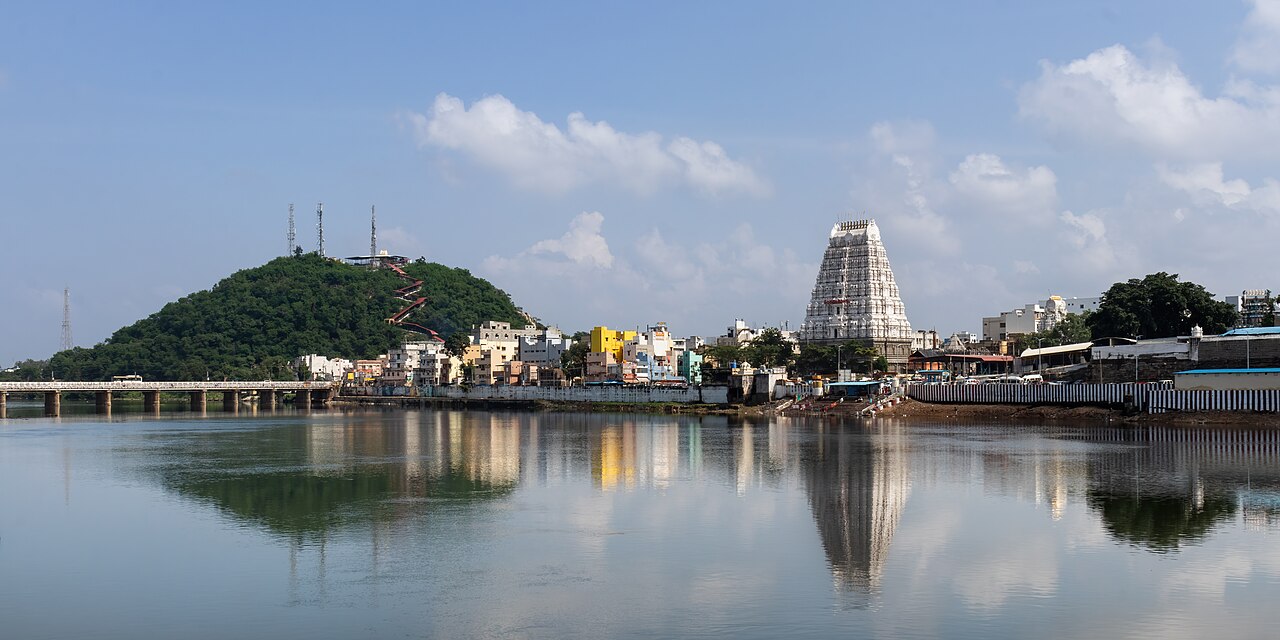
Srikalahasti Temple
Srikalahasti Temple, situated on the banks of the Swarnamukhi River at the foot of Srikalahasti…
Explore Temple
Andhra Pradesh
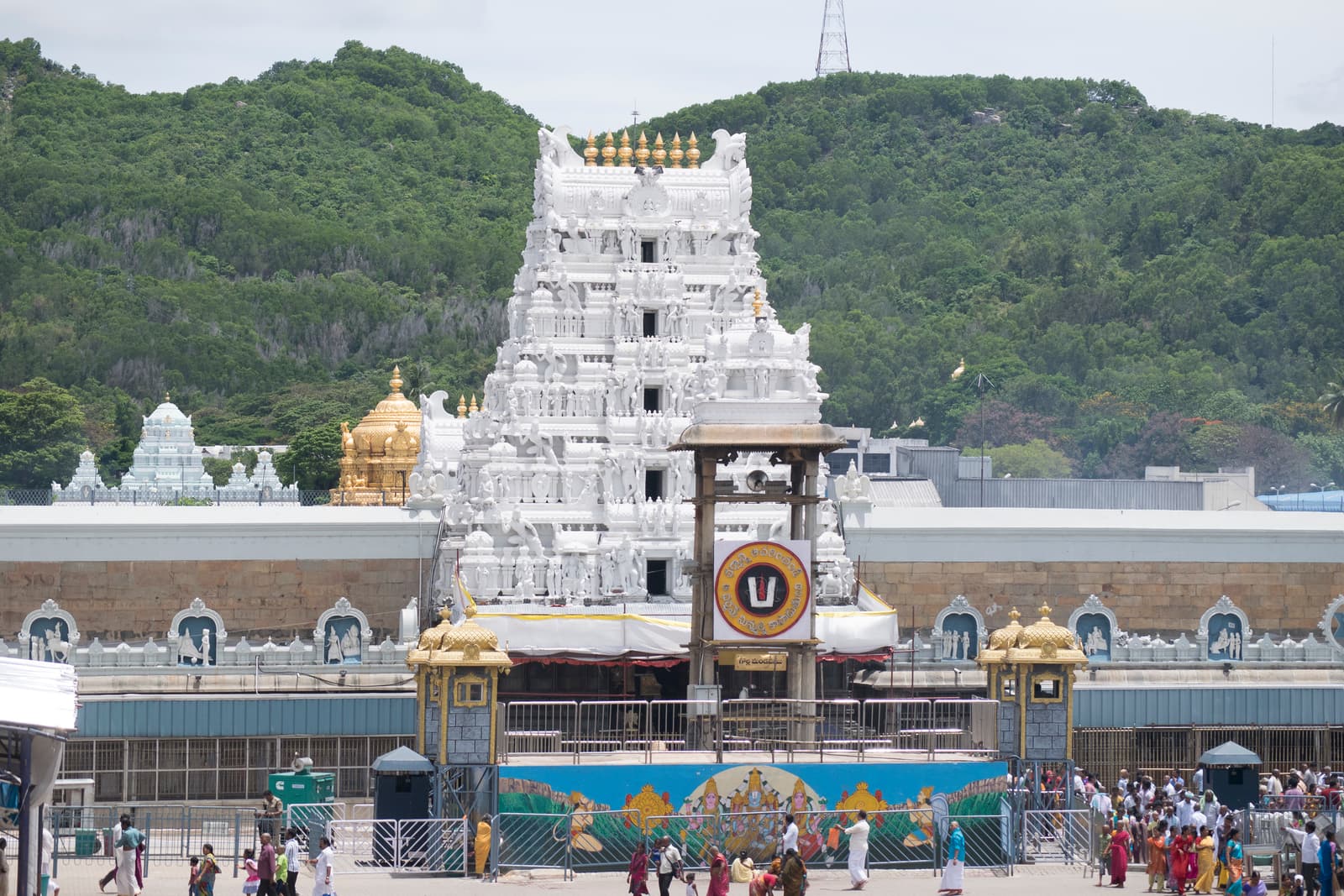
Tirumala Venkateswara Temple
Tirumala Venkateswara Temple, situated in the hill town of Tirumala in Tirupati district, is dedicated…
Explore Temple
Heritage Fact
"The Sun Temple at Konark is designed as a colossal chariot of the Sun God, with 24 intricately carved wheels."