From ancient rock-cut marvels to towering imperial shrines, discover the architectural soul of Bharat through our verified digital archive.
Explore More Temples
Builder
Adi Shankaracharya (9th c. CE discovery) / Garhwal Kings
Dynasty
Garhwal Kingdom
Construction
17th–18th Century (current structure)
Style
Nagara (Painted Facade)
Main Deity
Badrinarayan (Vishnu in Padmasana)
Location
Chamoli, Uttarakhand
Elevation
3,300 m (10,827 ft)
Significance
One of 4 Char Dham, 108 Divya Desams
Season
May to October
Avg. Visitors
2.5M+ annually (2023)
Pilgrimage Circuit
Char Dham, Chota Char Dham, Divya Desam
Official Website
badrinath-kedarnath.gov.in
Badrinath Temple, dedicated to Lord Vishnu as Badrinarayan, stands at 3,300 meters in the Garhwal Himalayas along the banks of the Alaknanda River. It is the northern shrine of the four Char Dhams and one of the 108 Divya Desams. Unlike any other major Vishnu shrine, the deity here sits in padmasana — Vishnu as the supreme yogi in meditation. The temple opens from Akshaya Tritiya to the day after Diwali, drawing over 2.5 million pilgrims every season.
The presiding deity is Lord Vishnu as Badrinarayan, depicted in a unique meditative posture. Unlike most Vishnu icons that show the deity reclining on the serpent Shesha (Anantashayana), the Badrinath image shows Vishnu seated cross-legged in padmasana, in deep meditation — the supreme yogi.
Carved from black stone (Shaligrama) and standing approximately 1 meter tall, the image holds a shankha (conch) and chakra (discus) in two hands, while the other two rest in dhyana mudra (gesture of meditation). The deity wears a gold crown (mukuta) adorned with precious stones and elaborate flower garlands. A silver umbrella is held above the image during darshan hours. Representations of the shankha and chakra as personified figures flank the main image.
The serene expression, meditative posture, and dark complexion distinguish this icon from all other Vishnu representations in India. The name Badrinarayan derives from the wild jujube (ber) fruit called badri that grew abundantly in the area, combined with nath, meaning lord. According to tradition, Goddess Lakshmi assumed the form of a badri tree to shelter the meditating Vishnu from Himalayan weather — giving the site and its deity their name. Badrinath is also numbered among the 108 Divya Desams, the sacred Vishnu shrines venerated in the Tamil Alvar tradition.
According to the Vishnu Purana, after the destruction of the Yadava clan and the end of his earthly incarnation as Krishna, Lord Vishnu retreated to the Badrinath region to perform severe penance. He assumed the form of the twin sages Nar and Narayana and sat in meditation for thousands of years, oblivious to the harsh Himalayan weather.
His consort Lakshmi, concerned for his comfort, assumed the form of a badri (jujube) tree and sheltered him from rain, snow, and sun. Impressed by her devotion, Vishnu named the place Badrikashram — the hermitage of the badri tree. The nath (lord) suffix was added later, making it Badrinath.
The sage Narada once visited and found Vishnu meditating. When Narada asked why the preserver of the universe needed penance, Vishnu replied that even the creator must set an example. But Narada noticed Lakshmi massaging Vishnu's feet, revealing his meditation was not complete renunciation. Embarrassed, Vishnu assumed the padmasana posture, withdrawing into deeper meditation where even Lakshmi could not disturb him. This is the form enshrined at Badrinath.
The cave where Shankaracharya discovered the Badrinarayan image is mythologically significant — it is believed to be the same cave where Nar and Narayana performed their penance in the Satya Yuga. The Alaknanda River, which flows beside the temple, is considered the source stream of the Ganga. The Pandava prince Arjuna performed penance here to obtain the Pashupatastra from Lord Shiva, and the rumbling of the Alaknanda is said to be the sound of Shiva's damaru. Today, Badrinath stands as the northernmost of the four shrines in the Char Dham Yatra, the pilgrimage that defines the sacred geography of the Himalayas.
Daily rituals at Badrinath follow the Vaishnava Pancharatra Agama tradition. The day begins at 4:30 AM with the Mangala Aarti, awakening the deity. The main rituals include Abhishekam, during which the image is bathed with water, milk, curd, honey, ghee, and sandalwood paste. The Alankaram (decoration) follows, where the deity is adorned with elaborate garments and flower garlands, including the distinctive silver crown.
The deity is offered a vegetarian meal (bhog) five times daily, with traditional preparations like kheer and puri — onions and garlic are strictly prohibited. The temple closes between 12:00 PM and 4:00 PM when the deity is offered Rajbhog (royal meal) and rests. Evening rituals begin at 4:00 PM with the Sandhya Aarti, followed by the recitation of Geet Govindam, a tradition introduced by Adi Shankaracharya that involves singing the devotional compositions of Jayadeva. The day ends with the Shayana Aarti at 8:30 PM.
A distinctive tradition is the Maha Aarti performed at the confluence of the Alaknanda and Rishi Ganga during the evening, where thousands of lamps are floated on the river. The temple's priests are the Rawals from Kerala's Nambudiri community, continuing Shankaracharya's tradition. During winter closure, daily rituals continue at the temple's winter seat at Joshimath, where the Utsava Murti is relocated.
Badrinath holds profound significance across multiple dimensions of Hinduism. As one of the four Char Dhams, it represents the northern cardinal point of the traditional pilgrimage circuit. A pilgrimage to all four is believed to grant moksha — liberation from the cycle of birth and death. Badrinath is also one of the 108 Divya Desams, the sacred Vishnu shrines venerated in the Tamil Alvar tradition, giving it pan-Indian importance extending beyond the Himalayas. Its partner in the Himalayan leg of the yatra is the Shiva shrine of Kedarnath, which pilgrims typically visit earlier in the circuit.
The temple's connection to Adi Shankaracharya adds immense theological weight. It was here that Shankaracharya wrote his Brahmasutra Bhasya (commentary on the Vedanta Sutras), establishing the philosophical foundation of Advaita Vedanta. The Jyotish Peetham at Badrinath is one of the four cardinal mathas established by Shankaracharya, preserving the non-dualistic tradition through an unbroken lineage of scholars.
The temple's unique iconography sets it apart. The meditating Vishnu form represents the supreme yogi, emphasizing the ascetic aspect of the preserver deity. Nearby Tapt Kund (a natural hot spring) is believed to have medicinal sulfur-rich waters, and Brahma Kapal, a platform on the Alaknanda, is a sacred site for performing shraddha(ancestral rites). For the Garhwali people, Badrinath is a living deity and cultural symbol. The temple economy sustains thousands of families during the pilgrimage season, and in 2023 the temple recorded over 2.5 million visitors — one of India's busiest pilgrimage destinations.
Badrinath's sacred history predates its current structure by millennia. The site is mentioned in the Vedas, the Puranas, and the Mahabharata, where it is called Badrikashram — the hermitage of the twin sages Nar and Narayana, considered partial incarnations of Vishnu. The Skanda Purana and Padma Purana describe Badrinath as the holiest of holy sites, accessible only by divine grace.
The temple's recorded history begins with Adi Shankaracharya, the 9th-century Advaita philosopher. Traveling through the Himalayas to restore Hindu spiritual centers, Shankaracharya discovered a black granite image of Lord Badrinarayan in the Alaknanda River, where it had been hidden during the region's Buddhist period. He initially housed the image in a cave near the Tapt Kund hot springs — a cave still maintained as a shrine today.
The current temple structure was built centuries later. The Garhwal Kingdom under King Ajai Pal (c. 1500 CE) began construction. Significant expansions followed under later Garhwal rulers during the 17th and 18th centuries, giving the temple its distinctive painted facade and multi-mandapa layout. During the Gorkha occupation of Garhwal (1803–1815), the temple suffered some damage and neglect. After the Anglo-Nepalese War (1814–1816), the British took control, improving pilgrimage infrastructure and eventually constructing a motorable road in the 20th century.
The temple was traditionally managed by Rawals of the Nambudiri Brahmin community from Kerala — a tradition reportedly established by Shankaracharya himself. In 1939, management was transferred to the Shri Badrinath-Kedarnath Temple Committee, now under the Uttarakhand government. The 2013 Uttarakhand floods severely affected the region but Badrinath itself suffered minimal structural damage. Today, the temple receives over 2.5 million visitors annually, making it one of India's busiest pilgrimage destinations.
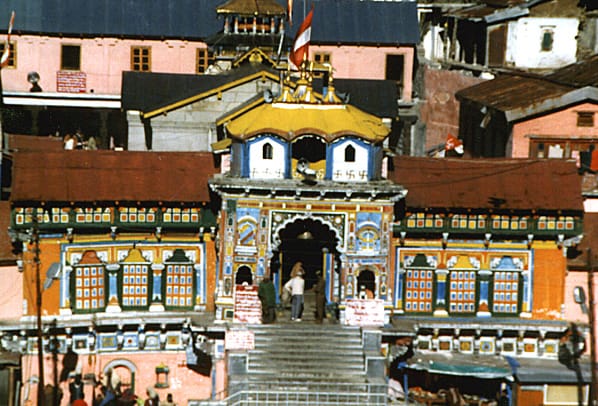
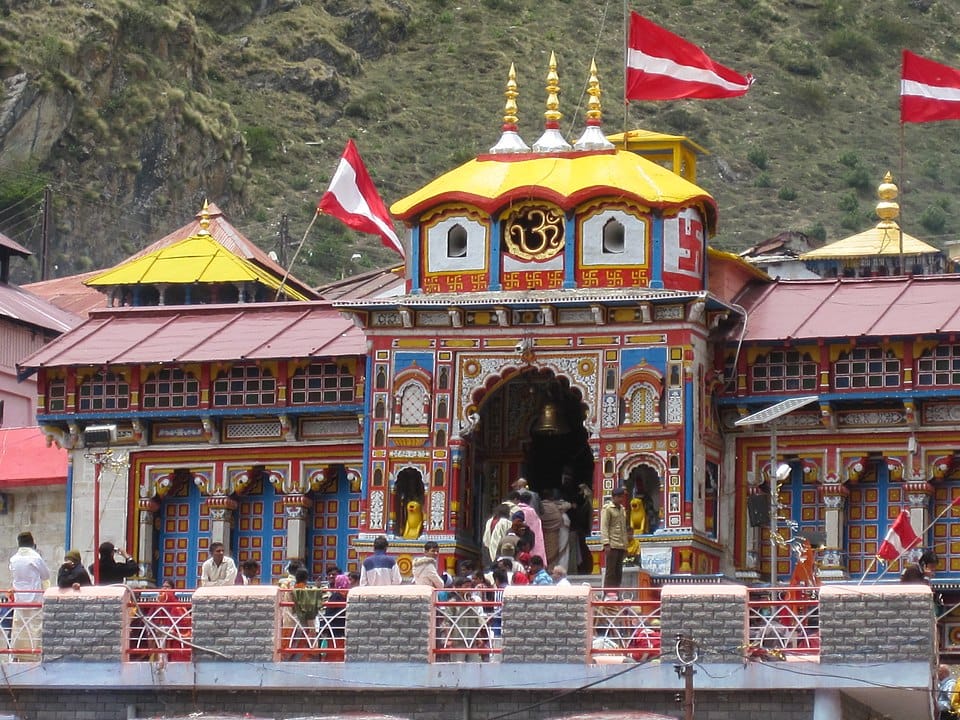
Badrinath Temple exemplifies the North Indian Nagara style with distinctive Garhwali regional characteristics. Built of locally sourced stone, its vibrantly painted facade makes it visually striking against the stark mountain backdrop of the Neelkanth Peak.
The temple comprises three chambers: a garbhagriha (sanctum) housing the 1-meter-tall black granite image of Badrinarayan, a darshan mandapa (pillared hall), and a sabha mandapa (assembly hall), aligned on an east-west axis. The vimana (tower) rises above the sanctum in a stepped pyramidal form with multiple bhumi (tiers) adorned with projected gavaksha (dormer window) motifs. It is capped with a large golden kalasha (finial) and a dhvaja (flag) visible from a considerable distance.
The temple's most distinctive feature is its painted facade — a riot of red, blue, gold, and green panels with intricate scrollwork and floral motifs. This painted decoration, dating from the Garhwal period, is unusual for Nagara temples, which are left in natural stone. The mandapa features ornate pillars with bracket capitals carved with figures of gods, goddesses, and floral designs. The ceiling of the sabha mandapa is painted with celestial patterns. The entrance doorframe is carved with river goddesses Ganga and Yamuna, flanked by dwarpalas (door guardians).
The temple has a covered pradakshina (circumambulatory path) around the sanctum. The complex includes smaller shrines dedicated to Lakshmi, Narasimha, and Adi Shankaracharya. The outer walls are relatively simple, contrasting with the elaborate interior. The temple sits within a large paved courtyard enclosed by a stone wall with entrance gates on the east and west — a synthesis of early medieval temple traditions with later Garhwal embellishments.
The most distinctive festival at Badrinath is Mata Murti Ka Mela (September), observed on the new moon of Ashwin month. This unique festival honors Mata Murti, the mother of Nar and Narayana, a form Goddess Lakshmi assumed. The celebration features a grand procession, cultural programs, and special rituals that draw thousands of devotees.
The Badri Kedar Festival (June) spans eight days, celebrating the union of the Badrinath and Kedarnath deities. The Utsava Murtis of both temples are brought to an intermediate location where joint rituals are performed, symbolizing the integration of Shaiva and Vaishnava traditions.
Janmashtami (August–September) is celebrated with great fervor, marking Krishna's birth. The temple is elaborately decorated and midnight aarti is performed. Diwali is observed as Badrinath Deepotsav, with the entire complex illuminated with thousands of oil lamps. The opening ceremony on Akshaya Tritiya features ritual bathing of the deity in Tapt Kund, Vedic chanting, and the formal opening of temple doors. The closing ceremony in October–November involves the ceremonial transfer of the deity to its winter seat in Joshimath. The Bhramotsavamin November coincides with this closing, marking the deity's journey down the mountain.
The only major Vishnu temple in India where the deity is shown seated in padmasana (meditation posture) rather than reclining on the serpent Shesha — Vishnu as the supreme yogi.
The sacred black granite image of Badrinarayan was discovered by Adi Shankaracharya in the 9th century in the Alaknanda River, where it had been hidden during the Buddhist period.
The present temple structure was built and expanded by the Garhwal kings during the 17th–18th centuries; the distinctive painted facade dates from this period.
Badrinath is the only temple that belongs to both the Char Dham (four cardinal shrines) and the Chota Char Dham (four Himalayan shrines) circuits, and is also one of the 108 Divya Desams.
The Rawals (chief priests) of Badrinath are traditionally Nambudiri Brahmins from Kerala, a tradition attributed to Adi Shankaracharya.
The temple is open only from Akshaya Tritiya (April/May) to the day after Diwali (October/November). In winter the deity is moved to the Narasimha Temple in Joshimath, 44 km away.
Over 2.5 million pilgrims visited Badrinath in 2023, making it one of India's busiest pilgrimage destinations despite its 3,300 m elevation.
Nearest airport: Jolly Grant Airport, Dehradun (317 km). Taxis and buses available. Helicopter services operate from Dehradun during the yatra season — book through Uttarakhand Civil Aviation Development Authority.
Nearest railheads: Rishikesh (295 km) and Haridwar (320 km). Both well-connected to Delhi, Kolkata, Mumbai, and other major cities.
Accessible via NH-7 (formerly NH-58). Regular buses and taxis from Rishikesh, Haridwar, Dehradun, Rudraprayag, and Karnaprayag. Route: Rishikesh → Devprayag → Rudraprayag → Karnaprayag → Joshimath → Badrinath. Journey from Rishikesh takes ~9–10 hours.
Acclimatize for at least one night in Joshimath (1,890 m) or Pipalkoti before proceeding to Badrinath (3,300 m). The final 3 km from the bus stand to the temple is a steep climb; battery-operated vehicles are available for elderly pilgrims.
Badrinath Temple is open from April/May (Akshaya Tritiya) to October/November (the day after Diwali). The town is largely deserted and inaccessible in winter.
Pleasant weather, 10–20°C daytime. Clear skies, spectacular Neelkanth views. May–June is peak season — book accommodation well in advance. September–October offers autumn colors and fewer crowds.
Monsoon season. Landslides can block roads. Fewer pilgrims but higher travel risk. Carry rain gear and check road conditions before departing.
Temple closed, heavy snowfall, sub-zero temperatures. The deity resides at the Narasimha Temple in Joshimath (44 km) where daily rituals continue through winter.
May–June and September–October. The temple opens on Akshaya Tritiya (April–May) and closes the day after Diwali (October–November). Avoid the monsoon months of July and August due to landslide risks.
Morning darshan: 5:00 AM to 12:00 PM. Afternoon break: 12:00 PM to 4:00 PM. Evening darshan: 4:00 PM to 9:00 PM. Mangala Aarti at 4:30 AM and Sandhya Aarti at 6:00 PM.
Natural hot sulfur springs adjacent to the temple. Water temperature stays 45–55°C year-round. A ritual bath here before darshan is considered essential for pilgrims.
A sacred platform on the Alaknanda River where shraddha (ancestral rites) and pind daan are performed. Priests at the temple can assist in conducting ceremonies.
The last Indian village before the Tibetan border, 3 km from Badrinath. Mentioned in the Mahabharata. Home to the Vyas Gufa and Ganesh Gufa caves.
Caves at Mana Village where Vedavyasa is said to have composed the Mahabharata and Ganesha wrote it down as dictated. Sacred sites for literary and religious heritage.
A massive natural rock bridge over the Saraswati River at Mana Village, believed to have been placed by Bhima from the Pandavas. A striking geological formation with mythological associations.
44 km from Badrinath. Winter seat of the Badrinath deity. Home to the Narasimha Temple and Shankaracharya's Jyotish Math — one of the four cardinal Advaita monasteries.
UNESCO World Heritage site ~75 km from Badrinath. Alpine meadows with endemic flora, accessible via a trek from Govindghat. Best visited July–September.
Revered Sikh pilgrimage site at 4,633 meters, ~80 km from Badrinath. Accessible via a steep trek from Govindghat. Features a pristine glacial lake surrounded by seven peaks.
May
1 festival
Badrinath
Temple doors open on Akshaya Tritiya. The deity is ritually bathed in Tapt Kund, followed by Vedic chanting and the formal opening of the doors at an astrologically fixed moment.
/bah-dree-naath/
Lord of the badri (jujube) tree
/bah-dree-naa-raa-yan/
Narayana of the badri grove, the presiding deity
/bah-dree-kaash-rahm/
Hermitage of the badri tree, the ancient name of the site
/pud-maa-suh-nuh/
Lotus posture; the meditative pose of the deity
/gar-bha-gree-ha/
Inner sanctum
/vi-maa-na/
Tower rising above the sanctum
/tuhpt koond/
Natural hot spring beside the temple
/shra-dha/
Ritual performed for deceased ancestors
/ra-waal/
Chief priest of Badrinath, traditionally a Nambudiri Brahmin
/div-ya day-sam/
One of the 108 sacred Vishnu shrines
Click the speaker icon to hear pronunciation. Browser text-to-speech may vary.
Char Dham and Chota Char Dham
Badrinath is the northern cardinal shrine of the Char Dham circuit (with Dwarka, Puri, Rameswaram) and is also part of the Chota Char Dham (Himalayan circuit with Kedarnath, Gangotri, Yamunotri). It is the only temple common to both circuits, and is also one of the 108 Divya Desams.
Unique Iconography
Badrinath is the only major Vishnu temple in India where the deity is shown seated in padmasana (meditation posture) rather than reclining on the serpent Shesha. The meditating Vishnu represents the supreme yogi.
Adi Shankaracharya Connection
Shankaracharya discovered the Badrinarayan image in the Alaknanda River in the 9th century and established the Jyotish Peetham, one of the four cardinal mathas of Advaita Vedanta. He composed his Brahmasutra Bhasya here and established the Nambudiri Brahmin Rawal priesthood.
Rawal Priest System
The Rawals (chief priests) of Badrinath are traditionally Nambudiri Brahmins from Kerala, a tradition attributed to Adi Shankaracharya. This differs from Kedarnath, where Rawals are traditionally Maithili Brahmins of Bihar.
Winter Seat at Joshimath
The temple is open only from Akshaya Tritiya (April/May) to the day after Diwali (October/November). During winter the Utsava Murti is moved to the Narasimha Temple in Joshimath, 44 km away, where daily rituals continue.
A. The ideal time is May–June and September–October. The temple opens on Akshaya Tritiya (April–May) and closes the day after Diwali (October–November). Avoid the monsoon months of July and August due to landslide risks.
A. The nearest airport is Jolly Grant, Dehradun (317 km). The nearest railway stations are Rishikesh (295 km) and Haridwar (320 km). From there, buses and taxis run regularly via NH-7. The journey from Rishikesh takes about 9–10 hours.
A. Morning darshan: 5:00 AM to 12:00 PM. Afternoon break: 12:00 PM to 4:00 PM. Evening darshan: 4:00 PM to 9:00 PM. Mangala Aarti at 4:30 AM and Sandhya Aarti at 6:00 PM.
A. No, darshan is free. Chardham Yatra registration is mandatory at a nominal fee. VIP darshan passes may be available through the temple committee.
A. Badrinath is the only major Vishnu temple in India where the deity is shown seated in padmasana (meditation posture) rather than reclining on the serpent Shesha. This represents Vishnu as the supreme yogi.
A. Tapt Kund is a natural hot sulfur spring with water at 45–55°C year-round. It is believed to have medicinal properties. Every pilgrim must bathe here before entering the temple.
A. Yes. Brahma Kapal, a platform on the Alaknanda River, is a sacred spot for performing shraddha and pind daan. Temple priests can assist with these ceremonies.
A. No. Photography and videography are strictly prohibited inside the sanctum and main hall. Photography of the exterior is permitted.
A. Traditional attire is recommended. Men should wear dhotis or formal trousers. Women should wear sarees or salwar kameez. Leather items are prohibited.
A. The Utsava Murti of Badrinarayan is moved to the Narasimha Temple in Joshimath, 44 km away, where daily worship continues through winter until the main temple reopens on Akshaya Tritiya.
A. The Char Dham (Badrinath, Dwarka, Puri, Rameswaram) are the four cardinal sites established by Adi Shankaracharya. Chota Char Dham (Badrinath, Kedarnath, Gangotri, Yamunotri) are the four Himalayan shrines in Uttarakhand. Badrinath is common to both.
A. Non-vegetarian food, alcohol, and intoxicants are strictly prohibited in Badrinath town. Onions and garlic are not used in temple bhog offerings, and many local restaurants follow the same restriction.
A. Adi Shankaracharya discovered the Badrinarayan image in the 9th century. The present structure was built by the Garhwal kings during the 17th–18th centuries, with later expansions by subsequent rulers.
A. Over 2.5 million pilgrims visited Badrinath in 2023, making it one of India's busiest pilgrimage destinations. Peak season (May–June) sees daily crowds exceeding 20,000.
A. Exact dates are announced on Maha Shivaratri by the temple committee. Typically, the temple opens in late April or early May (Akshaya Tritiya) and closes the day after Diwali (October/November). Check the Uttarakhand Tourism website for confirmed dates.
A. During the yatra season (May–October), daytime temperatures range 10–20°C, dropping to 4–10°C at night. In winter, temperatures fall below freezing with heavy snowfall. Even in summer, carry warm clothing for evenings.
A. Badrinath is near Mana Village, the last Indian village before Tibet. Nearby attractions include Vyas Gufa (where Vyasa is said to have composed the Mahabharata), Ganesh Gufa, Bhim Pul, and the scenic Neelkanth Peak.
Shri Badarinath Kedarnath Temple Committee (BKTC)
Official temple management, darshan and puja information
View sourceSwami Tapovan Maharaj
Badrinath: The Himalayan Shrine
Lochtefeld, J. G.
The Illustrated Encyclopedia of Hinduism (2002)
2002
Archaeological Survey of India (ASI)
Documentation and conservation of the Badrinath Temple complex
Press Information Bureau (PIB), Government of India
Char Dham Yatra management and infrastructure advisories
Dashavatara Temple
Dating to around 500 CE, this is the earliest known North Indian temple with a shikhara (curvilinear tower). The temple is famous for its carved panels depicting the ten incarnations (Dashavatara) of Vishnu on the sanctum walls.
Vaikuntha Perumal Temple
Built by the Pallava king Nandivarman II in the 8th century (circa 770 CE), the Vaikuntha Perumal Temple in Kanchipuram is a key monument of Pallava architecture featuring three tiers of sanctums one above the other, a unique architectural design representing the three aspects of Vishnu — seated (bhoga), standing (sthita), and reclining (sayana).
Chennakesava Temple
The Chennakesava Temple in Belur, Karnataka, is the finest example of Hoysala architecture, dedicated to Lord Vishnu as Chennakesava, built in the 12th century.
Adi Badri Uttarakhand
A complex of 16 ancient temples from the Gupta period; it is believed Vishnu resided here before moving to Badrinath.
Baijnath Temple Uttarakhand
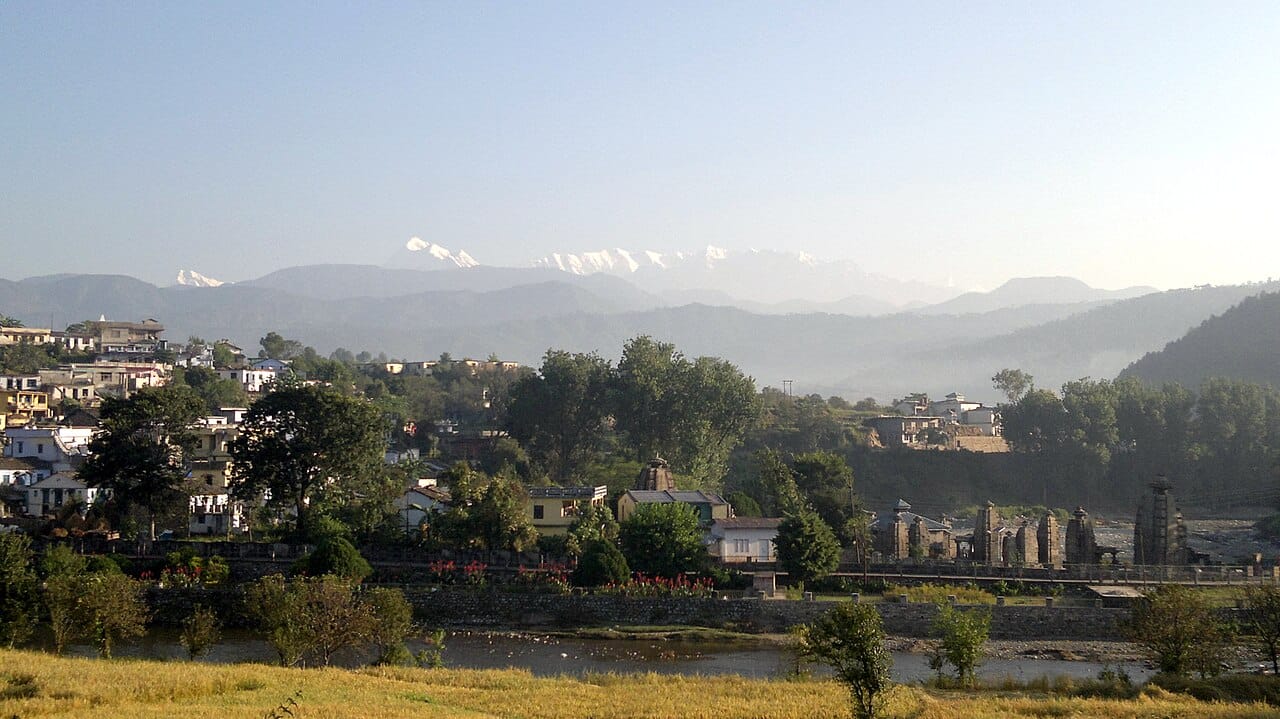
A 12th-century complex on the Gomti banks, famous for its life-sized black stone idol of Goddess Parvati.
Vindhyavasini Devi Temple
One of India's most visited Shakti Peethas, where Goddess Durga is believed to have resided after slaying Mahishasura.
Lalita Devi Temple Naimisharanya
Located in the ancient forest of Naimisharanya, it is mentioned in Puranas as the spot where the universe's first Chakra fell.
Bateshwar Temples Agra
A complex of 101 Shiva temples built on the banks of Yamuna, representing a significant pilgrimage and architectural site.
Gauri Shankar Temple Delhi
An 800-year-old temple in Chandni Chowk built by a Maratha soldier, housing a centuries-old brown Shiva Lingam.
Yamunotri Temple
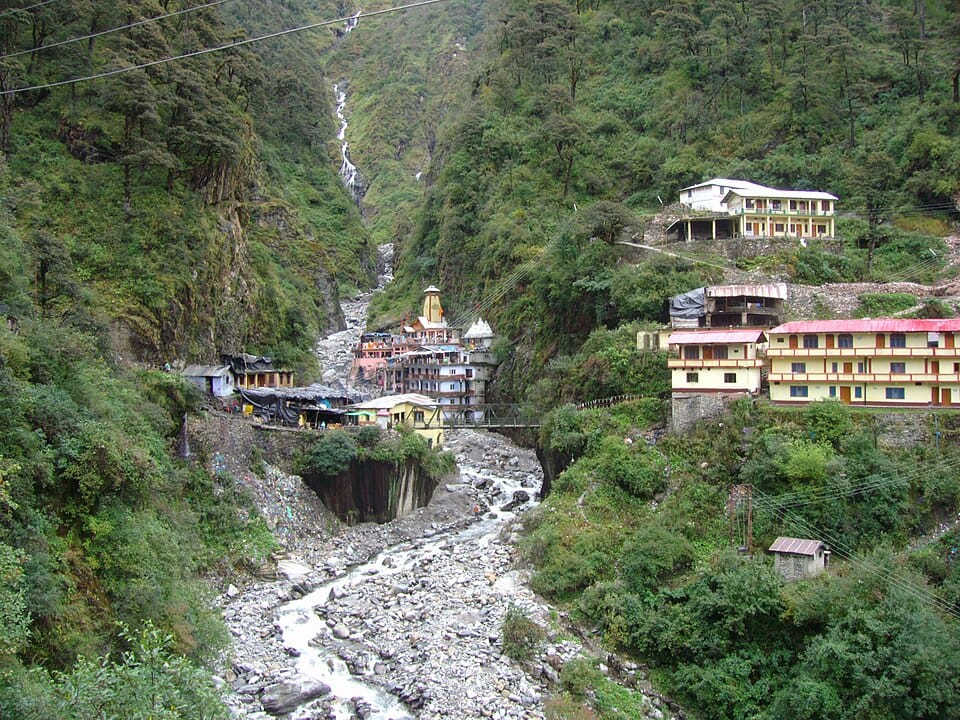
The first stop on the Char Dham Yatra at 3,291 meters, where the Yamuna River originates and pilgrims cook offerings in geothermal springs before darshan.
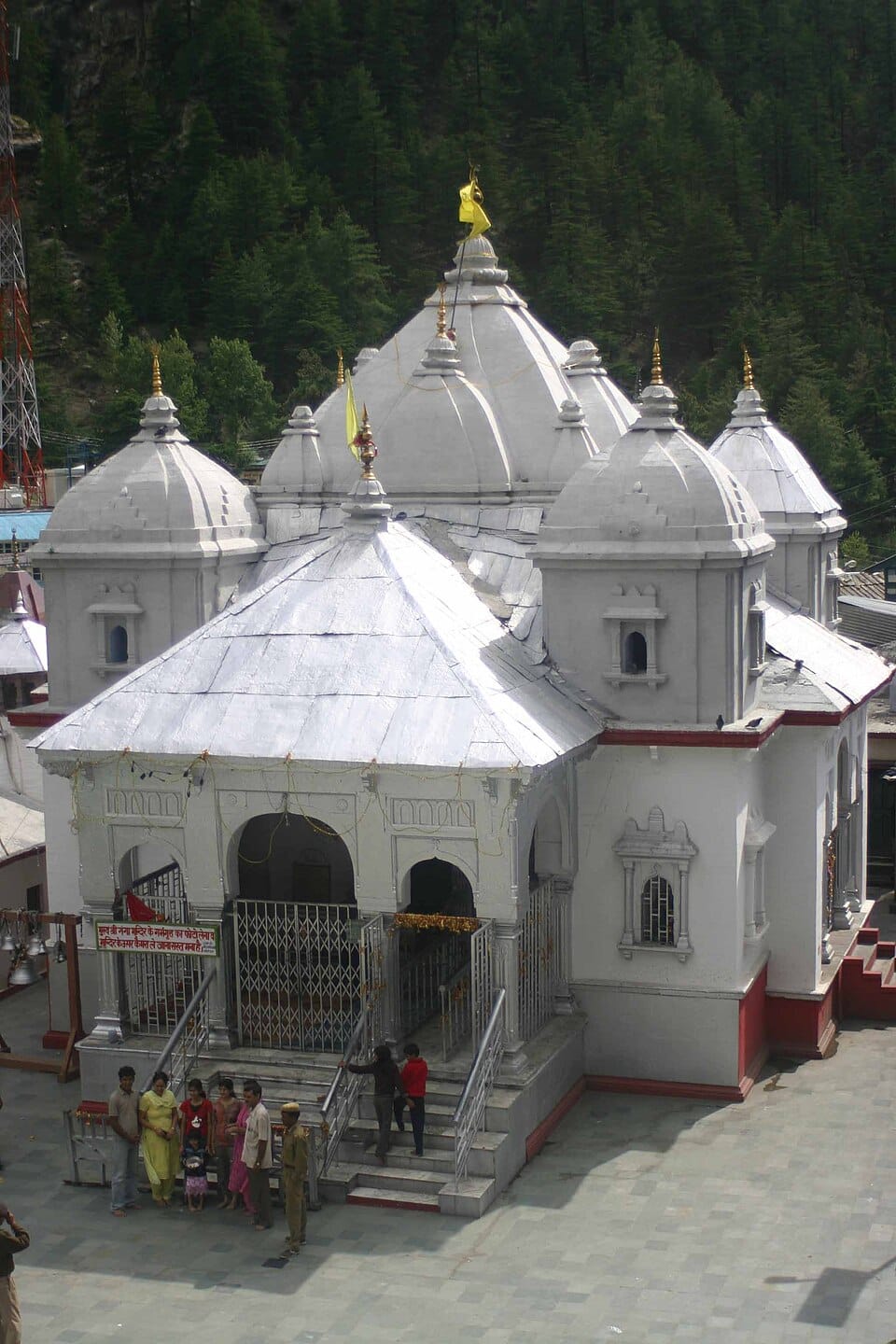
Gangotri Temple
The highest temple dedicated to Goddess Ganga at 3,100 meters, marking where the sacred river descended to earth through Shiva's locks after King Bhagirath's penance.
Dhari Devi Temple
A sacred Shakti temple on the banks of the Alaknanda River, considered the guardian deity of the Char Dham Yatra and famous for the idol that changes color three times daily.
Siddhesvara Dham (Char Dham)
A grand complex featuring a 108-foot Shiva statue and replicas of the 12 Jyotirlingas and the four Char Dham sites.
Ramanathaswamy Temple
The Ramanathaswamy Temple in Rameswaram is one of the 12 Jyotirlingas and a Char Dham site, famous for its magnificent thousand-pillared corridors, the longest temple corridor in the world, and its sacred association with Lord Rama's worship of Shiva.
Kedarnath Temple
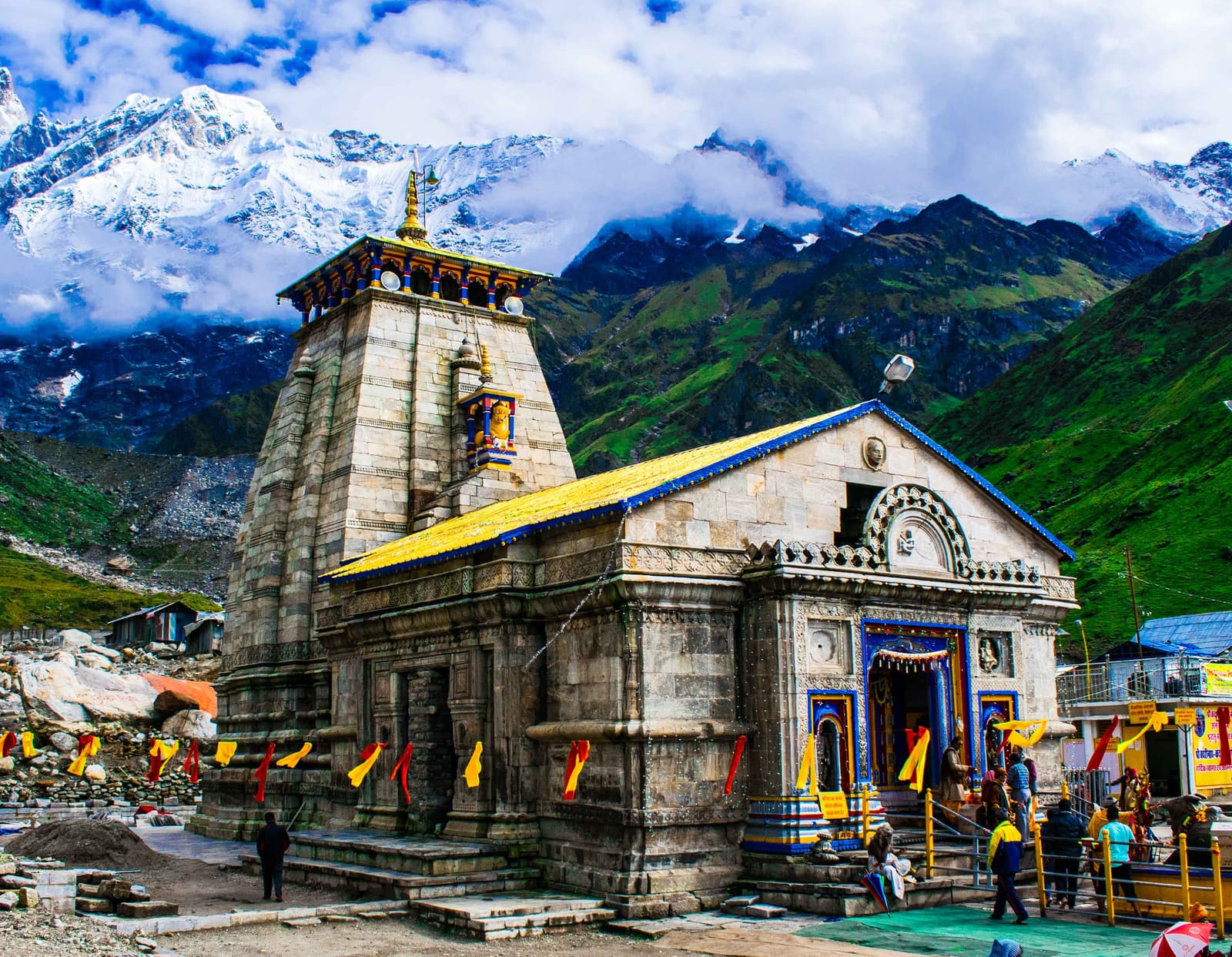
Kedarnath Temple — one of 12 Jyotirlingas, part of Char Dham and Panch Kedar. Verified visitor guide for pilgrims and international travellers at 3,583 m.
Yamunotri Temple
The first stop on the Char Dham Yatra at 3,291 meters, where the Yamuna River originates and pilgrims cook offerings in geothermal springs before darshan.
Gangotri Temple
The highest temple dedicated to Goddess Ganga at 3,100 meters, marking where the sacred river descended to earth through Shiva's locks after King Bhagirath's penance.
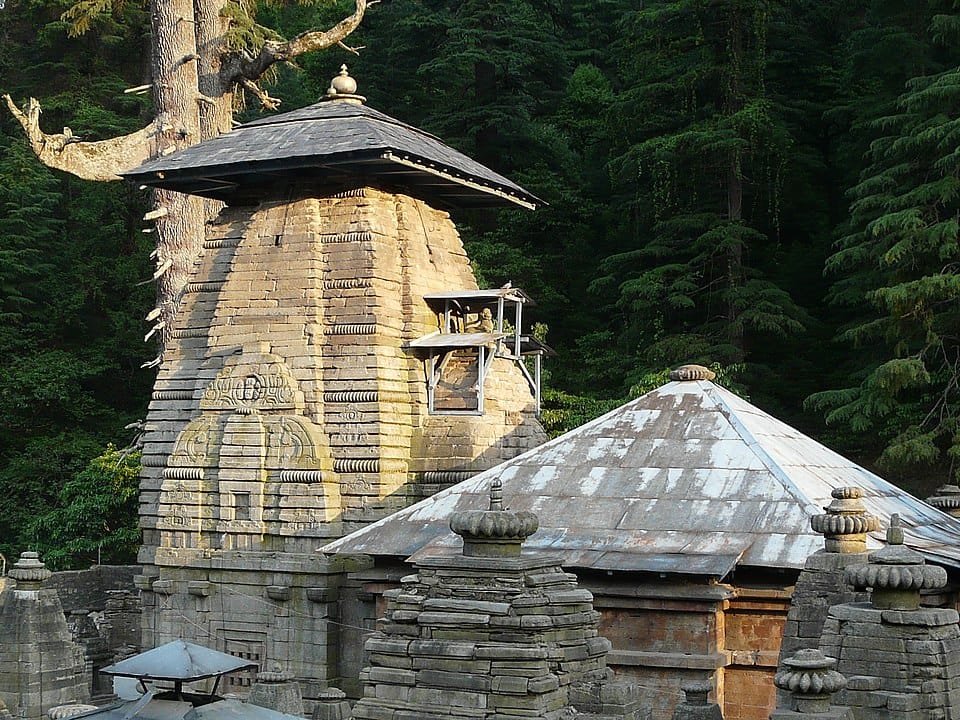
Jageshwar Temple
A cluster of 124 ancient stone temples from the 7th-12th centuries, nestled in a dense deodar forest.
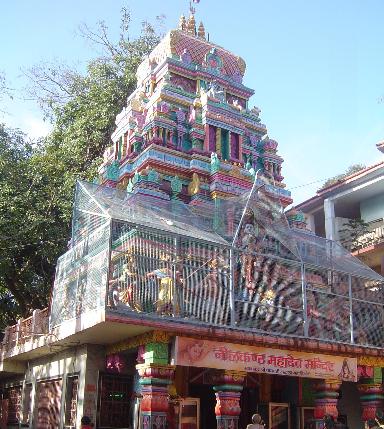
Neelkanth Mahadev Temple
Situated at 1,330 meters, this is where Lord Shiva is believed to have consumed the poison (Halahala) during the Samudra Manthan.
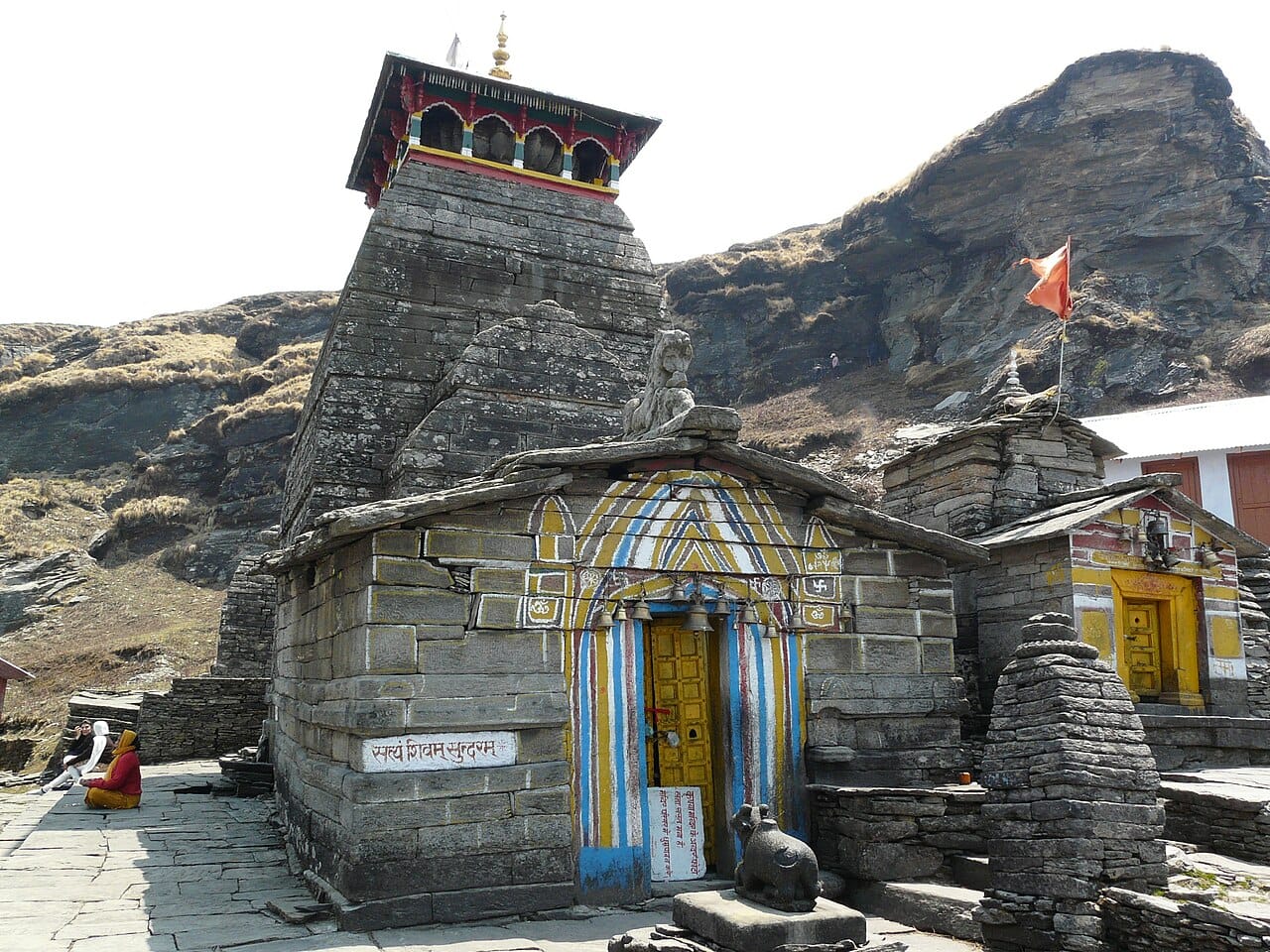
Tungnath Temple
The highest Shiva temple in the world, situated at 3,680 meters on the Chandranath Parbat; it is the 'Tritiya Kedar' in the sacred Panch Kedar pilgrimage circuit.
Adi Badri Uttarakhand
A complex of 16 ancient temples from the Gupta period; it is believed Vishnu resided here before moving to Badrinath.
Rasmancha Bishnupur
The oldest 17th-century brick structure in Bishnupur, unique for its massive pyramidal roof and arched galleries.
Jor-Bangla Temple Bishnupur
Known for its 'twin hut' design and incredibly detailed terracotta panels depicting the Ramayana and Mahabharata.
Shyam Rai Temple Bishnupur
A five-towered terracotta temple famous for its circular friezes showing the Rasa-lila of Lord Krishna.
Dashavatara Temple
Dating to around 500 CE, this is the earliest known North Indian temple with a shikhara (curvilinear tower). The temple is famous for its carved panels depicting the ten incarnations (Dashavatara) of Vishnu on the sanctum walls.
Shri Ram Janmabhoomi Mandir
A grand and historic temple marking the birthplace of Lord Rama, the seventh avatar of Vishnu, representing the pinnacle of Nagara architecture.
Prem Mandir
A stunning modern white-marbled complex in Vrindavan dedicated to Divine Love, known for its life-like tableaus of Krishna's pastimes.
Jolly Grant Airport, Dehradun (317 km). Helicopter services operate from Dehradun during the yatra season.
Rishikesh (295 km) and Haridwar (320 km) — both well-connected to major Indian cities.
Regular buses and taxis from Rishikesh, Haridwar, Dehradun, and Garhwal towns (Rudraprayag, Karnaprayag) via NH-7.
Accessible by road via NH-7 (formerly NH-58) from Rishikesh (9–10 hours). Route: Rishikesh → Devprayag → Rudraprayag → Karnaprayag → Joshimath → Badrinath.
Limited parking available near the bus stand; the temple is a short walk. Battery-operated vehicles available for elderly pilgrims on the final 3 km climb.
GMVN guesthouses, temple dharamshalas, and private hotels in Badrinath town and Joshimath. Book months in advance for May–June and September.
Vegetarian only. Simple satvik meals and dhabas serve pilgrims. No non-vegetarian food, onion, or garlic in temple food. Carry snacks and water.
Mangala Aarti: 4:30 AM. Sandhya Aarti: ~6:00 PM. Shayana Aarti: ~8:30 PM. Maha Aarti at the Alaknanda-Rishi Ganga confluence in the evening.
The temple distributes prasadam to pilgrims, including sweets and the temple kitchen's satvik bhog (no onion, no garlic). A laddu-based prasad is common during peak season. Trample: accept with both hands and do not discard.
Darshan hours: 5:00 AM to 12:00 PM and 4:00 PM to 9:00 PM. Temple closed 12:00 PM to 4:00 PM for Rajbhog and deity rest. Chardham Yatra online registration is mandatory before travel.
No entry fee for general darshan. Chardham Yatra registration (nominal) required. VIP darshan passes may be available through the temple committee.
India's temples are living traditions — not museums. Every temple has its own customs. This guide helps first-time visitors prepare with confidence and respect.
Foreign Visitors
AllowedAll visitors welcome. Non-Hindus can enter the temple complex and observe from the main hall.
Visitor Information
Entry policies vary between temples. Most temples welcome visitors, while some may restrict access to specific areas, rituals, or the inner sanctum. Always verify the latest entry guidelines with the official temple authorities before your visit.
Modest clothing is expected at every Indian temple — a sign of respect, not a restriction. Think of it as dressing for a formal ceremony.
Traditional attire recommended — dhotis/sarees or modest covered clothing. Leather items and non-vegetarian food prohibited. Bathe in Tapt Kund before darshan.
May–June and September–October. The temple opens on Akshaya Tritiya (April–May) and closes the day after Diwali (October–November). Avoid the monsoon months of July and August due to landslide risks.
April — June
July — September
Located at 3,300 m (10,827 ft). Temperatures drop significantly in winter — pack accordingly.
Common local languages: Hindi, English, Garhwali
Cash (Indian Rupees) is the most reliable option, especially for temple offerings, small shops, and local transport.
UPI digital payments (Google Pay, PhonePe, Paytm) are widely accepted across India — even at roadside stalls. Download one before you arrive.
International credit/debit cards work at most ATMs, hotels, and larger establishments. Smaller vendors may only accept cash or UPI.
Carry small denominations (₹10, ₹20, ₹50, ₹100 notes) for offerings and temple donations. Large notes (₹500, ₹2000) can be hard to break at smaller counters.
Wheelchair: Limited. The temple involves steps and uneven stone flooring.
Stay hydrated — carry a reusable water bottle, especially in hot climates.
This temple is at 3,300 m (10,827 ft). Take it easy on the first day and stay hydrated.
Keep valuables secure — use hotel lockers for passports and excess cash.
Wear comfortable, sturdy footwear — temple floors can be hot, wet, or uneven.
Beware of unofficial guides or touts near temple entrances. Only use authorised services.
Carry a photocopy of your passport and visa. Leave originals in your hotel safe.
Download offline maps — mobile networks can be unreliable near remote temple sites.
These short explanations help make sense of what you see and experience.
Darshan means 'seeing' — but in a temple it means being seen by the deity. It is a sacred moment of connection, not just a viewing.
Removing footwear is a sign of humility. It also keeps the temple floor clean, since devotees sit and pray on the ground.
Food offered to the deity and then distributed to devotees. It is considered blessed. Accept it with both hands and do not discard it.
The bell creates a focused acoustic atmosphere, wards off distractions, and announces your presence before entering the inner sanctum.
Circumambulation (pradakshina) is done clockwise, keeping the sanctum on your right — an auspicious direction aligned with the sun's path.
Flowers symbolise devotion, coconuts represent the ego being broken, incense purifies the air, and lamps represent the victory of light over darkness.
Sacred viewing of the deity; the central act of temple worship.
Clockwise circumambulation of the sanctum.
Blessed food offered to the deity and distributed to devotees.
The innermost sanctum where the main deity resides.
The towering spire above the sanctum, a defining feature of temple architecture.
A pillared hall or pavilion within the temple complex.
The Indian Rupee (?, INR) is the local currency. ATMs are widely available in cities and towns. For temple offerings, keep small notes (₹10, ₹20, ₹50). Most temples accept donations in cash only — digital payments are uncommon at the offering counter itself.
Offerings (dakshina) are given with the right hand. Place cash in the donation box (hundi) or give it directly to the priest. There is no fixed amount — give what feels appropriate. Some temples have fixed fees for special entry or puja participation.
Shoes and sandals are removed before entering the temple building. Most temples have a designated shoe counter (free or a small fee of ₹5–₹20). Socks are generally allowed. In monsoon, carry a plastic bag for wet shoes.
Darshan queues can take 30 minutes to 3 hours at popular temples. Many offer paid VIP darshan (₹100–₹500) for faster entry. Special queues for women, elderly, and disabled visitors exist at some temples. No line jumping.
Major festivals draw enormous crowds — sometimes hundreds of thousands. Book accommodation months in advance. Expect road closures, restricted vehicle access, and limited phone network. Arrive early (before dawn) to avoid the worst congestion.
Always look for signage before taking photos. When in doubt, ask a priest. Never take photos of devotees in prayer without permission. Selfie sticks are banned at most temples. Silently switch your phone to silent mode.
This temple is at 3,300 m (10,827 ft). Symptoms of altitude sickness include headache, nausea, and shortness of breath. Ascend gradually, stay hydrated, and avoid alcohol on the first day. Carry warm clothing — temperatures drop sharply after sunset.
Police / Ambulance / Fire: 112 (National Emergency Number)
Tourist Helpline: 1800-111-363 (Multi-lingual, Ministry of Tourism)
Women's Helpline: 1091
Official Temple WebsiteState Tourism WebsiteTemple-specific visitor information is continuously researched and updated from official sources. Where specific data is unavailable, general India travel guidance is provided. Always verify current policies with the temple authority before your visit.
Continue your journey through the spiritual and architectural wonders of India.

A complex of 16 ancient temples from the Gupta period; it is believed Vishnu resided here before moving to Badrinath.

Kedarnath Temple — one of 12 Jyotirlingas, part of Char Dham and Panch Kedar. Verified visitor guide for pilgrims and international travellers at 3,583 m.

A 12th-century complex on the Gomti banks, famous for its life-sized black stone idol of Goddess Parvati.

The first stop on the Char Dham Yatra at 3,291 meters, where the Yamuna River originates and pilgrims cook offerings in geothermal springs before darshan.

The highest temple dedicated to Goddess Ganga at 3,100 meters, marking where the sacred river descended to earth through Shiva's locks after King Bhagirath's penance.

A cluster of 124 ancient stone temples from the 7th-12th centuries, nestled in a dense deodar forest.
Situated at 1,330 meters, this is where Lord Shiva is believed to have consumed the poison (Halahala) during the Samudra Manthan.

The highest Shiva temple in the world, situated at 3,680 meters on the Chandranath Parbat; it is the 'Tritiya Kedar' in the sacred Panch Kedar pilgrimage circuit.
"The Jagannath Temple in Puri is famous for its annual Ratha Yatra, where three massive wooden chariots are pulled by thousands of devotees."