Sacred Heritage
Sabarimala Ayyappa Temple
Sabarimala, Pathanamthitta, Kerala
State:Kerala
District:Sabarimala, Pathanamthitta
Why This Temple Matters
Key Takeaways
- Dedicated to Lord Ayyappa (Manikandan / Dharma Shasta)
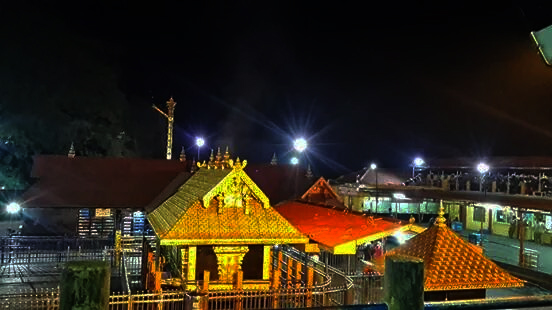
- Traditional Kerala style with gold-plated flag staff, 18 sacred steps (pathinettam padi), and a copper-sheathed sanctum architecture
- Located in Sabarimala, Pathanamthitta, Kerala
Quick Facts
- Deity
- Lord Ayyappa (Manikandan)
- Dynasty
- Ancient (revived 20th c.)
- Location
- Sabarimala, Pathanamthitta, Kerala
- Elevation
- 1,260 m (4,134 ft)
- Style
- Traditional Kerala Architecture
- Pilgrims
- 50+ Million annually
- Significance
- World's Largest Pilgrimage
- Open Season
- Mandala & Makaravilakku
- Vratham
- 41-Day Penance Required
- Sacred Steps
- 18 Pathinettam Padi
Overview
The World's Most Extraordinary Pilgrimage
Sabarimala Sree Ayyappa Temple is situated within the dense upland forests of the Periyar Tiger Reserve in Kerala's Western Ghats. Located at an elevation of 1,260 metres on a rugged hilltop, the shrine is traditionally approached on foot through forest trails, drawing millions of pilgrims each winter during the annual Mandala-Makaravilakku season.
What sets Sabarimala apart is the mandatory 41-day vratham — a rigorous regimen of celibacy, vegetarianism, simplicity, daily prayer, and wearing black or blue attire — that every pilgrim must observe before undertaking the trek. Pilgrims carry a two-compartment cloth bag called the irumudi kettu on their heads, containing offerings including a ghee-filled coconut. The pilgrimage attracts an estimated 15 to 30 million devotees annually during the two-month winter window, ranking among the largest recurring religious gatherings in the world.
The temple is open only during specific seasons — Mandala Pooja (mid-November to December), Makaravilakku (January), and for a few days at the start of each Malayalam month. Outside these windows, the temple remains closed, its sanctum veiled in the silence of the Sahyadri forests. The journey to Sabarimala is not merely a visit to a temple — it is a complete spiritual discipline that transforms the pilgrim at every level.
History
The Legend of Ayyappa and the Demon Mahishi
The origins of Sabarimala are rooted in the ancient Hindu scriptures, particularly the Skanda Purana. According to legend, the demon king Mahishasura and his sister Mahishi terrorised the universe after receiving a boon that no being born from a union of male and female could kill them. Lord Vishnu incarnated as Mohini — the enchanting female form — and from the union of Shiva and Mohini was born Lord Ayyappa (Manikandan), who was neither born of a male-female union and thus could vanquish the demons.
Ayyappa grew up as the adopted son of the childless King Rajasekhara of the Pandalam dynasty in present-day Kerala. The king found the baby boy in the forest, adorned with a golden chain (mani) around his neck — hence the name Manikandan(“the one with a bell around the neck”). As a young prince, Ayyappa displayed extraordinary powers and wisdom. When the kingdom faced threats, Manikandan volunteered to lead an expedition into the forest to defeat Mahishi.
During his journey, Ayyappa met and befriended Vavar, a Muslim warrior, whom he defeated in combat and then embraced as a brother. Vavar became Ayyappa's lifelong companion and ally. On reaching Sabarimala, Ayyappa engaged Mahishi in a fierce battle and ultimately vanquished her. Before ascending to divinity, Ayyappa shot an arrow that landed atop the Sabarimala hill and instructed that a temple be built there. He then disappeared into the hills, becoming the presiding deity of Sabarimala.
The current temple was developed under the Travancore royal family and opened to all castes following a landmark 1965 Kerala High Court order that abolished caste-based restrictions at the temple. The temple's popularity exploded in the 1990s with improved forest access and transport infrastructure. Today, Sabarimala is governed by the Travancore Devaswom Board and has transformed from a regional pilgrimage into a global spiritual phenomenon.
Architecture
The 18 Sacred Steps and the Hilltop Shrine
The Sabarimala temple complex is a masterpiece of traditional Kerala architecture, harmoniously integrated into the forested hilltop landscape. The sanctum sanctorum (sreekovil) features a copper-sheeted roof with a distinctive pyramidal shape, typical of Kerala's temple tradition. The entire structure is designed to blend with the natural surroundings — there is no electricity in the sanctum; only oil lamps (nilavilakku) illuminate the interior, preserving ancient traditions.
Pathinettam Padi
The 18 sacred steps leading to the main sanctum are the most iconic feature of Sabarimala. Each step represents a specific spiritual value or lesson to be mastered: from the first (Jalam) to the eighteenth (Brahmam). Pilgrims must climb these steps barefoot and without an upper garment. The steps are covered with gold and sacred materials and are considered so holy that only those who have completed the 41-day vratham may ascend them.
Sreekovil & Dhvajastambha
The main shrine (sreekovil) is a circular sanctum with a copper-sheathed conical roof crowned by a golden kalasha. The gold-plated flagstaff (dhvajastambha) stands 61.5 feet tall in front of the sanctum. The main idol of Ayyappa (Abhisheka Prathishta) is covered in gold and adorned with ornaments. The entire sanctum is illuminated by traditional oil lamps only, with no modern lighting inside.
Balikkal Mandapam
A raised platform in front of the temple where offerings are placed before entering the sanctum. Pilgrims offer their irumudi kettu here after the trek. The mandapam is also where the ceremonial offerings of neyyabhishekam (ghee) are made. It serves as the focal point for many of the temple's daily rituals.
Pamba River & Base
The sacred Pamba River at the base of the hill is where pilgrims perform ritual purification before the final trek. The riverbank features a series of bathing ghats and a temple dedicated to Ganapathi. The Pamba base camp serves as the last stop with amenities before the 4-km steep climb to the temple. The entire river area is transformed into a tent city during the pilgrimage season.
The temple complex also includes several sub-shrines dedicated to Ganapathi, Nagadevata, and Malikappurathamma. A small shrine to Vavar Swamy (Ayyappa's Muslim companion) stands at the base of the hill, reflecting the temple's unique inter-faith tradition. The Ponnambalamedu hill, where the Makara Jyothi appears on Makaravilakku day, is visible from the temple platform.
The Deity
Lord Ayyappa — Dharma Shasta
Lord Ayyappa, also known as Manikandan and Dharma Shasta, is the presiding deity of Sabarimala. He is the son of Shiva and Vishnu (in Mohini form), representing the perfect union of Shaivism and Vaishnavism — a synthesis unique to the Hindu pantheon.
The main idol is a gold-covered figure of Ayyappa seated in the yoga posture (Yoga Pattabhishekam). The deity holds a bow and arrow in his hands and wears a sacred thread (yajnopavita) and a garland of rudraksha beads. Ayyappa is worshipped as Dharma Shasta — the lord of righteousness and cosmic order. He is also known as Naishtika Brahmachari (the eternal celibate), which is the theological basis for the age-old restriction on women of menstruating age entering the temple.
The deity's iconography is deeply symbolic: the bow and arrow represent readiness to destroy evil and protect dharma; the yoga posture signifies supreme spiritual attainment; the rudraksha garland reflects his ascetic nature. Ayyappa is the embodiment of tapas (austerity), brahmacharya (celibacy), and dharma (righteousness) — the three pillars of the Sabarimala pilgrimage.
"Swamiye Saranam Ayyappa" — I surrender to Lord Ayyappa. This single mantra, chanted by millions during the 41-day vratham, carries the entire spiritual essence of the Sabarimala pilgrimage.— Traditional Ayyappa Mantra
The 41-Day Vratham
The Discipline That Defines the Pilgrimage
The 41-day vratham is the spiritual backbone of the Sabarimala pilgrimage. Unlike any other temple in India where devotees can simply walk in, Sabarimala demands a period of rigorous self-discipline before the journey. The vratham must begin on the first day of the Malayalam month of Vrischikam (mid-November) or as prescribed by the temple calendar. Observing the vratham is mandatory for all pilgrims who wish to undertake the trek.
Rules of the Vratham
- Complete celibacy (brahmacharya)
- Strict vegetarianism — no meat, fish, or eggs
- No alcohol, tobacco, or intoxicants of any kind
- Sleep on the floor (no comfortable beds)
- Wear only black, blue, or saffron clothing
- No shaving or haircutting during the period
- Daily morning bath and prayer
- Recite the Ayyappa mantra 108 times daily
- Visit local Ayyappa temples regularly
- Speak truthfully and avoid anger
The Irumudi Kettu
The irumudi (two-compartment cloth bag) is the most sacred item of the pilgrimage. It is carried on the head throughout the journey. The front compartment (munnudi) contains the neypayasam (ghee-filled coconut for the abhishekam), along with offerings like rice, jaggery, camphor, and incense. The rear compartment (pinnudi) contains the pilgrim's personal items. The irumudi is prepared by a priest or elder with specific rituals.
Black Clothing
Pilgrims wear black or dark blue dhotis and remove all upper garments before ascending the 18 sacred steps. The black colour symbolises detachment from worldly desires and the renunciation of ego. Men wear a black or blue lungi or mundu with no shirt. The traditional practice is to remain bare-bodied as a mark of humility.
The vratham transforms a simple temple visit into a comprehensive spiritual practice. It is said that the true pilgrimage begins not at Pamba but on the first day of the vratham, 41 days before setting foot on the trail. The discipline of the vratham is believed to purify the body, mind, and spirit, making the pilgrim worthy of standing before Lord Ayyappa.
Festivals
The Pilgrimage Seasons of Sabarimala
Mandala Pooja (Mid-November – December)
The 41-day Mandala season is the main pilgrimage period. It begins on the first day of Vrischikam (mid-November) and ends on the 11th day of Dhanu (late December). This is when the largest number of pilgrims undertake the 41-day vratham and trek to Sabarimala. The temple stays open throughout this period. The atmosphere is charged with the constant chanting of "Swamiye Saranam Ayyappa".
Makaravilakku (January 1 – January 20)
The second major pilgrimage season, culminating on Makar Sankranti (January 14) — the most important day of the Sabarimala calendar. On this day, the Makara Jyothi, a mysterious star-like light, appears over the Ponnambalamedu hills at precisely sunset. Millions of devotees witness this celestial phenomenon, believed by many to be a direct divine manifestation. The temple remains open from January 1 to January 20.
Vishu (April 14–21)
The Malayalam New Year (Vishu) is celebrated with special pujas at the temple. The temple opens for a week around Vishu. While smaller in scale than Mandala and Makaravilakku, Vishu remains an important occasion for local devotees and those who cannot make the journey during the main seasons.
Monthly Sankramam
The temple opens for the first five days of every Malayalam month (Sankramam). These monthly openings draw significant crowds, especially on the first day (Prathama). Devotees who cannot visit during the main seasons often plan their pilgrimage around these monthly windows. The temple remains closed for the remainder of each month.
Makaravilakku is by far the grandest event, drawing over 10 million pilgrims to the region. The mysterious Makara Jyothilight — visible from the temple platform at dusk on January 14 — has been the subject of both intense devotion and scientific debate. For devotees, it is the physical manifestation of Ayyappa's presence. The temple administration maintains that the light is a divine phenomenon witnessed for centuries.
Visitor Information
Planning Your Sabarimala Pilgrimage
Temple Timings
- Morning Darshan5:00 AM – 1:00 PM
- Evening Darshan4:00 PM – 11:00 PM
- NeyyabhishekamThroughout the day
- Open SeasonsMandala, Makaravilakku, Vishu
Guidelines
- No entry fee — darshan is free
- Mandatory 41-day vratham for all pilgrims
- Irumudi must be carried on the first visit
- Black or blue dhoti — no upper garments
- Virtual queue booking required
- No cameras or mobile phones beyond Pamba
- Shoes removed before entering temple area
- Alcohol and tobacco strictly prohibited
Facilities at Pamba Base
- Free accommodation (temporary shelters)
- Paid rooms available near Pamba
- Free drinking water stations
- Medical facilities and first-aid
- Irumudi verification counters
- Shoe storage facilities
- Pamba river bathing ghats
Tips for Pilgrims
- Book virtual queue online in advance
- Start the trek early morning (4–5 AM)
- Carry minimal items — the trek is steep
- Stay on the main path (wildlife zone)
- Carry a torch for night trekking
- Wear comfortable footwear for the trek
- Observe silence during the climb
How to Reach
The Journey to Sabarimala
By Air
Cochin International Airport (COK) — 160 km, the most convenient airport with excellent domestic and international connectivity. Trivandrum International Airport (TRV) — 180 km. Madurai Airport (IXM) — 150 km. Buses and taxis are available from all airports to Erumeli or Pamba base camps.
By Rail
Kottayam Railway Station — 115 km, the nearest major railhead with trains from all over India. Chengannur Railway Station — 115 km. Karunagappally Railway Station — 110 km. Buses and taxis from all stations to Erumeli (40 km trek start) or Pamba.
The Trek Routes
The temple is accessible only on foot. From Pamba (main route): 4 km steep uphill trek taking 4–5 hours. From Erumeli: 40 km through forest (traditional route, 2–3 days). From Vandiperiyar: 22 km. The Pamba route is the most popular and has the best facilities. Pilgrims must bathe in the holy Pamba River before beginning the final ascent.
Helicopter Services
Helicopter services operate from Cochin International Airport to a helipad near Pamba during the pilgrimage season. This service is primarily for elderly and specially-abled pilgrims. Booking must be made in advance through the official portal. The helicopter ride takes approximately 30 minutes and offers breathtaking views of the Periyar Tiger Reserve.
The final approach from Pamba to the temple is a steep 4-km climb through dense forest. The path is well-maintained with lighting, rest stops, and water stations during the pilgrimage season. Pilgrims chant "Swamiye Saranam Ayyappa" as they climb, creating an atmosphere of collective devotion that makes the arduous trek spiritually uplifting.
Best Time to Visit
When Sabarimala Opens Its Doors
Unlike any other major temple in India, Sabarimala is not open year-round. The temple strictly follows a seasonal schedule based on the Malayalam calendar. This limited accessibility is integral to the temple's spiritual character — the long wait and the closed doors make the open season all the more precious.
Mandala Pooja (Nov 16 – Dec 27)
The most auspicious and popular season. The entire 41-day Mandala period is considered the ideal time for pilgrimage. The weather is cool and pleasant (15–25°C). The forest is lush after the monsoon. The temple stays open continuously. Best time for the full vratham experience.
Makaravilakku (Jan 1 – Jan 20)
The second major season, culminating in Makar Sankranti (Jan 14). The weather remains cool. Extremely crowded on January 14 — expect wait times of 12+ hours. The Makara Jyothi sighting is the main draw. Requires advance virtual queue booking.
Monthly Sankramam (First 5 days of each Malayalam month)
The temple opens for the first five days of every Malayalam month. These are quieter periods with fewer pilgrims. Ideal for those who want a more contemplative experience. However, the full 41-day vratham is still expected. Check the Malayalam calendar for exact dates.
The temple remains completely closed for the rest of the year. No darshan is available during summer (March–May), monsoon (June–September), or most of the Malayalam months outside the Sankramam periods. Pilgrims must plan their visit exclusively within these windows.
Nearby Attractions
Around Sabarimala — The Western Ghats
Periyar Tiger Reserve
40 km from Sabarimala. One of India's most famous wildlife sanctuaries, home to tigers, elephants, gaurs, and diverse bird species. The Periyar lake offers boat safaris with excellent wildlife viewing opportunities. The reserve is the forest through which the Sabarimala trek passes — pilgrims often spot wildlife during their journey.
Thekkady
45 km from Sabarimala. A popular hill station and wildlife tourism hub adjacent to Periyar Tiger Reserve. Offers spice plantation tours, bamboo rafting, elephant rides, and nature walks. Excellent accommodation options from budget to luxury resorts. A common post-pilgrimage relaxation destination.
Erumeli Vavar Temple
40 km from Sabarimala. A unique mosque-temple dedicated to Vavar Swamy, the Muslim companion of Lord Ayyappa. Pilgrims traditionally visit Vavar's shrine before beginning the trek from Erumeli. The shrine reflects the remarkable inter-faith harmony at the heart of the Sabarimala tradition.
Aranmula Parthasarathy Temple
60 km from Sabarimala. A 9th-century temple dedicated to Lord Krishna as Parthasarathy (Arjuna's charioteer). Famous for the Aranmula Kannadi (metal mirrors) and the annual snake boat race (Vallam Kali) on the Pamba River. One of the 108 Divya Desams (sacred Vishnu temples).
Chengannur Mahadeva Temple
110 km from Sabarimala. An ancient Shiva temple renowned for the unique Bhagavathi-Sevram ritual. The temple is one of the major Shiva shrines in Kerala and features exquisite Kerala-style architecture with copper-plated roofs and a large temple pond.
Aruvikkuzhi Waterfalls
100 km from Sabarimala. A picturesque waterfall amidst rubber plantations near Kottayam. The falls cascade from a height of about 100 feet and are surrounded by lush greenery. A popular picnic spot and a refreshing stop on the way back from Sabarimala.
Sources
Sources and References
This page draws on information from the following authoritative sources:
1
2
Sabarimala Sree Dharma Shasta Temple
Official Temple Website
3
Ayyappa and the Sabarimala Pilgrimage
Dr. P. K. Sivadas (Academic Publication)
4
The Legend of Ayyappa — Skanda Purana References
Sanskrit Texts / Translated by G. V. Tagare
5
Sabarimala: The Forest Temple of Kerala
Kerala Tourism Development Corporation
6
The Makara Jyothi Phenomenon — A Scientific Study
Astronomical Society of India
7
Pilgrimage and Forest Conservation in the Periyar Tiger Reserve
Kerala Forest Department (Academic Report)
8
The Irumudi Kettu Tradition
Anthropological Survey of India
Naveen singh negi
•Last updated: July 2026
Frequently Asked Questions
When is the Sabarimala temple open?
A.
The temple is open during Mandala Pooja (mid-November to late December), Makaravilakku (January 1–20), Vishu (April 14–21), and for the first five days of each Malayalam month. It remains closed for the rest of the year. This limited schedule makes planning essential for pilgrims.
What is the 41-day vratham?
A.
The 41-day vratham is the mandatory penance period before visiting Sabarimala. It requires celibacy, strict vegetarianism, no alcohol/tobacco, sleeping on the floor, wearing black or blue clothes, daily chanting of Ayyappa mantras, and living a simple, disciplined life. The vratham is considered as important as the trek itself.
What is the Irumudi?
A.
The Irumudi is a two-compartment cloth bag carried on the head by pilgrims. The front compartment contains the ghee-filled coconut (neypayasam) for abhishekam along with offerings like rice, jaggery, and camphor. The rear compartment holds the pilgrim's personal items. It must be prepared with specific rituals and is mandatory for first-time visitors.
Can women visit Sabarimala?
A.
The temple traditionally restricts entry to women aged 10–50 years based on the belief that Ayyappa is a celibate deity (Naishtika Brahmachari). The Supreme Court of India struck down this restriction in 2018, but implementation has faced significant protests and practical challenges. Women above 50 and below 10 are permitted. Check current guidelines before planning.
How long is the trek to Sabarimala?
A.
The most common route from Pamba is a 4-km steep uphill trek taking approximately 4–5 hours. The traditional route from Erumeli is 40 km through forest and takes 2–3 days. The Vandiperiyar route is 22 km. The Pamba route is the most popular and has the best facilities including lighting, rest stops, and water stations.
What is Makaravilakku and Makara Jyothi?
A.
Makaravilakku (January 14) is the most important day at Sabarimala. A mysterious star-like light called Makara Jyothi appears over the Ponnambalamedu hills at sunset. Millions of devotees believe this to be a divine manifestation of Lord Ayyappa. It marks the culmination of the Makaravilakku pilgrimage season.
What should I wear for the Sabarimala pilgrimage?
A.
Pilgrims must wear black or dark blue dhoti (mundu) with no upper garments — men are bare-bodied. This is a strict tradition symbolising humility and detachment. Head coverings are not permitted. Comfortable, sturdy footwear is essential for the trek but must be removed before entering the temple area.
Is accommodation available at Sabarimala?
A.
Yes, free temporary shelters are available at Pamba base camp and near the temple. Paid rooms with basic amenities are also available in Pamba and nearby towns. During peak seasons, a large tent city is set up at Pamba. It is strongly recommended to book accommodation in advance through the Travancore Devaswom Board website.
Showing 8 of 10 questions
Answers are based on verified information. Site rules may change — verify locally before visiting.
Did You Know?
- Sabarimala is one of the world's largest annual pilgrimages, with over 50 million participants — more than the Hajj and the Kumbh Mela combined in terms of annual footfall.
- The temple is dedicated to Lord Ayyappa (Manikandan), the son of Shiva and Vishnu (in his female form Mohini), making Ayyappa one of the few deities born of two male gods.
- Pilgrims must observe a strict 41-day vratham (penance) before visiting — including celibacy, vegetarianism, sleeping on the floor, wearing black attire, and no alcohol or tobacco — considered as important as the pilgrimage itself.
- The 18 sacred steps (Pathinettam Padi) represent the 18 hills of Sabarimala and the 18 steps of spiritual progress — pilgrims must cross each step to signify overcoming specific human flaws.
- The Makara Jyothi, a mysterious star-like light appearing over the Ponnambalamedu hills at sunset on Makaravilakku day (January 14), is witnessed by millions who believe it to be a divine manifestation of Lord Ayyappa.
Related Temples
Same State
Padmanabhaswamy Temple
The wealthiest religious institution in the world, this ancient temple houses a massive 18-foot reclining…
Guruvayur Sri Krishna Temple
Known as 'Bhuloka Vaikuntha', this is a sacred Krishna temple in India, famous for its…
Vadakkunnathan Temple
A UNESCO award-winning ancient Shiva temple, famous for its massive gopurams and the 1000-year-old ghee…
Attukal Bhagavathy Temple
Known as the 'Sabarimala of Women', it holds the Guinness World Record for the largest…
Visiting as an International Traveller
Fact CheckedEditorial ReviewVerified 2026-07-03
Entry Status
Foreign Visitors
AllowedVisitors of all faiths are welcome. All pilgrims must observe the 41-day vratham (penance) regardless of nationality or religion.
Visitor Information
Entry policies are set by each site — confirm before travelling.
Entry rules for international visitorsWho can enter, permits, and what to expect at the gate.Dress Code
Modest clothing is expected — a sign of respect, not a restriction.
Shoulders covered
Knees covered
Shoes removed before entry
Head covering (women)
Rain gear available
Warm layers (winter)
Photography Guide
Outside
Inside
Flash
Drone
Tripod
Commercial
Best Time to Visit
Peak Season
Mandala Pooja (mid-November to December) for the full vratham experience, Makaravilakku (January) for Makara Jyothi, or early Sankramam periods for quieter visits.
Moderate to High — comfortable weather
Summer
April — June
Low — hot plains, pleasant hills
Monsoon
July — September
Low — lush landscape, travel delays possible
Language & Communication
Common local languages: Malayalam, Hindi, English
English spokenTravancore Devaswom Board provides information counters
Accessibility
Wheelchair: Not accessible. The temple requires a 4-km uphill trek through forest terrain.
Understanding Temple Traditions
These short explanations help make sense of what you see and experience.
Tips for International Visitors
Temple vocabulary and ritualsDarshan, pradakshina, prasadam, aarti, hundi and mandapa.Currency, donations and queuesCash, UPI, donation etiquette and how long entry queues take.Photography etiquetteSignage, flash, selfie sticks and photographing other visitors.Festival crowds and safetyAdvance booking, road closures, belongings and offline maps.
Essential Contacts
Police / Ambulance / Fire: 112 (National Emergency Number)
Tourist Helpline: 1800-111-363 (Multi-lingual, Ministry of Tourism)
Women's Helpline: 1091
Official Temple WebsiteState Tourism WebsiteTravel Preparation Checklist
Packing Checklist for Sabarimala Ayyappa Temple
Continue Reading
Verified 2026-07-03Sources: Travancore Devaswom Board, Kerala Tourism Department, Sabarimala: The Pilgrimage by K.K. Neelakantan (1999), Ayyappa: The Man and the Legend by M.G. Sasibhooshan (2006), Temple Entry and Social Reform in Kerala by K.N. Ganesh (2010)
Rules change — confirm current policies with the site's authority before you travel.
By Naveen singh negi
Updated: 2026-07-03
Last reviewed: 2026-07-03
Fact-checked
Editorial review
Sources: Travancore Devaswom Board, Kerala Tourism Department, Sabarimala: The Pilgrimage by K.K. Neelakantan (1999), Ayyappa: The Man and the Legend by M.G. Sasibhooshan (2006), Temple Entry and Social Reform in Kerala by K.N. Ganesh (2010)
Related:Kerala TemplesLord Ayyappa (Manikandan / Dharma Shasta)Traditional Kerala style with gold-plated flag staff, 18 sacred steps (pathinettam padi), and a copper-sheathed sanctumAncient (revived 20th century)Methodology
Kerala
Ancient (revived 20th century)
Famous Temple
Explore More Sacred & Heritage Sites
Related heritage monuments, regional traditions, and pilgrimage connections.
UNESCO Temple Heritage Sites
UNESCO 1987Cultural Heritage
Tamil Nadu
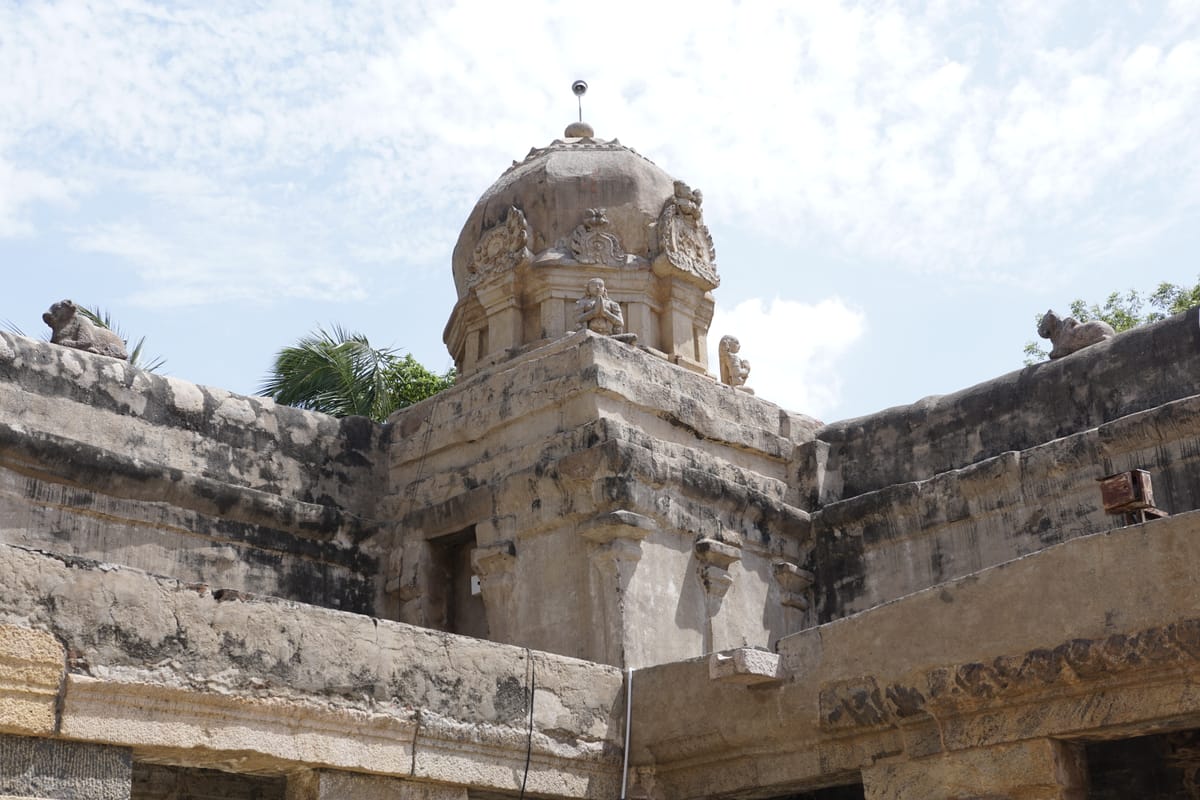
Great Living Chola Temples — Brihadeeswarar Temple
The principal temple of the Great Living Chola Temples UNESCO site, a masterpiece of Dravidian…
Explore Temple
UNESCO 1984Cultural Heritage
Tamil Nadu
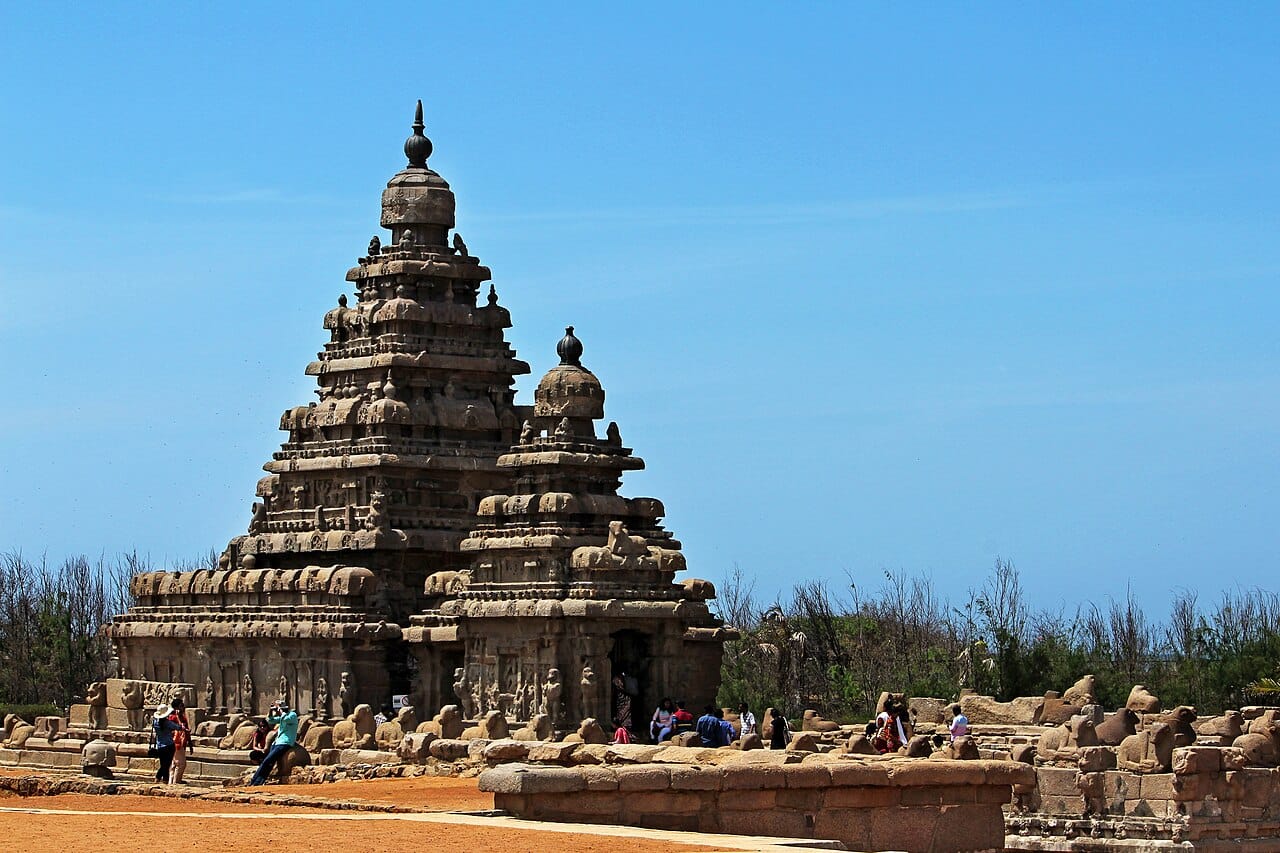
Shore Temple, Mahabalipuram
One of the oldest structural stone temples of South India, built by the Pallava dynasty…
Explore Temple
UNESCO 2021Cultural Heritage
Telangana
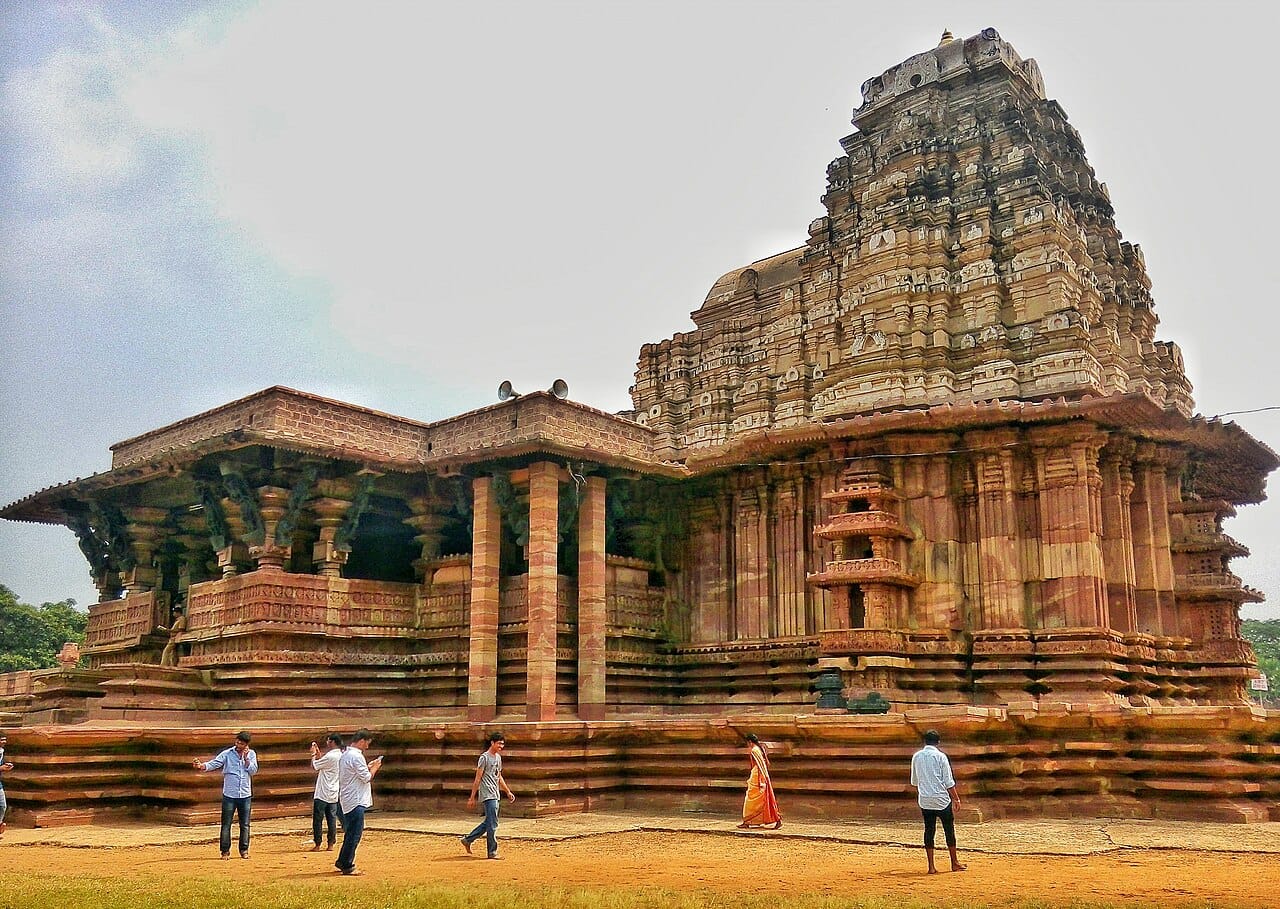
Ramappa Temple
A 13th-century Kakatiya temple famous for its floating bricks and intricate carvings, the newest UNESCO…
Explore Temple
UNESCO 1986Cultural Heritage
Madhya Pradesh
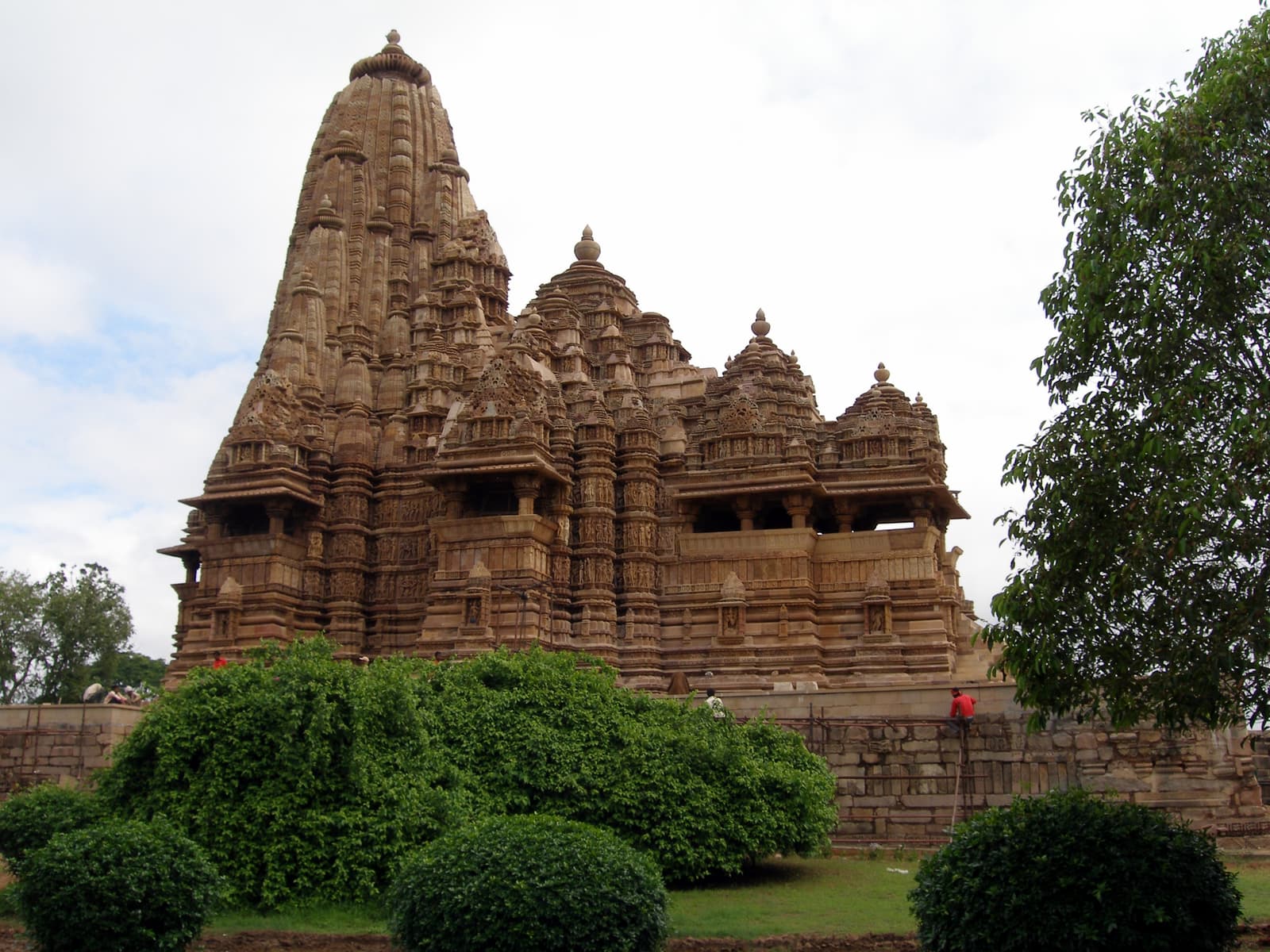
Khajuraho Group of Monuments
The largest and most ornate Hindu temple in the Khajuraho Group of Monuments.
Explore Temple
Famous Temples You May Like
Kerala
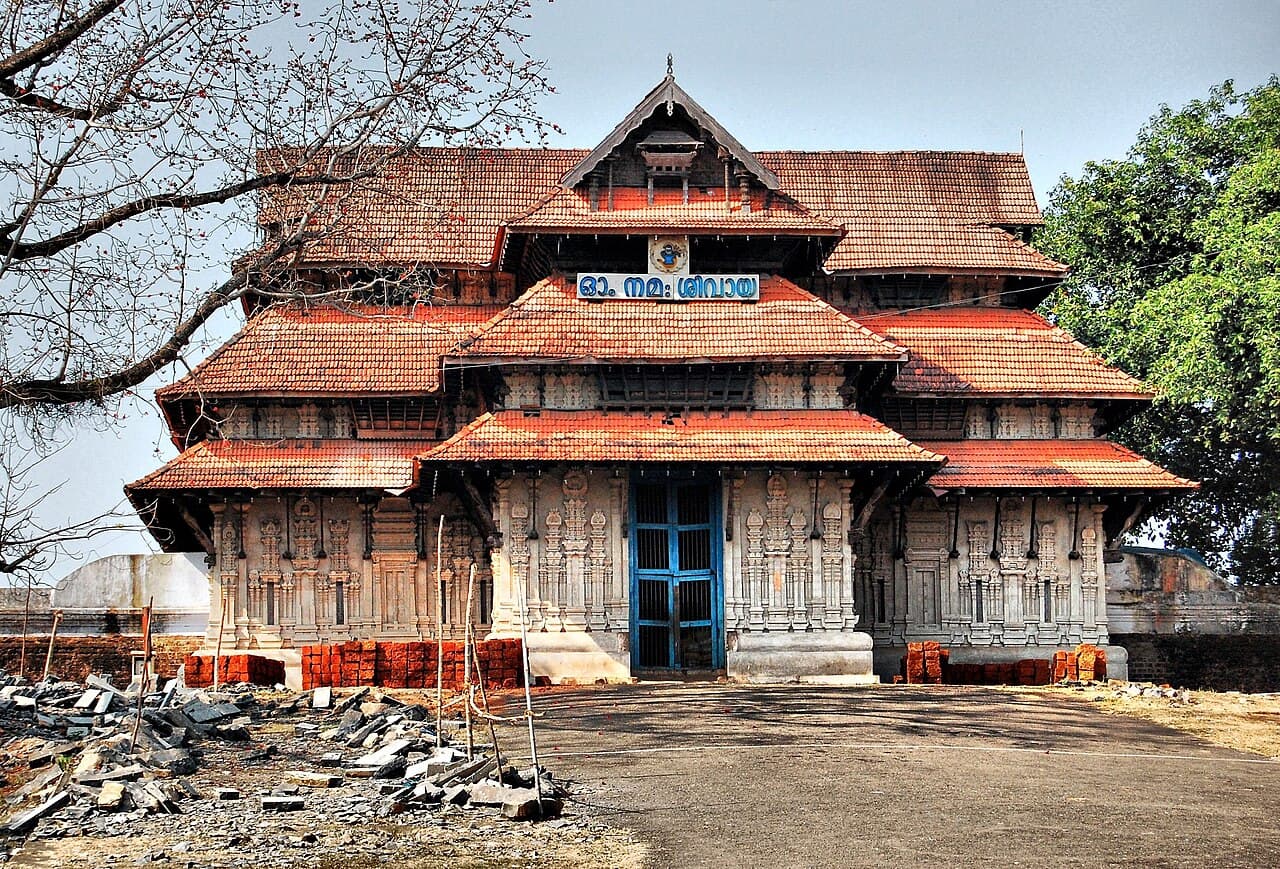
Vadakkunnathan Temple
A UNESCO award-winning ancient Shiva temple, famous for its massive gopurams and the 1000-year-old ghee…
Explore Temple
Kerala
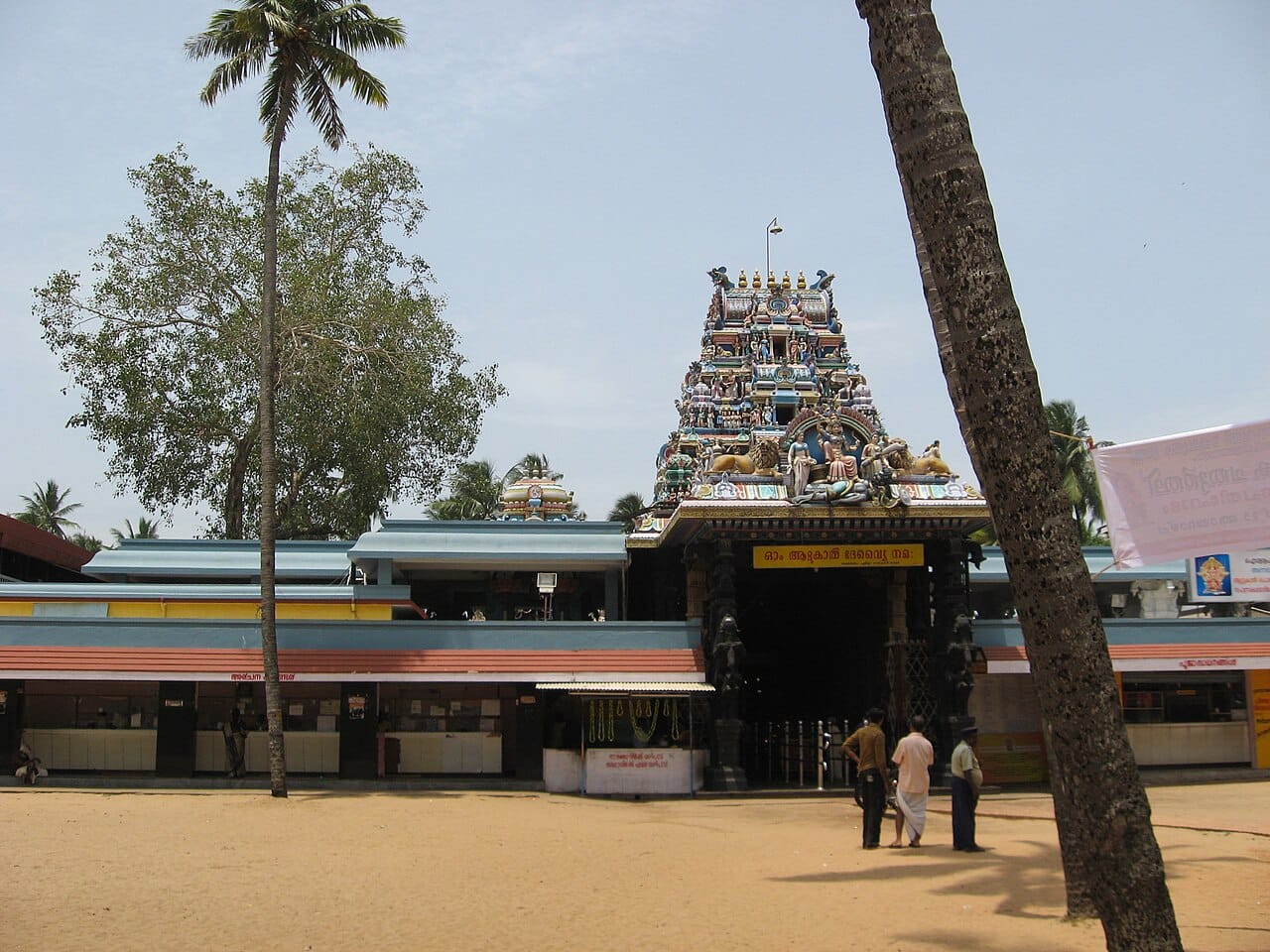
Attukal Bhagavathy Temple
Known as the 'Sabarimala of Women', it holds the Guinness World Record for the largest…
Explore Temple
Kerala
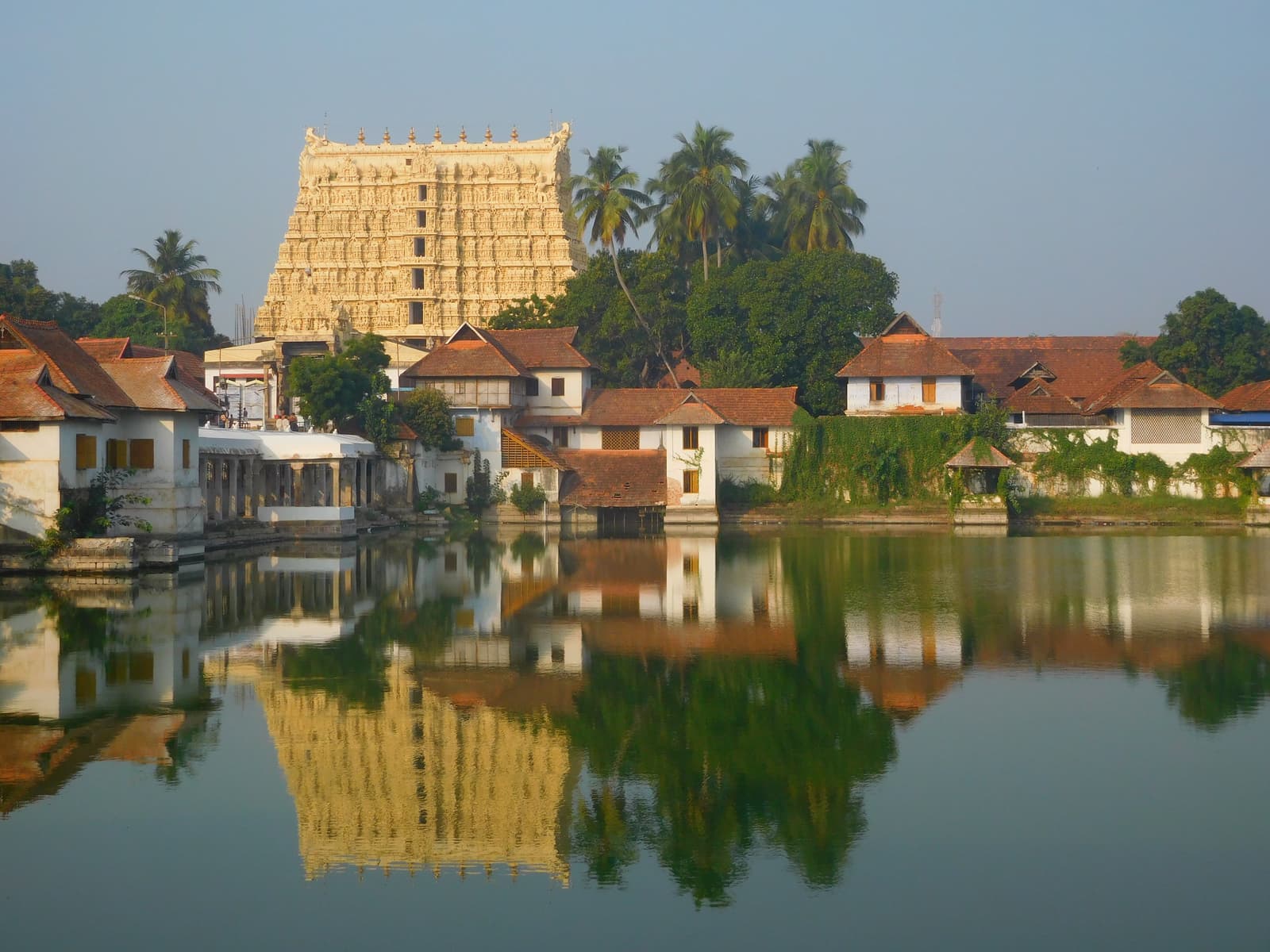
Padmanabhaswamy Temple
The wealthiest religious institution in the world, this ancient temple houses a massive 18-foot reclining…
Explore Temple
Kerala
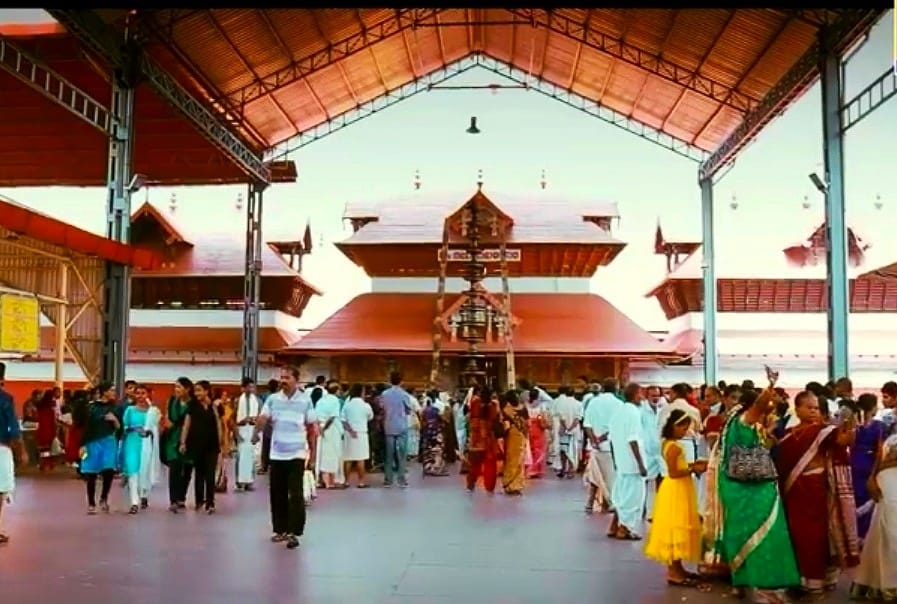
Guruvayur Sri Krishna Temple
Known as 'Bhuloka Vaikuntha', this is a sacred Krishna temple in India, famous for its…
Explore Temple
Heritage Fact
"Pattadakal represents the high point of an eclectic art which, in the 7th and 8th centuries, achieved a harmonious blend of architectural forms from northern and southern India."