Sacred Heritage
Meenakshi Temple
Madurai, Tamil Nadu
State:Tamil Nadu
District:Madurai
Why This Temple Matters
Key Takeaways
- Dedicated to Goddess Meenakshi (Parvati)
- Dravidian architecture
- Built by the Pandya (original), Nayak (16th century expansion) dynasty
- Located in Madurai, Tamil Nadu
- Temple timings: 5:00 AM – 12:30 PM & 4:00 PM – 10:00 PM
Quick Facts
- Also Known As
- Sri Meenakshi Sundareswarar Temple
- State
- Tamil Nadu
- Location
- Madurai (South bank of Vaigai River)
- Main Deity
- Meenakshi (Parvati) & Sundareswarar (Shiva)
- Architecture
- Mature Dravidian (Pandya & Nayak)
- Dynasty
- Pandya (antiquity) / Madurai Nayaks (16th–17th c.)
- Construction
- Continuous expansion; major rebuilding 1560–1659 CE
- Temple Enclosure
- 14 acres (approx. 57,000 sq.m)
- Gateway Towers
- 14 gopurams (South Gopuram tallest at 51.9 m / 170 ft)
- Pillar Hall
- Ayiram Kaal Mandapam (985 monolithic granite pillars)
- Temple Tank
- Potramarai Kulam (Golden Lotus Tank)
- Darshan Timings
- 5:00 AM – 12:30 PM & 4:00 PM – 10:00 PM
Overview
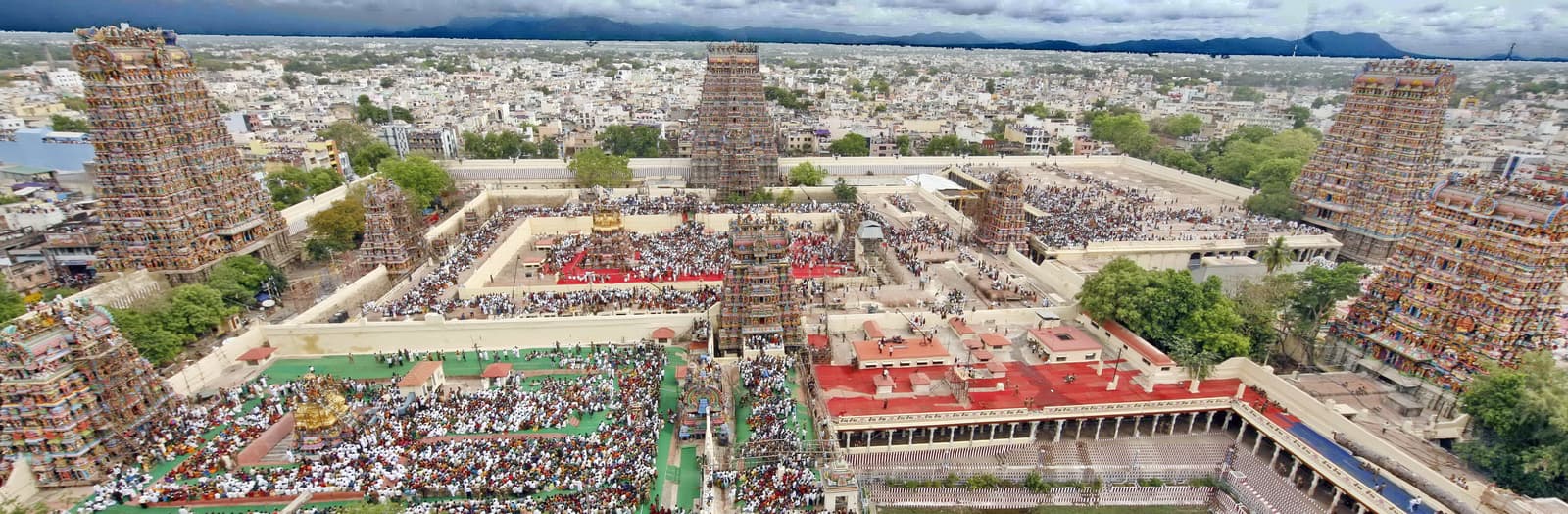
The Meenakshi Sundareswarar Temple in Madurai is one of India's grandest living temple complexes, sprawling across 14 acres in the heart of Tamil Nadu's oldest city. Crowned by 14 colossal gateway towers (gopurams) and anchored by the renowned 985-pillar Ayiram Kaal Mandapam, the temple is unique among major Shaiva-Shakta centres for its strict tradition of Stree Pradhana, where Goddess Meenakshi reigns as the sovereign queen and primary deity of Madurai.
History & Rebuilding
From Ancient Pandya Capital to Nayak Masterpiece
Madurai has been an active centre of Tamil civilization for over two millennia, prominently celebrated in Sangam literature and the Tamil epic Silappadikaram. The earliest structural foundations of the temple were laid by the Early Pandya rulers who chose the double fish (Kayal) as their royal emblem — symbolizing their maritime dominion and patron goddess.
In 1310–1311 CE, the ancient complex suffered catastrophic damage during the southern raid of Malik Kafur, general of Delhi Sultan Alauddin Khalji. The sanctum lamps were extinguished and the temple remained largely dormant until the late 14th century, when Prince Kumara Kampana of the Vijayanagara Empire liberated Madurai from the Madurai Sultanate — a dramatic historical reconquest chronicled by his wife Gangadevi in the Sanskrit epic Madhura Vijayam.
The present grand architectural manifestation is largely the achievement of the Madurai Nayak dynasty (16th–17th centuries CE), who had declared independence from Vijayanagara:
- King Viswanatha Nayak (1529–1564 CE): Initiated the comprehensive reconstruction of the temple according to strict Silpa Shastra principles, laying out the sacred mandala city plan of Madurai with the temple at its central axis.
- Ariyanatha Mudaliyar (Prime Minister & General): Commissioned and supervised the construction of the legendary 985-pillar Hall of Thousand Pillars (Ayiram Kaal Mandapam) in 1569 CE.
- King Thirumalai Nayak (1623–1659 CE): The golden age patron who constructed the vast Pudhu Mandapam (New Hall) with 332 carved pillars, the Vasantha Mandapam, and funded the completion of the towering outer gopurams.
Unlike monuments that fell into abandonment, Meenakshi Temple has remained continuously active, undergoing periodic Kumbhabhishekam(ritual consecration and stucco restoration) every twelve years under the management of the Tamil Nadu Hindu Religious and Charitable Endowments (HR&CE) Department.
Architecture
14 Gopurams, Ayiram Kaal Mandapam & Golden Lotus Tank
The Meenakshi complex is an expansive double-enclosure rectangular citadel measuring approximately 258 metres by 241 metres. It showcases the mature, highly developed phase of Dravidian architecture characterized by soaring pyramidal gopurams that dwarf the inner vimanas.
The 14 Gopurams
The temple perimeter and inner courtyards are pierced by 14 monumental gateway towers:
- South Gopuram (51.9 m / 170 ft): The tallest and most ornate tower of the complex, built in the mid-16th century. It features 9 stepped storeys adorned with approximately 1,511 polychrome stucco sculptures of deities, epic battles, and celestial beings.
- East Gopuram (49.1 m / 161 ft): The oldest surviving outer tower, originally erected around 1216–1238 CE by Pandya King Maravarman Sundara Pandya I.
- West Gopuram (48 m / 157 ft): Known for its exceptional structural balance and sculptural density, housing 1,124 stucco figures.
- North Gopuram (46 m / 151 ft): Commissioned by Krishna Veerappa Nayak (1564–1572 CE) and left unfinished without its brick crown for centuries (earning it the name Mottai Gopuram) until completed in 1878 by the Devakottai Nagarathar community.
- Inner Gopurams: 10 smaller towers flank the inner prakarams of the Meenakshi and Sundareswarar sanctums, guiding the flow of pilgrims.
The Hall of Thousand Pillars (Ayiram Kaal Mandapam)
Constructed in 1569 CE, this colossal granite hall measures 73 metres by 51 metres and houses exactly 985 richly sculpted columns (the remaining 15 spaces were left clear to accommodate shrines and aisles). Arranged in perfect mathematical alignment, every row of pillars presents a straight vista from any interior angle.
Among its highlights are the iconic statue of the warrior on a rearing Yali (mythical hybrid lion-elephant), sculptures of Rati and Manmatha, and five musical pillars near the northern gate. Each musical pillar is carved from a single monolithic granite block consisting of a central shaft surrounded by slender secondary resonant pillars that emit distinct acoustic notes when struck. The hall also houses the Temple Art Museum.
Potramarai Kulam (Golden Lotus Tank)
Located in the southern quadrant of the complex, this sacred water tank measures 50 metres by 37 metres and is surrounded by pillared cloisters. In antiquity, it was known as the gathering place of the Third Tamil Sangam. According to traditional accounts, aspiring scholars and poets placed their written works on the Sangaphalaka (a floating divine plank) — genuine literary masterpieces stayed afloat while substandard compositions sank. Murals dating from the Nayak era adorn the northern corridors surrounding the tank.
Theology & Worship
Goddess Meenakshi & Stree Pradhana Tradition
In typical Hindu temple design across India, the male deity occupies the primary sanctum while the consort occupies a subsidiary shrine. At Madurai, this hierarchy is intentionally reversed:
Goddess Meenakshi is worshipped as the reigning monarch of the realm. The black stone idol depicts her standing with an exquisite slight tribhanga curve, holding a green parrot (symbolizing affection and the repetition of Vedas) and a blue water lily (Neelotpala). Because Madurai is her capital, traditional ritual protocol dictates that pilgrims must first visit the Meenakshi shrine before proceeding to the sanctum of Lord Sundareswarar.
Lord Sundareswarar (Shiva): Housed in a separate sanctum to the north, the deity is worshipped as a self-manifested (Swayambhu) lingam under a gold-plated vimana supported by 64 carved stone elephants representing the 64 divine sports (Thiruvilaiyadal) of Shiva in Madurai.
Every evening at 9:00 PM, the Palliarai (bedchamber) ceremony takes place: the processional idol of Lord Sundareswarar is placed in a silver palanquin, carried in procession with trumpets, drums, and incense into the sanctum of Goddess Meenakshi, and returned to his own shrine at 5:30 AM the following morning.
Chithirai Festival
Chithirai Thiruvizha: The Grandest Spectacle of South India
The 15-day Chithirai Thiruvizha(celebrated during the Tamil month of Chithirai, mid-April to early May) is one of the world's largest temple gatherings, attracting over one million participants into the streets of Madurai.
The festival reenacts two historically separate traditions united into a single harmonious civil festival by King Thirumalai Nayak in the 17th century:
- The Coronation & Divine Wedding (Meenakshi Thirukalyanam): Meenakshi is crowned as queen of Madurai (Pattabhishekam), leads her conquest of the cardinal directions (Digvijayam), and marries Sundareswarar in the celestial presence of the gods.
- The Chariot Festival (Ther Thiruvizha): The deities are mounted on colossal wooden chariots and pulled by thousands of devotees through the four Masi Streets.
- Lord Kallazhagar Entering the Vaigai River: Lord Vishnu (as Kallazhagar, Meenakshi's brother from the hill temple of Alagar Kovil) travels down to attend the wedding, arriving at the Vaigai River riding a golden horse. Finding the wedding concluded, he blesses the crowds at the riverbank before returning.
Visitor Guide
Visiting Meenakshi Temple: Timings, Dress Code & Regulations
Temple Timings
Morning Session: 5:00 AM – 12:30 PM
Evening Session: 4:00 PM – 10:00 PM
The temple is closed between 12:30 PM and 4:00 PM daily.
Daily Aarti Schedule
• Thiruvananthal: 5:00 AM
• Kaala Sandhi: 6:30 AM
• Uchi Kaalam: 11:30 AM
• Saayaratchai: 5:00 PM
• Arthajama: 7:30 PM
• Palliarai Puja (Bedchamber Ceremony): 9:00 PM
Dress Code & Security Regulations (HR&CE Mandated)
- Dress Code: Strict traditional Indian attire is enforced. Men must wear dhotis with upper cloth, veshti, or formal trousers with shirts (jeans, shorts, lungis, and sleeveless shirts are strictly barred). Women must wear sarees, half-sarees, or salwar kameez with dupattas.
- Electronic Items & Mobile Phones: Following high court safety directives, mobile phones, cameras, smart watches, and electronic devices are strictly prohibited inside the complex. Secure cloaking lockers are operated near the East and South towers.
- Footwear: Shoes and slippers must be deposited at the official footwear counters outside the gateway towers.
- Entry Fees: General entry is free. Special darshan tickets (₹50 to ₹100) are available at the counter inside for expedited access during peak festival hours and Friday evenings.
Interesting Facts
The Meenakshi Temple complex spans 14 acres and is bounded by four massive stone enclosure walls pierced by 14 gopurams.
The South Gopuram stands 51.9 metres (170 feet) high and contains 1,511 detailed stucco figures depicting Puranic lore.
The Hall of Thousand Pillars contains exactly 985 pillars, each carved from a single block of granite.
Near the northern gate of the pillar hall, five musical stone pillars produce distinct musical swaras when tapped.
The Golden Lotus Tank (Potramarai Kulam) was the traditional seat of the Third Tamil Sangam literary assembly.
Madurai's historic street grid reflects a square mandala with concentric streets named after Tamil months.
Frequently Asked Questions
What is Meenakshi Temple famous for?
A.
The Meenakshi Temple is famous for its 14 towering multi-colored gopurams (gateway towers) covered with thousands of stucco sculptures, the renowned Hall of Thousand Pillars (985 intricately carved granite pillars), the Golden Lotus Tank, and its continuous 2,000-year tradition as an active temple. It is also one of the few major temples where the goddess (Meenakshi) is the primary deity. The temple is considered the finest example of Dravidian architecture and is the cultural heart of Madurai.
What are the Meenakshi Temple timings?
A.
The temple is open from 5:00 AM to 12:30 PM and 4:00 PM to 10:00 PM daily. The temple closes for a few hours in the afternoon for cleaning. The morning abhishekam is performed between 6:30-7:30 AM. Aarti timings are: Kaala Sandhai at 6:00 AM, Uchi Kaala at 12:00 PM, Sayarakshai at 6:30 PM, and Arthajama at 9:00 PM. The temple is open on all days of the week.
What is the dress code for Meenakshi Temple?
A.
The Meenakshi Temple requires modest dress. Men are expected to wear dhoti or trousers (not shorts) and a shirt. Women should wear saree, half-saree, or salwar kameez — trousers and skirts are generally permitted if they cover the knees. Revealing clothing is not allowed. Dhotis and sarees can be rented from shops outside the temple for a nominal fee. Footwear must be removed before entering the temple premises and can be left at the free or paid counters outside.
Who built the Meenakshi Temple in Madurai?
A.
The Meenakshi Temple's origins date back to the Pandya dynasty (6th-13th centuries CE), but the current structure is primarily the work of the Nayak rulers, especially King Vishwanatha Nayak (1529-1564) who rebuilt the temple following Silpa Shastra principles, and his successor Thirumalai Nayak (1623-1659) who added the iconic gopurams, the Pudu Mandapa, and the Vasantha Mandapa. The Hall of Thousand Pillars was built by Ariyanatha Mudaliyar, the chief minister of Vishwanatha Nayak.
What is the Hall of Thousand Pillars?
A.
The Hall of Thousand Pillars (actually containing 985 pillars) is a 16th-century marvel of Dravidian architecture located within the Meenakshi Temple. The hall measures 73m by 51m and each pillar is carved from a single granite monolith with intricate sculptures of deities, mythological figures, and celestial beings. The pillars at the center produce distinct musical notes when struck — a phenomenon that engineers and acousticians continue to study.
The hall also houses the Temple Art Museum with over 1,000 ancient artifacts.
What is the Chithirai Festival in Madurai?
A.
The Chithirai Thiruvizha is the Meenakshi Temple's most important 15-day festival, celebrated in April-May. The festival centers on the divine wedding (Meenakshi Tirukalyanam) of Goddess Meenakshi and Lord Sundareswarar, and concludes with the spectacular Ther Thiruvizha (chariot festival). The festival attracts over one million pilgrims and includes processions of the deities on various vahanas (vehicles) including the golden bull, silver elephant, and the massive temple chariot (ther), one of the largest in Tamil Nadu.
What is the distance from Madurai to Meenakshi Temple?
A.
The Meenakshi Temple is located in the heart of Madurai city. Madurai International Airport is approximately 12 km from the temple. Madurai Junction Railway Station is about 2 km from the temple. The central bus stand (Periyar Bus Stand) is about 1.5 km away. The temple is easily reachable from any part of Madurai in 15-30 minutes by auto-rickshaw or taxi.
How many gopurams does the Meenakshi Temple have?
A.
The Meenakshi Temple has 14 gopurams (gateway towers) of varying sizes. The four main outer gopurams correspond to the cardinal directions: the east gopuram (9 storeys, 51.9m high), south gopuram (9 storeys, 50m), west gopuram (8 storeys, 47m), and north gopuram (5 storeys, 37m). There are 10 smaller gopurams within the inner enclosure, ranging from 3 to 5 storeys. The gopurams are covered with thousands of painted stucco figures — the exact number is not documented in published sources, but estimates run into the hundreds of thousands across all 14 towers.
Showing 8 of 17 questions
Answers are based on verified information. Site rules may change — verify locally before visiting.
Did You Know?
- Meenakshi Temple is the foremost temple in India practicing 'Stree Pradhana' worship — devotees must first pay homage to Goddess Meenakshi before entering the shrine of Lord Sundareswarar.
- The Hall of Thousand Pillars contains exactly 985 pillars, each carved from a single granite monolith. Five musical pillars carved from a single stone near the northern entrance produce distinct tonal frequencies when tapped.
- Madurai's entire historic street layout is designed as a concentric geometric mandala centering on the temple, with square radial avenues named after the Tamil months: Chithirai, Avani Moola, Masi, and Veli streets.
- The South Gopuram is the tallest of the 14 gateway towers, rising 51.9 metres (170 feet) and carrying over 1,500 intricately sculpted and brightly polychromed stucco figures.
- The Golden Lotus Tank (Potramarai Kulam) served as the evaluation venue for the Third Tamil Sangam, where legendary poets tested literary palm-leaf manuscripts on the mythical floating plank (Sangaphalaka).
Sources & References
Ministry of Tourism, Government of India
"Ministry of Tourism — official destination information"
View SourceLinks Last Checked
2026-07-03
Related Temples
Same Architecture
Virupaksha Temple
The Virupaksha Temple in Hampi, Karnataka, is a UNESCO World Heritage Site and the oldest…
Vishalakshi Temple
The Vishalakshi Temple, located in the narrow lanes of Mir Ghat near the Ganges in…
Gnana Saraswati Temple Basar
One of the only two prominent Saraswati temples in India, it is a primary center…
Bhadrakali Temple Warangal
Historic lakeside Shakti shrine in Warangal featuring a massive 2.7-meter black stone Bhadrakali idol, traditionally…
Arunachaleswarar Temple
Arunachaleswarar Temple at the foot of Arunachala Hill in Tiruvannamalai is one of the largest…
Ekambareswarar Temple
Ekambareswarar Temple in Kanchipuram represents the earth element (Prithvi) of the Pancha Bhoota Sthalas.
Same State
Airavatesvara Temple
The Airavatesvara Temple at Darasuram, built by Rajaraja Chola II between 1146 and 1172 CE…
Gangaikonda Cholapuram Temple
The Gangaikonda Cholapuram Temple, built by Rajendra Chola I in 1035 CE, is a UNESCO…
Kampaheswarar Temple
Kampaheswarar Temple in Tribhuvanam, built by Kulothunga Chola III in 1202 CE, is one of…
Koranganatha Temple
Koranganatha Temple, built during the reign of the Chola king Parantaka I (907-955 CE) at…
Pancha Rathas
The Pancha Rathas (Five Chariots) are a set of five monolithic temple structures carved from…
Olakkaneswara Temple
Olakkaneswara Temple, located on a rocky outcrop at the southern end of Mahabalipuram beach, was…
Same Tradition
Dakshineshwar Kali Temple
A world-famous 19th-century temple complex on the Hooghly River, immortalized by its association with the…
Kalighat Kali Temple
A major Shakti Peetha where the toes of Sati's right foot fell, serving as the…
Hangseshwari Temple Bansberia
A unique temple with 13 lotus-bud towers, representing the human body's anatomy according to Yoga…
Vaishno Devi Temple
The Vaishno Devi Temple, a sacred cave shrine situated in the Trikuta Mountains of Jammu…
Dhari Devi Temple
A sacred Shakti temple on the banks of the Alaknanda River, considered the guardian deity…
Kalkaji Temple
An ancient temple dedicated to Kalka Devi, believed to date back to the Satya Yuga…
Visiting as an International Traveller
Fact CheckedEditorial ReviewVerified 2026-07-03
Entry Status
Foreign Visitors
AllowedVisitors of all faiths are welcome. Entry is unrestricted.
Visitor Information
Entry policies are set by each site — confirm before travelling.
Entry rules for international visitorsWho can enter, permits, and what to expect at the gate.Dress Code
Modest clothing is expected — a sign of respect, not a restriction.
Shoulders covered
Knees covered
Shoes removed before entry
Head covering (women)
Rain gear available
Warm layers (winter)
Photography Guide
Outside
Inside
Flash
Drone
Tripod
Commercial
Best Time to Visit
The best time to visit the Meenakshi Temple is from October to March when Madurai's weather is relatively cooler, with daytime temperatures between 25 and 32 degrees Celsius. November to February is the peak tourist season. The Chithirai Festival in April-May is an extraordinary time to experience the temple, but visitors should be prepared for extreme heat (temperatures regularly exceed 35 degrees Celsius) and very large crowds.
The temple can be visited throughout the year, but summer months (April to June) are intensely hot and humid. For the best photography experience, visit at sunset when the gopurams are beautifully lit. The night view of the illuminated temple is spectacular. Fridays are the busiest days with the largest crowds, while weekdays are relatively less crowded.
Early morning (5:00-7:00 AM) is the most serene time to experience the temple.
Language & Communication
Common local languages: Tamil, Hindi, English
English spokenGovernment-approved guides available at the temple entrance. Guide booklet available at main entrance.
Payment & Currency
Indian Rupees (INR). ATMs available in Madurai city.
Accessibility
Wheelchair: Main entrances have ramps. Narrow corridors inside may pose challenges.
Stairs: Multiple steps and corridors; assistance recommended for elderly visitors
Understanding Temple Traditions
These short explanations help make sense of what you see and experience.
Tips for International Visitors
Temple vocabulary and ritualsDarshan, pradakshina, prasadam, aarti, hundi and mandapa.Currency, donations and queuesCash, UPI, donation etiquette and how long entry queues take.Photography etiquetteSignage, flash, selfie sticks and photographing other visitors.Festival crowds and safetyAdvance booking, road closures, belongings and offline maps.
Essential Contacts
Police / Ambulance / Fire: 112 (National Emergency Number)
Tourist Helpline: 1800-111-363 (Multi-lingual, Ministry of Tourism)
Women's Helpline: 1091
Official Temple WebsiteState Tourism WebsiteTravel Preparation Checklist
Packing Checklist for Meenakshi Temple
Continue Reading
Verified 2026-07-03Sources: Meenakshi Temple Trust / Tamil Nadu HR&CE Department, Tamil Nadu Tourism Department, The Meenakshi Temple by K.V. Soundara Rajan (1975), Madurai Through the Ages by C. Sivaramamurti, Silappadikaram — Tamil Epic (circa 3rd century CE)
Rules change — confirm current policies with the site's authority before you travel.
By Naveen singh negi
Updated: 2026-07-03
Last reviewed: 2026-07-03
Fact-checked
Editorial review
Sources: Meenakshi Temple Trust / Tamil Nadu HR&CE Department, Tamil Nadu Tourism Department, The Meenakshi Temple by K.V. Soundara Rajan (1975), Madurai Through the Ages by C. Sivaramamurti, Silappadikaram — Tamil Epic (circa 3rd century CE)
Related:Tamil Nadu TemplesGoddess Meenakshi (Parvati)Dravidian StylePandya (original), Nayak (16th century expansion)Methodology
Tamil Nadu
Pandya (original), Nayak (16th century expansion)
Ancient
Explore More Sacred & Heritage Sites
Related heritage monuments, regional traditions, and pilgrimage connections.
UNESCO Temple Heritage Sites
UNESCO 1987Cultural Heritage
Tamil Nadu
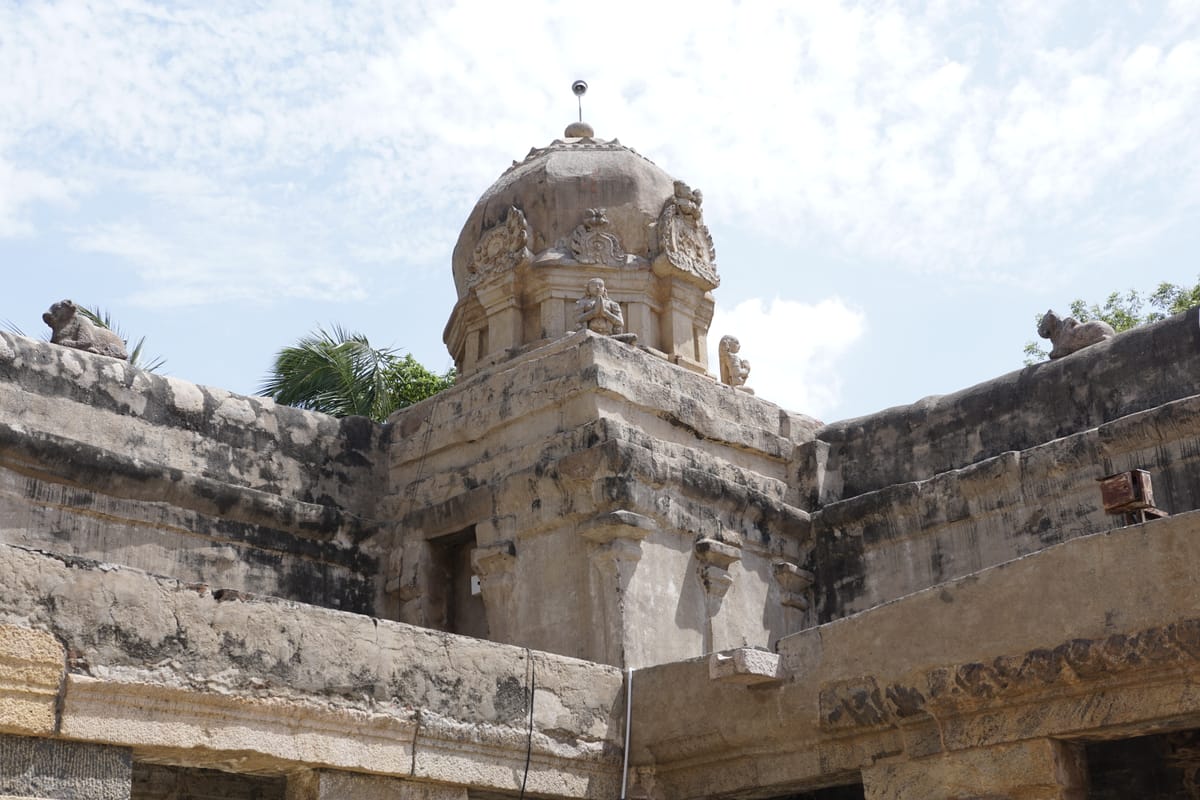
Great Living Chola Temples — Brihadeeswarar Temple
The principal temple of the Great Living Chola Temples UNESCO site, a masterpiece of Dravidian…
Explore Temple
UNESCO 1984Cultural Heritage
Tamil Nadu
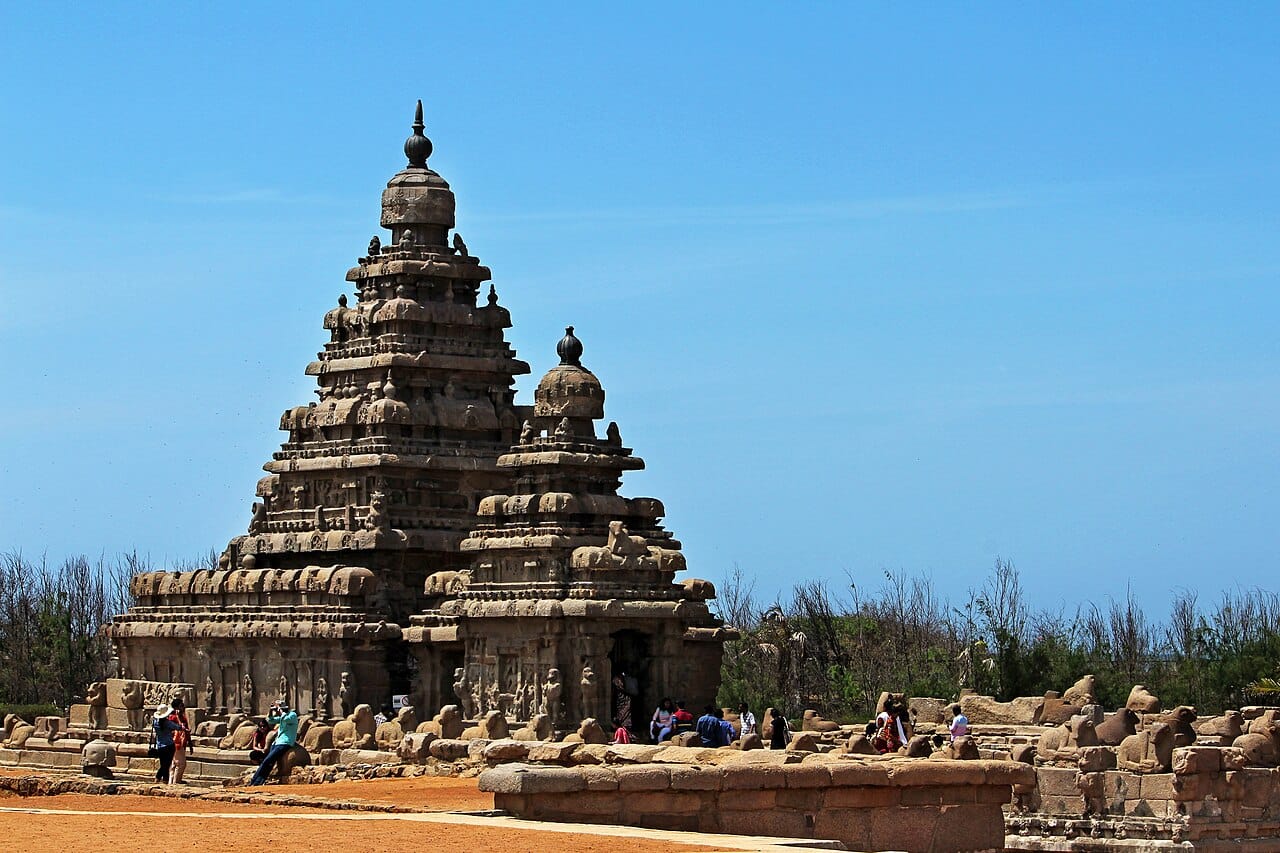
Shore Temple, Mahabalipuram
One of the oldest structural stone temples of South India, built by the Pallava dynasty…
Explore Temple
UNESCO 2021Cultural Heritage
Telangana
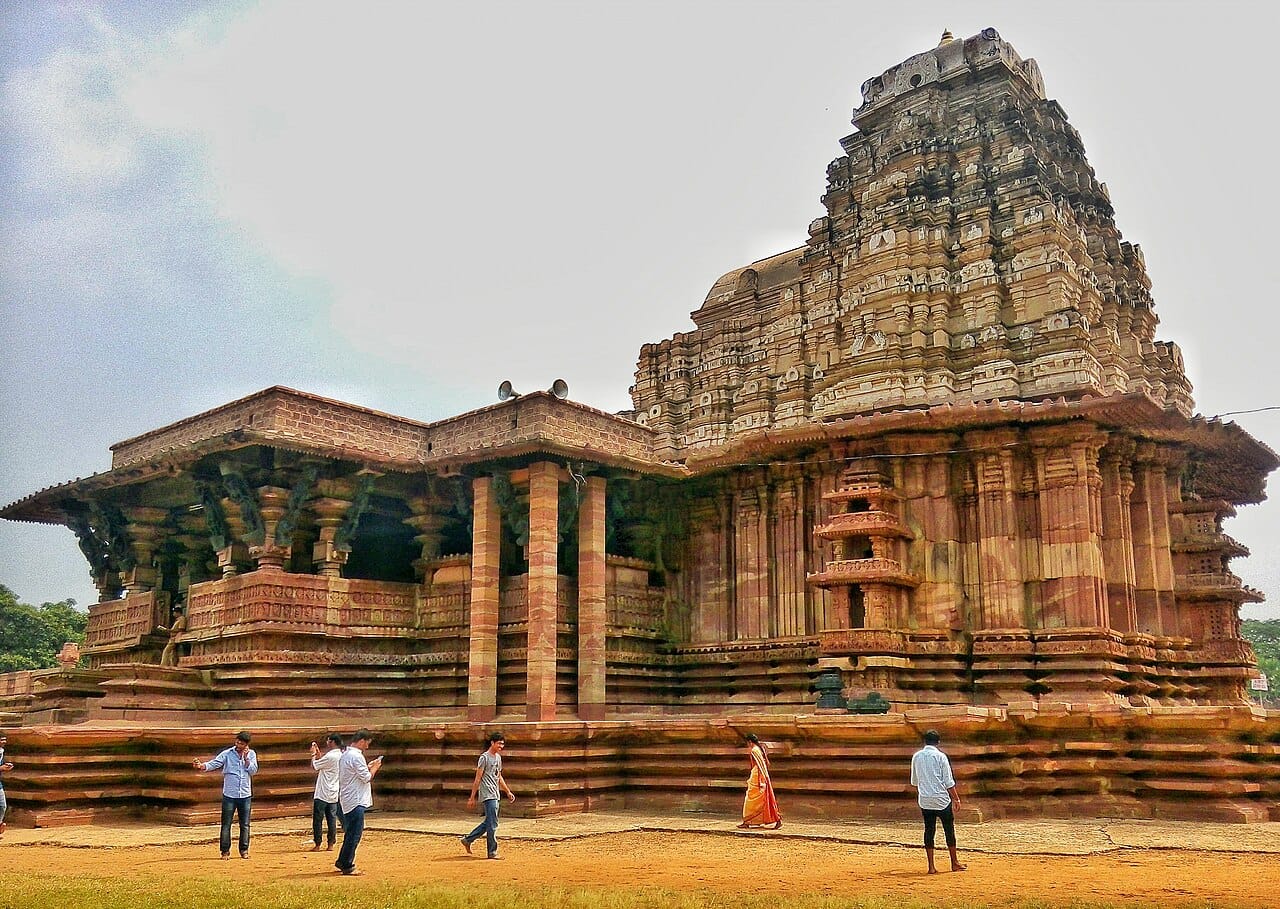
Ramappa Temple
A 13th-century Kakatiya temple famous for its floating bricks and intricate carvings, the newest UNESCO…
Explore Temple
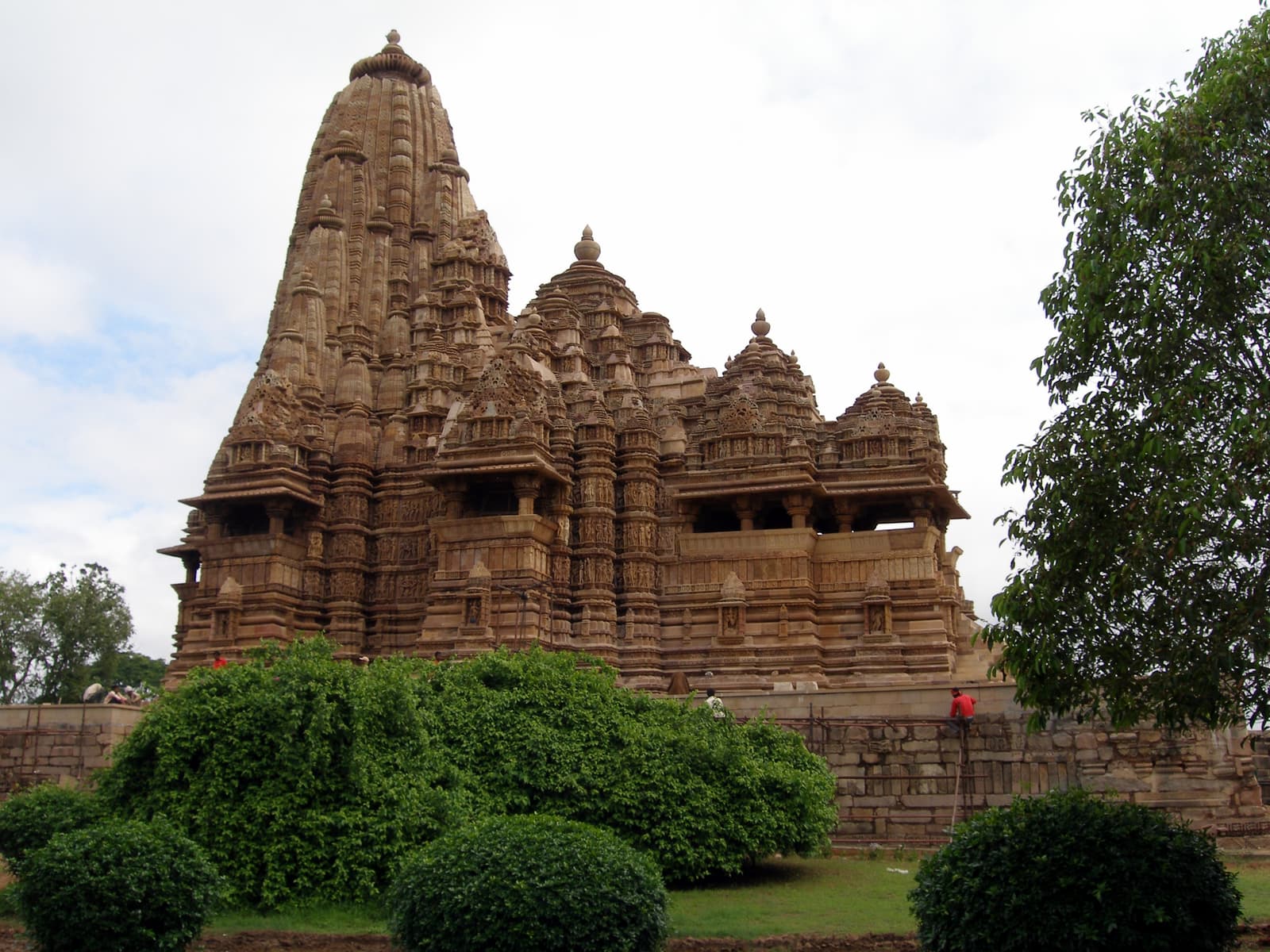
UNESCO 1986Cultural Heritage
Madhya Pradesh
Khajuraho Group of Monuments
The largest and most ornate Hindu temple in the Khajuraho Group of Monuments.
Explore Temple
Famous Temples You May Like
UNESCO 1987Cultural Heritage
Tamil Nadu
Brihadeeswarar Temple
The Brihadeeswarar Temple in Thanjavur, built by Raja Raja Chola I in the 11th century…
Explore Temple
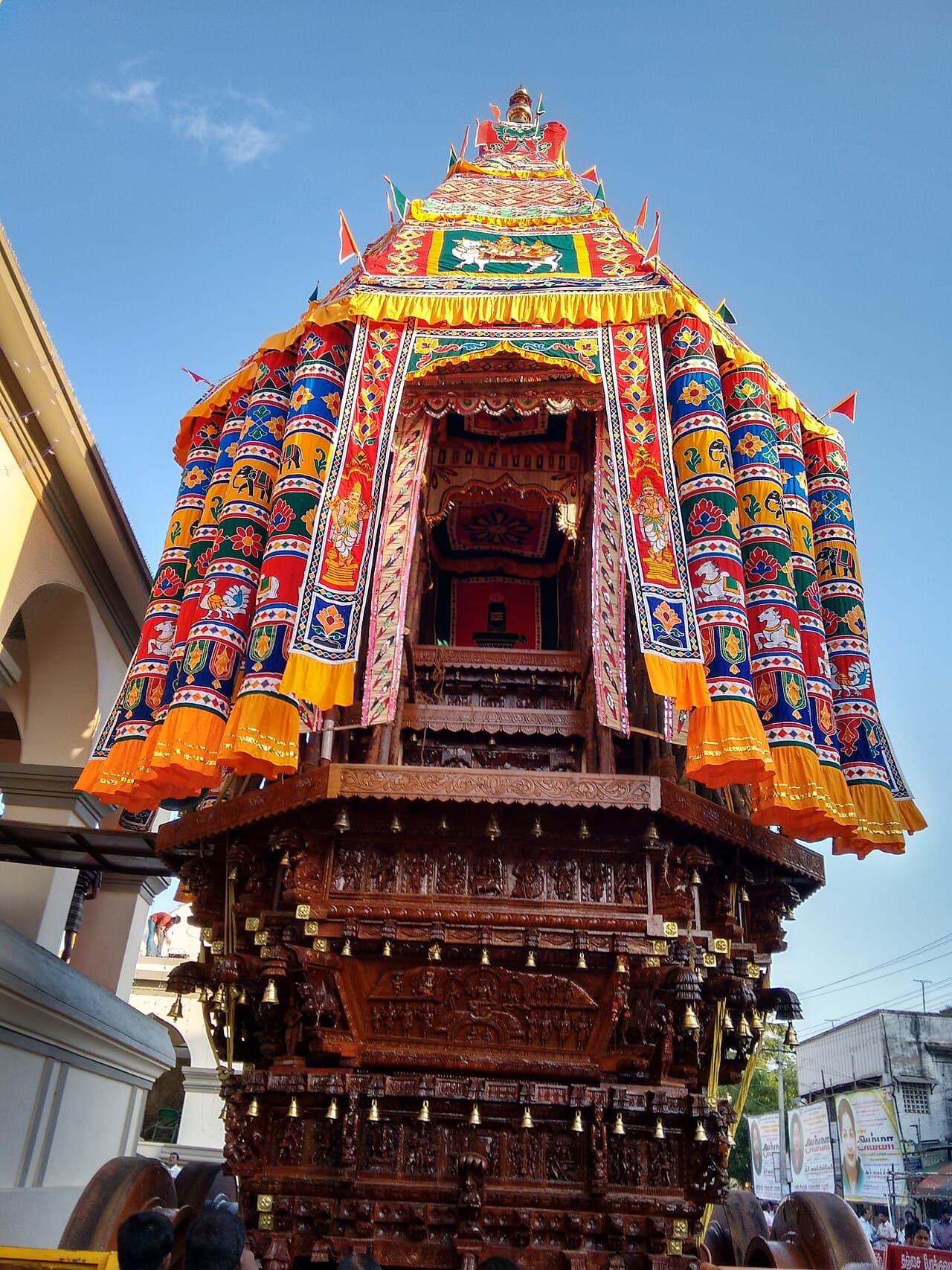
Tamil Nadu
Arunachaleswarar Temple
Arunachaleswarar Temple at the foot of Arunachala Hill in Tiruvannamalai is one of the largest…
Explore Temple
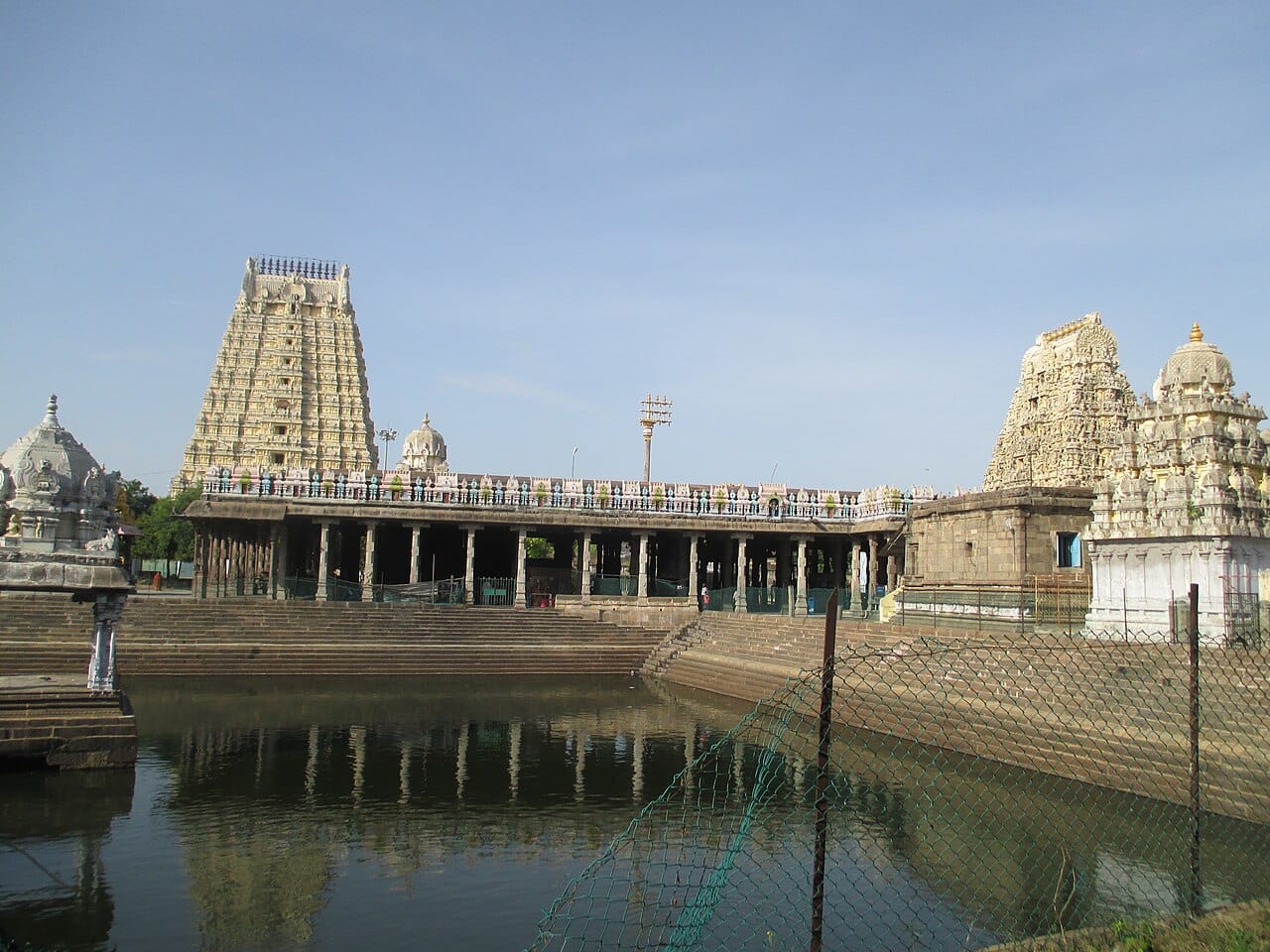
Tamil Nadu
Ekambareswarar Temple
Ekambareswarar Temple in Kanchipuram represents the earth element (Prithvi) of the Pancha Bhoota Sthalas.
Explore Temple
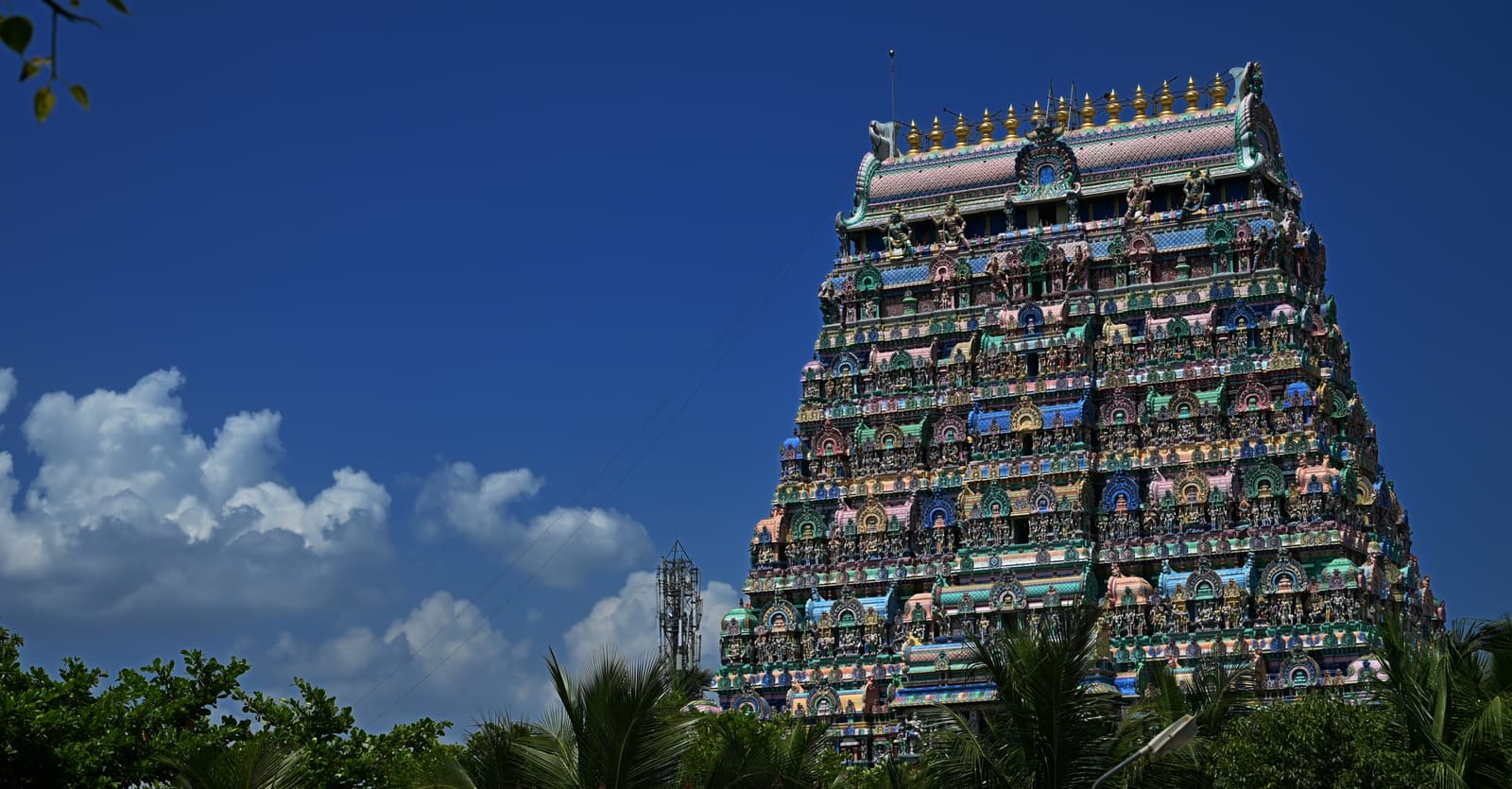
Tamil Nadu
Jambukeswarar Temple
Jambukeswarar Temple in Thiruvanaikaval represents the water element (Apas) of the Pancha Bhoota Sthalas.
Explore Temple
Explore More in Tamil Nadu
UNESCO 2004Cultural Heritage
Tamil Nadu
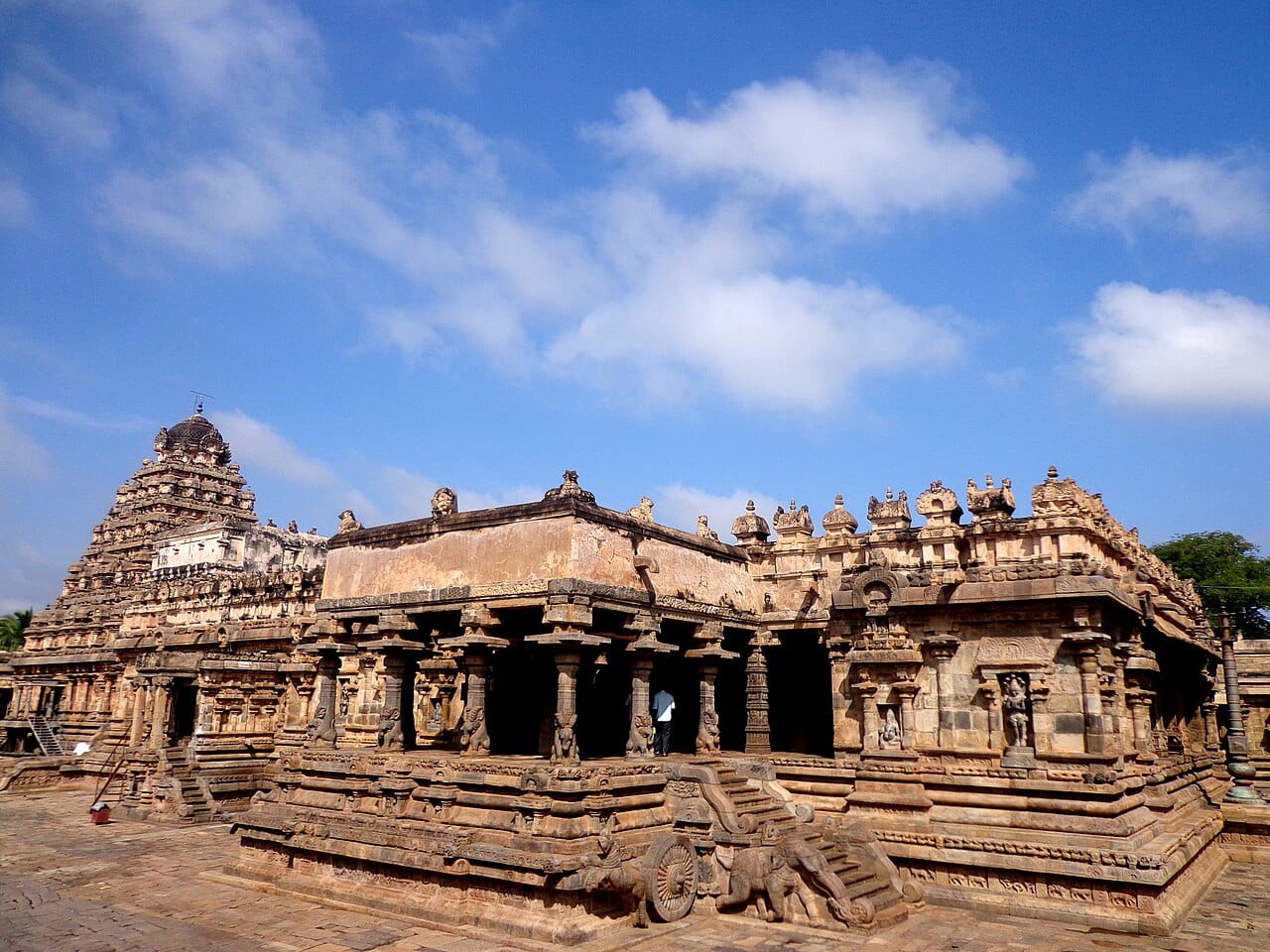
Airavatesvara Temple
The Airavatesvara Temple at Darasuram, built by Rajaraja Chola II between 1146 and 1172 CE…
Explore Temple

UNESCO 2004Cultural Heritage
Tamil Nadu
Gangaikonda Cholapuram Temple
The Gangaikonda Cholapuram Temple, built by Rajendra Chola I in 1035 CE, is a UNESCO…
Explore Temple

Tamil Nadu
Kampaheswarar Temple
Kampaheswarar Temple in Tribhuvanam, built by Kulothunga Chola III in 1202 CE, is one of…
Explore Temple

Tamil Nadu
Koranganatha Temple
Koranganatha Temple, built during the reign of the Chola king Parantaka I (907-955 CE) at…
Explore Temple
Heritage Fact
"The Great Living Chola Temples represent centuries of Dravidian architecture and are still active places of worship."