Sacred Destinations
Kerala
5Sacred Sites
6Major Temples
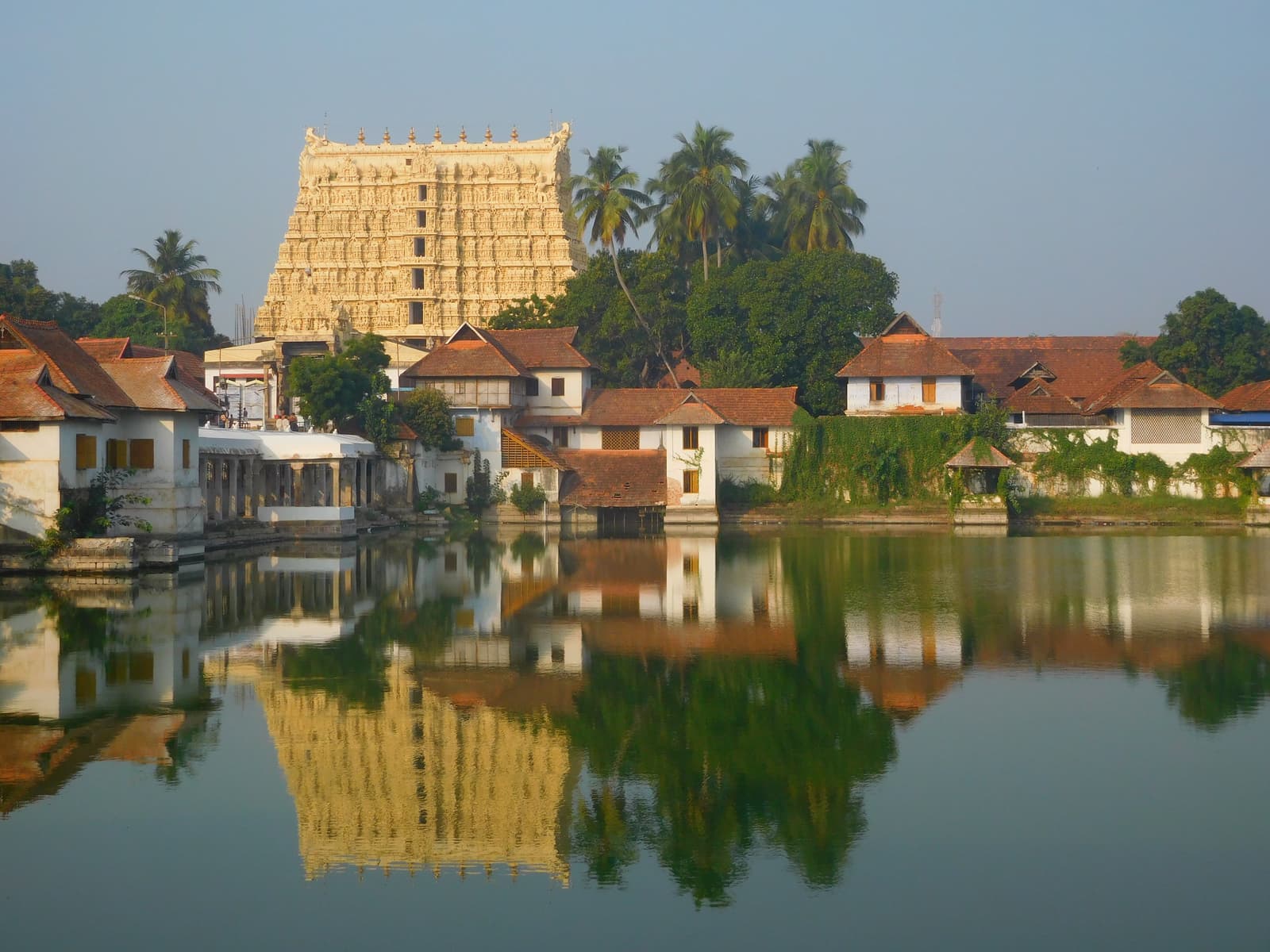
Kerala, along the Malabar Coast between the Arabian Sea and the Western Ghats, maintains a temple tradition characterized by Dravidian-style architecture, unique ritual protocols, and the synthesis of Hindu and Dravidian cultural elements. The sacred geography includes the monumental Sree Padmanabhaswamy Temple in Thiruvananthapuram, the Guruvayur temple complex, the Ayyappa pilgrimage center at Sabarimala, and the Vadakkumnathan Temple in Thrissur.
Quick Facts
Capital
Thiruvananthapuram
Population
35.6 million
Area
38,863 km²
Languages
Malayalam, Tamil, Konkani
Best Time to Visit
November to February
Major Pilgrimage
Padmanabhaswamy, Sabarimala, Guruvayur, Vadakkumnathan
Temple Style
Kerala Dravidian (copper roofs, circular sanctums)
UNESCO Count
0 (temples)
Major River
Periyar, Bharathapuzha, Pamba
Highest Peak
Anamudi (2,695 m)
Why Visit Kerala
Kerala's religious traditions follow Tantric ritual manuals (Tantra Samuchaya and Karanagama) governing temple construction, daily rites, and Nambudiri Brahmin priestly succession. The Padmanabhaswamy Temple follows the Vaikhanasa Agama and is one of the 108 Divya Desams. Sabarimala, at 1,260 meters in the Western Ghats, is one of the largest annual pilgrimages in the world, attracting around 50 million devotees during the Mandala season.
The Padmanabhaswamy Temple is among the wealthiest religious institutions in the world; its six vaults contain gold coins, jewelry, and artifacts from centuries of Travancore royal patronage. The deity is depicted in the Anantashayana posture reclining on Adishesha, a 5.5-meter icon carved from 12,008 salagrama stones. Guruvayur is considered the Dwarka of the south and houses one of Asia's largest temple elephant stables. Sabarimala is the largest annual pilgrimage site in the world.
Temple Categories
Divya Desams
3Padmanabhaswamy and other Vishnu temples venerated by the Alvars.
Ayyappa Shrines
5Sabarimala and associated Ayyappa temples in the Western Ghats.
Shiva Temples
5Vadakkumnathan Thrissur, Mahadeva Temples across central Kerala.
Krishna Temples
3Guruvayur Temple, the Dwarka of the South; Ambalappuzha.
Featured Sacred Places
Kerala
Padmanabhaswamy Temple
The wealthiest religious institution in the world, this ancient temple houses a massive 18-foot reclining Vishnu visible through three doors and a 7-tier gopuram with equinox sun alignment.
Explore Temple
Kerala
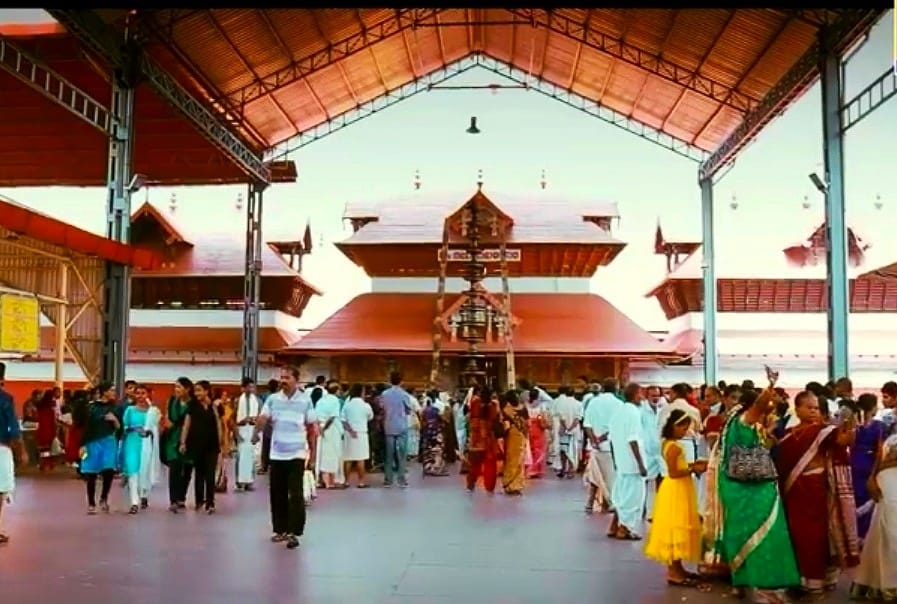
Guruvayur Sri Krishna Temple
Known as 'Bhuloka Vaikuntha', this is a sacred Krishna temple in India, famous for its strict rituals and elephant sanctuary.
Explore Temple
Kerala
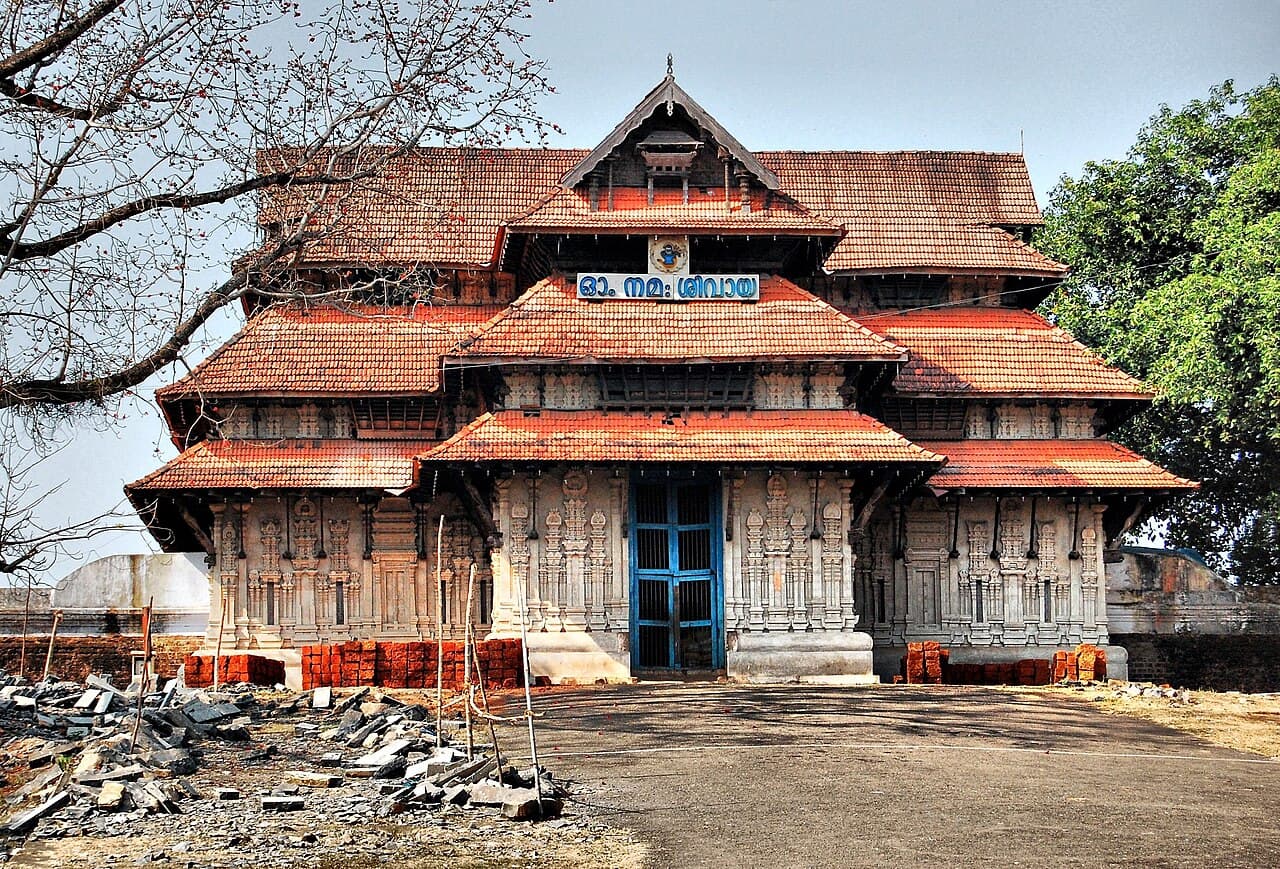
Vadakkunnathan Temple
A UNESCO award-winning ancient Shiva temple, famous for its massive gopurams and the 1000-year-old ghee offerings that never melt.
Explore Temple
Kerala
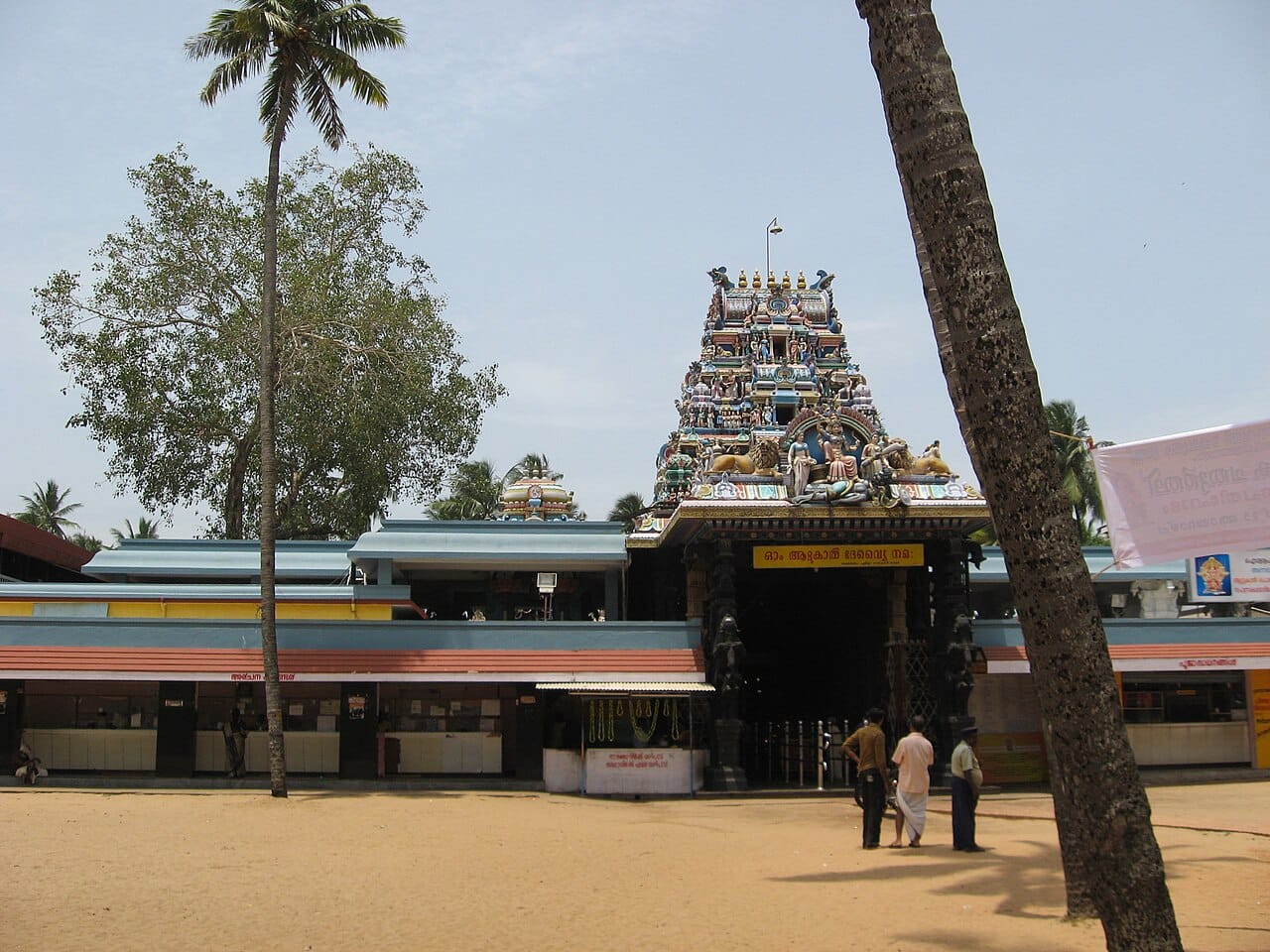
Attukal Bhagavathy Temple
Known as the 'Sabarimala of Women', it holds the Guinness World Record for the largest gathering of women for religious activity.
Explore Temple
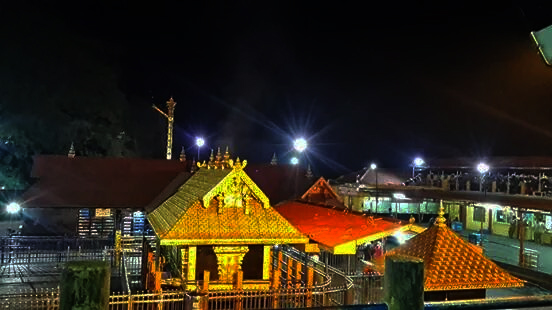
Kerala
Sabarimala Ayyappa Temple
One of the world's largest annual pilgrimages (50+ million participants), dedicated to Lord Ayyappa, accessible only after a rigorous 41-day vratham (penance) involving celibacy, vegetarianism, and wearing black attire.
Explore Temple
Pilgrimage Circuits
Sabarimala Pilgrimage
1 templesThe forest trek from Pamba base to the Ayyappa shrine at 1,260 m; 41-day austerity required.
Central Kerala Temple Circuit
4 templesGuruvayur, Thrissur Pooram, Kodungallur, and Ambalappuzha.
Guruvayur TempleVadakkumnathan Temple ThrissurKodungallur Devi TempleAmbalappuzha Temple
The Sabarimala pilgrimage requires a 41-day austerity period involving celibacy, vegetarianism, and daily worship before the forest trek. The route includes the sacred 18 steps (Pathinettam Padi) coated with gold. Padmanabhaswamy is included in the Divya Desam circuit of 108 Vishnu temples spanning the subcontinent from Badrinath to Rameswaram.
Temple Architecture
Kerala temple architecture is a Dravidian sub-style with circular or square sanctums (srikovil), copper-clad tapered roofs, and detached namaskara mandapas built of laterite and wood. The Padmanabhaswamy Temple's seven-tiered eastern gopuram rises to 30.5 meters with 400 carved stone panels. The interior mandapam features 32 monolithic granite pillars weighing 30 tons each. The Vadakkumnathan Temple showcases Kerala's classic mural tradition with 45 wall paintings using organic pigments.
Historical Timeline
c. 300 BCE-300 CESangam
Sangam texts describe a Vishnu shrine at the site of Padmanabhaswamy Temple.
8th c.Chera
Earliest extant structural phase of Padmanabhaswamy Temple under the Chera dynasty.
13th c.Vijayanagara
Madhvacharya establishes the Udupi Krishna Temple, founding the Dvaita Vedanta tradition.
16th c.Venad
Venad rulers add the seven-story gopuram and pillared mandapam to Padmanabhaswamy.
1758Travancore
Maharaja Marthanda Varma dedicates the Travancore kingdom to Padmanabha.
Temple Statistics
3
Divya Desams
Vishnu temples venerated by the Alvars
50+ million
Annual Pilgrims (Sabarimala)
During Mandala season alone
8th c.
Oldest Temple
Padmanabhaswamy Temple
60+
Temple Elephants
Guruvayur Punnathur Kotta
Festivals
Alpashy Utsavam
October-NovemberPadmanabhaswamy Temple
10 days
Procession of the deity on a 2-ton golden horse vahanam around the temple tank.
Thrissur Pooram
April-MayVadakkumnathan Temple, Thrissur
1 day
One of India's largest temple festivals; 15 caparisoned elephants, 250 Chenda drummers, and ceremonial umbrellas.
Sabarimala Mandala Pooja
November-JanuarySabarimala Ayyappa Temple
41+ days
Peak pilgrimage season; 50+ million devotees; strict austerity (vratham) observed before the forest trek.
Guruvayur Ekadasi
November-DecemberGuruvayur Temple
3 days
Over 100,000 pilgrims; flag-hoisting ceremony (Dwajasthambam) and elaborate pujas.
The 10-day Alpashy Utsavam (October-November) at Padmanabhaswamy features a procession of the deity on a 2-ton golden horse vahanam. The Thrissur Pooram is one of India's largest temple festivals with 15 caparisoned elephants, ceremonial umbrellas, and 250 Chenda drummers. Guruvayur Ekadasi (November-December) draws over 100,000 pilgrims. The Sabarimala Mandala season (November-January) is the peak pilgrimage period.
Travel Guide
Best Time
November to February (22-32°C)
Climate
Tropical; monsoon 300 cm annual
Nearest Airport
Thiruvananthapuram (TRV), Kochi (COK)
Railway
Thiruvananthapuram Central, Guruvayur
Road
NH-66, NH-544
Local Transport
Kerala RTC, taxis, auto-rickshaws
Temple Etiquette
Remove footwear; dhoti/sari required in many temples
Suggested Duration
7-10 days for major circuits
Nearby Attractions
Beach
Kovalam Beach
Horseshoe-shaped beach 16 km from Thiruvananthapuram with backwater tours and Ayurvedic centers.
National Park
Periyar Tiger Reserve
Wildlife sanctuary near Sabarimala with a 26 km² artificial lake and herds of Asian elephant.
Waterway
Alappuzha Backwaters
1,500 km network of interconnected canals and lagoons accessible by houseboat.
Interesting Facts
01
The Padmanabhaswamy Temple's vault B remains unopened under a 2011 Supreme Court order due to legal and religious objections — seismic scanning suggests it may contain treasures exceeding the combined value of vaults A through F.
02
Sabarimala is the only major Hindu pilgrimage site where women of reproductive age (10-50 years) were traditionally not permitted, a restriction that remains legally contested after the 2018 Supreme Court verdict.
03
The Guruvayur Temple's daily operations follow a 3,000-year-old ritual calendar described in the Brahmanda Purana, with 10-12 pujas performed daily without variation since the temple's founding.
Frequently Asked Questions
The Supreme Court-ordered inventory of six vaults revealed approximately 1,000 kg of gold artifacts including Roman coins, Napoleonic-era French gold, and a 350 kg solid gold throne. Vault B remains unopened. Total estimated value exceeds 1 trillion INR.
Each step represents an attribute for spiritual progress: the first three represent love, truth, and non-violence; steps 4-9 represent the five senses and mind; steps 10-14 represent the five elements; steps 15-18 represent knowledge, wisdom, maya, and the divine.
The Punnathur Kotta sanctuary houses approximately 60 elephants donated by devotees. Each elephant consumes 200 kg of palm leaves and 100 kg of sugarcane daily. They participate in thrice-daily processions and receive regular Ayurvedic veterinary care.
Circular or square sanctums (srikovil), copper-clad tapered roofs, detached namaskara mandapas, and construction primarily in laterite and wood without extensive granite use. The Vadakkumnathan Temple's Koothambalam theater hall is one of the largest surviving examples.
Sources & References
These records back the history, architecture, temple listings and visitor guidance published on this Kerala page.
Archaeological Survey of India
Archaeological Survey of India — monument records and conservation reports
Protected-monument status, dating, architectural classification and conservation records for the temples and monuments named across this Kerala guide.
Primary archaeological record
Open source (opens in a new tab)Ministry of Tourism, Government of India
Ministry of Tourism — official destination information
Official Government of India visitor information, access routes and pilgrimage circuits for Kerala.
Government record
Open source (opens in a new tab)Kerala Tourism
Kerala Tourism — official destination portal
State visitor information — temple timings, access routes and pilgrimage circuit details cited on this page.
Government record
Open source (opens in a new tab)
— every record linked above was re-requested for this release, so the link still resolves and the publisher still serves the document. It is a link check, not a re-verification of every sentence on this page.
Missing something, or found an error? Send us a correction with the record that supports it, or read how we choose sources.