From ancient rock-cut marvels to towering imperial shrines, discover the architectural soul of Bharat through our verified digital archive.
Explore More Temples
Location
Amritsar
Presiding Deity
Guru Granth Sahib
Architecture
Sikh Architecture (Indo-Islamic-Sikh fusion)
Dynasty
Sikh Gurus (Guru Arjan Dev, Maharaja Ranjit Singh)
Timings
Open 24 hours a day, 365 days a year. The Darbar Sahib's key ceremonies: Prakash (opening) at approximately 5:00 AM, Sukhasan (closing) at approximately 10:00 PM. The Langar operates 24/7. The Amrit Sarovar bathing area is open during daylight hours. The Akal Takht is open for visitors from 7:00 AM to 6:00 PM. The Central Sikh Museum is open from 9:00 AM to 5:00 PM. All visitors must cover their heads, remove shoes, and wash feet before entering the temple complex. Photography is permitted in the complex but not inside the sanctum sanctorum.
Entry Fee
Free
Best Time
The months from November to March offer the most pleasant weather in Amritsar (10-25°C). Visiting at dawn (5:00 AM) for the Prakash ceremony provides the most serene spiritual experience with fewer crowds. Night visits after 10:00 PM offer a mystical atmosphere with the temple beautifully illuminated and reflected in the Sarovar. Vaisakhi (April) and Diwali (October-November) provide the most spectacular festival experiences but involve massive crowds. Summers (April-June) are hot (40°C+) and monsoons (July-September) are humid. The temple is open 24/7 year-round.
Also known as Sri Harmandir Sahib, the holiest Gurdwara and the most significant spiritual site of Sikhism, embodying the principles of universal brotherhood and equality.
The history of the Golden Temple is intrinsically linked to the development of Sikhism itself. The site was originally a small lake in the midst of a forest, where Guru Nanak (the founder of Sikhism) meditated and discoursed. In 1581, Guru Arjan Dev, the fifth Sikh Guru, conceived the vision of building a central place of worship for Sikhs. Construction began in 1585 on land donated by the Mughal Emperor Akbar. The foundation stone was laid by Sai Mian Mir, a Muslim Sufi saint of Lahore, on December 28, 1588 — a powerful symbol of interfaith harmony. Guru Arjan Dev personally supervised the construction and installed the Adi Granth (the early compilation of Sikh scriptures) in the sanctum on August 16, 1604, appointing Baba Buddha as the first Granthi (priest). The temple faced repeated destruction and desecration by Afghan invaders — Ahmed Shah Abdali destroyed it twice in the 18th century. Each time, the Sikhs rebuilt it with greater resilience. The temple's golden appearance dates to the early 19th century, when Maharaja Ranjit Singh, the Sikh ruler of the Punjab Empire, funded the covering of the upper two stories with 750 kilograms of pure gold leaf. He also renovated the sanctum and added the golden dome. The temple was shelled by the Indian Army during Operation Blue Star in June 1984, leading to extensive damage. It was subsequently repaired and restored to its former glory. The complex was further expanded in the 1990s with the addition of the new central Sikh Museum and the Guru Ram Das Sarai (pilgrim accommodation). Today, the Golden Temple remains the ultimate pilgrimage destination for Sikhs and a symbol of Sikh resilience and spirituality.
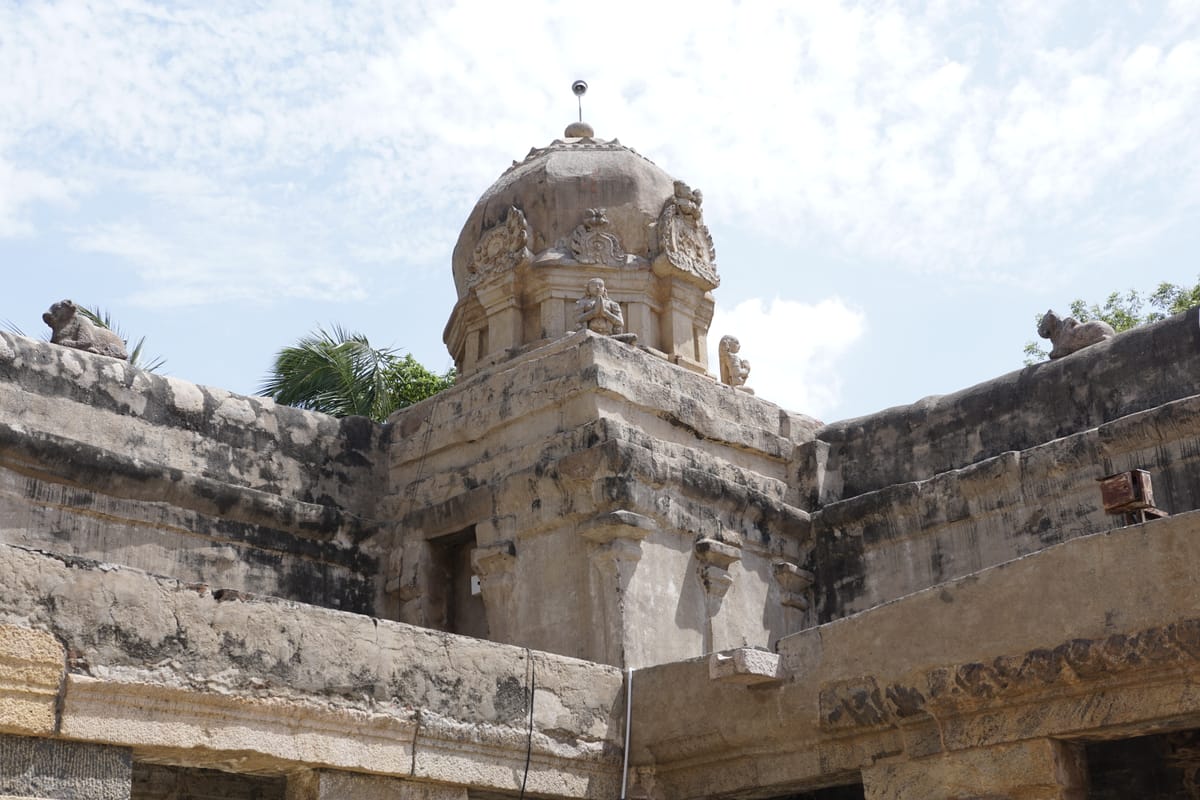
The Golden Temple is a masterpiece of Sikh architecture, blending Hindu Rajput and Mughal Islamic styles into a uniquely Sikh aesthetic. The main shrine (Darbar Sahib) is a three-storied structure rising from the center of the 150-meter square Amrit Sarovar. The lower level is built of white marble inlaid with intricate floral patterns in semi-precious stones (Pietra Dura work), similar to the Taj Mahal's technique. The upper two stories are covered with 750 kg of pure gold leaf that glows brilliantly in the sunlight and is illuminated dramatically at night. The sanctum sanctorum houses the Guru Granth Sahib on a raised platform (Takht) beneath a jewel-studded canopy (Chanani). The walls are decorated with gold filigree work, mirror inlay (Mukat), and frescoes depicting Sikh history. The temple is approached by a 200-foot long marble causeway (Guru's Bridge) across the Sarovar, symbolizing the journey from the material world to the spiritual realm. The causeway is lined with marble pillars with gold-plated lamps. The complex also features the Akal Takht (Eternal Throne), the highest temporal authority of Sikhism, built by Guru Hargobind in 1609, directly facing the Darbar Sahib. The Akal Takht is a five-storied structure with a gold-plated dome. The surrounding Parikrama (circumambulation path) is a 2.5 km marble walkway around the Sarovar. The Clock Tower (Ghanta Ghar) at the eastern entrance, built in the British period, has become a city landmark. The Darshani Deori (entrance archways) on all four sides feature silver-plated doors with intricate engravings of Sikh symbols.
The Golden Temple is the holiest site in Sikhism, serving as the central spiritual authority for 25 million Sikhs worldwide. The temple's design carries deep philosophical meaning: the temple stands in the center of a sacred tank (Sarovar), symbolizing that the divine can be reached only by traversing the water of human existence and worldly attachments. The four entrances represent the Sikh belief in the equality of all humanity — that everyone, regardless of caste, creed, gender, or social status, can approach the divine directly without intermediaries. The Amrit Sarovar (Pool of Nectar) is believed to have healing properties, and pilgrims bathe in its holy waters before entering the sanctum. The temple's architecture deliberately mixes Hindu and Islamic elements — the marble lower structure reflects Rajput influence, while the golden dome follows Islamic architectural styles — demonstrating the Sikh vision of a universal, syncretic faith. The continuous recitation of Gurbani (Sikh hymns) and the community kitchen (Langar), where all sit together on the floor eating the same simple meal, embody the Sikh principles of Seva (selfless service), Simran (meditation), and Sangat (community).
The core ritual of the Golden Temple is the continuous recitation (Akhand Kirtan) of Gurbani from the Guru Granth Sahib. The day begins with the 'Prakash' ceremony at dawn, where the Guru Granth Sahib is carried in a palanquin (Palki) from the Akal Takht to the Darbar Sahib, accompanied by singing of Asa-di-Var (morning hymns). The Guru Granth Sahib is placed on the Takht (throne) under a jeweled canopy, and the day's recitation begins. Throughout the day, continuous Kirtan (devotional singing) is performed by ragis (musicians) trained in classical Sikh music. The 'Palki Sahib' ceremony is conducted twice daily: in the morning when the Guru Granth Sahib is brought from Akal Takht to the Darbar Sahib, and in the evening when it is carried back in a grand procession with the chanting of the Rehras (evening prayer). The 'Sukhasan' ceremony at night involves the ceremonial closing of the temple doors after the Kirtan Sohila (night prayer) and the Guru Granth Sahib's return to the Akal Takht for the night. The 'Langar' is a continuous ritual — not a single ceremony but an ongoing act of Seva. Volunteers (Sewadars) wash dishes, prepare food, and serve meals throughout the day. Over 100,000 people are fed daily, and all sit in rows on the floor (Pangat) eating together. The meal is always vegetarian: dal, roti, rice, vegetables, and kheer (sweet rice pudding). The Karah Parshad (sacred offering) — a sweet semolina preparation — is distributed to all attendees after the main prayers.
Vaisakhi (April 13-14) is the most important festival at the Golden Temple, marking the founding of the Khalsa by Guru Gobind Singh in 1699. The entire complex is decorated with flowers and lights. A massive procession (Nagar Kirtan) takes place, and the day is marked by special prayers, Kirtan sessions, and the distribution of Karah Parshad. The 'Gatka' (Sikh martial arts) demonstrations attract large crowds. Diwali (October-November) is another major celebration when the Golden Temple is illuminated by thousands of oil lamps and electric lights, creating a breathtaking reflection in the Amrit Sarovar. The temple glows gold against the night sky, and the fireworks display draws hundreds of thousands of visitors. Gurpurabs (anniversaries of the ten Gurus) are celebrated with Akhand Path (continuous 48-hour reading of the Guru Granth Sahib), processions, and community feasts. The birthdays of Guru Nanak (November) and Guru Gobind Singh (January) are particularly significant, with extended Langar services and night-long Kirtan sessions. Bandi Chhor Divas (Diwali) is especially significant as it commemorates Guru Hargobind's release from Gwalior Fort. Martyrdom days (Shaheedi Gurpurabs) of Guru Arjan Dev and Guru Tegh Bahadur are observed with solemnity.
750 kg gold-plated upper stories, Amrit Sarovar (Pool of Nectar), world's largest free community kitchen (Langar, 100,000+ meals daily), Guru Granth Sahib as living Guru, four entrances symbolizing equality, Akal Takht (temporal Sikh authority), Sai Mian Mir foundation stone, Pietra Dura marble inlay, continuous 48-hour Akhand Path tradition, Operation Blue Star site, Karah Parshad distribution.
The months from November to March offer the most pleasant weather in Amritsar (10-25°C). Visiting at dawn (5:00 AM) for the Prakash ceremony provides the most serene spiritual experience with fewer crowds. Night visits after 10:00 PM offer a mystical atmosphere with the temple beautifully illuminated and reflected in the Sarovar. Vaisakhi (April) and Diwali (October-November) provide the most spectacular festival experiences but involve massive crowds. Summers (April-June) are hot (40°C+) and monsoons (July-September) are humid. The temple is open 24/7 year-round.
Open 24 hours a day, 365 days a year. The Darbar Sahib's key ceremonies: Prakash (opening) at approximately 5:00 AM, Sukhasan (closing) at approximately 10:00 PM. The Langar operates 24/7. The Amrit Sarovar bathing area is open during daylight hours. The Akal Takht is open for visitors from 7:00 AM to 6:00 PM. The Central Sikh Museum is open from 9:00 AM to 5:00 PM. All visitors must cover their heads, remove shoes, and wash feet before entering the temple complex. Photography is permitted in the complex but not inside the sanctum sanctorum.
Amritsar offers several historically and spiritually significant sites. The Jallianwala Bagh (1 km) is a memorial to the 1919 massacre. The Partition Museum (2 km) documents the 1947 partition of India. The Wagah Border (28 km) — the Attari-Wagah border ceremony between India and Pakistan — is a major tourist attraction with the daily Beating Retreat ceremony at sunset. The Ram Tirath Temple (11 km) is associated with the Ramayana.
A. Harmandir Sahib means 'The Abode of God' (Hari meaning God, Mandir meaning temple/abode). The temple is popularly known as the Golden Temple due to its gold-covered exterior, but its official name is Sri Harmandir Sahib.
A. Yes, the Langar (community kitchen) is open to all visitors 24/7, regardless of religion, caste, gender, or economic status. Everyone sits together on the floor as equals, sharing a simple vegetarian meal. It is one of the largest free kitchens in the world, serving over 100,000 meals daily.
A. Cover your head (scarves are available at the entrance). Remove shoes and deposit them at the shoe storage area. Wash your feet in the foot bath before entering the complex. Wear modest, respectful clothing — avoid shorts, sleeveless tops, or revealing attire.
India's temples are living traditions — not museums. Every temple has its own customs. This guide helps first-time visitors prepare with confidence and respect.
Foreign visitor information is being researched
Please verify with the official temple authority before planning your visit.
Foreign Visitors
Verify Before VisitingVisitor Information
Entry policies vary between temples. Most temples welcome visitors, while some may restrict access to specific areas, rituals, or the inner sanctum. Always verify the latest entry guidelines with the official temple authorities before your visit.
Modest clothing is expected at every Indian temple — a sign of respect, not a restriction. Think of it as dressing for a formal ceremony.
A scarf is always useful — it covers shoulders, works as a head covering, and can double as a makeshift face cover if needed.
Outdoor photography is generally permitted. Indoor photography is often restricted. Always look for signage or ask a priest before taking photos inside.
The months from November to March offer the most pleasant weather in Amritsar (10-25°C). Visiting at dawn (5:00 AM) for the Prakash ceremony provides the most serene spiritual experience with fewer crowds. Night visits after 10:00 PM offer a mystical atmosphere with the temple beautifully illuminated and reflected in the Sarovar. Vaisakhi (April) and Diwali (October-November) provide the most spectacular festival experiences but involve massive crowds. Summers (April-June) are hot (40°C+) and monsoons (July-September) are humid. The temple is open 24/7 year-round.
April — June
July — September
English is widely understood at major tourist temples. In smaller local temples, Hindi and the regional language are more common. A smile and simple hand gestures go a long way. Learning a few words of the local language is always appreciated.
Cash (Indian Rupees) is the most reliable option, especially for temple offerings, small shops, and local transport.
UPI digital payments (Google Pay, PhonePe, Paytm) are widely accepted across India — even at roadside stalls. Download one before you arrive.
International credit/debit cards work at most ATMs, hotels, and larger establishments. Smaller vendors may only accept cash or UPI.
Carry small denominations (₹10, ₹20, ₹50, ₹100 notes) for offerings and temple donations. Large notes (₹500, ₹2000) can be hard to break at smaller counters.
Many historic temples have uneven stone floors, multiple steps, and narrow passages. Wheelchair access is limited at older sites — contact the temple in advance.
Basic restroom facilities and drinking water are available at most major temples. Some charge a small fee (₹5–₹10).
Stay hydrated — carry a reusable water bottle, especially in hot climates.
Keep valuables secure — use hotel lockers for passports and excess cash.
Wear comfortable, sturdy footwear — temple floors can be hot, wet, or uneven.
Beware of unofficial guides or touts near temple entrances. Only use authorised services.
Carry a photocopy of your passport and visa. Leave originals in your hotel safe.
Download offline maps — mobile networks can be unreliable near remote temple sites.
These short explanations help make sense of what you see and experience.
Darshan means 'seeing' — but in a temple it means being seen by the deity. It is a sacred moment of connection, not just a viewing.
Removing footwear is a sign of humility. It also keeps the temple floor clean, since devotees sit and pray on the ground.
Food offered to the deity and then distributed to devotees. It is considered blessed. Accept it with both hands and do not discard it.
The bell creates a focused acoustic atmosphere, wards off distractions, and announces your presence before entering the inner sanctum.
Circumambulation (pradakshina) is done clockwise, keeping the sanctum on your right — an auspicious direction aligned with the sun's path.
Flowers symbolise devotion, coconuts represent the ego being broken, incense purifies the air, and lamps represent the victory of light over darkness.
Sacred viewing of the deity; the central act of temple worship.
Clockwise circumambulation of the sanctum.
Blessed food offered to the deity and distributed to devotees.
The innermost sanctum where the main deity resides.
The towering spire above the sanctum, a defining feature of temple architecture.
A pillared hall or pavilion within the temple complex.
The Indian Rupee (?, INR) is the local currency. ATMs are widely available in cities and towns. For temple offerings, keep small notes (₹10, ₹20, ₹50). Most temples accept donations in cash only — digital payments are uncommon at the offering counter itself.
Offerings (dakshina) are given with the right hand. Place cash in the donation box (hundi) or give it directly to the priest. There is no fixed amount — give what feels appropriate. Some temples have fixed fees for special entry or puja participation.
Shoes and sandals are removed before entering the temple building. Most temples have a designated shoe counter (free or a small fee of ₹5–₹20). Socks are generally allowed. In monsoon, carry a plastic bag for wet shoes.
Darshan queues can take 30 minutes to 3 hours at popular temples. Many offer paid VIP darshan (₹100–₹500) for faster entry. Special queues for women, elderly, and disabled visitors exist at some temples. No line jumping.
Major festivals draw enormous crowds — sometimes hundreds of thousands. Book accommodation months in advance. Expect road closures, restricted vehicle access, and limited phone network. Arrive early (before dawn) to avoid the worst congestion.
Always look for signage before taking photos. When in doubt, ask a priest. Never take photos of devotees in prayer without permission. Selfie sticks are banned at most temples. Silently switch your phone to silent mode.
Police / Ambulance / Fire: 112 (National Emergency Number)
Tourist Helpline: 1800-111-363 (Multi-lingual, Ministry of Tourism)
Women's Helpline: 1091
Temple-specific visitor information is continuously researched and updated from official sources. Where specific data is unavailable, general India travel guidance is provided. Always verify current policies with the temple authority before your visit.
Information last verified July 2026. Temple-specific data coming soon.
Continue your journey through the spiritual and architectural wonders of India.

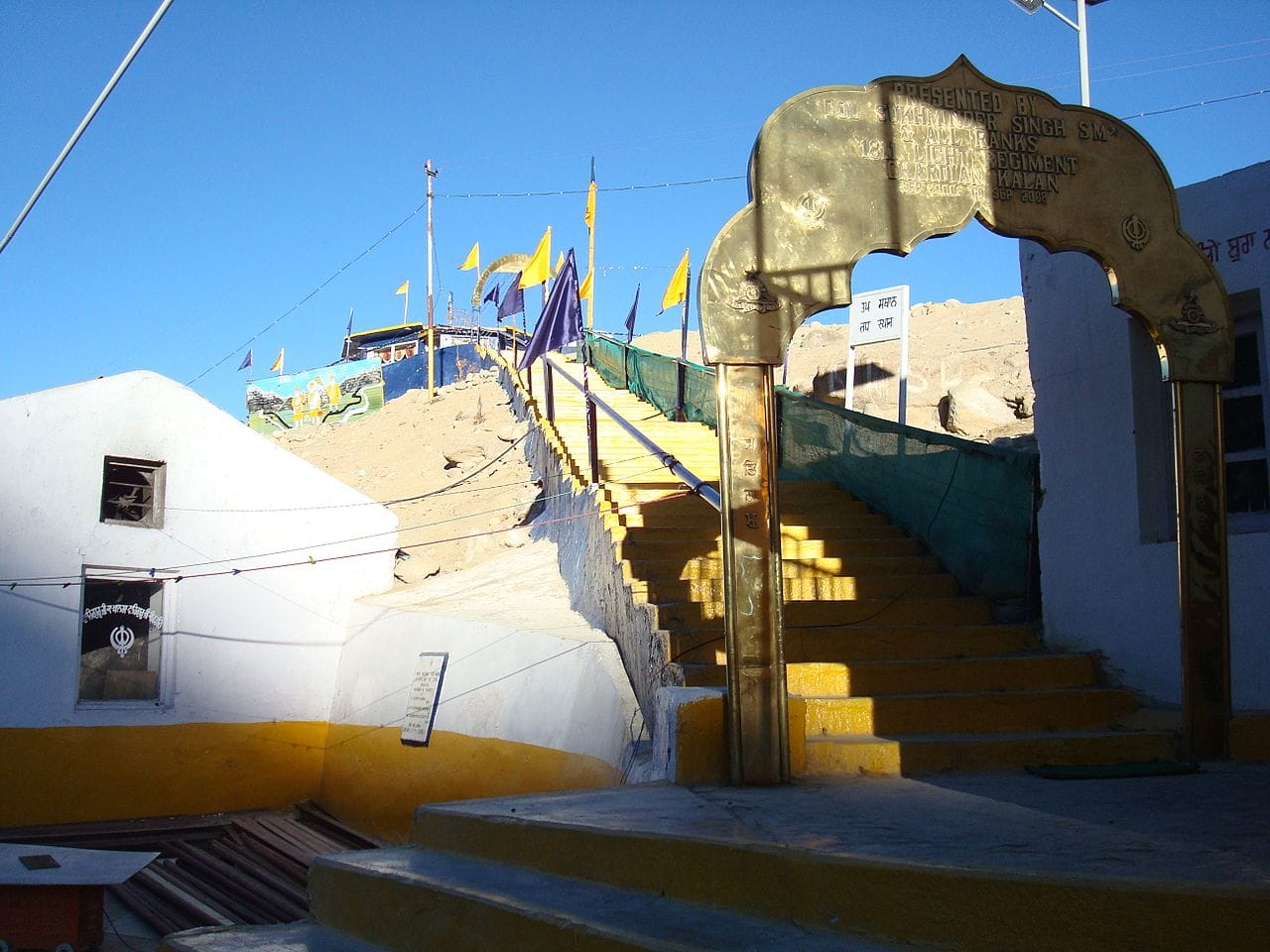
A highly revered Sikh shrine maintained by the Indian Army, housing a massive boulder bearing the miraculous imprint of Guru Nanak Dev Ji.

A historic Sikh shrine on the Ghaggar-Hakra River commemorating Guru Gobind Singh Ji's halt.
"India has over 40 UNESCO World Heritage Sites, ranging from ancient temples to natural wonders."