According to legend, a wicked demon lived in the area and terrorized the locals. When Guru Nanak Dev Ji arrived and began meditating, the demon pushed a massive boulder down the hill to crush him. Miraculously, the boulder turned soft like wax upon touching the Guru, leaving an imprint of his back and shoulders. The demon's foot also left an imprint when he kicked the rock in frustration. The boulder is preserved inside the Gurudwara to this day.
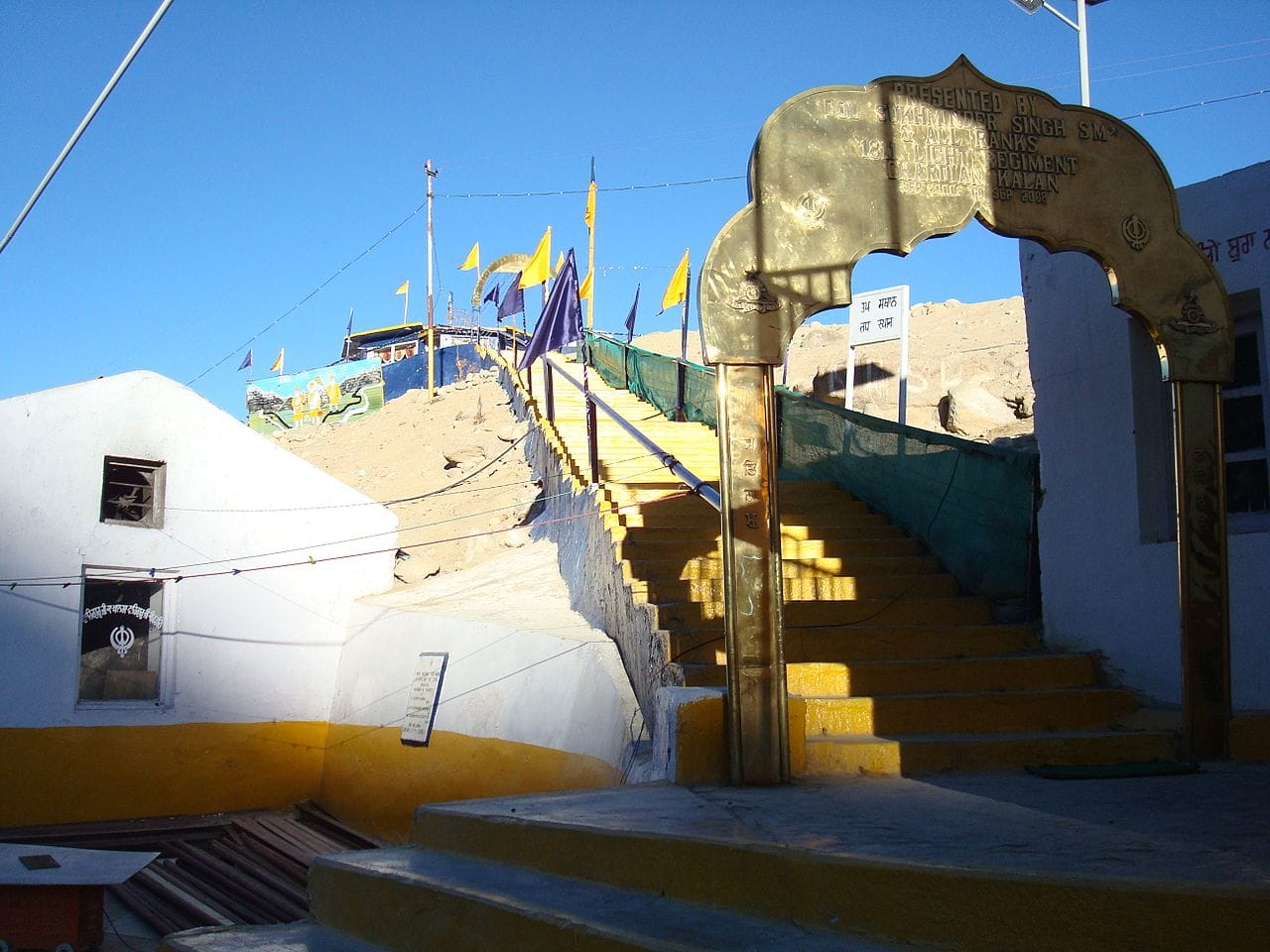
Sacred Heritage
Gurudwara Pathar Sahib
Leh (25 km away on Kargil Highway), Ladakh
State:Ladakh
District:Leh (25 km away on Kargil Highway)
Why This Gurudwara Matters
Key Takeaways
- Tibetan Buddhist-influenced Sikh Architecture architecture
- Located in Leh (25 km away on Kargil Highway), Ladakh
- Gurudwara timings: Open 24 hours.
- Best visited: Between May and October when the Leh-Kargil highway is fully open and the weather is conducive to travel.
Quick Facts
- Location
- Leh (25 km away on Kargil Highway)
- Architecture
- Tibetan Buddhist-influenced Sikh Architecture
- Period
- Sikh History
- Timings
- Open 24 hours.
- Entry Fee
- Free
- Best Time
- Between May and October when the Leh-Kargil highway is fully open and the weather is conducive to travel.
Overview
A highly revered Sikh shrine maintained by the Indian Army, housing a massive boulder bearing the miraculous imprint of Guru Nanak Dev Ji.
History & Legacy
Religious & Cultural Significance
The sacred boulder bearing Guru Nanak's imprint is housed within the Gurudwara. It is maintained entirely by the Indian Army and stands as one of the highest-altitude Gurudwaras in the world.
Daily Rituals
Daily prayers, Kirtan, and Ardas are conducted. The most significant ritual is the continuous preparation and serving of Langar (free community meal) to all visitors, regardless of faith.
Festivals & Celebrations
Festival
Gurpurabs, particularly the birth anniversary of Guru Nanak Dev Ji, are celebrated with immense devotion, drawing both Sikh pilgrims and local Ladakhis.
Interesting Facts
Imprinted Boulder, Indian Army Maintenance, Nanak Lama Legend
Frequently Asked Questions
Is the Langar always available?
A.
Yes, tea, snacks, and Langar are available throughout the day for visitors.
Do I need to cover my head?
A.
Yes, covering your head and removing your shoes is mandatory before entering the Gurudwara. Head coverings are provided at the entrance.
Answers are based on verified information. Site rules may change — verify locally before visiting.
Sources & References
Ministry of Tourism, Government of India
"Ministry of Tourism — official destination information"
View SourceLinks Last Checked
30 September 2026
Related Temples
Same State
Shanti Stupa
A magnificent white-domed Buddhist stupa offering panoramic views of Leh city and the surrounding snow-capped…
Spituk Monastery
An impressive 11th-century Gompa overlooking the Indus River, known for its giant statue of Kali…
Hemis Monastery
The largest and wealthiest monastery in Ladakh, with a collection of ancient artifacts and the…
Diskit Monastery
The oldest and largest monastery in the Nubra Valley, featuring a towering 106-foot statue of…
Visiting as an International Traveller
Foreign visitor information is being researched
Please verify with the official authority for this site before planning your visit.
Entry Status
Foreign Visitors
Verify Before VisitingVisitor Information
Entry policies are set by each site — confirm before travelling.
Entry rules for international visitorsWho can enter, permits, and what to expect at the gate.Dress Code
Modest clothing is expected — a sign of respect, not a restriction.
Shoulders covered
Knees covered
Shoes removed before entry
Head covering (women)
Rain gear available
Warm layers (winter)
Photography Guide
Outside
Inside
Flash
Drone
Tripod
Commercial
Best Time to Visit
Peak Season
Between May and October when the Leh-Kargil highway is fully open and the weather is conducive to travel.
Moderate to High — comfortable weather
Summer
April — June
Low — hot plains, pleasant hills
Monsoon
July — September
Low — lush landscape, travel delays possible
Language & Communication
Tips for International Visitors
Essential Contacts
Police / Ambulance / Fire: 112 (National Emergency Number)
Tourist Helpline: 1800-111-363 (Multi-lingual, Ministry of Tourism)
Women's Helpline: 1091
Travel Preparation Checklist
Packing Checklist for Gurudwara Pathar Sahib
Continue Reading
Rules change — confirm current policies with the site's authority before you travel.
Site-verified visitor data pending. See our sources and methodology.
By Naveen singh negi
Ladakh
Sikh History
Gurudwara
Explore More Sacred & Heritage Sites
Related heritage monuments, regional traditions, and pilgrimage connections.
UNESCO Temple Heritage Sites
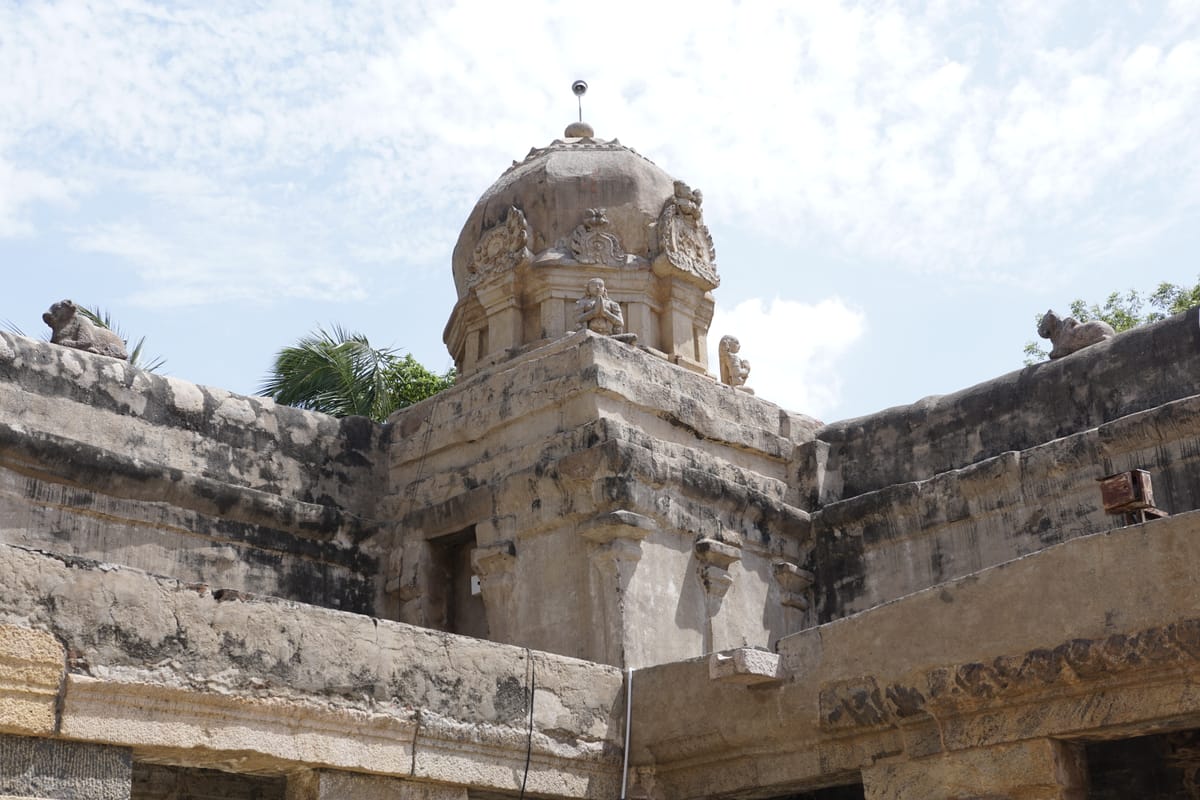
UNESCO 1987Cultural Heritage
Tamil Nadu
Great Living Chola Temples — Brihadeeswarar Temple
The principal temple of the Great Living Chola Temples UNESCO site, a masterpiece of Dravidian…
Explore Temple
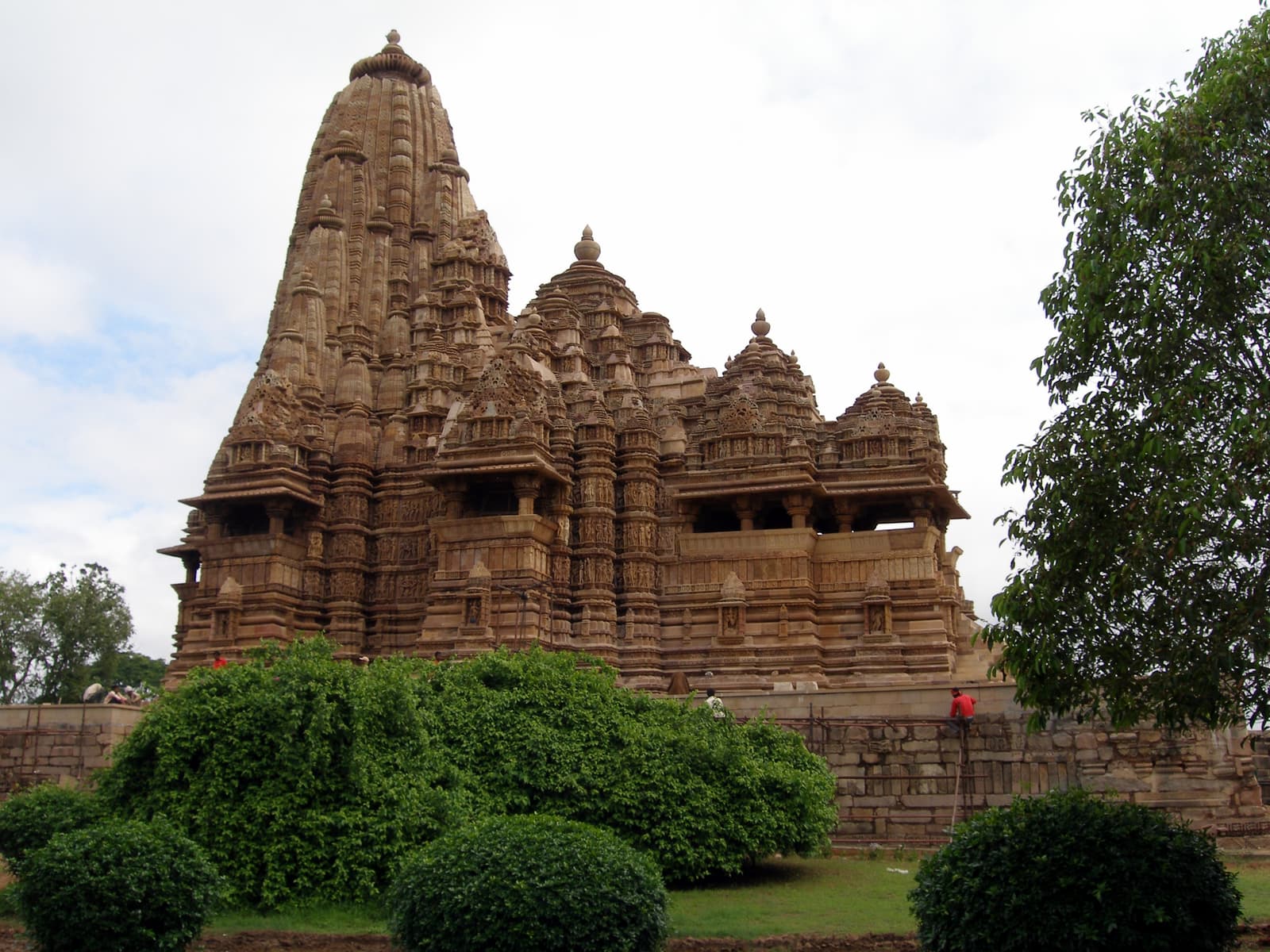
UNESCO 1986Cultural Heritage
Madhya Pradesh
Khajuraho Group of Monuments
The largest and most ornate Hindu temple in the Khajuraho Group of Monuments.
Explore Temple
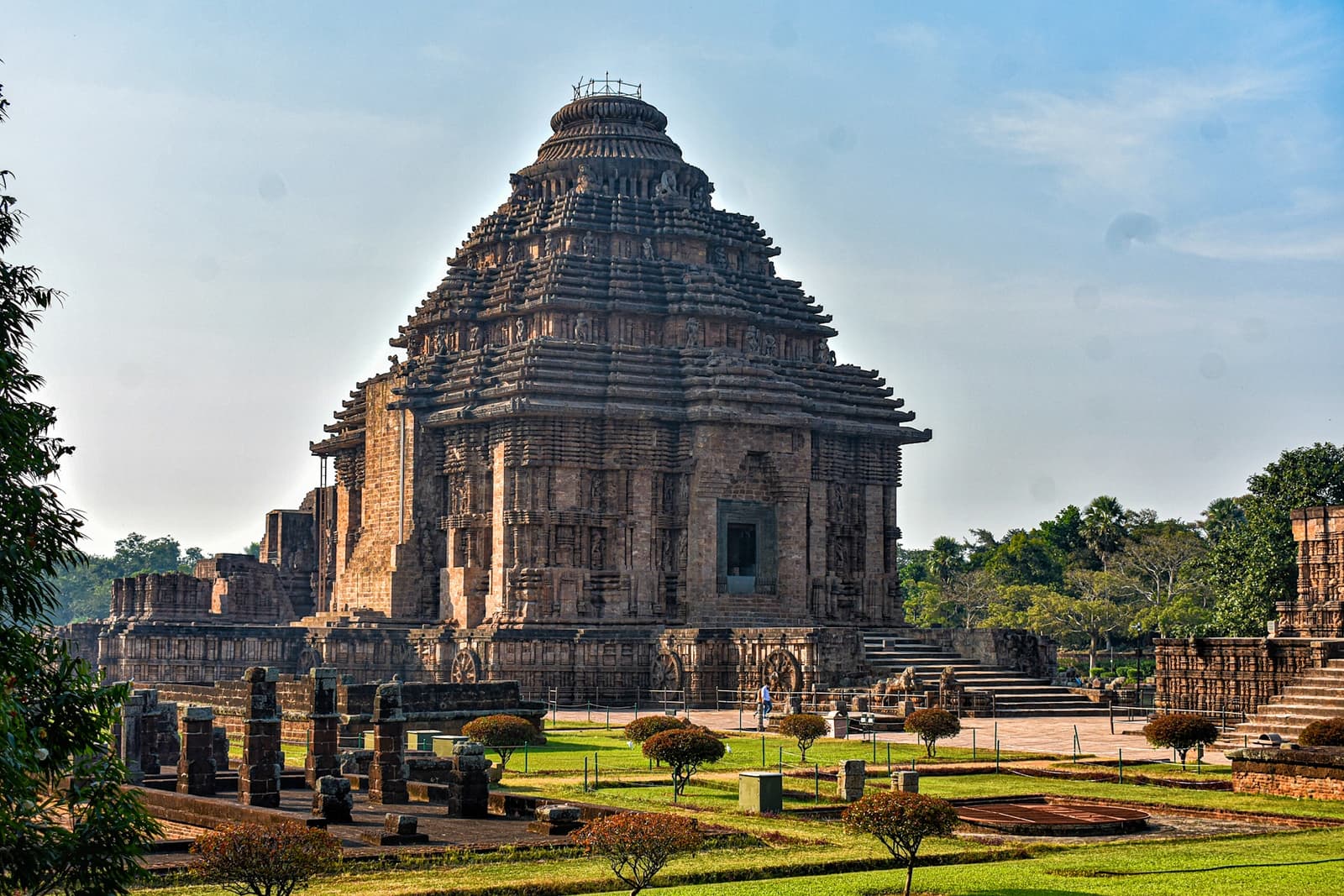
UNESCO 1984Cultural Heritage
Odisha
Sun Temple, Konark
A 13th-century Sun Temple built as a giant stone chariot with 24 wheels, drawn by…
Explore Temple
UNESCO 1986Cultural Heritage
Karnataka
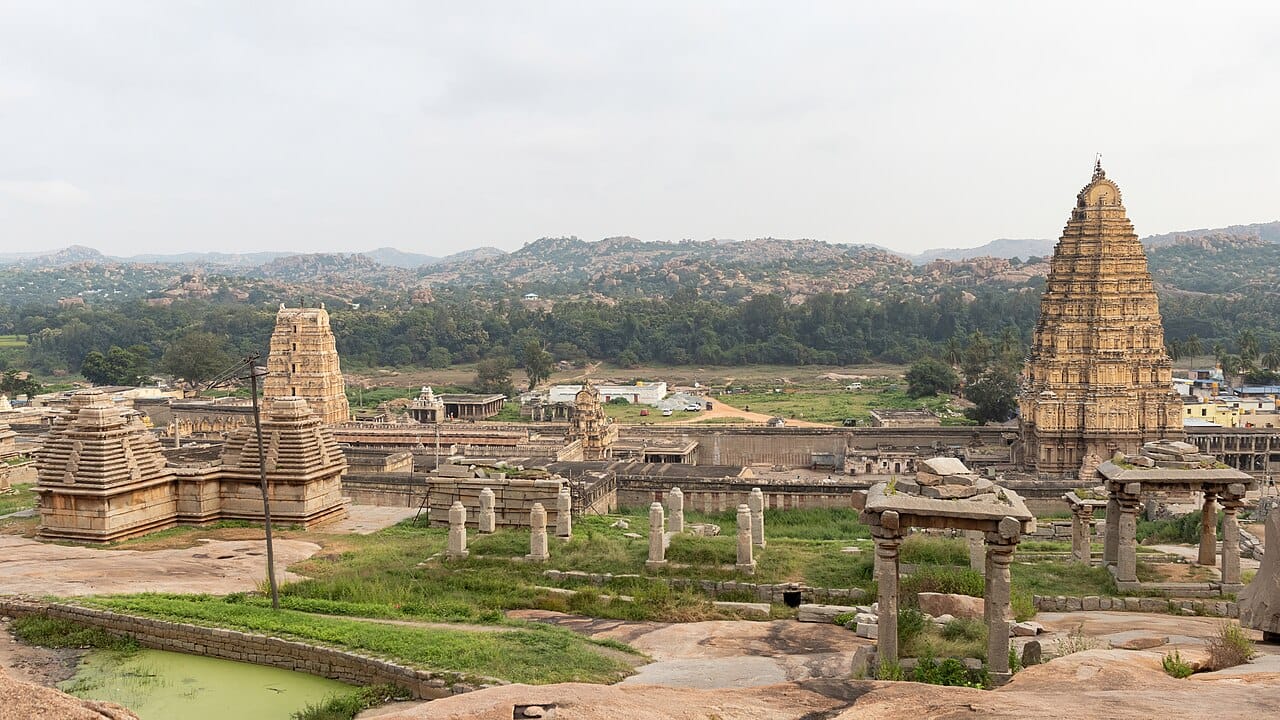
Hampi Group (Virupaksha Temple)
The Virupaksha Temple is the most iconic monument of Hampi, a UNESCO World Heritage site…
Explore Temple
Famous Temples You May Like
Ladakh
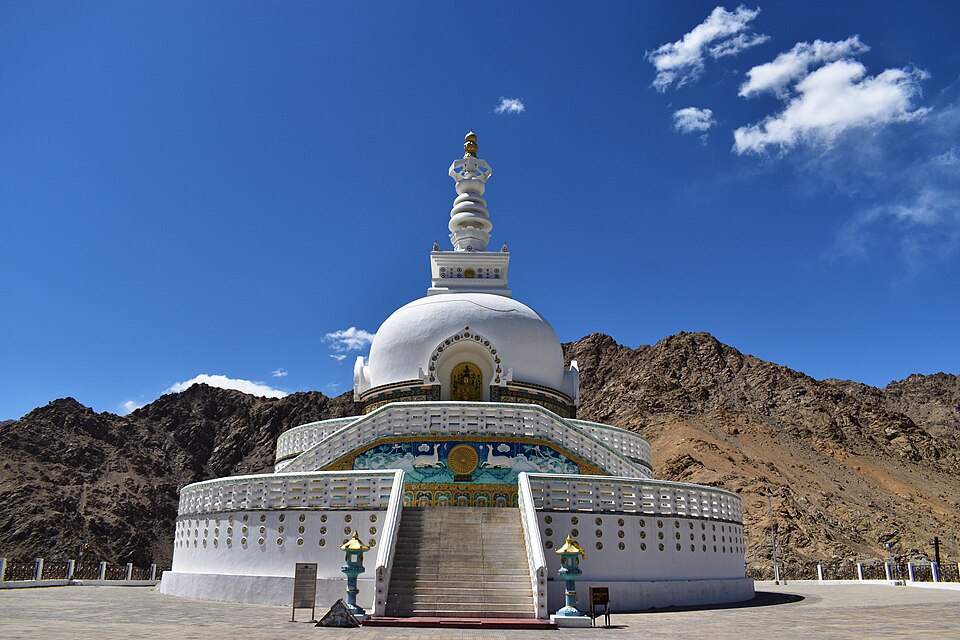
Shanti Stupa
A magnificent white-domed Buddhist stupa offering panoramic views of Leh city and the surrounding snow-capped…
Explore Temple
Ladakh
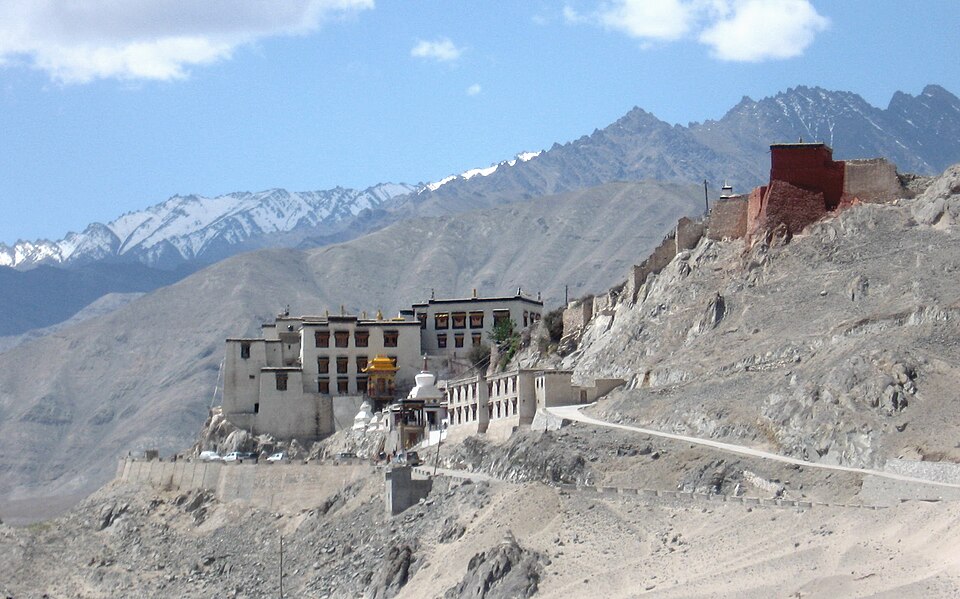
Spituk Monastery
An impressive 11th-century Gompa overlooking the Indus River, known for its giant statue of Kali…
Explore Temple
Ladakh
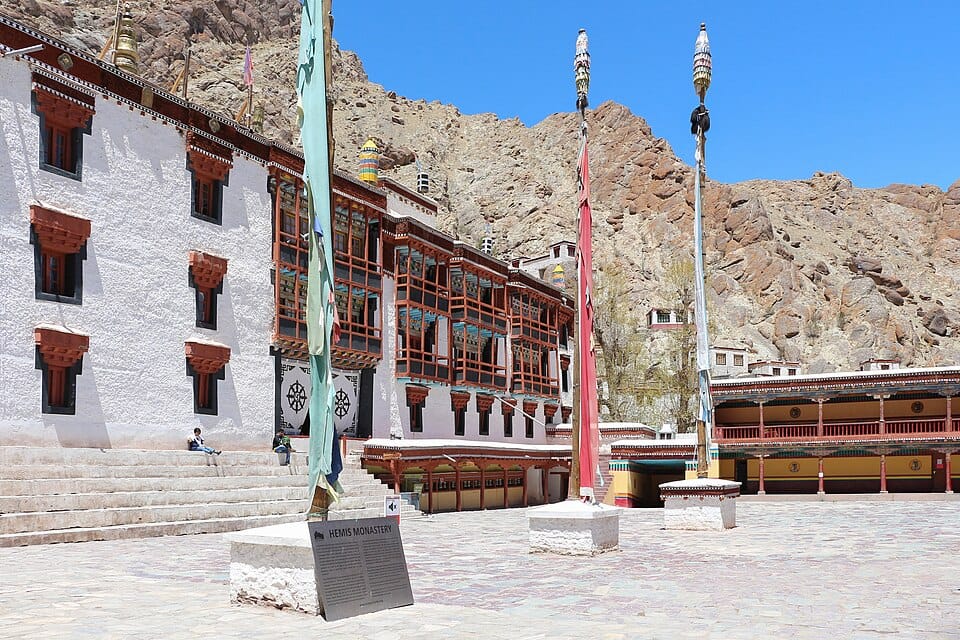
Hemis Monastery
The largest and wealthiest monastery in Ladakh, with a collection of ancient artifacts and the…
Explore Temple
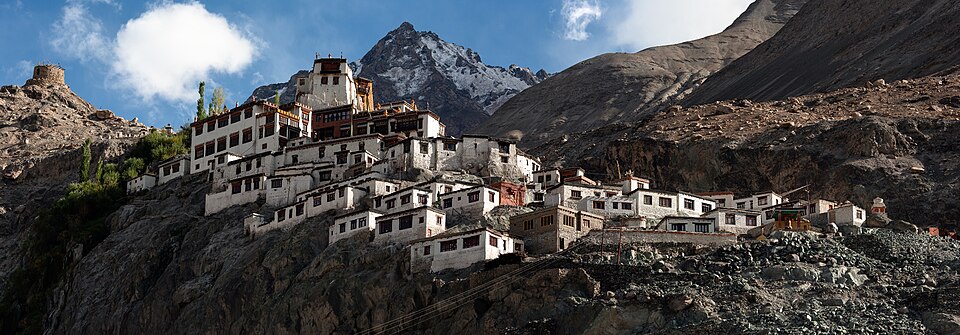
Ladakh
Diskit Monastery
The oldest and largest monastery in the Nubra Valley, featuring a towering 106-foot statue of…
Explore Temple
Heritage Fact
"The Ellora Caves feature 34 monasteries and temples, including the massive monolithic Kailasa Temple."