

Re-established in 1672 by the Ladakhi king Sengge Namgyal, Hemis has enjoyed royal patronage for centuries, which accounts for its wealth and extensive collection of treasures. It is intrinsically linked to the teachings of the great master Naropa.

Sacred Heritage
Hemis Monastery
Hemis (45 km from Leh), Ladakh
State:Ladakh
District:Hemis (45 km from Leh)
Why This Temple Matters
Key Takeaways
- Tibetan Buddhist (Fortress-like Dzong Style) architecture
- Built by the Namgyal Dynasty (1672) dynasty
- Located in Hemis (45 km from Leh), Ladakh
- Temple timings: 8:00 AM to 1:00 PM and 2:00 PM to 6:00 PM.
- Best visited: During the Hemis Festival (June/July) to witness the vibrant culture, though it will be very crowded. Summer months are best for access.
Quick Facts
- Location
- Hemis (45 km from Leh)
- Architecture
- Tibetan Buddhist (Fortress-like Dzong Style)
- Dynasty
- Namgyal Dynasty (1672)
- Timings
- 8:00 AM to 1:00 PM and 2:00 PM to 6:00 PM.
- Entry Fee
- Free
- Best Time
- During the Hemis Festival (June/July) to witness the vibrant culture, though it will be very crowded. Summer months are best for access.
Overview
The largest and wealthiest monastery in Ladakh, with a collection of ancient artifacts and the annual Hemis Festival.
History & Legacy
Religious & Cultural Significance
The Hemis Festival and its giant 12-year thangka are world-renowned. As the largest monastery in Ladakh, its wealth is reflected in an extensive collection of silver and gold artifacts.
Daily Rituals
Extensive daily prayers by hundreds of resident monks. The monastery also conducts long-term meditation retreats for serious practitioners in nearby caves.
Festivals & Celebrations
Festival
The Hemis Tsechu, celebrated in June/July, is Ladakh's most famous festival. It honors Guru Padmasambhava with spectacular masked dances (Cham). Every 12 years, a massive, sacred thangka of Padmasambhava is unfurled, drawing pilgrims from across the globe (next unfurling in 2028).
Interesting Facts
Hemis Festival, Wealth and Artifacts, Hidden Gorge Location
Frequently Asked Questions
Is there a museum inside?
A.
Yes, Hemis has an excellent, well-curated museum displaying ancient thangkas, statues, and weapons. There is a separate entry fee for it.
How much time is needed to explore Hemis?
A.
Given its size and the museum, allocate at least 2 to 3 hours for a comprehensive visit.
Answers are based on verified information. Site rules may change — verify locally before visiting.
Sources & References
Ministry of Tourism, Government of India
"Ministry of Tourism — official destination information"
View SourceLinks Last Checked
30 September 2026
Related Temples
Same State
Gurudwara Pathar Sahib
A highly revered Sikh shrine maintained by the Indian Army, housing a massive boulder bearing…
Shanti Stupa
A magnificent white-domed Buddhist stupa offering panoramic views of Leh city and the surrounding snow-capped…
Spituk Monastery
An impressive 11th-century Gompa overlooking the Indus River, known for its giant statue of Kali…
Diskit Monastery
The oldest and largest monastery in the Nubra Valley, featuring a towering 106-foot statue of…
Visiting as an International Traveller
Foreign visitor information is being researched
Please verify with the official authority for this site before planning your visit.
Entry Status
Foreign Visitors
Verify Before VisitingVisitor Information
Entry policies are set by each site — confirm before travelling.
Entry rules for international visitorsWho can enter, permits, and what to expect at the gate.Dress Code
Modest clothing is expected — a sign of respect, not a restriction.
Shoulders covered
Knees covered
Shoes removed before entry
Head covering (women)
Rain gear available
Warm layers (winter)
Photography Guide
Outside
Inside
Flash
Drone
Tripod
Commercial
Best Time to Visit
Peak Season
During the Hemis Festival (June/July) to witness the vibrant culture, though it will be very crowded. Summer months are best for access.
Moderate to High — comfortable weather
Summer
April — June
Low — hot plains, pleasant hills
Monsoon
July — September
Low — lush landscape, travel delays possible
Language & Communication
Understanding Temple Traditions
These short explanations help make sense of what you see and experience.
Tips for International Visitors
Temple vocabulary and ritualsDarshan, pradakshina, prasadam, aarti, hundi and mandapa.Currency, donations and queuesCash, UPI, donation etiquette and how long entry queues take.Photography etiquetteSignage, flash, selfie sticks and photographing other visitors.Festival crowds and safetyAdvance booking, road closures, belongings and offline maps.
Essential Contacts
Police / Ambulance / Fire: 112 (National Emergency Number)
Tourist Helpline: 1800-111-363 (Multi-lingual, Ministry of Tourism)
Women's Helpline: 1091
Travel Preparation Checklist
Packing Checklist for Hemis Monastery
Continue Reading
Rules change — confirm current policies with the site's authority before you travel.
Site-verified visitor data pending. See our sources and methodology.
By Naveen singh negi
Ladakh
Namgyal Dynasty (1672)
Buddhist Monastery
Explore More Sacred & Heritage Sites
Related heritage monuments, regional traditions, and pilgrimage connections.
UNESCO Temple Heritage Sites
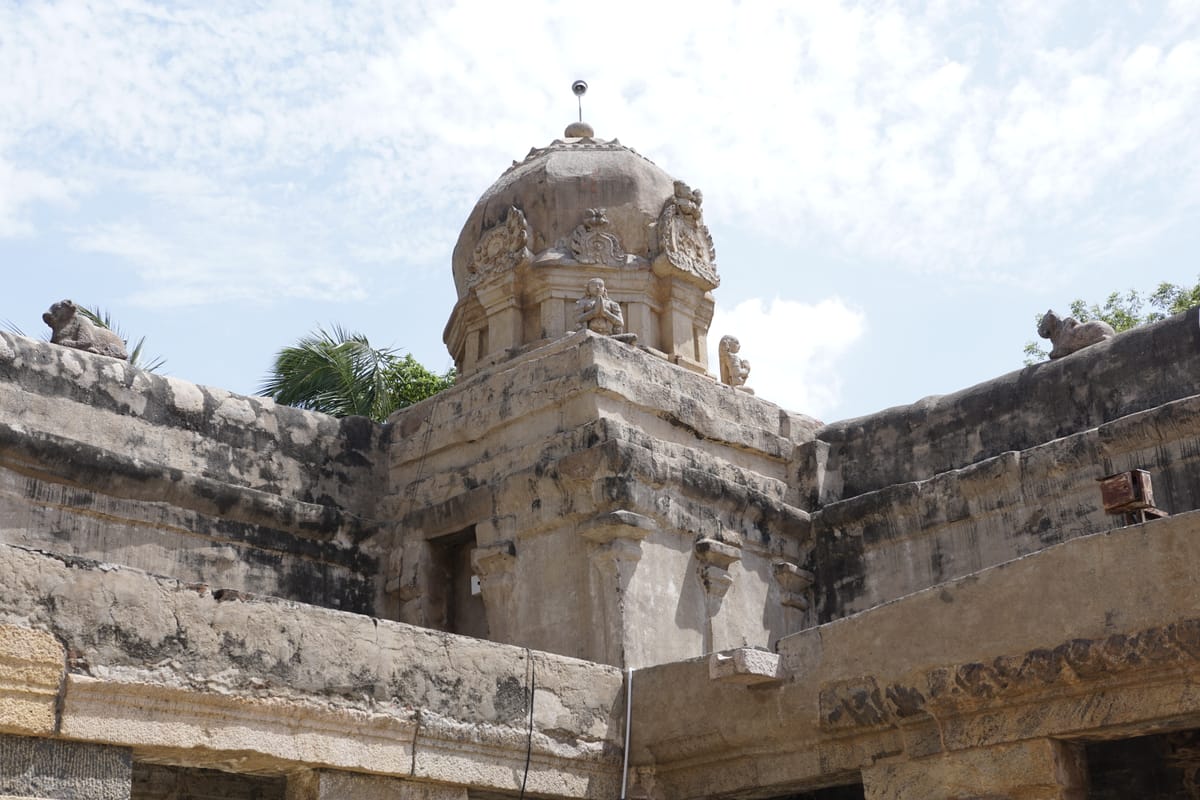
UNESCO 1987Cultural Heritage
Tamil Nadu
Great Living Chola Temples — Brihadeeswarar Temple
The principal temple of the Great Living Chola Temples UNESCO site, a masterpiece of Dravidian…
Explore Temple
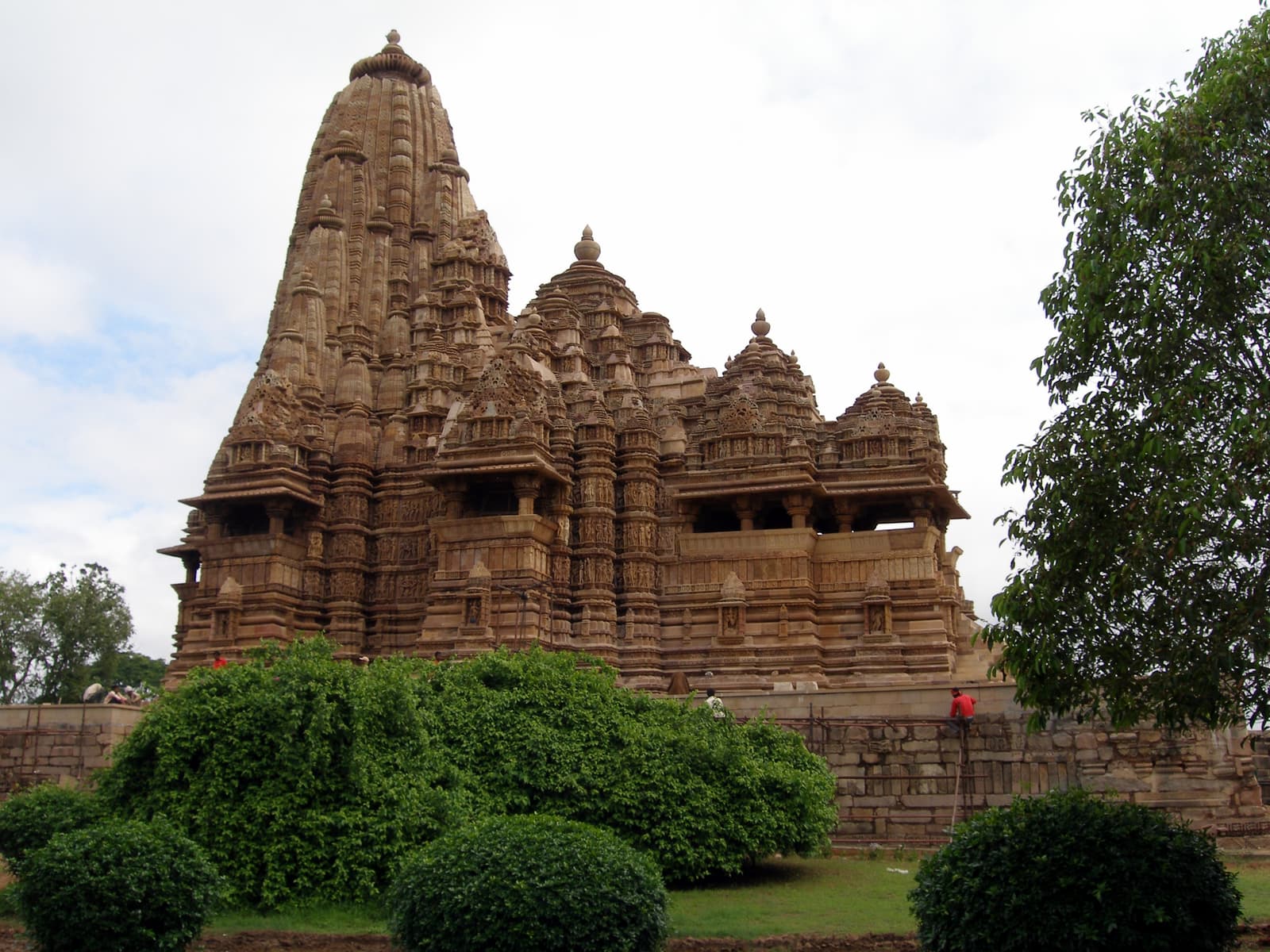
UNESCO 1986Cultural Heritage
Madhya Pradesh
Khajuraho Group of Monuments
The largest and most ornate Hindu temple in the Khajuraho Group of Monuments.
Explore Temple
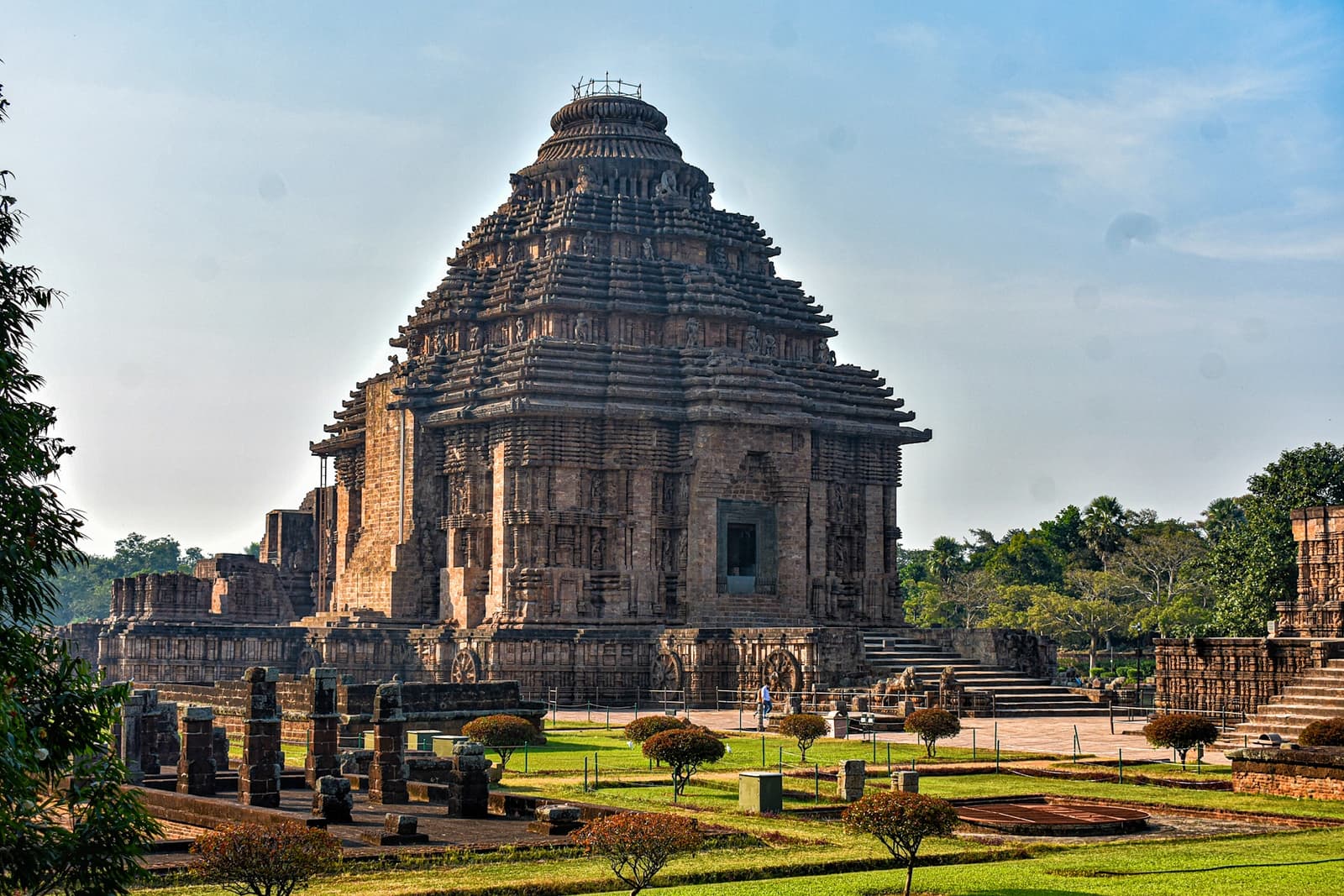
UNESCO 1984Cultural Heritage
Odisha
Sun Temple, Konark
A 13th-century Sun Temple built as a giant stone chariot with 24 wheels, drawn by…
Explore Temple
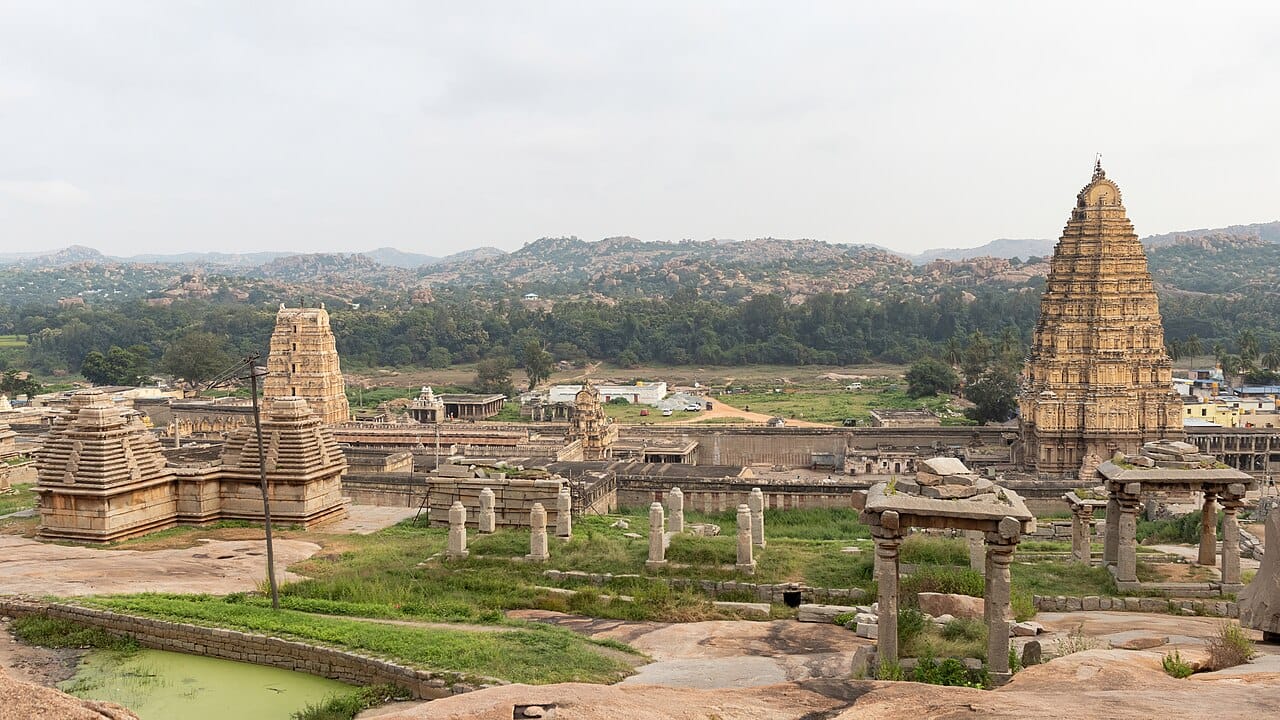
UNESCO 1986Cultural Heritage
Karnataka
Hampi Group (Virupaksha Temple)
The Virupaksha Temple is the most iconic monument of Hampi, a UNESCO World Heritage site…
Explore Temple
Famous Temples You May Like
Ladakh
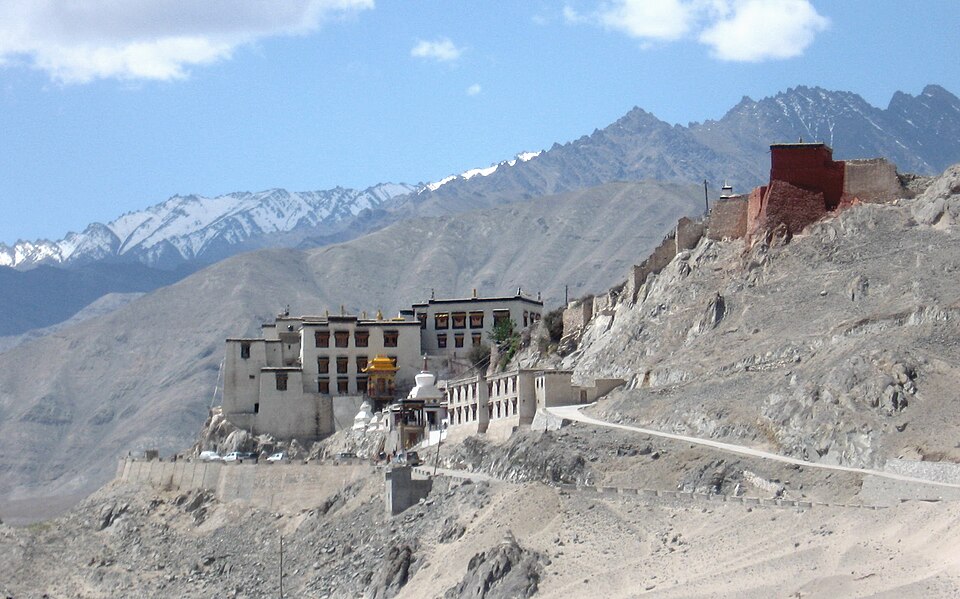
Spituk Monastery
An impressive 11th-century Gompa overlooking the Indus River, known for its giant statue of Kali…
Explore Temple
Ladakh
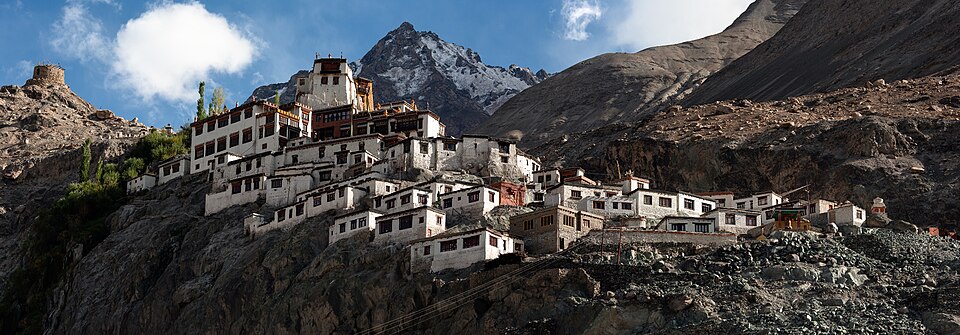
Diskit Monastery
The oldest and largest monastery in the Nubra Valley, featuring a towering 106-foot statue of…
Explore Temple
Ladakh
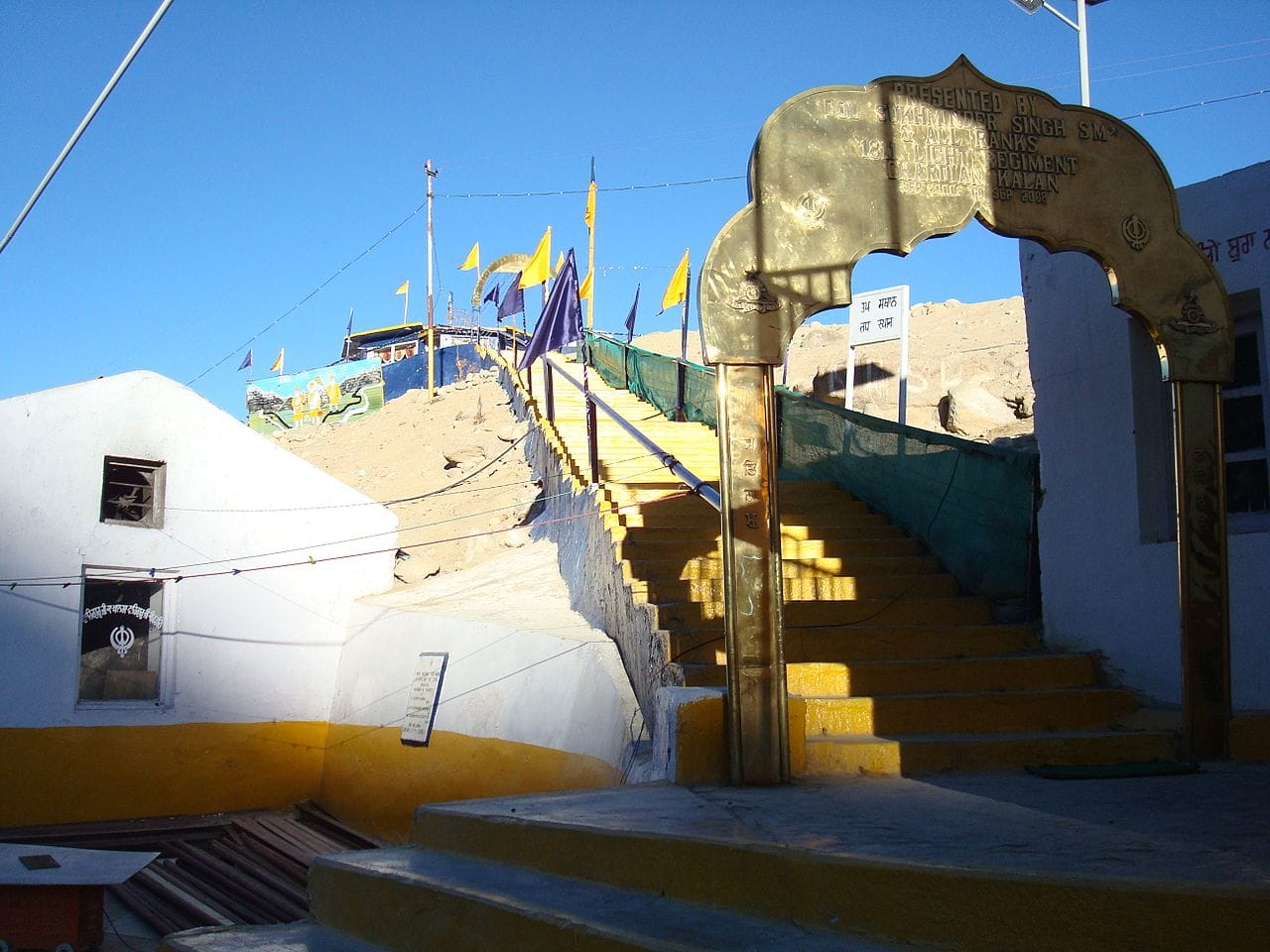
Gurudwara Pathar Sahib
A highly revered Sikh shrine maintained by the Indian Army, housing a massive boulder bearing…
Explore Temple
Ladakh
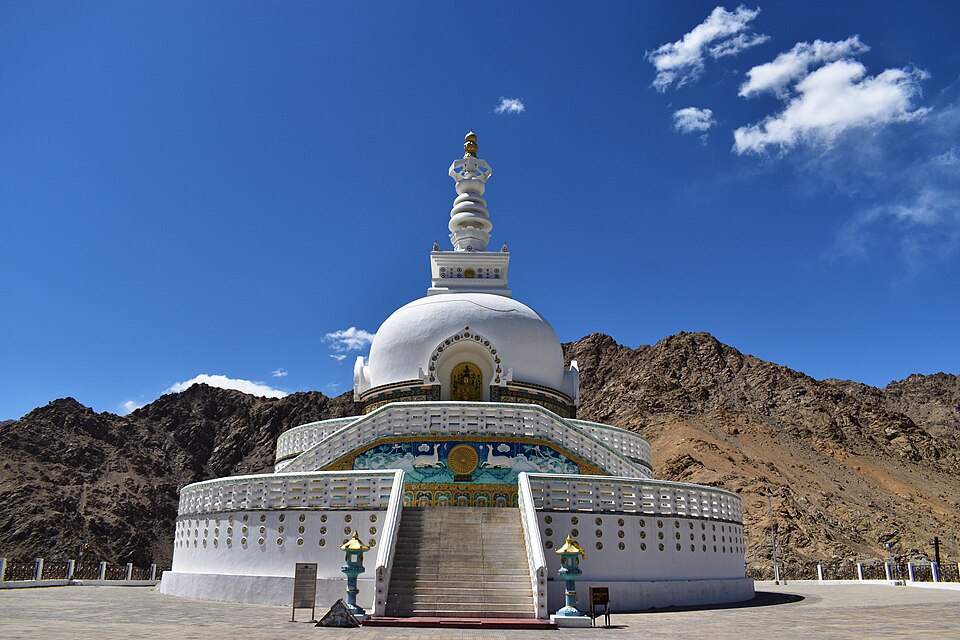
Shanti Stupa
A magnificent white-domed Buddhist stupa offering panoramic views of Leh city and the surrounding snow-capped…
Explore Temple
Heritage Fact
"UNESCO was founded in 1945 to promote world peace and security through international cooperation."