Imperial Dynasty
Chalukya Dynasty
The Chalukya dynasty was one of classical and early medieval India's greatest imperial dynasties, governing the Deccan plateau and peninsular India across six centuries. Rather than a single continuous monarchy, the Chalukyas flourished as three distinct sovereign houses: the Early (Badami) Chalukyas (c. 543–753 CE), the Eastern Chalukyas of Vengi (c. 624–1075 CE), and the Western (Kalyani) Chalukyas (c.
973–1189 CE). Founded at Vatapi by Pulakeshin I, the dynasty created the distinctive Vesara architectural style across Aihole, Badami, and Pattadakal, repelled Emperor Harsha's northern army on the Narmada, and shaped medieval peninsular statecraft before fragmenting into the Hoysala, Seuna, and Kakatiya kingdoms.
Badami (early), Kalyani/Basavakalyan (later)
circa 543–753 CE (Badami), 973–1189 CE (Kalyani)
11 Temples
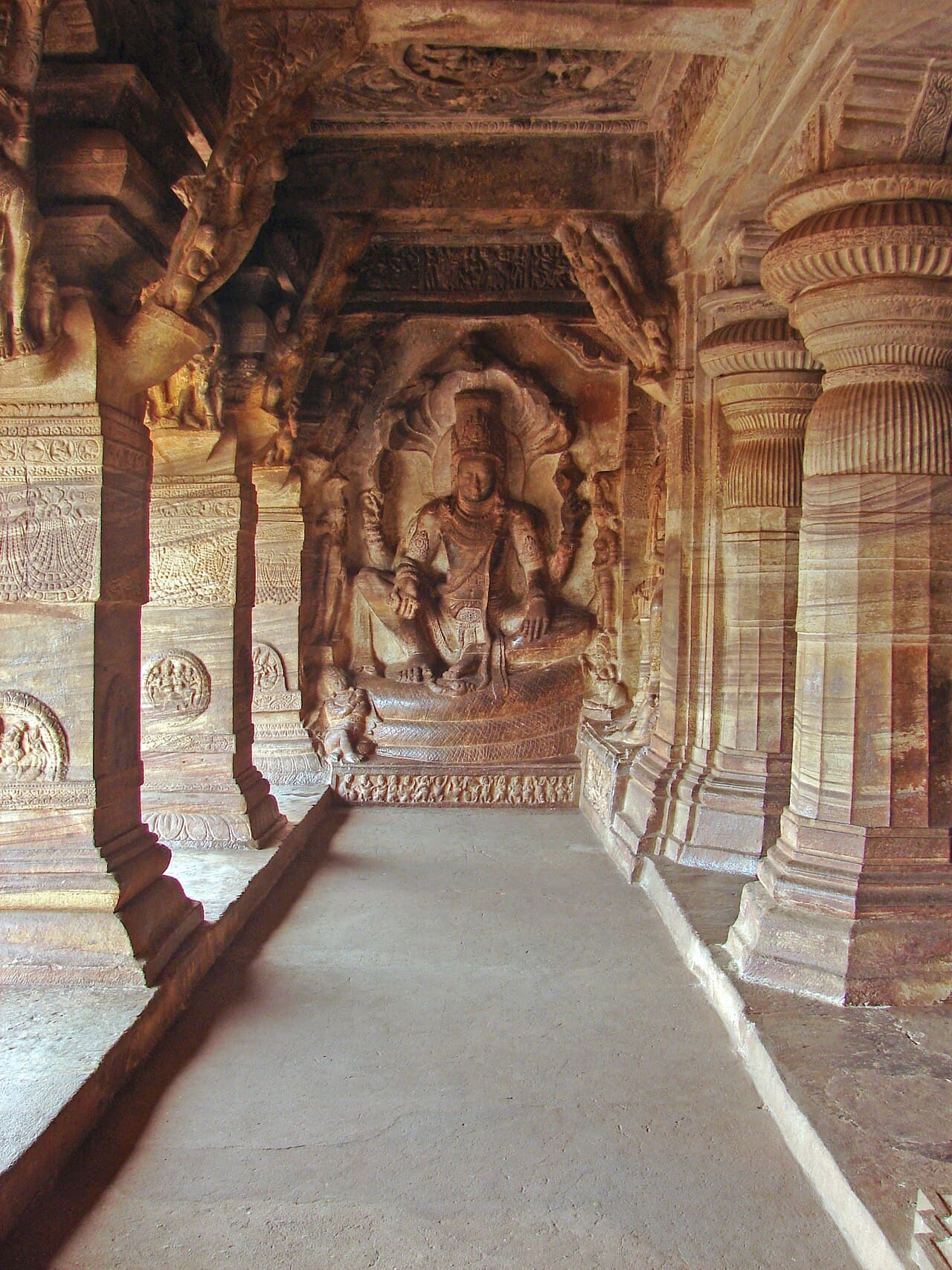
Contents: Chalukya Dynasty Guide
Quick Reference & Verified Facts
Imperial HousesBadami Chalukyas (Early), Eastern Chalukyas (Vengi), Western Chalukyas (Kalyani)
Chronological Spanc. 543–753 CE (Badami), c. 624–1075 CE (Vengi), c. 973–1189 CE (Kalyani)
Imperial SeatsVatapi (modern Badami), Vengi/Rajahmundry, Manyakheta, and Kalyani (Basavakalyan)
Royal InsigniaVaraha (boar avatar of Vishnu), signifying cosmic restoration and imperial sovereignty
Primary EpigraphyBadami Cliff (543 CE), Mahakuta Pillar (c. 602 CE), Aihole Prashasti of Ravikirti (634 CE)
Apex Badami MonarchPulakeshin II (r. c. 610–642 CE; repelled Harsha on the Narmada River)
Apex Kalyani MonarchVikramaditya VI (r. 1076–1126 CE; founded Chalukya-Vikrama era; patron of Bilhana and Vijnaneshvara)
Architectural LegacyCrucible of Vesara style; rock-cut Badami caves; structural monuments of Aihole and Pattadakal (UNESCO 239)
Legal & Literary MilestonesMitakshara of Vijnaneshvara (Hindu civil law); Vikramankadevacharita of Bilhana; Telugu Mahabharatamu
Successor PolitiesHoysalas of Dorasamudra, Seunas/Yadavas of Devagiri, Kakatiyas of Warangal
Origins, Dynastic Branches & Imperial Founders
The Chalukyas established peninsular India's pre-eminent imperial realm following the disintegration of the Kadambas of Banavasi and the Vakatakas. Originating in northern Karnataka, the dynasty claimed descent from the solar and lunar races in later court genealogies, though contemporary epigraphy establishes their roots in the rugged sandstone canyon of Vatapi (modern Badami, Bagalkot district, Karnataka).
A critical historical distinction must be drawn between the three separate branches of the Chalukya family. Historical surveys that treat the Chalukyas as an unbroken six-century monarchy obscure fundamental geopolitical shifts, distinct capitals, and independent administrative developments.
The Badami Chalukyas (c. 543–753 CE) constituted the original sovereign house. Pulakeshin I founded this imperial seat in 543 CE by fortifying the Vatapi cliff and performing Vedic horse sacrifices. This house governed the western Deccan until overthrown by the Rashtrakutas.
The Eastern Chalukyas of Vengi (c. 624–1075 CE) originated when Pulakeshin II appointed his younger brother Kubja Vishnuvardhana as viceroy over coastal Andhra. The branch quickly evolved into an independent kingdom, outlasting the Badami house and patronizing early Telugu literature before merging matrimonially with the Imperial Cholas.
The Western Chalukyas of Kalyani (c. 973–1189 CE), also known as the Later Chalukyas, arose when Tailapa II overthrew Rashtrakuta rule in 973 CE. Ruling first from Manyakheta and later from Kalyani (modern Basavakalyan), they fought extensive wars against the Cholas and developed rich soapstone temple architecture.
Imperial Sovereign Matrix Across Chalukya Houses
Regnal horizons follow epigraphical records edited in Epigraphia Indica and standard histories by K.A. Nilakanta Sastri.
| Ruler | Reign | Why this ruler matters | How we know |
|---|---|---|---|
| Pulakeshin I | c. 543–566 CE | Fortified the natural sandstone citadel of Vatapi; performed the Ashvamedha, Hiranyagarbha, and Agnistoma sacrifices to assert sovereign status. | Badami Cliff Inscription of Saka 465 (543 CE). |
| Kirtivarman I | c. 566–597 CE | Subjugated the Kadambas of Banavasi, Mauryas of Konkan, and Nalas; initiated the excavation of the rock-cut cave temples at Badami. | Mahakuta Pillar Inscription; Chiplun copper plates. |
| Mangalesha | c. 597–609 CE | Defeated Kalachuri king Buddharaja; completed the grand rock-cut Vishnu cave (Cave 3) at Badami; defeated in civil war by nephew Pulakeshin II. | Badami Cave 3 Inscription dated Saka 500 (578 CE); Nerur plates. |
| Pulakeshin II | c. 610–642 CE | Expanded realm across the Deccan; defeated Emperor Harsha on the Narmada River; subjugated Pallava Mahendravarman I; appointed brother to Vengi; killed during Pallava sack of Vatapi. | Aihole Inscription of Ravikirti (634 CE); Xuanzang's Si-Yu-Ki. |
| Vikramaditya I | c. 655–680 CE | Restored Chalukya fortunes after the Pallava occupation; drove out southern garrisons; captured Kanchipuram and reunited the realm. | Gadval and Hyderabad copper-plate grants. |
| Vijayaditya | c. 696–733 CE | Enjoyed a long, prosperous reign of 37 years marked by peaceful civic building; constructed the grand Sangameshwara Temple at Pattadakal. | Mayalur plates; Pattadakal temple epigraphs. |
| Vikramaditya II | c. 733–744 CE | Invaded Kanchipuram three times; spared the Pallava capital from destruction; inscribed gifts on the Kailasanathar Temple; sponsored Virupaksha Temple at Pattadakal. | Kanchipuram Kailasanathar pillar inscription; Pattadakal inscriptions. |
| Kubja Vishnuvardhana | c. 624–641 CE | Founded the Eastern Chalukya dynasty of Vengi; established independent sovereign administration over coastal Andhra between Krishna and Godavari. | Timmapuram plates; Chipurupalle copper plates. |
| Tailapa II | c. 973–997 CE | Overthrew Rashtrakuta emperor Karka II; re-established Western Chalukya sovereignty across the western Deccan from Manyakheta. | Gadag inscription; Nilgund plates. |
| Someshvara I (Ahavamalla) | c. 1042–1068 CE | Shifted the imperial capital to Kalyani; engaged in fierce conflicts with Chola monarchs Rajadhiraja I and Rajendra II; ended life via ritual drowning in the Tungabhadra. | Bilhana's Vikramankadevacharita; South Indian Inscriptions. |
| Vikramaditya VI | 1076–1126 CE | Inaugurated the Chalukya-Vikrama era (1076 CE); presided over the cultural zenith of Kalyani; patronized poet Bilhana and jurist Vijnaneshvara. | Yevur inscription; Mitakshara legal treatise; Vikramankadevacharita. |
Chronological Milestones of the Chalukya Realm
Dates follow primary epigraphy from Epigraphia Indica and archaeological reports of the Archaeological Survey of India.
| Date | Event |
|---|---|
| 543 CE (Saka 465) | Pulakeshin I establishes the Badami fortress and performs the Ashvamedha (Recorded on the Badami cliff inscription; earliest confirmed Chalukya imperial record.) |
| 578 CE (Saka 500) | Mangalesha consecrates the grand rock-cut Vishnu Cave (Cave 3) at Badami (Commemorates the excavation during the reign of his elder brother Kirtivarman I.) |
| c. 610 CE | Pulakeshin II ascends the Vatapi throne after overcoming domestic civil war (Civil strife between Mangalesha and Pulakeshin II detailed in the Aihole inscription.) |
| c. 618–619 CE | Pulakeshin II repels northern Emperor Harshavardhana on the Narmada River (Halts northern imperial expansion into peninsular India; recorded by Ravikirti and Xuanzang.) |
| c. 624 CE | Establishment of the Eastern Chalukya viceroyalty at Vengi under Kubja Vishnuvardhana (Evolves into an autonomous coastal Andhra dynasty lasting over four centuries.) |
| 634–635 CE (Saka 556) | Ravikirti carves the Sanskrit Aihole Prashasti at the Meguti Jain Temple (Key epigraphic benchmark for Badami genealogy, military geography, and Sanskrit poetry.) |
| 641 CE | Chinese Buddhist pilgrim Xuanzang visits the Chalukya kingdom (Records military discipline, fierce war elephants, religious tolerance, and public prosperity.) |
| 642 CE | Pallava King Narasimhavarman I captures and burns Vatapi; Pulakeshin II falls (Thirteen-year Pallava occupation ensues; Mamalla assumes the proud title Vatapikonda.) |
| c. 655 CE | Vikramaditya I liberates Vatapi and restores unified Badami Chalukya rule (Expels three successive Pallava kings and drives southern forces south of Kanchipuram.) |
| c. 740–745 CE | Consecration of the Virupaksha and Mallikarjuna temples at Pattadakal (Commissioned by Queens Lokamahadevi and Trailokyamahadevi; architect Gundan Anivaritachari honored.) |
| c. 753 CE | Rashtrakuta chieftain Dantidurga overthrows Kirtivarman II (Ends the Badami Chalukya royal house; transfers Deccan hegemony to Manyakheta.) |
| 973 CE | Tailapa II overthrows Rashtrakuta Karka II, founding the Western Chalukyas of Kalyani (Marks the revival of Western Chalukya imperial authority after two centuries.) |
| 1054 CE | Battle of Koppam fought on the Tungabhadra between Western Chalukyas and Cholas (Chola King Rajadhiraja I killed on elephant back; brother Rajendra II crowned on battlefield.) |
| 1070 CE | Eastern Chalukya prince Rajendra Chalukya ascends the Chola throne as Kulottunga I (Permanently unites the Eastern Chalukya and Imperial Chola crowns.) |
| 1076 CE | Vikramaditya VI crowns himself at Kalyani and institutes the Chalukya-Vikrama era (Golden age of Western Chalukya literature, legal scholarship, and soapstone architecture.) |
| 1189 CE | Western Chalukya empire dissolves into successor kingdoms (Imperial lands divided among the Hoysalas, Seunas/Yadavas, and Kakatiyas.) |
Military Statecraft: The Battle of Narmada & The Pallava Rivalry
The military reputation of the Badami Chalukyas rested upon two defining historical conflicts: the defense of the Deccan against the northern emperor Harshavardhana, and a prolonged geopolitical duel with the Pallavas of Kanchipuram.
In the early 7th century CE, Emperor Harsha of Kannauj consolidated supremacy across northern India and attempted to extend his empire south of the Vindhya mountains. Pulakeshin II mobilized the confederacy of Maharashtra to contest Harsha's march on the banks of the Narmada River around 618–619 CE.
The Aihole Inscription records this triumph with classical poetic wit, noting that Harsha's joy (harsha) was melted away by fear when his hosts of war elephants fell before Pulakeshin's disciplined lines. Xuanzang, visiting the Deccan in 641 CE, confirmed that Harsha gathered troops from across the five Indies but was unable to subdue the proud people of Mo-ha-la-ch'a under Pulakeshin.
To the south, the Chalukyas clashed with the rising Pallava dynasty. Pulakeshin II defeated Mahendravarman I near Pullalur, compelling the Pallava king to retreat behind the fortified walls of Kanchipuram.
However, the conflict escalated under Mahendravarman's successor, Narasimhavarman I (Mamalla). In 642 CE, Mamalla launched a counter-offensive into Karnataka, routing Chalukya armies at Manimangala and storming Vatapi.
Pulakeshin II was killed defending his capital, and the Pallavas occupied Vatapi for thirteen years, engraving celebratory victory inscriptions upon rocks at Badami. The state was rescued by Pulakeshin's brilliant son, Vikramaditya I, who expelled the invaders and captured Kanchipuram.
This peninsular rivalry reached its cultural climax under Vikramaditya II (r. 733–744 CE). Having captured Kanchipuram three times, Vikramaditya II demonstrated exceptional statesmanship by sparing the city, protecting its citizens, and restoring gold to the revered Kailasanathar Temple.
Comparative Matrix of the Three Chalukya Dynastic Houses
Comparative structural analysis showing geographical centers, chronological arcs, and legacies of each house.
| Feature | ||||
|---|---|---|---|---|
| Chronological Span | c. 543–753 CE (approx. 210 years) | c. 624–1075 CE (over 450 years) | c. 973–1189 CE (over 215 years) | |
| Imperial Capital | Vatapi (Badami, Karnataka) | Vengi, later Rajahmundry (Andhra) | Manyakheta, then Kalyani (Karnataka) | |
| Dynastic Founder | Pulakeshin I (fortified Vatapi 543 CE) | Kubja Vishnuvardhana (viceroy c. 624 CE) | Tailapa II (overthrew Rashtrakutas 973 CE) | |
| Primary Building Material | Red sandstone (rock-cut & structural) | Granite, sandstone, and stucco | Chloritic schist (fine-grained soapstone) | |
| Architectural Zenith | Pattadakal (UNESCO 239), Badami, Aihole | Draksharama, Biccavolu, Samalkot | Itagi Mahadeva Temple, Lakkundi, Kuruvatti | |
| Literary & Cultural Milestones | Sanskrit kavya (Ravikirti at Aihole) | Early Telugu literature (Nannaya Bhatta) | Sanskrit (Bilhana, Vijnaneshvara); Kannada | |
| Manner of Dissolution | Overthrown by Rashtrakuta Dantidurga | Merged with Cholas under Kulottunga I | Dissolved into Hoysalas, Seunas, Kakatiyas |
Architectural Evolution: The Vesara Crucible at Aihole, Badami & Pattadakal
The Chalukyas transformed Indian temple architecture by creating the Vesara style—a sophisticated synthesis of northern Nagara (curvilinear spires) and southern Dravida (stepped pyramidal vimanas) traditions. The upper Malaprabha River valley in Karnataka served as the experimental crucible for this monumental transformation.
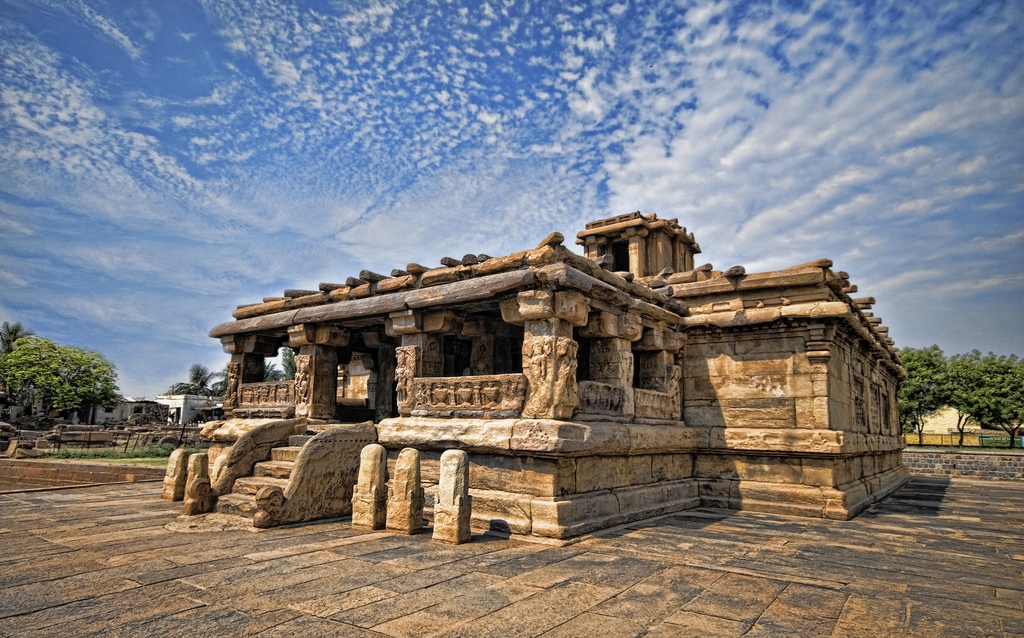
Aihole, housing over 125 surviving stone temples, is celebrated as the cradle of Indian temple architecture. The famous Durga Temple at Aihole exemplifies this experimental spirit.
Built with an apsidal (gajaprishtha or elephant-back) ground plan inspired by Buddhist chaitya halls, the Durga Temple features a pillared circumambulatory veranda wrapped around a sanctum that was crowned with a northern Nagara shikhara. Despite its modern name, the temple was originally dedicated to Surya or Vishnu and derived its name from its location near the town fortress (durg).
Nearby, the Lad Khan Temple illustrates early structural adaptations of timber-framed mandapa architecture into solid sandstone masonry, featuring central clerestory roofs and perforated stone lattice windows.
At Badami, the Chalukyas perfected rock-cut architecture in four monumental cave sanctuaries excavated into sheer sandstone bluffs overlooking Agastya Lake. Cave 1 is dedicated to Shiva, displaying an 18-armed dancing Nataraja executing 81 classical dance postures.
Cave 2 and Cave 3 are dedicated to Vishnu, with Cave 3 being the largest and most ornate, carrying an exact epigraphic date of 578 CE by King Mangalesha. Cave 4 represents the Jain tradition, housing fine bas-reliefs of Tirthankara Parshvanatha and Gommateshwara (Bahubali) meditating among forest vines.
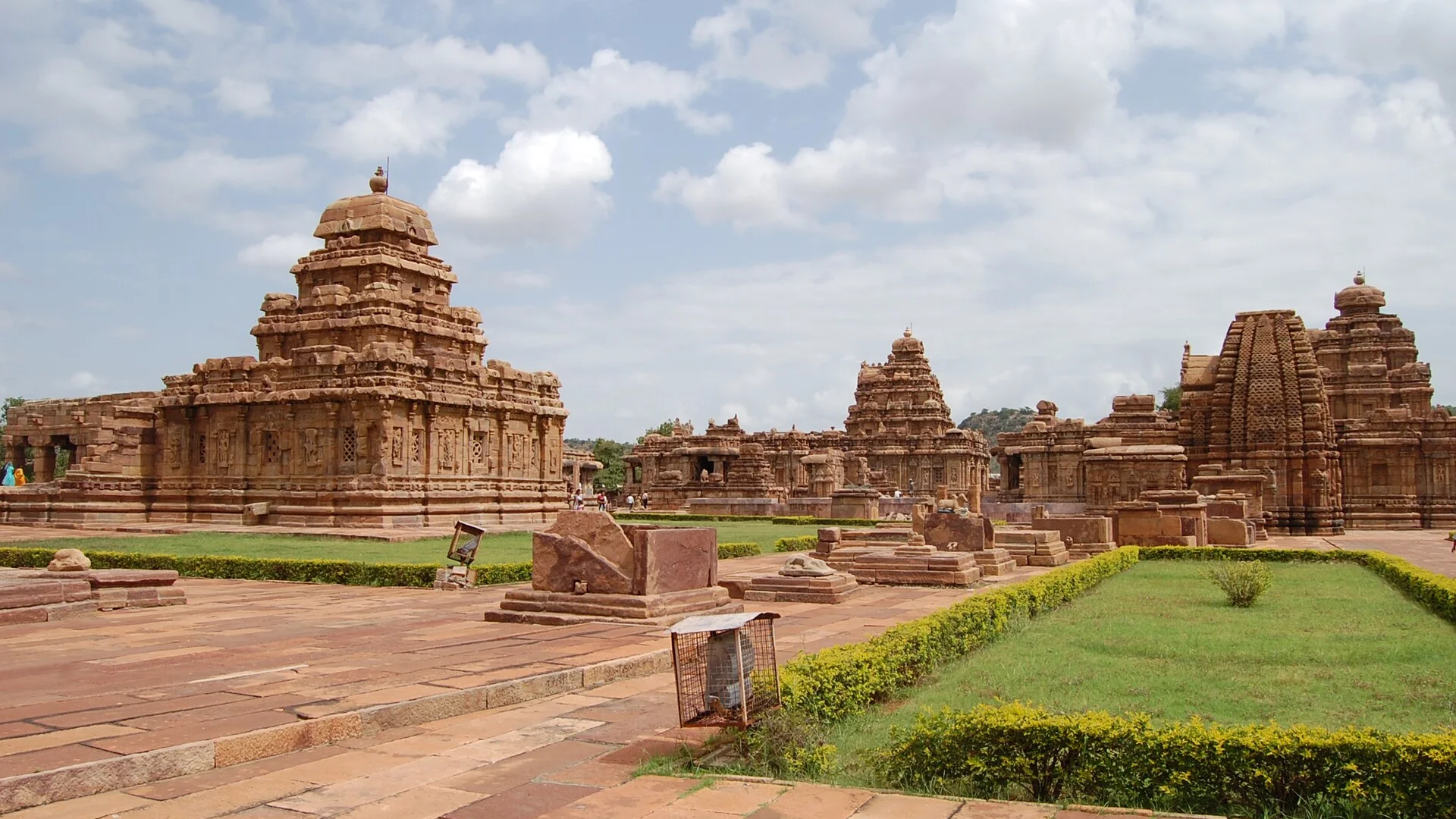
The artistic culmination of the Badami Chalukyas is preserved at Pattadakal, inscribed as a UNESCO World Heritage Site in 1987. Serving as the ceremonial coronation site (Pattada-kallu) of the dynasty, Pattadakal preserves Nagara and Dravida temples built side-by-side within a single sacred perimeter.
The grand Virupaksha Temple at Pattadakal was commissioned around 740 CE by Queen Lokamahadevi to commemorate Vikramaditya II's victory over the Pallavas. Directly modeled on the Kailasanathar Temple at Kanchipuram, it was constructed by master architect Gundan Anivaritachari, who was rewarded with the royal title Anikapuravastu Pitamaha (Grandfather of Architecture).
Adjacent Nagara temples, including the Papanatha, Galaganatha, and Kadasiddheshwara temples, feature curvilinear towers with ribbed amalaka finials, illustrating how Chalukya guilds fluidly navigated both architectural grammars.
In the 11th and 12th centuries, the Western Chalukyas of Kalyani evolved this idiom further. Replacing sandstone with fine-grained chloritic schist (soapstone), they developed star-shaped ground plans, lathe-turned circular pillars, and intricate decorative miniature niches. Masterpieces like the Mahadeva Temple at Itagi—praised in contemporary inscriptions as Devalaya Chakravarti (Emperor among Temples)—directly fathered the Hoysala architectural school of Belur and Halebidu.
Principal Monuments of the Chalukya Architectural Horizon
Classifications based on Archaeological Survey of India (ASI) site documentation and UNESCO World Heritage records.
| Monument Name | Location | Branch / Period | Architectural Style | Historical Significance |
|---|---|---|---|---|
| Durga Temple | Aihole, Bagalkot district | Badami (late 7th c. CE) | Apsidal Vesara (chaitya plan) | Unique elephant-back apsidal plan with colonnaded pradakshina and Nagara spire; originally dedicated to Surya/Vishnu. |
| Meguti Jain Temple | Aihole hilltop | Badami (dated 634 CE) | Dravida stone structural | Commissioned by poet Ravikirti; carries the famous 19-verse Sanskrit Aihole Prashasti on its eastern wall. |
| Lad Khan Temple | Aihole | Badami (c. 6th–7th c. CE) | Early structural mandapa | Shows conversion of wooden community hall plans into stone; dedicated to Shiva; features stone lattice screens. |
| Badami Rock-Cut Caves | Badami cliff | Badami (578 CE for Cave 3) | Rock-cut cave architecture | Four major caves: Cave 1 (Shiva Nataraja 18 arms), Caves 2 & 3 (Vishnu/Trivikrama), Cave 4 (Jain Bahubali/Parshvanatha). |
| Virupaksha Temple | Pattadakal (UNESCO 239) | Badami (c. 740 CE) | Dravida vimana | Built by Queen Lokamahadevi; modeled on Kanchi Kailasanathar; designed by royal architect Gundan Anivaritachari. |
| Papanatha Temple | Pattadakal (UNESCO 239) | Badami (c. 740 CE) | Nagara shikhara hybrid | Features an experimental blend of Nagara superstructure with elongated Dravida mandapa halls and Ramayana friezes. |
| Mahadeva Temple | Itagi, Koppal district | Kalyani (dated 1112 CE) | Western Chalukya soapstone | Built by general Mahadeva under Vikramaditya VI; hailed in epigraphs as Devalaya Chakravarti; direct ancestor of Hoysala style. |
| Kasi Vishveshvara | Lakkundi, Gadag district | Kalyani (11th c. CE) | Western Chalukya soapstone | Celebrated for intricate stepped vimana carvings, double-shrined plan, and delicate soapstone doorway filigree. |
Imperial Administration, Commercial Guilds & Religious Syncretism
The Chalukyan administrative apparatus balanced strong monarchical centralization with autonomous local institutions and corporate merchant guilds. The empire was partitioned into provinces (maharashtrakas or mandalas), typically governed by royal princes or trusted military commanders (dandanayakas).
Provinces were divided into districts (vishayas or rashtras) overseen by vishayapatis, which were further subdivided into sub-districts (bhuktis or bhogas) comprising clusters of villages (gramas).
At the village level, administration was conducted cooperatively by hereditary village headmen (gamundas or gavundas) alongside collegiate assemblies of elders (mahajanas). Inscriptions record that royal land grants often required the formal concurrence of the village mahajanas, who managed common lands, local water tanks, and civic disputes.
Commercial enterprise flourished under the protection of autonomous trans-regional merchant guilds. The most famous was the Ayyavole 500 (also known as the Ainnurruvar or the 500 Lords of Aihole).
Originating at Aihole under the patronage of the Badami Chalukyas, this elite mercantile corporation maintained its own armed guards, chartered trade caravans across peninsular India, and extended commercial networks to Southeast Asia.
In religion, the Chalukyas practiced royal syncretism. The sovereign house adopted the Varaha (boar) crest as their imperial emblem, commemorating Vishnu's cosmic rescue of the earth from the waters.
Monarchs sponsored grand Vedic sacrifices, including the Ashvamedha and Vajapeya, to validate their political authority. Concurrently, they built monumental Shaivite shrines at Mahakuta and Pattadakal, while generously patronizing Jain scholars and Buddhist establishments. Ravikirti, the court poet of Pulakeshin II, was an ardent Jain who built the Meguti Temple with royal support.
During the Western Chalukya era at Kalyani, the empire became an intellectual powerhouse. Under Vikramaditya VI, the Kashmiri scholar Bilhana authored the Vikramankadevacharita, while the jurist Vijnaneshvara composed the Mitakshara—a landmark legal commentary on the Yajnavalkya Smriti that established the legal foundation of Hindu inheritance across India for centuries.
Epigraphical Evidence & Historiographical Debates
Analysis of primary epigraphy, dating consensus, and academic controversies surrounding the Chalukya dynasty.
- Established by the evidence
Pulakeshin I was the independent founder of the imperial Chalukya dynasty.
While later genealogies mention shadowy ancestors Jayasimha and Ranaraga, the Badami Cliff Inscription of Saka 465 (543 CE) is the earliest authentic imperial record. It explicitly credits Pulakeshin I with fortifying Vatapi and performing the Ashvamedha sacrifice, confirming him as the true sovereign founder.
- Established by the evidence
Pulakeshin II defeated northern Emperor Harshavardhana on the Narmada River.
Corroborated independently by contemporary domestic and foreign sources: the Sanskrit Aihole Inscription (634 CE) composed by Ravikirti, and the travel accounts of Chinese pilgrim Xuanzang (Hiuen Tsang), who visited the Chalukya kingdom in 641 CE.
- Disputed
The Durga Temple at Aihole was originally dedicated to the goddess Durga.
Archaeological analysis by the ASI confirms the temple was originally dedicated to Surya or Vishnu. The name 'Durga' was applied in later centuries because the structure served as a fortified redoubt near the town rampart (durg).
- Established by the evidence
The Virupaksha Temple at Pattadakal was directly copied from the Kailasanathar Temple at Kanchipuram.
Inscriptions on the temple pillars at Pattadakal record that King Vikramaditya II brought Pallava master sculptors and architects (sutradharis) back to Karnataka after capturing Kanchipuram, deliberately reproducing the floor plan and elevation of Rajasimha's Kailasanathar Temple.
Decline, Regional Succession & Dynastic Dissolution
The dissolution of Chalukya authority occurred in two distinct historical phases, each transforming the geopolitical map of medieval South India.
The first collapse ended the Badami Chalukya dynasty in the mid-8th century CE. Protracted military campaigns against the Pallavas drained imperial revenues and decentralized military control.
Around 753 CE, the Rashtrakuta feudatory Dantidurga rebelled against King Kirtivarman II. After defeating the Chalukyan army, Dantidurga founded the Rashtrakuta Empire at Manyakheta, pushing Chalukya scions into local feudatory obscurity for over two centuries.
The second collapse dismantled the Western Chalukya Empire of Kalyani in the late 12th century CE. Despite reaching an imperial zenith under Vikramaditya VI (1076–1126 CE), the empire struggled with internal instability.
The rise of the Kalachuris of Kalyani under King Bijjala II (c. 1157–1167 CE) weakened the royal line. This era witnessed profound social and religious transformation through the Virashaiva (Lingayat) Bhakti movement spearheaded by the statesman-poet Basaveshwara, which challenged orthodox ritualism and caste hierarchies.
By 1189 CE, the Kalyani empire could no longer resist the centrifugal ambitions of its powerful provincial governors. The empire fragmented permanently into three major successor powers: 1. The Hoysalas of Dorasamudra (Karnataka) 2. The Seunas / Yadavas of Devagiri (Maharashtra) 3. The Kakatiyas of Warangal (Telangana and Andhra)
These three kingdoms inherited Chalukya administrative models, artistic traditions, and military systems, dominating medieval peninsular India until the 14th-century campaigns of the Delhi Sultanate.
Frequently Asked Questions About the Chalukya Dynasty
The sovereign imperial founder of the Badami Chalukya dynasty was Pulakeshin I (reigned c. 543–566 CE), who fortified the sandstone fortress of Vatapi (modern Badami) in Saka 465 (543 CE) and performed the Ashvamedha sacrifice. While later texts mention ancestors Jayasimha and Ranaraga, they lacked independent royal titles. The Eastern Chalukyas of Vengi were founded by Kubja Vishnuvardhana** (c.
624 CE), and the Western Chalukyas of Kalyani were founded by Tailapa II (973 CE).
Q2: What is the significance of the Aihole Inscription? The Aihole Inscription (dated Saka 556 / 634–635 CE) is a 19-verse Sanskrit poem composed by court poet Ravikirti and engraved on the eastern wall of the Meguti Jain Temple at Aihole. It is the primary historical source documenting Pulakeshin II's military campaigns, the defeat of Emperor Harshavardhana on the Narmada River, the dynastic genealogy from Pulakeshin I, and contemporary regional geography.
Q3: What is the Vesara style of architecture? The Vesara style is an architectural tradition that synthesized northern Indian Nagara curvilinear towers (shikharas) with southern Indian Dravida stepped pyramidal towers (vimanas). Developed by the Badami Chalukyas at Aihole and Pattadakal, it evolved into the stellate, soapstone temple complexes of the Kalyani Chalukyas and Hoysalas.
Q4: Why is Pattadakal recognized as a UNESCO World Heritage Site? Inscribed in 1987 under UNESCO criteria (iii) and (iv), the Group of Monuments at Pattadakal represents the ceremonial coronation site of the Badami Chalukyas, where pure Dravida temples (Virupaksha, Sangameshwara) and pure Nagara temples (Papanatha, Galaganatha) stand side-by-side within the same sacred sanctuary.
Q5: How did the Chalukya dynasty end? The Badami Chalukyas were overthrown in c. 753 CE by their feudatory Dantidurga, who established the Rashtrakuta Empire. The Western Chalukyas of Kalyani dissolved by 1189 CE, fragmenting into three successor kingdoms: the Hoysalas of Karnataka, the Seunas/Yadavas of Devagiri, and the Kakatiyas of Warangal.
Associated Architecture Styles
Regional Presence
Temple Legacy
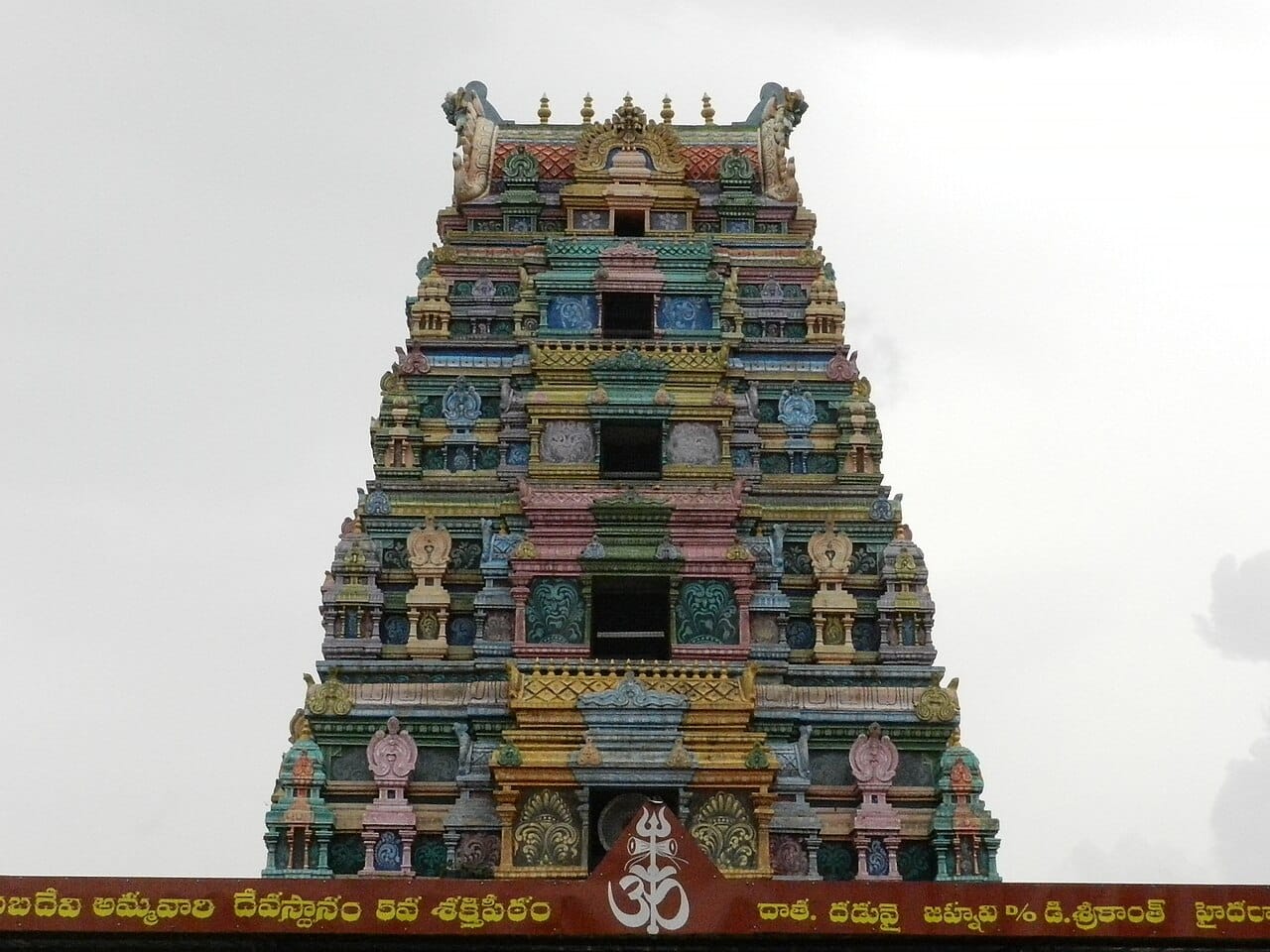
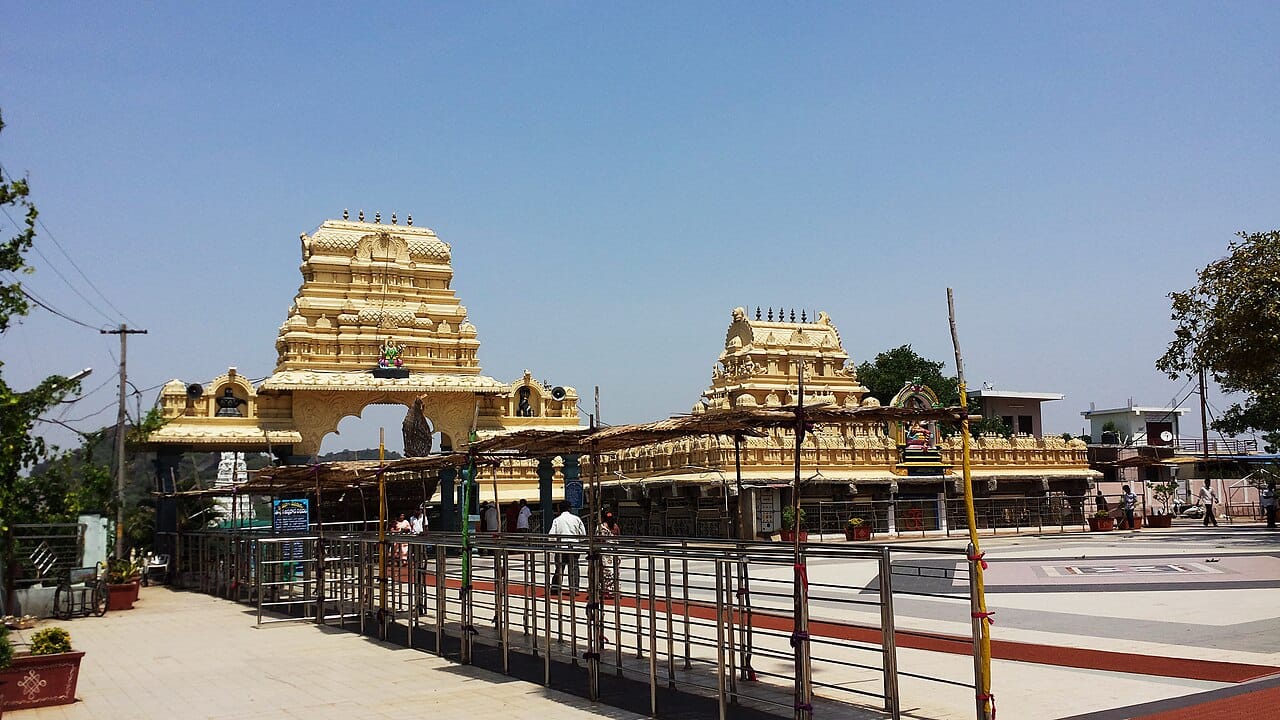
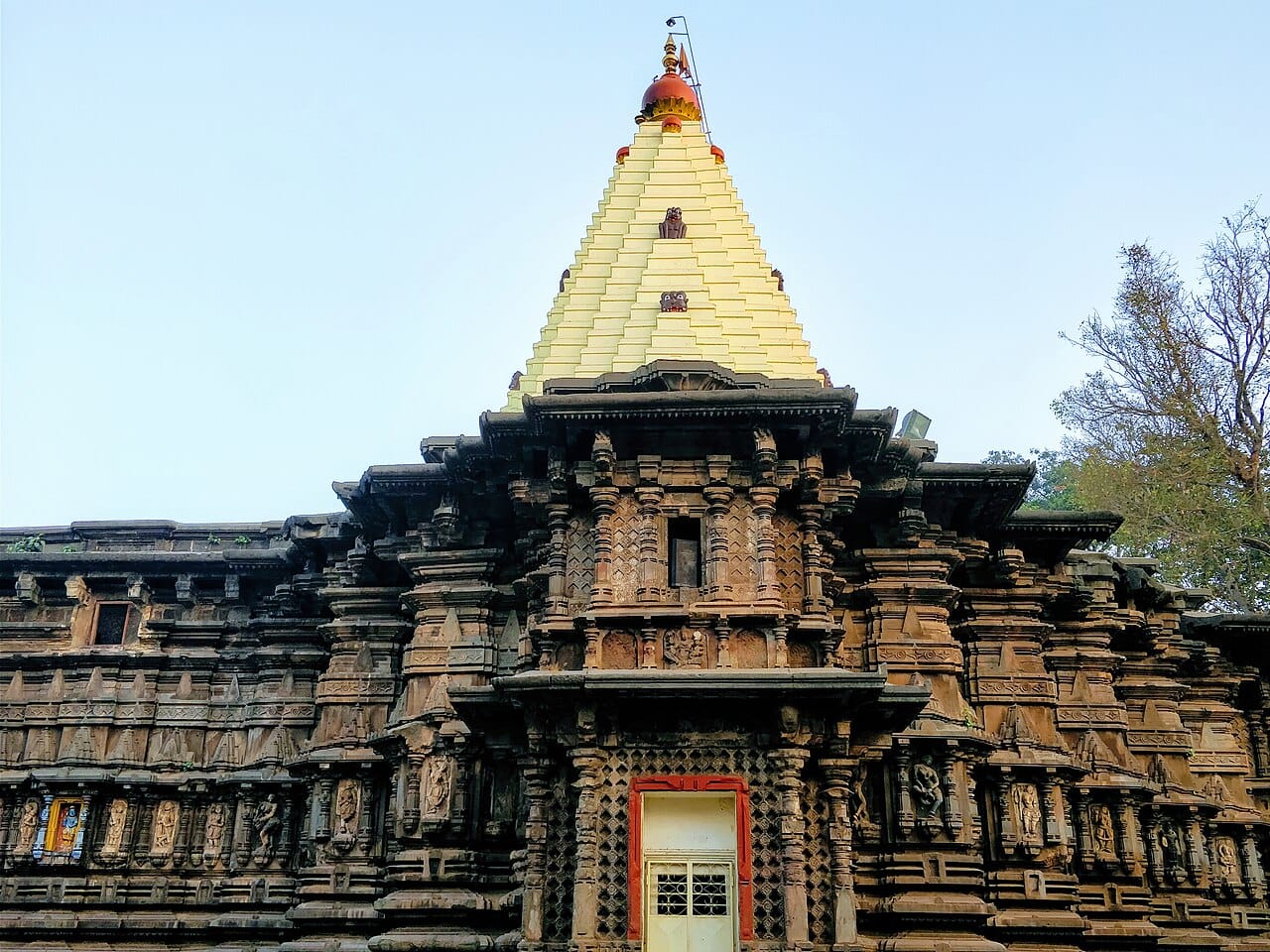
Temples of the Chalukya Dynasty
Sacred architecture patronized by the Chalukya rulers.



Exam Revision & Practice Questions
Structured high-yield study material and original verified practice questions.
Relevant for:UPSC Civil Services (GS Paper-I: Indian Art, Architecture & Ancient History)State PSCs (KPSC Gazetted Probationers, MPSC, APPSC, TSPSC)UGC-NET History (Paper II: Ancient & Early Medieval Deccan)SSC CGL & State Staff Selection (General Awareness & History)
Key Facts at a Glance
Badami Foundation (543 CE)
Pulakeshin I established Vatapi as capital in Saka 465 (543 CE); performed Ashvamedha and Hiranyagarbha; bore titles Satyashraya and Ranavikrama.
Battle of Narmada (c. 618–619 CE)
Pulakeshin II defeated Harshavardhana on the Narmada River, halting northern expansion into the Deccan; recorded in Aihole Prashasti and Xuanzang's travelogue.
Aihole Inscription (634 CE)
Composed by Jain poet Ravikirti at Meguti Temple; 19 Sanskrit verses; mentions both Kalidasa and Bharavi; records Harsha's defeat.
Vatapi Sack & Vatapikonda (642 CE)
Pallava King Narasimhavarman I (Mamalla) captured and burnt Vatapi; Pulakeshin II died in battle; Badami occupied for 13 years until Vikramaditya I liberated it.
Pattadakal Virupaksha Temple
Commissioned c. 740 CE by Queen Lokamahadevi to commemorate Vikramaditya II's victory over Pallavas; designed by architect Gundan Anivaritachari.
Kalyani Literary Giants
Court of Vikramaditya VI (1076–1126 CE) patronized Bilhana (Vikramankadevacharita) and legal jurist Vijnaneshvara (Mitakshara on Hindu inheritance).
Memory Tips & Common Traps
The Three Branches & Founders
Remember 'B-P, V-V, K-T': Badami founded by Pulakeshin I; Vengi founded by Vishnuvardhana; Kalyani founded by Tailapa II.
Aihole Durga Temple Dedication
Despite the name, Durga Temple at Aihole is dedicated to Surya/Vishnu, not Goddess Durga; named from 'durg' (fortress rampart).
Virupaksha Temples Confusion
Pattadakal Virupaksha = Badami Chalukya (8th c. CE, Queen Lokamahadevi). Hampi Virupaksha = Vijayanagara Empire (14th–16th c. CE).
Saka Era Conversion Math
Saka Year + 78 = Common Era (CE). For Badami Cliff inscription: Saka 465 + 78 = 543 CE.
High-Yield Fast Revision Sheet
Royal Emblem:Varaha (boar avatar of Vishnu), symbol of cosmic rescue and terrestrial sovereignty.
Pattadakal Chief Architect:Gundan Anivaritachari, awarded the royal title Anikapuravastu Pitamaha (Grandfather of Architecture).
Merchant Guild:Ayyavole 500 (Ainnurruvar / 500 Lords of Aihole), trans-regional mercantile corporation.
Capital Shifts:Vatapi (Badami) -> Vengi (Andhra) -> Manyakheta (early Later Chalukya) -> Kalyani (Someshvara I onwards).
Three Successor Powers:Hoysalas (Karnataka), Seunas/Yadavas (Maharashtra), Kakatiyas (Andhra/Telangana) dissolved Kalyani in 1189 CE.
Interactive Practice MCQs (10)
Select your answers below to verify your understanding. Detailed rationale is provided for each option.
Practice Questions
Original practice questions written to test verified historical, epigraphic, and architectural records.
The earliest dated inscription of the Chalukyas of Badami, recording the fortification of Vatapi and the performance of the Ashvamedha sacrifice, belongs to which monarch and year?
The celebrated Sanskrit Aihole Inscription of Pulakeshin II was composed by which court poet, and upon which monument is it engraved?
Which northern emperor was halted on the banks of the Narmada River by Pulakeshin II around 618–619 CE, as documented by Ravikirti and Xuanzang?
Following the sack of Vatapi in 642 CE, which Pallava monarch assumed the celebratory title 'Vatapikonda' (Conqueror of Vatapi)?
The Durga Temple at Aihole is widely noted in architectural studies for which distinctive ground plan?
The chief architect of the Virupaksha Temple at Pattadakal was awarded the prestigious title 'Anikapuravastu Pitamaha'. What was his name?
Which legal treatise on Hindu coparcenary and inheritance law, authored by Vijnaneshvara, was produced under the patronage of Western Chalukya Emperor Vikramaditya VI at Kalyani?
The trans-regional merchant corporation originating at Aihole that conducted trade across peninsular India and Southeast Asia was known as:
In 1070 CE, the Eastern Chalukya prince Rajendra Chalukya ascended the throne of which empire, founding the unified Chalukya-Chola line?
Upon the permanent collapse of the Western Chalukya Empire of Kalyani around 1189 CE, its territories were partitioned among which three successor powers?
Frequently Asked Questions: Chalukya Dynasty
Who was the founder of the Chalukya dynasty?
A.
The sovereign imperial founder of the Badami Chalukya dynasty was Pulakeshin I (reigned c. 543–566 CE), who fortified the sandstone cliff citadel of Vatapi (modern Badami) in Saka 465 (543 CE) and performed the Ashvamedha sacrifice. Later, the Eastern Chalukyas of Vengi were founded by Kubja Vishnuvardhana (c. 624 CE), and the Western Chalukyas of Kalyani were founded by Tailapa II (973 CE).
What is the historical significance of the Aihole Inscription?
A.
The Aihole Inscription (dated Saka 556 / 634–635 CE) is a 19-verse Sanskrit eulogy composed by court poet Ravikirti on the Meguti Jain Temple at Aihole. It is the primary historical record documenting Pulakeshin II's military triumphs, the defeat of Emperor Harshavardhana on the Narmada River, the dynastic genealogy from Pulakeshin I, and contemporary Deccan geography.
What is the Vesara style of temple architecture?
A.
The Vesara style is a hybrid architectural tradition synthesizing northern Indian Nagara curvilinear spires (shikharas) with southern Indian Dravida stepped pyramidal roofs (vimanas). Pioneered by the Badami Chalukyas at Aihole and Pattadakal, it culminated in the star-shaped, lathe-turned soapstone monuments of the Kalyani Chalukyas and Hoysalas.
Why is Pattadakal recognized as a UNESCO World Heritage Site?
A.
Inscribed in 1987 under UNESCO criteria (iii) and (iv), the Group of Monuments at Pattadakal represents the ceremonial coronation center of the Badami Chalukyas, where pure Dravida temples (Virupaksha, Sangameshwara) and pure Nagara temples (Papanatha, Galaganatha) stand harmoniously side-by-side on the banks of the Malaprabha River.
How did the Chalukya dynasty come to an end?
A.
The Badami Chalukya dynasty was overthrown in c. 753 CE by its feudatory Dantidurga, founder of the Rashtrakuta Empire. Centuries later, the restored Western Chalukyas of Kalyani fragmented by 1189 CE into three rival Deccan powers: the Hoysalas of Karnataka, the Seunas/Yadavas of Devagiri, and the Kakatiyas of Warangal.
Answers are based on verified information. Site rules may change — verify locally before visiting.
Continue Exploring
Sources & References
All epigraphical, architectural, and chronological statements above have been verified directly against opened, authoritative publications including Epigraphia Indica, Indian Antiquary, UNESCO World Heritage documentation, Archaeological Survey of India circle monographs, and academic works by J.F. Fleet, F. Kielhorn, and K.A. Nilakanta Sastri.
Epigraphia Indica
Aihole Inscription of Pulakeshin II (Vol. VI, pp. 1–12)
Sanskrit text and translation by F. Kielhorn of the 634–635 CE Aihole Prashasti by Ravikirti, recording Pulakeshin II's genealogy, victory over Harsha on the Narmada, and Pallava conflicts.
Primary source
Open source (opens in a new tab)Indian Antiquary
Badami Rock Inscription of Pulakeshin I, Saka 465 (Vol. X, p. 58)
J.F. Fleet's edition of the Saka 465 (543 CE) Badami cliff inscription confirming Pulakeshin I as sovereign founder fortifying Vatapi and performing the Ashvamedha sacrifice.
Primary source
Open source (opens in a new tab)Indian Antiquary
Mahakuta Pillar Inscription of Mangalesha (Vol. XIX, pp. 7–20)
Genealogical prashasti of early Badami rulers; military expeditions of Kirtivarman I and Mangalesha against Kalachuris; royal grants to Makutesvara.
Primary source
Open source (opens in a new tab)Indian Antiquary
Badami Cave No. III Inscription of Mangalesha, Saka 500 (Vol. III, p. 305)
Epigraphical record dated Saka 500 (578 CE) documenting the consecration of the rock-cut Vishnu Cave 3 by Mangalesha in the reign of brother Kirtivarman I.
Primary source
Open source (opens in a new tab)UNESCO World Heritage Centre
Group of Monuments at Pattadakal (Inscribed 1987, Criteria iii, iv, Ref 239)
Official UNESCO documentation of the 7th-8th century Badami Chalukya monuments at Pattadakal representing the confluence of Nagara and Dravida architectural styles.
World Heritage documentation
Open source (opens in a new tab)Archaeological Survey of India (ASI)
World Heritage Monuments at Pattadakal — Official Circle Record
Official architectural survey of Virupaksha, Mallikarjuna, Sangameshwara, Papanatha, Galaganatha, and Kadasiddheshwara temples on the Malaprabha River.
Primary archaeological record
Open source (opens in a new tab)Archaeological Survey of India (ASI)
Dharwad Circle: Monuments at Badami and Aihole
Technical documentation of the four Badami rock-cut caves, Agastya Lake, and structural temples of Aihole (Durga, Lad Khan, Meguti, Huchimalli).
Primary archaeological record
Open source (opens in a new tab)NCERT
Themes in Indian History Part I & Introduction to Indian Art Part I (Chapter 6)
Curriculum benchmark for temple architecture, rock-cut Badami caves, Aihole apsidal Durga temple plan, and Vesara architectural characteristics.
Reference source
Open source (opens in a new tab)Oxford University Press
A History of South India: From Prehistoric Times to the Fall of Vijayanagar (K.A. Nilakanta Sastri)
Standard scholarly authority on Chalukya political history across Badami, Eastern Vengi, and Western Kalyani houses, inter-state relations, and administration.
Published work
Open source (opens in a new tab)Bombay Sanskrit Series
Vikramankadevacharita of Bilhana (ed. G. Buhler)
Sanskrit court mahakavya detailing the reign, accession, Chalukya-Vikrama era (1076 CE), and capital life at Kalyani under Emperor Vikramaditya VI.
Published work
Open source (opens in a new tab)
— every record linked above was re-requested for this release, so the link still resolves and the publisher still serves the document. It is a link check, not a re-verification of every sentence on this page.
Missing something, or found an error? Send us a correction with the record that supports it, or read how we choose sources.
— every record linked above was re-requested for this release, so the link still resolves and the publisher still serves the document. It is a link check, not a re-verification of every sentence on this page.