pa
Theme Collection
Pancha Bhoota Sthalas
Explore the five Pancha Bhoota Sthalas: sacred Shiva temples of Earth, Water, Fire, Air, and Space in South India. A complete guide to all five elemental shrines.
The Collection
Featured Shrines
Explore our curated selection of pancha bhoota sthalas that define this architectural and spiritual category.
4 Sites Identified
Tamil Nadu
Arunachaleswarar Temple
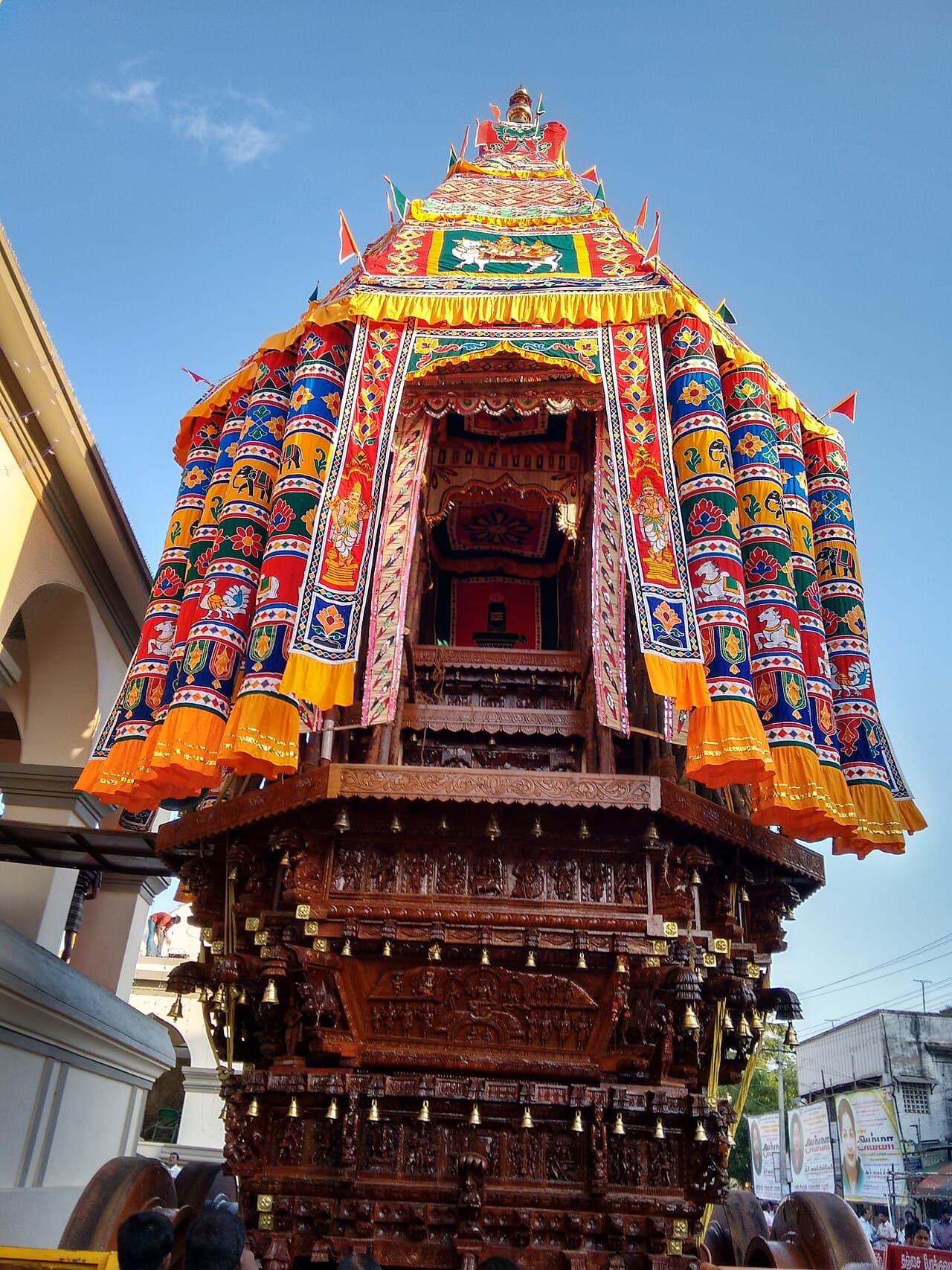
Arunachaleswarar Temple at the foot of Arunachala Hill in Tiruvannamalai is one of the largest Shiva temples in the world, covering 25 acres.
Explore Temple
Tamil Nadu
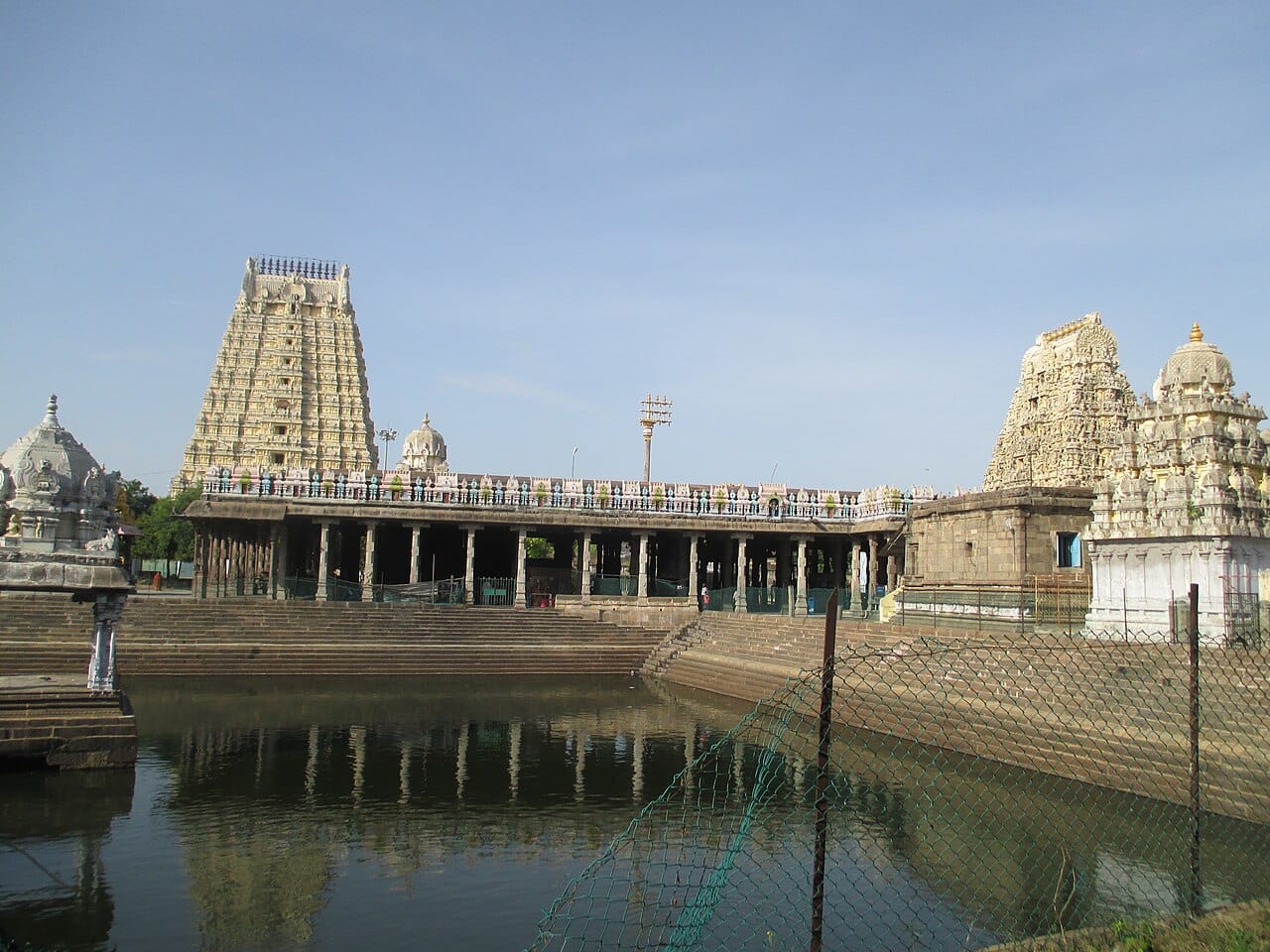
Ekambareswarar Temple
Ekambareswarar Temple in Kanchipuram represents the earth element (Prithvi) of the Pancha Bhoota Sthalas.
Explore Temple
Tamil Nadu
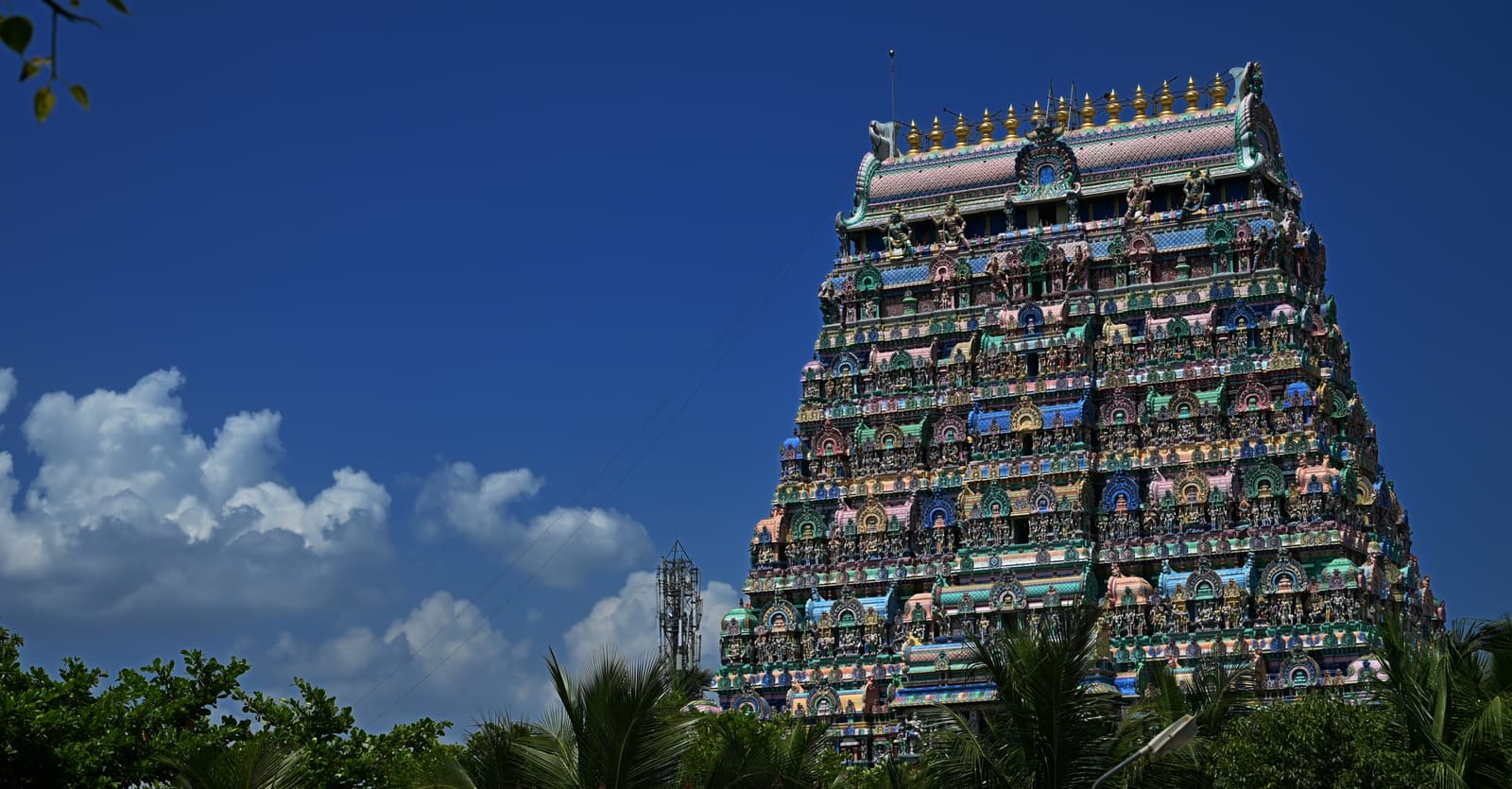
Jambukeswarar Temple
Jambukeswarar Temple in Thiruvanaikaval represents the water element (Apas) of the Pancha Bhoota Sthalas.
Explore Temple
Andhra Pradesh
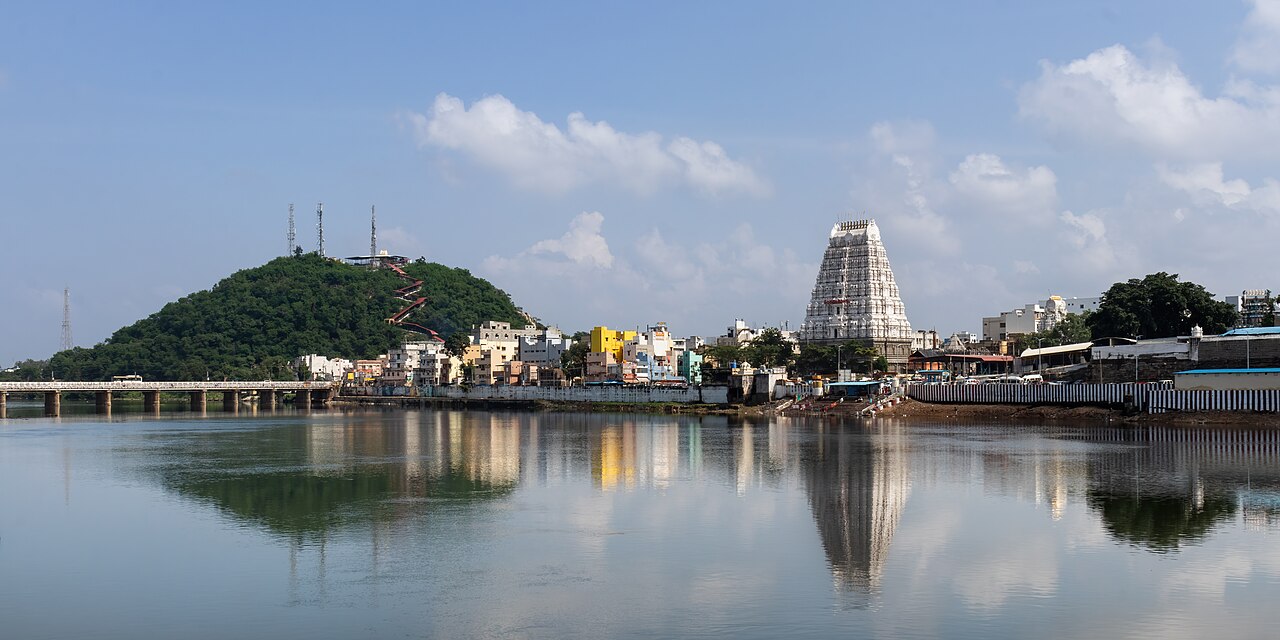
Srikalahasti Temple
Srikalahasti Temple, situated on the banks of the Swarnamukhi River at the foot of Srikalahasti hill in Tirupati district, is dedicated to Lord Shiva as Srikalahasteeswara.
Explore Temple
Overview
The Pancha Bhoota Sthalas refer to five ancient temples in South India dedicated to Lord Shiva, each representing one of the five primeval elements of nature: Earth, Water, Fire, Air, and Space. These temples are considered architectural and spiritual marvels, embodying the Vedic philosophy that the entire universe is a manifestation of these five elements. Pilgrims from across the world visit these sacred sites to seek balance and spiritual awakening, following a tradition that has thrived for over a millennium.
5
Sacred Temples
Across South India
Pancha Bhoota
Five Elements
Earth, Water, Fire, Air & Space
2
States
Tamil Nadu & Andhra Pradesh
Lord Shiva
Presiding Deity
Worshipped at all five shrines
Dravidian
Architecture
7th-10th century Pallava & Chola
1000+ Years
Heritage
Continuous worship tradition
The Elements
Five Sacred Elements
In Hindu cosmology, the Pancha Bhoota are the building blocks of all material existence. Each temple embodies one element.
History
Historical Timeline
Most of these temples date back to the 7th-10th centuries, primarily constructed and expanded by the Pallava and Chola dynasties.
7th Century
Pallava Dynasty
Earliest known construction began under Pallava rulers.
9th-13th Century
Chola Expansion
Major structural additions to all five temples.
14th-16th Century
Vijayanagara Period
Added towering gopurams and pillared mandapas.
17th Century
Nayak Contributions
Further ornate additions and stone carvings.
Modern Era
Conservation & Heritage
Preserved as living heritage with continuous worship.
Architecture
Architectural Marvels
The Pancha Bhoota temples showcase the finest Dravidian architecture, developed and refined over centuries of dynastic patronage.
Dravidian Style
Stepped pyramidal vimanas rising above the sanctum, characteristic of South Indian temple architecture.
Towering Gopurams
Soaring multi-storeyed gateway towers marking the entrances to vast temple complexes.
Pillared Mandapas
Vast pillared halls with intricately carved columns used for rituals and gatherings.
Stone Carvings
Intricate stone carvings adorn walls, pillars, and ceilings throughout the complexes.
Sacred Tanks
Temple tanks used for ritual purification before worship within the complexes.
Sacred Geometry
Layouts follow Vastu Shastra principles, aligning with cosmic directions.
Pancha Bhoota Temples at a Glance
| Element | Temple | Location | State | Deity | Significance |
|---|---|---|---|---|---|
| Fire Agni | Arunachaleswarar Temple | Tiruvannamalai | Tamil Nadu | Lord Shiva (Arunachaleswarar / Annamalaiyar) | Arunachaleswarar Temple at the foot of Arunachala Hill in Tiruvannamalai is one of the largest Shiva temples in the world, covering 25 acres. |
| Earth Prithvi | Ekambareswarar Temple | Kanchipuram | Tamil Nadu | Lord Shiva (Ekambareswarar) | Ekambareswarar Temple in Kanchipuram represents the earth element (Prithvi) of the Pancha Bhoota Sthalas. |
| Water Apas | Jambukeswarar Temple | Tiruchirappalli (Thiruvanaikaval) | Tamil Nadu | Lord Shiva (Jambukeswarar) | Jambukeswarar Temple in Thiruvanaikaval represents the water element (Apas) of the Pancha Bhoota Sthalas. |
| Air Vayu | Srikalahasti Temple | Srikalahasti | Andhra Pradesh | Srikalahasteeswara (Shiva) | Srikalahasti Temple, situated on the banks of the Swarnamukhi River at the foot of Srikalahasti hill in Tirupati district, is dedicated to Lord Shiva as Srikalahasteeswara. |
Festivals
Major Festivals
Each Pancha Bhoota temple celebrates distinct festivals tied to the element it represents.
Maha Shivaratri
All Five Temples
February-March
Night-long vigils and abhishekam observed at all five temples with special rituals.
Karthigai Deepam
Arunachaleswarar
November-December
A giant lamp lit atop Arunachala Hill, visible for kilometres.
Arudra Darshan
Nataraja Temple
December-January
Celebrates Nataraja's cosmic dance with 108 karanas performed live.
Panguni Uthiram
Ekambareswarar
March-April
The 3,500-year-old mango tree is taken in procession.
Adi Perukku
Jambukeswarar
August
Honours the water element at the underground spring.
Rahu-Ketu Pooja
Srikalahasti
Every 18 months
Pilgrims seek relief from planetary afflictions.
Travel Guide
Best Time to Visit
The ideal time to visit these temples is during the winter months, from October to March.
Winter
October — March
WeatherPleasant and mild
CrowdsModerate to High
Best time for temple visits and pilgrimage
Summer
April — June
WeatherHot and humid
CrowdsLow
Early morning or late evening visits
Monsoon
July — September
WeatherWet with heavy rain
CrowdsLow to Moderate
Lush surroundings, carry rain gear
Visitor Guide
Travel Tips
Essential information for planning your Pancha Bhoota pilgrimage.
Dress Code
Traditional attire strictly enforced. Men: dhotis or trousers. Women: sarees or salwars.
Photography
Most inner sanctums prohibit photography. Respect signage.
Temple Etiquette
Remove footwear. Maintain silence in sanctum.
Transport
Trains or private cabs for inter-city. Auto-rickshaws within towns.
Accommodation
Budget lodges to pilgrim guesthouses near each temple.
Accessibility
Large complexes require walking. Ask about wheelchair access.
Stay Hydrated
Carry water. Temple complexes involve extensive walking.
Temple Timings
Check timings in advance. Some close for mid-day breaks.
Did You Know
Sacred Insights
Five Natural Elements
The Pancha Bhoota Sthalas represent the five natural elements — Earth, Water, Fire, Air, and Space — that constitute all material existence in Hindu cosmology.
Chidambara Rahasyam
The Nataraja Temple at Chidambaram (Space) houses the Chidambara Rahasyam — an empty curtained space symbolising formless Shiva as pure consciousness.
Chola Period Legacy
Most of the Pancha Bhoota temples were significantly expanded during the Chola period between the 9th and 13th centuries.
Sand Lingam
The Ekambareswarar Temple (Earth) features a lingam made of sand. The temple also houses a 3,500-year-old sacred mango tree.
Subterranean Spring
The Jambukeswarar Temple (Water) has its lingam in a spring-fed subterranean sanctum with a continuous underground stream flowing beneath.
Ancient Origins
The Nataraja Temple at Chidambaram is referenced in Sangam literature and the 7th-century Tevaram hymns.
Pilgrimage Route
Plan Your Yatra
A traditional Pancha Bhoota pilgrimage begins at Kanchipuram (Earth) and moves through Srikalahasti (Air), Tiruvannamalai (Fire), and Chidambaram (Space), concluding at Thiruvanaikaval (Water). Most pilgrims allocate 5 to 7 days for the complete circuit.
Pilgrimage Route
Plan Your Yatra
A traditional Pancha Bhoota pilgrimage begins at Kanchipuram (Earth) and moves through Srikalahasti (Air), Tiruvannamalai (Fire), and Chidambaram (Space), concluding at Thiruvanaikaval (Water). Most pilgrims allocate 5 to 7 days for the complete circuit.
Frequently Asked Questions
Q.What are Pancha Bhoota Sthalas?
The Pancha Bhoota Sthalas are five temples dedicated to Lord Shiva, each representing one of the five elements of nature: Earth, Water, Fire, Air, and Space.
Q.Which temple represents each element?
Ekambareswarar (Earth), Jambukeswarar (Water), Arunachaleswarar (Fire), Srikalahasti (Air), and Nataraja Chidambaram (Space).
Q.Why are the Pancha Bhoota temples important?
They symbolize the divine presence in the elements of nature and are central to Shaivite philosophy and Dravidian architectural heritage.
Q.Where are the five temples located?
Four are in Tamil Nadu (Kanchipuram, Tiruvannamalai, Chidambaram, and Trichy) and one is in Andhra Pradesh (Srikalahasti).
Q.Can pilgrims visit all five temples in one journey?
Yes, a 5-7 day circuit is common and covers all five sacred sites across Tamil Nadu and Andhra Pradesh.
Q.Which Pancha Bhoota temple represents Earth?
The Ekambareswarar Temple in Kanchipuram represents Prithvi (Earth). Its lingam is made of sand, and the temple features a 3,500-year-old sacred mango tree with four branches representing the four Vedas.
Q.Which Pancha Bhoota temple represents Akasha?
The Nataraja Temple in Chidambaram represents Akasha (Space/Ether). It houses the Chidambara Rahasyam—an empty curtained space symbolising formless Shiva.
Q.Which Pancha Bhoota temple represents Water?
The Jambukeswarar Temple in Thiruvanaikaval (Trichy) represents Appu (Water). Its lingam sits in a spring-fed subterranean sanctum with a continuous underground stream.
Q.Who built these temples?
These temples were primarily built and expanded by the Pallava and Chola dynasties between the 7th and 10th centuries, with later contributions from the Pandyas, Vijayanagara emperors, and Nayaks.
Q.Which is the oldest Pancha Bhoota temple?
The Nataraja Temple at Chidambaram is referenced in Sangam literature and the 7th-century Tevaram hymns, making its origins the earliest among the five. The existing structural work dates largely from the Chola period (9th-13th centuries).
Q.What is the best time to visit the Pancha Bhoota Sthalas?
The winter months from October to March offer the most pleasant weather for temple visits. Major festivals provide unique experiences but draw large crowds requiring advance planning.
Q.What is the Chidambara Rahasyam?
The Chidambara Rahasyam is an empty space behind a curtain in the Chit Sabha of the Nataraja Temple. When the curtain is drawn, devotees see nothing—representing Shiva as formless consciousness (Akasha), the highest philosophical realisation in Shaiva Siddhanta.
Sources & References
These records back the dating, architectural classification and visitor guidance published on this Pancha Bhoota Sthalas page.
Archaeological Survey of India
Archaeological Survey of India — monument records and conservation reports
Protection status, dating, architectural classification and published conservation records for the monuments named on this page.
Primary archaeological record
Open source (opens in a new tab)Ministry of Tourism, Government of India
Ministry of Tourism — official destination information
Official Government of India destination information — access, visitor circuits and travel guidance referenced on this page.
Government record
Open source (opens in a new tab)
— every record linked above was re-requested for this release, so the link still resolves and the publisher still serves the document. It is a link check, not a re-verification of every sentence on this page.
Missing something, or found an error? Send us a correction with the record that supports it, or read how we choose sources.