Sacred Destinations
Andaman & Nicobar
10Sacred Sites
10Major Temples
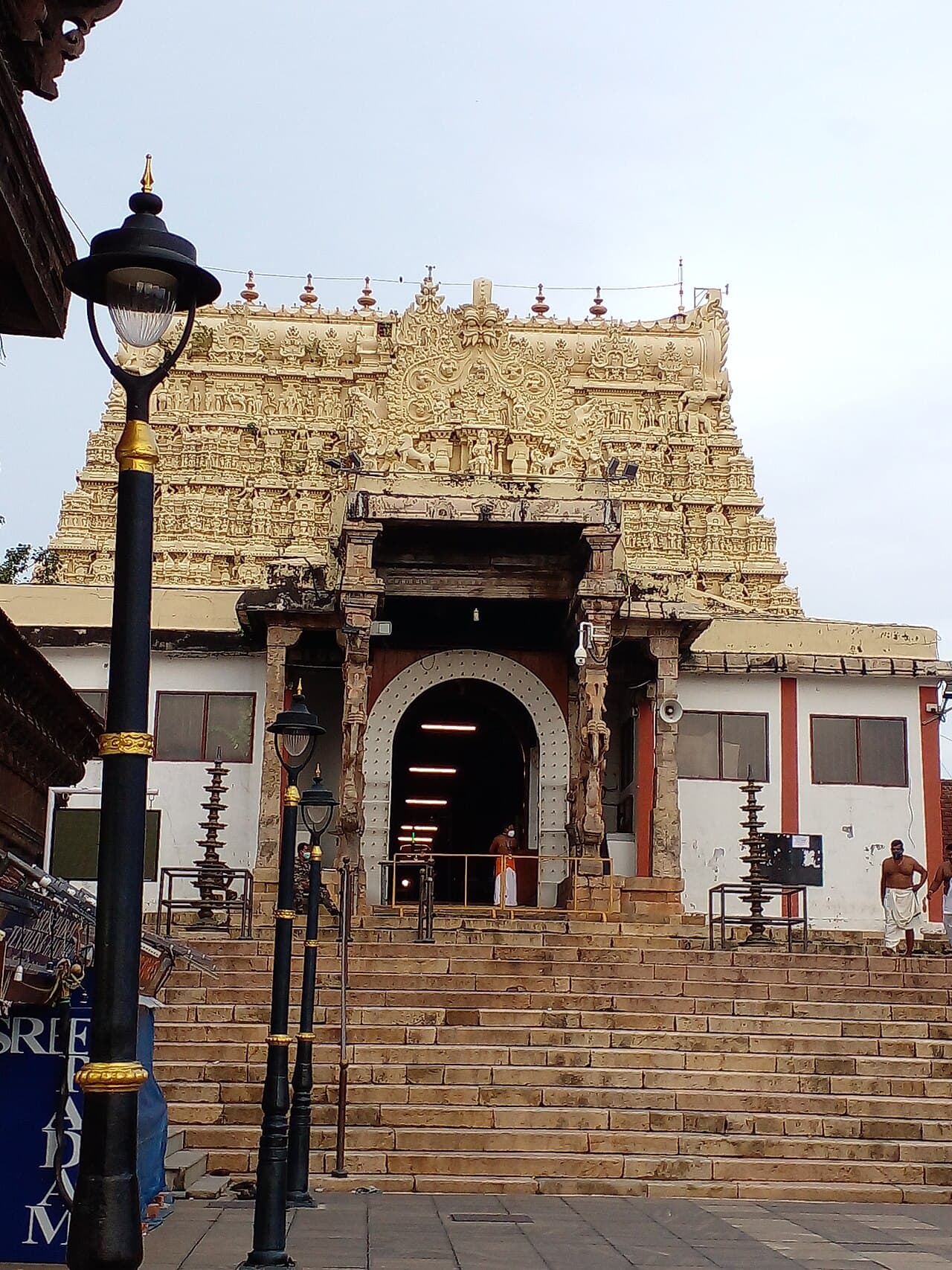
Andaman & Nicobar Islands, India's remote tropical archipelago in the Bay of Bengal, preserve a unique 'Mini India' temple landscape built by settler communities from Tamil Nadu, Bengal, North India, Rajasthan, and Odisha. The Murugan Temple's Dravidian gopuram, the marble Munisuvrat Swami Jain Temple, the Bengali Naval Kali Temple, and the modern ISKCON center all coexist within Port Blair's compact spiritual circuit, reflecting the religious diversity brought by post-independence settlers and the islands' colonial penal colony history.
Quick Facts
Capital
Port Blair
Population
380,000
Area
8,249 km²
Languages
Hindi, Tamil, Bengali, Nicobarese
Best Time to Visit
October to May
Major Pilgrimage
Port Blair temple circuit
Temple Style
Dravidian, Nagara, Jain Shikharbandhi, Bengali
UNESCO Count
0
Major River
Island topography (no major rivers)
Highest Point
Saddle Peak (732 m)
Why Visit Andaman & Nicobar
The Andaman and Nicobar Islands preserve a distinctive temple landscape built by settler communities from across India. The Murugan Temple's Dravidian gopuram, the marble Munisuvrat Swami Jain Temple, and the Naval Kali Temple each represent the architectural traditions their builders brought from Tamil Nadu, Rajasthan, and Bengal. These temples serve as cultural institutions for the Tamil, Bengali, North Indian, and Odia communities that settled the islands.
The temples of Andaman & Nicobar represent the 'Mini India' spirit uniquely, built by communities maintaining their cultural identity thousands of kilometers from ancestral homes. The Murugan Temple, relocated stone-by-stone from Ross Island after the 1941 earthquake, is a landmark of Tamil heritage. The Karpaga Vinayakar Temple features a rare Valampuri (right-tusked) Ganesha idol. The Naval Kali Temple preserves Bengali Shakta traditions. Jain pilgrims from across India visit the marble Munisuvrat Swami Temple built by Rajasthani craftsmen.
Temple Categories
Dravidian Temples
2Murugan Temple, Karpaga Vinayakar Temple — South Indian gopuram style.
Bengali Kali Shrines
1Naval Kali Temple — Bengali Shakta tradition in the islands.
Jain Temples
1Munisuvrat Swami Jain Temple — Rajasthan-style marble structure.
ISKCON Centers
1ISKCON Port Blair — modern Vaishnava temple near Brichgunj.
Featured Sacred Places
Andaman & Nicobar
Murugan Temple
A vibrant South Indian shrine in Port Blair modeled after Chennai's Kandakottam Temple, featuring a colorful multi-tiered Dravidian gopuram, daily pujas to Lord Murugan, and serving as a focal point…
Explore Temple
Andaman & Nicobar
Shiv Durga Temple
Peaceful dual shrine complex in Shadipur, Port Blair, uniting Shaivite and Shakta worship traditions within serene landscaped gardens, reflecting the harmonious cultural synthesis of the Andaman island community.
Explore Temple
Andaman & Nicobar
Radha Govind Temple
A revered Vaishnavite sanctuary on R.G.T. Road in Port Blair featuring white marble sanctums, expressive narrative mural artwork depicting Krishna's childhood, and an adjoining Jain temple sanctuary.
Explore Temple
Andaman & Nicobar
ISKCON Temple
Prominent Gaudiya Vaishnava center in Brichgunj, Port Blair, featuring a spacious kirtan prayer hall, daily discourses on the Bhagavad Gita, and vibrant celebrations of Janmashtami and Ratha Yatra in the…
Explore Temple
Andaman & Nicobar
Sri Lakshmi Narayan Temple
Centrally located Nagara-style Vishnu temple in Aberdeen Bazaar, Port Blair, enshrining Lord Vishnu and Goddess Lakshmi with a graceful shikhara that serves as a prime community landmark for island residents.
Explore Temple
Andaman & Nicobar
Naval Kali Temple
Historic Shakta shrine established with Indian Navy community patronage near Port Blair's naval base, celebrated for authentic Bengali Kali Puja rituals, devotional singing, and cultural festivals for the island diaspora.
Explore Temple
Pilgrimage Circuits
Port Blair City Circuit
6 templesMajor temples within Port Blair city covering Murugan Temple, Naval Kali, Lakshmi Narayan, Radha Govind, and the Jain temple.
Murugan TempleNaval Kali TempleRadha Govind TempleLakshmi Narayan TempleMunisuvrat Swami Jain TempleShankaracharya Temple
Neil Island Circuit
1 templesBalaji Temple on Neil Island combined with beach visits for a peaceful pilgrimage.
A spiritual tour begins in Port Blair, covering the Murugan Temple, Naval Kali Temple, Radha Govind Temple, and the Munisuvrat Swami Jain Temple. A trip to the Balaji Temple on Neil Island offers a peaceful retreat. The Shankaracharya Temple hilltop provides panoramic Bay of Bengal views. The Lakshmi Narayan Temple in Aberdeen Bazaar serves the North Indian community.
Temple Architecture
The islands feature a remarkable diversity of temple architecture within walking distance. The Murugan Temple features a multi-tiered colorful Dravidian gopuram modeled after the Kandakottam Temple in Chennai. The Munisuvrat Swami Jain Temple is a fully carved Shikharbandhi white marble structure. Lakshmi Narayan Temple follows North Indian Nagara style. Naval Kali Temple uses Bengali temple traditions. Modern ISKCON and Shankaracharya temples adapt clean white facades for coastal climate.
Historical Timeline
1941British
Murugan Temple relocated from Ross Island stone-by-stone after earthquake.
1950sRepublic of India
Settler communities establish temples across Port Blair as population grows.
1970sRepublic of India
Munisuvrat Swami Jain Temple built with marble from Rajasthan.
2020sRepublic of India
ISKCON and Shankaracharya temples added to Port Blair's spiritual landscape.
Temple Statistics
10+
Major Temples
Across Port Blair and outer islands
5+
Architectural Styles
Dravidian, Nagara, Jain, Bengali, Modern
~1850s
Oldest Active Temple
Murugan Temple (originally Ross Island)
6+
Community Groups
Tamil, Bengali, North Indian, Jain, Odia, Telugu
Festivals
Panguni Uthiram
March-AprilMurugan Temple
1 day
Tamil festival celebrating Murugan's marriage; colorful processions and traditional offerings in Port Blair.
Kali Puja
October-NovemberNaval Kali Temple
1 night
Night-long worship with firecrackers; Bengali-style puja with elaborate Kali idols.
Janmashtami
August-SeptemberRadha Govind Temple
1 day
Krishna's birthday celebrated with midnight aarti, dance, and prasad distribution.
Panguni Uthiram at the Murugan Temple, Durga Puja and Kali Puja at Naval Kali Temple, and Janmashtami at Radha Govind Temple are major island events that transcend religious boundaries. The Brahmotsavam at Sri Karpaga Vinayakar Temple features processions through Port Blair streets. These festivals involve participation from Tamil, Bengali, and North Indian communities alike.
Travel Guide
Best Time
October to May (24-32°C)
Climate
Tropical; monsoon June-September
Nearest Airport
Port Blair (IXZ)
Sea Port
Port Blair (Chennai/Kolkata/Visakhapatnam ferries)
Local Transport
Auto-rickshaws, taxis, inter-island ferries
Temple Etiquette
Remove footwear; modest dress required
Suggested Duration
3-5 days for Port Blair + Neil Island
Nearby Attractions
National Memorial
Cellular Jail
Colonial prison used for political exiles during the British Raj; now a museum and light-and-sound show venue.
Heritage site
Ross Island
Former British administrative headquarters with ruins of church, bakery, and buildings; original Murugan Temple site.
Beach
Radhanagar Beach
Asia's most awarded beach on Havelock Island; pristine white sand and turquoise waters.
Interesting Facts
01
The Murugan Temple was originally built by Tamil convicts and settlers on Ross Island in the 19th century during the British colony era, making it one of the oldest Tamil temples in the Bay of Bengal.
02
Andaman is the only place in India where a Dravidian gopuram, a Bengali do-chala Kali shrine, a Rajasthan-style marble Jain temple, and a modern Nagara-style temple all sit within a 3-kilometer radius.
03
Many Andaman temples close for a longer afternoon break (12:30-4:00 PM) than mainland temples, reflecting the island's tropical coastal lifestyle.
Frequently Asked Questions
The Andamans were settled by communities from across India (Tamil Nadu, Bengal, North India, Odisha) after 1947, each bringing their architectural traditions. You can find Dravidian gopurams, Bengali Kali shrines, Rajasthani marble Jain temples, and Nagara-style temples within walking distance.
Yes, the Murugan Temple was originally built on Ross Island in the 19th century. It was relocated stone by stone to its current location in Port Blair after the 1941 earthquake devastated Ross Island.
The Shree Munisuvrat Swami Jain Temple was built using marble and craftsmen brought specifically from Rajasthan. It is the only intricately carved Shikharbandhi-style Jain temple in the Andaman Islands.
Yes, many Andaman temples follow adjusted timings due to the tropical coastal climate, with a longer afternoon break (12:30 PM to 4:00 PM) and reopening for evening aartis.
Sources & References
These records back the history, architecture, temple listings and visitor guidance published on this Andaman & Nicobar page.
Archaeological Survey of India
Archaeological Survey of India — monument records and conservation reports
Protected-monument status, dating, architectural classification and conservation records for the temples and monuments named across this Andaman & Nicobar guide.
Primary archaeological record
Open source (opens in a new tab)Ministry of Tourism, Government of India
Ministry of Tourism — official destination information
Official Government of India visitor information, access routes and pilgrimage circuits for Andaman & Nicobar.
Government record
Open source (opens in a new tab)
— every record linked above was re-requested for this release, so the link still resolves and the publisher still serves the document. It is a link check, not a re-verification of every sentence on this page.
Missing something, or found an error? Send us a correction with the record that supports it, or read how we choose sources.