
🇱🇰
Hindu Temples in Sri Lanka
Sri Lanka preserves ancient Saiva pilgrimage shrines, including the coastal Pancha Ishwarams and historic temples of the Jaffna Peninsula.
5 Temples Profiled South Asia Sri Jayawardenepura Kotte (Colombo)
Direct Answer
How Many Hindu Temples Are in Sri Lanka?
Sri Lanka does not publish a single unified national census of all active Hindu temples. Places of worship are catalogued through district-level directories by the Department of Hindu Religious and Cultural Affairs, with thousands of historic kovils and local shrines serving a population of approximately 2.7 million Hindus (over 12.6% of the island's total population).
Department of Hindu Affairs Directory
District Directory
Decentralized registration of kovils across Northern, Eastern, Central, and Western Provinces.
Historic Pancha Ishwarams
5 Coastal Abodes
Ancient coastal Shiva sanctuaries: Koneswaram, Ketheeswaram, Munneswaram, Naguleswaram, and Thondeswaram.
Regional Focus
Northern & Eastern Provinces
The Jaffna Peninsula and Eastern coastal belt preserve the highest density of traditional Saiva Siddhanta Agamic kovils.
Sacred Places India Database
5 Flagship Kovils
Comprehensive field guides for Koneswaram, Nallur Kandaswamy, Munneswaram, Kataragama, and Seetha Amman.
How Temple Numbers Are Counted
Places of worship are registered under the Department of Hindu Religious and Cultural Affairs (Ministry of Buddhasasana, Religious and Cultural Affairs) in Colombo, with historical and archaeological sites catalogued by the Department of Archaeology Sri Lanka. The department maintains a decentralized directory by district and division rather than publishing a single static national total. Historical post-conflict documentation identified over 1,400 temples damaged in eight northern and eastern districts alone, while thousands of living kovils operate across the Northern, Eastern, Central, and Western Provinces.
Sacred Places India Database Scope
Sacred Places India highlights the ancient Pancha Ishwarams and iconic pilgrimage centres of Sri Lanka rather than cataloguing every local grama-devata or estate shrine.
Introduction
Sri Lanka maintains an ancient Hindu tradition rooted in Tamil Saiva Siddhanta culture. Numbering approximately 2.7 million people (over 12.6% of the national population), the Hindu community centres its devotion around the historic Pancha Ishwarams (five ancient coastal abodes of Shiva) and the sacred shrines of the Jaffna Peninsula and Eastern Province.
5
Profiled Temples
South Asia
Region
Sri Jayawardenepura Kotte (Colombo)
Capital
Sinhala, Tamil
Language
Major Hindu Communities
Sri Lankan Hindus (approximately 12.6% of the population, ~2.7 million people) are predominantly Sri Lankan Tamils in the Northern and Eastern Provinces, alongside Hill Country (Up-Country) Tamils in the Central Highlands and Tamil communities in Colombo.
Regional Temple Distribution
Primary regional concentrations occur in the Jaffna Peninsula (densest cluster of traditional Saiva temples), the Eastern coastline (Trincomalee, Batticaloa), the Mannar Basin, and the Central Province tea estate belts.
History of Hinduism in Sri Lanka
Archaeological and literary sources document continuous religious and cultural exchange between Tamil Nadu and northern and eastern Sri Lanka across two millennia. Sangam literature and medieval Tamil hymns (Tevaram) composed by the Nayanars describe pilgrimage shrines such as Koneswaram (Thirukonamalai) and Thiruketheeswaram. Under Chola rule in the 10th and 11th centuries, Dravidian stone architecture flourished at Polonnaruwa. Despite severe destruction of coastal temples during Portuguese colonial rule in the 16th and 17th centuries, sacred icons were preserved and reinstalled during 19th- and 20th-century reconstruction movements led by revivalists like Arumuka Navalar.
Pilgrimage & Cultural Significance
The Pancha Ishwarams—Koneswaram (Trincomalee), Ketheeswaram (Mannar), Munneswaram (Chilaw), Naguleswaram (Keerimalai, Jaffna), and Chandrashekhara/Thondeswaram (near Dondra)—form the foundation of Shaivite pilgrimage in Sri Lanka. In addition, the Nallur Kandaswamy Kovil in Jaffna serves as the spiritual heart of the Sri Lankan Tamil diaspora, while the multi-faith shrine of Kataragama (Katirkamam) in the south unites Hindu Murugan worship, Buddhist devotion, and indigenous Vedda traditions.
Architecture Overview
Sri Lankan Hindu temples adhere to South Indian Dravidian canons. The Jaffna style is noted for timber-vaulted mandapas with carved beams, enclosed stone sanctums, and towering Rajagopurams reconstructed over the past century. Koneswaram commands a dramatic clifftop location atop Swami Rock overlooking Trincomalee harbour, where submerged stone columns and masonry confirm the extent of the medieval temple razed in 1624.
Temple Directory
Explore documented Hindu temples in Sri Lanka.
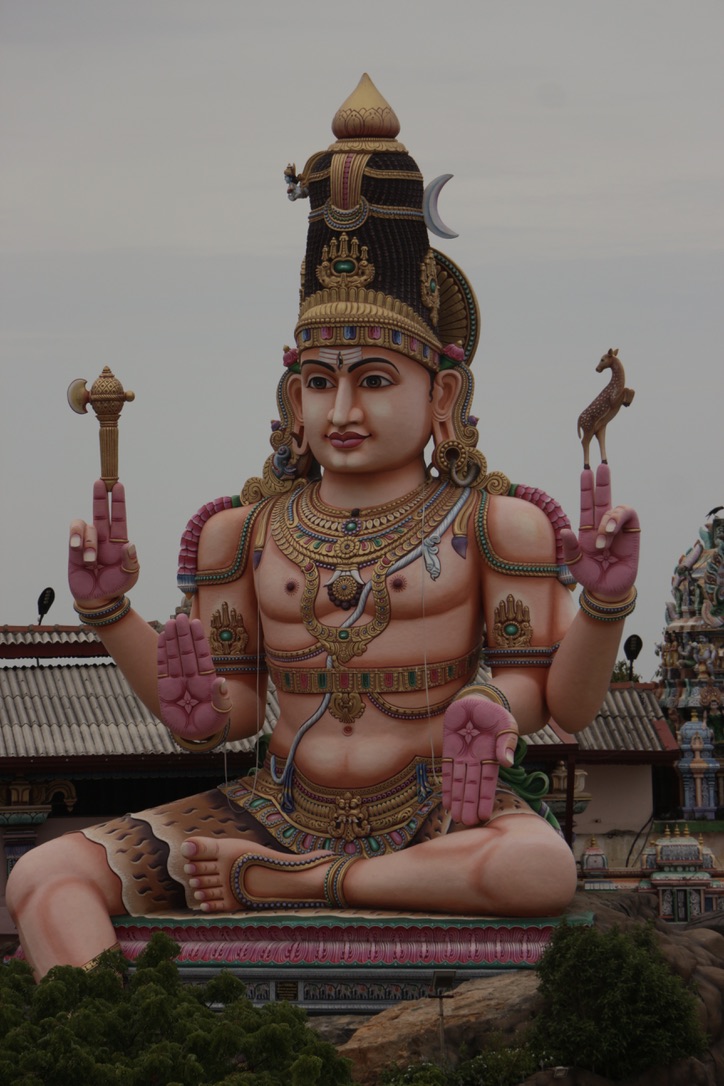
Sri Lanka
Koneswaram Temple
Koneswaram Temple is a classical-medieval Hindu temple dedicated to Shiva on Swami Rock in Trincomalee, one of the Pancha Ishwarams of Sri Lanka.
Explore Temple

Sri Lanka
Munneswaram Temple
Munneswaram Temple is one of the Pancha Ishwarams of Sri Lanka, a historic five-temple complex dedicated to Shiva near Chilaw, renowned for its multi-religious significance.
Explore Temple

Sri Lanka
Nallur Kandaswamy Temple
Complete guide to Nallur Kovil (Nallur Kandaswamy Temple) in Jaffna, Sri Lanka. Explore Murugan shrine history, 25-day Ther festival, timings, and architecture.
Explore Temple

Sri Lanka
Naguleswaram Temple
Naguleswaram Temple is an ancient Pancha Ishwaram temple dedicated to Shiva at Keerimalai near Jaffna, famous for its setting on a cliff overlooking the ocean and adjacent natural hot springs.
Explore Temple

Sri Lanka
Ketheeswaram Temple
Ketheeswaram Temple is an ancient Pancha Ishwaram temple dedicated to Shiva in Mannar, dating back over 2,000 years, with a dramatic coastal location on Mannar Island.
Explore Temple
Documentation Methodology & Scope
Research & Selection Criteria
Differentiates between canonical ancient Pancha Ishwarams documented in historical chronicles/epigraphy, Chola-period architectural ruins, and restored post-colonial sanctums. Clarifies where literary antiquity precedes surviving structural stone.
Scope Boundaries & Limitations
Thousands of village shrines dedicated to village deities (grama devatas like Mariamman, Ayyanar) and private estate temples are excluded in favour of major regional tirthas and heritage complexes.
Travel Information
Colombo is connected via Bandaranaike International Airport (CMB). Jaffna is accessible by daily express trains (Yal Devi) and domestic flights from Colombo (Ratmalana) to Palaly. Trincomalee on the east coast is connected by train and highway from Colombo and Kandy. Temple visits require modest attire: men are traditionally required to remove shirts before entering inner courtyards in Jaffna and eastern kovils.
Best Time to Visit
The Northern and Eastern Provinces experience their dry season from February to September, making these months ideal for coastal temple visits. Major annual chariot festivals (Mahotsavam)—notably the 25-day festival at Nallur Kandaswamy Kovil in August and Maha Shivaratri at Koneswaram and Ketheeswaram—represent the peak pilgrimage seasons.
Verified Sources & References
Documentation for Sri Lanka draws on official census statistics, heritage authorities, and registered temple trust archives.
- Department of Census and Statistics, Sri Lanka — Population by Religiongovernment
- Department of Archaeology, Sri Lanka — Northern and Eastern Heritage Monumentsgovernment
- S. Pathmanathan — The Kingdom of Jaffna and Hindu Cultural Heritage in Sri Lankaacademic
- Epigraphia Zeylanica — Inscriptions of Chola and Jaffna Dynastiesacademic
Department of Archaeology, Sri Lanka
Department of Archaeology — official site records
Official heritage designation, site management and visitor information for the monuments described on this page.
Open source (opens in a new tab)UNESCO World Heritage Centre
UNESCO World Heritage List — India
World Heritage inscription records for the internationally listed monuments named on this page.
Open source (opens in a new tab)INTACH
Indian National Trust for Art and Cultural Heritage
Architectural classification and conservation context for the temple traditions described on this page.
Open source (opens in a new tab)— every record linked above was re-requested for this release, so the link still resolves and the publisher still serves the document. It is a link check, not a re-verification of every sentence on this page.
Frequently Asked Questions
What are the Pancha Ishwarams in Sri Lanka?
The Pancha Ishwarams are five historic coastal Shiva temples in Sri Lanka: Koneswaram (Trincomalee), Thiruketheeswaram (Mannar), Munneswaram (Chilaw), Naguleswaram (Jaffna), and Thondeswaram (near Dondra in the south).
Which is the most prominent Hindu temple in Jaffna?
Nallur Kandaswamy Kovil, dedicated to Lord Murugan, is the most revered and prominent temple in the Jaffna Peninsula, famed for its strict liturgical discipline and grand 25-day annual festival in August.
What are the rules for entering Hindu temples in Sri Lanka?
Footwear must be removed before entering the temple compound. In most traditional temples across Jaffna and the East, male devotees are required to remove their shirts and enter bare-chested as a mark of humility, and modest clothing covering legs is mandatory.