Sacred Destinations
Lakshadweep
4Sacred Sites
4Major Temples
Lakshadweep, India's smallest Union Territory, comprises 36 coral atolls in the Arabian Sea, of which only 10 are inhabited. Its mosques — the Ujra Mosque in Kavaratti with single-piece driftwood pillars, the 7th-century Juma Mosque on Andrott housing Saint Ubaidullah's tomb, and the coral-stone Mohiuddin Mosque on Kalpeni — feature a distinctive island architecture of sloping tiled roofs and intricate woodcarving, blending Kerala building traditions with Islamic faith introduced by Arab saints in the 7th century.
Quick Facts
Capital
Kavaratti
Population
64,000
Area
32 km²
Languages
Malayalam, Jeseri, Dhivehi
Best Time to Visit
October to mid-May
Major Pilgrimage
Ujra Mosque, Andrott Dargah
Architecture Style
Wood-and-coral island Islamic
UNESCO Count
0
Major Island
Andrott (largest)
Highest Point
~5 m above sea level
Why Visit Lakshadweep
Lakshadweep, translating to 'one hundred thousand islands' in Malayalam and Sanskrit, is India's smallest Union Territory. Its spiritual landscape is shaped by Islam, introduced in the 7th century. The mosques here are cultural epicenters featuring unique architecture with sloping tiled roofs and intricate woodwork from local timber. The Ujra Mosque in Kavaratti is the architectural crown jewel. The islands' spiritual rhythm is dictated by five daily prayers, lunar cycles, and the surrounding Arabian Sea.
The religious significance is tied to the legend of Saint Ubaidullah, an Arab saint shipwrecked on Amini island in 661 AD. His grave on Andrott Island is the most sacred site in the archipelago. The mosques preserve local history, unwritten laws, and community bonds, harmoniously integrated with the matrilineal social structure and deep respect for the ocean that sustains the islanders' livelihood.
Temple Categories
Featured Sacred Places
Lakshadweep
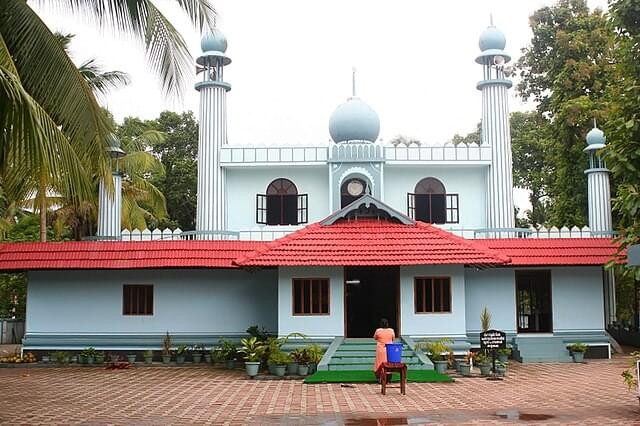
Ujra Mosque
Architecturally significant 17th-century mosque in Kavaratti established by Sheikh Mohammad Kasim, famed for intricate floral ceiling carvings sculpted from single logs of driftwood and a venerated freshwater healing well.
Explore Temple
Lakshadweep
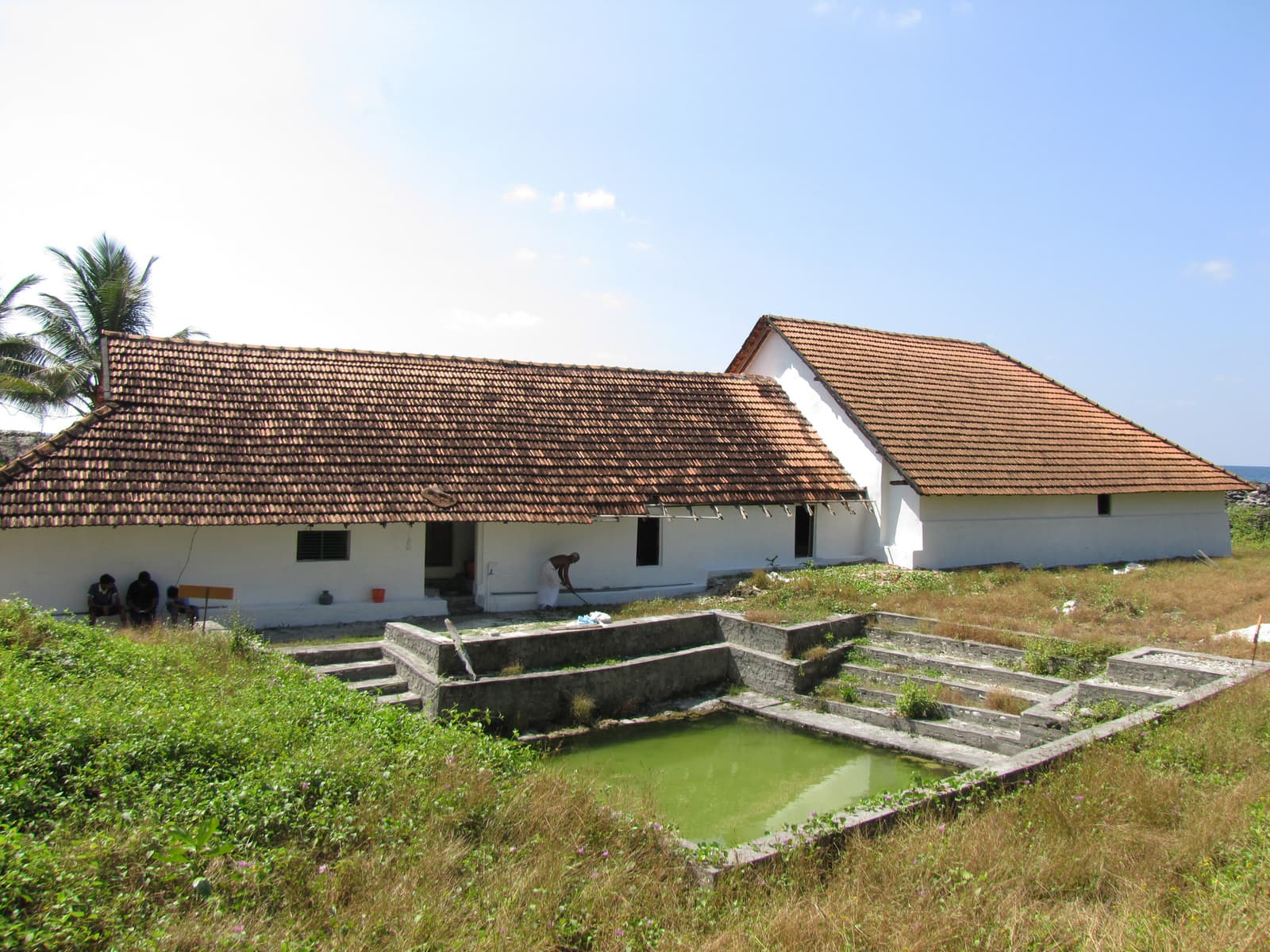
Juma Mosque, Andrott
The most sacred Islamic shrine in the Lakshadweep archipelago, enshrining the 7th-century tomb (Dargah) of Saint Hazrat Ubaidullah who introduced Islam to the islands, built with historic coral masonry.
Explore Temple
Lakshadweep
Mohiuddin Mosque, Kalpeni
A striking example of traditional coral-stone architecture on Kalpeni Island, featuring timber beam ceilings, resilient thick-lime masonry, and serving as the primary spiritual sanctuary for island residents.
Explore Temple
Lakshadweep
Jame Masjid Kavaratti
The primary congregational Juma mosque in Lakshadweep's capital island of Kavaratti, featuring an extensive ablution reservoir (hauz), large prayer hall, and serving as the central venue for Friday and Eid…
Explore Temple
Pilgrimage Circuits
Island Mosque Circuit
4 templesKavaratti (Ujra Mosque + Jame Masjid) — Andrott (Juma Mosque + Ubaidullah Dargah) — Kalpeni (Mohiuddin Mosque).
Internal pilgrimage involves traveling between islands (Kavaratti, Andrott, Agatti) to visit Dargahs of Sufi saints, especially the grave of Saint Ubaidullah on Andrott Island — the most sacred site in the archipelago. These inter-island journeys require navigating the unpredictable sea, adding physical austerity to the spiritual quest.
Temple Architecture
Lakshadweep mosques lack typical domes and minarets of mainland Islamic architecture. Instead they feature sloping tiled roofs similar to Kerala's traditional buildings, with intricately carved driftwood pillars and ceilings inside. The Ujra Mosque (17th century) is a masterpiece with geometric and floral patterns carved from single pieces of driftwood. The Juma Mosque on Andrott is built with coral stones and massive wooden beams. The Mohiuddin Mosque in Kalpeni uses robust coral stone masonry designed to withstand cyclonic storms.
Historical Timeline
661Umayyad period
Saint Ubaidullah shipwrecks on Amini island; introduces Islam to Lakshadweep.
17th c.Local leadership
Ujra Mosque built in Kavaratti by Sheikh Mohammad Kasim.
1956Republic of India
Lakshadweep becomes a Union Territory of India.
1970sRepublic of India
Modern expansion of mosques including Jame Masjid Kavaratti.
Temple Statistics
10
Inhabited Islands
Of 36 total islands and atolls
4+
Heritage Mosques
Major historical mosques across islands
7th c.
Oldest Mosque
Juma Mosque, Andrott (Ubaidullah site)
17th c.
Wood Carvings
Ujra Mosque single-piece driftwood pillars
Festivals
Id-ul-Fitr
Variable (Islamic calendar)All islands' mosques
1 day
Special congregational prayers, feasting, community gatherings after Ramadan across all inhabited islands.
Milad-un-Nabi
Rabi' al-AwwalAll islands' mosques
1 day
Recitation of Maulid (praise of the Prophet) and religious discourses.
Urs of Ubaidullah
VariableJuma Mosque, Andrott
3 days
Death anniversary of Saint Ubaidullah drawing pilgrims from all inhabited islands.
Id-ul-Fitr and Id-ul-Zuha (Bakrid) are celebrated with congregational prayers, feasting, and community gatherings. Milad-un-Nabi (Prophet's birthday) features recitation of Maulid (praise of the Prophet). Muharram is also observed. Due to isolation, festivals retain a traditional community-focused flavor without commercialization.
Travel Guide
Best Time
October to mid-May
Climate
Tropical; monsoon May-September
Nearest Airport
Agatti (AGX)
Gateway
Kochi, Kerala
Sea Route
Passenger ships from Kochi (14-20 hrs)
Local Transport
Ferries, boats, some helicopters
Permissions
Special entry permit required
Suggested Duration
5-7 days for 2-3 islands
Nearby Attractions
Island
Bangaram Atoll
Uninhabited coral atoll with pristine beaches, turquoise lagoon, and world-class scuba diving.
Island
Minicoy Island
Southernmost island with unique Dhivehi culture, lighthouse, and tuna canning industry.
Island
Kadmat Island
Long coral island with water sports, lagoon cruises, and sea turtle nesting sites.
Interesting Facts
01
Lakshadweep means 'one hundred thousand islands' in Sanskrit but actually has only 36 islands, of which only 10 are inhabited.
02
The Ujra Mosque's intricately carved wooden pillars are said to have been carved from single massive pieces of driftwood that washed ashore on Kavaratti.
03
The Juma Mosque on Andrott Island houses the tomb of Saint Ubaidullah, and swearing an oath at this dargah is considered the most binding commitment an islander can make.
04
Entry to Lakshadweep requires a special permit from the Lakshadweep Administration, issued for tourism purposes only through approved tour operators.
Frequently Asked Questions
The Ujra Mosque has a well whose water is believed by locals to have curative properties. Devotees from across the archipelago visit specifically to collect this water.
Lakshadweep mosques lack typical domes and minarets. Instead, they feature sloping tiled roofs like Kerala's buildings, with intricately carved driftwood pillars and ceilings inside.
According to legend, Saint Ubaidullah was instructed by the Prophet in a dream to go to distant shores. His ship wrecked near Amini island in 661 AD, and he converted the islanders to Islam. His tomb on Andrott Island is the most sacred site in the archipelago.
Yes, an entry permit is required as it is a protected territory. Once legally on the islands, visiting mosques is permitted if you adhere to Islamic customs and prayer timings.
Sources & References
These records back the history, architecture, temple listings and visitor guidance published on this Lakshadweep page.
Archaeological Survey of India
Archaeological Survey of India — monument records and conservation reports
Protected-monument status, dating, architectural classification and conservation records for the temples and monuments named across this Lakshadweep guide.
Primary archaeological record
Open source (opens in a new tab)Ministry of Tourism, Government of India
Ministry of Tourism — official destination information
Official Government of India visitor information, access routes and pilgrimage circuits for Lakshadweep.
Government record
Open source (opens in a new tab)
— every record linked above was re-requested for this release, so the link still resolves and the publisher still serves the document. It is a link check, not a re-verification of every sentence on this page.
Missing something, or found an error? Send us a correction with the record that supports it, or read how we choose sources.