co
Theme Collection
Coastal Temples
Explore India's famous coastal and sea-facing temples: Mahabalipuram Shore Temple, Somnath, Dwarkadhish, and Murudeshwar, with architecture and history.
The Collection
Featured Shrines
Explore our curated selection of coastal temples that define this architectural and spiritual category.
10 Sites Identified

Tamil Nadu
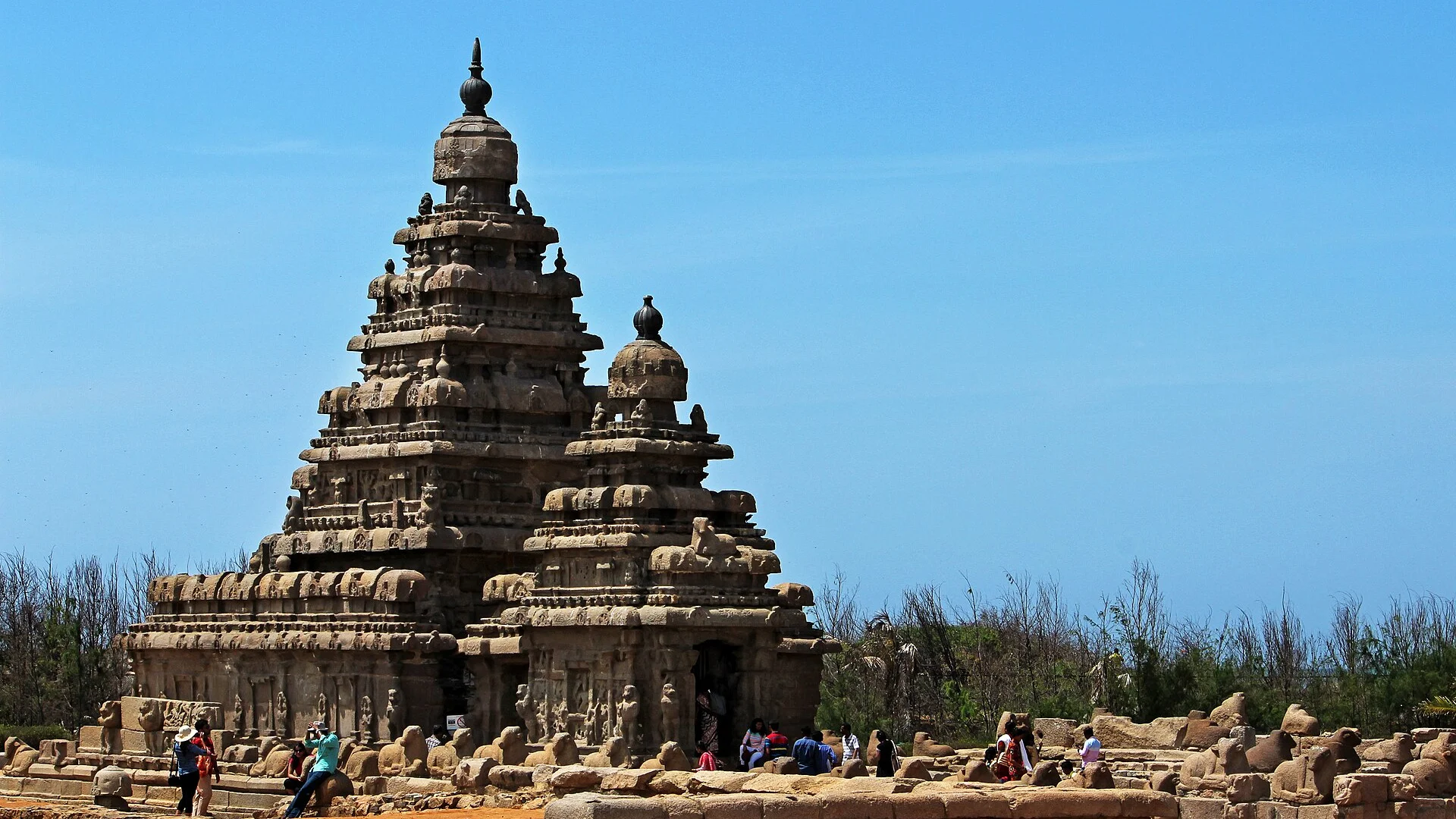
Vaikuntha Perumal Temple
Built by the Pallava king Nandivarman II in the 8th century (circa 770 CE), the Vaikuntha Perumal Temple in Kanchipuram is a key monument of Pallava architecture featuring three tiers…
Explore Temple
Gujarat
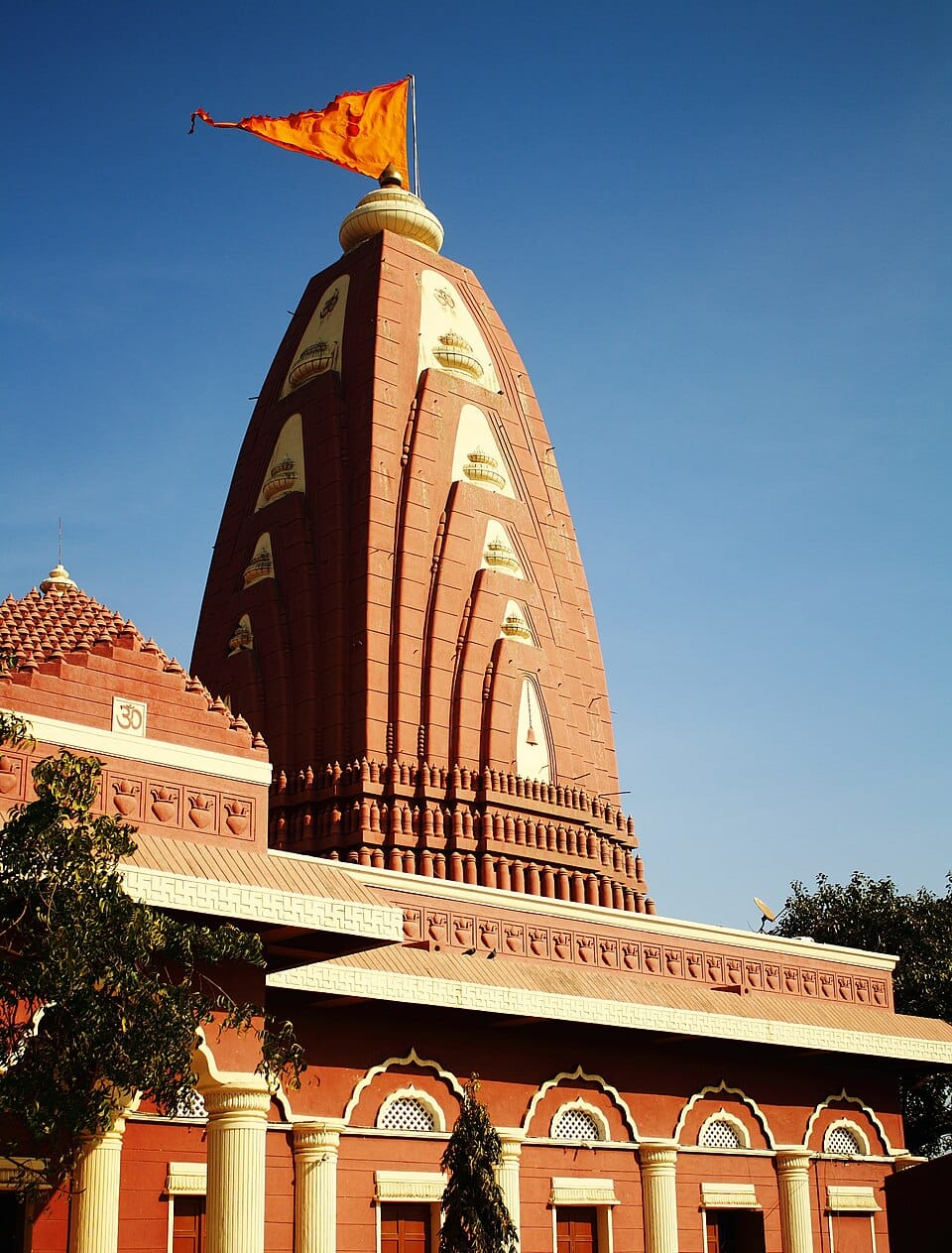
Nageshwar Jyotirlinga Temple
The coastal jyotirlinga hidden in the marshlands of Saurashtra. Shiva as Nageshwar — the Lord of Snakes.
Explore Temple
Karnataka
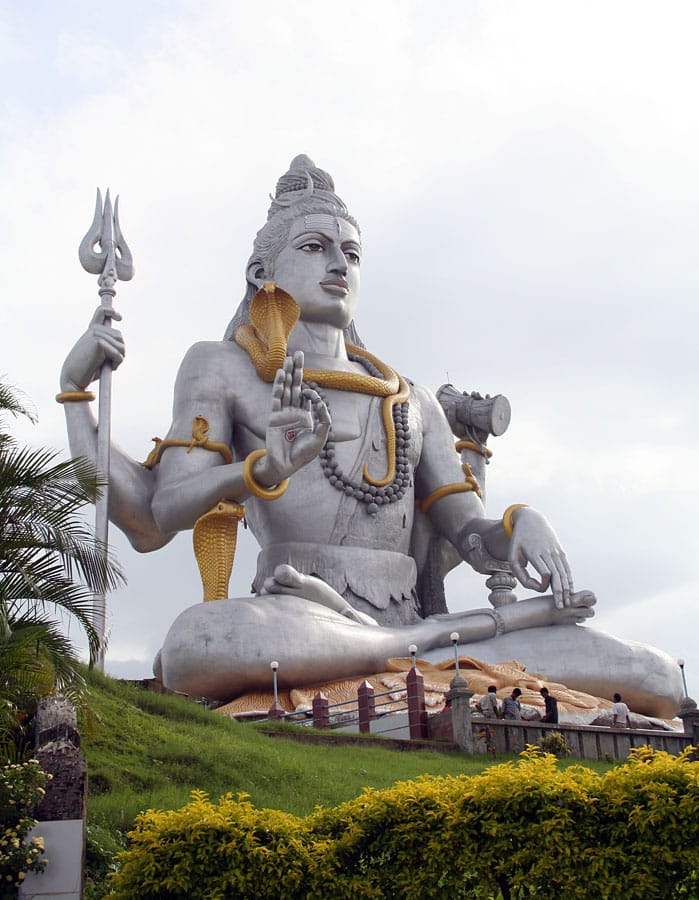
Murudeshwar Temple
Home to the world's second-tallest Shiva statue (123 feet) and a massive 20-story Raja Gopuram overlooking the Arabian Sea.
Explore Temple
Gujarat
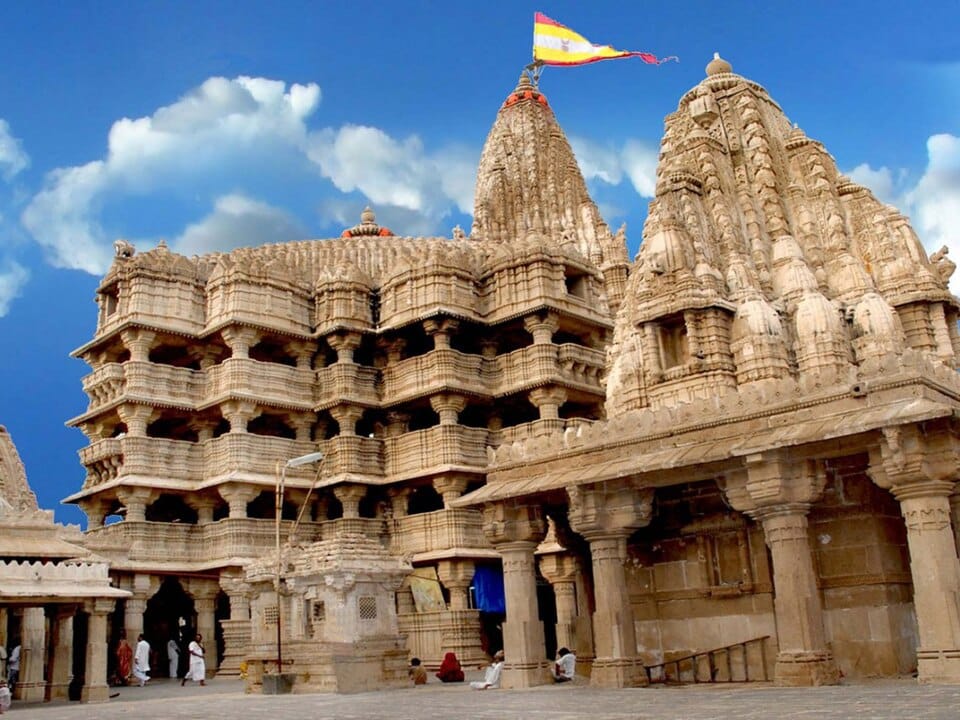
Dwarkadhish Temple
The westernmost of the four Char Dham pilgrimage sites, Dwarkadhish Temple marks the legendary kingdom of Lord Krishna in the ancient city of Dwarka.
Explore Temple
Andhra Pradesh
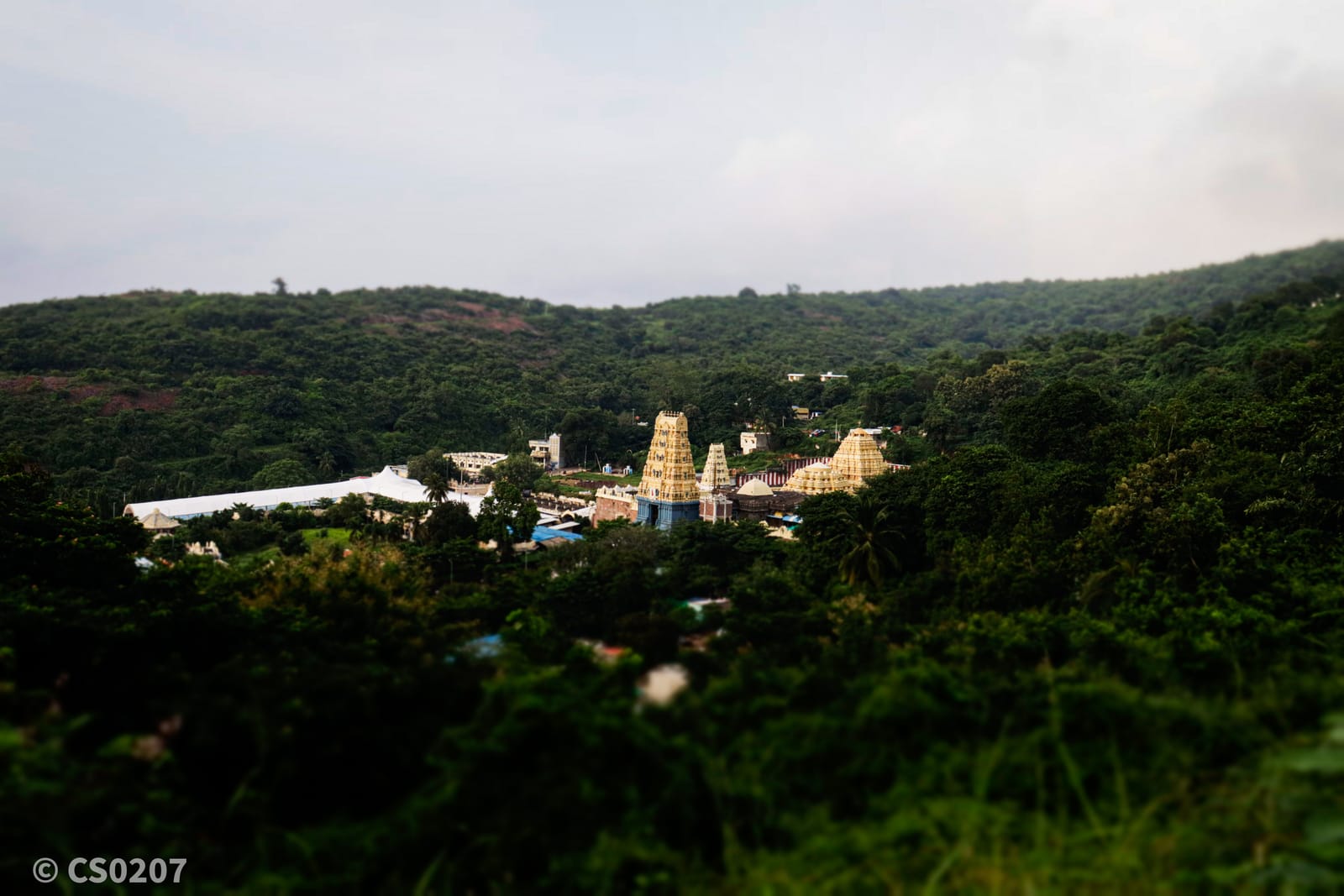
Simhachalam Temple
Simhachalam Temple, also known as Sri Varaha Lakshmi Narasimha Temple, is a historic Hindu temple dedicated to Lord Narasimha, the half-man half-lion avatar of Vishnu.
Explore Temple
Andhra Pradesh
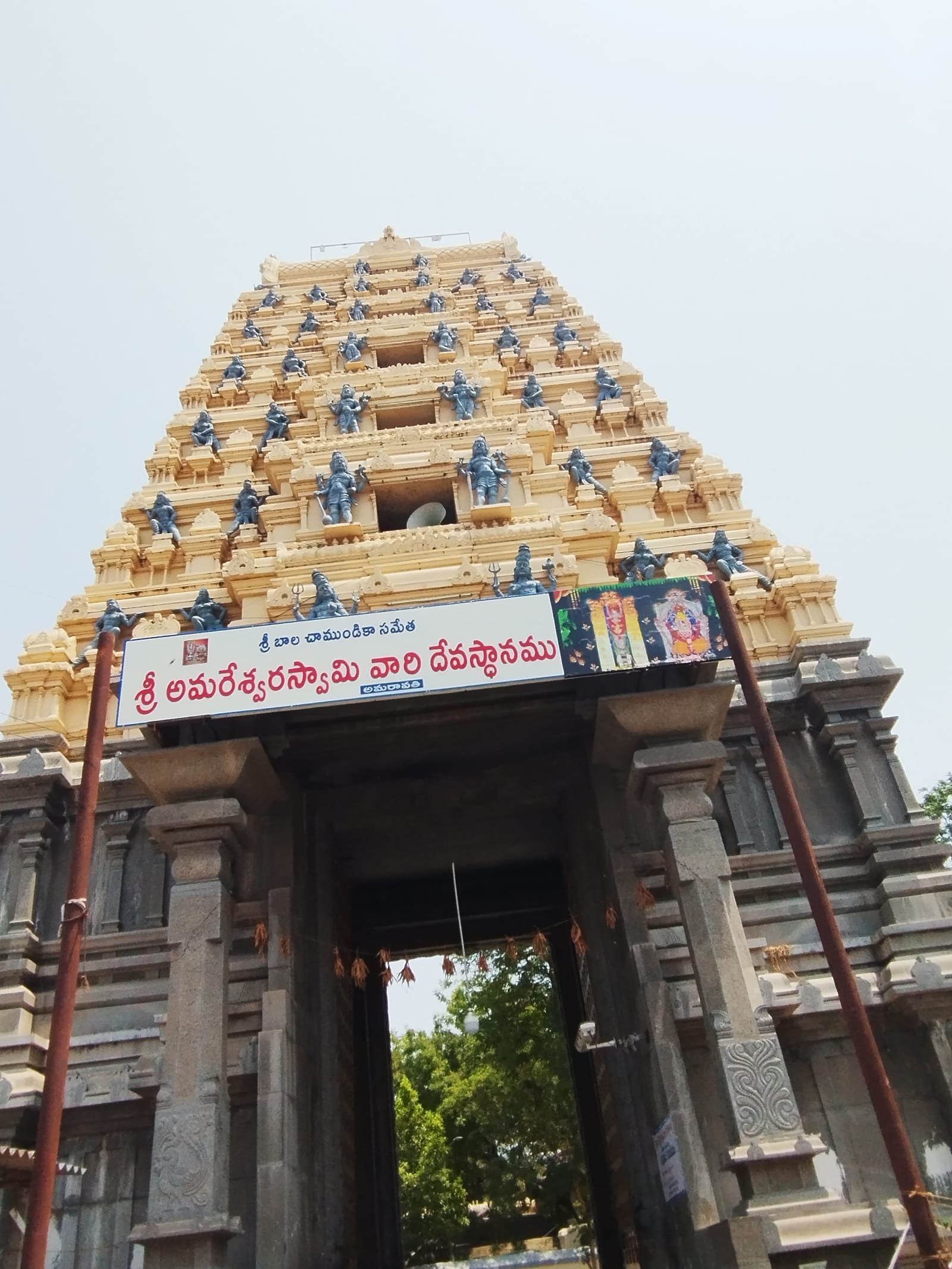
Amaralingeswara Temple
Amaralingeswara Temple, located in Amaravati on the southern bank of the Krishna River, is the foremost of the Pancharama Kshetras — the five ancient Shiva temples of coastal Andhra Pradesh.
Explore Temple
Dadra & Nagar Haveli and Daman & Diu
Somnath Mahadev Temple, Diu
Centuries-old Shaivite sanctuary in Diu island featuring a sanctified Shiva lingam, peaceful open courtyard, and deep maritime heritage connecting island devotees with coastal Saurashtra traditions.
Explore Temple
Dadra & Nagar Haveli and Daman & Diu
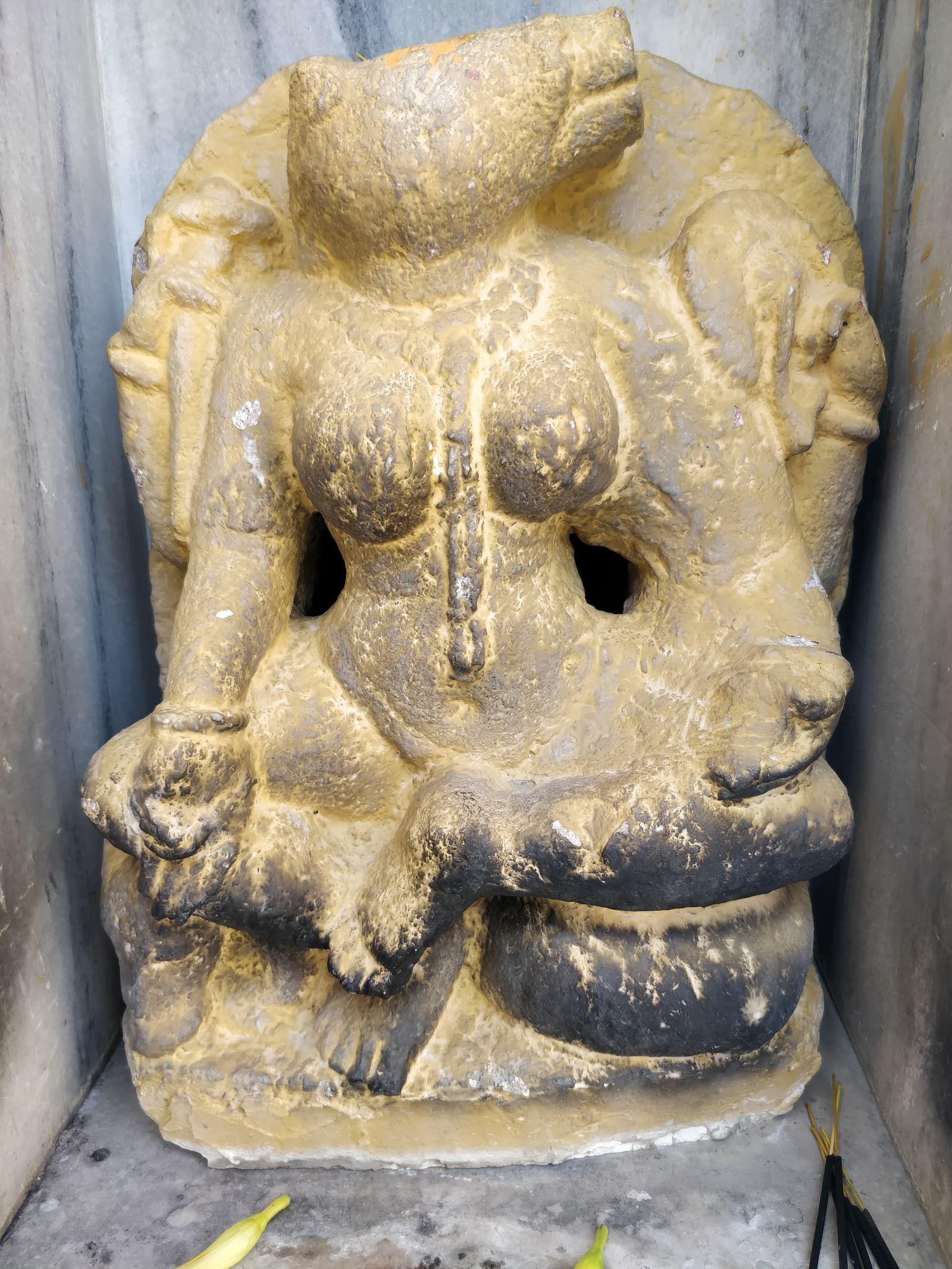
Gangeshwar Mahadev Temple
A mystical coastal temple where five ancient lingams are naturally bathed by ocean waves at high tide.
Explore Temple
Dadra & Nagar Haveli and Daman & Diu
Shree Devka Temple
Venerable coastal temple situated near Devka Beach promenade in Daman, serving as an important spiritual sanctuary for regional seafaring communities and visitors enjoying sunset walks along the Arabian Sea.
Explore Temple
Andaman & Nicobar
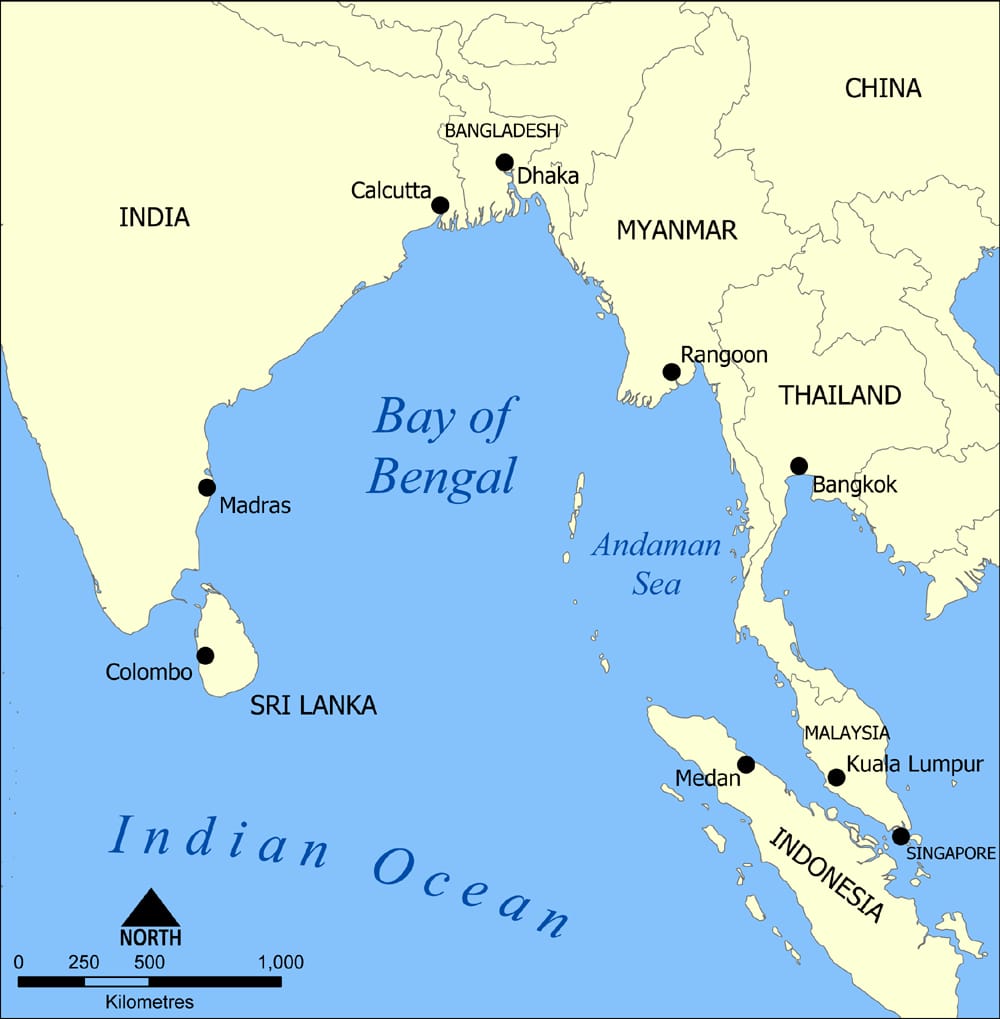
Shankaracharya Temple
Scenic hilltop meditation shrine overlooking the Andaman Sea and Port Blair harbour, honoring philosopher Adi Shankaracharya's Advaita Vedanta philosophy and offering panoramic vistas for quiet contemplation.
Explore Temple
In-Depth Guide
Coastal Temples Legacy
India's 7,516-kilometer coastline is dotted with temples that have stood at the edge of the sea for centuries, many of them among the most architecturally significant in the country. These coastal temples face the unique challenge of saltwater weathering and monsoon exposure, requiring specialized construction techniques. The eastern coast (Odisha, Andhra Pradesh, Tamil Nadu) and western coast (Gujarat, Maharashtra, Karnataka, Kerala) each developed distinct temple traditions adapted to their coastal environments. From the Shore Temple at Mahabalipuram to Somnath on the western tip, these sea-facing shrines offer a dramatic setting where natural elements meet sacred architecture.
Eastern Coast Temples
The eastern coast of India, facing the Bay of Bengal, contains several of India's most important temples. The Shore Temple at Mahabalipuram (7th-8th century CE), built by the Pallava king Narasimhavarman II, is a UNESCO World Heritage site that has survived over 1,300 years of coastal weathering. The Jagannath Temple at Puri, Odisha, located just 2 kilometers from the sea, is a major Char Dham site. The Konark Sun Temple, built as a giant chariot of the Sun God Surya, stands near the Chandrabhaga coast. The Ramanathaswamy Temple at Rameswaram on Pamban Island bridges the gap between India and Sri Lanka. The Srikalahasti Temple in Andhra Pradesh, though inland, is part of the coastal Pancha Bhoota circuit.
Western Coast Temples
The western coast, facing the Arabian Sea, features temples built by the Solanki, Kadamba, and Vijayanagara dynasties. Somnath Temple in Gujarat, the first Jyotirlinga, has been rebuilt six times after being destroyed by invaders, with the current structure facing the sea. The Dwarkadhish Temple at Dwarka, Gujarat, is one of the Char Dham sites, where the temple stands at the edge of the Gomti River's confluence with the Arabian Sea. The Murudeshwar Temple in Karnataka features a 123-foot Shiva statue overlooking the sea. The Shri Mangeshi and Shanta Durga temples in Goa, though now further from the coast than originally built due to the Portuguese inquisition, preserve the Kadamba architectural tradition.
Architectural Adaptations to Coastal Conditions
Coastal temple architects developed specific techniques to withstand saltwater exposure and monsoon rains. The Shore Temple at Mahabalipuram is built from locally quarried granite that naturally resists salt erosion. The Jagannath Temple's kitchen produces food that is cooked using seawater evaporation techniques. Many coastal temples use laterite stone, which hardens on exposure and provides better weather resistance than sandstone. Temple platforms are elevated to protect from storm surges. Drainage systems are more elaborate in coastal temples, with rainwater channels integrated into the design. The Somnath temple's dome was designed with a copper pinnacle that acts as a lightning conductor.
Coastal Temples at a Glance
| Temple | Location | State | Presiding Deity | Primary Significance |
|---|---|---|---|---|
| Vaikuntha Perumal Temple | Kanchipuram | Tamil Nadu | Lord Vishnu (Vaikuntha Perumal) | Built by the Pallava king Nandivarman II in the 8th century (circa 770 CE), the Vaikuntha Perumal Temple in Kanchipuram is a key monument of Pallava architecture featuring three tiers of sanctums one above the other, a unique architectural design representing the three aspects of Vishnu — seated (bhoga), standing (sthita), and reclining (sayana). |
| Nageshwar Jyotirlinga Temple | Dwarka | Gujarat | Lord Shiva | The coastal jyotirlinga hidden in the marshlands of Saurashtra. |
| Murudeshwar Temple | Murudeshwar | Karnataka | Lord Shiva (Murudeshwara) | Home to the world's second-tallest Shiva statue (123 feet) and a massive 20-story Raja Gopuram overlooking the Arabian Sea. |
| Dwarkadhish Temple | Dwarka | Gujarat | Lord Krishna | The westernmost of the four Char Dham pilgrimage sites, Dwarkadhish Temple marks the legendary kingdom of Lord Krishna in the ancient city of Dwarka. |
| Simhachalam Temple | Visakhapatnam | Andhra Pradesh | Lord Narasimha | Simhachalam Temple, also known as Sri Varaha Lakshmi Narasimha Temple, is a historic Hindu temple dedicated to Lord Narasimha, the half-man half-lion avatar of Vishnu. |
| Amaralingeswara Temple | Amaravati | Andhra Pradesh | Lord Shiva (Amaralingeswara) | Amaralingeswara Temple, located in Amaravati on the southern bank of the Krishna River, is the foremost of the Pancharama Kshetras — the five ancient Shiva temples of coastal Andhra Pradesh. |
| Somnath Mahadev Temple, Diu | Diu | Dadra & Nagar Haveli and Daman & Diu | — | Centuries-old Shaivite sanctuary in Diu island featuring a sanctified Shiva lingam, peaceful open courtyard, and deep maritime heritage connecting island devotees with coastal Saurashtra traditions. |
| Gangeshwar Mahadev Temple | Diu (Fudam Village) | Dadra & Nagar Haveli and Daman & Diu | — | A mystical coastal temple where five ancient lingams are naturally bathed by ocean waves at high tide. |
| Shree Devka Temple | Daman (Devka Beach) | Dadra & Nagar Haveli and Daman & Diu | — | Venerable coastal temple situated near Devka Beach promenade in Daman, serving as an important spiritual sanctuary for regional seafaring communities and visitors enjoying sunset walks along the Arabian Sea. |
| Shankaracharya Temple | Port Blair | Andaman & Nicobar | — | Scenic hilltop meditation shrine overlooking the Andaman Sea and Port Blair harbour, honoring philosopher Adi Shankaracharya's Advaita Vedanta philosophy and offering panoramic vistas for quiet contemplation. |
Frequently Asked Questions
Q.Which is the oldest coastal temple in India?
The Shore Temple at Mahabalipuram, built between 700-728 CE by the Pallava king Narasimhavarman II, is the oldest surviving structural coastal temple. The Somnath Temple site is older but has been rebuilt multiple times.
Q.How many Jyotirlingas are located on the coast?
Three Jyotirlingas are located on or near the coast: Somnath (Gujarat, Arabian Sea), Ramanathaswamy (Tamil Nadu, Gulf of Mannar), and Nageshwar (Gujarat, near the Gulf of Kutch).
Q.Which coastal temple is a UNESCO World Heritage Site?
The Shore Temple at Mahabalipuram is part of the Group of Monuments at Mahabalipuram, designated a UNESCO World Heritage Site in 1984. The Konark Sun Temple was also inscribed as a UNESCO site in 1984.
Q.What is special about the Pran Pratishtha at Somnath?
The Somnath temple's shikhara was designed so that the first rays of the rising sun from the Arabian Sea fall directly on the sanctum's linga during the equinoxes, demonstrating the astronomical knowledge incorporated into its design.
Sources & References
These records back the dating, architectural classification and visitor guidance published on this Coastal Temples page.
Archaeological Survey of India
Archaeological Survey of India — monument records and conservation reports
Protection status, dating, architectural classification and published conservation records for the monuments named on this page.
Primary archaeological record
Open source (opens in a new tab)Ministry of Tourism, Government of India
Ministry of Tourism — official destination information
Official Government of India destination information — access, visitor circuits and travel guidance referenced on this page.
Government record
Open source (opens in a new tab)UNESCO World Heritage Centre
UNESCO World Heritage List — India
World Heritage inscription criteria, Outstanding Universal Value statements and the year of listing for the sites named on this page.
World Heritage documentation
Open source (opens in a new tab)
— every record linked above was re-requested for this release, so the link still resolves and the publisher still serves the document. It is a link check, not a re-verification of every sentence on this page.
Missing something, or found an error? Send us a correction with the record that supports it, or read how we choose sources.