IndonesiaBhatara Segara
Tanah Lot
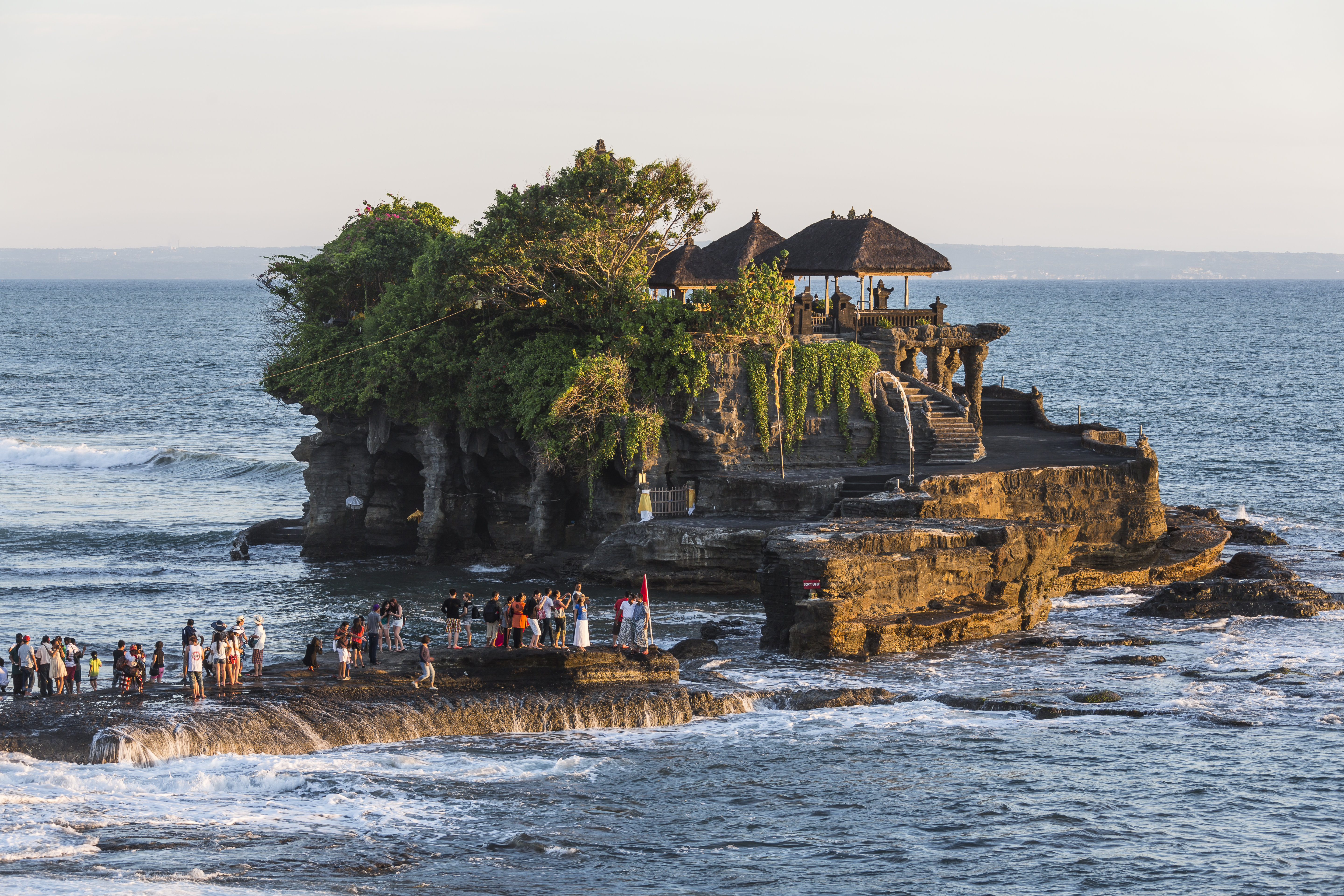
Tanah Lot is a spectacular Balinese sea temple perched on a rocky offshore outcrop, famous for its sunset views and sacred sea snakes.
Bali, Indonesia Sea Gods (Balinese Hinduism) Built: c. 16th century CE
Share
Overview
Tanah Lot is one of Bali's most iconic and venerated sea temples, situated on a dramatic offshore rocky islet along the southwestern coast of Tabanan Regency. The temple's name derives from Balinese words meaning 'land surrounded by sea,' an apt description of the isolated rock formation that becomes fully surrounded by water during high tide and accessible via a narrow causeway during low tide.
The temple was established in the 16th century by Dang Hyang Nirartha, the revered Hindu priest who traveled extensively across Bali and established a network of coastal sea temples that form a protective spiritual ring around the island. Tanah Lot holds particular significance as one of Bali's six directional sea temples (Dang Kahyangan), which were strategically positioned to protect the island from malevolent sea spirits and maintain cosmic harmony.
The temple receives over three million visitors annually, drawn as much by its spectacular natural setting and world-famous sunsets as by its religious importance.
Quick Facts
Deity
Bhatara Segara
Location
Bali, Indonesia
Built
c. 16th century CE
Built By
Dang Hyang Nirartha
Coordinates
-8.62, 115.09
Timings
7:00 AM – 7:00 PM daily; temple interior may close during high tide
Entry Fee
IDR 60,000 (adults), IDR 30,000 (children)
History
The history of Tanah Lot is intimately connected with the life of Dang Hyang Nirartha, also known as Pedanda Shakti Wawu Rauh, a 16th-century Hindu priest from the Majapahit kingdom in Java. According to traditional accounts, Nirartha arrived in Bali during a period of political and religious transition and immediately recognized the island's spiritual significance.
During his travels along Bali's southern coast, he stopped to rest at the rocky outcrop now known as Tanah Lot and was struck by its powerful spiritual energy. The local fisherman who had provided him lodging were initially reluctant to accept his teachings, prompting Nirartha to move the entire thatched-roof hut he had been staying in to the offshore rock using his supernatural powers, establishing the first shrine on the site.
The temple was subsequently expanded by later generations and became the most prominent of the six sea temples that Nirartha established along the Balinese coast. During the Dutch colonial period, Tanah Lot drew the attention of Western artists and photographers, including the Mexican muralist Diego Rivera—who is said to have visited in the 1930s—and gradually became among the most photographed structures in all of Southeast Asia.
Historical Timeline
c. 16th century CE
Foundation by Dang Hyang Nirartha
The Hindu priest Dang Hyang Nirartha establishes the first shrine on the rocky outcrop, founding Tanah Lot as one of Bali's six directional sea temples.
1930s
International Recognition
Tanah Lot attracts Western artists and photographers, including muralist Diego Rivera, and gains fame as among the most photographed sites in Southeast Asia.
1990s
Rock Stabilization Project
Japanese and Indonesian engineers undertake a major reinforcement and stabilization project to prevent the erosion of the rocky outcrop from wave action.
2010
Featured in Eat Pray Love
Tanah Lot appears in the Hollywood film 'Eat Pray Love,' significantly boosting international visitor numbers and global recognition.
Architecture
Tanah Lot's architecture is relatively modest in scale compared to inland Balinese temple complexes, as the limited surface area of the rocky outcrop—roughly 30 meters in diameter—constrained construction possibilities. The temple consists principally of a single three-tiered meru shrine, several smaller shrines, and a simple meditation cave, all built from local coral stone and volcanic rock.
The main meru, dedicated to the sea gods Bhatara Segara, features the traditional Balinese multi-tiered roof that narrows toward the top, symbolically replicating Mount Meru, the cosmic mountain. The rock formation itself has been shaped over millennia by wave action, creating natural sea caves at its base. One of these caves is the habitat of several sacred sea snakes (ular laut) that local legend identifies as guardians of the temple.
These snakes, which are venomous but reportedly non-aggressive toward humans in the context of the temple, can be observed by visitors during low tide. The integration of the built structure with its natural geological setting—the temple rising organically from the wave-battered rock—exemplifies the Balinese architectural principle of tri hita karana, balancing the relationship between the built environment, the natural world, and the spiritual realm.
Main Deity
Bhatara Segara
Sea Gods (Balinese Hinduism)
Religious Significance
Tanah Lot occupies a unique position within Balinese Hinduism as one of the six Dang Kahyangan sea temples, constituting a spiritual defense network that protects Bali from destructive oceanic forces. The six temples are conceptually positioned at strategic points along the coastline to form a protective ring, with Tanah Lot guarding the western approach.
This cosmological function reflects the Balinese worldview, in which the sea is associated with the demonic realm of spirits (bhuta kala) that must be propitiated and contained through ritual practice. Beyond its religious role, Tanah Lot has evolved into the most recognizable symbol of Balinese culture worldwide, appearing on countless postcards, travel brochures, and tourism campaigns. The site generates substantial economic benefits for the surrounding region and supports hundreds of local vendors, photographers, and hospitality workers.
The temple's fame, however, creates an ongoing tension between its roles as a living place of worship and a mass tourism destination, requiring delicate management to preserve its sanctity while accommodating millions of visitors.
Temple Legends
The foundational legend of Tanah Lot centers on Dang Hyang Nirartha, who according to oral tradition, was sleeping at the site when a local fisherman denied his request for lodging. In response, Nirartha performed a miracle, moving his thatched hut and all his possessions onto the rocky outcrop using supernatural powers, which caused the fisherman to recognize his spiritual stature and beg for forgiveness.
Nirartha subsequently established a shrine on the rock, instructing the local villagers to worship at the site and promising them his protection. The temple is also surrounded by the legend of the sacred sea snakes, which are believed to be manifestations of Nirartha's sash, which he threw into the sea and transformed into protective serpents. These snakes are said to guard the temple from malevolent spirits and ill-intentioned visitors.
According to local belief, the snakes possess the ability to distinguish between visitors with pure and impure intentions. Another widely recounted legend states that if the temple's sacred black-and-white checked cloth is ever removed, Bali will be struck by a catastrophic tsunami—a belief that underscores the temple's protective function within Balinese cosmology.
Festivals & Celebrations
The primary temple festival (odalan) at Tanah Lot occurs every 210 days according to the Balinese pawukon calendar, coinciding with the Tuesday of Kliwon Medangsia week. The celebration spans three days and includes elaborate processions, offerings of food and flowers, traditional gamelan performances, and prayer ceremonies led by the temple priest. During the odalan, the temple is thronged by local devotees who travel from surrounding villages to participate, and the atmosphere becomes markedly more reverent than during ordinary tourist visits.
Tanah Lot also holds significance during the larger island-wide festivals of Galungan and Kuningan, when additional ceremonies are conducted. The most visually striking ceremonial event is the daily sunset offering ritual (piodalan alit), when the priest makes offerings to the sea gods at the base of the rock formation. During the full moon (Purnama), special ceremonies are conducted that attract larger congregations, and the temple remains open later than usual to accommodate the extended ritual program.
Daily Rituals
Daily worship at Tanah Lot follows the traditions of Balinese sea temple rituals, with the temple priest performing morning offerings at dawn to the sea gods Bhatara Segara. Offerings of flowers, rice, fruits, and incense are placed at the main meru shrine and at the cave housing the sacred sea snakes, accompanied by prayers chanted in Old Javanese.
The most visible daily ritual is the sunset offering ceremony (piodalan alit), when the priest descends to the base of the rock formation and presents offerings to the ocean, a deeply evocative ritual that draws the attention of many visitors.
Visitor Information
Timings
7:00 AM – 7:00 PM daily; temple interior may close during high tide
Entry Fee
IDR 60,000 (adults), IDR 30,000 (children)
Dress Code
Sarong and sash required for entering the temple area; rental available at entrance
Photography
Photography permitted throughout; the sunset view from the western headland is the most photographed spot; drone use is prohibited
Accessibility
The main visitor area and viewing platforms are accessible via paved walkways suitable for wheelchairs and strollers. The rocky causeway leading to the base of the temple is uneven and may be difficult for mobility-impaired visitors and is impassable during high tide. Accessible restrooms are available in the visitor center.
Best Time to Visit
Late afternoon (4:00–6:00 PM) for sunset; check tide schedules as the causeway is impassable during high tide; dry season (April–October) offers the clearest skies
How to Reach
Tanah Lot is located approximately 20 kilometers west of Kuta and 25 kilometers from Denpasar. Accessible by taxi, rideshare, or rented scooter; parking is available in designated lots a short walk from the temple. Organized tour packages from across Bali routinely include Tanah Lot as an afternoon or sunset stop.
Nearby Attractions
Pura Luhur Uluwatu (40 km southeast), Taman Ayun Temple (25 km north), Alas Kedaton Monkey Forest (15 km north), Jatiluwih Rice Terraces (30 km north), Soka Beach (15 km west)
Nearby Hotels
Hotel Tanah Lot
200 metersA conveniently located hotel adjacent to the Tanah Lot temple complex, offering comfortable rooms with sea views, a restaurant, and easy access to the sunset viewing areas.
Natya Hotel Tanah Lot
600 metersA boutique hotel with traditional Balinese architecture featuring an infinity pool, spa, and panoramic ocean views, located a short walk from the temple.
Puri Dajuma Cottages
5 kmA peaceful seaside resort set in tropical gardens with traditional cottages, offering a restaurant and direct access to Soka Beach.
Nearby Vegetarian Restaurants
Dewi Sinta Restaurant
300 metersAn open-air restaurant with ocean views serving Balinese and Indonesian vegetarian dishes, fresh seafood, and tropical fruit platters.
Bale Banjar Restaurant
400 metersA garden restaurant near the temple entrance offering traditional Balinese cuisine with a dedicated vegetarian menu including nasi campur and gado-gado.
Sari Restaurant
1 kmA family-friendly dining spot serving Indonesian classics and Western dishes with clearly marked vegetarian options and fresh juices.
Nearby Temples
Taman Ayun Temple
25 km northA beautiful royal temple of the Mengwi Empire, featuring a large courtyard with multiple meru shrines surrounded by a wide moat and landscaped gardens.
Pura Luhur Uluwatu
40 km southeastOne of Bali's six holiest directional sea temples, spectacularly perched on a 70-meter cliff edge at the southwestern tip of the Bukit Peninsula.
Pura Taman Pule
20 km northA historic temple in the village of Mengwi known for its beautiful carved gates and peaceful atmosphere, surrounded by traditional Balinese architecture.
Interesting Facts
- Tanah Lot is one of only two Balinese sea temples established by Dang Hyang Nirartha that remain active as major pilgrimage sites; the other is Uluwatu.
- The rocky outcrop is gradually eroding due to wave action; Japanese and Indonesian engineers performed a significant reinforcement and stabilization project in the 1990s.
- Sacral snakes residing in the caves measure up to 1.5 meters in length and are believed to possess healing properties when touched by devotees.
- During low tide, visitors can walk across a dry causeway to the base of the temple rock; during high tide, the temple is completely inaccessible.
- Tanah Lot was featured in the 2010 Hollywood film 'Eat Pray Love' starring Julia Roberts, which significantly boosted international visitor numbers.
Image Gallery
1 / 4
The iconic silhouette of Tanah Lot Temple against a fiery sunset sky
Frequently Asked Questions
Can I enter the temple itself or just view it from the shore?
Visitors can walk up to the base of the rock formation during low tide, but only Hindu devotees may ascend the stairs to the temple proper. The surrounding grounds, including viewpoints on both sides, offer excellent photo opportunities.
Are the sacred sea snakes visible during regular visits?
Yes, the snakes can be observed in the caves at the base of the rock during low tide. A designated viewing area is maintained, and local guides can point them out. The snakes are wild but are considered non-aggressive toward visitors.
Is Tanah Lot too crowded to enjoy?
The site is indeed very busy during sunset hours (5:00–6:30 PM), particularly during peak tourist season. For a quieter experience, visit early morning when the temple opens at 7:00 AM or during the midday period when tour groups are less common.
Sources & References
- [1]Bali Tourism Board government
- [2]Tanah Lot Temple Official Guidetemple
— every record linked above was re-requested for this release, so the link still resolves and the publisher still serves the document. It is a link check, not a re-verification of every sentence on this page.
More Temples in Indonesia
Explore other Hindu temples in Indonesia.
UNESCO 1991
Indonesia
Prambanan Temple
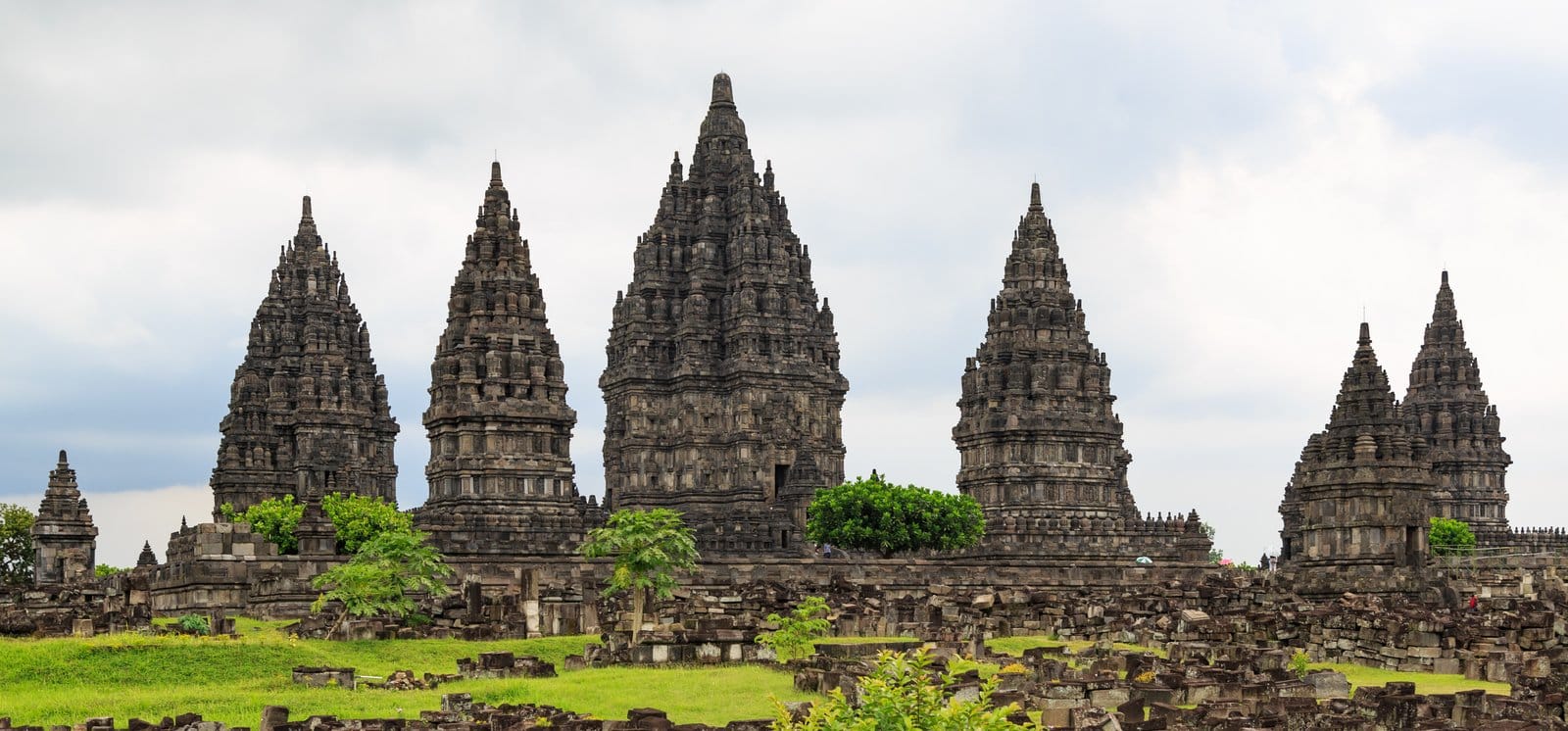
Prambanan is the largest Hindu temple complex in Indonesia, a 9th-century UNESCO World Heritage Site dedicated to the Trimurti and located near Yogyakarta.
Explore Temple

Indonesia
Pura Besakih
Pura Besakih is the Mother Temple of Bali, a sprawling complex of 23 temples on the slopes of Mount Agung and the holiest site in Balinese Hinduism.
Explore Temple

Indonesia
Uluwatu Temple
Uluwatu Temple is a spectacular Balinese sea temple perched on a 70-meter cliff edge at the southwestern tip of Bali, known for its Kecak fire dance performances and sunset views.
Explore Temple