
IndonesiaRudra (Shiva)
Uluwatu Temple
Uluwatu Temple is a spectacular Balinese sea temple perched on a 70-meter cliff edge at the southwestern tip of Bali, known for its Kecak fire dance performances and sunset views.
Bali, Indonesia Rudra (Shiva) Built: c. 11th century CE
Share
Overview
Pura Luhur Uluwatu, commonly known as Uluwatu Temple, ranks among Bali's six holiest directional sea temples (Dang Kahyangan) and occupies among the most dramatic natural settings of any religious site in the world. The temple complex stretches along the sheer edge of a 70-meter-high limestone cliff at the southwestern tip of the Bukit Peninsula, where the Indian Ocean crashes against the rock face with relentless force.
Built in the 11th century by the Javanese sage Empu Kuturan, Uluwatu was further developed and consecrated by the 16th-century priest Dang Hyang Nirartha, who is said to have attained moksha (spiritual liberation) at this very site. The temple is dedicated to Rudra, the fierce aspect of Shiva, reflecting both the raw power of the ocean below and the temple's role in confronting and taming malevolent spiritual forces.
Uluwatu has become famous worldwide for its afternoon Kecak fire dance performances that unfold against the backdrop of the setting sun, creating one of Bali's most iconic cultural experiences.
Quick Facts
Deity
Rudra (Shiva)
Location
Bali, Indonesia
Built
c. 11th century CE
Built By
Empu Kuturan (established); Dang Hyang Nirartha (expanded)
Coordinates
-8.83, 115.08
Timings
7:00 AM – 7:00 PM daily (temple grounds); Kecak dance at 6:00 PM
Entry Fee
IDR 50,000 (adults), IDR 25,000 (children); separate ticket required for Kecak dance performance (IDR 100,000–150,000)
History
The earliest recorded history of Uluwatu dates to the 11th century, when Empu Kuturan, a revered Hindu priest from Java, traveled to Bali to establish religious institutions and reform existing practices. Kuturan recognized the spiritual potency of the Bukit Peninsula's southwestern promontory—where the earth meets the infinite ocean—and established a meditation hermitage and small shrine on the site.
The temple was significantly expanded during the 16th century by Dang Hyang Nirartha, the most influential figure in the development of Balinese Hinduism. According to tradition, Nirartha made Uluwatu his final destination during his pilgrimage across Bali, spending his last days in meditation at the cliff edge.
The story recounts that he achieved spiritual liberation by leaping from the cliff into the ocean—or alternatively, dissolving into a beam of light—leaving behind only his sacred staff, which is preserved within the temple as a relic. During the Dutch colonial period, Uluwatu attracted the attention of Western artists and anthropologists who documented its unique traditions. The temple survived the 1963 Mount Agung eruption largely undamaged, though ashfall affected the surrounding region.
A significant lightning strike in 1999 caused a devastating fire that destroyed several of the temple's structures, prompting a comprehensive restoration completed in 2002.
Historical Timeline
c. 11th century CE
Foundation by Empu Kuturan
The Javanese Hindu priest Empu Kuturan establishes a meditation hermitage and small shrine on the Bukit Peninsula's southwestern promontory.
16th century
Expansion by Dang Hyang Nirartha
Dang Hyang Nirartha significantly expands the temple and is said to have attained spiritual liberation (moksha) at this site, making Uluwatu one of Bali's holiest temples.
1999
Lightning Strike and Fire
A devastating lightning strike causes a major fire that destroys approximately 80% of the temple structures, including the original shrine marking Nirartha's liberation site.
2002
Restoration Completed
A comprehensive three-year restoration project is completed, reconstructing the damaged structures and returning the temple to its former glory.
Architecture
Uluwatu's architecture follows the standard Balinese temple layout adapted to the extreme constraints of its cliff-edge location. The complex is organized along a linear east-west axis rather than the typical concentric layout, with a series of courtyards (mandalas) leading toward the westernmost point. The entrance is marked by a traditional candi bentar split gate crafted from local coral limestone, beyond which a path winds through landscaped gardens to the inner sanctum.
The main shrine structures include a multi-tiered meru dedicated to Rudra, several smaller shrines to associated deities, and a small meditation pavilion built directly at the cliff edge—reportedly at the exact spot where Dang Hyang Nirartha achieved liberation. The walls and gates are adorned with carved stone reliefs depicting demons, floral motifs, and scenes from Hindu mythology, all executed in the distinctive Balinese stylistic tradition.
The natural environment is integral to the temple's aesthetic and spiritual character: the wind-sculpted vegetation, the spray from breaking waves, and the monkeys that inhabit the temple grounds all contribute to the site's atmosphere. The temple is constructed from locally quarried limestone, which weathers to a silvery gray patina over time and harmonizes with the surrounding cliff face.
Main Deity
Rudra (Shiva)
Religious Significance
Uluwatu holds dual significance as both a primary spiritual guardian of Bali and a globally recognized cultural landmark. As one of the six Dang Kahyangan directional temples, Uluwatu is charged with protecting the island from malevolent ocean spirits and maintaining the spiritual equilibrium of the realm. The temple's position at the southwestern point of the peninsula places it at a critical node in the network of spiritual defenses envisioned by Dang Hyang Nirartha.
The temple's dedication to Rudra—the fierce, storm-god aspect of Shiva—underscores its role in confronting destructive forces and transmuting them into protective energy. In contemporary times, Uluwatu has become an enduring symbol of Balinese culture and one of Indonesia's premier tourist destinations. The Kecak dance performance held at the temple's cliff-edge amphitheater has become the most recognized performing arts presentation in Bali, drawing audiences from around the world and providing a vital economic lifeline for local artists and communities.
The surrounding Bukit Peninsula has also developed into a world-class surfing destination, with the waves breaking below the temple cliffs forming some of the most celebrated surf breaks on the planet.
Temple Legends
The most profound legend associated with Uluwatu concerns the final days of Dang Hyang Nirartha, who is said to have achieved moksha at this site. According to the traditional account, Nirartha had spent years traveling across Bali, establishing temples and teaching the principles of Hindu philosophy. Upon arriving at Uluwatu, he recognized the site as the most spiritually potent location on the island and decided to complete his earthly journey there.
After days of intense meditation at the cliff edge, he transformed into a brilliant beam of light ascending to the heavens—or alternatively, leaped into the ocean, where he was received by the gods. The temple's resident monkeys are central to another set of local beliefs. These long-tailed macaques are considered sacred guardians of the temple and are believed to possess the spirit of Nirartha's disciples who were transformed into monkeys as a test of devotion.
The monkeys are notorious for snatching visitors' belongings—sunglasses, cameras, hats—which they hold for ransom, as local guides can demonstrate. This behavior is interpreted as the monkeys teaching lessons of non-attachment and humility to prideful visitors.
Festivals & Celebrations
Uluwatu's principal temple festival (odalan) is celebrated every 210 days according to the Balinese pawukon calendar, on Anggara (Tuesday) of Kliwon Medangsia week. The festival extends over several days and features elaborate offerings, processions of devotees carrying temple banners and sacred objects, gamelan orchestras, and prayer ceremonies led by the temple's pemangku (priest). During this period, the temple grounds are filled with devotees from surrounding villages, and the atmosphere shifts from tourist attraction to active religious sanctuary.
The temple also plays a role in the broader ceremonial calendar of South Bali, with additional rituals conducted during Galungan, Kuningan, and Saraswati days. The most famous recurring event at Uluwatu, however, is not a traditional temple festival but the daily Kecak dance performance. Staged every evening at 6:00 PM in a purpose-built amphitheater on the cliff edge, the performance narrates episodes from the Ramayana through the distinctive Kecak vocal percussion style, accompanied by fire dances and elaborate costumes.
While not a religious ceremony per se, the performance draws on sacred narratives and is preceded by a blessing ritual.
Daily Rituals
Daily worship at Uluwatu follows Balinese Hindu traditions, with the temple priest (pemangku) performing morning and evening offerings of flowers, rice, incense, and holy water at the main meru shrine dedicated to Rudra. The temple's cliff-edge location means that many rituals incorporate elements honoring the ocean spirits, with offerings cast into the sea from the cliff top during certain ceremonies.
The evening hours see the temple grounds transform as the daily Kecak fire dance performance begins at 6:00 PM, with the performance itself preceded by a brief blessing ritual that visitors may observe.
Visitor Information
Timings
7:00 AM – 7:00 PM daily (temple grounds); Kecak dance at 6:00 PM
Entry Fee
IDR 50,000 (adults), IDR 25,000 (children); separate ticket required for Kecak dance performance (IDR 100,000–150,000)
Dress Code
Sarong and sash mandatory for all visitors; rental available at entrance; visitors without proper attire are denied entry
Photography
Photography is permitted in most areas; flash photography is prohibited during active ceremonies and the Kecak performance; tripods require special permission; drone use is strictly prohibited
Accessibility
The temple grounds feature paved walkways through the main courtyards and gardens, but the cliff-edge paths involve some uneven stone steps. The Kecak dance amphitheater has tiered seating with designated areas for wheelchair users. Accessible parking is available, and staff can assist visitors with mobility challenges upon request.
Best Time to Visit
Late afternoon (4:00–5:30 PM) allows time to explore the temple grounds before the 6:00 PM Kecak performance during sunset; dry season (April–October) offers the clearest skies
How to Reach
Uluwatu Temple is located at the southern tip of the Bukit Peninsula, approximately 30 kilometers south of Kuta and 35 kilometers from Denpasar Airport. Accessible by taxi, rideshare, or rented scooter. The road to the temple passes through the Pecatu Indah resort development and is well-paved. Parking is available in large lots on the approach road.
Nearby Attractions
Pecatu beaches (Padang Padang, Bingin, Dreamland), Garuda Wisnu Kencana Cultural Park (15 km north), Jimbaran Bay seafood restaurants (20 km north), Suluban Beach cave (3 km west), Uluwatu surf breaks
Nearby Hotels
Uluwatu Cottages
1 kmA cliffside hotel offering traditional Balinese-style cottages with ocean views, an infinity pool, and a restaurant serving local and international cuisine.
Radisson Blu Bali Uluwatu
5 kmA modern five-star resort on the Bukit Peninsula featuring spacious rooms, multiple swimming pools, a spa, and panoramic Indian Ocean views.
The Ungasan Clifftop Resort
3 kmA luxury clifftop resort with private villas, infinity pools overlooking the ocean, and world-class dining options, located near Uluwatu.
Nearby Vegetarian Restaurants
Single Fin Bali
3 kmA popular cliff-edge restaurant and bar offering stunning ocean views, live music, and a menu with vegetarian bowls, salads, and Indonesian classics.
Ulu Garden Restaurant
2 kmA relaxed garden restaurant serving Balinese and international vegetarian-friendly dishes including fresh smoothie bowls, tempeh dishes, and organic salads.
Maya's Uluwatu
2 kmA charming cafe and restaurant offering wholesome vegetarian and vegan options, fresh juices, and Balinese coffee in a cozy garden setting.
Nearby Temples
Pura Geger
15 km northA Balinese sea temple located on a scenic beach in Nusa Dua, known for its serene atmosphere and traditional architecture facing the ocean.
Pura Mas Suka
5 kmA quiet temple in the Pecatu area surrounded by tropical vegetation, featuring traditional Balinese shrines and carved stone gates.
Tanah Lot Temple
40 km northwestBali's most famous sea temple, dramatically perched on an offshore rocky outcrop and renowned for its spectacular sunset views.
Interesting Facts
- Uluwatu's resident macaque monkeys have been studied by primatologists for their habitual theft of high-value visitor items; they have learned to recognize which items are worth stealing and negotiate food rewards for their return.
- The temple derives its name from the Balinese words 'ulu' (tip/land's end) and 'watu' (rock/cliff), literally meaning 'rock at the land's end.'
- The 1999 lightning strike and subsequent fire destroyed 80% of the temple structures, including the original shrine marking Nirartha's liberation site.
- Uluwatu is the only Balinese sea temple where the Kecak dance—a traditionally secular performance—is presented within a temple setting as part of the visitor experience.
- The cliff face is composed of ancient coral reef limestone, containing fossilized marine organisms dating back 20 million years.
Image Gallery
1 / 2
The dramatic clifftop setting of Pura Luhur Uluwatu at sunset over the Indian Ocean
Frequently Asked Questions
How aggressive are the Uluwatu monkeys?
The monkeys are accustomed to humans and will actively approach visitors, particularly those wearing sunglasses or carrying visible items. They are wild animals and should not be fed by visitors. Secure all loose belongings and avoid direct eye contact. Monkey-related injuries are rare but do occur.
Is the Kecak dance worth attending?
Yes, the performance is widely considered one of Bali's premier cultural experiences. The combination of the chanting, fire dance, and sunset backdrop over the Indian Ocean creates a genuinely memorable spectacle. Arrive at least 30 minutes early to secure good seating.
Can I visit Uluwatu and Tanah Lot in the same day?
Yes, though it requires careful timing. Uluwatu is best visited in the late afternoon for the Kecak performance, while Tanah Lot is typically visited for sunset. They are approximately 40 kilometers apart, so a same-day visit would require leaving Uluwatu immediately after the Kecak dance ends at approximately 7:00 PM.
Sources & References
- [1]Bali Cultural Agencygovernment
- [2]Sacred Sites of Bali — UNESCO World Heritage Centre government
- [3]Uluwatu Temple Official Guidetemple
— every record linked above was re-requested for this release, so the link still resolves and the publisher still serves the document. It is a link check, not a re-verification of every sentence on this page.
More Temples in Indonesia
Explore other Hindu temples in Indonesia.
UNESCO 1991
Indonesia
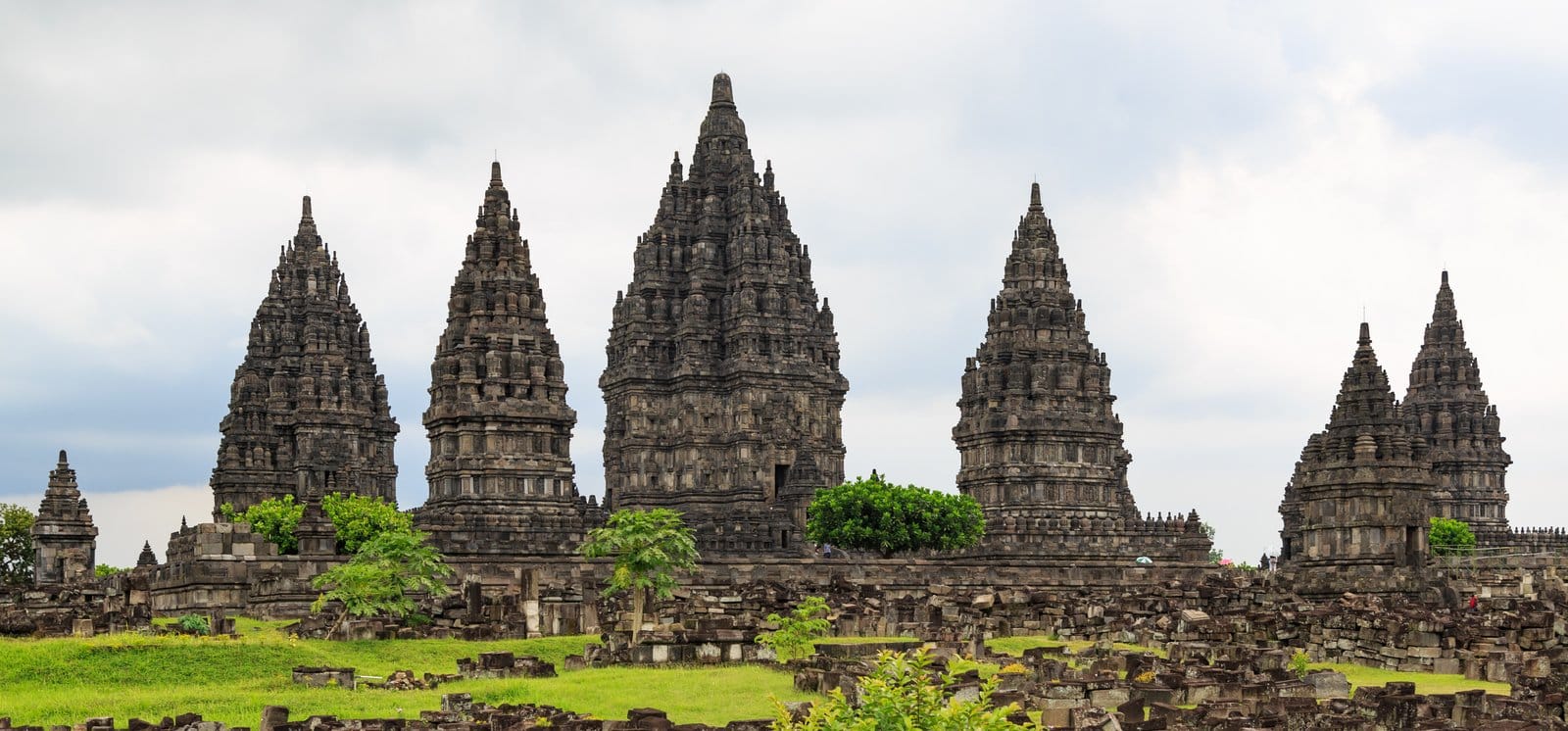
Prambanan Temple
Prambanan is the largest Hindu temple complex in Indonesia, a 9th-century UNESCO World Heritage Site dedicated to the Trimurti and located near Yogyakarta.
Explore Temple

Indonesia
Pura Besakih
Pura Besakih is the Mother Temple of Bali, a sprawling complex of 23 temples on the slopes of Mount Agung and the holiest site in Balinese Hinduism.
Explore Temple
Indonesia
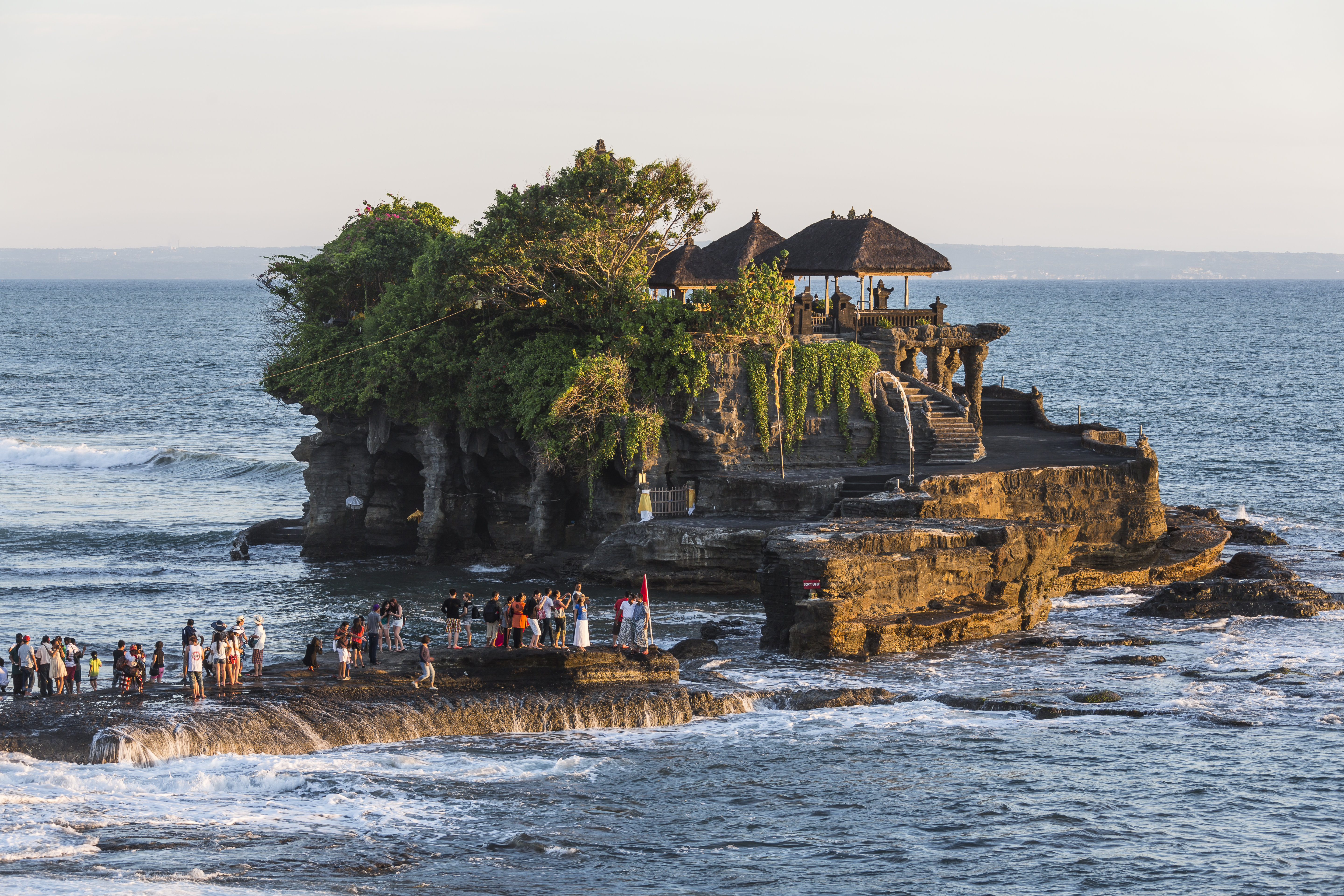
Tanah Lot
Tanah Lot is a spectacular Balinese sea temple perched on a rocky offshore outcrop, famous for its sunset views and sacred sea snakes.
Explore Temple