USAVenkateswara
Sri Venkateswara Temple, Pittsburgh, Pennsylvania, USA
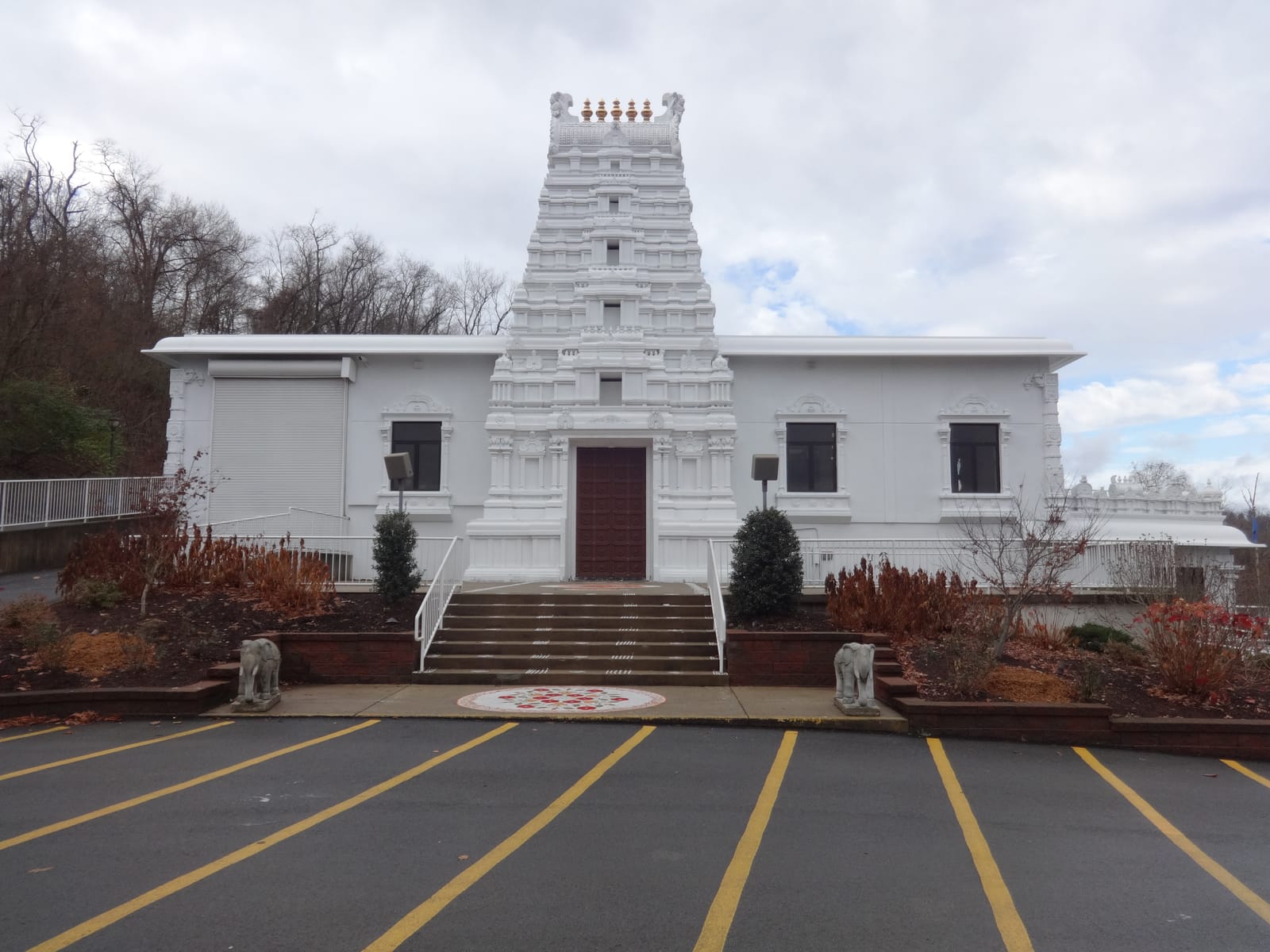
A stunning replica of the Tirumala Venkateswara Temple in Tirupati, built on 10 acres in Penn Hills, Pittsburgh, and serving as among the most authentic South Indian temples in North America.
Pittsburgh, Pennsylvania, USA Venkateswara (Vishnu) Built: 1985
Share
Overview
The Sri Venkateswara Temple of Pittsburgh is among the most authentic and revered South Indian temples in North America, modeled directly on the sacred Tirumala Venkateswara Temple in Tirupati, Andhra Pradesh — among the wealthiest and most visited religious sites in the world.
Located on 10 wooded acres in the Penn Hills suburb of Pittsburgh, the temple brings the spiritual ambiance of Tirumala to Pennsylvania, complete with the distinctive gopuram architecture, traditional rituals, and the iconic seven-hill setting of the original.
The temple was consecrated in 1985 and has since grown into among the most important Hindu centers in the northeastern United States. Its construction was a pioneering effort for the South Indian diaspora, who raised funds and coordinated with architects and artisans from India to ensure the temple's design and construction followed the strict prescriptions of Vaishnavite temple architecture (agama shastras). The temple was the first in the United States built in the authentic South Indian Dravidian style.
The temple's location in the rolling hills of western Pennsylvania was deliberately chosen to echo the seven hills of Tirumala. The main temple building sits on an elevation, approached by a flight of steps, and the surrounding wooded area creates a sense of pilgrimage removed from the bustle of urban life.
For thousands of Hindu families across Pennsylvania, Ohio, West Virginia, and neighboring states, this temple serves as their spiritual home and a direct connection to the sacred shrine of Tirupati.
Quick Facts
Deity
Venkateswara
Location
Pittsburgh, Pennsylvania, USA
Built
1985
Built By
Sri Venkateswara Temple Society of Pittsburgh
Coordinates
40.46, -79.85
Timings
7:00 AM – 12:30 PM, 4:30 PM – 9:00 PM daily
Entry Fee
Free entry
History
The Sri Venkateswara Temple of Pittsburgh was conceived in the late 1970s by a group of Indian-American professionals and academics who had settled in the Pittsburgh area, many of whom were associated with the University of Pittsburgh and Carnegie Mellon University. These families felt the need for a temple that would authentically represent the South Indian temple tradition and serve the cultural and spiritual needs of their growing community.
A formal temple society was incorporated in 1978, and a 10-acre property in Penn Hills was acquired in 1980. The foundation stone was laid with great ceremony in October 1980, with soil and sacred water from Tirupati brought specifically for the consecration. The temple construction was supervised by traditional temple architects (sthapatis) from Tamil Nadu, and the murtis were carved in India from black granite sourced from the same quarries used for traditional South Indian temples.
The temple's kumbhabhishekam (consecration ceremony) was performed from July 12-14, 1985, marking the official opening. The event drew over 15,000 people from across the United States and Canada. Since then, the temple has undergone several expansions, including the addition of a community hall (1992), a gopuram tower (2000), and a new library and education center (2010).
The temple celebrated its silver jubilee in 2010 with a series of special ceremonies attended by dignitaries from the Tirumala Tirupati Devasthanams (TTD) in India.
Architecture
The temple is built in the Dravidian style of South Indian temple architecture, characterized by its towering gopuram (gateway tower) and pillared mandapas. The main gopuram, rising 80 feet above the entrance, is a five-tiered structure covered with intricate stucco sculptures of deities, celestial beings, and mythical creatures. The sculptures were hand-crafted by artisans from Tamil Nadu transported to Pennsylvania for the work.
The main sanctum (garbhagriha) houses the central murti of Venkateswara (Balaji) standing four feet tall, carved from black granite. The deity is depicted in the same posture as at Tirumala — standing on a lotus pedestal, holding the shankha (conch) and chakra (discus) in his upper hands, with a consort on each side. The sanctum is surrounded by a circumambulatory path (pradakshina) where devotees walk in a clockwise direction.
The temple complex includes subsidiary shrines dedicated to Padmavati (Venkateswara's consort), Andal (the Tamil saint-poetess), Rama with Sita and Lakshmana, Krishna with Radha, Ganesha, and the Navagraha (nine planetary deities). A separate shrine houses a beautiful murti of Nammalvar, the greatest of the Alvar saints. The temple also features a meditation hall, a large community hall for events, and a temple kitchen that prepares daily prasad.
Main Deity
Venkateswara
Venkateswara (Vishnu)
Religious Significance
The Sri Venkateswara Temple of Pittsburgh holds a special place in the history of Hinduism in America. As one of the first authentically constructed South Indian temples in the United States, it set the standard for temple building in the diaspora. Its success demonstrated that the elaborate, traditional temple architecture of South India could be successfully translated to the American landscape, paving the way for many more such temples across the continent.
The temple's connection to Tirumala Tirupati Devasthanams, the governing body of the original Tirupati temple, gives it unique authority and authenticity. The temple follows the same daily rituals, festival calendar, and architectural traditions as its Indian counterpart. The priests are trained in the Vaikhanasa Agama tradition, the same priestly lineage that serves at Tirumala, ensuring ritual purity and consistency with the original shrine.
For the South Indian Vaishnavite community in North America, the temple serves as the primary pilgrimage destination in the region. Many families travel hundreds of miles for major festivals and for performing important life ceremonies such as weddings, upanayanams (sacred thread ceremonies), and shraddha (ancestral rites). The temple has also become a center for Sanskrit and Vedic studies, offering classes and workshops on the Vedas, Upanishads, and Bhagavad Gita.
Temple Legends
The central narrative of the temple is the legend of Venkateswara as told in the Bhavishyottara Purana. According to tradition, Lord Vishnu descended to earth in the form of Venkateswara to reside on the seven hills of Tirumala, responding to the prayers of the sage Bhrigu. The deity stands on a lotus, promising to remain on earth during the Kali Yuga to grant the wishes of his devotees.
This narrative of divine presence is believed to extend to all temples where Venkateswara is properly consecrated, including the Pittsburgh shrine.
A local legend specific to the Pittsburgh temple involves the selection of the murti for the main sanctum. According to temple history, when the murti was being carved in India, the sculptors discovered a natural golden vein running through the black granite at the exact location of Venkateswara's crown. This was interpreted as an auspicious sign, and the vein was incorporated into the finished murti's ornamentation rather than being removed.
Another tradition surrounds the lamps in the temple. It is said that on certain nights, the flames of the ghee lamps in the sanctum burn brighter and steadier than usual, even when the temple windows are open to the Pennsylvania breeze. Devotees interpret this as a sign of the deity's active presence and a continuation of the miracle of the eternal lamp at Tirumala, which has been burning continuously for centuries.
Festivals & Celebrations
The most important festival at the Pittsburgh Venkateswara Temple is Brahmotsavam, the annual nine-day celebration modeled directly on the grand Tirumala Brahmotsavam. The festival includes daily processions of the utsava murti (processional deity) on various vahanas (mounts), including the Garuda vahana, Hamsa vahana, and Simha vahana. The processions wind through the temple grounds with devotees pulling the chariot, singing bhajans, and offering coconuts and flowers.
Vaikunta Ekadasi, celebrated in December-January, is another major festival. The temple opens its sanctum doors through a special opening called the Vaikunta Dwaram, symbolizing the gates of heaven. Thousands of devotees queue for hours to pass through this opening and receive the deity's blessing. The festival includes all-night singing of the Tiruppavai, the 30 verses composed by Andal.
Other significant celebrations include Janmashtami (Krishna's birthday), Rama Navami, Hanuman Jayanti, Diwali, and the annual anniversary of the temple's consecration (Prathishta Dinam). Every Saturday is a special day for Venkateswara worship, and the temple conducts abhishekam (ritual bathing of the deity) on Fridays and Saturdays.
Visitor Information
Timings
7:00 AM – 12:30 PM, 4:30 PM – 9:00 PM daily
Entry Fee
Free entry
Dress Code
Traditional Indian dress preferred; modest western clothing covering shoulders and knees is acceptable
Photography
Photography allowed in the temple courtyard; restricted inside the main sanctum
Best Time to Visit
The best time to visit the Sri Venkateswara Temple of Pittsburgh is during the Brahmotsavam festival (typically September-October), when the temple is at its most vibrant with processions, decorations, and festive energy. Vaikunta Ekadasi in December-January offers a uniquely spiritual experience with the all-night Tiruppavai recitation and the Vaikunta Dwaram opening.
For a regular visit, weekday mornings before noon are the most peaceful. Saturdays draw the largest crowds for the Venkateswara abhishekam and family visits. The temple recommends calling ahead to confirm festival dates as they follow the Hindu lunar calendar.
The weather in Pittsburgh is mildest from May to October. Winter visits (December-February) can involve snow and cold temperatures, but the temple is fully heated and remains open throughout the year. The drive through the wooded Penn Hills neighborhood is scenic in autumn when the leaves change color.
How to Reach
The Sri Venkateswara Temple is located at 7300 Penn Hills Boulevard (Route 380) in Pittsburgh, Pennsylvania. It is approximately 10 miles east of downtown Pittsburgh, a 20-minute drive via the Parkway East (I-376) and Route 380. The temple is well-signposted from the main road.
Pittsburgh International Airport (PIT) is about 25 miles west of the temple, approximately 35 minutes by car. The nearest major highway is I-376, which connects to the Pennsylvania Turnpike (I-76) and the interstate network. The temple offers ample free parking on-site.
Public transit options are limited; the temple is best reached by car or ride-share. Greyhound and Amtrak serve Pittsburgh's Union Station downtown. Several hotels in the Monroeville area, 5 miles east of the temple, offer accommodation for out-of-town visitors.
Nearby Attractions
Downtown Pittsburgh, with its iconic skyline and three rivers, offers numerous attractions including the Carnegie Museum of Natural History, the Carnegie Museum of Art, the Andy Warhol Museum, and the Duquesne Incline for panoramic views of the city. The University of Pittsburgh and Carnegie Mellon University campuses, with their distinctive architecture, are 15 minutes from the temple.
Kennywood Park, a historic amusement park dating to 1898, is 15 miles southwest. The Pittsburgh Zoo & PPG Aquarium is 12 miles west. Fallingwater, Frank Lloyd Wright's masterpiece of organic architecture, is 60 miles southeast in Mill Run, Pennsylvania, and makes for an excellent day trip from the temple.
The nearby Monroeville area offers a variety of Indian restaurants and grocery stores catering to the local South Asian community. The Monroeville Convention Center hosts major events including the annual Pittsburgh Indian Festival.
Interesting Facts
- The Sri Venkateswara Temple of Pittsburgh was the first temple in North America to receive official affiliation with the Tirumala Tirupati Devasthanams (TTD), the governing body of the sacred Tirupati temple in India.
- The main murti was carved from black granite sourced from the same quarries in Tamil Nadu used for traditional South Indian temples for over 1,000 years.
- The temple's gopuram was constructed without steel reinforcement, using traditional stone-on-stone construction methods transported from South India.
- The 10-acre property was chosen specifically because its rolling wooded hills echoed the seven hills of Tirumala in Andhra Pradesh.
- The temple community includes over 5,000 member families from Pennsylvania, Ohio, West Virginia, and New York.
- During the 1985 consecration, 15,000 people attended from 42 states and Canada, making it one of the largest Hindu gatherings in American history at the time.
Frequently Asked Questions
Is the Sri Venkateswara Temple of Pittsburgh open to all faiths?
Yes, the temple welcomes visitors of all faiths. All visitors must remove footwear before entering the temple and dress modestly covering shoulders and knees.
Can I perform special pujas at the temple?
Yes, the temple offers a variety of puja services including abhishekam, archana, and special prayers for occasions such as birthdays, weddings, and housewarmings. Appointments can be made through the temple office.
Is the temple affiliated with the Tirupati Temple in India?
Yes, the temple holds official affiliation with the Tirumala Tirupati Devasthanams and follows the same ritual traditions as the original Tirumala shrine.
Does the temple serve prasad or meals?
Yes, the temple kitchen prepares prasad daily, and on Sundays and festival days, a free community meal is served to all visitors.
What is the best way to reach the temple without a car?
Public transit options are limited. Ride-sharing services (Uber, Lyft) from downtown Pittsburgh are the most practical option. The temple is about 20 minutes from downtown by car.
Sources & References
- [1]Sri Venkateswara Temple, Pittsburgh Official Portal temple
- [2]Penn Hills Community Heritage Registrygovernment
- [3]The Pluralism Project at Harvard University — SV Temple Pittsburgh academic
— every record linked above was re-requested for this release, so the link still resolves and the publisher still serves the document. It is a link check, not a re-verification of every sentence on this page.
More Temples in USA
Explore other Hindu temples in USA.
USA
BAPS Swaminarayan Akshardham
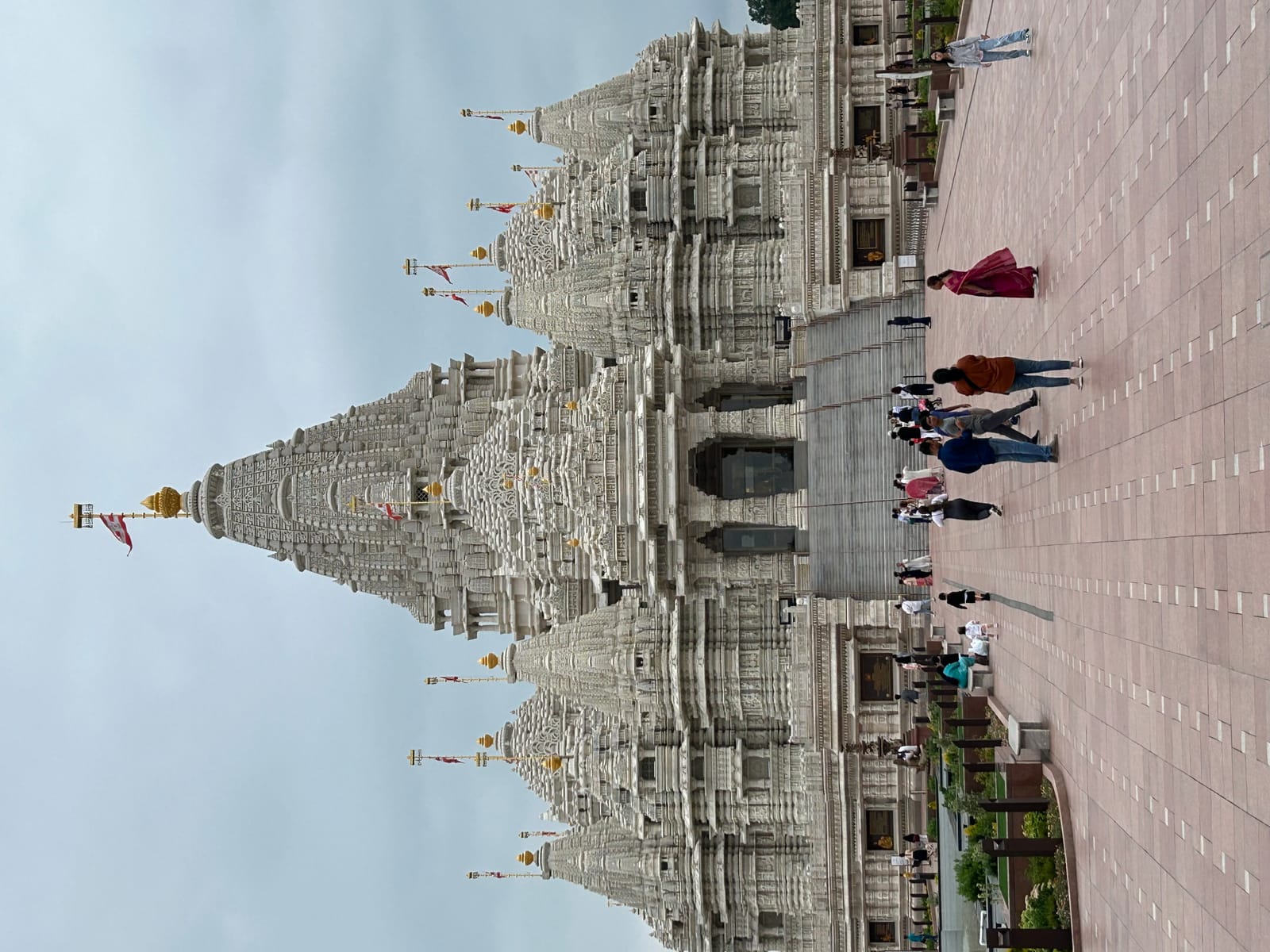
The largest Hindu temple in North America and the second-largest in the world, hand-carved from Italian marble and Indian pink sandstone on a 183-acre campus in central New Jersey.
Explore Temple

USA
Malibu Hindu Temple
A serene Hindu temple complex in the Santa Monica Mountains overlooking the Pacific Ocean, serving the Southern California Hindu community since 1981 with shrines dedicated to Shiva and Vishnu.
Explore Temple

USA
Shri Swaminarayan Mandir
A magnificent hand-carved stone and marble mandir in the Chicago suburbs, built by BAPS and serving as a spiritual and cultural hub for the Midwest's Hindu community.
Explore Temple