USAVenkateswara (Vishnu)
Vishnu Devi Mandir
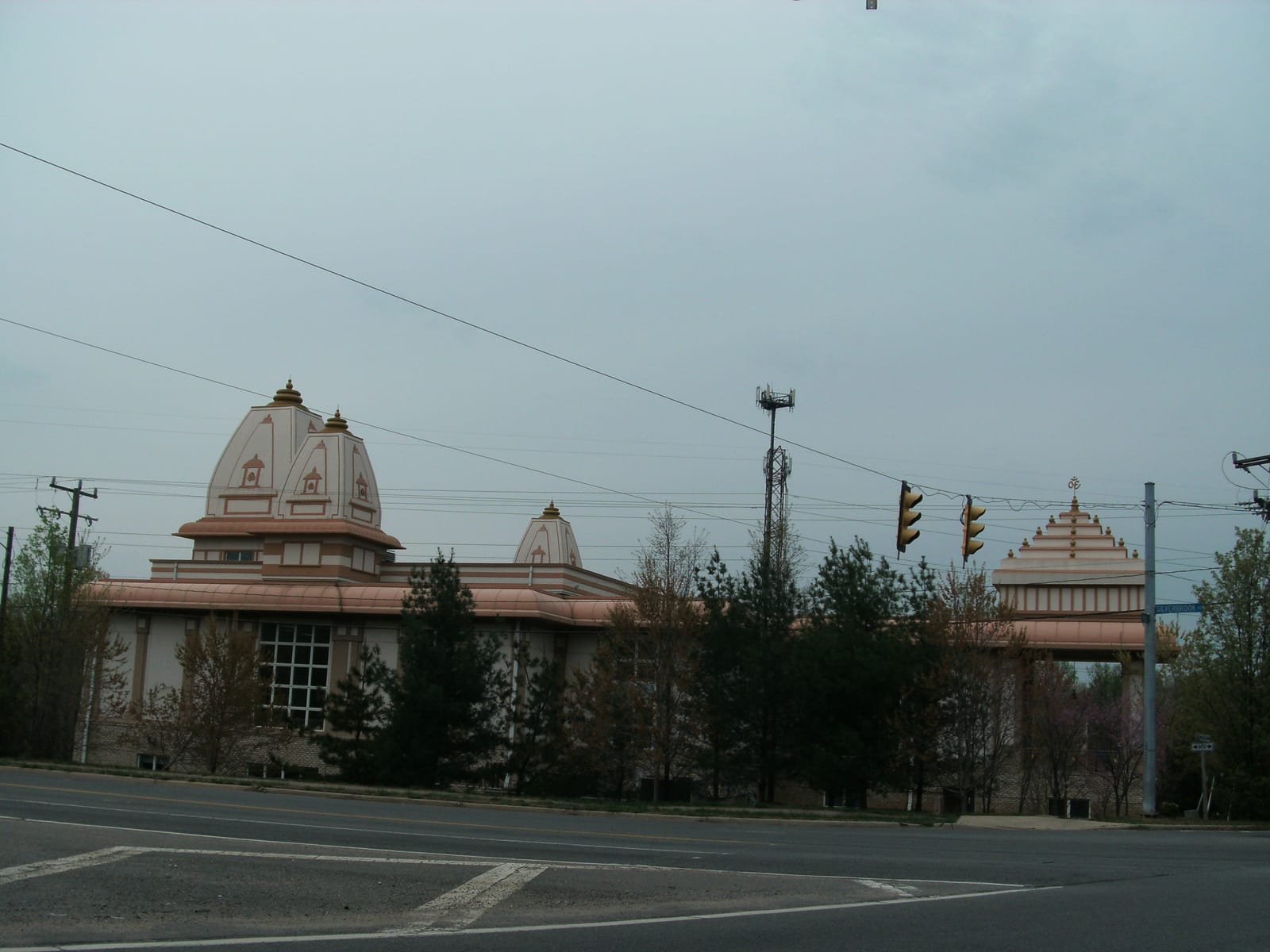
A mandir in Sterling, Virginia serving the Washington D.C. metro area with authentic North Indian-style worship and a distinctive white shikhara.
Sterling, Virginia, USA Vishnu / Durga Built: 2003
Share
Overview
Vishnu Devi Mandir is among the most prominent Hindu temples in the Washington D.C. metropolitan area, located in Sterling, Virginia. Established to serve the region's large and diverse Hindu population, the temple features a distinctive white shikhara (spire) that rises above the suburban Virginia landscape, making it a recognizable landmark for the Hindu community across Northern Virginia, Maryland, and Washington D.C. The temple follows the North Indian (Nagara) style of temple architecture and ritual tradition.
The temple complex includes a main prayer hall with multiple shrines, a community hall for cultural events, a library, and a large kitchen that serves free community meals on Sundays. The temple's main deity is Vishnu, worshipped as Venkateswara, with subsidiary shrines dedicated to Durga (in her manifestation as Ambaji), Shiva, Rama, Krishna, Hanuman, Ganesha, and the Navagraha (nine planets). This diverse array of deities allows the temple to serve the entire spectrum of Hindu traditions.
Vishnu Devi Mandir has grown significantly since its founding, now serving over 5,000 families from the D.C. metro area. The temple's location near the major technology corridors of Northern Virginia — including the Dulles Tech Corridor and Tysons Corner — means it serves a highly educated, professional community of Indian-Americans working in technology, government, and consulting.
Quick Facts
Deity
Venkateswara (Vishnu)
Location
Sterling, Virginia, USA
Built
2003
Built By
Vishnu Devi Mandir Society
Coordinates
39.01, -77.41
Timings
8:00 AM – 12:00 PM, 5:00 PM – 8:30 PM daily
Entry Fee
Free entry
History
The history of Vishnu Devi Mandir began in the early 1990s when a group of Hindu families in Northern Virginia began meeting for prayer and community gatherings in rented spaces. As the Indian-American population of the D.C. metro area expanded rapidly — driven by the technology boom and the growth of the federal government — the need for a permanent temple became acute.
A formal temple society was incorporated in 1995, and land was acquired in Sterling, Virginia, in 1998. Construction began in 2000, and the temple was completed in phases. The main sanctum was consecrated in 2003, and the shikhara was completed in 2008. The temple has undergone continuous expansion, with new shrines, a community hall, and educational facilities added over the years.
The temple's consecration was performed with elaborate Vedic ceremonies involving priests from India and the United States. The murtis were carved in India from marble and black granite and shipped to Virginia for installation. The temple was designed by architects who specialized in traditional North Indian temple architecture, adapting the ancient principles of the Shilpa Shastras to meet American building codes and suburban zoning requirements.
Architecture
Vishnu Devi Mandir is built in the Nagara style of North Indian temple architecture, characterized by its curvilinear shikhara (spire) and intricate exterior carvings. The main shikhara rises 80 feet above the temple floor, adorned with carved images of deities and floral motifs. The temple's exterior is finished in white marble and light-colored stone, creating a striking visual contrast with the surrounding green Virginia landscape.
The main prayer hall can accommodate over 500 people seated. The central sanctum houses the murti of Venkateswara (Vishnu), while subsidiary shrines line the walls of the hall. The ceiling features traditional Indian geometric patterns (rangoli-inspired), and the floor is laid with polished marble. Large chandeliers hang from the ceiling, combining traditional Indian design elements with modern lighting technology.
The temple complex also includes a multi-purpose community hall with a stage for cultural performances, a commercial kitchen capable of serving large festival crowds, a library with religious texts in multiple languages, and classrooms for educational programs. The grounds include a meditation garden with benches and walking paths, providing a space for quiet contemplation.
Main Deity
Venkateswara (Vishnu)
Vishnu / Durga
Religious Significance
Vishnu Devi Mandir serves as a vital spiritual and cultural institution for the Hindu community of the National Capital Region. The Washington D.C. area has one of the largest and most influential Indian-American populations in the United States, with many community members working in government, international organizations, think tanks, and technology. The temple provides a space where this community can maintain its religious traditions while engaging with the broader American society.
The temple's location near Washington D.C. gives it a unique role in representing Hinduism in the nation's capital. The temple has hosted visiting dignitaries, members of Congress, and officials from the Indian Embassy. It regularly participates in interfaith programs and has been a venue for cultural exchanges between the Hindu community and other religious groups in the D.C. area.
For the local community, Vishnu Devi Mandir is more than a place of worship. It runs a thriving Sunday school with over 300 children learning Hindu scriptures, Sanskrit, and Indian languages. The temple also offers yoga classes, Vedic chanting courses, and cultural programs including Bharatanatyam and Kathak dance classes. The temple's annual India Day celebration is one of the largest such events in the D.C. area.
Temple Legends
The central devotional narrative of Vishnu Devi Mandir centers on the murti of Venkateswara (Balaji), which was carved in Tirupati, India, from black granite sourced from the same quarries used for the original Tirumala temple. According to temple tradition, this murti was consecrated with sacred water and soil brought directly from the seven hills of Tirumala, establishing a direct spiritual connection to one of Hinduism's most sacred pilgrimage sites.
A local story recounts the journey of the murti from India to Virginia. When the shipping container carrying the murti arrived at the temple in Sterling, the devotees gathered to welcome it with traditional prayers and offerings. As the crate was opened, those present reported that the murti's face seemed to glow in the Virginia sunlight, an event that the community has celebrated as a sign of divine arrival.
Another tradition involves the temple's annual anniversary puja. According to devotees, the flame of the main ghee lamp in the sanctum has been observed to burn with unusual brightness and steadiness during the anniversary celebrations, regardless of drafts or air currents in the hall. This phenomenon, witnessed by multiple devotees over successive years, reinforces the community's faith in the temple as a place of genuine spiritual power.
Festivals & Celebrations
Vishnu Devi Mandir celebrates a full calendar of Hindu festivals that draw the community together throughout the year. Diwali is the grandest celebration, with the temple illuminated by over 1,000 lamps and special pujas performed throughout the day. The temple hosts a Diwali cultural program featuring classical dance, music, and a community dinner.
Navaratri is celebrated with nine nights of garba and dandiya raas, attracting thousands of participants from across the D.C. metro area. The temple's Navaratri celebration is one of the largest in the region, with live music, traditional Gujarati folk dances, and a vibrant festive atmosphere. Holi is celebrated with a community color-throwing event in the temple's parking lot, accompanied by music and traditional snacks.
Other major festivals include Janmashtami (with a midnight aarti and baby Krishna cradle decoration), Maha Shivaratri (all-night abhishekam), Rama Navami, Hanuman Jayanti, and Ganesh Chaturthi. The temple also celebrates the annual anniversary of its consecration with special pujas and a community feast.
Visitor Information
Timings
8:00 AM – 12:00 PM, 5:00 PM – 8:30 PM daily
Entry Fee
Free entry
Dress Code
Modest clothing covering shoulders and knees; removal of footwear before entering the prayer hall
Photography
Photography permitted with permission; restrictions during ceremonies
Best Time to Visit
The best time to visit Vishnu Devi Mandir is during the spring (April-June) or fall (September-November) when Virginia weather is mild and the temple's grounds are at their most pleasant. The temple's meditation garden is particularly beautiful in spring when the cherry trees are in bloom.
Weekday mornings before noon offer the most peaceful experience for darshan. Sundays are the busiest, with a full program of pujas, bhajans, and community lunch. Navaratri (September-October) and Diwali (October-November) are the most vibrant times to visit, with the temple elaborately decorated and the community in full celebration.
The temple is air-conditioned in summer and heated in winter, remaining comfortable year-round. Visitors should check the temple's website or Facebook page for exact festival dates, as they follow the Hindu lunar calendar and vary from year to year.
How to Reach
Vishnu Devi Mandir is located at 45835 Pidgeon Cove Circle in Sterling, Virginia, approximately 30 miles west of Washington D.C. The temple is accessible via the Dulles Toll Road (Route 267), taking the Route 28 exit and heading south to Sterling. From downtown Washington D.C., the drive takes approximately 45 minutes without traffic; from Tysons Corner, about 20 minutes.
The nearest major airport is Washington Dulles International Airport (IAD), just 8 miles from the temple, a 15-minute drive. Ronald Reagan Washington National Airport (DCA) is about 30 miles east. The temple offers ample free parking on-site.
The Washington Metro system's Silver Line serves the Reston Town Center station, approximately 6 miles from the temple, from which a taxi or ride-share can reach the temple in 10-15 minutes. Several bus routes operated by the Washington Metropolitan Area Transit Authority (WMATA) serve the Sterling area.
Nearby Attractions
Washington D.C.'s world-class museums and monuments are 30 miles east, including the Smithsonian museums on the National Mall, the U.S. Capitol, the White House, and the Lincoln Memorial. The Udvar-Hazy Center of the Smithsonian National Air and Space Museum, located adjacent to Dulles Airport, displays the Space Shuttle Discovery and the Concorde and is 10 minutes from the temple.
The historic town of Leesburg, with its picturesque downtown, antique shops, and wineries, is 15 miles northwest. Great Falls Park, offering stunning views of the Potomac River waterfalls and hiking trails, is 15 miles east. The Potomac River waterfront in Old Town Alexandria is 25 miles southeast.
For the South Asian community, the Sterling area has numerous Indian grocery stores and restaurants, particularly along Route 28 and in the nearby town of Herndon. The Ashburn area, 10 miles west, offers additional shopping and dining options.
Interesting Facts
- Vishnu Devi Mandir serves over 5,000 Hindu families from across the Washington D.C. metropolitan area, including Maryland, Virginia, and the District of Columbia.
- The temple's location in Sterling was chosen specifically for its proximity to Dulles International Airport, making it accessible to the global Indian diaspora visiting the nation's capital.
- The temple's Sunday school program educates over 300 children each week in Hindu scriptures, Sanskrit, and Indian cultural traditions.
- The shikhara was completed in 2008 and required specialist architects who adapted traditional Nagara principles to meet Virginia building codes and seismic requirements.
- The temple participates in the annual Smithsonian Folklife Festival and other D.C.-area cultural events, representing Hindu traditions to a diverse national and international audience.
- During the COVID-19 pandemic, the temple was one of the first in the region to launch live-streamed pujas and virtual satsangs, reaching over 10,000 viewers worldwide.
Frequently Asked Questions
Is Vishnu Devi Mandir open to all faiths?
Yes, the temple welcomes people of all faiths and backgrounds. Visitors should dress modestly and remove footwear before entering the prayer hall.
Does the temple host weddings?
Yes, the temple has a dedicated hall for weddings and receptions. Wedding ceremonies follow traditional Vedic rituals and can be customized to the couple's regional traditions.
What languages are used in temple rituals?
The main rituals are performed in Sanskrit with explanations in Hindi and English. The temple community includes members who speak Hindi, Telugu, Tamil, Gujarati, Marathi, and Bengali.
Can I sponsor a puja at the temple?
Yes, devotees can sponsor various pujas and rituals including abhishekam, satyanarayan vrata, and special festival pujas. Sponsorship details are available at the temple office.
Is there a weekly community meal?
Yes, the temple serves a free vegetarian community meal (bhandara) every Sunday after the morning pujas, typically around 1:00 PM.
Sources & References
— every record linked above was re-requested for this release, so the link still resolves and the publisher still serves the document. It is a link check, not a re-verification of every sentence on this page.
More Temples in USA
Explore other Hindu temples in USA.
USA
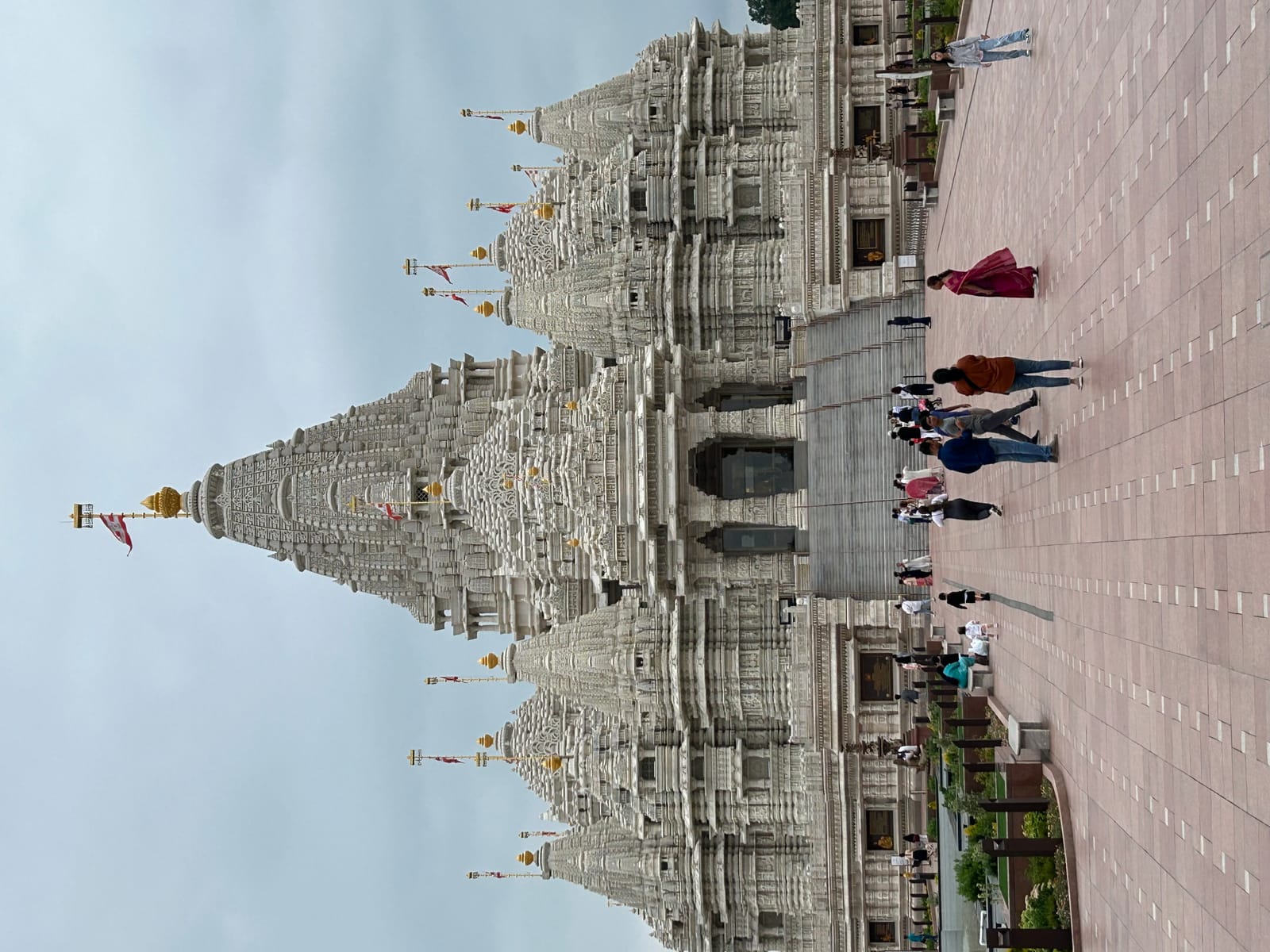
BAPS Swaminarayan Akshardham
The largest Hindu temple in North America and the second-largest in the world, hand-carved from Italian marble and Indian pink sandstone on a 183-acre campus in central New Jersey.
Explore Temple
USA
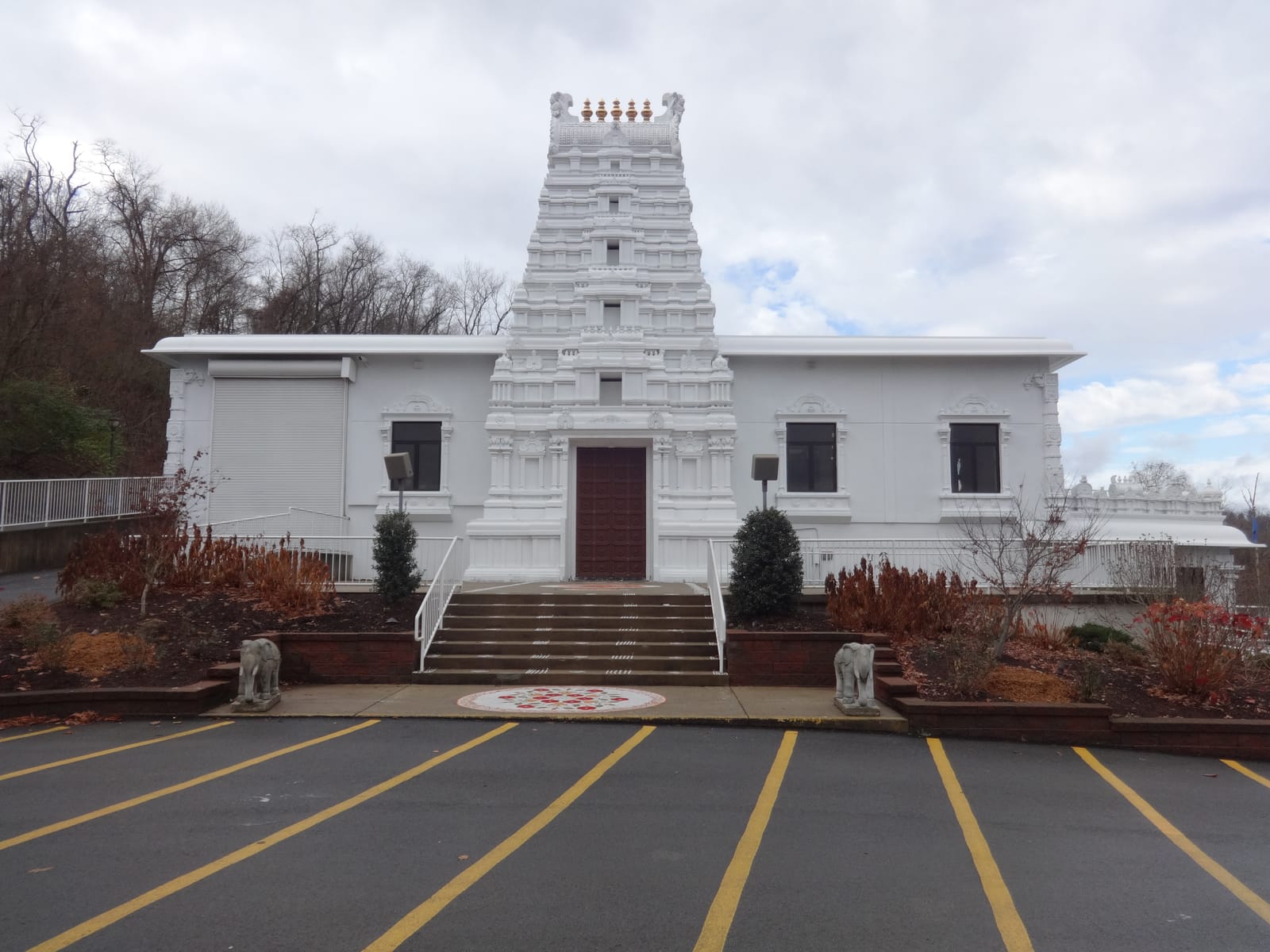
Sri Venkateswara Temple
A stunning replica of the Tirumala Venkateswara Temple in Tirupati, built on 10 acres in Penn Hills, Pittsburgh, and serving as among the most authentic South Indian temples in North…
Explore Temple

USA
Malibu Hindu Temple
A serene Hindu temple complex in the Santa Monica Mountains overlooking the Pacific Ocean, serving the Southern California Hindu community since 1981 with shrines dedicated to Shiva and Vishnu.
Explore Temple