Sacred Destinations
Tripura
10Sacred Sites
10Major Temples
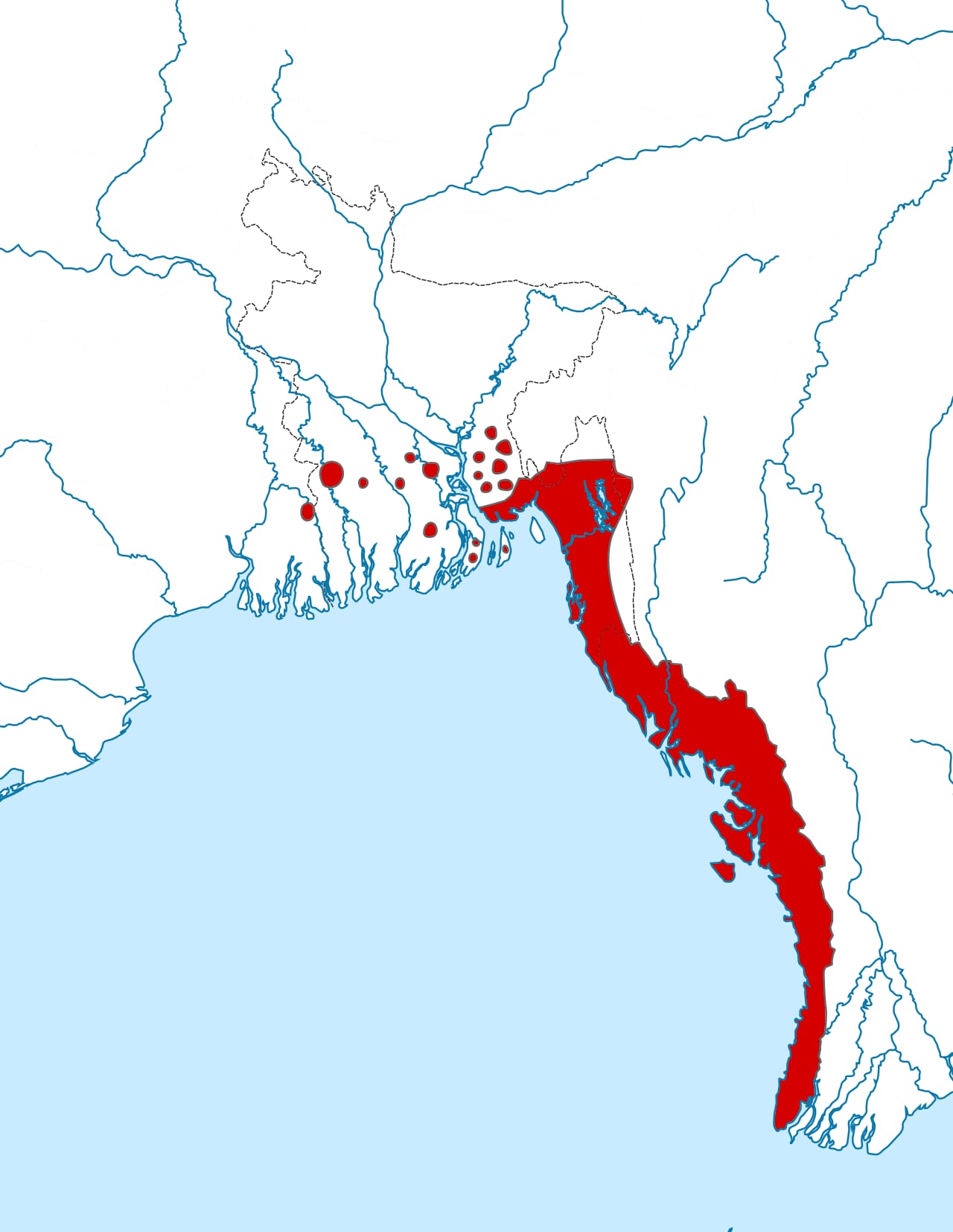
Tripura, bordered by Bangladesh on three sides, contains the Tripura Sundari Temple (Matabari), one of the 51 Shakti Peethas and the holiest Hindu shrine in the region. Buddhist temples reflect historical connections with Southeast Asia. The Chaturdasha Devata Temple preserves worship of 14 indigenous deities. The Unakoti rock-cut sculptures form one of India's largest bas-reliefs.
Quick Facts
Capital
Agartala
Population
3.99 million
Area
10,486 km²
Languages
Bengali, Kokborok, English
Best Time to Visit
October to March
Major Pilgrimage
Tripura Sundari, Chaturdasha Devata, Unakoti
Temple Style
Bengali chala, Burmese stupa, rock-cut
UNESCO Count
0
Major River
Manu, Deo, Khowai
Highest Peak
Betlingchhip (930 m)
Why Visit Tripura
Tripura's religious heritage encompasses Hinduism, Buddhism, and indigenous tribal beliefs. The Tripura Sundari Temple, built in 1501 CE by Maharaja Dhanya Manikya, houses one of the 51 Shakti Peethas. The Manikya dynasty (13th-20th century) patronized both Hindu and Buddhist institutions. Buddhist sites include the Mahamuni Pagoda with a 30-meter bronze Buddha statue and archaeological remains at Pilak (8th-12th centuries). The Chaturdasha Devata Temple worships 14 indigenous deities, integrating tribal animistic traditions with mainstream Hinduism.
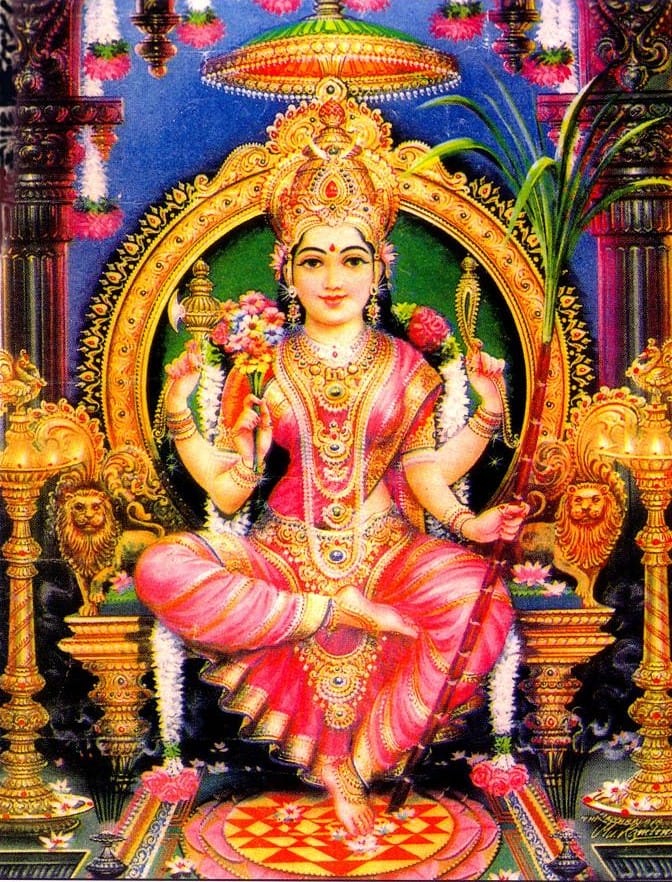
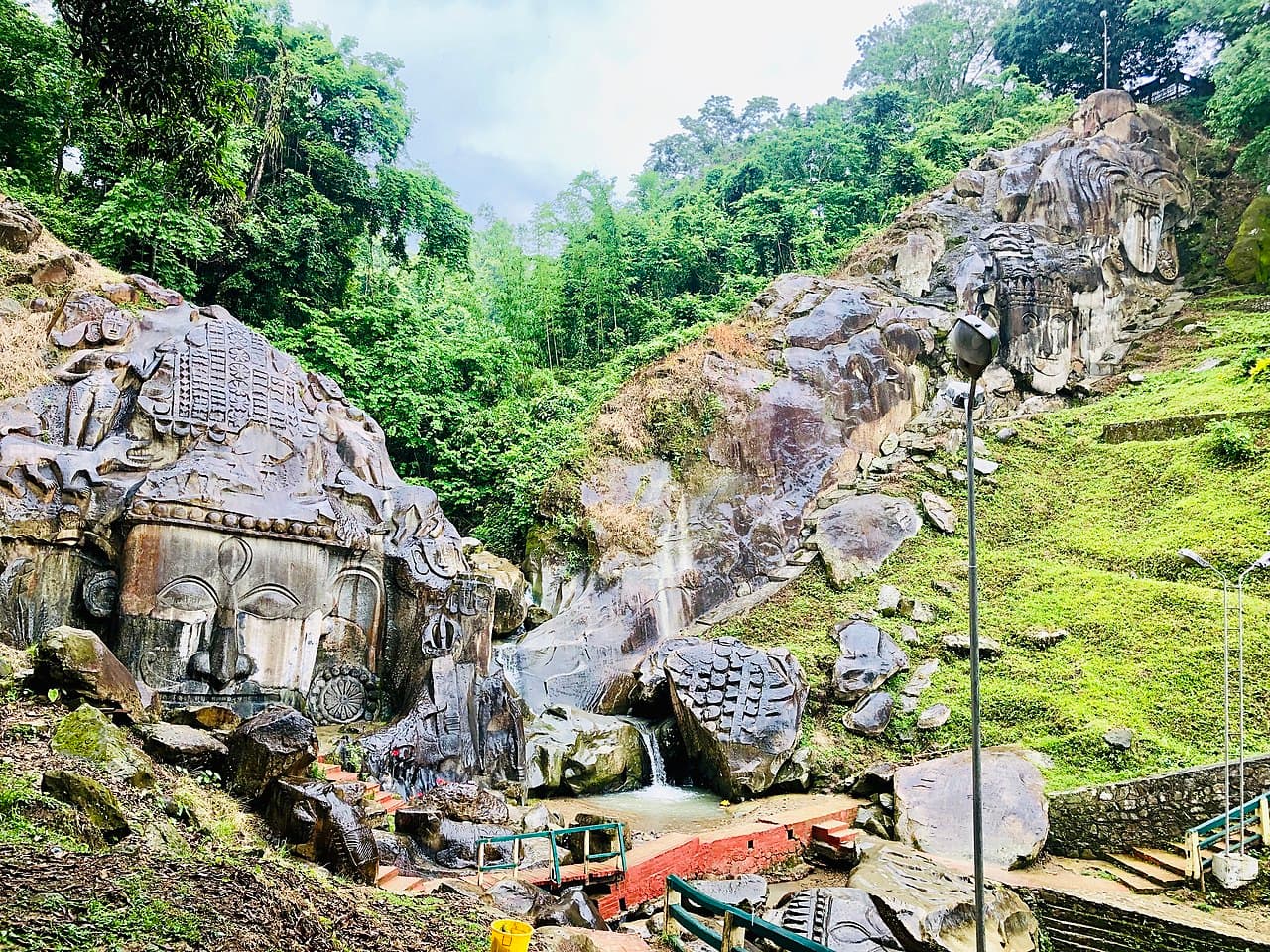
The Tripura Sundari Temple is one of the 51 Shakti Peethas, where Sati's right foot is believed to have fallen. The presiding goddess, Tripura Sundari, is one of the ten Mahavidyas, making this shrine significant for Tantric worship. The Unakoti rock-cut sculptures (7th-9th centuries) contain a 10-meter-tall Shiva head, one of India's largest bas-reliefs. The Pilak archaeological site contains Buddhist stupas and sculptures from the Pala-Sena period.
Temple Categories
Featured Sacred Places
Tripura
Tripura Sundari Temple
One of the 51 Shakti Peethas, this ancient 16th-century temple is uniquely shaped like a tortoise (Kurma Pitha).
Explore Temple
Tripura
Unakoti
An ancient pilgrimage site featuring massive rock-cut sculptures of Shiva and other deities, known as the 'Angkor Wat of the North-East'.
Explore Temple
Tripura
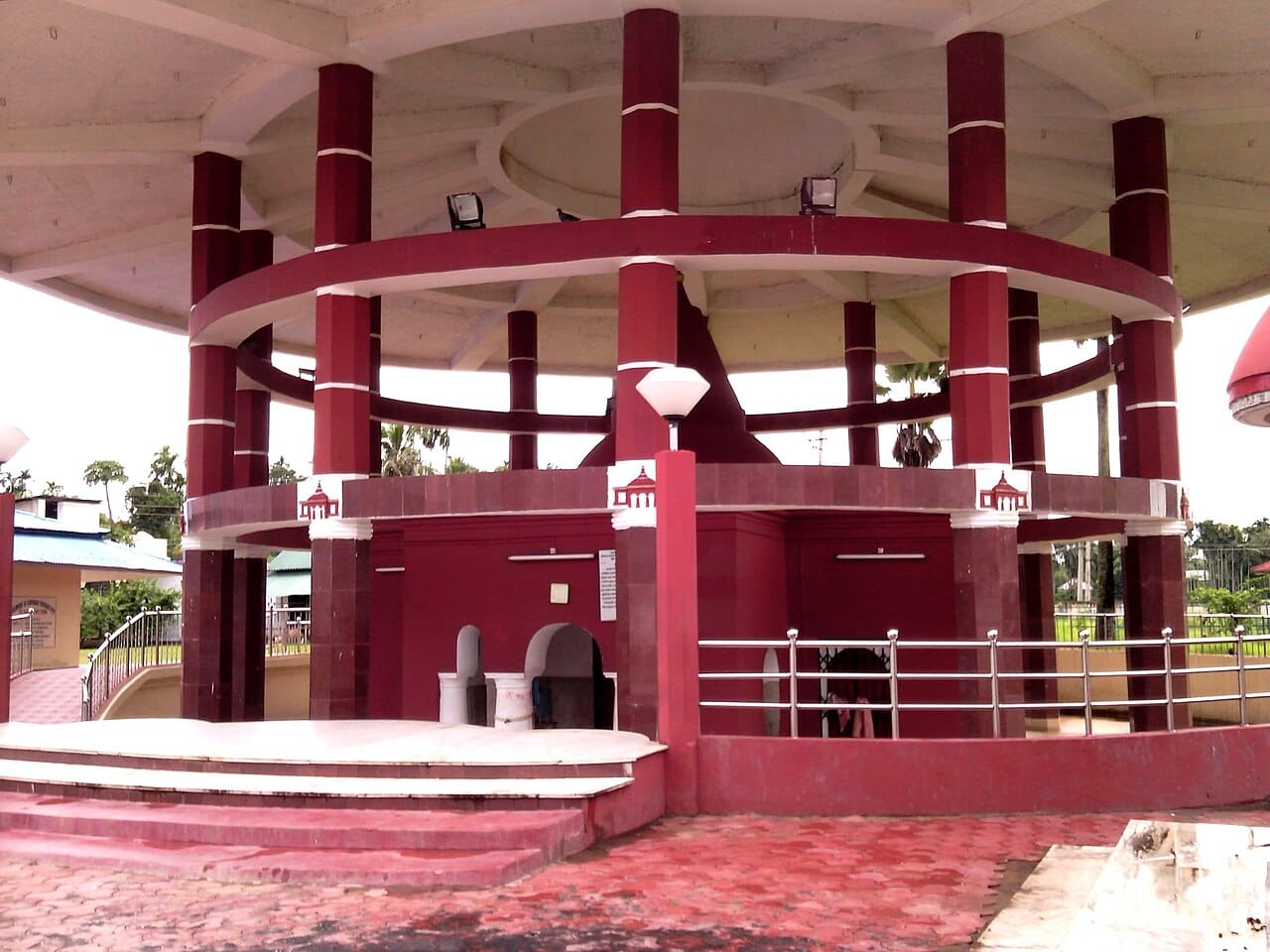
Chaturdasha Temple
An ancient 18th-century temple dedicated to the fourteen deities (Chaturdasha Devata) of the Tripura royal family.
Explore Temple
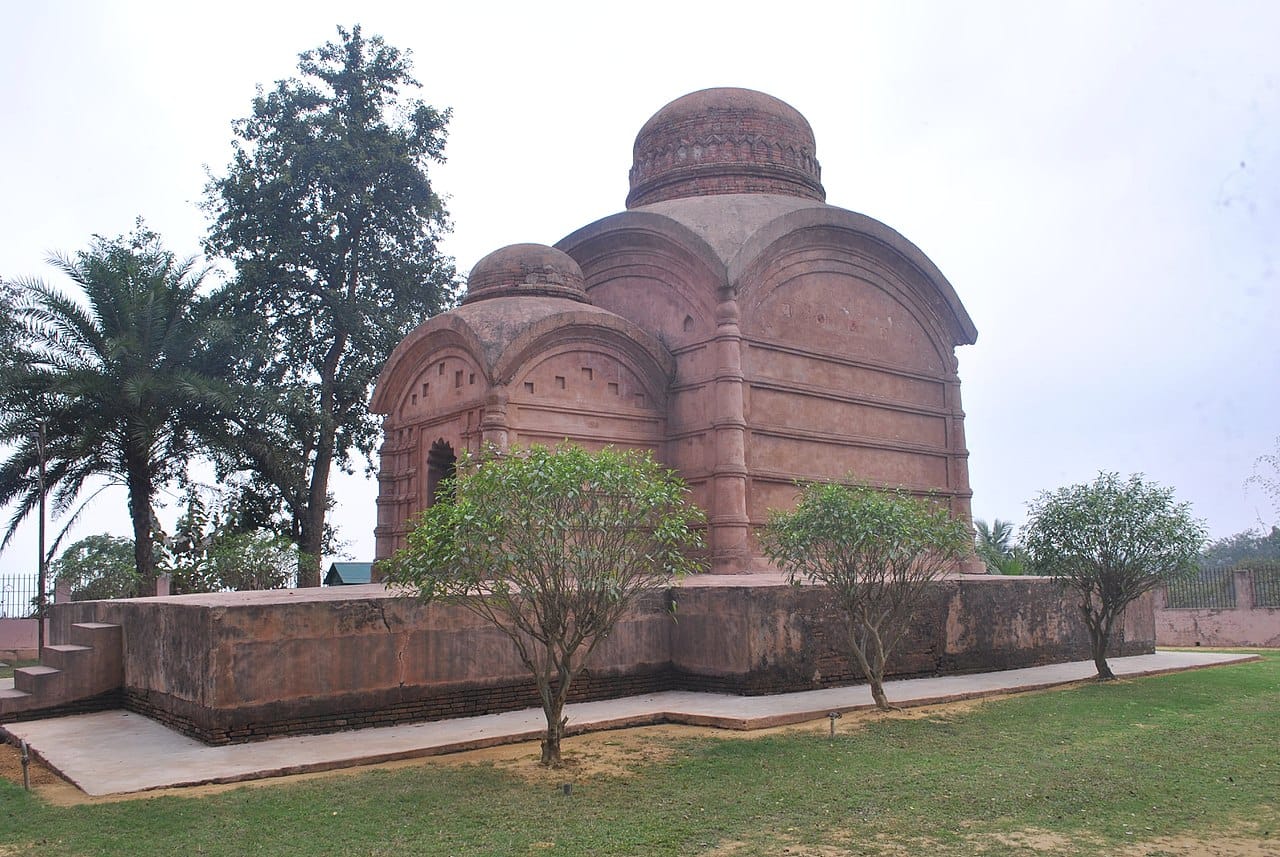
Tripura
Bhubaneswari Temple
A 17th-century temple immortalized in Rabindranath Tagore's literary works, located on the banks of the Gomti River.
Explore Temple
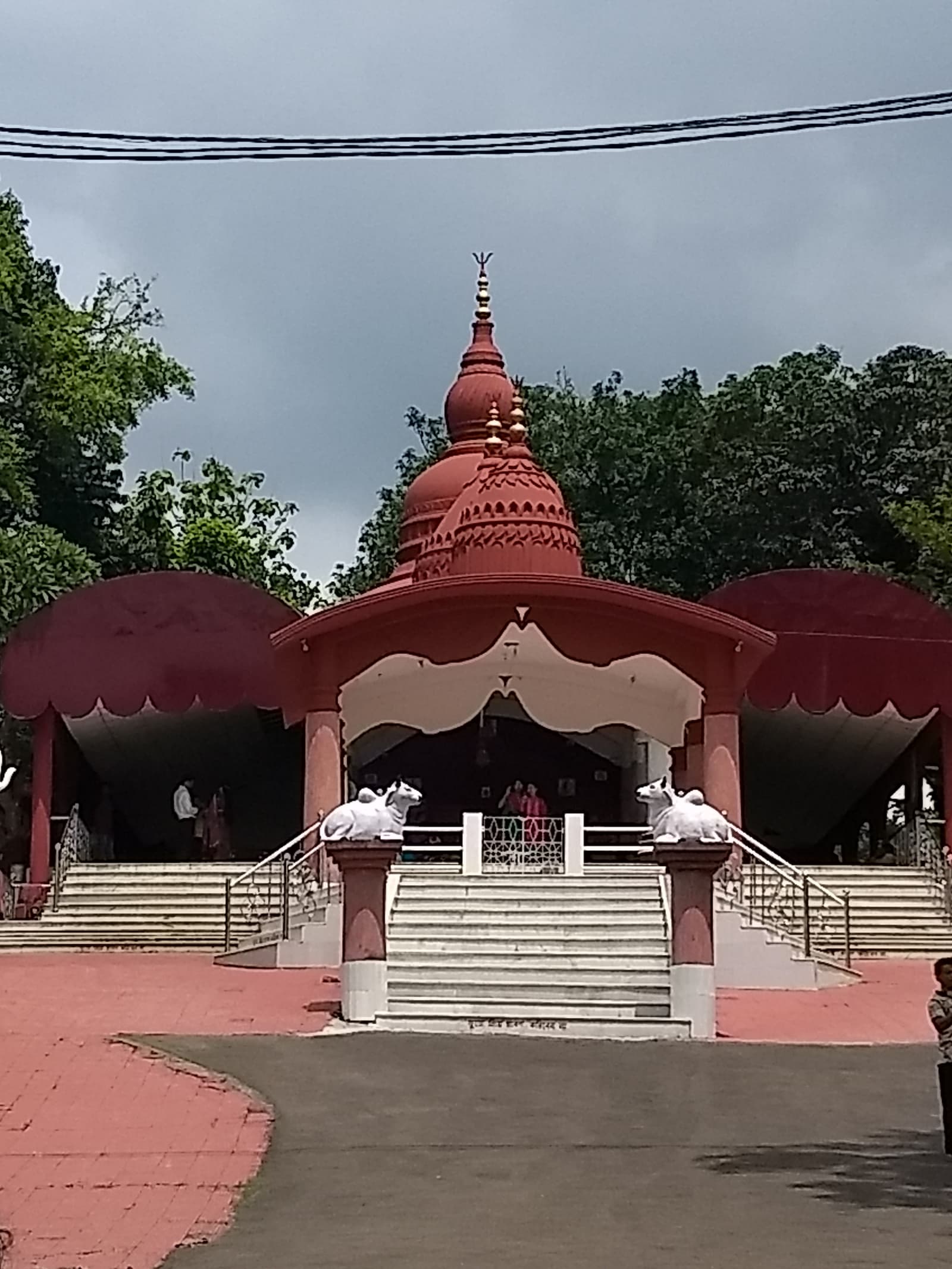
Tripura
Kasba Kalibari
A popular hilltop Shakti shrine overlooking the Kamalasagar lake, housing a 15th-century sandstone Durga idol.
Explore Temple
Tripura
Jagannath Bari Agartala
A 19th-century masterpiece blending traditional Hindu design with Islamic domes and arches, built by the royal family.
Explore Temple
Pilgrimage Circuits
Tripura Sundari Circuit
2 templesTripura Sundari Temple, Chaturdasha Devata, and the sacred Pushkarini tank.
Tripura Sundari TempleChaturdasha Devata Temple
Unakoti-Tirthamukh Circuit
2 templesUnakoti rock-cut Shiva heads and the sacred river confluence at Tirthamukh.
Unakoti Rock-Cut SiteTirthamukh Confluence
The Tripura Sundari Temple at Udaipur is the primary pilgrimage destination, attracting visitors from across India and Bangladesh. The Unakoti-Tirthamukh circuit connects the Shaivite rock-cut site with the sacred confluence of the Manu and Deo rivers. The Pilak-Buddhist circuit covers ancient stupa and monastery remains.
Temple Architecture
Tripura Sundari Temple is in the Bengali chala style with a curved roof and square sanctum, with a shikhara shaped like a closed lotus bud. The Chaturdasha Devata Temple features 14 deities under a single roof in a navaratna (nine-pinnacled) style. The Mahamuni Pagoda is a modern Burmese-style stupa. The Unakoti bas-reliefs are carved into the laterite rock face, with the central Shiva head 10 meters tall and 5 meters wide.
Historical Timeline
7th-9th c.Local kings
Unakoti rock-cut sculptures carved; one of India's largest bas-reliefs.
8th-12th c.Samatata
Pilak Buddhist monastery and stupa complex flourishes.
1501Manikya
Tripura Sundari Temple built by Maharaja Dhanya Manikya.
18th c.Manikya
Chaturdasha Devata Temple established by Maharaja Krishna Manikya.
2005Independent India
Mahamuni Pagoda built in Agartala with 30-meter bronze Buddha.
Temple Statistics
1
Shakti Peethas
Tripura Sundari (right foot of Sati)
100+
Rock-Cut Sculptures
Unakoti hill face (7th-9th c.)
1501 CE
Oldest Temple
Tripura Sundari Temple
30 m
Buddha Statue Height
Mahamuni Pagoda
Festivals
Kharchi Puja
July-AugustChaturdasha Devata Temple
3 days
Most significant royal festival; 14 deities bathed in the Saidra River; ceremony dating back over 300 years.
Ashokastami Mela
March-AprilTripura Sundari Temple
3 days
Chariot procession (rath yatra); draws thousands from across India and Bangladesh.
Pous Sankranti Mela
JanuaryTripura Sundari Temple
1 week
Tripura's largest annual fair; traditional performances and religious ceremonies.
Kharchi Puja (July-August) at Chaturdasha Devata Temple is the most significant royal festival, where 14 deities are bathed in the Saidra River. Navratri at Tripura Sundari features continuous Vedic chanting. Diwali sees thousands of lamps lit around the Pushkarini tank. Ashokastami Mela (March-April) includes a chariot procession. Pous Sankranti Mela (January) is Tripura's largest annual fair.
Travel Guide
Best Time
October to March (10-27°C)
Climate
Monsoon 2,200-2,500 mm; humid
Nearest Airport
Agartala (IXA)
Railway
Agartala
Road
NH-8
Local Transport
State buses, taxis, auto-rickshaws
Temple Etiquette
Remove footwear; modest dress
Suggested Duration
3-5 days for key sites
Nearby Attractions
Museum
Ujjayanta Palace
Former royal palace (1901) with a museum showcasing Tripuri culture and royal artifacts.
Palace
Neermahal Palace
Lake palace built in 1930 on Rudrasagar Lake, combining Hindu and Mughal architectural styles.
Sanctuary
Sepahijala Wildlife Sanctuary
Clouded leopards, spectacled langurs, and migratory birds in 18 km² of tropical forest.
Interesting Facts
01
The word 'Unakoti' means 'one less than a crore' — legend says the god of sculpture promised to carve one crore Shiva heads but stopped at 99,99,999 when dawn broke.
02
The Tripura Sundari Temple's westward-facing idol is rare — most Hindu temples face east. The goddess is also unique as a Shakti Peetha and a Mahavidya simultaneously.
03
The Pous Sankranti Mela at Tripura Sundari has been held continuously since the 16th century, making it one of the oldest running religious fairs in northeastern India.
Frequently Asked Questions
One of the 51 Shakti Peethas where Sati's right foot fell. The presiding goddess is the third of the ten Mahavidyas. The temple was established in 1501 by Maharaja Dhanya Manikya.
A 15-km laterite hill face containing over 100 massive bas-relief carvings (7th-9th centuries CE). The central Shiva head is 10 meters tall and 5 meters wide, one of India's largest bas-reliefs.
Houses 14 deities representing the guardian spirits of the Tripuri kingdom, established in the 18th century. The temple synthesizes indigenous tribal beliefs with mainstream Hinduism.
Sources & References
These records back the history, architecture, temple listings and visitor guidance published on this Tripura page.
Archaeological Survey of India
Archaeological Survey of India — monument records and conservation reports
Protected-monument status, dating, architectural classification and conservation records for the temples and monuments named across this Tripura guide.
Primary archaeological record
Open source (opens in a new tab)Ministry of Tourism, Government of India
Ministry of Tourism — official destination information
Official Government of India visitor information, access routes and pilgrimage circuits for Tripura.
Government record
Open source (opens in a new tab)Tripura Tourism
Tripura Tourism — official destination portal
State visitor information — temple timings, access routes and pilgrimage circuit details cited on this page.
Government record
Open source (opens in a new tab)
— every record linked above was re-requested for this release, so the link still resolves and the publisher still serves the document. It is a link check, not a re-verification of every sentence on this page.
Missing something, or found an error? Send us a correction with the record that supports it, or read how we choose sources.