ch
Theme Collection
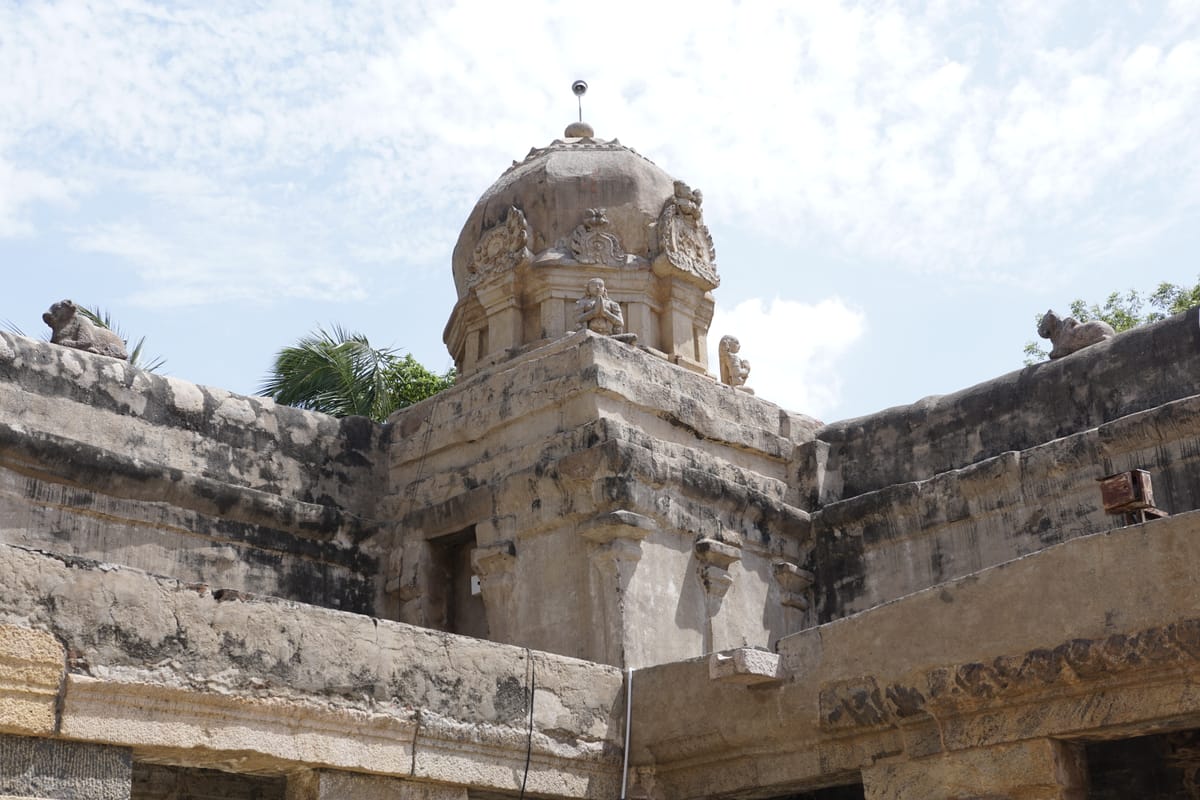
Chola Temples
Experience the grandeur of the Chola Empire through their monumental granite temples and intricate bronze heritage.
The Collection
Featured Shrines
Explore our curated selection of chola temples that define this architectural and spiritual category.
17 Sites Identified
Delhi
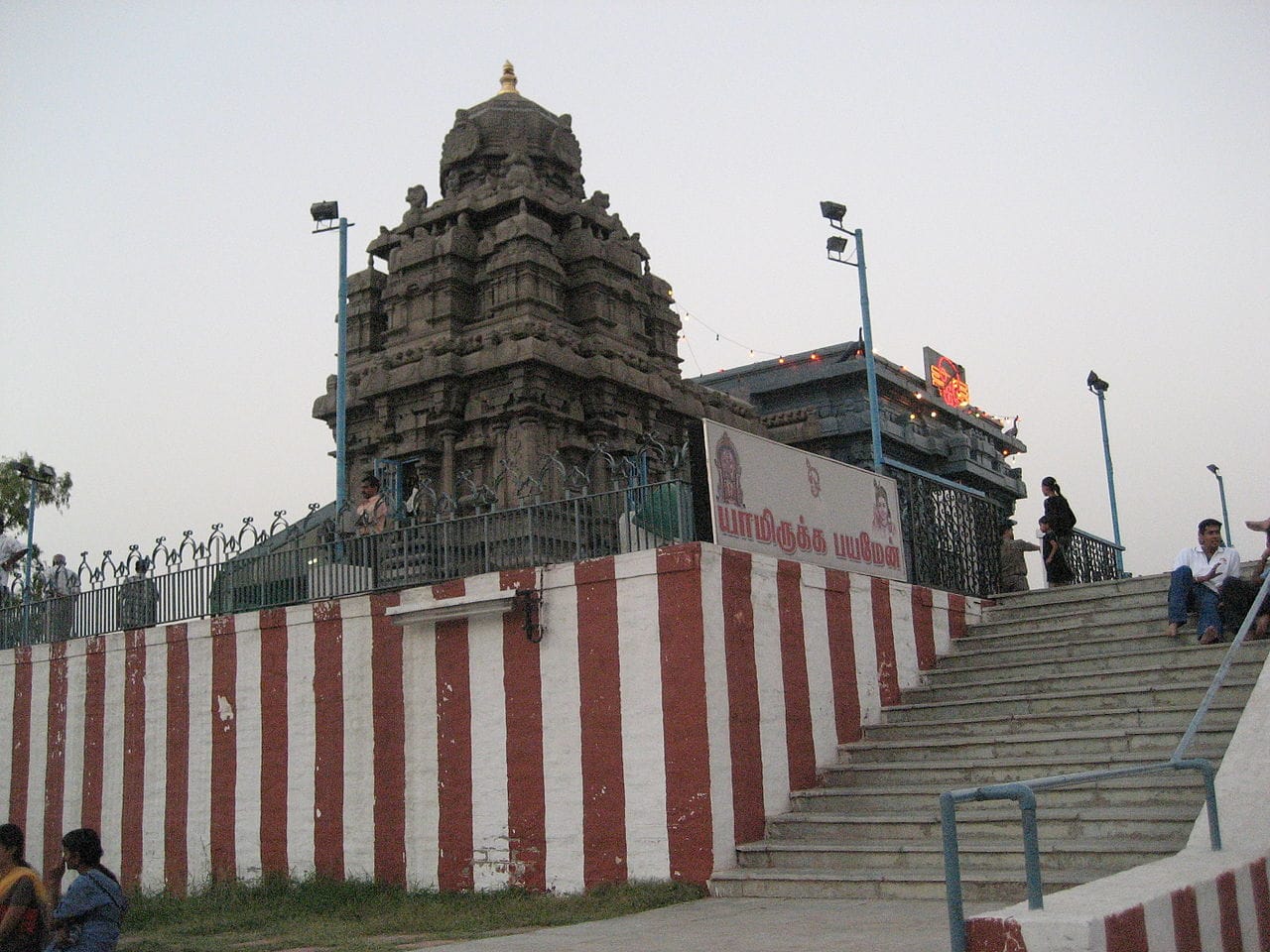
Uttara Swami Malai Mandir
Perched on a hillock, this granite temple is a primary site for Delhi's South Indian community, dedicated to Lord Swaminatha.
Explore Temple
Telangana
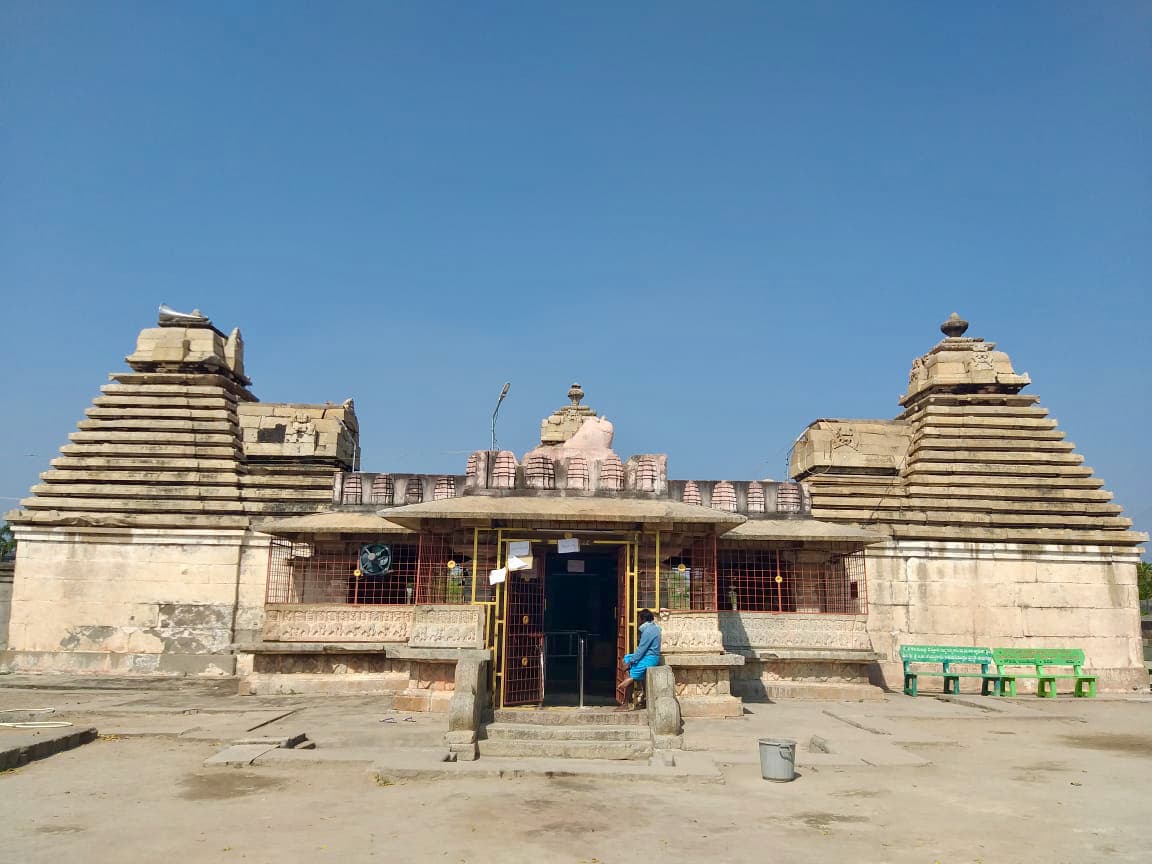
Chaya Someswara Temple
Famous for a permanent shadow that falls on the main Shiva Lingam all day, with no visible object casting it.
Explore Temple
UNESCO 2004Cultural Heritage
Tamil Nadu
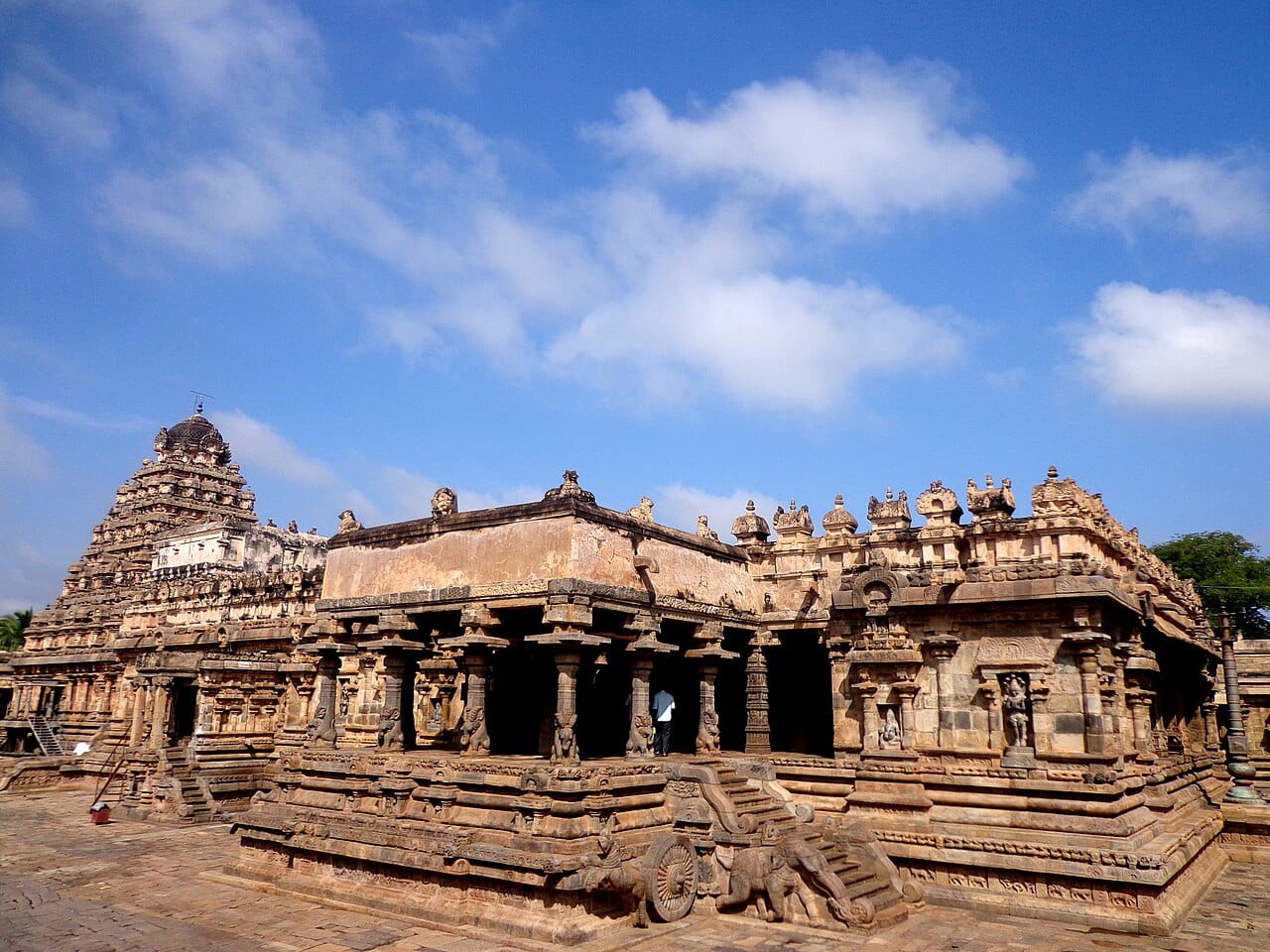
Airavatesvara Temple
The Airavatesvara Temple at Darasuram, built by Rajaraja Chola II between 1146 and 1172 CE, is one of the three UNESCO World Heritage 'Great Living Chola Temples.' It is renowned…
Explore Temple

UNESCO 2004Cultural Heritage
Tamil Nadu
Gangaikonda Cholapuram Temple
The Gangaikonda Cholapuram Temple, built by Rajendra Chola I in 1035 CE, is a UNESCO World Heritage 'Great Living Chola Temple.' Its 53-metre vimana with recessed corners and six pairs…
Explore Temple

Tamil Nadu
Kampaheswarar Temple
Kampaheswarar Temple in Tribhuvanam, built by Kulothunga Chola III in 1202 CE, is one of the later great Chola temples and completes the quartet of magnificent Chola stone temples alongside…
Explore Temple

Tamil Nadu
Koranganatha Temple
Koranganatha Temple, built during the reign of the Chola king Parantaka I (907-955 CE) at Srinivasanallur near Tiruchirappalli, is a well-preserved example of early Chola architecture with exquisite stone carvings.
Explore Temple
Tamil Nadu
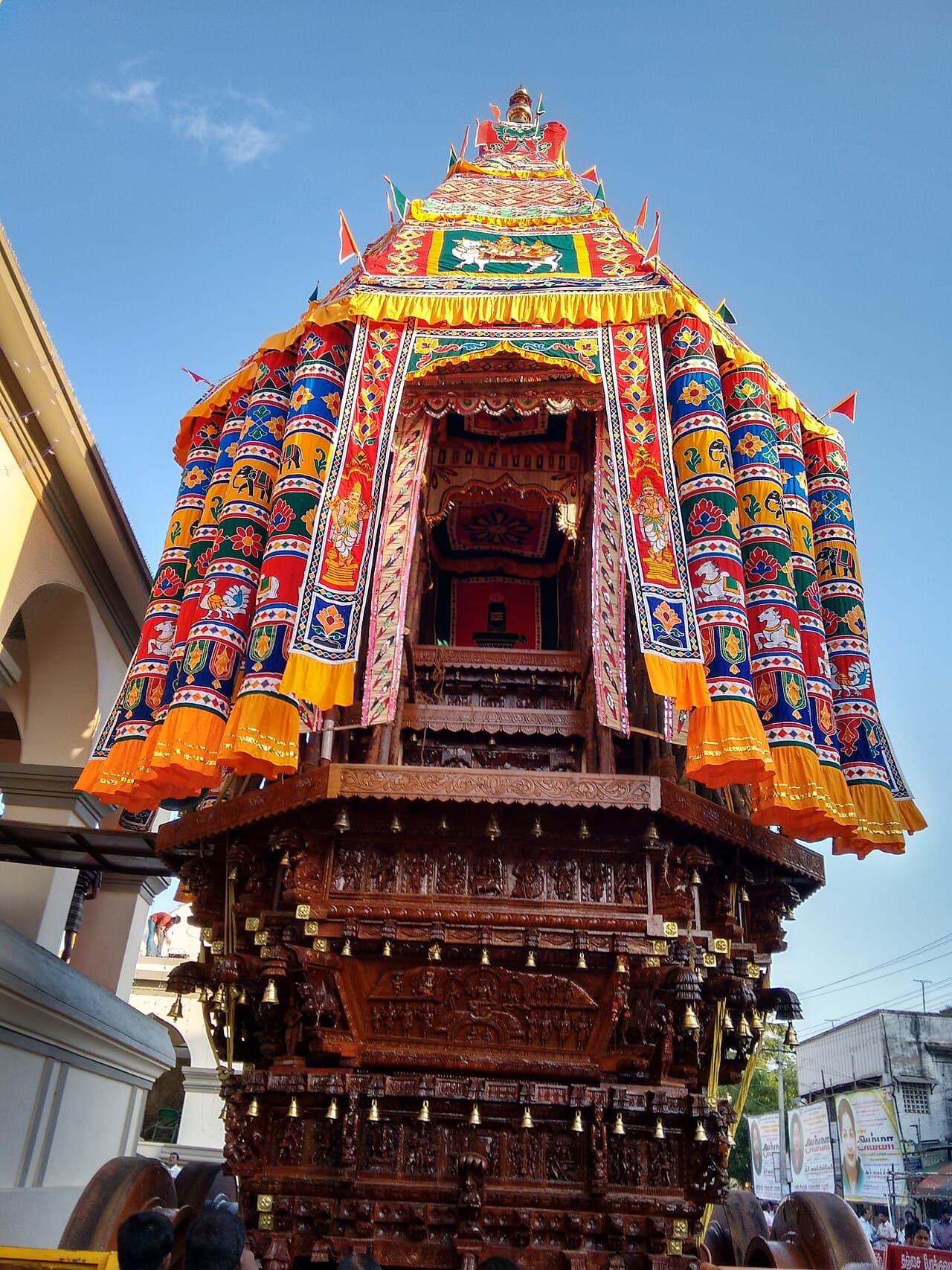
Arunachaleswarar Temple
Arunachaleswarar Temple at the foot of Arunachala Hill in Tiruvannamalai is one of the largest Shiva temples in the world, covering 25 acres.
Explore Temple
Tamil Nadu
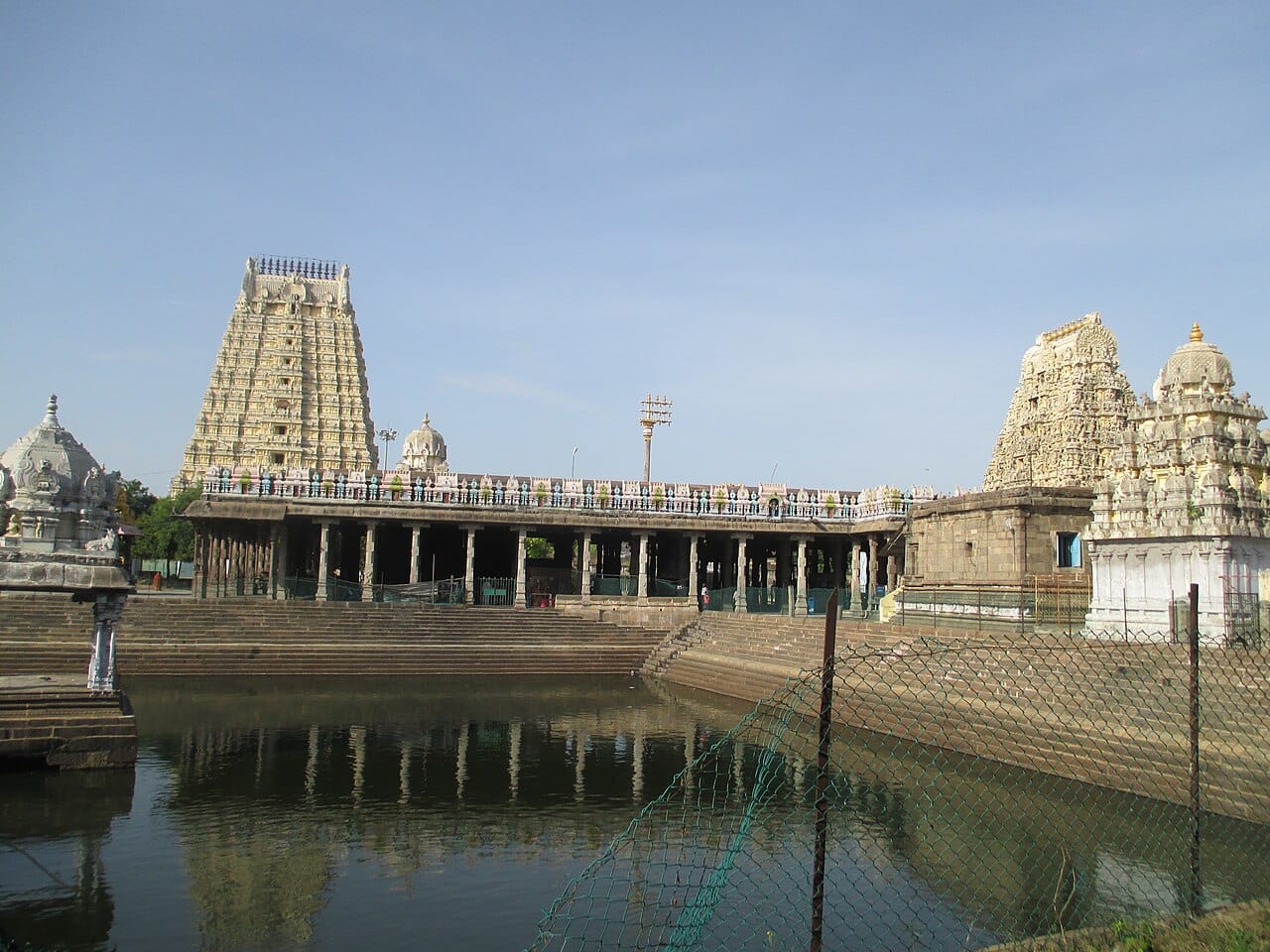
Ekambareswarar Temple
Ekambareswarar Temple in Kanchipuram represents the earth element (Prithvi) of the Pancha Bhoota Sthalas.
Explore Temple
Tamil Nadu
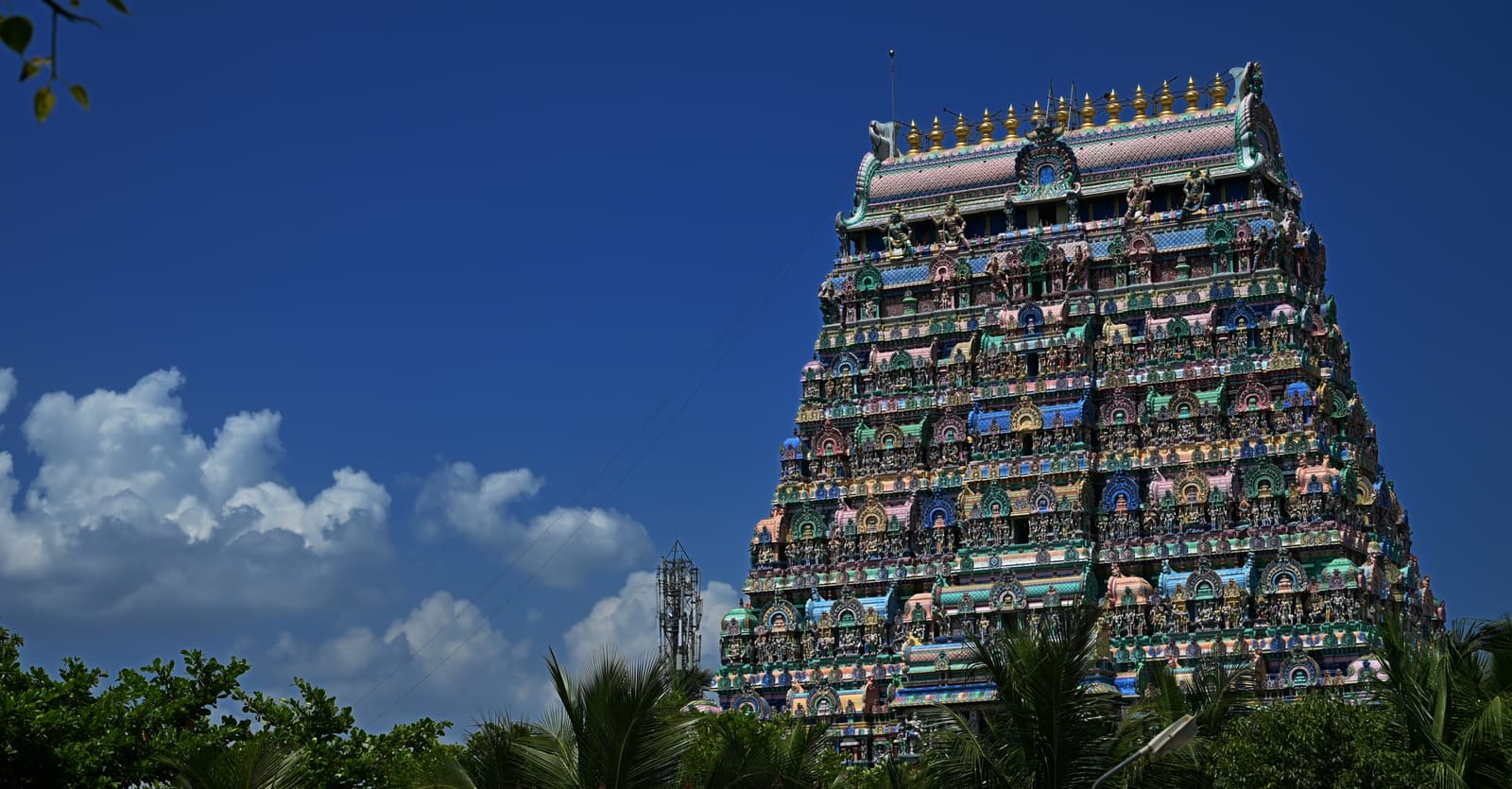
Jambukeswarar Temple
Jambukeswarar Temple in Thiruvanaikaval represents the water element (Apas) of the Pancha Bhoota Sthalas.
Explore Temple
Tamil Nadu
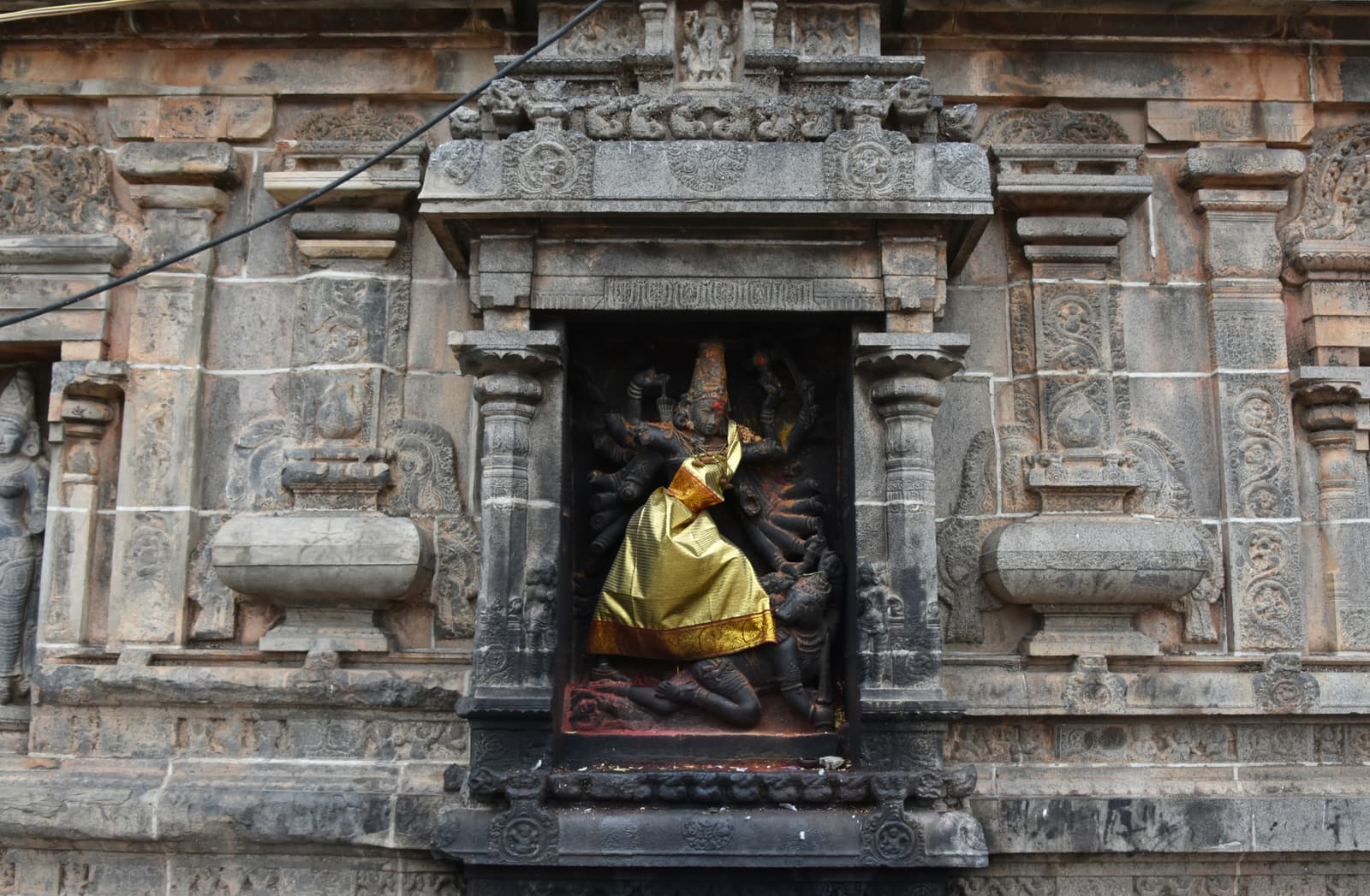
Nataraja Temple
Chidambaram Nataraja Temple represents the space element (Akasha) of the Pancha Bhoota Sthalas.
Explore Temple
Tamil Nadu
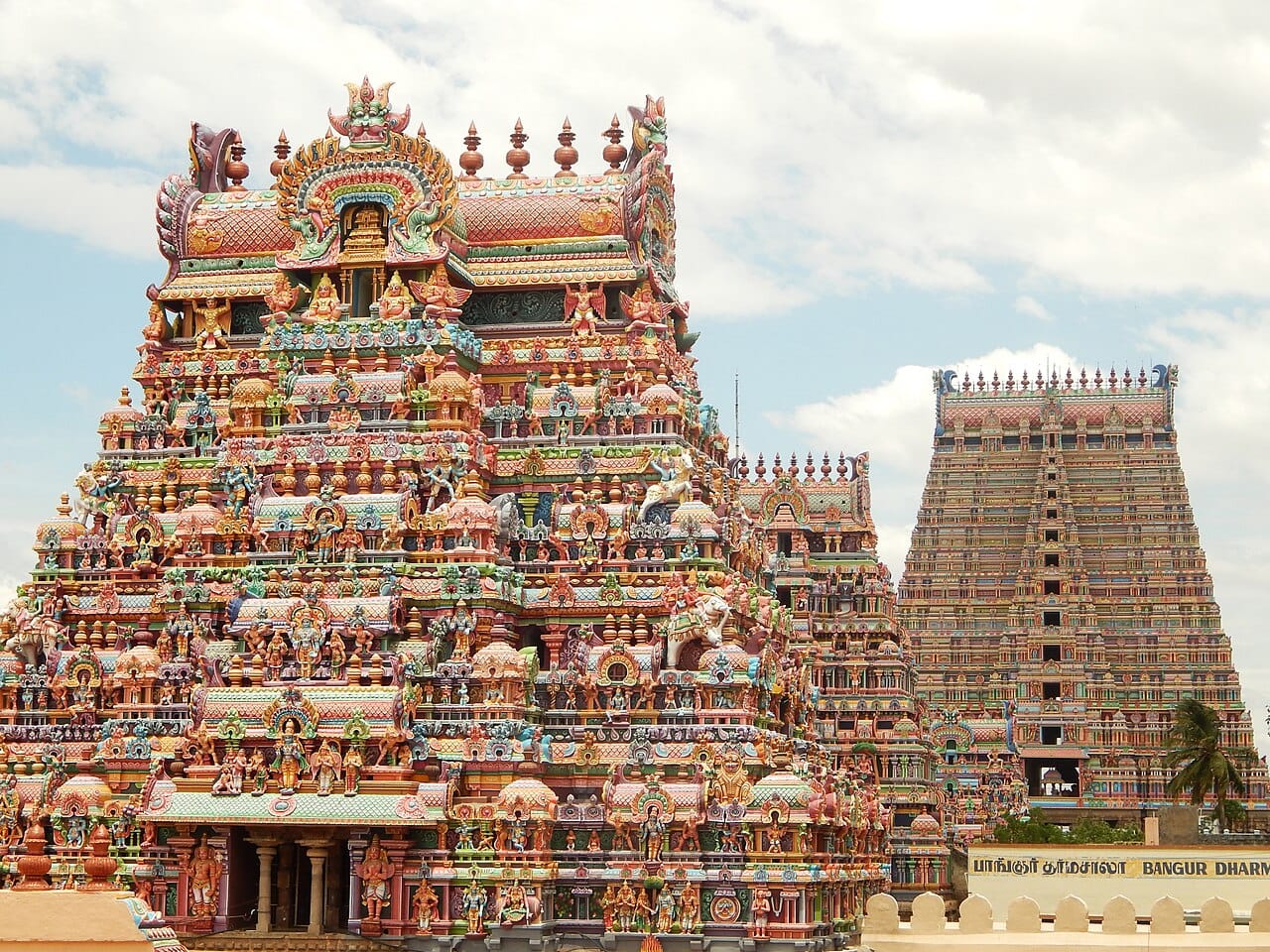
Sri Ranganathaswamy Temple
The largest functioning Hindu temple in the world, a temple-city spanning 156 acres with seven concentric walls, 21 gopurams, and the foremost of the 108 Divya Desams.
Explore Temple
UNESCO 1987Cultural Heritage
Tamil Nadu
Brihadeeswarar Temple
The Brihadeeswarar Temple in Thanjavur, built by Raja Raja Chola I in the 11th century, is a UNESCO World Heritage Site and the tallest Shiva temple in India, crowned by…
Explore Temple
Andhra Pradesh
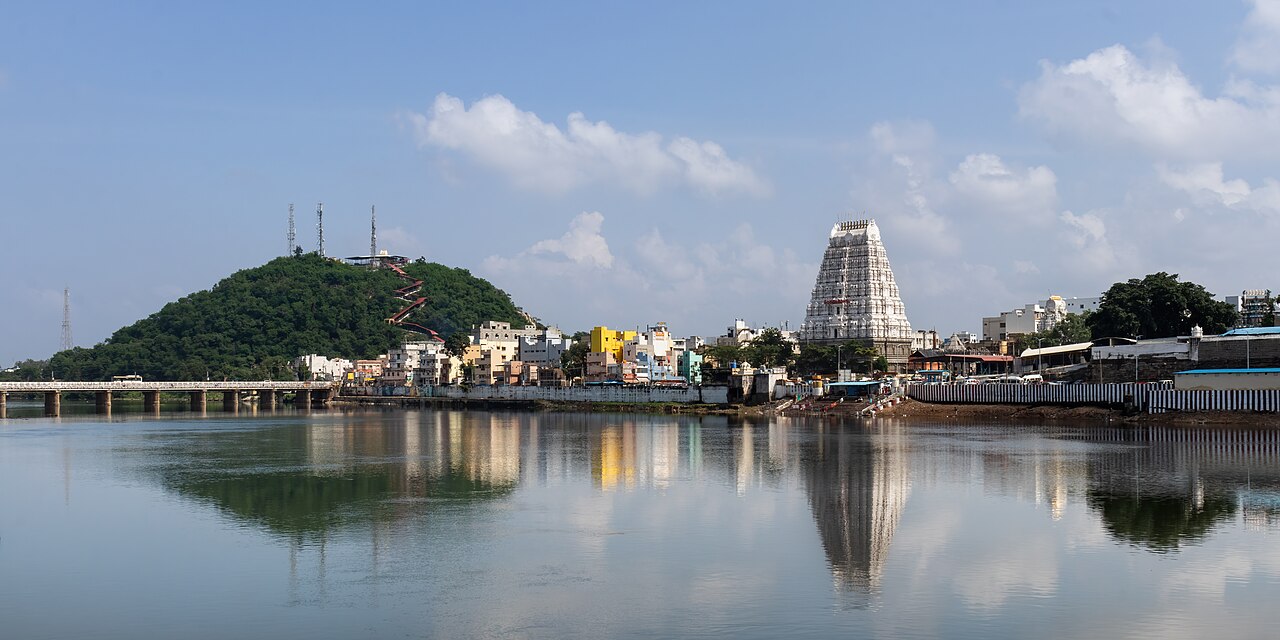
Srikalahasti Temple
Srikalahasti Temple, situated on the banks of the Swarnamukhi River at the foot of Srikalahasti hill in Tirupati district, is dedicated to Lord Shiva as Srikalahasteeswara.
Explore Temple
Andhra Pradesh
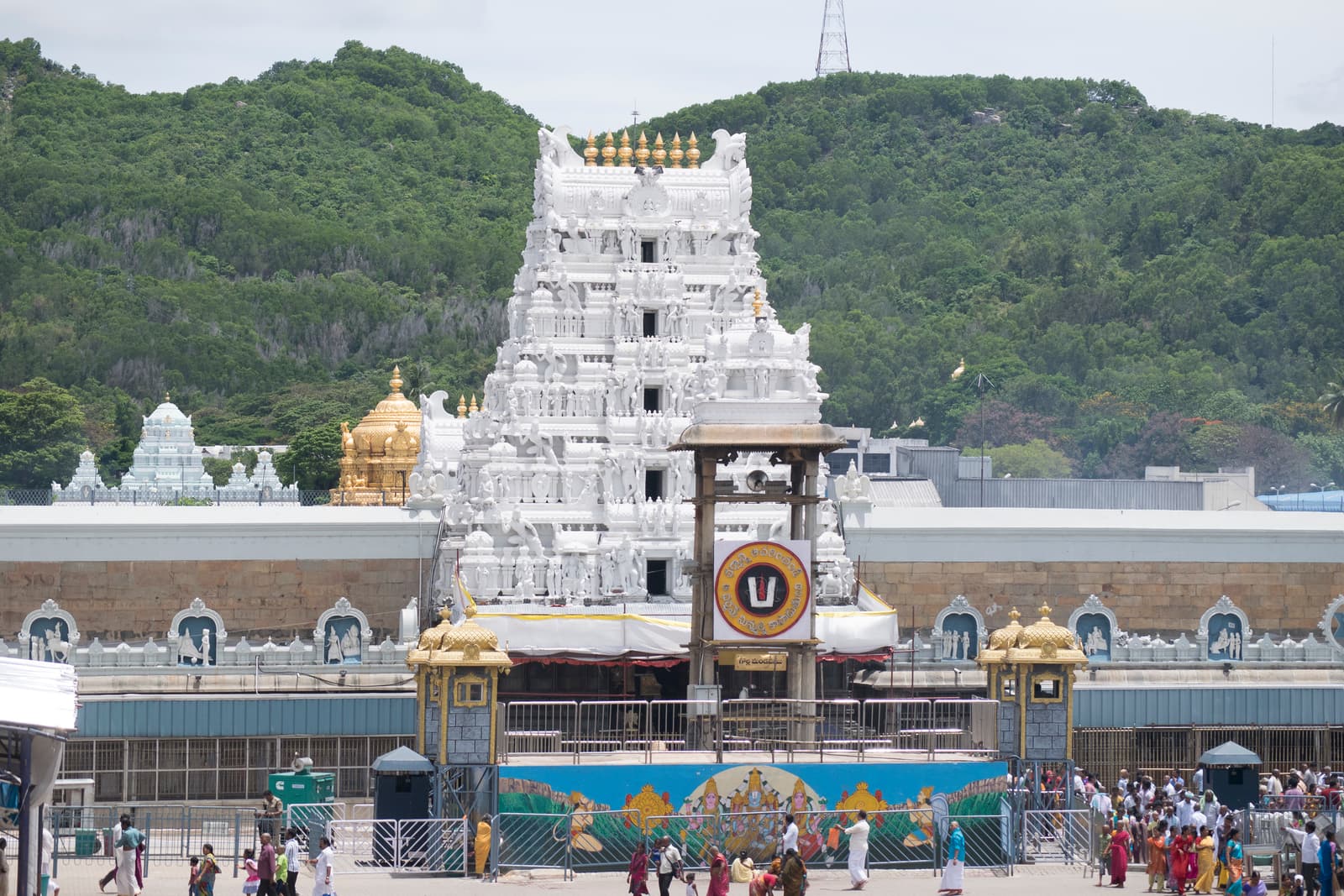
Tirumala Venkateswara Temple
Tirumala Venkateswara Temple, situated in the hill town of Tirumala in Tirupati district, is dedicated to Lord Venkateswara, an incarnation of Vishnu.
Explore Temple
Puducherry
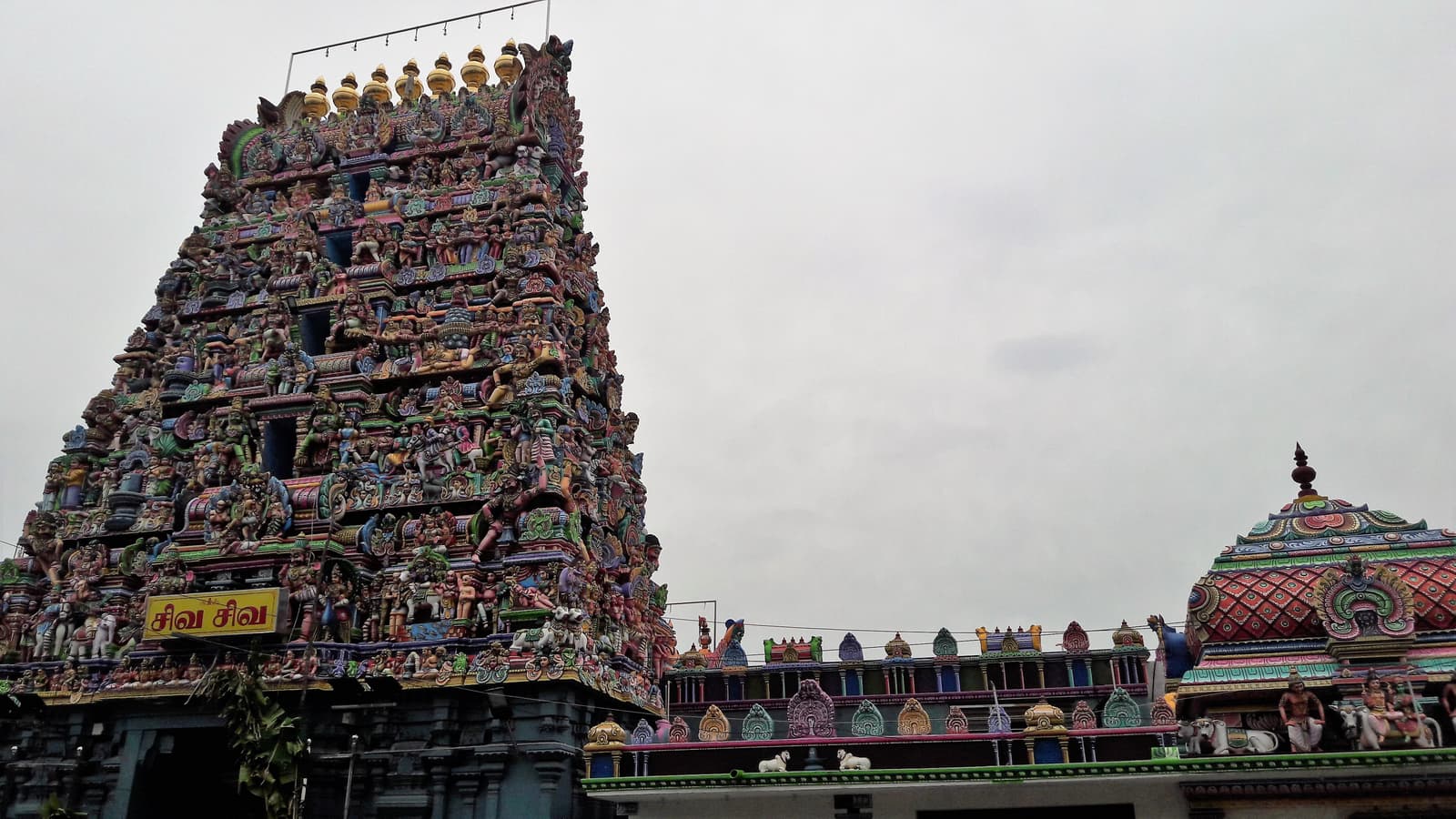
Vedapureeswarar Temple
Historic Shaivite temple in Puducherry's Heritage Town dedicated to Lord Shiva as Vedapureeswarar; rebuilt in 1788 following colonial destruction, showcasing a towering 75-foot rajagopuram and ancient Vedic traditions.
Explore Temple
Puducherry
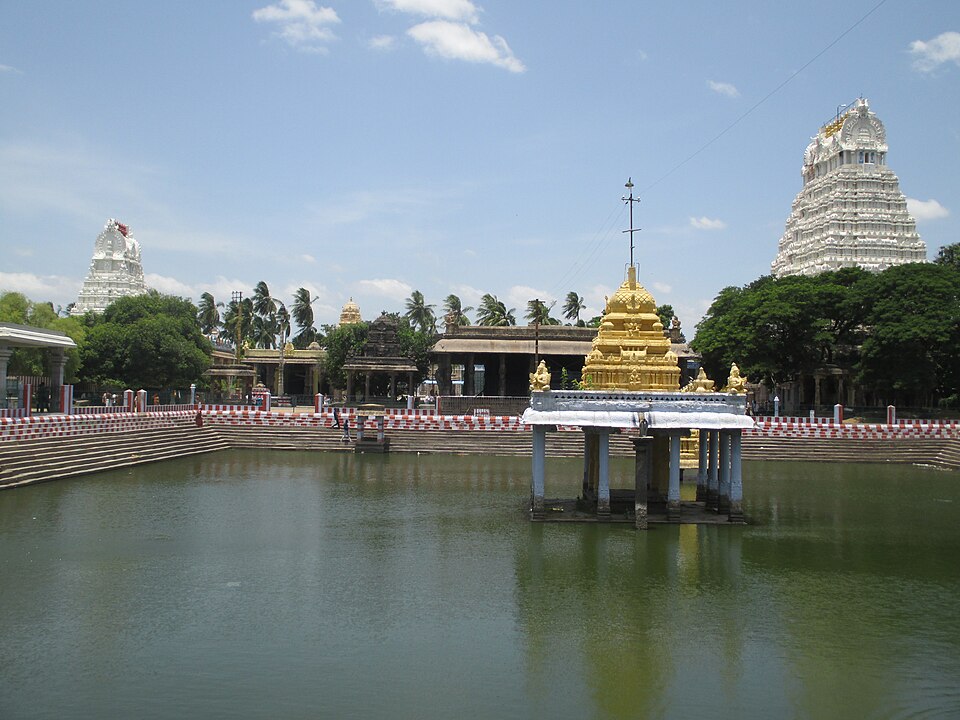
Varadaraja Perumal Temple
The premier 11th-century Chola-era Vaishnavite temple in Puducherry, housing Lord Varadaraja Perumal and Perundevi Thayar with a vivid multi-tiered gopuram, sculpted pillars, and traditional temple tank.
Explore Temple
Puducherry
Sri Gokilambal Thirukameswar Temple
Monumental 12th-century Chola dynasty Shiva shrine in Villianur with historic stone inscriptions, majestic gopurams, a sacred tank, and a towering 15-metre wooden chariot drawn during the annual Brahmotsavam.
Explore Temple
In-Depth Guide
Chola Temples Legacy
The Chola dynasty (circa 850-1250 CE) represents the pinnacle of Dravidian temple architecture, producing some of the largest, most technically accomplished, and artistically refined temples in India. Three of these temples—the Brihadeeswarar Temple at Thanjavur, the Gangaikondacholapuram Temple, and the Airavatesvara Temple at Darasuram—are collectively designated a UNESCO World Heritage Site as the Great Living Chola Temples. The Cholas also created the finest Indian bronze sculptures, with Nataraja (Shiva as the cosmic dancer) being their most celebrated contribution.
The Brihadeeswarar Temple
Built by Rajaraja Chola I between 1003 and 1010 CE, the Brihadeeswarar Temple at Thanjavur is the culmination of Chola architecture. The temple's vimana rises 66 meters (216 feet) above the sanctum, topped by a single granite block weighing 80 tons. The temple is built entirely of granite, with the main tower comprising 13 stories. The massive Nandi (bull) carved from a single granite block measures 4 meters in length. The inner walls contain 108 dance poses (karanas) carved in relief, preserving classical Bharatanatyam postures. The temple's frescoes, discovered in the 1930s beneath later Nayak murals, include portraits of Rajaraja and his guru.
Architectural Innovations
Chola architects developed several innovations that defined Dravidian temple architecture. The vimana, previously a modest structure, was transformed into a monumental pyramidal tower dominating the skyline. The Brihadeeswarar's vimana shadow never falls on the ground at noon, a deliberate solar alignment. The gopuram (gateway tower) grew taller over the Chola period, though it remained subordinate to the main vimana. The use of granite, the hardest stone, required sophisticated quarrying and transport techniques. The interlocking stone system used no mortar, relying on precise cutting and gravity. The thousand-pillar mandapas, though more common under the Vijayanagara period, originated in Chola temple design.
Chola Bronzes and Iconography
The Chola period produced India's finest metal sculptures using the lost-wax technique. The Nataraja (Shiva as cosmic dancer) is the most iconic Chola bronze, depicting Shiva performing the Ananda Tandava (dance of bliss) within a ring of fire. Other significant bronzes include Somaskanda (Shiva with Parvati and Skanda), Ardhanarishvara (half-Shiva, half-Parvati), and the 63 Nayanmar (Shaiva saints). The bronze casting tradition continues today in Swamimalai near Thanjavur. Chola bronzes are characterized by their graceful proportions, elaborate jewelry, and meditative expressions.
The Three UNESCO Inscriptions
The Great Living Chola Temples were inscribed as a UNESCO World Heritage Site in 1987 (extended in 2004). Brihadeeswarar Temple (Thanjavur), built by Rajaraja I, is the largest. Gangaikondacholapuram Temple, built by Rajendra I to commemorate his march to the Ganges, features a smaller but equally elegant vimana. Airavatesvara Temple at Darasuram, built by Rajaraja II, is the smallest but most intricately carved, with its unique stepped well and musical pillars. All three remain active places of worship, the 'living' aspect of their designation. The Thanjavur temple alone attracts over 100,000 devotees during its annual 10-day festival.
Chola Temple Administration
Chola temples were not just religious centers but economic and administrative hubs. Inscriptions on temple walls record land grants, tax exemptions, endowments, and administrative decisions. The Thanjavur temple inscriptions detail the revenues of 400 villages assigned to maintain the temple's operations. Temple staff included priests, musicians, dancers (devadasis), accountants, gardeners, and cooks. The temple-owned lands produced revenue for daily rituals, festivals, and temple maintenance. This system created a symbiotic relationship between the temple, the state, and the agrarian economy, a model that continued under subsequent dynasties.
Chola Temples at a Glance
| Temple | Location | State | Presiding Deity | Primary Significance |
|---|---|---|---|---|
| Uttara Swami Malai Mandir | New Delhi | Delhi | Lord Swaminatha (Murugan) | Perched on a hillock, this granite temple is a primary site for Delhi's South Indian community, dedicated to Lord Swaminatha. |
| Chaya Someswara Temple | Panagal | Telangana | Lord Shiva (Chaya Someswara) | Famous for a permanent shadow that falls on the main Shiva Lingam all day, with no visible object casting it. |
| Airavatesvara Temple | Kumbakonam (Darasuram) | Tamil Nadu | Lord Shiva (Airavatesvara) | The Airavatesvara Temple at Darasuram, built by Rajaraja Chola II between 1146 and 1172 CE, is one of the three UNESCO World Heritage 'Great Living Chola Temples. |
| Gangaikonda Cholapuram Temple | Gangaikonda Cholapuram | Tamil Nadu | Lord Shiva (Brihadeeswarar) | The Gangaikonda Cholapuram Temple, built by Rajendra Chola I in 1035 CE, is a UNESCO World Heritage 'Great Living Chola Temple. |
| Kampaheswarar Temple | Tribhuvanam | Tamil Nadu | Lord Shiva (Kampaheswarar) | Kampaheswarar Temple in Tribhuvanam, built by Kulothunga Chola III in 1202 CE, is one of the later great Chola temples and completes the quartet of magnificent Chola stone temples alongside the Brihadeeswarar at Thanjavur, Gangaikonda Cholapuram, and Airavatesvara at Darasuram. |
| Koranganatha Temple | Srinivasanallur | Tamil Nadu | Lord Shiva (Koranganatha) | Koranganatha Temple, built during the reign of the Chola king Parantaka I (907-955 CE) at Srinivasanallur near Tiruchirappalli, is a well-preserved example of early Chola architecture with exquisite stone carvings. |
| Arunachaleswarar Temple | Tiruvannamalai | Tamil Nadu | Lord Shiva (Arunachaleswarar / Annamalaiyar) | Arunachaleswarar Temple at the foot of Arunachala Hill in Tiruvannamalai is one of the largest Shiva temples in the world, covering 25 acres. |
| Ekambareswarar Temple | Kanchipuram | Tamil Nadu | Lord Shiva (Ekambareswarar) | Ekambareswarar Temple in Kanchipuram represents the earth element (Prithvi) of the Pancha Bhoota Sthalas. |
| Jambukeswarar Temple | Tiruchirappalli (Thiruvanaikaval) | Tamil Nadu | Lord Shiva (Jambukeswarar) | Jambukeswarar Temple in Thiruvanaikaval represents the water element (Apas) of the Pancha Bhoota Sthalas. |
| Nataraja Temple | Chidambaram | Tamil Nadu | Lord Shiva (Nataraja) | Chidambaram Nataraja Temple represents the space element (Akasha) of the Pancha Bhoota Sthalas. |
Frequently Asked Questions
Q.How many Great Living Chola Temples are on the UNESCO list?
Three Chola temples form the UNESCO World Heritage Site: the Brihadeeswarar Temple at Thanjavur (1010 CE), the Gangaikondacholapuram Temple (1035 CE), and the Airavatesvara Temple at Darasuram (1166 CE).
Q.What is the weight of the Brihadeeswarar's dome stone?
The single granite block atop the Brihadeeswarar Temple's vimana weighs approximately 80 tons. It was raised to a height of 66 meters using an inclined ramp 6 kilometers long, according to historical records.
Q.What makes Chola bronzes different from other Indian bronzes?
Chola bronzes are distinguished by their graceful proportions, dynamic poses, elaborate jewelry, and meditative facial expressions. The lost-wax technique used by Chola artisans achieved a level of detail and finish unmatched in other Indian bronze traditions.
Q.Who built the Brihadeeswarar Temple?
The Brihadeeswarar Temple was built by Rajaraja Chola I (reigned 985-1014 CE), the greatest Chola emperor. The construction was completed in 1010 CE, and the temple's consecration was recorded in detailed inscriptions on its walls.
Q.What is the significance of the 108 karanas carved at Brihadeeswarar?
The 108 karanas (dance poses) carved on the Brihadeeswarar Temple walls represent the codified movements of Bharatanatyam as described in Bharata's Natya Shastra. They serve as the most complete sculptural record of classical Indian dance.
Sources & References
These records back the dating, architectural classification and visitor guidance published on this Chola Temples page.
Archaeological Survey of India
Archaeological Survey of India — monument records and conservation reports
Protection status, dating, architectural classification and published conservation records for the monuments named on this page.
Primary archaeological record
Open source (opens in a new tab)Ministry of Tourism, Government of India
Ministry of Tourism — official destination information
Official Government of India destination information — access, visitor circuits and travel guidance referenced on this page.
Government record
Open source (opens in a new tab)UNESCO World Heritage Centre
UNESCO World Heritage List — India
World Heritage inscription criteria, Outstanding Universal Value statements and the year of listing for the sites named on this page.
World Heritage documentation
Open source (opens in a new tab)INTACH
Indian National Trust for Art and Cultural Heritage
Documentation of Indian architectural heritage and conservation practice behind the style descriptions on this page.
Reference source
Open source (opens in a new tab)
— every record linked above was re-requested for this release, so the link still resolves and the publisher still serves the document. It is a link check, not a re-verification of every sentence on this page.
Missing something, or found an error? Send us a correction with the record that supports it, or read how we choose sources.