From ancient rock-cut marvels to towering imperial shrines, discover the architectural soul of Bharat through our verified digital archive.
Explore More Temples
Location
Modhera
Presiding Deity
Surya (Sun God)
Architecture
Solanki (Maru-Gurjara)
Dynasty
Solanki (Bhima I), 1026-1027 CE
Timings
The Modhera Sun Temple is open to visitors from 6:00 AM to 6:00 PM daily. The site is managed by the Archaeological Survey of India, and there is a nominal entry fee (INR 25 for Indian citizens, INR 300 for foreign nationals, free for children under 15). The site remains open on all government holidays, including weekends. The Pushkarini stepwell is accessible during the same hours. The best time for photography is early morning (6:00-8:00 AM) and late afternoon (4:00-6:00 PM).
Entry Fee
Free
Best Time
The best time to visit Modhera Sun Temple is from October to March, when Gujarat's weather is pleasant with temperatures between 12 and 30 degrees Celsius. January is the most recommended month as it coincides with both the Modhera Dance Festival and the Uttarayan celebrations. The equinox weeks (March 19-22 and September 21-24) are particularly special for witnessing the temple's solar alignment. Summer months (April to June) are extremely hot, with temperatures exceeding 42 degrees Celsius, making midday visits uncomfortable. The monsoon season (July to September) brings moderate rainfall but the surrounding landscape becomes lush and green, and the Pushkarini fills with water, creating beautiful photographic opportunities. For photographers, the golden hour just after sunrise and just before sunset provides dramatic lighting that brings out the intricate carvings and the reflections in the stepwell.
A masterpiece of Solanki architecture built in 1026-27 CE by King Bhima I, dedicated to Surya with precise equinox solar alignment.
The Modhera Sun Temple was constructed in 1026-27 CE during the reign of King Bhima I of the Solanki dynasty (also known as the Chaulukyas of Gujarat). The Solankis ruled Gujarat between the 10th and 13th centuries and were among the most prolific temple builders of western India. The temple was built shortly after Bhima I's successful defense of Gujarat against Mahmud Ghazni's invasion of the Somnath Temple in 1025 CE. The construction of a grand Sun temple at Modhera was both a religious act of thanksgiving and a political assertion of Solanki power. The temple's construction is documented in the Kirti Kaumudi, a Sanskrit chronicle of Solanki ruler Bhima I's reign, which states that the temple was designed to celebrate the king's military victories and to establish Modhera as a major pilgrimage center. The temple flourished for over 200 years under Solanki patronage, with endowments from the royal treasury supporting a large community of priests, musicians, dancers, and artisans. The temple school (Salatura) was renowned for teaching Surya Siddhanta, the ancient Indian astronomical text. The temple began to decline in the late 13th century with the weakening of the Solanki dynasty and the subsequent Muslim invasions of Gujarat. In 1299 CE, Allauddin Khilji's general Ulugh Khan invaded Gujarat and damaged many Hindu temples, though the Modhera Sun Temple was reportedly spared complete destruction because of its remote location. The temple suffered more significant damage in the 15th century under Mahmud Begada (d. 1511 CE), the Sultan of Gujarat, who ordered the removal of the temple's iconic image of Surya. During the British colonial period, the temple was surveyed and documented by Alexander Forbes in the 1850s and later by James Burgess in the 1870s. The Archaeological Survey of India took over the conservation of the site in the late 19th century and has undertaken multiple restoration projects, including the reconstruction of the collapsed portions of the Sabha Mandapa. The temple gained international attention in the 20th century as a masterpiece of Hindu solar architecture, and the annual Modhera Dance Festival, established in the 1960s, has made it a cultural landmark. In 2022, the temple was added to India's tentative list of UNESCO World Heritage Sites as part of the 'Sun Temples of India' serial nomination.
“The Modhera Sun Temple is steeped in solar mythology drawn from the Vedas, Puranas, and local Gujarati traditions. According to the Bhavishya Purana, the temple site at Modhera marks the location where Surya, the Sun God, manifested himself to restore the lost eyesight of a devout Brahmin named Modha. The name 'Modhera' itself is believed to be derived from 'Modha' and 'Hara' — meaning the 'destroyer of the ignorance of Modha.' In another local legend, the temple is associated with the churning of the cosmic ocean (Samudra Manthan). During the churning, the divine jewel Kaustubha emerged along with many other treasures, and Surya's brilliance was temporarily dimmed. To regain his full radiance, Surya performed penance at this very spot on the banks of the Pushpavati River. Pleased with his devotion, Lord Vishnu blessed Surya and instructed that a temple be built here dedicated to the Sun God in his twelve forms — the twelve Adityas. This legend explains the twelve-sided stepwell and the twelve representations of Surya found throughout the temple. The temple also connects to the Ramayana tradition. According to the Skanda Purana, after the war in Lanka, Rama and Sita visited this region and stopped on the banks of the Pushpavati River, which itself is named after the word 'Pushpa' (flower) — the river is said to have been so beautiful that flowers would bloom spontaneously on its banks. Sun worship (Saura) was a major sect in early medieval India, with its own Puranas (Samba Purana and Bhavishya Purana), its own iconographic canons, and a well-developed theology that considered Surya as the visible form of the divine. The Modhera Sun Temple is the most complete surviving expression of this tradition in western India.”
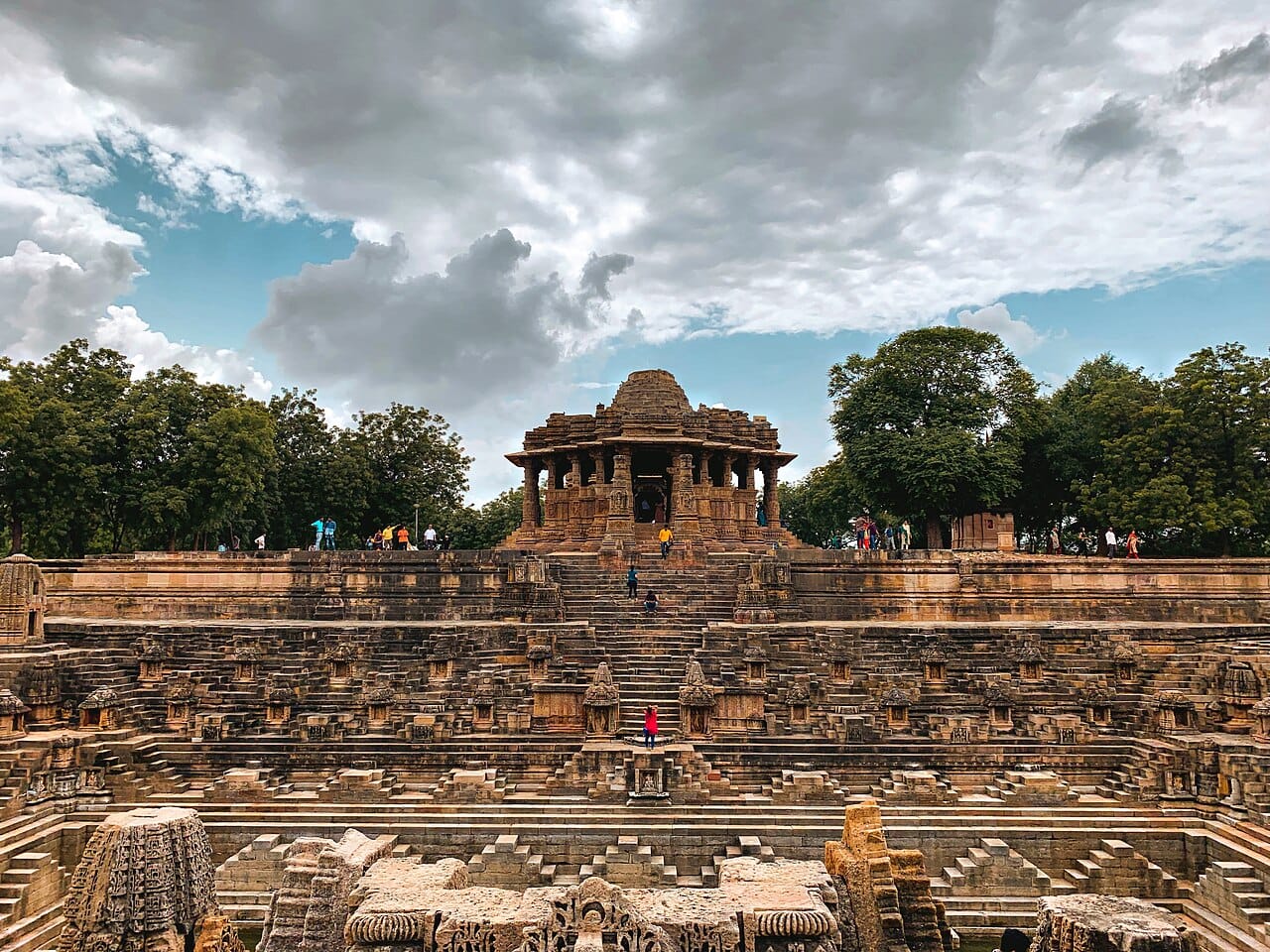
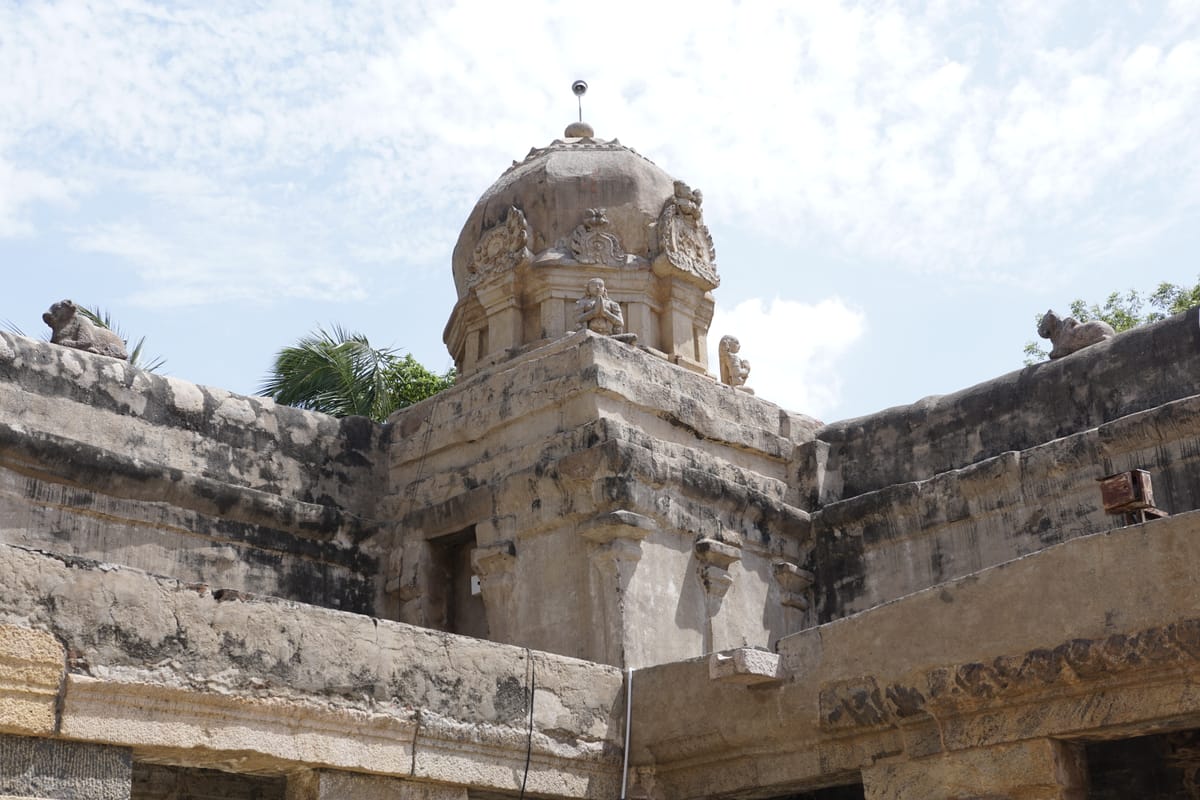
The Modhera Sun Temple is the definitive masterpiece of the Solanki or Maru-Gurjara architectural style, which evolved in Gujarat and Rajasthan between the 8th and 13th centuries CE. The style is distinguished by its extensive use of pale golden sandstone, extraordinarily intricate carving that covers every surface, and the integration of structural water features into the temple complex. The temple complex at Modhera is organized along a single east-west axis, comprising three principal elements: the Surya Kunda (the stepped tank), the Sabha Mandapa (assembly hall), and the Garbhagriha (sanctum). The Surya Kunda, or Pushkarini, is the most visually stunning component — a rectangular tank measuring 53 meters by 36 meters, carved to a depth of approximately 10 meters. Four flights of steps descend to the water level, each flanked by miniature shrines, with a total of 108 shrines around the entire perimeter. The stepwell is designed not merely as a utilitarian water source but as a sacred architectural space for ritual purification. The sandstone walls of the tank are carved with panels depicting the incarnations of Vishnu, various forms of Shiva, the Saptamatrikas (seven mothers), and scenes from the Ramayana and Mahabharata. The Sabha Mandapa, standing on a raised platform of six feet, is a square structure transformed into an octagon through the arrangement of its 52 pillars. The pillars are arranged in concentric circles, creating a central aisle that leads from the entrance to the sanctum. Each pillar is a unique composition of sculptural elements: square bases with miniature panels, octagonal shafts carved with deities and dancers, and elaborate bracket capitals supporting the ceiling. The ceiling of the Sabha Mandapa is a marvel of Indian stoneworking — constructed as a series of concentric rings that rise in a corbelled dome, each ring decorated with lotus petals and geometric patterns, culminating in a central lotus pendentive. The exterior of the Sabha Mandapa is adorned with a row of exquisite sculptures including Surya himself (shown in his chariot drawn by seven horses, driven by Aruna), the twelve Adityas, celestial dancers in expressive poses, and the river goddesses Ganga and Yamuna at the entrance doorway. The Garbhagriha, though now roofless, retains its original plan — a square sanctum with a circumambulatory path, its walls carved with images of Surya in his twelve forms. The temple's overall design functions as a cosmic calendar: the 12 steps and 12 pillars in certain sections represent the months, the 52 pillars represent the weeks, and the 108 shrines represent the number considered auspicious in Hindu cosmology.
The Modhera Sun Temple holds profound religious, astronomical, architectural, and cultural significance. Religiously, it represents the Saura tradition of Sun worship, one of the five principal sects of classical Hinduism (alongside Shaiva, Vaishnava, Shakta, and Ganapatya). The temple is one of the few surviving Sun temples in India where the astronomical alignment is still intact and measurable. Astronomically, the temple is a precisely calibrated solar observatory. The entire structure is oriented to the rising sun at the equinox, with the main entrance, the garbhagriha doorway, and the shikhara aligned so that at dawn on the spring and autumn equinoxes, the sun's rays pass through the entire length of the temple and illuminate the now-empty sanctum. This alignment demonstrates the sophisticated astronomical knowledge of the Solanki-era architects, who understood heliocentric principles and the geometry of celestial mechanics. Architecturally, the Modhera Sun Temple is the finest surviving example of the Solanki (Maru-Gurjara) style, characterized by exquisite stone carving, the use of multiple shikharas, and the integration of structural water tanks into the temple complex. The Pushkarini stepwell is considered one of the most beautiful stepped water bodies in India, influencing stepwell architecture across Gujarat for centuries. Culturally, the temple is the venue for the annual Modhera Dance Festival (held in January), which has become an important platform for classical Indian dancers. The festival, set against the backdrop of the illuminated Sabha Mandapa, recreates the tradition of temple dances (devadasi) that were an integral part of Solanki-era temple culture. The temple's architectural details — including the Kalpavriksha (wish-fulfilling tree) carvings, the celestial musicians, and the twelve Adityas — provide an encyclopedic record of 11th-century Gujarati art, costume, jewelry, and musical instruments.
The Modhera Sun Temple, now under the care of the Archaeological Survey of India, no longer conducts daily worship, but seasonal and annual rituals are still performed, particularly during the solar festivals. The most significant ritual is the Uttarayan (Makar Sankranti) celebration on January 14-15, when thousands of devotees gather at the temple at dawn to witness the sun's rays align with the garbhagriha and offer the first Arghya (water oblation) to the rising sun. During this period, priests from the local Modhera Brahmin community perform a modified version of the traditional Surya Puja, which includes the chanting of the Gayatri Mantra (dedicated to the sun), the offering of red flowers, sandalwood paste, and the ritual pouring of water from a copper vessel while facing the rising sun. The Aditya Hridaya Stotram, a 31-verse hymn from the Ramayana dedicated to Surya, is recited during these ceremonies. During each solar transit (Sankranti), especially the equinoxes, special pujas are organized by the local temple trust, attracting pilgrims from across Gujarat. The ancient ritual of standing in the Pushkarini stepwell and offering water to the sun while chanting specific mantras is still practiced, particularly by women who perform the 'Surya Arghya' for the well-being of their families. The temple also observes Ratha Saptami (Magha Saptami) in January-February, the festival dedicated to Surya's birth, when the sun is worshipped in its full glory.
The most prominent festival at the Modhera Sun Temple is the Modhera Dance Festival, organized annually in the third week of January by the Gujarat Tourism Department in collaboration with the Archaeological Survey of India. This three-day festival features performances of classical Indian dance forms — Bharatanatyam, Kathak, Odissi, Kuchipudi, Manipuri, and Kathakali — set against the spectacularly illuminated Sabha Mandapa. The festival has been held since the 1960s and attracts renowned dancers from across India, making it one of the most prestigious cultural events in Gujarat. The temple's original festival calendar, reconstructed from inscriptions and texts, included several important celebrations. The primary festival was the Rath Yatra of Surya, held on Ratha Saptami, when a procession of the solar deity's image was taken around the Pushkarini. The Kartik Purnima festival, celebrating the full moon closest to the sun's transit into Scorpio, was marked by thousands of lamps being lit around the Pushkarini, creating spectacular reflections in the water. The Samba Dasami in January was dedicated to the legend of Samba (Krishna's son), who was cured of leprosy after worshipping the sun. Local farmers still observe the 'Modhera Mela' on the full moon of Kartika (October-November), a small fair held on the temple grounds with folk music, traditional Gujarati performances, and the sale of local handicrafts. The Uttarayan (Makar Sankranti) kite festival on January 14-15 sees the temple grounds filled with kite flyers, continuing the Gujarati tradition of celebrating the sun's northward journey.
Its precise solar alignment where the sun's rays illuminate the garbhagriha on the equinoxes, the exquisitely carved Pushkarini stepwell, and being one of the few surviving Sun temples in India.
The best time to visit Modhera Sun Temple is from October to March, when Gujarat's weather is pleasant with temperatures between 12 and 30 degrees Celsius. January is the most recommended month as it coincides with both the Modhera Dance Festival and the Uttarayan celebrations. The equinox weeks (March 19-22 and September 21-24) are particularly special for witnessing the temple's solar alignment. Summer months (April to June) are extremely hot, with temperatures exceeding 42 degrees Celsius, making midday visits uncomfortable. The monsoon season (July to September) brings moderate rainfall but the surrounding landscape becomes lush and green, and the Pushkarini fills with water, creating beautiful photographic opportunities. For photographers, the golden hour just after sunrise and just before sunset provides dramatic lighting that brings out the intricate carvings and the reflections in the stepwell.
The Modhera Sun Temple is open to visitors from 6:00 AM to 6:00 PM daily. The site is managed by the Archaeological Survey of India, and there is a nominal entry fee (INR 25 for Indian citizens, INR 300 for foreign nationals, free for children under 15). The site remains open on all government holidays, including weekends. The Pushkarini stepwell is accessible during the same hours. The best time for photography is early morning (6:00-8:00 AM) and late afternoon (4:00-6:00 PM).
How to Reach: Modhera is 100 km from Ahmedabad. The nearest airport is Ahmedabad's Sardar Vallabhbhai Patel International Airport (105 km), well-connected to all Indian metros and international destinations. The nearest railway station is Mahesana Junction (40 km), on the Ahmedabad-Delhi rail line, with frequent trains from Ahmedabad (1 hour). From Mahesana, take a state bus or private auto-rickshaw (45 minutes). State transport buses run from Ahmedabad's Gita Mandir bus station to Modhera (3 hours, direct buses available). By car from Ahmedabad, take NH-47 towards Mehsana and then SH-19 to Modhera (2 hours). Tips: Visit the Rani ki Vav in Patan and the Modhera Sun Temple together in a single day as they are only 35 km apart — start at Modhera at sunrise and head to Patan by late morning. Carry water and sun protection as the temple complex has limited shade, especially in the open courtyard and Pushkarini area. Wear comfortable walking shoes as the site involves climbing multiple sets of steps. Combine the visit with a stop at the local Modhera village to see traditional Gujarati handicrafts and pottery. The ticket counter at the site accepts cash only. There is a small ASI museum next to the temple entrance displaying sculptures found during excavation. The Modhera Dance Festival requires advance ticket booking through the Gujarat Tourism website as it attracts large crowds. Audio guides are available in English and Hindi at the ticket counter.
The Modhera Sun Temple is located in northern Gujarat, approximately 100 km from Ahmedabad. Nearby attractions include the Rani ki Vav stepwell in Patan (35 km), a UNESCO World Heritage Site built by Queen Udayamati in the 11th century and considered the finest stepwell in India. The historic town of Patan also houses the Sahasralinga Talav (a tank with over 1,000 Shiva lingas) and the Panchasara Parshwanath Jain Temple. The Rupan Sanovar (10 km) is a scenic lake with a historical palace. The Thol Wildlife Sanctuary (60 km) is a birdwatcher's paradise, especially during the winter months when migratory birds arrive. The Zanzari Waterfalls (40 km) near the village of Balaram offer a refreshing monsoon retreat. The city of Ahmedabad (100 km), a UNESCO World Heritage City, offers numerous attractions including the Sidi Saiyyed Mosque, the Sabarmati Ashram, Adalaj Stepwell, and the Calico Museum of Textiles. The Sun Temple at Ambaji (80 km in another direction) and the Vautha Mela site (60 km) are other religious destinations in the region. The Wild Ass Sanctuary in the Little Rann of Kutch (150 km) provides a unique desert wildlife experience.
A. The Modhera Sun Temple was built in 1026-27 CE by King Bhima I of the Solanki (Chaulukya) dynasty of Gujarat. The temple was constructed to celebrate Bhima I's military successes and to establish Modhera as a major center of Surya worship. The temple flourished for over two centuries under Solanki patronage before declining during the Muslim invasions of Gujarat. The surviving portions — the Pushkarini stepwell and the Sabha Mandapa — are remarkably well-preserved and are protected by the Archaeological Survey of India.
A. The temple is open from 6:00 AM to 6:00 PM daily. The entry fee is INR 25 for Indian citizens and INR 300 for foreign nationals. Photography is permitted throughout the site, though tripods require special permission. The site remains open on weekends and public holidays. The best time for photography is early morning and late afternoon.
A. The temple is built in the Solanki style (also called Maru-Gurjara), which is the western Indian variant of Nagara architecture. It features an intricately carved stepwell (Pushkarini), a pillared assembly hall (Sabha Mandapa) with 52 pillars, and a garbhagriha designed for solar alignment. The style is characterized by its extensive use of sandstone, extremely detailed carvings, and the integration of structural water bodies into the temple complex.
A. The temple is precisely aligned to the rising sun at the equinox. At dawn on the spring and autumn equinoxes (March 20 and September 22), the sun's rays pass through the main entrance, through the Sabha Mandapa, and directly illuminate the garbhagriha. This alignment demonstrates the advanced astronomical and architectural knowledge of the Solanki builders and the temple's function as a solar observatory.
A. The Pushkarini is a magnificent rectangular stepped tank (176 feet by 120 feet) located in front of the main temple. It is among the most beautiful stepwells in India, with four sides lined with over 100 miniature shrines dedicated to various deities. The steps descend in twelve stages, symbolizing the twelve Adityas (forms of the Sun God) or the twelve months. The tank originally held water from the Pushpavati River and was used for ritual bathing before entering the temple.
A. The temple was built by King Bhima I of the Solanki dynasty (also known as Chaulukyas of Gujarat), who ruled from 1022 to 1064 CE. He built the temple in 1026-27 CE, shortly after successfully defending Gujarat from Mahmud Ghazni's invasion. The temple was built as an act of thanksgiving and as a demonstration of Solanki prosperity and architectural sophistication.
A. The Modhera Dance Festival is an annual three-day cultural event held in January, organized by Gujarat Tourism. It features performances of classical Indian dance forms including Bharatanatyam, Kathak, Odissi, Kuchipudi, and Manipuri, set against the illuminated Sabha Mandapa. The festival has been held since the 1960s and attracts renowned dancers from across India. It takes place in the third week of January, coinciding with the Uttarayan festival.
A. Not yet, but it is on India's tentative list (since 2022) as part of the 'Sun Temples of India' serial nomination that includes the Sun Temple at Konark (already a UNESCO site), the Modhera Sun Temple, and other lesser-known Sun temples. The site is protected as a Monument of National Importance by the Archaeological Survey of India under the Ancient Monuments and Archaeological Sites and Remains Act.
A. Modhera is approximately 100 kilometers from Ahmedabad, about a 2-hour drive via NH-47 and SH-19. The route passes through Mahesana town. Direct government buses and private taxis are available from Ahmedabad. The Modhera Sun Temple and the Rani ki Vav in Patan (35 km from Modhera) are often combined into a single day trip from Ahmedabad.
A. The 52 pillars of the Sabha Mandapa represent the 52 weeks of the year, consistent with the temple's solar symbolism. Each pillar is uniquely carved with different deities, dancers, musicians, and floral patterns. There are no two identical pillars in the entire mandapa, showcasing the extraordinary range of the Solanki stone carvers. The pillars support a domed ceiling with concentric rings of carved lotus petals.
A. Yes, this is a very popular combined tour. Modhera is 35 km from Patan (where Rani ki Vav is located). A typical itinerary involves starting at Modhera at sunrise (6:00 AM), spending 2-3 hours at the Sun Temple, then driving to Patan to visit Rani ki Vav and the Sahasralinga Talav. The entire round trip from Ahmedabad takes approximately 8-10 hours. Private taxis are available in Ahmedabad for this route.
A. The solar alignment can be observed twice a year during the equinoxes: around March 20-22 (spring equinox) and September 21-23 (autumn equinox). On these dates, visitors can witness the sun's rays illuminating the garbhagriha at sunrise (approximately 6:30 AM). The Uttarayan festival on January 14-15 also sees a partial alignment effect and is more accessible for most visitors as it coincides with the peak tourist season.
A. Regular daily worship is not conducted as the temple is under ASI management, but seasonal rituals are performed on important solar occasions. Special pujas are organized on Makar Sankranti (Uttarayan), Ratha Saptami, and the equinoxes by the local temple trust. Devotees still perform Surya Arghya (water offerings) at the Pushkarini at sunrise. The temple is regarded as a 'living monument' with active religious associations despite being an archaeological site.
A. The name 'Modhera' is traditionally derived from two words: 'Modha' (the name of a Brahmin who was cured of blindness by the Sun God) and 'Hara' (remover). Combined, Modhera means 'the destroyer of Modha's ignorance.' According to the Bhavishya Purana, the Brahmin Modha lost his eyesight and was cured by Surya's grace at this very location, after which he established a settlement that became known as Modhera.
Somnath Temple
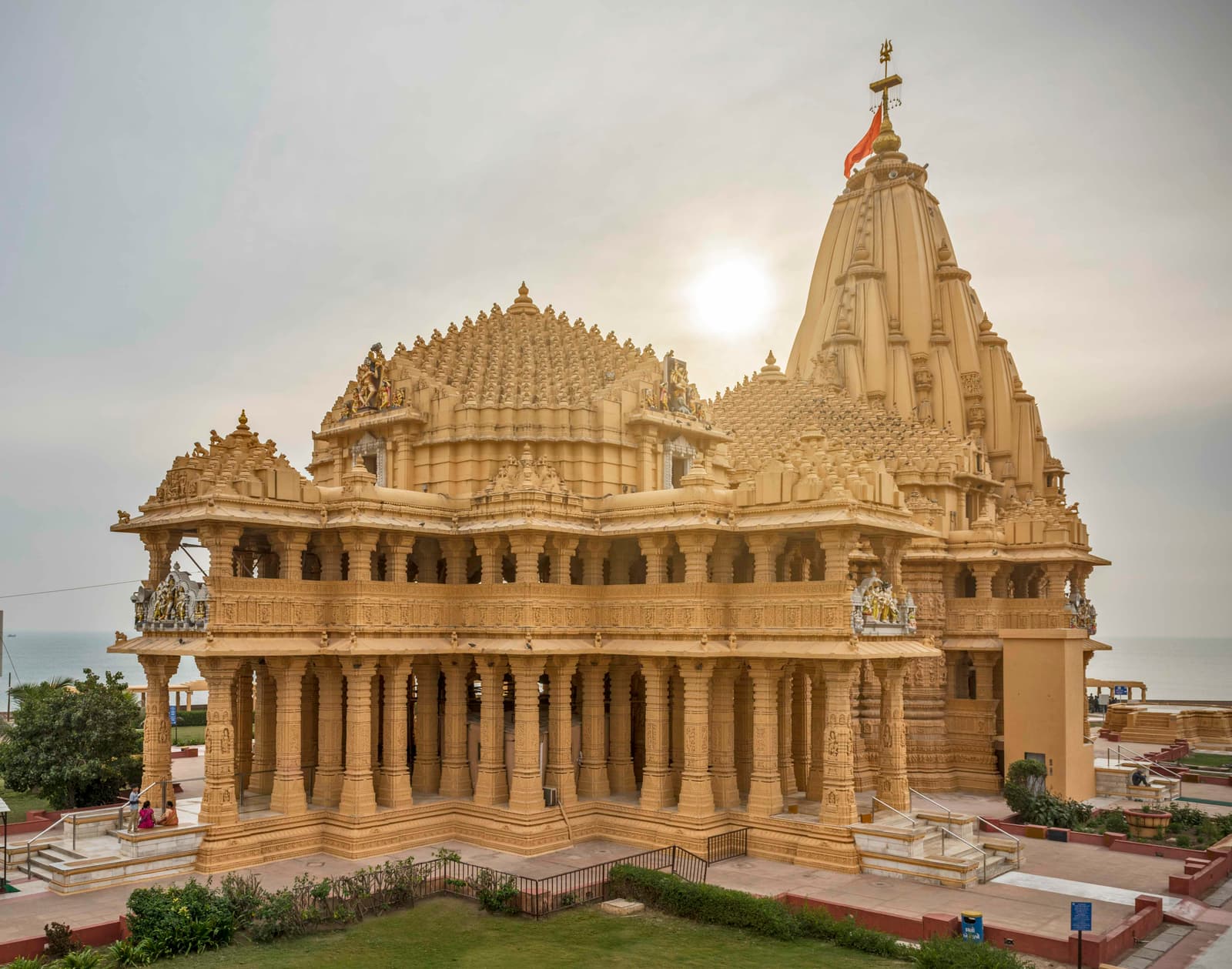
Somnath Temple, the first of the twelve Jyotirlingas, is an ancient Shiva temple in Gujarat known for its resilience through repeated destruction and reconstruction over a millennium.
Nageshwar Jyotirlinga Temple
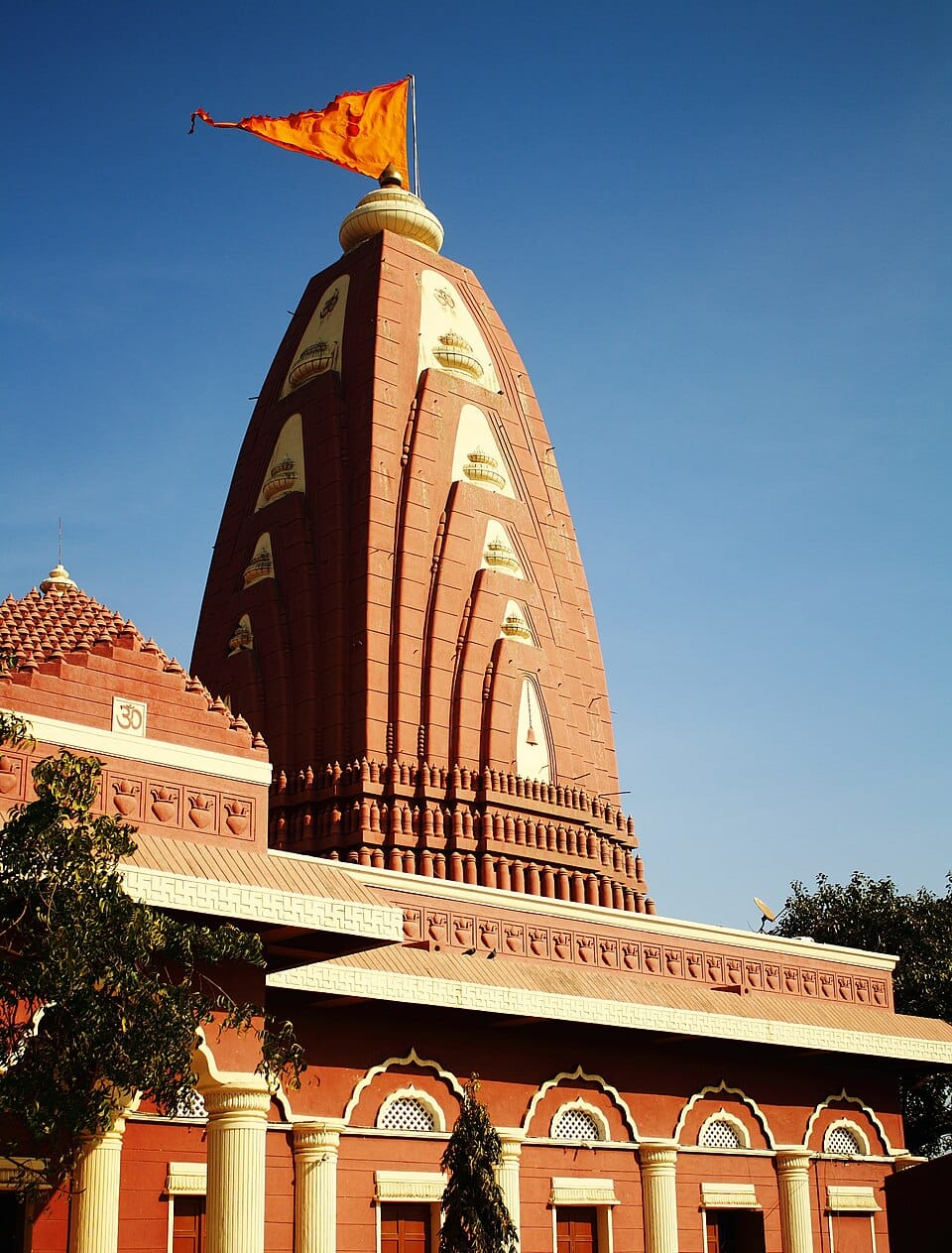
The coastal jyotirlinga hidden in the marshlands of Saurashtra. Shiva as Nageshwar — the Lord of Snakes. The legend of Daruka and a 25-meter outdoor Shiva statue visible from the Arabian Sea.
Ambaji Temple
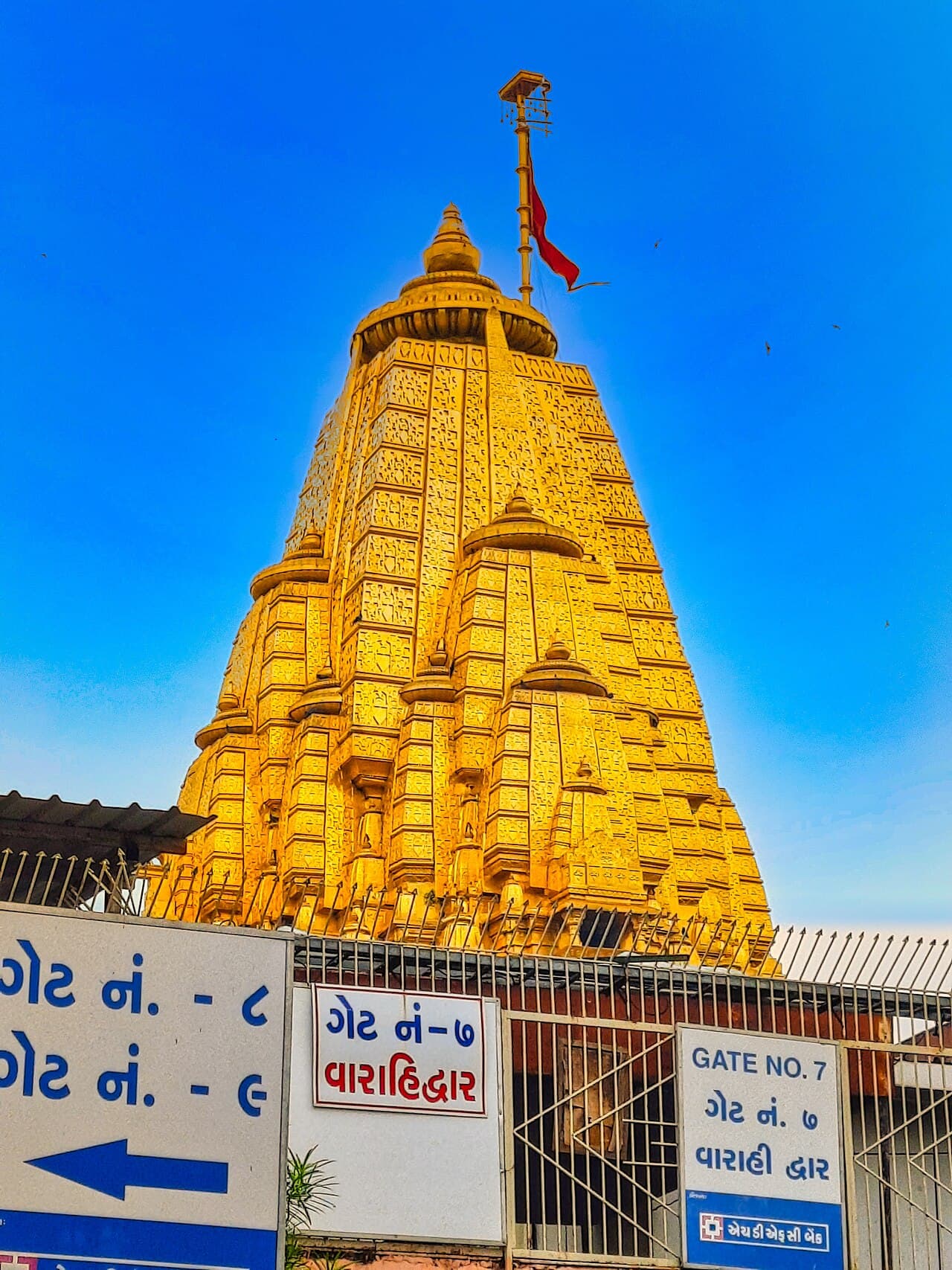
The Ambaji Temple on the Arasur Hills in Banaskantha district, Gujarat, is one of the 51 Shakti Peethas where the heart of Goddess Sati is believed to have fallen. It is among the four major Shakti Peethas of India and is unique among major Hindu temples for having no conventional idol — instead, it houses a sacred Vishayantra (a silver-plated yantra inscribed with the image of the goddess). The temple's 103-foot shikhara is topped with a gold-plated kalasha weighing over three tons.
Dwarkadhish Temple
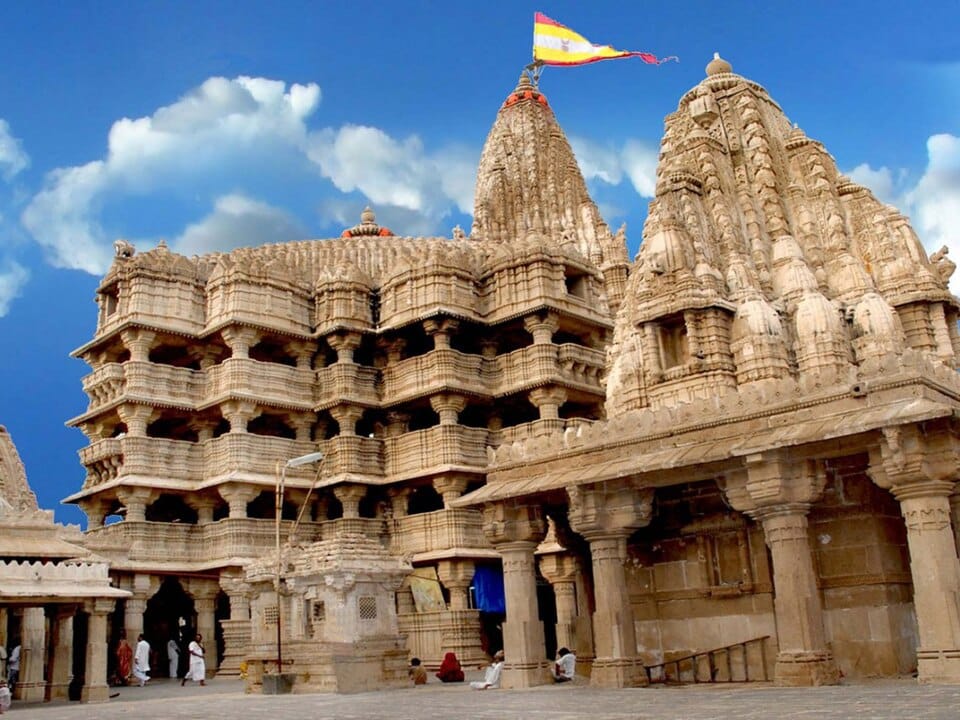
The westernmost of the four Char Dham pilgrimage sites, Dwarkadhish Temple marks the legendary kingdom of Lord Krishna in the ancient city of Dwarka. Built on the banks of the Gomti River where it meets the Arabian Sea, the temple is a five-story marvel of Solanki architecture revered by Vaishnavites worldwide.
Tripura Sundari Temple
One of the 51 Shakti Peethas, this ancient 16th-century temple is uniquely shaped like a tortoise (Kurma Pitha).
Konark Sun Temple
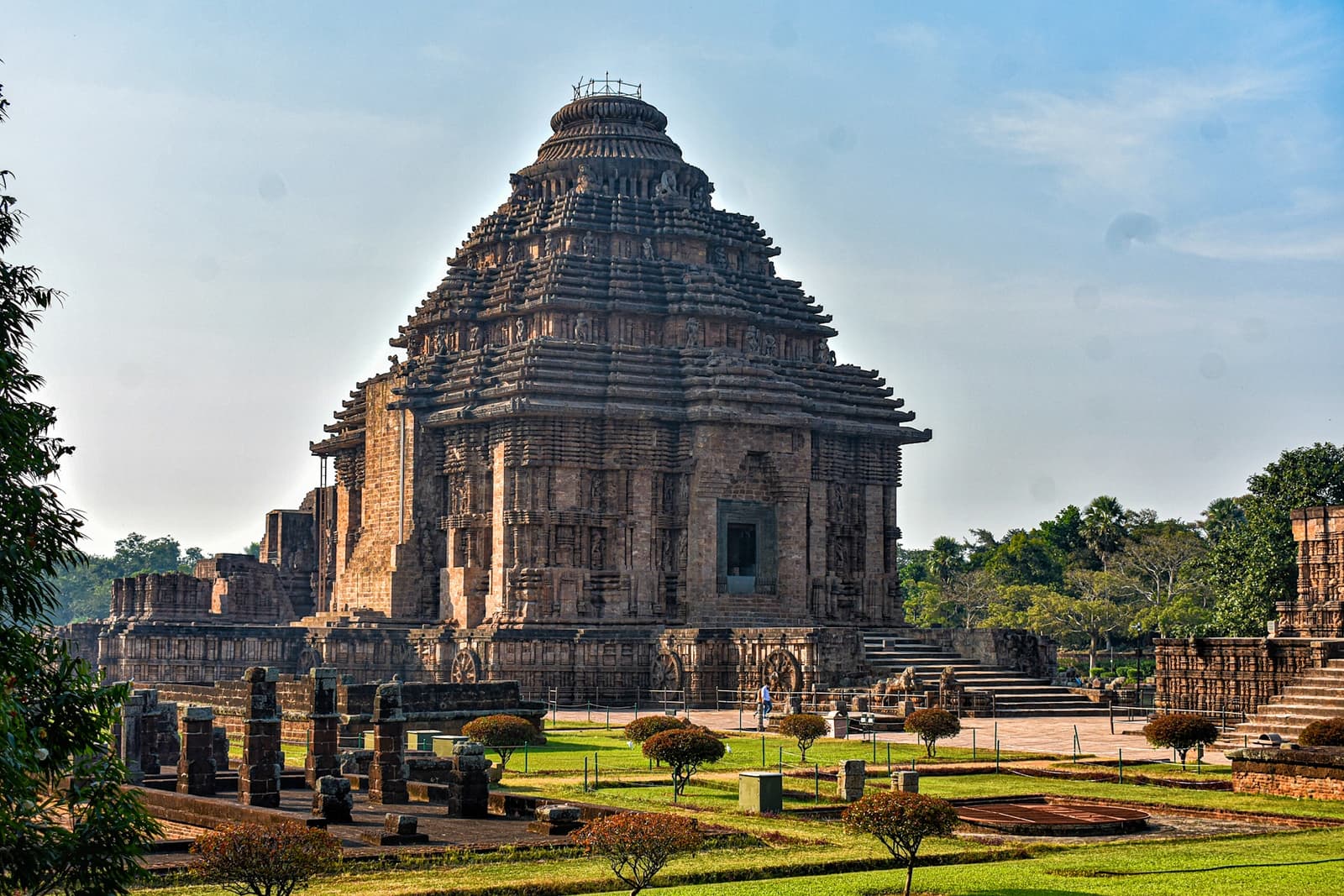
A 13th-century colossal stone chariot of the Sun God Surya, the Konark Sun Temple is a UNESCO World Heritage Site and the most architecturally ambitious solar temple in India, with 24 massive stone wheels and intricate carvings depicting life, dance, and divinity.
Martand Sun Temple
A magnificent 8th-century ruin of a solar temple, representing the peak of Kashmiri Hindu architecture.
India's temples are living traditions — not museums. Every temple has its own customs. This guide helps first-time visitors prepare with confidence and respect.
Foreign visitor information is being researched
Please verify with the official temple authority before planning your visit.
Foreign Visitors
Verify Before VisitingVisitor Information
Entry policies vary between temples. Most temples welcome visitors, while some may restrict access to specific areas, rituals, or the inner sanctum. Always verify the latest entry guidelines with the official temple authorities before your visit.
Modest clothing is expected at every Indian temple — a sign of respect, not a restriction. Think of it as dressing for a formal ceremony.
A scarf is always useful — it covers shoulders, works as a head covering, and can double as a makeshift face cover if needed.
Outdoor photography is generally permitted. Indoor photography is often restricted. Always look for signage or ask a priest before taking photos inside.
The best time to visit Modhera Sun Temple is from October to March, when Gujarat's weather is pleasant with temperatures between 12 and 30 degrees Celsius. January is the most recommended month as it coincides with both the Modhera Dance Festival and the Uttarayan celebrations. The equinox weeks (March 19-22 and September 21-24) are particularly special for witnessing the temple's solar alignment. Summer months (April to June) are extremely hot, with temperatures exceeding 42 degrees Celsius, making midday visits uncomfortable. The monsoon season (July to September) brings moderate rainfall but the surrounding landscape becomes lush and green, and the Pushkarini fills with water, creating beautiful photographic opportunities. For photographers, the golden hour just after sunrise and just before sunset provides dramatic lighting that brings out the intricate carvings and the reflections in the stepwell.
April — June
July — September
English is widely understood at major tourist temples. In smaller local temples, Hindi and the regional language are more common. A smile and simple hand gestures go a long way. Learning a few words of the local language is always appreciated.
Cash (Indian Rupees) is the most reliable option, especially for temple offerings, small shops, and local transport.
UPI digital payments (Google Pay, PhonePe, Paytm) are widely accepted across India — even at roadside stalls. Download one before you arrive.
International credit/debit cards work at most ATMs, hotels, and larger establishments. Smaller vendors may only accept cash or UPI.
Carry small denominations (₹10, ₹20, ₹50, ₹100 notes) for offerings and temple donations. Large notes (₹500, ₹2000) can be hard to break at smaller counters.
Many historic temples have uneven stone floors, multiple steps, and narrow passages. Wheelchair access is limited at older sites — contact the temple in advance.
Basic restroom facilities and drinking water are available at most major temples. Some charge a small fee (₹5–₹10).
Stay hydrated — carry a reusable water bottle, especially in hot climates.
Keep valuables secure — use hotel lockers for passports and excess cash.
Wear comfortable, sturdy footwear — temple floors can be hot, wet, or uneven.
Beware of unofficial guides or touts near temple entrances. Only use authorised services.
Carry a photocopy of your passport and visa. Leave originals in your hotel safe.
Download offline maps — mobile networks can be unreliable near remote temple sites.
These short explanations help make sense of what you see and experience.
Darshan means 'seeing' — but in a temple it means being seen by the deity. It is a sacred moment of connection, not just a viewing.
Removing footwear is a sign of humility. It also keeps the temple floor clean, since devotees sit and pray on the ground.
Food offered to the deity and then distributed to devotees. It is considered blessed. Accept it with both hands and do not discard it.
The bell creates a focused acoustic atmosphere, wards off distractions, and announces your presence before entering the inner sanctum.
Circumambulation (pradakshina) is done clockwise, keeping the sanctum on your right — an auspicious direction aligned with the sun's path.
Flowers symbolise devotion, coconuts represent the ego being broken, incense purifies the air, and lamps represent the victory of light over darkness.
Sacred viewing of the deity; the central act of temple worship.
Clockwise circumambulation of the sanctum.
Blessed food offered to the deity and distributed to devotees.
The innermost sanctum where the main deity resides.
The towering spire above the sanctum, a defining feature of temple architecture.
A pillared hall or pavilion within the temple complex.
The Indian Rupee (?, INR) is the local currency. ATMs are widely available in cities and towns. For temple offerings, keep small notes (₹10, ₹20, ₹50). Most temples accept donations in cash only — digital payments are uncommon at the offering counter itself.
Offerings (dakshina) are given with the right hand. Place cash in the donation box (hundi) or give it directly to the priest. There is no fixed amount — give what feels appropriate. Some temples have fixed fees for special entry or puja participation.
Shoes and sandals are removed before entering the temple building. Most temples have a designated shoe counter (free or a small fee of ₹5–₹20). Socks are generally allowed. In monsoon, carry a plastic bag for wet shoes.
Darshan queues can take 30 minutes to 3 hours at popular temples. Many offer paid VIP darshan (₹100–₹500) for faster entry. Special queues for women, elderly, and disabled visitors exist at some temples. No line jumping.
Major festivals draw enormous crowds — sometimes hundreds of thousands. Book accommodation months in advance. Expect road closures, restricted vehicle access, and limited phone network. Arrive early (before dawn) to avoid the worst congestion.
Always look for signage before taking photos. When in doubt, ask a priest. Never take photos of devotees in prayer without permission. Selfie sticks are banned at most temples. Silently switch your phone to silent mode.
Police / Ambulance / Fire: 112 (National Emergency Number)
Tourist Helpline: 1800-111-363 (Multi-lingual, Ministry of Tourism)
Women's Helpline: 1091
Temple-specific visitor information is continuously researched and updated from official sources. Where specific data is unavailable, general India travel guidance is provided. Always verify current policies with the temple authority before your visit.
Information last verified July 2026. Temple-specific data coming soon.
Continue your journey through the spiritual and architectural wonders of India.

Somnath Temple, the first of the twelve Jyotirlingas, is an ancient Shiva temple in Gujarat known for its resilience through repeated destruction and reconstruction over a millennium.

The westernmost of the four Char Dham pilgrimage sites, Dwarkadhish Temple marks the legendary kingdom of Lord Krishna in the ancient city of Dwarka. Built on the banks of the Gomti River where it meets the Arabian Sea, the temple is a five-story marvel of Solanki architecture revered by Vaishnavites worldwide.
The coastal jyotirlinga hidden in the marshlands of Saurashtra. Shiva as Nageshwar — the Lord of Snakes. The legend of Daruka and a 25-meter outdoor Shiva statue visible from the Arabian Sea.

The Ambaji Temple on the Arasur Hills in Banaskantha district, Gujarat, is one of the 51 Shakti Peethas where the heart of Goddess Sati is believed to have fallen. It is among the four major Shakti Peethas of India and is unique among major Hindu temples for having no conventional idol — instead, it houses a sacred Vishayantra (a silver-plated yantra inscribed with the image of the goddess). The temple's 103-foot shikhara is topped with a gold-plated kalasha weighing over three tons.
"UNESCO was founded in 1945 to promote world peace and security through international cooperation."