ca
Theme Collection
Cave Temples
Explore the subterranean spiritual world of India's cave temples, from Ellora's monolithic marvels to ancient Buddhist retreats.
The Collection
Featured Shrines
Explore our curated selection of cave temples that define this architectural and spiritual category.
19 Sites Identified
Jammu & Kashmir
Vaishno Devi Temple
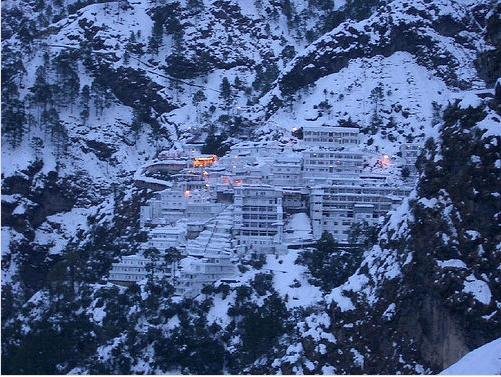
The Vaishno Devi Temple, a sacred cave shrine situated in the Trikuta Mountains of Jammu and Kashmir, is one of India's most visited pilgrimage sites, where millions trek 12 km…
Explore Temple
Uttarakhand
Patal Bhuvaneshwar Cave
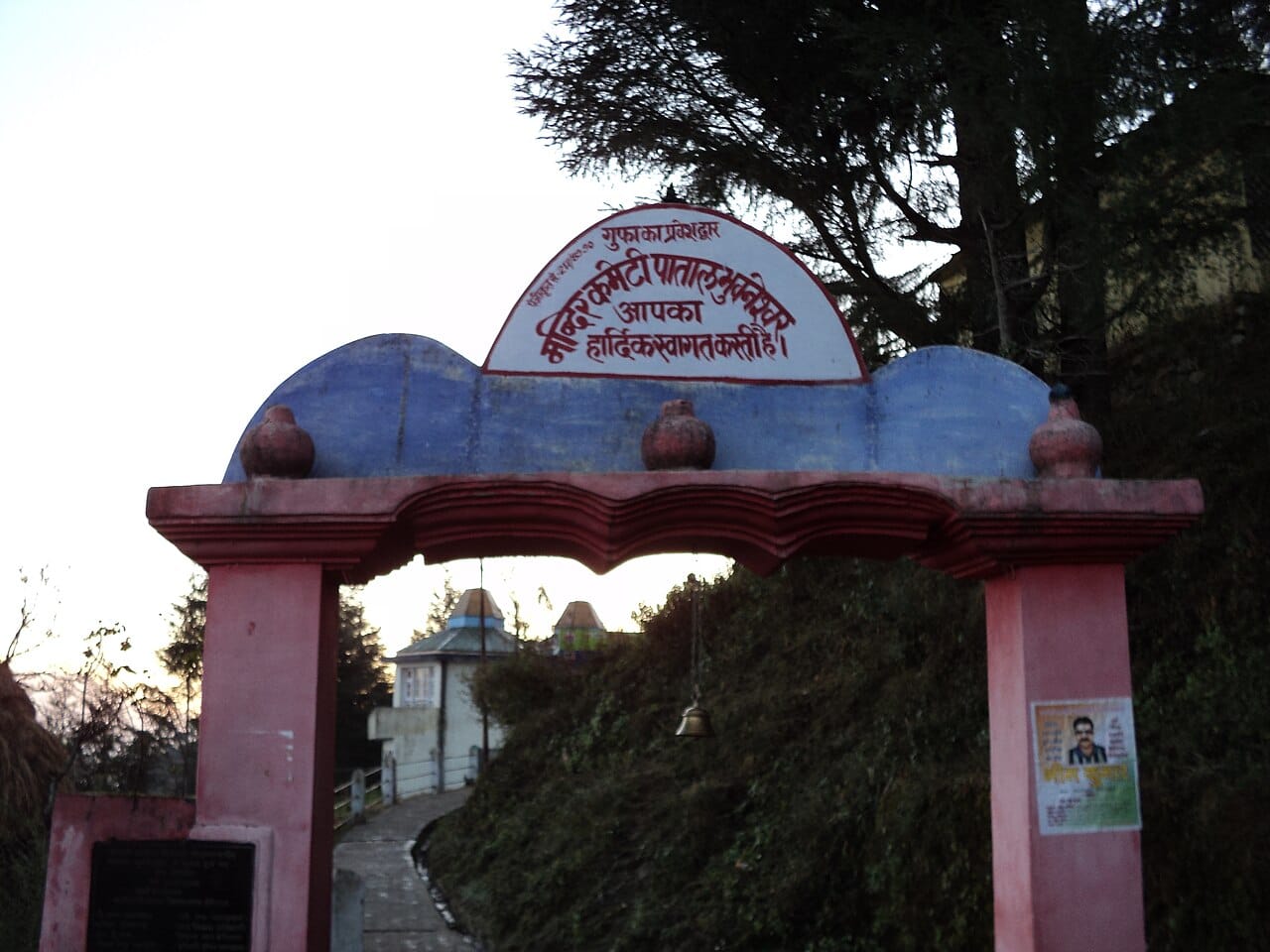
An underground limestone cave temple where legend says the entire pantheon of Hindu gods reside in rock formations.
Explore Temple
Uttarakhand
Kasar Devi Temple Almora
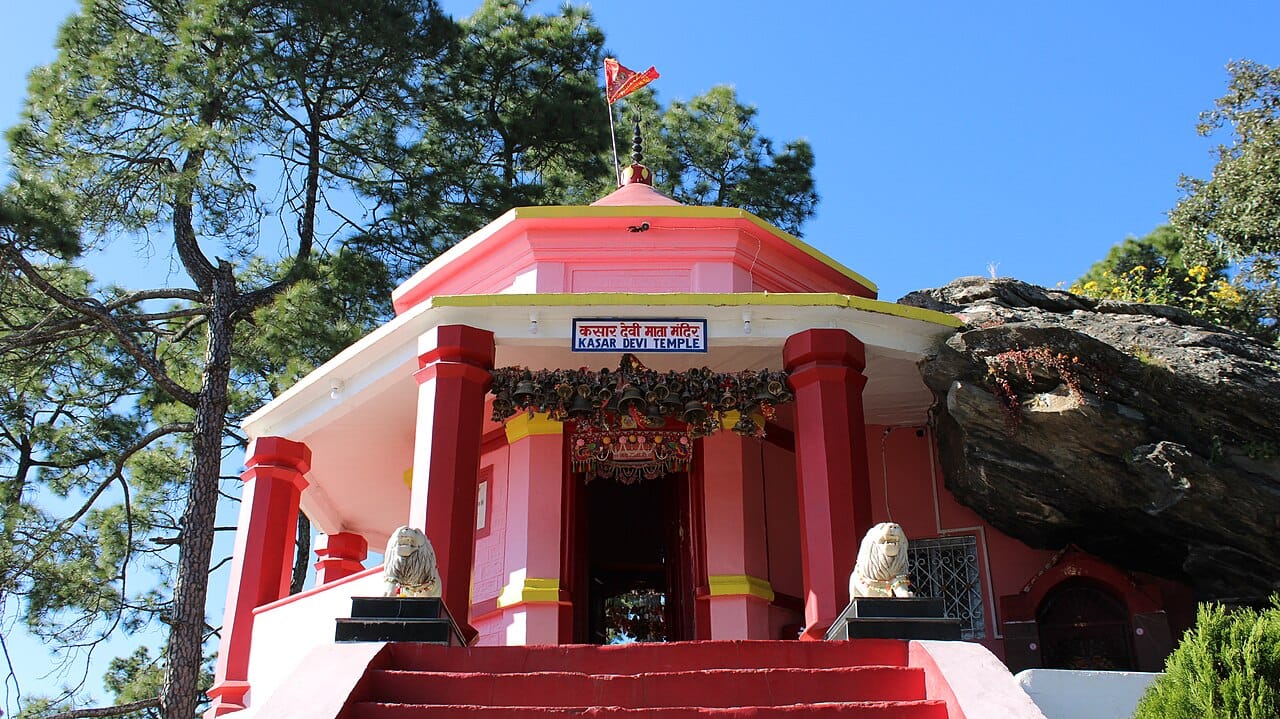
A hilltop Durga shrine about eight kilometres north of Almora, where Swami Vivekananda meditated in 1890 and where Crank's Ridge later drew Western seekers.
Explore Temple
Uttarakhand
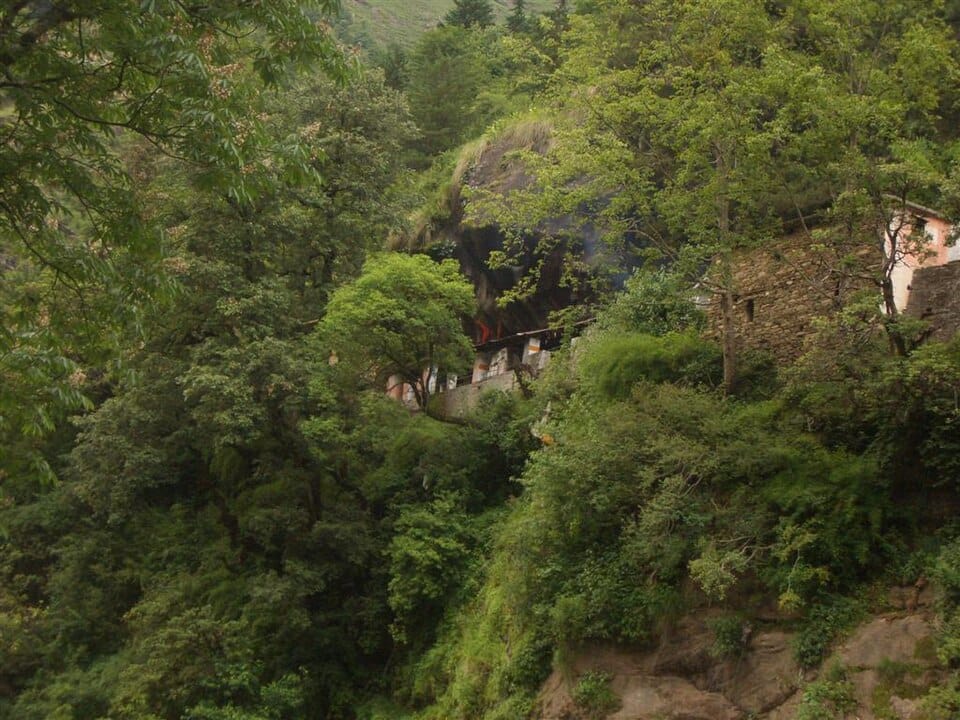
Kalpeshwar Temple
The only Panch Kedar temple accessible year-round, housed in a natural cave and featuring a unique four-faced Shiva linga representing the god's hair.
Explore Temple
Delhi
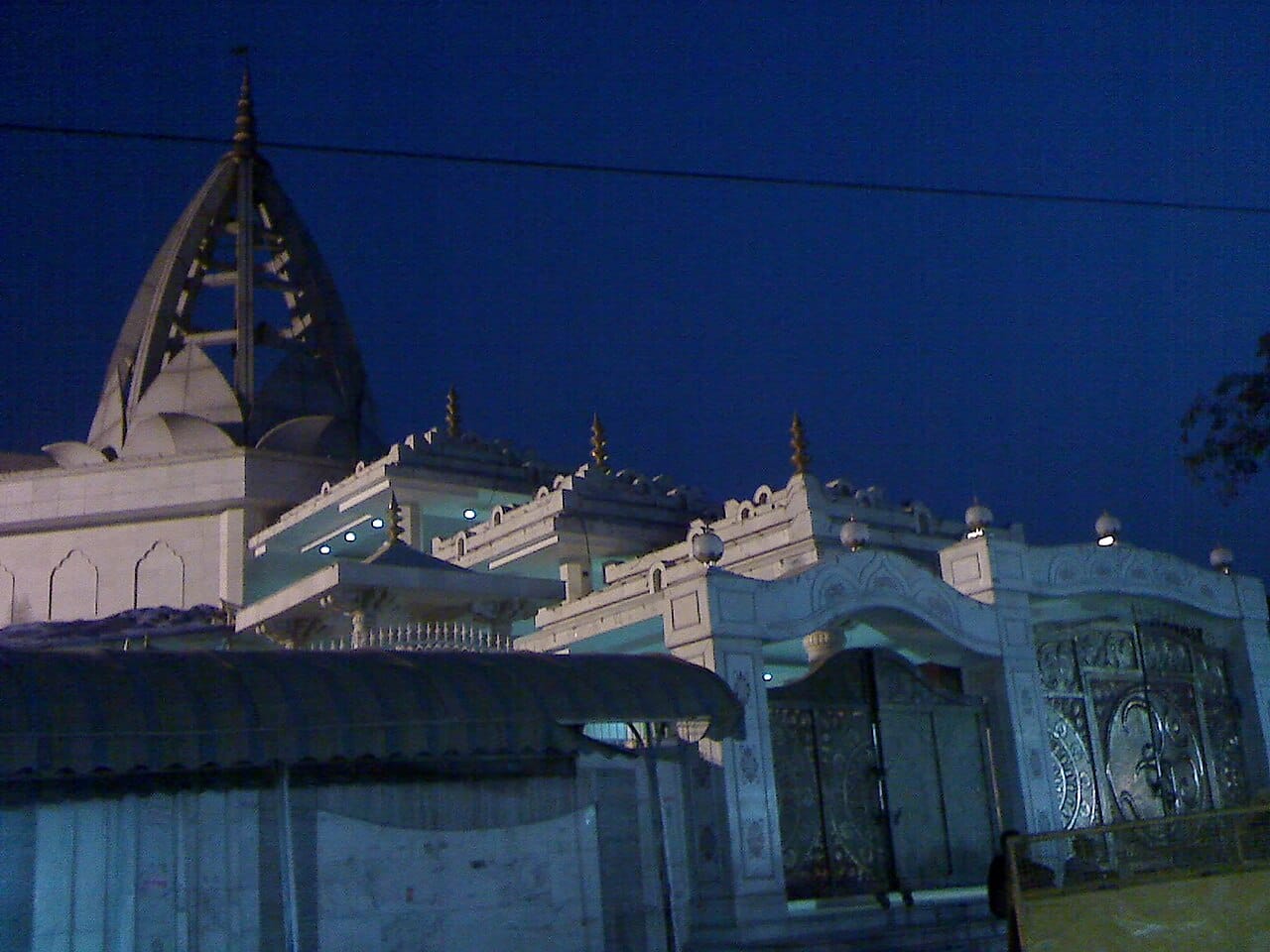
Jhandewalan Devi Mandir
One of Delhi's oldest and most revered Shakti shrines, named after the ritual flags (Jhandas) offered by its many devotees.
Explore Temple
Tripura
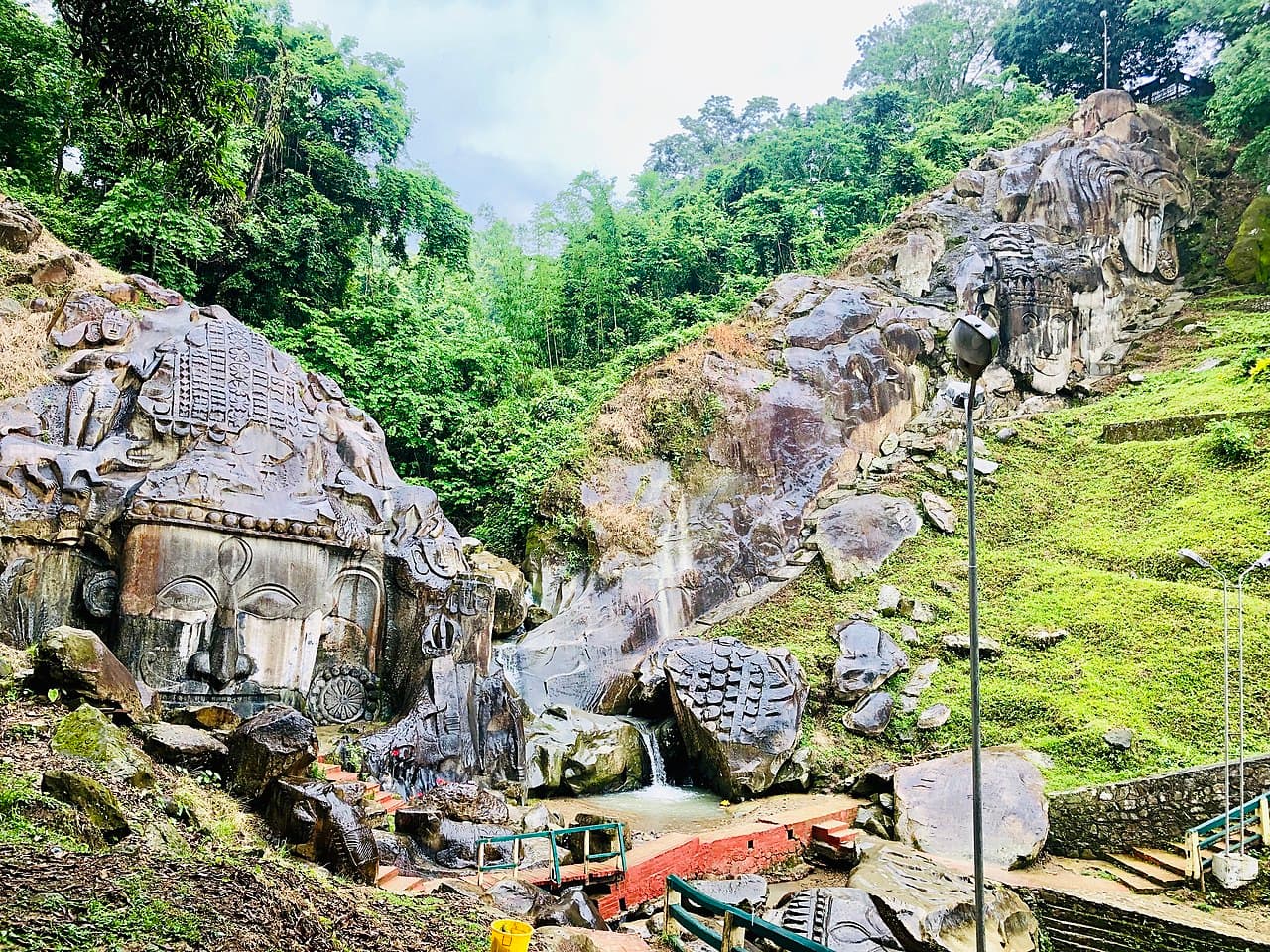
Unakoti
An ancient pilgrimage site featuring massive rock-cut sculptures of Shiva and other deities, known as the 'Angkor Wat of the North-East'.
Explore Temple
Telangana
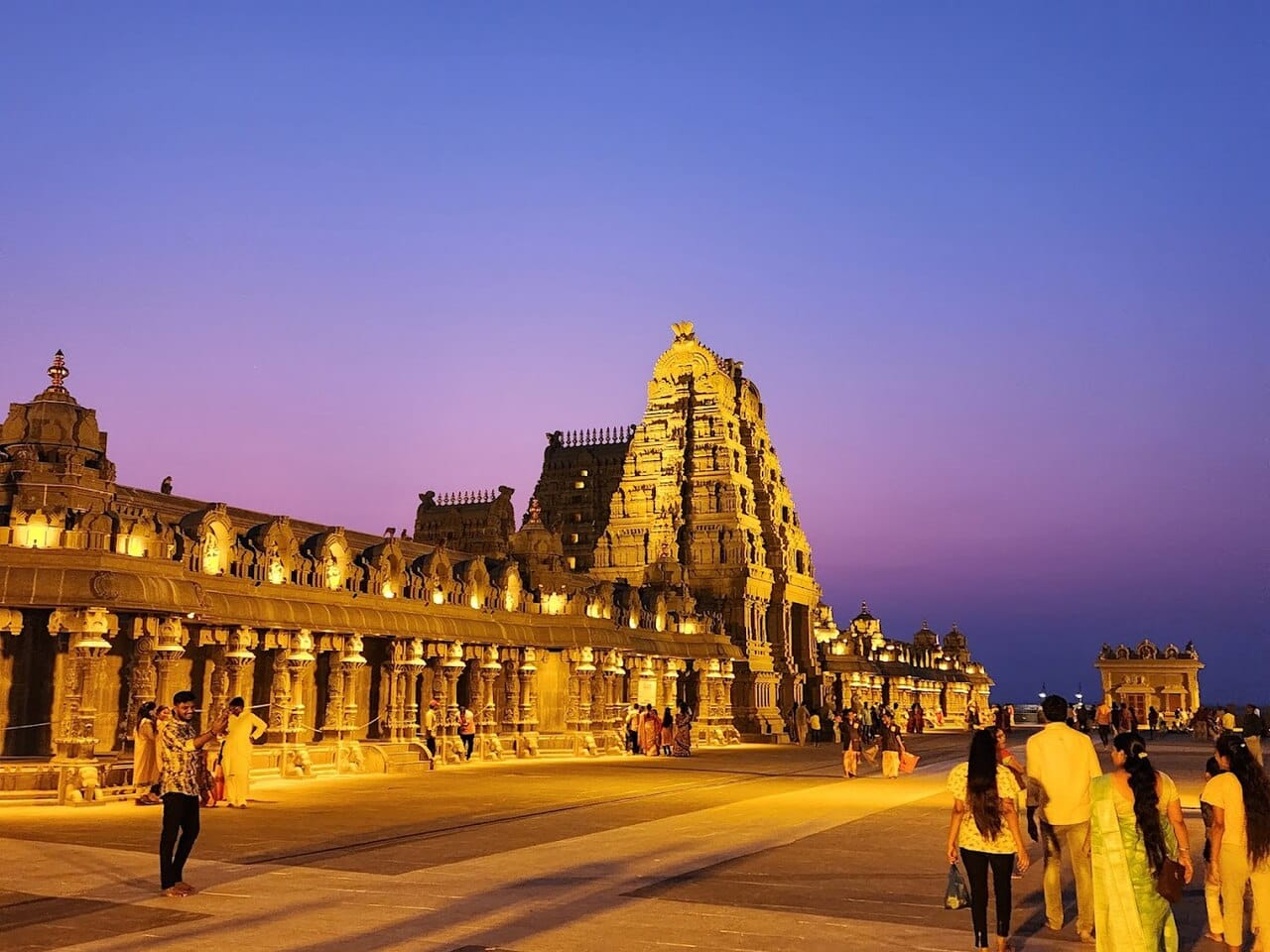
Yadadri Lakshmi Narasimha Swamy Temple
A popular cave temple that recently underwent a massive stone architectural renovation following ancient traditions.
Explore Temple

Tamil Nadu
Olakkaneswara Temple
Olakkaneswara Temple, located on a rocky outcrop at the southern end of Mahabalipuram beach, was built by the Pallavas in the 7th century.
Explore Temple
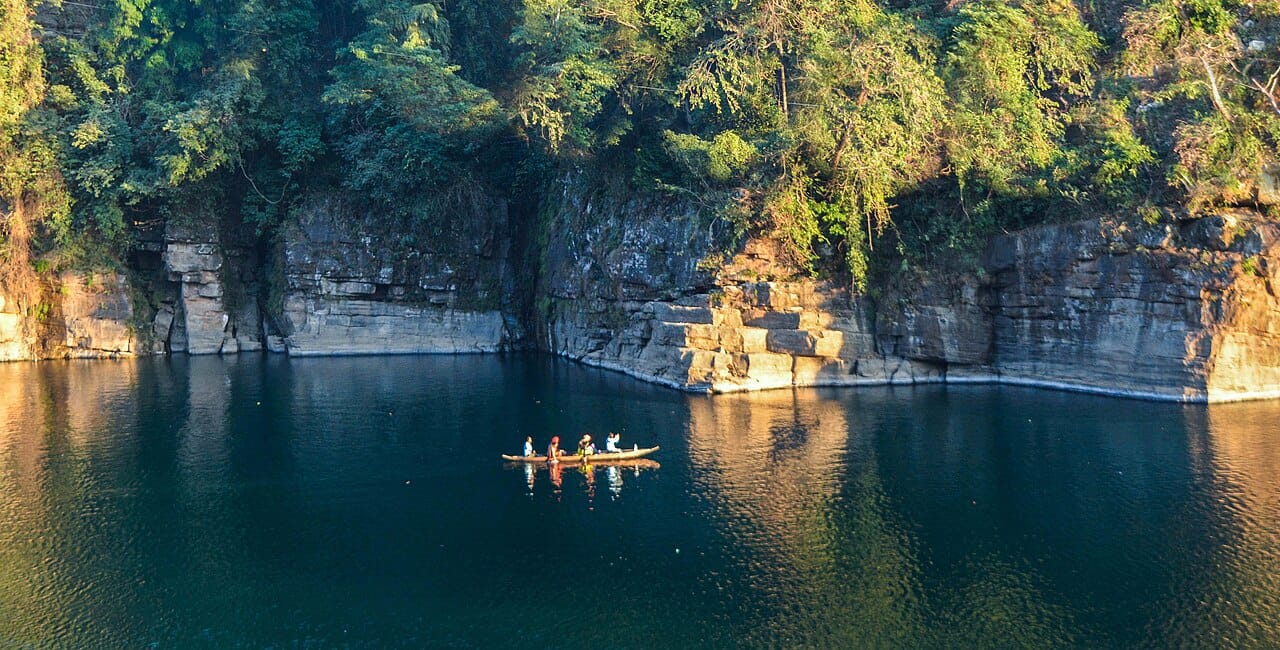
Meghalaya
Mawjymbuin Shiva Temple
Famous for its massive natural stalagmite that resembles a Shiva Lingam, constantly bathed by water dripping from the cave roof.
Explore Temple
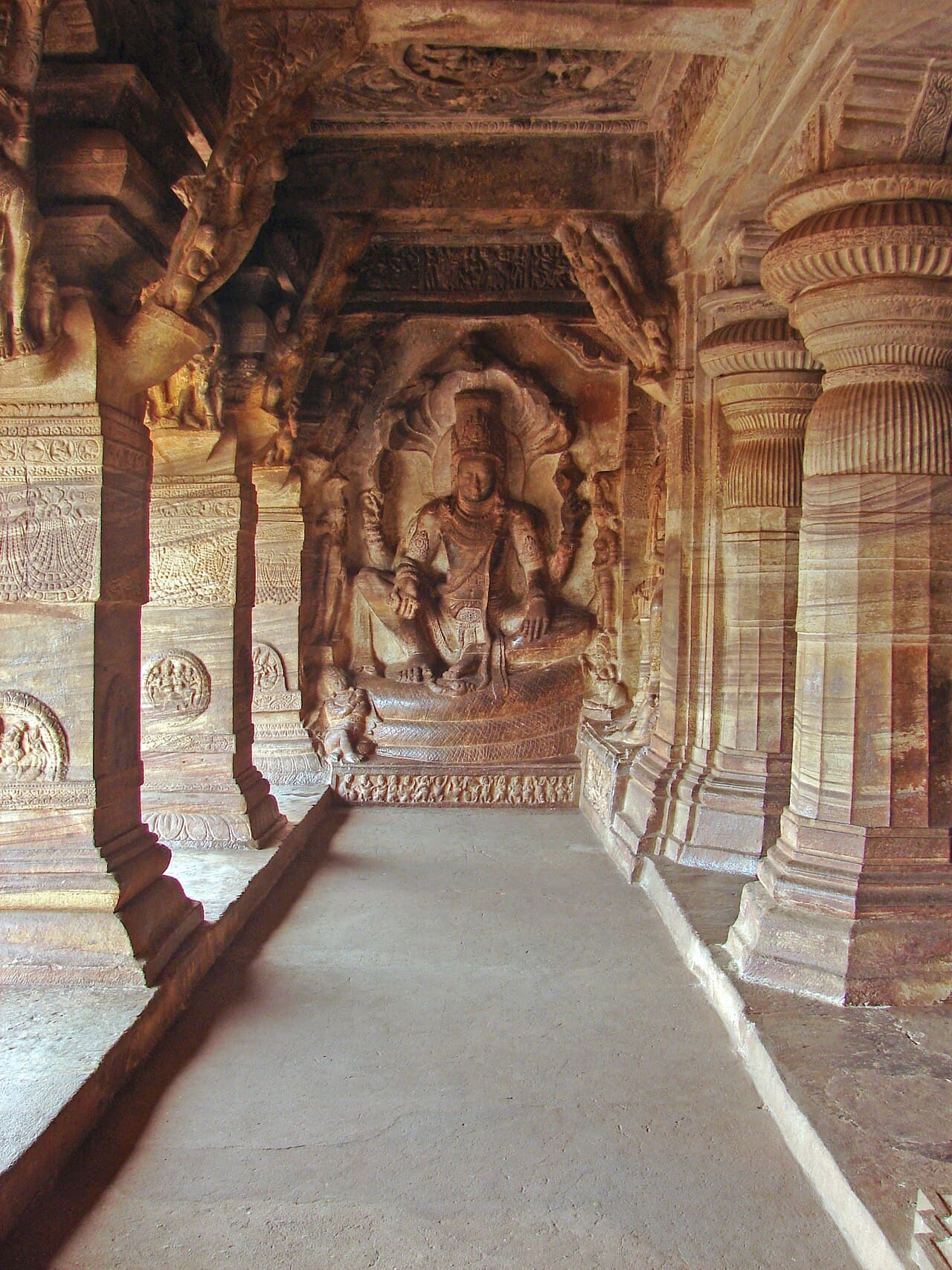
Karnataka
Badami Cave Temples
The Badami Cave Temples are a complex of four rock-cut cave temples carved into the soft sandstone cliffs of Badami, the capital of the Early Chalukya dynasty.
Explore Temple
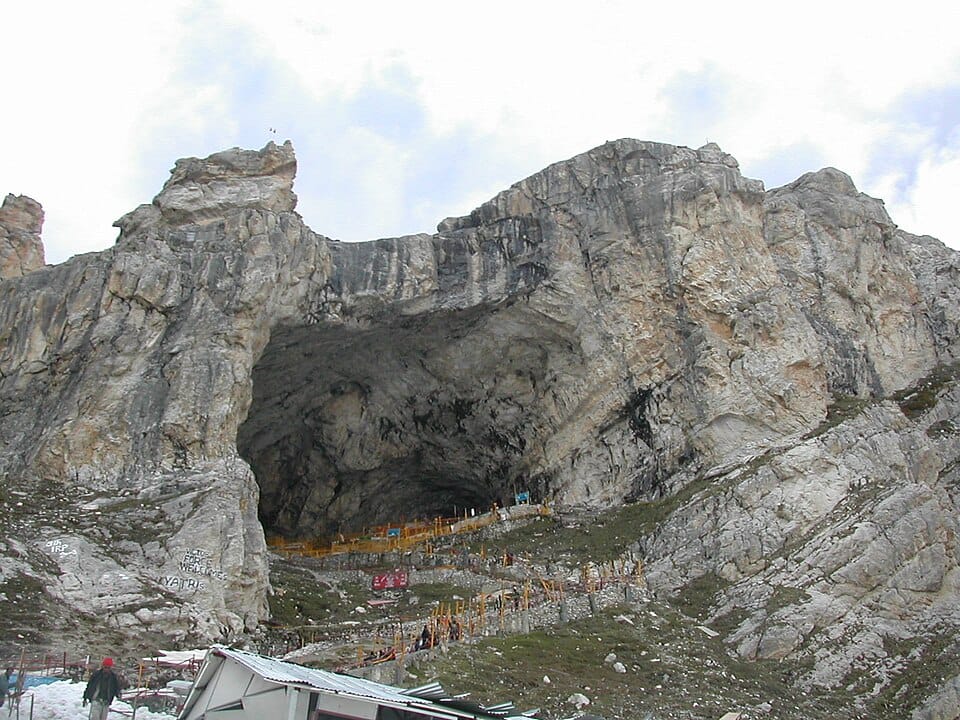
Jammu & Kashmir
Amarnath Cave Temple
One of the holiest shrines at 3,888m altitude, famous for its naturally occurring ice stalagmite Shiva Lingam.
Explore Temple
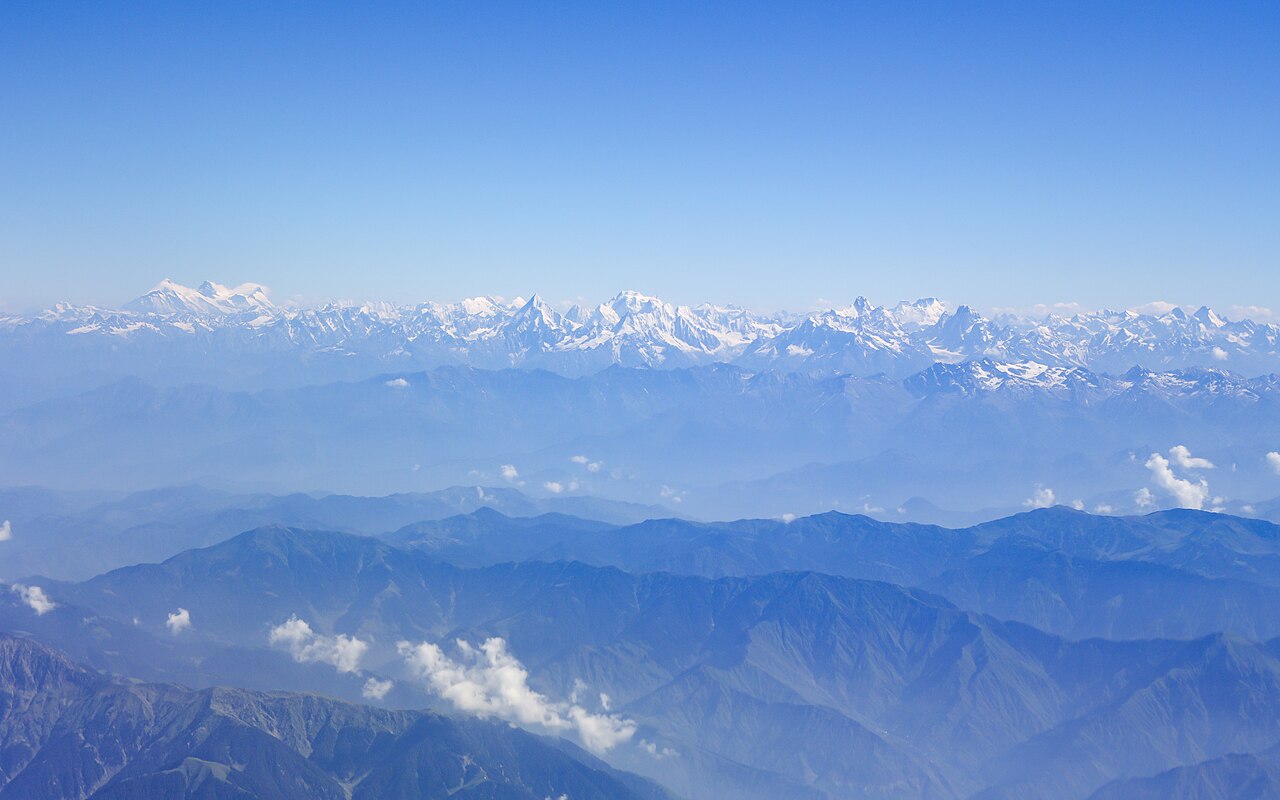
Jammu & Kashmir
Peer Kho Cave Temple
A cave temple on the Tawi banks where legend says Jamvant meditated; it is one of the oldest and most atmospheric in Jammu.
Explore Temple
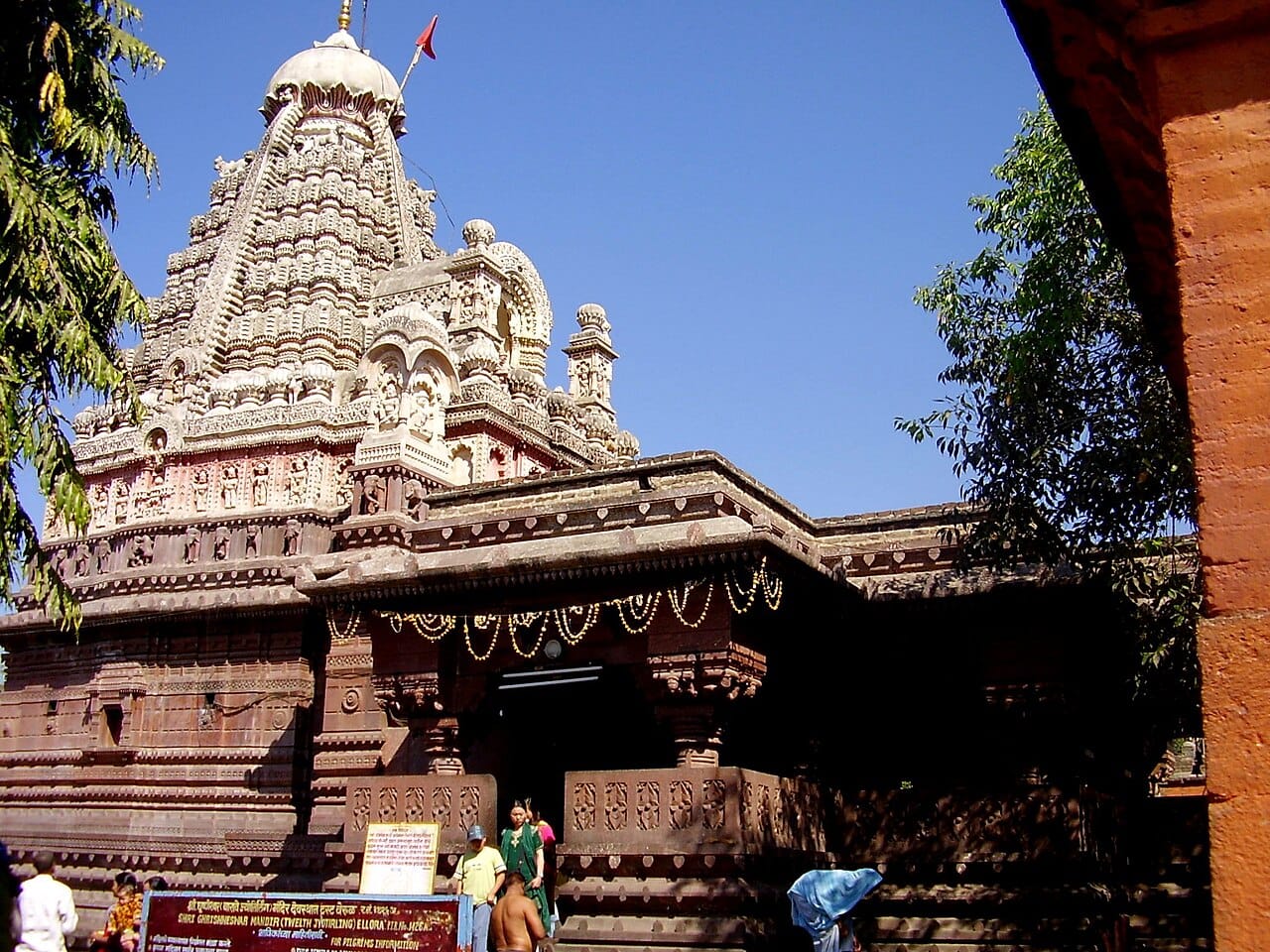
Maharashtra
Grishneshwar Temple
The 12th and final Jyotirlinga, located just 1 km from the Ellora Caves.
Explore Temple

Bihar
Barabar Caves
The oldest surviving rock-cut chambers in India, excavated by Emperor Ashoka in the 3rd century BCE.
Explore Temple
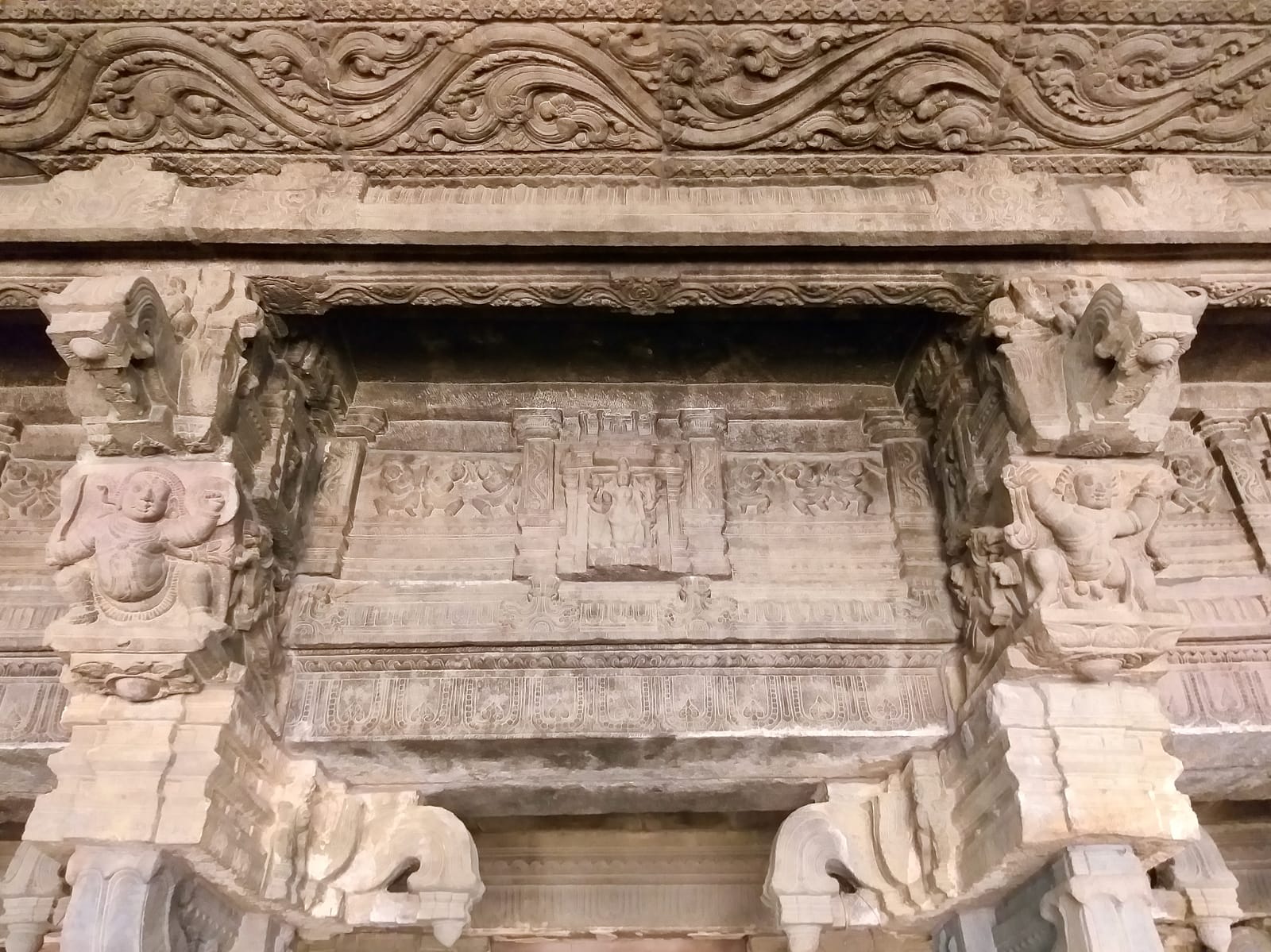
Andhra Pradesh
Ahobilam Narasimha Temple
Ahobilam, situated in the dense Nallamala forest of Kurnool district, is the sacred landscape where Lord Narasimha — the half-man, half-lion avatar of Vishnu — is believed to have manifested…
Explore Temple
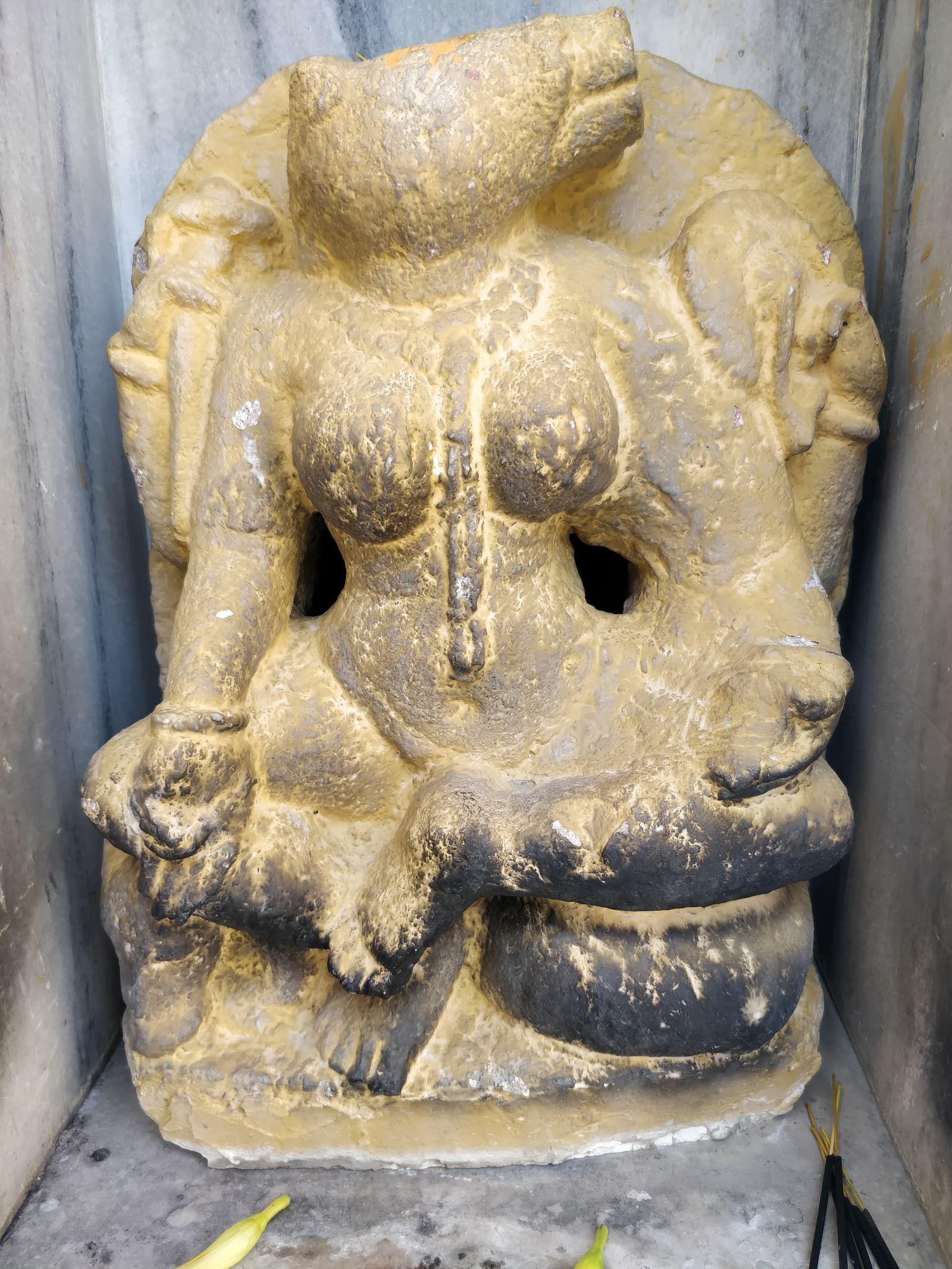
Dadra & Nagar Haveli and Daman & Diu
Gangeshwar Mahadev Temple
A mystical coastal temple where five ancient lingams are naturally bathed by ocean waves at high tide.
Explore Temple
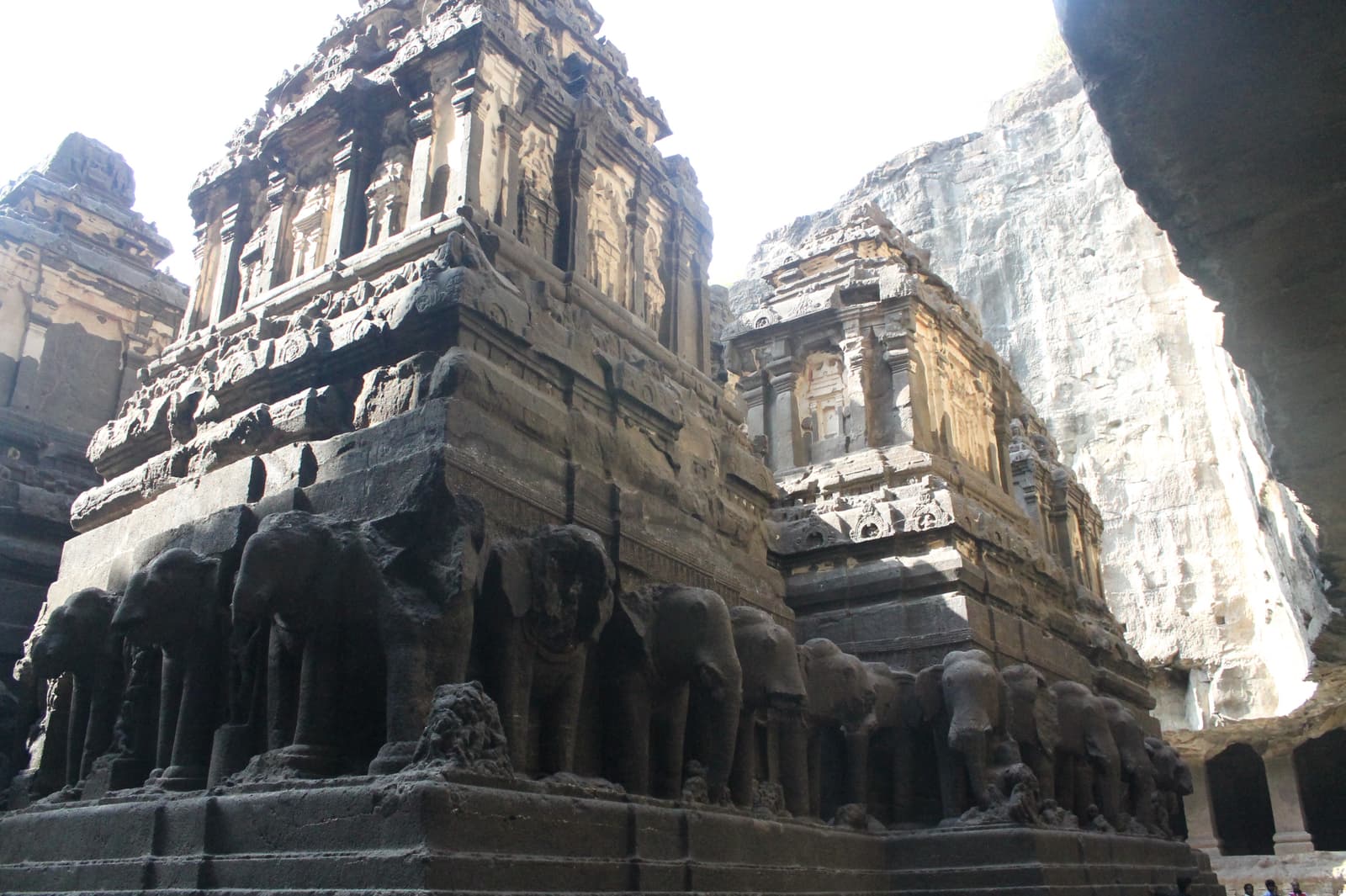
UNESCO 1983Cultural Heritage
Maharashtra
Kailasa Temple, Ellora
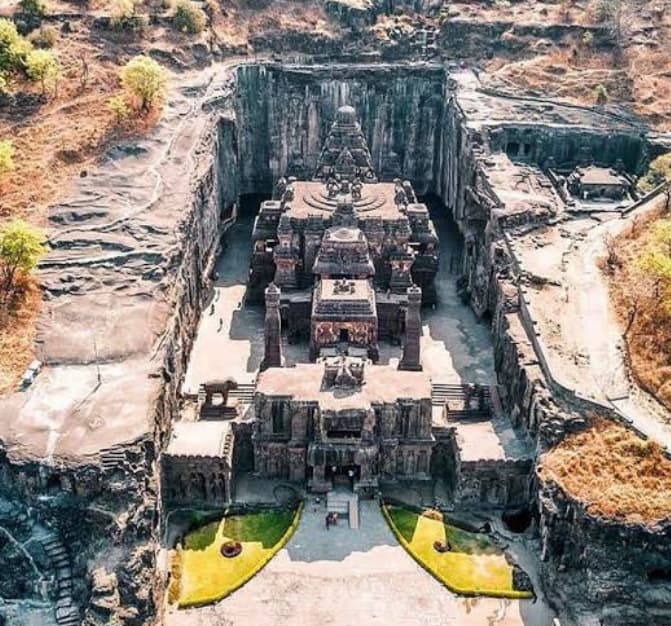
The world's largest monolithic rock-cut structure, carved top-down from a single basalt cliff.
Explore Temple
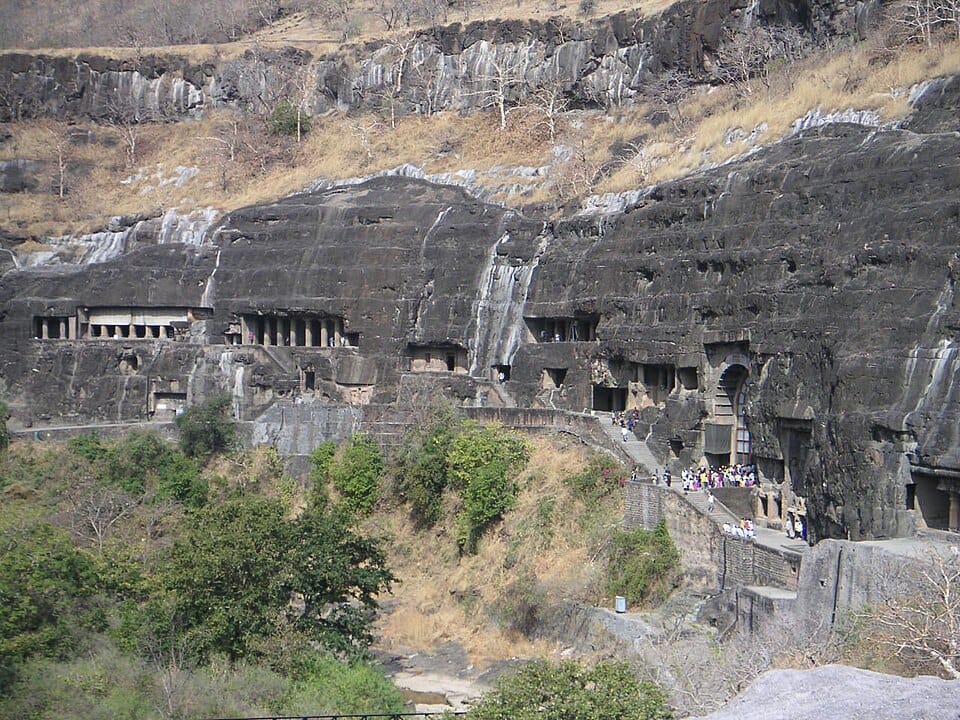
UNESCO 1983Cultural Heritage
Maharashtra
Ajanta Cave Temples
A UNESCO World Heritage site with 30 rock-cut Buddhist caves famous for ancient mural paintings and Jataka tale depictions.
Explore Temple
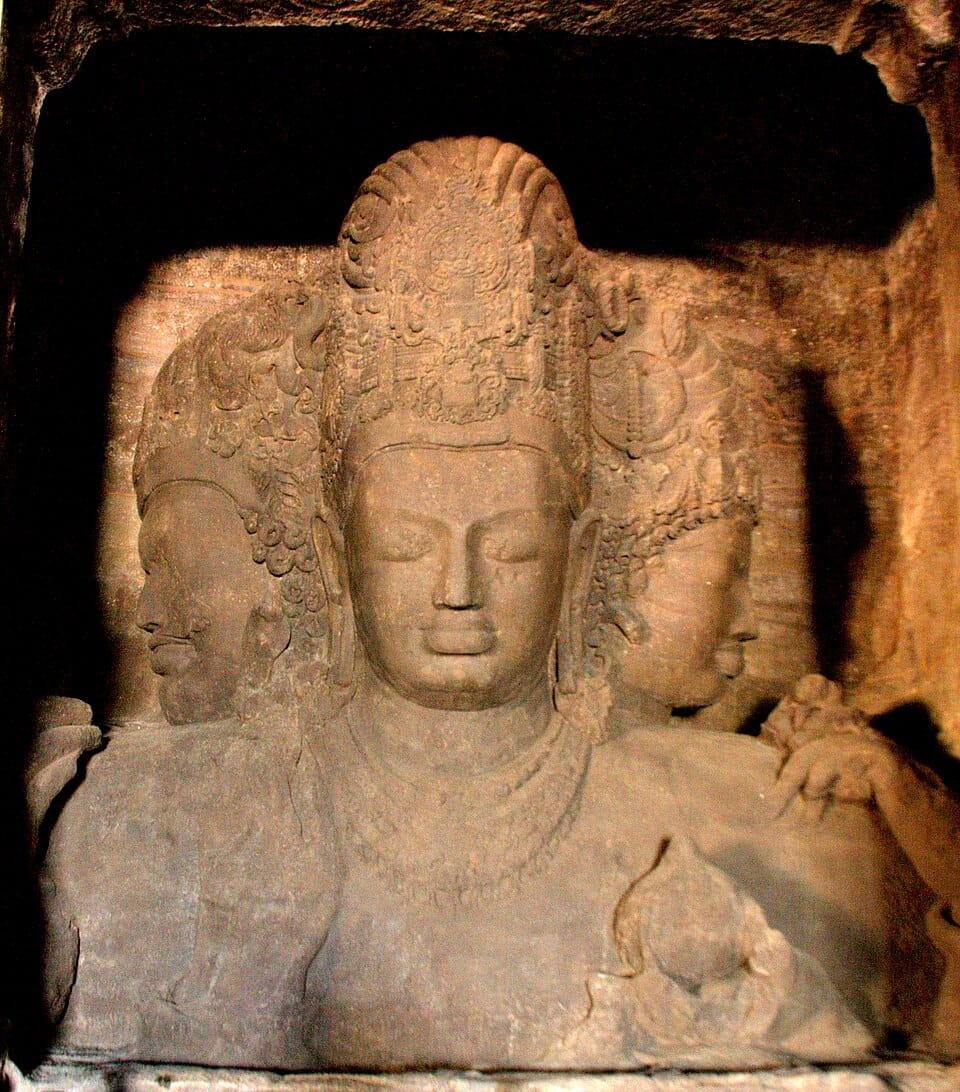
UNESCO 1987Cultural Heritage
Maharashtra
Elephanta Caves
A UNESCO World Heritage site on Elephanta Island, famed for the colossal 20-foot Trimurti sculpture of Lord Shiva.
Explore Temple
In-Depth Guide
Cave Temples Legacy
India's cave temples represent the earliest surviving form of Indian sacred architecture, with a continuous tradition spanning over 1,500 years from the 3rd century BCE to the 12th century CE. These rock-cut monuments were excavated from living rock using iron chisels and hammers, working from the top down. The caves served as monastic retreats (viharas), prayer halls (chaityas), and temples for Buddhist, Jain, and Hindu traditions. India contains over 1,200 known rock-cut caves, with the most significant concentrations in Maharashtra (Ajanta, Ellora, Elephanta), Madhya Pradesh (Udayagiri, Bagh), Gujarat (Junagadh), Karnataka (Badami, Aihole), and Tamil Nadu (Mamallapuram).
Buddhist Cave Traditions (3rd Century BCE - 6th Century CE)
The earliest Indian cave temples are Buddhist. The Barabar Caves in Bihar (3rd century BCE), built for the Ajivika sect under Emperor Ashoka, are the oldest surviving rock-cut chambers. The Bhaja Caves (2nd century BCE) contain one of the earliest chaitya halls with a vaulted ceiling and wooden ribbing patterns carved in stone. Karla Caves (1st century BCE) feature the largest and best-preserved early chaitya hall, with ornate pillars and a stone stupa. The Ajanta Caves (2nd century BCE - 6th century CE) are unparalleled for their painted murals depicting Jataka tales and Buddhist iconography. The paintings use the fresco technique on a prepared plaster surface.
Hindu Cave Temples (6th - 8th Century CE)
The Hindu cave temple tradition flourished under the Chalukyas, Pallavas, and Rashtrakutas. The Badami Cave Temples (6th century) in Karnataka, carved by the Chalukyas, contain early depictions of Harihara (half-Vishnu, half-Shiva), Nataraja, and Varaha. The Udayagiri Caves (5th century) in Madhya Pradesh, Gupta period, feature the monumental Varaha panel measuring 4 meters in height. The Elephanta Caves (6th-7th century) near Mumbai contain the iconic 6-meter-tall Trimurti of Shiva. The Kailasa Temple at Ellora (8th century) is the pinnacle of rock-cut architecture: a complete temple complex carved from a single basalt cliff, requiring the excavation of 200,000 tons of rock.
Construction Techniques
Rock-cut temples were excavated using a top-down approach. Workers first cut a vertical face into the cliff, then excavated the interior by removing rock in horizontal layers. The three-stage process involved: (1) rough excavation of the main chamber and pillars, (2) shaping architectural elements like doorframes, windows, and ceiling ribs, and (3) final carving of sculptures and decorative details. Sunlight and sightlines were carefully calibrated, with entrances aligned to maximize natural illumination. The Kailasa Temple's excavation required removing rock around a central monolith, creating a freestanding temple within a courtyard. Water management systems, including rock-cut cisterns and drainage channels, were integral to cave design.
Jain Cave Temples
Jain rock-cut architecture is concentrated in western India. The Udayagiri and Khandagiri Caves in Odisha (2nd-1st century BCE) are the earliest Jain caves, featuring carved reliefs of Jain tirthankaras and royal donors. The Ellora Jain caves (9th-10th century CE), particularly the Indra Sabha, are three-storied with elaborate carvings of Mahavira, Parshvanatha, and Gommateshwara. The Sittanavasal Cave in Tamil Nadu (7th century) contains rare Jain frescoes. The Dharashiva Caves in Maharashtra and the Ankai-Tankai Caves feature Jain tirthankara images carved into living rock. Jain cave architecture emphasizes austerity compared to the ornate Hindu caves, with simpler ornamentation and a focus on meditation spaces.
Cave Temples at a Glance
| Temple | Location | State | Presiding Deity | Primary Significance |
|---|---|---|---|---|
| Vaishno Devi Temple | Katra | Jammu & Kashmir | Goddess Vaishno Devi (Durga) | The Vaishno Devi Temple, a sacred cave shrine situated in the Trikuta Mountains of Jammu and Kashmir, is one of India's most visited pilgrimage sites, where millions trek 12 km each year to seek blessings of Mata Vaishno Devi at the holy cave complex. |
| Patal Bhuvaneshwar Cave | Pithoragarh | Uttarakhand | — | An underground limestone cave temple where legend says the entire pantheon of Hindu gods reside in rock formations. |
| Kasar Devi Temple Almora | Almora | Uttarakhand | — | A hilltop Durga shrine about eight kilometres north of Almora, where Swami Vivekananda meditated in 1890 and where Crank's Ridge later drew Western seekers. |
| Kalpeshwar Temple | Kalpeshwar, Chamoli | Uttarakhand | Lord Shiva (Kalpeshwar) | The only Panch Kedar temple accessible year-round, housed in a natural cave and featuring a unique four-faced Shiva linga representing the god's hair. |
| Jhandewalan Devi Mandir | New Delhi | Delhi | Goddess Jhandewali (Durga) | One of Delhi's oldest and most revered Shakti shrines, named after the ritual flags (Jhandas) offered by its many devotees. |
| Unakoti | Kailashahar | Tripura | Lord Shiva (Unakotiswara Kal Bhairava) | An ancient pilgrimage site featuring massive rock-cut sculptures of Shiva and other deities, known as the 'Angkor Wat of the North-East'. |
| Yadadri Lakshmi Narasimha Swamy Temple | Yadagirigutta | Telangana | Lord Narasimha (Lakshmi Narasimha Swamy) | A popular cave temple that recently underwent a massive stone architectural renovation following ancient traditions. |
| Olakkaneswara Temple | Mahabalipuram | Tamil Nadu | Lord Shiva | Olakkaneswara Temple, located on a rocky outcrop at the southern end of Mahabalipuram beach, was built by the Pallavas in the 7th century. |
| Mawjymbuin Shiva Temple | Mawsynram | Meghalaya | Lord Shiva (Mawjymbuin) | Famous for its massive natural stalagmite that resembles a Shiva Lingam, constantly bathed by water dripping from the cave roof. |
| Badami Cave Temples | Badami | Karnataka | Shiva, Vishnu, Jain Tirthankaras | The Badami Cave Temples are a complex of four rock-cut cave temples carved into the soft sandstone cliffs of Badami, the capital of the Early Chalukya dynasty. |
Frequently Asked Questions
Q.Which is the oldest cave temple in India?
The Barabar Caves in Bihar, dating to the 3rd century BCE during the Mauryan period under Emperor Ashoka, are the oldest surviving rock-cut chambers in India.
Q.Which is the largest monolithic temple in the world?
The Kailasa Temple (Cave 16) at Ellora, Maharashtra, is the world's largest monolithic structure, carved from a single basalt cliff and measuring 164 feet long, 109 feet wide, and 98 feet high.
Q.What is the difference between a chaitya and a vihara?
A chaitya is a Buddhist prayer hall containing a stupa at one end, with a vaulted ceiling and rows of pillars. A vihara is a Buddhist monastery with cells arranged around a central courtyard, used for meditation and residence.
Q.Which Indian cave temples have the best preserved paintings?
The Ajanta Caves contain the finest surviving ancient Indian paintings, dating from the 2nd century BCE to the 6th century CE. The murals depict Jataka tales and Buddhist iconography using fresco secco technique on prepared plaster.
Q.How long did it take to build the Kailasa Temple?
According to historical records, the Kailasa Temple at Ellora took approximately 18 years to complete (circa 756-773 CE) under Krishna I of the Rashtrakuta dynasty, requiring the removal of 200,000 tons of volcanic basalt rock.
Sources & References
These records back the dating, architectural classification and visitor guidance published on this Cave Temples page.
Archaeological Survey of India
Archaeological Survey of India — monument records and conservation reports
Protection status, dating, architectural classification and published conservation records for the monuments named on this page.
Primary archaeological record
Open source (opens in a new tab)Ministry of Tourism, Government of India
Ministry of Tourism — official destination information
Official Government of India destination information — access, visitor circuits and travel guidance referenced on this page.
Government record
Open source (opens in a new tab)UNESCO World Heritage Centre
UNESCO World Heritage List — India
World Heritage inscription criteria, Outstanding Universal Value statements and the year of listing for the sites named on this page.
World Heritage documentation
Open source (opens in a new tab)INTACH
Indian National Trust for Art and Cultural Heritage
Documentation of Indian architectural heritage and conservation practice behind the style descriptions on this page.
Reference source
Open source (opens in a new tab)
— every record linked above was re-requested for this release, so the link still resolves and the publisher still serves the document. It is a link check, not a re-verification of every sentence on this page.
Missing something, or found an error? Send us a correction with the record that supports it, or read how we choose sources.