jy
Theme Collection
Jyotirlingas
A pilgrimage guide to the 12 Jyotirlingas, the most sacred abodes of Lord Shiva spread across the Indian landscape.
The Collection
Featured Shrines
Explore our curated selection of jyotirlingas that define this architectural and spiritual category.
12 Sites Identified
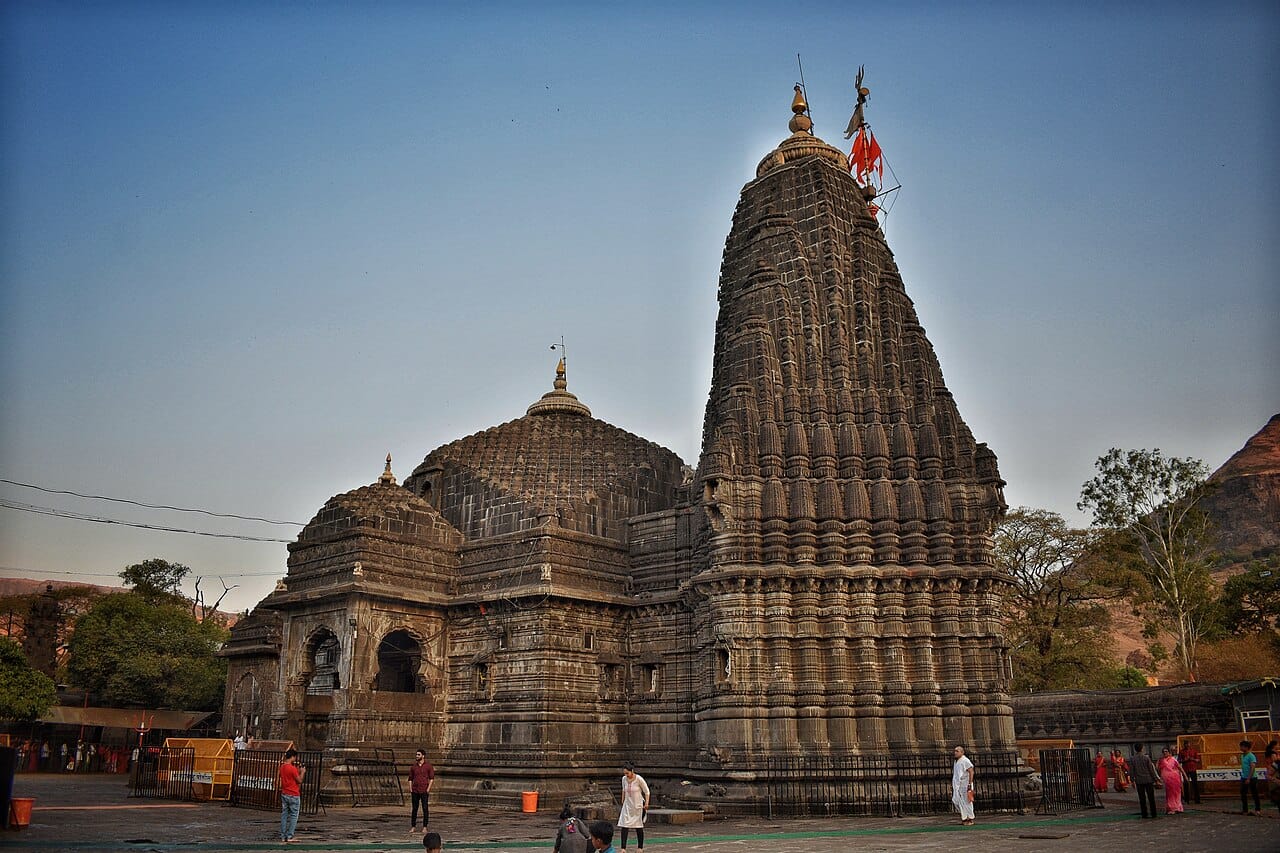
Maharashtra
Trimbakeshwar Temple
The Trimbakeshwar Temple in Maharashtra is one of the twelve Jyotirlingas, unique for its three-faced linga representing the Trimurti and the source of the Godavari River.
Explore Temple
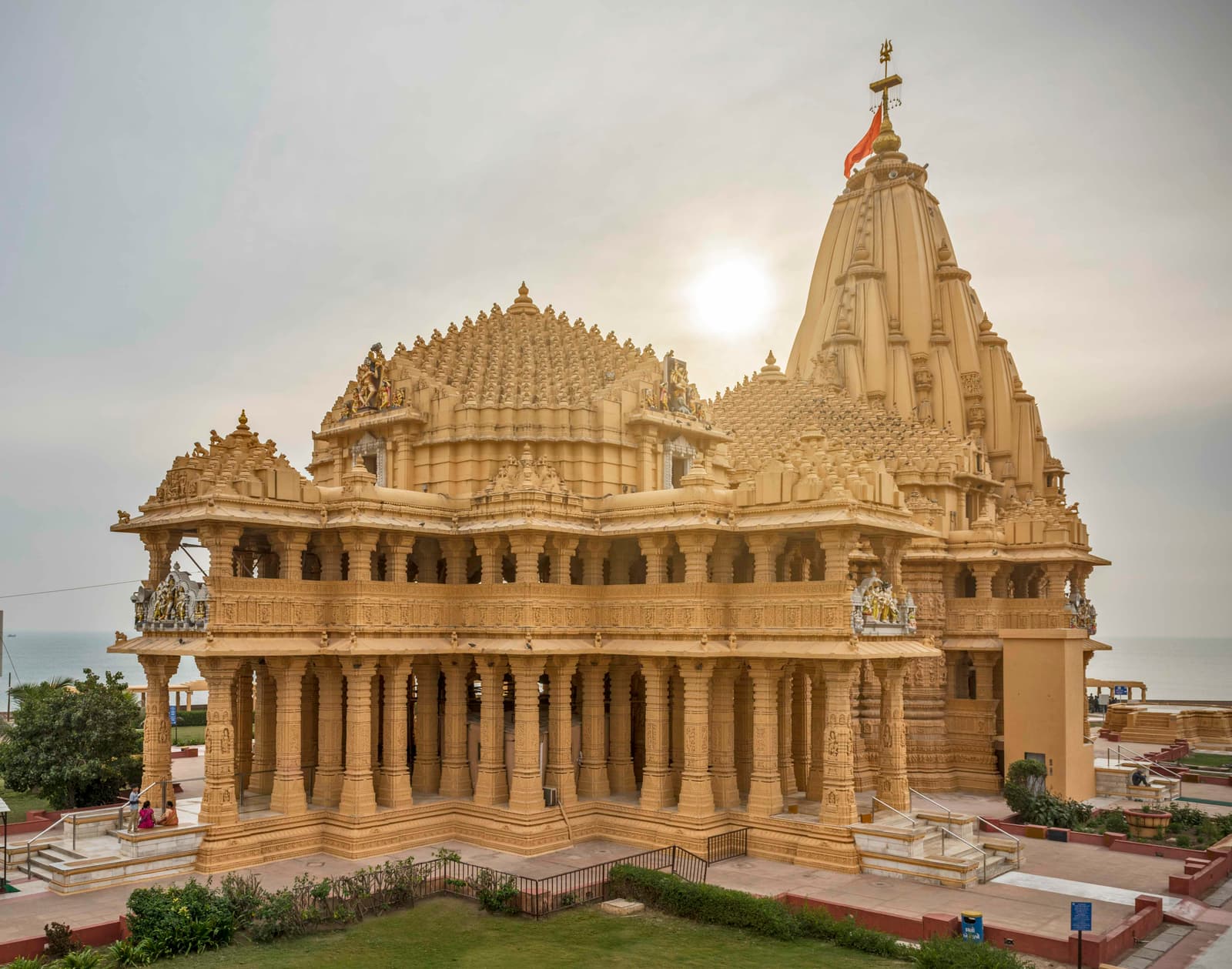
Gujarat
Somnath Temple
Somnath Temple, the first of the twelve Jyotirlingas, is an ancient Shiva temple in Gujarat known for its resilience through repeated destruction and reconstruction over a millennium.
Explore Temple
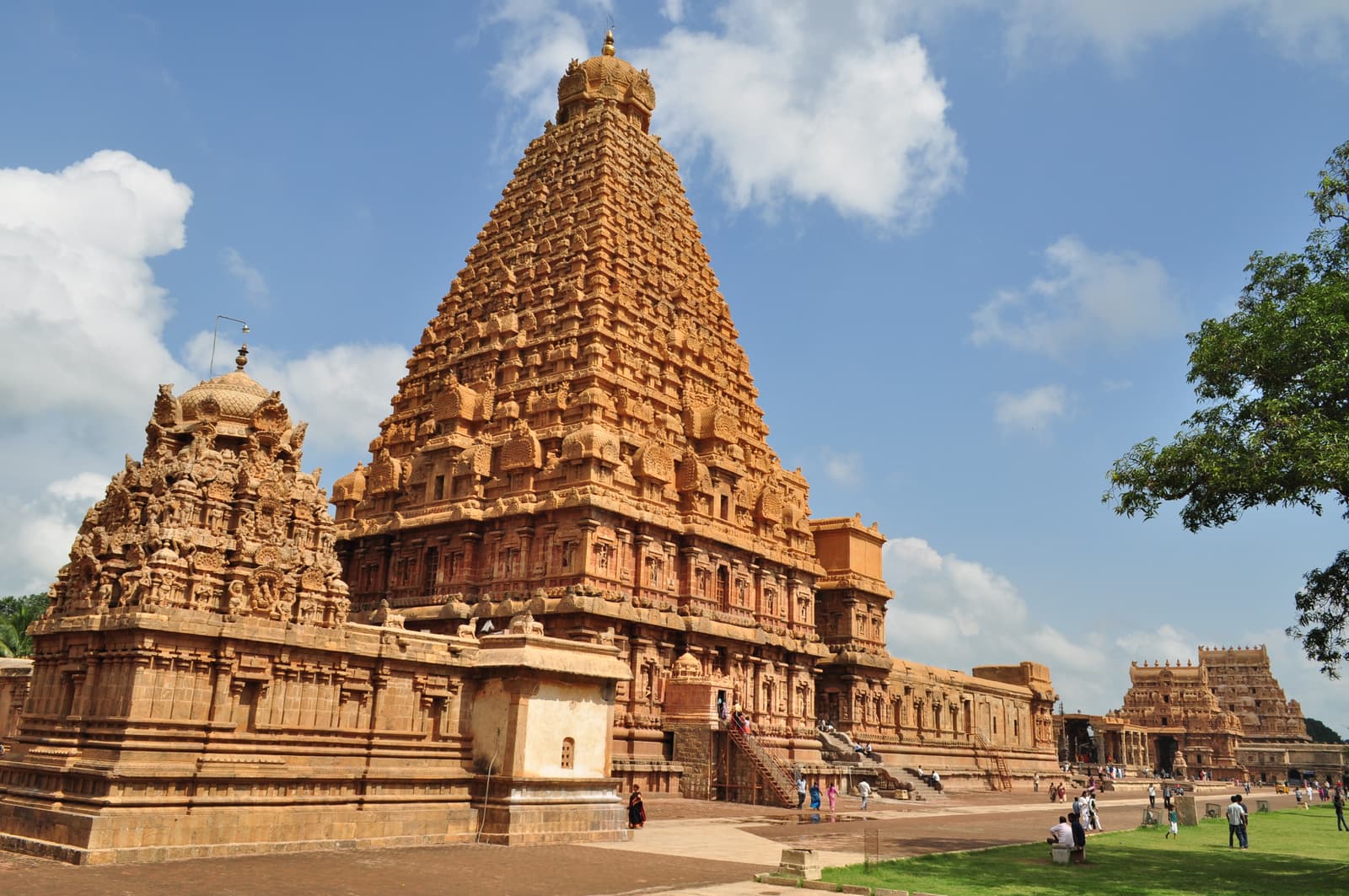
Tamil Nadu
Ramanathaswamy Temple
The Ramanathaswamy Temple in Rameswaram is one of the 12 Jyotirlingas and a Char Dham site, famous for its magnificent thousand-pillared corridors, the longest temple corridor in the world, and…
Explore Temple
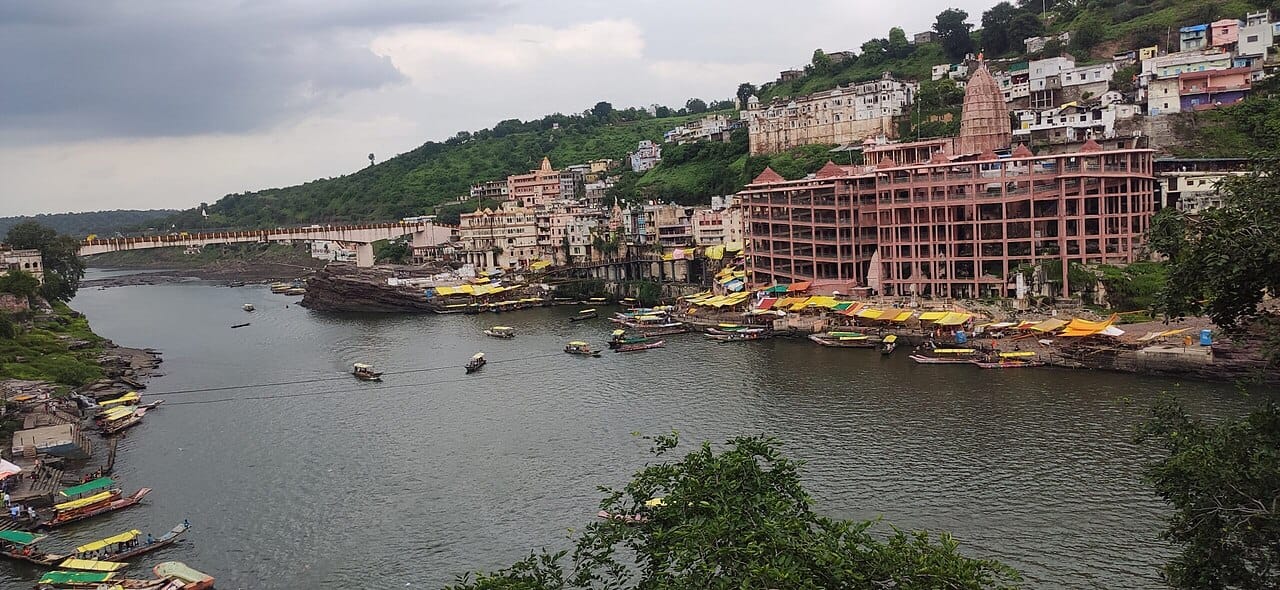
Madhya Pradesh
Omkareshwar Temple
Situated on a sacred island in the Narmada River, Omkareshwar is the only Jyotirlinga located on an island.
Explore Temple
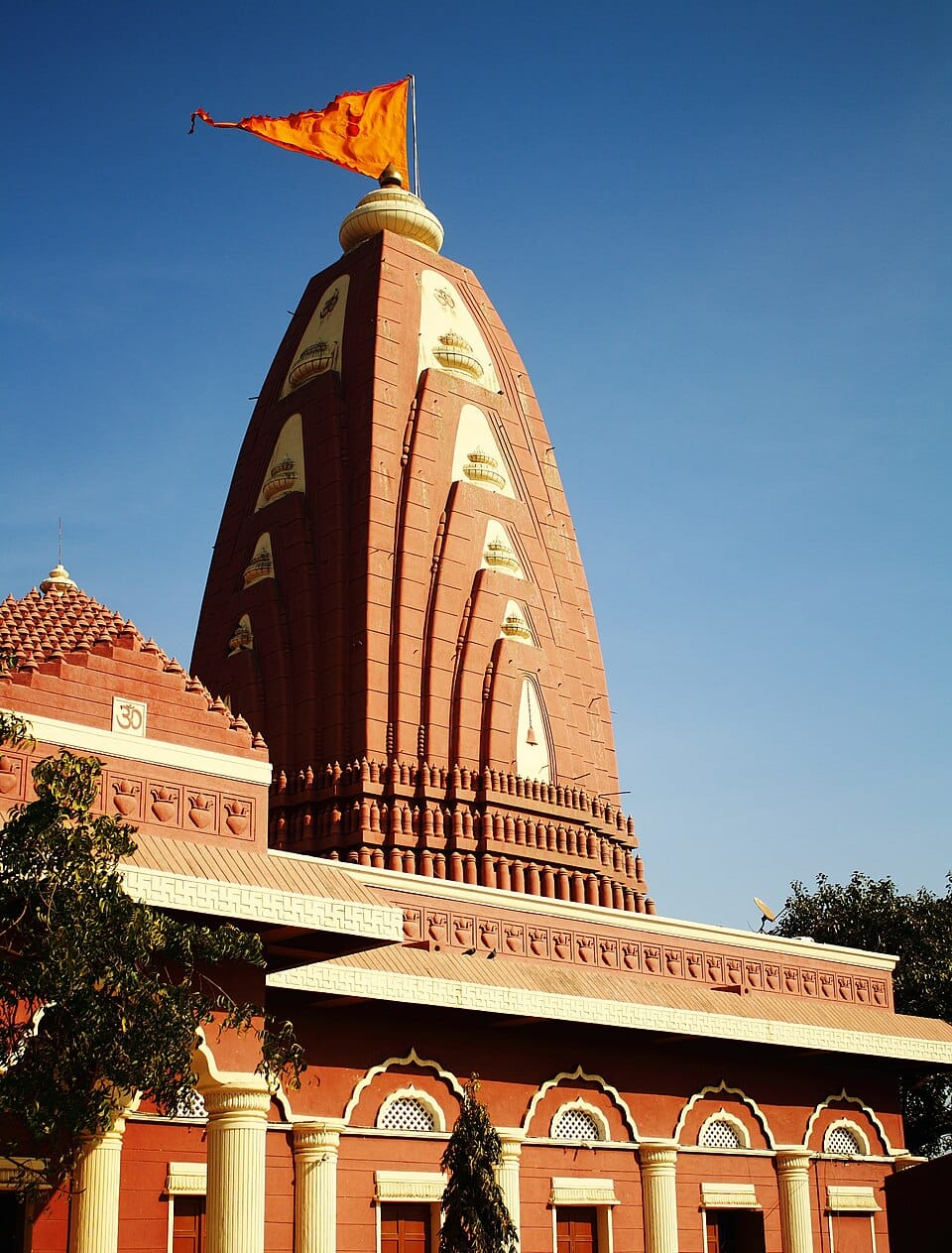
Gujarat
Nageshwar Jyotirlinga Temple
The coastal jyotirlinga hidden in the marshlands of Saurashtra. Shiva as Nageshwar — the Lord of Snakes.
Explore Temple
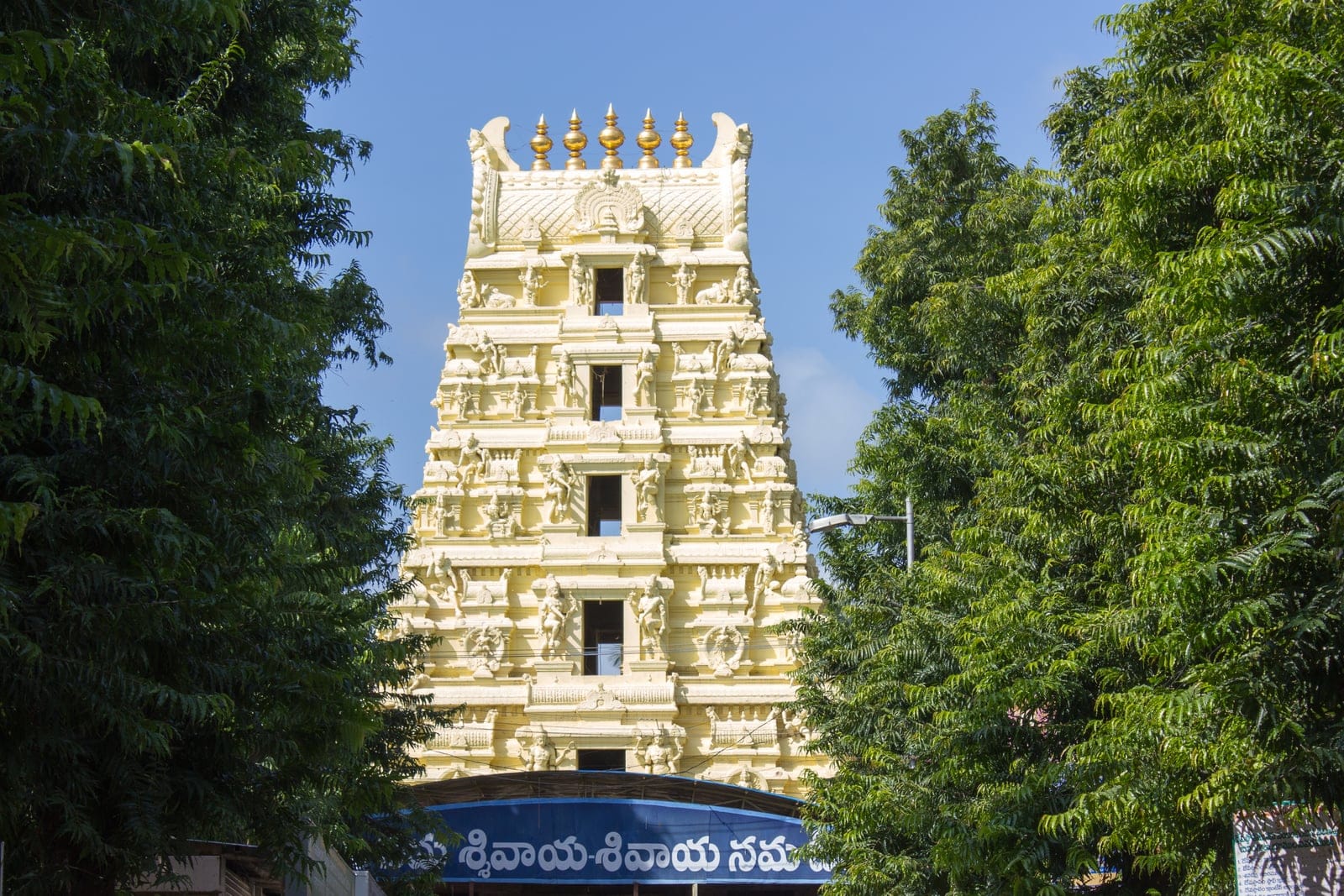
Andhra Pradesh
Srisailam Mallikarjuna Swamy Temple
One of the twelve Jyotirlingas and the southernmost among them, Mallikarjuna Temple at Srisailam is uniquely also a Shakti Peetha where the goddess Bhramaramba is worshipped alongside Shiva.
Explore Temple
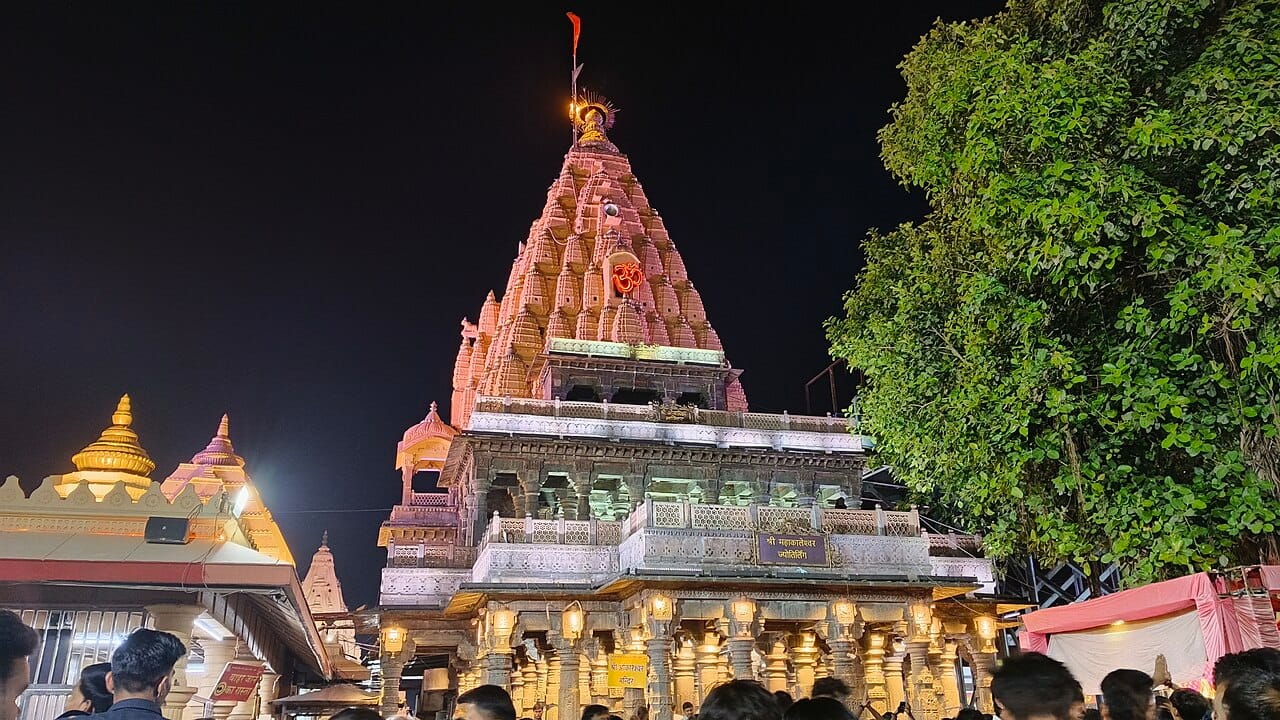
Madhya Pradesh
Mahakaleshwar Temple
One of the twelve Jyotirlingas, Mahakaleshwar in Ujjain is the only Shiva temple where the lingam faces south (Dakshinamurti).
Explore Temple
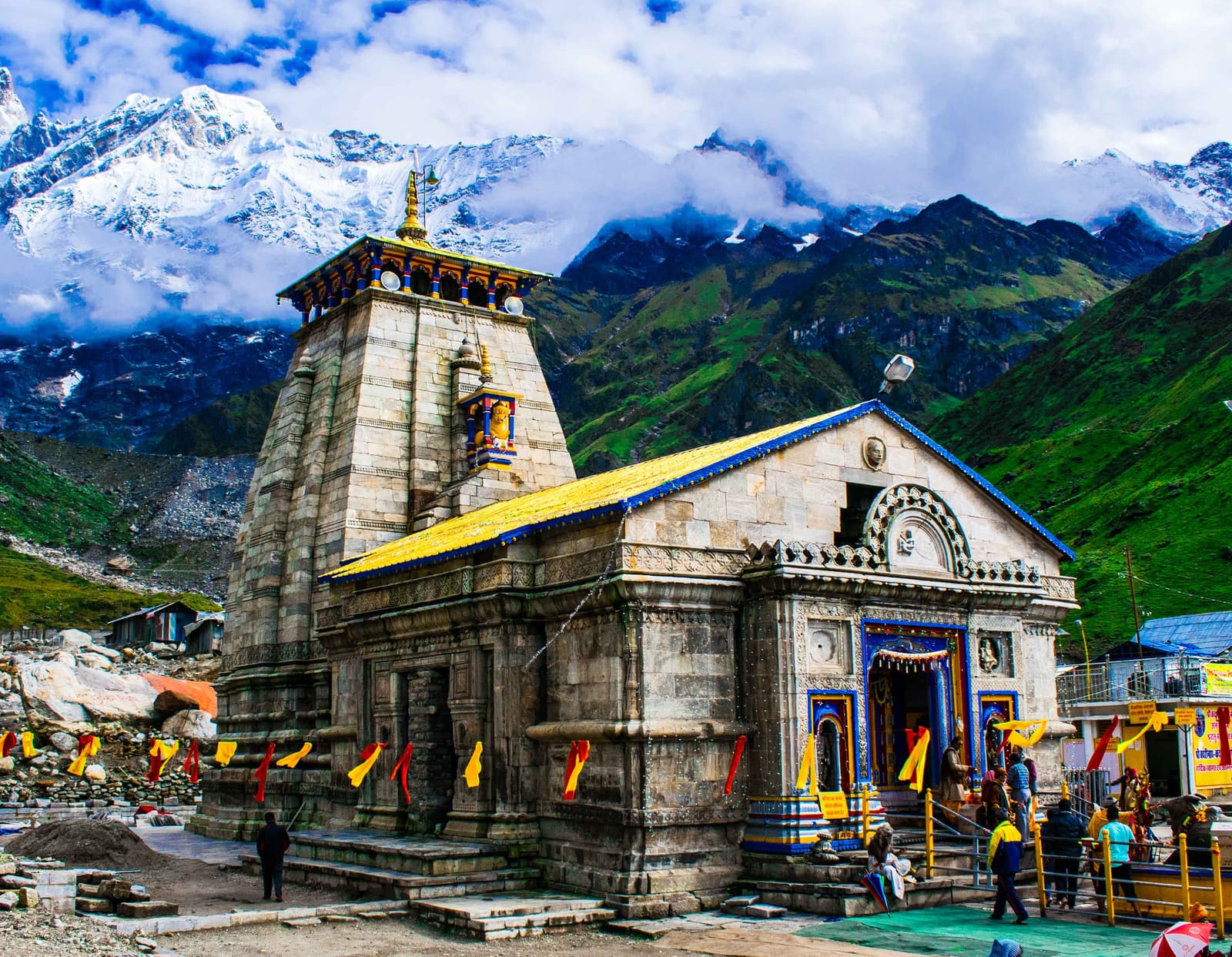
Uttarakhand
Kedarnath Temple
Kedarnath Temple — one of 12 Jyotirlingas, part of Char Dham and Panch Kedar. Verified visitor guide for pilgrims and international travellers at 3,583 m.
Explore Temple
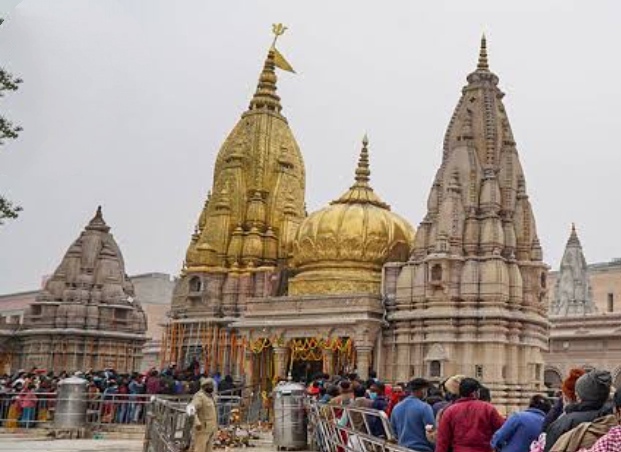
Uttar Pradesh
Kashi Vishwanath Temple
Kashi Vishwanath Temple in Varanasi, one of the twelve Jyotirlingas and the most sacred Shiva temple in Hinduism, stands on the western bank of the holy Ganga.
Explore Temple
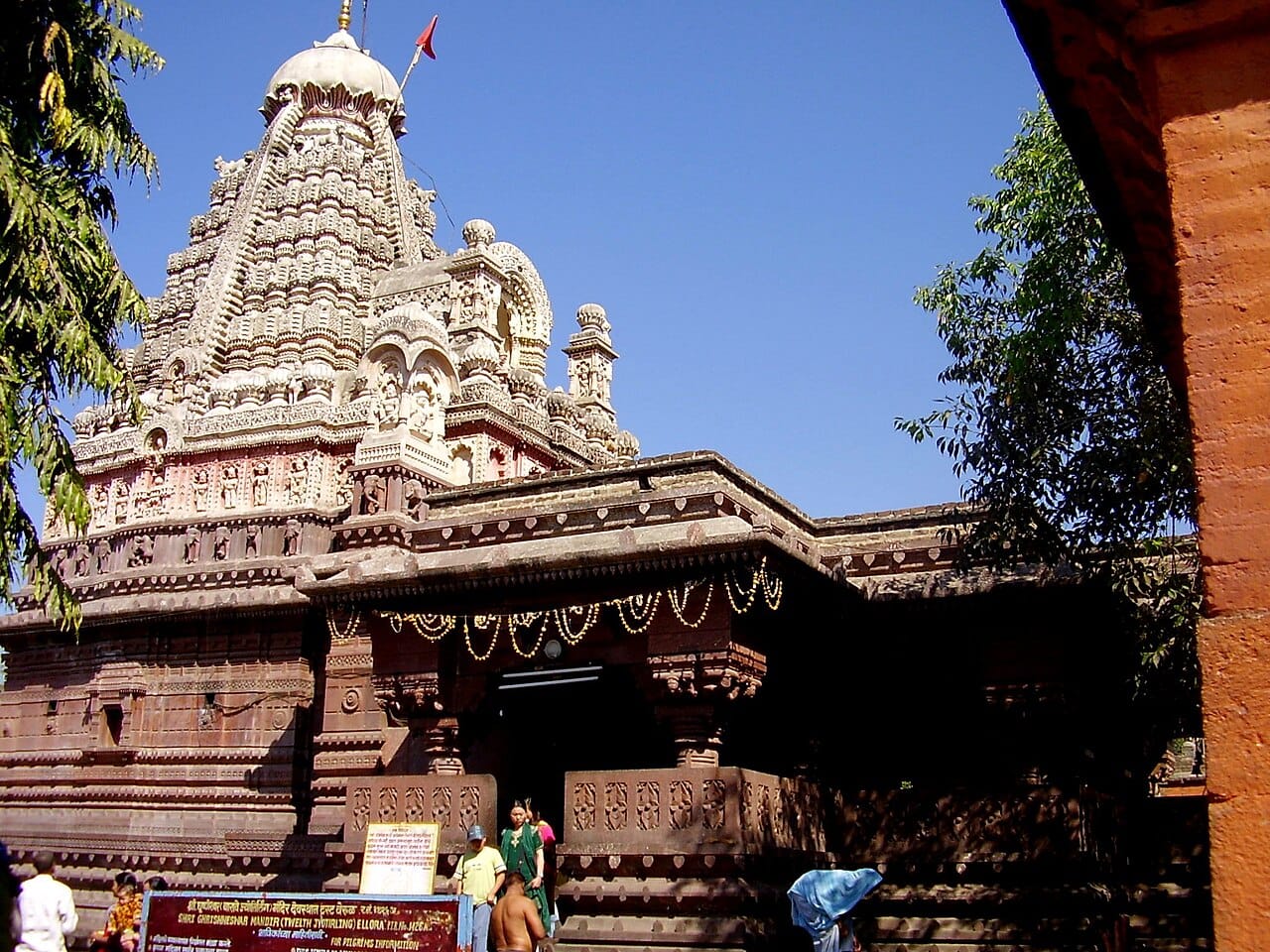
Maharashtra
Grishneshwar Temple
The 12th and final Jyotirlinga, located just 1 km from the Ellora Caves.
Explore Temple
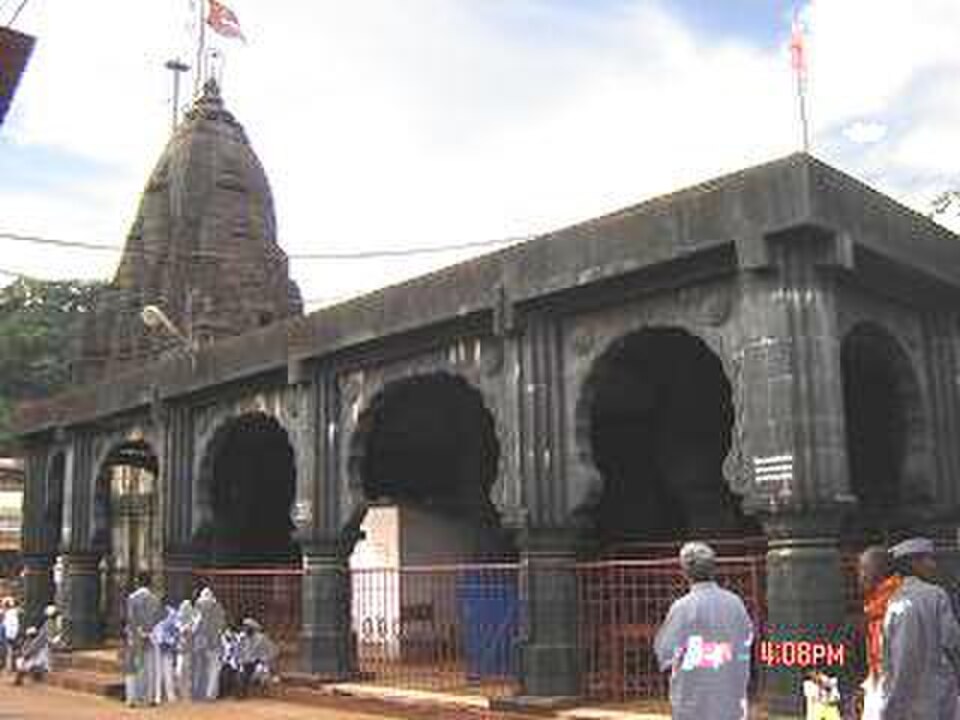
Maharashtra
Bhimashankar Jyotirlinga
The source of the Bhima River deep in the Sahyadri hills. A Jyotirlinga surrounded by a wildlife sanctuary, with the legend of Tripurasura.
Explore Temple
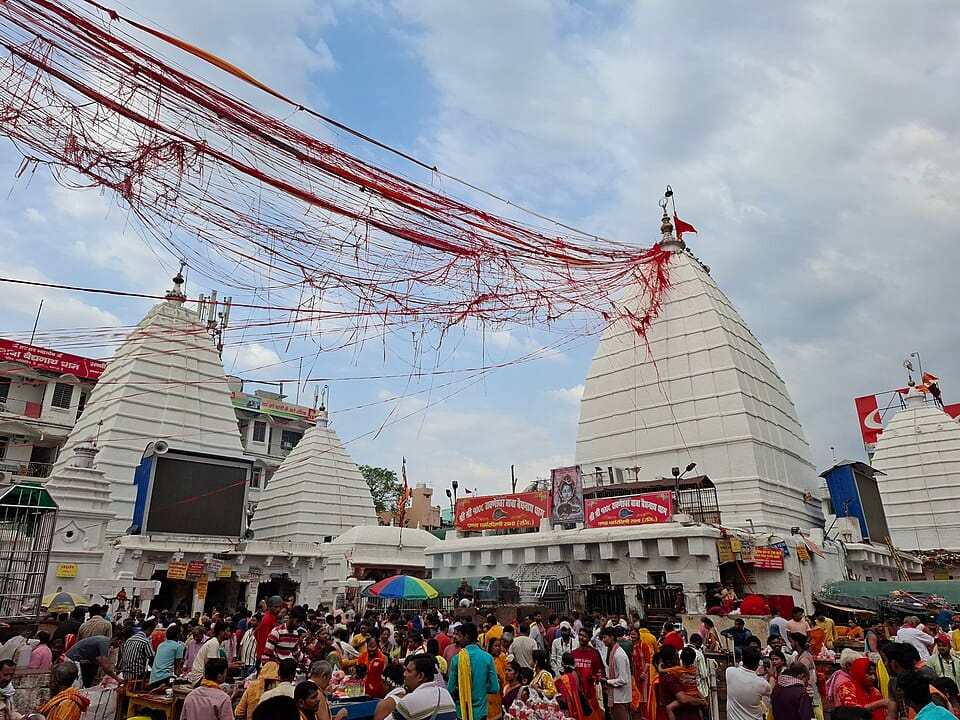
Jharkhand
Baidyanath Jyotirlinga Temple
Where Shiva is worshipped not as destroyer but as physician. Baidyanath — the Lord of Healing — draws millions who carry Ganga water 108 km barefoot in the Kaanwar Yatra.
Explore Temple
In-Depth Guide
Jyotirlingas Legacy
The twelve Jyotirlingas are the most sacred pilgrimage sites in Shaivism, believed to be physical manifestations of Lord Shiva as a column of light. The term Jyotirlinga translates to 'pillar of light' or 'radiant sign', referring to the legendary appearance of Shiva as an infinite pillar of flame that pierced through the earth and the cosmos. Each of the twelve sites houses a Shiva linga that is considered Swayambhu (self-manifested), distinct from lingas consecrated by human hands. Spread across the Indian subcontinent from Gujarat in the west to Jharkhand in the east, and from Uttarakhand in the north to Tamil Nadu in the south, these shrines encompass a remarkable diversity of regional architectural styles, liturgical traditions, and pilgrimage practices.
The Legend of the Jyotirlingas
The origin of the Jyotirlingas is described in the Shiva Purana. According to the legend, Brahma and Vishnu once argued about their supremacy. Manifesting as an infinite pillar of light, Shiva challenged them to find either its top or base. Vishnu, assuming the form of a boar, dug downward but could not find the base. Brahma, taking the form of a swan, flew upward but could not see the top. Brahma falsely claimed to have found the top, supported by the ketaki flower. Shiva cursed Brahma that he would not be worshipped on earth, and declared the pillar of light to be his eternal manifestation. The twelve locations where this Jyotirlinga appeared became the most sacred Shiva shrines.
Geographic Distribution
The twelve Jyotirlingas span seven Indian states. Gujarat houses Somnath and Nageshwar. Maharashtra has three: Bhimashankar, Trimbakeshwar, and Grishneshwar. Madhya Pradesh contains two: Mahakaleshwar at Ujjain and Omkareshwar. Uttar Pradesh has Kashi Vishwanath at Varanasi. Uttarakhand has Kedarnath in the Himalayas. Jharkhand has Baidyanath at Deoghar. Andhra Pradesh has Srisailam Mallikarjuna. Tamil Nadu has Ramanathaswamy at Rameswaram. This distribution creates a geographic circuit that covers the entire subcontinent, from the Himalayan heights of Kedarnath at 3,583 meters to the coastal shores of Rameswaram.
Pilgrimage Traditions
Pilgrimage to all twelve Jyotirlingas is considered a deeply meritorious act in Shaivism. Traditionally, the journey begins at Somnath in the west and proceeds through eastern and northern sites, concluding at Rameswaram or Kedarnath. Devotees who complete the entire circuit are called Jyotirlinga Yatri. During the month of Shravan (July-August), millions of pilgrims walk to Baidyanath Dham in the Shravani Mela, the largest Jyotirlinga pilgrimage event. At Mahakaleshwar, the Bhasma Aarti is performed before dawn, where ashes from the cremation ground are applied to the linga. At Kashi Vishwanath, the Rudrabhishekam and Mangala Aarti draw thousands to the banks of the Ganges.
Architectural Diversity
Each Jyotirlinga temple reflects the regional architectural tradition of its location. Somnath's current structure is built in the Chalukya style of Gujarat. Mahakaleshwar features the Maratha Bhumija style with its distinctive shikhara. Kashi Vishwanath's current gold-plated dome was built by Ahilyabai Holkar and Maharaja Ranjit Singh. Kedarnath is a stone mandapa built in the rustic Himalayan style. Srisailam's complex blends Nagara and Dravida elements as a transitional Deccan style. Ramanathaswamy is a classic Dravidian complex with the longest corridor of pillared colonnades in the world. Trimbakeshwar features a three-faced linga in a deep cave-like sanctum.
Co-located Shakti Peethas
Several Jyotirlinga sites are uniquely co-located with Shakti Peethas, where parts of Sati's body are believed to have fallen. Srisailam Mallikarjuna forms a pair with Bhramaramba Devi as a Jyotirlinga and Shakti Peetha within the same complex. Baidyanath at Deoghar is worshipped as both a Jyotirlinga and the place where Sati's heart fell, making it a rare combined site. Grishneshwar is associated with the Grishneshwari Shakti Peetha. This dual significance makes these sites particularly powerful in Hindu pilgrimage geography, as devotees can worship both Shiva and Shakti at a single location.
Best Time for Pilgrimage
The ideal pilgrimage season varies by location. Somnath, Nageshwar, Grishneshwar, and Ramanathaswamy are best visited from October to March when coastal temperatures are moderate. Mahakaleshwar and Omkareshwar in central India are pleasant from November to February. Kashi Vishwanath can be visited year-round but is most comfortable from October to March. Kedarnath is accessible only from May to October due to snow closure. Baidyanath draws its largest crowds during Shravan (July-August). A comprehensive pilgrimage should be planned over several months or divided into regional circuits.
Jyotirlingas at a Glance
| Temple | Location | State | Presiding Deity | Primary Significance |
|---|---|---|---|---|
| Trimbakeshwar Temple | Trimbakeshwar | Maharashtra | Lord Shiva | The Trimbakeshwar Temple in Maharashtra is one of the twelve Jyotirlingas, unique for its three-faced linga representing the Trimurti and the source of the Godavari River. |
| Somnath Temple | Somnath | Gujarat | Lord Shiva | Somnath Temple, the first of the twelve Jyotirlingas, is an ancient Shiva temple in Gujarat known for its resilience through repeated destruction and reconstruction over a millennium. |
| Ramanathaswamy Temple | Rameswaram | Tamil Nadu | Lord Shiva | The Ramanathaswamy Temple in Rameswaram is one of the 12 Jyotirlingas and a Char Dham site, famous for its magnificent thousand-pillared corridors, the longest temple corridor in the world, and its sacred association with Lord Rama's worship of Shiva. |
| Omkareshwar Temple | Omkareshwar | Madhya Pradesh | Lord Shiva | Situated on a sacred island in the Narmada River, Omkareshwar is the only Jyotirlinga located on an island. |
| Nageshwar Jyotirlinga Temple | Dwarka | Gujarat | Lord Shiva | The coastal jyotirlinga hidden in the marshlands of Saurashtra. |
| Srisailam Mallikarjuna Swamy Temple | Srisailam | Andhra Pradesh | Lord Shiva | One of the twelve Jyotirlingas and the southernmost among them, Mallikarjuna Temple at Srisailam is uniquely also a Shakti Peetha where the goddess Bhramaramba is worshipped alongside Shiva. |
| Mahakaleshwar Temple | Ujjain | Madhya Pradesh | Lord Shiva | One of the twelve Jyotirlingas, Mahakaleshwar in Ujjain is the only Shiva temple where the lingam faces south (Dakshinamurti). |
| Kedarnath Temple | Rudraprayag | Uttarakhand | Lord Shiva | Kedarnath Temple — one of 12 Jyotirlingas, part of Char Dham and Panch Kedar. |
| Kashi Vishwanath Temple | Varanasi | Uttar Pradesh | Lord Shiva | Kashi Vishwanath Temple in Varanasi, one of the twelve Jyotirlingas and the most sacred Shiva temple in Hinduism, stands on the western bank of the holy Ganga. |
| Grishneshwar Temple | Aurangabad | Maharashtra | Lord Shiva | The 12th and final Jyotirlinga, located just 1 km from the Ellora Caves. |
Frequently Asked Questions
Q.How many Jyotirlingas are there?
There are twelve Jyotirlingas. The names in their Sanskrit shloka order are: Somnath, Srisailam Mallikarjuna, Mahakaleshwar, Omkareshwar, Kedarnath, Bhimashankar, Kashi Vishwanath, Trimbakeshwar, Baidyanath, Nageshwar, Ramanathaswamy, and Grishneshwar.
Q.Why are they called Jyotirlingas?
Jyotirlinga means 'pillar of light' in Sanskrit. According to the Shiva Purana, these twelve locations are where Shiva manifested as an infinite column of light, representing his formless and transcendent nature beyond physical manifestation.
Q.Which is the first Jyotirlinga?
Somnath in Gujarat is traditionally considered the first Jyotirlinga and is the most historically significant, having been destroyed and rebuilt six times over a millennium. The current structure was completed in 1951.
Q.Which Jyotirlinga is in the Himalayas?
Kedarnath in Uttarakhand, situated at 3,583 meters (11,755 feet) in the Garhwal Himalayas, is the only Jyotirlinga located in the high mountain range. It is accessible only by a 16-kilometer trek from Gaurikund.
Q.Which Jyotirlinga also has a Shakti Peetha?
Srisailam Mallikarjuna (Andhra Pradesh) is both a Jyotirlinga and Shakti Peetha, where Shiva and Shakti are worshipped together. Baidyanath at Deoghar (Jharkhand) and Grishneshwar near Ellora (Maharashtra) also have associated Shakti Peethas.
Q.Can all twelve Jyotirlingas be visited in one pilgrimage?
Yes, dedicated pilgrims undertake the Jyotirlinga Yatra to all twelve sites. However, due to the geographic spread across seven states and Kedarnath's seasonal accessibility, the complete pilgrimage takes several months or is divided into regional circuits over multiple years.
Q.Which is the southernmost Jyotirlinga?
Ramanathaswamy Temple at Rameswaram in Tamil Nadu is the southernmost Jyotirlinga, located on Pamban Island between mainland India and Sri Lanka. It is also one of the Char Dham pilgrimage sites.
Sources & References
These records back the dating, architectural classification and visitor guidance published on this Jyotirlingas page.
Archaeological Survey of India
Archaeological Survey of India — monument records and conservation reports
Protection status, dating, architectural classification and published conservation records for the monuments named on this page.
Primary archaeological record
Open source (opens in a new tab)Ministry of Tourism, Government of India
Ministry of Tourism — official destination information
Official Government of India destination information — access, visitor circuits and travel guidance referenced on this page.
Government record
Open source (opens in a new tab)
— every record linked above was re-requested for this release, so the link still resolves and the publisher still serves the document. It is a link check, not a re-verification of every sentence on this page.
Missing something, or found an error? Send us a correction with the record that supports it, or read how we choose sources.