un
Theme Collection
UNESCO Temples
Visit the UNESCO recognized temple complexes in India, celebrated for their exceptional universal value and artistic brilliance.
The Collection
Featured Shrines
Explore our curated selection of unesco temples that define this architectural and spiritual category.
14 Sites Identified
UNESCO 1986Cultural Heritage
Karnataka
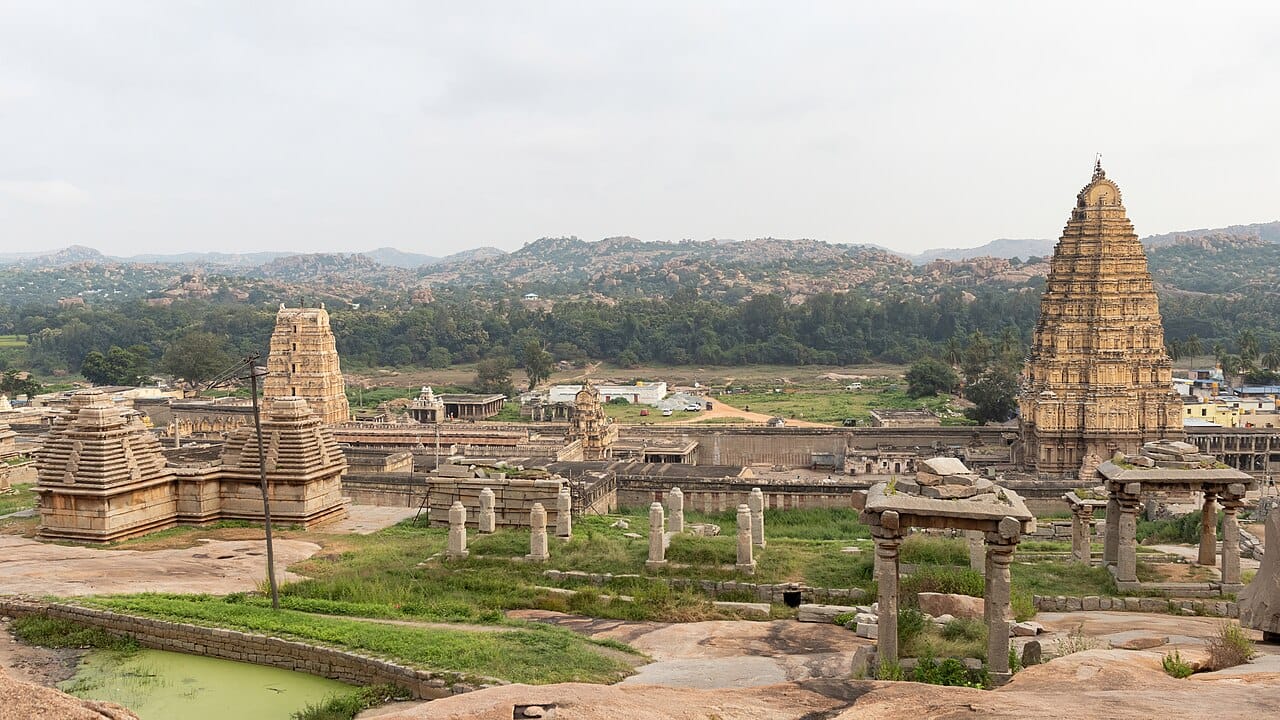
Virupaksha Temple
The Virupaksha Temple in Hampi, Karnataka, is a UNESCO World Heritage Site and the oldest functioning temple in India, dedicated to Lord Shiva as Virupaksha.
Explore Temple
UNESCO 2004Cultural Heritage
Tamil Nadu
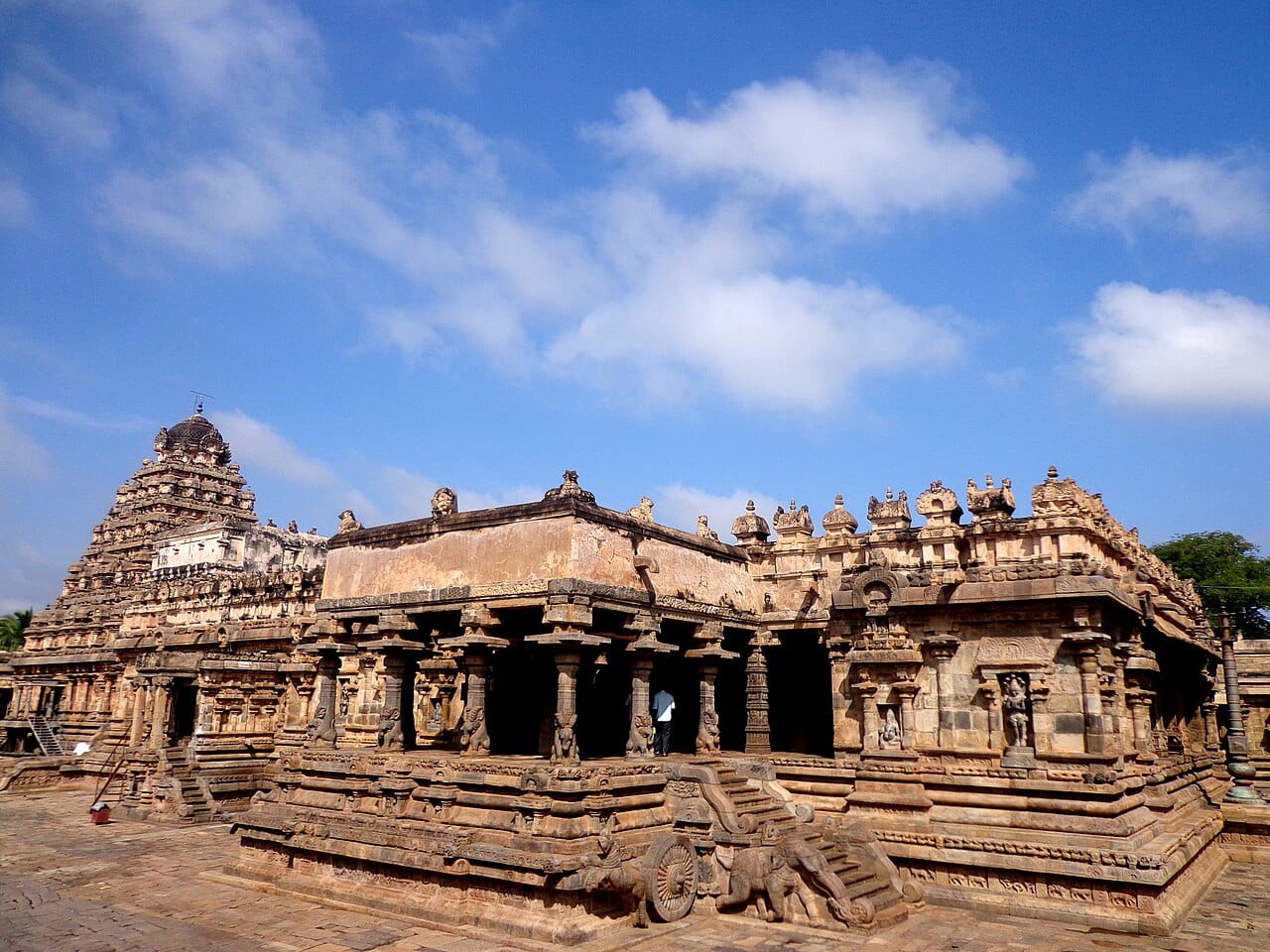
Airavatesvara Temple
The Airavatesvara Temple at Darasuram, built by Rajaraja Chola II between 1146 and 1172 CE, is one of the three UNESCO World Heritage 'Great Living Chola Temples.' It is renowned…
Explore Temple

UNESCO 2004Cultural Heritage
Tamil Nadu
Gangaikonda Cholapuram Temple
The Gangaikonda Cholapuram Temple, built by Rajendra Chola I in 1035 CE, is a UNESCO World Heritage 'Great Living Chola Temple.' Its 53-metre vimana with recessed corners and six pairs…
Explore Temple
UNESCO 1984Cultural Heritage
Odisha
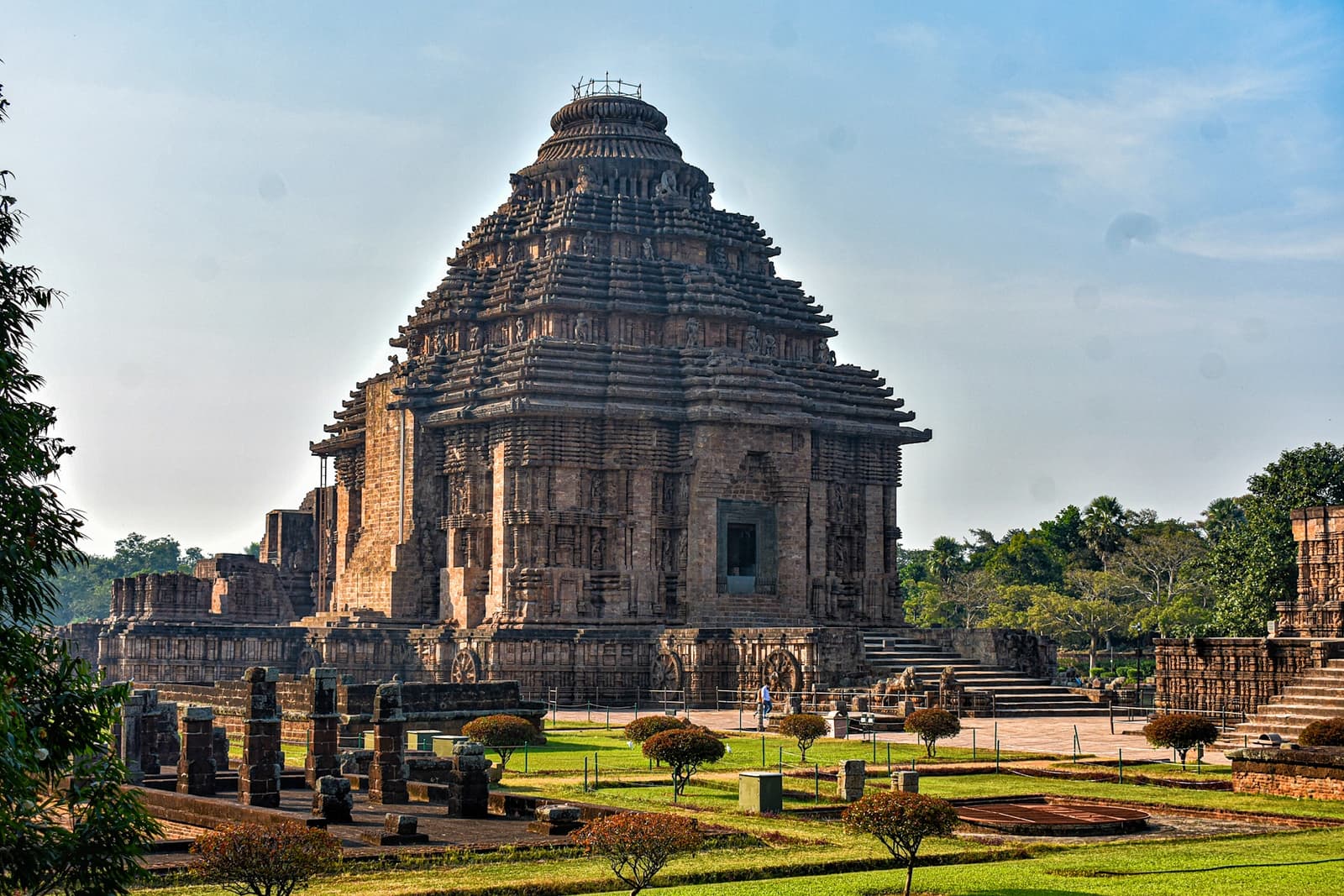
Konark Sun Temple
A 13th-century colossal stone chariot of the Sun God Surya, the Konark Sun Temple is a UNESCO World Heritage Site and the most architecturally ambitious solar temple in India, with…
Explore Temple
UNESCO 1987Cultural Heritage
Tamil Nadu
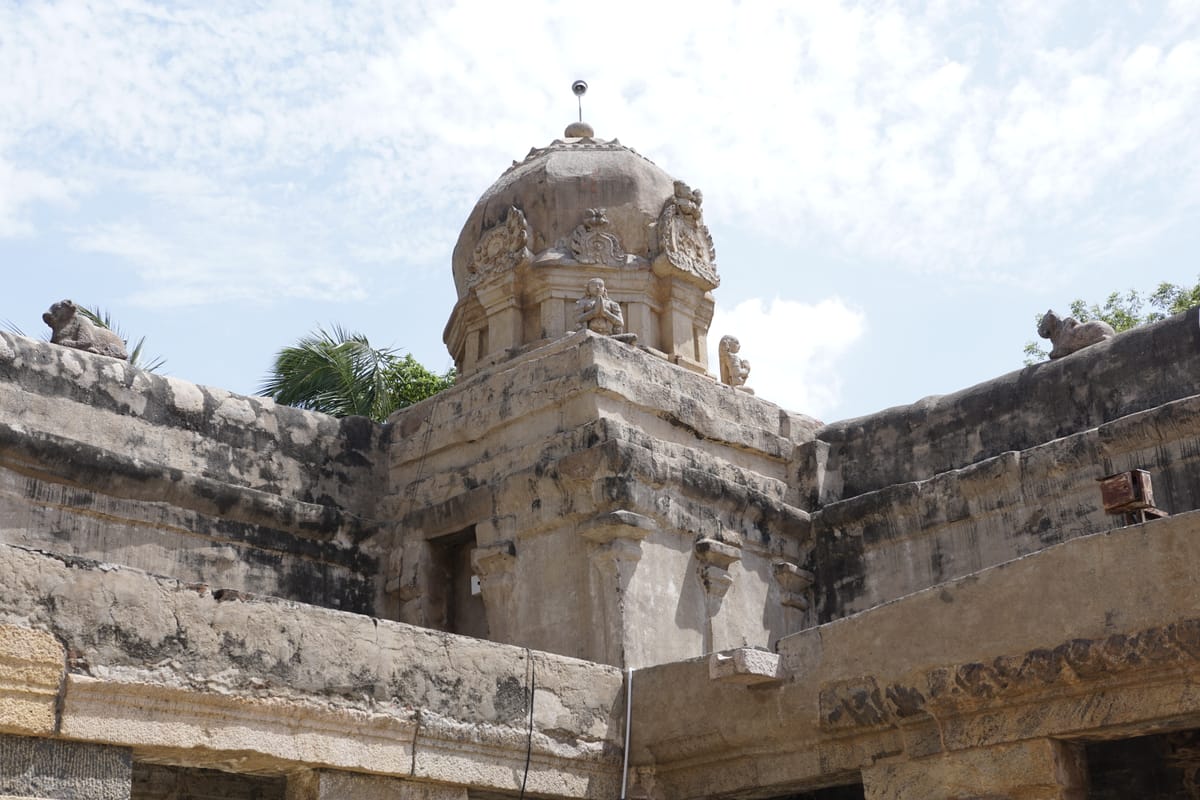
Brihadeeswarar Temple
The Brihadeeswarar Temple in Thanjavur, built by Raja Raja Chola I in the 11th century, is a UNESCO World Heritage Site and the tallest Shiva temple in India, crowned by…
Explore Temple
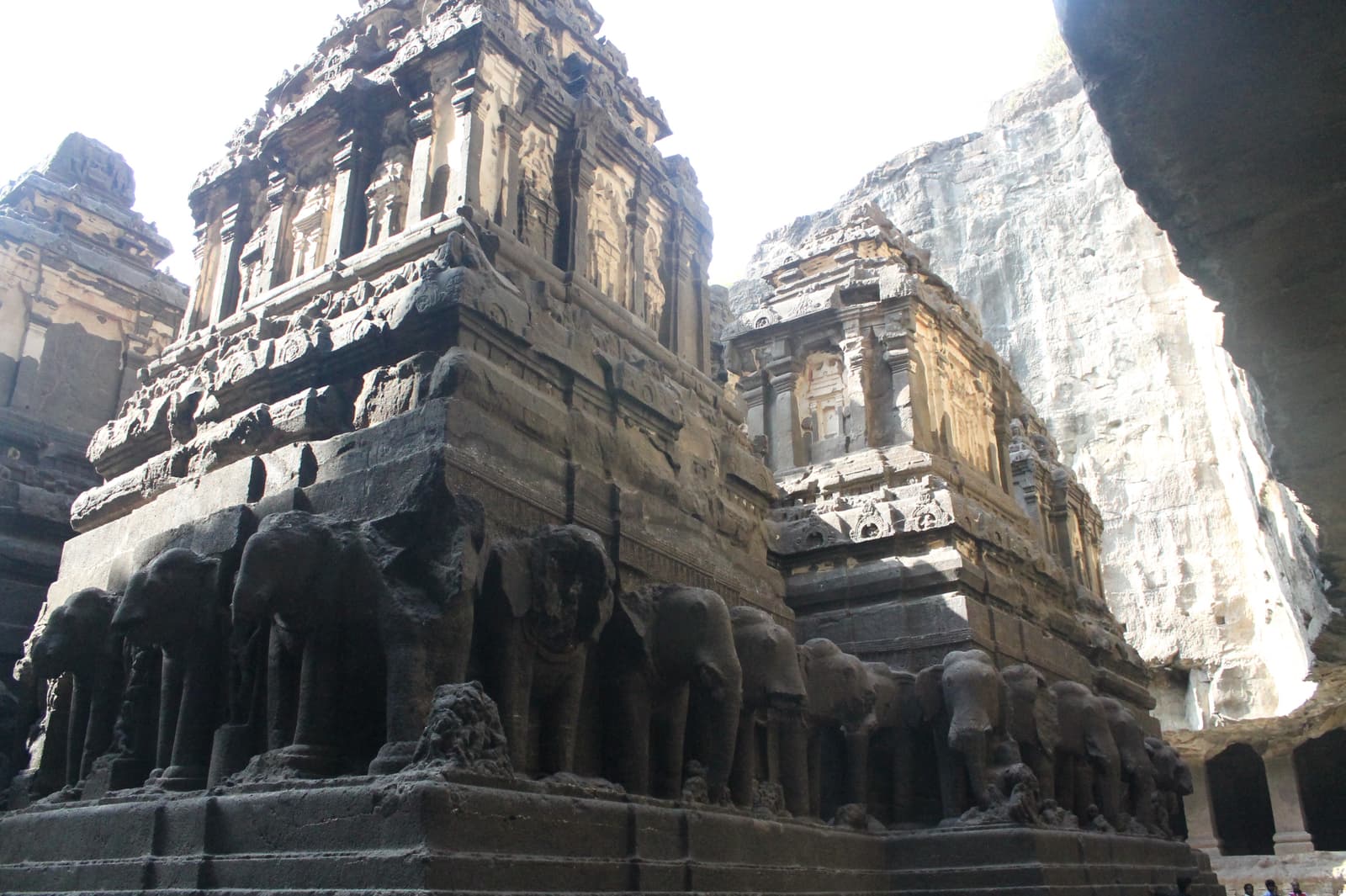
UNESCO 1983Cultural Heritage
Maharashtra
Kailasa Temple, Ellora
The world's largest monolithic rock-cut structure, carved top-down from a single basalt cliff.
Explore Temple
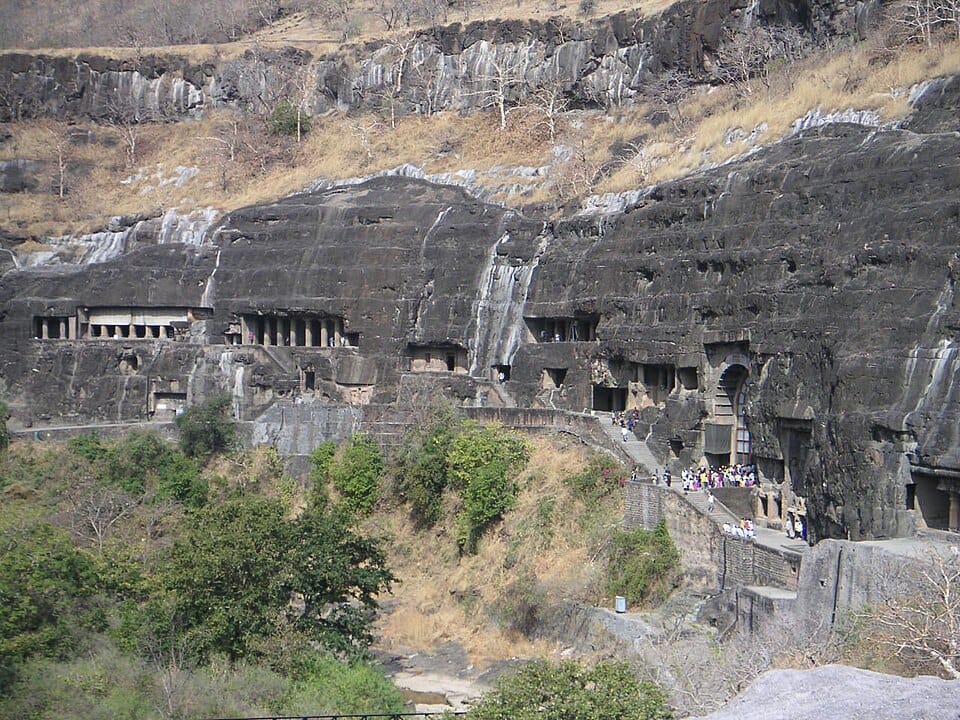
UNESCO 1983Cultural Heritage
Maharashtra
Ajanta Cave Temples
A UNESCO World Heritage site with 30 rock-cut Buddhist caves famous for ancient mural paintings and Jataka tale depictions.
Explore Temple
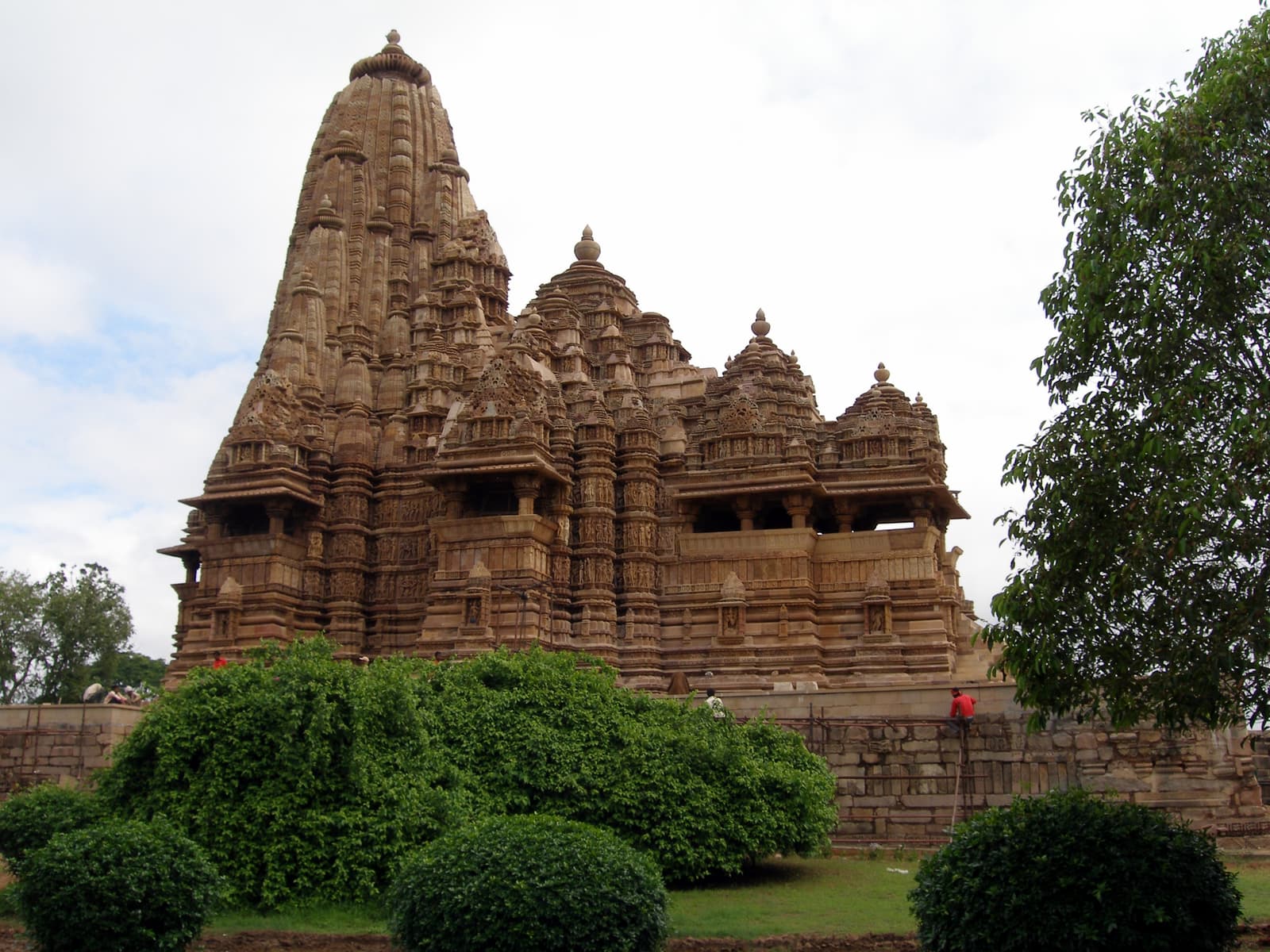
UNESCO 1986Cultural Heritage
Madhya Pradesh
Khajuraho Group of Monuments
The largest and most ornate Hindu temple in the Khajuraho Group of Monuments.
Explore Temple
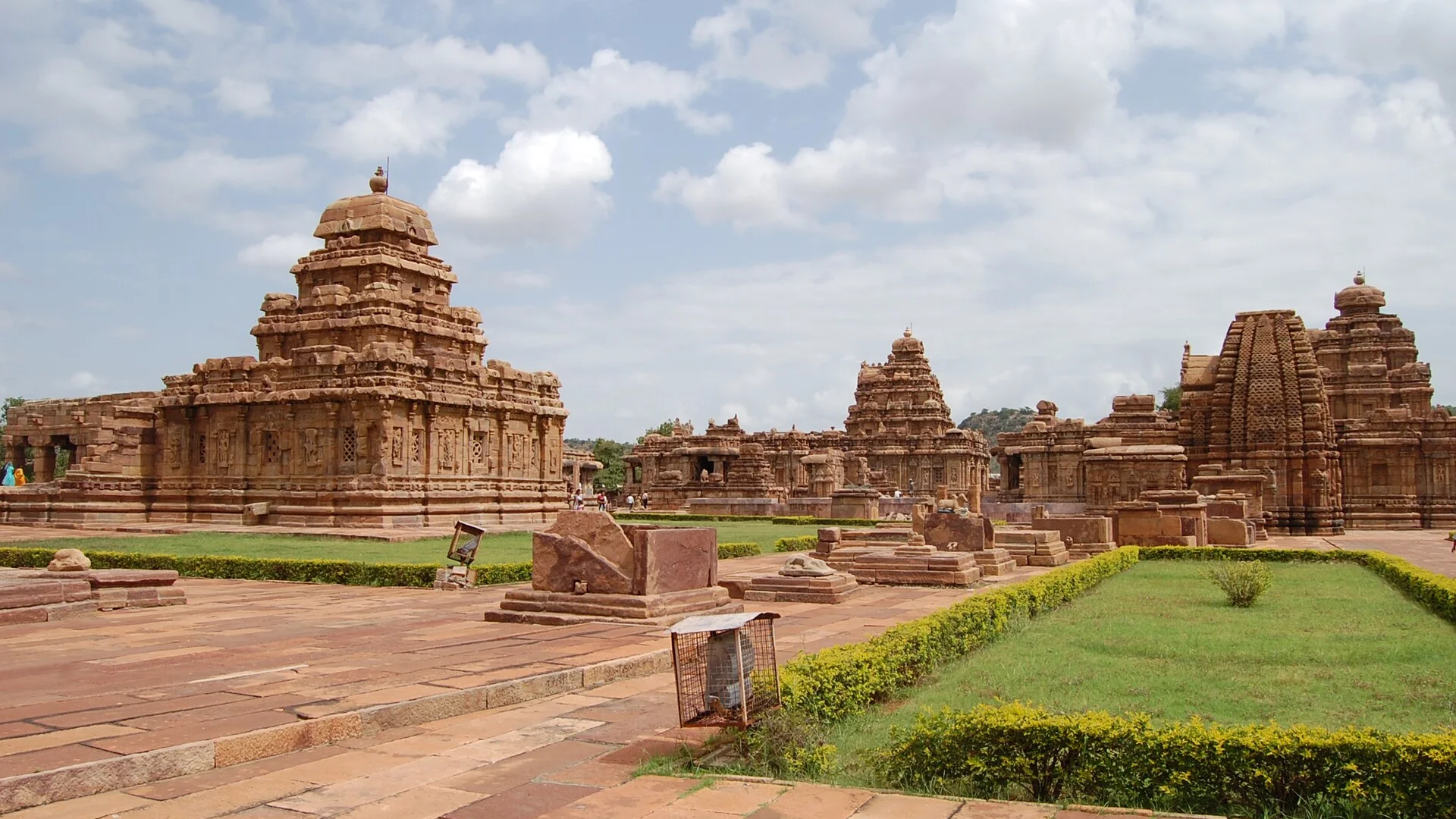
UNESCO 1987Cultural Heritage
Karnataka
Monuments at Pattadakal
A UNESCO World Heritage site showcasing the unique blend of Nagara and Dravidian temple architecture from the Chalukya dynasty.
Explore Temple
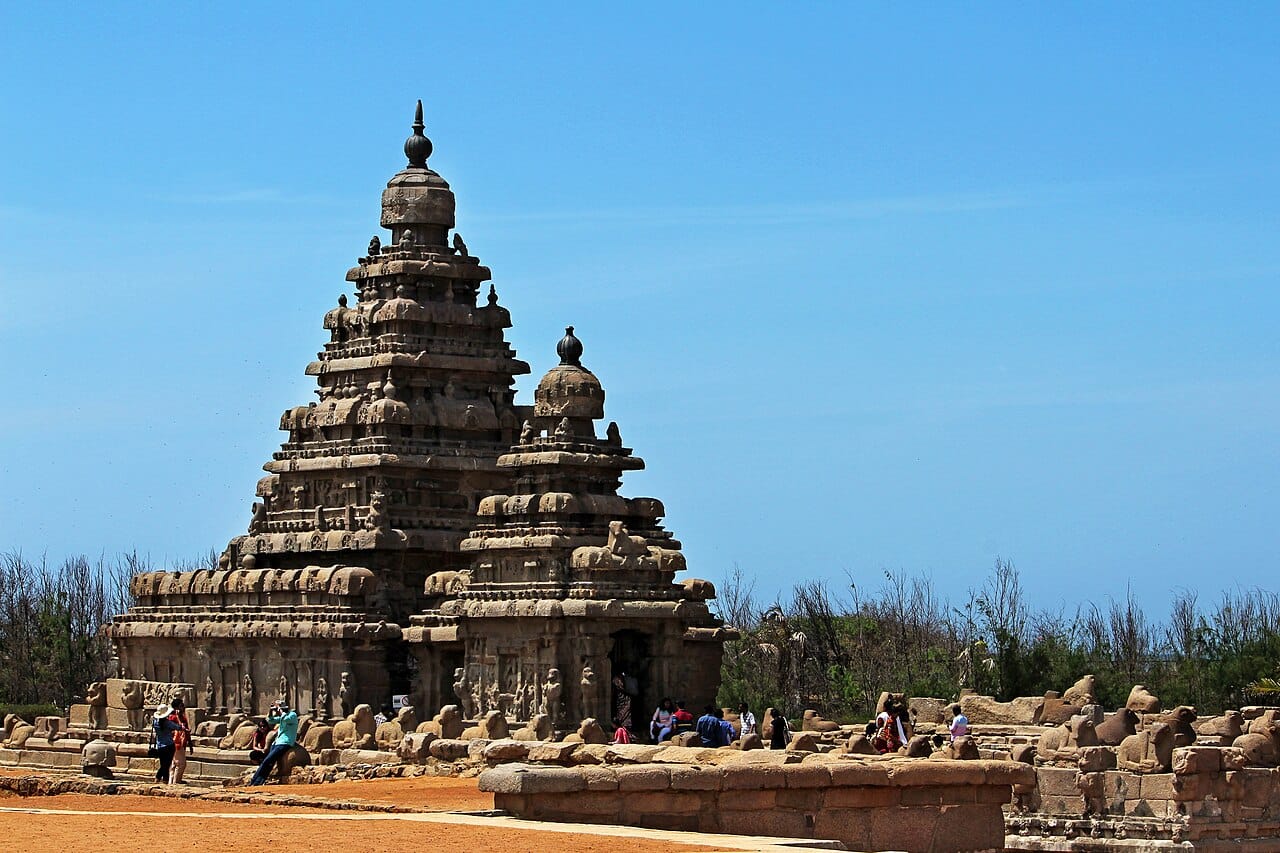
UNESCO 1984Cultural Heritage
Tamil Nadu
Shore Temple, Mahabalipuram
One of the oldest structural stone temples of South India, built by the Pallava dynasty on the Bay of Bengal coast.
Explore Temple
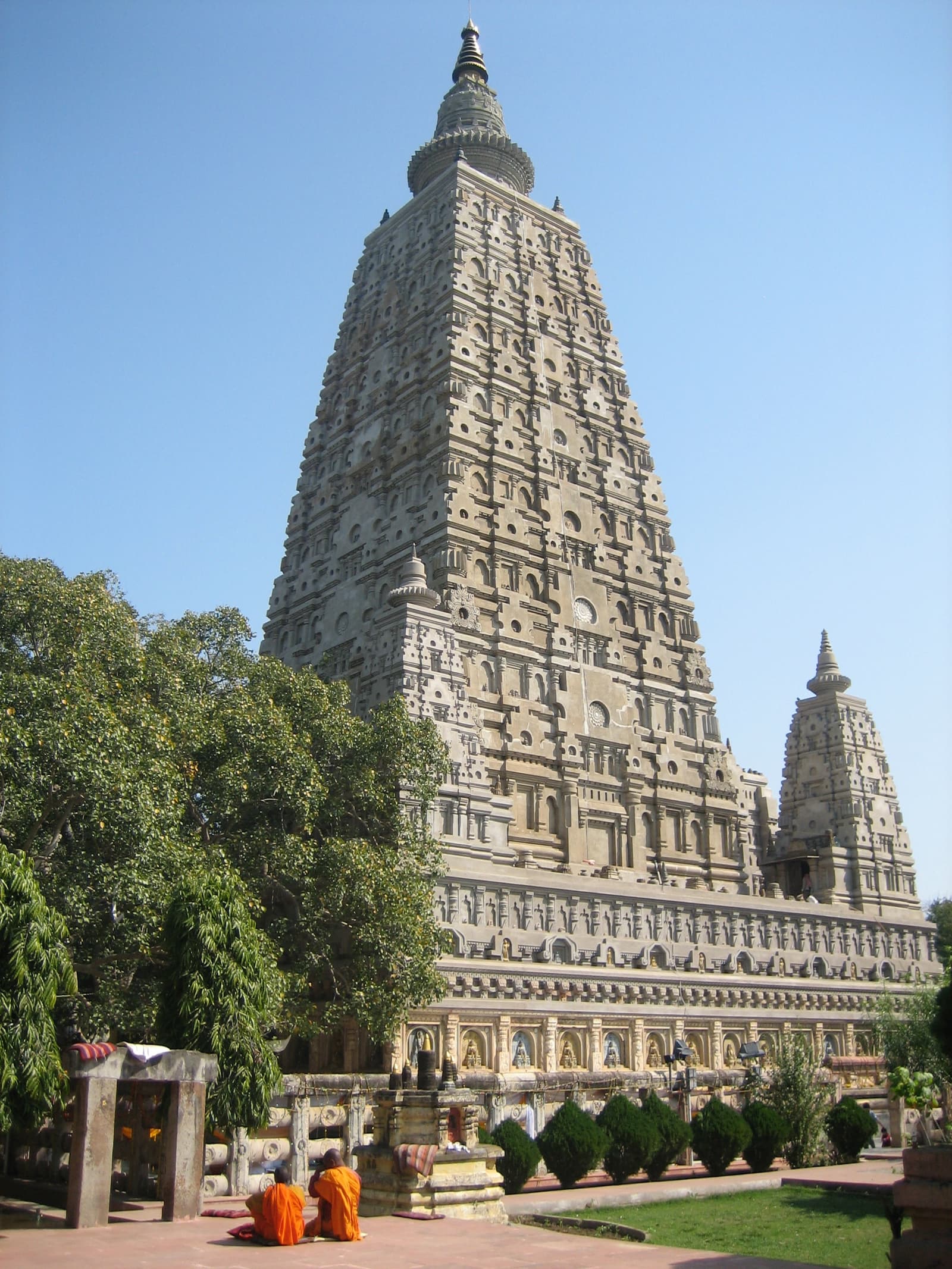
UNESCO 2002Cultural Heritage
Bihar
Mahabodhi Temple Complex
A UNESCO World Heritage site marking the location where Siddhartha Gautama attained enlightenment and became the Buddha.
Explore Temple
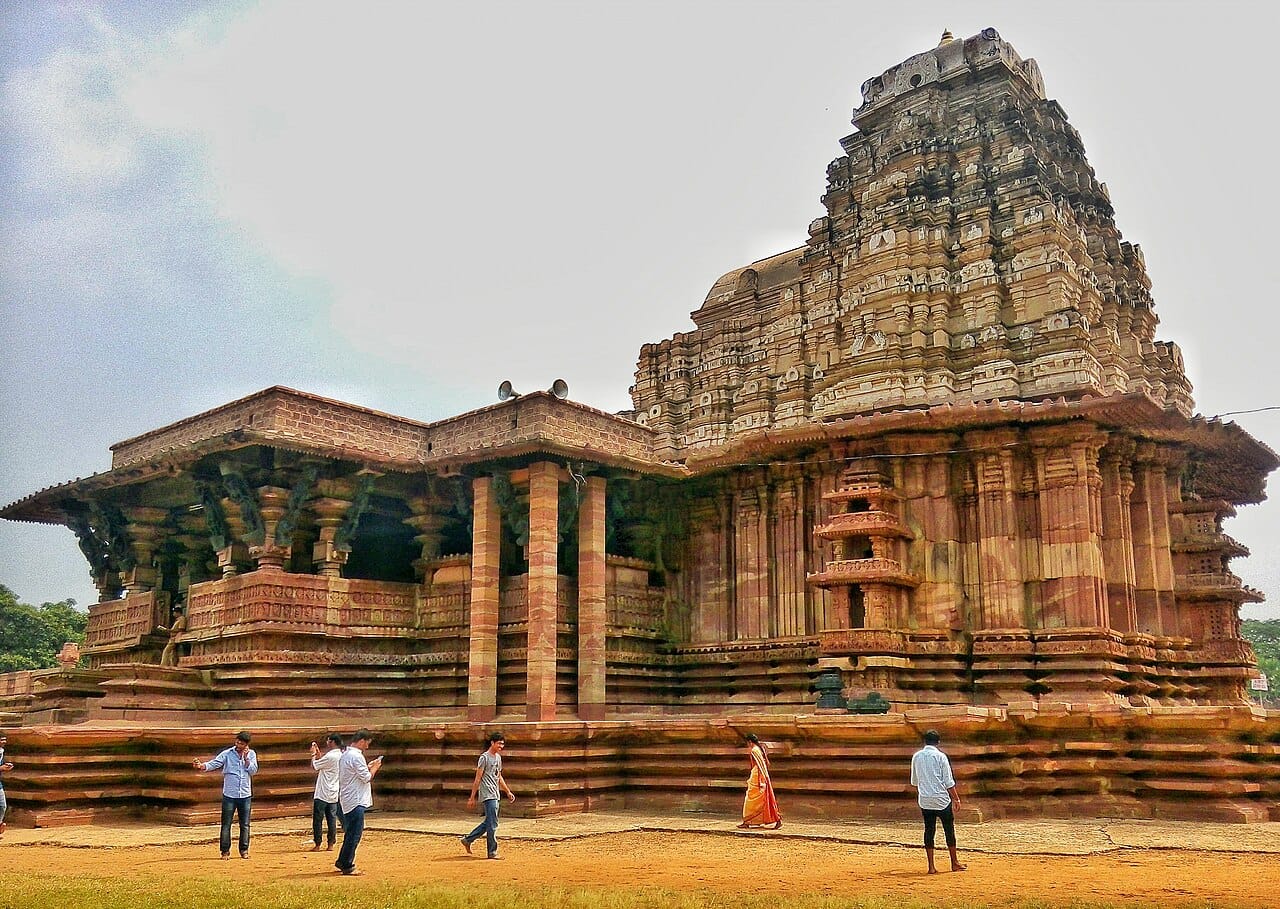
UNESCO 2021Cultural Heritage
Telangana
Ramappa Temple
A 13th-century Kakatiya temple famous for its floating bricks and intricate carvings, the newest UNESCO temple site in India.
Explore Temple
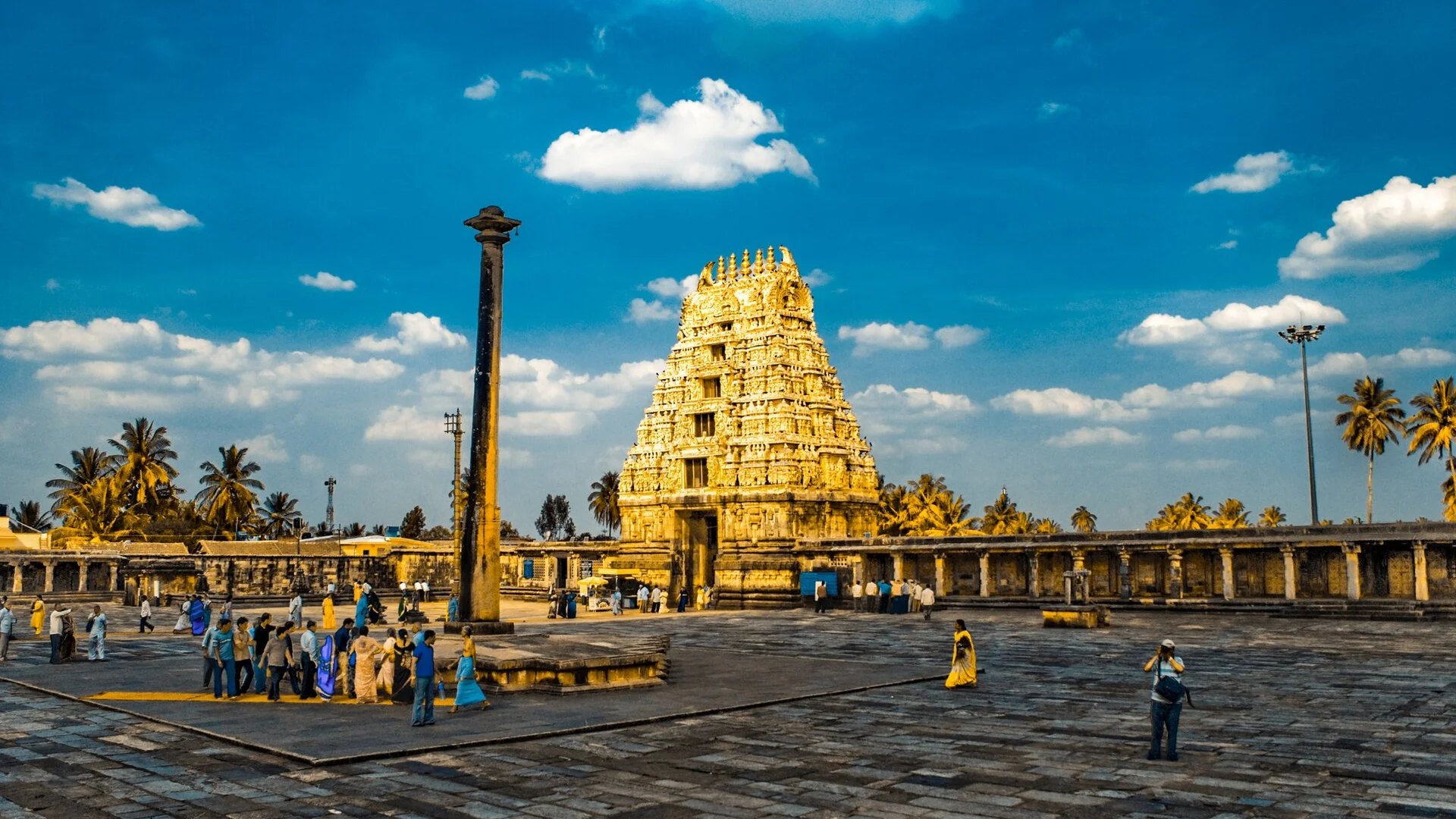
UNESCO 2023Cultural Heritage
Karnataka
Sacred Ensembles of the Hoysalas — Chennakeshava Temple
A UNESCO World Heritage ensemble of three Hoysala temples known for their star-shaped platforms and hyper-real soapstone carvings.
Explore Temple
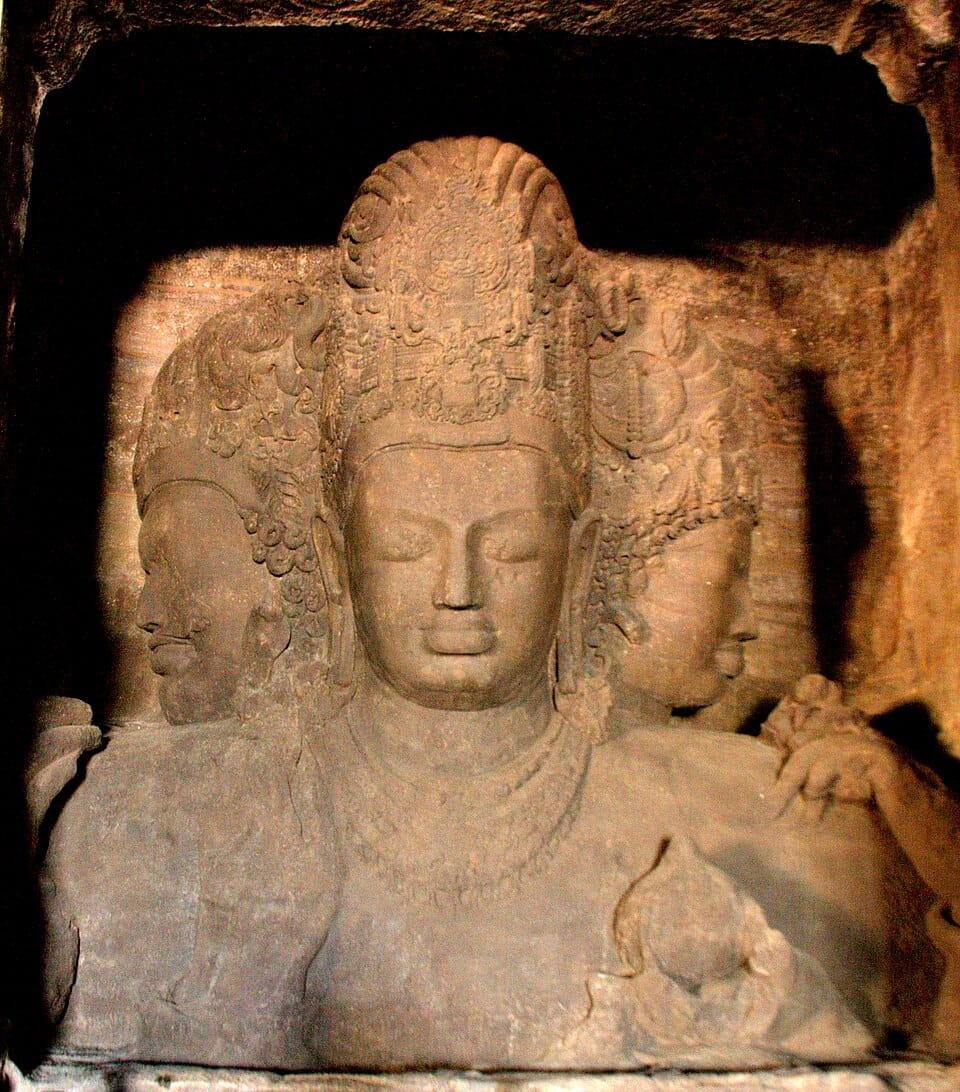
UNESCO 1987Cultural Heritage
Maharashtra
Elephanta Caves
A UNESCO World Heritage site on Elephanta Island, famed for the colossal 20-foot Trimurti sculpture of Lord Shiva.
Explore Temple
In-Depth Guide
UNESCO Temples Legacy
India is home to the largest concentration of UNESCO World Heritage temple sites in the world, spanning over two millennia of architectural evolution. These twenty-three designated properties represent every major Indian architectural tradition: rock-cut cave complexes of the Deccan, monolithic carved temples of the Rashtrakutas, structural temples of the Cholas and Hoysalas, the sun temples of the eastern coast, and the Buddhist stupa complexes that preserve the earliest known Indian sacred architecture. Each inscription meets UNESCO's criteria for Outstanding Universal Value, representing a masterpiece of human creative genius or an exceptional testimony to a cultural tradition.
Criteria for Inscription
UNESCO designates World Heritage Sites under ten selection criteria. Indian temple sites are inscribed under criteria (i) for representing a masterpiece of human creative genius, (ii) for exhibiting an important interchange of human values, (iii) for bearing a unique testimony to a cultural tradition, and (iv) for being an outstanding example of a type of architectural ensemble. The Great Living Chola Temples, for instance, were inscribed under criteria (ii) and (iii) for their testament to the Chola civilization. The Khajuraho Group was inscribed under criteria (i) and (iii) for its artistic mastery and Chandela cultural expression.
Geographic Distribution
UNESCO-designated temple sites are distributed across twelve Indian states. Tamil Nadu holds the highest concentration with the Great Living Chola Temples (Brihadeeswarar at Thanjavur, Gangaikondacholapuram, and Airavatesvara at Darasuram), the Group of Monuments at Mahabalipuram, and the temples within the Nilgiri Mountain Railway and Western Ghats clusters. Madhya Pradesh follows with Khajuraho, Sanchi, and Bhimbetka. Odisha's Sun Temple at Konark and the Buddhist complexes of Odisha represent the eastern tradition. Karnataka contributes Hampi, Pattadakal, and the Hoysala temples of Belur, Halebidu, and Somanathapura.
Architectural Diversity
The UNESCO temple sites span all three major Indian architectural classifications. Nagara style is represented by the Khajuraho temples and the Sun Temple at Konark, characterized by curvilinear shikharas. Dravida style is exemplified by the Chola temples, Mahabalipuram, and Pattadakal, with their stepped pyramidal vimanas and elaborate gopurams. Vesara style appears in the Hoysala temples of Belur and Halebidu, featuring star-shaped plans and intricate chloritic schist carvings. The rock-cut tradition ranges from the early Buddhist chaitya halls at Ajanta to the monumental Kailasa temple at Ellora, carved from a single basalt cliff.
Buddhist Temple Heritage
UNESCO recognizes several sites that preserve Buddhist sacred architecture. The Mahabodhi Temple Complex at Bodh Gaya marks the site of Buddha's enlightenment and features the 50-meter tall pyramidal temple tower dating to the 5th–6th centuries CE. Sanchi preserves the Great Stupa commissioned by Emperor Ashoka in the 3rd century BCE, surrounded by torana gateways and later temple structures. Ajanta's thirty rock-cut caves contain some of the finest surviving examples of ancient Indian painting and sculpture, spanning from the 2nd century BCE to the 6th century CE.
Conservation Challenges
India's UNESCO temple sites face conservation pressures from environmental exposure, tourist footfall, and urban encroachment. The Shore Temple at Mahabalipuram experiences salt weathering from its coastal location. The Khajuraho temples require continuous chemical cleaning to address biological growth on sandstone surfaces. The Archaeological Survey of India manages on-site conservation under the Ancient Monuments and Archaeological Sites and Remains Act of 1958. Several sites have implemented visitor management plans to balance public access with structural preservation.
Pilgrimage and Living Traditions
Unlike many UNESCO archaeological sites globally, most Indian temple inscriptions remain active places of worship. The Mahabodhi Temple continues to receive Buddhist pilgrims from across the world. The Brihadeeswarar Temple holds daily Shiva rituals that have continued for over a millennium. The Virupaksha Temple in Hampi has been in continuous worship since the Vijayanagara period despite the empire's fall in 1565. This living tradition presents a unique conservation model where religious practice and heritage preservation operate simultaneously.
UNESCO Temples at a Glance
| Temple | Location | State | Presiding Deity | Primary Significance |
|---|---|---|---|---|
| Virupaksha Temple | Hampi | Karnataka | Lord Shiva | The Virupaksha Temple in Hampi, Karnataka, is a UNESCO World Heritage Site and the oldest functioning temple in India, dedicated to Lord Shiva as Virupaksha. |
| Airavatesvara Temple | Kumbakonam (Darasuram) | Tamil Nadu | Lord Shiva (Airavatesvara) | The Airavatesvara Temple at Darasuram, built by Rajaraja Chola II between 1146 and 1172 CE, is one of the three UNESCO World Heritage 'Great Living Chola Temples. |
| Gangaikonda Cholapuram Temple | Gangaikonda Cholapuram | Tamil Nadu | Lord Shiva (Brihadeeswarar) | The Gangaikonda Cholapuram Temple, built by Rajendra Chola I in 1035 CE, is a UNESCO World Heritage 'Great Living Chola Temple. |
| Konark Sun Temple | Konark | Odisha | Surya (Sun God) | A 13th-century colossal stone chariot of the Sun God Surya, the Konark Sun Temple is a UNESCO World Heritage Site and the most architecturally ambitious solar temple in India, with 24 massive stone wheels and intricate carvings depicting life, dance, and divinity. |
| Brihadeeswarar Temple | Thanjavur | Tamil Nadu | Lord Shiva | The Brihadeeswarar Temple in Thanjavur, built by Raja Raja Chola I in the 11th century, is a UNESCO World Heritage Site and the tallest Shiva temple in India, crowned by a monolithic granite vimana that remains one of the greatest engineering achievements of the ancient world. |
| Kailasa Temple, Ellora | Verul | Maharashtra | Lord Shiva | The world's largest monolithic rock-cut structure, carved top-down from a single basalt cliff. |
| Ajanta Cave Temples | Ajanta | Maharashtra | Gautama Buddha | A UNESCO World Heritage site with 30 rock-cut Buddhist caves famous for ancient mural paintings and Jataka tale depictions. |
| Khajuraho Group of Monuments | Khajuraho | Madhya Pradesh | Lord Shiva | The largest and most ornate Hindu temple in the Khajuraho Group of Monuments. |
| Monuments at Pattadakal | Pattadakal | Karnataka | Lord Virupaksha (Shiva) | A UNESCO World Heritage site showcasing the unique blend of Nagara and Dravidian temple architecture from the Chalukya dynasty. |
| Shore Temple, Mahabalipuram | Mahabalipuram | Tamil Nadu | Lord Shiva and Lord Vishnu | One of the oldest structural stone temples of South India, built by the Pallava dynasty on the Bay of Bengal coast. |
Frequently Asked Questions
Q.How many UNESCO World Heritage temple sites are in India?
India has approximately 23 UNESCO World Heritage sites that include temple architecture, either as standalone monuments or as components of larger site groupings. These range from rock-cut caves to structural stone temples to Buddhist stupa complexes.
Q.Which Indian temple was first designated a UNESCO World Heritage Site?
The Ajanta Caves were among the first Indian sites inscribed on the UNESCO World Heritage List in 1983, followed by the Sun Temple at Konark in 1984 and the Group of Monuments at Mahabalipuram in 1985.
Q.What does UNESCO Outstanding Universal Value mean for temples?
Outstanding Universal Value means the site has cultural significance so exceptional that it transcends national boundaries and is of importance to present and future generations of all humanity. For temples, this means exceptional architecture, artistic achievement, or testimony to a vanished civilization.
Q.Which state has the most UNESCO temple sites in India?
Tamil Nadu has the highest number of UNESCO temple sites, including the Great Living Chola Temples (spread across three locations), the Group of Monuments at Mahabalipuram (comprising multiple structures), and temple components within larger site designations.
Q.Are UNESCO Indian temples still used for worship?
Yes. Unlike many archaeological sites elsewhere in the world, the majority of India's UNESCO-listed temples remain active places of worship. The Brihadeeswarar Temple, Mahabodhi Temple, and Virupaksha Temple are prominent examples where daily rituals continue alongside heritage management.
Q.What is the most recently added temple site to India's UNESCO list?
The Sacred Ensembles of the Hoysalas (the Hoysala temples at Belur, Halebidu, and Somanathapura) were inscribed on the UNESCO World Heritage List in 2023, representing the most recent Indian temple addition to the list.
Sources & References
These records back the dating, architectural classification and visitor guidance published on this UNESCO Temples page.
Archaeological Survey of India
Archaeological Survey of India — monument records and conservation reports
Protection status, dating, architectural classification and published conservation records for the monuments named on this page.
Primary archaeological record
Open source (opens in a new tab)Ministry of Tourism, Government of India
Ministry of Tourism — official destination information
Official Government of India destination information — access, visitor circuits and travel guidance referenced on this page.
Government record
Open source (opens in a new tab)UNESCO World Heritage Centre
UNESCO World Heritage List — India
World Heritage inscription criteria, Outstanding Universal Value statements and the year of listing for the sites named on this page.
World Heritage documentation
Open source (opens in a new tab)
— every record linked above was re-requested for this release, so the link still resolves and the publisher still serves the document. It is a link check, not a re-verification of every sentence on this page.
Missing something, or found an error? Send us a correction with the record that supports it, or read how we choose sources.