UNESCO World Heritage Temples in India
India's UNESCO-listed temple sites, recognized for their outstanding universal value.
22 temples

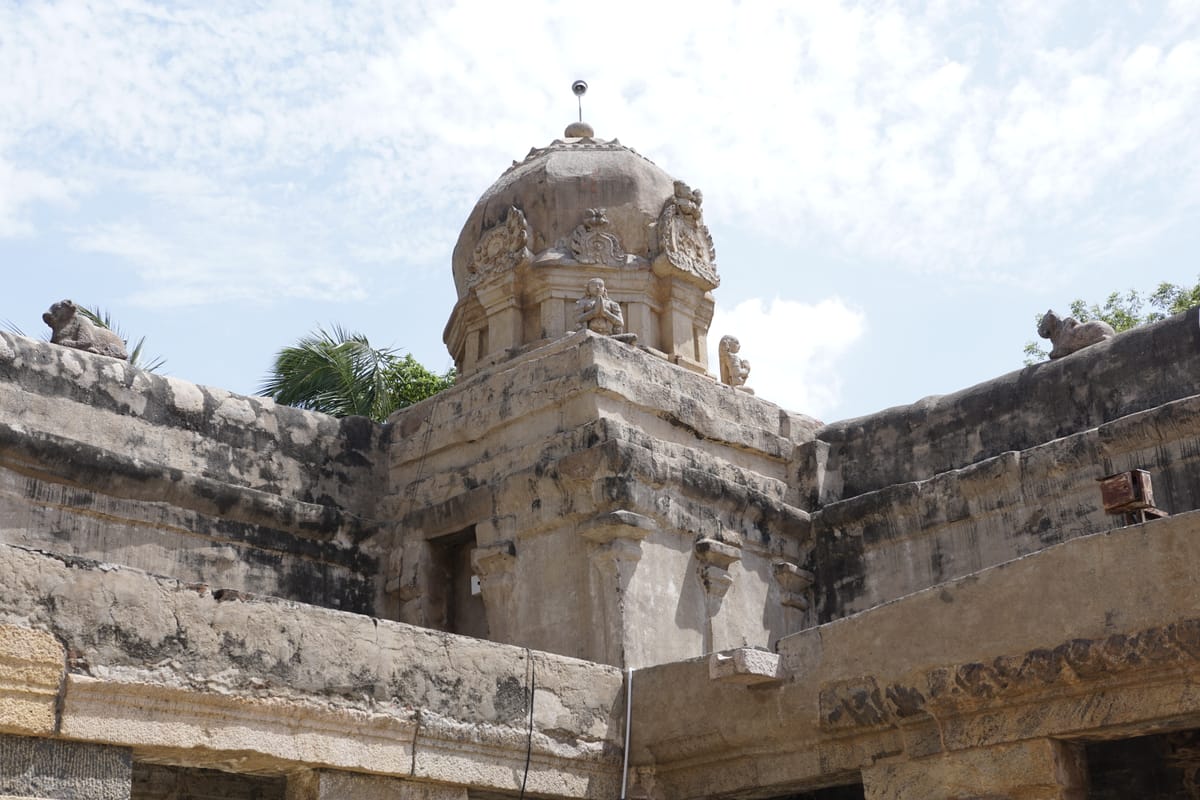
Achyutaraya Temple
The Achyutaraya Temple, built in 1534 CE during the reign of the Vijayanagara emperor Achyutaraya (1530-1542 CE), is one of the largest and most impressive temple complexes in Hampi's sacred…
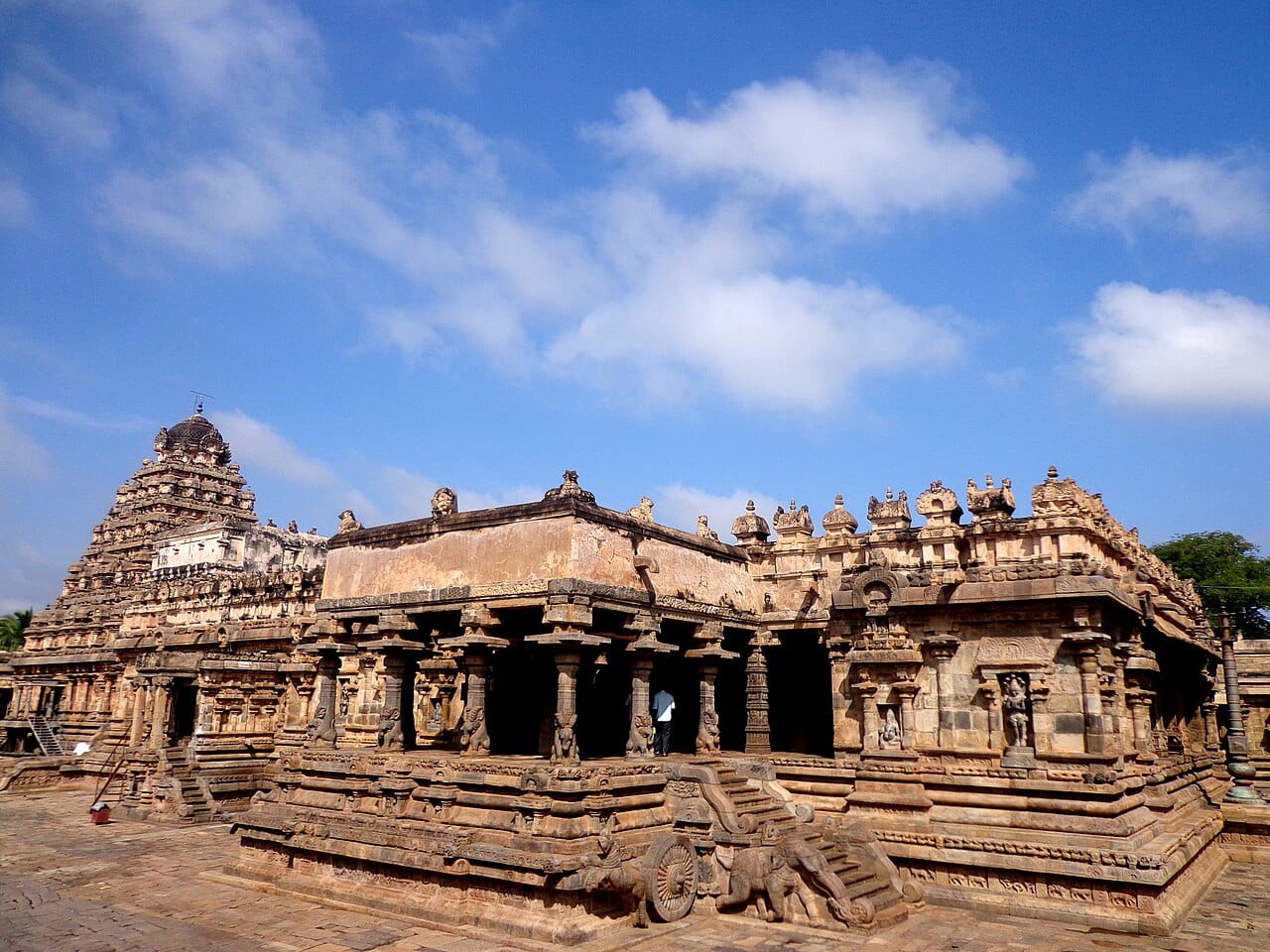
Airavatesvara Temple
The Airavatesvara Temple at Darasuram, built by Rajaraja Chola II between 1146 and 1172 CE, is one of the three UNESCO World Heritage 'Great Living Chola Temples.' It is renowned…
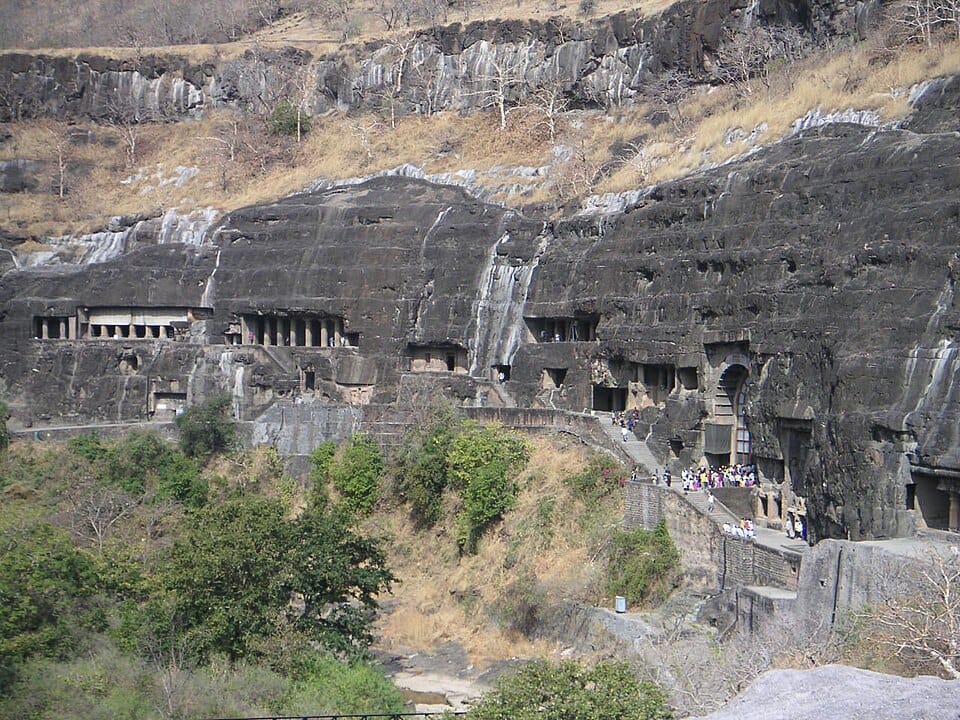
Ajanta Cave Temples
A UNESCO World Heritage site with 30 rock-cut Buddhist caves famous for ancient mural paintings and Jataka tale depictions.
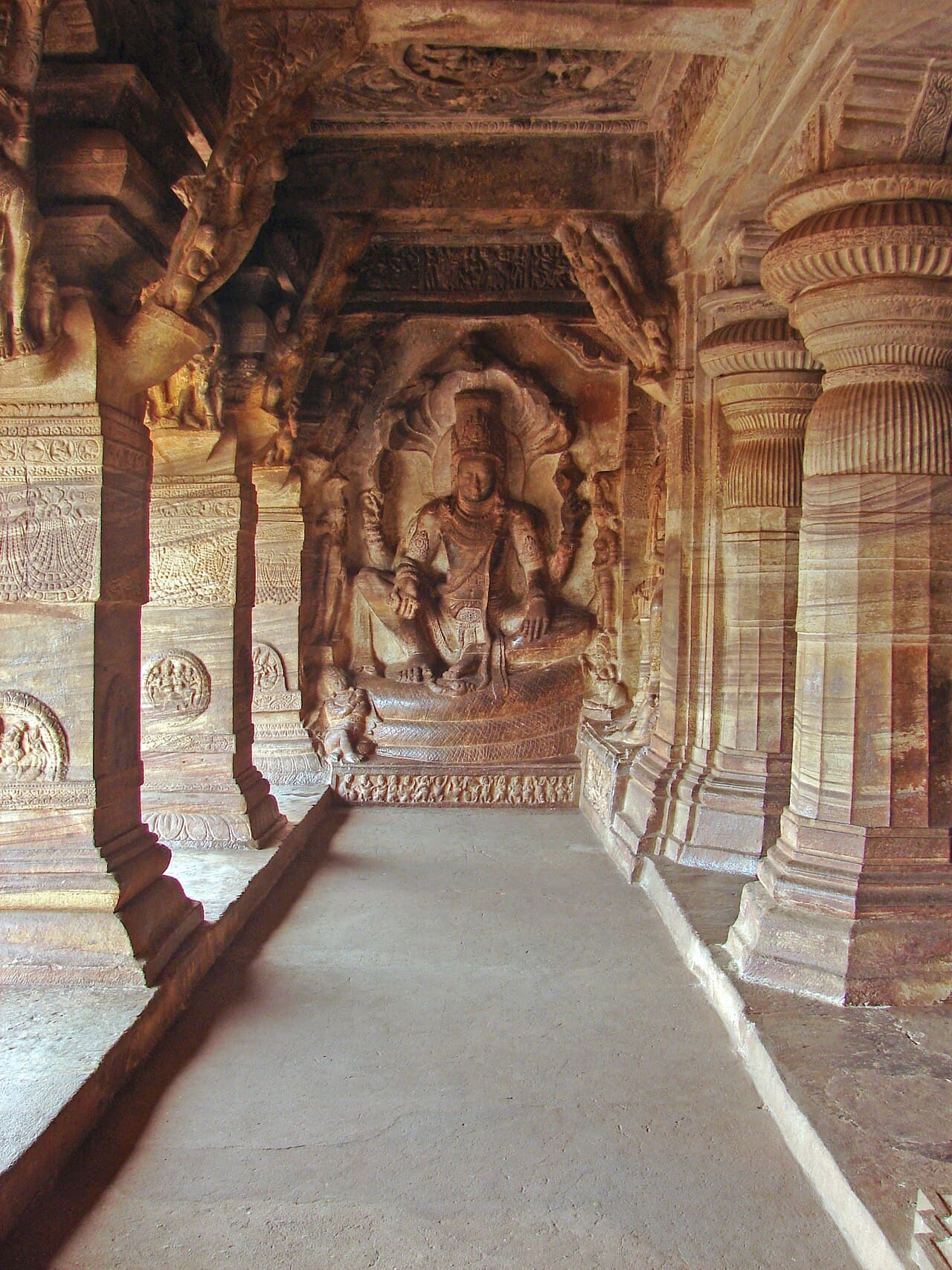
Badami Cave Temples
The Badami Cave Temples are a complex of four rock-cut cave temples carved into the soft sandstone cliffs of Badami, the capital of the Early Chalukya dynasty.
Brihadeeswarar Temple
The Brihadeeswarar Temple in Thanjavur, built by Raja Raja Chola I in the 11th century, is a UNESCO World Heritage Site and the tallest Shiva temple in India, crowned by…
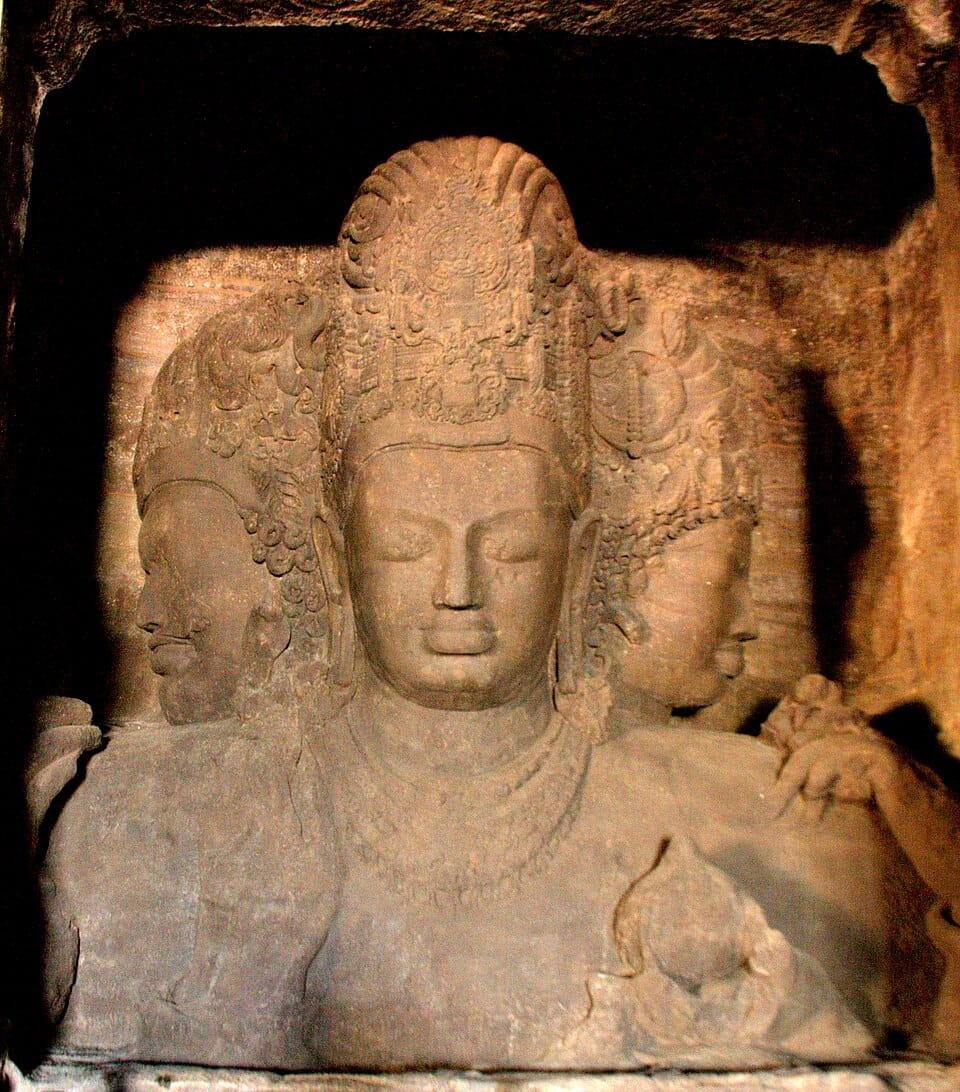
Elephanta Caves
A UNESCO World Heritage site on Elephanta Island, famed for the colossal 20-foot Trimurti sculpture of Lord Shiva.

Gangaikonda Cholapuram Temple
The Gangaikonda Cholapuram Temple, built by Rajendra Chola I in 1035 CE, is a UNESCO World Heritage 'Great Living Chola Temple.' Its 53-metre vimana with recessed corners and six pairs…

Hazara Rama Temple
The Hazara Rama Temple (meaning 'Thousand Ramas') in Hampi served as the royal chapel of the Vijayanagara kings.

Hoysaleswara Temple
The Hoysaleswara Temple in Halebidu, built circa 1121-1160 CE, is the largest Shiva temple built by the Hoysalas.
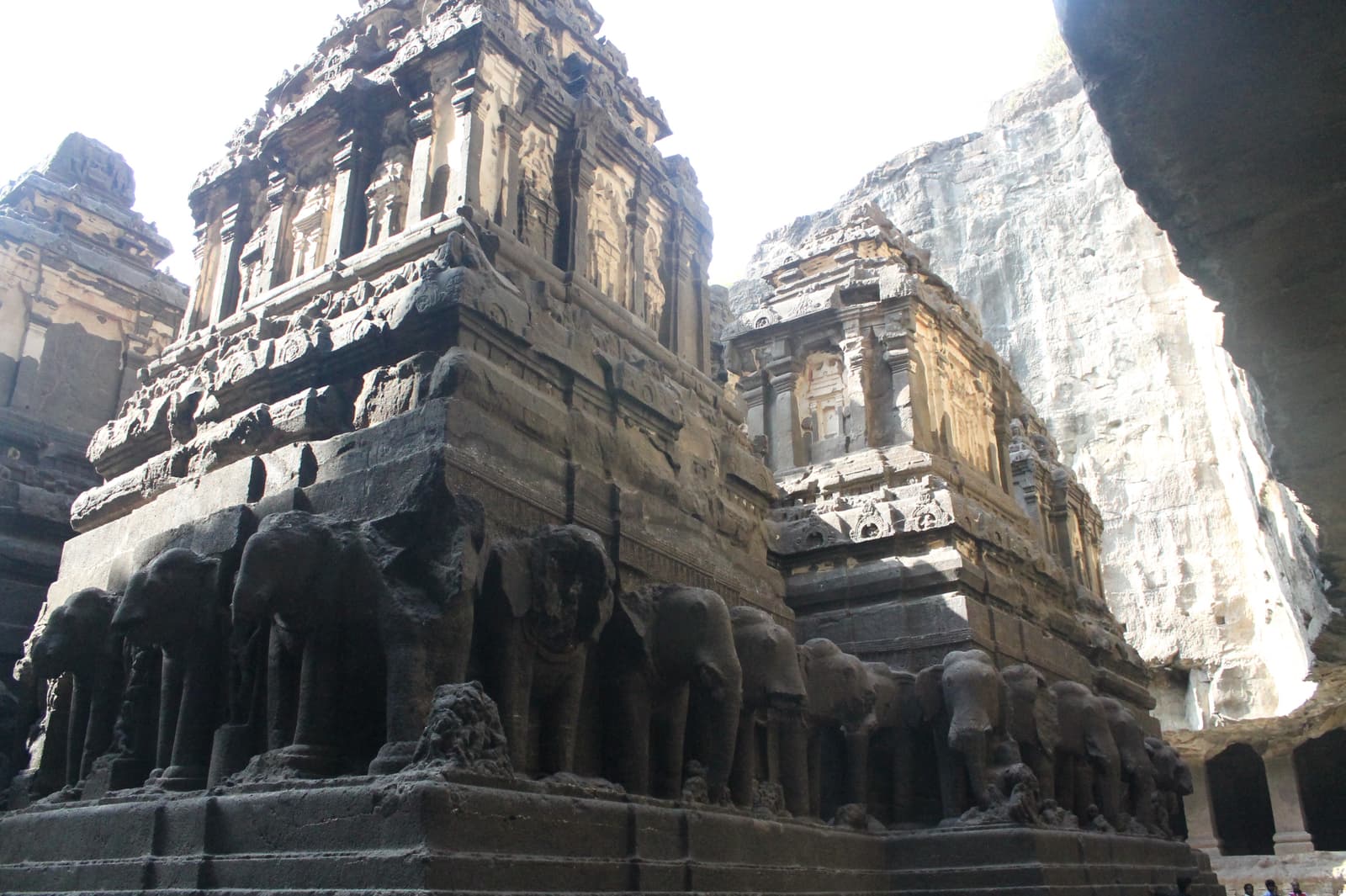
Kailasa Temple, Ellora
The world's largest monolithic rock-cut structure, carved top-down from a single basalt cliff.

Keshava Temple
The Keshava Temple at Somanathapura, built in 1268 CE by Somanatha Dandanayaka, a general of the Hoysala king Narasimha III, is one of the finest surviving examples of Hoysala architecture.
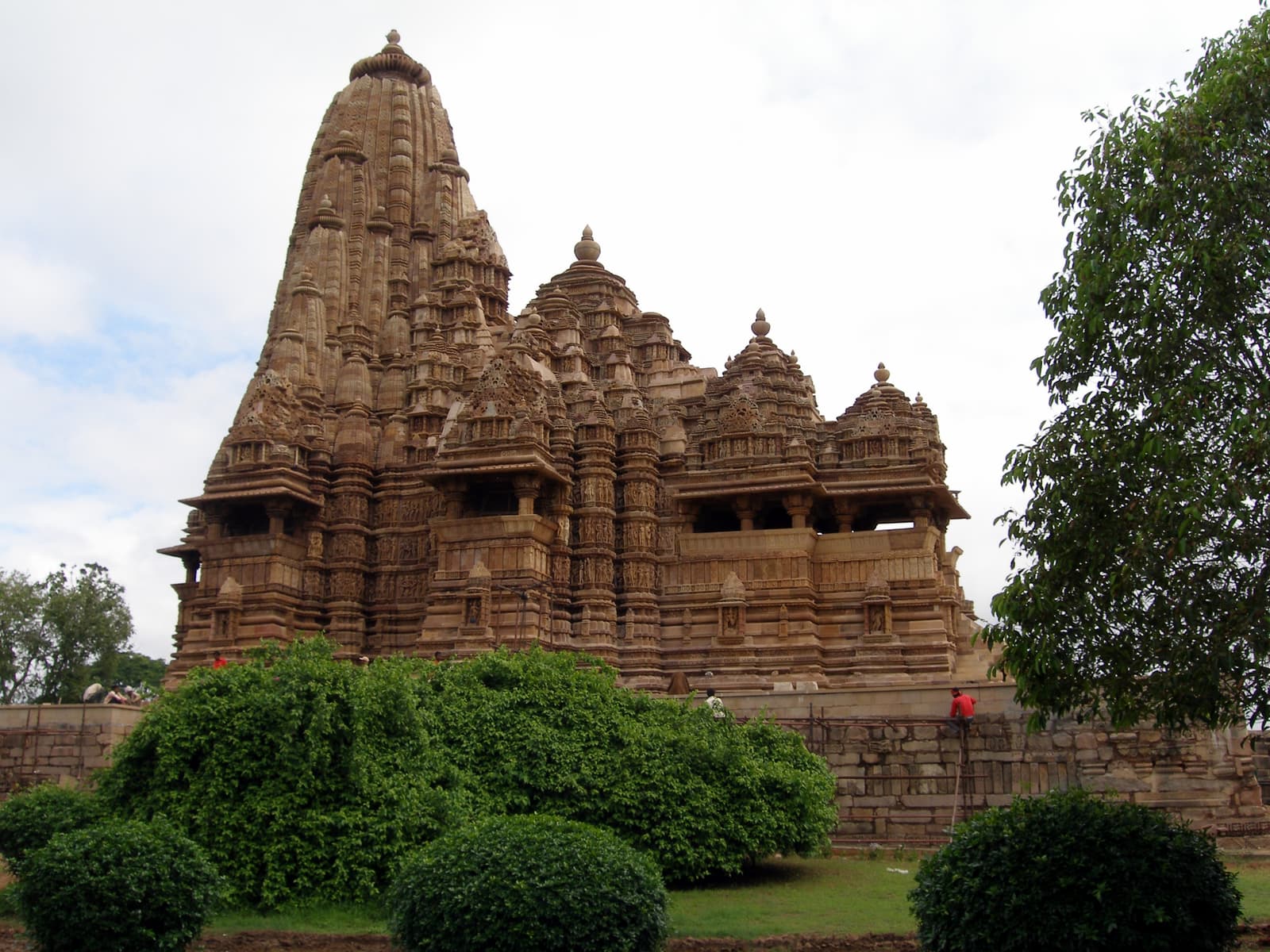
Khajuraho Group of Monuments
The largest and most ornate Hindu temple in the Khajuraho Group of Monuments.
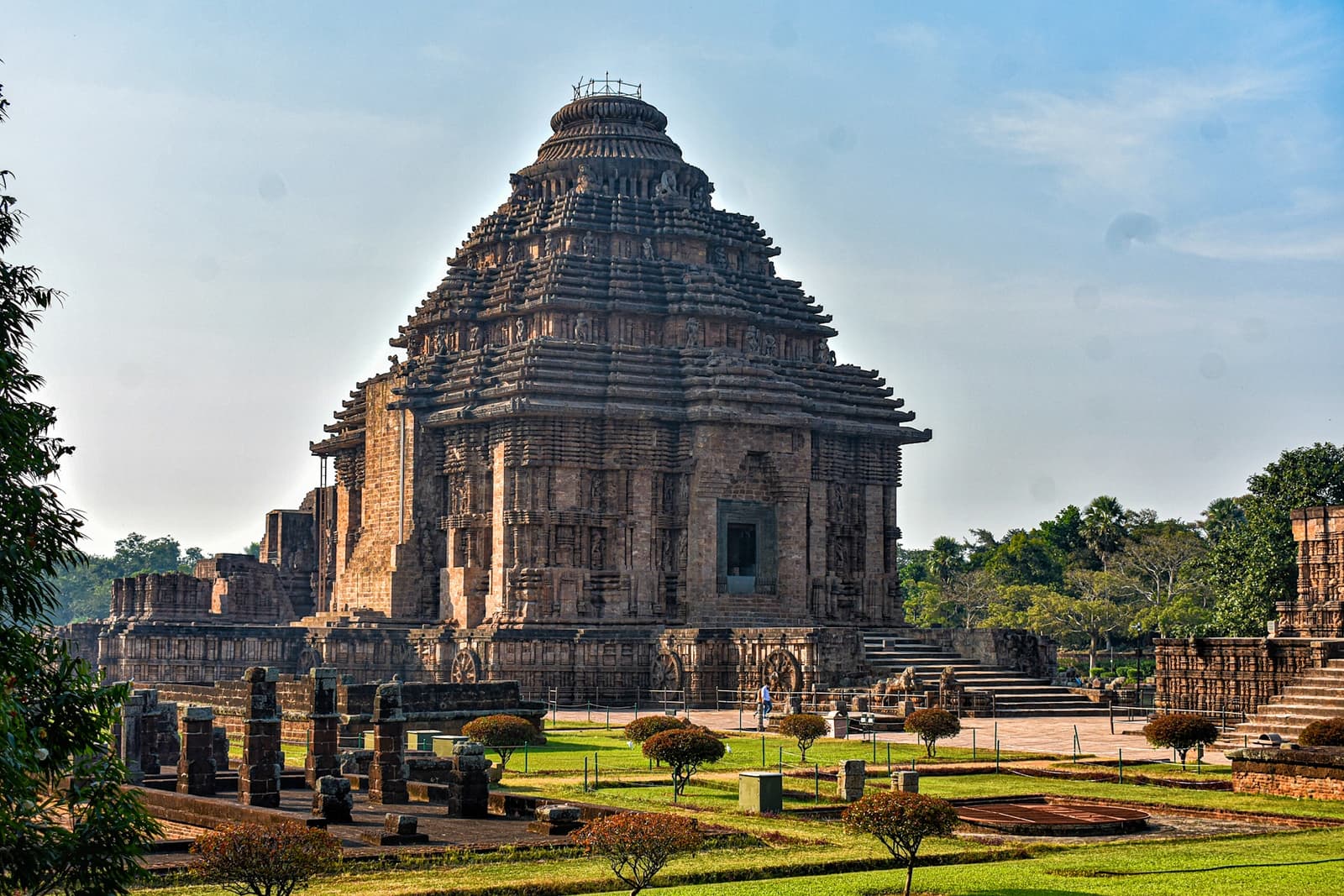
Konark Sun Temple
A 13th-century colossal stone chariot of the Sun God Surya, the Konark Sun Temple is a UNESCO World Heritage Site and the most architecturally ambitious solar temple in India, with…

Krishna Temple
The Krishna Temple in Hampi was built in 1515 CE by the Vijayanagara emperor Krishnadevaraya to commemorate his successful military campaign against the Gajapati kingdom of Odisha.
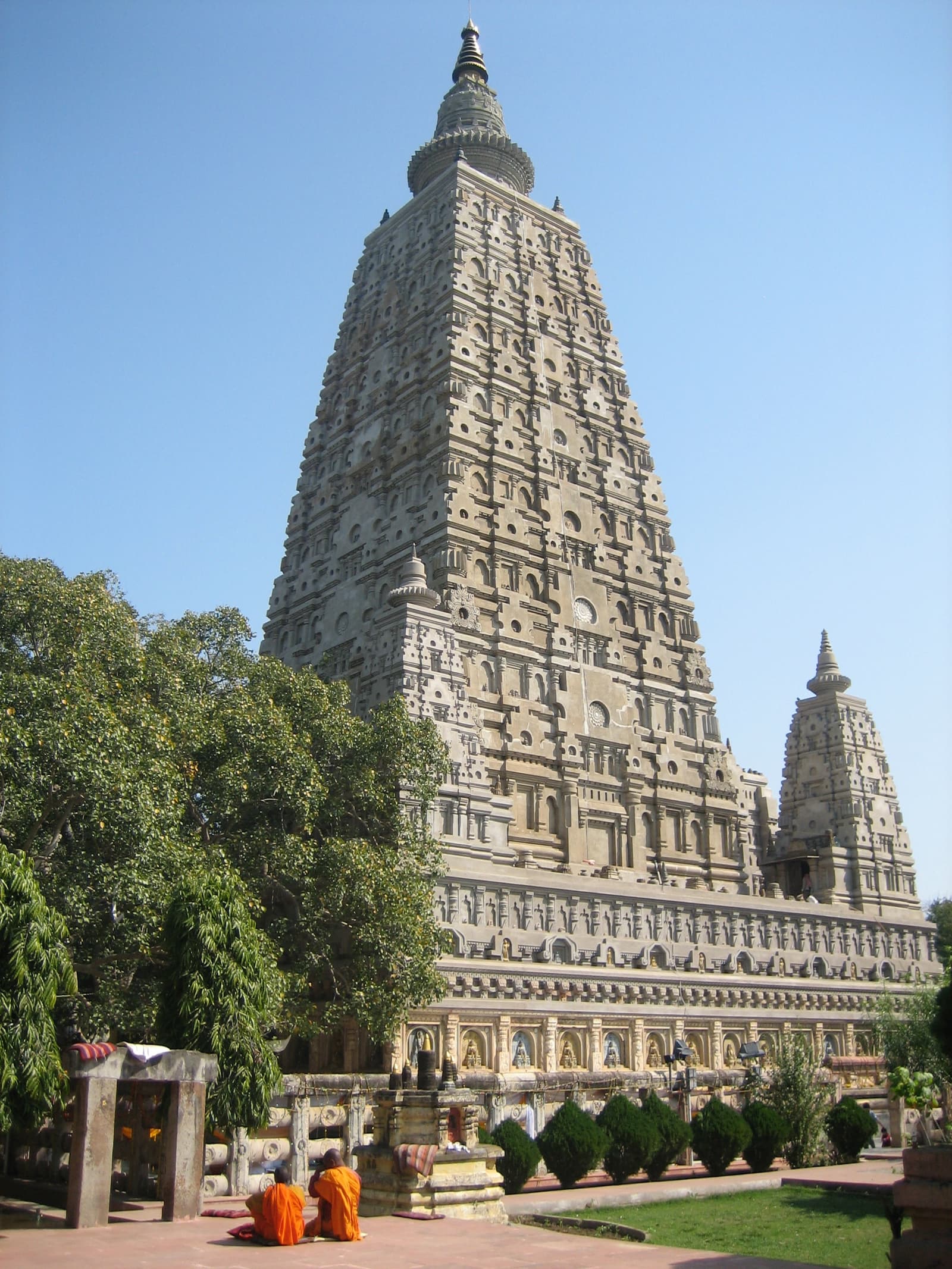
Mahabodhi Temple Complex
A UNESCO World Heritage site marking the location where Siddhartha Gautama attained enlightenment and became the Buddha.
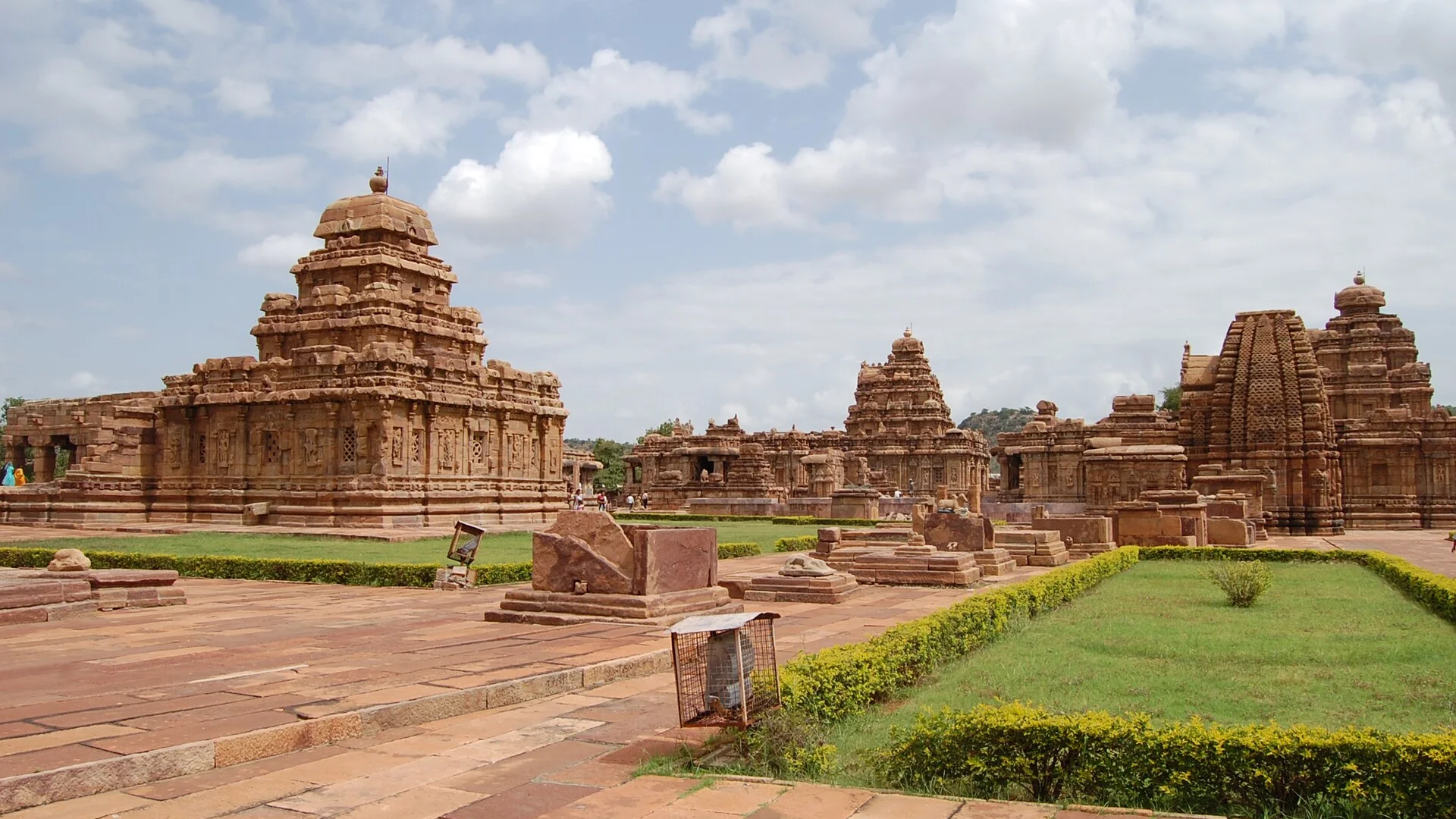
Monuments at Pattadakal
A UNESCO World Heritage site showcasing the unique blend of Nagara and Dravidian temple architecture from the Chalukya dynasty.

Pancha Rathas
The Pancha Rathas (Five Chariots) are a set of five monolithic temple structures carved from single granite outcrops during the reign of Narasimhavarman I (Mamalla, 630-668 CE) in Mahabalipuram.
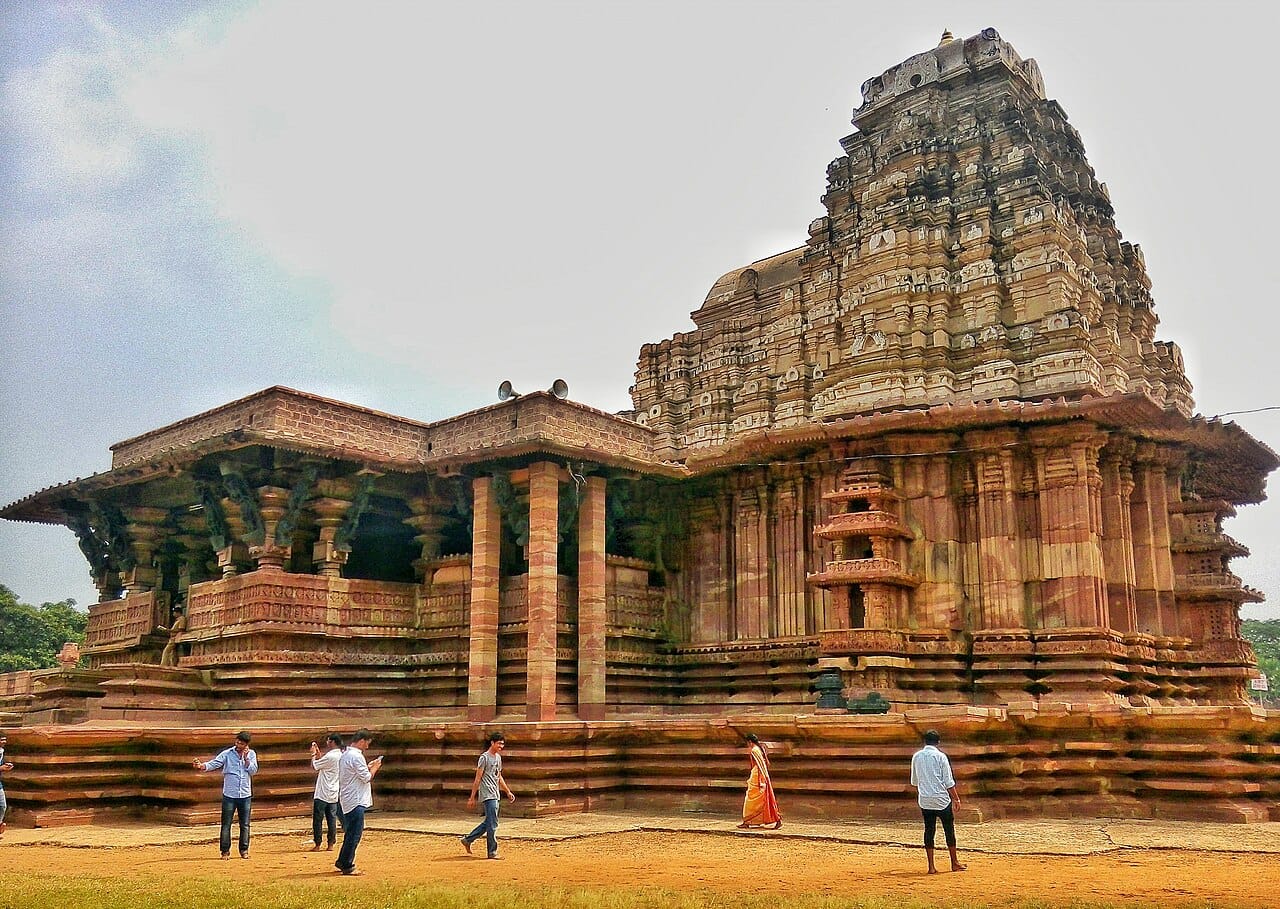
Ramappa Temple
A 13th-century Kakatiya temple famous for its floating bricks and intricate carvings, the newest UNESCO temple site in India.
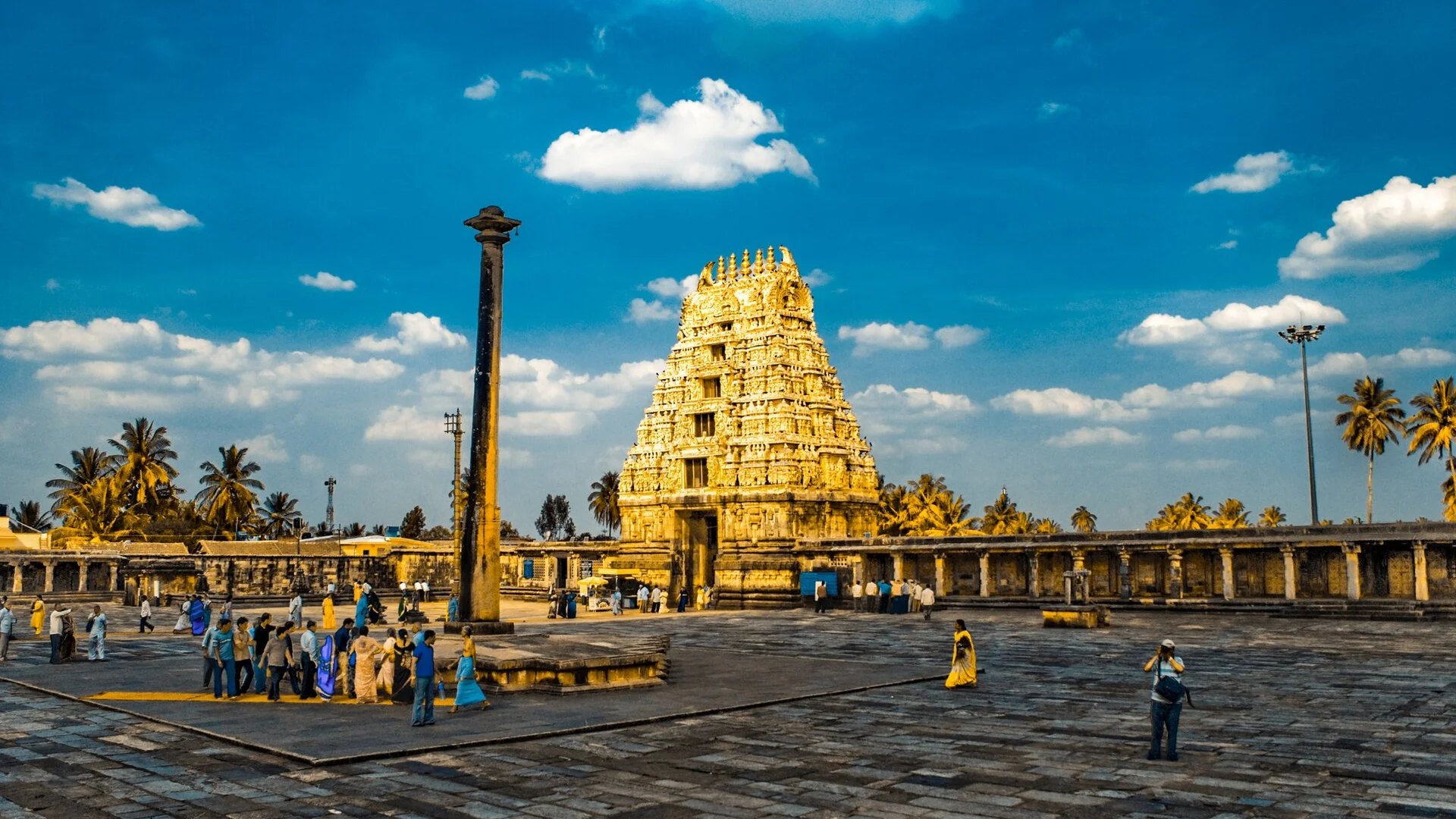
Sacred Ensembles of the Hoysalas — Chennakeshava Temple
A UNESCO World Heritage ensemble of three Hoysala temples known for their star-shaped platforms and hyper-real soapstone carvings.
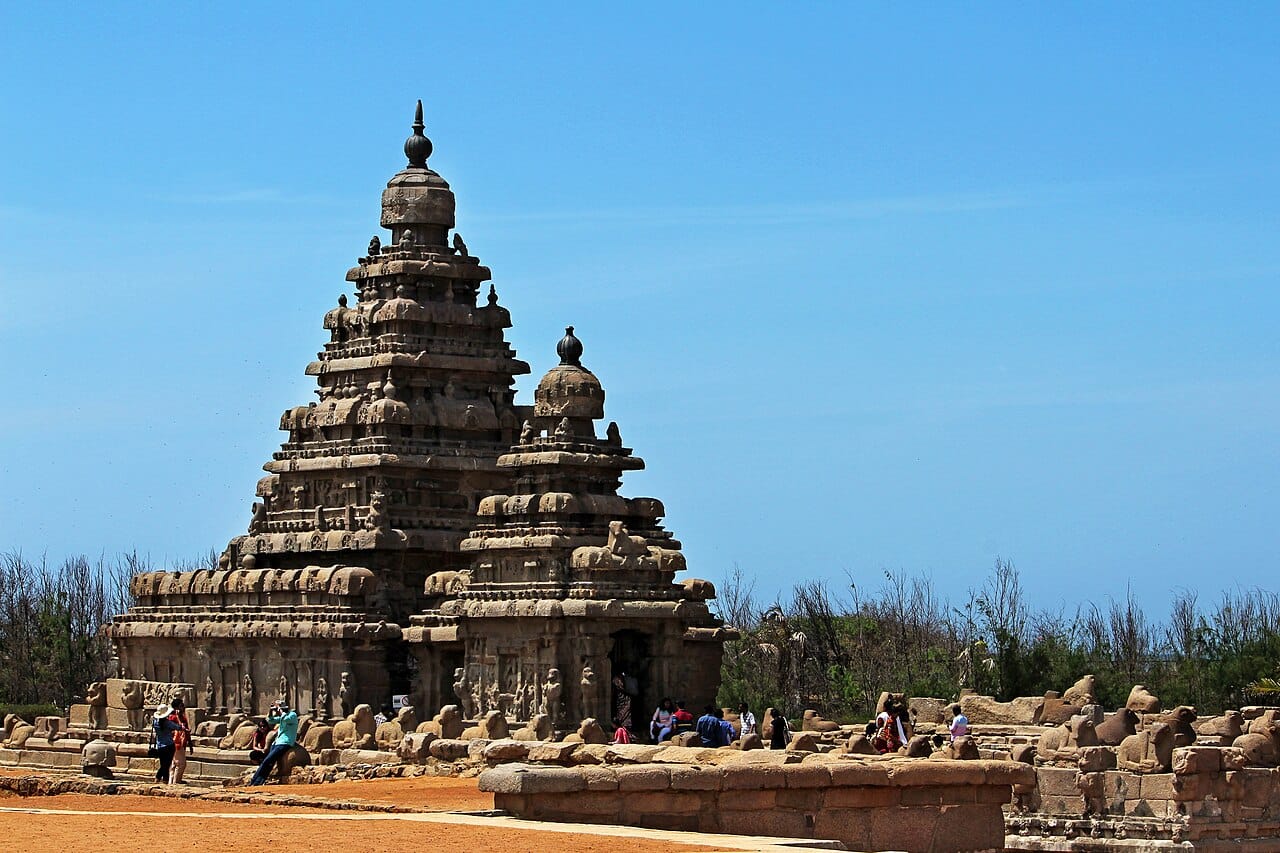
Shore Temple, Mahabalipuram
One of the oldest structural stone temples of South India, built by the Pallava dynasty on the Bay of Bengal coast.
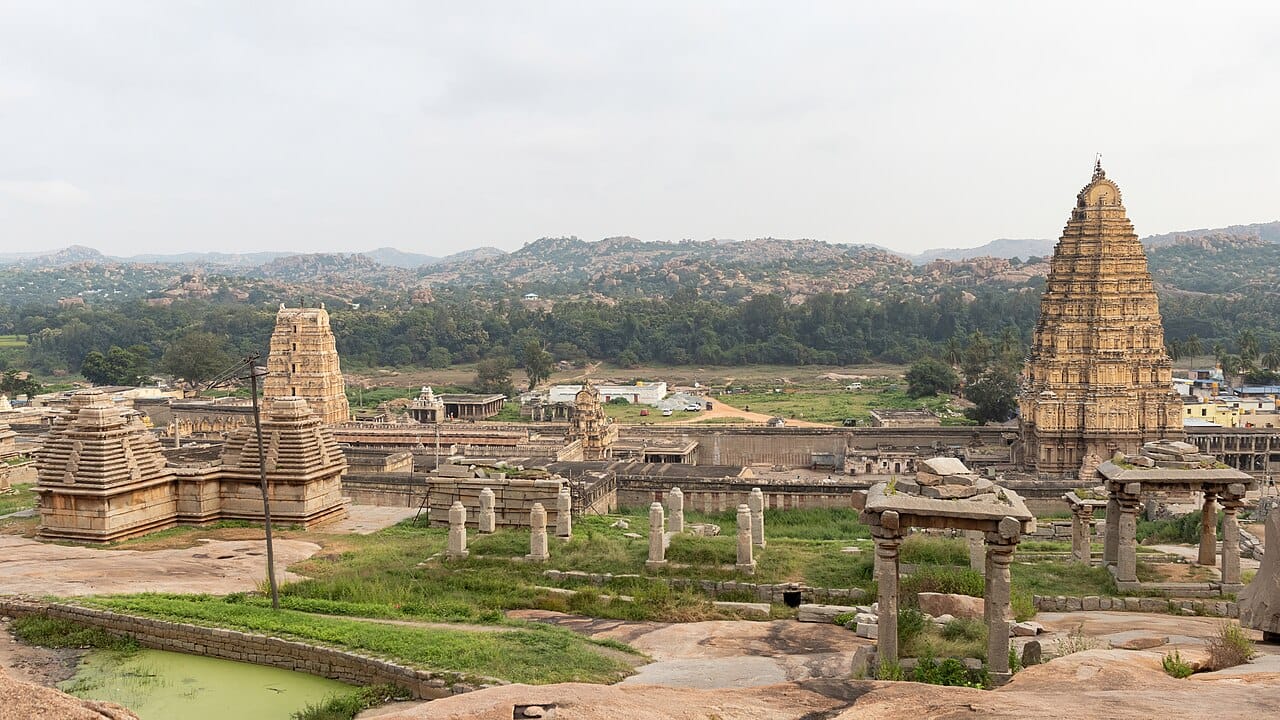
Virupaksha Temple
The Virupaksha Temple in Hampi, Karnataka, is a UNESCO World Heritage Site and the oldest functioning temple in India, dedicated to Lord Shiva as Virupaksha.

Vittala Temple
The Vittala Temple is the crowning architectural achievement of the Vijayanagara Empire.
Sources & References
These records back the membership, dating and visitor guidance published on this UNESCO World Heritage Temples in India page.
Archaeological Survey of India
Archaeological Survey of India — monument records and conservation reports
Protection status, dating, architectural classification and published conservation records for the monuments named on this page.
Primary archaeological record
Open source (opens in a new tab)Ministry of Tourism, Government of India
Ministry of Tourism — official destination information
Official Government of India destination information — access, visitor circuits and travel guidance referenced on this page.
Government record
Open source (opens in a new tab)UNESCO World Heritage Centre
UNESCO World Heritage List — India
World Heritage inscription criteria, Outstanding Universal Value statements and the year of listing for the sites named on this page.
World Heritage documentation
Open source (opens in a new tab)
— every record linked above was re-requested for this release, so the link still resolves and the publisher still serves the document. It is a link check, not a re-verification of every sentence on this page.
Missing something, or found an error? Send us a correction with the record that supports it, or read how we choose sources.