sh
Theme Collection
Shakti Peethas
Journey to the 51 Shakti Peethas where the body parts of Goddess Sati are said to have fallen, forming a sacred geography.
The Collection
Featured Shrines
Explore our curated selection of shakti peethas that define this architectural and spiritual category.
32 Sites Identified
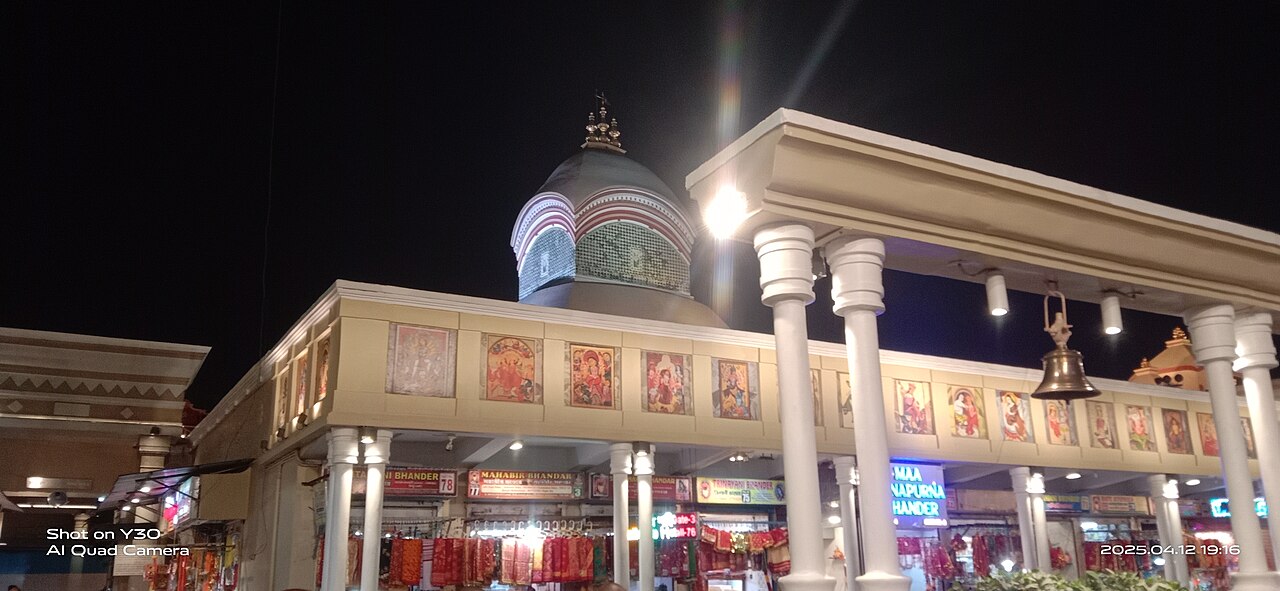
West Bengal
Kalighat Kali Temple
A major Shakti Peetha where the toes of Sati's right foot fell, serving as the spiritual heart of Kolkata.
Explore Temple
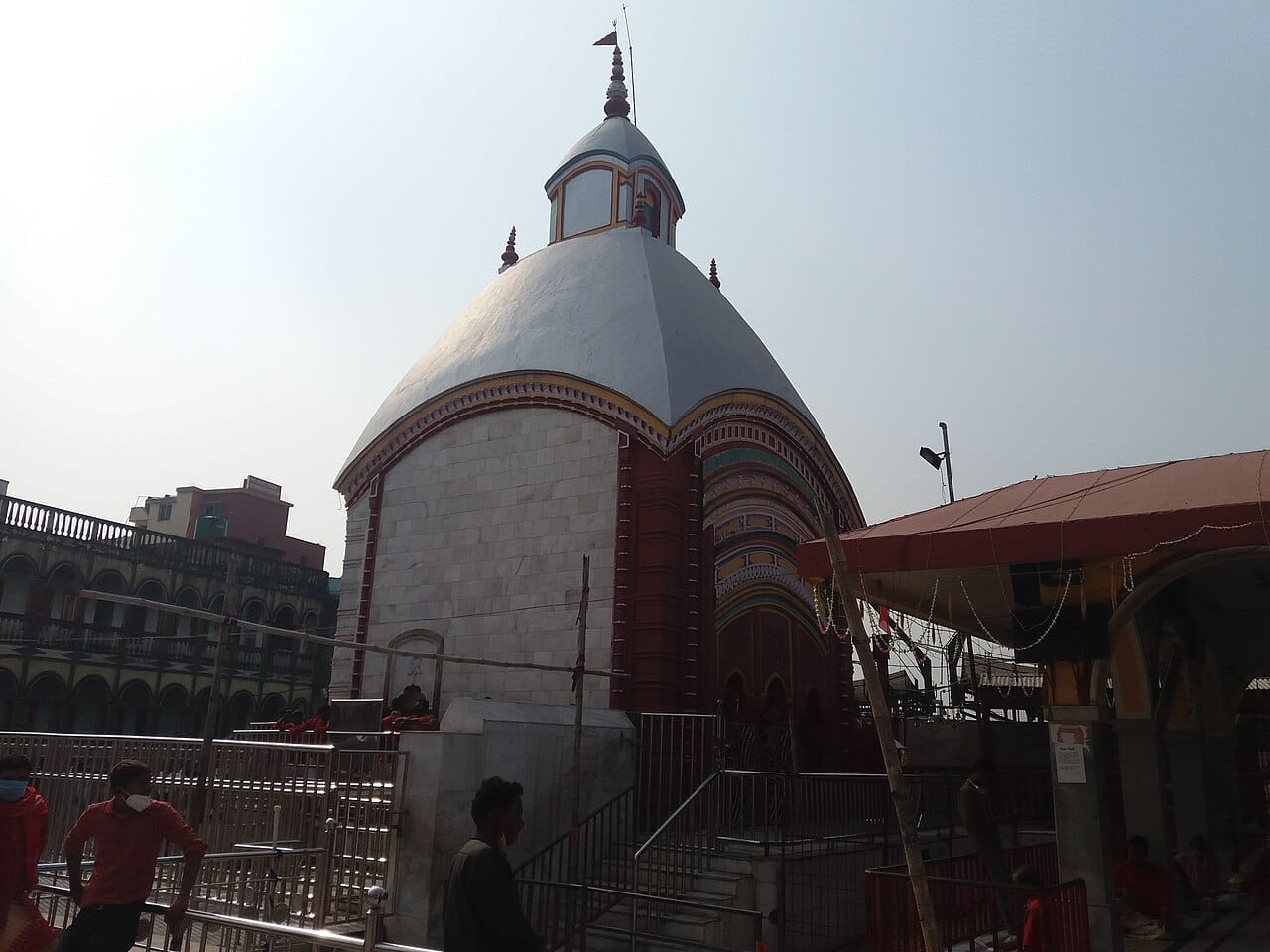
West Bengal
Tarapith Temple Birbhum
A major center for Tantric worship dedicated to Goddess Tara, famous for the saint Bamakhyapa and its sacred cremation ground.
Explore Temple
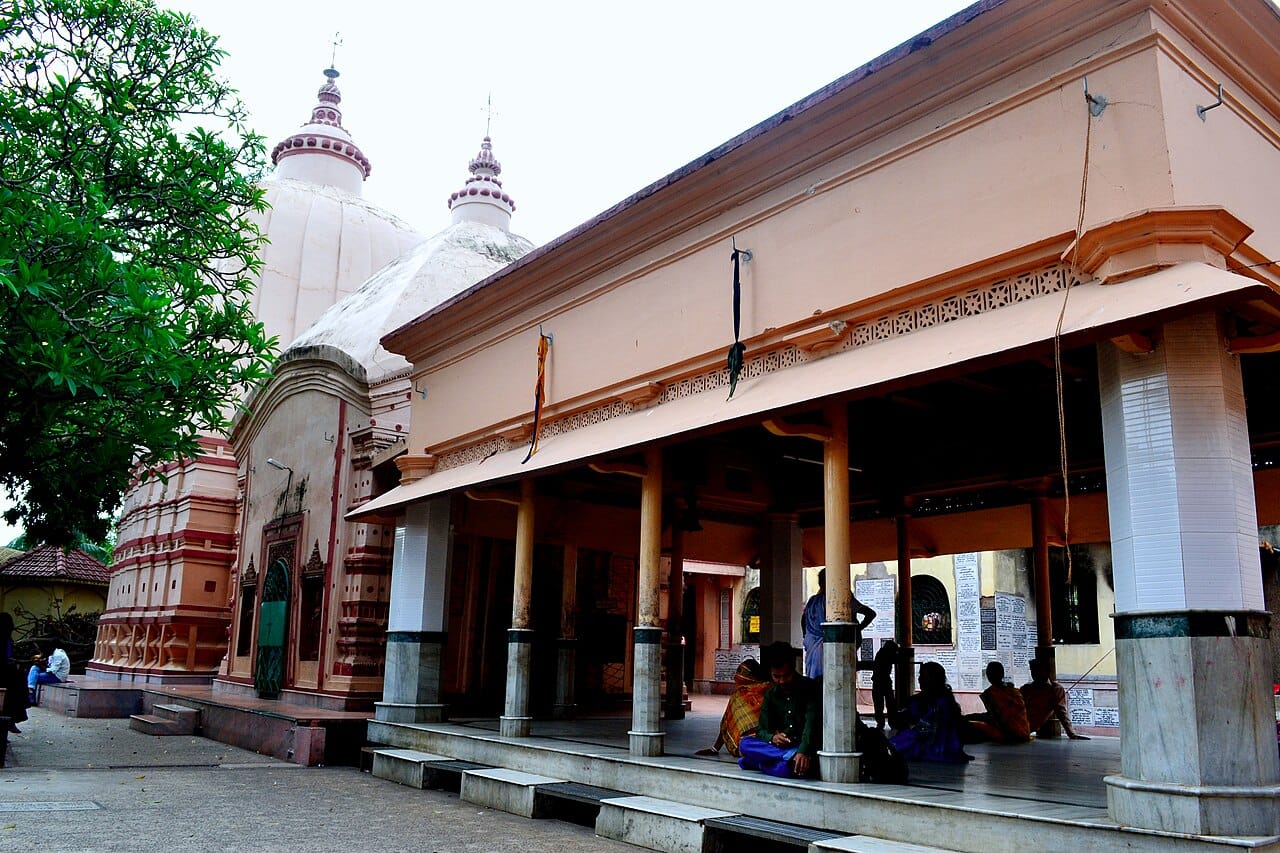
West Bengal
Bargabhima Temple Tamluk
An ancient 1,150-year-old temple where Sati's left ankle fell, blending Bengali 'at-chala' and Odia 'Kalinga' styles.
Explore Temple
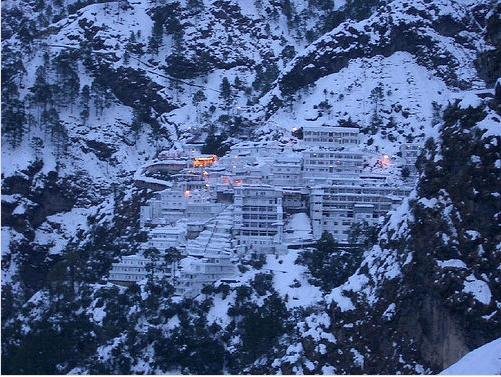
Jammu & Kashmir
Vaishno Devi Temple
The Vaishno Devi Temple, a sacred cave shrine situated in the Trikuta Mountains of Jammu and Kashmir, is one of India's most visited pilgrimage sites, where millions trek 12 km…
Explore Temple
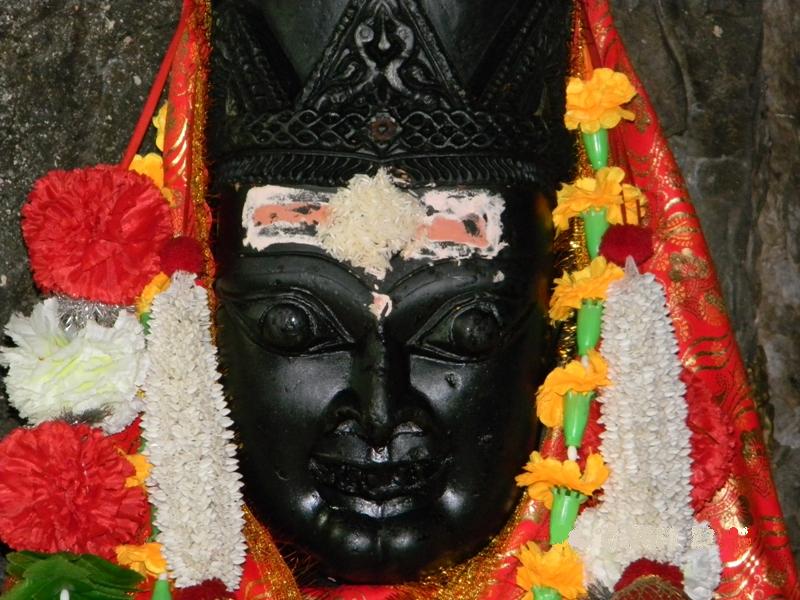
Uttarakhand
Dhari Devi Temple
A sacred Shakti temple on the banks of the Alaknanda River, considered the guardian deity of the Char Dham Yatra and famous for the idol that changes color three times…
Explore Temple
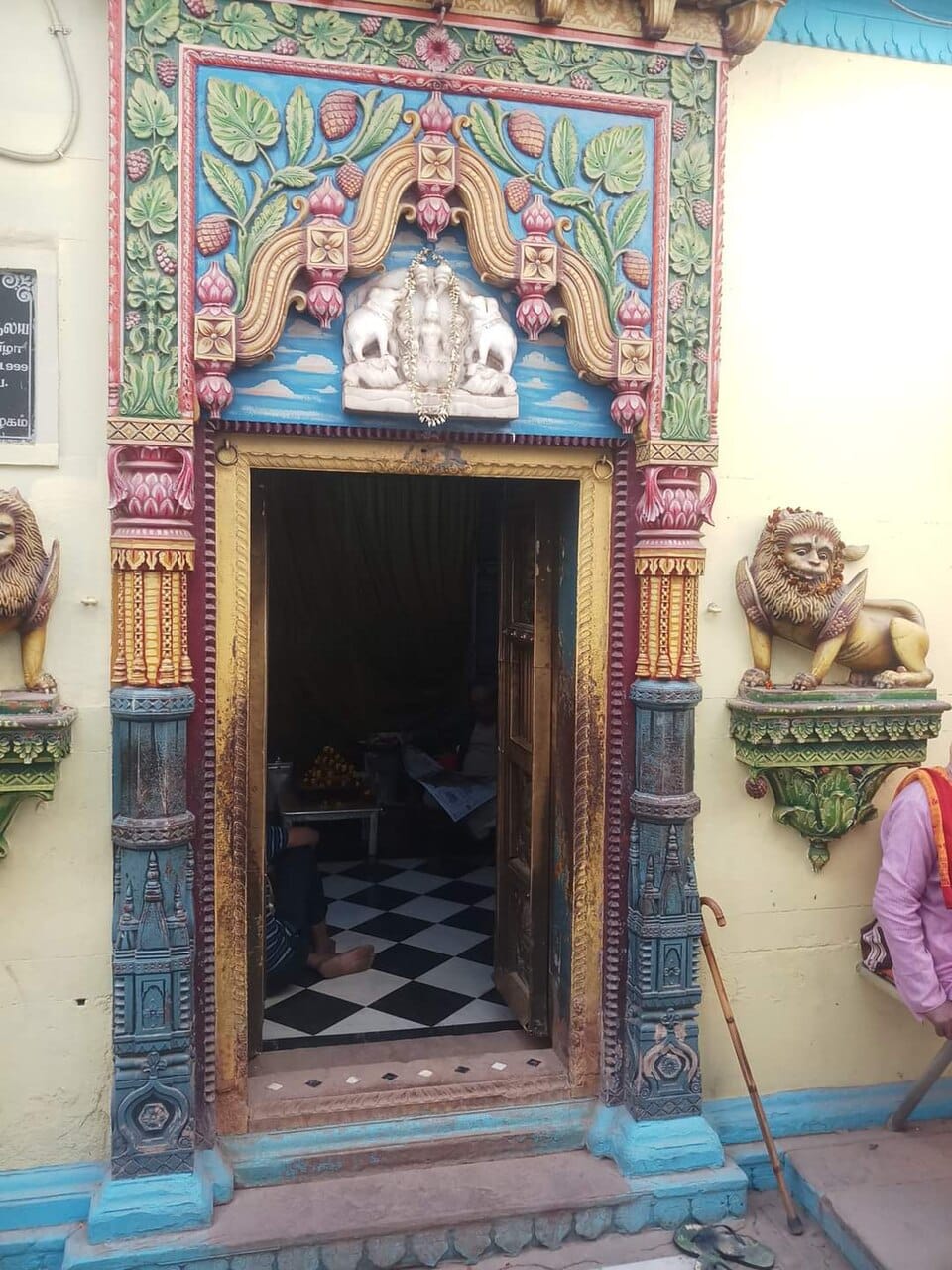
Uttar Pradesh
Vishalakshi Temple
The Vishalakshi Temple, located in the narrow lanes of Mir Ghat near the Ganges in Varanasi, is one of the 51 Shakti Peethas where the earrings of Goddess Sati are…
Explore Temple
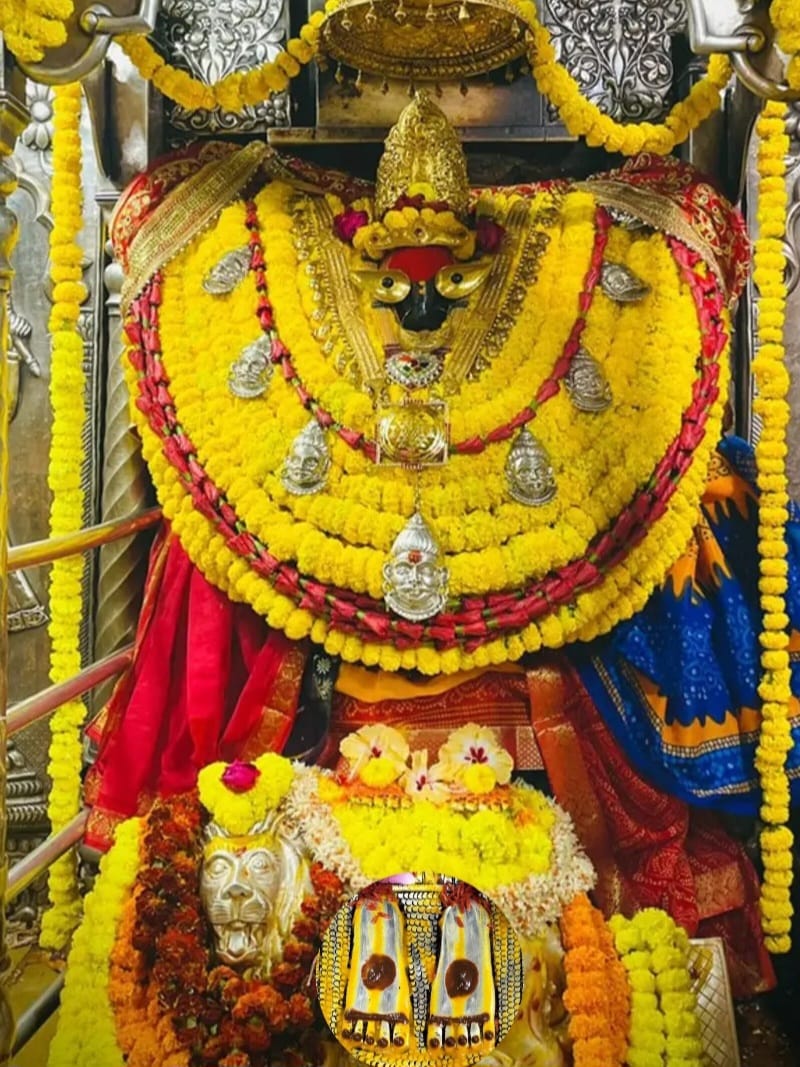
Uttar Pradesh
Vindhyavasini Devi Temple
One of India's most visited Shakti Peethas, where Goddess Durga is believed to have resided after slaying Mahishasura.
Explore Temple
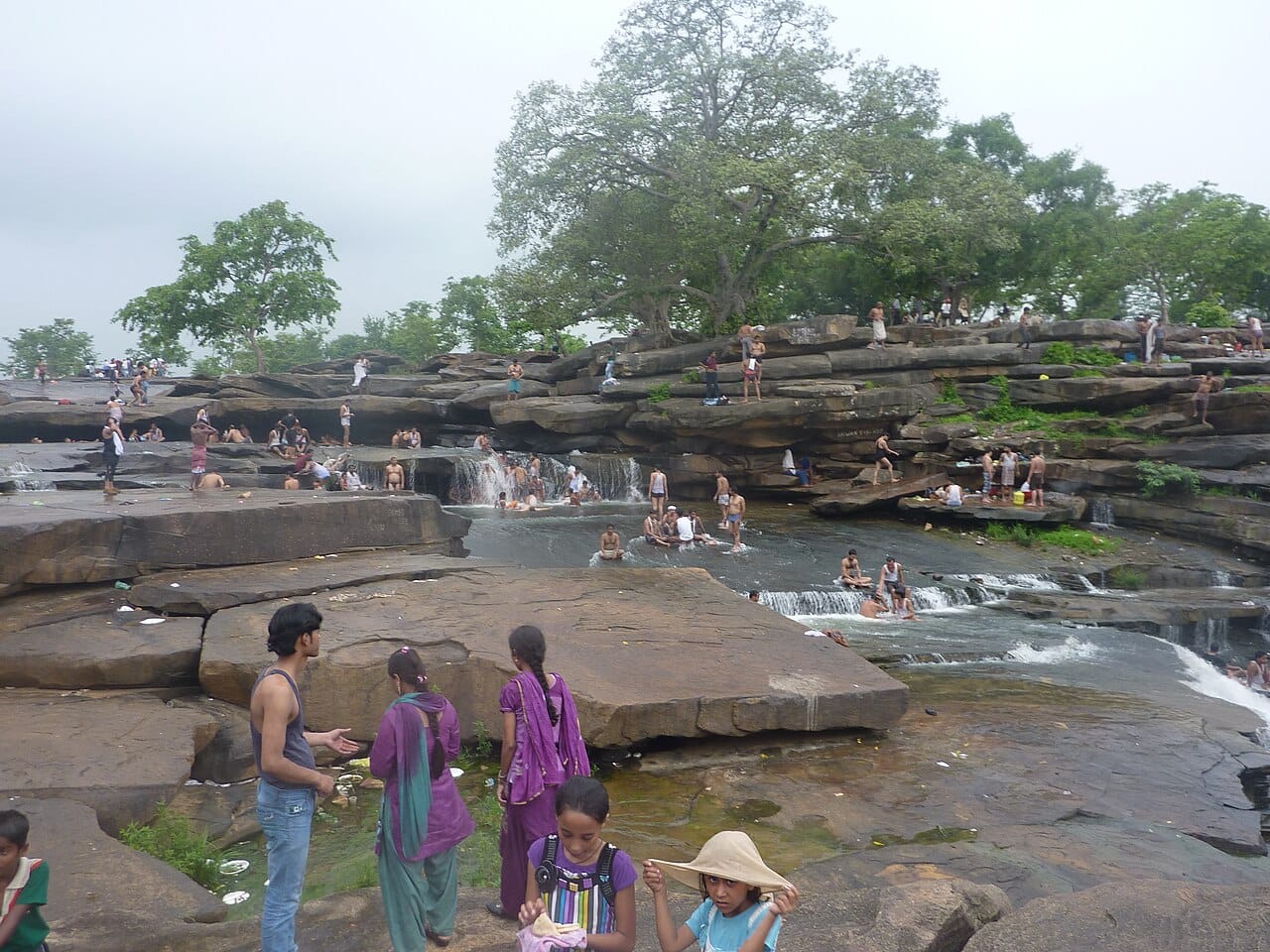
Uttar Pradesh
Devipatan Shakti Peeth
Legend says the right shoulder of Sati fell here; it serves as the headquarters of the Nath sect in eastern Uttar Pradesh.
Explore Temple
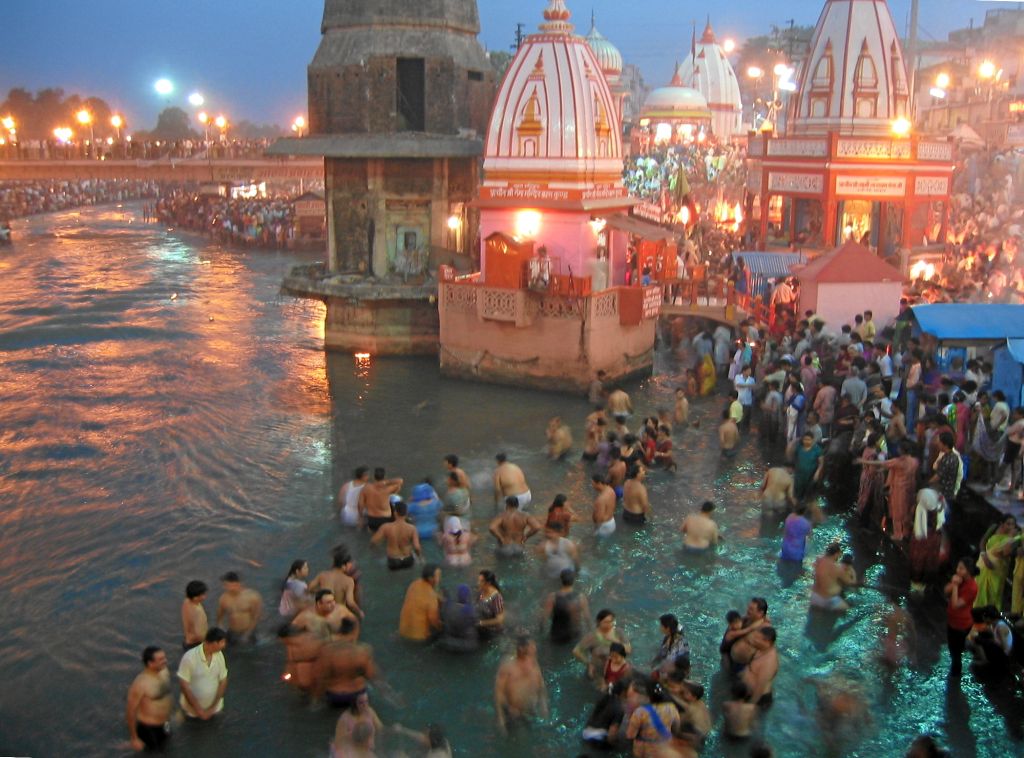
Uttar Pradesh
Lalita Devi Temple Naimisharanya
Located in the ancient forest of Naimisharanya, it is mentioned in Puranas as the spot where the universe's first Chakra fell.
Explore Temple
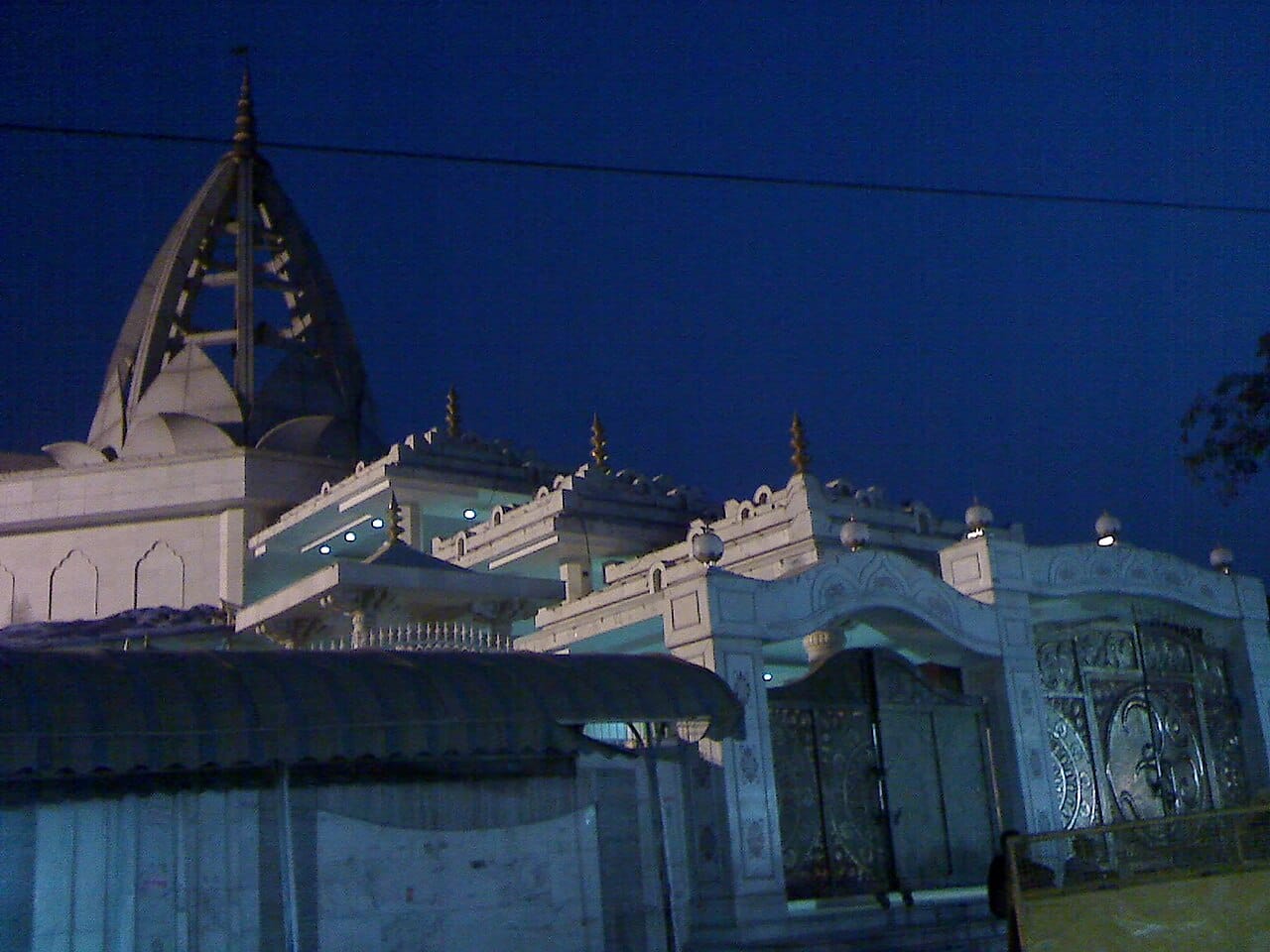
Delhi
Jhandewalan Devi Mandir
One of Delhi's oldest and most revered Shakti shrines, named after the ritual flags (Jhandas) offered by its many devotees.
Explore Temple
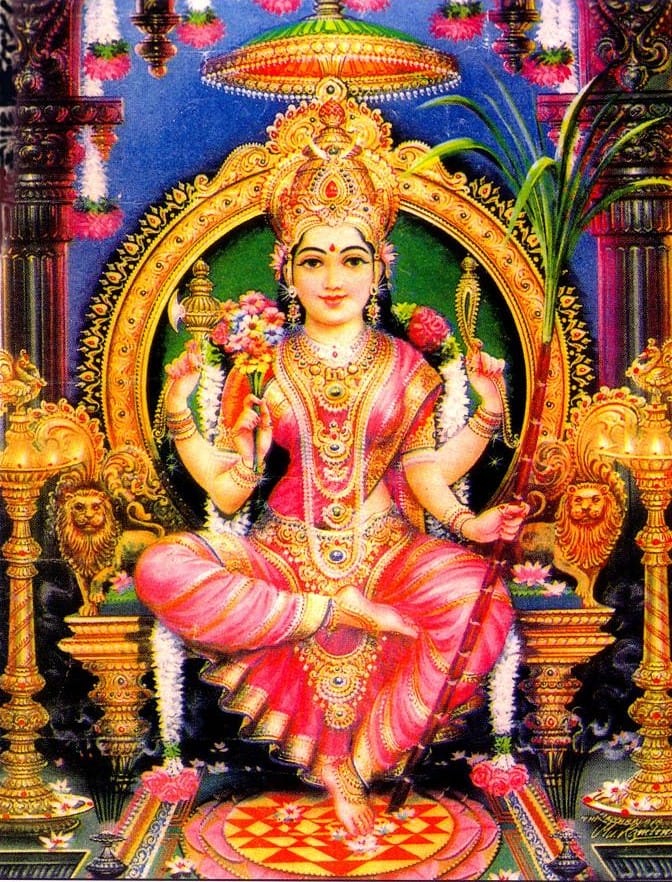
Tripura
Tripura Sundari Temple
One of the 51 Shakti Peethas, this ancient 16th-century temple is uniquely shaped like a tortoise (Kurma Pitha).
Explore Temple
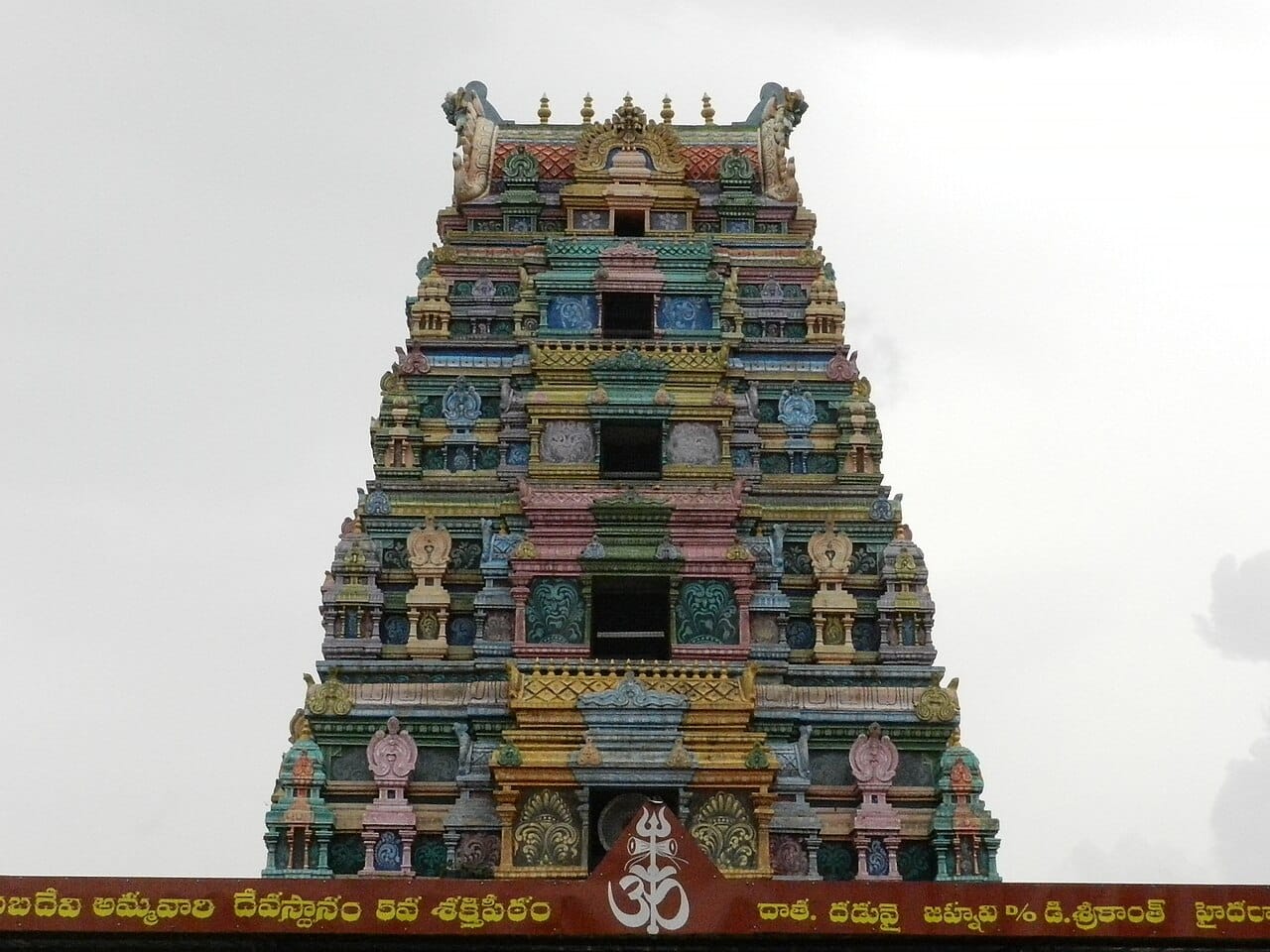
Telangana
Alampur Jogulamba Temple
One of the 18 Maha Shakti Peethas, located in a complex that also houses nine ancient 7th-century Chalukyan temples.
Explore Temple
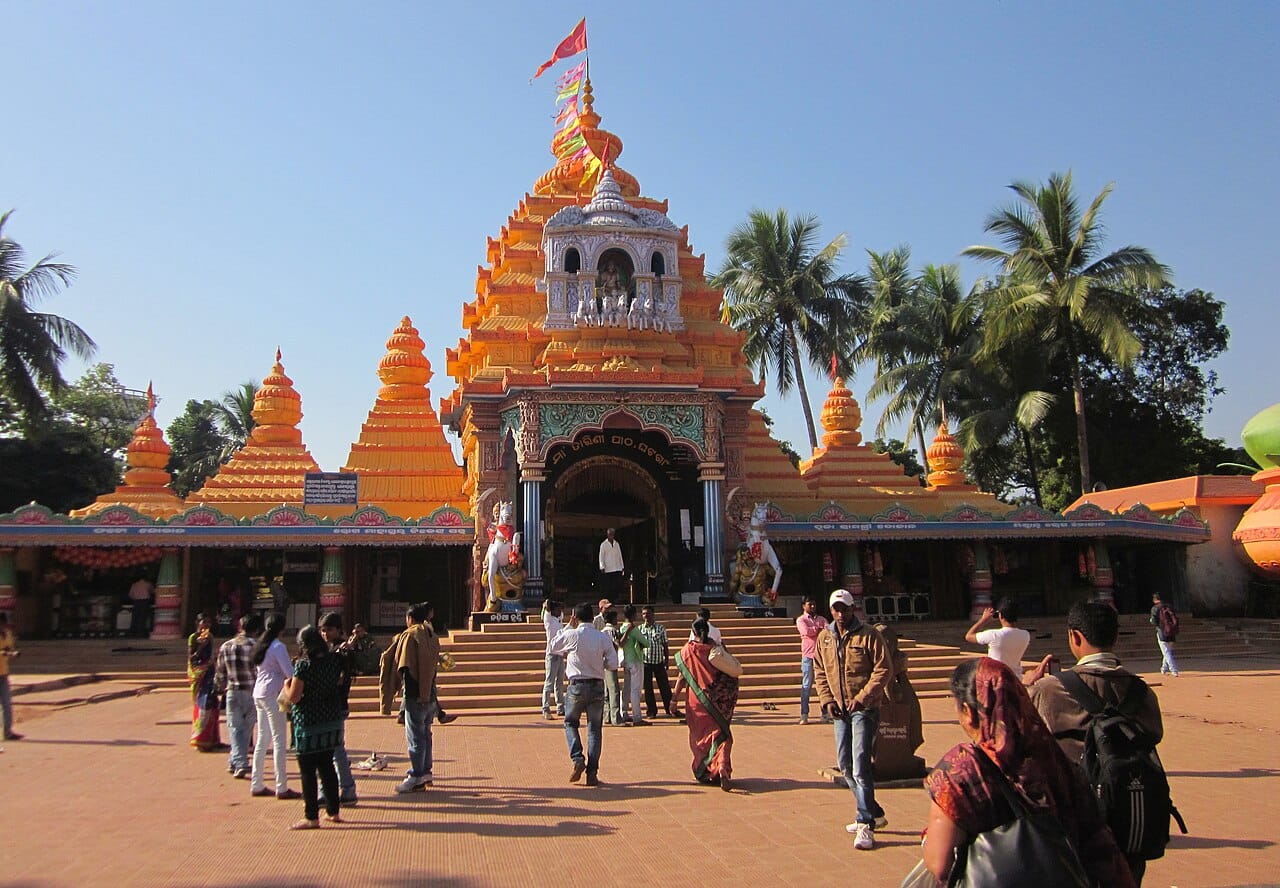
Odisha
Tara Tarini Temple
The Tara Tarini Temple on Kumari Hills overlooking the Rushikulya River in Ganjam district, Odisha, is the Sthana Peetha — one of the four major ancient Shakti Peethas of India.
Explore Temple
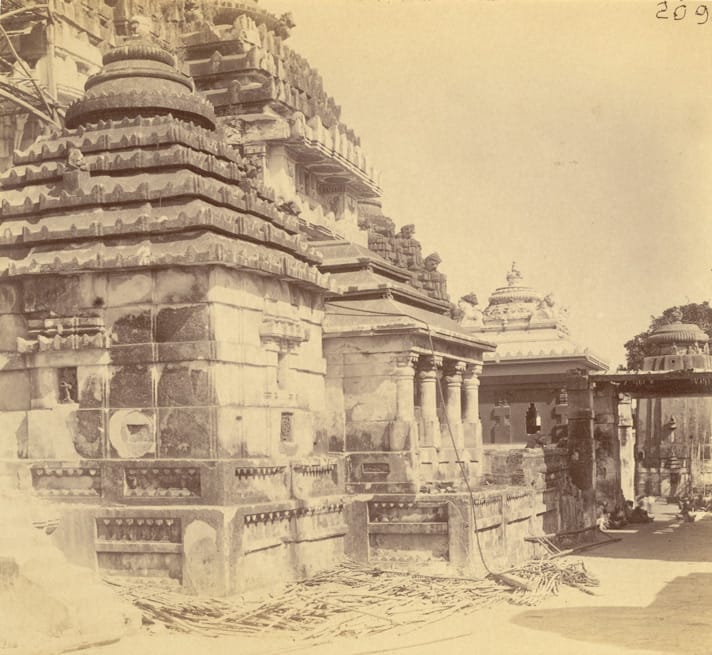
Odisha
Bimala Temple
The Bimala Temple, located within the Jagannath Temple complex in Puri, Odisha, is one of the 51 Shakti Peethas where the feet of Goddess Sati are believed to have fallen.
Explore Temple
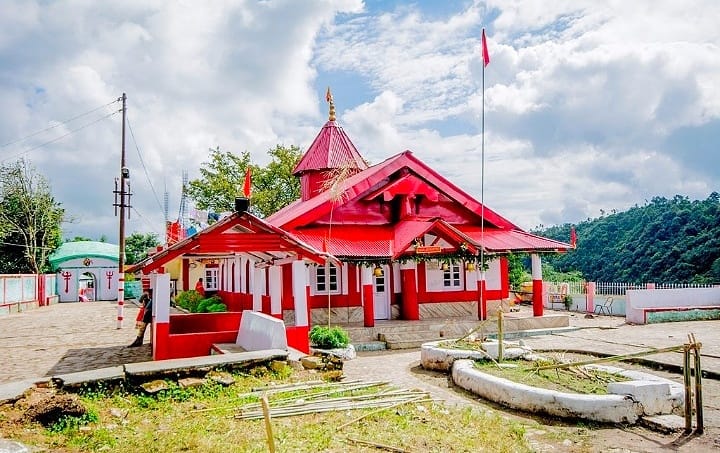
Meghalaya
Nartiang Durga Temple
One of the 51 Shakti Peethas set in the scenic Jaintia Hills, representing a fascinating blend of Vedic and indigenous tribal traditions.
Explore Temple
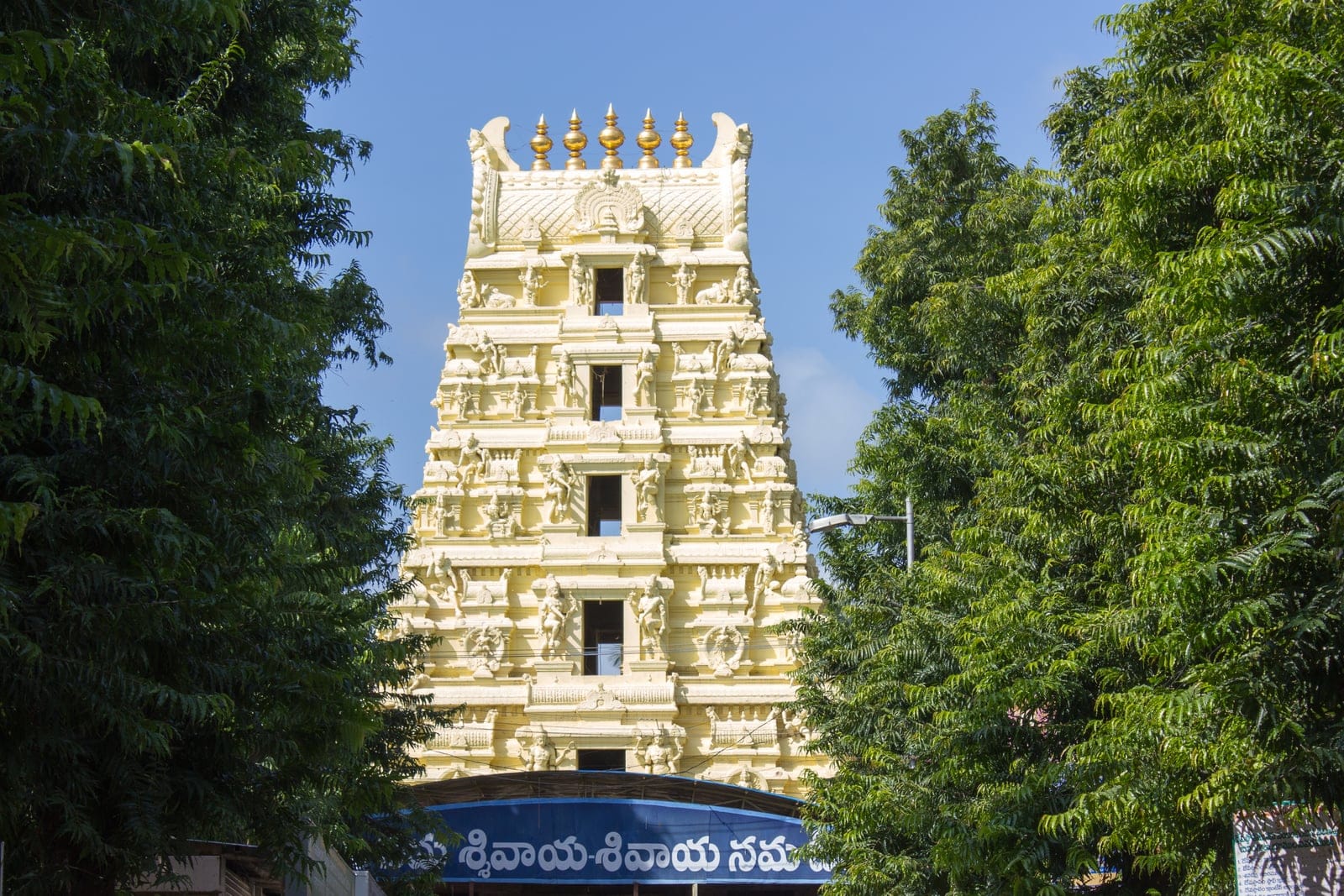
Andhra Pradesh
Srisailam Mallikarjuna Swamy Temple
One of the twelve Jyotirlingas and the southernmost among them, Mallikarjuna Temple at Srisailam is uniquely also a Shakti Peetha where the goddess Bhramaramba is worshipped alongside Shiva.
Explore Temple
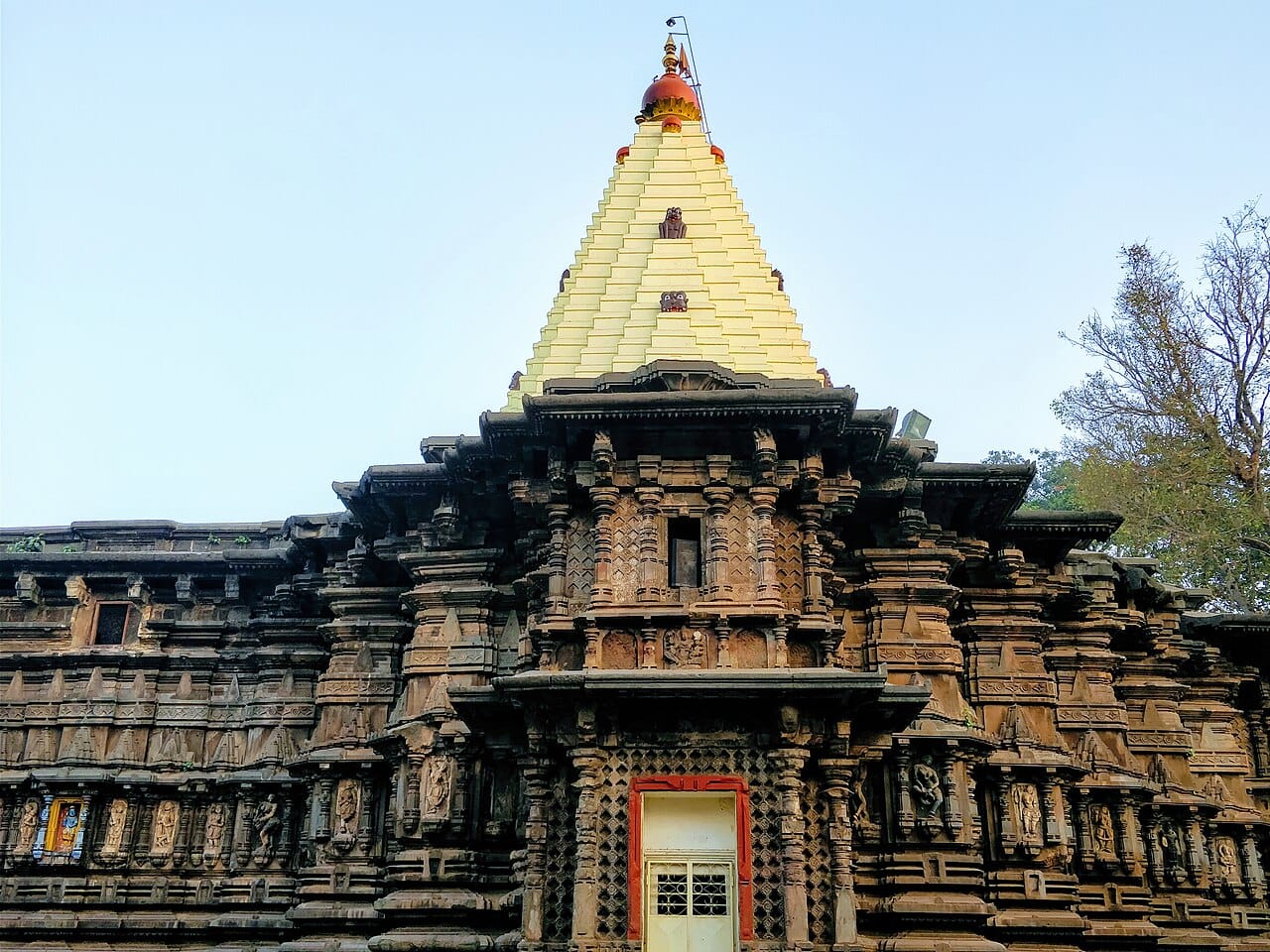
Maharashtra
Mahalakshmi Temple
Mahalakshmi Temple in Kolhapur, also known as Ambabai Temple, is one of the 18 Maha Shakti Peethas and one of six Shakti sites in India.
Explore Temple

Madhya Pradesh
Mahakali Temple
Mahakali Temple in Ujjain is one of the 51 Shakti Peethas, where the upper lip (oshtha) of Goddess Sati is believed to have fallen.
Explore Temple
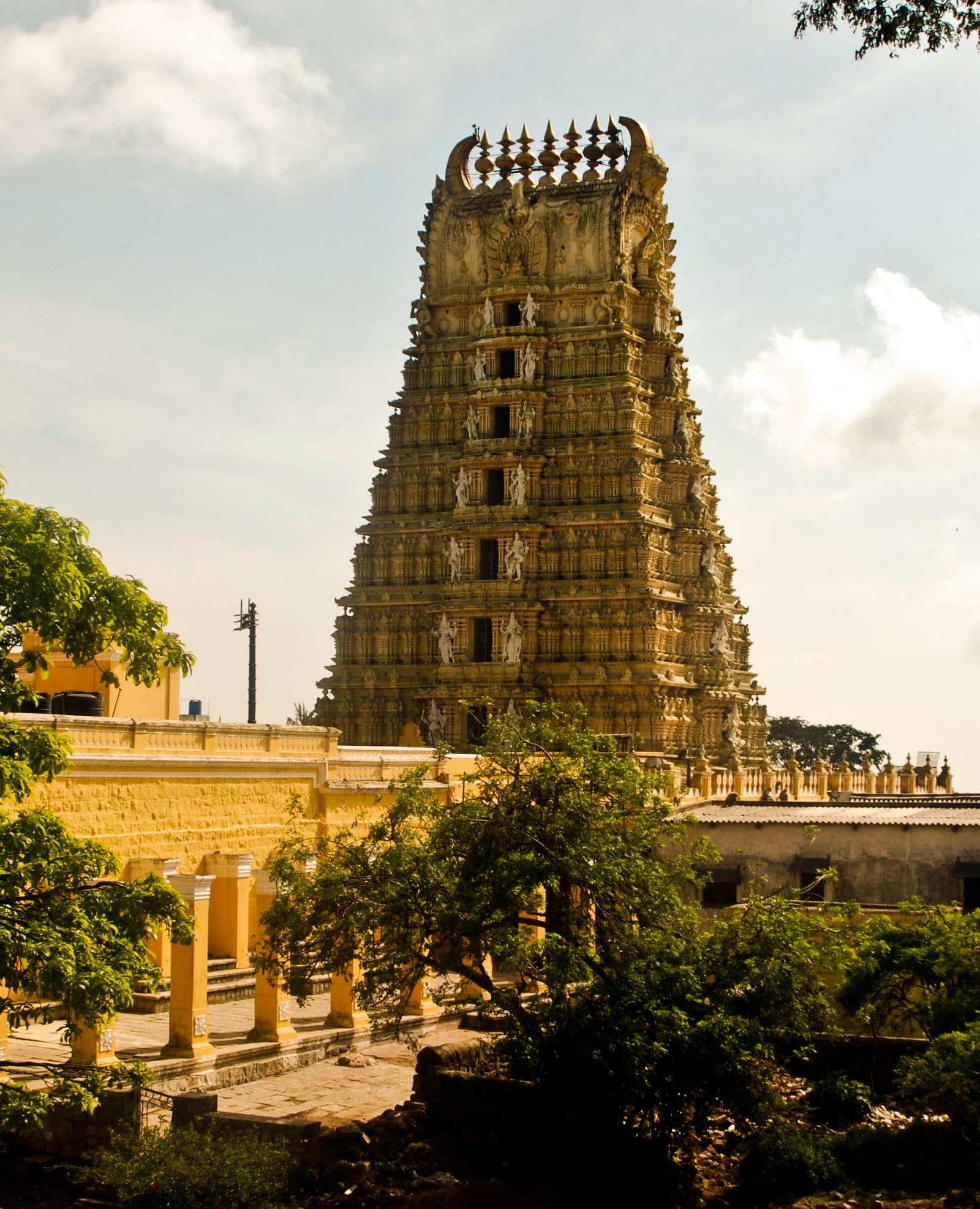
Karnataka
Chamundeshwari Temple
Perched atop Chamundi Hills at 3,489 feet, the Chamundeshwari Temple is the tutelary shrine of the Wodeyar dynasty of Mysore.
Explore Temple
Assam
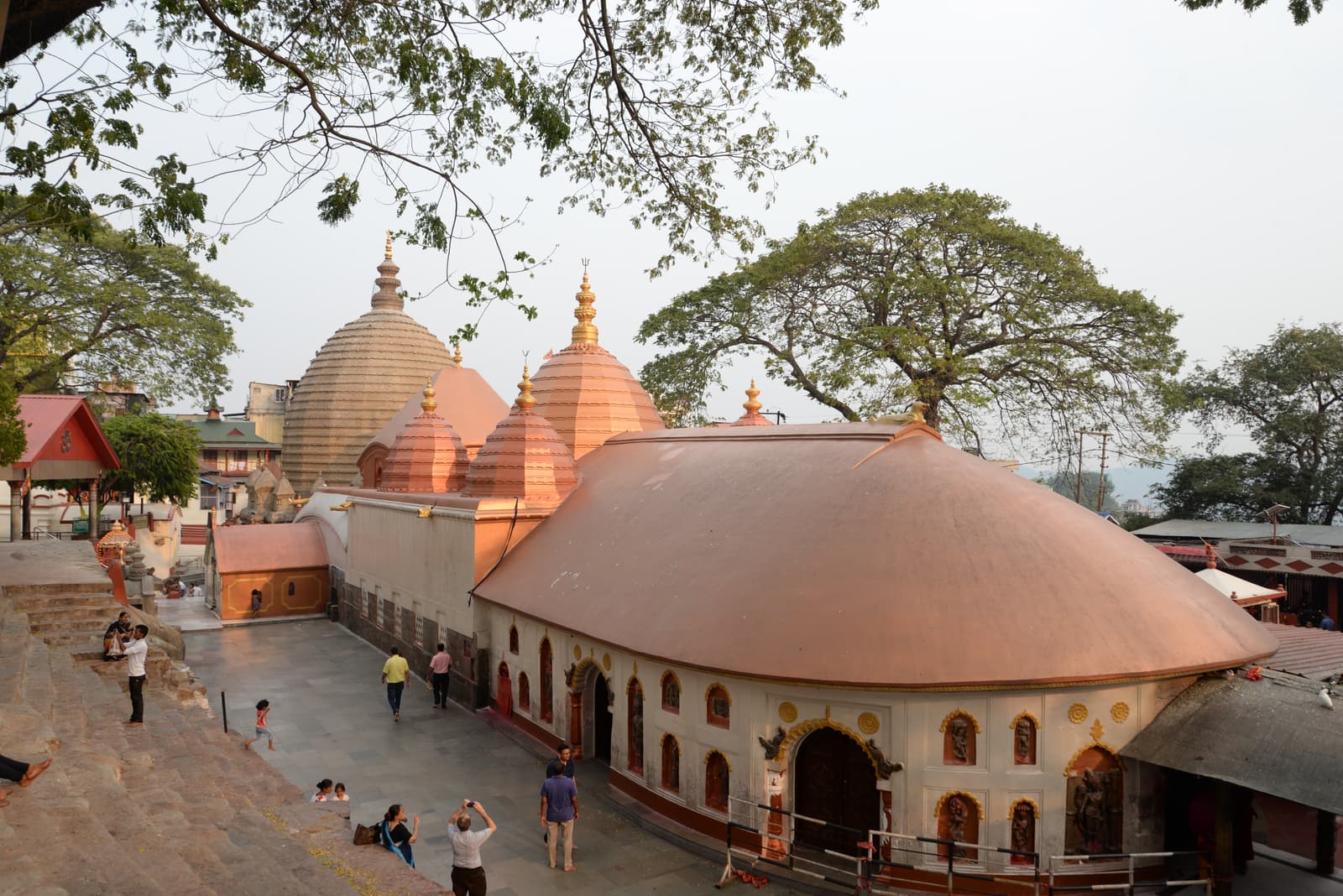
Kamakhya Temple
One of the most revered Shakti Peethas in India, Kamakhya Temple on Nilachal Hill in Guwahati is the center of Tantric worship in the Northeast.
Explore Temple
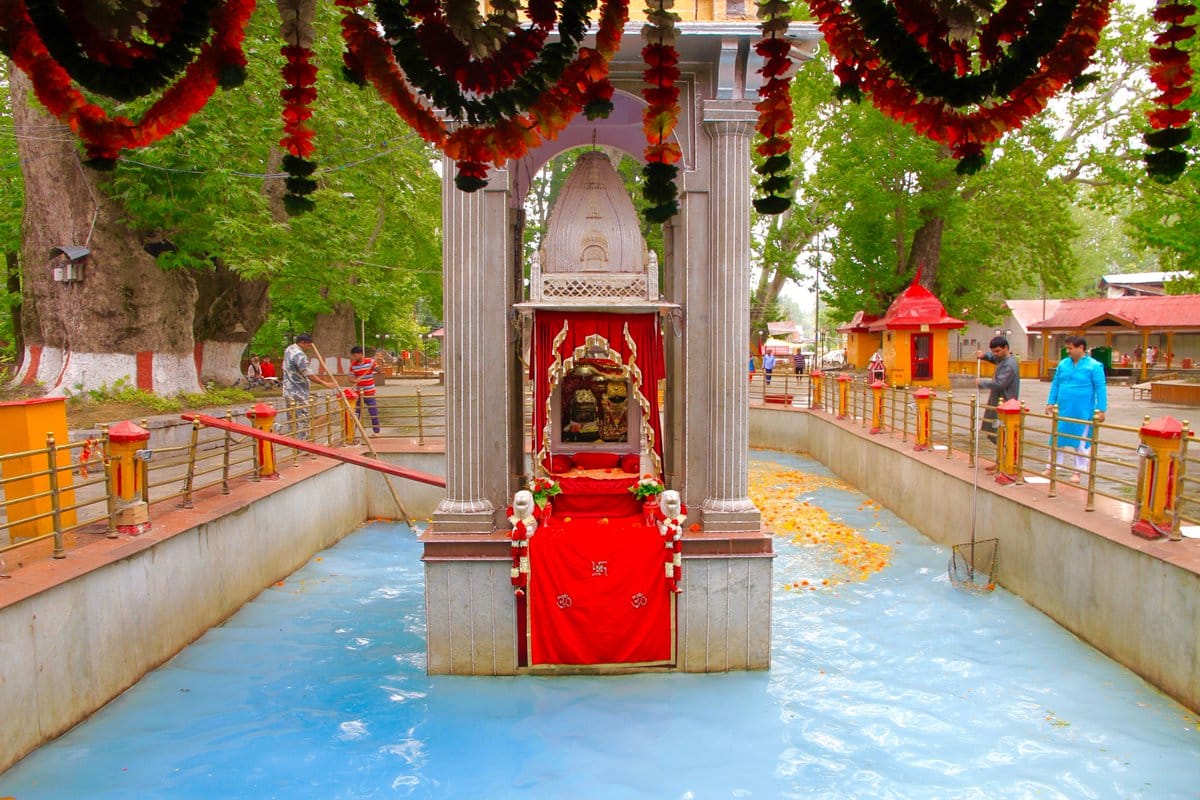
Jammu & Kashmir
Kheer Bhawani Temple
The most important shrine for Kashmiri Pandits, famous for a sacred spring that is said to change color as a divine omen.
Explore Temple
Himachal Pradesh
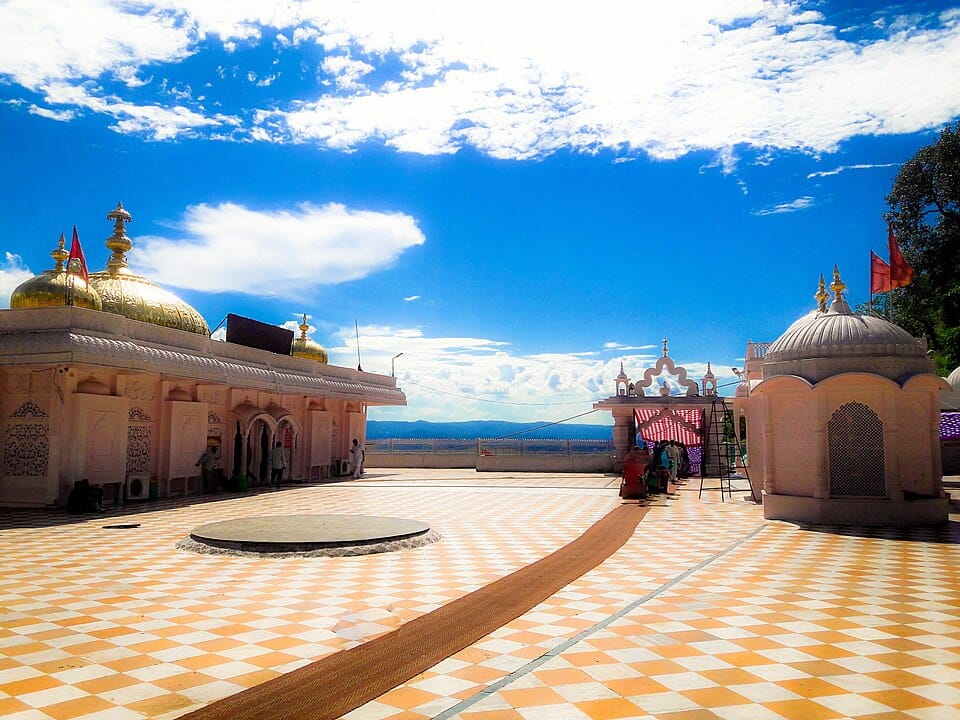
Jwala Ji Temple
A highly venerated Shakti Peetha where the Goddess manifests as nine eternal natural flames, famous for the legend of Emperor Akbar's failed attempt to extinguish them.
Explore Temple
Himachal Pradesh
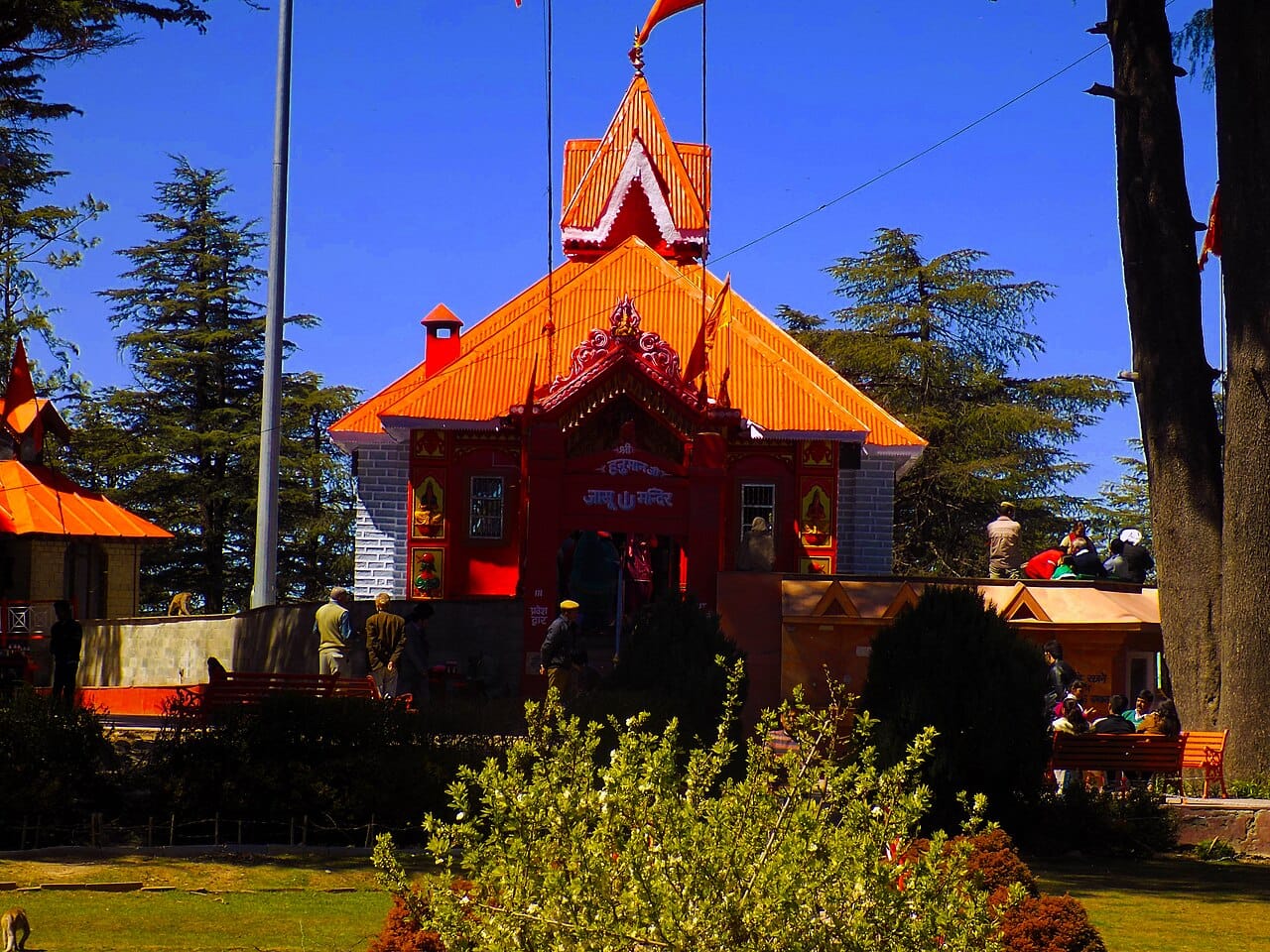
Chintpurni Temple
A major Shakti Peetha dedicated to Maa Chhinnamastika, the 'Headless Goddess', believed to remove all worries and fulfill the sincere prayers of devotees.
Explore Temple
Himachal Pradesh
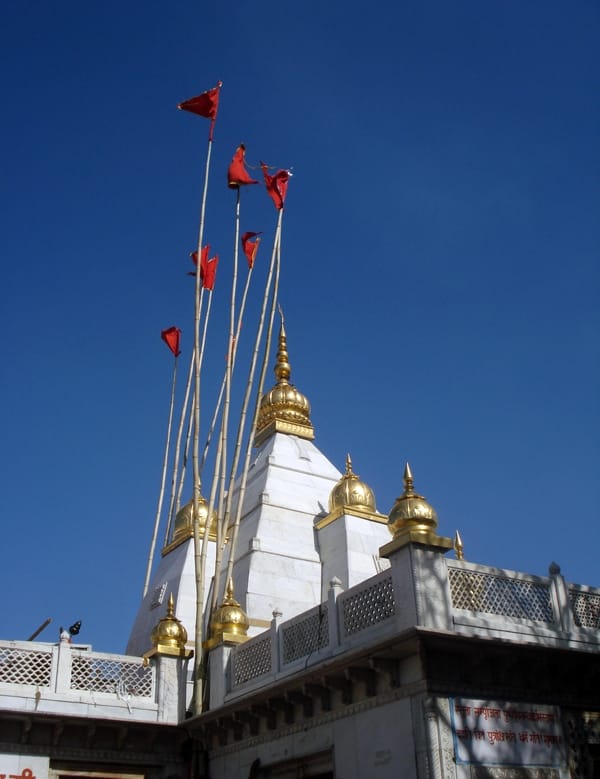
Naina Devi Temple
A highly revered Shakti Peetha situated on a triangular hilltop where the eyes of Sati are believed to have fallen, offering panoramic views of the Shivalik range and Gobind Sagar…
Explore Temple
Himachal Pradesh
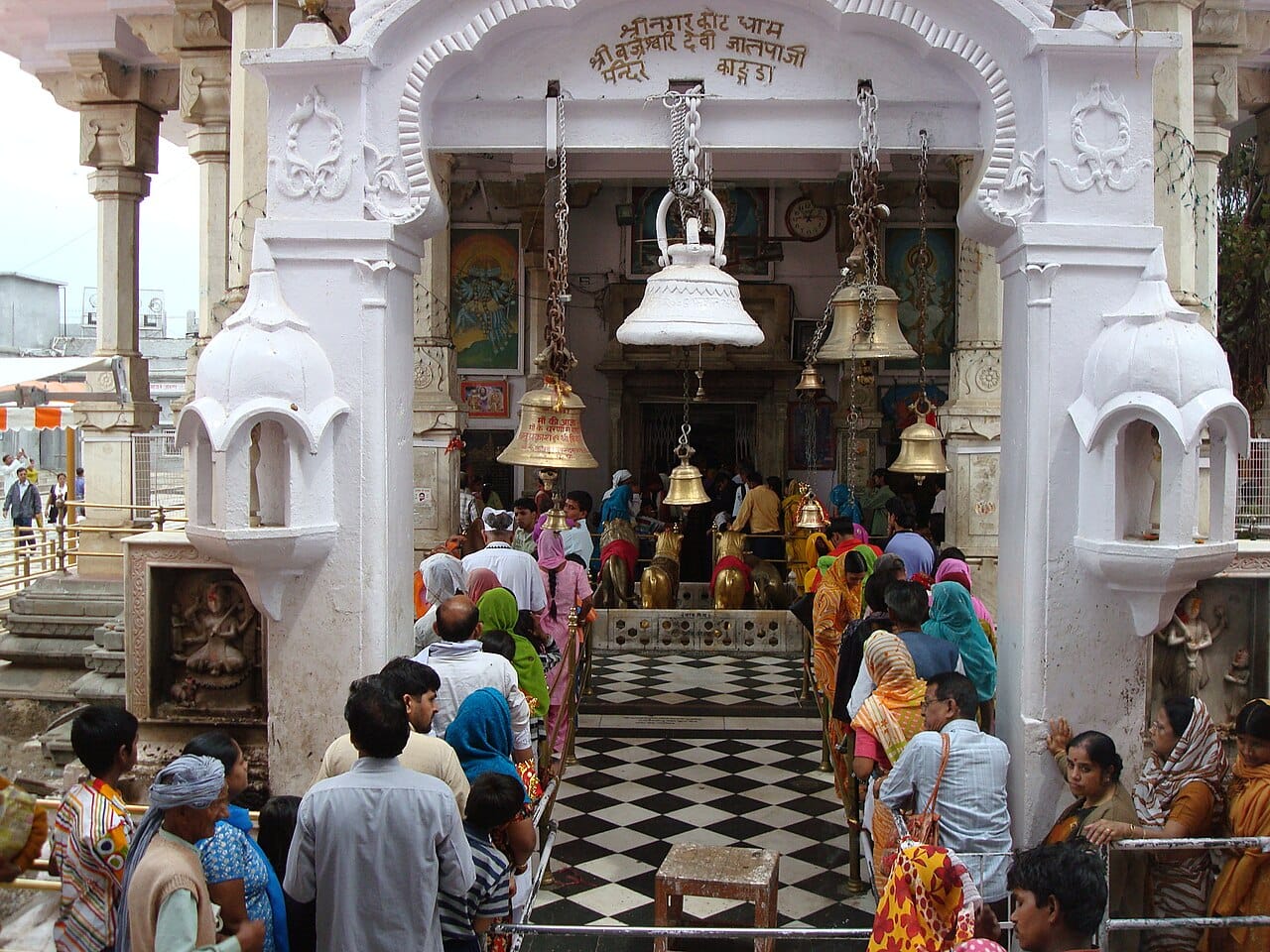
Bajreshwari Devi Temple
One of the 51 Shakti Peethas, this ancient temple is famous for its legendary wealth and the unique 'Makhan ka Lep' ritual on Makar Sankranti.
Explore Temple
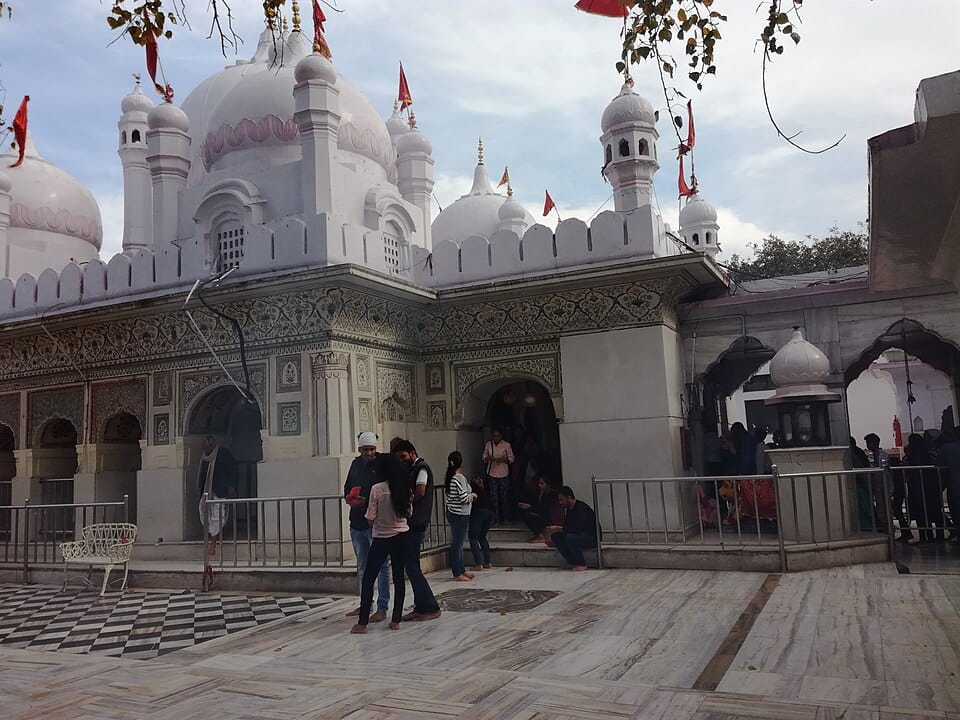
Haryana
Mata Mansa Devi Temple
A premier Shakti Peetha where the head of Sati is believed to have fallen, famous for its 19th-century wall paintings and the twin Navratri melas.
Explore Temple
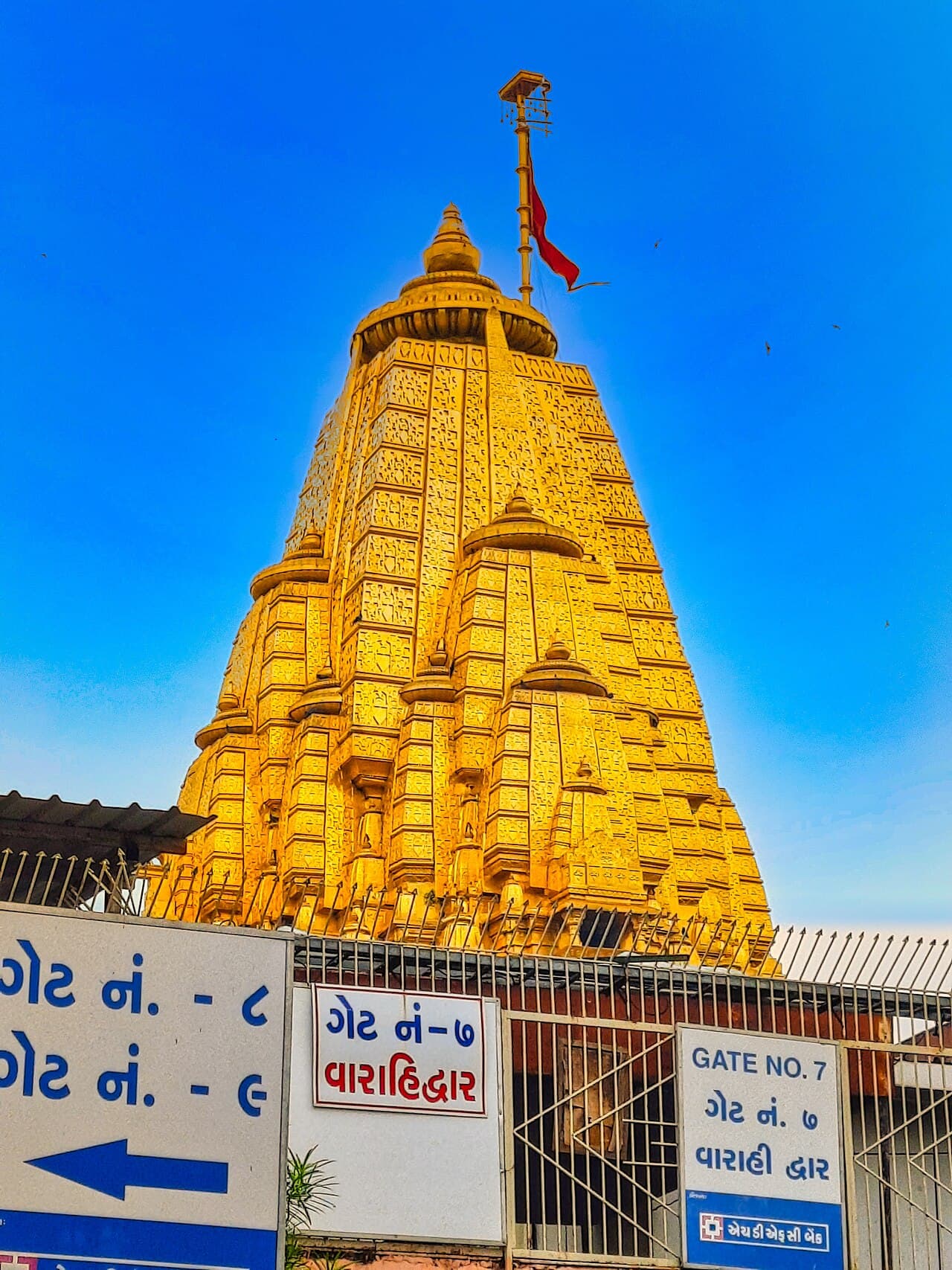
Gujarat
Ambaji Temple
The Ambaji Temple on the Arasur Hills in Banaskantha district, Gujarat, is one of the 51 Shakti Peethas where the heart of Goddess Sati is believed to have fallen.
Explore Temple
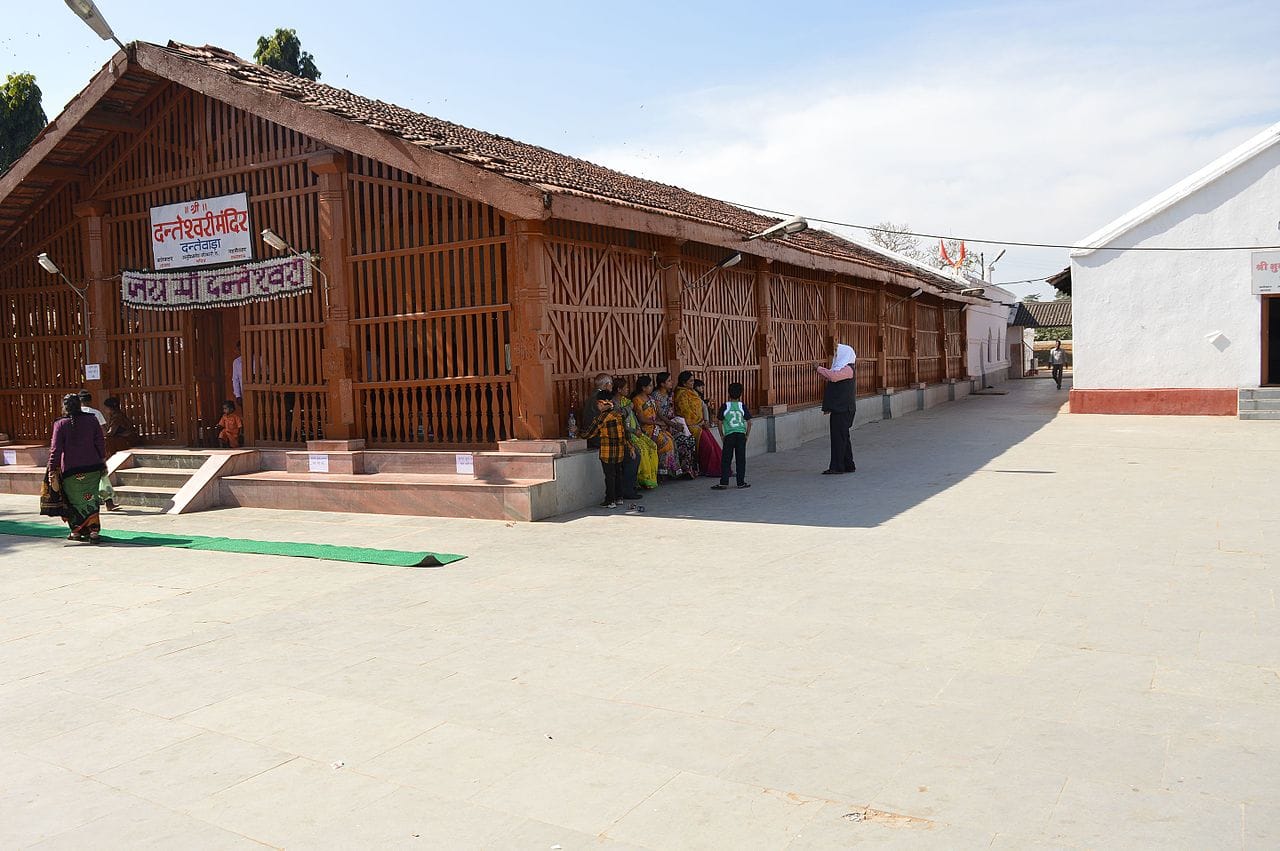
Chhattisgarh
Danteshwari Temple
A major Shakti Peetha located in the tribal heartland of Bastar, where the tooth of Sati is believed to have fallen.
Explore Temple
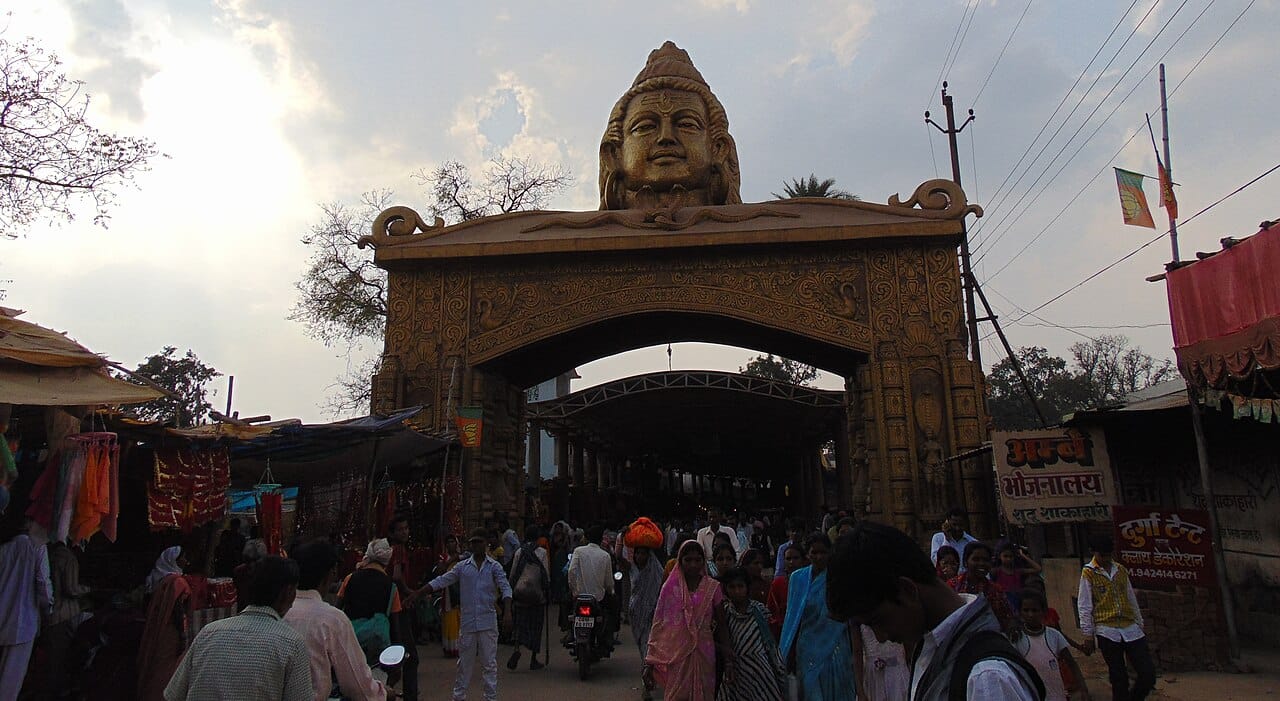
Chhattisgarh
Mahamaya Temple
An 11th-century Shakti Peetha where the right shoulder of Sati is believed to have fallen; unique for its dual idols representing both Mahalakshmi and Mahasaraswati.
Explore Temple
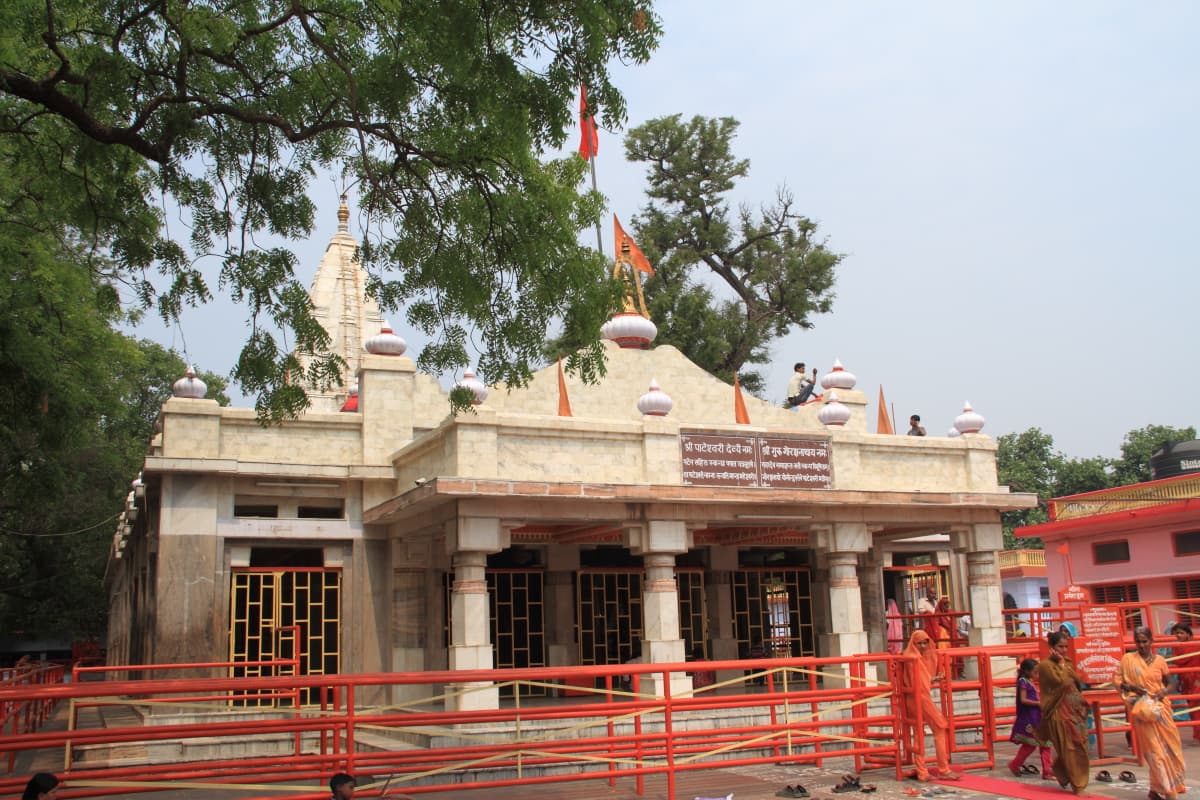
Bihar
Patan Devi Temple
One of the 51 Shakti Peethas and the oldest surviving temple in Patna, believed to be where the right thigh of Goddess Sati fell.
Explore Temple
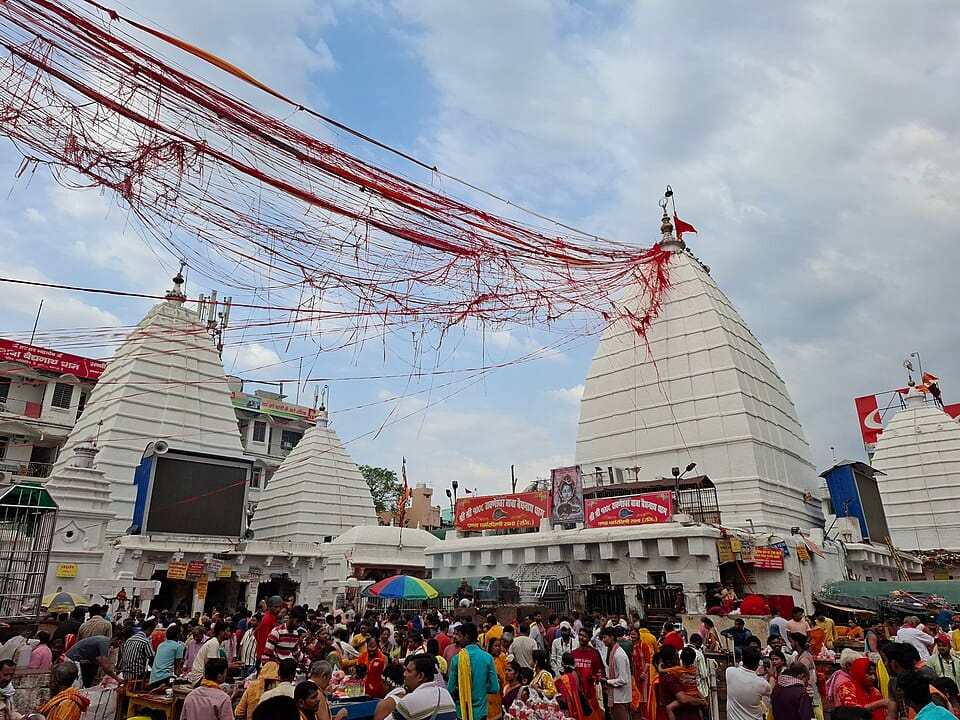
Jharkhand
Baidyanath Jyotirlinga Temple
Where Shiva is worshipped not as destroyer but as physician. Baidyanath — the Lord of Healing — draws millions who carry Ganga water 108 km barefoot in the Kaanwar Yatra.
Explore Temple
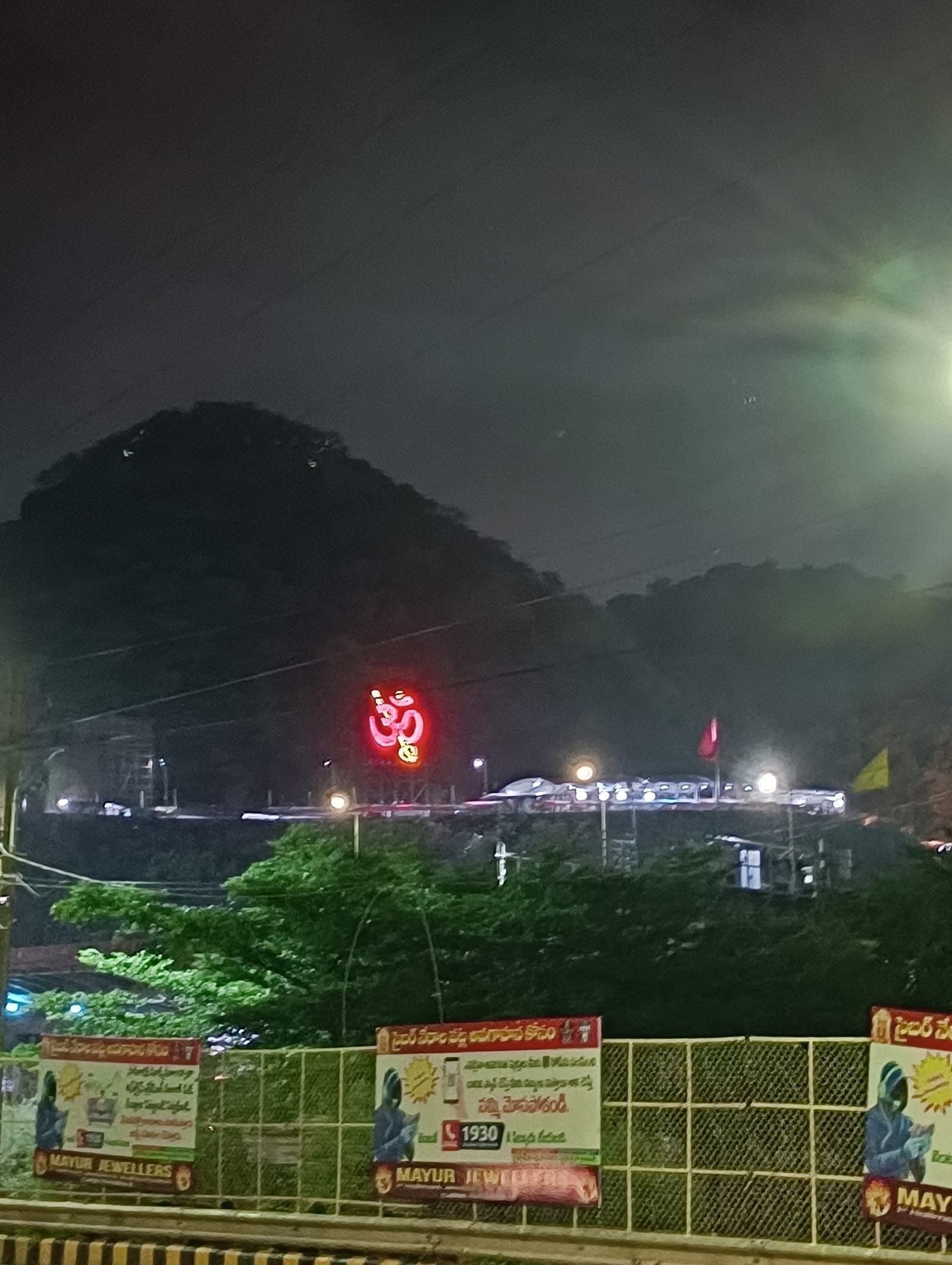
Andhra Pradesh
Kanaka Durga Temple
Kanaka Durga Temple, situated on the Indrakeeladri Hill on the banks of the Krishna River in Vijayawada, is a popular Shakti temple in South India.
Explore Temple
In-Depth Guide
Shakti Peethas Legacy
The 51 Shakti Peethas form the sacred geography of Shaktism, the Hindu tradition focused on the worship of the divine feminine. According to the myth detailed in the Puranas, when Daksha performed a great sacrifice, he deliberately excluded his daughter Sati and her husband Shiva. Unable to bear the insult, Sati immolated herself in the sacrificial fire. Grief-stricken and enraged, Shiva placed Sati's body on his shoulder and performed the tandava (cosmic dance of destruction). To restore cosmic balance, Vishnu used his sudarshana chakra to dismember Sati's body, whose parts fell at 51 locations across the Indian subcontinent. Each location became a Shakti Peetha, where the goddess is worshipped alongside her Bhairava (Shiva's guardian form).
Classification of the Shakti Peethas
The 51 Shakti Peethas are classified by the specific body part that fell at each site, the name of the goddess (Devi), and the associated Bhairava (Shiva). The most comprehensive list appears in the Kubjika Tantra and the Rudrayamala Tantra. Major classifications include: 4 Maha Peethas (great seats) at Kamakhya (yoni), Tarapith (third eye), Kalighat (right toe), and Varanasi (earring). 18 Adi Peethas (original seats) considered most sacred. The remaining 33 are Upapeethas (subsidiary seats). Geographically, the Peethas span from Hinglaj in present-day Pakistan to Kamakhya in Assam, and from Jwala Ji in Himachal Pradesh to Srisailam in Andhra Pradesh.
Major Shakti Peethas
The Kamakhya Temple in Guwahati, Assam is the most revered Shakti Peetha, where Sati's yoni (womb/vulva) is worshipped. The temple is a center of Tantric rituals and hosts the annual Ambubachi Mela, marking the goddess's menstruation. Tarapith in Birbhum, West Bengal, where Sati's third eye fell, is associated with the Tantric sage Bamakhepa. Kalighat in Kolkata, where the right toe fell, gives Kolkata its name. Kashi Vishalakshi in Varanasi (earring) is part of the Varanasi temple circuit. Jwala Ji in Himachal Pradesh (tongue) features an eternal flame. Other important Peethas include Sharada Peeth (Kashmir), Naina Devi (Shimla), Hinglaj (Balochistan), and Srisailam Bhramaramba (Andhra Pradesh).
Tantric Traditions
Many Shakti Peethas are associated with Tantric traditions that differ from mainstream Vedic worship. Tantric puja involves rituals like the Panchamakara (five Ms: madya, mamsa, matsya, mudra, maithuna), though these are often symbolic rather than literal in contemporary practice. The Kamakhya Temple is the foremost Tantric shrine, with its priest traditionally from the Jogini Tantric lineage. Tarapith is associated with the Bengali Tantric tradition of Bamakhepa. The use of yantras (geometric diagrams), bija mantras (seed syllables), and offerings to Bhairava are distinctive features of Shakti Peetha rituals. Animal sacrifice, particularly of goats and buffaloes, continues at several Peethas.
Geographic Distribution
The 51 Shakti Peethas are distributed across modern India, Bangladesh, Pakistan, Nepal, Sri Lanka, and Tibet (claimed). India contains the largest concentration: West Bengal has 10+ Peethas including Kalighat, Tarapith, and Bakreshwar. Assam has Kamakhya. Himachal Pradesh has Jwala Ji, Chintpurni, and Naina Devi. Jammu & Kashmir has Sharada Peeth (now in Pakistan-administered Kashmir). Tamil Nadu has Kanchi Kamakshi. Andhra Pradesh has Srisailam Bhramaramba. Nepal has three Peethas including Pasupatinath (considered both a Jyotirlinga and Shakti Peetha). The Hinglaj Mata Temple in Balochistan, Pakistan, is the westernmost Peetha and continues to receive pilgrims.
Festivals at Shakti Peethas
Each Shakti Peetha has distinct festival traditions. Ambubachi Mela at Kamakhya (June) is the most significant, when the temple remains closed for three days and reopens with grand celebrations. Navaratri is celebrated at all Peethas with special pujas and night-long vigils. Kali Puja at Tarapith and Kalighat coincides with Diwali in October-November. The Jwala Ji temple hosts an annual fair in July-August. Chintpurni Melas draw pilgrims throughout the year. Durga Puja at the Vaishno Devi complex attracts millions. The Naina Devi fair in August includes a pilgrimage from neighboring villages carrying palanquins.
Shakti Peethas at a Glance
| Temple | Location | State | Presiding Deity | Primary Significance |
|---|---|---|---|---|
| Kalighat Kali Temple | Kolkata | West Bengal | Goddess Kali | A major Shakti Peetha where the toes of Sati's right foot fell, serving as the spiritual heart of Kolkata. |
| Tarapith Temple Birbhum | Tarapith | West Bengal | Goddess Tara | A major center for Tantric worship dedicated to Goddess Tara, famous for the saint Bamakhyapa and its sacred cremation ground. |
| Bargabhima Temple Tamluk | Tamluk | West Bengal | — | An ancient 1,150-year-old temple where Sati's left ankle fell, blending Bengali 'at-chala' and Odia 'Kalinga' styles. |
| Vaishno Devi Temple | Katra | Jammu & Kashmir | Goddess Vaishno Devi (Durga) | The Vaishno Devi Temple, a sacred cave shrine situated in the Trikuta Mountains of Jammu and Kashmir, is one of India's most visited pilgrimage sites, where millions trek 12 km each year to seek blessings of Mata Vaishno Devi at the holy cave complex. |
| Dhari Devi Temple | Kaliyasaur, Rudraprayag | Uttarakhand | Goddess Dhari Devi (Kali) | A sacred Shakti temple on the banks of the Alaknanda River, considered the guardian deity of the Char Dham Yatra and famous for the idol that changes color three times daily. |
| Vishalakshi Temple | Varanasi | Uttar Pradesh | Goddess Vishalakshi | The Vishalakshi Temple, located in the narrow lanes of Mir Ghat near the Ganges in Varanasi, is one of the 51 Shakti Peethas where the earrings of Goddess Sati are believed to have fallen. |
| Vindhyavasini Devi Temple | Vindhyachal | Uttar Pradesh | Maa Vindhyavasini (Mahalakshmi) | One of India's most visited Shakti Peethas, where Goddess Durga is believed to have resided after slaying Mahishasura. |
| Devipatan Shakti Peeth | Tulsipur | Uttar Pradesh | — | Legend says the right shoulder of Sati fell here; it serves as the headquarters of the Nath sect in eastern Uttar Pradesh. |
| Lalita Devi Temple Naimisharanya | Sitapur | Uttar Pradesh | — | Located in the ancient forest of Naimisharanya, it is mentioned in Puranas as the spot where the universe's first Chakra fell. |
| Jhandewalan Devi Mandir | New Delhi | Delhi | Goddess Jhandewali (Durga) | One of Delhi's oldest and most revered Shakti shrines, named after the ritual flags (Jhandas) offered by its many devotees. |
Frequently Asked Questions
Q.How many Shakti Peethas are there?
There are 51 Shakti Peethas as enumerated in the Tantric texts. However, depending on the source text, the number varies from 51 to 108. The 51 Peethas are most widely accepted.
Q.Which is the most powerful Shakti Peetha?
The Kamakhya Temple in Assam is considered the most powerful as it houses the yoni (womb) of Sati, the source of creation. It is the center of Tantric worship and the site of the most important Shakti Peetha festival, Ambubachi Mela.
Q.What is the connection between Jyotirlingas and Shakti Peethas?
Several sites have both a Jyotirlinga and a Shakti Peetha within the same complex. Srisailam Mallikarjuna Temple houses both a Jyotirlinga (Mallikarjuna) and the Bhramaramba Shakti Peetha (back of Sati's neck). Similarly, Baidyanath Dham (heart of Sati) and Grishneshwar (griva/neck) are dual sites.
Q.Which is the only Shakti Peetha in Pakistan?
The Hinglaj Mata Temple in Balochistan, Pakistan, is the only Shakti Peetha in Pakistan. It remains an active pilgrimage site, with Hindus from across Pakistan traveling through the Makran desert to reach it. The shrine is also venerated by the local Muslim community as Hinglaj Devi.
Q.Why do some Shakti Peethas involve animal sacrifice?
Animal sacrifice at Shakti Peethas follows the Tantric tradition of offering blood to the goddess's fierce forms like Durga and Kali. The practice is rooted in the belief that the goddess accepts animal offerings as a substitute for human sacrifice. Many Peethas have moved to symbolic offerings like gourds (ash gourd) in recent years.
Sources & References
These records back the dating, architectural classification and visitor guidance published on this Shakti Peethas page.
Archaeological Survey of India
Archaeological Survey of India — monument records and conservation reports
Protection status, dating, architectural classification and published conservation records for the monuments named on this page.
Primary archaeological record
Open source (opens in a new tab)Ministry of Tourism, Government of India
Ministry of Tourism — official destination information
Official Government of India destination information — access, visitor circuits and travel guidance referenced on this page.
Government record
Open source (opens in a new tab)
— every record linked above was re-requested for this release, so the link still resolves and the publisher still serves the document. It is a link check, not a re-verification of every sentence on this page.
Missing something, or found an error? Send us a correction with the record that supports it, or read how we choose sources.