hi
Theme Collection
Hill Temples
Explore temples situated on mountains and hills across India, from high-altitude Himalayan shrines to Deccan rocky outcrops.
The Collection
Featured Shrines
Explore our curated selection of hill temples that define this architectural and spiritual category.
38 Sites Identified
Jammu & Kashmir
Vaishno Devi Temple
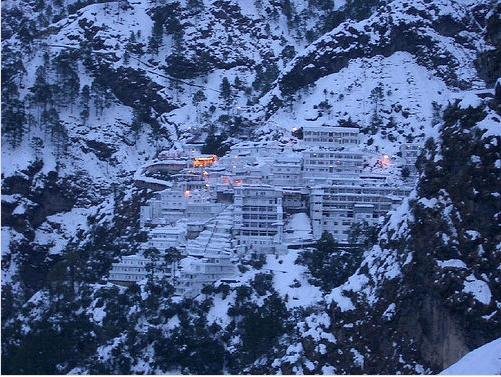
The Vaishno Devi Temple, a sacred cave shrine situated in the Trikuta Mountains of Jammu and Kashmir, is one of India's most visited pilgrimage sites, where millions trek 12 km…
Explore Temple
Uttarakhand
Yamunotri Temple
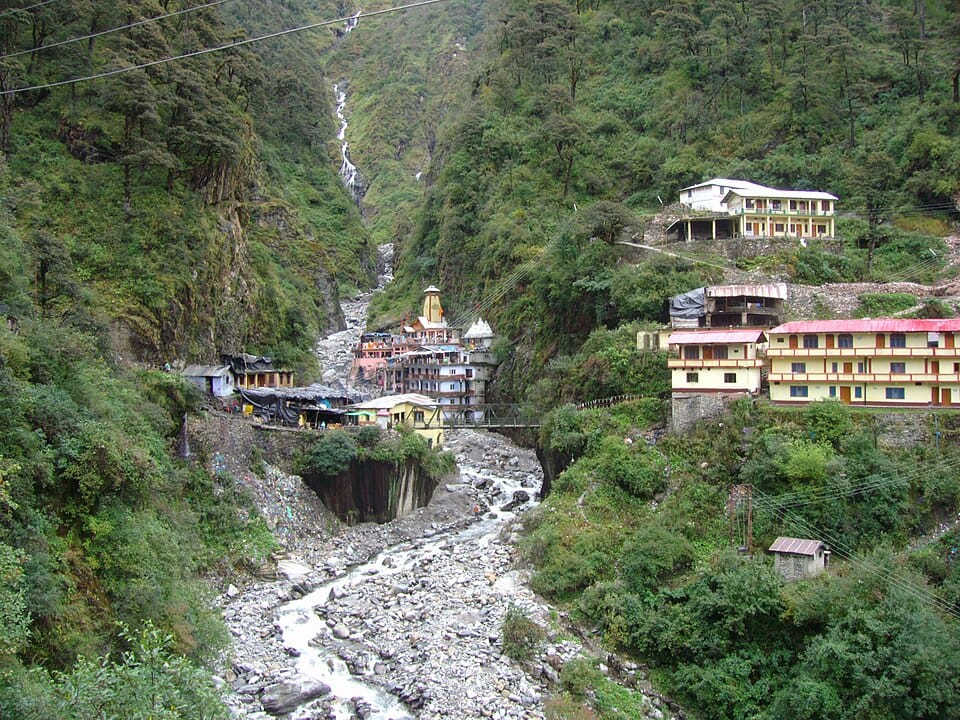
The first stop on the Char Dham Yatra at 3,291 meters, where the Yamuna River originates and pilgrims cook offerings in geothermal springs before darshan.
Explore Temple
Uttarakhand
Kasar Devi Temple Almora
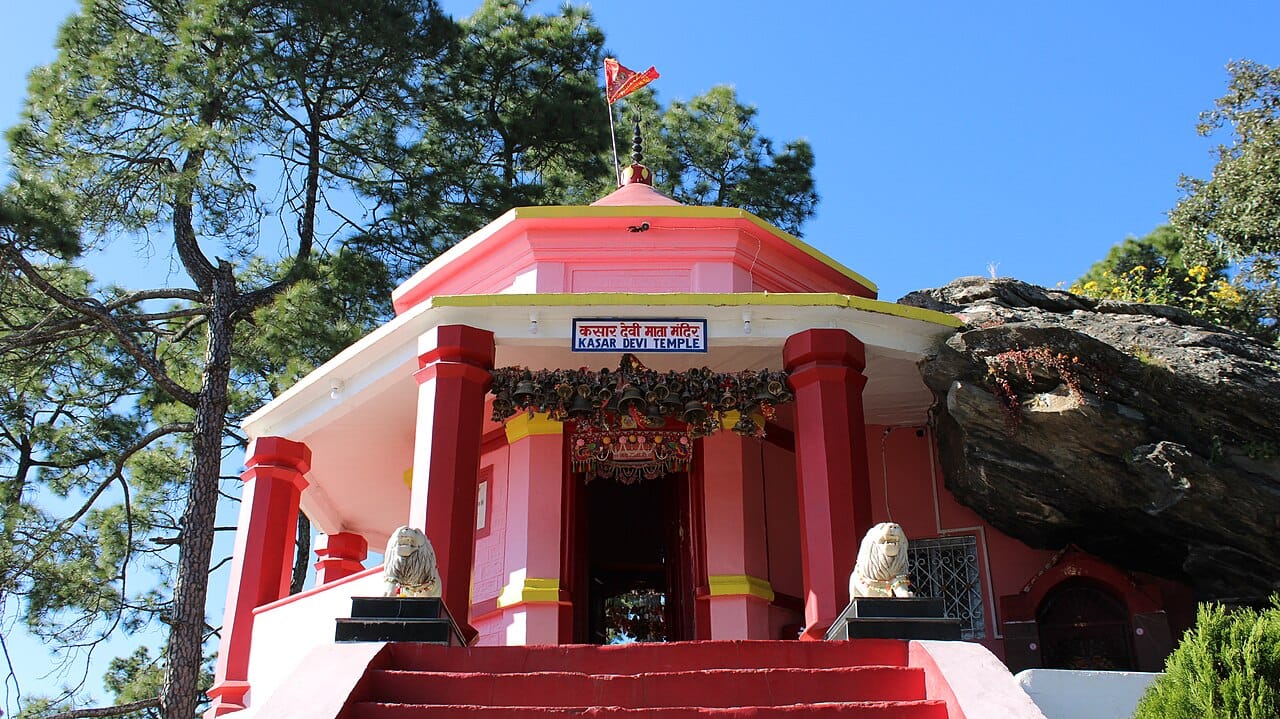
A hilltop Durga shrine about eight kilometres north of Almora, where Swami Vivekananda meditated in 1890 and where Crank's Ridge later drew Western seekers.
Explore Temple
Uttar Pradesh
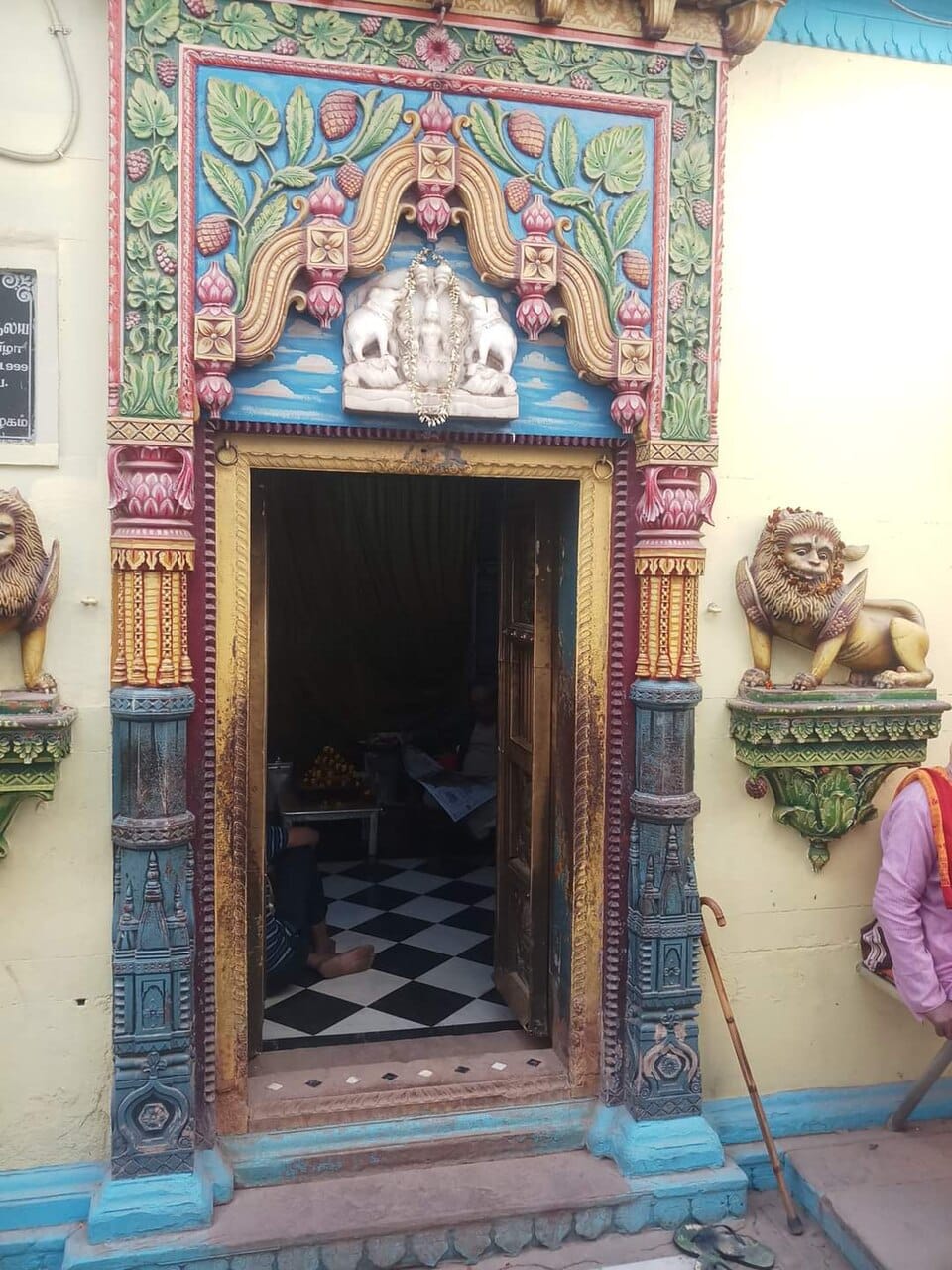
Vishalakshi Temple
The Vishalakshi Temple, located in the narrow lanes of Mir Ghat near the Ganges in Varanasi, is one of the 51 Shakti Peethas where the earrings of Goddess Sati are…
Explore Temple
Uttar Pradesh
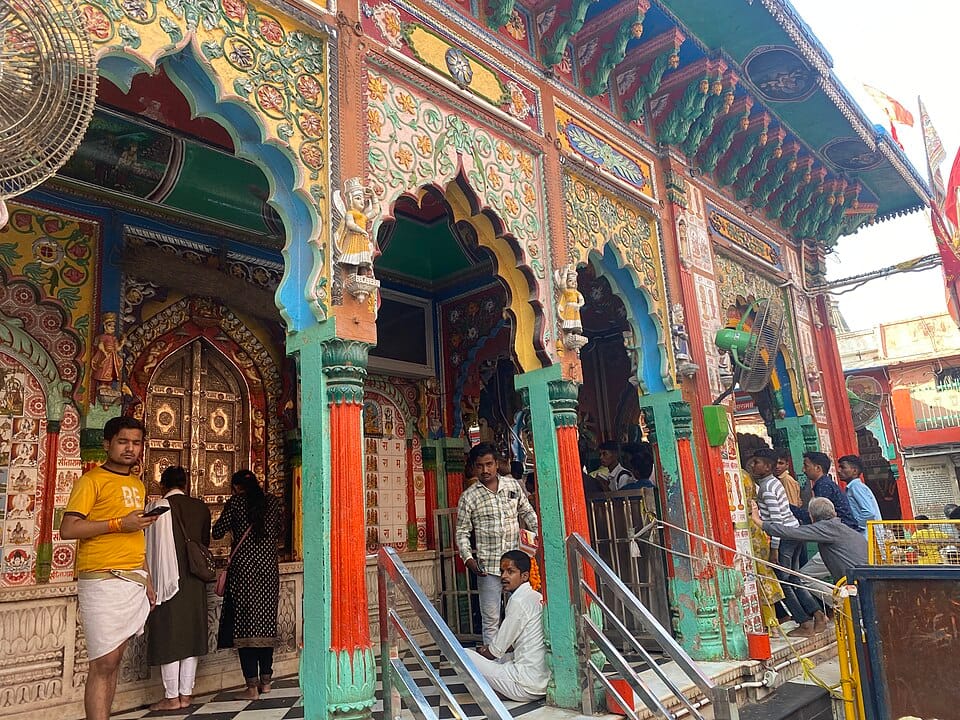
Hanuman Garhi
A hilltop temple dedicated to Lord Hanuman, the guardian deity of Ayodhya, reached by climbing 76 sacred steps.
Explore Temple
Delhi
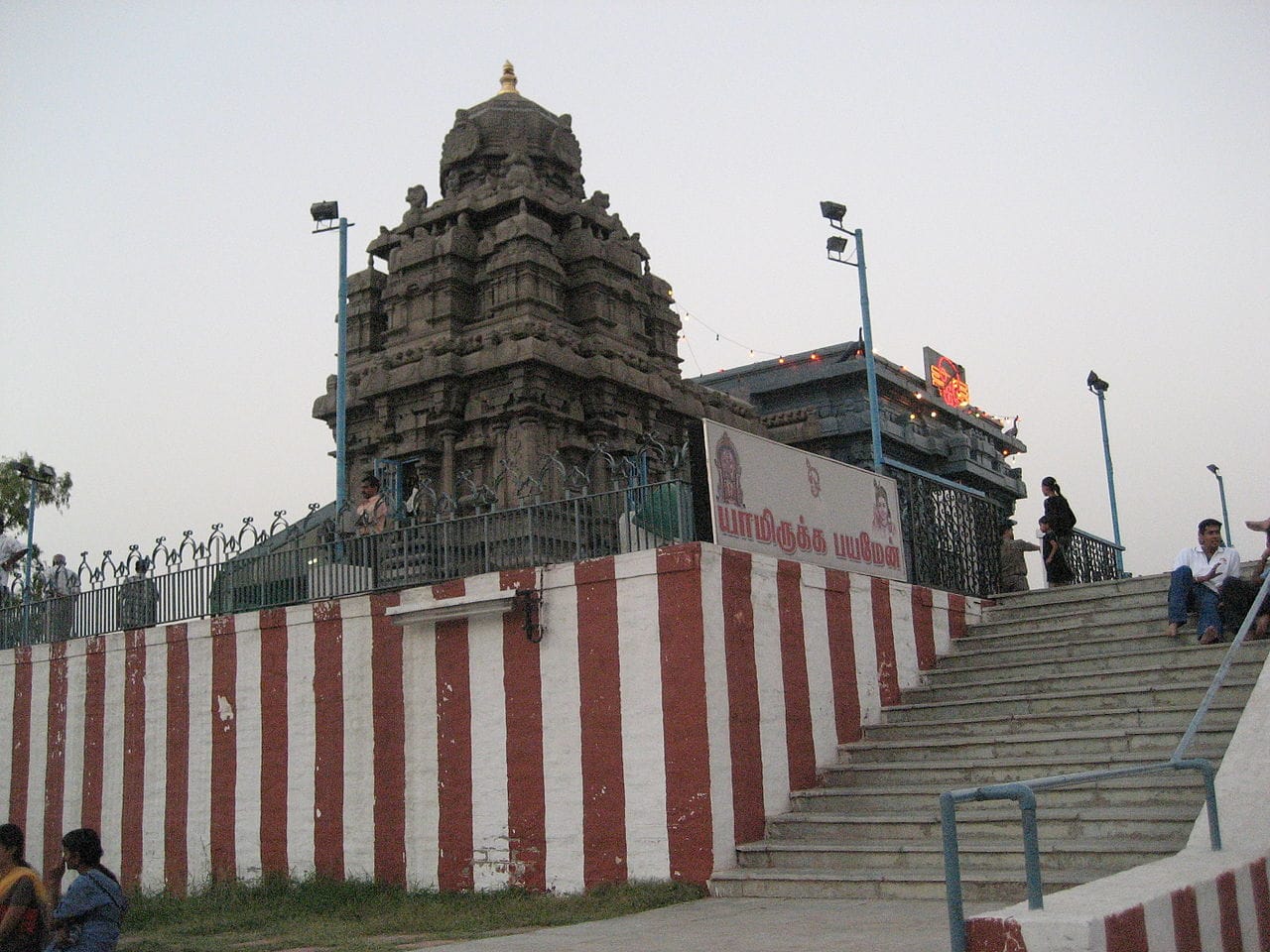
Uttara Swami Malai Mandir
Perched on a hillock, this granite temple is a primary site for Delhi's South Indian community, dedicated to Lord Swaminatha.
Explore Temple
Tripura
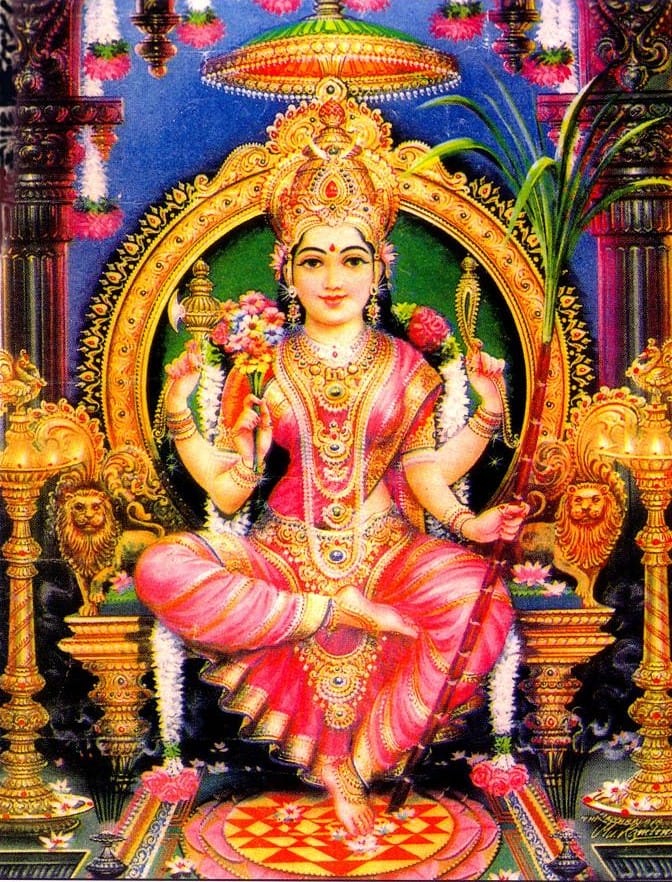
Tripura Sundari Temple
One of the 51 Shakti Peethas, this ancient 16th-century temple is uniquely shaped like a tortoise (Kurma Pitha).
Explore Temple
Tripura
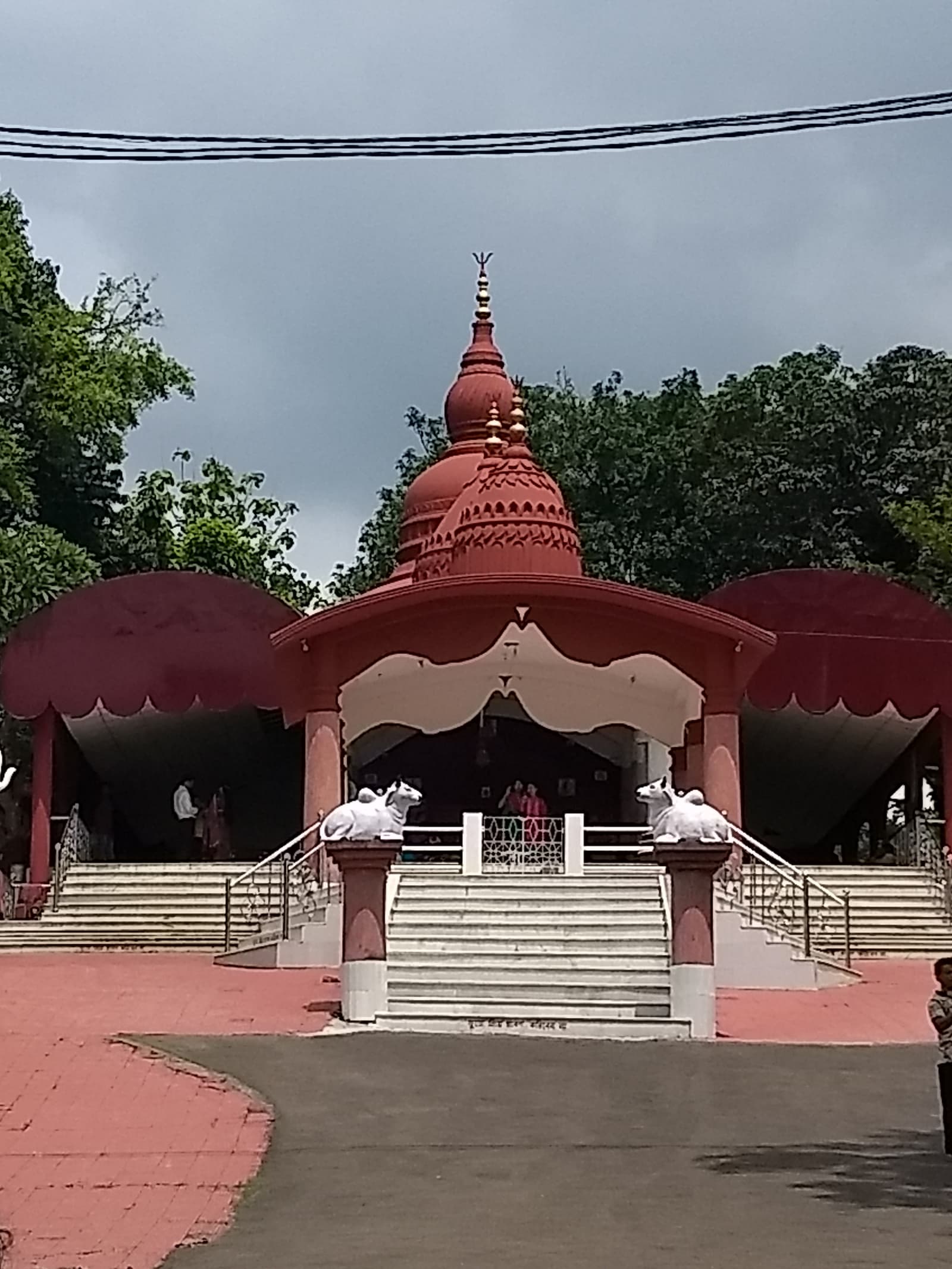
Kasba Kalibari
A popular hilltop Shakti shrine overlooking the Kamalasagar lake, housing a 15th-century sandstone Durga idol.
Explore Temple
Tamil Nadu
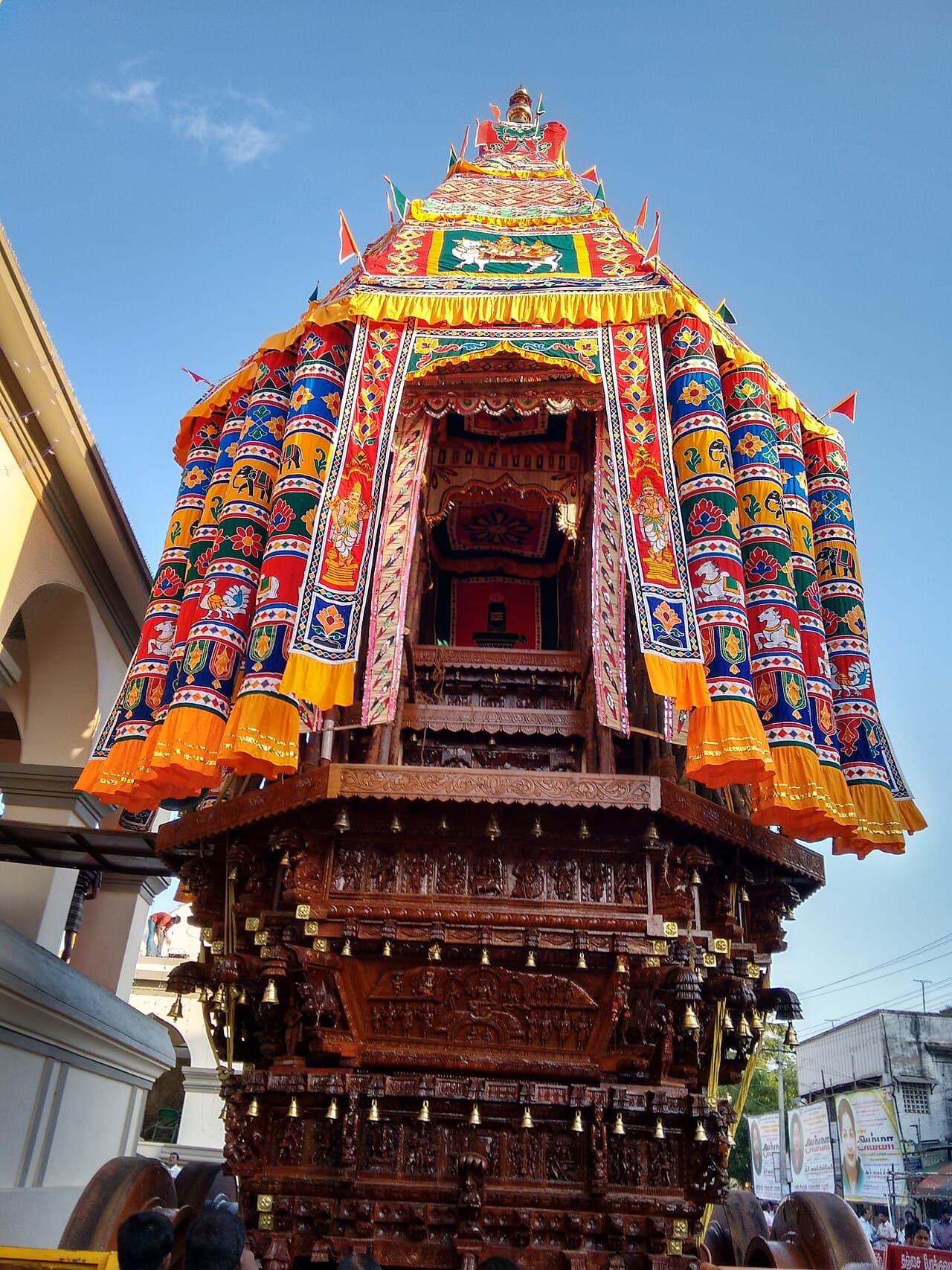
Arunachaleswarar Temple
Arunachaleswarar Temple at the foot of Arunachala Hill in Tiruvannamalai is one of the largest Shiva temples in the world, covering 25 acres.
Explore Temple
Sikkim
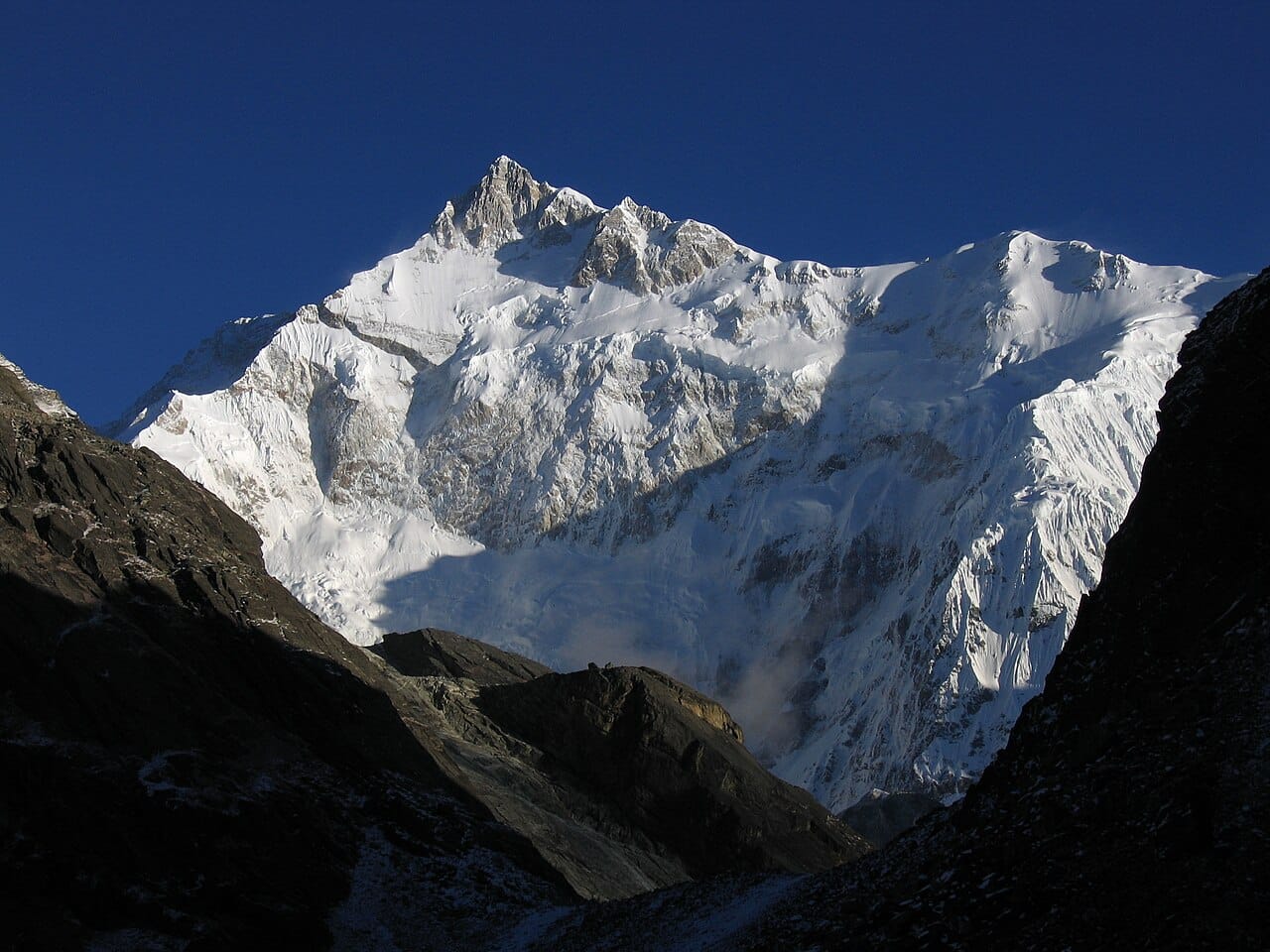
Ganesh Tok
A small but popular hilltop temple dedicated to Lord Ganesh, famous for its panoramic bird's-eye view of Gangtok city.
Explore Temple
Odisha
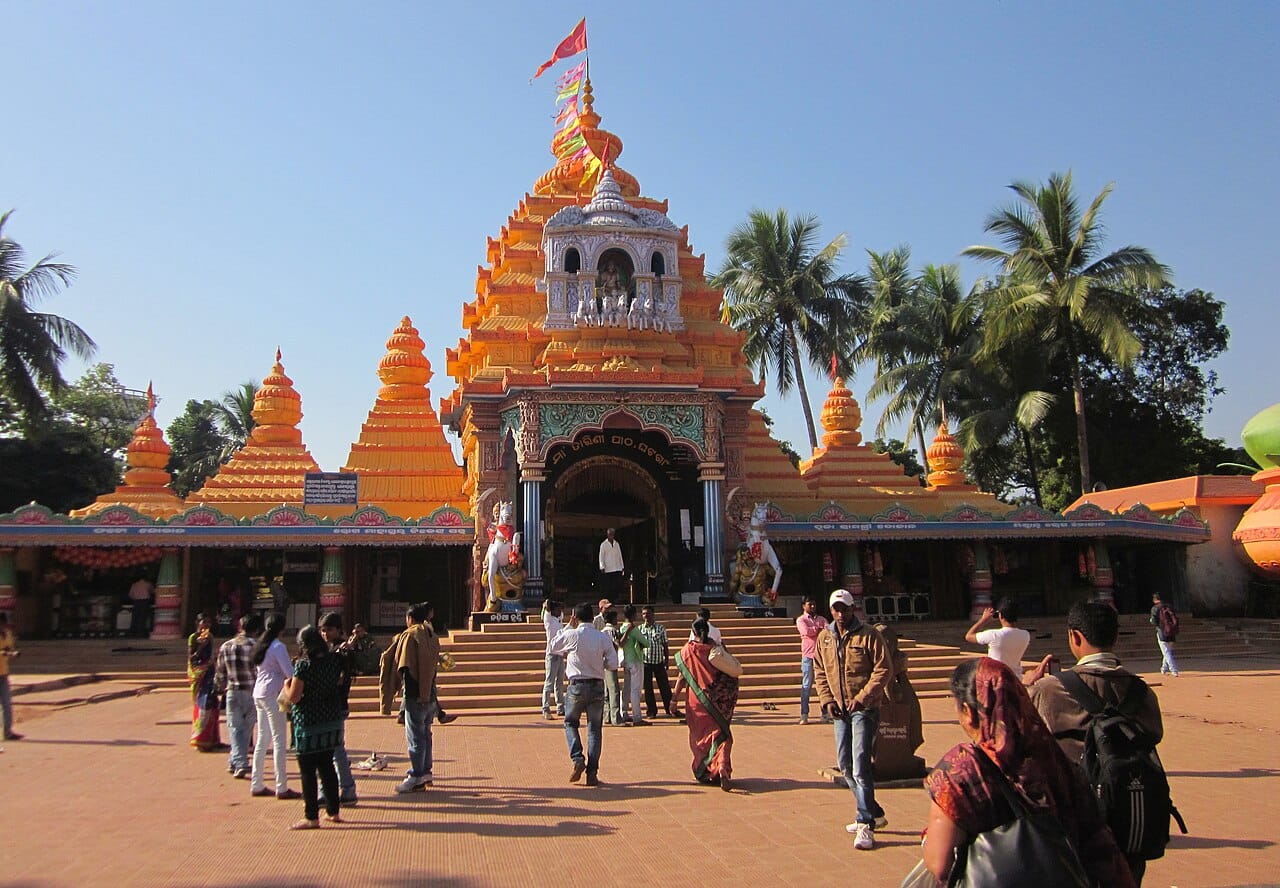
Tara Tarini Temple
The Tara Tarini Temple on Kumari Hills overlooking the Rushikulya River in Ganjam district, Odisha, is the Sthana Peetha — one of the four major ancient Shakti Peethas of India.
Explore Temple
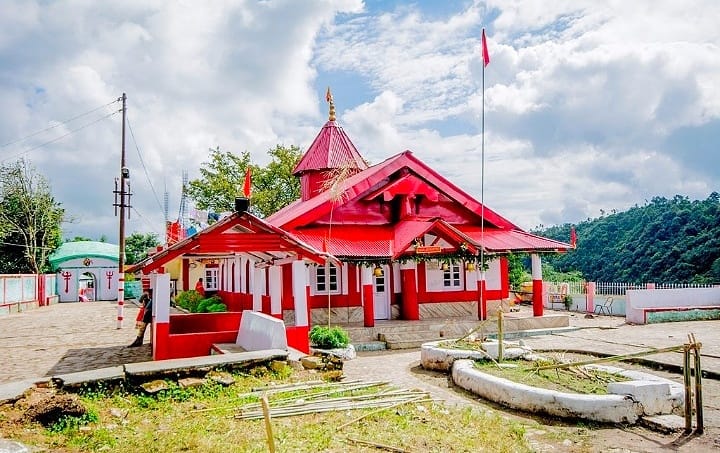
Meghalaya
Nartiang Durga Temple
One of the 51 Shakti Peethas set in the scenic Jaintia Hills, representing a fascinating blend of Vedic and indigenous tribal traditions.
Explore Temple
Meghalaya
Jagannath Temple
A serene temple in the heart of Shillong, serving as a spiritual center for the local community with traditional rituals.
Explore Temple
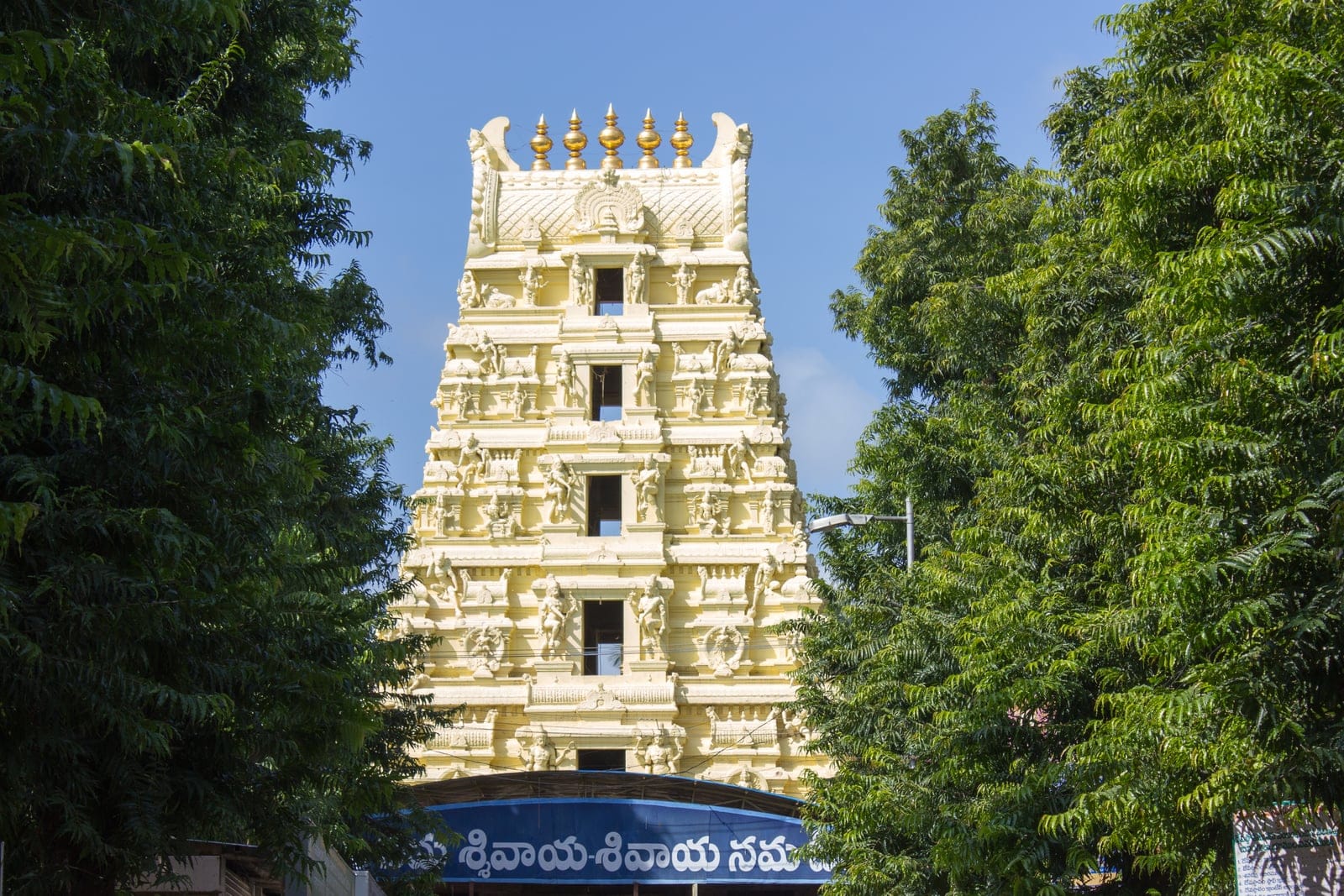
Andhra Pradesh
Srisailam Mallikarjuna Swamy Temple
One of the twelve Jyotirlingas and the southernmost among them, Mallikarjuna Temple at Srisailam is uniquely also a Shakti Peetha where the goddess Bhramaramba is worshipped alongside Shiva.
Explore Temple
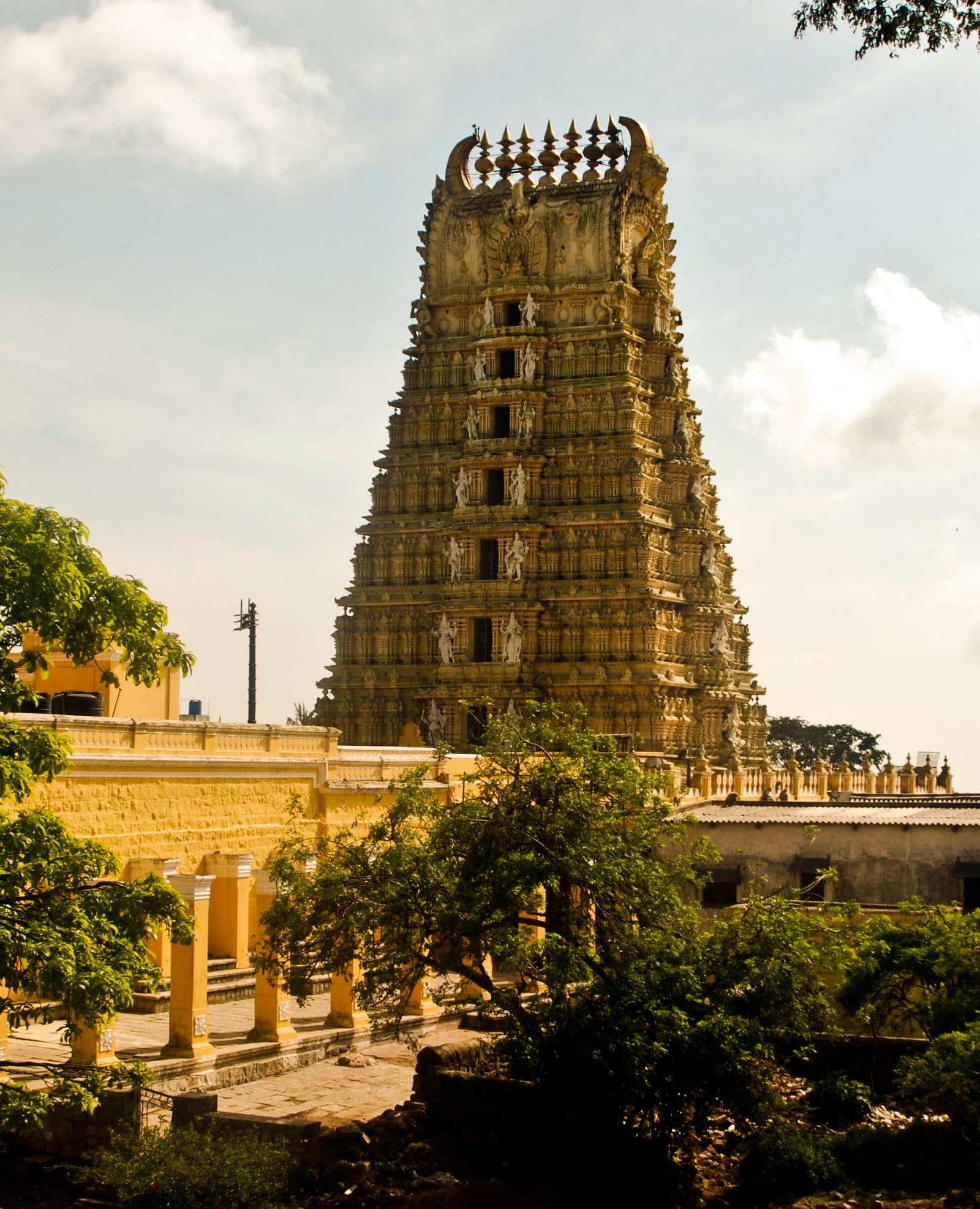
Karnataka
Chamundeshwari Temple
Perched atop Chamundi Hills at 3,489 feet, the Chamundeshwari Temple is the tutelary shrine of the Wodeyar dynasty of Mysore.
Explore Temple

Karnataka
Meguti Temple
The Meguti Temple atop the Aihole hill is a Jain temple built in 634 CE by Ravikirti, the court poet of the Chalukya emperor Pulakeshin II.
Explore Temple

Karnataka
Achyutaraya Temple
The Achyutaraya Temple, built in 1534 CE during the reign of the Vijayanagara emperor Achyutaraya (1530-1542 CE), is one of the largest and most impressive temple complexes in Hampi's sacred…
Explore Temple
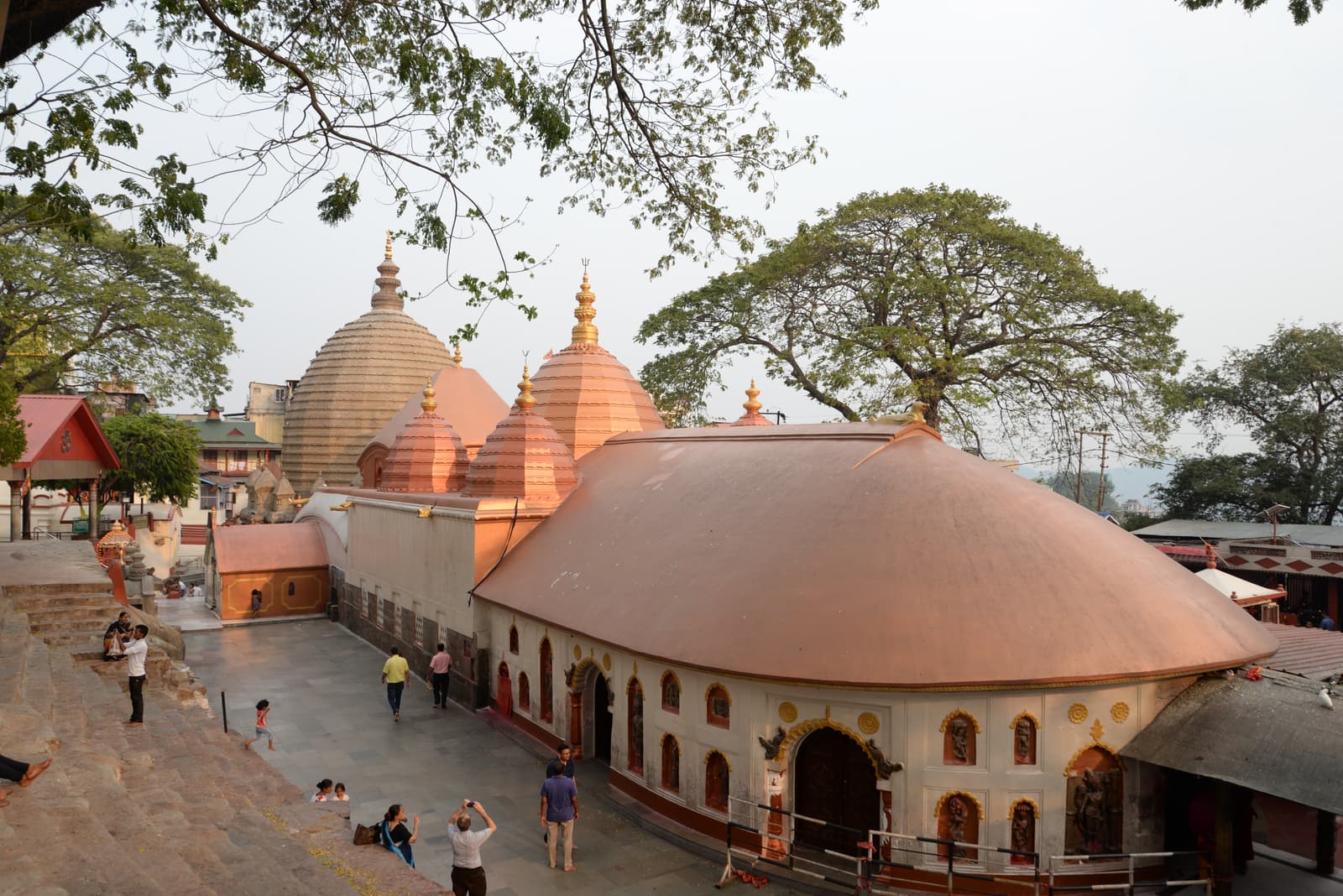
Assam
Kamakhya Temple
One of the most revered Shakti Peethas in India, Kamakhya Temple on Nilachal Hill in Guwahati is the center of Tantric worship in the Northeast.
Explore Temple
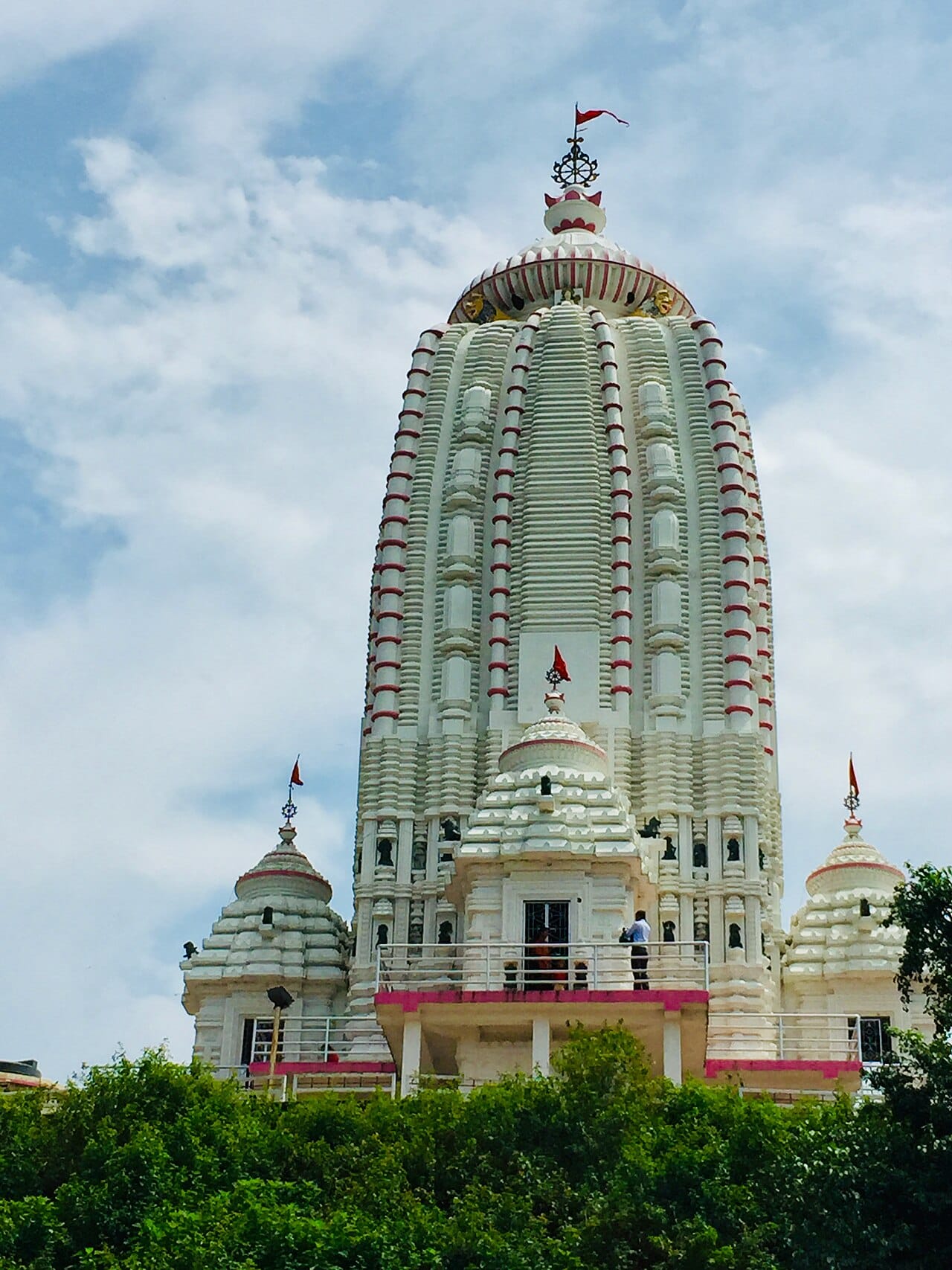
Jharkhand
Jagannath Temple
A prominent 17th-century hilltop temple in Ranchi, echoing the spiritual grandeur and Rath Yatra traditions of Puri.
Explore Temple
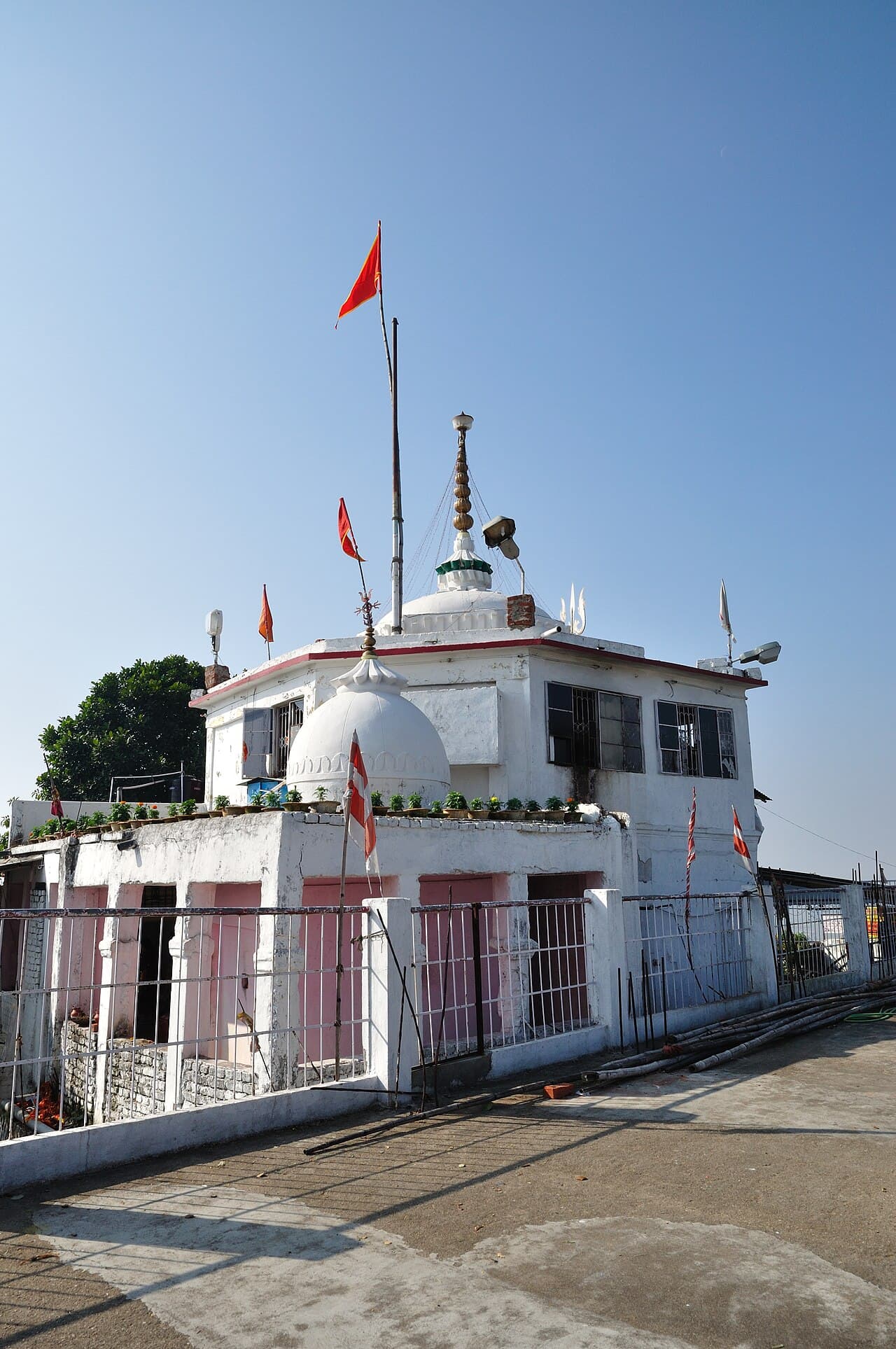
Jharkhand
Pahari Mandir
A highly revered Shiva temple situated atop Ranchi Hill, unique for its tradition of hoisting the National Flag alongside religious flags.
Explore Temple
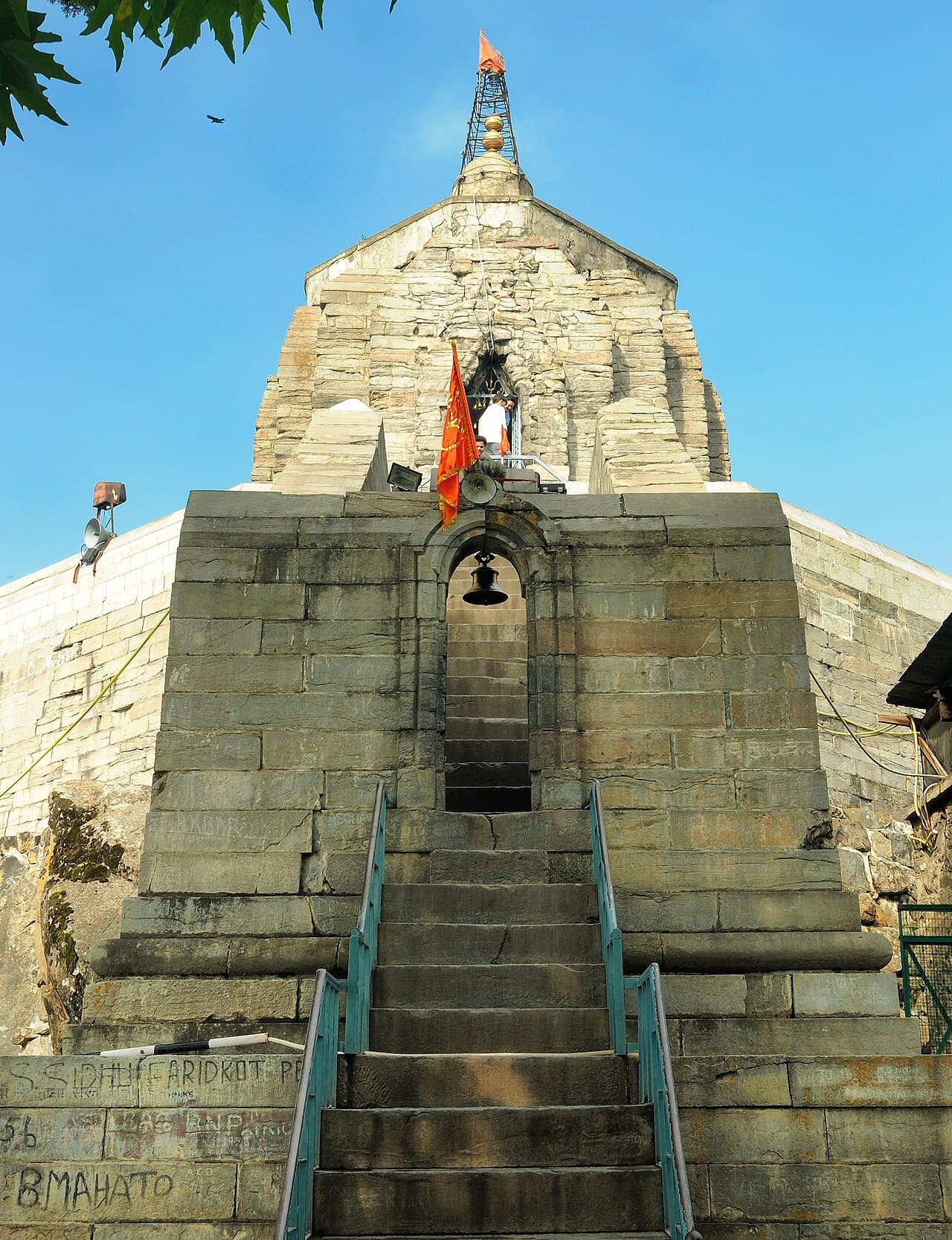
Jammu & Kashmir
Shankaracharya Temple
Perched on a hilltop at 1,000 feet, this ancient Shiva temple offers panoramic views of the Dal Lake and Srinagar city.
Explore Temple
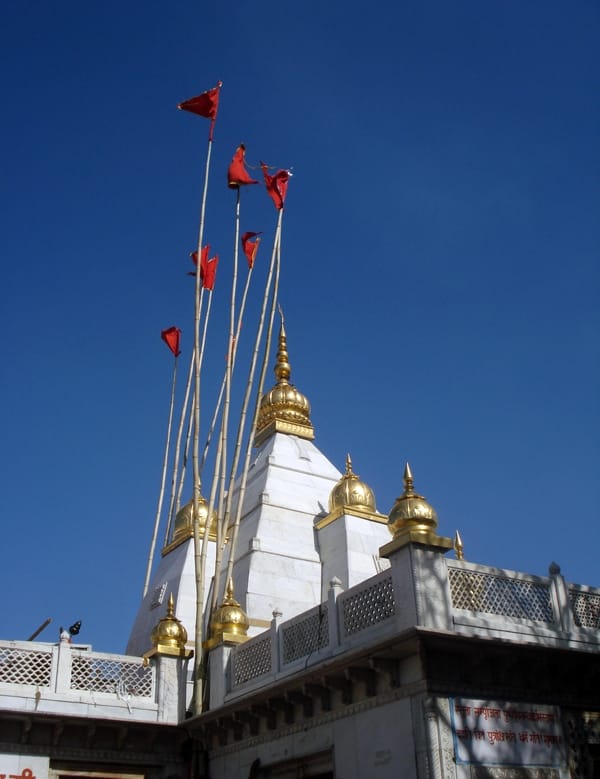
Himachal Pradesh
Naina Devi Temple
A highly revered Shakti Peetha situated on a triangular hilltop where the eyes of Sati are believed to have fallen, offering panoramic views of the Shivalik range and Gobind Sagar…
Explore Temple
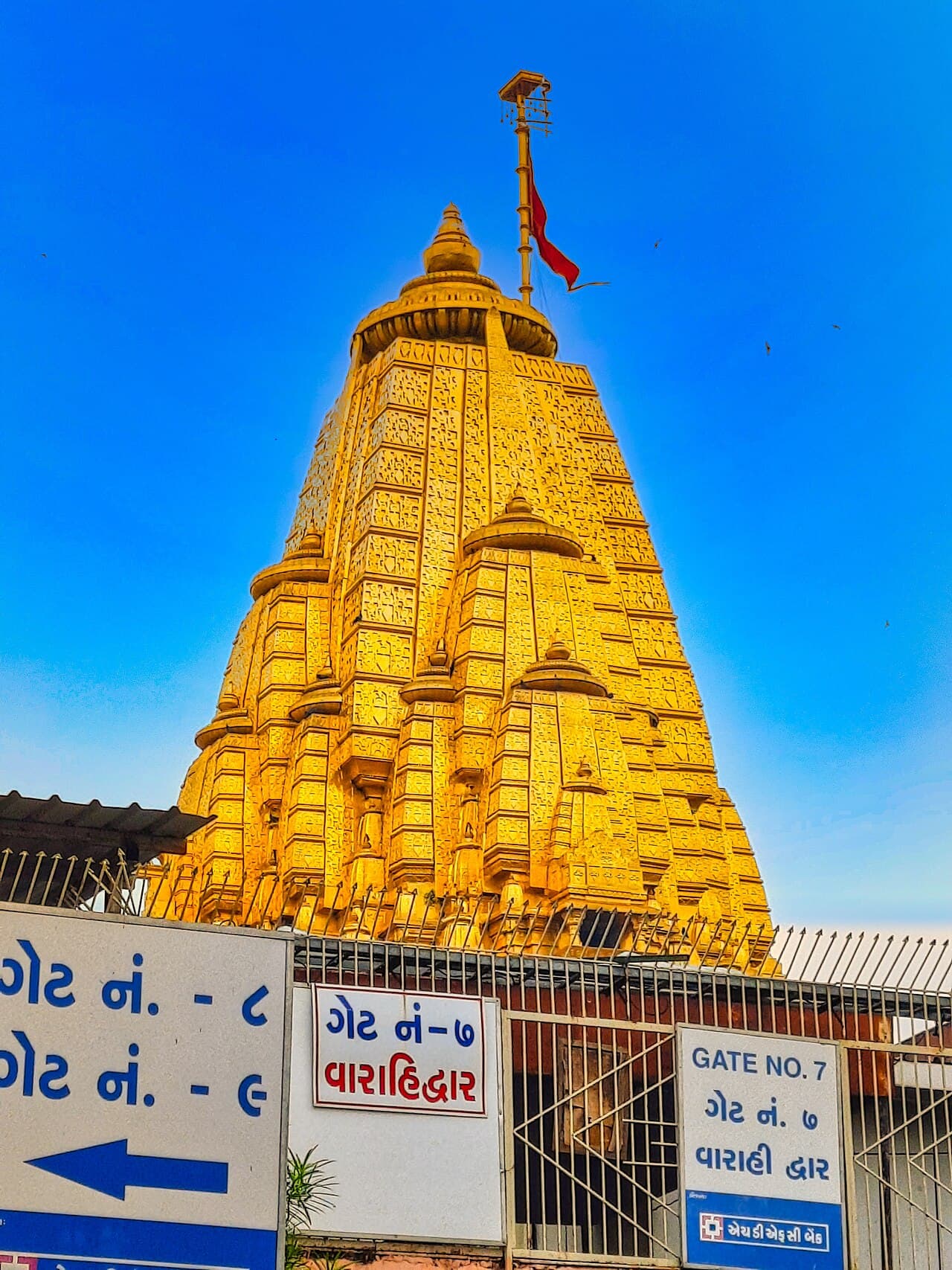
Gujarat
Ambaji Temple
The Ambaji Temple on the Arasur Hills in Banaskantha district, Gujarat, is one of the 51 Shakti Peethas where the heart of Goddess Sati is believed to have fallen.
Explore Temple
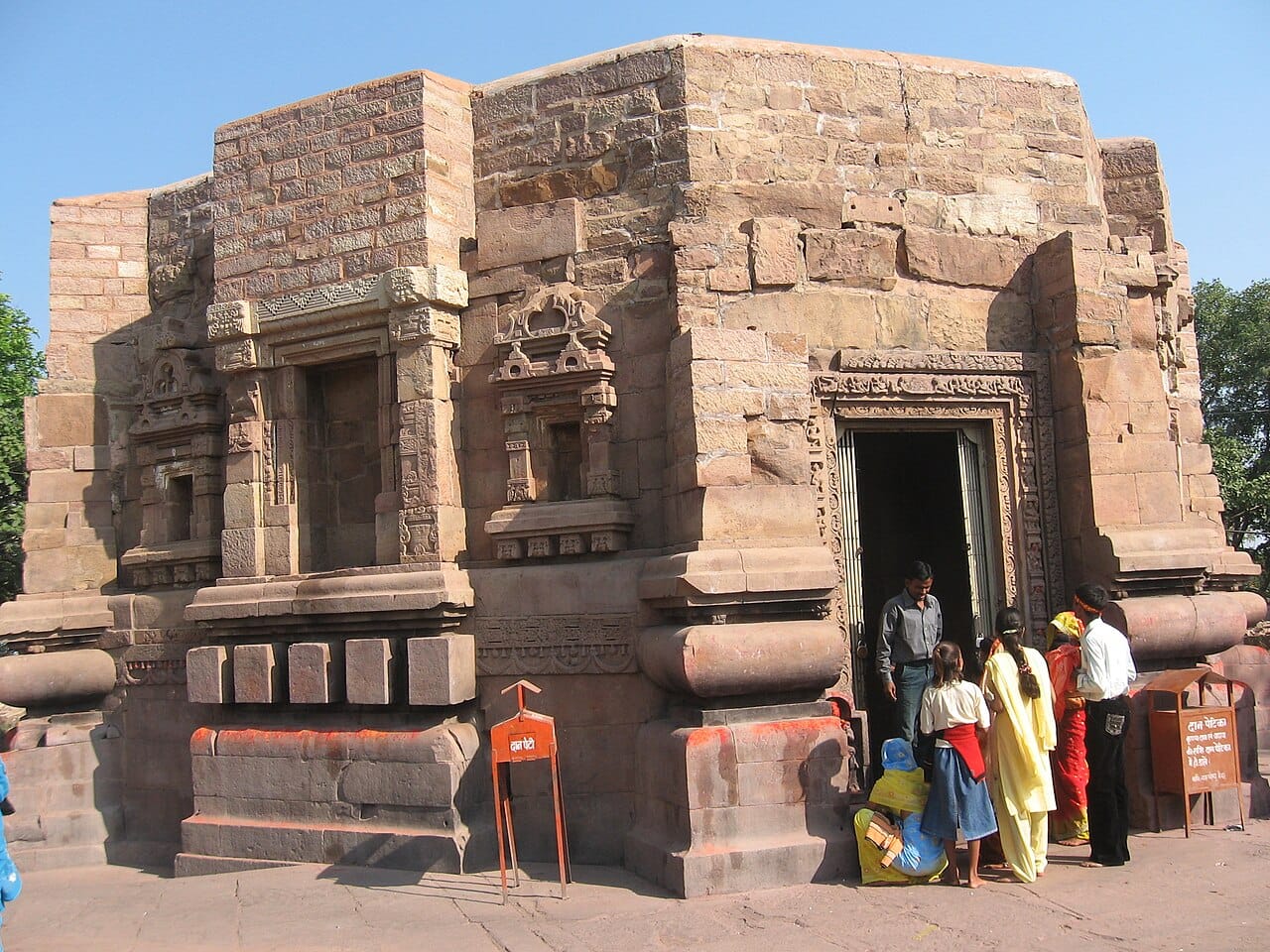
Bihar
Mundeshwari Temple
Often described as the oldest continuously functioning temple in India (claimed 108 AD; ASI plaque gives 635 AD), this ancient octagonal temple on Pawra Hill is known for its unique…
Explore Temple
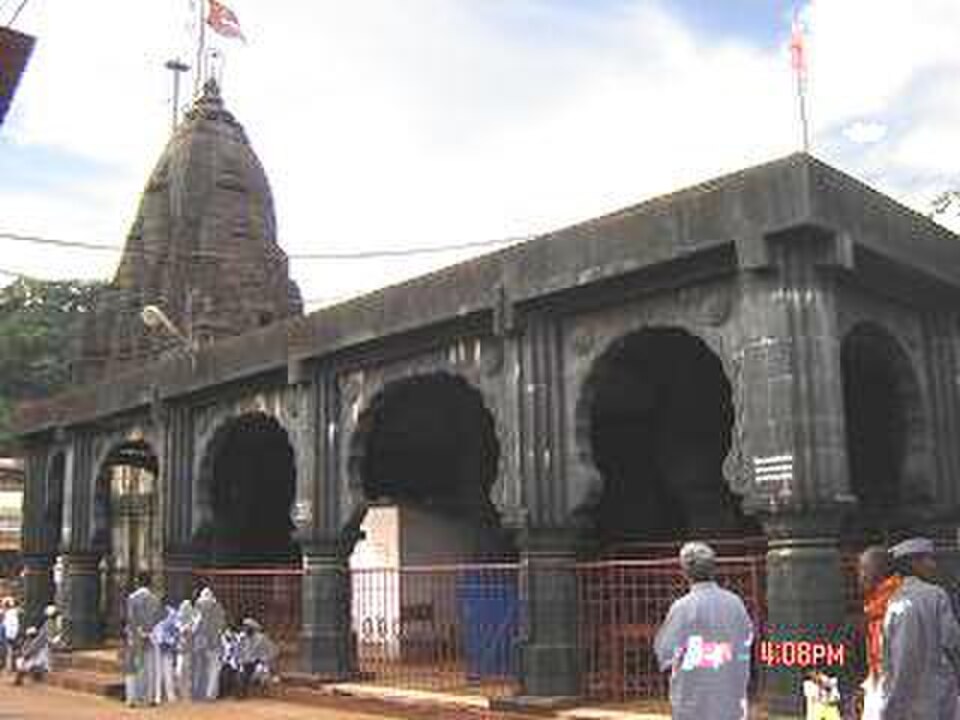
Maharashtra
Bhimashankar Jyotirlinga
The source of the Bhima River deep in the Sahyadri hills. A Jyotirlinga surrounded by a wildlife sanctuary, with the legend of Tripurasura.
Explore Temple
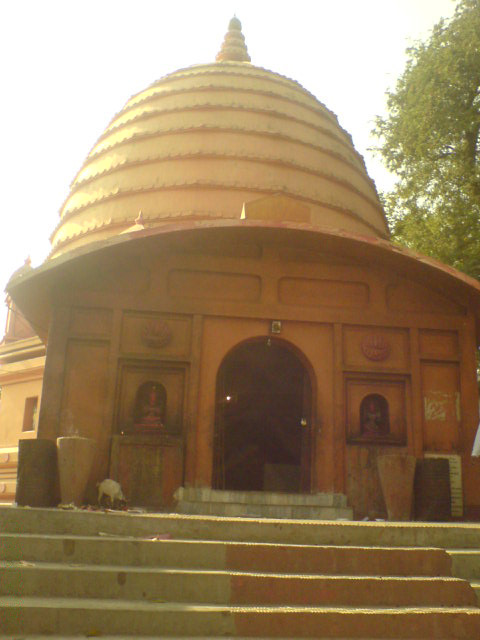
Assam
Navagraha Temple
An ancient center of astronomy and astrology, this temple on Chitrasal Hill houses nine Shiva Lingams representing the nine celestial bodies.
Explore Temple
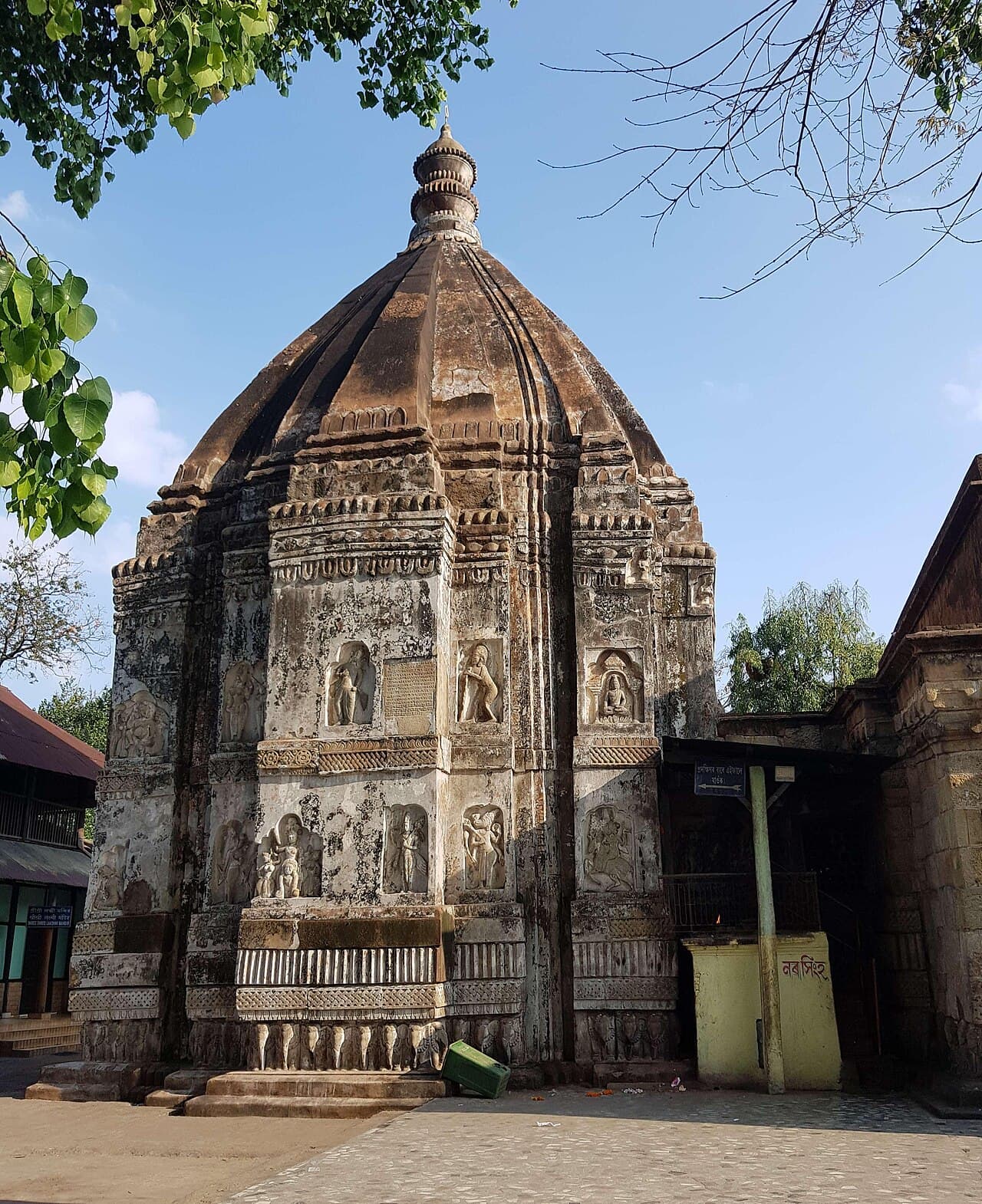
Assam
Hayagriva Madhava Temple
A unique 16th-century stone temple on Monikut Hill, sacred to both Hindus and Buddhists, known for its ancient carvings and sacred turtles.
Explore Temple
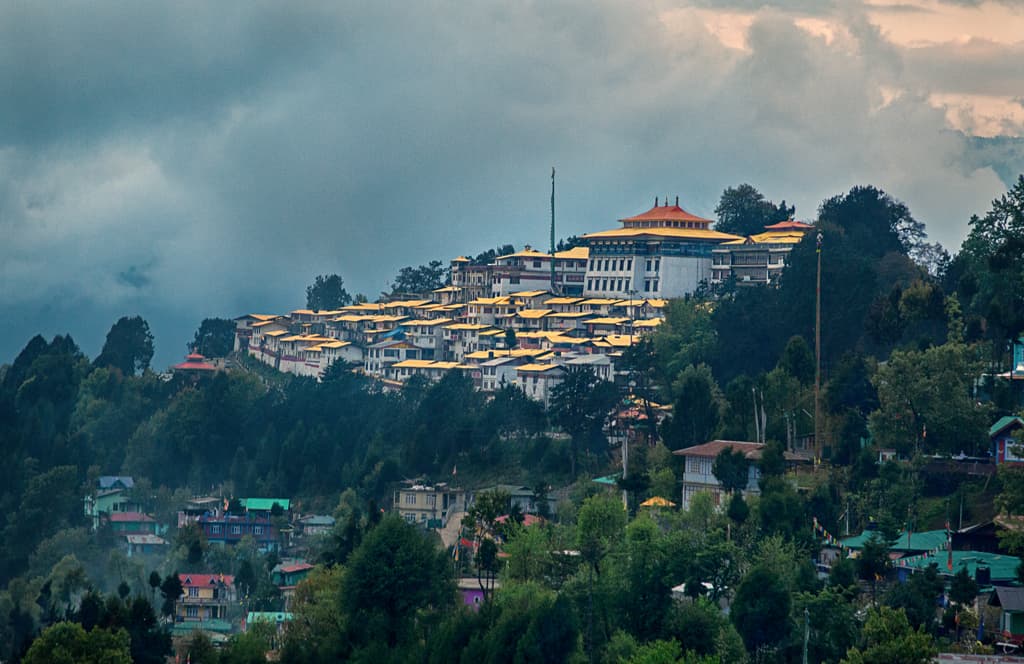
Arunachal Pradesh
Tawang Monastery
The largest monastery in India and the second largest in the world, a stunning 17th-century fortress of Buddhist culture perched at 10,000 feet.
Explore Temple
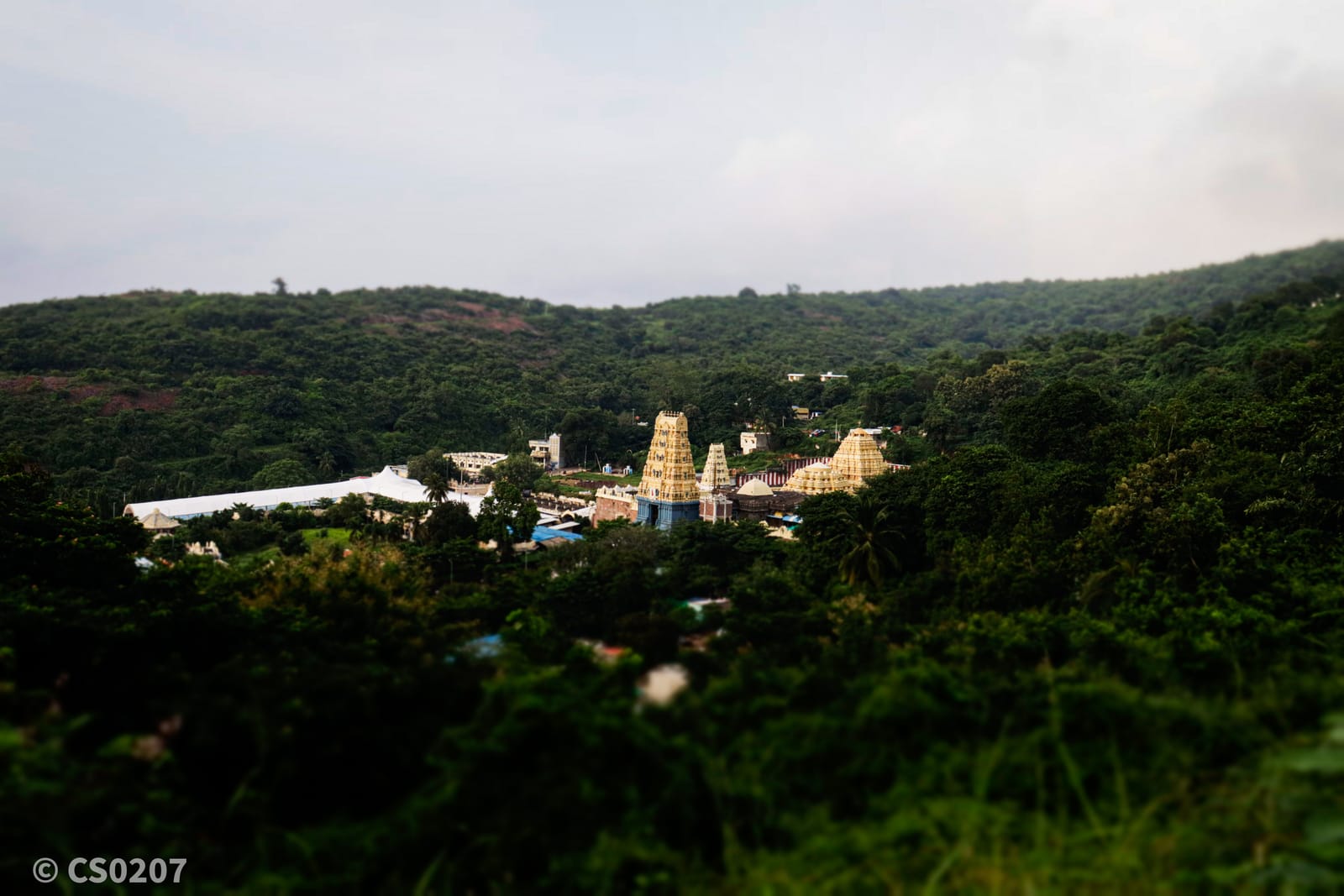
Andhra Pradesh
Simhachalam Temple
Simhachalam Temple, also known as Sri Varaha Lakshmi Narasimha Temple, is a historic Hindu temple dedicated to Lord Narasimha, the half-man half-lion avatar of Vishnu.
Explore Temple
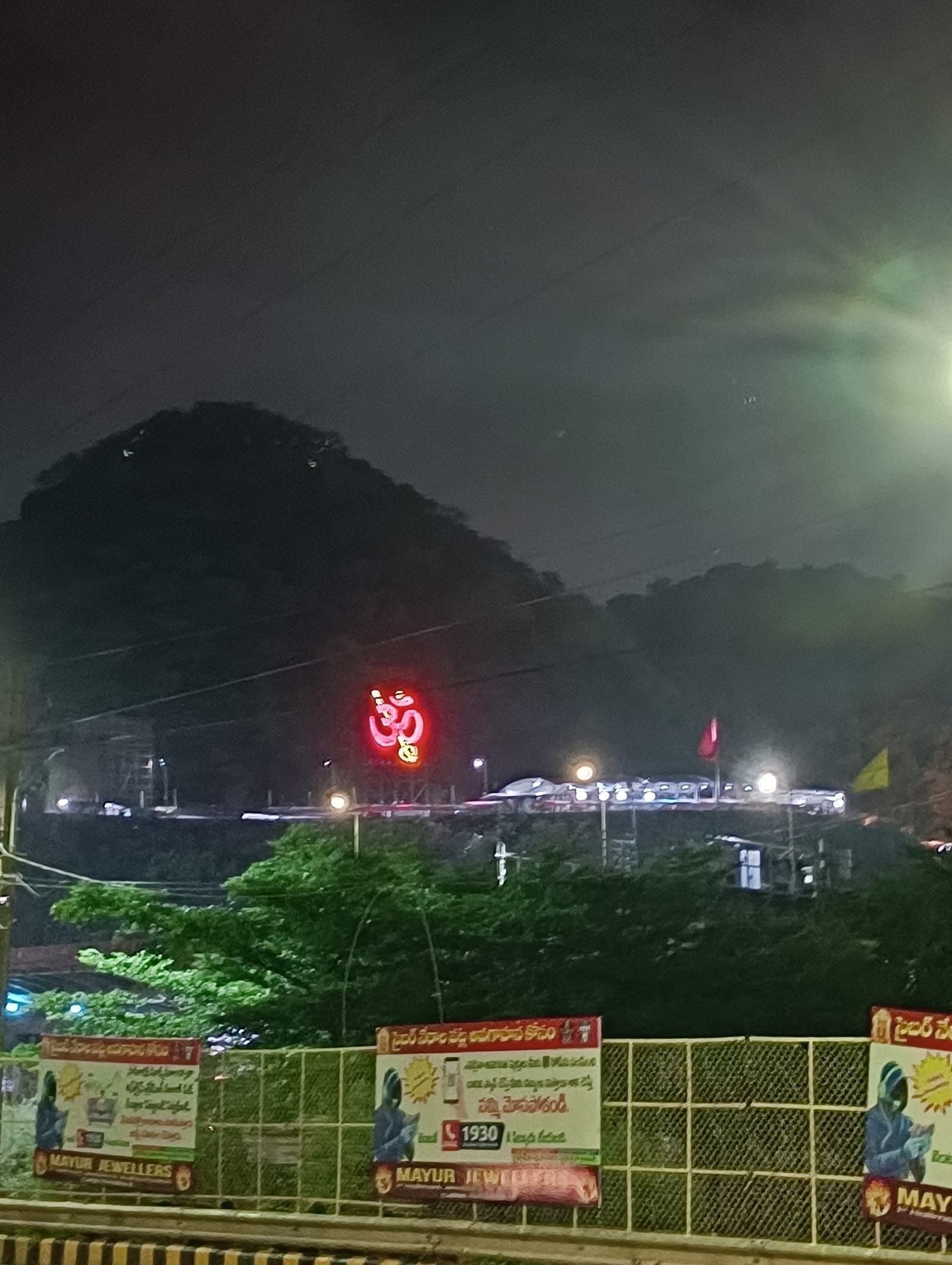
Andhra Pradesh
Kanaka Durga Temple
Kanaka Durga Temple, situated on the Indrakeeladri Hill on the banks of the Krishna River in Vijayawada, is a popular Shakti temple in South India.
Explore Temple
Andhra Pradesh
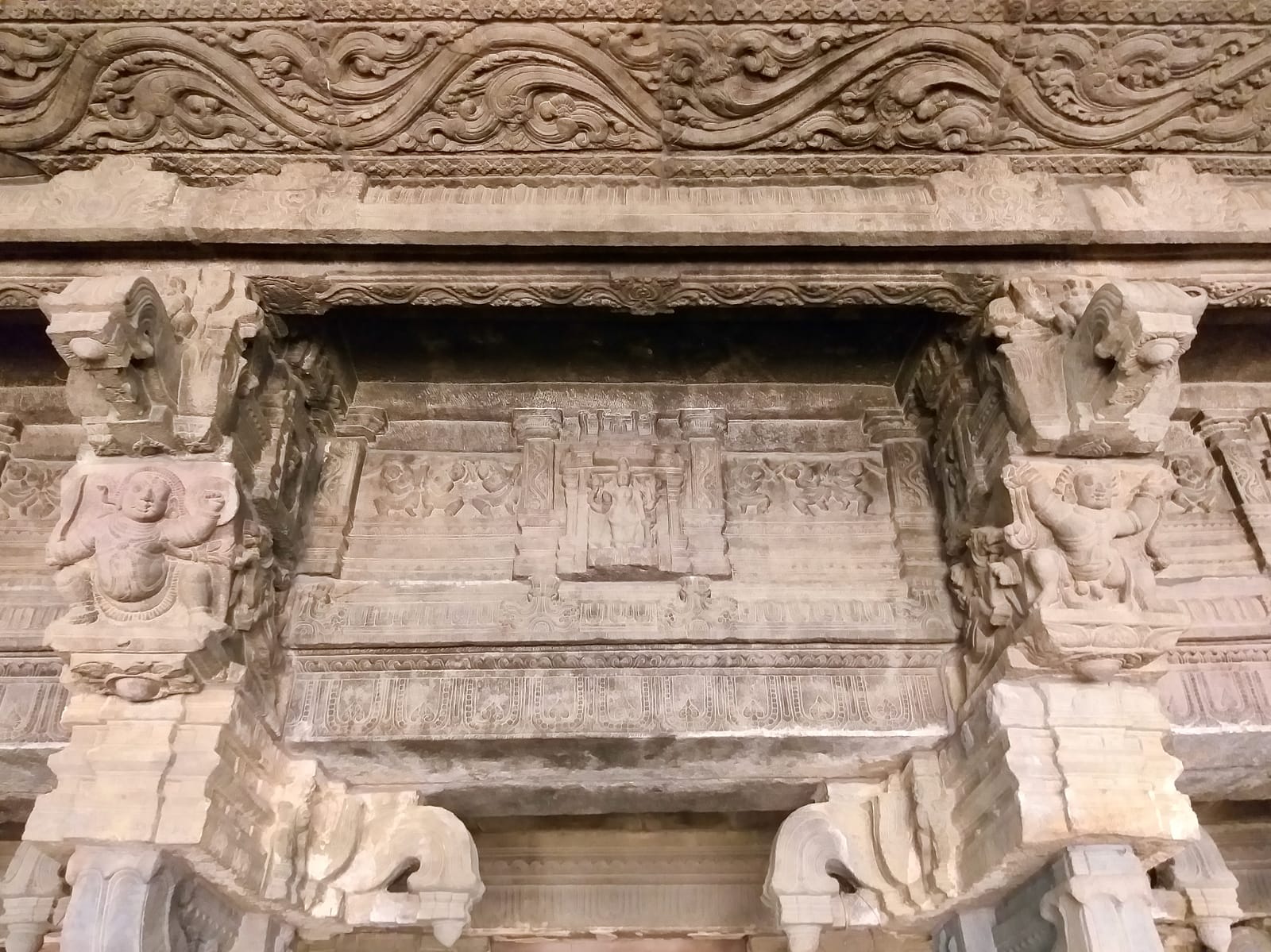
Ahobilam Narasimha Temple
Ahobilam, situated in the dense Nallamala forest of Kurnool district, is the sacred landscape where Lord Narasimha — the half-man, half-lion avatar of Vishnu — is believed to have manifested…
Explore Temple
Andhra Pradesh
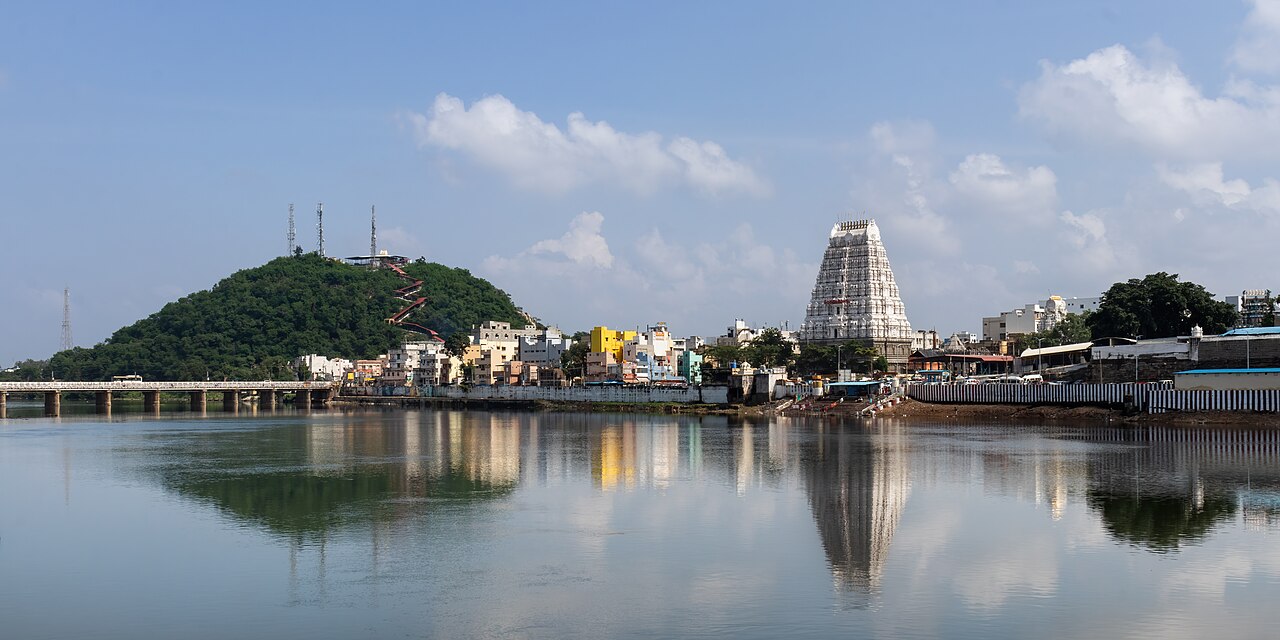
Srikalahasti Temple
Srikalahasti Temple, situated on the banks of the Swarnamukhi River at the foot of Srikalahasti hill in Tirupati district, is dedicated to Lord Shiva as Srikalahasteeswara.
Explore Temple
Andhra Pradesh
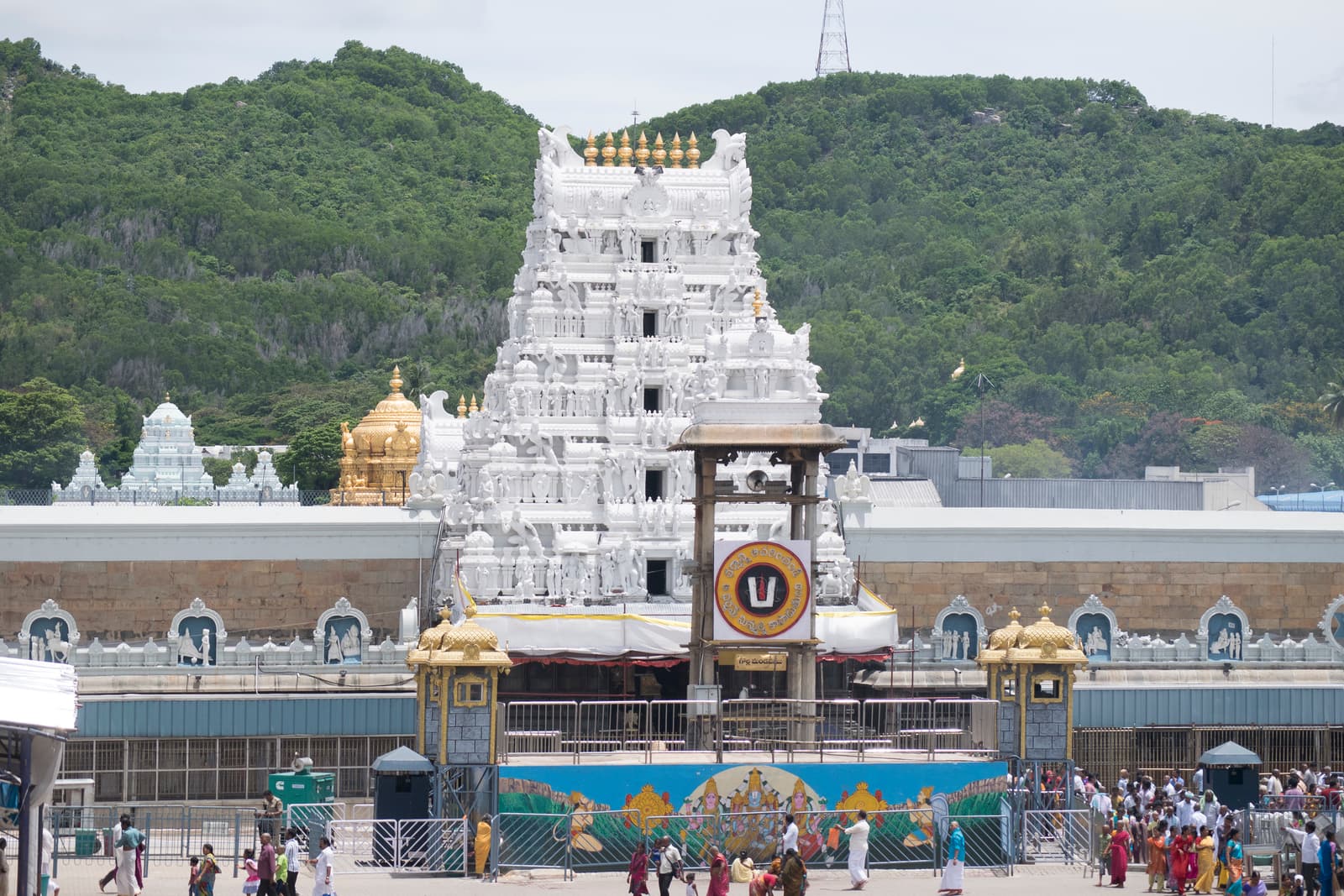
Tirumala Venkateswara Temple
Tirumala Venkateswara Temple, situated in the hill town of Tirumala in Tirupati district, is dedicated to Lord Venkateswara, an incarnation of Vishnu.
Explore Temple
Chandigarh / Haryana
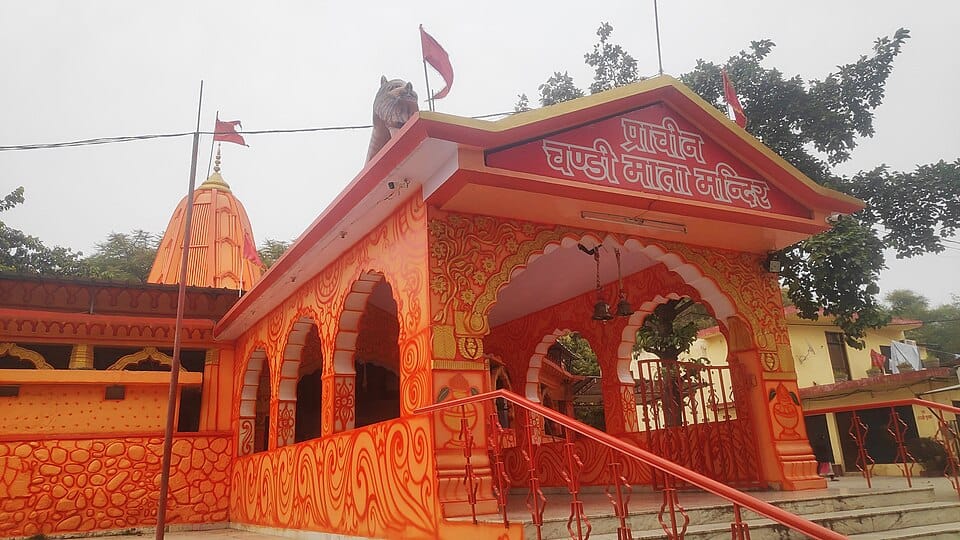
Chandi Mandir
The historic Siddh Shakti shrine dedicated to Goddess Chandi located in Panchkula district on the Shivalik foothills, directly providing the name for the union territory of Chandigarh ('Chandi' + 'Garh').
Explore Temple
Chandigarh
Mata Mansa Devi Temple
A major Shakti pilgrimage shrine located in Panchkula on the Chandigarh border, set across 100 acres in the Shivalik foothills with twin 19th-century sanctums established under the rulers of Manimajra…
Explore Temple
Chandigarh
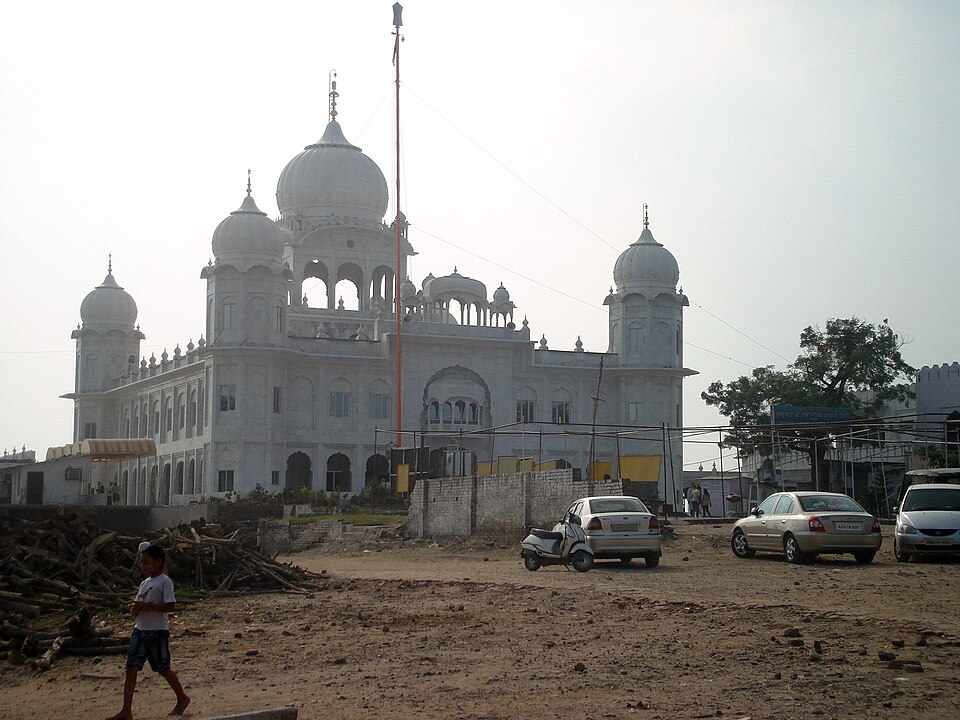
Gurudwara Nada Sahib
A historic Sikh shrine on the banks of the Ghaggar River in the Shivalik foothills, commemorating Guru Gobind Singh Ji's halt in 1688 following the Battle of Bhangani.
Explore Temple
Andaman & Nicobar
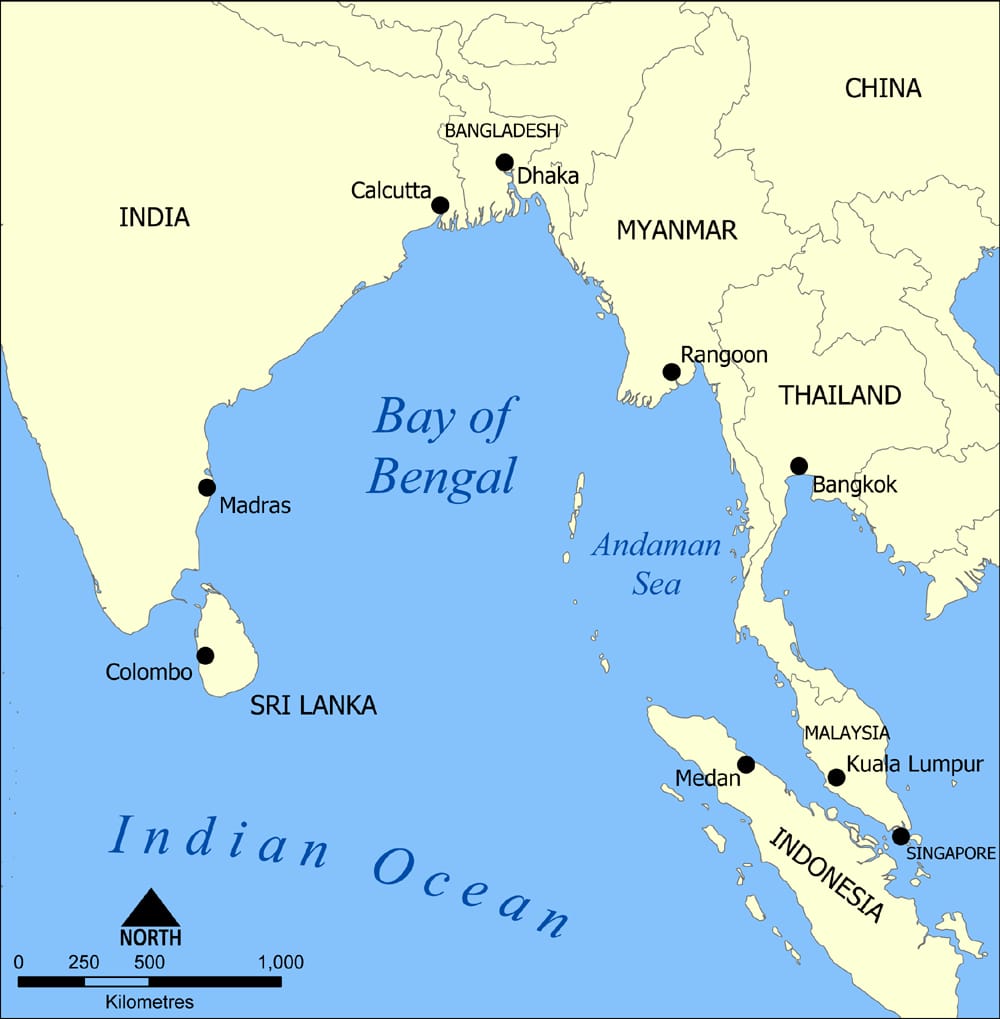
Shankaracharya Temple
Scenic hilltop meditation shrine overlooking the Andaman Sea and Port Blair harbour, honoring philosopher Adi Shankaracharya's Advaita Vedanta philosophy and offering panoramic vistas for quiet contemplation.
Explore Temple
UNESCO 1983Cultural Heritage
Maharashtra
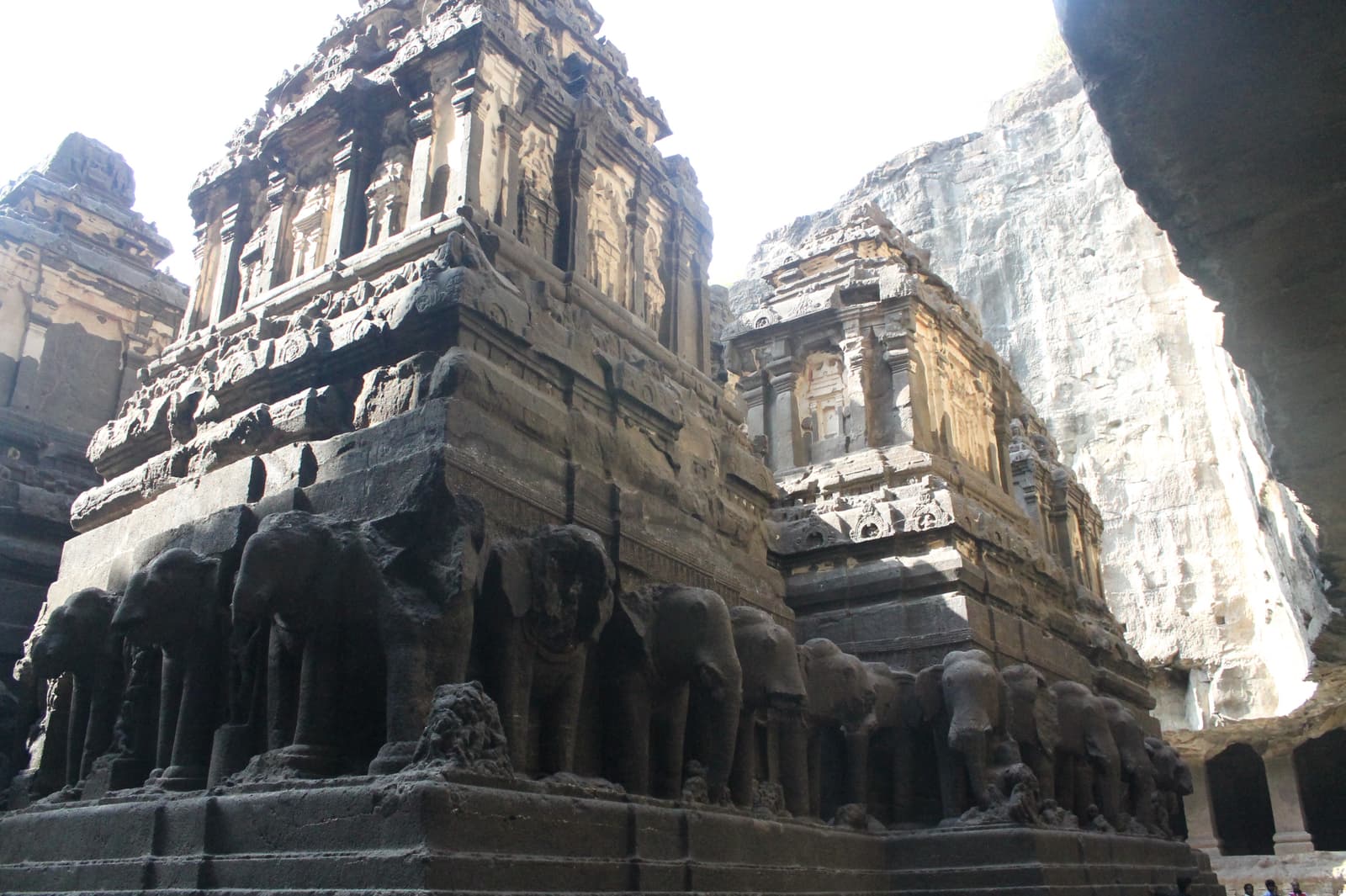
Kailasa Temple, Ellora
The world's largest monolithic rock-cut structure, carved top-down from a single basalt cliff.
Explore Temple
In-Depth Guide
Hill Temples Legacy
Hill temples represent a distinctive category of Indian sacred architecture, where shrines are deliberately sited on elevated terrain to create a symbolic ascent from the mundane to the divine. The practice of building temples on hilltops has ancient roots in Indian religious geography, serving both practical defensive purposes and spiritual symbolism. The climb to a hill temple is itself a form of pilgrimage, requiring physical effort that prepares the devotee for the sanctum experience. India's hill temples range from the Himalayan shrines at 3,500+ meters to the rocky hillocks of Tamil Nadu, each offering unique architectural adaptations to their mountainous settings.
Himalayan Hill Temples
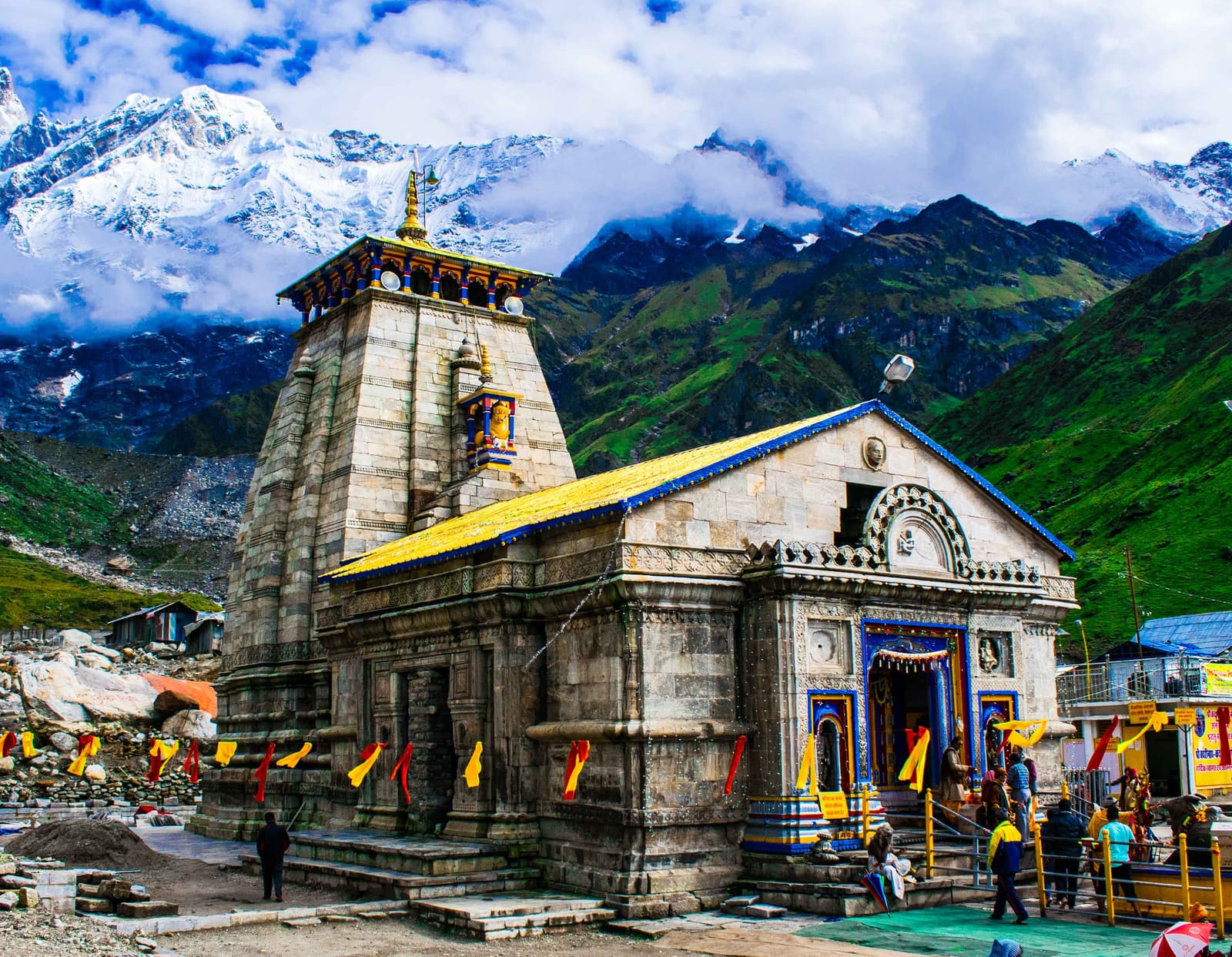
The Himalayan region contains the most extreme hill temples. Kedarnath (3,583 m) in Uttarakhand is the highest Jyotirlinga, accessible only by a 16 km trek from Gaurikund. The Vaishno Devi cave shrine (1,560 m) in Jammu receives 8 million annual pilgrims via a 13 km trek. The Tungnath Temple (3,680 m) in Uttarakhand is the highest Shiva temple in the world. The Yamunotri and Gangotri temples mark the sources of sacred rivers at Himalayan altitudes. These temples use local stone construction designed for heavy snowfall, with steep roofs to shed snow. The pilgrimage seasons are restricted to summer months (May-October).
South Indian Hill Shrines
South India has numerous hilltop temples accessible by stone steps cut into rocky outcrops. The Tirumala Venkateswara Temple, built on the seventh peak of the Seshachalam Hills at 853 meters, is the most visited religious site in the world. The Palani Murugan Temple in Tamil Nadu sits atop a 150-meter hill with 690 steps. The Sabarimala Ayyappa Temple (1,260 m) in Kerala's Periyar Tiger Reserve requires an 8 km forest trek. The Sravanabelagola Gommateshwara statue (57 m tall) stands atop a granite hill in Karnataka. These temples feature distinctive architecture adapted to their hilltop locations, with smaller footprints and extensive use of local granite.
Hill Forts with Temples
Many hilltop forts in India contain significant temple complexes. The Chitradurga Fort in Karnataka houses several temples within its hilltop fortifications. The Gwalior Fort in Madhya Pradesh contains the Sasbahu temples and Teli ka Mandir. The Jageshwar group of temples in Uttarakhand is set among deodar forests at 1,870 meters. The Trikuta Hill in Jammu hosts the Vaishno Devi cave. The Pavagadh Hill in Gujarat combines the Kalika Mata Temple with a UNESCO-listed archaeological park. These sites demonstrate the strategic choice of hilltops for both defense and devotion.
Hill Temples at a Glance
| Temple | Location | State | Presiding Deity | Primary Significance |
|---|---|---|---|---|
| Vaishno Devi Temple | Katra | Jammu & Kashmir | Goddess Vaishno Devi (Durga) | The Vaishno Devi Temple, a sacred cave shrine situated in the Trikuta Mountains of Jammu and Kashmir, is one of India's most visited pilgrimage sites, where millions trek 12 km each year to seek blessings of Mata Vaishno Devi at the holy cave complex. |
| Yamunotri Temple | Uttarkashi | Uttarakhand | Goddess Yamuna | The first stop on the Char Dham Yatra at 3,291 meters, where the Yamuna River originates and pilgrims cook offerings in geothermal springs before darshan. |
| Kasar Devi Temple Almora | Almora | Uttarakhand | — | A hilltop Durga shrine about eight kilometres north of Almora, where Swami Vivekananda meditated in 1890 and where Crank's Ridge later drew Western seekers. |
| Vishalakshi Temple | Varanasi | Uttar Pradesh | Goddess Vishalakshi | The Vishalakshi Temple, located in the narrow lanes of Mir Ghat near the Ganges in Varanasi, is one of the 51 Shakti Peethas where the earrings of Goddess Sati are believed to have fallen. |
| Hanuman Garhi | Ayodhya | Uttar Pradesh | Lord Hanuman | A hilltop temple dedicated to Lord Hanuman, the guardian deity of Ayodhya, reached by climbing 76 sacred steps. |
| Uttara Swami Malai Mandir | New Delhi | Delhi | Lord Swaminatha (Murugan) | Perched on a hillock, this granite temple is a primary site for Delhi's South Indian community, dedicated to Lord Swaminatha. |
| Tripura Sundari Temple | Udaipur | Tripura | Goddess Tripura Sundari (Soroshi) | One of the 51 Shakti Peethas, this ancient 16th-century temple is uniquely shaped like a tortoise (Kurma Pitha). |
| Kasba Kalibari | Kamalasagar | Tripura | — | A popular hilltop Shakti shrine overlooking the Kamalasagar lake, housing a 15th-century sandstone Durga idol. |
| Arunachaleswarar Temple | Tiruvannamalai | Tamil Nadu | Lord Shiva (Arunachaleswarar / Annamalaiyar) | Arunachaleswarar Temple at the foot of Arunachala Hill in Tiruvannamalai is one of the largest Shiva temples in the world, covering 25 acres. |
| Ganesh Tok | Near Gangtok | Sikkim | Lord Ganesha | A small but popular hilltop temple dedicated to Lord Ganesh, famous for its panoramic bird's-eye view of Gangtok city. |
Frequently Asked Questions
Q.Which is the highest hill temple in India?
Tungnath Temple in Uttarakhand, at 3,680 meters (12,073 feet), is the highest Shiva temple in the world. Kedarnath Temple at 3,583 meters is the highest Jyotirlinga.
Q.Which hill temple receives the most visitors?
The Tirumala Venkateswara Temple on the Seshachalam Hills of Andhra Pradesh receives over 75,000 pilgrims daily and over 30 million annually, making it the most visited religious site in the world.
Q.Which hill temple requires the longest trek?
The Vaishno Devi cave shrine in Jammu requires a 13-kilometer uphill trek from Katra, though ponies and palanquins are available. The Kedarnath trek from Gaurikund is 16 kilometers at higher altitude and more physically demanding.
Q.Which state has the most hill temples?
Uttarakhand, known as 'Devbhoomi' (Land of the Gods), has the highest concentration of Himalayan hill temples including Kedarnath, Badrinath, Yamunotri, Gangotri, Tungnath, and Jageshwar.
Sources & References
These records back the dating, architectural classification and visitor guidance published on this Hill Temples page.
Archaeological Survey of India
Archaeological Survey of India — monument records and conservation reports
Protection status, dating, architectural classification and published conservation records for the monuments named on this page.
Primary archaeological record
Open source (opens in a new tab)Ministry of Tourism, Government of India
Ministry of Tourism — official destination information
Official Government of India destination information — access, visitor circuits and travel guidance referenced on this page.
Government record
Open source (opens in a new tab)
— every record linked above was re-requested for this release, so the link still resolves and the publisher still serves the document. It is a link check, not a re-verification of every sentence on this page.
Missing something, or found an error? Send us a correction with the record that supports it, or read how we choose sources.